Tag: Energy Efficiency

  • Why Installing a Water Sub-Meter Can Help You Manage and Reduce Water Usage

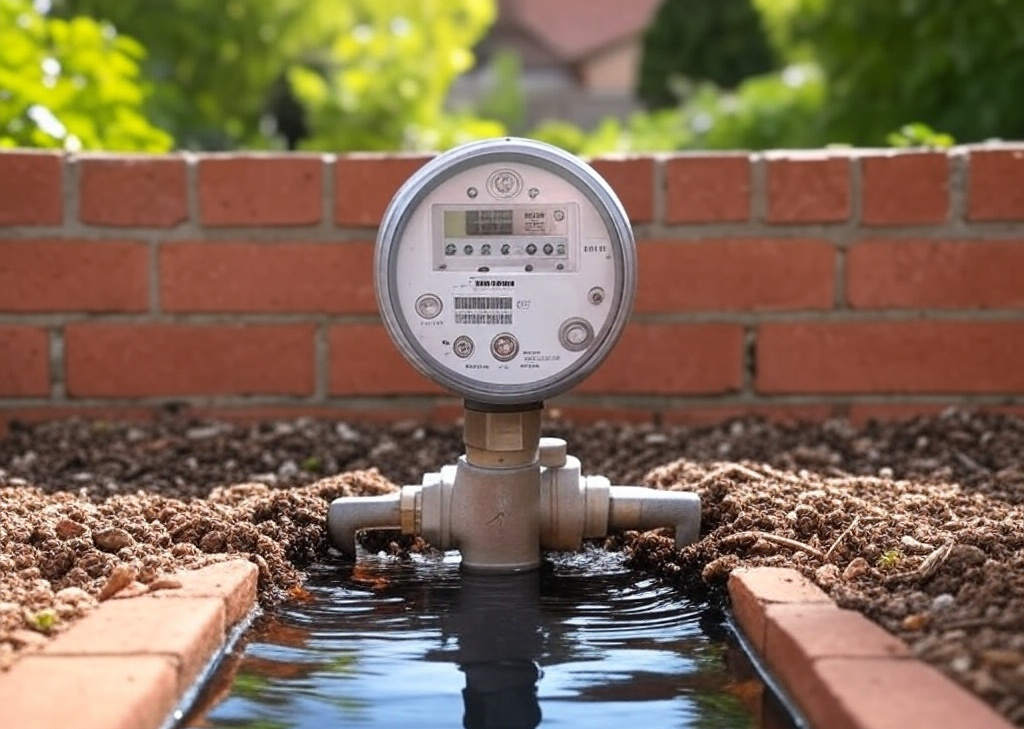
    With droughts hitting many parts of the US, using water-saving techniques can save you money. But if you’re sharing a water meter in an apartment building, it’s tough to know how much you’re actually using. A water sub-meter changes that. It’s like a fitness tracker for your water usage, giving you the data you need to cut back, save money, and do your part for the environment. We’ll show you how.

    What’s a Water Sub-Meter, Anyway?
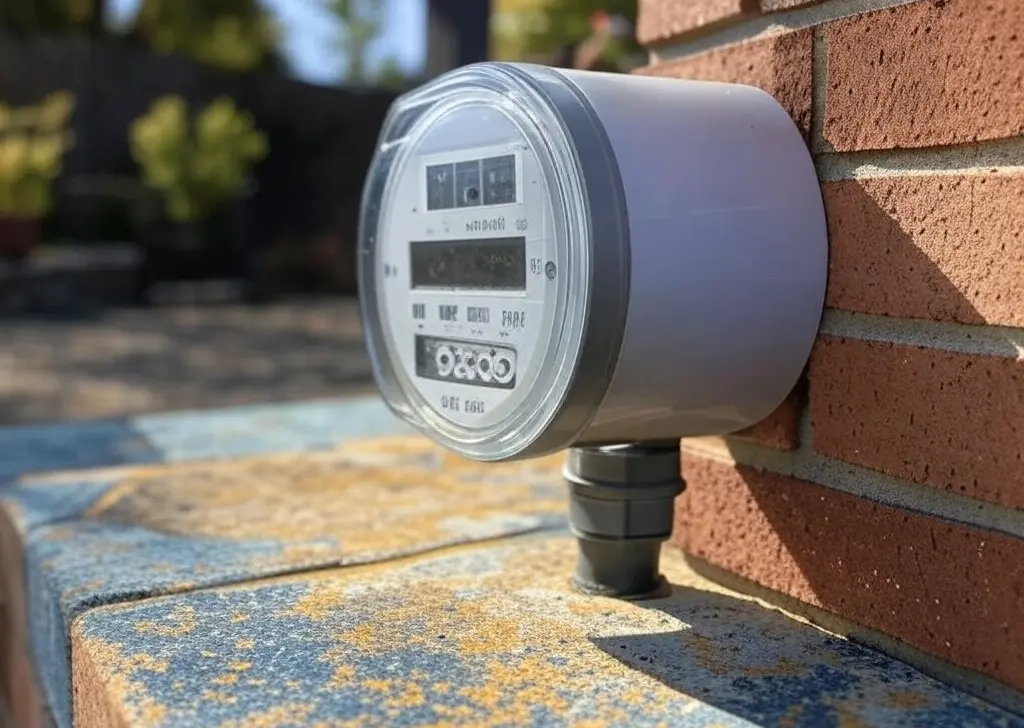
    A sub-meter is a separate water meter that measures the water flowing into just your unit – whether it’s an apartment, a condo, a business space, or a guest house. Unlike the main meter for the entire building, a sub-meter gives you the precise data on your consumption. This is especially important in apartment buildings, condos, and other multi-unit properties.

    Why You Will Love Sub-Meters

    • Take Control of Your Water Bill: No more guessing games! You’ll see exactly how much water you’re using each month. Shower longer than your neighbor? You’ll pay for it. But if you’re a water-saving ninja, you’ll see the rewards on your bill.
    • Fairness for Everyone: Forget splitting the water bill evenly, even if your neighbor runs their sprinklers 24/7. With sub-meters, you pay for what you use, period. No more arguments about who owes what.
    • Become a Water-Saving Superhero: A water sub meter provides tenants and property owners with a clear view of their water consumption, helping them identify waste patterns and take steps to reduce unnecessary usage. You’ll be way more likely to finally fix that leaky faucet, take shorter showers, and maybe even think about getting a low-flow toilet or a water-efficient washing machine. Did you know that studies show people can cut their water use by up to 30% when they’re directly responsible for the bill?
    • Catch Leaks Fast: A sudden spike in your sub-meter reading? That’s a red flag for a leak! Catching leaks early saves water, prevents nasty water damage, and keeps your bill from going through the roof. For property managers, this is huge – you can pinpoint the problem fast and avoid a major headache.
    • Supports Sustainability: We all know saving water is the right thing to do. Sub-metering is a win-win. It is not just good for the bottom line, but it’s also crucial in places like California and other drought-prone areas. Every. Drop. Counts.

    How Sub-Meters Benefit Multi-Unit Properties

    Sub-meters are a practical solution! They make billing easier – no more complex calculations or confusion over splitting usage. And forget those awkward conversations about water bills; sub-meters eliminate the guesswork.

    Because each unit pays for exactly what they use, tenants are naturally more mindful of their water consumption. This means lower overall water costs for the building, happier tenants, and a more sustainable property. It’s a simple upgrade that can make a huge difference.

    When Is a Water Sub-Meter a Good Investment?

    Installing a water sub-meter is particularly beneficial if you:

    • Manage multi-unit properties like apartments, condos, or commercial buildings.
    • Own a large home or property with multiple sections or guest houses.
    • Have goals to reduce water consumption and promote sustainability.
    • Live in areas with water restrictions due to drought or limited supply.

    Choosing the Right Water Sub-Meter
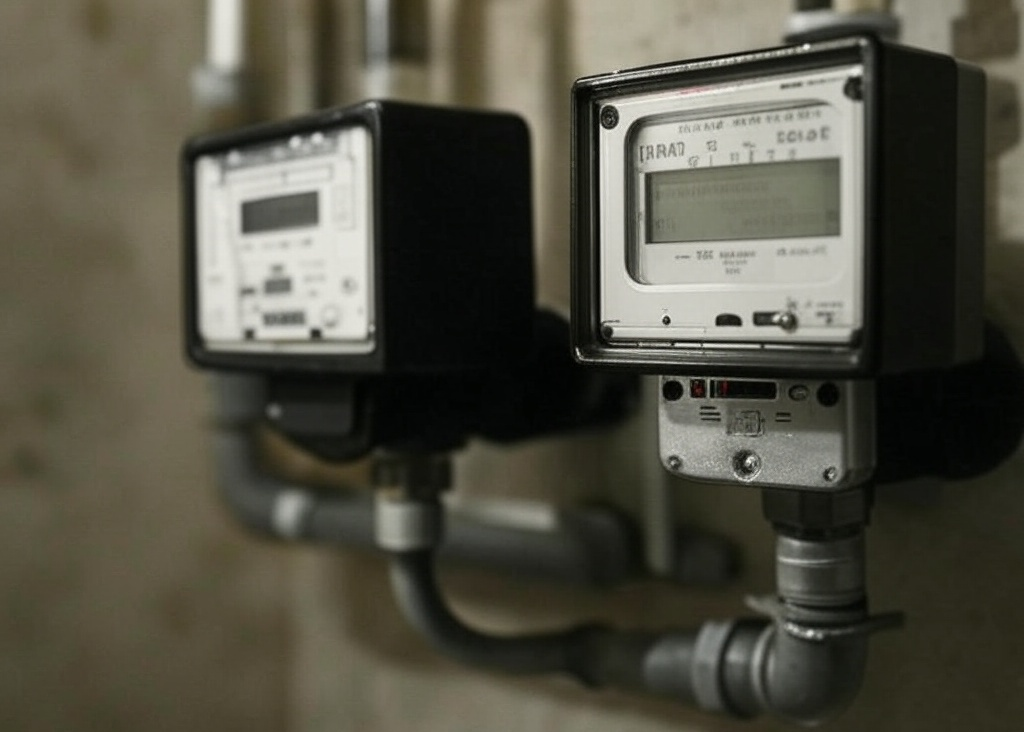
    There are two types: mechanical and electronic. Mechanical ones are fine but have to be read physically. Electronic ones give you remote access and real-time information. Best way to make a decision? Talk to a professional plumber. They will guide you in making a decision and installing it correctly, according to all regulations in your locality.

    The Bottom Line

    Installing a water sub-meter is a smart move for anyone who desires to conserve water usage, save on water costs, and add more environmentally friendly measures. By providing accurate information, encouraging conservation, and helping to detect leaks beforehand, sub-meters have a big plus for managers, owners, and tenants. With sustainability being a priority in today’s times, a water sub-meter is a smart and eco-friendly investment.
  • Upgrading HVAC Systems for Better Performance and Lower Costs

    Source: pexels.com

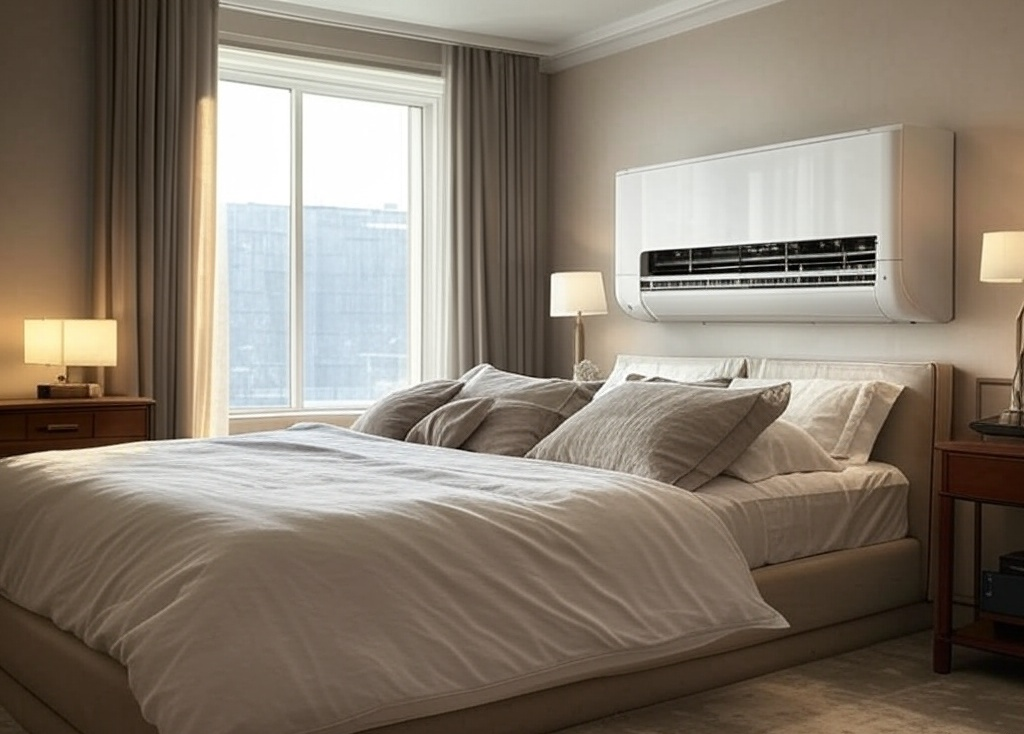
    Sick of those insane energy bills every summer and shiver through the winter? Don’t panic and empty your bank account just yet. There’s good news: you can often get way better performance and seriously lower costs with some strategic tweaks.

    How HVLS Fans Improve Airflow

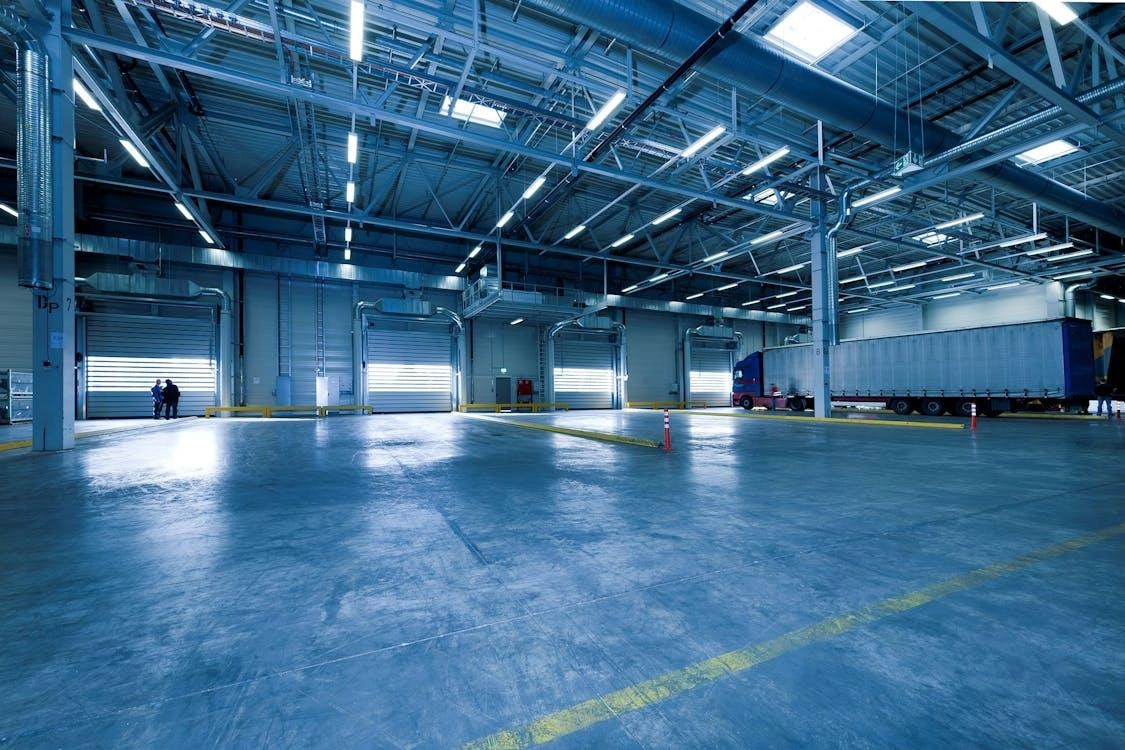
    Ever walk into a warehouse or gym and feel like you’ve walked into a sauna? That’s because big spaces need more than just AC – they need serious airflow. Bad circulation creates those awful hot and cold zones, forcing your HVAC to work its butt off.

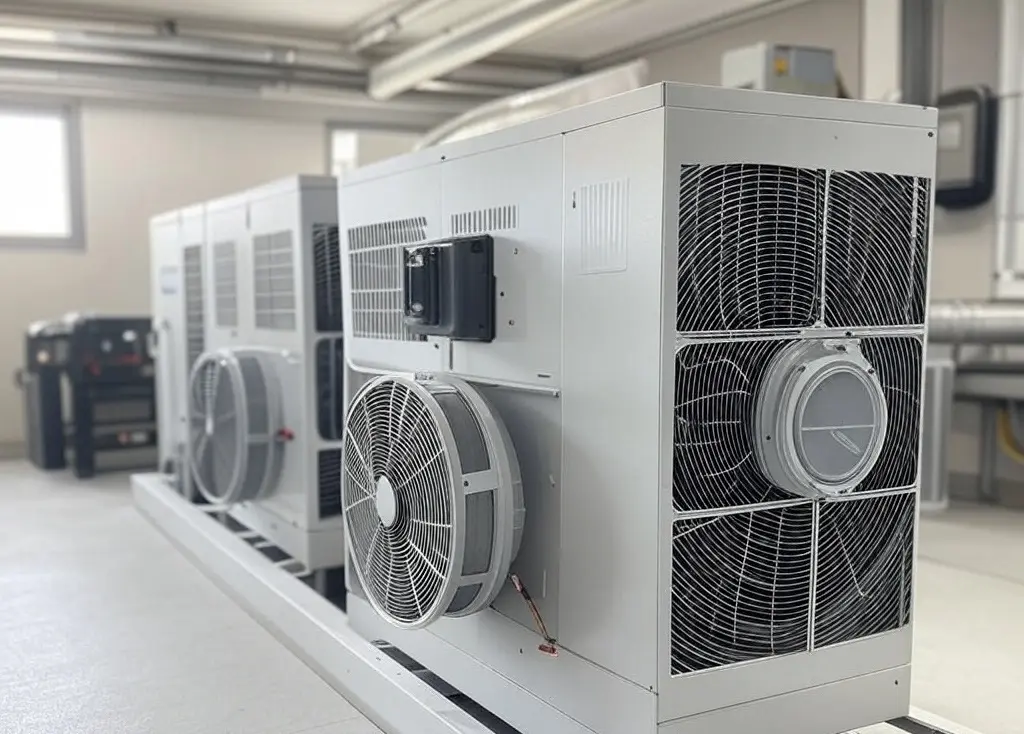
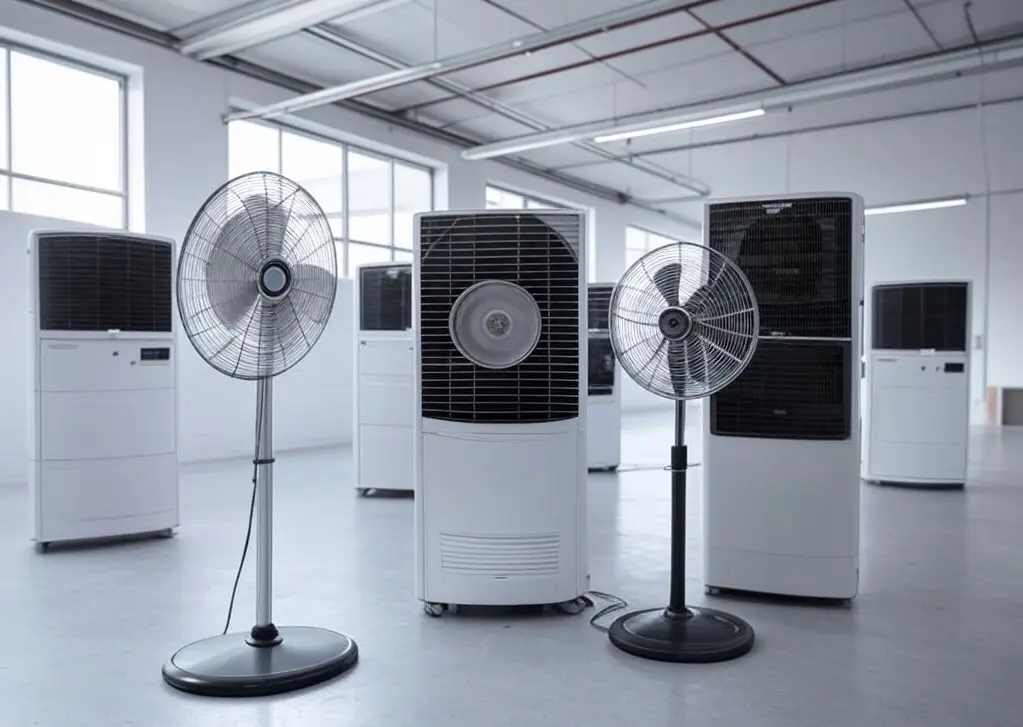
    HVLS fans are huge, but they move with a slow, steady motion, like the large machines they are. Companies like Industrial Fans Direct specialize in these units, which are designed to circulate a large amount of air without using much power. One HVLS fan, with its large blades, can outperform many smaller fans – and you’ll barely hear it running. Forget just pushing cold air around; these fans create a consistent, gentle breeze that distributes the air evenly, letting your AC rest and saving you money.

    HVAC Upgrades for Lower Bills

    Don’t ditch your whole HVAC system just yet! Often, the biggest energy hogs are outdated parts that guzzle power. Swapping out things like your air handler, compressor, or even just your thermostat can make a huge difference. These newer components are designed to keep you comfy without sending your energy bill through the roof.

    And speaking of thermostats… smart thermostats are a game-changer. We’re talking about brands like Nest, Ecobee, or Honeywell – thermostats that learn your habits. They let you set different temperatures for different times of day, adjust the settings when you’re away, and even respond to the weather. Bottom line: no more blasting the AC in an empty house!

    The Importance of Proper Insulation

    Imagine trying to cool down a house with the windows wide open. That’s what it’s like running your AC in a poorly insulated building. Heat sneaks out in the winter and pours in during the summer, forcing your HVAC to work double-time.

    Upgrade your insulation! Seriously, adding extra insulation to your walls, attic, and ductwork is like giving your AC a superhero sidekick. It creates a thermal shield, keeping your home’s temperature steady and your energy bills low. For the best results, check out blown-in cellulose or spray foam insulation – your local contractor can help you figure out what’s best for your home and budget.

    How Ventilation Improves HVAC Performance

    Stale air, lingering odors, and that sticky, humid feeling? Bad ventilation isn’t just uncomfortable – it’s also bad for your HVAC. In commercial spaces, it can even lead to higher maintenance costs as your system struggles to cope with trapped heat and moisture.

    The solution? Smart ventilation systems like ERVs (energy recovery ventilators) and DCVs (demand-controlled ventilation systems). These systems are like a breath of fresh air. They bring in fresh outdoor air while exhausting stale air, all while minimizing energy loss. A well-ventilated space feels better, and your HVAC doesn’t have to work as hard. This is an upgrade for anyone serious about HVAC performance.

    Choosing a New HVAC System

    Let’s face it: sometimes, patching up an old HVAC system is like putting a Band-Aid on a broken leg. Older units are often energy guzzlers, delivering weak performance and racking up repair bills. If your system is constantly conking out, it might be time to bite the bullet and replace it.

    Upgrading to a modern, energy-efficient HVAC system can make a big difference, especially if it has the ENERGY STAR label. They’re designed to deliver the same or better while using a fraction of the energy. These systems are built to keep you comfortable without using as much energy with features like variable-speed fans, improved refrigerants (look for R-410A or R-32),, and smart sensors that adjust performance. Yes, a new system is an upfront investment, but the long-term savings on your energy bills and repairs will make it worthwhile. Plus, you might be eligible for rebates!

    Don’t Wait for a Breakdown

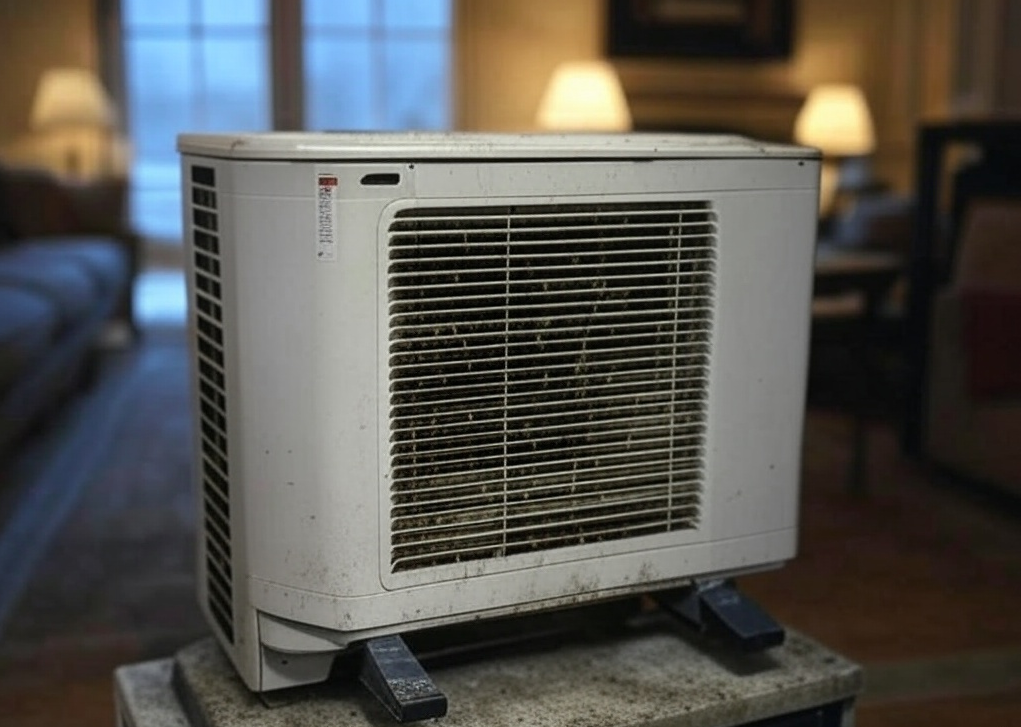
    You wouldn’t drive your car for years without an oil change, right? Your HVAC system needs regular TLC too. Dust, clogged filters, and worn-out parts all make your system work harder and less efficiently.

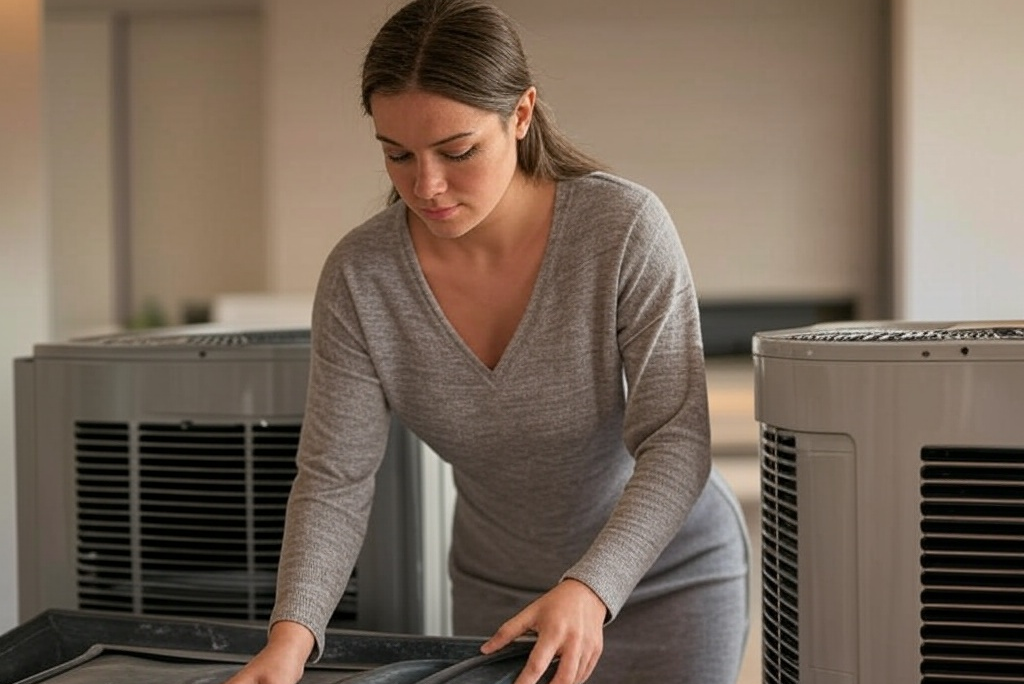
    Don’t wait for a breakdown! doing simple things like swapping out filters every few months, cleaning the coils, and checking refrigerant levels can make a huge difference. A well-maintained system not only runs better but also saves energy and lasts longer. Keeping up with those tune-ups might cost you a bit up front, but it’ll save you big bucks in the long run.

    How Smart HVAC Technology Saves Energy

    Technology has revolutionized HVAC. Forget those old-school thermostats that you had to constantly fiddle with. Smart HVAC controls are the future, making your life easier and your energy bills lower.

    There are a lot of cool options now, like smart thermostats, motion sensors, and even systems that can figure out your preferences and adjust the temperature automatically. Forgot to lower the AC before leaving home? No worries—you can just do it from your phone. Stuff like this helps keep your place comfy without using too much energy.

    HVAC for Business

    For businesses, A poorly HVAC maintained system leads to unhappy employees, uncomfortable customers, and sky-high utility bills.

    Investing in HVAC upgrades is a smart move. It creates a more productive work environment, keeps customers happy, and frees up cash flow. And here’s the kicker: many states and utility companies offer rebates and tax incentives for energy-efficient upgrades. Check with your local utility provider or the Database of State Incentives for Renewables & Efficiency (DSIRE) to see what’s available in your area.

    HVAC Upgrades on a Budget

    We get it – a whole HVAC overhaul can be a pretty hefty expense. You don’t have to go all or nothing to feel the difference, though. Strategic, small improvements can have a big impact without breaking the bank. Start with the easy improvements: seal those leaky ducts, upgrade your ventilation, or buy a smart thermostat.

    Keep an eye out for rebates, financing, and step-by-step upgrade options. Some energy companies even offer discounts for upgrading to higher-efficiency units. No need to stress about upgrading your HVAC system.

  • How Motorized Shades Improve Everyday Life

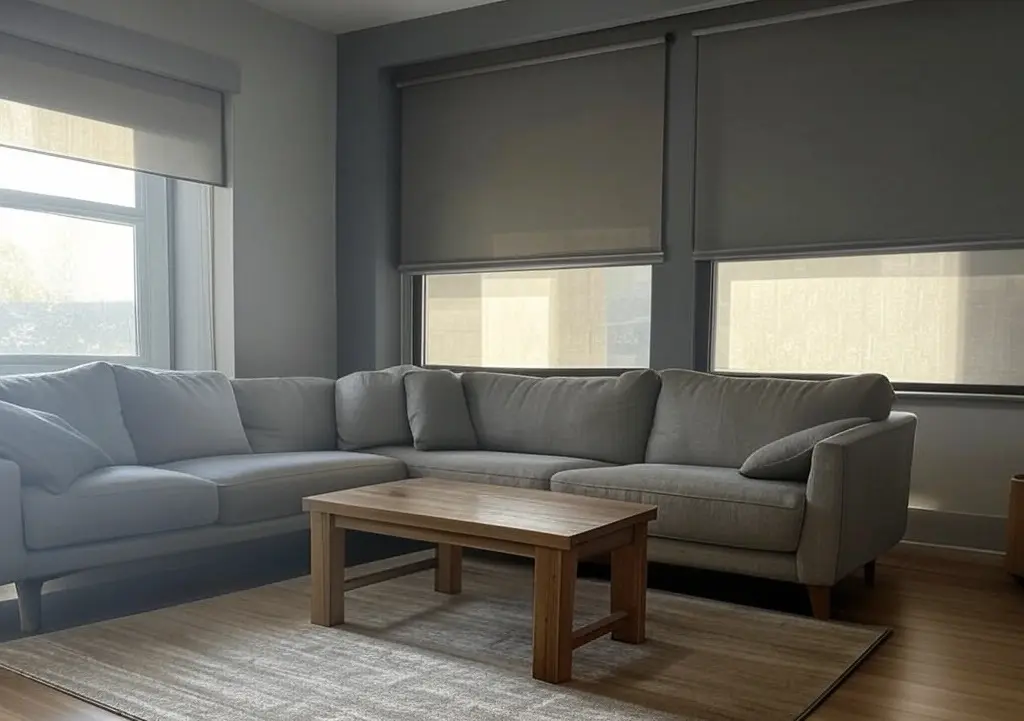
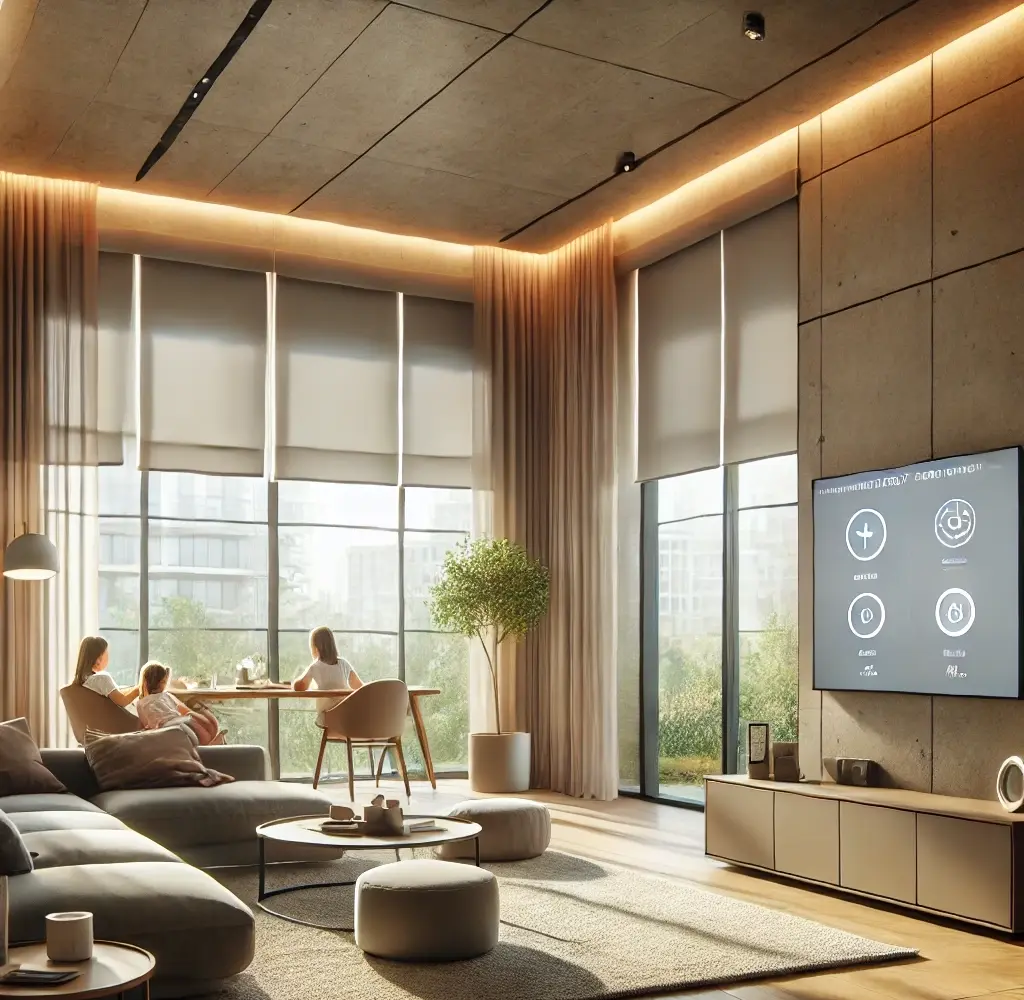
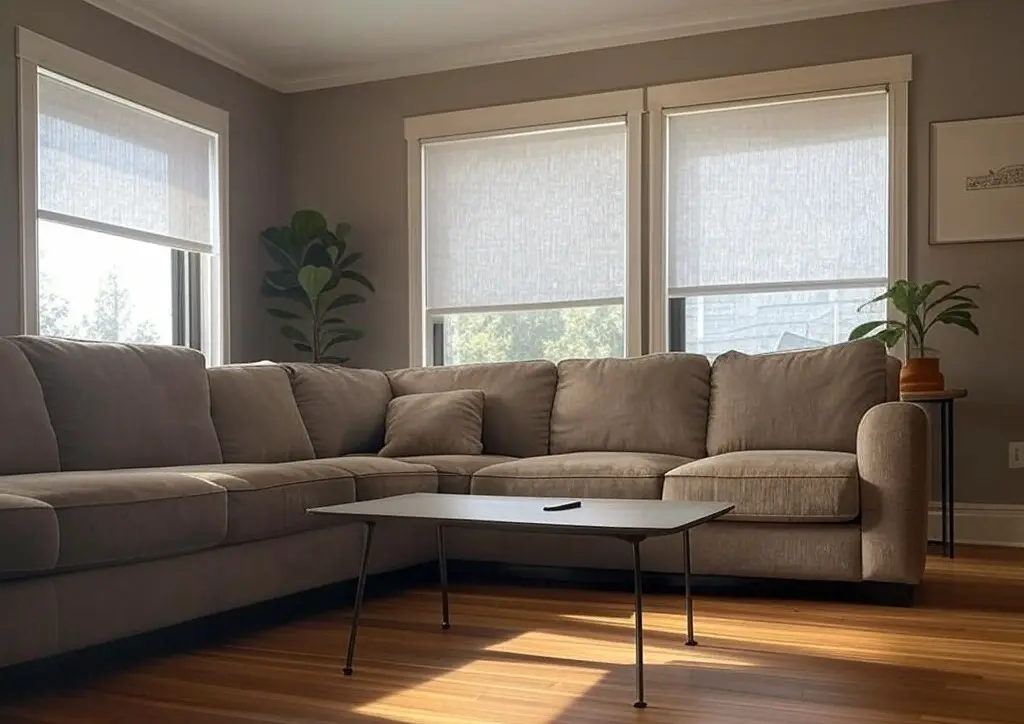
    Smart home gadgets are making life at home easier, more comfortable, and more efficient. One of the easiest upgrades with a big impact? Motorized shades. With just a tap or a voice command, you can control natural light, keep your privacy, and even cut down on energy use.

    Many people think motorized shades are just a luxury, but they do way more than just look nice—they make everyday life easier In ways you wouldn’t expect. Here’s how these modern window coverings can make your home more comfortable::

    1. Wake Up Naturally

    Instead of being jolted awake by an alarm, imagine your shades slowly rising, letting in soft light. You can even set them to open at a specific time, helping you wake up feeling refreshed.

    • Gradual Light Adjustment: No sudden brightness—motorized shades let light in gradually, letting your eyes adjust naturally.
    • Better Sleep Quality: By keeping your sleep environment dark when you need it and brightening up at the right time, they help you sleep deeper and wake up more rested.
    • Custom Wake-Up Routine: Pair them with smart lights and speakers to set up your ideal morning routine.

    2. Create the Perfect Ambiance in Every Room

    With motorized shades, you can easily set the right ambiance for any activity.

    • Relax with Soft, Dim Lighting: Lower the shades in the evening for a warm, cozy feel that helps you unwind.
    • Stay Focused with Natural Light: Let more daylight in to keep your workspace bright and boost focus.
    • Let Your Home Cue Wind-Down Time: As the sun sets, your shades close automatically, helping you unwind before bed.

    3. Effortless Convenience for Busy Lives

    Adjust your shades effortlessly—whether you’re in the kitchen, at work, or entertaining guests. With motorized shades, you get total control, completely hands-free.

    • One-Touch Control: Adjust all shades at once with a single command.
    • Voice Activation: Works with Alexa, Google Assistant, and Apple HomeKit.
    • Remote Access: Manage shades from anywhere for comfort and security.

    4. Cut Energy Costs Effortlessly

    Smart energy use isn’t just about using less—it’s about using it more efficiently. Motorized shades keep your home comfortable while lowering heating and cooling costs.

    • Better Insulation: Traps heat in winter and blocks out excess warmth in summer.
    • Smart Sunlight Control: Adjusts automatically to take the strain off your HVAC system.
    • Lower Energy Bills: Uses less power without sacrificing comfort.

    5. Boost Safety and Privacy

    Cords on traditional blinds are a safety hazard for kids and pets. Motorized shades eliminate that risk while adding extra security.

    • Cord-Free for Safety: No dangling cords means a safer home for everyone.
    • Instant Privacy: Close your shades with a tap and keep nosy neighbors out.
    • Vacation Mode: Set schedules so your home looks lived-in while you’re away.

    6. Upgrade Your Home’s Style

    Motorized shades bring a sleek, modern style to any space.

    • Clean, Cord-Free Look: No messy cords—just a clean, streamlined design.
    • Custom Fabrics & Styles: Pick from blackout, sheer, or light-filtering options.
    • Great for Large Windows: Perfect for tall or hard-to-reach spaces

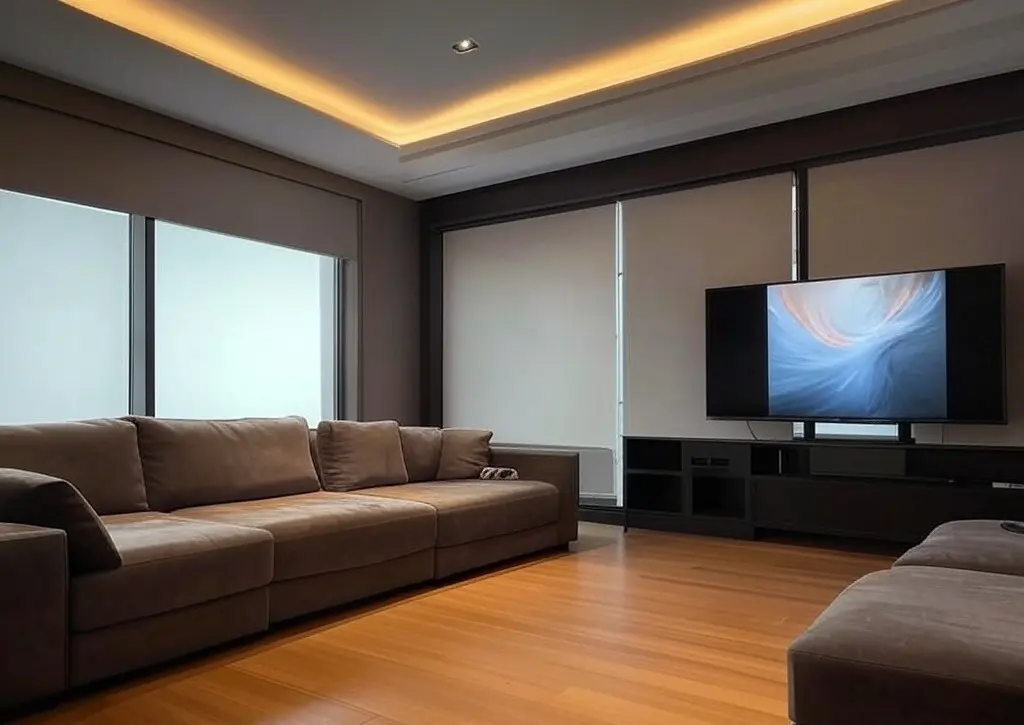
    7. Upgrade Your Home Theater Experience

    For movie lovers and gamers, motorized shades take your entertainment space to the next level—all with a simple tap.

    • Blackout Shades: Block out glare for a fully immersive experience.
    • Effortless Light Control: Adjust brightness instantly to set the perfect mood.
    • Smart Syncing: Connect with your lights and sound system for a true theater vibe.

    An Upgrade for Your Daily Life

    From waking up to natural light to improving energy efficiency and setting the perfect ambiance, motorized shades seamlessly fit into your daily routine, making life easier, smarter, and more enjoyable.

    Investing in motorized shades means having a home that works for you. With these automated shades, you get everything you need—just at the push of a button.

  • Why Energy-Efficient Doors and Windows Matter Now More Than Ever

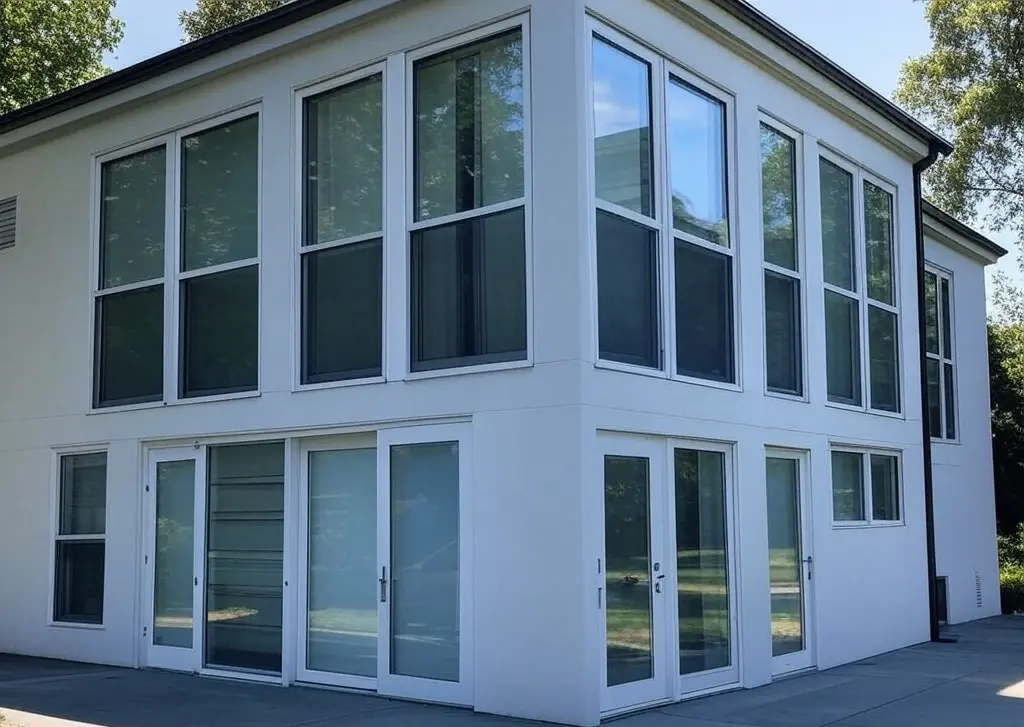
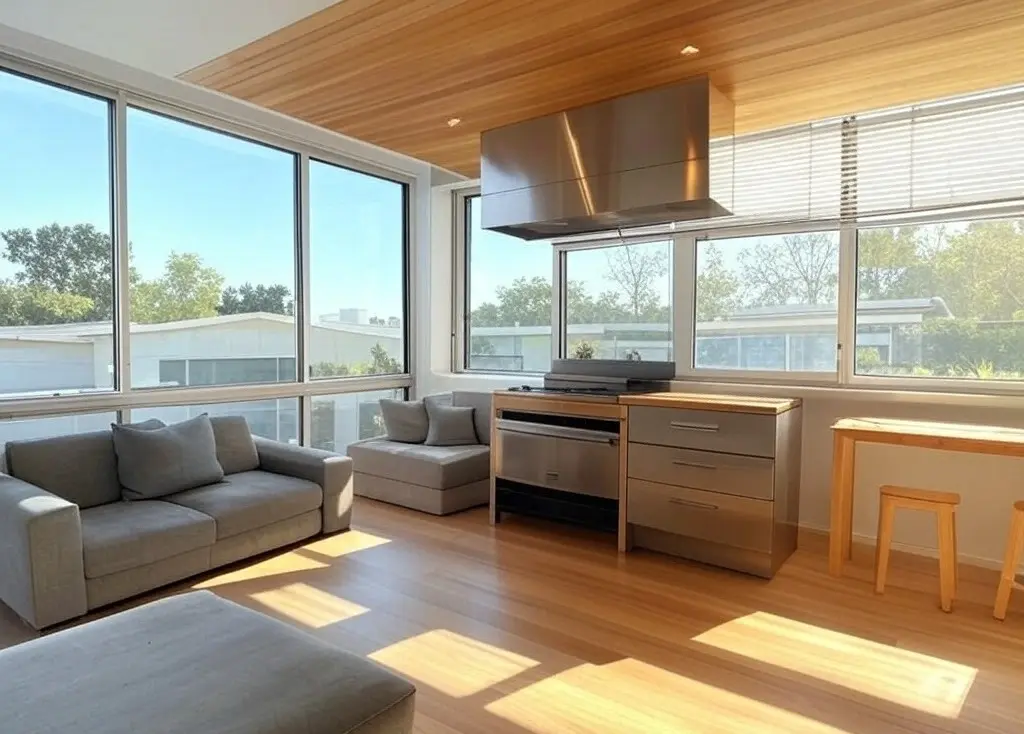
    Nowadays, sustainability matters more than ever. Perhaps the most straightforward ways to become energy efficient in our buildings and homes are through having good quality energy-saving doors and windows.

    So, the question lies in, exactly, why are energy efficient doors and windows so necessary? So, let’s see the reasons.

    The Growing Need for Energy Efficiency

    Energy efficiency matters more than ever to businesses, home owners, and the government. Higher energy bills and concerns about global warming have sensitised everyone to the size of the carbon prints—and to cutting electricity bills. BlueBird Windows puts its energies into developing high-quality, energy-efficient solutions to meet these demands.

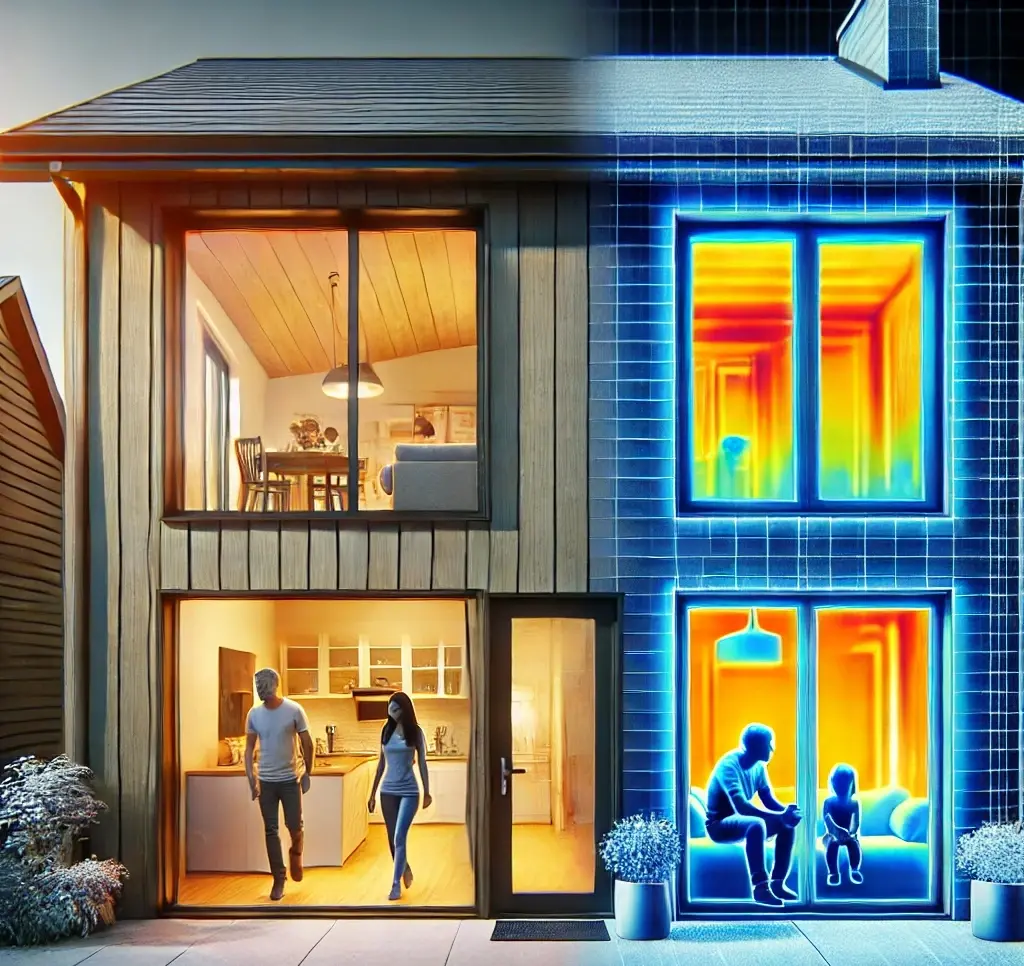
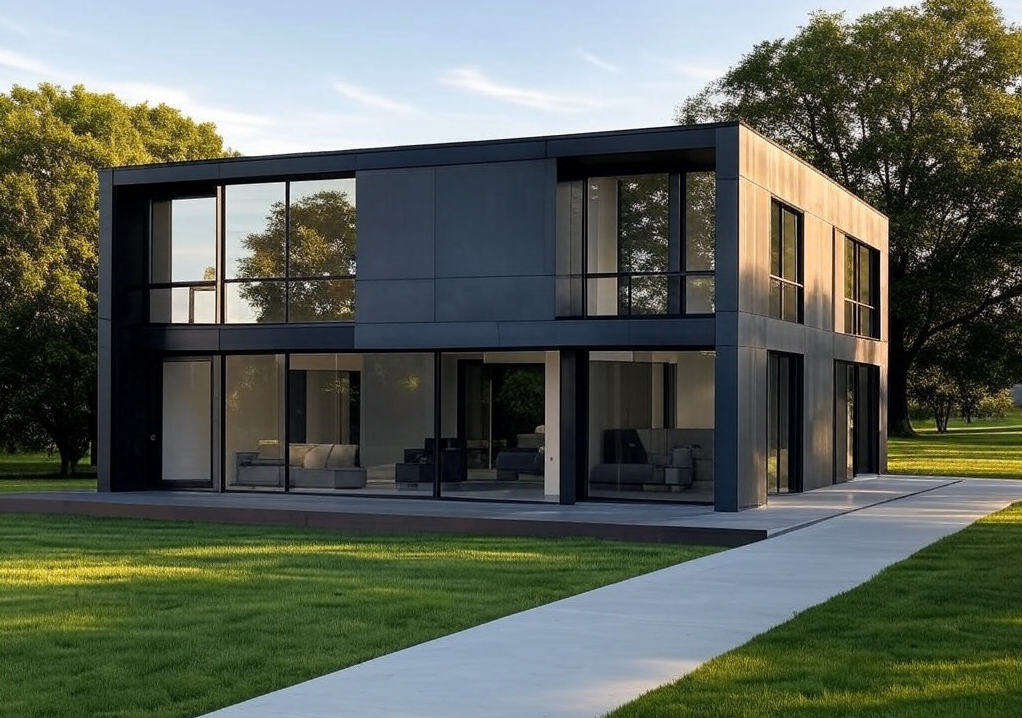
    Energy-efficient black steel doors and windows help regulate indoor temperatures, making it easier on your heating and cooling systems. This lowers energy consumption and, in turn, decreases greenhouse gas emissions—a win for both your wallet and the environment.

    Environmental Impact and Sustainability

    A big reason to switch to energy-efficient doors and windows is their positive impact on the environment. Traditional windows and doors let heat escape in the winter and allow excess heat in during the summer, making energy use skyrocket. This leads to more pollution in the air, adding to global warming and climate change, which contribute to global warming and climate change.

    By upgrading to energy-efficient doors and windows, homeowners can use up to 30% less energy, reducing strain on heating and cooling systems while lowering utility bills and carbon footprints. This also reduces the need for power plants to burn more fuel, many of which rely on fossil fuels. If more people make this switch, the collective impact could lead to a big drop in pollution and harmful emissions, helping to create a cleaner planet for future generations.

    Lower Energy Bills

    While energy-efficient doors and windows may cost more upfront, the long-term savings make them a smart investment. Their design helps keep the heat inside when it’s cold and out when it’s hot, meaning your heating and cooling systems won’t have to work as hard to keep your home comfortable. Less energy use translates to lower monthly bills.
    Many federal and state programs, such as the Energy Star program and the Database of State Incentives for Renewables & Efficiency (DSIRE), give homeowners rebates or tax breaks for upgrading to energy-efficient features. Checking local utility companies or government websites is a great way to find out what’s available.

    These perks help offset the initial cost, making the investment even more worthwhile. Over time, the money saved on energy bills can more than cover the cost of installation, providing an excellent return on investment.

    Improved Comfort and Air Quality

    Besides saving energy, energy-efficient doors and windows help keep your home cozy all year round. Their advanced insulation technology keeps indoor temperatures stable, eliminating cold drafts in the winter and excessive heat in the summer. No more struggling to keep your home warm or cool—you’ll feel comfy no matter the season.

    They also help reduce outside noise, which is great if you’re tired of hearing traffic or loud neighbors if you live near a busy street or in a noisy neighborhood. Additionally, better sealing means fewer dust particles, allergens, and pollutants can enter your home, leading to improved indoor air quality and a healthier living environment.

    Boosting Property Value

    In today’s real estate market, energy efficiency is a major selling point. Homes with energy-efficient doors and windows are more attractive to buyers because they promise lower utility costs and a reduced environmental impact. This can significantly boost a home’s resale value.

    Energy efficiency certifications and ratings make your home even more attractive to buyers, helping a home stand out in a competitive market. Buyers are increasingly looking for sustainable living options, so upgrading your doors and windows can be a great way to increase your home’s future resale potential.

    Latest Innovations in Energy-Saving Technology

    Technology in energy-efficient doors and windows has advanced significantly in recent years, with innovations such as smart glass that adjusts to light conditions, vacuum-insulated glazing for better insulation than ever, and advanced weatherstripping techniques that further minimize heat loss. Features like low-emissivity (Low-E) glass coatings, double or triple glazing, and high-performance frame materials provide better insulation.

    For example, Low-E glass has a thin coating that reflects heat while still letting in natural light, keeping your home warm in the winter and cool in the summer. Multi-glazed windows add an extra layer of insulation to minimize heat transfer. Modern frame materials like fiberglass and vinyl offer better insulation than old-school wood or aluminum frames, helping your home stay comfortable while using less energy.

    A Step Toward Energy Independence

    Reducing energy consumption through energy-efficient doors and windows also helps reduce our need for imported energy. When individual homeowners cut their energy use, the overall demand on power grids decreases.

    This reduces reliance on imported fuels and supports the development of local renewable energy sources, ultimately strengthening national energy security. This reduced demand enhances national security by decreasing reliance on imported fuels, especially during times of global conflicts or rising fuel prices.

    Energy independence strengthens national resilience by reducing reliance on global energy markets and encouraging the growth of local renewable energy sources.

    A Smart Choice for the Future

    The growing demand for energy-efficient doors and windows isn’t just about saving money—it’s about making a real difference. With climate change, rising energy prices, and the push for sustainable living, choosing energy-efficient options is a smart way to prepare for the future.

    Whether you’re building a new home, renovating an old one, or simply looking for ways to cut your carbon footprint, investing in energy-efficient doors and windows is a smart choice for your home and the environment that benefits both you and the planet. To learn more about energy-efficient home upgrades and available incentives, check out local energy programs or consult with a certified energy expert.

  • The Hidden Dangers of Neglecting HVAC Maintenance

    Source: unsplash.com

    Home comfort depends on the HVAC system. The HVAC system regulates room temperature, controls humidity, and ensures clean air indoors. However, many homeowners and commercial building owners neglect regular HVAC maintenance until a breakdown occurs.

    Neglecting regular upkeep might not seem like a big deal initially, but over time, it can lead to higher energy costs, poor air quality, unexpected system failures, and even health risks. Here’s why regular HVAC maintenance is crucial and the consequences of neglecting it.

    Higher Energy Bills & System Overload

    A neglected HVAC system has to run longer and use more energy to maintain the desired temperature, increasing your electricity bill. Common culprits include:

      • Clogged air filters – restrict airflow, forcing the system to work longer
      • Dirty coils – reduce heat exchange efficiency
      • Blocked vents or ducts – disrupt proper air circulation
      • According to the U.S. Department of Energy, replacing a dirty air filter can lower HVAC energy consumption by up to 15%.
      • Impact: If ignored, this extra strain shortens the system’s lifespan and can lead to costly repairs or early replacement.

      Poor Air Quality & Health Issues

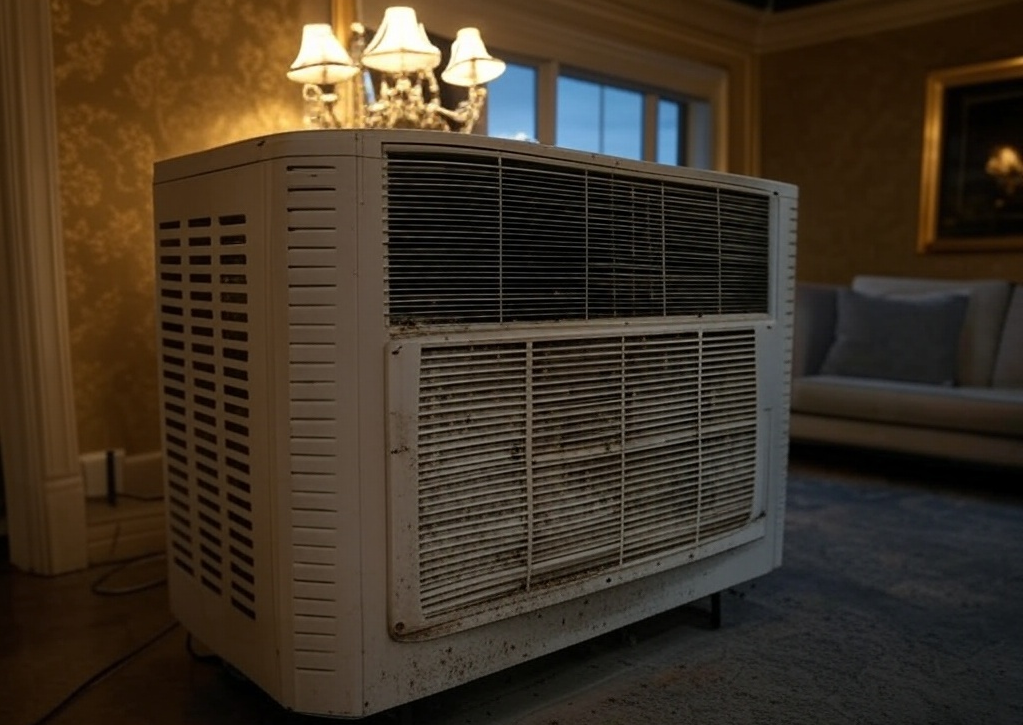
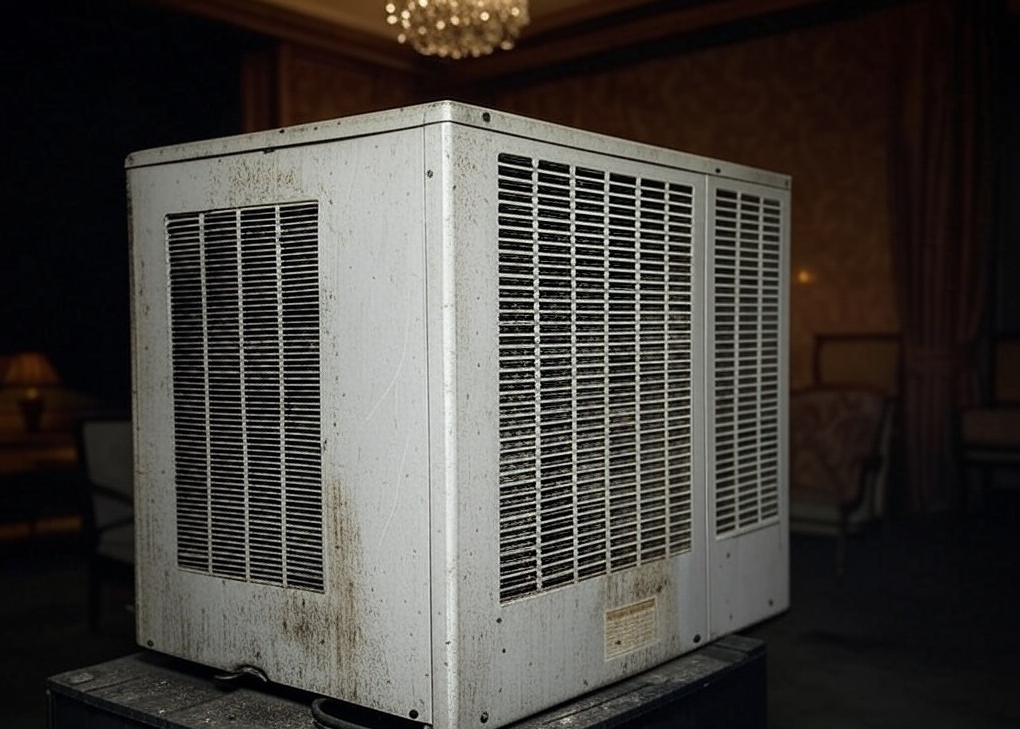
      Your HVAC system moves air throughout your home, meaning any dust, mold, or bacteria inside the system can spread to your living spaces. When maintenance is neglected, dust, mold, pet dander, and bacteria can accumulate inside the system and get blown into your living space. Possible consequences:

        • Aggravated allergies and respiratory problems
        • Mold growth, leading to musty odors and health risks
        • Sewer gas smell in the bathroom, often caused by poor ventilation or clogged drains interacting with the HVAC system
        • Increased indoor air pollution Example: Ever noticed a stale or musty smell when your AC turns on? That could be mold in your air ducts, thriving in dark, damp environments.
        • Solution: Regular maintenance includes cleaning air ducts, replacing filters, and controlling humidity to stop mold and dust buildup.

        Risk of Sudden Breakdowns & Costly Repairs

        Many HVAC failures begin as minor issues—like a loose wire or a dirty filter—that worsen over time. Common preventable problems:

          • Refrigerant leaks – Can lead to compressor failure ($1,500+ repair)
          • Worn-out components – Overheats the system, causing sudden shutdowns
          • Frozen evaporator coils – Block airflow, making the system inefficient
          • Impact: Without routine maintenance, a system that should last 15–20 years might fail within 10 years or less.
          • Solution: Routine inspections can catch these issues early, potentially saving you thousands in repair costs.

          Fire Hazards & Electrical Risks

          Your HVAC system runs on electrical components, including motors, wiring, and circuit boards. Over time, dust buildup or loose connections can create fire hazards. Common risks:

            • Overheating motors – Can ignite surrounding dust or debris
            • Faulty wiring – Can cause electrical shorts or even house fires
            • Blocked HVAC vents – Can trap heat, increasing fire risks
            • Fact: According to the NFPA (National Fire Protection Association), HVAC-related fires account for thousands of home fires each year, many of which are preventable with regular inspections.
            • Solution: Checking for obstructions in vents and ducts to maintain proper airflow.

            Carbon Monoxide Leaks – A Silent Threat

            If you have a gas-powered furnace or HVAC system, a cracked heat exchanger or blocked vent can cause carbon monoxide (CO) leaks. Carbon monoxide is odorless and colorless, making it hard to detect without a CO detector. It’s highly toxic and can cause dizziness, nausea, confusion, or even death. It’s even more dangerous in winter when homes are sealed tight.

              • Solution: Install carbon monoxide detectors near bedrooms and HVAC units. Schedule yearly inspections to check for cracks, blockages, or leaks.

              Shortened System Lifespan & Higher Replacement Costs

              An HVAC system is a major investment, and regular maintenance keeps it running longer.

                What happens if you neglect maintenance:

                • Neglected system: May fail in 8–10 years
                • Well-maintained system: Can last 15–20 years
                • Cost of early replacement: Replacing an HVAC unit can cost anywhere from $5,000 to $12,000
                • Solution: Investing in annual tune-ups prevents premature wear and extends your system’s lifespan, saving you money in the long run.

                The Simple Solution: Regular Maintenance

                The best way to prevent these issues is with routine HVAC maintenance. Experts recommend servicing your system at least once or twice a year

                  • Replace disposable air filters or clean reusable ones every 1–3 months
                  • Clean air ducts to remove dust buildup
                  • Check refrigerant levels and look for leaks
                  • Test the thermostat for accuracy
                  • Inspect electrical wiring and connections
                  • Make sure the system drains properly to prevent moisture buildup and keep your system running efficiently.

                  Don’t Wait Until Your HVAC Fails!

                  Neglecting HVAC maintenance may seem harmless—until you’re stuck with a skyrocketing energy bill, an unexpected breakdown, or a major health risk. A little maintenance now can save you thousands later. Breathe cleaner air, lower your bills, and keep your home safe. Book an HVAC check-up today!

                1. 6 High-Value Home Additions to Attract Buyers

                  Photo by Max Vakhtbovycn on pexels.com

                  Today’s homebuyers are searching for properties that offer both style and substance. Minor modifications are alright, but it’s the major, clever enhancements that truly elevate your property’s profile and increase its value. These improvements could make a huge difference.

                  So, whether you plan to sell soon or just want to stay ahead of the curve for a while, it’s smart to consider adding these advanced features to your home. Energy-efficient upgrades, expanded living spaces, and various other enhancements typically provide a high return on investment.

                  Below are six high-value additions to make your property stand out in today’s competitive real estate marketplace.

                  1. A Modern, Open-Concept Kitchen

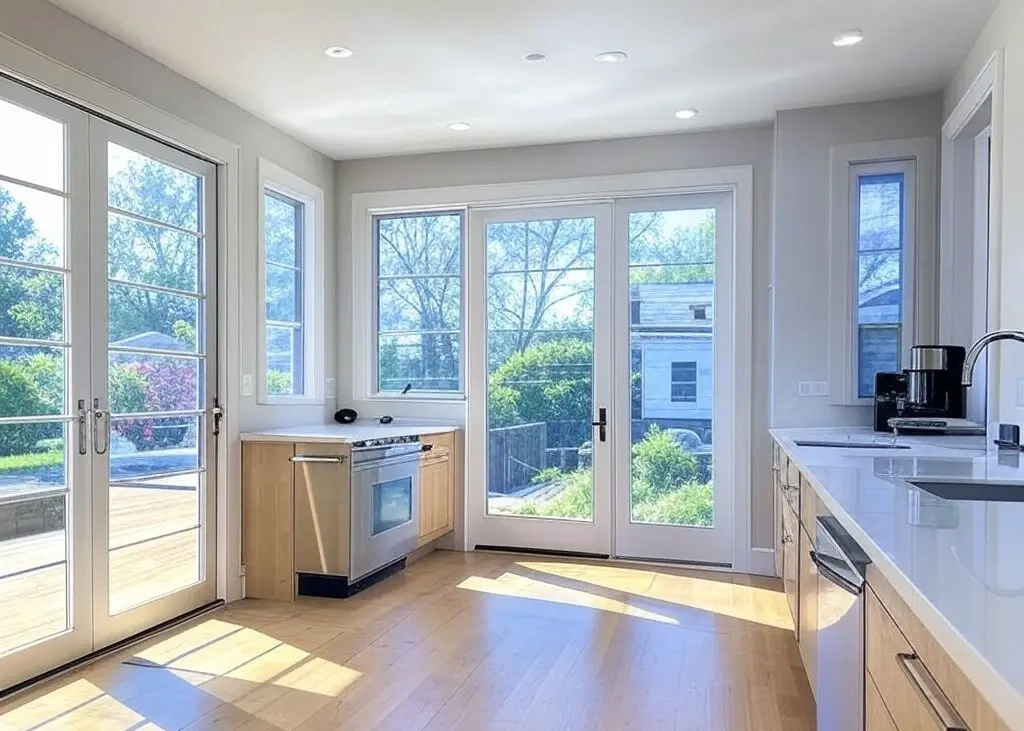
                  Revamping your kitchen to feature an open design, fresh countertops, and modern appliances can significantly boost your home’s value. A spacious island, high-tech appliances, and sleek new cabinets make the kitchen an inviting area that’s highly attractive to buyers.

                  For example, homeowners in Rehoboth Beach, DE, aiming to make a splash with their kitchen, often turn to professional designers to ensure the blend of functionality and elegance. Companies like Excel Builders Rehoboth Beach offer the expertise to transform an outdated kitchen into a stunning selling point.

                  2. Energy-Efficient Windows and Doors

                  Given the climbing energy prices, efficiency is essential. Installing high-efficiency windows and doors reduces heating and cooling expenses while enhancing your home’s look. Buyers appreciate these updates, especially those seeking eco-friendly homes that offer lasting savings and might even qualify for tax breaks or incentives.

                  3. Luxurious Bathroom Renovation

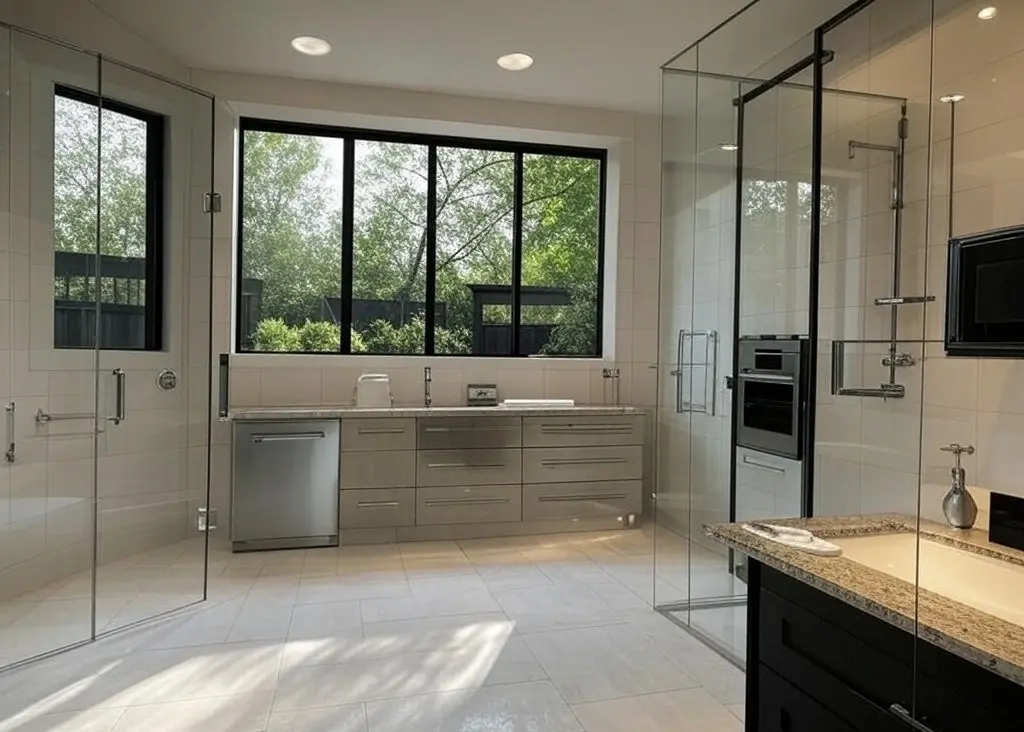
                  Transform your bathroom into a spa with some additions of double sinks, spacious walk-in showers, and elegant tiles. To captivate buyers with a serene and luxurious space, consider upscale touches like heated floors, rainfall shower heads, and sophisticated lighting. Small updates, such as replacing fixtures and applying a fresh coat of paint, can also make a dramatic difference.

                  4. Functional Outdoor Living Space

                  A functional outdoor space—be it a patio, deck, or covered pergola—extends living areas and offers a relaxing or entertaining spot. Features like outdoor kitchens and fire pits can greatly enhance property value and curb appeal, making a memorable first impression.

                  5. Dedicated Home Office

                  Due to the rise of remote work, buyers are highly interested in having a specific home office space. A property can be improved greatly by having a bright, peaceful room that includes effective storage, as well as by insulating against external noise. Think about changing an extra room or part of the basement so that it satisfies this increased need for such spaces.

                  6. Smart Home Technology

                  Modern buyers really appreciate smart home tech for its convenience. Features like smart thermostats, video doorbells, and automated lights give a house that sleek, modern look and attract folks who care about the environment and dig the latest tech. Plus, hooking up these systems with something like Amazon Alexa or Google Home can really boost your property’s value down the line.

                  Final Thoughts

                  Enhancing your property’s appeal and value doesn’t have to be complicated. Concentrate on crucial spots like the kitchen and bathroom, and add modern features that boost both functionality and style. Whether you go for a complete overhaul or just some strategic updates, these changes can make your home more attractive and set the stage for a quick, profitable sale.