Tag: Energy Efficiency

  • Why Solid Wood Doors Should Be Your Next Home Renovation Choice

    Why Solid Wood Doors Should Be Your Next Home Renovation Choice

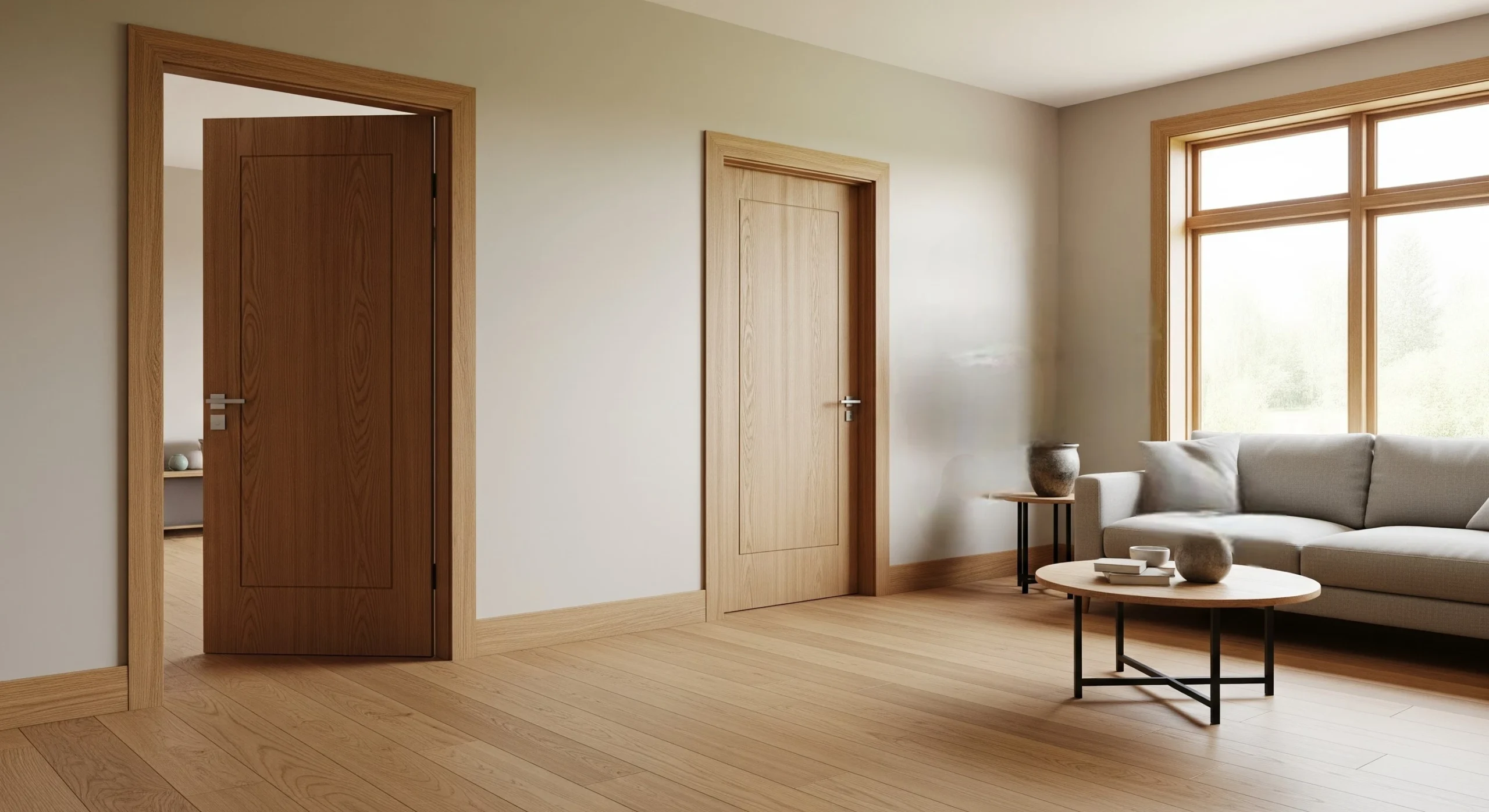
    When you plan a renovation, a new door sounds simple. It is not. A solid wood door changes how your home feels when you walk in, how quiet your rooms are when they close, and how finished everything looks. In fact, solid wood doors are an investment that offers long-lasting beauty, security, and energy efficiency. If you want an upgrade you can see and touch every day, this one earns its spot near the top of your list.

    What makes a solid wood door different

    You are getting one piece of architecture, not just a barrier. The door has heft, real grain, and a profile that takes stain beautifully. Pick from familiar species like oak, cherry, mahogany, or walnut, then match the finish to your floors, trim, or cabinetry for a pulled-together look. If you like a clean, modern vibe, a flat panel reads sleek. If your place leans traditional, a classic 3-, 5-, or 6-panel design feels right at home.

    Everyday Differences You’ll Feel

    • Quieter rooms. The mass of solid wood helps dampen sound between bedrooms, offices, and the main living area. That extra weight is what gives you the satisfying “thunk” when the latch engages.
    • Better comfort. A well-built wood slab with proper weatherstripping limits drafts at exterior openings and helps your HVAC hold temperature more evenly room to room. When you are weighing inspection punch-lists on a home purchase, this type of fit and finish is one of those small things that supports the bigger goal of a tight, well-maintained house.
    • Repairable and refinishable. Nicks, kid gear, pet life. Solid wood can be sanded, spot-repaired, and re-stained. Over time, you refresh the door instead of replacing it outright.
    • Security you can feel. Dense wood, strong hinges, and a solid jamb work together with quality locks. The door resists flexing and is harder to breach than a light, hollow-core panel.

    Where They Add Real Value
    If you are planning to live in the home for a long time, quality doors become part of your everyday comfort. If you may sell, they are part of the first impression. Buyers and inspectors look closely at fit, finish, operation, and maintenance, and doors are on that short list along with flooring, cabinetry, and windows. Clean operation, no rubs, no daylight where there should be weatherstripping, and a consistent stain or paint read as pride of ownership during walk-throughs and inspections.

    If you are selecting finishes in a new build, put doors on the same decision tier as counters and flooring.

    Style Moves That Work at Home
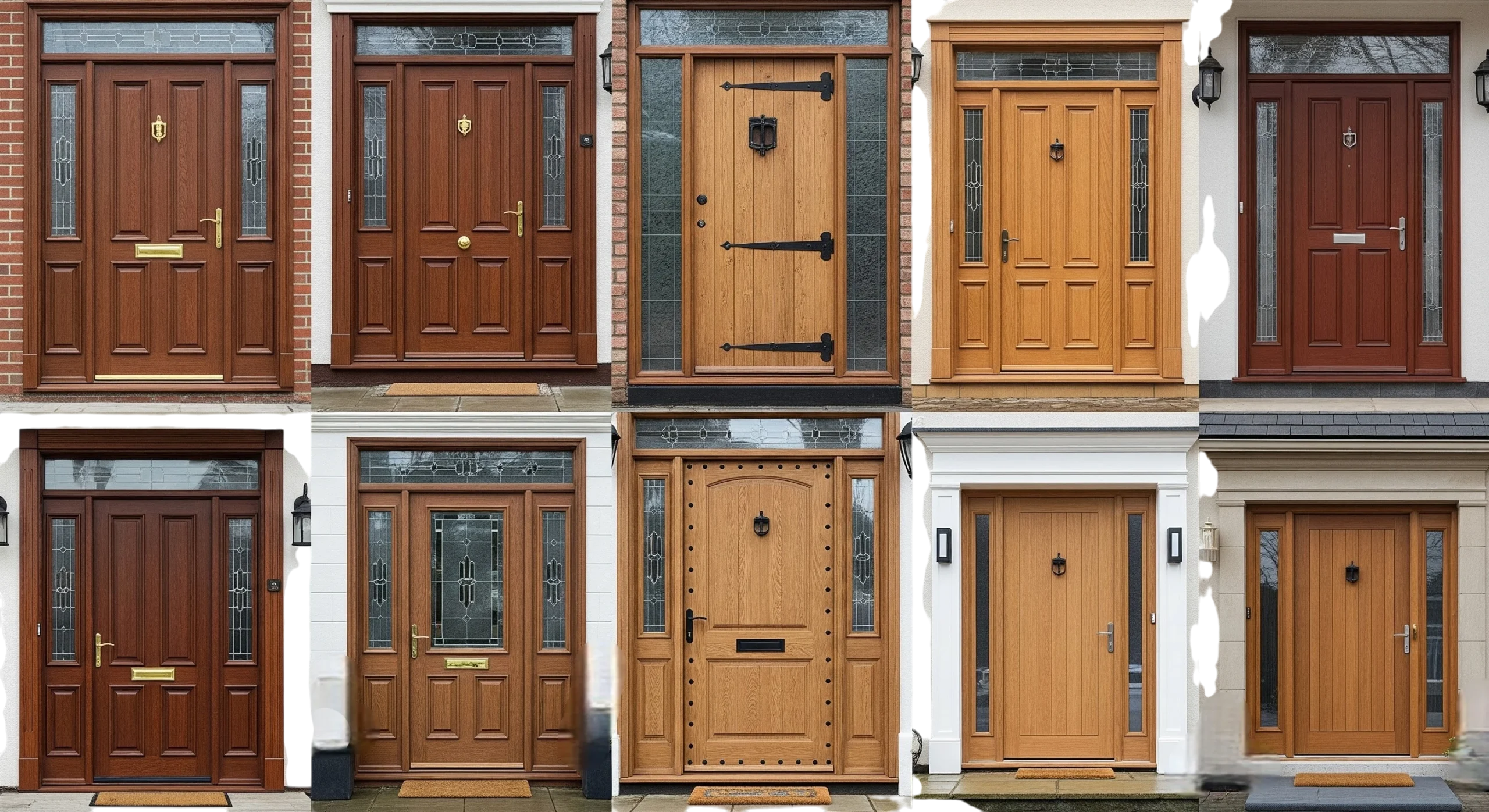
    • Warm oak or white oak fits almost any style, from coastal to craftsman.
    • Rich walnut adds depth in a study or media room where you want a quieter feel.
    • Clear or seeded glass lites bring natural light down a hallway without giving up privacy.
    • Oil-rubbed bronze or unlacquered brass hardware pairs nicely with wood grain and ages well.

    You can mix interior and exterior looks while keeping a consistent profile and rail layout so your home feels cohesive.

    Practical Notes That Keep the Project Smooth
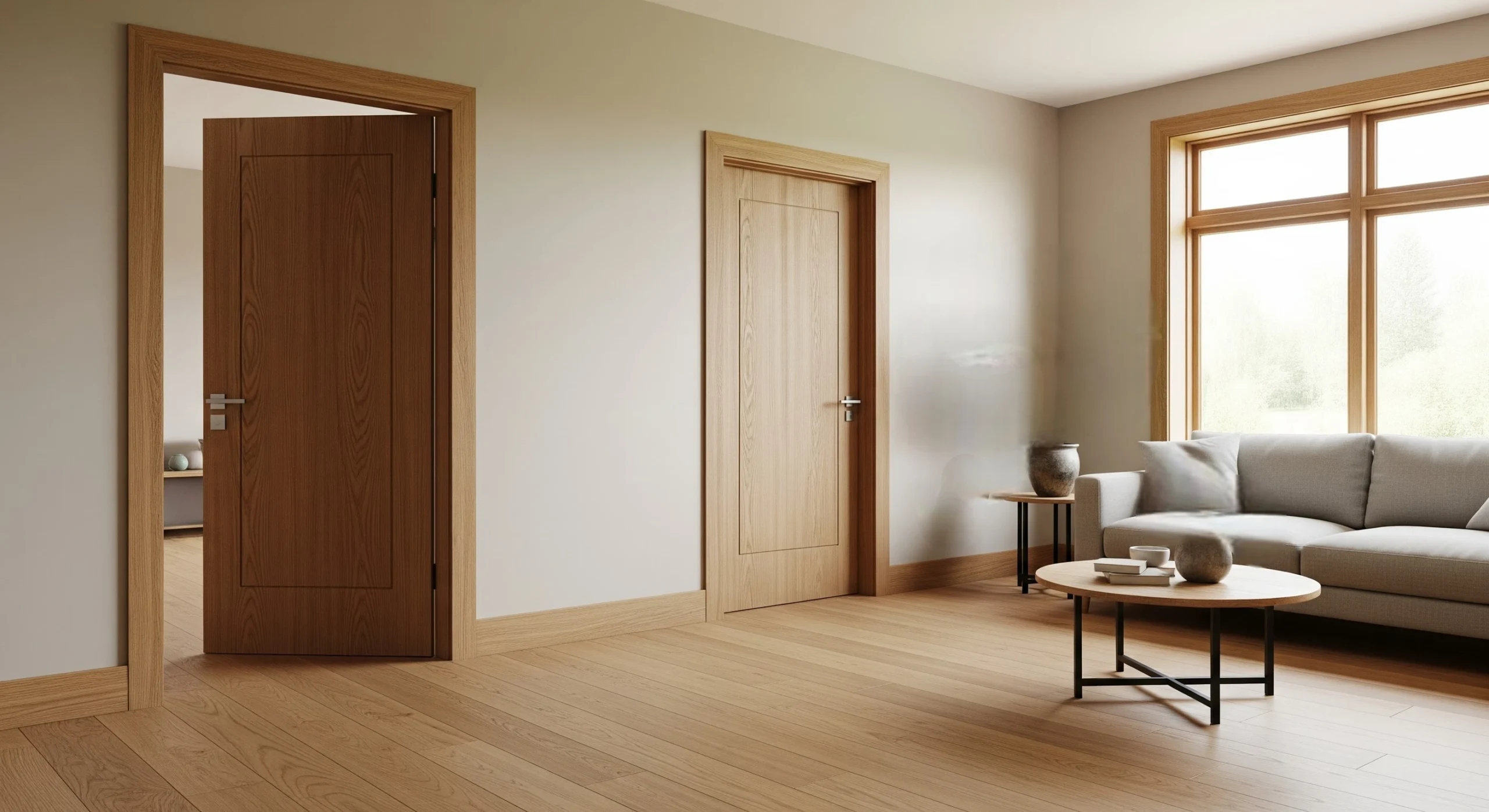
    • Sizing and swing. Confirm rough opening, slab size, and swing direction before you order. If you are replacing an exterior door, take a snug look at the threshold and sill condition so installation goes in cleanly.
    • Finish. Seal all six sides, including the top and bottom edges, and follow with your stain or paint system. This is what keeps out moisture and helps the door stay true over time.
    • Hardware. Heavier slabs deserve heavy-duty hinges and strike plates. If you want a keyless deadbolt at the entry, pick the model now so your bore prep matches.
    • Inspection moments. If you are under contract on a home, your general inspector will test operation, look for rubbing, and note issues like daylight at the perimeter or missing weatherstripping. You can use that feedback to ask for repairs or a credit before you close.
    • New construction timing. When you are making selections with a builder, plan door choices along with cabinetry and flooring. Upgrades are often easier to negotiate as part of the package rather than à la carte later.

    Sustainability and Sourcing

    Wood is a renewable material when harvested responsibly. A solid wood door can be maintained and refinished for decades, which helps you keep materials out of the waste stream. At end of life, wood is easier to recycle or repurpose than many composites.

    When Another Material Fits Better
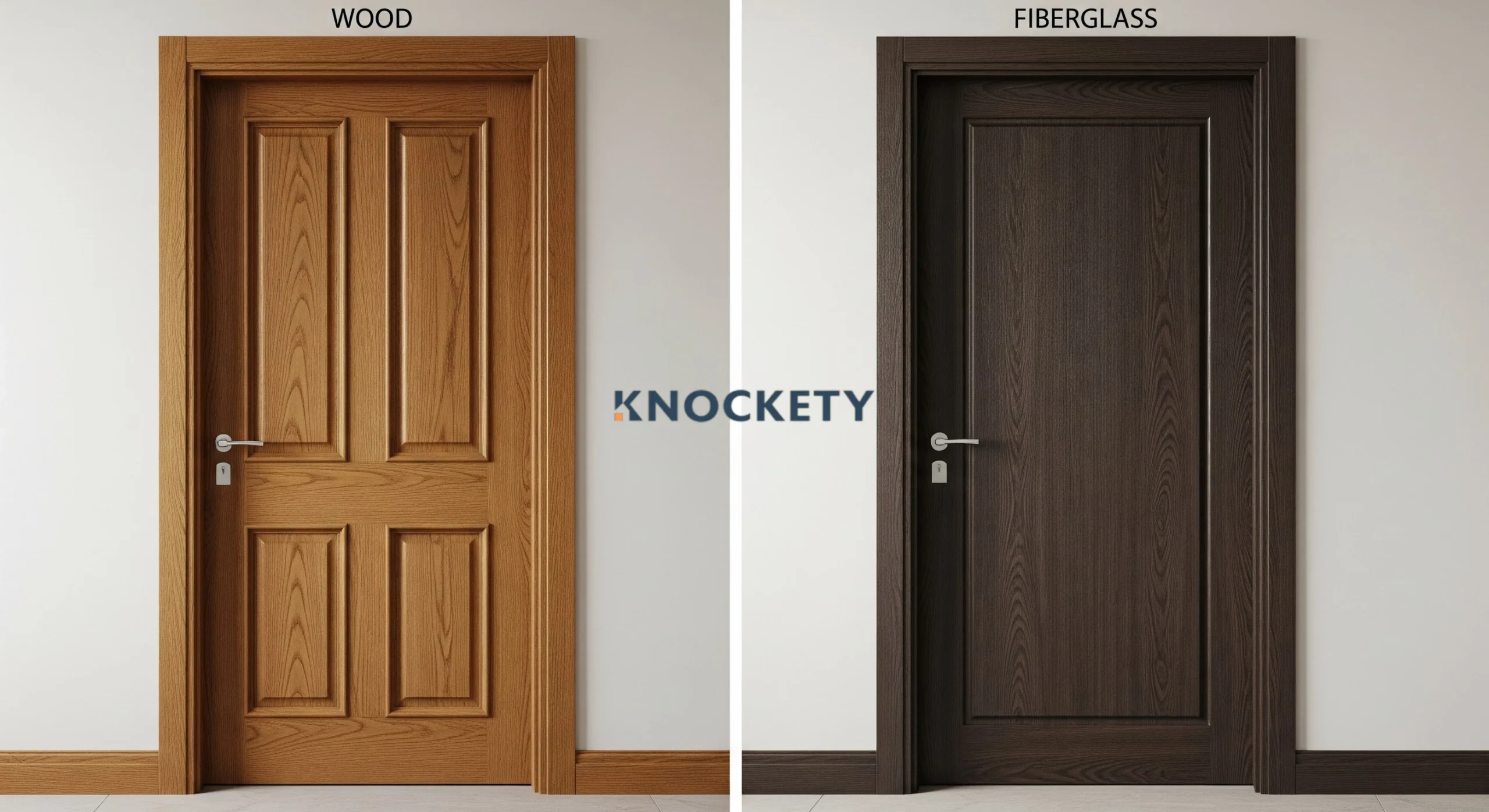
    If an exterior opening in a high-exposure spot takes direct weather with limited overhang, you might consider a fiberglass entry that mimics wood grain. If you still want wood inside, you can keep the interior package solid wood and use fiberglass for that one exterior exposure. Keep the profiles consistent so the house still reads as one design story. You can evaluate these side by side in a builder showroom.

    How to Choose the Right Solid Wood Door for Your Home

    1. Decide the role. Entry, bedroom, office, pantry, or pocket. Each has different privacy, glass, and sound needs.
    2. Pick the panel style. Flat panel for modern, raised or shaker for traditional, glass lites for borrowed light.
    3. Choose the species and finish. Line this up with floors and trim so your eye reads one palette.
    4. Match the hardware. Hinge type, lever set, backplate size, and finish.
    5. Plan installation and timing. If you are mid-purchase, align any door asks with your inspection window, then handle credits or repairs before closing so there are no surprises later.

    FAQs

    Are solid wood doors worth it?

    Yes. You get daily function, a quieter home, better perceived quality, and a finish you can refresh over time. Those benefits show up during showings and inspections when it is time to sell.

    How long do they last?

    With proper sealing and routine care, decades. The ability to repair and refinish extends the life of the door far beyond a basic hollow-core panel.

    Do they help with insulation?

    A solid slab with tight weatherstripping reduces drafts and helps your system keep a steady temperature, which supports overall comfort and operating costs. During due diligence on a purchase, this type of detail often comes up as part of repair requests or credits.

    Can you repair dents or scratches?

    Yes. Light sanding and spot staining usually blend small marks. Heavier damage can be patched, then re-finished to match.

    At Knockety, you can shop styles that fit a craftsman bungalow, a modern farmhouse, or a clean contemporary home. Pick your species, panel layout, and glass, then line up the hardware to match. If you are building or under contract, bring those decisions to the table early so they are part of the package rather than an afterthought.

  • Installing Your Own Wood Stove Chimney: A Smart Investment for Dallas Homeowners

    Installing Your Own Wood Stove Chimney: A Smart Investment for Dallas Homeowners

    When you’re looking at ways to add value to your Dallas home while cutting down on those sky-high heating bills, installing a wood stove might just be the smartest move you make this year. But here’s where most homeowners get sticker shock: the installation costs.

    Professional chimney installation can easily run $3,000 to $5,000 or more, turning what should be a money-saving upgrade into a major expense. Installing your own chimney system might sound complicated, but it’s actually a lot simpler than you think. With the right guidance and quality materials, you can tackle this project yourself and pocket thousands of dollars in the process.

    Why Dallas Homeowners Are Going DIY

    The Texas housing market has been red-hot for years, and with that comes higher costs across the board. Contractors are busier than ever, which drives up installation costs. Meanwhile, energy prices keep climbing, making alternative heating sources more attractive than ever.

    A quality wood stove can slash your heating bills by 50% or more during those chilly North Texas winters. When you factor in the money you’ll save by doing your own installation, you’re looking at a payback period of just a few seasons instead of several years.

    But beyond the financial benefits, there’s something satisfying about completing a project like this yourself. You’ll know exactly how everything is installed, which components were used, and how to maintain the system properly. That peace of mind is worth plenty on its own.

    Understanding Chimney System Basics

    Before diving into installation, it helps to understand what you’re working with. A modern wood stove chimney system consists of several key components that work together to safely vent combustion gases outside your home.

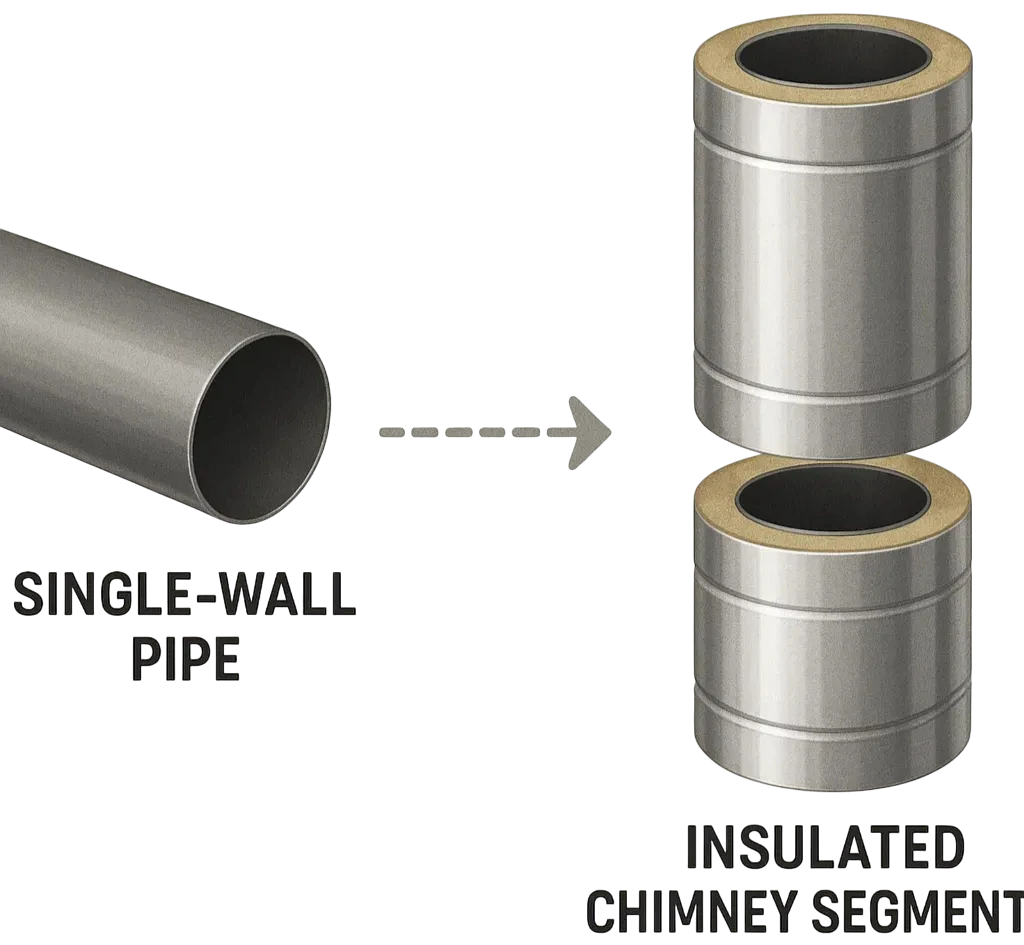
    The stove pipe connects your wood stove to the chimney system. This is typically single-wall or double-wall pipe that runs from the stove outlet to where it meets the insulated chimney pipe. The diameter matters here – most residential installations use 6-inch pipe, though some larger stoves require 8-inch systems.

    Once you transition from the living space to areas where the pipe passes through walls, ceilings, or the roof, you’ll switch to insulated chimney pipe. This double-wall or triple-wall pipe is designed to maintain safe clearances from combustible materials while keeping the flue gases hot enough to maintain proper draft.

    Manufacturers have standardized connections, included detailed instructions, and engineered systems that don’t require specialized tools or extensive construction experience.

    Planning Your Installation

    Every successful installation starts with proper planning. Begin by determining the best location for your wood stove, keeping in mind both heating efficiency and installation requirements. You’ll want to minimize the number of turns and horizontal runs in your chimney system, as straight vertical runs provide better draft.

    Measure carefully from your proposed stove location to where the chimney will exit through the roof. This helps you determine exactly what components you’ll need and avoid costly delays while waiting for additional parts.

    Local building codes do apply to chimney installations, even DIY ones. While requirements vary by municipality, most areas require permits for new chimney installations. The good news is that most building departments are familiar with modern chimney systems and the permitting process is usually straightforward.

    Don’t forget about clearances to combustible materials. Modern insulated chimney systems have specific clearance requirements that are much less restrictive than older masonry chimneys, but they still need to be followed exactly. Your installation instructions will spell these out clearly.

    Selecting Quality Components

    This isn’t the place to cut corners. Your chimney system is a critical safety component, and quality materials are essential for safe, reliable operation. Look for UL‑listed chimney systems that are tested and listed by recognized testing laboratories.

    When shopping for the best chimney pipes for wood stoves, you’ll find systems designed specifically for different applications. Class A chimneys are required when passing through or near combustible materials, while connector pipe is used in the living space from the stove to the wall or ceiling penetration.

    A 6-inch stove pipe diameter is standard for most residential wood stoves, though you should always verify what your specific stove requires. Using the wrong diameter pipe can create dangerous draft problems and void your stove’s warranty.

    Many suppliers offer wood stove chimney kit packages that include all the components you need for a typical installation. These kits take the guesswork out of ordering and ensure all your components are compatible.

    The Installation Process

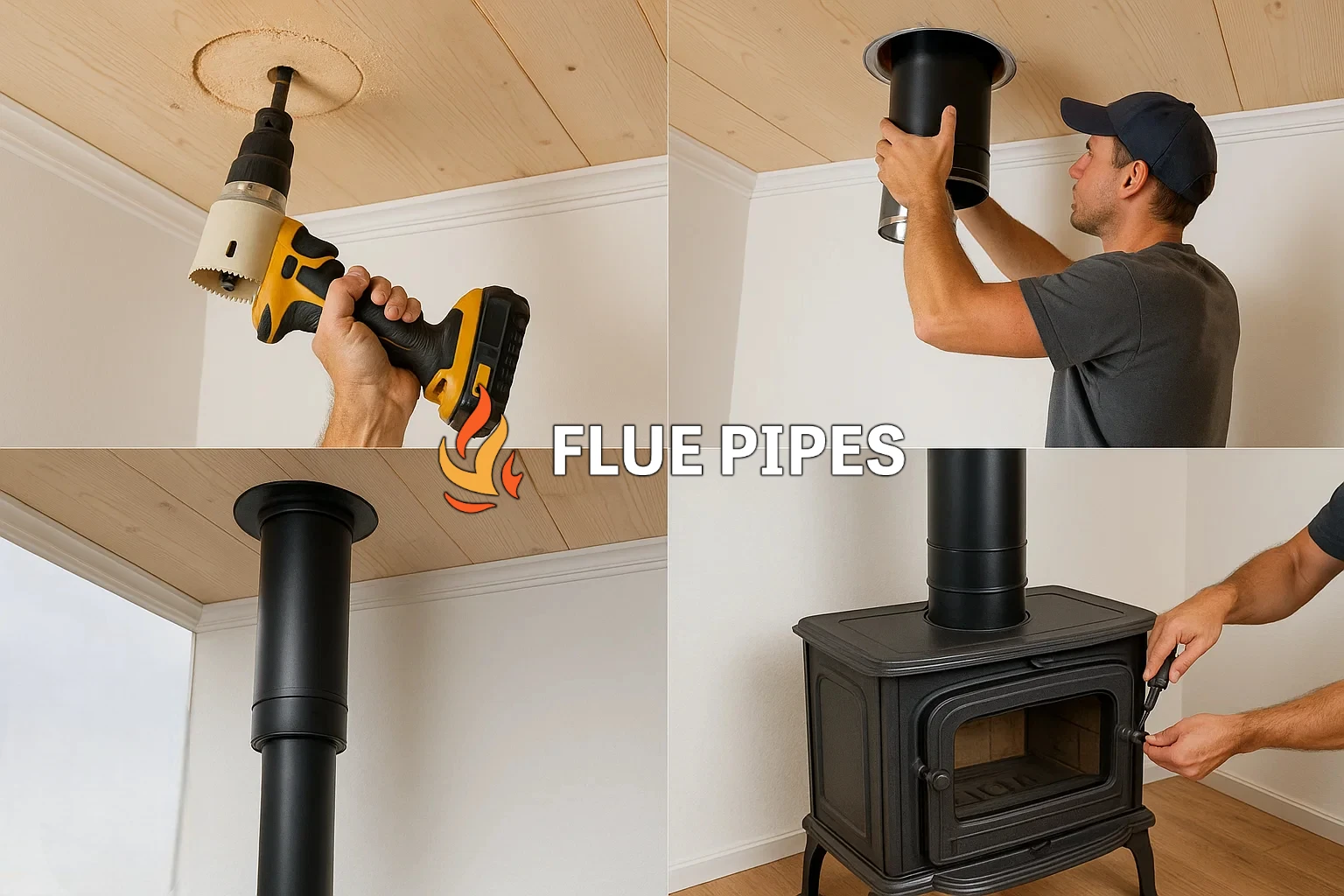
    Modern chimney systems are designed to go together logically, almost like a sophisticated set of building blocks. Most installations follow a similar sequence, starting with the stove pipe connections and working upward through the house to the roof termination.

    You’ll typically start by connecting the first section of stove pipe to your wood stove outlet. From there, you’ll run pipe to your wall or ceiling penetration point, where you’ll install the appropriate thimble or support box.

    The transition to insulated chimney pipe happens at this penetration point. This is where the single-wall connector pipe ends and the double-wall or triple-wall chimney pipe begins. This transition point is critical for both safety and proper system function.

    Once you’re in the insulated chimney section, installation becomes a matter of assembling sections as you work your way up through the house. Most systems use a twist-lock connection that creates both a mechanical joint and an airtight seal.

    The roof penetration requires careful attention to weatherproofing. A quality roof flashing system will keep water out while allowing the chimney to expand and contract with temperature changes. Take your time here – a small leak can cause big problems down the road.

    Getting Expert Guidance When You Need It

    Even with detailed instructions and quality components, questions come up during installation. Maybe you’re not sure about a specific clearance requirement, or you need advice on the best way to route your chimney through a particular part of your house.

    This is where having access to experienced technical support makes all the difference. The specialists at Flue-Pipes understand that DIY installers need a different kind of support than contractors. They can walk you through specific installation challenges over the phone, helping you work through problems without requiring an expensive service call.

    Having this kind of backup gives you confidence to tackle the project yourself while knowing help is available if you need it. It’s like having an experienced installer looking over your shoulder, ready to offer advice when you need it.

    Cost Savings That Add Up

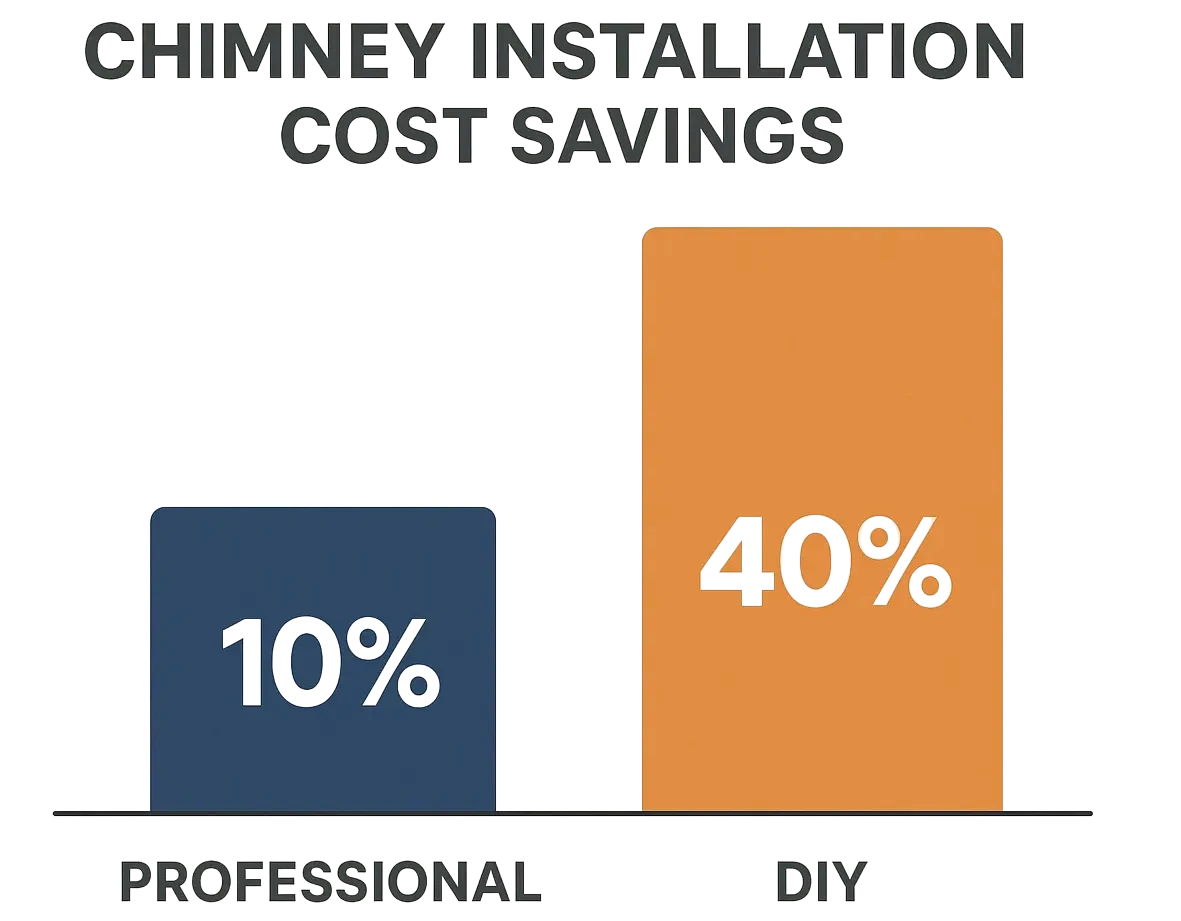
    A typical professional installation might cost $4,000 to $6,000, while the same chimney system purchased directly costs $800 to $1,500 depending on height and complexity.

    Even factoring in tools you might need to purchase and the value of your time, you’re looking at savings of $2,500 to $4,000 on a typical installation. For many homeowners, that’s money that can go toward other home improvement projects or simply stay in your pocket.

    Safety Considerations

    Working on roofs and handling chimney components require attention to safety. Take your time, use proper safety equipment, and don’t hesitate to get help when you need it. A helper makes many parts of the installation easier and safer.

    Follow all manufacturer’s instructions exactly. These systems are engineered to work safely when installed according to specifications, but shortcuts or modifications can create dangerous situations.

    When in doubt, consult with experts. A phone call to technical support can answer questions and ensure you’re on the right track. It’s much better to ask questions during installation than to discover problems later.

    Maintenance and Long-Term Value

    A properly installed chimney system should provide years of trouble-free service with minimal maintenance. Annual cleaning and inspection are typically all that’s required, and these are tasks you can handle yourself once you understand your system.

    Regular maintenance protects your investment and ensures safe operation. A clean, well-maintained chimney provides better draft, burns more efficiently, and lasts longer than a neglected system.

    The value added to your home by a quality wood stove installation often exceeds the cost of the materials, especially when installation costs are minimal. Energy-efficient heating options are attractive to buyers, particularly in areas where heating costs are significant.

    Taking the Next Step

    Installing your own wood stove chimney system represents both an immediate cost saving and a long-term investment in your home’s value and comfort. With quality components, proper planning, and access to expert guidance when needed, it’s a project that’s well within reach of most homeowners.

    The key is starting with quality materials from reputable suppliers who understand the DIY market and can provide the support you need for a successful installation. Don’t let installation costs prevent you from enjoying the benefits of efficient wood heat in your Dallas‑area home.

    Your heating bills will thank you, your home’s value will benefit, and you’ll have the satisfaction of completing a significant home improvement project yourself. In today’s economy, that combination of practical benefits and personal satisfaction makes DIY chimney installation a smart choice for Dallas homeowners looking to maximize their investment.

  • How Energy-Smart Homes Attract Buyers in Dallas

    Image Source: istockphoto.com

    A great location isn’t enough in this market anymore. Buyers want houses that look modern and help save on monthly bills. Features like better insulation, updated windows, and smart thermostats carry weight. They make a property look cared for and keep the electric bill from climbing when the summer heat sets in.

    You don’t always need a big remodel to get noticed. Swapping old bulbs for LEDs or installing a programmable thermostat shows buyers that the house is easy to run and ready for everyday living.

    Texas homeowners can also shop electricity providers through Power to Choose Texas, giving them another way to cut monthly costs. Put those savings together with a home that already runs efficiently, and you’ve got a selling point buyers will remember.

    Why Energy Efficiency Matters

    Utility bills here rise fast, especially when air conditioners run day and night. That’s why energy efficiency isn’t just a bonus, it’s a priority for many buyers. Families, retirees, and first-time homeowners all see the appeal of spending less on electricity and gas.

    On top of the financial side, buyers know an efficient home uses fewer resources and leaves a lighter footprint. That combination of comfort, savings, and sustainability makes energy-smart homes some of the most attractive properties on the market.

    Key Features That Catch Buyers’ Attention

    • Smart thermostats and updated HVAC systems. Buyers here pay close attention to how a home handles the summer heat. A smart thermostat paired with a high-efficiency HVAC system keeps rooms comfortable without running up the electric bill.
    • Better windows and insulation. Energy-efficient windows and well-insulated walls or attics keep cool air in during the summer and warmth in during the winter. That means fewer hours with the AC or furnace running and more savings on monthly utilities.
    • Energy Star appliances. Kitchen and laundry appliances with the ENERGY STAR label, like refrigerators, dishwashers, washers, and dryers, use less water and electricity. They save money over time and give buyers confidence that the home is equipped for everyday living.

    These kinds of updates don’t just lower bills. They make a house feel looked after and ready for the next owner. In Dallas, that can mean your place gets more attention and sells quicker. If you’re thinking about listing soon, adding a few energy-friendly touches can make life easier while you’re there and help your home stand out when it hits the market.

    Energy-Saving Home Upgrades That Add Value

    Energy-efficient features have moved from “nice to have” to “must-have.” Buyers are paying close attention to long-term costs, and homes that cut down on utilities tend to get more interest and stronger offers. For homeowners, making a few upgrades not only keeps daily living more comfortable but also helps your property stand out in a busy market.

    What Buyers Notice Most

    • Smart thermostats. Systems like Nest and Ecobee adjust on their own to keep the house comfortable while using less energy. Buyers like the convenience and the savings.
    • LED lighting. Switching to LED bulbs and efficient fixtures is one of the easiest, most affordable upgrades. It shows buyers the home has been cared for and updated.
    • High-efficiency HVAC. New heating and cooling systems are a big plus in Dallas, where summers are long and hot. Buyers want a system they can count on without sky-high bills.
    • Solar panels. More buyers are open to renewable energy. Solar can cut monthly expenses and add value. Even if panels aren’t on your roof, some families tap into community solar programs for similar benefits.
    • Better insulation and windows. Sealing leaks, upgrading insulation, and adding energy-efficient windows make a home more comfortable year-round. Buyers notice when a house feels solid and well-kept.

    When these upgrades come together, they do more than lower bills. They show buyers the home is ready for the future and well taken care of. In a market as competitive as Dallas, that can mean quicker offers and better prices.

    Energy Efficiency as a Selling Point

    Buyers aren’t just looking at square footage and curb appeal anymore. They also want homes that won’t cost a fortune to keep cool in the summer or warm in the winter. If your place already has energy-saving upgrades, that’s worth pointing out. It shows the home has been updated, cared for, and is ready for the next owner.

    What buyers respond to most are details that make daily living easier. Smart thermostats that adjust on their own, Energy Star appliances that use less water and electricity, and LED lighting that brightens a space without raising the bill. Efficient windows and solid insulation add even more value by keeping the home comfortable through both summer heat and cold snaps, while cutting back on heating and cooling costs.

    When you show that a house offers comfort and savings together, you tap into what today’s buyers want: efficient, practical, and stylish living.

    10 Energy-Saving Upgrades to Make Before You Sell

    Getting ready to put your house on the market? A few energy-friendly updates can help lower bills now and make your place more attractive when buyers walk through the door. Here’s a simple checklist to cover before you list:

    1. Update the HVAC.

    If your system is old, consider replacing it with a high-efficiency model. Even if it’s newer, schedule a tune-up so it’s running at its best.

    2. Add a smart thermostat.

    Buyers like the convenience of systems that adjust automatically. It’s an easy upgrade that shows off a modern touch.

    3. Switch to LED lighting.

    Replace every bulb with LEDs. They last longer, use less energy, and instantly make the home feel updated.

    4. Upgrade appliances.

    Energy Star refrigerators, washers, dryers, and dishwashers stand out in listings. They save on electricity and water, which buyers notice.

    5. Improve insulation.

    Add insulation in the attic and check for gaps around doors and windows. A well-sealed house feels more comfortable right away.

    6. Install efficient windows.

    Double-pane or Low-E windows keep the house cool in summer and warm in winter. Pair them with clean, modern window treatments for a fresh look.

    7. Weatherize.

    Door sweeps, caulking, and sealing up leaks go a long way. It’s a small fix that makes a big difference in comfort.

    8. Consider solar.

    Panels can cut down utility costs and catch the eye of eco-minded buyers. Even partial or community solar options are worth highlighting.

    9. Update the water heater.

    Tankless or high-efficiency water heaters save energy and are a nice bonus feature to mention in your listing.

    10. Highlight the upgrades.

    Don’t forget to call out the improvements in your marketing. Simple notes like “Energy Star appliances,” “Smart thermostat,” or “LED lighting throughout” tell buyers exactly what they’re getting.

    Making these upgrades can help your home feel more comfortable while you’re still living in it and give you an edge once it’s on the market. Homes that run efficiently often sell faster and for a better price.

  • Smart Amenities for Student-Friendly Rentals in Dallas

    Smart Amenities for Student-Friendly Rentals in Dallas

    Looking for a student rental in Dallas? It’s a bit like searching for the perfect coffee spot, you want something affordable, reliable, and with a vibe that makes life easier. Sure, you can live with just the basics, but when you’re a student, the right amenities can turn a stressful semester into something much more manageable.

    These days, rentals in Dallas are stepping up. Landlords are starting to realize that students don’t just want four walls, they want comfort, safety, and convenience.

    Let’s talk about the little things that actually make a place student-friendly.

    1. Fast Wi-Fi You Can Count On

    Let’s be real, Wi-Fi is non-negotiable. Between Zoom classes, assignments, late-night YouTube breaks, and maybe some online gaming, a solid connection is essential.

    Many student rentals in Dallas now include high-speed internet in the rent. That means no fighting over laggy connections or stressing before deadlines.

    2. Smart Security = Peace of Mind

    Living away from home is exciting, but safety matters. Rentals with smart locks, keyless entry, or even doorbell cameras make life easier. No more losing keys or waiting for a locksmith—you just use your phone or a code.

    And let’s be honest, both you and your parents will sleep better at night knowing your place is secure.

    3. Energy-Efficient Appliances

    Dallas heat can be brutal, and nobody wants sky-high electricity bills. Rentals with smart thermostats and energy-saving appliances are lifesavers.

    A thermostat that adjusts to your schedule keeps your room cool when you’re actually there, not when you’re out grabbing tacos. Comfort + lower bills = win-win.

    4. Furnished Spaces That Don’t Feel Like a Garage Sale

    Most students aren’t buying fancy furniture or hauling couches across the city. Furnished apartments are a blessing—but only if the furniture makes sense.

    The best rentals give you basics that actually matter: a desk you can study at, a comfy chair, and enough storage so your room doesn’t look like a laundry basket exploded. Some even add shared study lounges for when finals hit hard. This is where choosing the right student apartment in Dallas makes all the difference.

    5. Laundry Without the Headache

    Nobody likes hauling laundry in the Texas heat. Having washers and dryers in your unit—or at least in a clean, nearby common area—is a must.

    Bonus points if the machines are app-based, so you can pay online and get a ping when your clothes are done. Because nobody wants to babysit a dryer.

    6. Fitness and Wellness Spaces

    Students don’t always love the gym, but when it’s just downstairs, it’s a lot easier to make it happen. On-site gyms, yoga rooms, or even outdoor areas give you options to work off stress without paying for a separate membership.

    It’s about health, sure—but it’s also about convenience.

    7. Places to Hang Out

    School isn’t just about studying—it’s also about making memories. Rentals with lounges, rooftops, or outdoor BBQ spots give you spaces to chill, meet people, or host movie nights.

    These common areas make student life feel less like “temporary housing” and more like a real home.

    8. Location That Makes Life Simple

    Technically not an “amenity,” but being close to campus, groceries, and public transit (like the DART) makes a huge difference. Less time commuting means more time for studying or, let’s be honest, Netflix.

    You can also check out these student apartments in Dallas:

    Final Thoughts

    Student rentals in Dallas are no longer just about finding the cheapest spot you can crash in. The smart ones come with touches like fast Wi-Fi, smart locks, good furniture, and laundry that doesn’t require a road trip—amenities that make daily life way easier.

    Because when your living space actually works for you, you can focus on the important stuff: school, friends, and maybe even enjoying the Dallas sunshine in between classes.

    Where Amber Comes In

    Amber helps you secure student accommodation of your choice on your study abroad journey. Having served over 80,000 students worldwide, Amber is your one-stop shop for all your accommodation needs. Download the Amber app from the Google Play Store or App Store to book an affordable home for your adventure.

    About the Author

    Kajol M. is passionate about sharing stories, ideas, and anything that sparks a little inspiration. When not writing, you’ll probably catch her buried in a book, playing an instrument, or getting lost in a playlist.

  • 5 Reasons Architects & Interior Designers Recommend Victura Fans

    5 Reasons Architects & Interior Designers Recommend Victura Fans

    Once a purely functional object, the modern fan has become a design statement. And leading this evolution is Victùra Airmotion, not just a fan, but a philosophy in motion. These fans don’t merely circulate air; they elevate ambience.

    It’s no wonder then that architects and interior designers, the silent authors of every elegant home and dynamic commercial space, repeatedly recommend Victùra.

    So what makes Victùra their top choice?

    Let’s hear it from the people who shape our spaces.

    How the Right Fan Elevates Your Space

    A fan isn’t just about airflow. It’s about feeling.

    The right fan complements your design narrative. It disappears into a minimal Scandinavian ceiling or takes center stage in a luxe tropical-themed living room. It moves quietly in a cozy study and adds drama in an atrium lobby. It connects the architecture with the atmosphere, literally and emotionally.

    And that’s where Victùra Airmotion steps in.

    These fans, with their soft hum, cool shapes, and smart build, are essentials for design.

    Minimal Maintenance, Maximum Impact

    Designers and architects don’t just design for today; they design for longevity. A fan might look good on Day 1, but what about five years down the line? That’s where Victùra stands out.

    Built with high-grade finishes and dust-resistant coatings, Victùra fans are made to look fresh with minimal upkeep. No rusting. No paint peeling. No endless cleaning cycles. For home and work spots alike, this means less fixing work and less cost over time. Interior designers like that the outer layer stays bright, even in wet spots or open areas.

    Architects appreciate how the fan’s build integrity holds up in both coastal and urban environments. It’s one of those rare cases where low effort meets high return, a quiet performer that keeps the style sharp and the environment serene, year after year.

    From the Point of View of an Architect: Function, Form, and Future

    We spoke to several architects across India, and here’s what they had to say. Across cities, scales, and sensibilities, they agree on one thing: Victùra fits seamlessly into their vision.

    1. Design Harmony

    Architects don’t just build; they balance. Balance between structure and soul. And with Victùra’s minimalist yet bold designs, they get a fan that enhances rather than interrupts the architectural flow.

    Whether it’s a villa in Alibaug with open beams and natural textures, or a contemporary penthouse in Gurugram with clean lines and glass walls, Victùra fans blend effortlessly.

    2. Scale Versatility

    Not all things work for everyone, and architects know this very well. Victùra fans are available in multiple sizes and blade spans to fit different ceiling heights, room sizes, and building designs.

    From double-height ceilings to compact modular homes, Victùra ensures the proportions are perfect. Architects appreciate how easily these fans slot into diverse blueprints without compromising airflow dynamics or aesthetic rhythm.

    3. Material Integrity

    Victùra makes their fans from high-quality materials, like ABS blades and aluminium bodies that last a long time. They use finishes that don’t change much with time. Architects like this because it fits with their plans for places that last and don’t need much care over time.

    4. Sustainable Design Compatibility

    Green buildings are no longer optional; they’re essential. Victùra fans are energy-efficient, BEE-certified, and designed to reduce the load on HVAC systems. This makes them an architect’s ally in achieving green certification goals.

    Add to that the fans’ BLDC motors, which consume up to 65% less energy, and you’ve got a performance-driven choice that ticks every sustainability box.

    5. Technical Collaborations Made Easy

    Architects often coordinate with MEP consultants and electrical planners. Victùra provides detailed technical documentation, CAD blocks, and spec sheets, making planning and integration frictionless.

    Why Interior Designers Love Victùra Airmotion Fans: The Aesthetic Advantage

    Interior designers don’t just decorate. They choreograph emotion, atmosphere, and experience.

    They’re storytellers too, and for them, Victùra fans are part of the plot.

    1. Style That Speaks

    Victùra fans come in finishes that cater to every palette, matte black for industrial chic, antique brass for colonial charm, and white oak for Nordic serenity. These aren’t just fans. They’re accents, centerpieces, and talking points.

    2. Silent Elegance

    One of the biggest challenges in designing serene spaces, be it a spa, a luxury suite, or a meditation room, is noise.

    Victùra’s whisper-quiet operation is a game-changer. Their brushless DC motors and vibration-dampening mounts ensure you hear nothing but your own thoughts.

    3. Smart & Seamless

    Interior designers like tech, but not when it disrupts the aesthetic. Victùra’s smart fan perks, like remote, are well put in, fitting right in the hip, neat homes.

    4. Customizable Finishes

    Designers often work with unique themes. Rustic barn-style kitchens. Eclectic Boho living rooms. Ultra-modern monochrome lounges.

    Victùra’s custom finish options allow interior designers to stay authentic to their theme without compromise.

    From woodgrain textures to matte metallics, every fan can be tailored to enhance the moodboard.

    5. Layered Lighting Compatibility

    Many Victùra models have built-in or added LED lights, letting designers make rich light setups. Be it soft mood lights in a lounge or bright lights for work in a bedroom, the fan adds to the whole light plan.

    Victùra in Commercial Spaces: Where Function Meets Flair

    Victùra isn’t only a star in homes; it’s also big in business spots. From boutique hotels, art galleries, co-working spaces, and restaurants, those who build and design pick Victùra to lift up normal places.

    Why? Because these spaces demand more than just cooling, they need atmosphere. A poorly chosen fan can throw off the entire design narrative. But Victùra’s sculptural silhouettes and noise-free performance blend seamlessly into curated commercial settings. It’s the fan that cools a café corner without disturbing the acoustic playlist, or keeps guests comfortable in a lobby without dominating the aesthetic.

    Add energy efficiency and long-life components, and you’ve got a commercial-grade solution with designer appeal. It’s beauty with backbone.

    How to Choose the Best Victùra Airmotion for Your Home

    Feeling inspired but unsure where to start?

    Here’s a quick guide to help you pick the perfect fan:

    1. Know Your Room Size

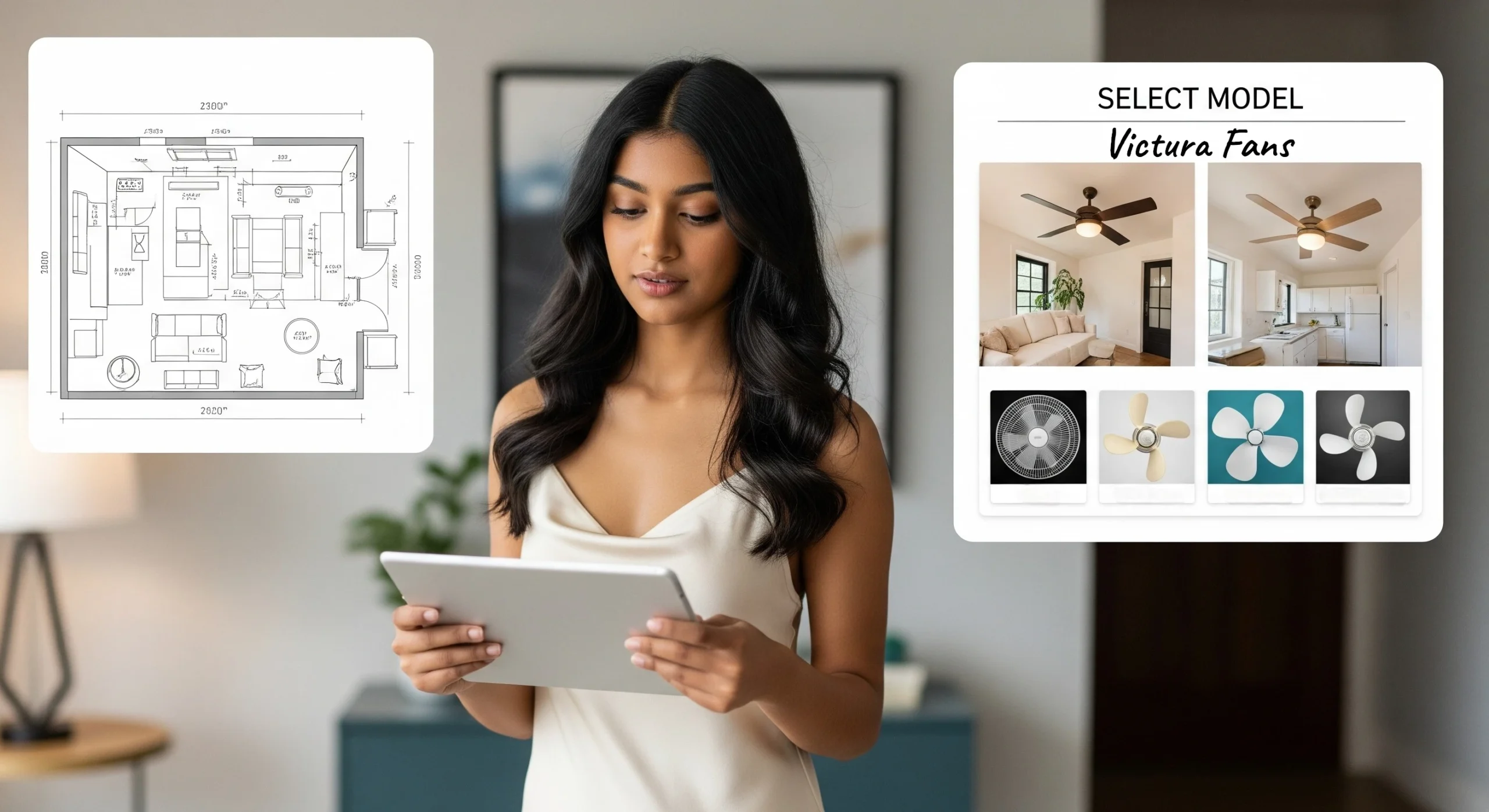
    Victùra offers different blade spans for compact rooms, standard rooms, and large open layouts. Measure your space before choosing.

    2. Match the Mood

    Want calm elegance? Go for a white or wood finish. Love bold drama? Try matte black or antique bronze. Your fan should echo your room’s personality.

    3. Ceiling Height Matters

    Higher ceilings need longer downrods for proper air circulation. Victùra provides options for varied ceiling heights, so don’t settle for generic.

    4. Lighting or No Lighting?

    Some fans come with LED kits built in. If your fan doubles as a light source, make sure the brightness (lumens) and tone (warm vs cool) fit your needs.

    5. Tech Features You’ll Use

    App controls, smart assistants, and remote operation, go for what fits your lifestyle. Not all features are necessary for everyone, but they’re great to have.

    Conclusion

    There’s an old saying—“God is in the details.” Architects and interior designers know that better than anyone.

    From the grain of a wooden panel to the sheen of a marble slab, from the placement of a window to the pitch of a roof—every choice matters.

    And fans? They’re no longer background players. With Victùra Airmotion, they become co-creators of space, style, and soul.

    Whether you’re designing a home that hugs you back, or a café that people never want to leave—a Victùra fan completes the story.So next time you look up and feel the breeze, ask yourself—is it just air?
    Or is it air in motion, designed to move you?

  • Top 5 Things Buyers Expect From Homes in Wilmington, NC

    Every year, buyers shift a little in what they look for. Some of that comes from lifestyle changes, some from new tech, and a lot from the way people want to live day to day. If you’re planning to sell, it helps to know what today’s buyers expect so your home catches their attention right away.

    The focus is clear: homes need to feel practical, comfortable, and energy-smart. A house that checks those boxes usually moves faster on the market, while one that doesn’t might get passed over.

    Meeting these expectations doesn’t always mean tearing walls down or starting a big remodel. In many cases, it’s about smart updates and presenting your home the right way.

    From design touches to built-in tech, here’s what’s shaping buyer decisions this year and how you can prepare your place to stand out.

    1. Flexible Living Spaces

    Buyers are paying close attention to how a home can flex with their lifestyle. Over the past few years, remote work and hybrid schedules have pushed people to rethink how they use every room. A space that only works for one thing often feels outdated.

    You’ll see more buyers asking for rooms that can change with them. A spare bedroom that works as a home office during the week and a guest room on the weekend. A basement that doubles as a gym in the morning and a playroom later in the day. Even an open floor plan with a few tucked-away nooks for reading or hobbies can check that box.

    When you highlight these kinds of options, your home becomes easier for buyers to picture themselves in. Flexibility helps them see the property not just as it is today but as something that can grow with their needs tomorrow.

    2. Smart Home Integration

    Smart features have moved from being nice extras to things buyers expect to see. Around Wilmington, many homeowners already use tech to make life easier, and new buyers want the same when they shop for a house.

    Think about a thermostat that learns your schedule, lights you can adjust from your phone, or a doorbell camera that shows you who’s outside no matter where you are. Smart features aren’t viewed as fancy extras anymore. Buyers see them as part of daily living, whether it’s checking a doorbell camera while they’re at work or adjusting the lights before they get home.

    Even a couple of upgrades can make a difference. When people walk through a house and notice things like that, it gives them confidence the home is cared for and ready for the way they live now.

    3. Sustainability and Energy Efficiency

    Many buyers around Wilmington are paying close attention to how a house handles energy. It’s about comfort as much as cost. A home that stays cool in the summer and warm in the winter without driving up the bill makes a real difference.

    Updates like double-pane windows, solid attic insulation, or Energy Star appliances often stand out on a tour. Even smaller changes LED lighting in the kitchen or low-flow showerheads, show that the house has been cared for with efficiency in mind.

    These touches don’t have to be big or expensive. They simply tell buyers that the home is ready for everyday living without waste, and that makes it feel like a smarter choice.

    4. Wellness and Comfort

    For many buyers, a home has to feel good as well as look good. Natural light, clean air, and a layout that doesn’t feel crowded go a long way.

    Windows that let the sun in during the day, or a floor plan that gives you room to breathe, often make a stronger impression than an extra closet. Small choices matter too, such as lighter paint, wood floors instead of carpet, or a quiet corner for reading.

    Outdoor space plays into this as well. A simple patio for coffee in the morning or a shady backyard spot for unwinding after work can make a house feel more livable.

    5. Modern Aesthetic with Timeless Appeal

    Most buyers want a home that feels updated but not so trendy that it looks dated a year later. Simple choices usually work best, such as neutral paint on the walls, clean lines in the kitchen, or a bathroom with black fixtures against white tile.

    Little updates like new lighting, matching cabinet pulls, or a fresh color scheme can go a long way. They keep the house looking current while still feeling classic enough to last.

    The Midpoint Between Style and Selling

    How a home looks is only part of the story. Sellers still need the right approach to connect with buyers. Around Wilmington, many homeowners focus on quick updates and then lean on simple, reliable selling options sometimes even working with trusted cash buyers when speed matters most.

    The mix of a well-kept, good-looking house and a clear selling plan makes it easier to move forward with confidence, no matter what the market is doing.

    Why These Expectations Matter

    The things buyers ask for in Wilmington homes aren’t just trends. They come from how people are living now. Remote work has made flexible rooms more important. Tech is part of daily life, so smart features feel natural. Rising utility costs push buyers to look for efficient windows or appliances. And more people want a house that feels healthy, bright rooms, fresh air, and a spot outside to unwind.

    Style still matters too. A modern look with clean finishes, but nothing so bold it feels out of date too soon.

    Put all of this together and you see the picture: buyers want homes that make sense for both their routines and their budget, while also feeling good to live in. When a house checks those boxes, it usually attracts more attention and stronger offers.

    Final Thoughts

    Selling a home today takes more than just a good address or solid bones. Buyers around Wilmington are paying closer attention to how a house fits the way they actually live. They want spaces that can adapt, features that save on bills, and a look that feels fresh without being over the top.

    Small updates can go a long way. A flexible room that doubles as an office, a smart thermostat on the wall, or even new lighting and paint can change the way a home is received. Add in natural light, outdoor space, and finishes that will still feel right years from now, and you’ve got the mix most buyers are hoping to find.

    For sellers, the real key is knowing which details matter most and making sure they stand out. When a home feels practical, comfortable, and well cared for, buyers see it as a place worth moving quickly on.

  • How Profitable Is It to Invest in a New Home in St. Louis?

    Image Source: pexels.com

    Investing in a new home can feel like stepping onto a shiny, freshly waxed dance floor. Everything looks perfect, but you still need the right moves to avoid slipping. The truth? A new home can be a money-maker, but only if you understand what drives its value, where it’s built, and how you manage the costs. Let’s break it down without the boring parts.

    Factors That Affect the Profitability of a New Home Investment

    A new home’s profit potential doesn’t just appear out of thin air. It comes down to a mix of location, timing, and market health. Buy in a neighborhood with rising demand, and you’ll ride the wave of price appreciation. Buy in a slow-moving market, and you might be waiting a while for those numbers to climb.

    Builder reputation matters too. A property from a developer known for quality finishes and solid construction tends to hold and grow its value better.

    And don’t forget about interest rates. Low borrowing costs can make your numbers work out beautifully, while higher rates might eat into your returns.

    Benefits of Buying a New Construction Property

    A new home is like the first slice of a fresh cake — untouched, clean, and ready to be enjoyed. There’s no outdated wallpaper, no mystery stains in the carpet, and no hidden repair list from the previous owner.

    Energy efficiency is a huge plus. Modern builds often have better insulation, updated appliances, and eco-friendly materials that cut utility costs.

    Warranties sweeten the deal. Many freshly built homes come with a safety net that covers big-ticket items like the structure and major systems. That means fewer surprise expenses in the early years.

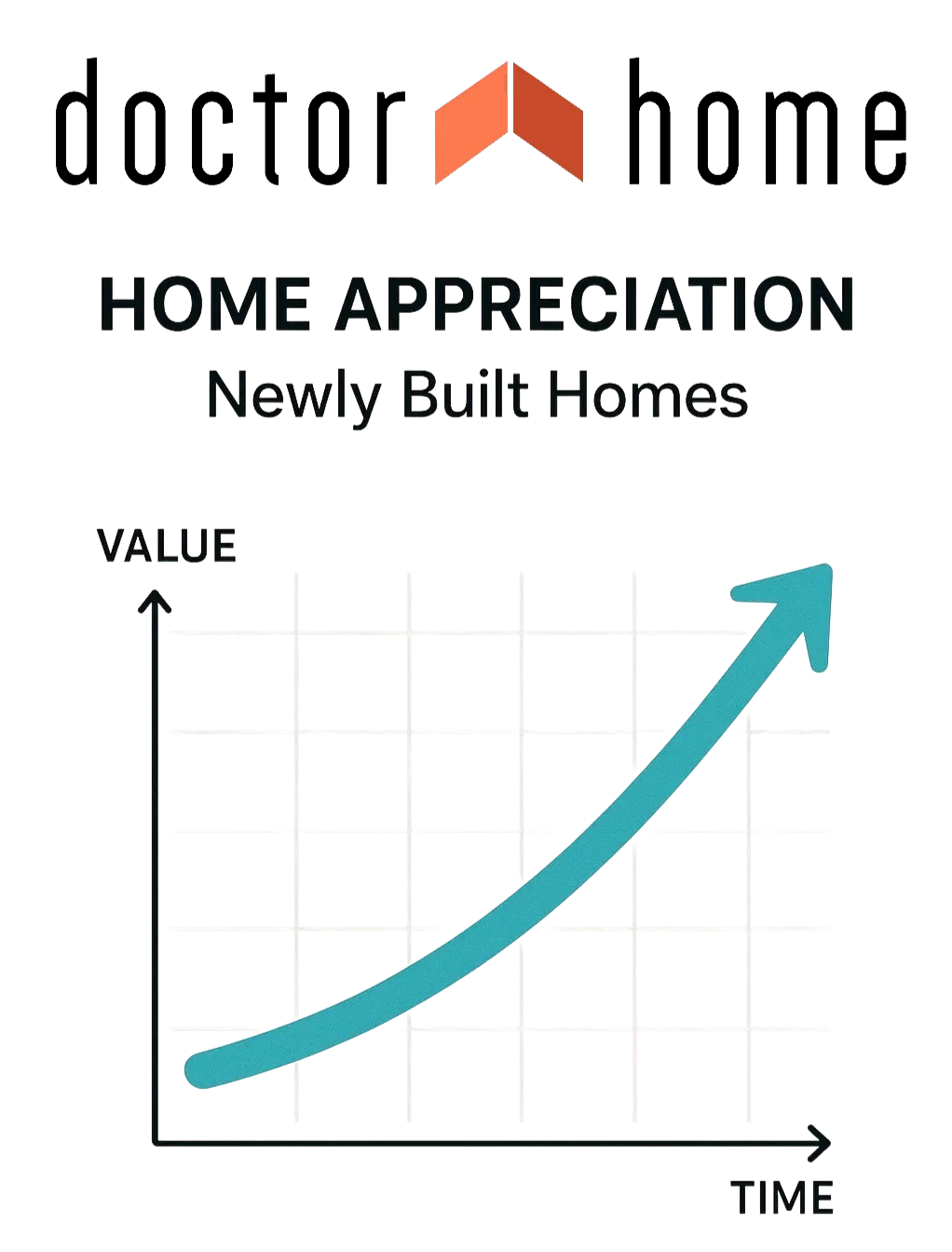
    Average Return on Investment for Newly-Built Homes

    Returns on new homes can vary as wildly as lottery outcomes. In hot markets, appreciation rates can hit double digits over a few years. In slower markets, growth might be more modest.

    The real draw is combining value growth with cost savings. Lower maintenance in the first 5–10 years means you’re not pouring money into constant repairs. That can make your net gain look much healthier than with an older property. And when it’s time to sell, you can sell fast with Doctor Home – a trusted cash home buyer in St. Louis, helping you lock in profit without the headaches of a drawn-out listing process.

    New Homes vs. Older Properties: Appreciation Rates

    Older homes sometimes have character, but new builds have curb appeal that buyers crave. And right now, many buyers are willing to pay a premium for “turnkey” properties.

    New builds in desirable areas often appreciate faster in the first decade because they match current design trends and energy standards. Older homes may catch up later after renovations, but those updates cost time and money.

    Costs to Consider Before Investing in a New Home

    That price tag is just the opening chapter of the whole story. Budget for the extras, because they add up fast:

    • Closing costs – think legal fees, title coverage, and those unavoidable taxes.
    • Upgrades – builders love to offer add-ons, and it’s easy to overspend.
    • HOA fees – a regular guest in new communities that offer shared perks and amenities.
    • Property taxes – often higher on new builds because the valuation is based on current market rates.
    • Landscaping – that perfect lawn? Not always included.

    Skipping these calculations can turn a profitable investment into a tight squeeze.

    Best Locations for High-Value New Home Investments

    Location can make or break your returns. Areas near expanding job markets, top-rated schools, and upcoming infrastructure projects tend to appreciate quickly.

    Look for neighborhoods that are just starting to buzz, not ones that have already peaked. You want to buy before the coffee shops, farmers markets, and boutique gyms arrive. That’s when prices start climbing fast.

    And remember, a beautiful house in a stagnant area is like a sports car in a traffic jam, it’s not going anywhere fast.

    Final Tips for Boosting Profit from Your New Home Purchase

    If you want to squeeze the most juice from your investment, treat it like a long game. Keep it well-maintained, pick upgrades that matter to future buyers, and keep an eye on the market.

    Selling at the right time, ideally when supply is low and demand is high, can be the difference between a decent profit and a great one.

    Above all, think like both a homeowner and an investor. You want a place that’s comfortable to live in now, but also positioned to pay you back later.

    FAQs

    Are new homes more profitable than older ones?

    Often, yes. New homes typically have lower repair costs early on and can appreciate quickly in hot markets. But location and timing still matter most.

    How long should I hold a new home before selling?

    Many investors aim for at least 5 years. That allows enough time for value growth to cover closing costs and generate profit.

    Do I need to pay for upgrades in a new home?

    Not necessarily. Basic finishes can still be profitable, but smart upgrades like kitchens, flooring, and energy-efficient systems can boost resale value.

    Is it risky to invest in a new home during a market slowdown?

    It can be. Slower demand means slower appreciation. But buying in a growing area can still pay off over the long term.

    What’s the fastest way to sell a new home for profit?

    Work with a cash buyer or investor. You’ll avoid agent fees, repairs, and long wait times and walk away with your money faster.

  • How New Windows Can Transform Your Interior Spaces

    New windows can significantly enhance the aesthetic and functional aspects of any interior space. The right choice of windows not only improves natural light and energy efficiency but also elevates the overall design of a room.

    Homeowners often underestimate the impact that windows can have, both visually and practically.

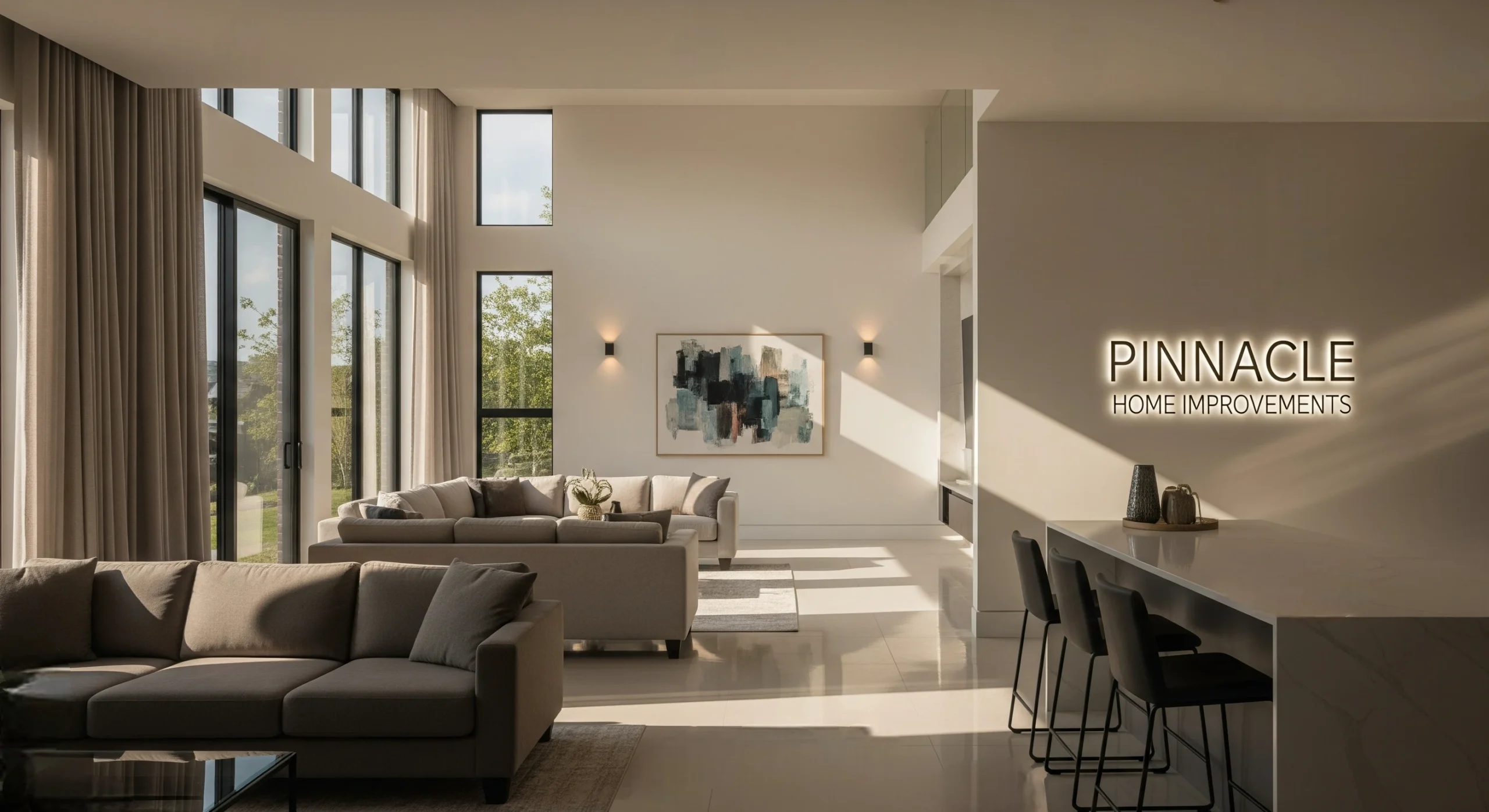
    Sunlight streams through new windows, illuminating a modern living room. The space feels open and airy, with a fresh and inviting atmosphere

    Installing new windows can create a fresh atmosphere, making spaces feel more open and inviting. By selecting styles and materials that complement the existing decor, individuals can achieve a seamless blend of functionality and appeal. Taking this step can lead to a remarkable transformation that revitalizes any area of the home.

    In addition to their visual benefits, modern windows offer advanced features such as better insulation and soundproofing. This contributes to a more comfortable living environment while also potentially lowering energy costs. Embracing new windows is not just about aesthetics; it’s a strategic investment in the quality of life within a home.

    The Impact of Natural Light on Interiors

    Natural light serves as a crucial element in enhancing interior spaces. Strategic window placement and the psychological benefits linked to increased light can significantly transform the atmosphere and functionality of a home.

    Maximizing Daylight with Strategic Window Placement

    The positioning of windows plays a vital role in optimizing natural light. Installing larger windows or skylights can capture sunlight throughout the day. You can get transformative window designs with Pinnacle Home Improvements that allow for better light flow.

    Consider the orientation of the home. South-facing windows typically receive the most light, while north-facing windows provide softer, diffused light. Incorporating elements like window films or low-e glass can also enhance light entry while maintaining energy efficiency.

    When designing spaces, placing windows at different heights can create visual interest and varied light exposure. This approach not only amplifies brightness but also contributes to the aesthetic appeal of a room.

    The Psychological Benefits of Increased Natural Light

    Exposure to natural light is linked to positive psychological effects. Studies indicate that ample daylight can enhance mood, improve focus, and promote well-being. This influence is especially noticeable in areas like home offices and living rooms.

    Bright spaces reduce feelings of confinement and create an inviting atmosphere. Natural light can also improve sleep patterns and regulate the body’s circadian rhythm. Choosing large, strategically placed windows can significantly enhance these effects, making rooms feel more productive and serene.

    Incorporating this knowledge into interior design fosters healthier living environments. The integration of natural light not only transforms aesthetics but also elevates the quality of life.

    Enhancing Aesthetics with Window Design

    Windows play a crucial role in enhancing the interior aesthetics of a home. Thoughtful selection of styles and materials can create a significant visual impact that complements the existing decor. Transformative designs highlight the potential to elevate any space.

    Modern Window Styles and Their Influence on Decor

    Modern window styles include casement, sliding, and bay windows, each contributing distinct characteristics to a room.

    • Casement Windows: These allow for unobstructed views and maximum ventilation. Their clean lines add a contemporary flair.
    • Sliding Windows: Ideal for narrower spaces, they provide a sleek look and easy operation while connecting indoors and outdoors.
    • Bay Windows: These create a focal point in any room, offering both aesthetic appeal and added space.

    Each style can interact with existing decor elements, enhancing the overall ambiance and creating a cohesive look.

    How Window Frame Materials Complement Interior Themes

    The choice of window frame materials is essential in achieving a harmonious design.

    • Vinyl Frames: Known for their durability, they come in various colors and finishes, making them versatile for multiple interior styles.
    • Wood Frames: These offer a classic, warm look. They can be stained or painted to fit any decor theme.
    • Aluminum Frames: Sleek and modern, they work well in minimalist settings.

    Combining the right materials and styles can seamlessly integrate windows into a home’s design, showcasing character and enhancing visual appeal.

    Functional Considerations of New Windows

    New windows offer practical benefits that enhance both comfort and efficiency in interior spaces. Important aspects include improved ventilation and air quality, as well as advancements in insulation and energy efficiency.

    Improving Ventilation and Air Quality

    New windows are designed to enhance airflow and maintain a healthy indoor environment. They allow fresh air circulation, reducing humidity and preventing mold growth. Types of window opening mechanisms include:

    • Casement Windows: Open outward to maximize airflow.
    • Sliding Windows: Provide easy openings for ventilation.
    • Awning Windows: Allow air circulation even during rain.

    These features not only improve air quality but also contribute to a more comfortable living space. Well-ventilated rooms help to enhance overall well-being.

    Windows as Insulators and Energy Savers

    Energy-efficient windows significantly impact heating and cooling needs. Modern technologies, such as double or triple glazing, provide excellent thermal insulation. Some key benefits of energy-efficient windows include:

    • Reduction in Energy Bills: Better insulation lowers heating and cooling costs.
    • Improved Temperature Control: Keeps indoor spaces comfortable year-round.
    • UV Protection: Protects interiors from fading due to sun exposure.

    Transformative window designs integrate these advanced features, ensuring homeowners benefit from reduced energy expenditures while enjoying a pleasant indoor climate.

  • How a Roof Repair Contractor Can Boost Your Home’s Market Value with Strategic Upgrades

    A roof repair contractor can significantly increase a home’s market value by addressing both functional problems and aesthetic concerns. Through targeted repairs and upgrades, they ensure the roof is structurally sound, improving the property’s overall appeal to buyers.

    Strategic roof improvements, such as replacing damaged shingles, fixing leaks, and upgrading materials, make a home more attractive and can justify a higher asking price. These upgrades also signal to potential buyers that the home has been well-maintained, reducing concerns about future repair costs.

    Key Roof Repairs That Enhance Market Value

    Strategic roof repairs focus on preventing damage, strengthening key components, and optimizing energy efficiency. 

    Addressing Leaks and Water Damage

    Repairing leaks is critical to protect a home’s structural integrity and prevent costly water damage. A contractor identifies the source of leaks, which often appear around flashing, vents, or damaged shingles.

    Replacing missing or broken shingles and sealing vulnerable joints stops water from penetrating the roof deck. Addressing underlying roofing issues helps avoid mold growth and wood rot that can deter buyers.

    Installing metal roofing can be a long-term solution here. Its durability and water-resistant properties minimize leak risks, increasing the roof’s lifespan and positively impacting market value.

    Reinforcing Roof Structure

    A strong roof frame withstands weather and extends the roof’s service life, making it an important selling point. Contractors inspect rafters, trusses, and supports for signs of wear or damage.

    Repairing or replacing weakened structural elements ensures stability. Adding reinforcement materials or bracing can help the roof carry additional weight, including upgrades like metal roofing.

    Structural improvements assure buyers the roof can handle future weather events. This reduces concerns about costly repairs, improving buyer confidence in the home’s condition.

    Improving Ventilation and Insulation

    Proper roof ventilation balances heat and moisture levels, preventing ice dams and reducing energy costs. A contractor evaluates attic vents, ridge vents, and soffit vents to ensure adequate airflow.

    Upgrading insulation complements ventilation by stabilizing indoor temperatures year-round. Adding or replacing insulation reduces heating and cooling expenses, a clear market advantage.

    Better ventilation and insulation extend the roof materials’ lifespan by limiting thermal stress and moisture buildup. These energy-efficient improvements align with buyer preferences for lower utility bills and sustainable homes.

    Strategic Upgrades for Maximum ROI

    A sunny day with a clear blue sky over a residential area in Huntsville. A sturdy, well-maintained roof stands out among the houses

    Investing in specific roof upgrades can significantly increase a home’s market value. Choosing materials and features with durability, efficiency, and aesthetic appeal ensures the best return on investment.

    Upgrading to Modern Roofing Materials

    Modern roofing materials such as metal, synthetic slate, and architectural shingles offer increased durability and style. Metal roofing is particularly popular for its longevity and low maintenance. It can also be installed over existing roofs, reducing labor costs.

    Installing metal roofing requires professional skill to ensure proper sealing and fastening, which prevents leaks and extends roof life. The reflective surface of metal also helps reduce heat absorption, contributing to energy savings.

    Choosing materials with higher ratings for wind resistance and fire safety appeals to buyers in all markets. This upgrade adds tangible value and reduces future repair costs.

    Energy-Efficient Roofing Solutions

    Energy-efficient roofing options lower utility bills and attract eco-conscious buyers. Cool roofs, reflective coatings, and added insulation are common solutions contractors recommend.

    These features reduce heat transfer, keeping the home cooler in summer and warmer in winter. Metal roofs, for example, can be coated with reflective paint that meets ENERGY STAR standards.

    Strategic installation includes proper ventilation to boost efficiency. An energy-efficient roof also qualifies for potential tax credits or rebates, making it financially attractive beyond initial investment.

    Curb Appeal Improvements

    A roof’s appearance strongly influences a home’s curb appeal. Color coordination with siding, neat installation, and a clean roof line can transform the home’s look.

    Architectural shingles add depth and texture, while metal roofing provides a sleek, modern aesthetic. Removing old roof debris and power washing the roof surface enhances appeal.

    Minor repairs like fixing flashing or replacing gutters can also improve overall presentation. A visually appealing roof signals to buyers that the home is well-maintained, increasing perceived value.

    Warranty and Longevity Considerations

    Longer warranties and durable materials reduce buyer concerns about future expenses. Reputable contractors often offer warranties on both materials and installation, which can be transferable to new owners.

    Metal roofs can last 40-70 years with minimal upkeep, compared to 15-30 years for traditional asphalt shingles. This longevity adds value by lowering replacement frequency.

    Homeowners should prioritize upgrades with warranties covering wind damage, leaks, and rust. Clear documentation of these warranties should be part of the home sale package.

    Selecting the Right Roof Repair Contractor

    Choosing a contractor involves careful review of their qualifications, the range of services offered, and transparent pricing.

    Evaluating Credentials and Experience

    A reputable contractor should have valid licensing and insurance to protect the homeowner from liability. Checking licenses against state or local databases confirms compliance with laws.

    Experience matters; contractors with years in roofing are better at diagnosing issues and selecting effective upgrade methods. Request references or look for reviews that highlight quality, timeliness, and professionalism.

    Certifications from manufacturers or professional bodies indicate technical expertise and familiarity with new roofing materials or technologies, reinforcing the contractor’s reliability.

    Comparing Service Portfolios

    Reviewing the types of repairs and upgrades offered shows if the contractor can handle specific needs like ventilation improvements or energy-efficient installations.

    A detailed service portfolio includes roof inspections, shingle replacements, flashing repairs, and emergency services. Contractors that provide comprehensive roofing solutions add value beyond simple fixes.

    Ask if the contractor offers warranties on workmanship and materials. Longer or transferable warranties can enhance the home’s market appeal by assuring buyers of future durability.

    Understanding Cost Estimates

    Cost estimates should be itemized to show labor, materials, permits, and additional fees separately. Transparent pricing prevents surprises and aids in budget comparison.

    Contractors who conduct a thorough inspection before quoting tend to provide more accurate estimates. Verbal or vague quotes might lead to hidden costs later.

    Comparing multiple bids ensures competitive pricing. Cheaper estimates are not always better; balance cost with quality by verifying included services and warranty coverage.

  • Pros and Cons of Solar Panel Roofs in Texas

    A modern suburban house with solar panels on the roof under a clear blue sky.

    Solar panel roofs are becoming a popular option for homeowners in Texas due to the state’s abundant sunlight. They offer a way to reduce electricity bills and increase home value but also involve upfront costs and maintenance considerations.

    The key to deciding if solar panels make sense in Texas lies in weighing their long-term savings against installation expenses and potential limitations like weather and roof orientation. Understanding both the advantages and drawbacks can help homeowners make an informed choice.

    This article explores the primary pros and cons of solar panel roofs specific to Texas weather, energy policies, and market factors. It aims to provide clear facts that assist readers in deciding whether solar technology fits their needs.

    Benefits of Solar Panel Roofs in Texas

    Solar panel roofs in Texas offer clear financial advantages, reduce environmental impact, and provide access to government incentives. They can also boost property values by making homes more energy-efficient and modern.

    Energy Cost Savings

    According to expert solar panel installers in Dallas from Metro Express Solar, Texas receives abundant sunlight year-round, making solar panels highly efficient in generating electricity. Homeowners can significantly reduce their monthly electricity bills by producing their own power.

    Net metering programs in Texas allow users to sell unused energy back to the grid, further lowering overall energy costs. This can lead to potential savings of 50% to 70% on utility bills, depending on system size and energy use.

    Installing solar panels also provides price stability by reducing dependence on fluctuating utility rates. Over time, savings often cover the initial installation cost, creating long-term financial benefits.

    Environmental Impact

    Solar energy produces zero emissions during operation, helping reduce a home’s carbon footprint. Texas, being a large energy consumer with heavy fossil fuel use, benefits from increased solar adoption to lower greenhouse gas emissions.

    Using solar panels helps decrease reliance on nonrenewable energy sources such as coal and natural gas. This contributes to cleaner air and water quality by reducing pollutants commonly associated with fossil fuel power plants.

    Solar power also conserves water resources, as it requires minimal water for maintenance compared to traditional power generation methods. This is particularly important given Texas’ periodic drought conditions.

    State and Federal Incentives

    Texas homeowners can take advantage of various incentives to offset solar panel installation costs. The federal solar Investment Tax Credit (ITC) allows for a 30% tax credit on system costs through 2032.

    At the state level, there is no state income tax, which means no state tax rebate, but utility companies may offer rebates or performance-based incentives to encourage adoption. These vary by provider and location within Texas.

    Additional perks include exemptions from local property taxes on added home value from solar systems. Some cities also provide streamlined permitting processes to reduce upfront barriers.

    Increased Property Value

    Solar panel roofs increase a home’s market appeal by lowering future energy expenses for buyers. Studies show that homes with solar installations typically sell faster and at higher prices than comparable non-solar homes.

    The premium on resale value often ranges from 3% to 5%, reflecting the energy savings and environmental benefits perceived by buyers. This is especially relevant in Texas markets experiencing growing demand for sustainable housing.

    Solar panels also signal modern upgrades and energy independence, both attractive features to homebuyers in the state. Properly maintained systems can remain efficient for 25 years or more, adding lasting value.

    Drawbacks of Solar Panel Roofs in Texas

    Solar panel roofs involve significant financial investment upfront and require evaluation of local weather patterns. Additionally, not all roofs are suited to support the added weight and structural demands of solar installations.

    Upfront Installation Costs

    The initial expense for purchasing and installing solar panels in Texas can be high. Costs typically range from $15,000 to $30,000 before incentives. This amount covers the panels, inverters, mounting hardware, and labor.

    Although federal tax credits and some state incentives may reduce costs by up to 30%, the out-of-pocket investment remains substantial. Homeowners with limited budgets may find the upfront price a barrier, especially if they lack access to financing options.

    Maintenance, replacement parts, and possible upgrades add to long-term expenses. The payback period can stretch beyond 7–10 years depending on energy savings and system size, which might not suit all buyers.

    Performance Variability Due to Weather

    Texas climate features intense sun but also includes storms, hail, and severe weather events. Solar panels perform best in direct sunlight, but cloud cover and dust storms can reduce efficiency.

    Hail, frequent in some Texas regions, can physically damage panels despite durable designs. Regular cleaning is necessary to remove dirt and debris, particularly in dry, dusty environments, adding to upkeep efforts.

    Heat also decreases efficiency; extreme summer temperatures often exceed optimal operating ranges. This means energy production may dip when demand is highest, affecting overall returns.

    Roof Compatibility and Structural Limitations

    Not all roofs in Texas can support solar panels. Factors like roof age, material, pitch, and orientation affect eligibility. Older roofs may need repairs or replacement before installation.

    Materials such as wood shakes or slate are less suited for mounting hardware, which can increase installation complexity and costs. Roofs facing north or shaded by trees produce less energy, limiting system effectiveness.

    Structural integrity is critical as panels add weight and wind load. A professional inspection is required to confirm the roof can safely bear the system, potentially leading to additional reinforcement expenses.

    Additional Considerations for Texas Homeowners

    Texas homeowners must navigate specific regulations, upkeep demands, and installation choices when considering solar panels. These factors can significantly affect the system’s cost-effectiveness and durability over time.

    Local Regulations and Permits

    Texas has varied local regulations that impact solar panel installation. Homeowners should check city and county zoning laws, which may limit panel placement or require certain aesthetic standards.

    Permit requirements differ widely. Many areas in Texas mandate electrical and building permits before installation. Failing to secure these can result in fines or costly modifications.

    Net metering policies are crucial. Texas utilities offer different compensation rates for excess energy, so understanding local programs helps maximize savings.

    Maintenance and Longevity

    Solar panels generally require minimal maintenance but should be inspected annually. Texas weather, especially dust, pollen, and occasional hail, can reduce efficiency if panels are not cleaned.

    Roof condition plays a role. Panels installed on aging roofs may need removal for repairs, increasing maintenance costs. Homeowners should ensure the roof is in good shape before installation.

    Monitoring systems are recommended. They provide real-time performance data, allowing quick identification of issues such as shading or panel malfunctions.

    Choosing a Qualified Installer

    Selecting an experienced installer is critical in Texas due to unique climate and regulatory conditions. Look for licensed and insured professionals with positive local reviews.

    Installers should offer warranties on both equipment and labor. Warranties typically cover 10-25 years for panels and 5-10 years for installation work.

    Request detailed quotes including system size, expected output, and timeline. A transparent installer will provide a clear contract and assist with permit applications.