Home comfort depends on the HVAC system. The HVAC system regulates room temperature, controls humidity, and ensures clean air indoors. However, many homeowners and commercial building owners neglect regular HVAC maintenance until a breakdown occurs.
Neglecting regular upkeep might not seem like a big deal initially, but over time, it can lead to higher energy costs, poor air quality, unexpected system failures, and even health risks. Here’s why regular HVAC maintenance is crucial and the consequences of neglecting it.
Higher Energy Bills & System Overload
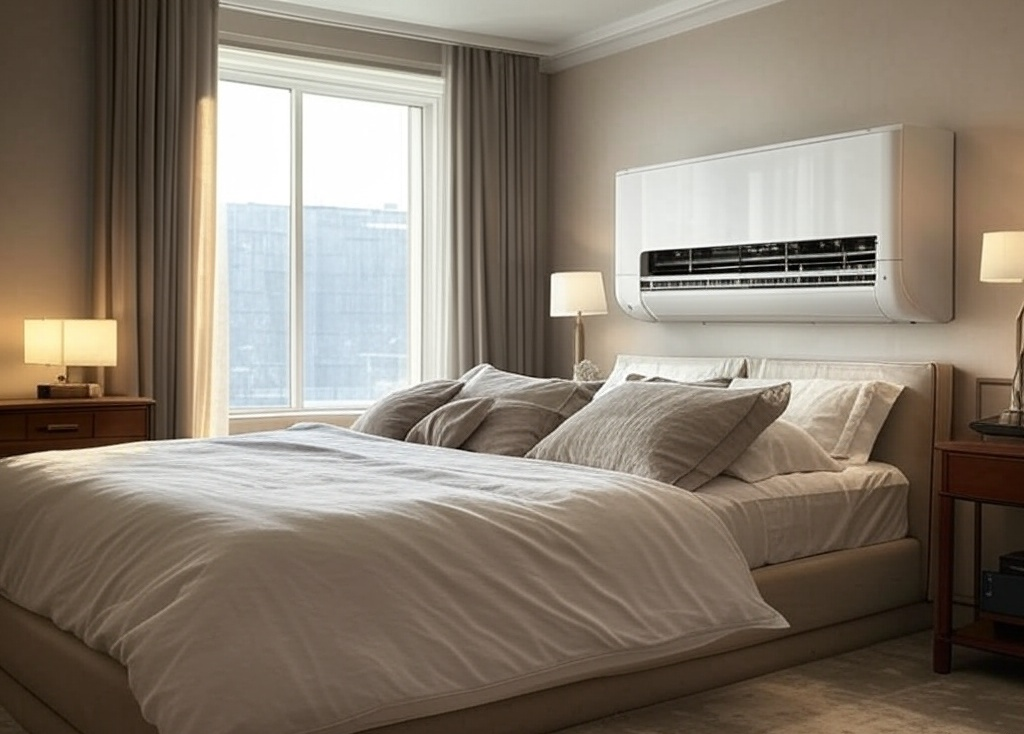
A neglected HVAC system has to run longer and use more energy to maintain the desired temperature, increasing your electricity bill. Common culprits include:
- Clogged air filters – restrict airflow, forcing the system to work longer
- Dirty coils – reduce heat exchange efficiency
- Blocked vents or ducts – disrupt proper air circulation
- According to the U.S. Department of Energy, replacing a dirty air filter can lower HVAC energy consumption by up to 15%.
- Impact: If ignored, this extra strain shortens the system’s lifespan and can lead to costly repairs or early replacement.
Poor Air Quality & Health Issues
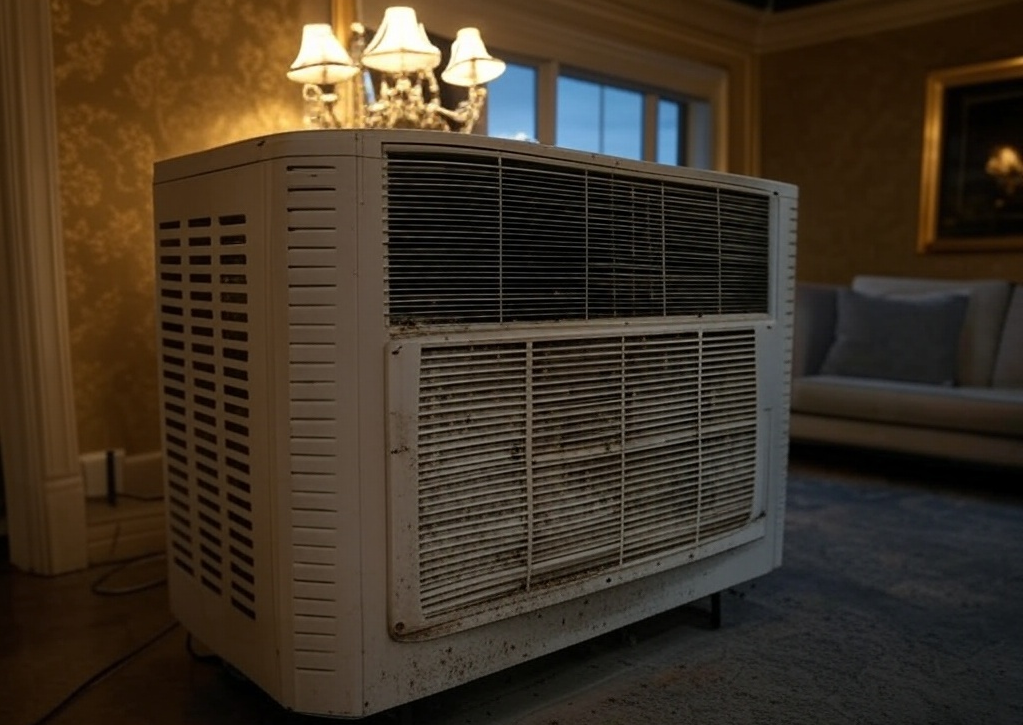
Your HVAC system moves air throughout your home, meaning any dust, mold, or bacteria inside the system can spread to your living spaces. When maintenance is neglected, dust, mold, pet dander, and bacteria can accumulate inside the system and get blown into your living space. Possible consequences:
- Aggravated allergies and respiratory problems
- Mold growth, leading to musty odors and health risks
- Sewer gas smell in the bathroom, often caused by poor ventilation or clogged drains interacting with the HVAC system
- Increased indoor air pollution Example: Ever noticed a stale or musty smell when your AC turns on? That could be mold in your air ducts, thriving in dark, damp environments.
- Solution: Regular maintenance includes cleaning air ducts, replacing filters, and controlling humidity to stop mold and dust buildup.
Risk of Sudden Breakdowns & Costly Repairs
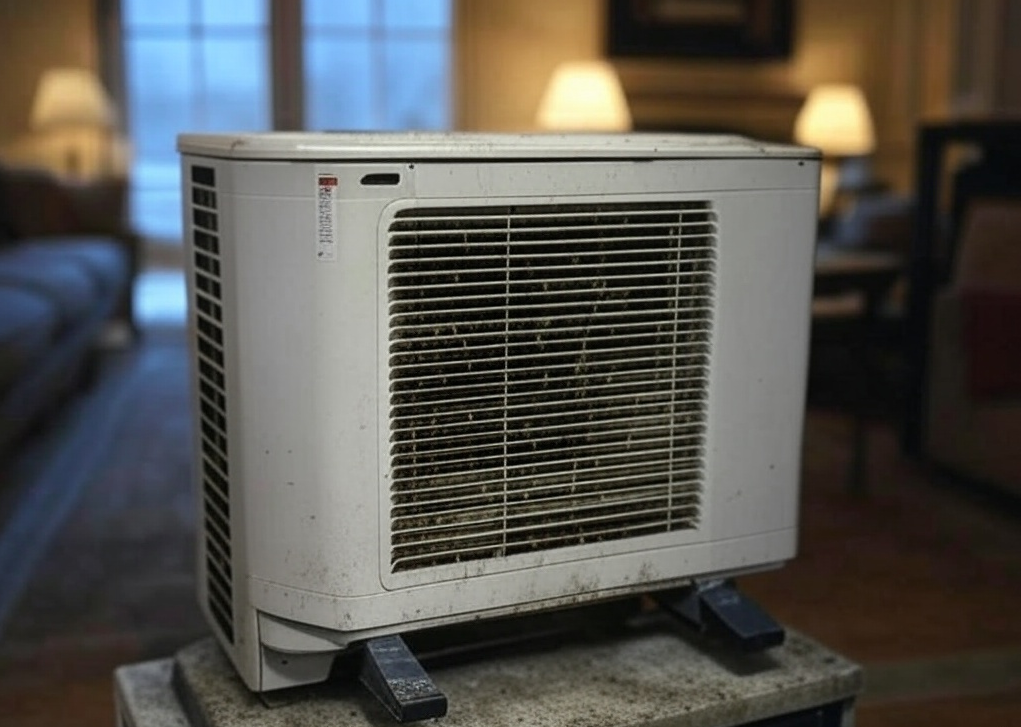
Many HVAC failures begin as minor issues—like a loose wire or a dirty filter—that worsen over time. Common preventable problems:
- Refrigerant leaks – Can lead to compressor failure ($1,500+ repair)
- Worn-out components – Overheats the system, causing sudden shutdowns
- Frozen evaporator coils – Block airflow, making the system inefficient
- Impact: Without routine maintenance, a system that should last 15–20 years might fail within 10 years or less.
- Solution: Routine inspections can catch these issues early, potentially saving you thousands in repair costs.
Fire Hazards & Electrical Risks
Your HVAC system runs on electrical components, including motors, wiring, and circuit boards. Over time, dust buildup or loose connections can create fire hazards. Common risks:
- Overheating motors – Can ignite surrounding dust or debris
- Faulty wiring – Can cause electrical shorts or even house fires
- Blocked HVAC vents – Can trap heat, increasing fire risks
- Fact: According to the NFPA (National Fire Protection Association), HVAC-related fires account for thousands of home fires each year, many of which are preventable with regular inspections.
- Solution: Checking for obstructions in vents and ducts to maintain proper airflow.
Carbon Monoxide Leaks – A Silent Threat
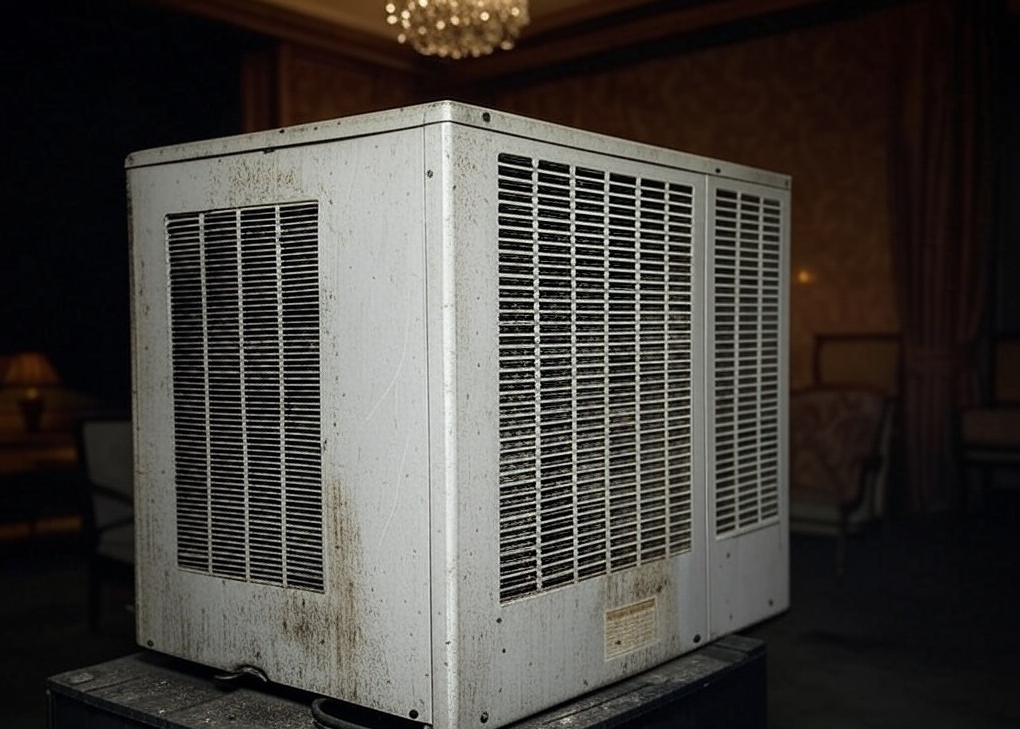
If you have a gas-powered furnace or HVAC system, a cracked heat exchanger or blocked vent can cause carbon monoxide (CO) leaks. Carbon monoxide is odorless and colorless, making it hard to detect without a CO detector. It’s highly toxic and can cause dizziness, nausea, confusion, or even death. It’s even more dangerous in winter when homes are sealed tight.
- Solution: Install carbon monoxide detectors near bedrooms and HVAC units. Schedule yearly inspections to check for cracks, blockages, or leaks.
Shortened System Lifespan & Higher Replacement Costs
An HVAC system is a major investment, and regular maintenance keeps it running longer.
What happens if you neglect maintenance:
- Neglected system: May fail in 8–10 years
- Well-maintained system: Can last 15–20 years
- Cost of early replacement: Replacing an HVAC unit can cost anywhere from $5,000 to $12,000
- Solution: Investing in annual tune-ups prevents premature wear and extends your system’s lifespan, saving you money in the long run.
The Simple Solution: Regular Maintenance
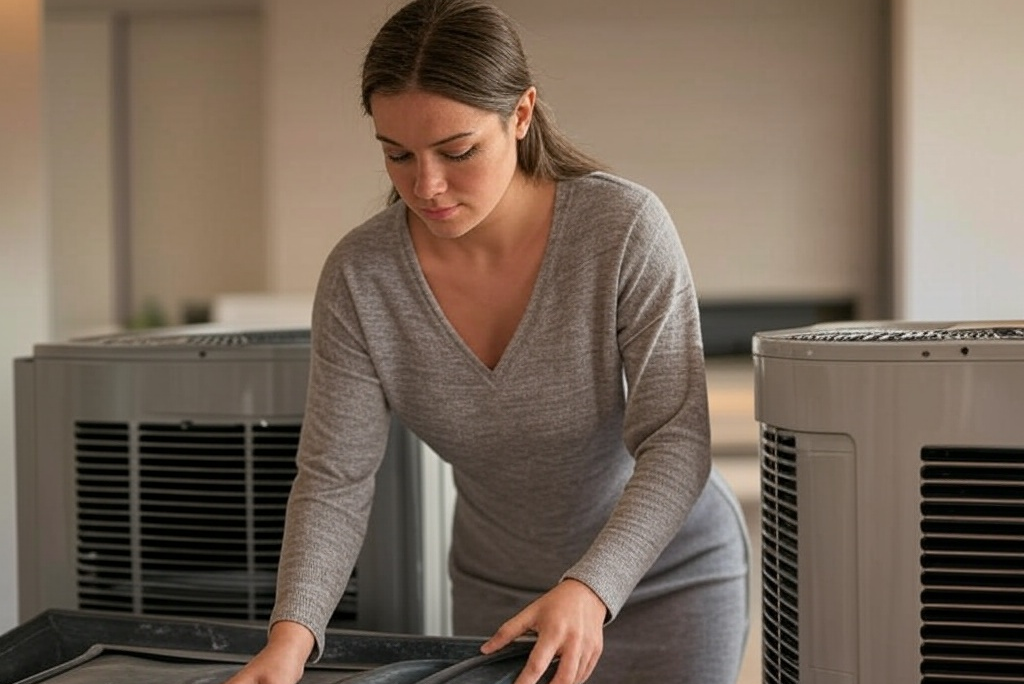
The best way to prevent these issues is with routine HVAC maintenance. Experts recommend servicing your system at least once or twice a year
- Replace disposable air filters or clean reusable ones every 1–3 months
- Clean air ducts to remove dust buildup
- Check refrigerant levels and look for leaks
- Test the thermostat for accuracy
- Inspect electrical wiring and connections
- Make sure the system drains properly to prevent moisture buildup and keep your system running efficiently.
Don’t Wait Until Your HVAC Fails!
Neglecting HVAC maintenance may seem harmless—until you’re stuck with a skyrocketing energy bill, an unexpected breakdown, or a major health risk. A little maintenance now can save you thousands later. Breathe cleaner air, lower your bills, and keep your home safe. Book an HVAC check-up today!