Category: Home Improvement

  • How To Make Your Short‑Term Rental More Appealing And Maximize Bookings

    How To Make Your Short‑Term Rental More Appealing And Maximize Bookings

    In the highly competitive world of short-term rentals, having a place to stay is no longer enough. Today’s guests want more than four walls and a bed. They book places that feel easy, comfortable and well run, with the kind of details they would expect at a good hotel and the personality they can only get in a home. When you set up your place with that mindset, you raise reviews, improve occupancy and build real cash flow. Travelers now look for hotel‑like amenities with a personal touch, which is exactly where you can stand out.
    1) First Impressions That Sell: Curb Appeal And Landscaping

    Guests start forming opinions the moment they pull up. Keep the exterior clean and cared for, then layer in simple features that read as premium without adding a lot of maintenance.

    • Landscape for impact, not upkeep.
      Mix native, drought-tolerant plants into a well-manicured garden, accented with a few potted color pops near the entry. Define pathways with pavers or gravel, and add low-voltage lights to guide guests at night.
    • Create a spot to linger.
      A small patio with comfortable chairs, an outdoor rug and a side table photographs well and gives guests a place to enjoy morning coffee.
    • Automate watering.
      With an automated irrigation system, including a drip line for beds and a simple sprinkler controller for turf, your landscape stays healthy while you focus on turnovers.
    • Mind the property line.
      When you place a fence, garden bed or pergola, confirm boundaries so your improvements stay on your land. A quick check with a plat map or, for trickier lots, a boundary survey avoids encroachment issues later. If a neighbor’s tree or fence crosses into your space, start with a friendly conversation, then formalize solutions if needed.
    • Think like an owner.
      Built‑in elements, like a fixed bench, a hard‑plumbed grill station or a permanent fire feature, become part of the real property and can support value, which is different from movable furniture.

    2) Make Comfort A Given: Climate Control And Smart Basics

    Comfort drives five‑star stays. Keep temperatures steady and controls simple.

    • Reliable heating and cooling.
      Service HVAC regularly, install a smart thermostat guests can adjust, and keep spare filters on hand. Efficient air conditioning for hot summers makes comfort effortless.
    • Quiet, dark and breezy.
      Blackout shades, a ceiling fan in each bedroom and door sweeps help with sleep.
    • Energy touches that matter.
      LED bulbs, weather‑stripping and a smart thermostat lower costs, and guests engage with listings that highlight efficiency. Renters are more likely to pursue homes that share positive energy‑efficiency details, which helps the listing and your utility spend.

    3) Set Up A Kitchen Guests Can Actually Use

    Many travelers book a home so they can cook. Equip the space so every meal is easy to prep and easy to clean.

    • Appliances that work hard.
      Full‑size fridge, range, microwave and a quiet dishwasher. Add both drip and single‑serve coffee options, an electric kettle and a quality toaster.
    • Tools that make sense.
      A complete cookware set, sharp knives, cutting boards, sheet pans, mixing bowls, a colander, storage containers and a basic bakeware set.
    • Stock the staples.
      Salt, pepper, cooking oil, a few spices, coffee, tea and sweeteners. Refill between stays and keep a labeled owner bin for bulk supplies.
    • Cleanup is part of the amenity.
      Dish tabs, sponge, towels and a small starter pack of trash bags. Upgraded kitchens and amenities help you command stronger rates, which supports cash flow.

    4) Bedrooms And Baths Guests Look Forward To

    Sleep and showers set the tone for the whole stay.

    • Beds worth bragging about.
      Quality mattresses, breathable sheets, two pillow types per person and spare blankets.
    • Blackout plus bedside.
      Full blackout window treatments, a nightstand and lamp on each side, and convenient outlets or USB ports.
    • Hotel‑level bath setup.
      Oversized towels, extras on the shelf, full bottles of shampoo, conditioner and body wash, a hair dryer, great lighting and a mirror guests can actually use. A rainfall shower head reads luxe, while leak‑free fixtures read professional.

    5) Entertainment And Work‑From‑Here Essentials

    Cover the basics guests now expect for downtime and remote work, then add a few memorable touches.

    • Streaming‑ready TV and strong Wi‑Fi.
      Set up a smart TV with the major apps, include an HDMI cable, and display the Wi‑Fi name and password on the welcome card.
    • Analog fun.
      A small stack of board games and a shelf of easy reads.
    • A real workspace.
      A desk and task chair with a power strip where it is obvious.

    Travelers increasingly look for hotel‑style amenities paired with a home feel, so this mix lands well and photographs clearly in your listing.

    6) Thoughtful Touches And Your Welcome Guide

    You set the tone before guests even arrive.

    • Clear, friendly check‑in.
      A smart lock with a unique code, step‑by‑step directions, parking info and quiet‑hours guidance.
    • House binder plus digital guide.
      Include appliance instructions, trash day, emergency contacts, Wi‑Fi details and a neighborhood map with your favorite coffee, markets, trails, family spots, and local activities.
    • A little “hello.”
      A small welcome basket with local snacks, bottled water and coffee pods goes a long way with reviews.

    7) Photos, Listing Copy And Pricing That Convert

    Your page on the platform is your storefront. Make it easy for guests to say yes.

    • Stage the hero shot.
      Lead with your best angle, then show the floor plan flow, sleeping setups and outdoor spaces. Turn on all the lights, open the blinds and switch on lamps for warm photos.
    • Write for clarity.
      Bullet the top five amenities in the first lines. Set house rules in plain language.
    • Price with a plan.
      Put numbers behind your targets. As one large market example, a one‑bedroom in Los Angeles can see an average daily rate near the high‑$200s with an occupancy rate a little over half the nights in a year, which points to five‑figure gross revenue before expenses if you hit similar performance in your market. Use your own comps locally, then apply a simple check: ADR × nights booked ≈ gross nightly revenue.
    • Reduce vacancies thoughtfully.
      Use seasonal minimum‑night rules, offer a small discount for week‑long stays, and keep your calendar open and accurate. Simple incentives and flexible terms can trim gaps, which supports cash flow.

    8) Operations You Can Repeat Every Time

    Treat cleanings, restocks and safety like a checklist business.

    • Turnover checklist.
      Bed order and laundry sequence, kitchen reset, bath setup, dust and floors, patio sweep, supplies restock.
    • Safety and maintenance rhythm.
      Test smoke and carbon‑monoxide alarms, keep a charged fire extinguisher, inspect stair rails and trip points, and walk the exterior lighting each month.
    • Know the local rules.
      Some areas require registrations, tax remittance or specific occupancy and parking rules for short‑term rentals or for homes in an HOA. Many hosts hire a property manager when they scale or when they live far away, which keeps response times consistent for guests. Running an STR is a hands‑on operation, so management help can be a smart line item.

    9) Switching From Long‑Term To Short‑Term, Or Buying A Place With Tenants

    If you are purchasing a property that already has renters or you are converting a long‑term rental, plan the timeline and the legal side before you list.

    • Honor existing leases.
      Tenants keep the rights in their leases, and you take on landlord duties when you buy. In most cases, you change terms only when the lease ends, which means a conversion to short‑term hosting starts after that date unless your contract says otherwise.
    • Expect real responsibilities.
      You are on the hook to keep the home safe and habitable, keep systems working and handle repairs promptly.
    • Plan ahead if you need possession.
      Some buyers negotiate for the current owner to end the lease before closing, or they use an owner‑move‑in path where that is permitted. Evictions follow formal timelines and are a last resort, so a clean handoff plan is the easier route.

    10) Invest Once, Keep It Simple: What Stays With The Home

    When you add permanent features, you create a clearer, more valuable setup.

    • Permanent vs movable.
      A fixed deck, built‑in banquette, hard‑plumbed gas line or anchored pergola is part of the real property and conveys with the home. Freestanding furniture and décor count as personal property and do not affect the property itself. Use this lens when you choose upgrades.

    11) When You Want Higher Income Potential

    Short‑term rentals can lift revenue when demand is there, which is why many investors look at this approach in the first place. It does come with more involvement from you, and higher setup and operating costs, so plan staffing and reserves as part of the model. In strong markets, nightly pricing plus steady occupancy can outperform a traditional year‑long lease. That is where your photography, amenities and guest experience pay off.

    Quick Room‑By‑Room Checklist
    • Exterior
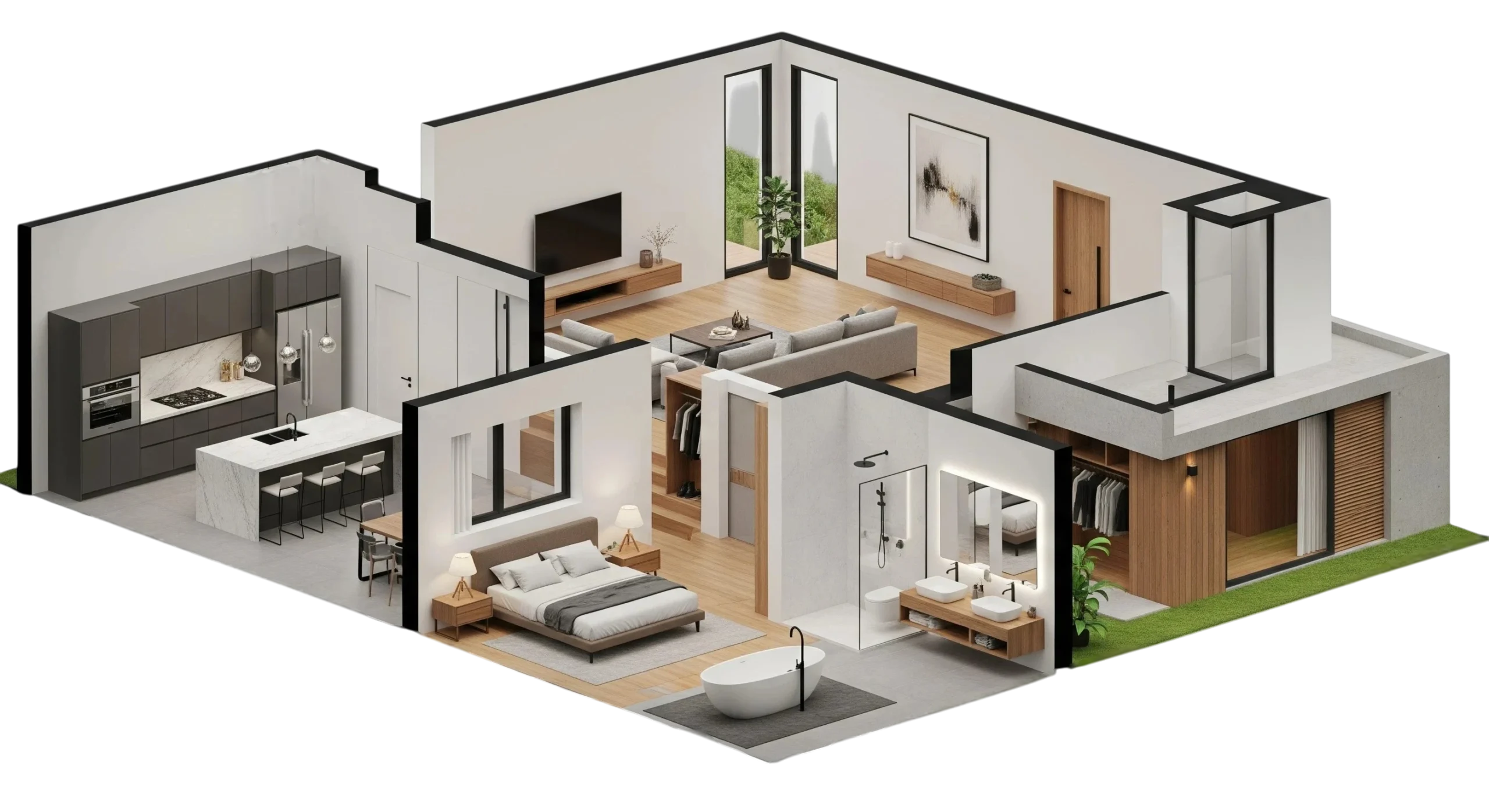
      Entry clean and lit, clear address numbers, tidy landscaping, seating vignette, irrigation set, boundary‑aware fence plan.
    • Living
      Smart TV ready, Wi‑Fi card visible, games shelf, reading light, surge‑protected power strip.
    • Kitchen
      Complete cookware, sharp knives, coffee setup two ways, labeled staples, dishwasher tabs, trash bags.
    • Bedrooms
      Quality mattresses, breathable linens, two pillow types, blackout, bedside lights, hangers and a luggage rack.
    • Baths
      Oversized towels, extras on shelf, full‑size toiletries, hair dryer, good mirror and lighting.
    • Safety
      Tested alarms, extinguisher, first‑aid kit, railings tight, exterior lights working.
    • Listing & Ops
      Hero photo staged, top five amenities listed, house rules clear, price plan built from local comps, turnover checklist printed, restock bins labeled.

    Why This Playbook Works

    You are making it easy for someone to choose your place, enjoy their stay and tell the next person to book. Strong curb appeal gets the click. Comfortable beds, reliable climate control and a fully stocked kitchen win the review. Clean photos, clear copy and smart pricing fill the calendar. Energy‑smart features keep operating costs in line while also helping your listing stand out.
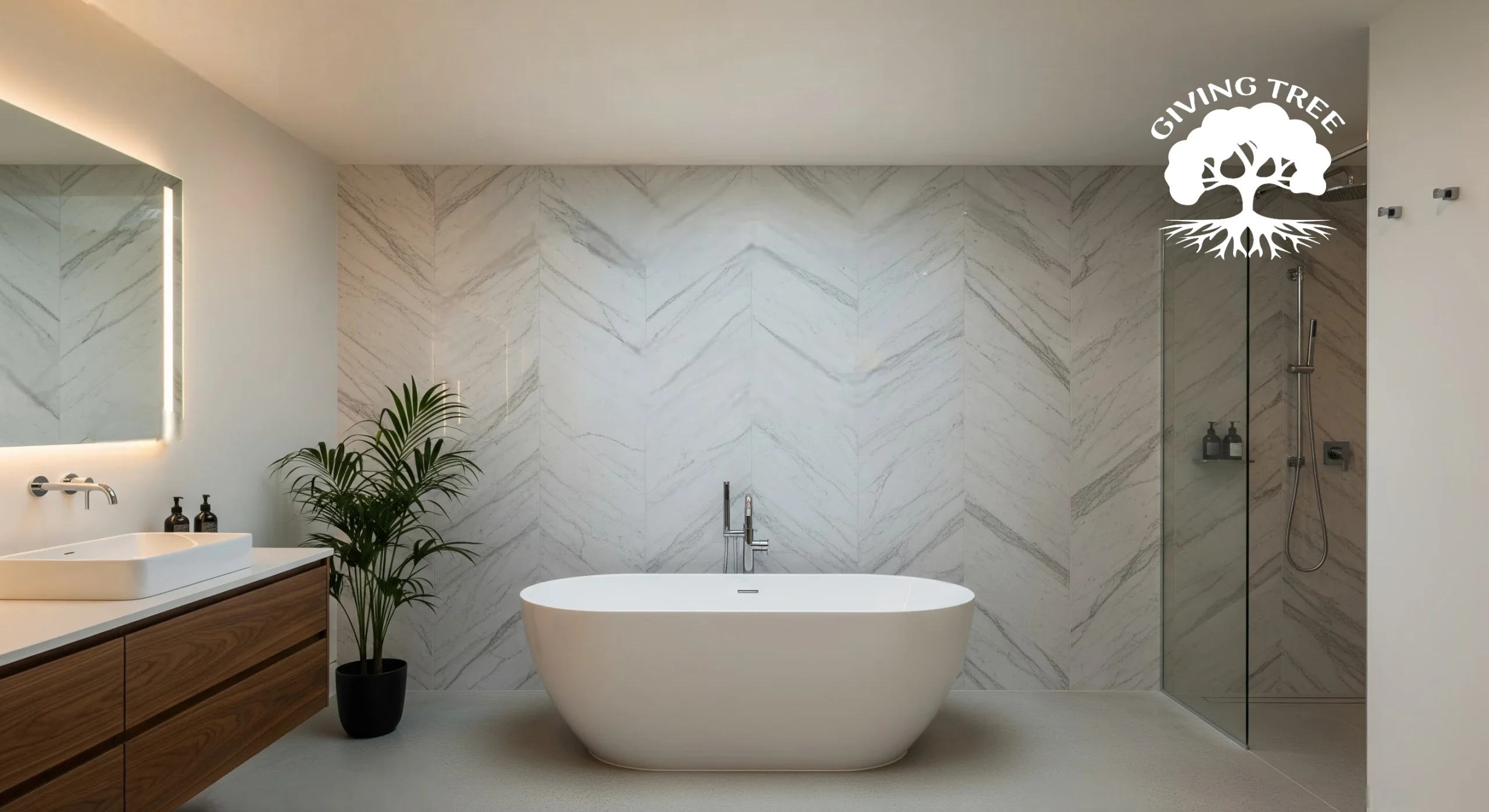
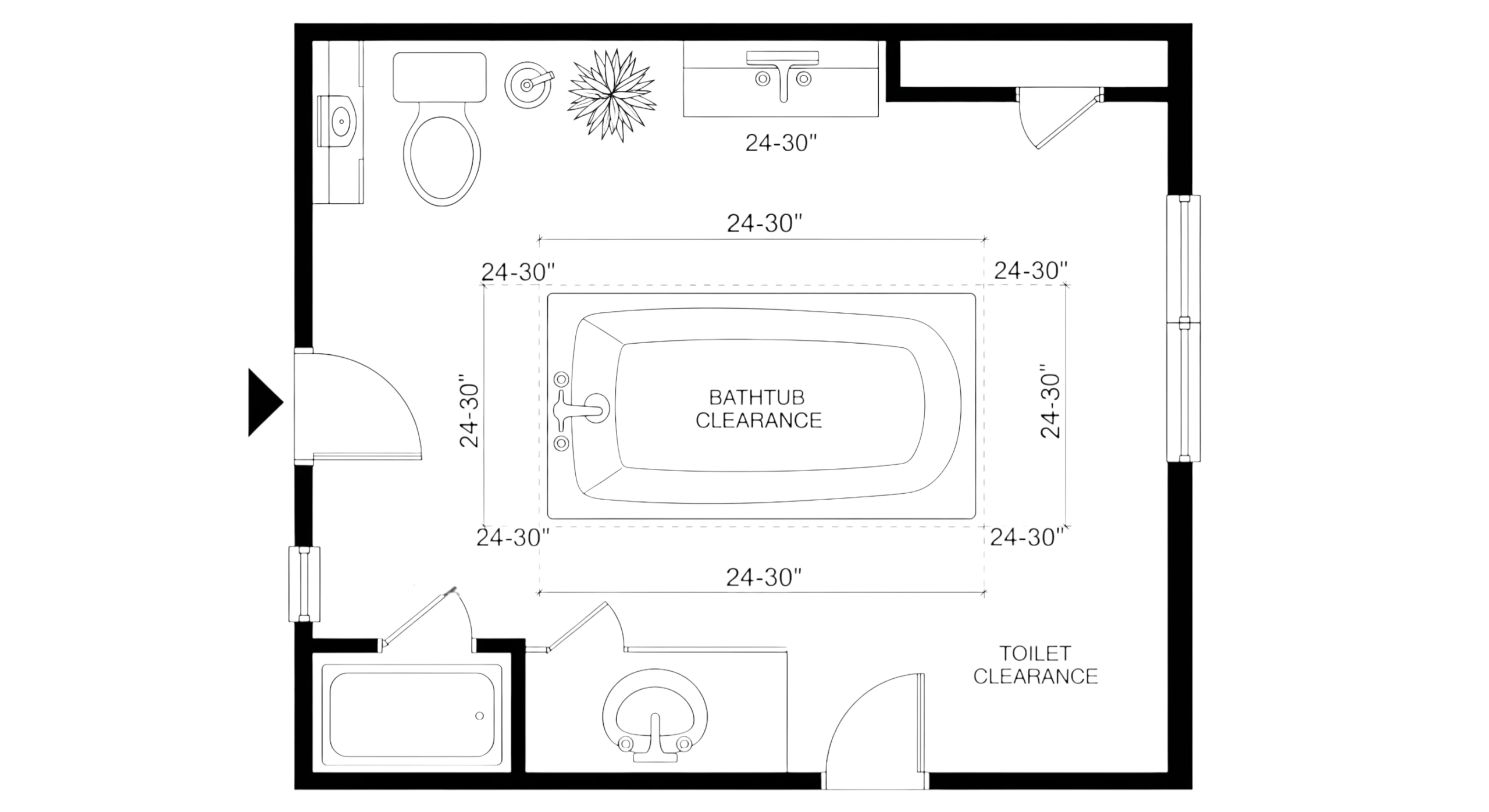
  • Oval or Rectangular? The 4 Dimensions That Help You Choose the Right Bathtub

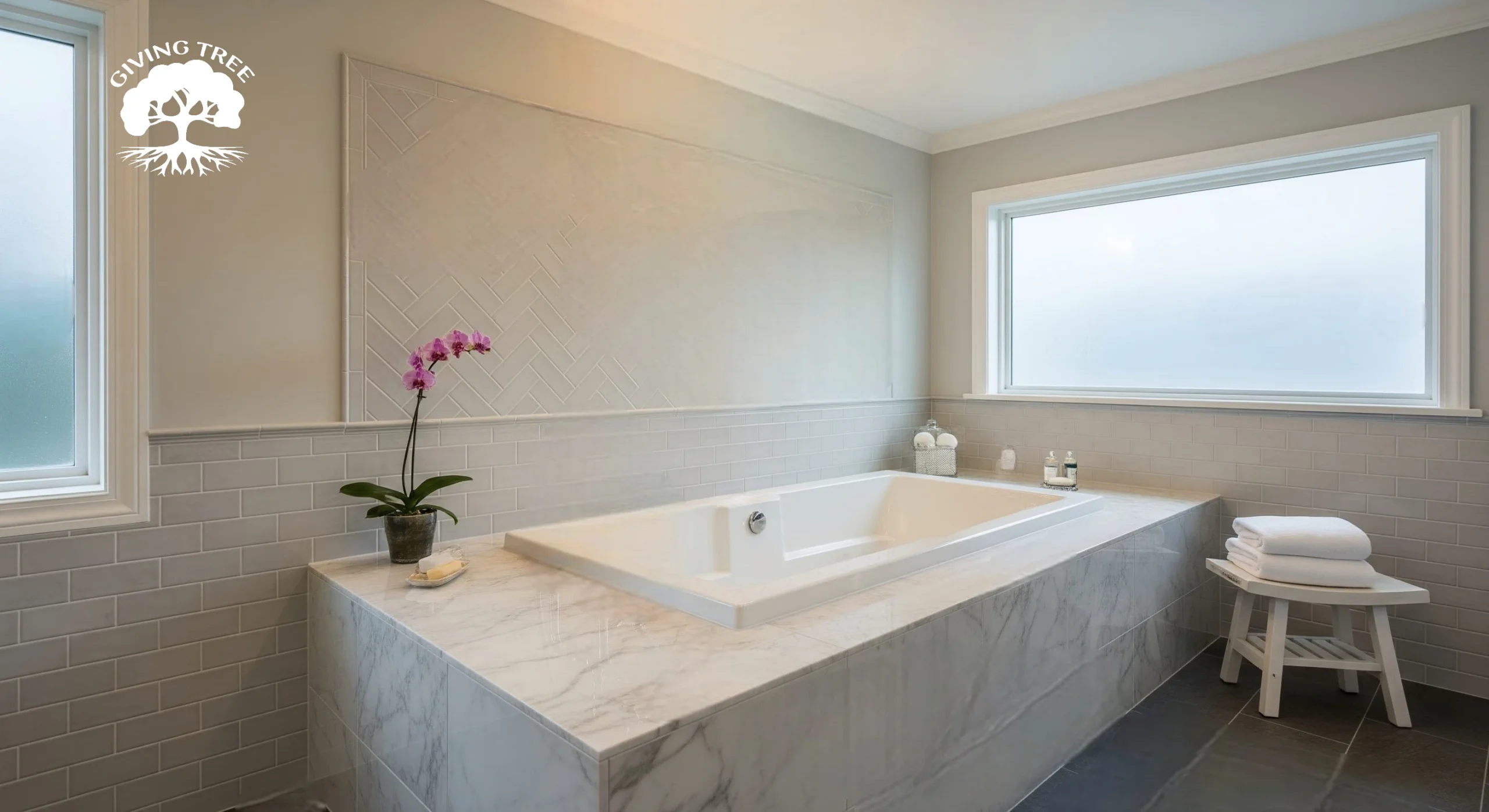
    When it comes to choosing a bathtub, the shape isn’t just about looks, it’s about how well it fits your space, matches your lifestyle, and complements your bathroom design. Oval and rectangular tubs are based on two very different design philosophies, each offering its own set of benefits and ideal use cases. In this guide, we’ll walk you through four essential factors that make the decision easier, so you can confidently pick the tub that works best for your home.

    1. Space Conditions: Let Size and Layout Lead the Way

    The very first factor in choosing a bathtub is space. Oval and rectangular tubs interact with bathroom layouts in very different ways, so understanding how each shape works in your room is key.

    When an Oval Tub Works Best

    • Small to medium bathrooms (up to about 85 sq. ft.)

    The gentle curves of an oval tub soften the hard lines of walls and vanities, bringing balance to tight spaces. A standard 55″ × 28″ oval tub can comfortably fit in a 54 sq. ft. bathroom while still leaving around two feet of walking clearance.

    • Irregular-shaped bathrooms

    Angled walls, exposed pipes, or awkward corners are often easier to work with using an oval tub. Its rounded edges make the most of unusual layouts, while rectangular tubs tend to leave unusable gaps.

    • Round or polygonal bathrooms

    In nontraditional layouts, an oval tub acts as a natural focal point. Its curved shape harmonizes with irregular geometry, whereas a rectangular tub can sometimes emphasize the sense of imbalance.

    When a Rectangular Tub Works Best

    • Large bathrooms (over 85 sq. ft.)

    Rectangular tubs shine in spacious rooms. Built-in models integrate seamlessly with walls and flooring, adding depth and structure, while freestanding versions use clean lines to define zones and prevent the room from feeling too empty.

    • Narrow bathrooms

    Installing a rectangular tub along the long wall maximizes usable length and preserves walking space. An oval tub, on the other hand, may obstruct the pathway or make the room feel narrower.

    • Square bathrooms

    With their right angles, rectangular tubs fit naturally into square layouts. A built-in rectangular tub creates a streamlined, easy-to-clean surface that blends perfectly with the room’s geometry.

    2. Usage Needs: Functionality and Ergonomics

    How you like to bathe plays a big role in which tub shape works best. Oval and rectangular tubs feel different in use, not just in style—the differences show up in comfort, posture, and how easily you can add extra features.

    When an Oval Tub Works Best

    • Deep relaxation

    The curved interior naturally follows the body’s contours. Your back rests against the slope, your waist gets gentle support, and your legs stretch into the narrower end. This makes oval tubs perfect for long, 30-minute (or longer) soaks—especially appealing if you sit at a desk all day or deal with lower-back tension.

    • Minimalist bathing

    Comfort comes from the shape itself, without the need for extras like bath pillows or trays. If you prefer a clean, uncluttered soak with nothing in the way, an oval tub delivers that simplicity.

    • Better heat retention

    Because of the curved walls, oval tubs hold warmth a bit longer—often 15–20% more than rectangular tubs of the same size. That makes them an especially cozy choice for winter or anyone who takes frequent evening baths.

    When a Rectangular Tub Works Best

    • Multi-purpose use

    Flat bottoms and straight sides make rectangular tubs practical. Bath trays stay level, books and phones stay put, and accessories for kids fit more securely. The shape also makes it easier to keep footing stable, lowering slip risks.

    • Sit-and-soak comfort

    The upright back wall supports a more vertical posture, while the wider rim doubles as a natural armrest. If your baths are shorter—say 15–20 minutes—this setup can feel more comfortable and efficient.

    • Smart features and add-ons

    Many whirlpool, jet, or temperature-control systems are designed with rectangular tubs in mind. The flat walls and base make it simpler to integrate technology like air jets, water circulators, or digital controls.

    3. Aesthetic Fit: Matching Your Interior Style

    Because the bathtub often becomes the focal point of a bathroom, its shape should flow with the overall design of the space. Whether you’re aiming for vintage charm or sleek modern minimalism, the right silhouette can make the difference.

    When an Oval Tub Works Best

    • Vintage / French-inspired styles

    A cast-iron oval tub with brass claw feet instantly adds old-world elegance. Its curves pair beautifully with mosaic tiles, ornate faucets, and classic detailing.

    • Natural or Wabi-sabi styles

    A matte acrylic or wood-clad oval tub softens the raw look of microcement or timber, bringing warmth through gentle, organic lines.

    • Eclectic styles

    Oval tubs act as natural “harmonizers.” They ease the tension between bold or contrasting elements—like softening the edge of an industrial metal feature wall with warm wood tones.

    When a Rectangular Tub Works Best

    • Minimalist / Scandinavian styles

    Built-in rectangular tubs sit flush with the walls, often paired with hidden drains and wall-mounted faucets. The result is a seamless, understated look that captures the “less is more” spirit.

    • Industrial style

    A freestanding rectangular tub framed in black metal works perfectly alongside exposed concrete, pipes, and raw finishes, reinforcing a rugged, urban vibe.

    • Modern luxury

    Rectangular tubs crafted from engineered stone, accented with metallic trim and dramatic lighting, create a polished, high-end look that fits right into a luxury spa-like setting.

    4. Practical Factors: Maintenance and Cost

    Beyond style and comfort, the real test of a bathtub often comes down to everyday practicality—how easy it is to clean, how it’s installed, and what it means for your budget over the long run.

    When an Oval Tub Works Best

    • Low-maintenance lifestyle

    The smooth, corner-free curves leave little room for grime to build up, so a quick wipe-down is often all it takes. A deeper clean once a week is usually enough to keep it looking spotless.

    • Short-term living or rentals

    Freestanding oval tubs are simple to install since they don’t require built-in platforms or heavy waterproofing. If you move frequently, many models can even be relocated without major hassle.

    • Mid-range budgets

    Oval tubs typically cost less than round tubs but slightly more than basic freestanding rectangular ones. Installation is usually simpler and less expensive, which makes the overall value quite strong.

    When a Rectangular Tub Works Best

    • Permanent homes

    Built-in rectangular tubs anchor directly to the walls, giving them greater stability and a longer lifespan—often three to five years more than freestanding ovals. For long-term residences, that durability pays off.

    • Detail-oriented upkeep

    The squared corners can trap dirt and soap scum, but with regular re-caulking and a good corner-cleaning brush, you can maintain a spotless finish. Homeowners who enjoy meticulous upkeep will appreciate the control.

    • Flexible budgets

    Rectangular tubs come in the widest range of price points—from entry-level acrylic freestanding models to high-end custom cast iron versions that can rival spa installations. Whether you’re cost-conscious or ready to splurge, there’s likely a rectangular option that fits.

    Conclusion: Match Needs, Not Trends

    There’s no absolute winner between oval and rectangular bathtubs, it all depends on whether the design matches your needs. Oval tubs bring comfort and charm to compact or vintage-inspired spaces, while rectangular tubs deliver function and modernity to larger, more structured layouts.

  • The Design Detail That Instantly Makes a Bathroom Look Modern

    The Design Detail That Instantly Makes a Bathroom Look Modern

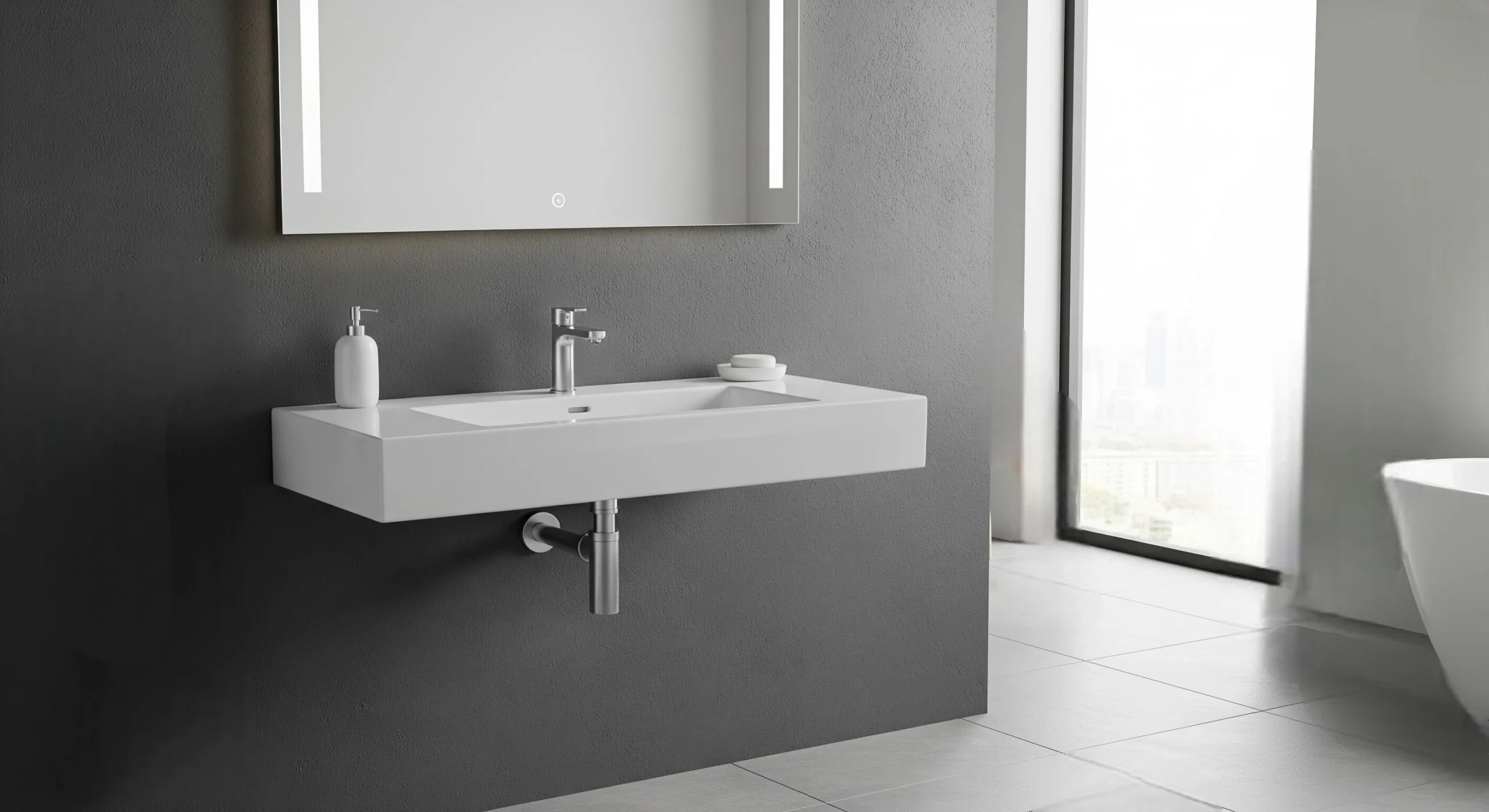
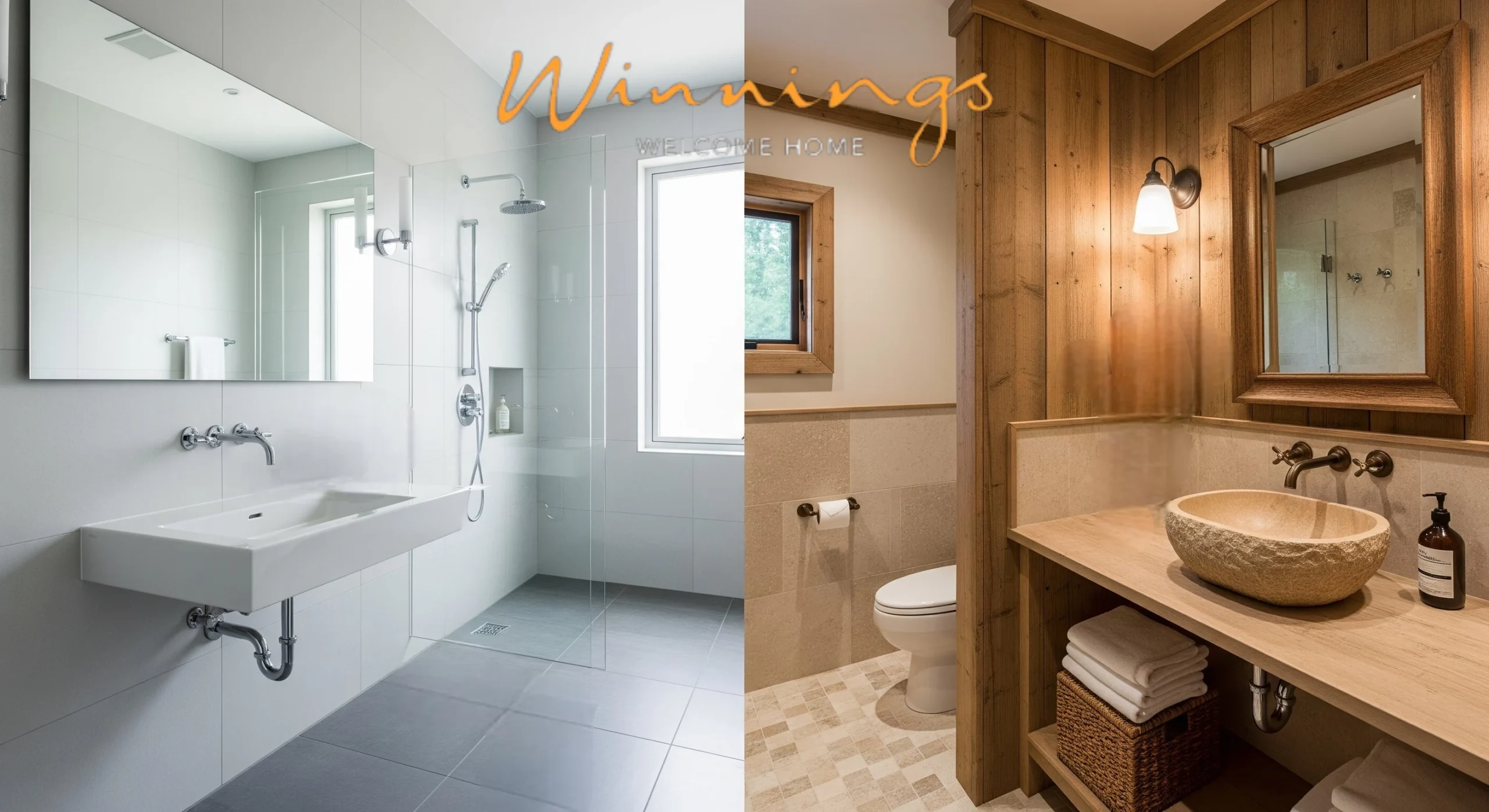
    When it comes to updating a bathroom, most people think of big-ticket items like tiles, showers, or vanities. But often, it’s the smaller details that make the biggest difference. One of the simplest ways to give your bathroom a fresh, contemporary edge is by updating your tapware. Choosing sleek and stylish options — like Winnings basin taps — can instantly transform the space without the need for a full renovation.

    Why Tapware Matters More Than You Think

    Tapware might seem like a minor element compared to larger fixtures, but it sets the tone for the entire room. Old or dated taps can drag down an otherwise clean bathroom, while modern designs elevate even the simplest layouts. The finish, shape, and placement of taps all contribute to the overall aesthetic, making them one of the most effective ways to modernize your bathroom.

    Sleek Lines and Minimalist Shapes

    Modern bathrooms are defined by clean lines and uncluttered design. Taps that feature minimalist shapes, flat edges, or smooth curves align perfectly with this look. Pairing simple tapware with a streamlined vanity or basin helps the bathroom feel cohesive and contemporary.

    The Power of Finishes

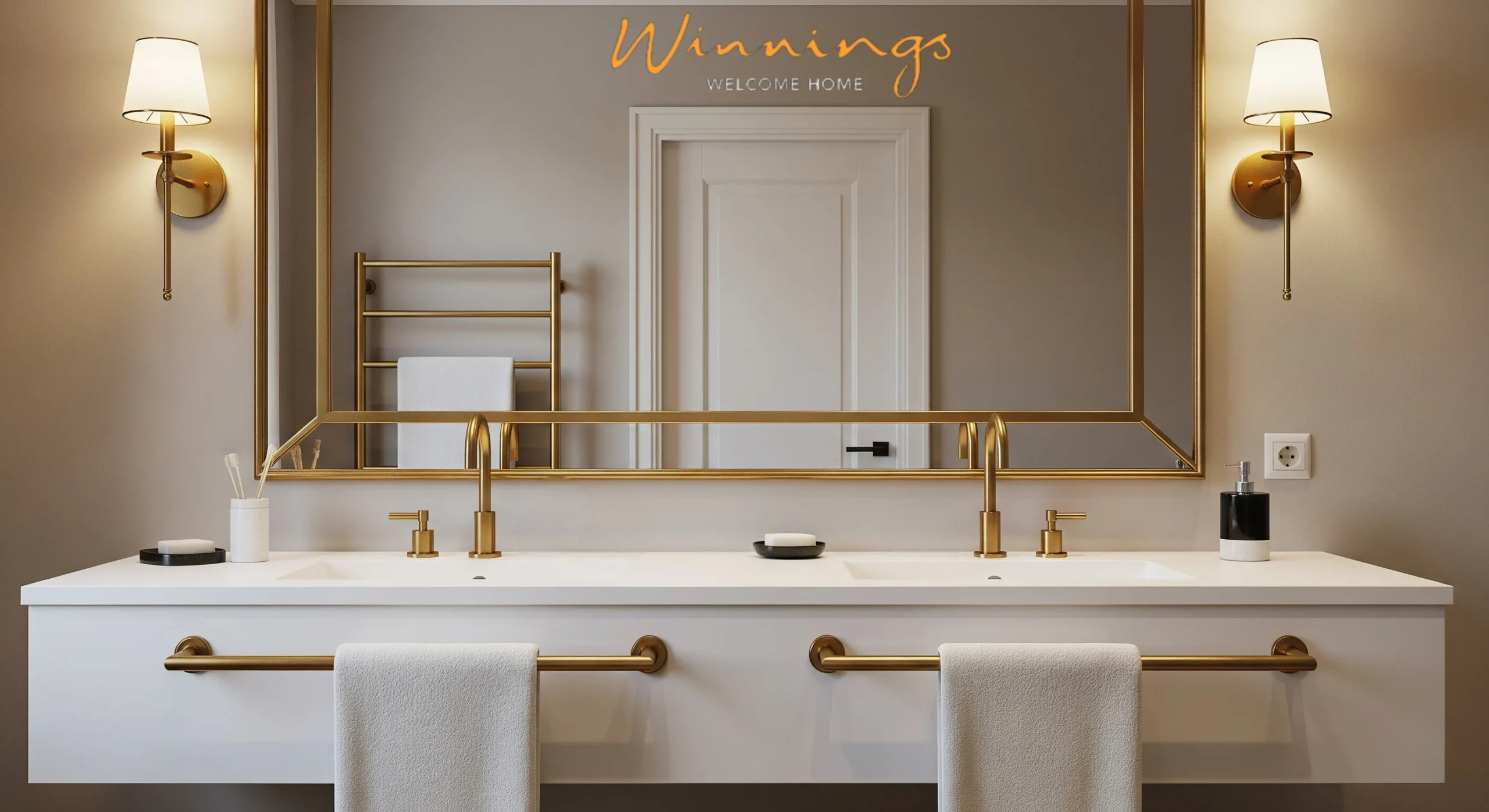
    While chrome remains a classic choice, today’s modern bathrooms often feature alternative finishes. Matte black adds bold contrast, brushed brass or gold brings warmth, and gunmetal or stainless steel offers industrial chic. Matching tapware finishes with shower fittings, towel rails, and cabinet handles ties everything together seamlessly.

    Function Meets Style

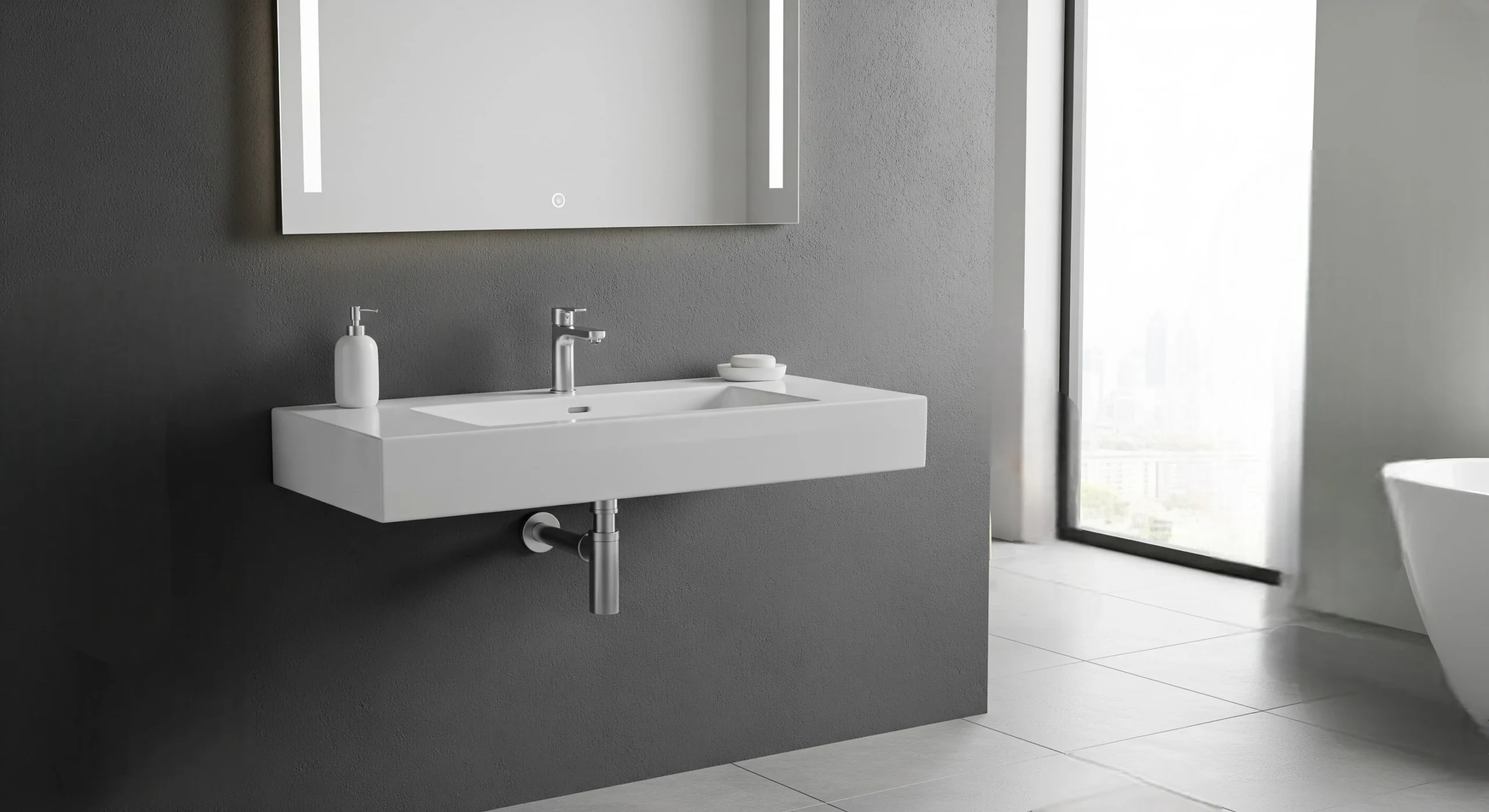
    A modern bathroom isn’t just about looks, it’s also about functionality. Mixer taps, for example, are both practical and stylish, offering easy control of water temperature and pressure. Wall-mounted taps free up basin space, making the area look clean and open. These design choices enhance convenience while maintaining a modern aesthetic.

    Bringing It All Together

    Tapware shines brightest when combined with other thoughtful design tweaks:

    • Lighting: Pair your taps with sleek wall sconces or under-vanity LED strips for a contemporary glow.
    • Mirrors: A frameless or backlit mirror complements the clean lines of modern tapware.
    • Storage: Floating vanities paired with minimalist taps create a sense of space and openness.
    • Textiles: Crisp towels in neutral tones allow your tapware to stand out as a design feature.

    Easy Upgrade, Big Impact

    Unlike a full renovation, updating tapware is a relatively simple and affordable project. It doesn’t require weeks of construction or a massive budget, yet it has the power to refresh the bathroom’s look instantly. This makes it an ideal starting point for anyone wanting to modernise their space.

    Transforming the Everyday

    At its core, a bathroom is about everyday use — washing hands, brushing teeth, or starting and ending the day. But those daily routines feel different in a space that looks considered and stylish. By focusing on small but impactful details like tapware, you turn everyday routines into moments that feel modern, polished, and enjoyable.

  • Personalizing Your New Home: Simple Ways To Make It Yours

    Personalizing Your New Home: Simple Ways To Make It Yours

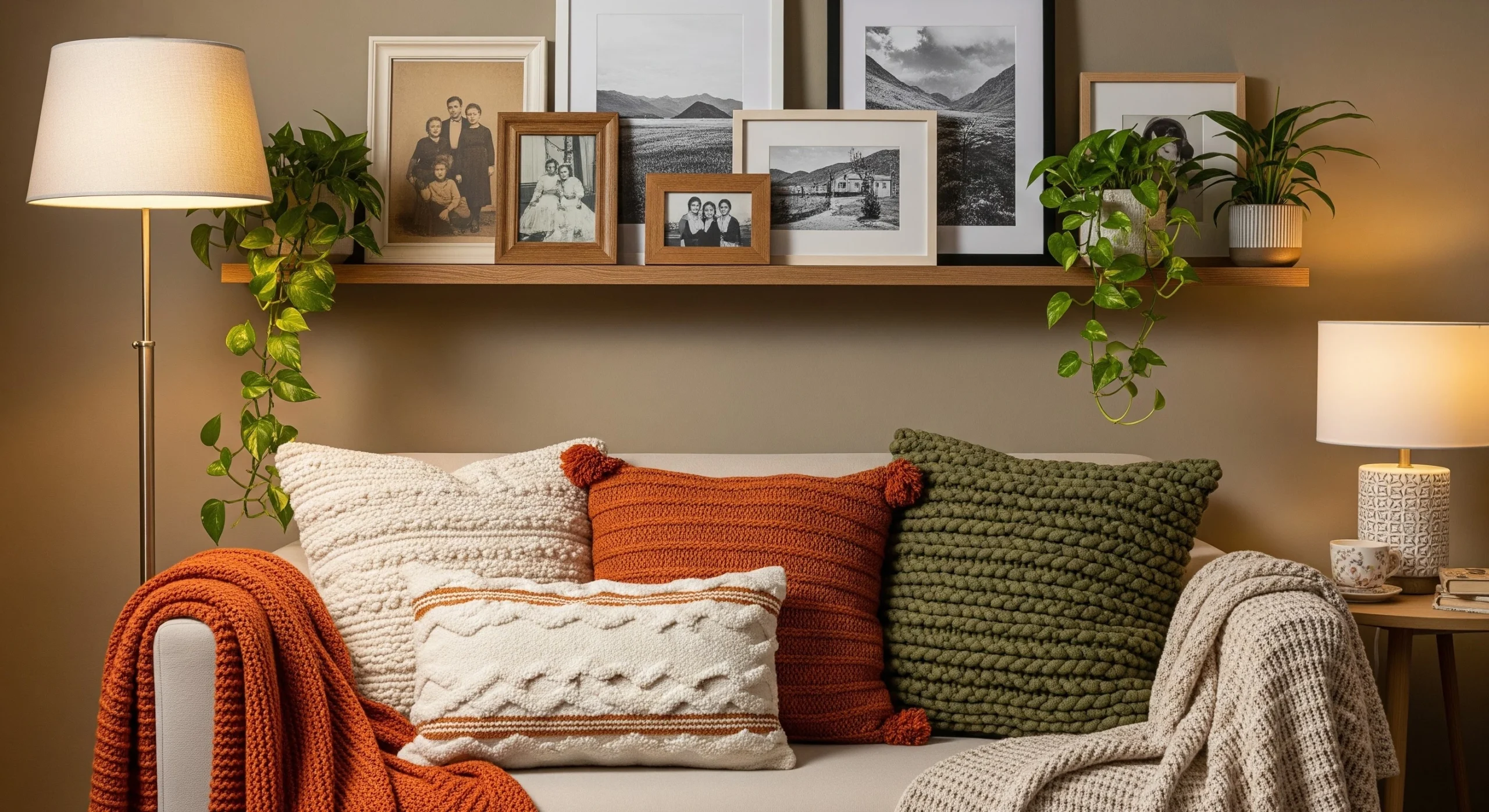
    Living room corner with personal décor and soft lighting

    Moving into a new home always feels like a fresh start. The blank walls and open rooms give you plenty of space to make it your own. At first, it can feel a little bare. The fastest way to fix that is by adding pieces that mean something to you.

    Start With Memories That Matter

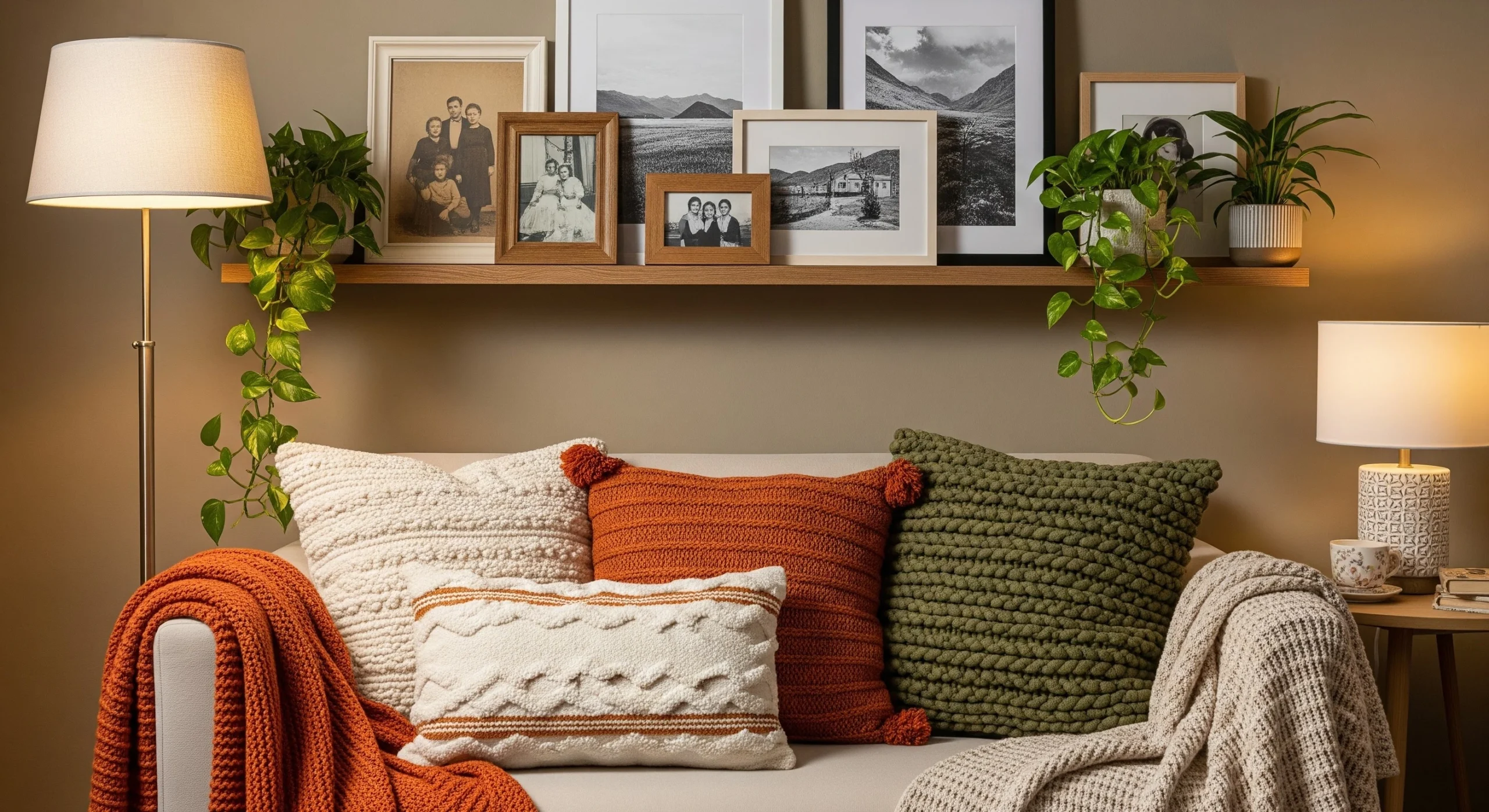
    Nothing makes a space feel more personal than the things tied to your life. A gallery of family photos, a shelf with souvenirs, or a framed note you’ve held onto can instantly change the mood of a room.

    Instead of tucking pictures into different frames, try pulling your favorites into print photo books. It keeps the clutter down and gives guests an easy way to flip through some of your best memories.

    Choose Colors That Feel Like You

    Paint is one of the easiest updates you can make, and it has one of the biggest payoffs. A soft neutral tone can bring calm, while a bold accent wall can give a room instant character. Even a simple change, like painting trim or cabinetry in a fresh shade, makes the whole space feel different.

    Color does more than cover a wall. Studies show most people believe it can influence mood and energy. Think about how you want to feel in each room, such as relaxed in the bedroom, energized in the kitchen, focused in your home office and let that guide the colors you bring in.

    Layer Lighting To Shape The Mood

    Lighting sets the tone just as much as color. A room with only overhead lights can feel flat, while a mix of lamps, sconces, and accent lighting makes the space warm and inviting. Adding dimmers or softer bulbs helps create that cozy glow you’ll want at the end of the day.

    If you’re looking for something more playful, custom neon signs have become a fun option. A sign with your family name or a favorite phrase doubles as décor and a conversation piece, giving the room personality you won’t find in a store-bought lamp.

    Add Personality With Textiles and Accessories

    Textiles are one of the easiest ways to bring personality into a room. A rug anchors a space, curtains soften the edges, and throw pillows add pops of color and texture. They create warmth without the need for major changes, and swapping them out with the seasons can give your rooms a fresh look year-round.

    Display What You Love

    Your home should highlight the things that matter to you. Instead of tucking hobbies and collections away, let them be part of your décor.

    • Display a guitar or your vinyl collection if music is your passion.
    • Build a gallery wall of postcards or snapshots from your travels.
    • Arrange your favorite books or display artwork that inspires you.
    • Use open shelves for pottery, plants, or handmade pieces.

    These personal touches turn a house into a space that feels genuinely yours, with details that tell your story.

    Bring Nature Inside

    Greenery has a way of making a home feel alive. It’s all about bringing the outdoors in. A fiddle leaf fig in the corner, a row of succulents on a windowsill, even a single fern on a side table adds life and color. Greenery doesn’t just look good, it makes a room feel fresher.

    If you’re not confident with plants yet, start easy. Snake plants and pothos are nearly impossible to kill. They’ll grow in just about any light and don’t need much attention.

    Shape Spaces Around Your Routine

    Making a home personal isn’t only about style. It’s also about how it works for you. Picture a chair and lamp by the window for reading, a small spot for morning stretches, or a desk setup that actually makes you want to sit down and work.

    When your rooms match the way you live, the whole place feels more intentional and more like it belongs to you.

    Mix Old and New Pieces

    If you fill a home with only brand-new furniture, it can end up feeling a little staged. Mixing in pieces with a past adds warmth and character. A chair that’s been in your family, a coffee table with a few scratches, or a quilt that’s clearly been used and loved will give the space more depth. That blend of old and new makes a house feel lived-in from the start.

    Final Thoughts

    Making a place your own doesn’t take a remodel or a huge budget. It’s the small layers, such as books on a shelf, colors you enjoy seeing every day, family photos on the wall. Even something simple like swapping pillows or adding a plant changes how a room feels.

    In the end, your home should reflect you. A space that feels comfortable, welcoming, and easy to live in.

  • Backyard Fence Ideas 2025: Privacy Retreats and Durable Designs for Texas Homes

    Backyard Fence Ideas 2025: Privacy Retreats and Durable Designs for Texas Homes

    Backyard fences in Texas have become part of how people shape their outdoor space. They’re no longer just simple boundary lines around the yard. In many neighborhoods across the area, a fence is expected to give privacy, provide security for kids and pets, and hold up against long stretches of heat followed by heavy rain and wind. For many homeowners, it’s also a way to tie the backyard into the look of the house, so the design matters just as much as the build.

    This year, trends point to fences that balance durability with design. Homeowners are asking for options that can handle local weather, meet city or HOA rules, and still look attractive enough to add curb appeal. Materials are changing, with more choices that need less maintenance, and styles are being updated to fit the way people live outdoors now.

    Knowing which trends work well in Texas can help you design a fence that feels like a natural part of your home.

    Modern Backyard Fence Styles for 2025

    Horizontal slats

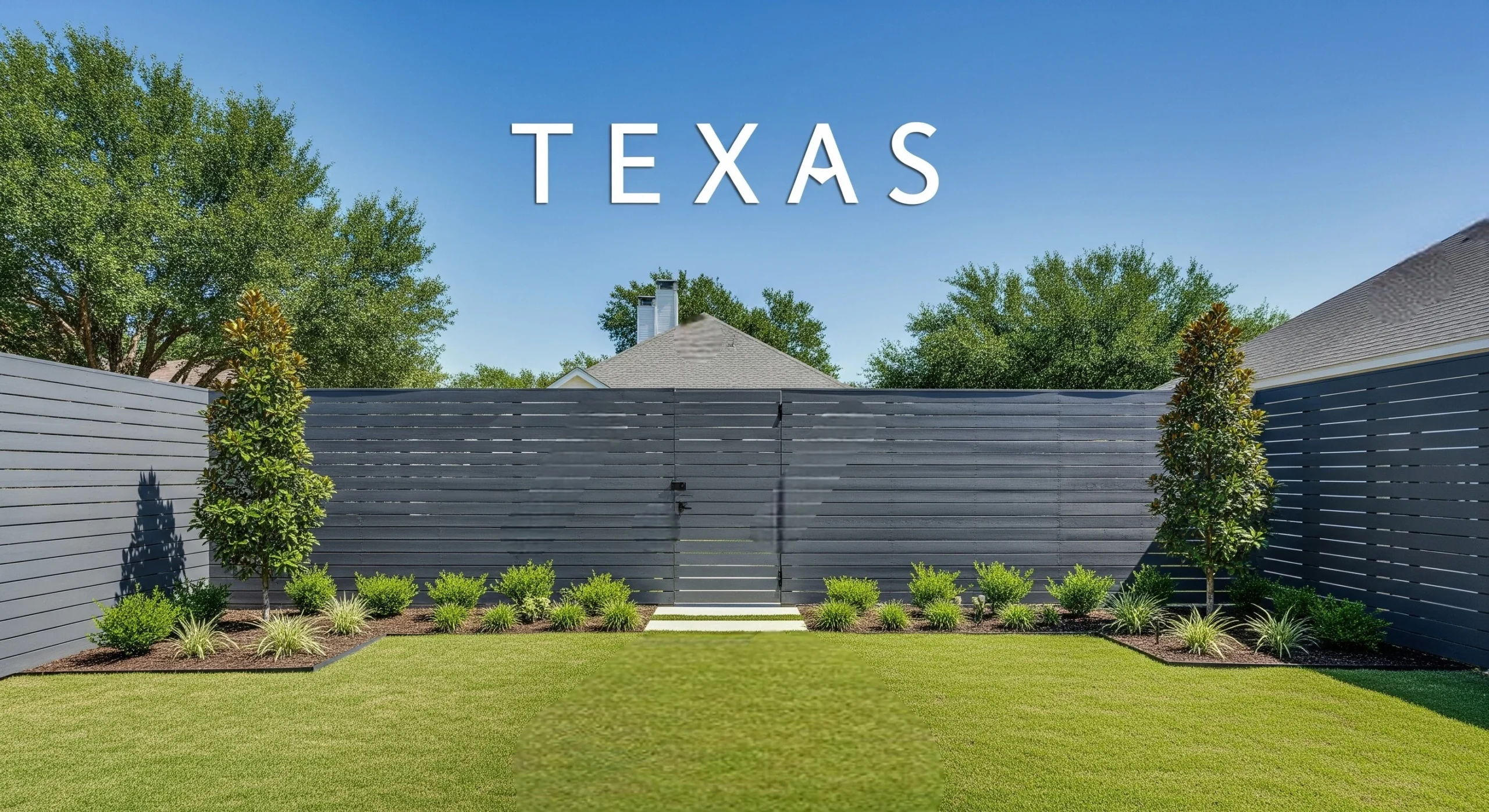
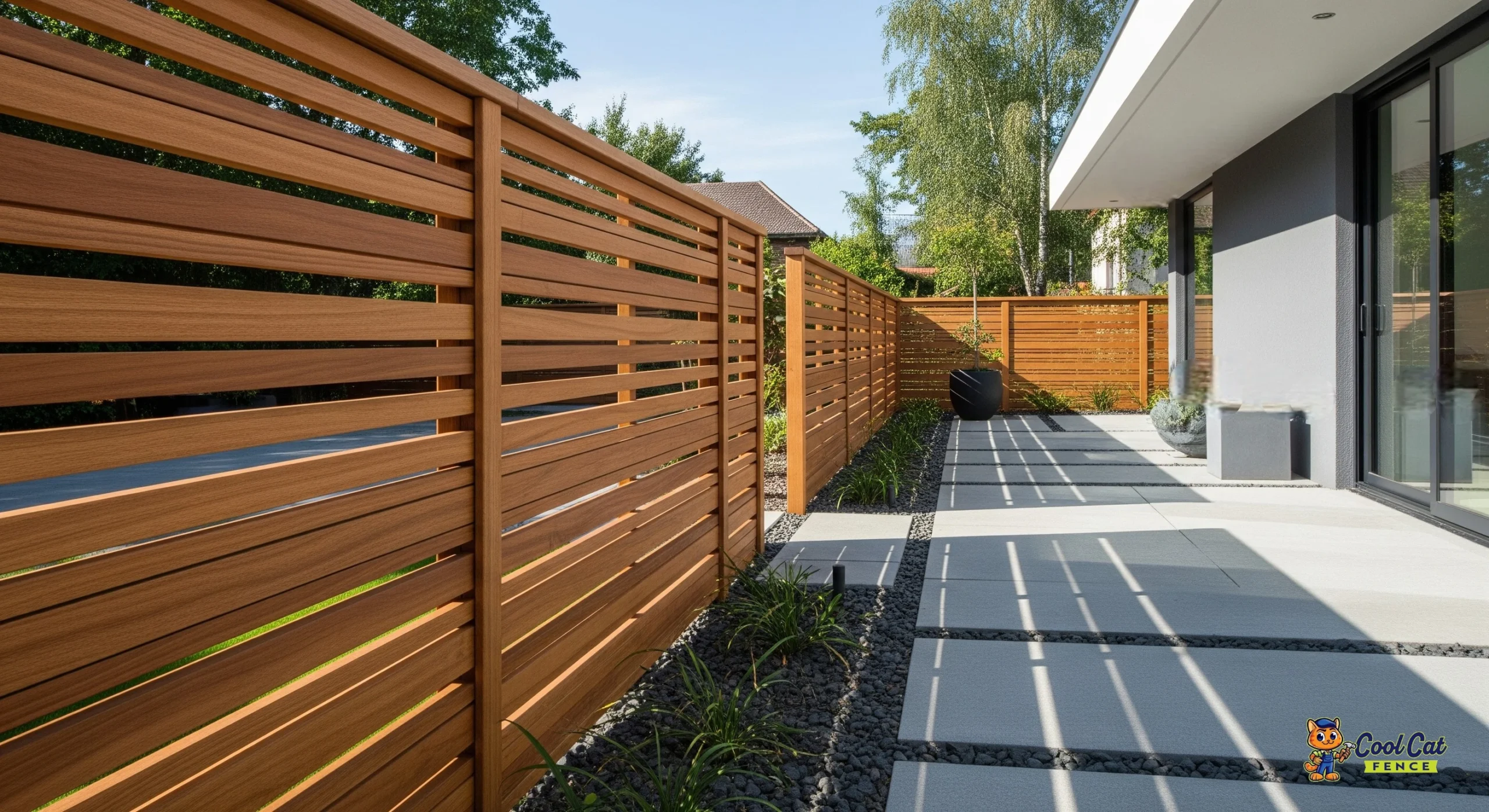
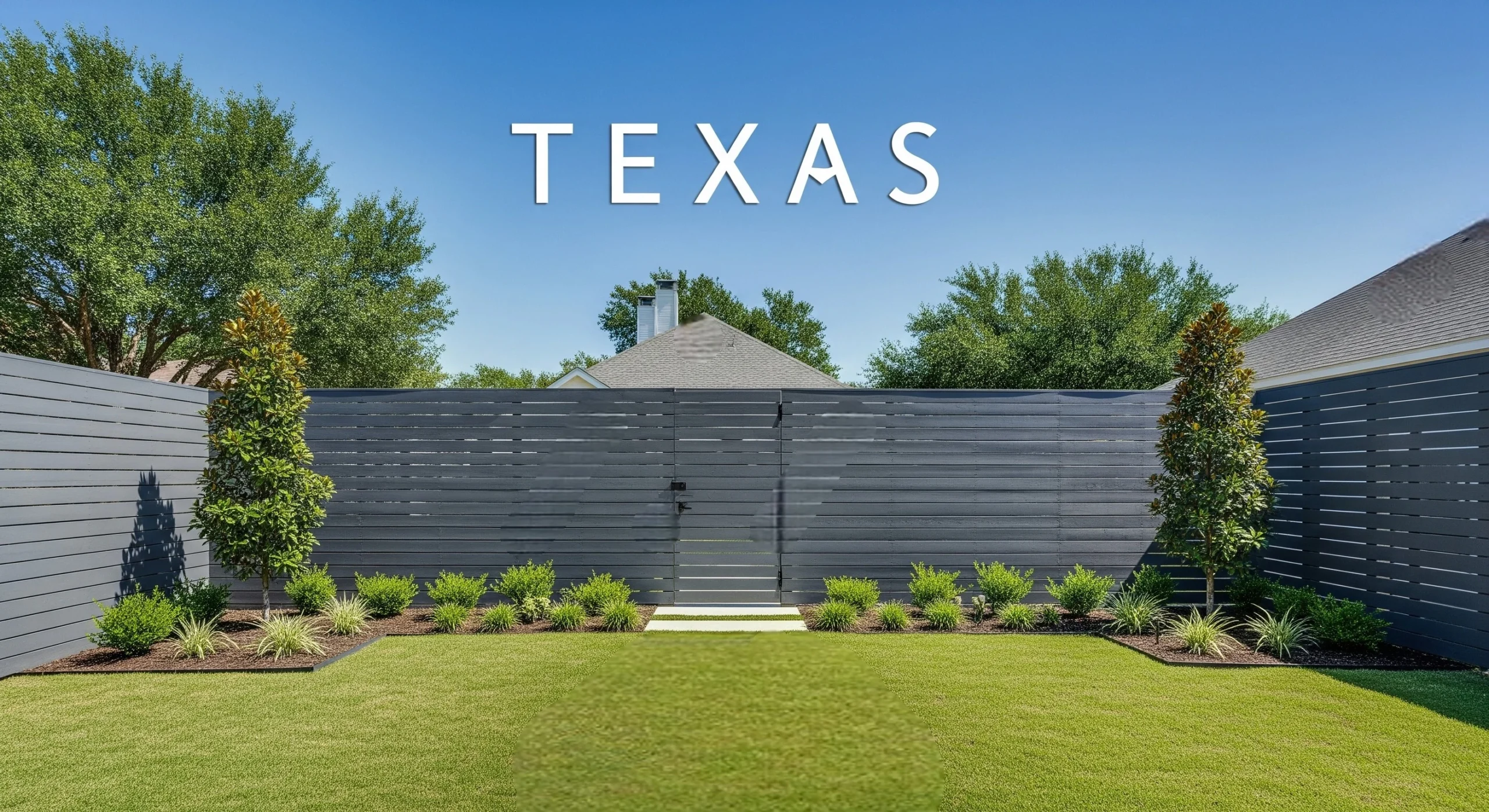
    You’ll see more horizontal fences going up in newer neighborhoods and suburban builds, especially in new builds. The boards run sideways instead of up and down, which gives a clean, modern look that fits well with newer homes.

    Some homeowners keep the spacing wide for airflow, others close it up for full privacy. It’s a simple style that works with low-maintenance yards and concrete patios, and it doesn’t take much to keep it looking good year after year.

    Board-on-board privacy fences

    For families who want to block out the view, board-on-board fences are still one of the best options. The overlapping planks leave no gaps, which means no one can see through.

    They also cut down on street noise, which helps if you live near a busier road in the area. Because it’s a heavier build, it tends to hold up better in wind and rain. Homeowners with kids or pets often choose this style for the extra strength and the peace of mind it brings.

    Mixed materials

    It’s also common to see wood panels combined with steel or composite posts. The wood keeps the natural feel that people like in a backyard, while the posts add support and keep the fence standing straight. That matters in areas with clay soil where wood posts might lean over time.

    The mix gives a solid structure and also updates the look, so it fits just as well on an older home as it does on new construction.

    Eco-friendly builds

    More homeowners are looking at fences made with sustainable materials. Bamboo panels, recycled composites, and certified lumber are now easier to find in Texas. These materials are designed to handle hot summers and sudden storms while lowering the environmental impact.

    For many, the draw is also less upkeep. You don’t have to stain or seal them as often, and they hold up longer than untreated wood. That makes them a smart choice for anyone who wants durability with less work, and they add value if you’re thinking about resale down the road.

    Adding Functionality and Personality to Your Fence

    Integrated lighting and smart features

    Fences are no longer just daytime features. Many homeowners are adding lighting that makes the backyard usable and welcoming after the sun goes down.

    Solar post caps, low-voltage LED strips, and even motion lights along the fence line improve security and set the right mood for evenings outside. In many places, where outdoor dinners and weekend get-togethers often run late, these upgrades are both practical and stylish.

    Planter boxes and vertical gardens

    Another way to give your fence more life is by building greenery right into it. Planter boxes attached to posts or vertical garden panels turn a plain fence into something that feels like part of the landscaping. Herbs, climbing vines, and hardy flowers do well in the Texas sun, and they add both color and privacy.

    For smaller yards in suburban neighborhoods, this is a popular solution because it adds green space without taking up much room.

    Gates, hardware, and hidden storage

    Simple changes to gates and hardware can make a fence more useful every day. A wider gate makes it easier to bring in lawn equipment. A heavy latch keeps pets secure. Some homeowners even add small storage compartments for hoses, pool gear, or kids’ toys right into the fence line.

    These touches are easy to overlook, but they save time and keep the yard looking tidy.

    Creating private wellness corners

    A fence also gives you the chance to carve out quiet corners for wellness. Homeowners are using shielded spots of the yard for meditation, stretching, or recovery after workouts. Companies like Kyfe specialize in wellness products such as portable backyard saunas and cold-plunge tubs. These products are becoming more available. And they fit perfectly into a space that’s already protected by a privacy fence.

    For families, where backyards often double as personal retreats, pairing a sturdy fence with a few wellness additions creates a space that feels private, comfortable, and tailored to daily routines.

    Fence Requirements You Should Know

    Typical fence heights

    Most backyards in the area allow fences up to six feet without a permit. Anything taller may need city approval, especially if it faces the street or sits near a property line. Homeowners who want the extra height for privacy or noise reduction should double-check local guidelines before starting construction.

    Pool enclosure rules

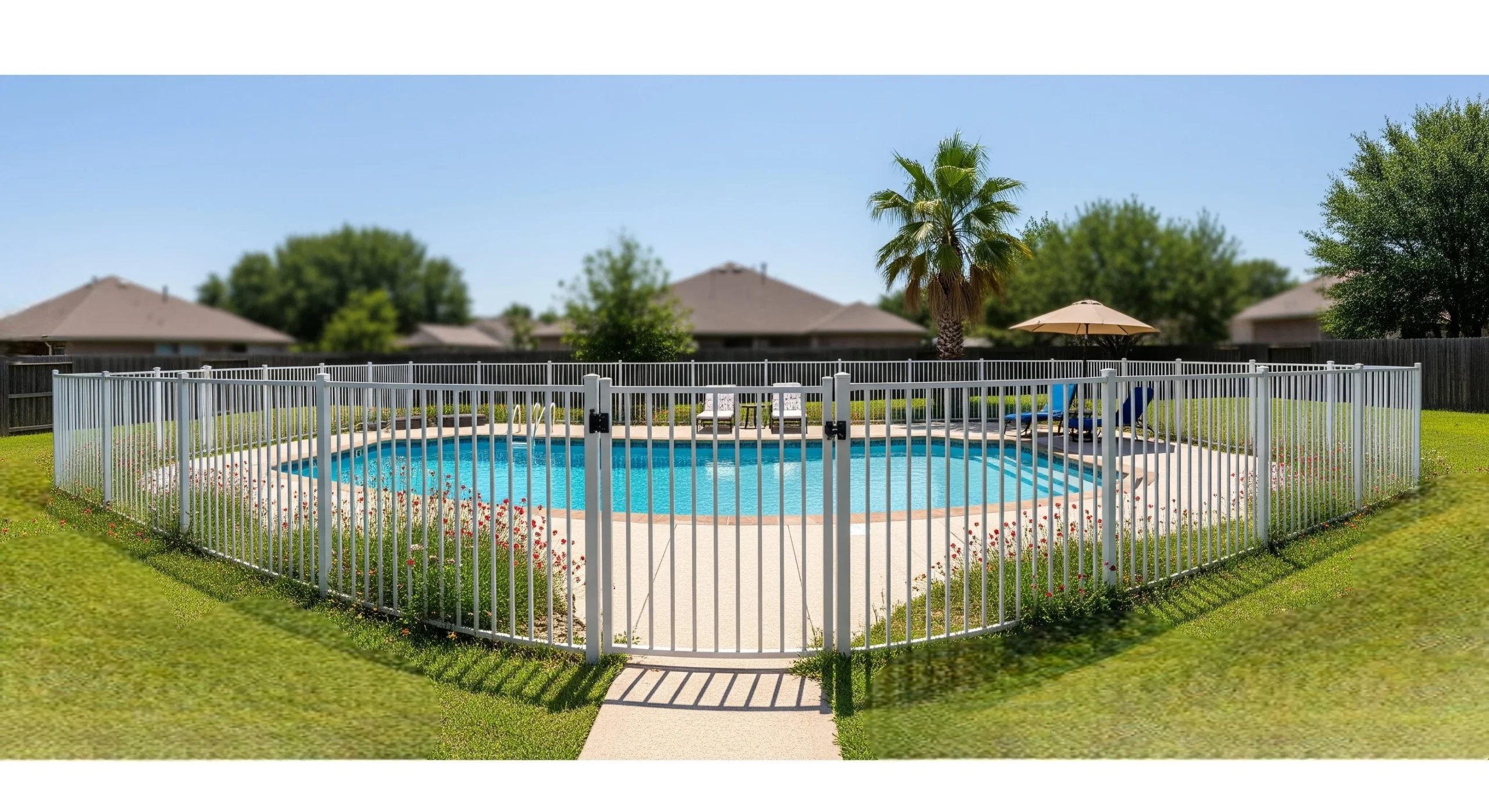
    For homes with a pool, safety codes are very specific. The fence must be at least 48 inches tall, and openings can’t be wider than four inches. Gates are required to be self-closing and self-latching. Inspectors do look for these details, and it’s one of the most common reasons a new fence gets flagged.

    HOA and neighborhood standards

    Many communities also have their own fence standards. These rules often set limits on height, materials, or even color. Checking your HOA’s paperwork before building can save time and help avoid costly changes later. It also ensures your fence design fits in with the rest of the neighborhood.

    Local installation experts

    Design is only half the job. A fence that isn’t installed properly won’t hold up against summer heat, storms, or shifting soil. Local contractors know the codes, the climate, and the most reliable materials. Companies like Cool Cat Fence provide residential and commercial services and can help balance design goals with the requirements that matter. Working with professionals makes the process smoother and ensures the finished product lasts.

    Budget and Maintenance Considerations

    Cost ranges in 2025

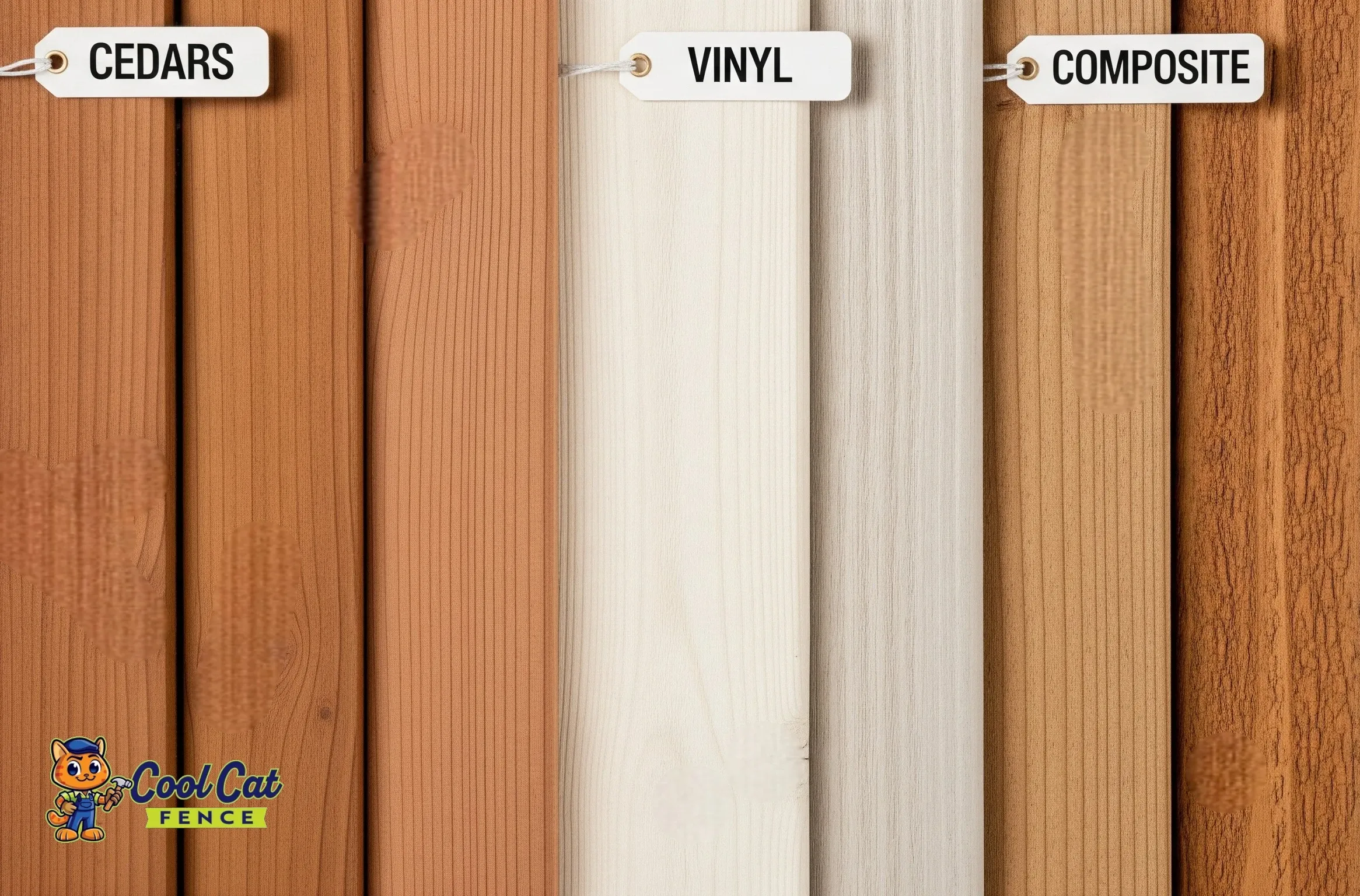
    Fence costs vary widely depending on material and design. A standard wood fence usually falls between $20 and $45 per linear foot, with cedar or redwood on the higher end. Vinyl runs a little more, typically $25 to $50 per foot, but it requires far less upkeep. Composite or hybrid designs, which blend wood with synthetic materials, can range from $35 to $60 per foot. While they cost more upfront, they’re built to last longer in the local climate and often look newer for years.

    Long-term maintenance needs

    Initial price is only part of the story. Wood fences need staining or sealing every few years to protect against sun and rain, which means regular time and expense. Vinyl and composites, on the other hand, need little more than the occasional rinse with a hose.

    Factoring upkeep into the budget helps homeowners see the real cost over time and decide whether it makes sense to spend more now for less maintenance later.

    Quick Checklist for Bringing Your Backyard Fence Ideas to Life

    • Start by asking what you really need the fence to do — give you privacy, add style, or just keep kids and pets safe.
    • Choose materials and a look that match your house and can handle the Texas weather.
    • Think about small upgrades, like adding lighting along the posts or planters that bring more green into the space.
    • Double-check city requirements and any neighborhood or HOA rules before breaking ground.
    • And finally, work with an installer who knows the local codes so the fence not only looks good but also lasts.

    Conclusion

    A backyard fence in 2025 is part of everyday living, not just a property line. Homeowners are using them to create privacy, cut down noise, and add design features that fit with the rest of the yard. From modern slat styles to eco-friendly panels and low-maintenance composites, there are options for nearly every budget and taste.

    When you balance the design you want with the practical side, such as permits, upkeep, and installation. The result is a fence that improves how your home looks and works for years to come.

  • Home Exterior Upgrade Checklist for Busy Homeowners

    Revamping the exterior of your home can feel like a massive job if you are a busy homeowner trying to juggle work and family. The great news is that a well-thought-out exterior upgrade doesn’t have to be a headache. 

    In 2024, Americans spent a whopping 526 billion dollars on home improvements. Homeowners undertake these projects to enhance their comfort and upgrade their air conditioning and heating. Moreover, they waterproof their roofs and basements, soundproof their rooms, and improve energy efficiency.

    Exterior upgrades also make sense. Following a simple checklist allows your home’s curb appeal to shine, and adds value to your space. It is your go-to guide for staying organized and on track. Every little task contributes to a stunning and inviting exterior. 

    Taking some time to plan enables you to enhance your outdoor space efficiently and with confidence, even when life gets busy. This article explores various strategies for giving your home’s exterior a fresh look to enrich its curb appeal.

    Start with a Realistic Budget and Timeline

    Beginning your home exterior upgrade with a sensible budget and timeline is key to staying on course and minimizing stress. It’s easy to get swept up in grand ideas, but having clear financial boundaries allows you to focus on what truly matters. 

    Fidelity states that understanding your home’s value can guide you in planning your remodeling projects and setting a budget. Experts often use a method that assigns a percentage of the total value to each room in the home. 

    Additionally, a lot of helpful information is available online to kickstart your home improvement projects. Research the typical prices in your area and add a buffer to your budget for any unforeseen costs that could arise. This way, you avoid overspending and keep your project on track.

    In addition to your budget, it is wise to create a timeline that aligns with your busy schedule. Be realistic about the time you can dedicate, and leave some wiggle room for unexpected weather or delays. With a clear budget and timeline, your exterior upgrade will run smoothly and produce great results.

    Assess Your Current Exterior

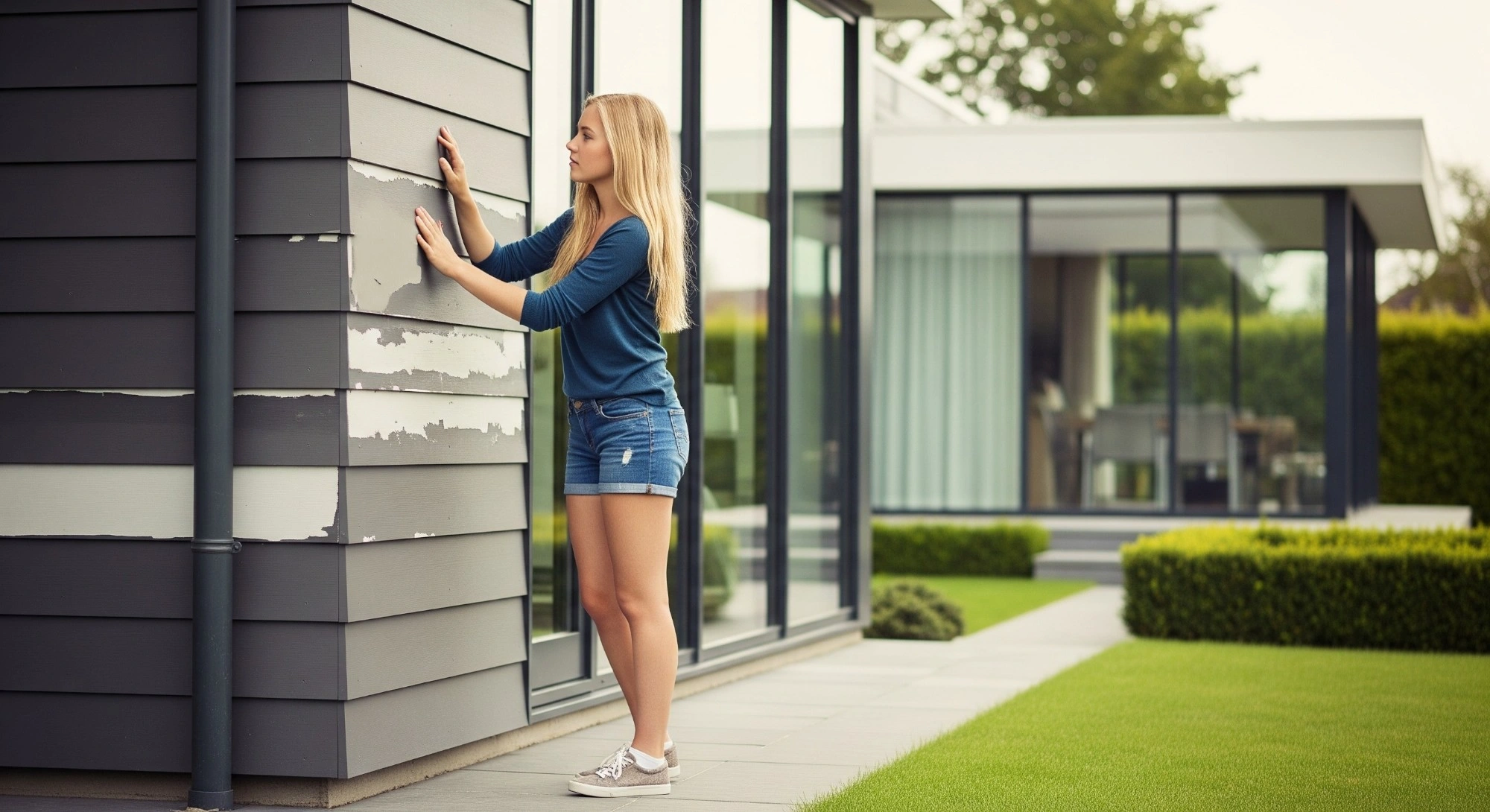
    Evaluating your home’s exterior is a vital first step before starting any upgrade project. Keep an eye out for issues like peeling paint, damaged siding, outdated lighting, or tired landscaping. This straightforward assessment helps you prioritize what needs fixing and ensures there are no surprises down the line.

    Pay attention to whether the overall style seems a bit dated or if your lighting fixtures are no longer doing their job. Also, check the pathways and driveways to ensure they’re safe and accessible. 

    The careful assessment will provide you with a practical understanding of what your home requires. It establishes a solid foundation for a more strategic and well-organized upgrade plan. With a thorough understanding of your current exterior, you will be all set to proceed with confidence. 

    Prioritize High-ROI Projects 

    Focusing on high-ROI projects is a savvy way to upgrade your home’s exterior, especially for people with a busy schedule. Aim for improvements that boost your home’s curb appeal and significantly increase its value. 

    Zillow notes that eight of the top ten home improvements with the highest return on investment (ROI) are on the exterior of your home. When you sell, these projects can help you recover anywhere from 68% for a new composite deck to an impressive 194% for a garage door replacement.

    Pinpointing which projects yield the best returns enables you to allocate your resources wisely. When upgrading your home, do not overlook the details, especially the fascia board or corner trim. These details are key to framing your house and can have a significant influence on its overall aesthetic. 

    According to Belco Forest Products, builders have many options when it comes to choosing fascia board and corner trim materials. Each choice comes with its unique benefits and challenges. Remember, picking the perfect one draws the eye and highlights architectural details.

    Emphasize enhancements that elevate curb appeal and provide solid value, like a fresh coat of paint or landscaping updates. Selecting projects that combine style and practicality ensures that every upgrade is a step in the right direction.

    Skip DIY and Seek Pro Expertise

    If you are a busy homeowner, skipping the DIY route and opting for professional help can save time and the hassle of making mistakes. You might feel like taking on the smaller projects yourself is a good idea. Many exterior upgrades require specialized skills and tools that only professionals possess.

    According to Southern Living, many people love the idea of rolling up their sleeves and tackling projects themselves. The DIY journey is not one to jump into without some thought, and considering your skill level. It might be wise to hold off on some projects. 

    Professionals bring a wealth of tailored advice that fits your home’s unique needs and the local climate. They can take on intricate jobs such as roofing, replacing siding, or managing electrical work for outdoor lighting, all while prioritizing safety and quality. 

    When busy homeowners lean on reliable contractors for these tasks, they can redirect their attention to what truly matters in their lives. Choosing to skip the DIY route in favor of professional expertise is a savvy move for achieving a polished, durable, and stunning home exterior.

    Consider Lasting Improvements

    When it comes to upgrading your home’s exterior, thinking about lasting improvements is crucial. Instead of going for quick fixes, it’s better to prioritize durable materials and high-quality craftsmanship. 

    This strategy saves you money on future repairs and helps your home keep its charm and functionality for many years. You can design an exterior that can handle the weather and everyday wear without requiring constant attention.

    These features do more than protect your home; they’re vital for its long-term durability. Emphasizing longevity in your renovation plans alleviates your concerns, providing you with the essential peace of mind in your hectic life.

    FAQs

    When should you consider an exterior upgrade?

    Peeling paint, damaged siding, or features that seem a little outdated could be a sign that your home is due for an exterior upgrade. It can refresh your home’s look, boost its curb appeal, and also increase your property value. Moreover, it helps fix annoying issues like poor drainage or broken gutters.

    Does exterior upgrade increase the value of your home?

    Giving your home an exterior facelift can boost its value. Enhancing curb appeal and addressing issues such as peeling paint, damaged siding, or outdated fixtures make your home much more appealing to potential buyers. The lasting upgrades improve durability. It adds long-term value and peace of mind.

    How to avoid delays in home improvement projects?

    To keep your home improvement projects running smoothly, make all the important decisions up front. Stick to your plan to avoid any expensive changes later on. Staying organized with a clear timeline and regularly checking in on progress will help you spot any issues early on. Plan for the unexpected by adding some buffer time to your schedule.

    Upgrading the exterior of your home might feel like a huge undertaking. However, having a clear checklist can transform the experience into something much more manageable. With some careful planning and smart decisions, you can give your home’s exterior a fresh look. Taking these steps enables you to enjoy a beautiful, well-maintained home that stands out in your neighborhood. It fits seamlessly into your busy lifestyle.

  • Smart Fence Technology for Homeowners: Features, Costs, and What to Know

    If you’re adding a fence or updating the one you have, it’s worth considering a few smart upgrades. These days, fences can do more than just define your space, they can help protect it, too.

    You might start with a gate you can control from your phone, so you’re not fumbling with keys. Some people add cameras near entry points or along the back, just to keep an eye on things. Motion-activated lights are also handy, especially at night or in areas that stay dark.

    There are also sensors that pick up movement or pressure, so if someone tries to climb the fence, you’ll know. Most of these tools connect with apps you may already use, which makes them easy to manage.

    What you choose depends on how much coverage you want and how much you’d like to spend. But even a few of these features can make a real difference in how safe and connected your home feels.

    What Types of Smart Fence Technologies Are Available?

    Smart gates are usually where most people start when upgrading their fence. You can open them with your phone, a small remote, or a keypad, which makes coming and going easier, especially when your hands are full. Some models also let you see and talk to whoever’s at the gate through a built-in video screen. In higher-end setups, you might even find gates that recognize faces or license plates automatically.

    Motion sensors and outdoor cameras are another upgrade that’s becoming more common. These are often placed near entry points or along quieter parts of the fence. When something moves, you’ll get a notification on your phone, and some systems are smart enough to tell the difference between a person, a car, or just the neighbor’s dog passing by.

    For more complete protection, perimeter control systems are available. These may use buried sensor cables to detect digging or climbing, infrared beams to form invisible trip lines, or fiber optic lines that sense vibration along the fence.

    How Smart Fence Features Work With Home Automation

    Many smart fence systems today are built to work with platforms like Google Home, Alexa, or Apple Home. Once connected, you can set routines that fit your everyday habits, like having the gate open when your car pulls in or having the lights along the fence turn on when someone walks by.

    The real benefit comes when your fence is part of a larger home security setup. It can link with your cameras, alarms, and outdoor lighting so everything works together. You can check what’s happening and control it all from one app, whether you’re home or away.

    Planning a Budget for Smart Fence Features

    Prices for smart fencing can vary quite a bit. Say you’re just looking to automate your gate, that alone could run you about a thousand bucks. But once you start throwing in extras like cameras or motion sensors, especially for a bigger property, the numbers start stacking up pretty fast. It’s not unusual for full setups to run anywhere from $5,000 to $20,000.

    You’ll also want to think about who’s doing the work. Most of these systems need to be installed by a professional fence contractor, especially if you want everything set up properly and covered under warranty. Some features come with ongoing fees, like cloud storage for recorded footage or remote access tools.

    And like any tech, it doesn’t stop once it’s installed. Plan on doing occasional checkups, maybe a software update here, a battery change there, just to keep everything running the way it should.

    Keeping Your Smart Fence Secure From Hacking

    Because your fence might be tied into your home network and control who gets in, it’s important to think about cybersecurity from the start. Stick with systems that offer solid encryption and let you use two-step verification. And don’t forget to change any default passwords, plus, it’s smart to put your outdoor devices on their own Wi-Fi network, separate from the one you use every day.

    Many systems update their software regularly to patch vulnerabilities, but check to make sure automatic updates are included or set a reminder to check manually. And if you have other people who need access, keep a record of who’s connected and when changes are made to the system.

    What to Watch For With Maintenance

    Weather tends to be one of the main things that can mess with smart fence equipment. Make sure every part you’re using is built for outdoor use. If you live somewhere with rough winters or heavy rain, it might be worth adding extra covers or weather shields in a few spots, especially around the gate motor or sensors.

    If your setup runs on batteries, expect to swap them out every couple of years. For solar-powered parts, just keeping the panels clean can make a big difference. Sensors also need to be checked now and then to make sure they’re still lined up and doing their job.

    And if you’ve got a large property or areas where your Wi-Fi tends to drop out, that could cause issues too. A good installer will usually check for signal strength and might suggest a booster if needed. Running a quick system test once in a while helps catch problems before they get bigger.

    Final Thoughts

    Before choosing your setup, take time to walk the property and figure out where security is most needed. That way, when you talk to a fence contractor or tech provider, you’ll have a clearer idea of what matters most and you’re more likely to stay within budget while getting real value from the system.

  • How New Windows Can Transform Your Interior Spaces

    New windows can significantly enhance the aesthetic and functional aspects of any interior space. The right choice of windows not only improves natural light and energy efficiency but also elevates the overall design of a room.

    Homeowners often underestimate the impact that windows can have, both visually and practically.

    Sunlight streams through new windows, illuminating a modern living room. The space feels open and airy, with a fresh and inviting atmosphere

    Installing new windows can create a fresh atmosphere, making spaces feel more open and inviting. By selecting styles and materials that complement the existing decor, individuals can achieve a seamless blend of functionality and appeal. Taking this step can lead to a remarkable transformation that revitalizes any area of the home.

    In addition to their visual benefits, modern windows offer advanced features such as better insulation and soundproofing. This contributes to a more comfortable living environment while also potentially lowering energy costs. Embracing new windows is not just about aesthetics; it’s a strategic investment in the quality of life within a home.

    The Impact of Natural Light on Interiors

    Natural light serves as a crucial element in enhancing interior spaces. Strategic window placement and the psychological benefits linked to increased light can significantly transform the atmosphere and functionality of a home.

    Maximizing Daylight with Strategic Window Placement

    The positioning of windows plays a vital role in optimizing natural light. Installing larger windows or skylights can capture sunlight throughout the day. You can get transformative window designs with Pinnacle Home Improvements that allow for better light flow.

    Consider the orientation of the home. South-facing windows typically receive the most light, while north-facing windows provide softer, diffused light. Incorporating elements like window films or low-e glass can also enhance light entry while maintaining energy efficiency.

    When designing spaces, placing windows at different heights can create visual interest and varied light exposure. This approach not only amplifies brightness but also contributes to the aesthetic appeal of a room.

    The Psychological Benefits of Increased Natural Light

    Exposure to natural light is linked to positive psychological effects. Studies indicate that ample daylight can enhance mood, improve focus, and promote well-being. This influence is especially noticeable in areas like home offices and living rooms.

    Bright spaces reduce feelings of confinement and create an inviting atmosphere. Natural light can also improve sleep patterns and regulate the body’s circadian rhythm. Choosing large, strategically placed windows can significantly enhance these effects, making rooms feel more productive and serene.

    Incorporating this knowledge into interior design fosters healthier living environments. The integration of natural light not only transforms aesthetics but also elevates the quality of life.

    Enhancing Aesthetics with Window Design

    Windows play a crucial role in enhancing the interior aesthetics of a home. Thoughtful selection of styles and materials can create a significant visual impact that complements the existing decor. Transformative designs highlight the potential to elevate any space.

    Modern Window Styles and Their Influence on Decor

    Modern window styles include casement, sliding, and bay windows, each contributing distinct characteristics to a room.

    • Casement Windows: These allow for unobstructed views and maximum ventilation. Their clean lines add a contemporary flair.
    • Sliding Windows: Ideal for narrower spaces, they provide a sleek look and easy operation while connecting indoors and outdoors.
    • Bay Windows: These create a focal point in any room, offering both aesthetic appeal and added space.

    Each style can interact with existing decor elements, enhancing the overall ambiance and creating a cohesive look.

    How Window Frame Materials Complement Interior Themes

    The choice of window frame materials is essential in achieving a harmonious design.

    • Vinyl Frames: Known for their durability, they come in various colors and finishes, making them versatile for multiple interior styles.
    • Wood Frames: These offer a classic, warm look. They can be stained or painted to fit any decor theme.
    • Aluminum Frames: Sleek and modern, they work well in minimalist settings.

    Combining the right materials and styles can seamlessly integrate windows into a home’s design, showcasing character and enhancing visual appeal.

    Functional Considerations of New Windows

    New windows offer practical benefits that enhance both comfort and efficiency in interior spaces. Important aspects include improved ventilation and air quality, as well as advancements in insulation and energy efficiency.

    Improving Ventilation and Air Quality

    New windows are designed to enhance airflow and maintain a healthy indoor environment. They allow fresh air circulation, reducing humidity and preventing mold growth. Types of window opening mechanisms include:

    • Casement Windows: Open outward to maximize airflow.
    • Sliding Windows: Provide easy openings for ventilation.
    • Awning Windows: Allow air circulation even during rain.

    These features not only improve air quality but also contribute to a more comfortable living space. Well-ventilated rooms help to enhance overall well-being.

    Windows as Insulators and Energy Savers

    Energy-efficient windows significantly impact heating and cooling needs. Modern technologies, such as double or triple glazing, provide excellent thermal insulation. Some key benefits of energy-efficient windows include:

    • Reduction in Energy Bills: Better insulation lowers heating and cooling costs.
    • Improved Temperature Control: Keeps indoor spaces comfortable year-round.
    • UV Protection: Protects interiors from fading due to sun exposure.

    Transformative window designs integrate these advanced features, ensuring homeowners benefit from reduced energy expenditures while enjoying a pleasant indoor climate.

  • Enhancing Your Property with DXF Files for Laser Cutting

    In real estate, a property’s value extends beyond its interior. A thoughtfully designed courtyard or backyard can significantly boost a property’s aesthetic appeal, functionality, and market value. For homeowners and real estate investors aiming to elevate their outdoor spaces, DXF files for laser cutting provide a precise and creative way to craft custom features that transform courtyards into inviting, high-value areas.

    This article explores how DXF files and laser cutting technology can enhance your property’s courtyard, offering practical and stylish solutions for real estate enthusiasts.

    Understanding DXF Files and Laser Cutting

    Source: dxf4you.com

    DXF files for laser cutting are digital design files in the Drawing Exchange Format, developed by Autodesk for CAD software compatibility. These files contain vector-based 2D or 3D designs that guide laser cutting machines to cut or engrave materials like metal, wood, or acrylic with exceptional accuracy. Laser cutting uses a high-powered laser to create precise shapes and patterns, making it ideal for crafting intricate outdoor features for courtyards.

    This technology, once exclusive to industrial applications, is now accessible to homeowners and DIY enthusiasts. By leveraging DXF files for laser cutting, you can create bespoke elements that add both charm and value to your property’s outdoor spaces.

    Why Courtyards Matter in Real Estate

    A courtyard is often the centerpiece of a property’s outdoor area, serving as a private retreat for relaxation, entertaining, or gardening. For investors, a well-designed courtyard can differentiate a property in a competitive market, appealing to buyers or renters who prioritize outdoor living. Homeowners, meanwhile, can enjoy a personalized space that enhances their lifestyle and boosts resale value.

    Using DXF files for laser cutting, you can craft unique courtyard features—such as decorative screens, sculptures, or furniture—that elevate both aesthetics and functionality, making your property stand out.
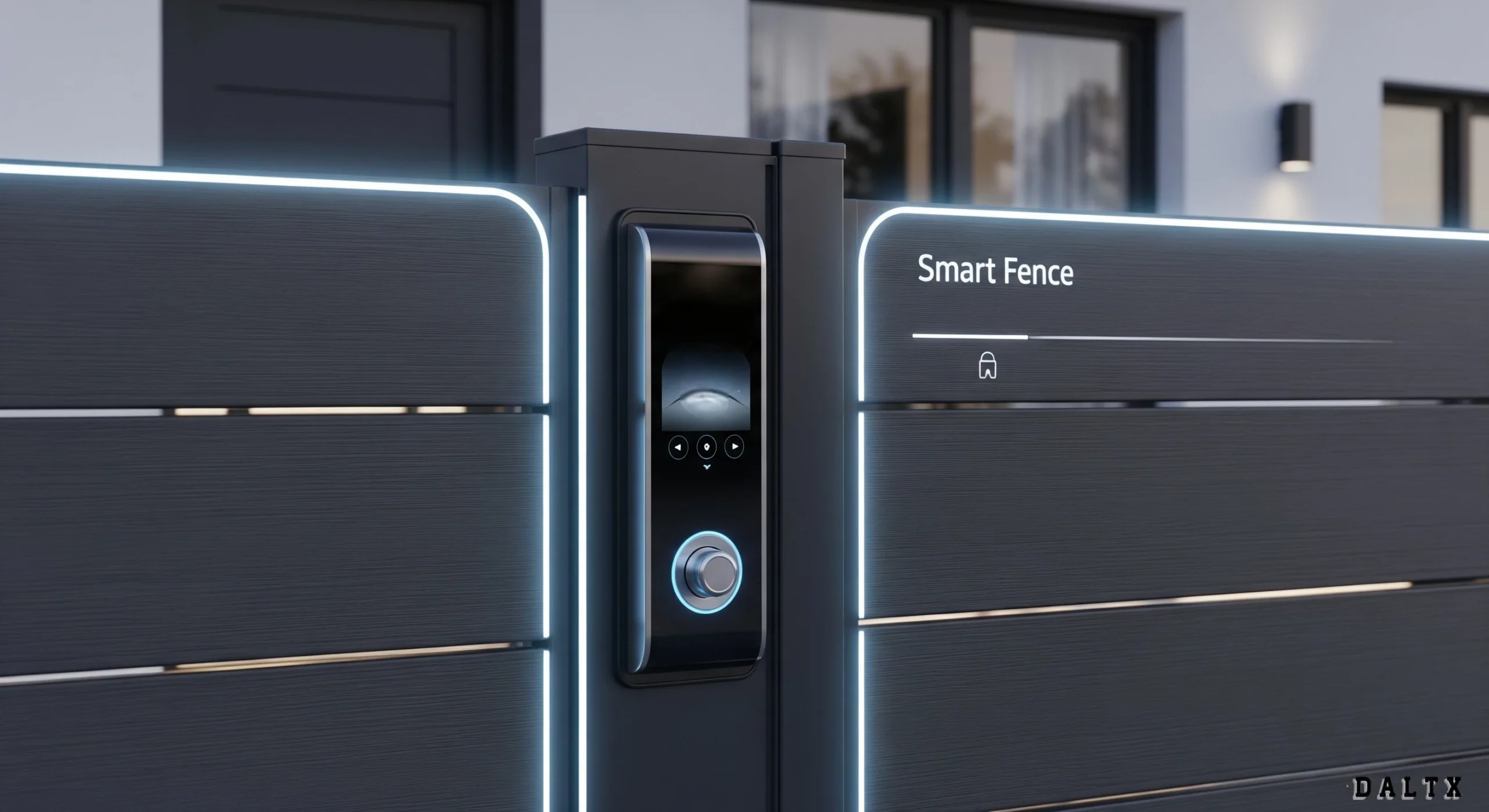
    How DXF Files Enhance Courtyard Design

    1. Decorative Privacy Screens

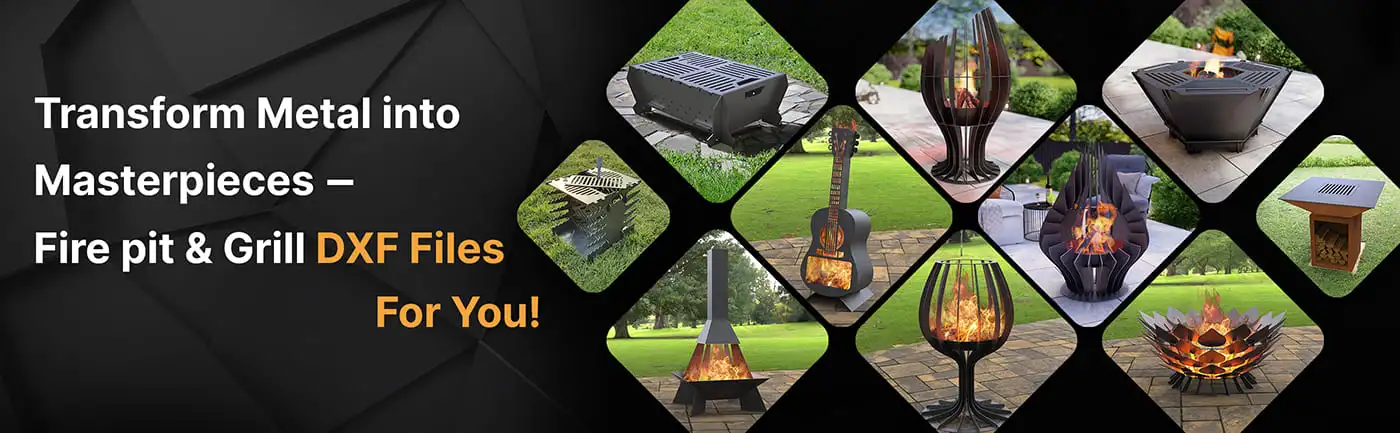
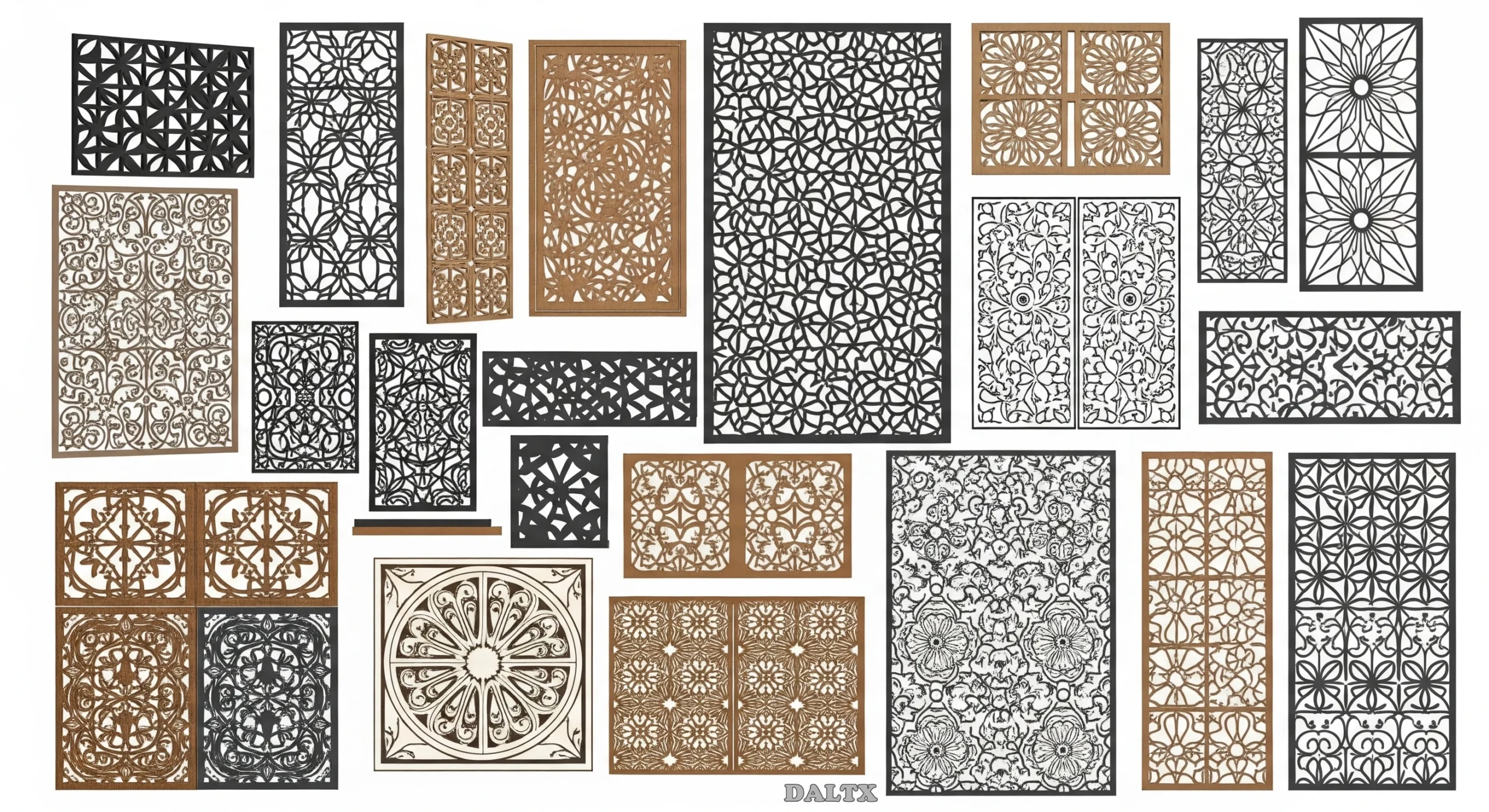
    Privacy screens and decorative panels are excellent ways to enhance a courtyard’s appeal. With DXF files for laser cutting, you can design intricate patterns, such as geometric grids or nature-inspired motifs, tailored to your property’s style. These screens provide privacy, shade, or visual interest without sacrificing airflow.

    For instance, a laser-cut aluminum screen with a floral pattern can create a modern yet elegant boundary for an urban courtyard. Materials like stainless steel or corten steel ensure durability, making these features a long-term investment for your property.

    2. Unique Garden Sculptures

    Garden sculptures add a touch of artistry to courtyards, creating focal points that elevate the space. DXF files for laser cutting enable you to craft custom sculptures, such as abstract forms or animal silhouettes, that reflect your personal taste or property theme.

    A laser-cut metal sculpture of a tree, for example, can cast striking shadows throughout the day, adding depth and character. For real estate investors, such unique features make a property memorable, appealing to buyers seeking distinctive outdoor spaces.

    3. Custom Outdoor Furniture

    Furniture is essential for a functional courtyard, and laser cutting allows for tailored designs. Using DXF files for laser cutting, you can create outdoor tables, benches, or chairs with intricate patterns that blend style and durability.

    Picture a set of metal chairs with laser-cut backrests featuring a wave pattern, or a sleek coffee table with a cut-out geometric design. Crafted from weather-resistant materials like powder-coated steel, these pieces enhance your courtyard’s appeal while requiring minimal maintenance.

    4. Stylish Planters and Edging

    Planters and garden edging organize and beautify a courtyard’s greenery. With DXF files for laser cutting, you can design custom planters in unique shapes, such as hexagons or curves, with perforated patterns for drainage. Similarly, laser-cut edging can define pathways or flower beds with elegant designs.

    These elements add structure and sophistication, appealing to buyers or renters who value a polished outdoor space. Materials like steel or wood ensure longevity, enhancing the courtyard’s long-term value.

    5. Elegant Signage

    Curb appeal is crucial in real estate, and custom signage can make a strong first impression. DXF files for laser cutting allow you to create address plaques or house name signs with refined typography or decorative elements.

    A laser-cut stainless steel address marker, for instance, adds a professional touch to your courtyard’s entrance. Such details enhance marketability, making your property more attractive to prospective buyers or tenants.

    Advantages of DXF Files for Laser Cutting

    Precision and Customization

    Laser cutting, guided by DXF files, delivers unmatched precision, enabling complex designs that fit your courtyard perfectly. This ensures a professional, cohesive look tailored to your vision.

    Durability

    Materials like stainless steel or aluminum are weather-resistant and require little upkeep, making them ideal for outdoor use. This durability translates to long-term value for homeowners and investors.

    Cost-Effectiveness

    Despite its high-end appearance, laser cutting can be affordable. Many DXF files are available online at low or no cost, and local or online cutting services offer competitive pricing, allowing you to achieve stunning results on a budget.

    Sustainability

    Laser cutting minimizes material waste, making it an eco-friendly choice. Durable materials reduce the need for replacements, further enhancing sustainability.

    Getting Started with DXF Files for Laser Cutting

    Step 1: Plan Your Courtyard

    Define your goals for the courtyard, considering the property’s style, size, and target audience. Sketch ideas for features like screens, sculptures, or furniture that align with your vision.

    Step 2: Source or Design DXF Files

    Find DXF files on platforms like Etsy or DXFforCNC.com, or create your own using CAD software like AutoCAD or Inkscape. Ensure the files are compatible with laser cutting machines and include accurate measurements.

    Step 3: Select Materials

    Choose materials suited to your courtyard’s climate and aesthetic, such as corten steel for a rustic look or stainless steel for a modern vibe. Confirm material compatibility with your cutting service.

    Step 4: Partner with a Laser Cutting Service

    Work with a local or online laser cutting provider, supplying your DXF files and specifications. Request a sample if possible to ensure the final product meets your expectations.

    Step 5: Install and Maintain

    Install your laser-cut features, seeking professional help for larger items. Maintain them with simple cleaning methods, like soap and water for metal, to preserve their appearance.

    Boosting Real Estate Value

    For real estate professionals, a courtyard enhanced with DXF files for laser cutting can increase a property’s marketability. Unique outdoor features signal quality and care, attracting buyers or renters. Well-designed courtyards often lead to higher sale prices and faster transactions, as they appeal to those seeking functional and stylish outdoor spaces.

    Custom elements like laser-cut screens or sculptures can target specific buyer demographics, such as families or professionals, adding a competitive edge in the market.

    Conclusion

    DXF files for laser cutting offer a powerful way to transform your property’s courtyard into a stunning, functional space. From privacy screens to custom furniture, these features combine precision, durability, and creativity to enhance your outdoor area. For homeowners, they provide personal enjoyment and increased property value. For investors, they create a standout property that attracts discerning buyers or renters.

    By embracing this technology, you can craft a courtyard that elevates your property’s appeal and market position. Explore DXF designs today to create an outdoor space that reflects your vision and enhances your real estate investment.

  • How a Roof Repair Contractor Can Boost Your Home’s Market Value with Strategic Upgrades

    A roof repair contractor can significantly increase a home’s market value by addressing both functional problems and aesthetic concerns. Through targeted repairs and upgrades, they ensure the roof is structurally sound, improving the property’s overall appeal to buyers.

    Strategic roof improvements, such as replacing damaged shingles, fixing leaks, and upgrading materials, make a home more attractive and can justify a higher asking price. These upgrades also signal to potential buyers that the home has been well-maintained, reducing concerns about future repair costs.

    Key Roof Repairs That Enhance Market Value

    Strategic roof repairs focus on preventing damage, strengthening key components, and optimizing energy efficiency. 

    Addressing Leaks and Water Damage

    Repairing leaks is critical to protect a home’s structural integrity and prevent costly water damage. A contractor identifies the source of leaks, which often appear around flashing, vents, or damaged shingles.

    Replacing missing or broken shingles and sealing vulnerable joints stops water from penetrating the roof deck. Addressing underlying roofing issues helps avoid mold growth and wood rot that can deter buyers.

    Installing metal roofing can be a long-term solution here. Its durability and water-resistant properties minimize leak risks, increasing the roof’s lifespan and positively impacting market value.

    Reinforcing Roof Structure

    A strong roof frame withstands weather and extends the roof’s service life, making it an important selling point. Contractors inspect rafters, trusses, and supports for signs of wear or damage.

    Repairing or replacing weakened structural elements ensures stability. Adding reinforcement materials or bracing can help the roof carry additional weight, including upgrades like metal roofing.

    Structural improvements assure buyers the roof can handle future weather events. This reduces concerns about costly repairs, improving buyer confidence in the home’s condition.

    Improving Ventilation and Insulation

    Proper roof ventilation balances heat and moisture levels, preventing ice dams and reducing energy costs. A contractor evaluates attic vents, ridge vents, and soffit vents to ensure adequate airflow.

    Upgrading insulation complements ventilation by stabilizing indoor temperatures year-round. Adding or replacing insulation reduces heating and cooling expenses, a clear market advantage.

    Better ventilation and insulation extend the roof materials’ lifespan by limiting thermal stress and moisture buildup. These energy-efficient improvements align with buyer preferences for lower utility bills and sustainable homes.

    Strategic Upgrades for Maximum ROI

    A sunny day with a clear blue sky over a residential area in Huntsville. A sturdy, well-maintained roof stands out among the houses

    Investing in specific roof upgrades can significantly increase a home’s market value. Choosing materials and features with durability, efficiency, and aesthetic appeal ensures the best return on investment.

    Upgrading to Modern Roofing Materials

    Modern roofing materials such as metal, synthetic slate, and architectural shingles offer increased durability and style. Metal roofing is particularly popular for its longevity and low maintenance. It can also be installed over existing roofs, reducing labor costs.

    Installing metal roofing requires professional skill to ensure proper sealing and fastening, which prevents leaks and extends roof life. The reflective surface of metal also helps reduce heat absorption, contributing to energy savings.

    Choosing materials with higher ratings for wind resistance and fire safety appeals to buyers in all markets. This upgrade adds tangible value and reduces future repair costs.

    Energy-Efficient Roofing Solutions

    Energy-efficient roofing options lower utility bills and attract eco-conscious buyers. Cool roofs, reflective coatings, and added insulation are common solutions contractors recommend.

    These features reduce heat transfer, keeping the home cooler in summer and warmer in winter. Metal roofs, for example, can be coated with reflective paint that meets ENERGY STAR standards.

    Strategic installation includes proper ventilation to boost efficiency. An energy-efficient roof also qualifies for potential tax credits or rebates, making it financially attractive beyond initial investment.

    Curb Appeal Improvements

    A roof’s appearance strongly influences a home’s curb appeal. Color coordination with siding, neat installation, and a clean roof line can transform the home’s look.

    Architectural shingles add depth and texture, while metal roofing provides a sleek, modern aesthetic. Removing old roof debris and power washing the roof surface enhances appeal.

    Minor repairs like fixing flashing or replacing gutters can also improve overall presentation. A visually appealing roof signals to buyers that the home is well-maintained, increasing perceived value.

    Warranty and Longevity Considerations

    Longer warranties and durable materials reduce buyer concerns about future expenses. Reputable contractors often offer warranties on both materials and installation, which can be transferable to new owners.

    Metal roofs can last 40-70 years with minimal upkeep, compared to 15-30 years for traditional asphalt shingles. This longevity adds value by lowering replacement frequency.

    Homeowners should prioritize upgrades with warranties covering wind damage, leaks, and rust. Clear documentation of these warranties should be part of the home sale package.

    Selecting the Right Roof Repair Contractor

    Choosing a contractor involves careful review of their qualifications, the range of services offered, and transparent pricing.

    Evaluating Credentials and Experience

    A reputable contractor should have valid licensing and insurance to protect the homeowner from liability. Checking licenses against state or local databases confirms compliance with laws.

    Experience matters; contractors with years in roofing are better at diagnosing issues and selecting effective upgrade methods. Request references or look for reviews that highlight quality, timeliness, and professionalism.

    Certifications from manufacturers or professional bodies indicate technical expertise and familiarity with new roofing materials or technologies, reinforcing the contractor’s reliability.

    Comparing Service Portfolios

    Reviewing the types of repairs and upgrades offered shows if the contractor can handle specific needs like ventilation improvements or energy-efficient installations.

    A detailed service portfolio includes roof inspections, shingle replacements, flashing repairs, and emergency services. Contractors that provide comprehensive roofing solutions add value beyond simple fixes.

    Ask if the contractor offers warranties on workmanship and materials. Longer or transferable warranties can enhance the home’s market appeal by assuring buyers of future durability.

    Understanding Cost Estimates

    Cost estimates should be itemized to show labor, materials, permits, and additional fees separately. Transparent pricing prevents surprises and aids in budget comparison.

    Contractors who conduct a thorough inspection before quoting tend to provide more accurate estimates. Verbal or vague quotes might lead to hidden costs later.

    Comparing multiple bids ensures competitive pricing. Cheaper estimates are not always better; balance cost with quality by verifying included services and warranty coverage.