Tag: home buying

  • 5 Red Flags Homebuyers Should Never Ignore

    Graphic concept of a man with a phone, house, magnifying glass, and key
    Source: freepik.com

    So, you finally found a house you love. It checks all the boxes, from the location to the layout. But slow down! Don’t rush into closing the sale. Your excitement could soon turn into regret once you find out the problems that were not immediately evident during the first visit.

    For many people, the home-buying process is often emotional. It could be love at first sight, as if you were destined to live there. However, logic should not be secondary. Thorough inspection is critical. Most importantly, you must know how to spot red flags before they give you a nightmare. Read on and learn about the signs worth your attention.

    1. Structural Problems
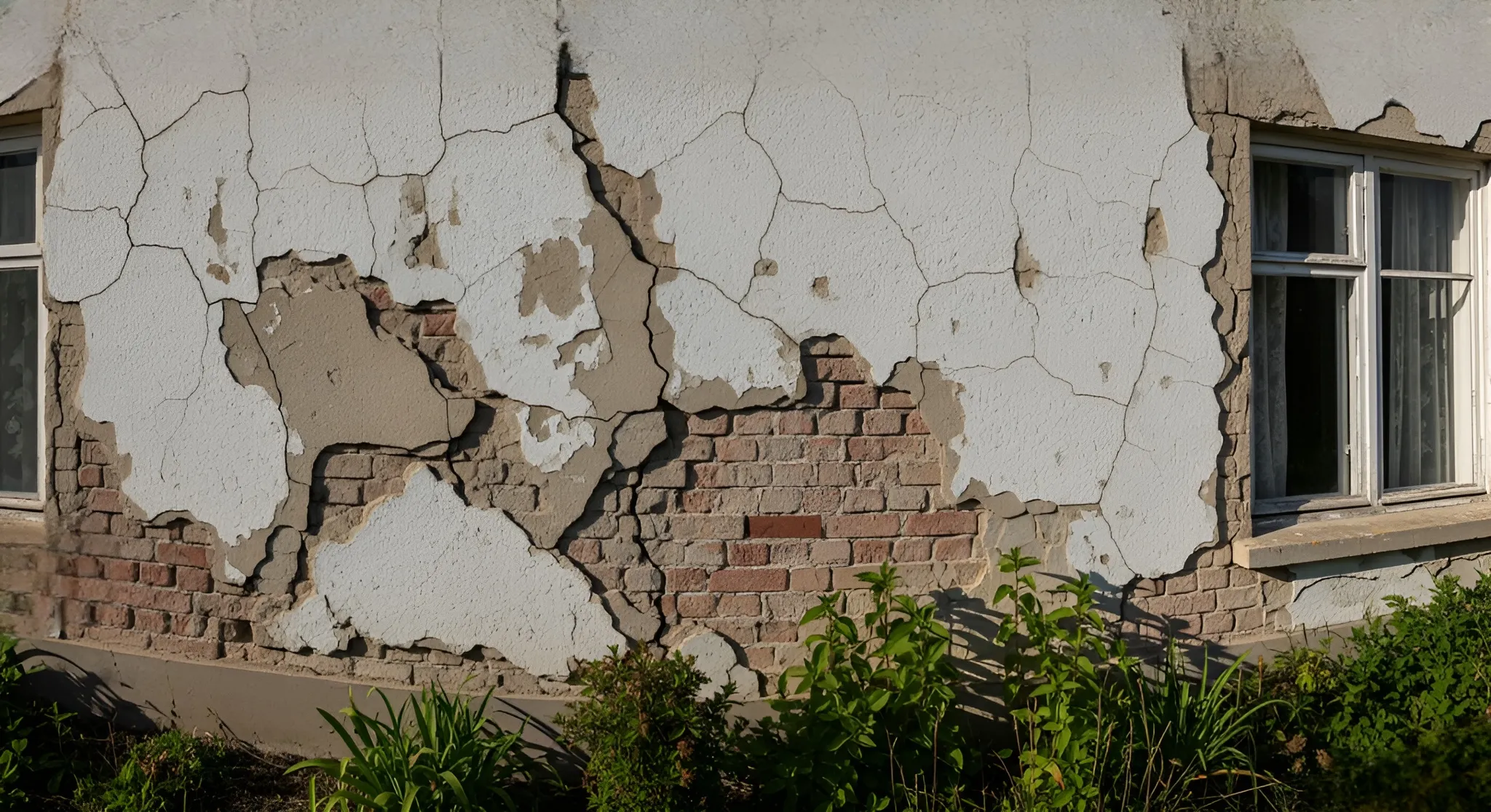
    A strong foundation is the backbone of a durable house. Visible wall cracks are among the most serious. They can be indicative of damage that the previous homeowner failed to address. Worse, if the house is brand new, it could signal poor construction that resulted in structural deterioration even before someone has lived in it. 

    Uneven floors are also clear signs of structural issues. Structural settling, excess water, ground shifting, poor construction, and normal wear are among the most common culprits. It’s worth looking at the materials used and seeing if they’re the ones to be blamed. 

    Don’t ignore the roof. Many people don’t have the time to inspect the roof because of its height, but that should never be the case. A small issue can quickly escalate when triggered by external factors, such as a storm or strong wind. 

    What To Do:

    Hire a licensed engineer for a professional assessment. This way, you can have an accurate picture of the severity of the damage. They can identify if the issues are simple cosmetic problems or if they compromise the overall structural integrity of the house. If repairs are necessary, request proof of permits for previous foundation repairs and demand that the seller fix them before closing the sale.

    2. Lingering Foul Odor

    An unusual smell is one of the most obvious indicators of a looming problem. Mold and mildew growth can be evident, which is reflective of humidity control problems. Molds contain allergens, irritants, and toxic compounds, which can compromise your health. Unaddressed, they also speed up property damage and affect the overall quality of life. 

    The strange smell could also originate from some parts of the house that were poorly constructed. A smell from sewage shows a plumbing problem. It could contain methane, a flammable gas that may leak. There can also be burnt electrical components, which represent fire hazards. 

    What To Do:

    Demand a professional mold inspection before moving in. Insist that the seller follow a certified mold remediation protocol to guarantee safe removal. Request air quality tests for peace of mind. For other areas, trace the root cause of the smell and address the issue. Be transparent with the seller, so you won’t have to suffer. 

    3. Outdated Electrical Systems

    Electrical inspection is non-negotiable before closing the sale. Wires are often hidden from plain sight, making it difficult to assess their quality with just a glimpse. Worse, many people don’t have the technical knowledge to determine what kinds of wiring follow existing regulations. They may look fine from the outside, but they can already be harboring fire hazards inside. 

    These problems are more common in older homes. For example, those built before the 1980s may still be using a knob-and-tube wiring or aluminum system. These wires lack grounding and are prone to degradation, making them dangerous. 

    Watch out for common signs of electrical issues, such as flickering lights, uneven temperature, and warm outlets. It could be because the system is unable to handle the current electrical load or simply because it’s too old. 

    What To Do:

    Checking and fixing electricals is one thing better left in the hands of experts. Hire an electrician to inspect outlets, wires and panels. Request a full rewiring if the system is unsafe. If the seller disagrees, leave. If only minor upgrades are needed, such as replacing a single outlet, you can request a seller credit instead. 

    4. Water Stains on Ceilings and Walls
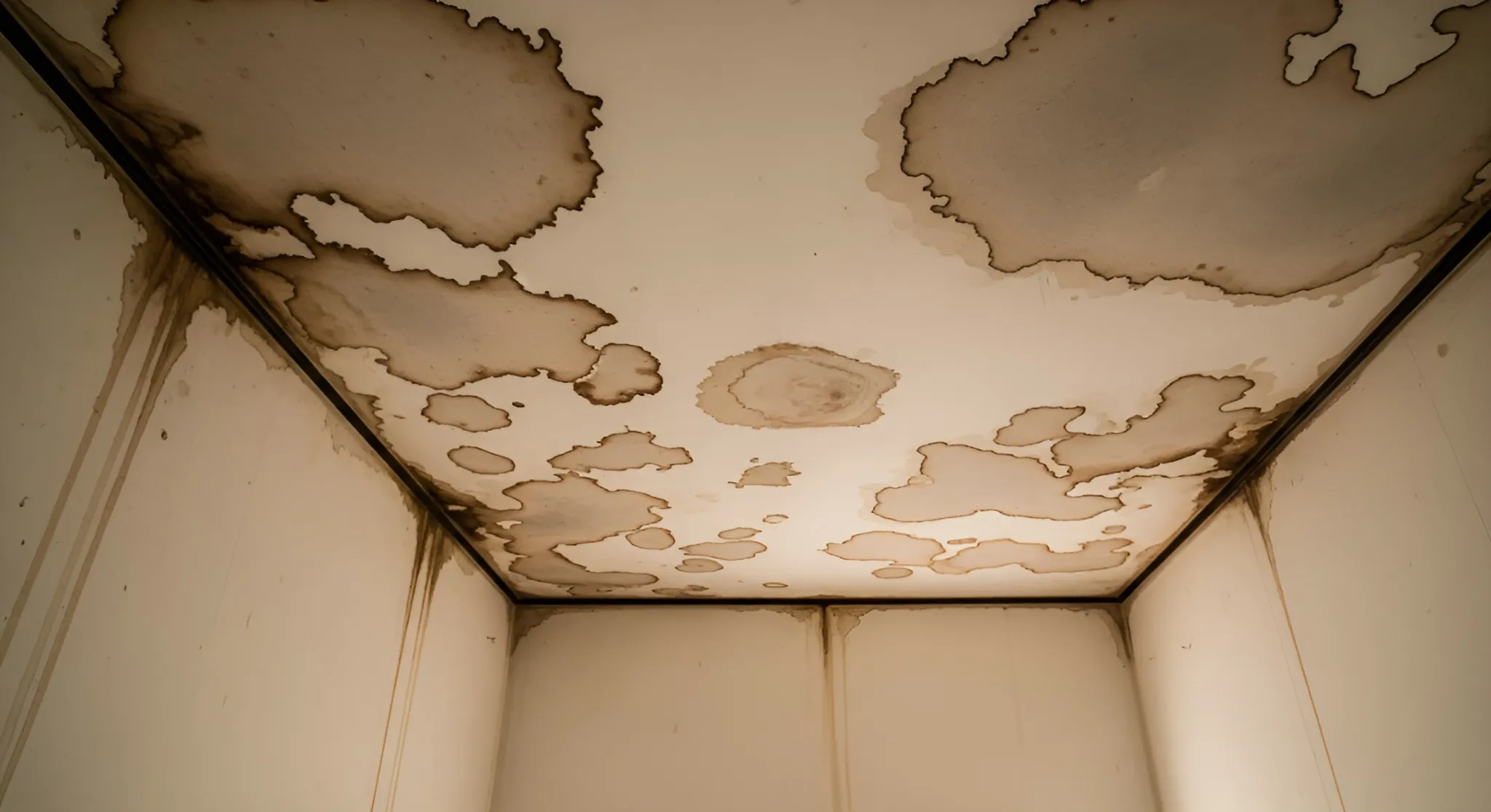
    Water spots on the ceiling and wall can be an eyesore. They unintentionally draw attention. Even if they have already dried, it doesn’t mean they can be ignored. They can signal water damage, which can worsen the longer they are unaddressed. Here are some culprits to look at: 

    • Roof Damage: A leaking roof is most likely the source of the problem. Rainwater may seep into the house, especially after heavy rains. 
    • Malfunctioning HVAC: An AC drip pan may crack. Air ducts might burst. Drainage issues and incorrect installation are also potential suspects. 
    • Pipe Leaks: A bathroom upstairs may also be the problem. Water and sewers may have been outdated or damaged. 
    • Humidity and Condensation: The inability of built-in home systems to manage temperature fluctuations can cause moist air and water stains. 

    What To Do:

    A quick paint job can be an easy fix. However, this works only if the problem is cosmetic. Otherwise, the stain will reappear soon. Identify the main source of the leak and fix the problem, such as by replacing broken pipes or repairing a damaged roof.

    5. A Neighborhood That’s Too Quiet

    A too-busy community may be excessive for some. You may prefer to live in a quieter area, which is generally perceived as more peaceful. That’s true, but it can also be a problem. If the neighborhood is too quiet, there are a few possibilities to consider: 

    • Lack of buyers interested in living in the area 
    • Poor business activity, which could signal economic decline 
    • Likelihood of crimes because of having few watchful eyes 
    • Absence of essential facilities, such as supermarkets, schools, and restaurants nearby 

    What To Do:

    Invest in thorough research. Ask around from other people living in the area, so you can have a general picture of what life there will look like. Utilize online resources to pull critical data, such as crime rates and economic growth. Read recent news articles to see if developments are being planned. 

    Wrapping Up 

    A relaxing bedroom, chic bathroom, functional living space, lush garden, and strategic location may instantly pull you into a house for sale. On the surface, it looks like a dream, especially if it falls within your budget. Upon deeper inspection, however, a house may reveal red flags that can be indicative of poor quality. From visible stains on the ceiling to musty odor coming from mold, keep an eye out for different factors that may shatter the life you imagined.


  • Appliance Repair Tips Every Home Buyer & Seller Should Know

    House hunting or getting ready to sell? Take a minute to check the appliances—seriously. People often get caught up in curb appeal and the layout, but a broken dishwasher or a dying fridge can cost you big after closing, not to mention the hassle of fixing appliances. Open the doors, run a quick cycle, and listen for weird noises. It only takes a few minutes and might save you hundreds later.

    Buyer Tips: How to Check Appliances Before Buying a Home

    While checking a property, don’t just focus on the design or décor but also appliances, as old or faulty appliances become a huge cost after you take possession. Here are some important issues to inspect prior to purchasing a property.

    • Test Major Kitchen Appliances: Begin in the kitchen, as the kitchen serves a central role in the house. Inspect the dishwasher, turn on the oven, and check the refrigerator’s cooling. If they make unusual sounds, operate sluggishly or leak, that’s a sign of malfunction.
    • Check the Washer and Dryer: Ask when the washer and dryer were last serviced. Keep an eye out for unusual noise or delayed drying during the tour. Some issues might be easy to fix, but it’s helpful to know ahead of time. Replacing these appliances can get expensive if you’re already on a tight budget.
    • Inspect the HVAC System: Turn on the heat and AC to make sure they’re working. Unusual odors, inconsistent heat, or clogged filters could be a sign that the system requires maintenance—or worse, replacement. Repairs to a faulty HVAC system can run into the thousands of dollars, so this test is essential, particularly in severe-weather states.
    • Verify Age & Warranty: Ask for the manuals and any warranty information that’s available. Some appliances, like refrigerators or HVAC equipment, can last a long time—up to 15 years or more—while others may be nearing the end of their useful life. Knowing how old they are helps you plan for future repairs or replacement and can assist in negotiating the selling price.

    For Sellers: Simple Repairs to Increase Home Value

    If you wish to sell your house, investing in appliance repairs will make your property more appealing. Here’s how minor repairs will translate into big returns:

    • Refresh the Kitchen Appliances: Home buyers are drawn to modern, well-maintained kitchens. A refrigerator door that won’t seal, or burners that don’t light easily on the stove, can leave a negative impression. Small problems such as replacing worn-out seals or burners can make a big difference in how the kitchen looks and how well it functions.
    • Fix the Laundry Room: A leaky washer or a dryer that leaves clothes still damp after a long time will be a red flag for buyers. These issues can be harbingers of greater maintenance problems later on, which will make buyers look elsewhere. Prevent this by keeping your washer and dryer in top working condition.
    • Address Small but Noticeable Issues: It’s the little things that have the biggest impact when it comes to affecting a buyer’s impression of your property. A noisy dishwasher, a refrigerator with a missing shelf, or a microwave with a spotty performance might not be significant issues, but they will have buyers questioning their decision.
    • Consider Energy Efficiency Upgrades: Replacing your old appliances with modern, energy-efficient appliances will not only make the property more appealing to buyers, but will lower the energy bills as well.

    Should You Repair or Replace Your Appliance?

    Knowing how to repair an appliance instead of replacing it can save both buyers and sellers time and money. A good rule of thumb:

    • Repair if the appliance is less than 10 years old and the repair costs less than 50% of a replacement.
    • Replace if it’s over 10–15 years old, has recurring issues, or lacks modern energy-efficient features.

    If you are not sure, hiring a professional appliance technician can help you decide the best option.

    Proactive appliance maintenance benefits both buyers and sellers. Buyers will avoid surprise expenses, and sellers will increase the worth of their property. Take the time prior to closing the transaction to inspect kitchen, laundry, and HVAC appliances you’ll be glad you did.

  • Can You Create Your Own Mortgage Note? A DIY Guide

    Creating a mortgage note can be a powerful financial tool, allowing you to structure private lending agreements for real estate transactions. A mortgage note is a legally binding document that outlines a borrower’s promise to repay a loan, typically secured by property.

    This document formalises the terms including the interest rate, repayment schedule, and the length of the loan for the security of both the lender and the borrower under the law.

    Private mortgage notes also differ from bank loans by being flexible when structuring the terms of the loan for extraordinary circumstances. To make the note legally binding, the note will need to be correctly drawn up and adhere to state and federal lending regulations.

    Source: linkedin.com

    Steps to Creating a Mortgage Note

    Creating a legally sound mortgage note requires careful planning. Here’s how to get started:

    1. Define the Loan Terms
      • Principal amount: The total loan amount.
      • Interest rate: The cost of borrowing.
      • Repayment schedule: Frequency and structure of payments.
      • Late payment penalties: Fees for overdue payments.
    2. Understand State Laws
      Lending regulations vary by state and can affect the enforceability of the note. Researching these laws ensures compliance.
    3. Secure the Loan with Collateral
      The property being financed typically serves as collateral, reinforcing the lender’s legal standing.
    4. Include Default Provisions
      Clearly state what happens if the borrower fails to meet their obligations, including lender recourse options.
    5. Consider Selling the Mortgage Note
      • A mortgage note buyer can convert future payments into a lump sum for immediate liquidity. Buy Mortgage Note provides a hassle-free solution in this process.
      • Evaluating the resale value helps ensure a smooth and profitable sale if needed.

      Legal Considerations and Compliance

      To ensure your mortgage note is legally enforceable, follow these legal procedures:

      1. Compliance with Federal Laws: Federal regulations including the Dodd-Frank Act and the Truth in Lending Act (TILA) require regulations for interest rates, disclosures for the borrower, and fair lending. Non-compliance can result in penalties or render the note void.
      2. Legal Review: Permit the lawyer to check the mortgage note for conformity with all the relevant legislations and for the security of your interests.
      3. Recording the Document: Record the mortgage or the deed of trust with the local county office. This will provide public notice of the lien and protect the lender’s interest in the property.

      Pros and Cons of a DIY Mortgage Note

      Creating your own mortgage note offers advantages such as customized terms, higher potential returns compared to traditional investments, and the ability to bypass banks. This option is particularly useful for real estate investors, family members providing private loans, or individuals exploring alternative financing solutions.

      However, there are risks, including borrower default, legal complications, and liquidity challenges. Private mortgage notes differ from bank-originated mortgages by being subject to the lender’s capacity for judging the borrower’s creditworthiness and the value of the property. Conducting thorough background checks and requiring a substantial down payment can help mitigate these risks.

      Best Practices for a Secure Mortgage Note Agreement

      To maximize the value and security for your mortgage note, the following is worth consideration:

      • Use clear and concise terms in the agreement.
      • Conduct proper due diligence regarding the financial health of the borrower.
      • Ensure compliance with federal and state regulations by using the promissory note template for your state.
      • Utilize escrow for payments and property tax payments, avoiding potential disagreements.
      • Maintain detailed payments and letters for the security of your interests against potential legal troubles or sale of notes.
      • Work with your attorney for real property or your financial representative to make the note legally sound and profitable.

      Is a DIY Mortgage Note Right for You?

      Creating your own mortgage note can also prove to be a profitable and flexible form of financing, given you pay close attention and adhere legally. If you are aware of the lending regulations and can deal with the risk associated, your DIY mortgage note can also serve as a good passive income source or even for financing property deals.

      However, it is best to seek professional advice beforehand for assurance and security against loss. Complying with best practice and being informed about the relevant legislation will allow you to set up and maintain a mortgage note for your desired financial objective.

    • How Explainer Videos Can Make the Home Buying Process Simpler

      The explainers are short yet engaging clips; they simplify difficult concepts into simpler fragments and make them comprehensible, thus very useful in many fields-even when it relates to buying property. These take hard-to-convey topics and deliver visual, engaging content which increases comprehension for their viewers-sometimes busy ones.

      Using an explainer video maker may be a game-changer for anyone interested in making their explanation films. With the help of these technologies, house merchandisers and real estate brokers may create personalized videos that walk viewers through the steps of purchasing or managing a property. These videos may be tailored to certain interest areas, assisting implicit buyers in comprehending the subtleties of the request.

      Furthermore, they make the transaction of real estate smooth by attaching an emotional connection with the help of affable language choices and appealing imagery.


      With regard to prospective buyers specifically, the best explainer videos are more accessible resources that provide extensive information on how to navigate each step of the process in acquiring residential premises. Since financial terminology can be obtuse and confusing for many people, such audio-visual aids can go a long way in helping explain these complex concepts in simple terms before directing one’s attention to those aspects best known to make all the difference when choosing where to live.

      Also, since creators have the ability to produce customized content specific to different spheres that people may be interested in-things like neighborhoods known for being family-friendly or a hotspot for investment-it is easy to see how the recordings allow potential buyers navigate through market landscapes by means of expert guidance.

      Realtors can create informative videos to explain certain property attributes that would enhance understanding and alleviate buyer confusion. The explanation of minute details from floor plans to showing the communities around helps the prospect understand the big picture.

      Moreover, these videos also let agents explain in detail eco-friendly construction techniques or smart home automation arrangements and thereby help audiences make much better choices with fewer misconceptions among them.

      Besides, business players can make use of video maker app to create professional-looking videos for publishing. This might include but is not limited to walk-throughs or other sorts of informative clips that have been created so easily with the help of a smartphone. By implementing the right technologies-mentioned audio-visual aids, among others-stakeholders guarantee increased accessibility and heightened attention along the consumer purchasing journey.