
Tag: home buying

  • Top 5 Things Buyers Overlook During Property Tours

    Top 5 Things Buyers Overlook During Property Tours

    Walking through a home is one of the most important steps when you’re thinking about buying. It’s the first real chance to step inside, look around, and picture yourself living there.

    A lot of buyers get caught up in what looks nice, such as a bright living room, shiny new countertops, or a classic detail that adds charm. Those features can be appealing, but focusing only on them might cause you to miss bigger issues that could affect your day-to-day life after you move in.

    Whether this is your first purchase or you’ve been through the process before, the best way to approach a property tour is by looking past the surface. Taking time to check details you don’t always notice can help you avoid costly surprises later.

    To help you navigate the market with more confidence, here are five common things buyers tend to overlook when viewing a property.

    1. Water Pressure and Plumbing

    When you walk through the house, take a moment to test the water. Turn on the faucets in both the kitchen and bathrooms and see if the flow comes out steady and with good pressure. These small actions can save you from moving into a house where everyday routines become a hassle.

    Don’t skip a quick look under the sinks and around the base of toilets. Warped wood, dark stains, or a soft floor can signal slow leaks or past water damage. Even if the rest of the home looks updated, plumbing problems can lead to unexpected bills, and you’ll want to know what you’re walking into before making an offer.

    2. Parking and Permits

    Parking is easy to overlook, but it affects daily life more than many buyers realize. If the home comes with a designated space, check how close it is to the property and whether it feels safe at night. If parking is on the street, find out if you’ll need a resident permit, how much it costs, and whether the city limits how many permits you can get.

    Think about guests as well. A house with no visitor parking can make family gatherings or weekend get-togethers stressful. The best way to see the real situation is to visit the street at different times of day. Midday might look wide open, but evenings or weekends could be a very different story when everyone’s cars are parked.

    3. Neighborhood and Noise Levels

    The time of day you view a property can give you the wrong impression of how quiet it really is. Many showings happen during calm hours, but the atmosphere could be very different when school lets out or when the local bar fills up on a Friday night.

    Do voices carry easily from next door? Is the street busier than it looks on paper? If you’re interested in the home, schedule another visit at a different time of day. Even sitting in your car for twenty minutes during rush hour can give you a clear sense of the noise you’d live with on a daily basis.

    4. Storage That Actually Works

    Big rooms can be appealing, but without enough storage, a house can quickly feel crowded. Think about where you’ll keep the basics like coats and cleaning supplies, as well as bulkier items like holiday decorations, luggage, or sports gear.

    Open every built-in cabinet and closet to see how much space they truly offer. Look for a pantry, a linen closet, or a basement that adds usable storage. If the property has an attic, check whether it’s finished with flooring and a safe way to access it. Don’t forget to factor in outdoor options too — a garage, shed, or even a secure side yard can make everyday living much easier.

    5. Building Management and Fees

    For apartments and managed developments, the building’s overall administration is an important, yet often overlooked, area. In managed buildings, buyers should also ask about service charges, long-term maintenance plans, and block management arrangements. These charges cover the upkeep of common areas, buildings insurance, and sometimes include a contribution to a reserve fund for major future works like a roof replacement. 

    It’s a smart move to look at the service charge history from the past few years. You’ll see if the fees have been climbing and whether any major work has been scheduled. Good management makes a big difference: hallways stay clean, repairs get handled on time, and the building as a whole holds its value. Knowing how the fees are used not only helps you plan your budget, it also tells you whether the property you’re buying into is being taken care of for the long run.

    By looking past the surface details and paying attention to how the home really functions, you’ll get a clearer sense of what living there would be like day to day. These five areas often slip through the cracks during a showing, but giving them some extra attention can help you avoid surprises and move forward with more confidence in your decision.

  • Renting vs. Buying a Home in Canada: Which Makes More Financial Sense in 2025

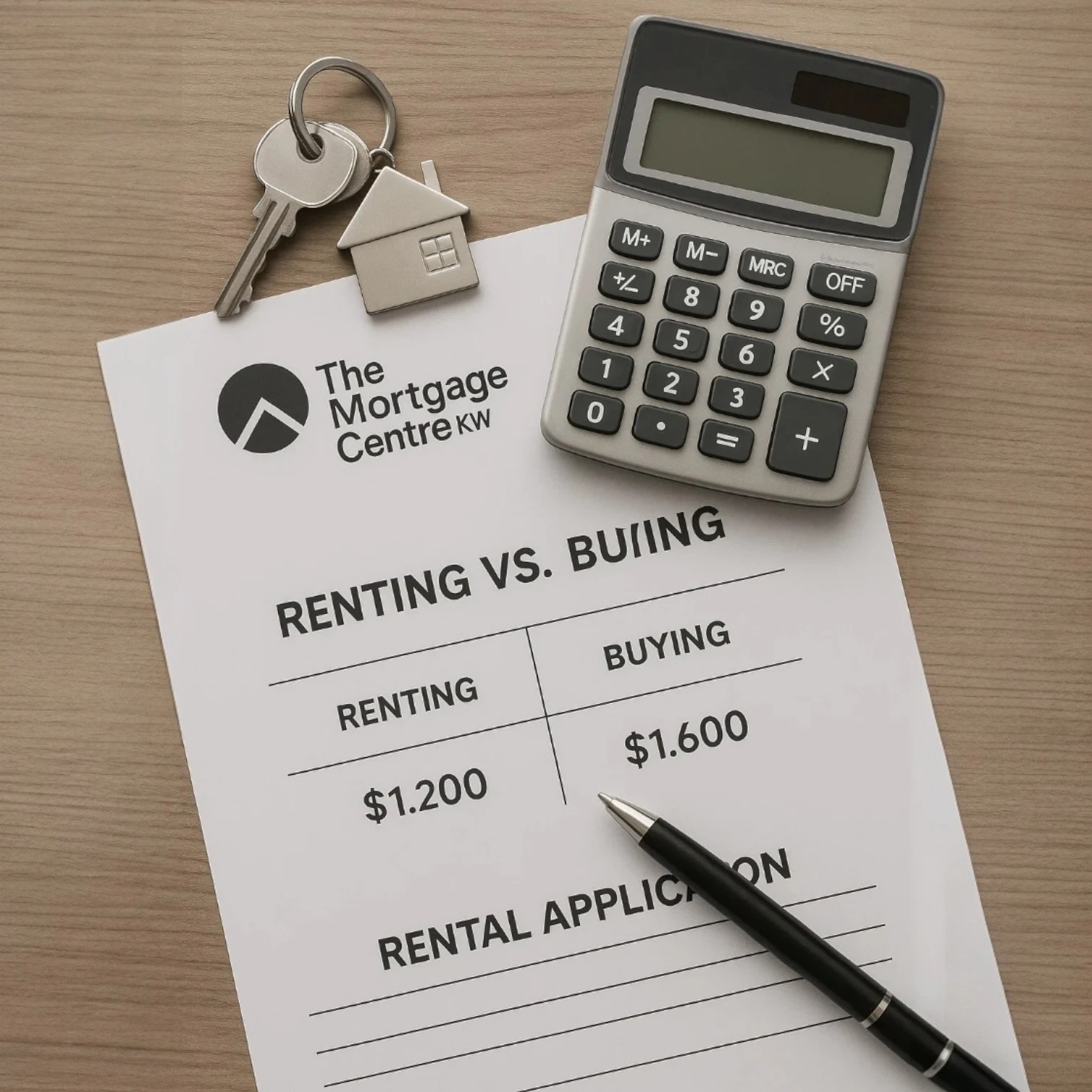
    A lot of Canadians are asking the same question: should I rent or buy? Maybe you’ve compared rent listings with mortgage payments and still aren’t sure which path makes more sense.

    Image Source: pexels.com

    The mortgage vs rent equation is complicated by homeownership costs and shifting interest rates, and whether you will stay put long enough to make buying worth it.

    The real question is how each choice fits your finances, job stability, and plans for the next decade. That is what we will unpack here without repeating the same generic tips.

    Rent vs. Buy: The Financial Reality Check

    Before deciding between renting vs buying, look beyond the headline monthly payment. Both come with a set of costs that kick in before you even settle in.

    Buying a Home

    • Upfront: Down payment (minimum 5 percent on the first $500,000 in Canada), closing costs, inspection fees, and land transfer tax (which varies by province). On a $600,000 home, that’s often $35,000 to $50,000 just to get started.
    • Ongoing: Principal and interest mortgage payments, property taxes, insurance, and maintenance. These homeownership costs can shift, especially if interest rates change.
    • The benefit: Long-term equity and the chance for real estate investment gains if property values climb.

    Renting a Home

    • Upfront: Security deposit, first and last month’s rent, plus moving expenses.
    • Ongoing: Monthly rent, utilities (if not included), and occasional renter’s insurance.
    • Potential upside: Flexibility, lower financial commitment, and fewer unexpected bills.

    The real choice comes down to affordability and your plans for the next five to ten years. If you are not sure where you stand, a quick conversation with a mortgage advisor can give you a clear, personalized breakdown based on facts. 

    Housing Market Trends in 2025

    In May 2025, the average asking rent in Canada was about $2,129 per month. That is slightly lower than last year, but still well above pre-2020 levels.

    Now compare that to owning, the average monthly mortgage payment is $3,500 to  $5,500, based on current home prices and interest rates. The gap is wide, and it’s not just about the monthly bill. Buying adds property taxes, insurance, and maintenance costs, while renting avoids those but may come with rent increases over time, and you’re not building equity. 

    Lifestyle Factors to Consider

    Money matters, but so does how you want to live. The renting vs buying choice can shape your day-to-day life more than you might think.

    When Renting Makes Sense

    • Mobility: If you see yourself changing cities or even just switching neighborhoods in the next few years, renting keeps you flexible.
    • Low upkeep: Broken appliance? That’s your landlord’s problem. You avoid the surprise repair bills that come with homeownership costs.
    • Lower commitment: A lease usually lasts a year, while a mortgage ties you down much longer.

    When Buying Works Better

    • Stability: You don’t have to worry about a landlord deciding to sell or raising the rent.
    • Customization: Paint the walls, knock down a wall, plant a garden, homeownership lets you renovate or customize as you like.
    • Long-term planning: If you plan to stay put for 5+ years, you start building equity instead of paying someone else’s mortgage.

    In the end, financial planning for homebuyers or renters is about whether you value the freedom to move or the security of staying. The right answer changes depending on your career, relationships, and how much risk you’re willing to manage.

    How to Know Which Side You’re On

    When you simplify the decision, your choice between renting vs buying comes down to three questions:

    How Long Will You Stay Put?

    • Less than 3 years? Renting usually wins.
    • Five years or more? Buying starts to make sense, especially if your market is trending upward and you’re thinking about real estate investment as part of your long-term wealth plan.

    How Stable is Your Income?

    • If your paycheck could take a hit or your job might move you, renting keeps you flexible.
    • If your income is steady and you’ve built an emergency fund, you can handle the surprise costs that come with homeownership. That stability also makes it easier to work through the financial planning for homebuyers process with confidence.

    What’s Your Debt-to-income Ratio?

    • Mortgage lenders will look closely at your debts before approving you. If your debt-to-income ratio is high, you may want to rent while lowering it, using that time to plan for a smarter entry into real estate later. 

    These answers will point you toward the choice that fits your financial capacity and your life stage, not just what the headlines suggest.

    Your Next Move Starts Here

    In 2025, renting vs buying isn’t a universal math problem with one correct answer. It’s a personal calculation that blends your finances, stability, willingness to commit, and see it as a long-term investment. Others will rent, protect their flexibility, and wait for the market to shift.

    What matters is making the call based on real numbers and a plan that fits your situation, not your neighbor, not the market chatter, and not some outdated rule of thumb.

  • Is Buying a House in Pattaya a Smart Move

    Pattaya has a way of pulling you in. Maybe it’s the salty breeze drifting in from the Gulf, the streets alive with cafés and markets, or the fact that you can go from a quiet beach to a busy shopping mall in under ten minutes. Whatever the reason, more people, both longtime locals and newcomers from overseas, are setting their sights on this coastal city.

    If you’ve been thinking about buying a new home here, you’re not alone. Fresh developments and new houses for sale in Pattaya are popping up across the city, offering everything from sleek vacation condos to roomy family houses. For some, it’s a weekend escape; for others, it’s a place to retire in comfort. And for many, it’s an investment they hope will grow along with the city itself.

    In the next few minutes, we’ll dig into what makes Pattaya’s new housing market so appealing, the kinds of properties you can expect to find, and how to make sure your purchase is a smart one from the start.

    Why Pattaya Makes Sense for Your Next Home

    Pattaya has come a long way from being just a quick weekend getaway. Only about a two-hour drive from Bangkok, the city has transformed into a lively coastal hub with a pace of development that’s hard to miss. Its growing appeal to both foreign investors and retirees is no accident, there are solid reasons behind the buzz.

    Here are some of the key draws for property buyers:

    • More value for your money – Compared with Bangkok or other major Asian cities, Pattaya’s property prices are still relatively affordable, giving buyers more space or better locations for the same budget.
    • Life by the water – Miles of sandy beaches, marinas, and year-round access to boating, fishing, and water sports make coastal living here more than just a lifestyle perk—it’s part of daily life.
    • Upgraded infrastructure – New roads, international schools, modern hospitals, and shopping centers continue to open, making the city more convenient for residents.
    • A steady tourism market – Visitors keep coming throughout the year, which helps support strong rental demand and healthy resale potential.
    • Paths for foreign ownership – While rules apply, non-Thai buyers can legally secure property through long-term leaseholds or by setting up a Thai-registered company.

    What Types of New Homes Are Available in Pattaya?

    Pattaya’s thriving real estate market offers a range of choices that can fit almost any lifestyle or budget. From cozy starter homes to sprawling luxury estates, there’s a good chance you’ll find something that matches your vision.

    Here are some of the most common options on the market right now:affordable coastal living

    • Townhouses – Often located within secure gated communities, these are a practical choice for couples or small families who prefer a low-maintenance home in a well-kept neighborhood.
    • Detached villas – Typically ranging from two to five bedrooms, many come with private pools, landscaped gardens, and plenty of outdoor space for entertaining.
    • Luxury pool villas – Designed for buyers seeking privacy and elegance, these high-end residences feature premium finishes, generous floor plans, and resort-style amenities.
    • Eco-friendly homes – New builds that focus on energy efficiency, modern architecture, and sustainable materials, appealing to those who want style with a smaller environmental footprint.
    • Off-plan developments – Properties sold before construction is complete, giving you the chance to customize layouts and finishes while often securing a better price than a completed home.

    Where to Look for the Best Properties in Pattaya

    While Pattaya’s property market is booming across the board, a few neighborhoods stand out for their mix of lifestyle benefits and solid long-term value.

    • East Pattaya – A quieter, more spacious part of town, popular with families who want larger plots and a peaceful environment without being too far from the city.
    • Jomtien – A laid-back beachside community with modern housing estates, a growing dining scene, and easy transport connections to the rest of Pattaya.
    • Pratumnak Hill – Known for its scenic views, upscale atmosphere, and convenient location between the city center and Jomtien Beach.
    • Huai Yai – A semi-rural area that’s attracting new developments, offering good value and more land for the price compared with central locations.
    • Central Pattaya – The place to be if you want shopping malls, restaurants, nightlife, and the beach all within walking distance.

    What to Know Before You Buy in Pattaya

    Buying a home in Thailand can be a smart and exciting step, but the process works a little differently than in many other countries. If you’re coming from overseas, taking time to learn the basics can save you from costly surprises and help you move forward with confidence.

    • Ownership rights – While foreigners can’t hold the land title outright, they can legally own a home or villa through a long-term land lease. This setup is common in Pattaya and, when handled properly, offers solid security for buyers.
    • Developer reputation – A builder with a proven record of delivering high-quality projects on schedule is worth prioritizing. Check past developments, talk to previous buyers, and look for signs of consistent quality.
    • Legal support – Work with a property lawyer who understands Thai real estate law. They can review contracts, flag hidden risks, and make sure every step of the purchase follows local regulations.
    • Payment terms – For off-plan purchases, know exactly how the payment schedule works, what each stage covers, and the deadlines you’ll need to meet.
    • Resale potential – Think ahead. A home in a well-located neighborhood with solid build quality will not only hold its value but can also bring strong returns if you rent it out or sell later.

    Why Choose a New Build Instead of a Resale Home

    Buying a newly built property in Pattaya offers advantages that go beyond the fresh paint and untouched interiors. Many buyers are drawn to these homes for the combination of style, convenience, and peace of mind they provide.

    • Modern design – Open layouts, energy-efficient materials, and contemporary finishes give new builds a look and feel that’s hard to find in older homes.
    • Room for personalization – In many projects, you can select finishes, fixtures, and sometimes even adjust the floor plan before moving in, making the space truly your own.
    • Developer warranties – Most reputable builders offer structural and maintenance warranties, giving you added protection during the first years of ownership.
    • Lower upkeep in the early years – With brand-new systems and appliances, the need for major repairs is minimal, saving both time and money.
    • Flexible financing options – Some developers offer in-house financing or payment plans that can make the purchase process smoother and more accessible.

    Your Next Move Starts in Pattaya

    Walk along Beach Road on a warm evening and you’ll see why so many people decide to put down roots here. New housing projects seem to pop up every few months, each with its own style, some sleek and glassy, others with a touch of Thai tradition.

    The variety is striking: a compact condo a short stroll from the sand, a family villa tucked behind palm trees, or a modern pool home just minutes from the nearest mall.

    If you’ve been toying with the idea of buying, this is a good moment to start looking. The market is active, and options move quickly. Find an agent who knows the neighborhoods, take time to check the paperwork, and walk through a few properties yourself. Before long, you might be turning the key to a home that fits your life, right here in one of Thailand’s most energetic coastal cities.

  • 5 Top Places in Texas to Buy a Home

    https://lh7-rt.googleusercontent.com/docsz/AD_4nXeTLTMJjAe4ub2wXj_DyuD7KXWMkljbBOWeG0NuotieHvF0QePx-TjJNZ7aY8tLapwOSqBKCILEFx2DZZ5vc5g0OEwkhYkcrf_hbz6u7xpCIZnC0ibgZs6Rdv-GSwQX5_Vq-83upA?key=Z4SBUimWiqdUNKr_CJ8CPA
    Source: pexels.com

    Texas is a great place to live, and many people are moving here to take advantage of quality jobs, affordable housing, and a beautiful environment to live in or raise a family. If you are looking to move to Texas, you might not be sure where you should start shopping for a home. Having so many options can make it hard to narrow things down and pick the right community for you and your family.

    Meridiana homes for sale are a great place to start your search, and you will find plenty of great options in this community near Houston. Whether you’re a young professional looking for your first home or trying to find a place to retire in peace and comfort, Meridiana is a great choice. There are lots of places in Texas to shop for the home of your dreams, and we will discuss some of the best options here in this guide.

    Top Places to Buy a Home in Texas

    1. Meridiana

    As mentioned above, Meridiana is a great place to look for a home. There are many reasons this suburb of Houston tops the charts when it comes to Texas real estate. First of all, this is a master-planned community, which means you can enjoy access to everything you need right inside your neighborhood.

    You’ll find lots of different housing styles here, as well as beautiful pools, well-groomed common areas, walking paths, and cafes. There are also learning labs and other activities in community spaces that are perfect for kids who need something educational and fun to do when they’re not in school.

    This 3,000-acre community offers something for everyone, from fitness centers to beautiful landscaping and even a beach area. People of all ages and from all walks of life live here, and you’re so close to Houston that commuting is easy while still getting to enjoy peace and quiet away from the bustle of the city.

    2. Flower Mound

    Located near Dallas, this well-known and sought-after community offers reasonable housing prices and many perks. The neighborhood has access to essential services like healthcare, safety, and excellent schools. Being able to commute into Dallas with ease is another key benefit, making this a great choice for families or those who are just starting out in their careers in the city.

    While the cost of living is a little higher here than in some other parts of the state, Dallas is an expensive city overall. Having the ability to enjoy parks, common areas, and abundant recreation opportunities makes Flower Mound an ideal choice for people from all walks of life.

    https://lh7-rt.googleusercontent.com/docsz/AD_4nXdImmPnCvgnaQeqp8eihxvfFKfOQAozVVbysDhOxa1a_2f-jZydb9R23g28nDYZtjqpkIAiW1YR1kwyNlq4H1NS5huhfvmtvp21J7QFBks7Ir-fYGlZqk8m9XKHzLr5DOyfqbAd?key=Z4SBUimWiqdUNKr_CJ8CPA
    Source: pexels.com

    3. Sugar Land

    Another master-planned community, Sugar Land is a great place to move if you love golf, want access to beautiful pools for relaxing or fitness, and enjoy living in a place with a strong sense of community. Kids can play in common areas or the various parks scattered throughout the community, and the crime rate is low enough that your children can play outside without worry.

    There is a strong job market in Sugar Land as well, which means younger folks looking to build their careers can have a home that feels removed from the city while still being able to find opportunities to grow professionally.

    The school system in the Sugar Land area is also excellent, making this a great choice for those looking for places to live where their kids can get a quality education.

    4. The Woodlands

    One of the highest-ranked places to live near Houston, The Woodlands is known for its high quality of life and for being perfect for those raising kids. This is a family-friendly neighborhood that offers access to excellent schools, a safe environment for children, and plenty of local recreational activities.

    If you are a young professional or planning to retire, you’ll be close enough to Houston to have access to jobs and healthcare without giving up the country-living vibe that most people want to enjoy when they buy their dream home.

    This is a well-planned community in an area with a strong job market that is also friendly for people looking to slow down and get ready to retire.

    5. Katy

    Also located near Houston, Katy is perfect if you are looking to live in a newer master-planned community. This area includes lots of interlinked neighborhoods that all offer different perks and amenities. You’ll be close to parks, common areas, swimming pools, and recreational activities, as well as quality schools, shopping, and entertainment. This is also a part of the Houston area near Grand Lakes, which is an outdoor lover’s dream neighborhood.

    There is something for everyone in the Katy area, and being close enough to Houston to keep working hard on your career is ideal for those who don’t want to live right in the heart of the city.

    https://lh7-rt.googleusercontent.com/docsz/AD_4nXfNUQ_b-7jZIz0q-EjCJHSeTyeNlOUS_45tw8FqiycTM0ejBg4U0WQjgMYGDH4ka1MaDEhHZr8qkona8Sifpu5cyAb4KTRsMUrfeE1o4_OHmWiGS3rKuLz8CxRt6oGFJYNgmjbElQ?key=Z4SBUimWiqdUNKr_CJ8CPA
    Source: pexels.com

    Texas is Full of Amazing Neighborhoods and Communities to Call Home

    If you are looking to move to Texas, you have a host of options when it comes to finding the perfect home for you and your family. Whether you are young and looking for your first home or hoping to find the right place to enjoy peace and quiet in retirement, you’ll be able to find the right home for you with no issue.

    Texas offers a great job market, incredible scenery, and all kinds of things to do for fun. Between excellent schools, wonderful weather, and plenty of recreational options, you should have no trouble loving life in Texas.

  • Why Understanding Real Estate Law Gives You a Major Advantage

    Real estate deals aren’t just about location, curb appeal, or financing. At their core, they’re legal transactions that can unravel fast without a basic understanding of property law. Whether you’re buying your first home, managing rentals, investing in properties, or simply curious about the real estate world, knowing the legal principles that govern land ownership gives you an edge.

    Across the United States, real estate laws vary widely, but they all influence how property is bought, sold, and managed. From contract clauses to title disputes, understanding these rules can help prevent costly errors and legal complications. Learning how the legal side of real estate works puts you in a stronger position to make smart, informed decisions.

    How Law School Subjects Apply to Real Estate

    Some of the most practical real estate knowledge comes straight from subjects taught in law school. Getting familiar with legal topics like property law, contracts, and land use can give aspiring homeowners, investors, or real estate professionals a clearer picture of how transactions really work.

    This overlap between legal education and real estate isn’t just academic. For example, knowing what adverse possession means can help you understand boundary disputes or how long-term use of land affects ownership. Similarly, contract law concepts can help you spot red flags before signing a lease or purchase agreement.

    Legal principles show up in nearly every real estate deal. Basic legal real estate knowledge acts as a safeguard, not just a checklist, to help you navigate key terms and timelines with confidence. Knowing how contingencies work, what to expect in escrow, and when to exercise inspection rights can help you avoid surprises and negotiate from a stronger position.

    Unique Challenges in State-Specific Property Laws

    Every state has its own property laws and quirks, and understanding these can give you a significant advantage. From homestead exemptions to zoning laws and water rights, the legal framework around real estate shapes how property is used and transferred. Even just knowing when to ask questions can help you avoid trouble.

    In some states, local governments have broad powers when it comes to eminent domain or land development. These rules can impact everything from rural land purchases to commercial investments in growing cities. By learning what protections exist, you can better assess risks and opportunities in any given area.

    Title insurance is another part of real estate that deserves attention. It protects buyers and lenders from issues like undisclosed liens or disputes over ownership. Understanding how to read a title commitment might seem technical, but it can help prevent unexpected delays or legal conflicts.

    Building a Smarter Real Estate Skillset

    You don’t need to become a lawyer to improve your understanding of real estate law. Anyone can start building knowledge by exploring legal topics that directly affect property ownership and investment. This awareness can help you spot potential issues early and avoid making decisions you’ll regret.

    Legal knowledge also helps with communication. Whether you’re working with agents, lenders, contractors, or attorneys, being able to speak their language shows professionalism and builds trust. In multi-party transactions, that clarity can make a big difference.

    Even basic awareness of liability and risk can change how you approach renovations, rentals, or resale. Knowing the legal implications of things like safety codes, tenant rights, or HOA restrictions means you’re less likely to face disputes or fines down the line.

    Why Legal Awareness Builds Confidence

    In fast-moving real estate markets, being legally informed can help you act quickly and avoid bad deals. It’s not just about being savvy—it’s about being prepared. The more you understand, the more confidently you can navigate transactions and partnerships.

    Legal knowledge also builds credibility. Whether you’re a first-time buyer, casual landlord, or seasoned investor, showing you understand the legal side of things reassures clients, lenders, and partners. It tells people you’ve done your homework and take your responsibilities seriously.

    Even a basic legal vocabulary can offer long-term benefits. It helps you avoid costly mistakes, communicate more clearly, and handle documents with greater care. These skills grow over time and compound with experience.

    Staying Informed and Getting Ahead

    You don’t need a law degree to gain a legal edge in real estate. Plenty of courses, books, and online articles break down the fundamentals. By learning just a little more about how real estate law works, you can set yourself up for better results.

    As laws evolve and markets shift, staying informed is a competitive advantage. Whether you’re exploring your first property or managing a growing portfolio, legal literacy gives you the tools to protect your interests.

    In the end, legal knowledge doesn’t replace a trusted agent, lawyer, or title officer, but it makes you a stronger buyer, seller, or investor. And in real estate, that knowledge pays off again and again.

  • 5 Red Flags Homebuyers Should Never Ignore

    Graphic concept of a man with a phone, house, magnifying glass, and key
    Source: freepik.com

    So, you finally found a house you love. It checks all the boxes, from the location to the layout. But slow down! Don’t rush into closing the sale. Your excitement could soon turn into regret once you find out the problems that were not immediately evident during the first visit.

    For many people, the home-buying process is often emotional. It could be love at first sight, as if you were destined to live there. However, logic should not be secondary. Thorough inspection is critical. Most importantly, you must know how to spot red flags before they give you a nightmare. Read on and learn about the signs worth your attention.

    1. Structural Problems

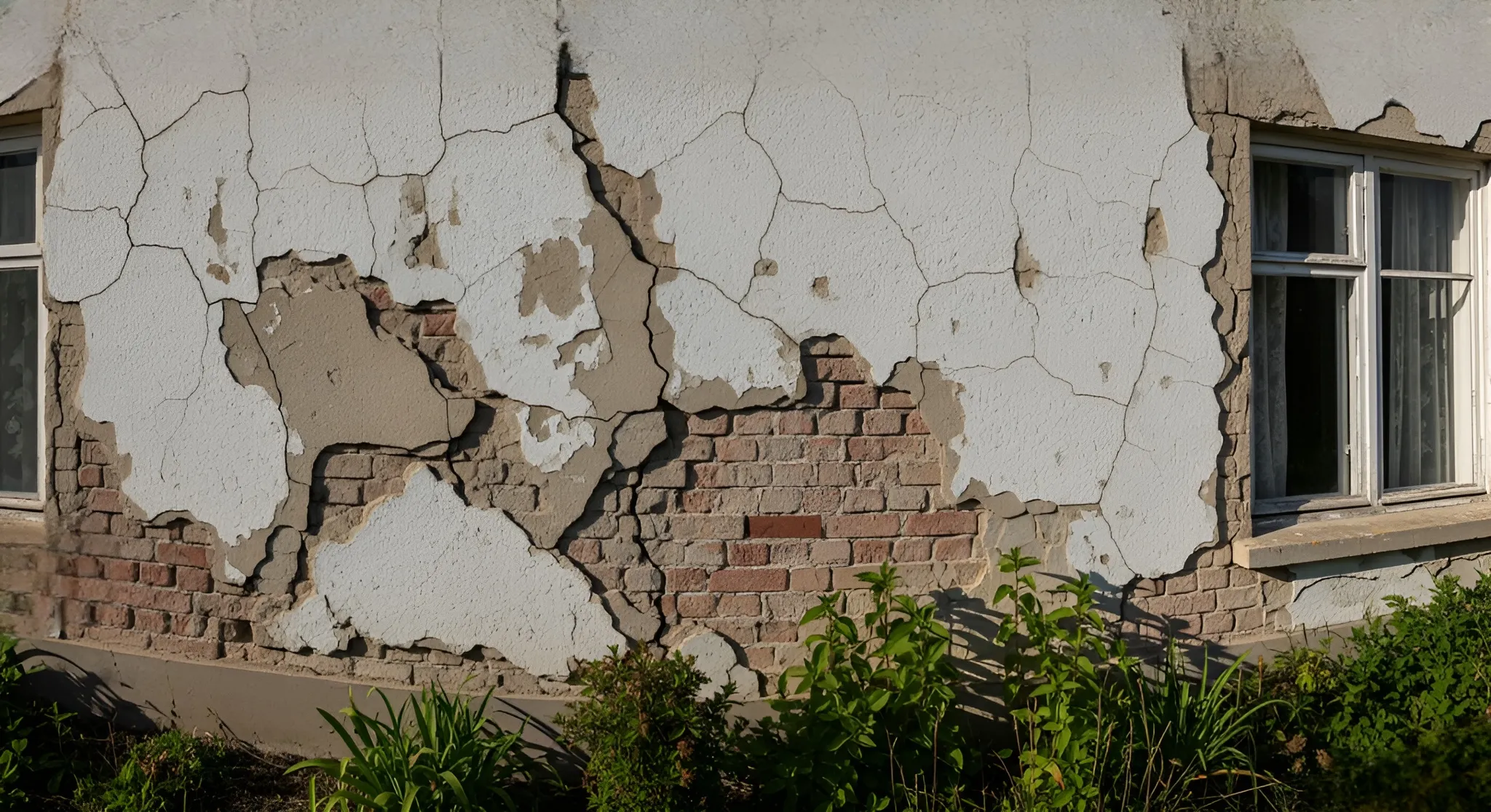
    A strong foundation is the backbone of a durable house. Visible wall cracks are among the most serious. They can be indicative of damage that the previous homeowner failed to address. Worse, if the house is brand new, it could signal poor construction that resulted in structural deterioration even before someone has lived in it. 

    Uneven floors are also clear signs of structural issues. Structural settling, excess water, ground shifting, poor construction, and normal wear are among the most common culprits. It’s worth looking at the materials used and seeing if they’re the ones to be blamed. 

    Don’t ignore the roof. Many people don’t have the time to inspect the roof because of its height, but that should never be the case. A small issue can quickly escalate when triggered by external factors, such as a storm or strong wind. 

    What To Do:

    Hire a licensed engineer for a professional assessment. This way, you can have an accurate picture of the severity of the damage. They can identify if the issues are simple cosmetic problems or if they compromise the overall structural integrity of the house. If repairs are necessary, request proof of permits for previous foundation repairs and demand that the seller fix them before closing the sale.

    2. Lingering Foul Odor

    An unusual smell is one of the most obvious indicators of a looming problem. Mold and mildew growth can be evident, which is reflective of humidity control problems. Molds contain allergens, irritants, and toxic compounds, which can compromise your health. Unaddressed, they also speed up property damage and affect the overall quality of life. 

    The strange smell could also originate from some parts of the house that were poorly constructed. A smell from sewage shows a plumbing problem. It could contain methane, a flammable gas that may leak. There can also be burnt electrical components, which represent fire hazards. 

    What To Do:

    Demand a professional mold inspection before moving in. Insist that the seller follow a certified mold remediation protocol to guarantee safe removal. Request air quality tests for peace of mind. For other areas, trace the root cause of the smell and address the issue. Be transparent with the seller, so you won’t have to suffer. 

    3. Outdated Electrical Systems

    Electrical inspection is non-negotiable before closing the sale. Wires are often hidden from plain sight, making it difficult to assess their quality with just a glimpse. Worse, many people don’t have the technical knowledge to determine what kinds of wiring follow existing regulations. They may look fine from the outside, but they can already be harboring fire hazards inside. 

    These problems are more common in older homes. For example, those built before the 1980s may still be using a knob-and-tube wiring or aluminum system. These wires lack grounding and are prone to degradation, making them dangerous. 

    Watch out for common signs of electrical issues, such as flickering lights, uneven temperature, and warm outlets. It could be because the system is unable to handle the current electrical load or simply because it’s too old. 

    What To Do:

    Checking and fixing electricals is one thing better left in the hands of experts. Hire an electrician to inspect outlets, wires and panels. Request a full rewiring if the system is unsafe. If the seller disagrees, leave. If only minor upgrades are needed, such as replacing a single outlet, you can request a seller credit instead. 

    4. Water Stains on Ceilings and Walls

    Water spots on the ceiling and wall can be an eyesore. They unintentionally draw attention. Even if they have already dried, it doesn’t mean they can be ignored. They can signal water damage, which can worsen the longer they are unaddressed. Here are some culprits to look at: 

    • Roof Damage: A leaking roof is most likely the source of the problem. Rainwater may seep into the house, especially after heavy rains. 
    • Malfunctioning HVAC: An AC drip pan may crack. Air ducts might burst. Drainage issues and incorrect installation are also potential suspects. 
    • Pipe Leaks: A bathroom upstairs may also be the problem. Water and sewers may have been outdated or damaged. 
    • Humidity and Condensation: The inability of built-in home systems to manage temperature fluctuations can cause moist air and water stains. 

    What To Do:

    A quick paint job can be an easy fix. However, this works only if the problem is cosmetic. Otherwise, the stain will reappear soon. Identify the main source of the leak and fix the problem, such as by replacing broken pipes or repairing a damaged roof.

    5. A Neighborhood That’s Too Quiet

    A too-busy community may be excessive for some. You may prefer to live in a quieter area, which is generally perceived as more peaceful. That’s true, but it can also be a problem. If the neighborhood is too quiet, there are a few possibilities to consider: 

    • Lack of buyers interested in living in the area 
    • Poor business activity, which could signal economic decline 
    • Likelihood of crimes because of having few watchful eyes 
    • Absence of essential facilities, such as supermarkets, schools, and restaurants nearby 

    What To Do:

    Invest in thorough research. Ask around from other people living in the area, so you can have a general picture of what life there will look like. Utilize online resources to pull critical data, such as crime rates and economic growth. Read recent news articles to see if developments are being planned. 

    Wrapping Up 

    A relaxing bedroom, chic bathroom, functional living space, lush garden, and strategic location may instantly pull you into a house for sale. On the surface, it looks like a dream, especially if it falls within your budget. Upon deeper inspection, however, a house may reveal red flags that can be indicative of poor quality. From visible stains on the ceiling to musty odor coming from mold, keep an eye out for different factors that may shatter the life you imagined.

  • Appliance Repair Tips Every Home Buyer & Seller Should Know

    House hunting or getting ready to sell? Take a minute to check the appliances—seriously. People often get caught up in curb appeal and the layout, but a broken dishwasher or a dying fridge can cost you big after closing, not to mention the hassle of fixing appliances. Open the doors, run a quick cycle, and listen for weird noises. It only takes a few minutes and might save you hundreds later.

    Buyer Tips: How to Check Appliances Before Buying a Home

    While checking a property, don’t just focus on the design or décor but also appliances, as old or faulty appliances become a huge cost after you take possession. Here are some important issues to inspect prior to purchasing a property.

    • Test Major Kitchen Appliances: Begin in the kitchen, as the kitchen serves a central role in the house. Inspect the dishwasher, turn on the oven, and check the refrigerator’s cooling. If they make unusual sounds, operate sluggishly or leak, that’s a sign of malfunction.
    • Check the Washer and Dryer: Ask when the washer and dryer were last serviced. Keep an eye out for unusual noise or delayed drying during the tour. Some issues might be easy to fix, but it’s helpful to know ahead of time. Replacing these appliances can get expensive if you’re already on a tight budget.
    • Inspect the HVAC System: Turn on the heat and AC to make sure they’re working. Unusual odors, inconsistent heat, or clogged filters could be a sign that the system requires maintenance—or worse, replacement. Repairs to a faulty HVAC system can run into the thousands of dollars, so this test is essential, particularly in severe-weather states.
    • Verify Age & Warranty: Ask for the manuals and any warranty information that’s available. Some appliances, like refrigerators or HVAC equipment, can last a long time—up to 15 years or more—while others may be nearing the end of their useful life. Knowing how old they are helps you plan for future repairs or replacement and can assist in negotiating the selling price.

    For Sellers: Simple Repairs to Increase Home Value

    If you wish to sell your house, investing in appliance repairs will make your property more appealing. Here’s how minor repairs will translate into big returns:

    • Refresh the Kitchen Appliances: Home buyers are drawn to modern, well-maintained kitchens. A refrigerator door that won’t seal, or burners that don’t light easily on the stove, can leave a negative impression. Small problems such as replacing worn-out seals or burners can make a big difference in how the kitchen looks and how well it functions.
    • Fix the Laundry Room: A leaky washer or a dryer that leaves clothes still damp after a long time will be a red flag for buyers. These issues can be harbingers of greater maintenance problems later on, which will make buyers look elsewhere. Prevent this by keeping your washer and dryer in top working condition.
    • Address Small but Noticeable Issues: It’s the little things that have the biggest impact when it comes to affecting a buyer’s impression of your property. A noisy dishwasher, a refrigerator with a missing shelf, or a microwave with a spotty performance might not be significant issues, but they will have buyers questioning their decision.

    • Consider Energy Efficiency Upgrades: Replacing your old appliances with modern, energy-efficient appliances will not only make the property more appealing to buyers, but will lower the energy bills as well.

    Should You Repair or Replace Your Appliance?

    Knowing how to repair an appliance instead of replacing it can save both buyers and sellers time and money. A good rule of thumb:

    • Repair if the appliance is less than 10 years old and the repair costs less than 50% of a replacement.
    • Replace if it’s over 10–15 years old, has recurring issues, or lacks modern energy-efficient features.

    If you are not sure, hiring a professional appliance technician can help you decide the best option.

    Proactive appliance maintenance benefits both buyers and sellers. Buyers will avoid surprise expenses, and sellers will increase the worth of their property. Take the time prior to closing the transaction to inspect kitchen, laundry, and HVAC appliances you’ll be glad you did.

  • Can You Create Your Own Mortgage Note? A DIY Guide

    Creating a mortgage note can be a powerful financial tool, allowing you to structure private lending agreements for real estate transactions. A mortgage note is a legally binding document that outlines a borrower’s promise to repay a loan, typically secured by property.

    This document formalises the terms including the interest rate, repayment schedule, and the length of the loan for the security of both the lender and the borrower under the law.

    Private mortgage notes also differ from bank loans by being flexible when structuring the terms of the loan for extraordinary circumstances. To make the note legally binding, the note will need to be correctly drawn up and adhere to state and federal lending regulations.

    Source: linkedin.com

    Steps to Creating a Mortgage Note

    Creating a legally sound mortgage note requires careful planning. Here’s how to get started:

    1. Define the Loan Terms
      • Principal amount: The total loan amount.
      • Interest rate: The cost of borrowing.
      • Repayment schedule: Frequency and structure of payments.
      • Late payment penalties: Fees for overdue payments.
    2. Understand State Laws
      Lending regulations vary by state and can affect the enforceability of the note. Researching these laws ensures compliance.
    3. Secure the Loan with Collateral
      The property being financed typically serves as collateral, reinforcing the lender’s legal standing.
    4. Include Default Provisions
      Clearly state what happens if the borrower fails to meet their obligations, including lender recourse options.
    5. Consider Selling the Mortgage Note
      • A mortgage note buyer can convert future payments into a lump sum for immediate liquidity. Buy Mortgage Note provides a hassle-free solution in this process.
      • Evaluating the resale value helps ensure a smooth and profitable sale if needed.

      Legal Considerations and Compliance

      To ensure your mortgage note is legally enforceable, follow these legal procedures:

      1. Compliance with Federal Laws: Federal regulations including the Dodd-Frank Act and the Truth in Lending Act (TILA) require regulations for interest rates, disclosures for the borrower, and fair lending. Non-compliance can result in penalties or render the note void.
      2. Legal Review: Permit the lawyer to check the mortgage note for conformity with all the relevant legislations and for the security of your interests.
      3. Recording the Document: Record the mortgage or the deed of trust with the local county office. This will provide public notice of the lien and protect the lender’s interest in the property.

      Pros and Cons of a DIY Mortgage Note

      Creating your own mortgage note offers advantages such as customized terms, higher potential returns compared to traditional investments, and the ability to bypass banks. This option is particularly useful for real estate investors, family members providing private loans, or individuals exploring alternative financing solutions.

      However, there are risks, including borrower default, legal complications, and liquidity challenges. Private mortgage notes differ from bank-originated mortgages by being subject to the lender’s capacity for judging the borrower’s creditworthiness and the value of the property. Conducting thorough background checks and requiring a substantial down payment can help mitigate these risks.

      Best Practices for a Secure Mortgage Note Agreement

      To maximize the value and security for your mortgage note, the following is worth consideration:

      • Use clear and concise terms in the agreement.
      • Conduct proper due diligence regarding the financial health of the borrower.
      • Ensure compliance with federal and state regulations by using the promissory note template for your state.
      • Utilize escrow for payments and property tax payments, avoiding potential disagreements.
      • Maintain detailed payments and letters for the security of your interests against potential legal troubles or sale of notes.
      • Work with your attorney for real property or your financial representative to make the note legally sound and profitable.

      Is a DIY Mortgage Note Right for You?

      Creating your own mortgage note can also prove to be a profitable and flexible form of financing, given you pay close attention and adhere legally. If you are aware of the lending regulations and can deal with the risk associated, your DIY mortgage note can also serve as a good passive income source or even for financing property deals.

      However, it is best to seek professional advice beforehand for assurance and security against loss. Complying with best practice and being informed about the relevant legislation will allow you to set up and maintain a mortgage note for your desired financial objective.

    • How Explainer Videos Can Make the Home Buying Process Simpler

      The explainers are short yet engaging clips; they simplify difficult concepts into simpler fragments and make them comprehensible, thus very useful in many fields-even when it relates to buying property. These take hard-to-convey topics and deliver visual, engaging content which increases comprehension for their viewers-sometimes busy ones.

      Using an explainer video maker may be a game-changer for anyone interested in making their explanation films. With the help of these technologies, house merchandisers and real estate brokers may create personalized videos that walk viewers through the steps of purchasing or managing a property. These videos may be tailored to certain interest areas, assisting implicit buyers in comprehending the subtleties of the request.

      Furthermore, they make the transaction of real estate smooth by attaching an emotional connection with the help of affable language choices and appealing imagery.


      With regard to prospective buyers specifically, the best explainer videos are more accessible resources that provide extensive information on how to navigate each step of the process in acquiring residential premises. Since financial terminology can be obtuse and confusing for many people, such audio-visual aids can go a long way in helping explain these complex concepts in simple terms before directing one’s attention to those aspects best known to make all the difference when choosing where to live.

      Also, since creators have the ability to produce customized content specific to different spheres that people may be interested in-things like neighborhoods known for being family-friendly or a hotspot for investment-it is easy to see how the recordings allow potential buyers navigate through market landscapes by means of expert guidance.

      Realtors can create informative videos to explain certain property attributes that would enhance understanding and alleviate buyer confusion. The explanation of minute details from floor plans to showing the communities around helps the prospect understand the big picture.

      Moreover, these videos also let agents explain in detail eco-friendly construction techniques or smart home automation arrangements and thereby help audiences make much better choices with fewer misconceptions among them.

      Besides, business players can make use of video maker app to create professional-looking videos for publishing. This might include but is not limited to walk-throughs or other sorts of informative clips that have been created so easily with the help of a smartphone. By implementing the right technologies-mentioned audio-visual aids, among others-stakeholders guarantee increased accessibility and heightened attention along the consumer purchasing journey.