Every housing market runs on the same two forces: supply and demand. They’re what push prices up or down, decide how fast homes sell, and influence whether it feels like a buyer’s market or a seller’s market. Once you get a handle on how these forces play out where you live, you’ll be in a much better spot to make the right move, whether you’re a homebuyer, seller, or real estate professional, understanding local market dynamics helps you make smarter decisions.
Right now in 2025, the U.S. housing market is shifting toward balance. Listings are climbing, price growth has cooled, and buyers have more options than they did in the past couple of years. For sellers, it means setting the right price and standing out matters more than ever. For buyers, it opens the door to better choices and more negotiating power.
Analyzing Local Market Dynamics
The easiest way to look at supply and demand is to think about it in plain terms. Supply is the number of homes for sale. Demand is how many people want to buy and how much they can afford. When buyers outnumber listings, sellers usually get multiple offers and higher prices. When there are plenty of homes sitting on the market, buyers have the upper hand and can push harder on price.
The numbers from mid-2025 tell the story. By July, inventory had gone up for 21 months in a row — almost 29% higher than the year before. Homes were also staying on the market about five days longer. That’s a big change from the fast-paced market of the last few years and shows things are shifting toward balance. Still, some regions like the South, Northeast, and Midwest are seeing more sales compared to a year ago.
You don’t need to be an expert to track this. Your local MLS or national sites like Realtor.com make it easy to see how many homes are listed, what the median price looks like, and how long homes are sitting before they sell.
Right now, many listings are sitting on the market without offers, and price growth has slowed to about 1% year over year. For buyers, that means more time and more choices. For sellers, it means pricing your home right and making sure it stands out.
Key Economic Factors Influencing Supply and Demand
What happens in your local economy plays a huge role in housing. When jobs are growing, new businesses are opening, or big projects are underway, more people move in and demand for homes goes up. When the economy slows, buyers can get nervous and hold back.
Mortgage rates also carry a lot of weight. This year, they’re not exactly cheap, but they’ve leveled off. A 15-year loan sits around 5.5%. That steadiness matters. Buyers may stretch their budgets, but they can at least plan without rates jumping week to week.
Other signs are worth tracking. Builder confidence slipped this year, hinting that fewer new homes could hit the market. Rental households are also growing faster than owner-occupied ones, showing that some people are choosing flexibility over long-term commitment.
Then there are the local shifts you notice close to home. A new highway interchange, a big employer setting up shop, or even new schools can drive fresh demand. On the flip side, more “price reduced” signs or delistings in your neighborhood are usually a sign that sellers are testing the market and not finding enough takers.
Leveraging Digital Tools for Market Insights
You don’t have to rely only on monthly reports to know what’s going on in your market. Digital tools give you a way to check the pulse almost in real time.
Start with housing sites. Zillow, Realtor.com, and Redfin all have dashboards that update daily. You can see how many homes are on the market, how prices are trending, and even how long houses are sitting before they sell. Google’s search data is another quick tool, if more people in your area are searching “homes for sale,” demand is picking up.
Social media platforms (Facebook, Instagram, and LinkedIn) can tell a story as well. Local Facebook groups often buzz when a new subdivision breaks ground. Instagram posts can show which neighborhoods buyers are excited about. On LinkedIn, agents share quick market takes that give you a feel for how competitive things are. If you share your own updates, maybe a short note about price cuts in your town or photos of a growing neighborhood, people start seeing you as someone in the know.
Even online ads give away clues. When searches in your zip code spike, it usually means more buyers are circling. Paying attention to those patterns helps you spot shifts before they’re obvious in the headlines.
Mastering Supply and Demand for Success
There isn’t a single formula that works for every market, but keeping tabs on supply and demand gives you a big advantage. Growth is just slower around 3% or less nationwide, which means balance is the theme.
For buyers, that balance shows up as more choices and a little more breathing room. You don’t always have to rush an offer the first weekend a house hits the market. For sellers, it’s about staying realistic. Pricing competitively and making your home stand out online matters more now than it did a couple of years ago.
The key is to check in often. Watch the data from housing sites, pay attention to what’s happening in your own neighborhood, and lean on digital tools and community input to see where interest is heating up. Mix those pieces together and you’ll have a clearer picture of where things are heading. That way, whether you’re buying, selling, or helping others, you’ll be making decisions based on what’s really happening not just headlines.
When most people think of Homeland Security, they imagine airport screenings, border patrols, or cybersecurity. While those are certainly a part of the picture, Homeland Security Investigations (HSI), a division of U.S. Immigration and Customs Enforcement (ICE), plays a much broader and more complex role in protecting the nation.
HSI agents are tasked with enforcing more than 400 federal statutes. They investigate a wide range of crimes, from human trafficking and drug smuggling to cybercrime, terrorism, and financial fraud. HSI handles each case with urgency and precision to protect national security and public safety. But what exactly goes into one of these investigations?
Here’s a breakdown of the key steps involved in a Homeland Security Investigation:
1. Intelligence Gathering
Every investigation starts with gathering information. This can come from tips, surveillance, data analytics, cooperating agencies, or confidential informants.
Agents often work closely with other federal, state, and international law enforcement partners to collect and verify intelligence. This phase is critical because a single piece of information, like an unusual financial transaction or suspicious border crossing can trigger a full-scale investigation.
2. Case Initiation
Once credible information is obtained, HSI agents formally open a case. Agents decide to launch an investigation based on the seriousness of the suspected crime, its potential impact on national security, and the resources available.
At this point, a case file is created, and a team is assigned. The team may include special agents, intelligence analysts, forensic experts, and legal advisors.
3. Surveillance and Evidence Collection
This is usually the most intensive and time-consuming phase. Agents may use a variety of tools such as wiretaps, undercover operations, GPS tracking, and computer forensics to collect evidence.
The goal is to build a strong, court-admissible case. During this phase, HSI agents must follow strict legal protocols to ensure evidence is collected lawfully. Mistakes here can result in evidence being thrown out in court.
4. Interviews and Interrogations
Agents often interview witnesses, victims, and sometimes even suspects during the investigation. These conversations help clarify timelines, motives, and connections between people or organizations involved in the crime.
Agents carefully document all interviews and must uphold legal rights at every stage.
5. Collaboration With Prosecutors
Once enough evidence has been collected, agents work with federal prosecutors to decide on charges and build the case for court. This includes writing detailed reports, organizing evidence, and sometimes testifying before a grand jury.
Prosecutors help ensure that the case meets all legal standards for indictment and eventual prosecution.
6. Arrest and Prosecution
If charges are approved, agents move in to arrest the suspect(s). This is often a coordinated effort involving tactical teams to ensure safety and minimize risk.
After the arrest, the case moves into the federal court system, where prosecutors present the evidence and pursue a conviction.
7. Post-Investigation Activities
Even after a conviction, HSI may stay involved. Agents may assist in recovering assets, monitoring compliance with sentencing conditions, or working with other agencies to prevent future crimes.
This long-term involvement ensures that justice is served and security threats are reduced.
Key Takeaways
HSI investigates over 400 types of federal crimes, including cybercrime, human trafficking, and terrorism.
Investigations begin with intelligence gathering, often from multiple sources and agencies.
Legal compliance is critical, especially in evidence collection and surveillance.
Collaboration with prosecutors ensures solid cases that can stand up in court.
The process doesn’t stop at arrest, agents often follow up after prosecution to protect national security.
Homeland Security Investigations plays a vital role in keeping the country safe from complex and evolving threats. Their work may not always be visible, but every step they take from surveillance to prosecution is a critical part of safeguarding the United States.
Property damage often results from accidents, storms, or other unanticipated events. They can cause financial stress and an urgent need to rebuild or repair. Understanding your rights in these disputes can help you prevent delays, unjust treatment, and uncompensated losses.
Lawyers play an important role in protecting your rights. With the proper support, you can respond swiftly, deal with insurance effectively, and protect your claim without jeopardizing your future stability.
What Counts as Property Damage?
Property damage refer to the harm done to personal or real property. It includes the destruction of physical structures, cars, or valuables caused by catastrophes such as car accidents, fires, or natural disasters. In these cases, insurance companies often reimburse certain damages while disputing others.
Understanding what constitutes property damage allows you to determine what you can claim and where problems may develop. That clarity is the first step toward fair compensation.
What Rights Do You Have in a Dispute?
Your rights depend on the cause of the damage, insurance policies, and state laws. In most cases, you are entitled to:
1.The right to legal action
If negotiations with an insurer or responsible party fail, you are entitled to take the matter to court. This right ensures that unresolved disputes can be addressed before a judge or jury, where evidence and testimony can be fairly weighed.
2.The right to legal representation
You are never required to face a dispute on your own. A lawyer can guide you through paperwork, negotiate with insurers, and present your case if litigation becomes necessary. Having representation balances the power dynamic between you and insurance companies or at-fault parties.
3.The right to fair compensation
You are entitled to pursue payment that reflects the true cost of repairs or replacement, not just what an insurer initially offers. Fair compensation covers not only the damage itself but may also include related expenses such as temporary housing or loss of use.
4.The right to a fair investigation
Insurance companies and involved parties must investigate your claim thoroughly and without bias. A fair investigation means considering all evidence, including independent assessments, and not rushing to deny or undervalue your claim.
5.Filing a claim without intimidation or unfair pressure
You have the right to submit a claim without being threatened, discouraged, or pressured into accepting a lower payout. Insurers cannot retaliate against you for filing, even if your claim is later denied.
6.Receiving a timely response from insurers
Insurance companies must act within deadlines set by state law. They cannot delay their review indefinitely. You are entitled to clear updates about whether your claim is accepted, denied, or still under review.
7.Independent assessments of the loss value
If you believe an insurer’s estimate undervalues your damage, you can request an independent evaluation. This right protects you from being locked into one-sided numbers that benefit the insurer instead of reflecting actual repair costs.
8.Pursuing recovery from the at-fault party
Beyond your own insurer, you may seek compensation directly from the responsible party. That could be a negligent driver, a contractor whose work caused damage, or another party found legally liable.
These rights help keep the process fair, but only if you enforce them. A lawyer ensures those protections are respected.
How Courts View Property Damage Disputes
If settlement talks fail, the case may be presented in a court. Courts often decide whether the damage was caused by negligence or an inevitable accident. They also consider the value of the loss and whether insurance exclusions apply.
In some areas, comparative negligence regulations may limit your recovery if you are found partially responsible. Strong documentation and expert testimony often determine the outcome of these sessions.
Key Takeaways
Property damage disputes are stressful, but you are not powerless. By knowing your rights, collecting strong evidence, and seeking legal help when necessary, you increase the chances of fair compensation.
Property damage can include vehicles, homes, and personal belongings
Scrolling through social media, it’s hard not to stop when you see a garage lined with Ferraris, Lamborghinis, or McLarens. For some people, these cars are a childhood dream come true. For others, they’re a way to build wealth while enjoying something unique. In many cases, exotic car collecting ends up being both, a passion that also carries investment potential.
The Investment Side: Beyond the Look
High-end cars can act like alternative assets, and certain models have shown remarkable growth. A Ferrari F40 that sold for around $400,000 in the early 2000s now trades for well over $1.5 million. And if you’ve ever thought about selling my Ferrari 458, you’d find that some modern exotics can still hold strong demand, depending on mileage and condition.
Rare models such as the McLaren F1, Porsche Carrera GT, and early Lamborghini Miura have also multiplied in value as supply remains limited and demand keeps climbing among global collectors.
That doesn’t mean every exotic car gains value. Mass-produced models often lose money once they leave the dealership. Rarer cars with a strong heritage tend to hold or increase in value. A Porsche 911 GT3 RS or a special-edition Ferrari often attracts buyers years down the road, while a standard version from the same era may not.
The key factors that drive appreciation include:
Rarity and exclusivity. Limited production numbers almost always matter. When only a few hundred cars exist worldwide, collectors tend to compete for them, which pushes values higher.
Historical significance. Cars with racing pedigree, a role in automotive history, or association with a milestone moment in design often carry added weight in the market.
Condition and provenance. A car that has been well maintained, with original parts and clear documentation of ownership, usually commands a premium. Provenance, such as being owned by a notable collector or celebrity, can add even more appeal.
Market demand. Broader trends also play a role. If certain eras or models become popular with new generations of buyers, prices follow that demand. In recent years, 1990s supercars have attracted fresh attention, showing how tastes shift over time.
The Hobby Side: Pure Automotive Joy
For a lot of collectors, the payoff isn’t measured in resale value. It’s the way a Ferrari 812 Superfast sounds when it climbs toward redline, or the way a Porsche GT3 hugs the pavement through a tight corner. These are experiences you don’t get from a stock certificate.
Each car tells a story. A Lexus LFA with its Yamaha-tuned V10 is remembered as one of the last analog supercars. A McLaren P1 represents a turning point for hybrid performance. When you add one of these machines to your garage, you’re tying yourself to that history.
Then there’s the community. Weekend Cars and Coffee meets, private track days, or even a casual drive up the coast put you alongside people who share the same obsession. The atmosphere is less about posing for photos and more about swapping stories, checking out each other’s builds, and appreciating engineering at its highest level.
The Reality Check: Hidden Costs and Risks
Before you start scrolling through Bring a Trailer or calling up a dealer, it’s worth knowing what ownership really looks like on the financial side. Insurance alone can run several thousand dollars a year, even with a clean record. Routine maintenance is on another level. A Ferrari may require a $15,000 service every few years, and sourcing parts for a rare McLaren or Bugatti can mean long waits and premium prices.
Storage is its own challenge. You can’t leave a seven-figure hypercar parked in the driveway and expect it to hold its value. Most serious collectors invest in climate-controlled garages with advanced security, regular detailing, and tire care to keep everything in top shape. Those costs add up quickly.
There’s also the market to think about. Exotic cars don’t always move in one direction. When times are good, demand is strong and prices climb. When the economy slows, buyers step back and even sought-after models can lose momentum. What felt like a safe bet one year might sit unsold or drop in value the next.
Finding Your Balance
For most collectors, the sweet spot is enjoying the cars first and treating any financial upside as a bonus. If you pick models you’re excited to drive and proud to park in your garage, you’ll never feel like you lost, no matter what the market does.
Still, it pays to be thoughtful. Cars built in small numbers, with strong performance specs and a clean history, usually hold up better over time. Don’t put yourself in a financial squeeze hoping for a quick flip. Exotic cars rarely work that way. The longer you own, the better chance you’ll have of seeing real appreciation.
The collectors who do best tend to mix passion with patience. They spend time learning the market, talking to other owners, and waiting for the right opportunities. Over time, that balance often leads to a collection that delivers more than one kind of return, both the joy of ownership and, in many cases, solid long-term value.
DFW is home to over 20 Fortune 500 companies and has added over 1 million residents in the last decade. Population growth is expected to continue, making Dallas one of the strongest markets for real estate investment in the country.
High tenant demand, consistent appreciation, and landlord-friendly laws have made the metroplex an attractive choice for investors. At the same time, challenges exist. Property taxes, insurance costs, tenant expectations, neighborhood selection, legal requirements, and day-to-day management all play a big role in the success of your investment.
Here’s what you need to keep in mind before buying residential rental property in Dallas.
Dallas Property Taxes
Image Source: unsplash.com
The state of Texas does not levy taxes against real property within the state. All taxes are subject to local municipalities at the county level. Dallas property tax rates are determined by local taxing units. These taxing units or jurisdictions are City, School, County, College, Hospital, and, if applicable, Special Districts.
Dallas Central Appraisal District (DCAD) appraises each property annually and assigns those properties with a property tax value, also known as the assessed value. The assessed value, less any exemptions, is multiplied by the tax rates, which yield that year’s property tax liability.
Being a business-friendly state, Texas has no income tax, but that is offset by high property taxes. According to taxfoundation.org, Texas ranks as the seventh most expensive state in terms of property taxes in the nation. It is critical that investors have accurate and conservative property tax projections when building their cash flow proformas.
When in doubt, contact a local property tax consultant. These professionals are extremely knowledgeable in the local property tax protest process and often have connections with local officials. They can create serious value in both the near and long term, limiting your tax liability and improving your cash flow.
Insurance Costs
Many investors also overlook another major real estate expense, insurance premiums. Insurance costs are heavily influenced by natural disasters, and it’s no surprise that Texas is home to quite a few. Per nerdwallet.com, Texas ranks as the second most expensive state for homeowners insurance, averaging $4,585 annually. Below is a list and description of the major key factors that drive these costs in the Dallas market.
Wind and Hail
Tornadoes – Dallas is in the southern portion of tornado alley and sees 2-3 tornadoes annually, on average. In 2019, the city experienced nine tornadoes, causing $2B in damage.
Severe Thunderstorms – The city has a relatively high frequency of severe thunderstorms which brings with it high winds, lightning, and hail that causes average damage of $102M per year. Dallas County leads the state in expected annual loss from storm damage, primarily due to hail and thunderstorm activity.
Extreme Heat and Soil Movement
Dallas ranks high amongst major US metros for foundation issues. The foundation issues are costly, averaging $5,100 per repair.
Winter Storms
While not an annual event, Dallas has experienced extreme winter storms that caused massive damage. In 2021, the city was hit by winter storm Uri. While no sources specifically state total damages in Dallas, TX, the Dallas Fed estimated the storm cost the Texas economy $80B to $120B.
Insurance should be underwritten conservatively as it can fluctuate significantly from year to year. Per AARP, Texas homeowners insurance premiums rose by about 57% from 2015 to 2023. As a best practice, obtain a quote from a reputable insurance broker to ensure an accurate projection of your insurance premium and add a 10% – 20% buffer to be conservative as rates are likely to increase at the renewal.
Tenant Expectations
Image Source: unsplash.com
For an investment to succeed, it must meet the expectations of the target market. Urban tenants often prioritize convenience, walkability, and proximity to entertainment, while suburban renters typically value larger living spaces, family-friendly amenities, and garages.
In addition to understanding your customer base, pet policies play a major role in the demand for your asset. According to Zillow, 58% of renters have pets. That means, landlords who don’t allow them are effectively cutting their renter pool in half. Supporting this, the average pet-friendly Zillow listing rented 8 days faster than non-pet-friendly listings. Making your property pet-friendly in Dallas may even be more important, as 79% of Zillow listings are pet-friendly. In such a competitive market, it’s imperative to take a serious look at your pet policy.
Legal Compliance
Texas is a landlord friendly state but that does not mean there are not laws and rules that must be followed.
Texas Property Code Requirements
Security Devices: The Property Code requires the property to be equipped with the following:
Window latches on each window
A keyed doorknob lock or keyed deadbolt lock on each exterior door
A sliding door pin lock on each exterior sliding glass door of the dwelling
A sliding door handle latch or a sliding door security bar on each exterior sliding glass door of the dwelling
A keyless bolting device and a door viewer on each exterior door of the dwelling.
Smoke Alarms: The landlord is responsible for the installation, repair, and inspection of the smoke alarms. In addition, there are also specific locations where the smoke alarms must be located, depending on the floor plan of the property.
Rekeying:
The landlord must rekey the property within 7 days of tenant turnover.
If the tenant replaces a security device during the lease, they must provide the landlord with at least one duplicate key in a reasonable amount of time.
See Texas property code for other scenarios.
Repairs:
Landlords must make repairs in a reasonable amount of time, which is defined as 7 days under normal circumstances.
For emergency repairs, the landlord must address them immediately. Examples are fires, gas leaks, flooding, sewer backups, AC failure in extreme heat, etc.)
There are other property code adherences, but as a landlord, these are major and often overlooked by new investors.
Eviction Process
Steps:
Provide the tenant with written notice to vacate, stating the specific date the tenant must vacate the property.
The landlord must wait 3 days after providing the notice to vacate to file an eviction.
The landlord files an eviction suit at the county’s Justice of the Peace Precinct. The hearing cannot take place for at least 10 days.
A suite for rent may also be filed if it’s under $10,000.
The court date is set, which both parties must attend.
Either party may appeal the suit within 5 days of the court’s decision.
If, within 5 days, there is no appeal, the landlord may obtain a Writ of Possession from the court, which will force the tenant to vacate the property.
Texas uses Justice of the Peace courts, allowing landlords to represent themselves without attorneys.
Other Legal Considerations:
Fair Housing: Federal and state Fair Housing laws prohibit discrimination on protected classes: Race, Color, Religion, Sex, National Origin, Disability, & Familial Status
Leases: Written leases should comply with the Texas Property Code. Leases must be approved by TREC or created by an attorney if professionally managed.
The Texas Property Code clearly spells out landlord requirements and the steps they must take for various scenarios. It’s important that owners are aware of federal, state, and local laws.
Dallas Property Management
Image Source: copperriverpm.com
Many investors starting out choose to self-manage, which can make sense and often provides invaluable lessons during their journey. However, investors that are out of state or are looking to gain back their valuable time, hiring the right Dallas property manager can be beneficial. Property managers:
Save Time & Stress: Full-service property managers take on leasing, tenant screening, rent collection, financial reporting, maintenance coordination, property inspections, comparative market analysis, and evictions.
Local Market Expertise: Know market trends, set optimized rents and concessions, reduce vacancies, and maximize income.
Vendor Relationships: Property managers have deep relationships with local vendors, allowing them to get favorable pricing and quality work.
Portfolio Growth: Allow owners to focus their time on growing their portfolios instead of spending time on operations.
In a hyper-competitive market like Dallas, it’s important to choose the right manager. Are they competent, transparent, consistent, and do their goals align with yours? If you’re looking for a qualified local PM, take a look at Copper River Property Management as a viable option. The company provides residential property management services for single-family homes, townhomes, and multifamily properties in Dallas and surrounding cities.
Conclusion
Dallas, TX is a real estate investment hotspot and is likely to remain so for the coming years based on strong rental demand, job growth and population trends. Property taxes, insurance costs, tenant expectations, legal compliance, and property management are simple, yet easily overlooked by new investors.
By taking the time to understand these fundamentals and planning conservatively, investors can avoid costly surprises and position themselves for long-term success as a Dallas real estate investor.
If you’re a Dallas real estate investor or in the process of purchasing a property, consider Copper River Property Management. We are a veteran-owned, Dallas property management company with a highly experienced operator. Visit copperriverpm.com and fill out the contact form to learn more.
Author Bio
Anthony Collazos is a US Army veteran and the founder of Copper River Property Management, a Dallas Property Management Company. He started his professional career as a U.S. Army Field Artillery Officer, where he gained leadership, discipline, and problem-solving skills that have been essential throughout his career.
Over the past decade, he has managed and financed more than $1.5 billion in real estate across the United States, including large multifamily communities and complex commercial projects. In Texas alone, he has overseen the asset and property management of 2,400 multifamily units, with 300 units being in Dallas. Throughout his experience, he has gained extensive real estate expertise and an in-depth knowledge of the Dallas residential real estate market.
He earned his MBA with a concentration in Real Estate from Southern Methodist University in 2022 and a BBA in Finance from Georgia Southern University in 2011. Anthony is a licensed REALTOR® and a member of National Association of REALTORS, Texas Association of REALTORS, and MetroTex Association of REALTORS. In 2023, Anthony obtained A.CRE’s respected certificate in real estate financial modeling.
Visit Copper River PM’s website at copperriverpm.com to learn more about the services offered. Copper River Property Management specializes in managing single-family homes, condos, townhomes, and multifamily properties up to 50 units. You can contact him via email at info@copperriverpm.com or by completing the contact form at copperriverpm.com/contact/.
A national survey from CopperSmith shows that more people see their home as more than just a place to live. It has become the space where they expect to recharge. The study found that most Americans struggle to relax in their own homes, and in Texas, where big houses and busy routines often meet, the results highlight something important for buyers, sellers and homeowners to think about.
How Often Do Americans Truly Relax at Home?
The CopperSmith survey of 1,000 U.S. adults found that just 26% of Americans feel they truly relax at home daily. For most, it doesn’t happen right away. About 42% said they need at least thirty minutes after getting home before they feel settled, while just 14% said they can relax as soon as they walk in.
Generational differences showed up as well. Only 9% of Gen Z respondents said they could relax immediately. Women also reported more difficulty than men: 45% said they need at least half an hour, compared to 39% of men.
For many Dallas households dealing with long workdays, Central Expressway traffic, and family obligations, these numbers reflect a familiar reality, finding calm at home often takes extra effort.
Home Size and Everyday Stress
Texas is known for bigger houses, but the survey shows that extra square footage doesn’t always make life calmer. About 39% of people said clutter or crowded rooms are a main reason they can’t relax.
Other common obstacles included:
45% said they feel too busy
30% said they feel guilty about “doing nothing”
30% said noise or too much stimulation gets in the way
Even in larger Dallas homes, the way a space is designed and used matters. A big living room full of clutter can feel just as stressful as a small apartment.
Ways People Relax at Home
Most Americans still choose simple activities to relax. In the survey:
51% said lying in bed or on the couch
48% said watching TV or streaming
29% said scrolling on a phone
19% said taking a bath or shower
The living room was the most common place to relax (64%), followed by the bedroom (49%). Outdoor areas came in at 28% and kitchens at 27%.
For homeowners in Dallas, these results point to the value of open family rooms, comfortable outdoor patios, and bathrooms that feel more like a spa. These features support relaxation and can also add value to a home.
Types of Relaxation at Home
The study pointed to six main ways people prefer to relax. Each group shows a different habit or focus:
Slowdweller (33%) – likes stillness and downtime.
Hushitect (20%) – pays attention to calming design.
Soulsoaker (15%) – enjoys baths and water routines.
Hearthmind (12%) – sees home as part of personal identity.
Glowmad (10%) – relies on light, candles, or scent.
Simmercrafter (10%) – relaxes through cooking.
For Texas, these groups matter. They hint at what buyers may notice when walking through a house. A Glowmad may be drawn to accent lighting or a fireplace. A Soulsoaker may look first at the bathroom.
What This Means for Dallas Homes
Relaxation is now part of the selling story. Homes with spa-style bathrooms stand out. Outdoor features like covered patios, a pool, or a small garden space are in demand.
Inside the home, clutter-free rooms make a difference. They look better in photos and help create a calm feeling during showings. Multi-use spaces also matter. A home office that can work as a yoga room, or a guest room that doubles as a reading corner, adds value.
For sellers, presenting the home as a place to recharge can be a simple but strong advantage. For buyers, it’s a reminder that square footage alone is not enough.
Practical Tips for Homeowners
The study shows that creating a more relaxing home does not always require a major remodel. Small adjustments can have a noticeable effect. Some practical steps include:
Upgrading lighting to set a calmer mood.
Adding outdoor furniture or shade to make patios more usable.
Using open layouts or rearranging furniture to reduce clutter.
Staging rooms with neutral colors and minimal décor for a clean look.
In a city known for long workdays and busy traffic, these changes can make a home easier to live in and easier to market.
Key Takeaways
The survey makes clear that many Americans are looking for calm at home, and not all houses deliver it. For Dallas residents, this can be seen both as a challenge and an opportunity. Homes with spa-style bathrooms, outdoor spaces, or organized layouts support daily comfort and stand out in the housing market.
As buyers continue to look for properties that provide a sense of retreat, homes that emphasize relaxation will carry more appeal.
The US construction industry is a vast enterprise that generates more than $2 trillion annually. Almost 8 million Americans are working in this huge sector.
We’re not just talking about building houses. The construction world covers housing, commercial spaces, infrastructure and energy projects.
Its activity is spread across all 50 states, with Texas, California and Florida currently leading in new builds.
The industry rises and falls with changes in interest rates, material costs, and labor supply. In recent years, construction growth has battled against inflation, supply chain disruptions and a shortage of skilled workers.
Yet innovation is driving growth across the sector. New materials, technologies and methods can provide sustainable growth for decades to come.But you may be asking, where do I start? And what is the best way to get construction leads in a manner where I can save time and get the best results.
Traditional Construction Leads
Construction companies used to rely on word of mouth. Personal referrals-built reputations which bought new leads.
Then came local advertising in newspapers and trade magazines. Networking at trade shows and industry events brought new contacts.
Some firms bid on public tenders posted in print or on municipal boards. Direct mail was increasingly used.
Companies sent flyers to local businesses and homeowners. Good relationships with architects, developers and suppliers were key to sustainable success.
But these methods were slow, and results depended on personal trust with lots of time spent building it.
Innovative Lead Generation
In today’s construction world, digital platforms often now produce leads. A company’s website acts as a 24/7 portfolio.
Search engine optimisation is crucial to ensure visibility on Google. At the same time social media campaigns might target developers, investors and homeowners.
LinkedIn ads can connect directly with decision-makers. Platforms like Houzz and Angi list contractors for residential and commercial projects.
Online tender portals now speed up the bidding process. CRM software can track prospects from the first contact to a signed contract and beyond.
Virtual tours can showcase projects without site visits and data analytics can identify growth markets by zip code.
With these technologies constructors can reach national and global audiences quicker and more cost-effectively than ever before.
The Benefits of Sustainable Growth
Sustainable growth can keep a construction business profitable over the long term. It’s the best way to avoid those boom-and-bust cycles.
Revenue increases steadily, costs remain under control and cash flow is stable. Construction companies achieve this by prioritising a reputation that lasts decades – not just winning the next job.
There’s another meaning to “sustainable” too. Clients increasingly demand eco-friendly, energy-efficient buildings.
Today’s investors often prioritise firms with strong environmental credentials. Many federal and state incentives reward green building projects.
It makes sense on a simple level too. Materials costs are rising so waste reduction saves money.
Public opinion favours companies that minimise carbon footprints so reputation and contacts will spread. Many large contracts require proof of the constructor’s sustainability policies.
And in some cases the most skilled workers will want to join companies with a future-focused vision. Sustainable growth is both an ethical choice – and a commercial necessity.
The Future of the US Construction Industry
The US construction industry may be a vast operation but it is at a turning point. The old methods still have value but innovation is the surest way to progress in the future.
Those that embrace digital tools, sustainable practices and smarter lead generation will be able to reshape the market. The companies that adapt will thrive.
Demand for green, efficient and technologically advanced projects is expected to grow across the US. Federal infrastructure spending and private investment will create new opportunities for forward-thinking companies.
The major challenges like skilled labor shortages and rising costs will push the industry toward greater efficiency and creativity. The path forward is to build smarter, build greener and to build for the long term.
Sustainable growth is not just becoming possible, it is going to be the new industry standard.
In the modern workplace, the office is more than just a place to work; it’s also a space for team communication, creative exchange, and the development of corporate culture. Creating an efficient and comfortable environment has become a key concern for many companies. It’s in this context that office design ideas are constantly being developed and innovated. A good office design not only boosts employee motivation but also reflects a company’s overall image and values.
With the diversification of work styles, office design concepts are gradually shifting from a focus on functionality to one that prioritizes experience and a user-friendly experience. Open workspaces, flexible multi-functional spaces, and the harmonious combination of lounge and meeting areas are all key features of modern design.
Some people also work from home, giving rise to a variety of home office design ideas. Whether you’re working in a corporate office or at home, if you’re considering ways to make your office more efficient and creative, read on; this article will provide you with practical and valuable insights.
1. Art and Aesthetics
Artistic decorations can enhance the overall office atmosphere. Paintings, sculptures, or creative decorative items not only enhance the space but also enhance the company’s aesthetic ambiance. Art design is one of the most distinctive and tasteful office wall design ideas.
2. Desk and Chair
Place an appropriately sized desk and an ergonomic chair next to the bed in the bedroom. In home office furniture design ideas, desks with drawers or storage are ideal for keeping things tidy. If there’s enough space, create a storage wall for office supplies or reading books. Chairs should provide back support to prevent fatigue from long hours. This type of home office design idea is the most common.
3. Color Design
Office colors directly impact employee mood and productivity. Blue and green enhance concentration, orange and yellow invigorate energy, and off-white creates a sense of simplicity. The overall color palette should be minimal and consistent. By adding accent colors to a primary color scheme, you can create a professional yet creative office atmosphere, which also aligns with small office design ideas.
4. Utilizing Natural Light
Lighting design is central to office comfort. Maximizing natural light and reducing reliance on artificial lighting not only saves energy but also improves employee mood and concentration. Windows, glass partitions, and light-colored walls enhance light reflection. For areas with limited light, consider incorporating adjustable lighting.
5. Comfortable Work Seats
Office chairs are furniture that employees interact with for extended periods of time. Ergonomic chairs can effectively reduce back strain and enhance comfort. Adjustable height, backrest, and armrests promote healthy sitting posture. Proper chair configuration not only improves work efficiency but also reduces the risk of occupational illnesses, making it an essential component of modern office design ideas.
6. Meeting Area Design
The meeting area is a crucial venue for corporate communication and decision-making. While large conference rooms are suitable for formal discussions, smaller meeting areas or impromptu discussion areas offer greater flexibility and efficiency. When designing, consider soundproofing to ensure privacy and focus. The conference table and seating should be simple and practical, and equipped with multimedia equipment such as projectors and speakers to meet diverse needs.
7. Relaxation Area
Offices need to provide employees with areas for relaxation. Relaxation areas can be furnished with comfortable sofas and green plants, allowing employees to rest and recharge during breaks. Proper relaxation can improve productivity and reduce stress. Relaxation areas should be designed to blend in with the overall office style and avoid conflicting with the office atmosphere.
8. Greenery and Natural Elements
Adding greenery to the office can improve air quality and relieve eye strain. Natural elements such as wooden furniture and stone walls can make the office environment more comfortable. Among office design decorating ideas, green walls or small planters are not only aesthetically pleasing but also create a relaxing atmosphere and a more vibrant office.
9. Storage and Organization Design
Adequate storage space keeps the office tidy. Each employee should have their own locker, while common areas can feature filing cabinets or wall cabinets. A combination of open shelves and enclosed cabinets ensures convenient access while reducing clutter. A tidy environment promotes efficiency and a sense of professionalism.
10. Displaying Corporate Culture
The office is a crucial vehicle for corporate culture. Through wall decorations, logo displays, cultural slogans, or art installations, you can imbue your space with company identity. These office design ideas not only enhance employee engagement but also leave a lasting impression on visiting clients, effectively demonstrating brand value.
11. Inspiration Corner
A key feature of wall design ideas for the office is the creation of an inspiration zone for employees. These can include a whiteboard, graffiti wall, or creative table to encourage employees to record their ideas. This design not only adds interest but also fosters an atmosphere of innovation. Creative corners can inspire teamwork and inject more vitality into the company.
12. Sustainable and Environmentally Friendly Design
Office design is increasingly prioritizing environmental protection. Using eco-friendly materials, energy-saving lighting, and recycled furniture not only reduces resource waste but also enhances corporate social responsibility. Green and environmentally friendly design concepts are highly valued by employees and clients and are a key trend in modern office design ideas.
Conclusion
An excellent office design balances aesthetics and practicality, meeting daily work demands while providing a comfortable and inspiring environment for employees. From spatial layout and color palette to furniture selection and functional zoning, every detail determines the office experience and efficiency. A well-designed office can be the invisible force driving business growth. If you’re looking for professional solutions, EClife is the recommended home furnishing brand.
If you’re thinking about wealth that lasts, quick flips in the market usually don’t cut it. Families that plan with the next generation in mind often rely on assets that can stand the test of time. Real estate is one of them. A home, a rental property, or even a piece of land can gain value over the years while offering income along the way. History shows that well-located properties in the U.S. tend to hold or recover value even after downturns, which makes real estate a practical foundation for a family legacy.
For centuries, families around the world have used metals as a way to pass wealth down securely. By pairing property with precious metals, you give your family both growth potential and protection, a combination that can last for generations.
Why Build a Legacy Portfolio Using Tangible Assets?
Families who want to preserve wealth across generations often rely on assets they can see and hold. Real estate and precious metals are the backbone of this approach because they complement each other. Real estate provides appreciation and rental income, while metals safeguard value in times of uncertainty. Together, they help a portfolio stay steady through market cycles.
To understand why families continue to choose these assets, it helps to look at the qualities that set them apart. Each plays a different role, and when combined, they fill in the gaps the other cannot.
The following sections highlight the strengths that make property and precious metals reliable for long-term planning.
Diversification of Risk
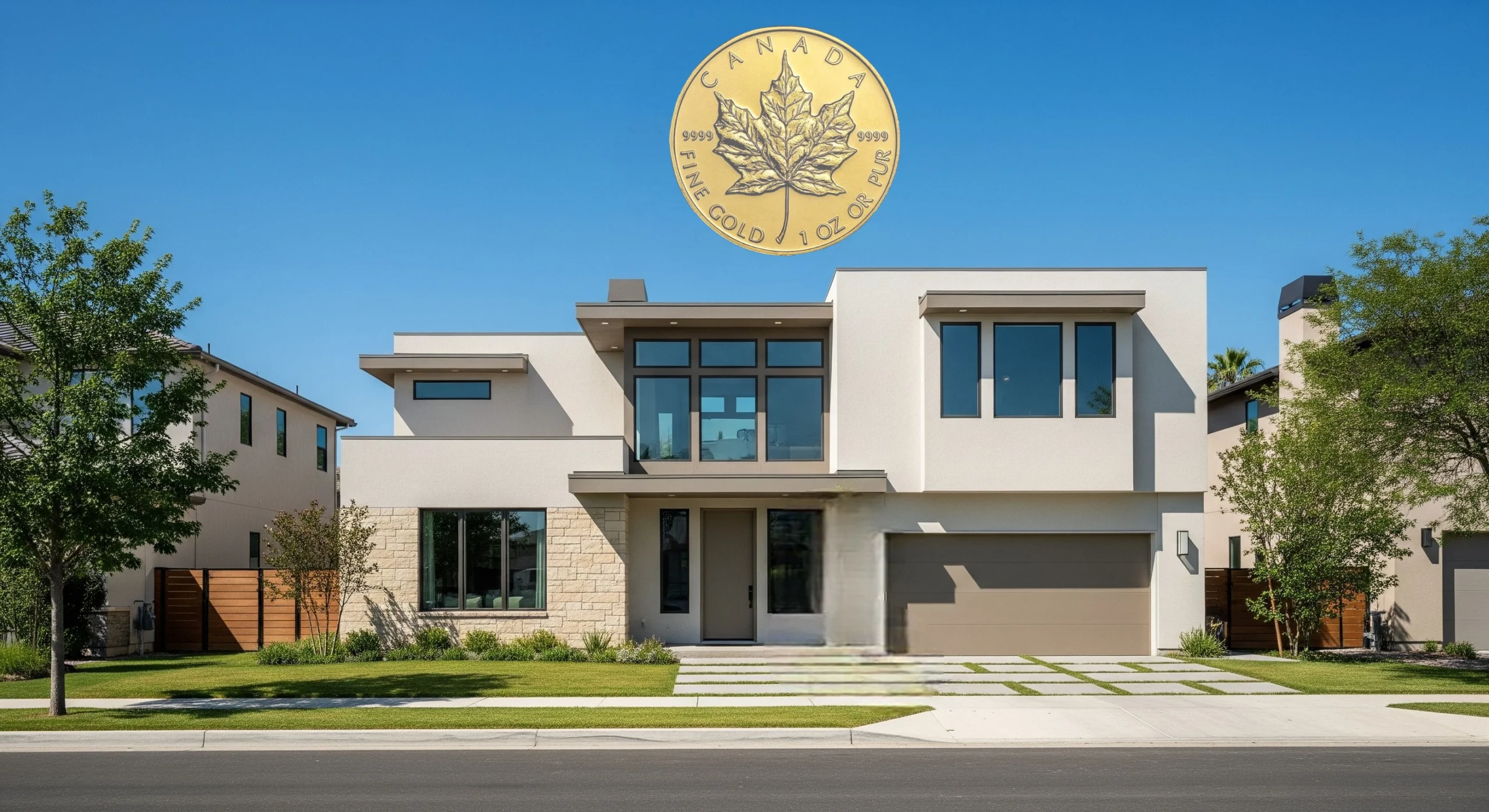
A strong legacy portfolio doesn’t rely on just one asset. Real estate can appreciate and generate rental income, but it’s also vulnerable to housing downturns and rising interest rates. Metals behave differently. For example, you can buy a 1 oz Gold Maple Leaf coin, it’s easy to store, and offers stability regardless of what happens in property markets. Owning both gives your family growth on one side and stability on the other.
Stable Income and Liquidity
When you own the right rental property, you’re not just holding an asset, you’re creating steady income your family can count on. Monthly rent payments can help with everyday costs, add to retirement savings, or be rolled into the next investment. Over time, the property itself usually gains value, which means you’re building equity while collecting real cash flow. That combination makes real estate a reliable anchor in a long-term portfolio.
Precious metals bring something different to the table: quick access to money when you need it. Selling a house or refinancing can take months, but a few gold or silver coins can be exchanged for cash almost anywhere. A 1 oz coin is small enough to store in a safe deposit box yet carries value that’s recognized worldwide. By keeping both property and metals in your portfolio, you’re giving your family steady income on one side and liquidity on the other.
Tangible Asset Security
Families tend to place the most trust in wealth they can see and touch. A house deed represents ownership of land that cannot be moved, while a gold or silver coin holds value that’s recognized across borders. Unlike shares or digital tokens that depend on networks and institutions, these assets stand on their own and keep worth in physical form.
That physical presence matters when planning across generations. A home passed down continues to serve as both shelter and financial security, and a coin handed from parent to child delivers instant value. In uncertain times, this permanence gives families peace of mind that their wealth won’t disappear with a market crash or system failure.
Intergenerational Transfer
Real estate titles provide clear recognition of ownership, allowing homes or land to pass through wills and trusts with little confusion. Unlike complex financial products, these assets preserve value while also carrying personal meaning for the family.
Precious metals add an even simpler option. Gold coins can be handed over without paperwork, immediately giving heirs something of recognized worth. This portability makes metals an efficient tool for preserving wealth during both planned transitions and unexpected events.
Dual Purpose Value
Real estate brings more than one kind of benefit. Families can live in it, rent it out, or develop it, and each use creates value beyond market price. That practicality keeps property relevant in daily life while it continues to appreciate as an investment.
Precious metals show a different kind of dual purpose. A coin has financial value through its metal content but also symbolic value when passed down. An heirloom coin may serve both as a store of wealth and as a reminder of family continuity.
Low Correlation With Digital Assets
Much of today’s economy is tied to stocks and digital assets that can shift quickly with speculation or regulation. Tangible assets move differently. A property’s value depends on its location and usefulness, while gold responds to global confidence in its enduring worth.
Because they operate on separate cycles, property and metals provide a shield against sudden shocks in digital markets. This separation helps families avoid concentrated risk and maintain stability even when newer asset classes fluctuate.
Limited Supply Advantage
Scarcity is one of the strongest reasons tangible assets hold value across generations. You can’t create more land, and demand keeps growing as populations rise and cities expand. Well-placed property benefits from this fixed supply, often appreciating over decades because no one can duplicate its location or utility.
Gold and silver share this strength through rarity. Unlike paper currency that can be printed at will, metals exist in limited quantities. Mining adds small amounts each year, but supply cannot match rising demand, which is why metals continue to preserve value during times of monetary expansion.
Precious metals, in turn, anchor wealth in a form trusted worldwide, helping protect against inflation and currency shifts. Together, these assets preserve financial security and create continuity, linking one generation to the next through tangible inheritance.
For years, Texas has been a magnet for real estate investors. Dallas, Austin, and Houston in particular have seen fast growth thanks to new jobs, steady migration, and strong housing demand. That momentum has rewarded local investors, but it’s also pushed property prices higher and put more pressure on rental yields.
Because of that, more Texans are starting to scan the map outside the state. Global diversification isn’t just talk anymore. It’s becoming a useful way to spread risk and find places where housing markets are still affordable and have room to grow.
If you’re keeping an eye on what’s next, here are a few international hotspots worth following in 2025 and beyond.
1. Mexico’s Riviera Maya
The Riviera Maya is one of the most convenient international markets to explore. Cities like Playa del Carmen, Tulum, and Cancun draw millions of visitors each year, making the region one of the busiest tourist corridors in Latin America. That steady flow of travelers has turned the area into a strong short-term rental market, where properties often perform well on platforms like Airbnb.
Homes and condos here are still priced lower than in most major U.S. cities, yet the demand keeps climbing as Mexico’s tourism industry continues to rebound. In some cases, the rental yields in Playa del Carmen or Tulum can even outpace what you’ll find in Texas metros.
The close distance is a major plus. You can get from Dallas to Cancun in just a couple of hours, which makes it much easier to manage a property, check in on renovations, or simply use the home yourself when you want a quick getaway.
2. Portugal’s Algarve Coast
On Portugal’s southern edge, the Algarve has quietly become one of Europe’s favorite places to buy a home. The area gets more than 300 days of sunshine a year, and towns like Lagos, Albufeira, and Faro are filled with cafés, golf courses, and a steady stream of visitors. About 4 million tourists come through each year, which keeps the short-term rental market active even outside of the summer season.
For Texans, the appeal goes beyond the beaches. Property prices are still well below what you’d expect in France, Spain, or coastal U.S. cities, yet the quality of life is high. Portugal also makes it easier to stay long term with visas like the D7, which is popular with retirees who have steady income.
Buying in the Algarve often feels like getting a seaside home at a discount. If you’ve been priced out of places like Miami or San Diego, you’ll notice how much further your money goes here while still enjoying a safe and stable environment.
3. Batumi, Georgia (Black Sea Coast)
Batumi, a resort city on the Black Sea, has quickly shifted from an overlooked destination to one of the more active emerging markets in Eastern Europe. Tourism has taken off, with visitors arriving from across Europe, the Middle East, and Central Asia. That flow of travelers has fueled interest in vacation rentals and pushed more investors to take a closer look at the city’s Real Estate Batumi market.
Apartments in Batumi often start at prices that are far below what you’d pay in the U.S., sometimes at levels that wouldn’t even cover a down payment in Texas. What makes it even more appealing is how easy it is for foreigners to buy property outright, with little bureaucracy compared to many other countries.
Rental yields can be strong, especially in the busy summer months when the city’s beaches and casinos are at full capacity. For Texans who want a low-cost entry point into international real estate, Batumi offers a mix of affordability, rental demand, and straightforward ownership rules that’s hard to find elsewhere.
4. Colombia’s Medellín
Medellín has gone through one of the biggest makeovers in Latin America. What was once a city with a difficult past is now known for its mild “eternal spring” weather, modern metro system, and hillside cable cars that connect neighborhoods across the valley. That change has drawn in a steady flow of expats, retirees, and digital nomads who now call the city home.
Housing is still a bargain compared with the U.S. You can find a new apartment in a central neighborhood for what would barely buy you a starter condo in Dallas. At the same time, rental demand is climbing—both from travelers who stay a few weeks and from locals looking for long-term leases.
For Texans used to investing in rental-heavy markets, Medellín feels familiar in many ways. The big difference is that the entry cost is much lower, and owning a place here adds a layer of global diversification that’s hard to get back home.
5. Vietnam’s Da Nang
On Vietnam’s central coast, Da Nang has been drawing more attention every year. The city is known for long stretches of beach and a skyline that keeps changing as new hotels, offices, and residential towers go up. With more than a million residents and a growing reputation as a hub for tech outsourcing, Da Nang attracts both leisure travelers and multinational companies setting up operations in Southeast Asia.
The Vietnamese government has made a point of encouraging outside investment, and developers have responded with large-scale projects along the waterfront and near the international airport. Buying property here as a foreigner does involve more paperwork compared with places like Georgia or Portugal, but once you understand the system, you’ll find a market that still has plenty of room to grow.
Why You Should Think Globally
Looking abroad also helps spread your risk. If demand in Texas cools, income from a condo in Batumi or an apartment in Medellín can help balance things out. In addition, many countries pair property ownership with residency programs, giving you access to new lifestyle options, health care systems, and in some cases, favorable tax treatment.
By mixing your investments with select international properties, you give yourself more ways to grow wealth while enjoying the flexibility that comes with having a footprint in more than one market.
Key Takeaways for Investors
Affordability opens doors. In many of these emerging markets, you can buy a property outright for less than what a 20% down payment would cost on a home in Dallas or Austin. That lower entry cost gives Texans more flexibility to diversify globally without tying up too much capital.
Accessibility counts. Markets close to Texas, like Mexico’s Riviera Maya, make it easy to check in on a property with just a short flight. More distant options, such as Portugal’s Algarve or Georgia’s Black Sea coast, may take more planning but often bring stronger long-term upside.
Tourism drives income. Coastal cities including Batumi, Da Nang, and the Algarve thrive on steady visitor traffic. That demand supports short-term rental yields and helps keep occupancy rates high.
Final Thoughts
Today it’s possible to own a beach condo in Mexico for less than what you’d put down on a starter home in Texas. In Portugal’s Algarve, you’ll find an easygoing lifestyle mixed with steady rental demand. And in Batumi, Georgia, prices are still so low that many buyers are surprised when they see the numbers.
The point is simple: looking abroad gives you options. Maybe you want a second home by the water, maybe you’re after higher rental yields, or maybe you just want to spread your investments across more than one market. Whatever the reason, paying attention to global hotspots now can put you ahead of the curve later.