Category: Blog

  • Partial-Load vs. Full-Truck Moving

    You’ve accepted a new job offer or finally decided to move to a city you’ve always wanted to try. Either way, you’re moving across the country and about to start getting moving quotes that make your stomach drop.

    Then the first serious estimate lands in your inbox: $7,400 to move a one-bedroom apartment across the country.

    Most people planning a long-distance move don’t realize that a dedicated full-truck move is rarely the right fit unless you actually have a full truck’s worth of stuff. For a huge share of movers, including renters, minimalists, or anyone downsizing, there’s a smarter option worth pricing out that many carriers won’t lead with.

    Let’s look at how partial-load moving compares to booking dedicated truck space, what the real cost difference looks like, and how to know which choice makes sense for your situation.

    What Full-Truck Moving Means and What You’re Really Paying For

    When you book dedicated full-truck service for a long-distance move, you’re paying for private truck capacity and labor from origin to destination. The truck space is reserved for your shipment, and delivery is usually more direct and easier to schedule than a shared-load move.

    You’re paying for:

    • Reserved truck space, even if you don’t use all of it
    • A dedicated crew or coordinated labor at pickup and delivery
    • A tighter delivery schedule than most shared-load options
    • Possible add-ons like packing materials, valuation coverage, shuttle service, stairs, elevator fees, and fuel surcharges

    For a cross-country move, pricing depends heavily on weight, mileage, route, season, access issues, packing, and coverage. As a rough market range, a studio or one-bedroom move can land around $2,300 to $4,900 before major add-ons, while a two- to three-bedroom move can often fall around $4,400 to $6,800 or more. Dedicated truck service, peak-season dates, packing, storage, shuttle service, or difficult building access can push the quote well past those averages.

    The pricing model works well if you’re using most of the truck. If you’re not, you’re essentially paying for capacity you don’t need.

    What Partial-Load Moving Is and Why More Movers Should Know About It

    Partial-load moving, sometimes called shared-load moving or consolidated moving, works on a simple principle: your belongings share truck space with other customers’ shipments moving in the same general direction.

    You pay for the space, weight, or shipment size your items actually require, while the carrier fills the rest of the truck with other loads headed the same way. This is similar to Less-Than-Truckload, or LTL, freight shipping, a model that has been standard in commercial logistics for decades.

    As a result, small cross-country moves can sometimes fall in the $800 to $3,500 range, depending on inventory, distance, route, service level, and delivery speed, instead of paying for dedicated truck capacity you may not need.

    A few things make partial-load moving different from a traditional full-truck move:

    • Pricing is based on inventory, cubic feet, weight, or a minimum shipment size, not private truck capacity
    • Delivery windows are typically wider, often several days to a few weeks, depending on the carrier and route
    • Pickup and delivery may be door-to-door, terminal-based, or hub-and-spoke, depending on the provider
    • Professional packing or custom protection may be offered or required for certain furniture, fragile pieces, or high-value items

    The Real Cost Comparison

    Here’s a side-by-side look at what movers may pay for common move sizes. These are ballpark ranges, not guaranteed quotes, because route, season, access, packing, and shipment details can change the final price quickly.

    Move SizeDedicated / Full-Truck ServicePartial-Load Moving
    Studio / minimal 1-bedroom up to about 1,500 lbs$2,500–$5,500+$800–$2,000
    1–2 bedrooms around 2,500 lbs$4,500–$8,500+$1,800–$3,500
    2–3 bedrooms around 4,500 lbs$6,000–$10,000+$3,000–$5,500
    3–4 bedrooms or 6,000+ lbs$8,500–$15,000+$4,500–$8,000+

    For the smallest move category, such as a studio or minimal one-bedroom, the savings from a partial load can easily reach a few thousand dollars. For many renters, that’s a month or two of rent.

    The gap narrows as load size grows. Once you’re moving a larger household and using most of the truck space, dedicated service starts to make more sense. But if you’re under a full household load, you’re often paying a premium for space you don’t fill.

    When Partial-Load Moving Is Usually the Better Fit

    1. You have under 2,500 lbs to move. This is one of the most common scenarios for renters, people making a first big-city move, and anyone who has already sold or donated furniture before relocating. Partial-load moving companies are built for this kind of shipment.
    2. You’re flexible on the delivery date. Consolidated loads usually don’t run like direct private trucks. Your shipment may move with other customers’ items and arrive within a delivery window instead of on one exact day. If you’re bringing your essentials with you, this is often easy to plan around.
    3. You’re moving furniture instead of just boxes. Partial-load moving works especially well for sofas, beds, dining sets, dressers, and other furniture pieces that take up defined space but don’t require a full truck. Good providers will explain how those items are wrapped, packed, labeled, and separated from other shipments.
    4. You want clearer pricing before moving day. The key is a detailed inventory and a written estimate. Whether a quote is based on weight, cubic feet, or item count, it should be tied to what you’re actually moving, not a vague phone estimate. For interstate moves, ask whether the estimate is binding, non-binding, or binding not-to-exceed.

    In practice, here’s how it usually works:

    • You schedule pickup and receive a written estimate based on your inventory.
    • Your items are packed or protected, labeled, and consolidated with other compatible loads.
    • The carrier moves the shipment through its long-distance network or regional hub system.
    • You receive delivery notice before the truck arrives at your destination.

    Most people who use partial-load services move their essentials separately, like clothes, documents, laptop, medications, chargers, toiletries, and an air mattress. The rest arrives within the delivery window.

    If you need tighter timing, some partial-load companies offer expedited service for an additional fee. That can still cost less than booking dedicated truck capacity, especially for a small move.

    How to Evaluate Partial-Load Moving Companies

    Not all providers are equal. Here’s what to look for:

    • Pricing transparency. A legitimate partial-load mover should give you a written estimate tied to a real inventory, video survey, or in-person review. Be careful with quotes that are extremely low, rushed, or not connected to a clear item list.
    • Mover registration. For an interstate move, check the company’s USDOT number and confirm whether you’re dealing with a carrier, broker, or freight forwarder. Brokers can be legitimate, but you should know who is actually transporting your belongings.
    • Pickup and delivery logistics. Some providers offer door-to-door service. Others use terminals, warehouses, or hub transfers. Know whether your quote includes pickup from your home, delivery inside your new place, stairs, elevators, long carries, or curbside-only service.
    • Valuation coverage. Released-value protection is the federal minimum and only covers up to 60 cents per pound per article. For furniture, electronics, antiques, or anything expensive to replace, ask about full-value protection or replacement-value coverage before you book.
    • Delivery window policies. Ask what happens if the carrier misses the delivery window. Companies that specialize in partial-load moving tend to have clearer systems for smaller shipments than full-service carriers that only offer partial moves as a side option.
    • Reviews from people with similar moves. Full-household reviews can be helpful, but they don’t always tell you how a company handles small loads. Look for reviews from customers moving a studio, one-bedroom apartment, bedroom set, office setup, or partial household shipment.

    Specialist companies focused on partial-load moving for long-distance and cross-country relocations tend to operate better-suited systems for this type of move than full-service carriers that offer it as a secondary option.

    Is Partial-Load Moving Right for You?

    For many renters, first-time long-distance movers, and people relocating with fewer than two bedrooms’ worth of belongings, partial-load moving is often the smarter financial choice. It can save you thousands of dollars without forcing you to drive a rental truck across the country yourself.

    The trade-off is timing. You may get a wider delivery window and slightly less control over the exact delivery day. For many cross-country moves, that trade-off is manageable if you plan ahead and keep your essentials with you.

    Dedicated full-truck service still makes sense if you have a large household, need a direct route, want tighter timing, or are moving enough furniture to use most of the truck space.

    Before you accept a $7,400 quote for a one-bedroom move, get a quote from a partial-load carrier too. The difference is usually worth the few minutes it takes to compare.

  • Why Your Real Estate Career Isn’t Moving Forward

    Every struggling real estate agent has a scapegoat. Interest rates are high. Inventory is low. Buyers are hesitant. Competition is fierce. Pick any year, and there’s always a convincing excuse for why growth feels impossible. Most of the time, that excuse sounds reasonable enough that nobody questions the reasoning.

    But the truth is that careers stall in strong markets just as often as they do in weak ones. The housing market is actually a surprisingly bad predictor of your personal success.

    The problem usually isn’t the market. The real issue lies in your expertise. More specifically, the roadblock is the gap between the skills you think you have and the skills that actually move your career forward.

    This might sound surprising in an industry that treats experience as the ultimate teacher. Real estate definitely rewards hands-on knowledge. No classroom can fully prepare you for a tense negotiation, a sudden title issue, or a deal that falls apart hours before closing.

    But experience has a major limit. Past deals only teach you what already happened. Looking backward doesn’t explain why situations unfolded the way they did, and that history does very little to prepare you for what comes next.

    This difference matters more than most agents realize, becoming especially obvious when you move past your early years and the next level of success feels stuck.

    This is why a growing number of agents, brokers, investors, and property professionals choose to study for an online bachelor’s degree. They don’t enroll just to add another credential to their business cards. They take this step because they hit a wall. Working harder stops paying off. The skills that got you through your first few years aren’t the same skills you need to grow further.

    What actually changes your career trajectory is a deeper understanding of the systems behind the transactions. You need to know the legal structures behind the deals and the rules that shape the industry.

    A common myth is that real estate success is all about sales skills. But some of the most expensive mistakes in real estate have nothing to do with selling.

    The mistakes that cost clients money, ruin reputations, and end careers are usually legal misunderstandings, contract errors, and missed compliance rules. These problems rarely give you a warning. They show up at the worst possible time, right in the middle of a transaction, when there is no time left to learn what you should already know.

    Modern real estate is tied to legal rules that go way beyond simply buying and selling property. Every transaction happens inside a legal framework that dictates what you can and can’t do. That framework has become much more complicated over the last decade.

    Most agents pick up legal knowledge on the job. That works fine until a crisis hits. The problem with learning as you go is that you only learn after a problem happens. A new rule comes out, a dispute starts, or a contract confuses everyone, and you learn your lesson the hard way.

    Structured coursework is different. It gives you a solid foundation for understanding how real estate law, business, and property rights actually work together. This knowledge is valuable long before an issue ever reaches a courtroom. An agent who understands contracts and regulations can spot a problem before anyone else even notices the red flags.

    There’s also a major shift in client expectations. This change gets less attention than housing prices or interest rates, but the impact is just as important. Today, buyers and sellers have access to more information than ever before. Property records, market data, neighborhood stats, and legal resources are all just a click away.

    Your value as a real estate agent no longer comes from just holding the information. Your value comes from interpreting those details correctly. You need to know what the data leaves out and what questions to ask before your client even thinks of them. That takes a much broader knowledge base than most agents build in their first few years.

    This is exactly why online education makes so much sense for agents. Online degrees are popular among working professionals because you don’t have to pause your career to get one. A class on contract law takes on a whole new meaning when you’re managing an active real estate deal at the same time.

    A course on regulations means a lot more when you’re dealing with real clients and strict deadlines. What you learn in class immediately applies to your actual job, making the whole experience highly practical.

    Preparing for Tomorrow’s Market

    There’s one more reason careers hit a plateau. Many agents build their entire business around solving today’s problems. But the most successful careers are built by preparing for tomorrow’s problems. Real estate is constantly changing. Technology is reshaping how deals work. Rules evolve, and client expectations shift.

    Agents who rely only on past experience usually end up just reacting to changes instead of staying ahead of them. Over a 10- or 20-year career, that gap gets wider, even if the shift is hard to notice at first.

    A degree focused on real estate law is incredibly useful here. Legal systems shape every single part of a property’s lifecycle. Development, buying, leasing, management, and selling all happen inside legal boundaries.

    Knowing those boundaries gives you clarity while everyone else is guessing. This doesn’t mean you need to become a lawyer. The point is much more practical. A strong grasp of legal concepts improves your decision-making across the board. That legal knowledge helps you assess risks better and improves how you talk to attorneys, lenders, investors, and clients. This deeper insight makes complicated deals easier to understand, and ultimately builds the expert perspective that modern clients expect.

    When business slows down, blaming outside forces is a natural response. The market is tough. Competition is high. Conditions are bad. Sometimes, those excuses are entirely valid. But sometimes the real roadblock is harder to see. The underlying issue doesn’t show up on a chart like a rising interest rate or a bad quarter.

    The agents who keep growing in any market are the ones willing to ask a better question. Instead of asking, “What is happening in the market?” they ask, “What am I missing about how this market actually works?”

    That shift in mindset changes more than just one transaction. This new approach changes how your entire career grows over the next decade. The expanded perspective turns your expertise into an asset that only goes up in value.

  • Sewer Line Installation for Contractors: Operations, Risks, and Best Practice

    Sewer line installation is the most invisible, yet absolutely critical work in the construction industry. When a crew does the job right, that pipe is going to sit quietly underground for fifty years, and nobody will ever give it a second thought.

    But when things go south? That’s when you get backed-up basements, contaminated soil, city inspectors breathing down your neck, and severe excavation failures that put your crew and the general public at risk.

    The contractors who make a solid profit and manage to stay out of the courtroom know that this work isn’t just about digging a ditch and dropping some PVC into the mud. They treat sewer installation like the precision underground engineering it really is.

    This guide breaks down exactly what goes into a professional sewer line installation, the day-to-day operations that keep your jobs running on schedule, the heavy-hitting risks that lead to the worst insurance claims, and the everyday best practices that keep your crew safe, the public out of harm’s way, and your business in the black.

    What Does Sewer Line Installation Actually Involve?

    At its core, pulling off a successful sewer line job means navigating a multi-phase underground construction process. You’re dealing with strict city codes, picky municipal inspectors, and hardcore safety standards. Every single step relies entirely on the one that came before it. If your crew cuts a corner early on, that mistake is going to rear its ugly head later, and it usually costs a small fortune to fix.

    Here is a breakdown of the core phases of the work:

    • Survey and Design: This is where you figure out your game plan. Because sewer lines rely entirely on gravity to do their job, establishing the exact grade, slope, and routing is priority number one. You need a highly precise pitch to keep things moving downstream.
    • Utility Locating: Before a single bucket of dirt gets moved, you have to know what’s hiding underground. This means calling 811, getting utility locators out to paint the street, and manually potholing to find existing water, gas, and fiber optic lines so you don’t accidentally knock out the neighborhood’s internet or cause a gas leak.
    • Excavation and Shoring: This is the heavy lifting. You’re digging the trench down to the required depth and immediately putting protective systems in place like trench boxes or hydraulic shoring. Cave-ins are no joke, and proper shoring is what keeps your crew going home to their families at the end of the shift.
    • Bedding Preparation: You can’t just lay a pipe on jagged rocks and uneven dirt. You have to put down the right base material, usually crushed stone or sand and grade it perfectly so the pipe has a solid, uniform mattress to rest on.
    • Pipe Laying and Jointing: This is where the actual plumbing happens. Crews install the pipe at the designated slope, making absolutely sure that every single joint is watertight and glued or gasketed correctly to prevent future root intrusion or leaks.
    • Connection and Tie-ins: Once the main run is down, you have to tie it into the municipal main line in the street, the building’s foundation, and any lateral lines. This requires precise fittings like saddles or heavy-duty Fernco couplings.
    • Inspection and Testing: You never bury a pipe before the city gives you the green light. At this stage, the line is pressure tested with air or water, a camera is run down the pipe to check for dips and the work is signed off by the municipal inspector.
    • Backfill and Compaction: You can’t just push the dirt back into the hole all at once. You have to backfill in layers also known as lifts and use a jumping jack or plate compactor on each layer. If you rush this, the ground is going to settle later and ruin the pavement above it.
    • Surface Restoration: The final touch. Whether it’s pouring new concrete, laying asphalt, or putting down fresh sod, the goal is to leave the site looking exactly like it did before you showed up or better.

    The Golden Rule of Slope

    If there’s one detail that separates the pros from the guys who get hit with constant callbacks, it’s the slope. A line with too little pitch simply won’t drain, leaving standing water. A line with too much pitch is just as bad; the liquids will outrun the solids, leaving the solids behind to create a severe clog. Hitting that “Goldilocks” pitch across the entire run and making sure it doesn’t shift while you’re backfilling is the true mark of a pro.

    How Should Contractors Manage Operations?

    Running a profitable sewer operation isn’t just about having good operators; it requires incredibly tight coordination. You’re juggling crews, heavy iron, inspectors, and the unpredictable nature of whatever is buried underground. The contractors who stay on schedule and avoid margin-killing surprises treat their operations like a well-oiled machine.

    Here’s how the pros keep a job from going off the rails:

    • Doing your homework first: Getting your blueprints, permits, utility marks, and materials totally locked in before you even think about moving dirt.
    • Double-checking the lines: Always hit up 811 and verify the paint on the ground. Busting an existing pipe or cable is a rookie mistake that’ll cost you big time.
    • Playing it safe in the ditch: Using trench boxes, shoring, or sloping anytime you’re digging deep enough to get OSHA’s attention. Never mess around with cave-ins.
    • Dealing with the swamp: Having a solid plan to pump out groundwater before it floods your trench and wrecks your bedding.
    • Timing the city inspectors: Getting the city out to sign off at exactly the right times so your crew isn’t just standing around bleeding the clock.
    • Taking care of your iron: Keeping the track hoes, jumping jacks, and trash pumps running smoothly. Broken gear equals dead time.
    • Getting it all in writing: Logging the depths, pitches, materials, and inspector green-lights for every single pipe run.

    Specialty programs that provide utility contractor insurance cover the specific exposures of underground line work, which standard contractor policies often miss. Water, sewer, and gas line construction operations carry significant property and bodily injury exposure, and one specialized program covering these operations together fits the work far better than a generic policy assembled from pieces.

    The contractors who treat operations as a system, rather than a series of independent tasks, consistently finish faster and cleaner. Each phase handed off properly to the next is what keeps a sewer project from becoming a sequence of expensive restarts.

    Here are the operational practices that keep projects moving forward:

    • Thorough Pre-Construction Planning: Don’t just show up on Monday morning hoping for the best. You need to verify the design, secure all your permits, double-check your utility marks, and make sure your pipe and fittings are actually at the supply house before you mobilize your crew.
    • Verified Utility Locating: It’s not enough to just call 811. You need to physically verify those marks. Hitting an existing utility is one of the most common, expensive, and embarrassing screw-ups in the business. Trust the paint, but verify with a shovel or a hydro-vac.
    • Rock-Solid Trench Safety Systems: If a trench is deep enough to require protection under OSHA standards (usually 5 feet or deeper), you use shoring, sloping, or a trench box. No exceptions, no excuses.
    • Dewatering Plans: Mother Nature doesn’t care about your schedule. Groundwater can flood your trench, turn your bedding into soup, and completely derail a project. Have your trash pumps and hoses ready to go before you hit water.
    • Inspection Coordination: Time is money. If you don’t schedule your municipal inspections at exactly the right time, your crew is going to be sitting around on their coolers getting paid to do nothing while you wait for the city inspector to show up.
    • Equipment Maintenance: An excavator with a blown hydraulic hose or a broken plate compactor stops the whole show. Staying on top of preventative maintenance keeps your iron digging and prevents costly downtime.
    • Documentation Discipline: Keep a paper trail. Record your depths, track your slopes, take photos of the materials you used, and save the inspector’s sign-off for every single segment of the job. If someone points a finger at you six months down the line, your documentation is what saves your business.

    Because standard contractor insurance policies often drop the ball on underground work, you need specialty coverage. Operations that involve water, sewer, and gas lines bring serious property damage and bodily injury risks to the table. Using a specialized utility contractor insurance program covers the actual exposures you face in the dirt, rather than trying to piece together a generic policy that leaves you hanging.

    What Risks Drive the Most Serious Claims?

    Let’s be real, sewer line installation carries a risk profile that very few other trades have to deal with. When you mix deep trenches, buried high voltage lines, raw sewage, and public roads, a single bad day can lead to a business ending lawsuit.

    Here are the heavy hitters that drive the most serious claims in the industry:

    • Trench Cave-ins: This is the nightmare scenario. A cubic yard of dirt weighs about 3,000 pounds roughly the size of a sedan. Excavation collapse is still one of the deadliest hazards in the construction world. An unprotected trench can easily be fatal.
    • Underground Utility Strikes: Ripping through a gas line, snapping a water main, or tearing up a fiber optic bundle will ruin your month. It causes service blackouts, creates extensive property damage, and leads to major six-figure claims before your crew even breaks for lunch.
    • Sewage Contamination: If you cause a spill, a backup into a home, or hook up a line incorrectly, you’re dealing with raw sewage. That means biohazard cleanup, contaminated soil, ruined drywall, and the EPA breathing down your neck.
    • Property Damage: Swinging an excavator bucket into a parked car, cracking a homeowner’s driveway, or destroying expensive landscaping during excavation and backfill are easy ways to drain your profits.
    • Settling and Backfill Failures: If your crew gets lazy and doesn’t compact the dirt properly, the ground will inevitably sink. Six months later, the road or driveway above the trench caves in, and you’re on the hook to tear it out and repave it.
    • Public Safety Exposure: Leaving an open trench overnight near a sidewalk or an intersection is a massive liability. If a kid on a bike or a distracted driver falls in, you are going to court.
    • Worker Injuries: Aside from cave-ins, crews face confined space hazards, heavy equipment accidents, pinched fingers, and exposure to nasty biological contaminants.

    Generic insurance policies routinely exclude the exact things that make this trade dangerous. The biggest risks in this line of work aren’t “what-ifs” ; they happen every week across the country, which is exactly why you need an insurance program built for the underground world.

    What Best Practices Protect Crews and the Business?

    Keeping your doors open and your people safe requires two things: hard-nosed operational discipline and an insurance program that actually covers your back. If you ignore either one, you’re basically playing Russian roulette with your company’s future.

    Here are the best practices that the top-tier contractors use to lock down their operations:

    • OSHA-Compliant Trench Safety on Every Job: Treat every trench like it wants to cave in. Use proper protective systems on anything 5 feet or deeper, and make sure a “competent person” inspects the hole every single morning before anyone jumps in.
    • Documented Utility Locates: Don’t just look at the paint on the grass. Keep the official utility locate tickets in your truck’s project folder so you can prove you made the call.
    • Pre-Work Site Documentation: Before you unload the excavator, walk the site with your smartphone and take a video. Document every existing crack in the driveway, every broken sprinkler head, and every dead bush. This stops homeowners from blaming you for damage that was already there.
    • Confined Space Protocols: If you are tying into a deep manhole, that is a confined space. Make sure your crew has the right gas sniffers, harnesses, and training to go down there safely.
    • Dewatering and Contamination Controls: Have a solid plan for pumping out groundwater, and know exactly how you’re going to handle raw sewage if an existing line backs up during the tie-in.
    • Inspection and Testing Records: Keep a hard copy of every pressure test result, save the flash drive from the camera inspection, and file away the municipal sign-off.
    • Crew Training and Certification: Your company is only as good as the crew in the ditch. Invest in ongoing safety training, get your foremen officially designated as OSHA competent persons, and make sure anyone running heavy equipment actually knows what they’re doing.
    • Specialized Utility Contractor Insurance: Don’t settle for a generic policy. Get coverage specifically built for underground line work that covers the exact property, contamination, and bodily injury risks that standard policies drop.

    At the end of the day, doing things by the book always costs less than doing it wrong. A single trench collapse, a major gas line strike, or a sewage flood can permanently shut down a contractor who thought safety protocols were just “suggestions.” The companies that stick around for the long haul build these protective habits into every single job, whether it’s a quick residential fix or a massive municipal overhaul.

    NIP Group offers a specialized insurance package specifically for utility contractors through their UtilityPro program. It bundles your general liability, workers’ compensation, commercial auto, equipment coverage, and completed operations into one tight package. Better yet, they use A+ rated carriers. In plain English, an “A+ rating” means the insurance company actually has the financial horsepower and cash reserves to pay out your claims quickly and fairly when things hit the fan.

    FAQs

    1. What is the typical depth for a sewer line installation?

    It really depends on where you live. A standard sewer line is usually buried anywhere from 18 inches to 6 feet deep. However, you have to factor in the local frost line (you want the pipe below the freezing point), the depth of the city’s main connection point, and the natural slope of the property.

    Getting into those deeper ranges means you absolutely must use OSHA-approved trench protection, which naturally bumps up both your timeline and your project costs.

    2. What’s the most common cause of sewer line installation failure?

    Nine times out of ten, a failed sewer line comes down to human error during the bedding and backfill stages. The most common screw-ups include:

    • Blowing the pitch, leaving a pipe that is too flat to drain or too steep to carry solids.
    • Rushing the backfill process without compacting it, causing the dirt to settle and crack the pipe later.
    • Leaks caused by sloppy gluing or gasket-sealing of the joints.
    • Not putting in a good bed of gravel or sand, so that the pipe sags or deflects under the weight of the dirt.
    • Leaving loose joints that eventually allow tree roots to break in and clog the line.

    3. Do utility contractors really need specialized insurance for sewer work?

    Absolutely. If you try to run an underground utility business on a standard general contractor’s policy, you are asking for trouble. The specific hazards of this job: trench cave-ins, hitting gas lines, public safety hazards, and environmental contamination from raw sewage are usually excluded from basic policies.

    Specialty programs are custom-built to cover the actual, real-world risks of laying water, sewer, and gas lines so you aren’t left holding the bag.

    4. What kind of permits are required for a sewer line installation?

    You can’t just start digging; you are generally going to need a handful of permits to keep the city happy. This usually includes a standard plumbing or building permit, a specific “tap” or connection permit from the local water authority to tie into the main, and a right-of-way or street excavation permit if your machines are going to be blocking traffic or digging up the asphalt.

    If you’re working near wetlands, you might even need environmental permits. Every town has its own rules, so always call the local building department to get your paperwork squared away before you even submit a bid.

  • How Bins4Less and Clermont Appliance Repair Solutions Simplify Home Improvement Projects

    Home improvement projects often involve more than selecting new paint colors or upgrading fixtures. Whether you’re renovating a kitchen, replacing aging appliances, or tackling a whole-home makeover, successful projects require careful planning, efficient waste management, and reliable repair services. Two often-overlooked resources that can make a significant difference are Bins4Less and Clermont Appliance Repair Solutions.

    By helping homeowners manage debris and maintain essential household equipment, these services contribute to smoother, more efficient renovation experiences from start to finish.

    The Challenges of Home Improvement Projects

    Even small renovation projects can create unexpected complications. Construction debris, old appliances, damaged materials, and tight project timelines can quickly turn an exciting upgrade into a stressful undertaking.

    Common challenges include:

    • Managing construction waste
    • Removing old materials
    • Dealing with appliance breakdowns
    • Staying on schedule
    • Controlling project costs
    • Maintaining a safe work environment

    Addressing these issues proactively helps homeowners keep projects organized and avoid unnecessary delays.

    Why Waste Management Matters

    One of the first considerations during any remodeling project should be waste removal. Demolition debris, discarded cabinetry, flooring materials, drywall, and packaging can accumulate quickly.

    This is where Bins4Less becomes an invaluable resource. Having a dedicated dumpster on-site allows homeowners and contractors to efficiently dispose of waste throughout the project instead of allowing debris to pile up.

    Benefits of professional dumpster rental services include:

    • Improved job site safety
    • Faster cleanup
    • Better project organization
    • Reduced trips to disposal facilities
    • Increased efficiency for contractors and homeowners

    With proper waste management in place, renovation teams can focus more time on construction and less time on cleanup.

    Appliance Issues Can Disrupt Renovations

    Many home improvement projects involve kitchens, laundry rooms, and utility spaces where appliances play a central role. During renovations, homeowners often discover that older appliances need repairs or maintenance before they can continue functioning properly.

    Unexpected appliance failures can create significant disruptions, especially when homeowners are relying on refrigerators, washers, dryers, or cooking appliances during construction.

    Professional Clermont Appliance Repair Solutions help homeowners address these issues quickly and efficiently.

    Extending Appliance Lifespan During Remodeling

    Not every home improvement project requires replacing appliances. In many cases, repairing existing equipment can be a cost-effective alternative that allows homeowners to allocate more of their budget toward other renovation priorities.

    Experienced appliance repair technicians can:

    • Diagnose performance issues
    • Replace worn components
    • Improve appliance efficiency
    • Prevent future breakdowns
    • Extend equipment lifespan

    By restoring functionality to existing appliances, homeowners can often delay costly replacements while maintaining convenience throughout the remodeling process.

    Supporting Kitchen Renovations

    Kitchen remodeling projects often generate large amounts of waste while also placing heavy demands on household appliances. Old cabinetry, countertops, flooring materials, and packaging must be removed efficiently, while refrigerators and cooking appliances may require maintenance or temporary relocation.

    Combining the services of Bins4Less and Clermont Appliance Repair Solutions creates a practical approach to managing both challenges simultaneously.

    Dumpster rentals keep the project site clean and organized, while appliance professionals ensure critical equipment continues operating properly before, during, and after renovations.

    Improving Project Efficiency

    Successful home improvement projects depend on keeping work moving forward without interruptions. Delays caused by overflowing debris piles or malfunctioning appliances can increase costs and extend timelines.

    Professional support services help homeowners:

    • Stay organized
    • Reduce project downtime
    • Improve safety
    • Protect renovation investments
    • Maintain daily household functionality

    These advantages become especially important for larger remodeling projects that may last several weeks or months.

    Cost Savings Through Smart Planning

    Homeowners are often focused on material costs and labor expenses, but efficient project management can also generate significant savings.

    Dumpster rentals reduce transportation and disposal costs, while appliance repairs can postpone expensive equipment replacements. Together, these services help homeowners maximize their renovation budgets without sacrificing quality or convenience.

    Final Thoughts

    Home improvement projects involve many moving parts, and success often depends on the support services that keep everything running smoothly behind the scenes. By utilizing Bins4Less for efficient waste management and relying on Clermont Appliance Repair Solutions to maintain essential household equipment, homeowners can simplify renovation projects, reduce stress, and improve overall project outcomes.

    Whether you’re planning a kitchen remodel, updating a laundry room, or tackling a larger home renovation, these services can help create a cleaner, more efficient path to achieving your home improvement goals.

  • Double’s Approach to Washable Rugs Reflects Shifting Priorities in the Homewares Market

    [Photo Credit: Double.]

    The washable rug category has expanded rapidly in recent years as consumers look for products that balance design, durability, and ease of maintenance. Industry data shows the global washable rug market reached an estimated USD 9.8 billion in 2024, while several market reports project annual growth of 20% to 25% through 2026. At the same time, Australia’s carpets and rugs market is forecast to grow from USD 1.63 billion in 2025 to USD 2.63 billion by 2034. These trends reflect growing demand from households seeking practical furnishings that fit modern lifestyles.

    Within this segment, Double has established a presence as an Australian washable rug brand focused on combining interior-led design with machine-washable construction. Founded in Byron Bay in 2022, the company developed its product range around a gap it identified in the market: many decorative rugs required extensive maintenance, while highly practical alternatives often lacked a strong design focus. Today, the brand offers washable New Zealand wool rugs, organic cotton rugs, natural jute rugs, recycled polyester rugs, kids’ rugs, runners, and room-specific collections. The company currently operates across Australia and New Zealand while pursuing broader international growth.

    Washable Natural Fibres Address a Long-Standing Consumer Challenge

    One of Double’s distinguishing features is its focus on washable natural-fibre rugs. Traditionally, materials such as wool, cotton, and jute have been valued for comfort, texture, and durability. However, maintenance requirements have often limited their appeal for busy households.

    The company reports that its washable constructions allow customers to access premium natural materials while reducing some of the upkeep commonly associated with traditional rugs. Product ranges include OEKO-TEX 100-certified New Zealand wool, certified organic cotton, and washable natural jute options.

    This approach aligns with broader industry trends. HTF Market Intelligence projects the natural fiber rugs market will grow at 7.5% CAGR. Meanwhile, sustainability-focused textile markets continue to expand as consumers place greater emphasis on material transparency and long-term product performance.

    Australian interior trends for 2026 also point toward increased demand for wool, jute, and other natural materials. Designers increasingly favour textured surfaces, earthy colour palettes, and furnishings intended for long-term use rather than short-term trend cycles.

    Original Design and Texture Innovation Differentiate the Product Range

    Design remains a central part of Double’s market positioning. Rather than sourcing generic patterns, the company develops original collections in-house and releases colour variations designed for contemporary Australian homes.

    This emphasis on design reflects changing consumer expectations. As washable rugs become more common, customers increasingly expect products that function well without appearing purely utilitarian. Industry reports show a 23% increase in washable rug launches globally, creating a more competitive environment where visual differentiation has become increasingly important.

    Texture also plays a significant role within the company’s collections. Double offers plush finishes, shag-inspired constructions, bouclé-style textures, vegan wool alternatives, and other tactile surfaces that extend beyond the flat printed designs often associated with early washable rug categories.

    These developments mirror broader home furnishing trends. Across both Australia and international markets, texture is becoming a major design consideration as homeowners seek depth and visual interest without relying on bold patterns or frequent redecorating. The company’s product development strategy reflects that shift by pairing washability with a broader range of surface finishes and materials.

    Independent Testing and Material Transparency Support Consumer Confidence

    As washable products become more widespread, verification of performance claims has become increasingly important. Consumers often compare multiple brands and may question whether products will maintain their appearance after repeated washing.

    Double addresses this issue through independent Eurofins wash testing across selected collections. According to the company, this testing provides external validation of washability claims rather than relying solely on internal assessments.

    The brand also highlights ethical manufacturing standards, certified factories, transparent product specifications, and certified material sourcing throughout its collections. These measures align with broader industry expectations around accountability and traceability.

    Certification requirements continue to gain importance across the home textile sector. Industry analysts increasingly identify independently verified standards as a key factor influencing purchasing decisions, particularly among consumers seeking sustainable and natural-fibre products.

    This emphasis on transparency may help explain why brands offering detailed material information and verified testing continue to gain traction within the growing washable rug market.

    Styling Support Reflects the Rise of Digital Home Furnishing Tools

    Another area where Double has expanded beyond traditional retail practices is customer guidance. Selecting a rug often involves multiple considerations, including size, colour, texture, placement, and material suitability.

    To address these challenges, the company offers free styling consultations, swatch programs, styling quizzes, and augmented reality room-visualisation tools. These resources are designed to help customers evaluate options before making purchasing decisions.

    This support extends across multiple collections, including the double range for children’s spaces. Families often face additional considerations around durability, maintenance, and room functionality, making product visualisation tools particularly relevant.

    The growth of digital furniture and homewares retail has increased demand for these services. According to ECDB market data, Australia’s furniture and homeware e-commerce sector is projected to reach more than USD 6.1 billion, with continued growth expected through 2029. As more purchasing decisions occur online, visualisation and consultation tools help bridge the gap between physical and digital shopping experiences.

    Practical Living Remains Central to the Brand’s Positioning

    While design plays a major role in Double’s identity, practicality remains equally important. The company consistently positions its products around the realities of everyday living, including pets, children, entertaining, and regular household traffic.

    Market research indicates that families account for roughly 33.57% of washable rug demand, while pet owners contribute another 14.54%. These groups continue to drive category growth because they often require furnishings that can withstand spills, accidents, and frequent cleaning.

    Against this backdrop, Double occupies a position at the intersection of aesthetics and functionality. Its combination of washable natural fibres, independent testing, original design, texture-focused collections, and digital styling support reflects several of the strongest trends shaping the homewares industry. As demand for practical yet design-conscious furnishings continues to grow, the brand remains aligned with the evolving priorities of modern households.

    References

    Accio Market Insights. (2025). Washable rugs market insights and growth trends. Accio Market Insights.

    Custom Market Insights. (2024). Global rugs market size, trends, and forecast 2023–2032. Custom Market Insights.

    ECDB. (2025). Australia furniture and homeware e-commerce market report. ECDB.

    GARVEE Research. (2025). Washable rug market growth forecast through 2026. GARVEE Research.

    Global Growth Insights. (2024). Area rugs market report and product launch trends through 2034. Global Growth Insights.

    Growth Market Reports. (2024). Global washable rugs market size, share and forecast 2024–2033. Growth Market Reports.

    HTF Market Intelligence. (2026). Natural fiber rugs market analysis and growth forecast. HTF Market Intelligence.IMARC Group. (2026). Australia carpets and rugs market: Industry trends, share, size, growth, opportunity and forecast 2026–2034. IMARC Group.

  • When a Property Cleanup Becomes a Health and Safety Issue

    Key takeaways:

    • Standard cleaning is for dirt and clutter; remediation is for contamination, odor, and exposure risk.
    • Biohazard cleanup may involve blood, bodily fluids, feces, needles, decomposition, or infectious materials.
    • Death, trauma, and unattended death cleanup require privacy, safety controls, and careful material removal.
    • Hoarding cleanup may involve sorting, debris removal, deep cleaning, odor control, and biohazard remediation.
    • Rodent, sewage, mold, and drug-related cleanup can create health risks when handled incorrectly.
    • Vehicle remediation may be needed when contamination reaches seats, carpet, vents, or hidden interior areas.
    • Professional help is most important when contamination has spread into porous materials or the cleanup feels unsafe.

    When Is Cleanup More Than Regular Cleaning?

    A cleanup goes beyond standard cleaning when a space contains biological waste, strong odor, mold, sewage, needles, decomposition, rodent droppings, or unsafe clutter. At that point, the job is not just about appearance; it is about removing contamination, reducing exposure risks, and making the property safe again.

    Regular cleaning usually handles dust, dirt, stains, and everyday messes. Remediation handles materials that may be hazardous, emotionally difficult, deeply absorbed, or unsafe to touch without proper personal protective equipment (PPE). That is why the right approach depends on what happened, how long it has been there, and which materials are affected.

    Signs a Property Needs Biohazard Cleanup

    A property needs biohazard cleanup when blood, bodily fluids, feces, urine, medical waste, sharps, decomposition fluids, or other potentially infectious materials are present. These contaminants easily seep into floors, walls, furniture, mattresses, vehicles, bathrooms, and hidden spaces.

    Blood and certain body fluids require extreme care. OSHA’s bloodborne pathogens standard applies to workers who may be exposed on the job and uses universal precautions, which treat human blood and certain body fluids as potentially infectious. While not every scene carries the same level of risk, a casual cleanup approach is never a good idea when biohazards are involved.

    The biohazard cleanup process typically involves containment, safe material removal, deep cleaning, disinfection, deodorizing, and proper disposal. In severe cases, technicians may have to remove carpet, padding, subflooring, drywall, or furniture that cannot be safely restored.

    Why Death Cleanup Requires a Specialized Approach

    Death cleanup requires a completely different process because decomposition, trauma, or blood loss can contaminate materials far beyond what is visible. An unattended death, suicide, homicide, or traumatic incident often affects flooring, bedding, furniture, walls, baseboards, and air quality.

    The cleanup process often starts with identifying the affected area, then removing unsalvageable porous materials. Hard surfaces can usually be cleaned and disinfected, but soft materials absorb fluids and trap odors. Decomposition odors can also move through small openings, HVAC vents, and nearby belongings.

    This type of work also requires complete discretion. Families, property managers, landlords, and business owners may be dealing with grief, legal questions, tenant issues, or insurance claims. A professional response should be quiet, respectful, and focused on restoring the space without drawing a crowd.

    Trauma and Crime Scene Cleanup vs. Basic Biohazard Removal

    Trauma or crime scene cleanup is different from basic biohazard cleanup because the scene may include blood, tissue, damaged materials, broken glass, law enforcement residue, or multiple contamination points. The cleanup must address both visible and hidden affected areas.

    A surface might look clean after a quick wipe-down, but contamination can hide in seams, cracks, grout lines, fabric, padding, or unfinished wood. That is why a proper trauma cleanup usually involves a thorough inspection, controlled demolition, commercial-grade disinfecting, and advanced odor treatment.

    The primary goal is not to erase the emotional impact of what happened. It is to make the property safe to re-enter, repair, rent, sell, or live in again.

    When Hoarding Cleanup Becomes a Major Safety Hazard

    Hoarding turns into a severe safety hazard when clutter blocks exits, hides pest infestations, creates fall risks, traps moisture, or contains spoiled food, feces, urine, mold, sharps, or other biohazards. Extreme clutter can also prevent paramedics and firefighters from entering the home during an emergency.

    A professional hoarding cleanup often includes sorting, debris removal, item recovery, deep cleaning, odor control, disinfection, and sometimes pest-related cleanup. The process takes patience, as many of the hoarded belongings may hold deep emotional value for the resident.

    In some homes, hoarding cleanup is mostly organization and removal. In more severe homes, the cleanup becomes a full remediation project because contamination has seeped under piles, into flooring, or behind appliances.

    Why Cleaning Up Rodent Droppings Is Riskier Than It Looks

    Rodent dropping cleanup is riskier than it looks because urine, droppings, saliva, and nesting materials can expose people to disease when disturbed. The CDC warns that hantaviruses can spread when fresh urine, droppings, or nesting materials from infected rodents are stirred up and breathed in.

    That is why simply sweeping, vacuuming, or blowing out droppings is dangerous. Dry cleaning methods can push contaminated particles into the air instead of containing them. A safe remediation process involves proper ventilation, full PPE, wet-cleaning techniques, heavy disinfection, removal of nesting materials, and sealing entry points to help stop future infestations.

    Rodent cleanup is common in attics, crawl spaces, garages, sheds, basements, vehicles, storage units, and homes that have been vacant.

    The Urgency of Sewage Backup Cleanup

    Sewage cleanup is urgent because wastewater can contain harmful bacteria, viruses, and other contaminants that do not belong in a living space. Washington State Department of Health guidelines stress that indoor sewage spills need thorough cleaning and that cleanup should begin as soon as possible to reduce exposure risks.

    Raw sewage can quickly ruin flooring, baseboards, drywall, custom cabinets, furniture, and personal items. Remediation involves extracting the wastewater, removing porous materials, disinfecting hard surfaces, bringing in commercial dehumidifiers to dry the space, and controlling odor.

    Kids, pets, the elderly, and immunocompromised individuals should stay out of the affected area until the job is done. The longer sewage sits, the farther the damage can spread.

    When Mold Removal Enters the Picture

    Mold remediation kicks in when trapped moisture allows visible or hidden mold to grow on walls, flooring, furniture, insulation, or other materials. It usually appears after plumbing leaks, basement flooding, sewage backups, poor ventilation, roof damage, or long-term clutter.

    The EPA states that the key to mold control is moisture control and that water-damaged areas and items should be dried within 24 to 48 hours to help prevent mold growth. However, mold cleanup is not a complete fix if the original water leak or moisture problem is not corrected first.

    A proper mold cleanup includes sealing off the area, removing damaged materials, HEPA vacuuming, scrubbing surfaces with appropriate cleaning products, drying the space, and making recommendations for moisture correction.

    What Exactly Is Vehicle Remediation?

    Vehicle remediation goes far beyond a standard car wash. It is the deep cleaning of a car, truck, or van after biohazard exposure, an unattended death, trauma, heavy drug use, rodent infestations, severe mold, or long-term neglect. Cars are notoriously difficult to clean because fluids and odors can sink deep into seat foam, floorboards, AC vents, and narrow interior seams.

    The remediation process often requires dismantling parts of the interior, cleaning hard surfaces, extracting contaminants, running odor treatments, and throwing out materials that are too far gone.

    Standard auto detailing simply is not equipped for this. True vehicle remediation focuses on biological safety and permanently removing the odor source, not just making the dashboard shine.

    This type of cleanup deals with the safe removal of used needles, drug paraphernalia, chemical residue, trash, human waste, spoiled food, and contaminated belongings from indoor or outdoor spaces. Property managers often run into this in vacant apartments, hotel rooms, parking lots, alleys, abandoned buildings, or commercial properties.

    The biggest threats are accidental needle sticks, exposure to unknown substances, biological waste, and severe pest infestations. A solid cleanup strategy requires puncture-resistant PPE, careful debris collection, heavy-duty disinfection, and properly regulated waste disposal.

    Landlords and business owners need this done quickly because the property can become a serious liability and may be unsafe for maintenance staff, new tenants, customers, or children.

    Should You Handle the Cleanup Yourself?

    DIY cleanup is only an option if the mess is small, entirely non-hazardous, emotionally manageable, and limited to surfaces that can be cleaned safely. Bringing in the pros is the safer choice if you are dealing with blood, decomposition, raw sewage, rodent droppings, mold, needles, or any contamination that has soaked into porous materials like drywall and carpet.

    Before grabbing a mop, ask yourself three practical questions:

    • Can I easily track exactly where the contamination spread?
    • Do I actually own the correct PPE and commercial-grade disinfectants?
    • Am I legally and safely able to dispose of the affected materials?

    If the answer to any of these is no, the situation should be treated as a full remediation project, not a weekend chore.

    Summary

    A serious property cleanup rarely looks like a massive disaster right away. What initially seems like a bad odor, heavy clutter, or minor water damage can quickly become a serious safety hazard once fluids, waste, mold, rodents, or raw sewage are involved.

    The smartest approach is to pinpoint the source, stop the spread, remove unsalvageable materials, thoroughly disinfect the space, and restore the property with total privacy.

    If you need discreet, professional help dealing with biohazards, unattended deaths, hoarding, mold, sewage, rodent infestations, vehicle remediation, odor removal, or drug-related contamination in Washington, contact a local remediation specialist to get a private assessment and a clear plan forward.

  • Best Portable Power Stations: The Top Backup Power Supplies Of 2026

    The portable power station has become one of the most practical assets for community houses, campers, RV travelers, and anybody who’s preparing for emergencies. As rolling blackouts become more normal and the outdoor lifestyle trend continues upward, consumers are searching for dependable battery-powered energy solutions that operate silently, anywhere, anytime.

    The silver lining here is that the portable power station industry has come a long way over the last few years. Most brands now provide quicker charging, longer battery life, quieter operation, and more solar compatibility than ever. No matter what you need from a little unit to take camping or a backup system for the home, there are good options in most situations now.

    If you’ve followed best portable power stations for a while, you’d know how competitive the space has become. Brands such as EcoFlow continue to evolve with more innovative designs and upgraded features, but the likes of Anker, Pecron, DJI and Bluetti are all pushing the market along too.

    Portable power stations, as opposed to base generators, are absolutely clean, noise-free, and safe for indoor use. There are no fumes, loud noisy engines, or difficult maintenance requirements because they are powered by rechargeable lithium batteries instead of gasoline.

    So, we told you up front that the portable power stations of today can power:

    • Smartphones and laptops
    • WiFi routers
    • Portable refrigerators
    • TVs and gaming consoles
    • CPAP machines
    • Power tools
    • Small kitchen appliances

    Some models also work with solar charging, so they’re perfect for off-grid setups, camping trips, and emergency preparedness.

    The versatility of these systems is one of the reasons why they soar in popularity so quickly. It can act as both a camping companion, emergency backup power supply solution, and mobile workstation all in one portable unit.

    Choosing the Right Battery Capacity

    One of the significant properties that should be taken into account when selecting a mobile power terminal is its battery capacity. Small units between 200Wh and 500Wh are good for charging phones, tablets, cameras, and laptops. They are lightweight and portable for short outdoor trips.

    The most commonly used are the mid-range 700Wh to 1500Wh power stations. These systems are able to power mini fridges, televisions, or fans and several devices simultaneously during a blackout or on a road trip.

    Systems over 2000Wh are generally better for home backup use. Units like these can power things like refrigerators, coffee makers, routers, light switches, and some high-power appliances for long periods of time.

    Recent portable power station reviews show that plenty of modern portable power kits now come with expandable battery solutions, meaning you can expand capacity without swapping everything out later.

    The Business Case for Fast Charging

    These days, such battery technologies are in some of the devices, and charging speeds have seen a dramatic improvement in size. Previous portable power stations took six to ten hours for a complete charge. However, today, quite a few premium models can recover to eighty percent in less than an hour.

    Sometimes this can make all the difference, particularly in emergencies or travel-related situations where timely intervention is crucial.

    Fast charging has become a strong selling point for many brands, and EcoFlow and Anker are two that have made technology discussions around it very popular. DJI also won a lot of fans with their compact designs, ultra-quiet operation, and speedy charging.

    Charging via solar has also improved. More than just a longer runtime, many portable power stations support higher solar input capacities for faster recharging right from solar panels.

    The Importance of Battery Technology

    Today, quality portable power stations are utilizing LiFePO4 (Lithium Iron Phosphate) instead of older lithium-ion battery chemistries. There are three key ways to benefit from this new technology:

    • Longer lifespan
    • Improved safety
    • Better thermal stability
    • Higher charge cycle ratings

    As a comparison, some of the modern systems are even rated for >3000 charge and discharge cycles before they begin to degrade significantly. That means that particular device is an absolutely rock-solid, long-term, trustworthy setup for some years to come for a great many users.

    Another important aspect to check when you look at top small power stations as well is the battery type.

    Portable Power Station and Its Best Use Cases

    In the real world, however, you can use portable power stations.

    Camping and Outdoor Travel

    Lower wattage units are ideal for juicing up a phone, camera, drone, lights and cooler at a campsite. Some compact systems are even light enough to hike or road strategize around comfortably!

    Emergency Backup Power

    Portable power stations can keep key devices running during outages without gas generators noise and refueling requirements. Refrigerators, routers, lights, and medical devices can be powered using medium-sized and large systems.

    Remote Work and Content Creation

    Portable power stations are indeed useful devices, especially for remote workers and creators who need to charge laptops, monitors, drones, and camera equipment while travelling or working outdoors.

    RV and Van Life

    This is especially ideal for long-distance transporting, which makes portable power stations extremely popular among RV owners & van lifers — as silent power within the home.

    Final Thoughts

    Move over, campers, portable power stations have grown from themed niche accessories into bona fide household energy solutions. Modern systems boast more efficient batteries, faster charging power, quieter operation, and better solar compatibility.

    What you need to do first is figure out how much power source you really need for the right unit of choice. Small systems for light travel and phone charging, larger models for home backup and long-term off-grid use.

    If you read reliable portable power station reviews and compare the newest models thoroughly, you will be able to discover a dependable answer that gives stable backup energy for many years.

  • 10 Key Things to Consider When Renting a House

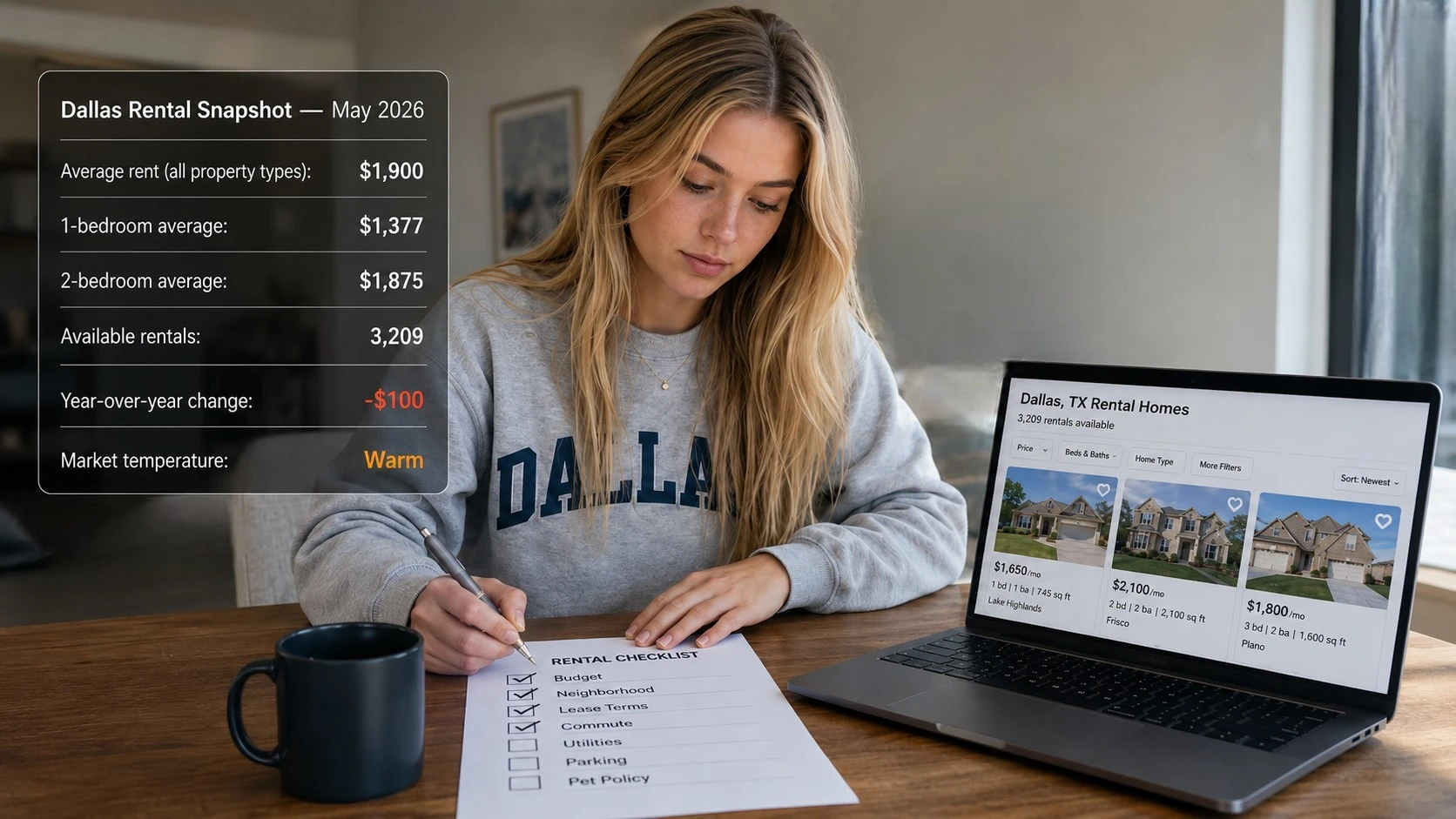
    Signing a lease is a massive commitment. You are locking down where you will live and how much you will pay for an entire year. Finding the right place takes real work. It is way more than just scrolling through pretty pictures online. A house might look flawless on your screen. But clever camera angles easily hide massive utility bills, strict landlord rules, or maintenance nightmares.

    Sites like Rentberry make hunting for a place incredibly fast. You can compare prices and locations in seconds. Do not let that convenience make you lazy. You still have to do the actual research. Knowing what to watch out for before you hand over a deposit saves you from a massive financial headache later.

    1. The Real Cost of Renting

    Do not just stare at the base rent. It is super easy to fixate on that one number and assume you can afford it. The actual cost of renting always packs a few extra punches that never show up in the listing.

    Your utility bills will swing wildly depending on the square footage, insulation, and local weather. Depending on the lease, you might be stuck paying for electricity, water, gas, trash pickup, internet, lawn care, or parking. You also have to budget for the security deposit, pet fees, and the cost of renting a moving truck.

    Financial experts at the U.S. Department of Housing and Urban Development suggest keeping your housing costs under 30 percent of your gross income. Map out all those recurring bills upfront. This keeps you from ending up house-poor three months in. When you browse available houses on Rentberry, factor in those total estimated costs rather than just looking at the sticker price. It gives you a much better reality check.

    2. You Are Renting the Street Too

    You aren’t just renting four walls and a roof. You are renting the whole street. The surrounding area dictates your daily routine and your overall sanity.

    Before you commit, look into a few specific details.

    • Check how long it actually takes to drive to work.
    • Find out where the closest grocery stores are.
    • See if the local bus routes run on a reliable schedule.
    • Listen to the traffic sounds on a regular weekday morning.
    • Look up recent crime stats for that specific zip code.
    • Check if there are decent parks or walking trails nearby.

    Do not blindly trust a map app. Drive through the neighborhood during the day and swing by again at night. A street that feels perfectly quiet on a Tuesday afternoon might turn into a loud traffic jam by Friday night. Local government websites and resident reviews give you the real scoop on what living there is actually like.

    3. Inspect the Property Condition Thoroughly

    Listing photos are basically marketing material. Photographers use wide-angle lenses and perfect lighting to make a house look its absolute best. Pictures simply cannot show you weird smells, hidden water damage, or an awkward floor plan. You absolutely need to get inside the house before signing anything.

    While you are walking through the house, actually test things out.

    • Flush every toilet and turn on the showers to check the water pressure.
    • Flick the light switches and test the electrical outlets.
    • Make sure the windows and doors actually lock securely.
    • Look for signs of mold or water stains on the ceilings and baseboards.
    • Ask the landlord about the heating and cooling systems.
    • Watch for roof leaks or any obvious pest problems.

    Testing appliances and checking smoke detectors are big safety measures. A minor quirk you ignore today will drive you crazy next month. When you browse available houses on Rentberry, use it as a starting point. Nothing beats walking through the space to catch minor issues before they become your daily problem.

    4. Read Every Single Page of the Lease

    People sign legally binding contracts without reading them all the time. Do not be that person. Taking ten minutes to read the fine print prevents massive arguments later.

    Keep an eye out for specific terms. Check the exact lease duration and when the rent is actually due. Figure out what the late payment penalties look like. See who handles the maintenance, what the guest policies are, and if there are strict pet restrictions. You also want to know the renewal conditions and the fees for early termination. Some leases throw in strict rules about painting walls or limit where you can park. Some even force you to buy a specific renter’s insurance policy.

    If a clause confuses you, ask the landlord to explain it. Never rely on a handshake deal. If the landlord promises to fix the dishwasher before you move in, get that promise in writing. A solid lease protects both of you by setting clear expectations from day one.

    5. Google Your Landlord

    A great house gets miserable real quick if your landlord dodges your calls. Pay attention to how fast they reply when you are just a prospective tenant. If they take three days to answer a basic email before you even sign the lease, they will probably disappear when the AC goes out in July.

    Online reviews can give you a heads-up on past tenant experiences. One bad review is normal. A consistent pattern of ignored repairs and withheld security deposits is a massive dealbreaker. Professional property management usually means faster maintenance service, clearer communication, and better organization overall.

    7. Think About Next Year

    A lot of folks only think about what they need right this second. A layout that works perfectly today might feel totally cramped in eight months.

    You might end up needing extra room for remote work, a growing family, or just more closet space. Access to specific school districts or healthcare facilities might become a big deal later. Think ahead before committing to a long lease. Things like parking availability, internet speeds, and neighborhood development plans will definitely impact your daily routine.

    People who compare multiple property types on Rentberry usually have an easier time finding a place that works for their life right now and where they plan to be next year.

    8. Do Not Ignore Safety Features

    Safety is not just a bonus feature. While no neighborhood is completely risk-free, certain property details offer serious peace of mind.

    Make sure the house has functional deadbolts on the doors and secure latches on the windows. Check for outdoor lighting near the parking area and walkways. You also want working smoke and carbon monoxide detectors, secure fencing, clear emergency exits, and well-maintained stairs.

    Depending on the city, landlords are legally required to meet specific safety codes before renting out a home. You should also double-check if the property sits in a flood zone or an area prone to severe weather so you can buy the right renter’s insurance.

    9. Compare Multiple Listings Before Deciding

    Jumping on the first decent place you tour is a quick way to experience renter’s remorse. Touring a few different rental options helps you figure out local pricing and spot a genuinely good deal.

    Weigh the rental price against the property condition, included amenities, and lease flexibility. Factor in the location advantages, utility costs, and transportation access. Digital platforms let you organize and compare listings efficiently.

    This allows you to put features side-by-side before making the final call. Taking an extra weekend to weigh your options usually leads to a much better living situation.

    10. Get Your Paperwork Ready

    The rental market moves fast. The applicant who actually has their paperwork ready is usually the one who gets the keys.

    Landlords generally ask for proof of income like recent pay stubs or tax returns. They also want employment verification, identification documents, your credit history, and references from previous landlords.

    Put all these documents into a digital folder on your phone or laptop before you even start touring. Having everything ready to email speeds up the background check and shows the landlord you are reliable. Depending on your credit score, some landlords might also require a co-signer.

    Final Thoughts

    Renting a house takes a bit of legwork. Apps and sites have made comparing homes easier than ever. You still have to combine that digital head start with real-world research. Run the numbers, scout the streets, read the fine print, and physically inspect the property.

    Approaching the process thoughtfully means you will end up with a home that delivers on comfort and affordability. Take your time, be smart about your search, and you will find a place you actually look forward to coming home to.

  • Moving to the City? These Health Supplements Can Help Your Pup Handle Urban Stress

    Image Source: shutterstock.com

    City living changes a dog’s daily environment in ways many parents don’t initially expect. Loud traffic, crowded sidewalks, smaller living spaces, and constant stimulation can affect canine behavior and physical health. Some dogs experience digestive upset, itchy skin, disrupted sleep, joint strain from pavement-heavy walks, or increased anxiety after moving into a busy urban setting.

    When relocating to the city with your pup, you need preventative wellness products that support long-term health rather than temporary symptom relief. Pup Labs, a Wilmington, Delaware-based direct-to-consumer dog supplement company, has built its product line around that demand. The company develops science-backed, vet-formulated supplements that address common canine health concerns related to stress, aging, dietary changes, and environmental exposure.

    The brand’s catalog includes digestive supplements, joint-support products, ear-care treatments, dental powders, urinary-health formulas, and wellness products designed for senior dogs. Instead of positioning supplements as quick solutions, they focus on preventative care and daily maintenance.

    Digestive Supplements Support Dogs Adjusting to Urban Life

    Many veterinarians link stress and environmental changes to digestive problems in dogs. A move into a city may disrupt feeding schedules, exercise routines, and sleep patterns, which can affect the gut microbiome.

    Pup Labs places digestive health at the center of its supplement strategy through products such as K9 Belly Bliss, Tummy Essentials, and probiotic formulas designed to support gut balance. The company describes gut health as an important part of immune function and nervous system regulation in dogs.

    Veterinary research supports the growing interest in canine probiotics. Veterinarians at True Animal Vet have also identified probiotics as useful tools for supporting digestion and the immune system.

    Look for digestive supplements from https://puplabs.com/ if you notice changes in appetite, loose stools, or sensitivity linked to stressful transitions. Instead of waiting for recurring problems to escalate, use these preventive gut-health products as part of a daily wellness routine.

    Joint Support Products Address the Demands of City Walking

    Dogs living in cities often spend more time walking on concrete and pavement than dogs in suburban or rural areas. Repetitive impact on hard surfaces may increase discomfort in aging dogs or breeds already prone to mobility issues.

    Pup Labs offers joint support supplements such as Freedom Joint Drops and glucosamine-based formulas designed to support mobility and flexibility. These products target joint stiffness and support movement rather than masking temporary discomfort.

    Veterinarians frequently recommend glucosamine, chondroitin, MSM, omega-3 fatty acids, and UC-II collagen for joint support. The World Small Animal Veterinary Association identifies UC-II supplements as a useful option for osteoarthritis management because of their immune-modulating properties.

    Dr. Frye from Cornell University has also stated that joint supplements supported by veterinary literature may help slow the progression of osteoarthritis in dogs.

    This category continues to grow as pet owners focus more attention on long-term mobility. Senior dogs living in apartments or urban neighborhoods often face additional physical strain from stairs, elevators, and long walks on sidewalks.

    Ear and Skin Supplements Help Dogs Handle Environmental Irritants

    Cities expose dogs to pollutants, allergens, dust, and environmental irritants that can contribute to scratching, inflamed skin, and chronic ear discomfort. Indoor heating systems and seasonal changes in air quality may also affect sensitive dogs.

    Pup Labs developed K9 Ear Clear to support ear hygiene and reduce irritation associated with wax buildup and itching. According to the company, the formula uses MCT oil, olive oil, and plant-based ingredients to help dissolve earwax while maintaining cleaner ears.

    The company manufactures the supplement in Florida using ingredients cultivated in the United States. Pup Labs recommends daily application during periods of active irritation, followed by maintenance use several times per week.

    The formula adjusts dosage recommendations based on a dog’s weight. Dogs over 20 pounds receive one full dropper per ear, while smaller dogs receive half a dropper.

    Veterinary experts continue discussing the role of nutritional support in skin and coat health. Dr. Sylvia Berns of Sploot Veterinary Care states that omega-3 fatty acids may reduce inflammation and strengthen the skin barrier in allergy-prone dogs.

    The American Veterinary Medical Association also identifies fatty acid supplementation as a common strategy for supporting the skin, coat, and joints.

    Dental Supplements Have Become Part of Preventive Pet Care

    Dental care has become a growing concern for urban pet owners, especially for dogs who spend more time indoors and have fewer opportunities for natural chewing.

    Pup Labs offers dental powders and oral hygiene supplements designed for routine use. The company positions these products as part of a preventative care routine that supports cleaner teeth and reduced tartar buildup.

    According to industry research, periodontal disease affects roughly 80 percent of dogs by age three. Veterinary organizations increasingly encourage preventative oral care because dental disease may contribute to broader systemic health problems.

    The Veterinary Oral Health Council recognizes clinically tested products that reduce plaque and tartar accumulation. Dr. Fraser Hale, DVM, FAVD, DAVDC, has noted that certain VOHC-tested additives achieved plaque reduction rates of up to 78 percent without significant side effects.

    Educational Content Strengthens the Brand’s Wellness Approach

    Pup Labs combines its supplement catalog with educational resources on canine wellness topics, including digestive health, tartar buildup, urinary support, weight management, and aging.

    The company’s products are reviewed by a veterinary expert, Dr. Randy Aronson, to support the scientific basis. This approach reflects a broader shift within the pet wellness industry as consumers increasingly research ingredients, formulations, and preventative care options before purchasing supplements.

    Rather than focusing solely on individual symptoms, the brand encourages dog owners to consider long-term wellness habits. That message aligns with the growing demand for condition-specific supplements that support dogs as they adapt to changing environments and lifestyles.

    Conclusion

    As more people relocate to urban areas with pets, demand for preventive canine wellness products is likely to continue rising. Pup Labs fits into that market by offering targeted supplements for digestive health, joint support, ear and skin irritation, dental care, and senior dog wellness. 

    For dogs adjusting to traffic, crowds, pavement-heavy walks, and new household routines, these product categories address several common stress-related health concerns. The company’s emphasis on vet-formulated products, educational content, and direct-to-consumer access gives pet owners a clearer framework for comparing supplement options as part of a broader wellness plan.

    References (APA 7th Edition)

    • American Veterinary Medical Association. (n.d.). Supplements and nutraceuticals for pets. 
    • Cornell University College of Veterinary Medicine. (n.d.). Osteoarthritis and joint supplements in dogs. 
    • Fraser Hale, DVM, FAVD, DAVDC. (n.d.). Veterinary Oral Health Council guidance on plaque reduction products. Veterinary Oral Health Council.
    • Sploot Veterinary Care. (n.d.). Omega-3 fatty acids and canine skin health.
    • True Animal Vet. (n.d.). Digestive probiotics for dogs and immune support.
    • Veterinary Oral Health Council. (n.d.). Accepted products for plaque and tartar control in dogs.

    World Small Animal Veterinary Association. (n.d.). Nutritional guidelines and joint support recommendations.

  • Roofing SEO Agency in Texas

    A roofing SEO company shouldn’t act like a basic content mill or a dashboard vendor. Instead, it should be a growth partner that understands how roofing revenue is actually generated.

    Roofing contractors don’t win simply by getting more clicks. You win because more of the right people contact you, your team responds well, and those conversations turn into booked work.

    That distinction matters because roofing has unique constraints. Your crew capacity is fixed. Weather shifts demand. Some jobs are profitable while others drain time and resources. So, a roofing SEO agency proves its value when it aligns marketing with operations and keeps both moving in the same direction.

    Why does roofing SEO in Texas matter even if you already get referrals

    Referrals are powerful, but they are uneven. Some months bring plenty of leads, while others are completely quiet. Meanwhile, competitors do not wait for word-of-mouth to do its job. They build predictable demand and capture the calls that would have gone to whoever was recommended.

    Since homeowners often need quick solutions to property damage, ranking at the top of search results is essential. Roofing SEO Company in Texas reduces uncertainty by helping you build a dependable project pipeline. That visibility helps you protect margins by improving lead quality. As a result, you spend less time chasing low-fit inquiries and more time quoting work that matches your crew and pricing.

    Understanding Roofing Economics First

    A serious roofing SEO agency does not start with trendy tactics. It starts with understanding what you actually want to sell and what you can realistically handle. Otherwise, more leads can become a problem, not a win.

    At the start, the best partners ask questions that tie directly to revenue:

    • Which job types produce your best margins?
    • Which jobs cause schedule chaos even when they look good on paper?
    • How does seasonality affect your close rate and crew utilization?
    • What does your average ticket size look like across different services?
    • Where do you want to expand, and what areas do you prefer to avoid?

    Once they know that, they can steer your demand. If you do not define your ideal mix, the market defines it for you, and the market does not care about your profitability.

    Roofing Keywords That Drive Revenue in Texas

    Here is where most contractors get burned. They see traffic or rankings in a report, but they cannot tie them to actual revenue. Because that link is missing, they cannot tell what is working, and they cannot make smart decisions.

    A roofing SEO partner should fix that quickly by building measurements you can trust. The goal is to establish your website as a local authority so that it can rank for roofing keywords that attract high-intent buyers. Every inquiry should have a source, and every booked job should be attributable to that source.

    In a clean setup, they will typically implement:

    • Call tracking that identifies where calls originated
    • Form tracking that captures the path to submission
    • Pipeline tracking inside your CRM so leads do not disappear
    • Revenue reporting that shows cost per booked job, not just cost per lead

    Once that is in place, the conversation changes. You stop debating opinions and start looking at numbers. Then you can scale what works and cut what does not.

    Improving the Post-Lead Experience

    Roofing growth is rarely limited by visibility alone. It is often limited by response time, follow-up discipline, and the clarity of the first conversation. That is why a roofing SEO agency should care about your intake workflow, not just your marketing.

    Because customers often contact multiple roofers, your process must win the first hour, not the first week.

    A strong partner will help you tighten these operational levers:

    • How fast calls are answered or returned.
    • How quickly estimates get scheduled.
    • How follow-ups are triggered when a prospect goes quiet.
    • How leads are routed to the right person, every time.
    • How qualification happens to avoid wasted site visits.

    This is not sales training in the abstract. It is conversion mechanics. When you improve the mechanics, you can get more revenue from the same level of demand.

    Sharpening Your Positioning to Avoid Vague Claims

    Most roofing companies sound identical online. Everyone claims quality. Everyone claims experience. Everyone claims fast service. The problem is that none of those claims differentiate you, so the customer falls back to price or convenience.

    A roofing SEO agency should help you position the business around specifics that buyers care about. That could be documentation and process, cleanliness and site protection, warranty handling, communication speed, or specialty capability. The point is not to invent a persona. The point is to articulate what you already do well, in a way customers recognize.

    In a steady month, positioning work can include:

    • Refining your service promise so it is specific and believable.
    • Standardizing estimate language so your quotes feel consistent.
    • Improving the way you present proof so it looks organized.
    • Aligning your messaging across your channels so nothing contradicts.

    Once positioning improves, lead quality usually improves too, because better-fit prospects self-select.

    Running a Competitive Analysis That Actually Works

    Competitive analysis is not about copying a competitor’s wording. It is about understanding why they win certain jobs and why they lose others. Then, you use that information to build an advantage that fits your business.

    A roofing SEO agency should look at your market and answer practical questions:

    • Which competitors are winning higher-ticket jobs and why?
    • Which competitors attract low-quality leads, and how do they create that pattern?
    • What do buyers in your area seem to value based on common questions and complaints?
    • Where are the gaps in the market that you can own with clarity and process?

    This prevents wasted months on the wrong angle. Instead, you build a plan around what the market is already rewarding.

    How to Choose the Right Roofing SEO Agency Without Guessing

    Selection should feel like procurement, not hope. You need a partner who can explain the plan, the measurements, and the operating rhythm clearly.

    Ask questions that force specificity:

    • How will you connect marketing activity to booked jobs and revenue?
    • What will you change in the first 30 days, and why will those changes come first?
    • How will you improve response and follow-up performance if leads are being lost?
    • Which metrics will you report monthly that reflect business outcomes?
    • How will you adapt if lead quality drops or close rates slip?
    • Do you know how to use roofing directories effectively?

    Then watch how they answer. A strong roofing SEO agency speaks in clear steps and measurable outcomes. A weak one hides behind jargon and promises.

    Red Flags That Usually Cost Roofing Companies Money

    Some warning signs show up repeatedly. If you see them early, you avoid months of frustration.

    • They report only traffic and rankings, without lead and revenue linkage.
    • They cannot explain how tracking will be implemented and verified.
    • They avoid discussing response time and follow-up, as if it is not their job.
    • They promise results without asking about your capacity or job mix.
    • They talk about the quantity of leads without discussing the quality.

    What You Should Expect Over a Realistic Timeline

    A roofing SEO agency should set expectations that match roofing reality. Early wins often show up as cleaner tracking, clearer positioning, and better conversion from the leads you already receive. After that, pipeline growth becomes easier to measure and easier to scale because the system is no longer a black box.

    Over time, the goal is straightforward. You want predictable inquiries, predictable scheduling, and predictable revenue impact. That is what a good roofing SEO agency is meant to deliver: not a pile of marketing outputs, but a business outcome you can see on the calendar and in the numbers.