Do you know how to safeguard your personal data while working from home? These days, many people work from home, which is why it is important to understand how you can protect your privacy during a time when cybercrime is on the rise. This post will show you what steps to take for digital hygiene, secure browsing, and peace of mind. Read on for all you need to know.
Install a VPN Chrome Extension for Private Browsing
A browser-based VPN is a useful tool for encrypting your traffic, which keeps online activity hidden from ISPs and potential eavesdroppers. This is critical for accessing sensitive personal data while working remotely. A VPN Chrome extension will add a layer of privacy and protection that can provide peace of mind when browsing and accessing sensitive information online.
Use Strong, Unique Passwords & Two-Factor Authentication
Hackers are often able to steal sensitive information simply by guessing or stealing login information. Therefore, one of the best ways to improve home office security is to use strong, unique passwords and to change these on a regular basis. In addition to this, two-factor authentication adds an extra layer of security that can prevent unauthorized access if your password is compromised. This dual approach will prevent unauthorized access to email, financial, and personal accounts.
Secure Your Home Network
It is also important to secure your home network to protect both personal and business data. This involves using strong Wi-Fi passwords, enabling WPA3 encryption, and considering network segmentation of work devices. A secure network reduces the risk of hacking attempts.
Avoid Phishing & Suspicious Links
Phishing attacks remain the most prevalent form of cybercrime. They are also becoming more sophisticated and harder to detect, even by those who are aware of their prevalence. Therefore, you need to be extra vigilant and cautious of unsolicited emails, pop-ups, and links that request personal information.
Educating yourself on common phishing tactics and the latest methods is key to staying safe online. If you are ever unsure about an email, contact the company directly from the information on their website.
Keep Software & Operating Systems Updated
Finally, you must make sure that you keep your software and operating systems up to date. It is easy to delay updates, but regular updates fix security vulnerabilities and protect against malware and spyware that could compromise personal data. This is why you should always complete updates as soon as they become available for protection against the latest threats.
Many people work from home these days, so it is vital that they know how to protect sensitive data during a time when cybercrime is a huge and growing threat. The advice in this post will help you create a robust cybersecurity defense and give you peace of mind, knowing that you are protecting your privacy and sensitive information online.
Luxury real estate in Dallas has entered a new era. Buyers today are more informed, more mobile, and more selective. Sellers can no longer rely on a simple MLS listing or a weekend open house. Marketing has to be sophisticated, intentional, and designed to reach high-net-worth audiences where they live, work, and play.
Having spent more than four decades marketing luxury properties in Sarasota, from Sarasota bayfront estates to Longboat Key homes for sale, I know what resonates with affluent buyers. The principles are the same whether you are selling a waterfront property on the Gulf Coast or a luxury estate in Highland Park: it’s about presenting not just a house, but a lifestyle.
Why Marketing Matters More Than Ever
A luxury property is not sold on features alone. Buyers want to imagine the experience of living there: entertaining friends by the pool, waking up to natural light, or enjoying a private retreat away from the bustle of the city. When marketing captures that lifestyle, it draws the right attention and creates an emotional connection.
This kind of strategic approach also helps properties hold their value. Articles like “Commercial Real Estate Insurance vs. Homeowners Insurance” remind us that today’s buyers expect clarity and professionalism in every step of the process, not just glossy photos.
Storytelling That Moves Buyers
The strongest marketing tells a story. A thoughtfully staged home, combined with high-end photography and narrative descriptions, gives a sense of what daily life could be like. That principle applies whether you are viewing a Siesta Key luxury condo or a gated estate in Dallas.
An earlier post on this blog, “Buyers: Will Someone Please Sell Me a Home?“, captures the urgency many buyers feel in a competitive market. Sellers who understand that emotional urgency, and market their home accordingly, are more likely to secure a quick and favorable offer.
How Technology Has Raised the Bar
Tools that were once considered optional are now expected.
Virtual tours that allow buyers to explore properties on their own schedule.
Drone photography that highlights acreage, landscaping, or skyline views.
3D floor plans that help buyers understand scale and functionality.
In markets like Dallas, where many buyers are relocating or purchasing second homes, these tools help narrow the field before an in-person visit.
Why Professional Guidance Counts
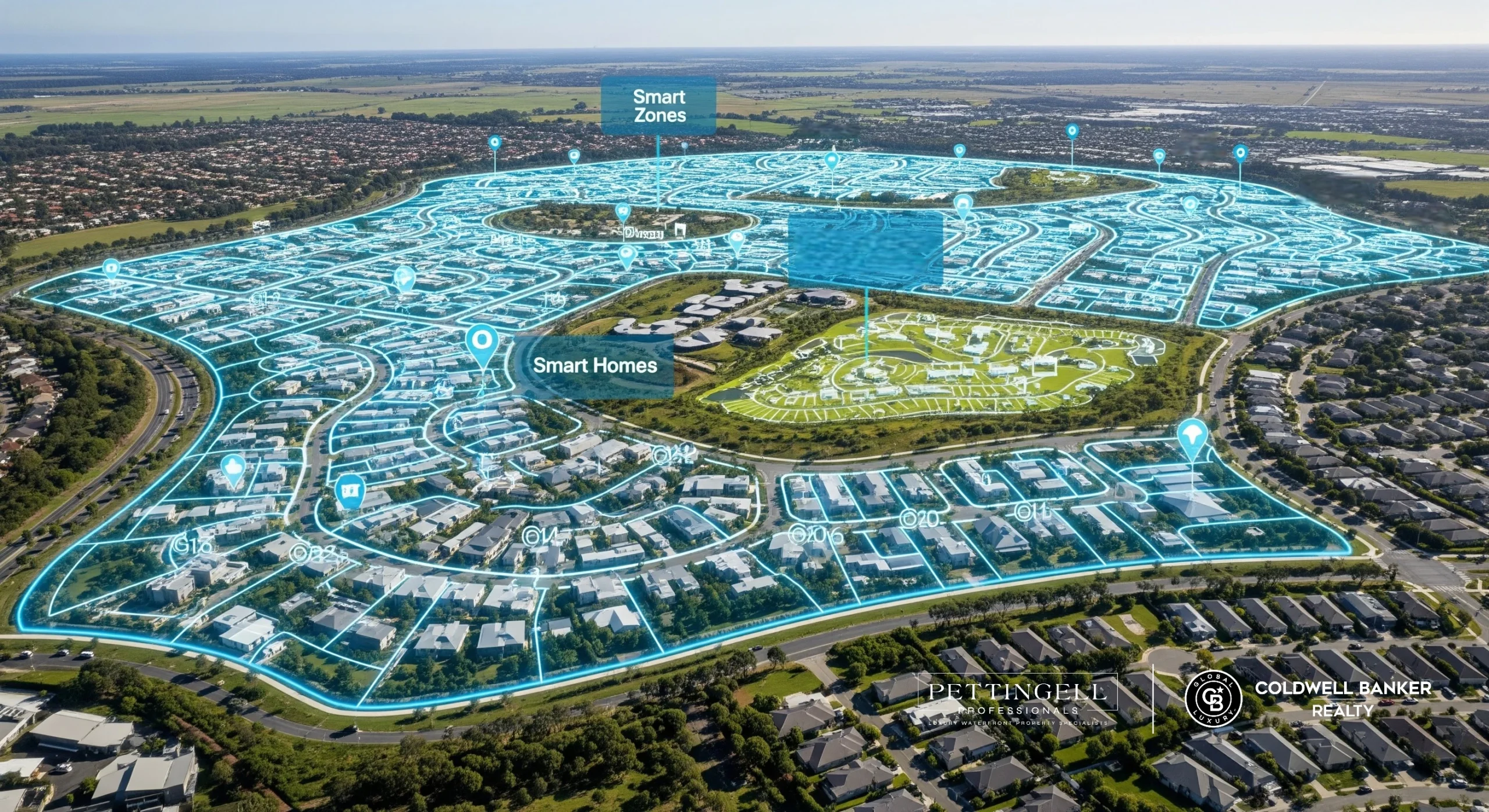
At Pettingell Professionals, we know that marketing only works when it’s supported by strong negotiation skills, credibility, and experience. While our team specializes in Sarasota luxury real estate and waterfront properties, we are also part of the global Coldwell Banker network that allows us to connect clients with the best local experts in Dallas.
This means you benefit not only from our decades of experience but also from trusted relationships with professionals who know the Dallas–Fort Worth (DFW) market inside and out. It’s a collaborative approach that ensures your home is marketed, represented, and sold to the highest standards.
Final Thoughts
Marketing luxury real estate today is about much more than putting a sign in the yard. It requires storytelling, strategy, and the right team to position a property at its best. In Dallas, where competition is strong, sellers who commit to professional marketing consistently see better results.
If you are preparing to buy or sell a home in DFW, we can connect you with the local experts who will give you an advantage. To see how our team approaches luxury marketing in Sarasota, and how those principles apply to Dallas, visit Pettingell.com, explore our properties for sale, or learn more about why clients choose to work with us.
About Roger Pettingell
Roger Pettingell is one of Coldwell Banker’s most accomplished agents, with more than $3 billion in career sales. As the founder of Pettingell Professionals, Sarasota’s premier luxury real estate team, Roger specializes in Sarasota luxury real estate, waterfront properties, and high-end estates. His team is known for innovative marketing, global reach, and trusted client relationships. While based in Florida, Roger’s network extends nationwide, allowing him to connect clients with top local experts in Dallas and beyond. Learn more at Pettingell.com.
Quick pit stops? They look harmless on paper. But in practice, they’re a slow bleed on your schedule.
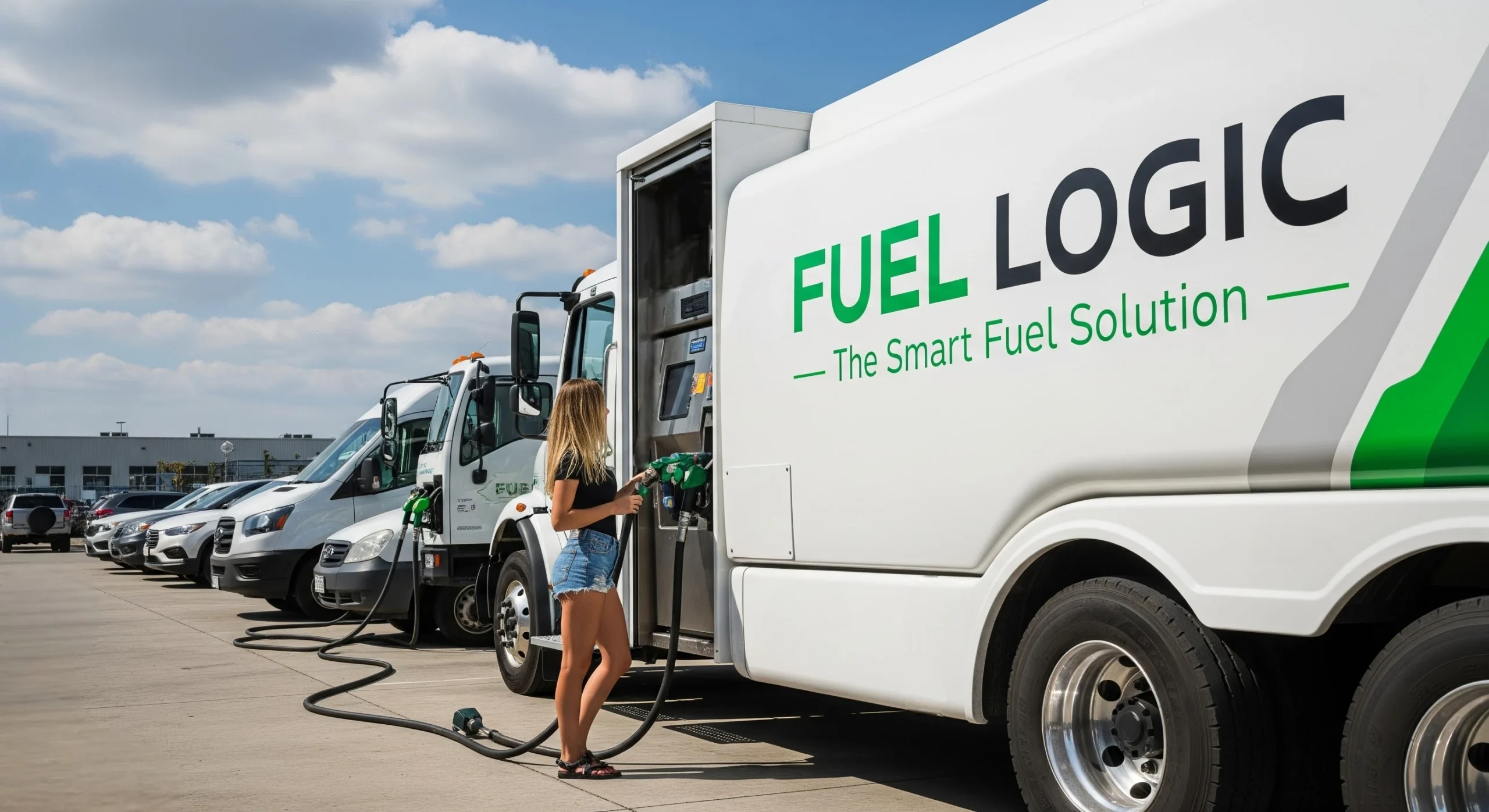
Detours, pumps, lines, cards, receipts—it all adds up. Multiply that across your fleet, and suddenly your week’s leaking hours.Fuel Logic’s mobile fuel delivery stops that leak cold.
What exactly is mobile fuel delivery?
A certified fuel truck rolls right into your yard or job site, topping off every vehicle where it sits. Industry folks call it “wet hose” fueling. You can have it done during shift changes or overnight. Next morning, drivers walk in, turn keys, and hit the road. No pump detour in sight.
Why fuel stops quietly sabotage productivity
That “fast” fuel stop? More like 15-25 minutes gone.
That’s 33 driver hours a week. At $28/hour loaded? $924 weekly.
Toss in 5 extra miles per fuel stop at $0.70/mile, another $350/week.
Over the course of a year, soft costs can total approximately $66,000.
And that’s before we even touch fuel card fees or shrinkage. Even if per-gallon costs run higher with mobile fueling, the savings in time and distance can tip the scale in your favor.
Bonus: useful data at your fingertips
Good providers don’t just pump gas and go. They log:
Odometer or engine hours at each fill.
Gallons by unit.
Time, date, and GPS location.
Exceptions for unusual usage or missed fills.
That’s your early warning system for fuel theft, MPG drops, or maintenance issues.
Safety and compliance matter
If you’re hiring a provider, check:
Hazmat training for drivers
Certified meters and spill kits on board
EPA, DOT, and fire code compliance (think NFPA 30/30A)
Insurance coverage and documented SOPs
Secure fueling systems to prevent spills or vapors
Sending your child off to college is exciting, nerve-wracking, and let’s be honest a little surreal. One minute you’re reminding them to pack a lunch, and the next you’re comparing floor plans and curtain lengths for an apartment in Dallas. Housing is a major step in a student’s move toward independence, and parents often end up playing unofficial real estate agent, financial coach, and occasional interior designer.
Dallas has plenty of student housing options, from dorms to modern off-campus apartments. The key is knowing what to look for, what to avoid, and how to guide without taking over.
Step 1: Start the Housing Search Early
College housing in Dallas moves quickly. Student apartments in Dallas near SMU, UNT Dallas, or UT Southwestern can fill months in advance. Encourage your student to start in spring for a fall move-in. You’ll both have time to compare options, schedule tours, and dodge last-minute scrambles.
Starting early also helps you weigh setups—dorms, shared apartments, or a studio where your student can practice guitar without annoying roommates.
Step 2: Budgeting
Housing isn’t cheap, and Dallas is no exception. Student rentals typically range from $800 to $1,400 a month, depending on size and location.
Sit down together and map out a realistic budget: rent, utilities, groceries, transportation, and “surprise expenses” (late-night pizza, emergency rides). Decide how rent will be paid—parent support, a split arrangement, part-time income, or loans.
Step 3: Location, Location, Location
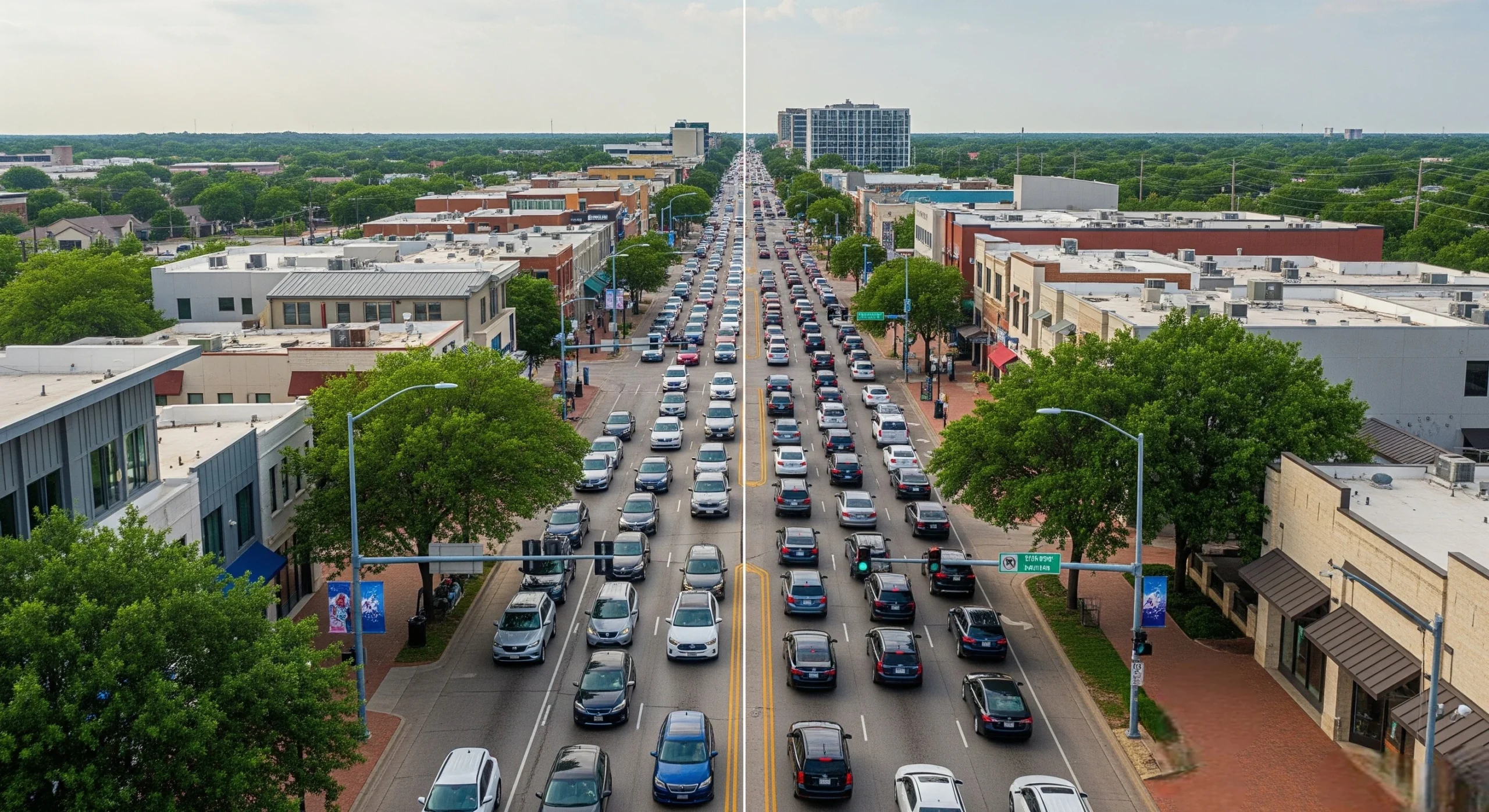
Dallas is big, and traffic is… Dallas traffic. Living close to campus saves hours each week. Look for places within walking or biking distance, or near DART stations if public transit will be their go-to.
Safety belongs at the top of the checklist. Review crime maps, ask about building security, and look for keyless entry and well-lit parking lots. Peace of mind matters as much as convenience.
Not every “luxury” is worth the premium. A rooftop pool sounds great until midterms hit. Focus on features that support student life:
High-speed internet
Laundry facilities (in-unit or clean on-site)
Dedicated study spaces
Energy-efficient appliances (plus a smart thermostat)
Step 5: Involve Your Student in the Process
Don’t make all the decisions yourself. It’s tempting, but housing is part of your child’s independence journey. Let them tour, compare, and weigh trade-offs; jump in to ask the fine-print questions.
Step 6: Read the Fine Print
Excitement can make it easy to skim. Review lease terms together:
Lease length and renewal rules
What utilities are included
Pet policy (for when a cat suddenly becomes essential)
Security deposit, fees, and penalty details
Catching these now prevents “Wait—what fee?” moments later.
Step 7: Emotional Support Counts, Too
Most of this is practical, but the move is emotional. Your student may feel overwhelmed or nervous about living alone for the first time. Offer advice, reassure them that hiccups are normal, and remind them they’ll come out more confident—and more organized.
Final Thoughts
Finding a student apartment for your child isn’t easy. You want safety and comfort, a budget that works, and space to grow. Housing isn’t just four walls and a roof; it’s the setting for the friendships, habits, and confidence that college builds. Keep the stress manageable, and it’s a win for both of you.
Where Amber Comes In
Amber helps students secure the right accommodation on their study-abroad journey. Having served over 80,000 students worldwide, Amber is a one-stop shop for student housing. Download the Amber app on the Google Play Store or App Store to book an affordable place for the semester ahead.
About the Author
Kajol M. loves sharing stories and ideas that spark a little inspiration. When not writing, she’s likely buried in a book, playing an instrument, or getting lost in a playlist.
Looking for a student rental in Dallas? It’s a bit like searching for the perfect coffee spot, you want something affordable, reliable, and with a vibe that makes life easier. Sure, you can live with just the basics, but when you’re a student, the right amenities can turn a stressful semester into something much more manageable.
These days, rentals in Dallas are stepping up. Landlords are starting to realize that students don’t just want four walls, they want comfort, safety, and convenience.
Let’s talk about the little things that actually make a place student-friendly.
1. Fast Wi-Fi You Can Count On
Let’s be real, Wi-Fi is non-negotiable. Between Zoom classes, assignments, late-night YouTube breaks, and maybe some online gaming, a solid connection is essential.
Many student rentals in Dallas now include high-speed internet in the rent. That means no fighting over laggy connections or stressing before deadlines.
2. Smart Security = Peace of Mind
Living away from home is exciting, but safety matters. Rentals with smart locks, keyless entry, or even doorbell cameras make life easier. No more losing keys or waiting for a locksmith—you just use your phone or a code.
And let’s be honest, both you and your parents will sleep better at night knowing your place is secure.
3. Energy-Efficient Appliances
Dallas heat can be brutal, and nobody wants sky-high electricity bills. Rentals with smart thermostats and energy-saving appliances are lifesavers.
A thermostat that adjusts to your schedule keeps your room cool when you’re actually there, not when you’re out grabbing tacos. Comfort + lower bills = win-win.
4. Furnished Spaces That Don’t Feel Like a Garage Sale
Most students aren’t buying fancy furniture or hauling couches across the city. Furnished apartments are a blessing—but only if the furniture makes sense.
The best rentals give you basics that actually matter: a desk you can study at, a comfy chair, and enough storage so your room doesn’t look like a laundry basket exploded. Some even add shared study lounges for when finals hit hard. This is where choosing the right student apartment in Dallas makes all the difference.
5. Laundry Without the Headache
Nobody likes hauling laundry in the Texas heat. Having washers and dryers in your unit—or at least in a clean, nearby common area—is a must.
Bonus points if the machines are app-based, so you can pay online and get a ping when your clothes are done. Because nobody wants to babysit a dryer.
6. Fitness and Wellness Spaces
Students don’t always love the gym, but when it’s just downstairs, it’s a lot easier to make it happen. On-site gyms, yoga rooms, or even outdoor areas give you options to work off stress without paying for a separate membership.
It’s about health, sure—but it’s also about convenience.
7. Places to Hang Out
School isn’t just about studying—it’s also about making memories. Rentals with lounges, rooftops, or outdoor BBQ spots give you spaces to chill, meet people, or host movie nights.
These common areas make student life feel less like “temporary housing” and more like a real home.
8. Location That Makes Life Simple
Technically not an “amenity,” but being close to campus, groceries, and public transit (like the DART) makes a huge difference. Less time commuting means more time for studying or, let’s be honest, Netflix.
You can also check out these student apartments in Dallas:
Student rentals in Dallas are no longer just about finding the cheapest spot you can crash in. The smart ones come with touches like fast Wi-Fi, smart locks, good furniture, and laundry that doesn’t require a road trip—amenities that make daily life way easier.
Because when your living space actually works for you, you can focus on the important stuff: school, friends, and maybe even enjoying the Dallas sunshine in between classes.
Where Amber Comes In
Amber helps you secure student accommodation of your choice on your study abroad journey. Having served over 80,000 students worldwide, Amber is your one-stop shop for all your accommodation needs. Download the Amber app from the Google Play Store or App Store to book an affordable home for your adventure.
About the Author
Kajol M. is passionate about sharing stories, ideas, and anything that sparks a little inspiration. When not writing, you’ll probably catch her buried in a book, playing an instrument, or getting lost in a playlist.
If you are a student right now, there’s a good chance that your wallet feels more like a thin brochure than a bulky novel. Between tuition, food, rent, and the occasional iced latte that feels “absolutely necessary for survival,” saving or investing money may sound like a far-off dream. But students are actually in the perfect position to start their journey as future investors. You’ve got time on your side, the ability to take small risks, and the luxury of learning before the stakes get higher.
So, what exactly are the best picks for students who also want to think like future investors? Let’s break it down without making finance sound like rocket science.
1. High-Yield Savings Accounts (HYSA): The Gateway to Investing
If you’re starting out, your new best friend should be a high-yield savings account. Unlike your standard savings account that offers interest rates so low you can’t even buy a candy bar with the returns, HYSAs give you better rates, sometimes up to 4–5% annually.
Why is this a big deal? Because as a student, you don’t want your emergency fund lying around in a low-yield account. A HYSA is liquid (you can withdraw anytime), safe (FDIC insured in the U.S.), and earns you a little something on the side. Think of it as your money doing yoga—it may not bulk up instantly, but it’s staying active.
2. Index Funds and ETFs
If you want to invest without tracking individual companies every day, index funds and ETFs (exchange-traded funds) are a simple option. Instead of buying one stock at a time, you buy into a fund that holds many companies at once.
Take the S&P 500 ETF as an example. It follows 500 of the largest U.S. companies, giving you instant diversification. Over time, the S&P 500 has returned about 7%–10% a year on average. That’s far higher than the small fraction you earn in a savings account, which is why many long-term investors rely on these funds to grow wealth with less stress.
3. Fractional Shares: Because Who Has $400 for One Stock?
When you hear that one share of a big company (hello, Apple, Amazon, or Tesla) costs hundreds or even thousands of dollars, it can feel like investing is reserved for people who already own yachts. But fractional shares let you buy a “slice” of that stock with as little as $5 or $10.
This is perfect for students. You get exposure to blue-chip companies without having to sell your textbooks on eBay. It’s like buying a single slice of pizza instead of the whole pie—affordable, and you still get to enjoy the taste.
4. Retirement Accounts (Yes, Even in Your 20s)
Retirement may feel like a galaxy far, far away, but opening a retirement account early is one of the smartest moves you can make. If you’re working part-time or interning, you may be eligible to open a Roth IRA.
Here’s why this is gold: with a Roth IRA, you contribute after-tax dollars, and your money grows tax-free. That means decades later, when you’re chilling on a beach, your withdrawals won’t be taxed.
5. Skill Investment
Not all investments are about stocks and accounts. As a student, your skills are your biggest asset. Platforms like Coursera, Udemy, or even free YouTube channels can become your training ground.
And here’s the fun part: investing in skills isn’t just about online courses. Even learning to manage real-life responsibilities like budgeting while renting student apartments in Austinor balancing part-time work while living in a student apartment in Boston teaches you financial discipline that will serve you for life.
Think of it this way: a $50 online course that helps you land a $60,000 job later is the best ROI you’ll ever see.
6. Avoiding the “Bad Picks” Trap
Let’s be honest, students are often tempted by the wrong kind of investments: get-rich-quick schemes, meme coins, or whatever your roommate swears is “going to the moon.” While it’s okay to experiment with a small play fund (think of it as your fun-money allowance), don’t make these the foundation of your financial future.
Long-term wealth is built on patience, not panic-buying because Twitter said so.
Final Thoughts
The best picks for students are practical, accessible, and designed to grow with you. You don’t need a huge bank balance to get started.
The truth is, investing isn’t about being rich when you start, it’s about becoming rich because you started. And if you begin while you’re still a student, you’re already way ahead.
Where Amber Comes In
Amber helps you secure student accommodation of your choice on your study abroad journey. Amber has already helped over 80,000 students secure their homes abroad. Download the amber app from the Google Play Store or App Store to book an affordable home for your adventure.
About the Author
Kajol M is someone who’s passionate about sharing stories, ideas, and anything that sparks a little inspiration. When not writing, you’ll probably catch me buried in a book, playing an instrument, or getting lost in a playlist.
If you drive in Texas, you’re required to have your car inspected once a year. That annual visit isn’t just about getting a sticker on your windshield. It’s the state’s way of making sure your car is safe to drive and meets environmental standards.
A state inspection covers more than basic compliance. Technicians check key safety features and run emissions tests, which helps spot mechanical issues before they turn into bigger problems. Catching these issues early reduces the risk of accidents and keeps harmful pollutants out of the air.
When you think about what the inspection actually provides, it becomes less of a chore and more of a safeguard. Spending a small amount once a year can save you from the higher costs of breakdowns, accidents, or fines.
Frequency Basics and Common Exemptions
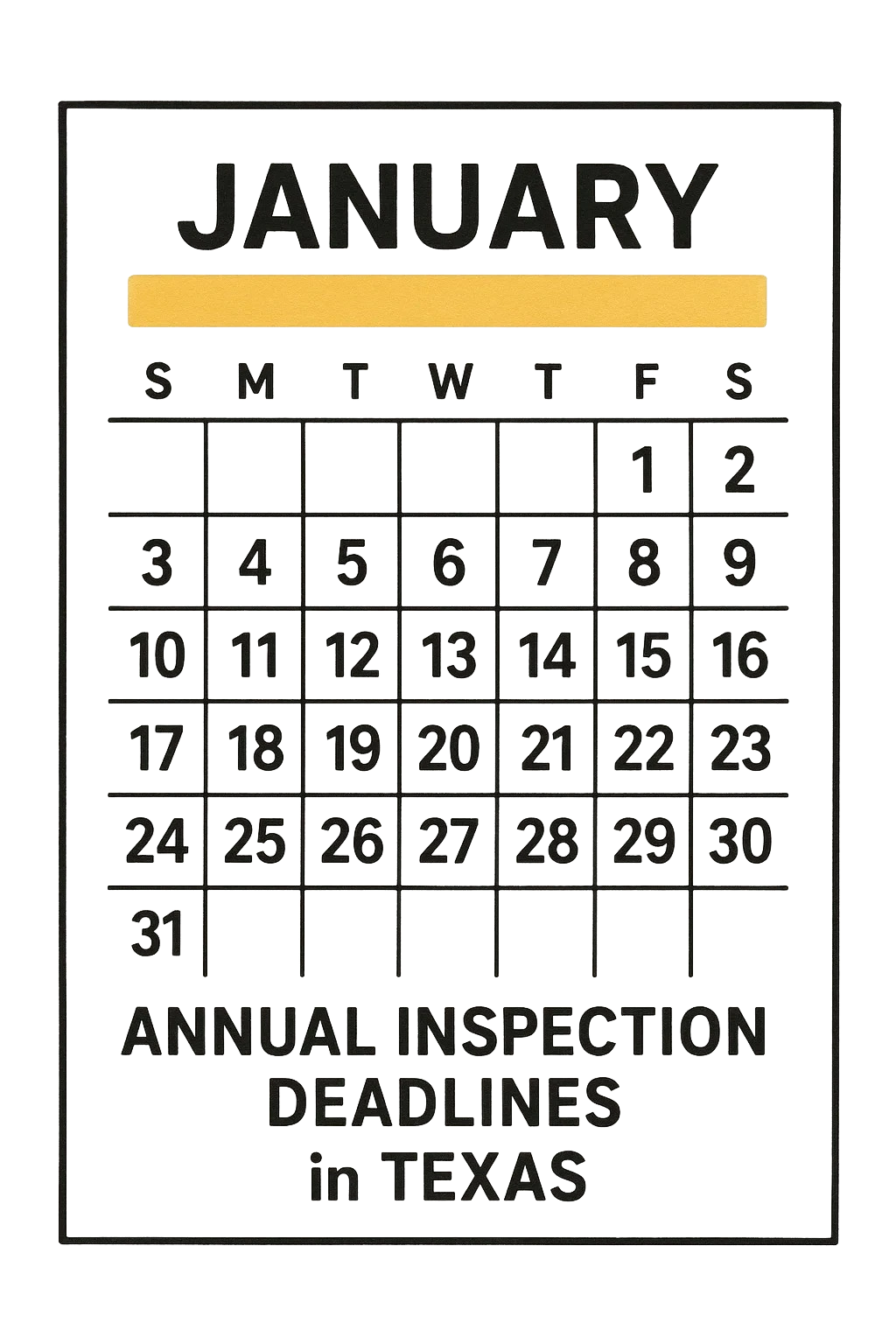
Texas requires annual safety inspections for most vehicles. The inspection window runs from the month your registration is due until the same month the following year. This setup keeps things balanced, so inspection stations aren’t flooded with everyone at the same time.
If you just bought a new car, you usually won’t need an inspection right away. Brand-new vehicles get a two-year break before the first inspection. The idea is simple: cars fresh off the lot aren’t expected to have safety or emissions issues, so the state can focus on older vehicles that are more likely to need attention.
Some cars are treated differently. Antique models and specialty vehicles may have modified inspection rules, or in some cases, exemptions. Because classic cars don’t hit the road as often and follow different safety standards, owners need to review the specific requirements. Restored and vintage vehicles often fall under their own set of guidelines.
There are also exceptions for certain groups. If you’re on active military duty, you might get extra time if deployment keeps you from meeting the deadline. Just remember, extensions don’t happen automatically. You’ll need the right paperwork and to plan ahead, because once the deadline’s gone, it’s too late
Safety vs. Emissions Checks: What Gets Tested
When your car goes in for a Texas inspection, the first step is safety. Inspectors look at brakes, lights, steering, suspension, and tires. They want to be sure nothing is worn out or close to failing. Things like weak brake pads, a headlight that’s out, or loose steering parts can cause accidents if they aren’t fixed.
The emissions check is about what comes out of your exhaust. It measures pollutants to confirm your car meets state air-quality standards, taking into account vehicles’ age and emission control systems. This test matters more as a car gets older because emission systems wear down and sometimes get changed in ways that increase pollution.
Smaller items are also checked. The horn, windshield wipers, and mirrors must work so you can see clearly and signal to other drivers. They may sound minor, but they matter when the weather turns bad or in an emergency.
The exhaust system itself is also inspected. Any leaks could let carbon monoxide inside the car or cause you to fail the emissions test. A damaged exhaust can also point to other problems that need repair.
What Failing an Inspection Means for Drivers
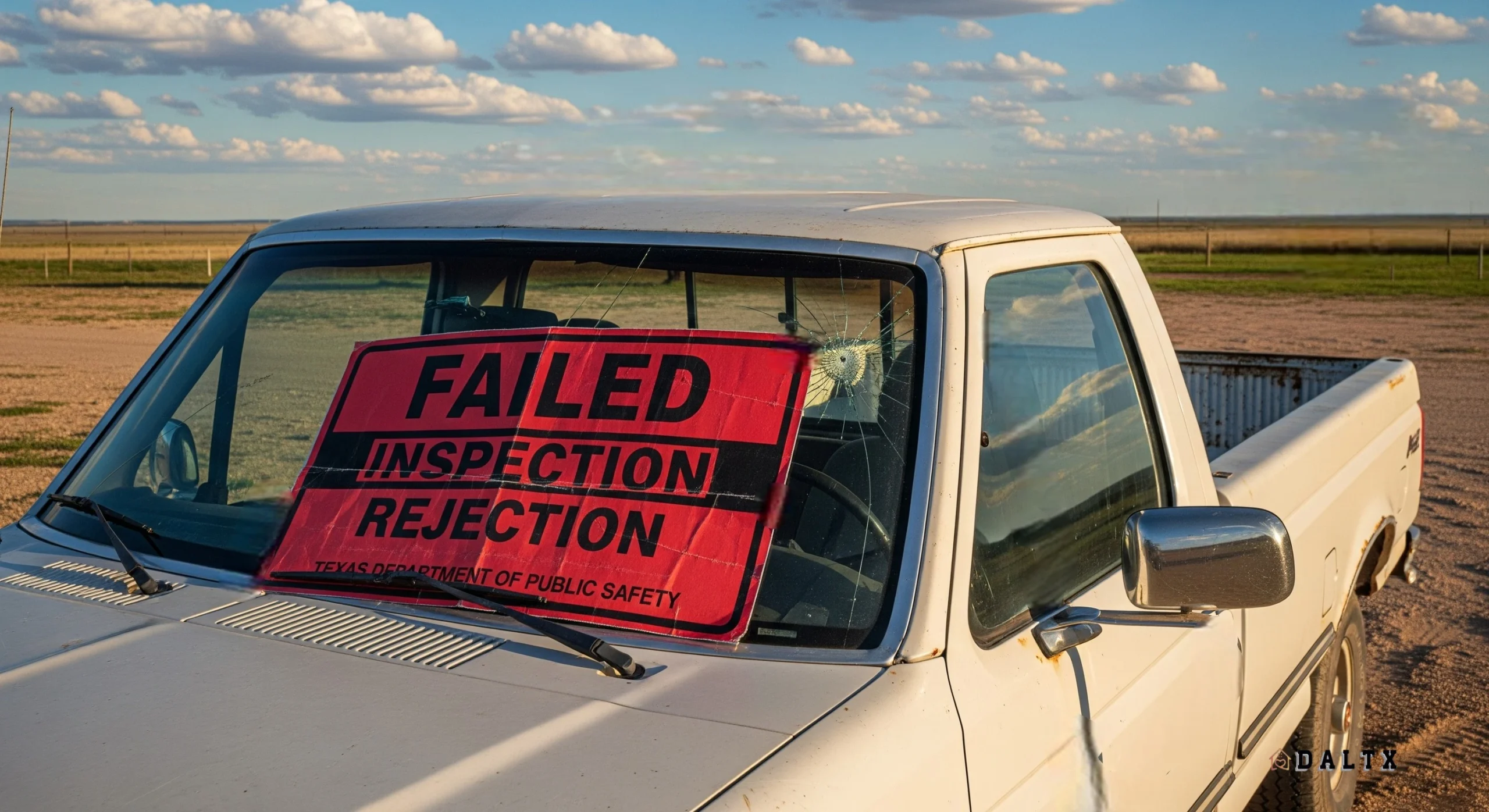
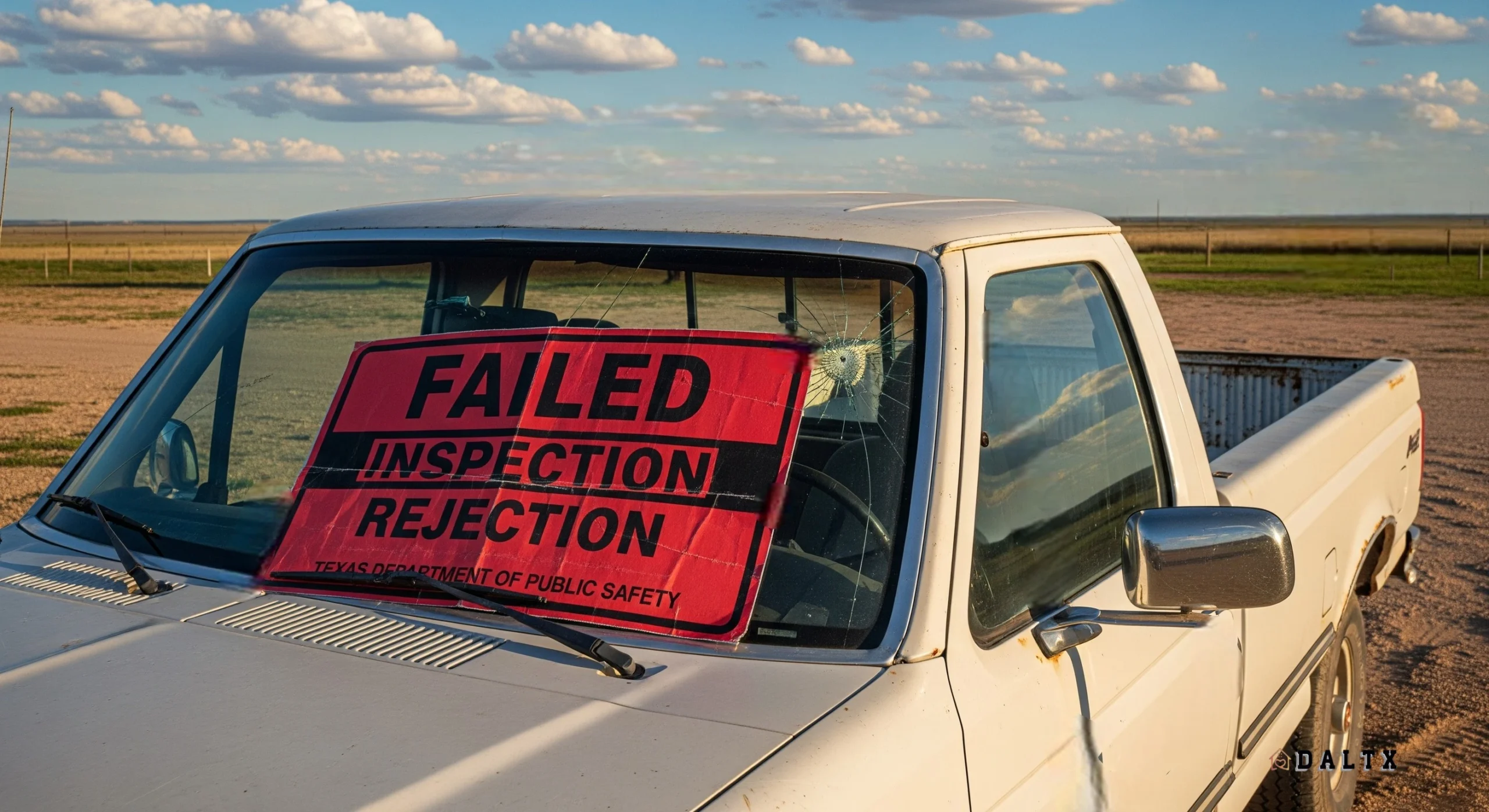
If your car doesn’t pass a Texas inspection, you can’t legally keep driving it until the problems are fixed. The state gives you limited permission to drive to a repair shop, but daily commuting or regular use isn’t allowed until the car passes a re-inspection.
A failed test also means extra time and money. You’ll need to repair the issues, then pay for another inspection. That’s why it helps to deal with obvious problems beforehand. Many repair shops offer quick checks to catch common failures before you go in for the official test.
Without a valid inspection, you can’t renew your registration. Expired registrations can result in traffic tickets, impounded vehicles, and other legal complications that cost far more than timely inspections.
There’s also a liability risk. if you know your car has a safety issue and ignore it, you might be on the hook if it causes a crash. Insurance companies and courts may use failed inspection records as proof of negligence in a lawsuit.
Conclusion
In Texas, that yearly inspection isn’t just red tape. It’s there to catch problems early, cut down on pollution, and keep you out of legal trouble. And honestly, the small fee is nothing compared to the headache of a breakdown or accident.
These inspections also keep Texas roads safer and the air cleaner for everyone. When every driver keeps up with the requirement, the benefits extend across the community.
If you see the yearly inspection as protection instead of a hassle, it makes more sense. A quick visit once a year helps you avoid bigger repair bills, tickets, and liability down the road.
If you’re interested in investing in real estate, road trips may be about much more than just the journey. They also give you the opportunity to check out potential investments and the diverse areas that surround them.
As Dallas’s real estate market continues to grow, there has never been a better time to set off in pursuit of hidden real estate gems. A real estate road trip provides the perfect chance to check out promising listings in person and get first-hand experience of the neighborhoods and areas that would best suit your needs.
Before you hit the road, it pays to prepare yourself and your vehicle for the trip ahead. Read on as we share what you need to know to prepare your car for a road trip!
Getting Real Estate Road Trip Ready
Service Your Car
Is your vehicle due for its next minor or major service? If so, it’s recommended that you have this service done by a professional before you set off. A trusted mechanic or car dealership can perform all the necessary service items and maintenance you need for a safe trip.
If you request it, they can also do a thorough inspection of your car and notify you of any other repairs or concerns that need your attention. When your vehicle is properly serviced, it will be more economical on fuel and more reliable in general, ensuring you can maximize your enjoyment and minimize stress.
Check Your Insurance for Roadside Assistance
Things can go wrong when you least expect them, so it’s a good idea to take a moment to review your car insurance policy. Many affordable car insurance policies include roadside assistance services, such as towing, fuel delivery, lockout services, and tire changes. If your plan doesn’t, consider adding coverage for peace of mind during your road trip.
Make sure you also have your insurance card and roadside assistance contact numbers easily accessible in case of an emergency.
Do a Complete Vehicle Inspection
Check Your Tires
Even if your car is freshly serviced, there may be small things you can do before your real estate road trip to keep it in tip-top shape.
Start with an inspection of your tires. Check the tread depth on each of your tires, ensuring that you have at least 2/32” or 1.6mm of depth on all of them. If not, it’s important to replace the tires with worn tread before you set out.
When checking your tires, use a tire pressure gauge to check the pressure of each of them, and don’t forget to check your spare tire, too. Ensure this pressure is in the range specified by your vehicle’s manufacturer and car manual. If possible, take your car in to have your wheels balanced and aligned a few days before your trip.
Next, check that your brakes are working optimally. You can do a visual inspection of your brake pads if you are knowledgeable about car maintenance. That said, the simplest method is to ask your mechanic to check your brakes during a scheduled inspection and service. If your brakes are worn, they will reach out and recommend that you replace them.
Check Your Lights, Fluid, and Battery
Even the simplest features of your car make for a safer, more enjoyable all-American road trip when they’re functioning correctly. Check all your car’s lights before a long trip, switching them on and walking around the car to inspect them visually. Test both your regular beams and your brights, especially if you will be traveling during darker times of day. A family member or friend can help you check your brake lights and tail lights to ensure optimal visibility.
Once you’re happy with the condition of your lights, visually inspect your battery for any signs of damage, wear, or corrosion. If you notice these signs, or if your battery is more than three years old, take it into a local battery shop for testing and possible replacement.
Lastly, assess your vehicle’s fluid levels, including your engine oil level and your water and coolant levels in the engine. Follow the manufacturer’s instructions carefully when mixing coolant to keep your engine functioning well and prevent it from overheating.
Pack Essentials for Comfort and Safety
Having essentials on hand during a road trip makes your real estate road trip considerably easier. These can range from vehicle safety necessities to personal items that help keep you comfortable and confident behind the wheel.
For your car, pack:
Reflective triangles in case of stopping or breakdowns.
Jumper cables to jump-start your battery if needed.
Distilled water to replenish your car’s water tank.
An inflated spare tire and tire-changing jack should you need to put on your spare tire during your trip.
Pack these essentials for yourself:
A flashlight and spare batteries, or a head torch, to provide you with visibility at night and during early mornings
A handy multi-tool for a range of tools that you may need
A first-aid kit containing important supplies to assist you in case of burns, scrapes, cuts, or minor injuries
Sunglasses, lip balm, sunscreen, and any other toiletries you may need on the road
Snacks and bottled water to keep you fueled and hydrated
A physical map, in case you end up in an area with no signal and you can’t use your GPS
A power bank and charging cable for your phone and other must-have devices
A list of emergency contact numbers, including those of close friends or family members, a trusted mechanic, and local police.
Plan Your Route
If you’re setting out to see potential investment properties in Dallas, planning your route and stops ahead will help you make good time and keep you on the right track. Be sure to include regular 15-minute rest periods every few hours in your plans to prevent fatigue.
If you have any additional stops in mind, checking these out in advance will help you include places of interest in your itinerary. It also ensures they will be open when you arrive, and that you can reach your final destination on time and without worry.
Take The Scouts Motto On The Road
Preparing your car for a real estate road trip is a simple process that can have major benefits for your comfort and safety on the road.
Use our guide to prepare yourself and your vehicle for your next trip, and you can expect a smooth, rewarding journey from start to finish.
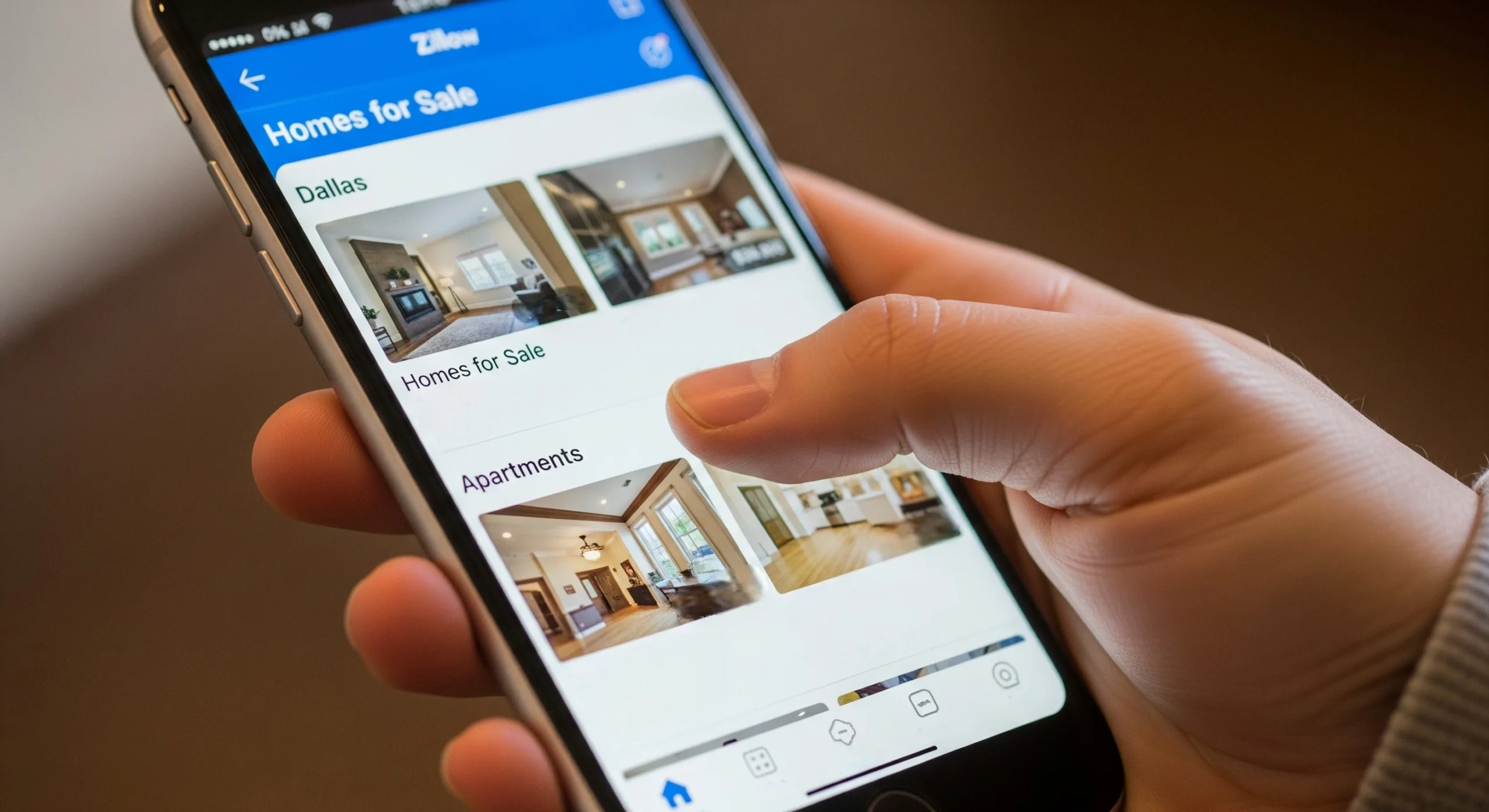
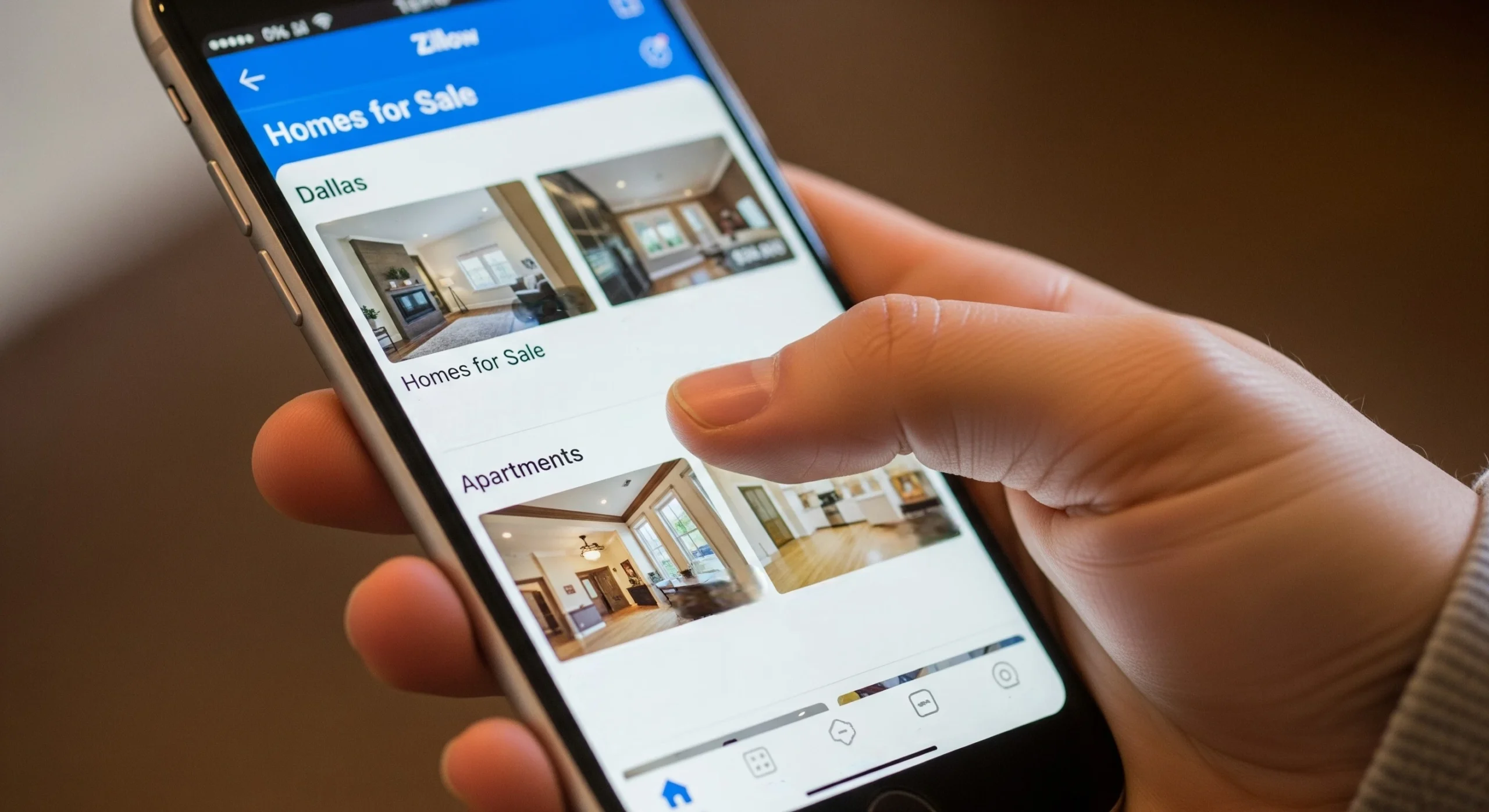
For years, if you wanted to buy or sell a house in Dallas, Zillow was the first place you opened. The site has massive reach, pulls in nearly every listing, and gives you an instant home value estimate with just a click. In many ways, it set the rules for how real estate gets done in Dallas.
But anyone who’s spent time on the platform knows it isn’t perfect. Home values can feel off, the leads agents receive don’t always pan out, and sellers question whether a national site really understands the street-level details that matter in Dallas. The scale is impressive, but the personal connection is missing, and people here are starting to notice.
That gap is sparking new questions. What if a different app came along that actually knew the Dallas market block by block, built more trust with buyers, and delivered stronger results for sellers? If that happened, Dallas could be the first place where Zillow finally meets real competition.
It won’t flip overnight, but you can already hear the talk picking up.
Why Zillow Leads in Dallas
In Dallas, Zillow has become shorthand for house hunting. When buyers start looking, the first instinct is to scroll through the app before calling an agent. Sellers see it as the quickest way to put eyes on their property, and agents know that being off Zillow means missing out. It’s worked its way into the local process so deeply that most people don’t even think twice about it.
The features have a lot to do with that. The Zestimate gives buyers a ballpark number, even if it’s not exact. The coverage stretches across nearly every neighborhood, and the brand is so well-known that it feels like the natural first step. In a fast-growing city like Dallas, convenience counts, and Zillow has delivered that consistently.
All of this—visibility, data, and habit—has made Zillow the default marketplace. But Dallas is a market that changes quickly, and even the most trusted platforms can lose ground when people start looking for something better.
The Cracks in Zillow’s Model
Even with its reach, Zillow has weak spots that stand out in Dallas. The best-known example is the Zestimate. Many buyers treat the number as gospel, but agents in the city will tell you it can swing tens of thousands of dollars in either direction.
Another challenge is scale. Zillow was built for the whole country, not for one city with dozens of distinct neighborhoods. A historic Craftsman in Munger Place doesn’t belong in the same category as a new-build in Frisco, yet the platform tends to flatten those differences. Buyers lose the context they need, and sellers struggle to highlight what makes their home stand out in its own corner of Dallas.
Agents feel it too. Zillow does generate plenty of leads, but many of them never turn into real clients. Realtors often spend hours chasing names that lead nowhere, time that could have been spent serving real buyers and sellers.
These gaps don’t erase Zillow’s presence in Dallas, but they do leave room for something more local, more accurate, and more efficient to take hold.
Enter the Challenger App
A new group of platforms is starting to emerge in Dallas, designed with a different approach than Zillow. Instead of focusing only on national scale, these apps emphasize sharper pricing tools, neighborhood-level insight, and features that fit the way people in Dallas actually shop for homes. What a young professional wants in Oak Lawn looks very different from what a family needs in Plano. One-size-fits-all models rarely capture that.
The new wave of apps uses sharper valuation methods, integrates data from local MLS sources, and offers cleaner, more intuitive design. That means buyers can compare homes with more useful context, and agents have a better shot at connecting with serious clients instead of casual browsers.
Such innovation reflects the growing role of a real estate app development company working directly with Dallas professionals to create tools that feel native to the city. The focus is not on replacing Zillow overnight but on building platforms that reflect the unique character of Dallas neighborhoods and provide more reliable support to buyers, sellers, and agents.
How It Outshines Zillow
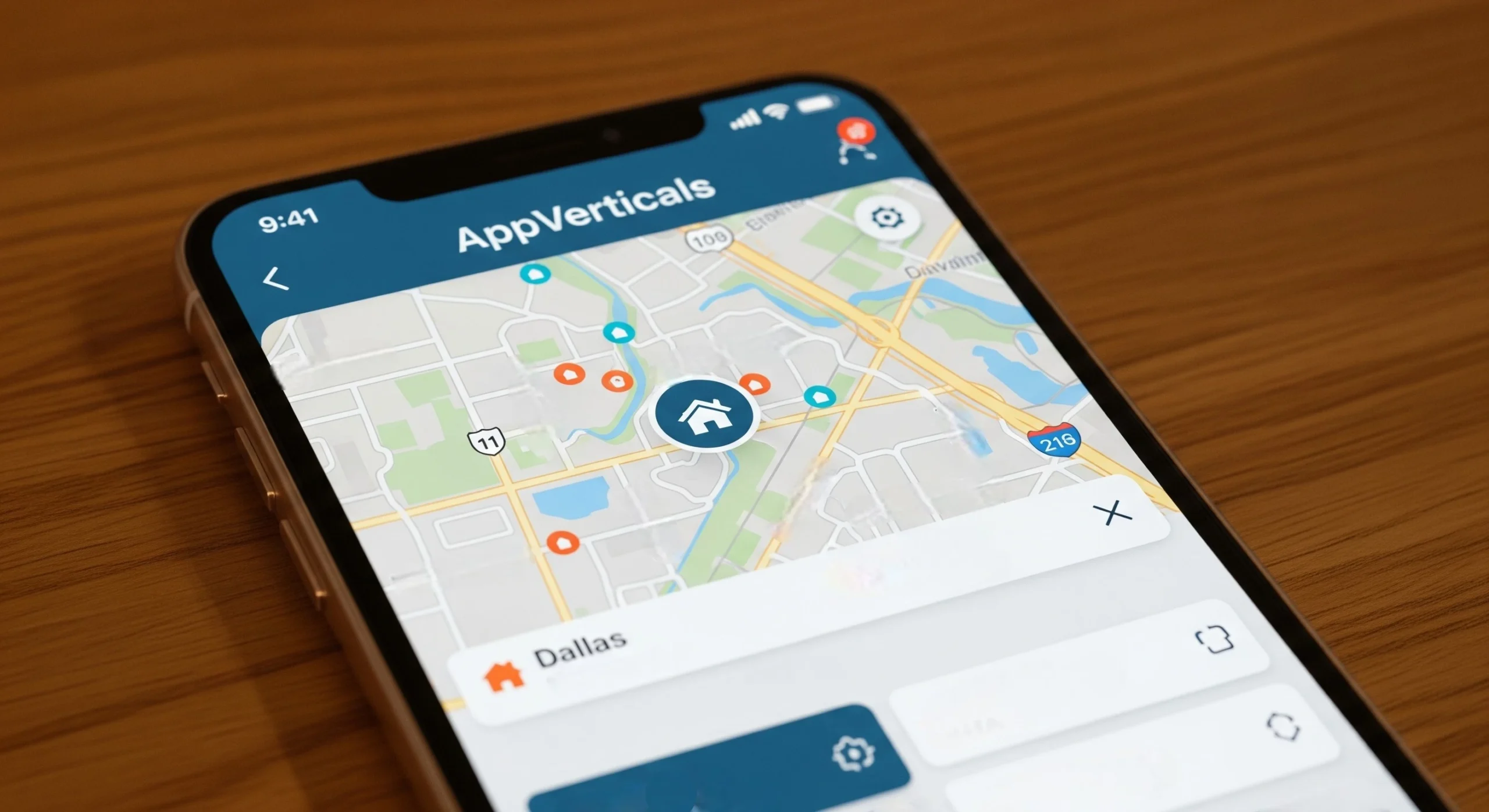
When you put a Dallas app side by side with Zillow, the differences show up fast. Zillow gives you reach, but accuracy often slips. A lot of buyers see the Zestimate and think it’s set in stone, but agents know it can miss the mark by quite a bit. Local apps lean on MLS data and add context from the neighborhoods themselves, so the numbers line up better with what homes are really selling for. That keeps buyers from chasing inflated prices and helps agents argue their case with facts that hold up at the table.
The layout is another place where things split. Zillow can feel busy, such as ads, pop-ups, and extra prompts everywhere. The newer Dallas apps keep it simple. You scroll, you look at the house, and that’s it. Agents also get more space to show off a property without fighting for attention.
Source: appverticals.com
Zillow isn’t going away. It would be misleading to suggest that an app like Zillow has no strengths, but its broad focus creates limitations that local competitors are eager to improve upon. And in a city like Dallas, that wide lens often misses the details that matter. Smaller, focused platforms can be quicker, clearer, and easier to trust.
The Dallas Factor
Dallas has become one of the hottest housing markets in the U.S., and that makes it the perfect testing ground for new real estate tech. People are moving in fast, demand keeps climbing, and the choices are broad—starter homes in East Dallas, bigger lots in the suburbs, new developments in Frisco. One app can’t treat those the same way and expect buyers to be satisfied.
Prices, schools, and even the feel of a block can swing wildly from one part of the city to the next. An app that knows the difference between Oak Cliff and Highland Park or between a historic home and a new build, will always beat a one-size-fits-all search tool.
Realtors here are also willing to try new options. They want leads that don’t waste their time, and they’re open to platforms that give them more control. That openness is one reason Dallas could be the first place where a serious Zillow competitor really takes off.
Global Perspective
Other cities are seeing the same shift toward local platforms, each shaped by its own market. In London, rental apps dominate. In Singapore, the push is for more transparency in deals. Toronto leans on tools for a diverse buyer base.
In Dubai, where international investors are a big part of the market, it’s common to see a mobile app development company in Dubai step in with tools that make it easy to browse and buy from anywhere.
Sydney, Berlin, and other cities show the same pattern: the tech adapts to what the local market demands. Sometimes that’s regulation, sometimes it’s rapid growth, sometimes it’s investor pressure. Dallas is now in that mix. The city has the chance to build its own version, tools that actually match its neighborhoods and the way people here buy and sell.
What This Means for Realtors and Buyers
For Dallas agents, the new wave of apps feels like a chance to get back to what matters. Instead of chasing dozens of names that never turn into clients, they can work with platforms built to deliver quality leads. That means more time sitting down with real buyers and sellers, and less time sorting through forms that go nowhere.
Buyers get the benefit of clarity. When home values are pulled from MLS data and backed up by what’s actually selling in Oak Cliff, Plano, or Frisco, you can make decisions with more confidence. You’re not stuck guessing whether a Zestimate is off by $40,000. Instead, you can focus on what really matters, like commute times on I-635, the schools in Richardson, or how a home in East Dallas might hold its value.
Sellers gain from the same shift. When buyers walk in better informed and agents have stronger tools, homes get priced in line with the market and shown with context that highlights their real worth. Negotiations move faster, and fewer deals stall over mismatched expectations.
It won’t flip the Dallas market overnight, but these changes point toward a future where tech fits the city instead of forcing the city into a one-size-fits-all box.
What’s Next?
Zillow isn’t disappearing tomorrow. Everyone knows the name, and plenty of buyers will still open the app when they start their search. But Dallas is different right now. The city is growing fast more than 150,000 people moved into the metro area in just the last couple of years and buyers are demanding tools that reflect that pace.
What’s likely to happen is a slow handoff. Realtors will keep Zillow on the table, but they’ll start sliding local apps in front of clients who want something sharper. Buyers will try them out because they’re tired of generic numbers that don’t match what they hear from their agent. If those apps keep delivering results such as cleaner valuations, better listings, and stronger leads, then trust will build naturally.
The tools themselves are also catching up. MLS-backed pricing, maps that break down neighborhoods street by street, even filters that show things like walkability or commute times, these are features being tested in other markets, and they’re not far from Dallas.
Real estate here won’t flip overnight. But if you look at the way buyers, sellers, and agents are moving, you can already see the ground shifting.
Walking through a home is one of the most important steps when you’re thinking about buying. It’s the first real chance to step inside, look around, and picture yourself living there.
A lot of buyers get caught up in what looks nice, such as a bright living room, shiny new countertops, or a classic detail that adds charm. Those features can be appealing, but focusing only on them might cause you to miss bigger issues that could affect your day-to-day life after you move in.
Whether this is your first purchase or you’ve been through the process before, the best way to approach a property tour is by looking past the surface. Taking time to check details you don’t always notice can help you avoid costly surprises later.
To help you navigate the market with more confidence, here are five common things buyers tend to overlook when viewing a property.
1. Water Pressure and Plumbing
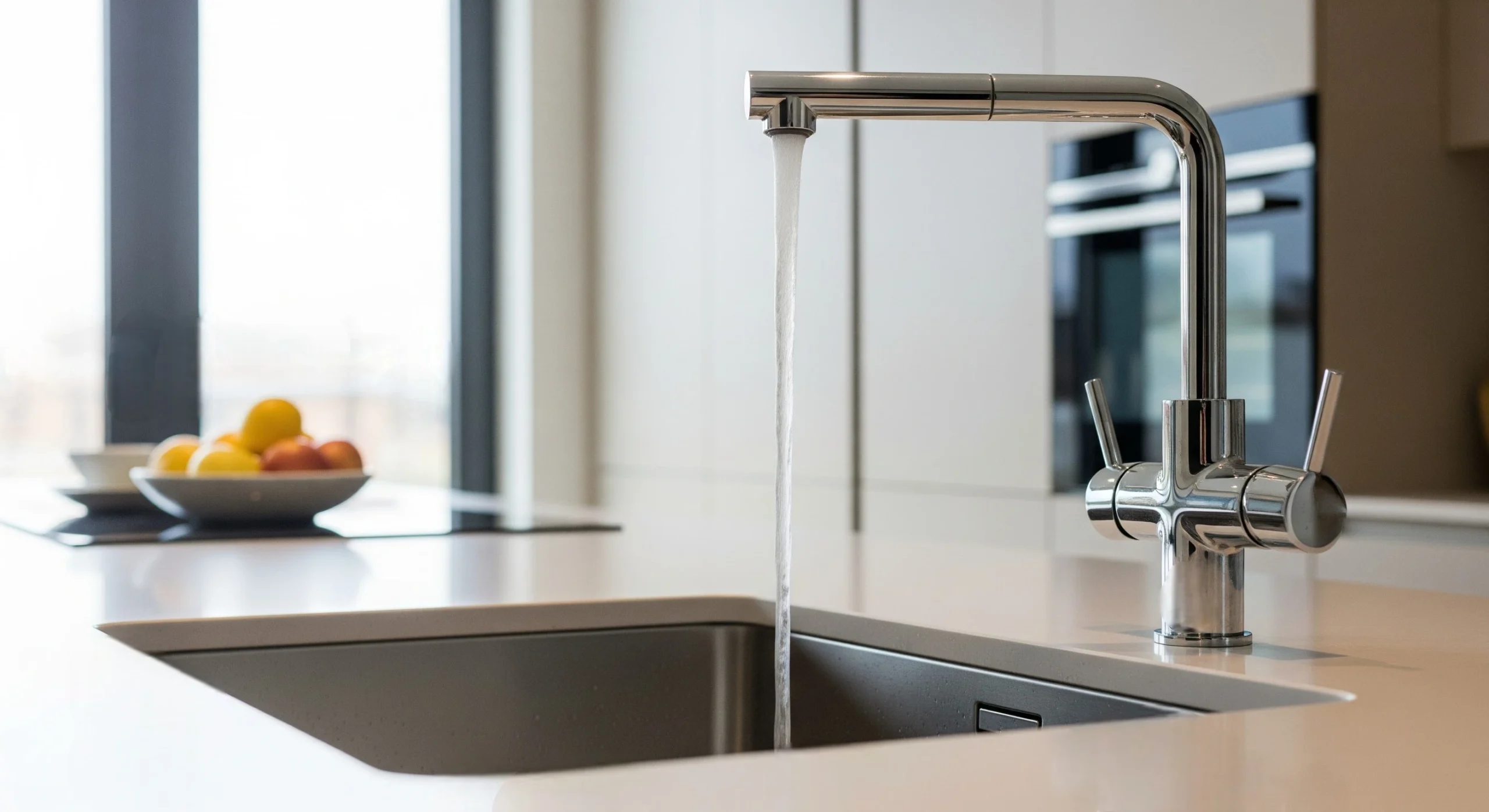
When you walk through the house, take a moment to test the water. Turn on the faucets in both the kitchen and bathrooms and see if the flow comes out steady and with good pressure. These small actions can save you from moving into a house where everyday routines become a hassle.
Don’t skip a quick look under the sinks and around the base of toilets. Warped wood, dark stains, or a soft floor can signal slow leaks or past water damage. Even if the rest of the home looks updated, plumbing problems can lead to unexpected bills, and you’ll want to know what you’re walking into before making an offer.
2. Parking and Permits
Parking is easy to overlook, but it affects daily life more than many buyers realize. If the home comes with a designated space, check how close it is to the property and whether it feels safe at night. If parking is on the street, find out if you’ll need a resident permit, how much it costs, and whether the city limits how many permits you can get.
Think about guests as well. A house with no visitor parking can make family gatherings or weekend get-togethers stressful. The best way to see the real situation is to visit the street at different times of day. Midday might look wide open, but evenings or weekends could be a very different story when everyone’s cars are parked.
3. Neighborhood and Noise Levels
The time of day you view a property can give you the wrong impression of how quiet it really is. Many showings happen during calm hours, but the atmosphere could be very different when school lets out or when the local bar fills up on a Friday night.
Do voices carry easily from next door? Is the street busier than it looks on paper? If you’re interested in the home, schedule another visit at a different time of day. Even sitting in your car for twenty minutes during rush hour can give you a clear sense of the noise you’d live with on a daily basis.
4. Storage That Actually Works
Big rooms can be appealing, but without enough storage, a house can quickly feel crowded. Think about where you’ll keep the basics like coats and cleaning supplies, as well as bulkier items like holiday decorations, luggage, or sports gear.
Open every built-in cabinet and closet to see how much space they truly offer. Look for a pantry, a linen closet, or a basement that adds usable storage. If the property has an attic, check whether it’s finished with flooring and a safe way to access it. Don’t forget to factor in outdoor options too — a garage, shed, or even a secure side yard can make everyday living much easier.
5. Building Management and Fees
For apartments and managed developments, the building’s overall administration is an important, yet often overlooked, area. In managed buildings, buyers should also ask about service charges, long-term maintenance plans, and block management arrangements. These charges cover the upkeep of common areas, buildings insurance, and sometimes include a contribution to a reserve fund for major future works like a roof replacement.
It’s a smart move to look at the service charge history from the past few years. You’ll see if the fees have been climbing and whether any major work has been scheduled. Good management makes a big difference: hallways stay clean, repairs get handled on time, and the building as a whole holds its value. Knowing how the fees are used not only helps you plan your budget, it also tells you whether the property you’re buying into is being taken care of for the long run.
By looking past the surface details and paying attention to how the home really functions, you’ll get a clearer sense of what living there would be like day to day. These five areas often slip through the cracks during a showing, but giving them some extra attention can help you avoid surprises and move forward with more confidence in your decision.