Tag: Zoning Laws

  • Why Understanding Real Estate Law Gives You a Major Advantage

    Real estate deals aren’t just about location, curb appeal, or financing. At their core, they’re legal transactions that can unravel fast without a basic understanding of property law. Whether you’re buying your first home, managing rentals, investing in properties, or simply curious about the real estate world, knowing the legal principles that govern land ownership gives you an edge.

    Across the United States, real estate laws vary widely, but they all influence how property is bought, sold, and managed. From contract clauses to title disputes, understanding these rules can help prevent costly errors and legal complications. Learning how the legal side of real estate works puts you in a stronger position to make smart, informed decisions.

    How Law School Subjects Apply to Real Estate

    Some of the most practical real estate knowledge comes straight from subjects taught in law school. Getting familiar with legal topics like property law, contracts, and land use can give aspiring homeowners, investors, or real estate professionals a clearer picture of how transactions really work.

    This overlap between legal education and real estate isn’t just academic. For example, knowing what adverse possession means can help you understand boundary disputes or how long-term use of land affects ownership. Similarly, contract law concepts can help you spot red flags before signing a lease or purchase agreement.

    Legal principles show up in nearly every real estate deal. Basic legal real estate knowledge acts as a safeguard, not just a checklist, to help you navigate key terms and timelines with confidence. Knowing how contingencies work, what to expect in escrow, and when to exercise inspection rights can help you avoid surprises and negotiate from a stronger position.

    Unique Challenges in State-Specific Property Laws

    Every state has its own property laws and quirks, and understanding these can give you a significant advantage. From homestead exemptions to zoning laws and water rights, the legal framework around real estate shapes how property is used and transferred. Even just knowing when to ask questions can help you avoid trouble.

    In some states, local governments have broad powers when it comes to eminent domain or land development. These rules can impact everything from rural land purchases to commercial investments in growing cities. By learning what protections exist, you can better assess risks and opportunities in any given area.

    Title insurance is another part of real estate that deserves attention. It protects buyers and lenders from issues like undisclosed liens or disputes over ownership. Understanding how to read a title commitment might seem technical, but it can help prevent unexpected delays or legal conflicts.

    Building a Smarter Real Estate Skillset

    You don’t need to become a lawyer to improve your understanding of real estate law. Anyone can start building knowledge by exploring legal topics that directly affect property ownership and investment. This awareness can help you spot potential issues early and avoid making decisions you’ll regret.

    Legal knowledge also helps with communication. Whether you’re working with agents, lenders, contractors, or attorneys, being able to speak their language shows professionalism and builds trust. In multi-party transactions, that clarity can make a big difference.

    Even basic awareness of liability and risk can change how you approach renovations, rentals, or resale. Knowing the legal implications of things like safety codes, tenant rights, or HOA restrictions means you’re less likely to face disputes or fines down the line.

    Why Legal Awareness Builds Confidence

    In fast-moving real estate markets, being legally informed can help you act quickly and avoid bad deals. It’s not just about being savvy—it’s about being prepared. The more you understand, the more confidently you can navigate transactions and partnerships.

    Legal knowledge also builds credibility. Whether you’re a first-time buyer, casual landlord, or seasoned investor, showing you understand the legal side of things reassures clients, lenders, and partners. It tells people you’ve done your homework and take your responsibilities seriously.

    Even a basic legal vocabulary can offer long-term benefits. It helps you avoid costly mistakes, communicate more clearly, and handle documents with greater care. These skills grow over time and compound with experience.

    Staying Informed and Getting Ahead

    You don’t need a law degree to gain a legal edge in real estate. Plenty of courses, books, and online articles break down the fundamentals. By learning just a little more about how real estate law works, you can set yourself up for better results.

    As laws evolve and markets shift, staying informed is a competitive advantage. Whether you’re exploring your first property or managing a growing portfolio, legal literacy gives you the tools to protect your interests.

    In the end, legal knowledge doesn’t replace a trusted agent, lawyer, or title officer, but it makes you a stronger buyer, seller, or investor. And in real estate, that knowledge pays off again and again.

  • How Local Policies Impact Homeownership Costs in Texas

    When people are purchasing a home, the majority of buyers are concerned about home prices and mortgage rates. There is however another significant factor that people tend to overlook: local government policies. It’s worth mentioning that policies such as the Texas homestead exemption, property tax exemptions, tax relief programs, and zoning regulations significantly influence the overall cost of homeownership.

    From tax rates to land use rules, local measures can make owning a home more affordable or more costly. Be ready to choose the right home purchase thus making an effective buying decision.

    So here are four of the local homeownership policies in Texas:

    1. Property Taxes and Local Rates

    Property taxes are one of the most common ways local governments fund essential services. These taxes are set by the city, county, or township government, and the proceeds from these taxes fund vital services like schools, emergency services, and neighborhood infrastructure.

    Two homes with the same price tag can have very different annual tax bills depending on their location.

    Some areas in Texas, such as San Antonio, Austin, and Harris County, offer tax breaks or exemptions for homeowners, while others, like Dallas County and Travis County, tend to have higher property tax rates. So you should also pay attention to your local taxes when you’re looking for a home.

    Keep in mind that local tax rates are periodically reviewed and adjusted.

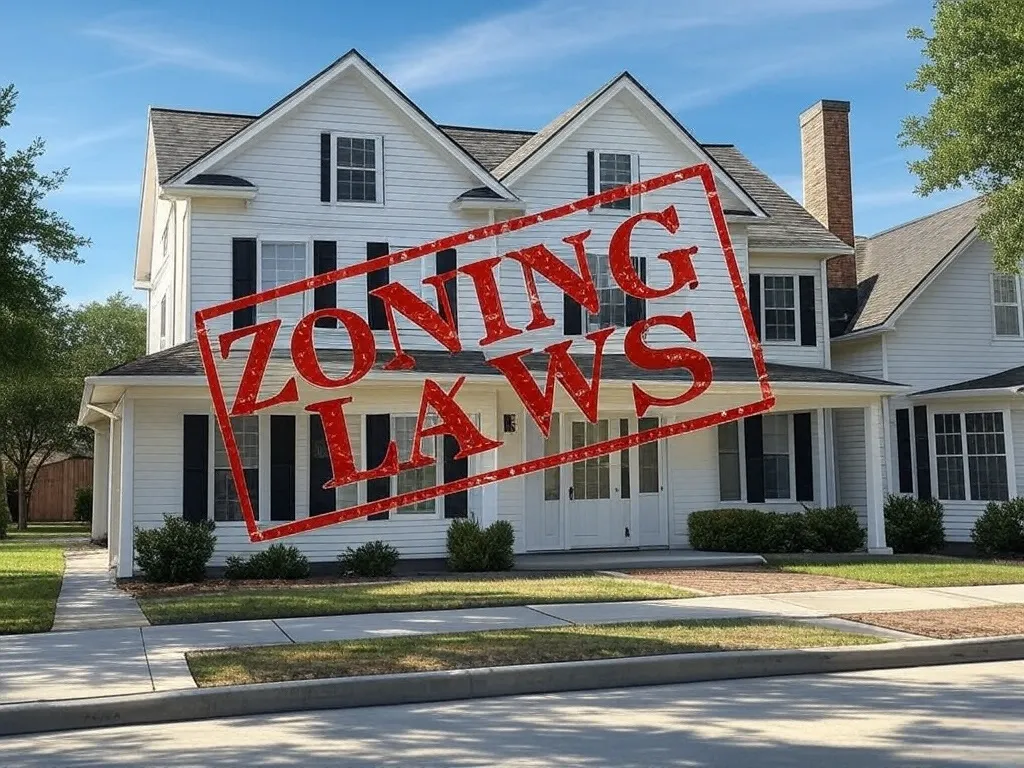
    2. Zoning Laws and Housing Supply

    Zoning regulations themselves do not directly influence the cost of homeownership, but they do control what you can build, how dense an area must be, and even the size of a home.

    Zoning regulations also limit the development of affordable housing such as townhouses or duplexes, which may result in a housing shortage and drive home prices within that area higher.

    In Texas, areas with overly restrictive zoning laws, such as Austin, have created a housing shortage that has driven up prices and made it harder for buyers to find affordable homes. In other areas, such as Dallas, zoning laws are less restrictive, so Dallas has a large supply of affordable homes.

    3. Homeowners Tax Breaks and Tax Deductions

    A homeowner tax break is a local government policy that can reduce the homeowner of the tax burden. Through the program, homeowners are permitted to exempt a portion of the home’s value from taxable value.

    For example, homeowners in Texas who qualify can deduct up to $40,000 from the taxable value of their home. The tax break is intended for seniors, veterans, and people with disabilities. While tax breaks do not lower the market value of a home, they do significantly reduce the annual tax bill, making homeownership more affordable for many people.

    While not all areas of Texas offer these tax breaks, each area has its own rules. So it’s important for prospective homeowners to find out if their area offers tax breaks.

    4. Local Infrastructure and Community Growth

    You need to know if your local government is investing in infrastructure such as roads, public transportation, and utilities, as this will ultimately affect the cost of homeownership.

    Good neighborhood infrastructure can increase property values and make it more comfortable to live in the neighborhood, but even if your property value increases, you will be charged higher taxes as well.

    A well-developed neighborhood community tends to attract more buyers, thus increasing property prices. On the other hand, neighborhoods with poor infrastructure usually have lower house prices and face many other challenges, such as long distances from workplaces, unstable internet connections, and deteriorating neighborhood infrastructure.

    It is important to remember that a strong community environment not only increases property values but also the quality of life for its residents.

    Final Thoughts

    Local government policy tends to be overlooked, since people are more concerned with loan rates for their home or overall housing trends. Most people are unaware that local government policies can significantly impact the value of their property and the costs they incur.

    From tax rates to zoning regulations, the future value of your property is also affected by local infrastructure projects and government policies, which determine whether your property’s value will appreciate or decline, affecting the homeowner financially. The more you understand local policies, the better you will be able to protect your investment.

  • Navigating Legal Pitfalls: Why Understanding Property Law is Essential for Home Renovations

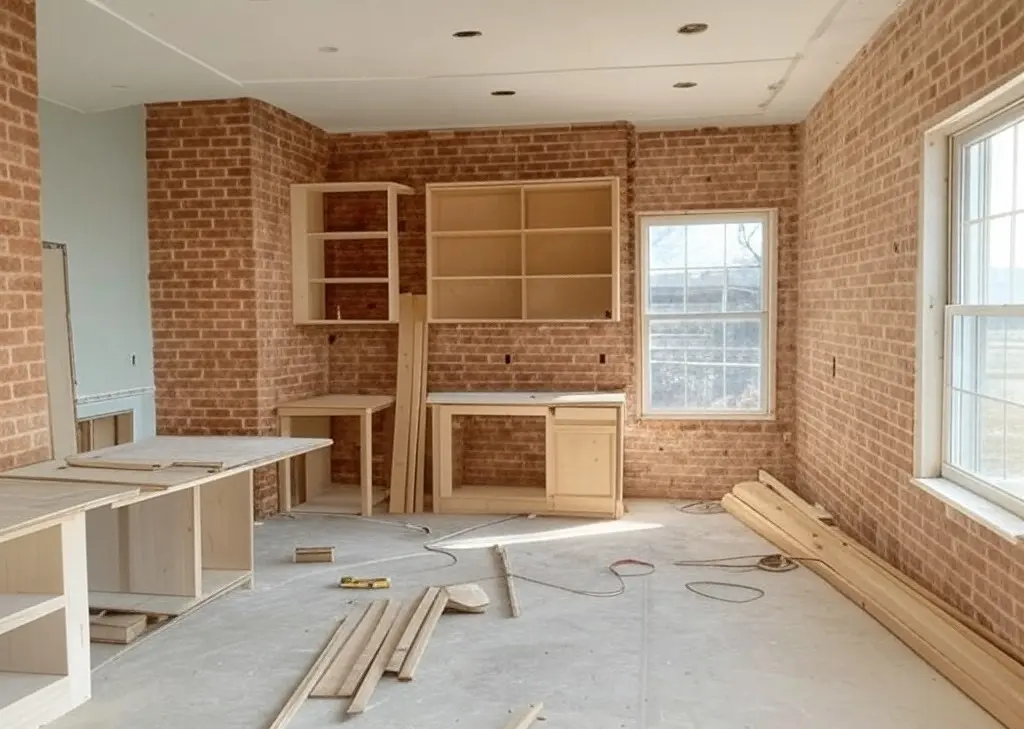
    Renovating your home is a big decision, whether remodeling your kitchen, adding on your living spaces, or upgrading your outdoor areas. While enjoying picking out designs and planning, though, it is easy to lose track of one very important part of it: law of real estate. Making sure that everything is legal while remodeling your home. Forgetting building permits, municipal ordinances, or zoning ordinances can postpone your project or cost you big penalties.

    The Hidden Legal Risks of Home Renovations

    Home remodeling might look simple at first—just hire the right folks and pick your designs. But every project is connected to a bunch of legal rules that keep things safe, make sure community standards are met, and protect property values. Breaking these laws can bring some serious trouble.

    A big mistake people make is forgetting to obtain permits that are required. While painting or quick fixes will likely never need permits, bigger jobs—like changing your home’s framework, adding new plumbing, or doing electrical—most likely will. By forgetting to obtain permits, you can face penalties, have your work reversed, or maybe have legal troubles

    Zoning laws also pose a challenge. Zoning laws control how properties can be developed, ranging from home expansions to free-standing buildings like garages. When your project is too tall or too near boundary lines, you’ll have to have it redone—an expensive and annoying revision.

    The Importance of Building Codes and Safety Standards

    Building codes are another critical aspect of property law that you need to think about during renovations. They cover everything from ensuring your home has a solid foundation to protecting against fires and making sure plumbing and electrical systems are up to par. These codes help keep your home and family safe.

    For instance, improper wiring can lead to a fire hazard, while poor structural support can undermine your home’s stability. Following building codes prevents unnecessary repairs and makes your remodel endure.

    Plus, sticking to rules will also save your money. For example, if your plumbing is poorly done, there can be leaks, water damage, or do-overs that will cost money. Anticipating everything and sticking to rules immediately will save your money on avoiding unnecessary expenses.

    The Role of Permits in Home Renovations

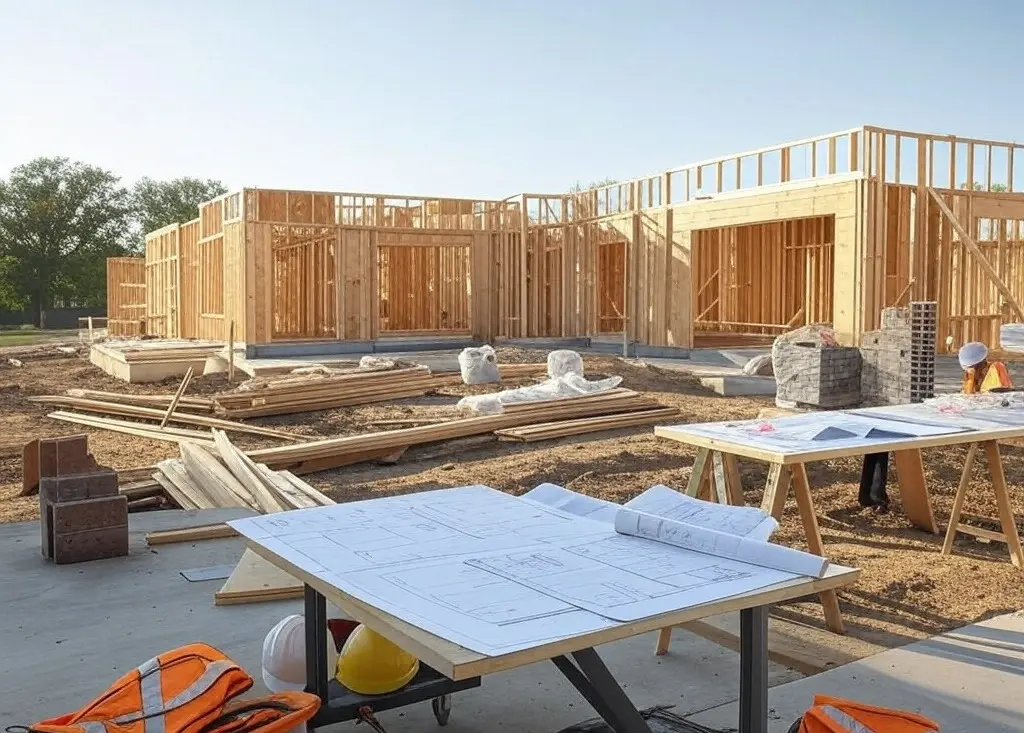
    Before starting your project, obtaining the right permits is crucial. Permits confirm that your renovation complies with zoning ordinances, building codes, and other legal requirements. While the process may seem like a hassle, it’s there to protect both your investment and your safety.

    The permits you need depend on the scope of work. Kitchen remodels may require plumbing and electrical permits, while home additions will need structural and zoning approvals. If your project affects protected land or involves hazardous materials, environmental permits may also be necessary.

    Though obtaining permits can take time, it’s far better than facing penalties or being forced to undo completed work. Submitting plans for approval upfront can prevent costly mistakes and legal trouble down the line.

    How Understanding Property Law Saves Time and Money

    Knowing the legal requirements for renovations can prevent unnecessary delays, unexpected expenses, and rework. For instance, failing to secure permits can bring construction to a halt, costing you time and money.

    Being proactive—like doing your research on building codes, consulting with professionals, and making sure everything is up to building code—makes everything that much easier. Knowing building codes also means that you can use the most efficient means of doing things, making your renovations safer, more resilient.

    Tips for Navigating Property Law During Renovations

    Navigating property law doesn’t have to be a daunting task. Here are some practical tips to keep you on the right track:

    • Research Local Regulations: Start by learning about the zoning laws, building codes, and what permits you’ll need in your area. You can usually find this info online or by visiting your local planning department.
    • Consult Professionals: Handling some of the legal stuff on your own is possible, but it’s smart to chat with pros. Architects, contractors, and legal advisors can guide you through the tricky parts and make sure you’re following all the rules.
    • Apply for Permits Early: Don’t drag your feet on this. Applying for permits can take a while, so it’s best to get a head start to avoid any hold-ups.
    • Document Everything: Document all your plans, permits, and dealings with contractors and local officials. This paper trail is crucial if any disputes or issues pop up later.
    • Stay Informed: Laws and regulations can change, so keeping up with any new developments that might affect your project is important.

    A Foundation for Successful Renovations

    Home renovations are investments, not only financial but also mental. Making sure that you follow laws on properties safeguards your investment and helps your project turn out without issues. Legalities are likely far less exciting than picking paint or fixtures, but it is nice to have a carefree remodel.

    Taking the time to understand zoning laws, building codes, and permit requirements can prevent costly mistakes and ensure a safe, successful renovation. So, before picking up a hammer or hiring a contractor, familiarize yourself with the legal landscape—your future self will thank you.