Tag: Work From Home

  • How to Protect Your Online Privacy While Working From Home

    How to Protect Your Online Privacy While Working From Home

    Do you know how to safeguard your personal data while working from home? These days, many people work from home, which is why it is important to understand how you can protect your privacy during a time when cybercrime is on the rise. This post will show you what steps to take for digital hygiene, secure browsing, and peace of mind. Read on for all you need to know.

    Install a VPN Chrome Extension for Private Browsing

    A browser-based VPN is a useful tool for encrypting your traffic, which keeps online activity hidden from ISPs and potential eavesdroppers. This is critical for accessing sensitive personal data while working remotely. A VPN Chrome extension will add a layer of privacy and protection that can provide peace of mind when browsing and accessing sensitive information online.

    Use Strong, Unique Passwords & Two-Factor Authentication

    Hackers are often able to steal sensitive information simply by guessing or stealing login information. Therefore, one of the best ways to improve home office security is to use strong, unique passwords and to change these on a regular basis. In addition to this, two-factor authentication adds an extra layer of security that can prevent unauthorized access if your password is compromised. This dual approach will prevent unauthorized access to email, financial, and personal accounts.

    Secure Your Home Network

    It is also important to secure your home network to protect both personal and business data. This involves using strong Wi-Fi passwords, enabling WPA3 encryption, and considering network segmentation of work devices. A secure network reduces the risk of hacking attempts.

    Avoid Phishing & Suspicious Links

    Phishing attacks remain the most prevalent form of cybercrime. They are also becoming more sophisticated and harder to detect, even by those who are aware of their prevalence. Therefore, you need to be extra vigilant and cautious of unsolicited emails, pop-ups, and links that request personal information.

    Educating yourself on common phishing tactics and the latest methods is key to staying safe online. If you are ever unsure about an email, contact the company directly from the information on their website.

    Keep Software & Operating Systems Updated
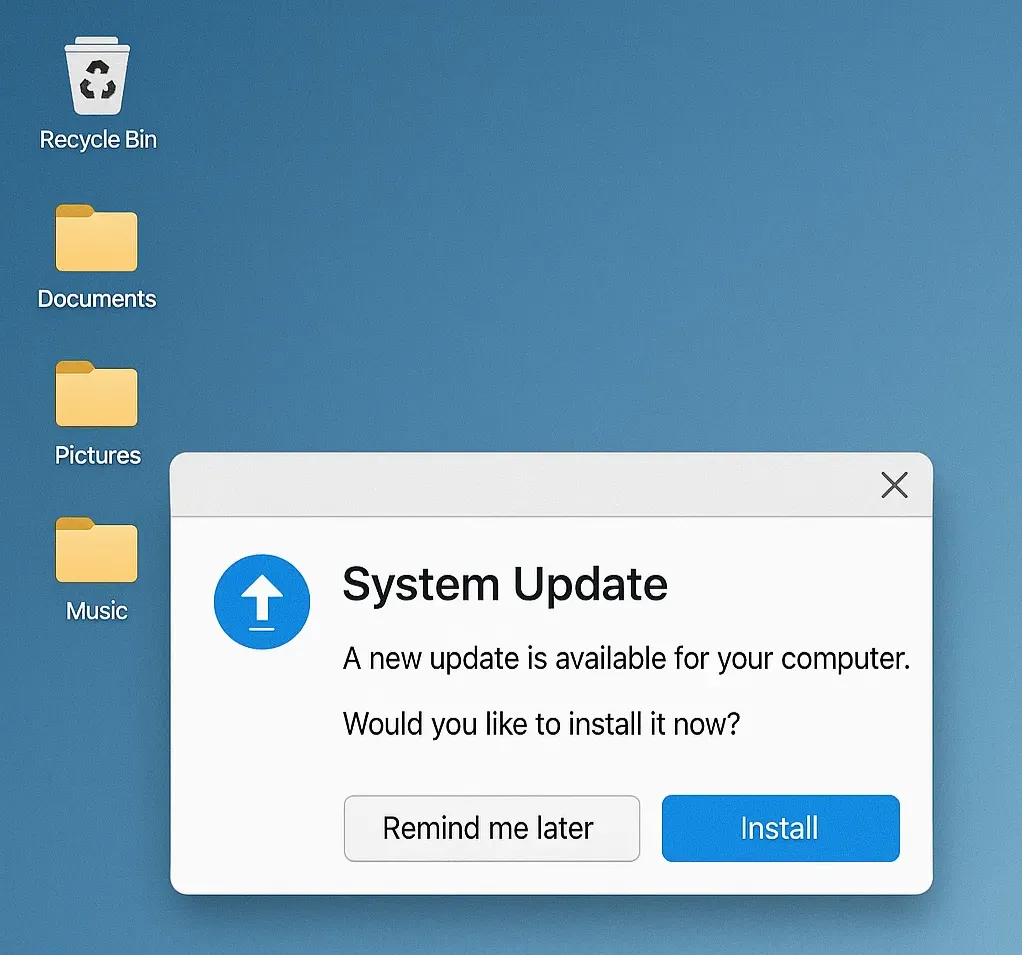
    Finally, you must make sure that you keep your software and operating systems up to date. It is easy to delay updates, but regular updates fix security vulnerabilities and protect against malware and spyware that could compromise personal data. This is why you should always complete updates as soon as they become available for protection against the latest threats. 

    Many people work from home these days, so it is vital that they know how to protect sensitive data during a time when cybercrime is a huge and growing threat. The advice in this post will help you create a robust cybersecurity defense and give you peace of mind, knowing that you are protecting your privacy and sensitive information online.

  • Home Office: Working From Home Becomes the Norm

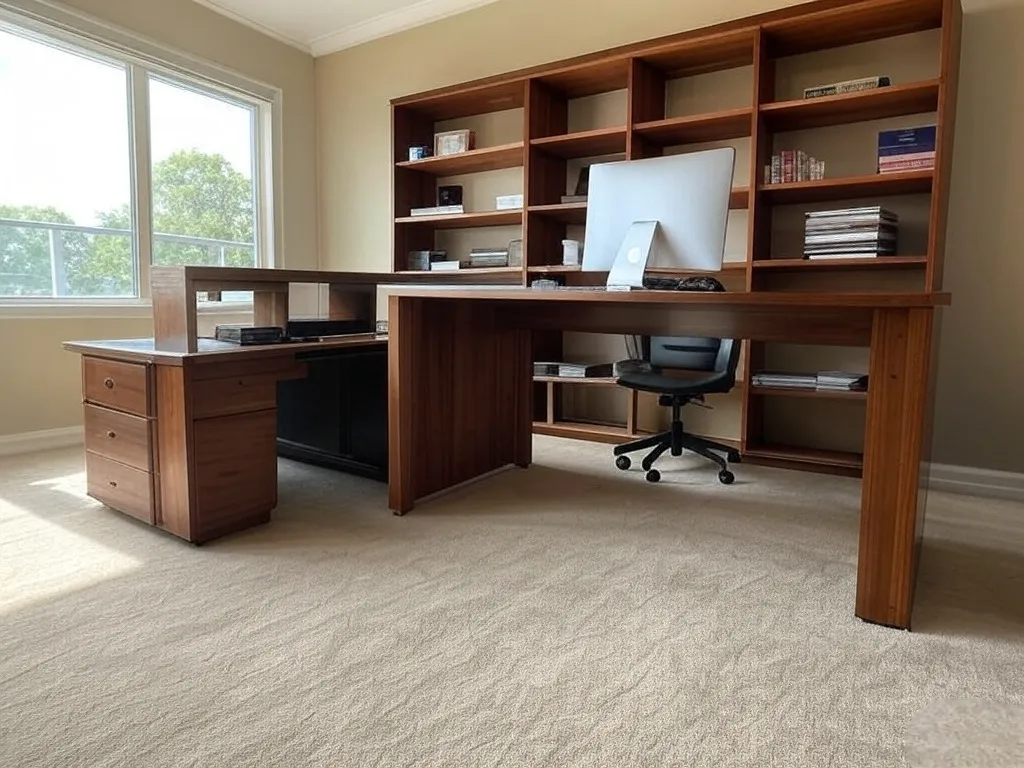
    For most people, home is only considered a place to relax and spend time with family. But since the pandemic, its function has shifted—home is now also a place to get work done. Whether you’re a remote professional, a small business owner, or a hybrid employee who only commutes to the office a few days a week—they all share the same need: a comfortable, quiet workspace that’s set apart from the main living areas.

    Home Offices in the U.S. Real Estate Market

    In the U.S. real estate market, home offices have become a top feature many buyers are prioritizing. According to a report from the National Association of Home Builders (NAHB), more than 60% of today’s homebuyers include “dedicated home office” in their home search preferences. Specifically, 66% would prefer a home with one home office, with 13% wanting at least two.

    Even on property listings on platforms like Zillow and Realtor.com, terms like “home office,” “workspace,” and “flex room” are appearing more frequently and gaining popularity.

    In some real estate markets—especially tech-heavy cities like Austin, Denver, and Raleigh—homes with home offices often sell quicker and at higher prices. Many buyers today are looking for more than just a multi-bedroom home; they also want an extra flexible space—one that can easily be converted into an office, studio, or workspace.

    What Makes a Home Office Ideal for Working?

    A home office doesn’t have to be a huge space, but there are a few key features that buyers typically look for or that residents need to make a home office truly functional:

    1. Location and Privacy

    The ideal home office should be quiet and set apart from high-traffic areas like the living room or kitchen. Home offices can be set up in bedrooms, attics, basements, or even under the stairs—as long as the location is quiet and there are minimal distractions.

    2. Lighting

    Good lighting is essential for eye comfort and productivity. In real estate, large windows in a home office are often a big plus because they bring in natural light and create a more energizing atmosphere.

    3. Air Circulation and Electrical

    Home buyers often pay attention to details like the number of outlets and ventilation. The ideal home office should be comfortable enough to use for 6–8 hours a day, with proper air circulation and sufficient electrical access.

    4. Flexible Design

    Many home offices also serve multiple purposes—for example, as a secondary living area, a kids’ study space, or a compact studio. Multifunctional spaces like these tend to be more appealing than overly specific rooms.

    5. Aesthetics and Storage

    A tidy workspace, with built-in shelving, plenty of light, and a clean, simple look, is more attractive to potential buyers. It doesn’t have to be fancy—it just has to be practical, efficient, and comfortable to use every day.

      Impact on Property Values

      Adding a home office can actually give a noticeable boost to a home’s resale value, although this will also largely depend on the property’s location. Based on data from Zillow, homes that feature a home office or a work area can have their value enhanced by a 3–5% rise compared to other similar homes without one.

      In Texas, California, and North Carolina, even a home office can become the tipping point when prospective buyers are weighing two or more listings. Even during the appraisal, a professionally designed home office can boost a home’s value, provided the improvements are permanent and blend well with the rest of the home’s layout.

      Home Office Design Trends in the US

      Here are some features that are now widely seen in modern home offices in America, including:

      • Built-in desks that are flush with the wall
      • Neutral colors such as off-white, light gray, or sage green
      • Natural wood accents for a warm, inviting feel
      • Layered lighting: a mix of table lamps, ceiling lights, and natural light
      • Light soundproofing with acoustic panels or thick carpeting
      • Indoor plants to improve air quality and add a fresh visual touch

      The trend of having a home office is also common in new housing developments built since 2020, particularly by developers in suburban areas. For example, home additions in Alexandria, VA, are increasingly featuring dedicated workspaces, which are becoming more popular.

      What If There Is No Extra Space?

      Here are some creative ideas for those living in small apartments or homes with limited space:

      • Use the corner of the living room as a cloffice (closet-office)
      • Install a wall-mounted folding table
      • Convert a large closet into a hidden workspace
      • Use a folding screen to separate the work area from the relaxation zone
      • Many people make small adjustments to create a functional workspace that still blends seamlessly with the home’s interior.

      Home offices have now become an essential space. Comfortable and functional workspaces are increasingly in demand, as remote workers and the work-from-home trend continue to grow. If you’re buying or selling a home, adding a dedicated workspace could be a great decision.

    1. Why Remote Workers Are Moving to Kitsap County, WA

      Kitsap County has become a prime destination for remote workers seeking alternatives to the high cost of living in the city. With the rise of remote work, more people are relocating to areas offering an enhanced quality of life, more affordable housing, and stunning natural scenery.

      And Kitsap County fits all the right criteria. As housing prices in Seattle continue to rise, Kitsap’s lower cost of living, excellent amenities, and serene waterfront views make it a top choice for remote workers who want a high quality of life without the high cost.

      Source: pixabay.com

      From City to Coastal Calm: A Whole New Lifestyle

      For many remote workers, lifestyle is the main reason they move to Kitsap. The contrast between Seattle’s fast pace and Kitsap’s laid-back feel is clear.

      They no longer have to deal with traffic or city stress. Instead, they enjoy waterfront views, hiking trails, outdoor activities, easy access to Puget Sound, and charming small towns. Kitsap provides a peaceful alternative while still being close enough to Seattle for occasional trips into the city.

      What Buyers and Sellers Need to Know

      Kitsap County’s real estate market is booming, driven by high demand and limited housing inventory. This makes it a competitive market for buyers while offering a prime opportunity for sellers. If you’re thinking about selling your home, now is an excellent time—buyers are actively searching, and homes are selling quickly, often at or above the asking price.

      For buyers, Kitsap still offers more affordable options compared to Seattle, with single-family homes, waterfront properties, and suburban neighborhoods providing great value. However, with demand high, acting fast and working with a knowledgeable real estate agent is essential.

      When you’re ready to buy or sell, partnering with a local expert like Kitsap Home Pro ensures you get the best deal. They specialize in matching sellers with buyers who are willing to pay top dollar, making the process smooth and stress-free.

      Kitsap’s Growing Infrastructure and Real Estate Market

      To support the growing remote worker population, Kitsap County is continually investing in infrastructure improvements, including:

      • Expanding roads and highways for easier commuting.
      • Enhancing public transportation, including ferry services to Seattle.
      • Strengthening high-speed internet access for remote workers.

      Housing development is also on the rise, with new homes designed to meet modern needs. Many properties now feature home offices, smart home technology, and energy-efficient designs—key features for remote workers looking for long-term housing solutions.

      As Kitsap County continues to grow and attract new residents, its appeal for both buyers and investors remains strong. Whether you’re looking for a new home or a profitable real estate investment, Kitsap County is a market worth exploring.