
Tag: Wealth Building

  • Turning Military Service Into Multi-Unit Property Ownership

    Turning Military Service Into Multi-Unit Property Ownership

    When veterans return from service, many find themselves navigating a new battlefield, which is the challenge of civilian life. One of the most empowering transitions a veteran can make is moving from renting to owning, and for those with a vision for financial stability and long-term wealth, purchasing a multi-unit property can be a powerful step. What many veterans don’t realize is that they may be able to take that step with no money down.

    Owning a multi-unit property isn’t just about having a place to call home. It’s also about creating a passive income stream and taking charge of your financial future. For veterans, the opportunities are even better than for most people.

    Just like an individual took advantage of a purchasing a duplex, living in one unit and then years later, having the property quadruple in value.

    The VA Loan Advantage – More Than Just a Single Family Home
    The U.S. Department of Veterans Affairs (VA) loan is one of the most powerful tools available to eligible service members, veterans, and some surviving spouses. The hallmark of the VA loan is the ability to purchase a home with a zero-down payment and no private mortgage insurance (PMI). One point that’s often overlooked is that the VA loan isn’t just for single-family homes.

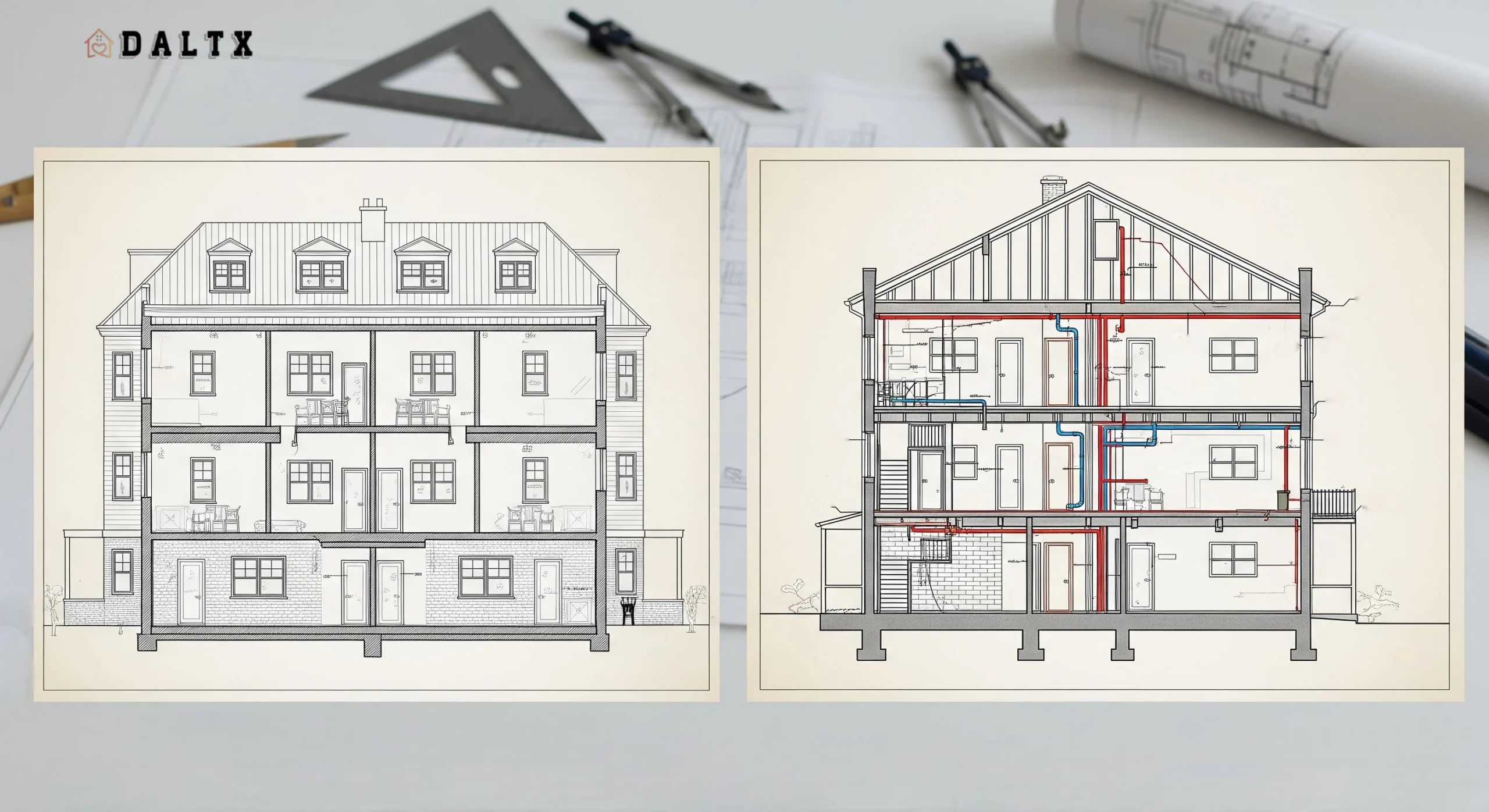
    Many are unaware that VA loans can be used to purchase properties with up to four residential units, as long as the veteran intends to live in one of them. That opens the door to acquiring a duplex, triplex, or even a fourplex with no down payment required.

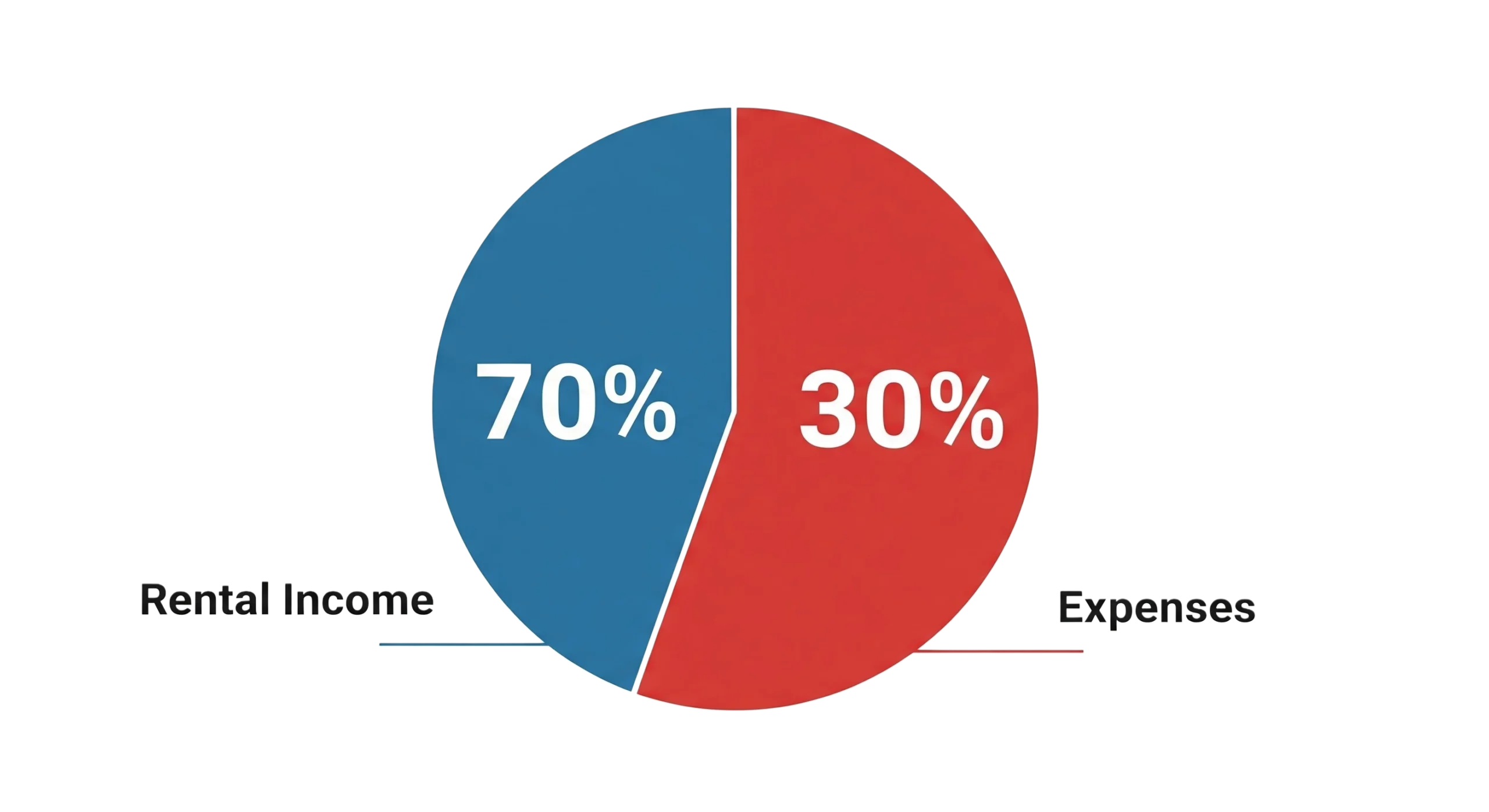
    Think about what that means in practice. A veteran could purchase a fourplex, live in one unit, and rent out the other three. The rental income from those units could potentially cover the mortgage, taxes, insurance, and even provide additional cash flow. It’s a classic real-estate investing strategy called “house hacking,” and the VA loan makes it uniquely accessible to veterans without needing to first accumulate tens of thousands of dollars in savings.

    Requirements and Realities

    Of course, there are still rules and requirements. The property’s gotta be your primary residence, meaning you’ll need to live in one of the units for at least a year. It also has to pass the VA appraisal for safety, livability, and resale value.

    Another important consideration is debt-to-income ratio (DTI). While the VA is generally flexible compared to conventional lenders, a veteran’s DTI still needs to be within acceptable limits.

    If you’re purchasing a multi-unit property and can show that it will generate rental income, that income can be used to help qualify for the loan. VA guidelines allow a portion of the projected rental income from the other units to be counted toward your income, which may help you qualify for a larger loan amount.

    This gives veterans a strong foundation for entering the world of real estate investing, allowing them to live affordably while building equity in a property that also generates income.

    Already Own a Home? There’s Another Path
    What about veterans who already own a primary residence? 

    This is where alternative financing options come into play. One of the most relevant tools for veterans (or anyone) looking to grow their real estate portfolio is the Debt Service Coverage Ratio (DSCR) loan.

    Unlike traditional mortgages that focus on tax returns, pay stubs, and employment history, a DSCR loan looks at the property’s income potential. If the projected rent covers the monthly mortgage (usually a DSCR of 1.0 or higher), you’re in business, even without W-2 income.

    For veterans who already have a home but want to build a rental portfolio, this can be a game changer. It opens the door to buying single-family rentals or multifamily properties without jumping through all the hoops of conventional lending. That’s especially valuable for vets who are retired, self-employed, or relying on pension income.

    Building Wealth with a Mission

    For many veterans, there’s a desire not just to live securely but to thrive. That starts with financial freedom. Real estate is one of the most proven vehicles for building long-term wealth, and veterans have a serious head start thanks to the VA loan.
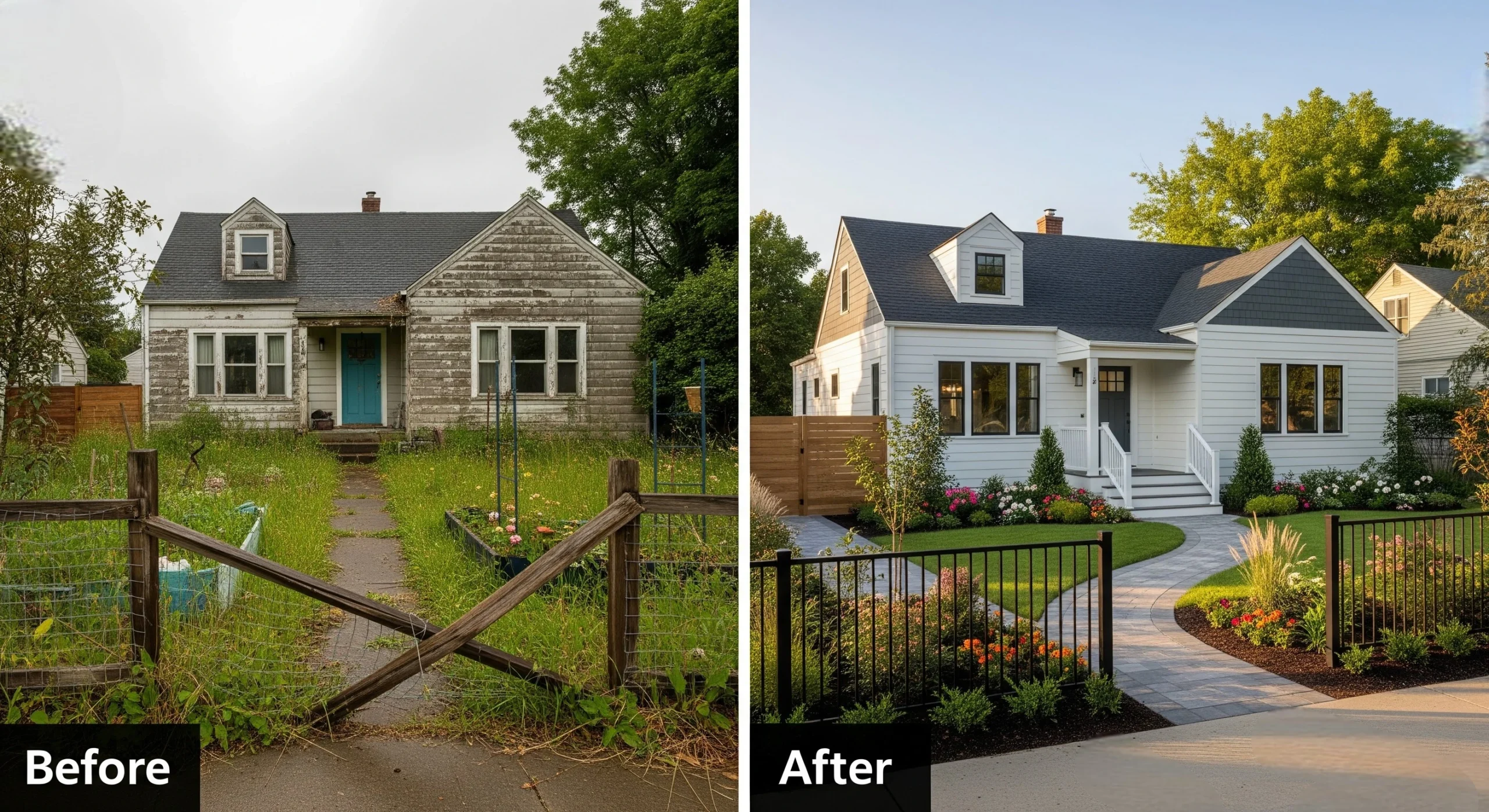
    Imagine a scenario where a veteran purchases a four-unit property with no down payment. They move into one apartment, rent out the other three, and within a few years have built up equity, improved the property, and perhaps even used the income to fund another investment. Thanks to the VA loan, and later shifting into DSCR or other investor-friendly financing, that same veteran can move from simply living in the property to owning a portfolio of them over time.

    Points to Keep in Mind

    • Do your homework on the local rental market. Not all multi-unit properties are good investments.
    • Partner with a lender and real estate agent who understand VA loans and DSCR loans. Experience matters.
    • Factor in maintenance and vacancies. Even with multiple units, there will be unexpected costs and income gaps.
    • Get preapproved early so you understand your borrowing power and what properties make sense for your situation.
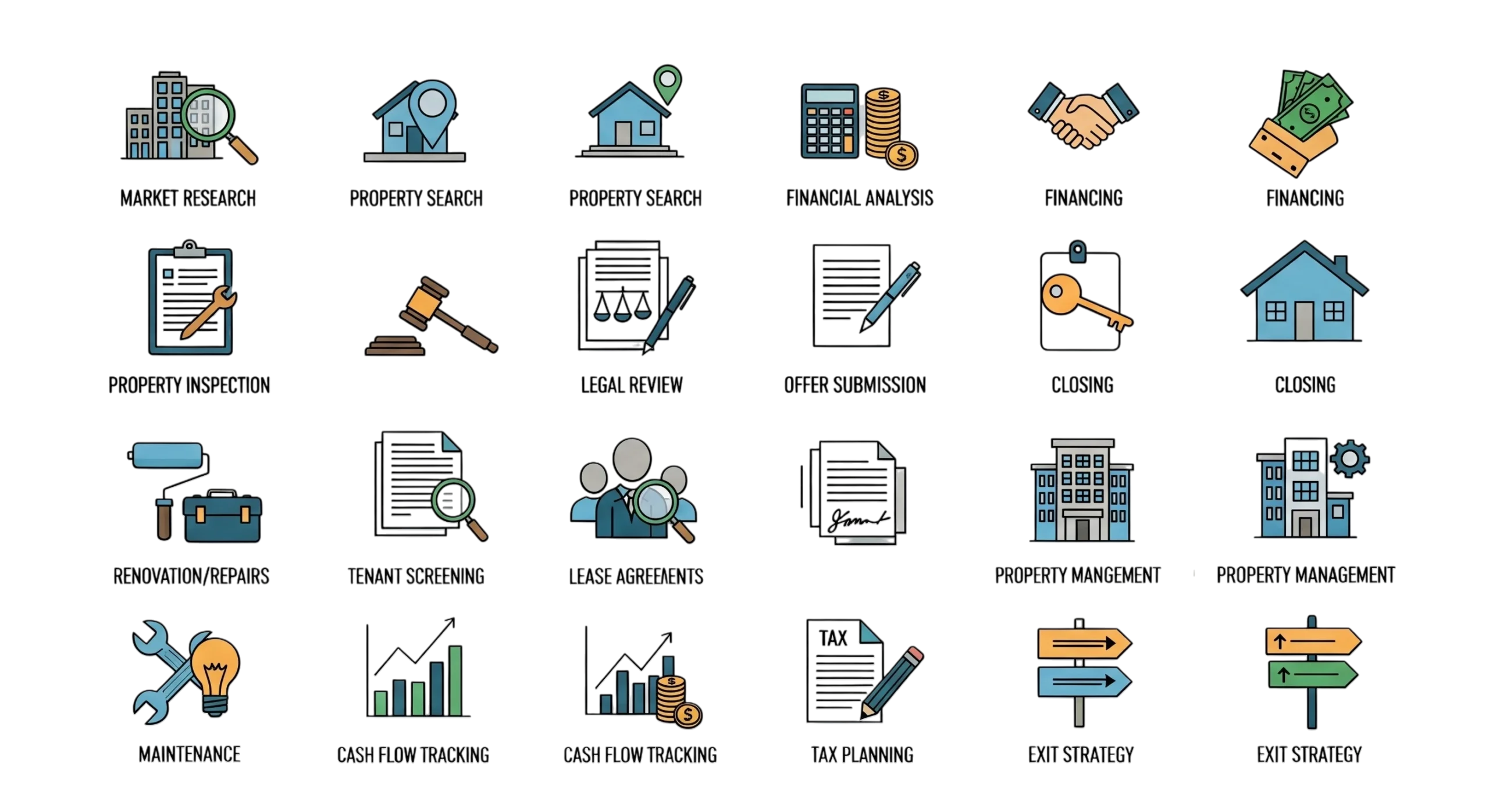
    Veterans have given so much through their service. It’s only fitting that they have access to tools that help them create stable, prosperous futures. Whether it’s buying a fourplex to live in with no money down or leveraging rental income through a DSCR loan for an investment property, the pathway to real estate success is wide open.

    The first step is recognizing that these opportunities exist and then taking action. With the right strategy and support, real estate can become more than a dream for veterans, and turn into a reality that pays dividends for decades to come.

  • 7 Smart Tips For Finding An Investment Property in North America

    Real estate can be a great way to build long-term wealth—if you know what you’re doing. Whether you’re eyeing your first rental or adding to a growing portfolio, picking the right property matters. North American markets, ranging from major cities like Toronto, Vancouver, New York, and Los Angeles to emerging mid-sized communities, offer a variety of opportunities, but also come with risks and complexities.

    So how do you avoid a money pit and find a place that actually fits your goals and your budget? Here are seven practical tips to help you make a smarter move.

    1. Define Your Investment Goals

    Before you even begin your property search, clearly define what you’re hoping to achieve. Are you looking for steady cash flow through monthly rent, long-term appreciation, or perhaps a fix-and-flip opportunity?

    Your goals will determine the type of property you should focus on:

    • Cash Flow: Multi-family homes or properties in high-rent-demand areas.
    • Appreciation: Up-and-coming neighborhoods with strong development potential.
    • Fix and Flip: Properties that are undervalued and need cosmetic or structural renovations.

    Understanding your “why” will help you stay focused and avoid making emotionally driven decisions.

    2. Research Local Markets

    Not all real estate markets are created equal. Look beyond your immediate neighborhoods or city and research various North American markets that align with your goals. Some key factors to evaluate include:

    • Population growth: Are more people moving in or moving out?
    • Jobs: Are new businesses popping up, or is the local economy slowing down?
    • Rental demand: Are units sitting empty, or getting snapped up fast?
    • Price-to-rent ratio: Does the rent actually justify the price tag?
    Source: news18.com

    Online tools like Zillow, Realtor.com, and regional MLS (Multiple Listing Service) platforms offer valuable data. Also, consider networking in investor forums or attending local real estate investment meetups to gather firsthand insights.

    3. Build a Reliable Team

    One of the most underrated but essential components of property investing is having a dependable team. Even if you’re experienced, having professionals in your corner can streamline the process and protect you from costly mistakes.

    Key team members might include:

    • A trusted realtor who understands investment properties, local zoning laws, and emerging neighbourhoods.
    • A mortgage broker who can offer flexible financing options.
    • A property manager, if you’re investing out of town or prefer hands-off management.
    • An attorney familiar with local real estate laws and tenant regulations.

    A trustworthy team will help you make smarter decisions faster and with greater confidence.

    4. Do the Math—Twice

    Successful investing is rooted in the numbers. Before making an offer on a property, perform a thorough financial analysis. Use conservative estimates to account for unforeseen expenses and market fluctuations.

    Key numbers to calculate:

    • Cash flow: Monthly rent minus all expenses (mortgage, taxes, insurance, maintenance, etc.)
    • Cap rate: Net operating income divided by property value.
    • ROI (Return on Investment): Profitability in relation to your initial cash investment.

    Also, factor in vacancy rates and repair reserves to get a more realistic view of potential returns.

    5. Start with a Modest First Investment

    If you’re new to real estate investing, start small. Jumping into a big project or an expensive multi-unit property right away can be risky. A single-family home or a duplex can be a manageable starting point.

    Starting modestly lets you learn the ropes—tenant screening, rent collection, maintenance issues—without overwhelming yourself financially or emotionally.

    You can always scale up as you gain more experience and confidence in managing investment properties.

    6. Inspect Thoroughly Before Buying

    Never skip the inspection. A property may look good on the surface, but structural issues, outdated electrical systems, or plumbing problems can turn your investment into a money pit.

    Hire a certified home inspector to evaluate:

    • Foundation and roof condition.
    • HVAC, electrical, and plumbing systems.
    • Pests or water damage.
    • Safety hazards or code violations.

    This upfront diligence could save you thousands of dollars down the line—and even help you negotiate a better deal.

    7. Have an Exit Strategy

    Smart investors always plan for the unexpected. Market conditions can shift, personal circumstances may change, or a neighborhood may stop appreciating. Before you buy, consider how easily you could sell or repurpose the property if needed.

    Some common exit strategies include:

    • Selling the property after appreciation.
    • Refinancing to pull out equity.
    • Converting a short-term rental to a long-term lease.
    • 1031 exchange (in the U.S.) to defer capital gains taxes by reinvesting.

    Knowing your options in advance allows for more strategic decision-making under pressure.

    Source: linkedin.com

    Real estate investment isn’t about luck—it’s about research, strategy, and execution. By setting clear goals, understanding your market, working with a trusted realtor, and crunching the numbers carefully, you’ll be in a strong position to make informed, profitable decisions.

    Every successful investor started somewhere, and with these practical tips, you’ll be better equipped to navigate the competitive North American property market. Stay informed, remain patient, and always keep learning—the real returns come not just from properties, but from the experience you gain with each investment.