When you get ready to sell your home in Ottawa, fresh paint and shiny floors help, but what sits inside the walls can make or break your deal. Plumbing problems are among the most common hidden issues that scare buyers once the inspection report lands.
Whether you are listing your own place or advising a client, knowing the common plumbing pitfalls and fixing them early saves time, money, and stress.
1. The Sneaky Drip That Costs More Than Water
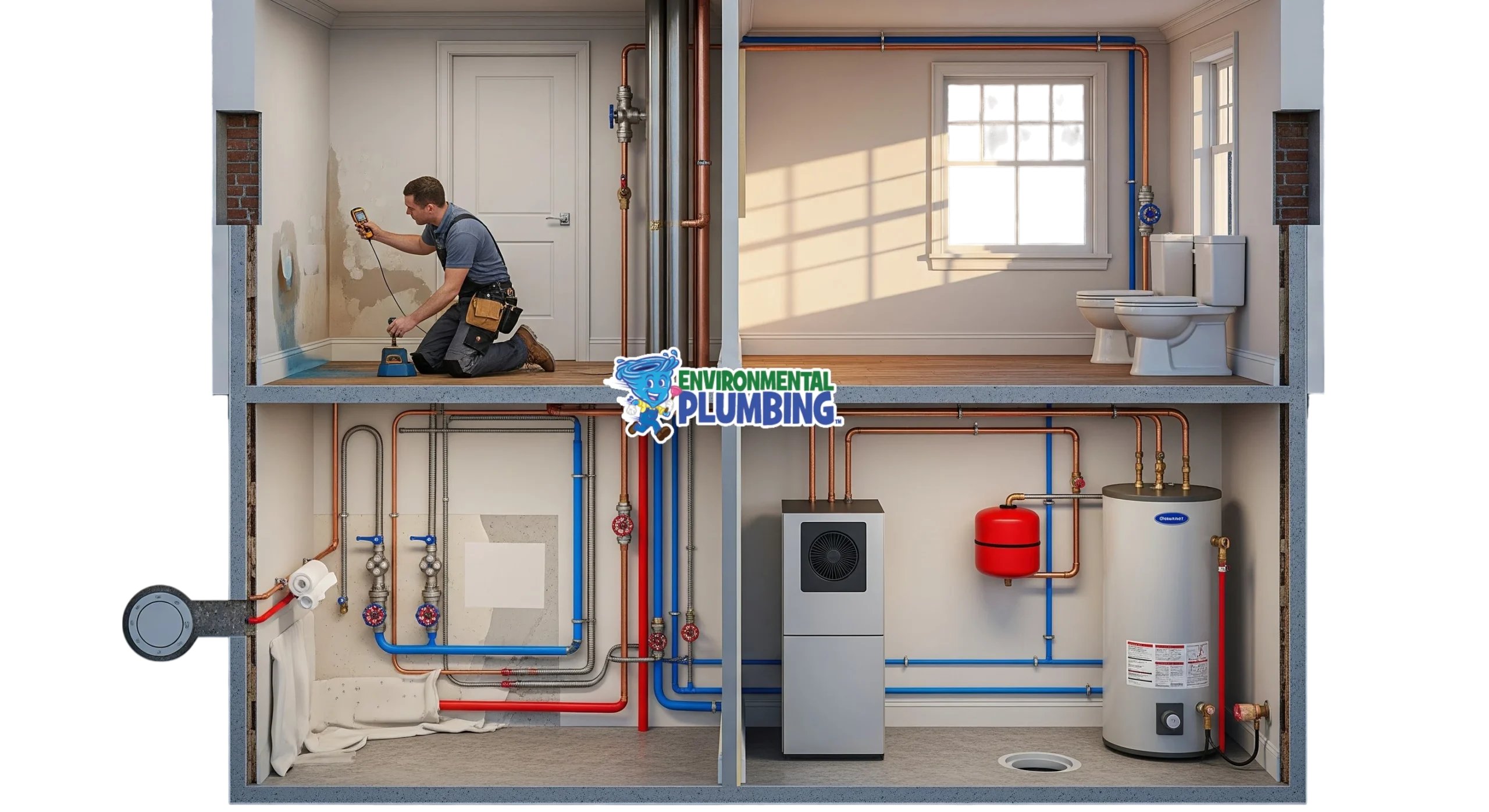
A slow leak looks small, yet over time it stains drywall, swells cabinets, rots framing, and feeds mold. When an inspector detects moisture or mildew, buyers tend to assume bigger issues and question overall care. One drip can read as deferred maintenance and push offers down or drive repair credits up.
Pro Tip
Do a quick walk‑through of the house and check every visible line under the sink, behind the toilet, and around tubs and showers. Look for corrosion, damp rings, bubbling paint, and soft floors, then fix anything you find right away. Ask a pro to run a moisture test or a camera inspection if you suspect a hidden leak, and upgrade old supply lines to braided stainless steel with fresh shutoff valves.
2. Outdated or Failing Plumbing Materials
Homes built before the mid-1990s may still have galvanized steel or polybutylene piping, both of which are known to corrode, scale up, crack, or fail. Inspectors call these materials out and many buyers and insurers expect a plan to replace them. Older neighborhoods can also have lead service lines or older brass fixtures with higher lead content that are worth checking.
Pro Tip
If the system is about 30 years old, plan a partial or full repipe with modern PEX or copper to improve reliability and water quality. Replace any gray polybutylene you find and keep permits, invoices, and photos to show buyers. If you have a lead service line, ask your utility or a licensed plumber about replacement programs and documentation.
3. Weak Water Pressure and Slow Drains
Low pressure and sluggish drains raise red flags because they hint at mineral buildup, pipe corrosion, or a sewer issue. Even if the fix is minor, buyers remember the first impression during a showing and the inspection.
Pro Tip
Clean faucet aerators and showerheads to clear mineral grit. Flush the water heater each year to remove sediment. Check that your pressure is around 40–60 psi and ensure the pressure regulator is working correctly. Have slow drains professionally cleared and make sure traps hold water and block odors.
4. Undiagnosed Sewer Line Trouble
A damaged or blocked main line is expensive and one of the top reasons buyers walk away. Tree roots, collapsed sections, and low spots can cause backups, bad odors, or even basement flooding.
Pro Tip
Schedule a sewer camera scope before you list and fix any issues the video shows. The report and clip give buyers peace of mind and can be a strong selling point. Make sure there is an accessible cleanout and note its location for the inspector.
5. Skipped Water Heater Care
Older water heaters can leak, rust, or deliver uneven temperatures, and inspectors always note the age and condition. Once a tank gets close to ten years, buyers start pricing replacement in their heads.
Pro Tip
Drain and flush the tank yearly to clear sediment and extend its life. If the tank is rusty or near the end, replace it with an energy‑efficient model or a heat pump water heater and save the receipt. Confirm the drip pan, the temperature‑and‑pressure (T&P) relief valve discharge line, required seismic straps, where applicable, and an expansion tank are in good order.
6. Small Fixtures That Leave Big Impressions
A dripping faucet or a toilet that runs nonstop signals poor upkeep and makes buyers wonder what they can’t see.
Pro Tip
Swap worn washers, flappers, and fill valves, and replace brittle supply lines and sticky shutoffs. Test every sink, tub, and toilet for smooth operation and leaks. These low‑cost fixes show real care and build confidence.
7. Venting and Drainage Mistakes
Poor venting leads to gurgling sounds, sewer smells, and slow drainage, and poor exterior drainage can create damp basements and foundation concerns. Both problems worry buyers and both show up on inspection reports.
Pro Tip
Have a plumber verify that vents are clear and that each fixture has a proper P‑trap, since old S‑traps are often not allowed. Where code allows, use an air admittance valve to solve short vent runs. Keep gutters clean, extend downspouts, and grade the soil so water flows away from the house, and add a sump pump with a battery backup if your area is wet.
8. The Value of a Pre Listing Plumbing Inspection
A pre‑listing plumbing inspection is one of the smartest prep steps because it finds hidden issues before buyers do and lets you fix them on your timeline. Sharing a clean report helps prove the home is move‑in ready.
Pro Tip
Ask for a detailed write‑up that covers fixtures, drains, water pressure, the water heater, and the main sewer line with photos. Keep receipts and warranties for any repairs and place a simple summary in your listing packet. This preparation makes negotiations faster and cuts down on the back‑and‑forth over credits.
The Bottom Line on Preparation and Buyer Trust
Plumbing doesn’t need to be visible to shape a sale, it just needs to work without drama. Buyers want to know they won’t inherit surprise repairs, and clean documentation goes a long way.
Note:
If you’re unsure where to start, consulting qualified plumbing technicians is the best move. A trusted plumbing service can perform detailed inspections, handle repairs, and provide the peace of mind that your home’s hidden systems are in excellent shape.
Final Thoughts
When buyers see clean fixtures, steady pressure, and no signs of moisture or corrosion, they read the home as well cared for. Plumbing may run quietly in the background, yet it strongly shapes how buyers feel about risk.
Find issues early and take care of them before you list, and you will avoid last minute surprises and present a solid, worry free home that feels ready on day one.