Tag: Wall Art

  • Color Psychology in Paintings: How Wall Art Shapes Mood and First Impressions

    Two homes can have the same layout, the same flooring, and even the same paint color. Yet they still feel completely different the moment you step inside.

    Often, the difference is on the wall.

    A painting is not just a nice touch. It is an emotional shortcut. Before someone notices your coffee table styling or the quality of your curtains, their brain has already clocked the dominant colors in the room. It makes a snap judgment. Is it calm? Energizing? Cozy? Cold? Luxurious? Playful? Or serious?

    That judgment happens fast. This is one reason wall art can shape first impressions more than people expect. It means paintings can do more than fill space. They can steer the mood of a room on purpose. For home design fans or anyone thinking about resale, it is equally useful. The right painting palette can make a home feel welcoming, modern, and finished without a renovation budget.

    Here is how color psychology in paintings works in interiors and how to choose art that supports the mood you actually want.

    Why Paintings Influence Mood Faster Than Decor

    Home design is full of details, but first impressions happen in a blur. When you enter a room, your brain scans for the big signals like light, layout, and color. Paintings are often one of the largest blocks of color in the space. They are bigger than a vase and louder than a pillow. They are usually placed right in your sightline.

    That is why a painting can override the mood you thought you designed.

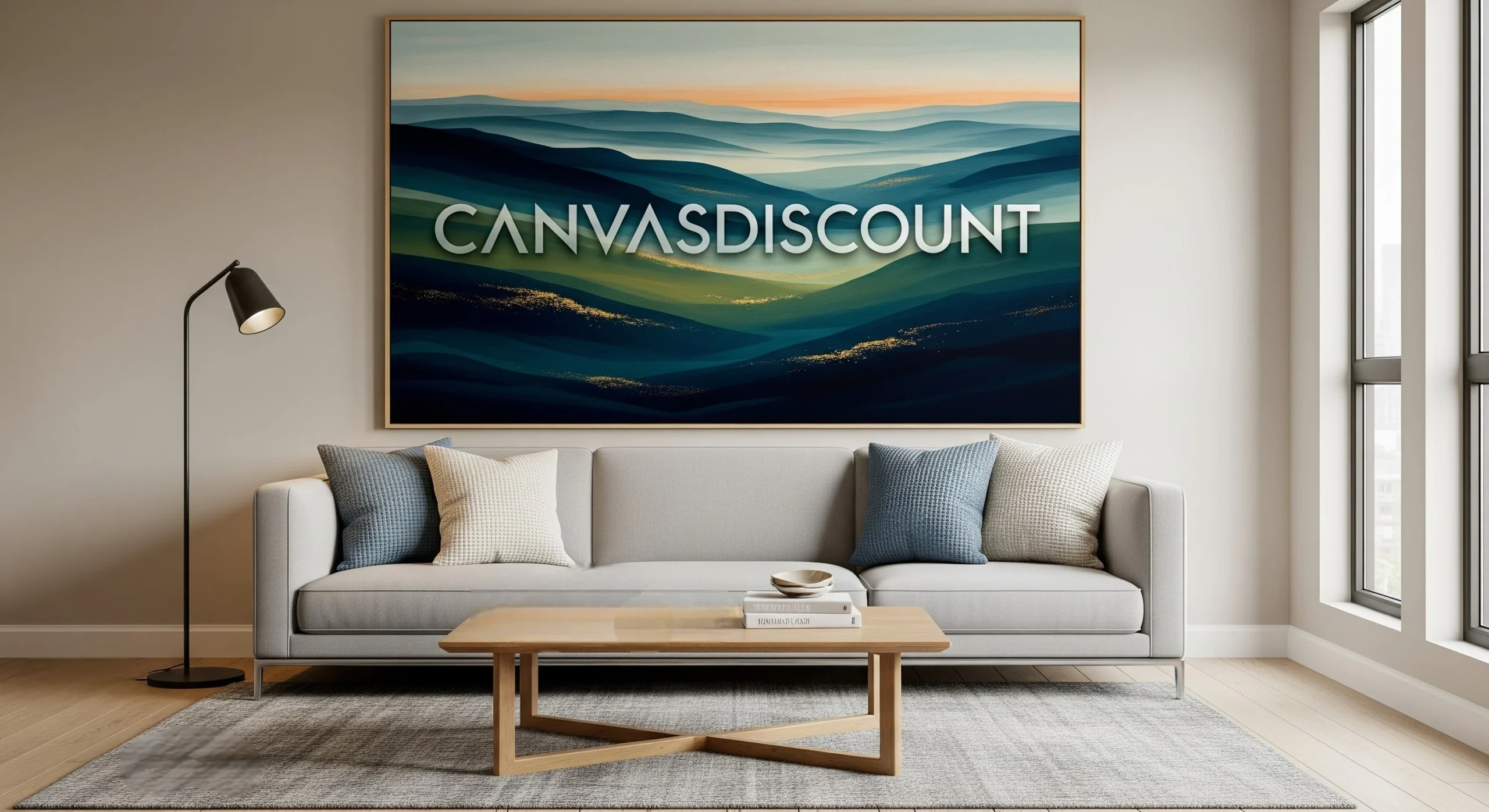
    Picture a soft beige room. Now hang a vivid red abstract painting in it. The room suddenly feels more intense, more modern, and maybe even slightly edgy. Swap that out for a hazy blue landscape. It is the same room, but it has a different emotional temperature. One invites conversation. The other invites you to exhale.

    Paintings are mood-setters because they carry color at scale.

    The Two Concepts That Matter Most

    Before picking a color, keep two things in mind.

    1. Visual temperature. Warm colors like reds, oranges, and terracotta tend to feel social and intimate. Cool colors like blues, greens, and cool grays tend to feel calm and spacious. Neither is better. They simply push the energy in different directions.
    2. Saturation and contrast. High saturation reads bold and lively. Low saturation reads refined and airy. High contrast looks dramatic and grabs attention. Low contrast feels cohesive and soothing.

    What Different Color Palettes Communicate

    Color psychology is not a strict rulebook. People’s experiences and culture matter. But in home interiors, certain palettes tend to create predictable impressions. Think of these as design signals rather than strict rules.

    Warm Tones Are Cozy and Social

    Paintings with reds, oranges, warm yellows, rust, and terracotta often make spaces feel more active and welcoming. They bring a sense of closeness. This is why warm-toned art can make large open-concept rooms feel less empty.

    • Where it works best. This palette is great for living rooms, dining areas, kitchens, and entryways.
    • What to watch for. Highly saturated reds can feel aggressive if the rest of the space is already visually loud. If you want warmth without intensity, look for warm tones in a muted, dusty, or earthy version.

    Cool Tones Are Calm and Spacious

    Blues, greens, cool grays, and sea tones tend to create a sense of calm and clarity. They can make a room feel larger and lighter, especially when the painting has soft transitions rather than sharp contrasts.

    • Where it works best. This is ideal for bedrooms, bathrooms, home offices, and modern living spaces.
    • What to watch for. If the room already has cool lighting and cool finishes like gray floors or chrome, too much cool-toned art can make the space feel cold. You should balance it with warm wood, brass, or textiles.

    Neutrals Are Timeless and Flexible

    Neutral paintings include creams, beiges, taupes, black-and-white work, and charcoal sketches. They support a quiet luxury vibe. They work well in homes that rely on texture and material quality like linen, wood grain, plaster walls, and boucle.

    • Where it works best. These work anywhere, especially in staged homes or resale properties.
    • What to watch for. Neutral art can disappear if everything else is neutral too. The fix is texture. Choose pieces with depth, visible brushstrokes, layering, or a strong focal area.

    Earth Tones Are Grounded and Natural

    Earth-tone paintings use clay, sand, olive, ochre, warm browns, muted greens, and stone grays. They feel organic and calming. They often connect modern clean lines with a more lived-in warmth.

    • Where it works best. Try these in living rooms, bedrooms, hallways, and homes with lots of wood.
    • What to watch for. Too much earth tone without contrast can feel flat. Add a little charcoal, deep green, or off-black detail to keep it intentional.

    Jewel Tones Are Luxurious and Dramatic

    Emerald, navy, burgundy, sapphire, and plum feel rich. Even a single jewel-toned painting can make a room feel more upscale, especially when paired with simple furniture and good lighting.

    • Where it works best. These shine in dining rooms, formal living rooms, offices, and boutique-style bedrooms.
    • What to watch for. Jewel tones can dominate a small space. Keep the rest of the palette quiet. You can also choose a painting where jewel tones are accents rather than the whole story.

    Pastels Are Soft and Approachable

    Dusty pink, pale blue, soft lavender, mint, and gentle peach can make a space feel bright, friendly, and relaxed. In modern interiors, pastels work best when they are slightly muted rather than sugary sweet.

    • Where it works best. Use these in bedrooms, nurseries, creative studios, and small apartments that need lightness.
    • What to watch for. Overly sweet pastels can feel juvenile in a luxury context. Pair them with structured frames, darker accents, or more grown-up textures like linen and natural wood.

    Think of your painting as either a focal statement that leads the room or a bridge piece that connects the room’s existing tones. Either approach works. Just do not try to do both on the same wall.

    Room-by-Room Guide to Mood

    Instead of asking what matches your sofa, ask a better question. How do I want this room to feel within five seconds?

    Entryway and Hallway

    Your entryway is a handshake. A painting here should feel inviting and confident. Warm neutrals, gentle earth tones, soft greens, or a balanced abstract with a calm palette work well. If your hallway is narrow, avoid highly contrasting art that acts like a visual stop sign. A calmer palette helps the space flow.

    Living Room

    Living rooms are social, but they are also where people unwind. Paintings with warm undertones often work beautifully here. Think rust, clay, warm beige, or muted gold. This works best when balanced by a few cooler touches like sage or soft blue.

    • If you want the living room to feel lively, choose higher saturation or stronger contrast.
    • If you want it to feel restful, choose softer transitions and muted tones.

    Bedroom

    For most people, bedrooms do best with low-saturation palettes. Think misty blues, dusty greens, warm neutrals, soft charcoal sketches, or gentle abstract work. A painting can still be interesting without being visually demanding. Avoid highly saturated reds or neon tones if sleep is a priority. They tend to keep the room’s energy turned on.

    Home Office

    Offices benefit from colors that support attention without raising stress. Think deep blues, forest greens, earthy neutrals, or structured abstracts with controlled contrast. If you want more creative energy, add a small amount of warmth. Burnt orange or ochre accents can stimulate without overwhelming.

    Dining Area and Kitchen

    These rooms look best with some warmth. A painting with terracotta, warm beige, or golden tones can make a dining space feel more inviting and connected. Even modern spaces look more human with art that has a warm center. If your kitchen is already warm with wood cabinets and warm lighting, you can introduce cooler art for balance. Just keep it soft.

    Bathroom

    Bathrooms tend to work well with cool tones and neutrals because they support a fresh and relaxed feeling. Stick to soft blues, sea greens, and monochrome prints. Keep the composition calm since too much visual busyness can fight the spa effect.

    Practical Tips to Choose the Right Painting

    You do not need a design degree to make this work. A few smart checks will prevent the most common mistakes.

    • Start with the purpose of the room. Put mood first and matching second. Decide what you want the space to do. Do you want to relax, energize, welcome, or focus?
    • Use the painting as the 10% color boost. In many rooms, the painting can act like the accent in the classic 60-30-10 color balance. If your room is neutral-heavy, the painting can provide that intentional pop without needing a dozen accessories.
    • Test in real light. Paintings change dramatically between daylight and evening light. View the piece in both. Step back and check it from the doorway. That is how most people will experience it first.
    • Mind undertones. A warm white wall and a cool gray painting can clash even if they look neutral on their own. Compare the whites and grays in the painting to your walls, floors, and large textiles.
    • Treat the frame as part of the palette. Natural wood frames add warmth. Thin black frames sharpen and modernize. Wide mats add breathing room and sophistication.
    • Go for mass appeal if you are selling. If your goal is first impressions for buyers or renters, soft blues, gentle greens, warm neutrals, and calm abstracts tend to feel universally comfortable. Extremely polarizing colors or aggressive imagery can distract people from imagining themselves in the home.
    • Avoid common sizing mistakes. Art that is too small for the wall, hung too high, or overly busy in a small space can make even a beautiful interior feel off. When in doubt, scale up and simplify.

    Conclusion

    Paintings are not just the finishing touch. They set the tone. Because color is processed quickly, the palette on your wall can shape how a space feels before anyone notices the details you worked so hard on.

    When you choose art with color psychology in mind, you get more control over mood and first impressions. Warm tones invite connection. Cool tones expand the space. Neutrals improve the design.

    The next step is simple. Pick one mood you want the room to deliver. It could be calm, welcoming, energized, or refined. Then choose a painting that makes that mood obvious within five seconds of walking in. When art leads with intention, the whole space feels more finished, more personal, and more memorable.

  • Hotel Paintings Selection Guide: Choosing Artwork and Wall Art That Elevates Guest Experience

    In hospitality, a great stay is about more than a comfy bed and friendly staff. What guests see the moment they walk in shapes how they feel and, ultimately, whether they return. The right artwork can turn plain spaces into memorable destinations people talk about.

    Why Hotel Artwork Matters

    Artwork pulls real weight for your business, it’s not just decoration. It builds your brand, sets you apart from the hotel down the street, and creates the photo-worthy moments guests love to share on social media. A thoughtful collection also lifts your property’s perceived value, making premium rates easier to justify and supporting better overall satisfaction scores.

    Selecting the right hotel painting collection starts with understanding your audience, your brand, and the mood you want to set in each space. Boutique hotels, for example, can lean into local artists to highlight community connection. Luxury resorts might showcase museum-level pieces that signal exclusivity. Properties focused on business travelers often do well with calming, professional work that helps road warriors unplug after a long day.

    Visuals influence how large a room feels and how relaxed a guest becomes and that first impression happens in seconds. Color, contrast, and subject matter steer emotions quickly, making art a huge part of that snap judgment. Biophilic imagery or art focused on nature, often lowers stress, which is invaluable for lobbies, guest rooms, and spas.

    Curating Art for Different Hotel Zones

    Every zone in your hotel has a specific job, and the art should support it.

    • The Lobby: This is your opening statement. This high-traffic, high-visibility area deserves bold work that tells your brand’s story immediately. Large pieces, striking sculptures, or a strong series can anchor the space and create an easy, on-brand “selfie spot.”
    • Guest Rooms: These spaces need a softer touch, as the space is personal. Choose art that promotes rest without pushing a narrow, specific taste, and keep the palettes easy on the eyes. Abstracts, landscapes, and subtle cultural nods tend to reach a wide audience while still feeling upscale. It’s wise to skip controversial themes or overt religious imagery so that no guest feels excluded.
    • Corridors: Hallways are traveled all day and shouldn’t feel like an afterthought. Use a gallery-style run or a themed series that unfolds as guests walk, but be sure to avoid clutter. To comply with accessibility guidelines (like the ADA), keep frames from protruding more than four inches into the path. This rule generally applies to objects mounted between 27 and 80 inches off the floor. Finally, pick tempered glass or museum-grade acrylic so the pieces are safer and easier to clean.
    • Amenities: Dining rooms, bars, and recreation spaces can handle bolder choices that invite conversation. Local artwork in a restaurant strengthens its sense of place, and energizing pieces in fitness areas can be highly motivating. Small details, like QR codes linking to artist bios, make the entire experience feel more curated and human.

    Practical Considerations for Hotel Art

    Durability is critical in hospitality. Your materials must handle frequent cleaning, humidity shifts, and the occasional bump from luggage. Ask suppliers for sealed canvases, scrub-resistant topcoats, and UV protection for any pieces near sunlight so the colors hold up. If you print on-demand, choose low-odor inks with third-party indoor air quality certifications (like GREENGUARD) so a new installation doesn’t smell like a paint shop.

    Fire and insurance rules vary significantly by city. You must confirm all requirements with your local fire marshal and insurance carrier before you purchase. Frames, substrates, and hanging systems may all need specific fire ratings, especially in corridors and public assembly areas. A quick code check early on can save you significant rework and fees later.

    Your budget plan needs to go beyond the sticker price of the art itself. Be sure to include costs for professional installation, security hardware, insurance riders, and a small reserve for future repairs or rotation. Leasing and art rotation programs can keep your spaces feeling fresh without a huge annual spend. Licensing limited editions from emerging artists is another great strategy to get unique work at an approachable cost while supporting the creative community.

    Building a Cohesive Story with Your Wall Art

    Consistency reads as professional, so you should set a clear theme; however, variety is what keeps it from getting boring. Repeat a few key colors or subjects across different zones to make the property feel connected, while still allowing each space to have its own voice. Regional landscapes, local culture, or craft motifs work very well when they are handled with care and authenticity.

    Let the art carry your brand story in specific ways. A beach resort can go beyond stock-image seashells and instead commission local photographers to capture real shoreline life, or partner with marine artists for original takes on sea life. Mountain and city properties can do the same with artistic trail maps, vintage transit line diagrams, or pieces from neighborhood makers who bring the area to life.

    Historic hotels can create a dynamic feel by mixing period-appropriate pieces with contemporary art that plays off the architecture. Urban boutiques can showcase street art, modern illustration, or industrial textures that directly reflect the block outside the door.

    Best Practices for Sourcing and Installation

    Build relationships with local galleries and arts districts. This helps you find new talent and keeps money circulating in the community. Hospitality-focused art consultants can speed up the shortlisting process, manage logistics, and keep you on-brand and on-budget. While online marketplaces expand your reach, you must always secure written usage rights, image licenses, and reproduction permissions for anything you print or promote.

    Professional installation is a must; it protects your guests, your property, and the artwork itself. Use security mounts, the proper anchors for your specific wall type, and anti-theft hardware in any area where guests can easily touch the work. Confirm safe mounting heights for corridors and public areas. Always choose safety glazing (tempered glass) or acrylic where impact is possible, and use safety cables in seismic zones.

    Document everything from day one so you can manage the collection like the valuable asset it is. Photograph each piece, and log its condition, location, size, medium, and cost. Save artist bios and all licenses, noting any renewal dates. This file makes insurance claims, appraisals, and simple guest questions infinitely easier to handle.

    Measuring Success and Evolving Your Collection

    Track what the art is doing for you. Monitor guest surveys, review keywords (“love the lobby paintings”), and see which pieces show up most often in social media posts and photo tags. Don’t be afraid to swap or move underperformers. You can even run small A/B tests by floor or room type, and you should always plan to refresh art sets during major renovations or when your key guest profiles shift.

    Investing in art is ultimately a business decision. It directly shapes how people feel about your brand and what they are willing to pay. Thoughtful, strategic curation turns a quick overnight stay into a lasting memory, which is what brings people back and drives real revenue.

  • Canvas Prints: A Smart Choice for Modern Homes

    Canvas Prints: A Smart Choice for Modern Homes

    Decorating a home isn’t just about filling empty walls. It’s about creating a space that reflects personality, memories, and style. Among the many options out there, canvas prints stand out as one of the most effective ways to transform a room. Unlike posters or paper prints, a framed canvas print brings depth, texture, and an elegance that instantly elevates the room.

    The appeal of canvas prints lies in their versatility. They fit almost any interior—modern, rustic, or classic. Families often use canvas to showcase wedding photos, portraits, or travel memories. Art lovers also bring in abstract pieces, cityscapes, or even a favorite quote. That mix of durability and customization makes canvas a go-to for anyone who wants a personal yet polished touch at home.

    The Growing Popularity of Canvas Art

    In recent years, canvas art has surged in popularity. Platforms like Instagram and Pinterest have helped drive the trend: when people share rooms anchored by great wall art, others get inspired to try it too. That momentum has fueled demand for high-quality, affordable options.

    Canvas also holds up beautifully. Unlike paper that can fade or tear, canvas is built to last. Colors stay crisp for years, so a favorite image can become part of your home’s story.

    Why Choose CanvasDiscount

    CanvasDiscount is a great choice for consumers who want high-quality canvas prints at unbeatable prices. Backed by a Lowest Price Guarantee, CanvasDiscount is one of the most affordable options on the market.

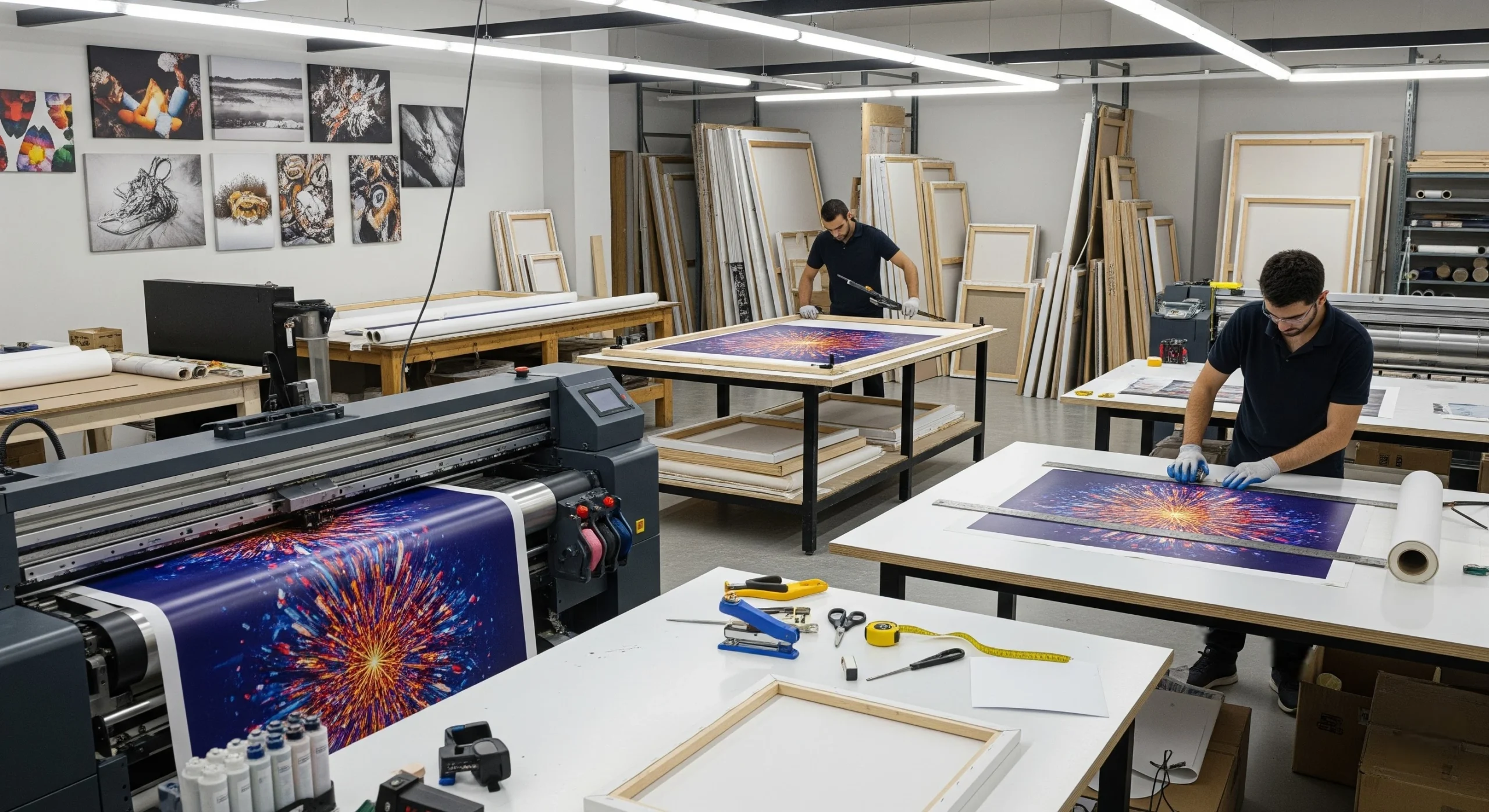
    Despite the low cost, customers consistently praise the vivid print quality and durable materials. Plus, production takes place solely in the United States of America, making CanvasDiscount ideal for last-minute gifts or home décor. Combined with strong customer service and fast turnaround, CanvasDiscount offers a rare blend of affordability, reliability, and satisfaction that makes it a smart buy.

    For anyone searching for the perfect framed canvas print, CanvasDiscount provides exactly what you need without breaking the bank. Their focus on quality, affordability, and customer happiness makes them a trusted provider for thousands of people across the country.

    Transforming Spaces with Canvas Prints

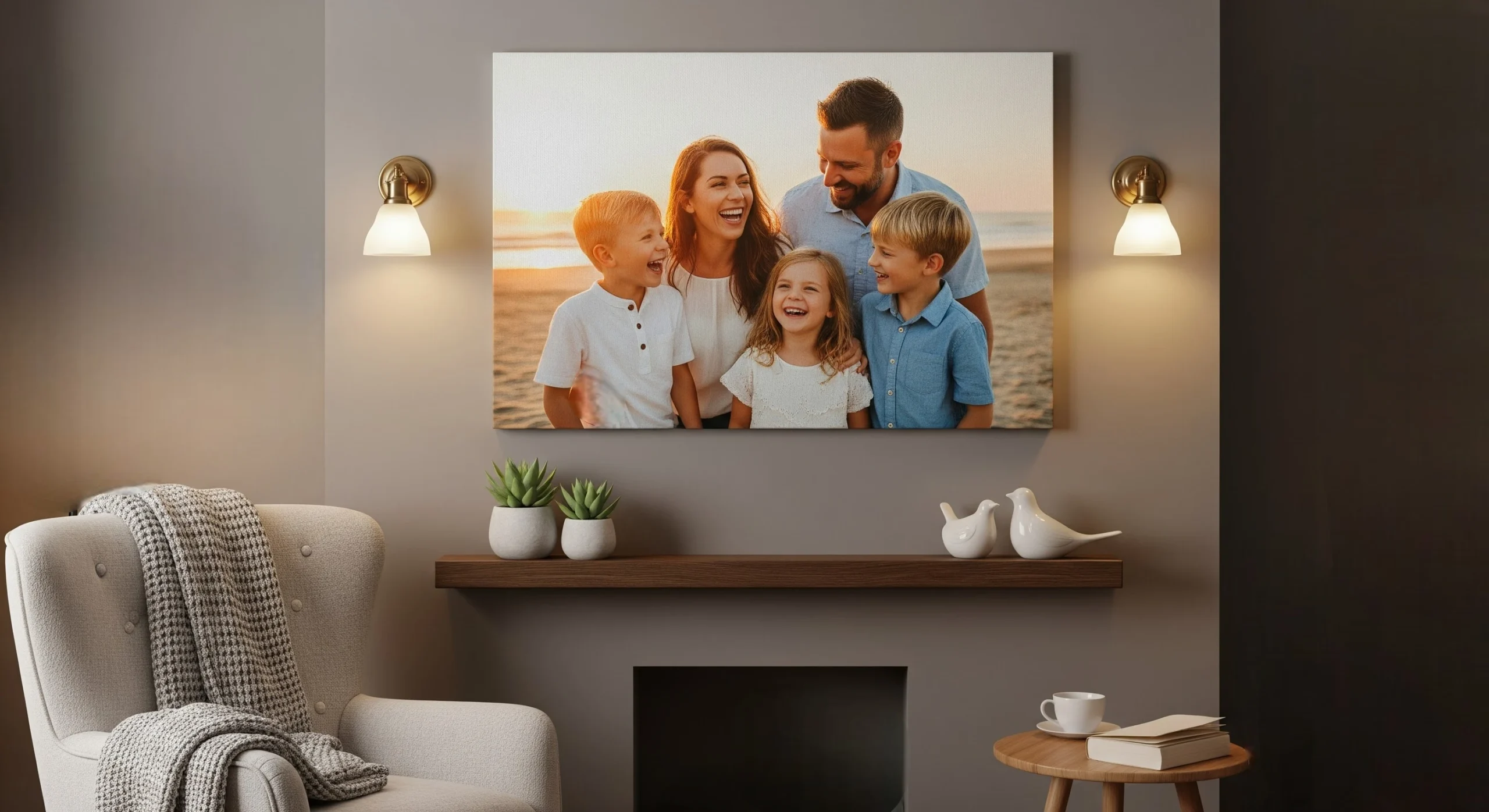
    Canvas can completely change a room’s look. A plain white wall becomes a focal point with a bold piece. A soft family portrait can make a bedroom feel more personal and cozy. Unlike many types of wall art, canvas delivers a gallery feel that makes a space look curated and current.

    Another plus: it’s easy to make your own. With platforms like CanvasDiscount, you can upload photos, choose a size, and turn favorite moments into wall art. That personal touch is a big reason canvas stands out—it blends emotion with design.

    The Perfect Gift

    Canvas prints aren’t just for your own walls—they make excellent gifts. Birthdays, anniversaries, weddings, housewarmings—custom canvas works for all of them. Instead of something forgettable, you’re giving a piece that feels thoughtful and lasting.

    Picture a newly married couple unwrapping a large canvas of their favorite wedding shot. Or grandparents getting a canvas of the grandkids. These gifts carry real emotional weight. And because everything’s made in the U.S., shipping doesn’t take weeks.

    Fast, Reliable, and Affordable

    One reason buyers return to CanvasDiscount is how simple the process is—from upload to checkout. Turnaround is quick, and pricing stays low without cutting corners on quality. That combination has earned the brand a loyal following.

    Bringing Memories to Life

    Every home has stories to tell, and canvas prints make them visible. A vacation snapshot, a first birthday, a big family gathering—on canvas, these moments become part of the room. Choose a reliable producer like CanvasDiscount and you’re not only decorating your walls—you’re preserving what matters most.

    Canvas goes beyond decoration. It adds a sense of belonging, warmth, and comfort to your space. That emotional connection is why canvas art is much more than a design trend—it’s a timeless choice.

    Final Thoughts

    Canvas prints are more than wall decor; they’re a way to express personality, preserve memories, and add polish to any room. With their durability and ability to work across styles, they’ve become a favorite in homes across the country.

    For the right balance of price, quality, and service, CanvasDiscount stands out. With a lowest-price guarantee, high-quality printing, and responsive support, they make custom canvas accessible. Whether you’re ordering for yourself or gifting someone special, you’ll get lasting value and something you’ll want on the wall for years.