Tag: Urban Infrastructure

  • Why Neighborhood Safety Feels So Different Across Dallas

    Dallas feels like a patchwork. You can make one turn and cross one big road, and suddenly everything changes in how busy the street feels, how well-lit the sidewalks are, and whether people are out walking their dog or rushing straight from the car to the front door.

    That whiplash isn’t your imagination. Dallas has grown fast, but the benefits of that growth haven’t landed evenly. City leaders have openly talked about the need to steer investment toward places that were overlooked for a long time, especially parts of Southern Dallas, and they’ve created incentive programs specifically to help close that gap.

    And when the basics like roads, lighting, and maintenance look and feel different from one neighborhood to the next, people experience safety differently too. Understanding neighborhood safety differences across Dallas is an important step in building a more equitable environment for all residents.

    Hot Spots vs. Quiet Blocks

    Crime doesn’t show up randomly across the map. It tends to cluster.

    The Dallas Police Department’s own violent-crime reduction planning follows that idea: focus on places where violence concentrates, not just individual incidents spread across a whole city. They describe place-based strategies and targeted enforcement built around small areas where issues persist.

    That matters because it explains why one neighborhood can feel calm overall, but still have a few blocks that stay stressful—especially near busy corridors, nightlife strips, or areas dealing with vacancies and chronic disorder. When you’ve got predictable patterns, you also get predictable anxiety for the people living right next to them.

    The Boring Stuff That Changes Everything With Light and Upkeep

    If you want a quick gut check on how safe a street feels at night, look up, literally.

    Good lighting does not magically fix every problem, but it does two huge things. It improves visibility and it changes how people move through the space. A bright block feels watched. A dark block feels like a question mark.

    Dallas treats street lighting as real infrastructure, not decoration. The city transportation department says it maintains around 22,000 city owned streetlights and contracts with Oncor to maintain tens of thousands more citywide. They also lay out how to report outages and note a required repair window for certain lights.

    And it is not just lighting. Basic maintenance like overgrown lots, broken curbs, potholes, and trash signals whether a place is being cared for. Dallas PDs plan talks about partnering on environmental fixes as part of a broader safety strategy. In real life, that is the difference between a block that feels lived in and a block that feels abandoned.

    Traffic Risk Is Not Evenly Spread Either

    Safety is not only about crime. In a city built around driving, road safety is a big part of the story.

    Dallas Vision Zero points out that the worst crashes are not evenly distributed. The program uses a High Injury Network approach and notes that a small share of roads accounts for a large share of fatal crashes and serious injuries. Translation, some corridors are doing way more damage than others.

    That helps explain why two neighborhoods can have similar crime vibes, but one still feels scarier day to day because the roads are faster, the crossings are sketchier, and walking anywhere feels like a risk.

    Data vs. Vibes and Why Both Matter

    Reputations stick. A neighborhood can get labeled dangerous for years after one headline, even if conditions shift.

    You also do not have to rely on rumors. The city publishes incident level police data through Dallas OpenData, and Dallas PD provides public facing crime maps and reports. That gives you a way to see what is being reported, where it is happening, and how often.

    Still, data has limits. Not everything gets reported. Categories can change after investigation. And comparing raw totals across zip codes can mislead you if one area has big entertainment districts with lots of visitors and another is mostly residential. A clearer read comes from pairing the numbers with context like land use, foot traffic, lighting, and what the streets feel like at different times of day.

    The Bottom Line

    Dallas safety gaps do not come from one single cause. They come from how the city developed, where money flowed, how streets were designed, and how resources get deployed today.

    A lot of the fixes are straightforward. Repair the lights that stay out for weeks. Build crosswalks that actually slow cars down. Use code enforcement to keep neglected lots and buildings from turning into easy hangouts for trouble. Put time and attention where harm keeps showing up.

    This is not about creating a short list of neighborhoods that get to feel safe. It is about raising the baseline everywhere so feeling secure is not a perk. It is just normal life.

  • How Austin Neighborhood Design Shapes Daily Life For Homebuyers And Realtors

    Realtors in Austin spend a lot of time translating what buyers feel into something they can actually act on. Neighborhood design does not always come up on the first walkthrough, but it often decides whether a buyer can picture staying put once life gets busy.

    In a city that keeps growing outward and upward, smart planning is a real selling point. Buyers want more than curb appeal. They want a layout that keeps errands, commutes, and weekends from turning into a hassle. They also want a community structure that supports long term stability. When Realtors understand how those pieces work together, their advice gets clearer and clients feel more confident.

    How Community Layout Affects Home Value

    Realtors know that clients often feel an instant reaction to a neighborhood before they even reach the front door. That sense of cohesion, or lack of it, usually comes from the layout. Streets that make sense, traffic that flows instead of bottlenecking, and green space that softens the built environment all contribute to long term appeal. In newer Austin area communities, buyers often notice features like connected streets, usable sidewalks, and shade that makes walking possible even in warmer months. Those choices hold value in ways that show up years later during resale conversations.

    More and more buyers also ask who manages the shared spaces and how decisions get made. That can mean an HOA, a condo association, or a master-planned community that uses a professional management company to handle day-to-day operations.

    That may include traditional associations or even working with HOA management companies in Austin that also operate in Dallas, especially when developers look for experienced partners across multiple markets. When the basics are organized—like landscaping schedules, budgets, and rule enforcement—buyers know what they are signing up for. It also gives Realtors concrete points to cover when they talk about long-term upkeep and community standards.

    Why Amenities Matter When Buyers Compare Homes

    When you walk buyers through homes that check similar boxes, the amenities often break the tie. Austin communities that prioritize everyday comfort over flash tend to resonate most.

    A park that feels like a real place to hang out, a dog run that is not an afterthought, or a pool that stays maintained can do more than add polish. They help clients picture what daily life looks like after the contract is signed.

    How HOA Communication Builds Buyer Confidence

    Associations operate behind the curtain, but Realtors hear about them daily. Buyers want to know how clear the communication is, how quickly problems get handled, and whether the rules feel consistent. That is where your perspective helps.

    You can explain what the association covers, such as common area maintenance, shared amenities, and long range repair planning. When buyers understand that structure, it feels less like random oversight and more like a plan to keep the neighborhood cared for.

    Design Details That Support Long Term Satisfaction

    Some design elements do not show up on the MLS sheet, yet they matter enormously to buyers with a long horizon. Things like window placement, backyard spacing, sound control, and smart lighting can shape comfort every single day.

    In Austin, materials and building methods that handle heat and heavy rain can also make a big difference over time. These choices rarely become headline features, but they influence comfort year after year. Realtors who point out these details show clients they are thinking beyond square footage and paint colors. That can help buyers choose a home that still feels livable after the excitement settles.

    How Realtors Set Expectations in a Growing Austin

    Austin is expanding fast, and that means buyers often look at neighborhoods in different stages of development. Some areas are fully established while others have active construction, shifting HOA leadership, or evolving amenities.

    Realtors help clients interpret what that means for daily comfort, resale value, and future equity. In a newer community, buyers might be dealing with construction traffic today, but they may also be buying ahead of future schools, parks, and retail. Your job is to help them understand the tradeoffs and the timeline, so they do not feel surprised six months after move in.

    Your guidance also helps buyers understand how citywide planning, transit projects, and infrastructure upgrades can subtly boost demand in certain areas. Road expansions, new transit options, and utility upgrades can change commute times and improve access to jobs and services. You can also point out practical signals of growth, like planned sidewalks, new schools, and major employers moving nearby. The more grounded and practical your explanations, the more empowered your clients feel walking into a decision that shapes their next chapter.

    Helping Clients See the Bigger Picture

    Buying in Austin is about more than a house. It is about choosing a daily environment. Realtors who connect the dots between neighborhood design, clear community standards, and useful amenities give buyers a simple way to compare options. That kind of guidance keeps people from feeling overwhelmed and helps them move forward with confidence.

  • Trouble Inside Dallas City Hall: Elevator Fails, Flooded Floors, and a $15 Million Gap

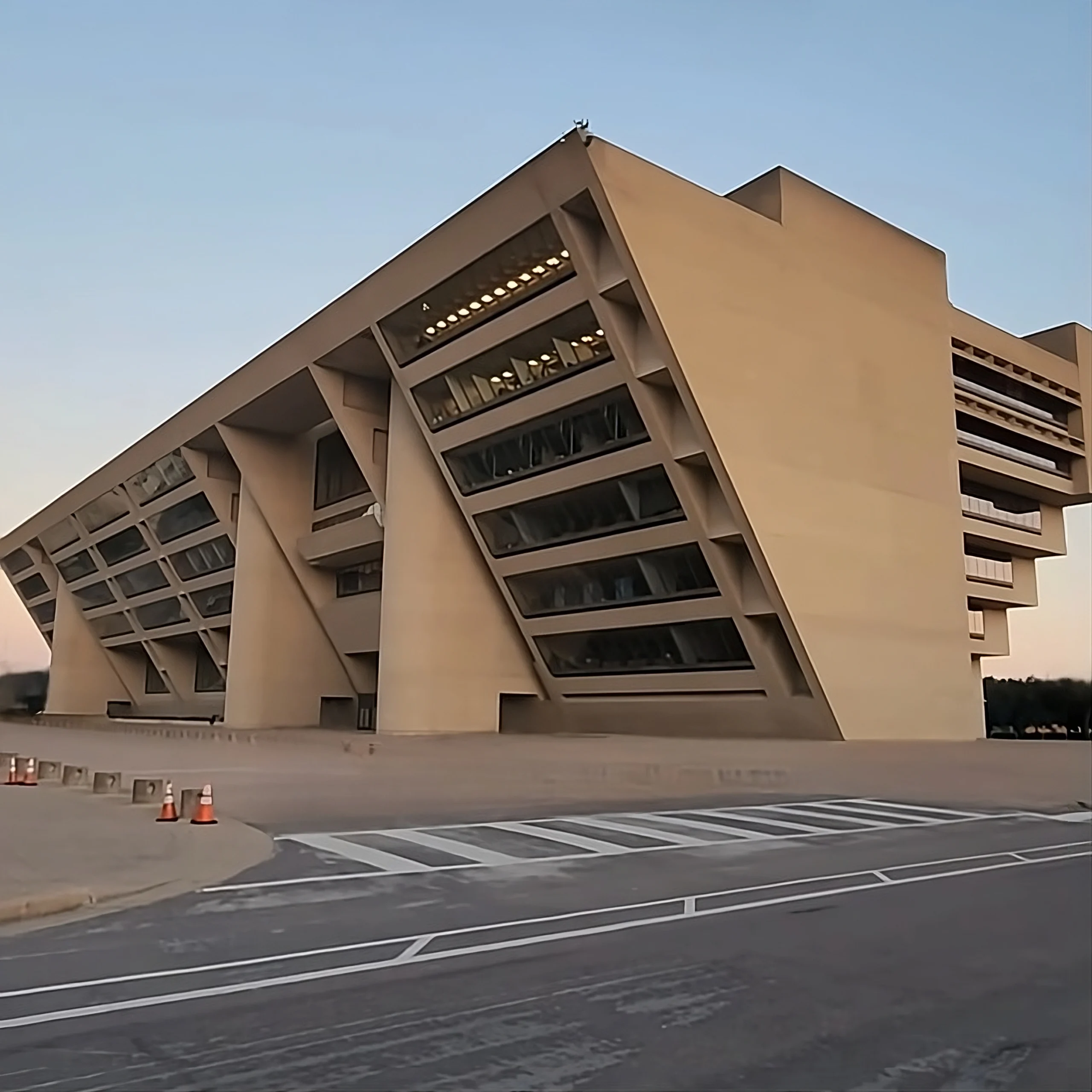
    DALLAS, TX — A faulty restroom valve that flooded Dallas City Hall and a malfunctioning elevator that trapped a councilmember have reignited scrutiny over the city’s aging public infrastructure and the chronic underfunding driving its decline.

    The City of Dallas oversees more than 500 municipal buildings valued at $1.5 billion, many of them aging and poorly maintained. The average age of these properties is 47 years. Yet the city allocates only $14 million annually for their upkeep, less than half the minimum $29 million industry benchmarks recommend for basic maintenance. The result is a growing backlog of repairs and an increasingly fragile set of public assets.

    That funding gap is now front and center in budget discussions. The proposed 2025–2026 budget maintains the $14 million maintenance allocation, leaving a $15 million annual gap. Officials warn that continued deferrals could lead to greater structural failures and higher long-term costs. Council members have urged the issue be prioritized in the next budget cycle, suggesting asset sales or bond funding as possible solutions.

    Still, the issue may run deeper than funding alone. Dallas hasn’t conducted a full facility condition assessment since 2017, and even then, just 220 of more than 500 buildings were evaluated. With incomplete data, the city relies on a reactive model, fixing what breaks instead of planning ahead. That approach has proven more expensive and less safe.

    The consequences are increasingly visible. In one recent incident, a faulty flush valve in a sixth-floor restroom caused water to flood several floors, including the Council Chambers. Repairs are ongoing, and some meetings have been relocated. In August 2024, Councilmember Gay Donnell Willis was stuck inside a City Hall elevator for nearly an hour before firefighters pried the doors open. She later called for a formal review of the building’s elevator maintenance.

    “These are symptoms of years of deferred maintenance,” said Councilwoman Cara Mendelsohn, who described the city’s investment in facilities as “absolutely disgraceful.”

    The city is facing broader financial challenges. A projected $6.5 million shortfall in the next fiscal year, driven by declining property tax revenue, will place further strain on already limited discretionary spending.

    Despite these pressures, Dallas is moving forward with other infrastructure investments. The City Council has approved $129.5 million for streets, sidewalks, and alley improvements for the 2024–2025 fiscal year, targeting 710 lane miles. The broader $5 billion city budget includes the largest public safety investment in over a decade, a $78 million increase that will fund 250 new police recruits and 63 firefighters. It also delivers a modest property tax cut and retains funding for libraries, homelessness initiatives, and park maintenance.

    And while residents may soon benefit from smoother roads and public safety, the condition of the buildings that support city governance remains in limbo. The gap between investment and reality at City Hall has become more than an inconvenience. It’s now a symbol of the city’s budgeting blind spots.

    Without a shift in long-term strategy, Dallas risks paying a much higher price down the road for both repairs and credibility.