Tag: U.S. Housing Market

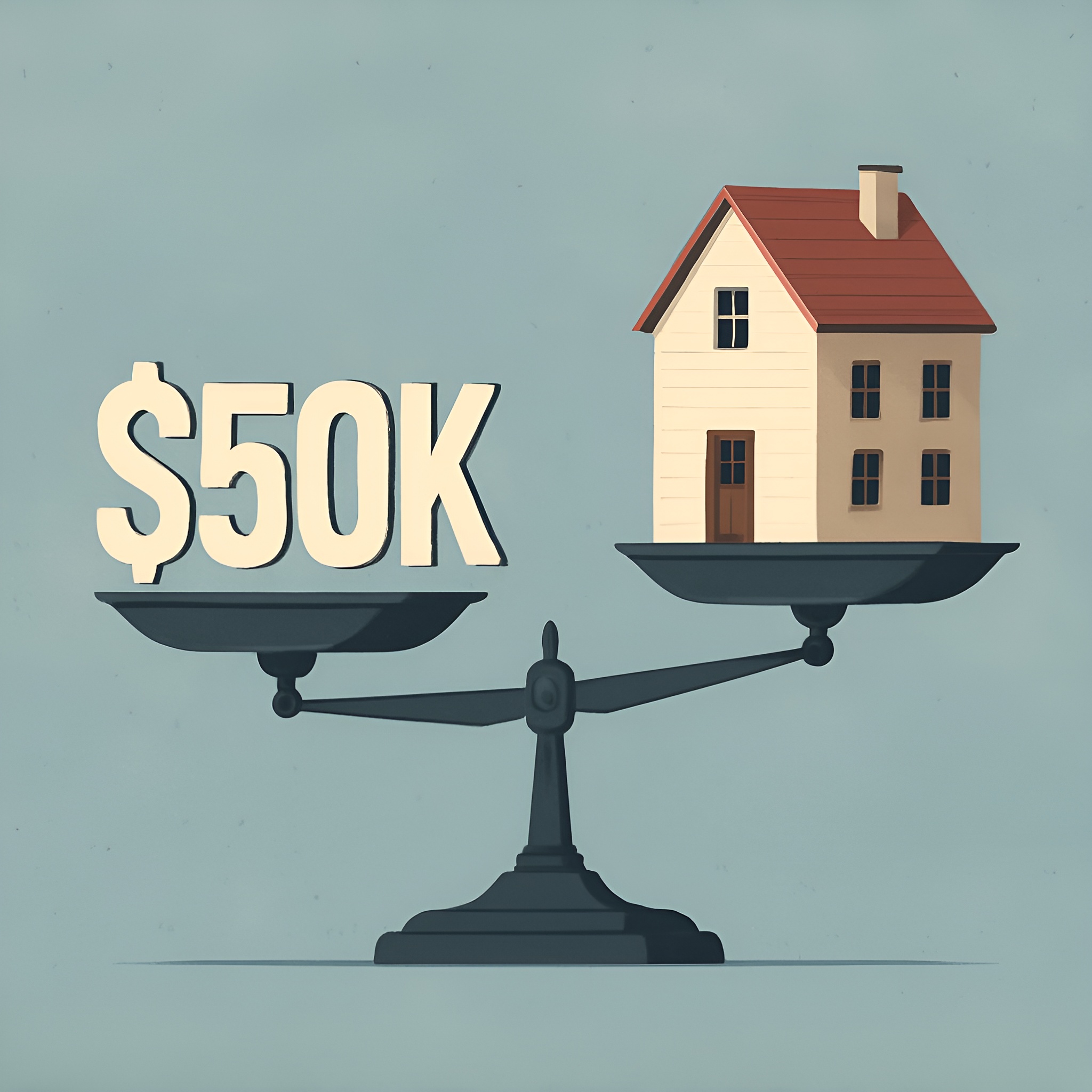
  • Making $50K? You Can’t Even Access 9% of Homes for Sale

    Many Americans still can’t afford to buy a home. Home sales are up nearly 20% from a year ago, but overall sales remain well below pre-pandemic levels—underscoring the nation’s ongoing affordability crisis.

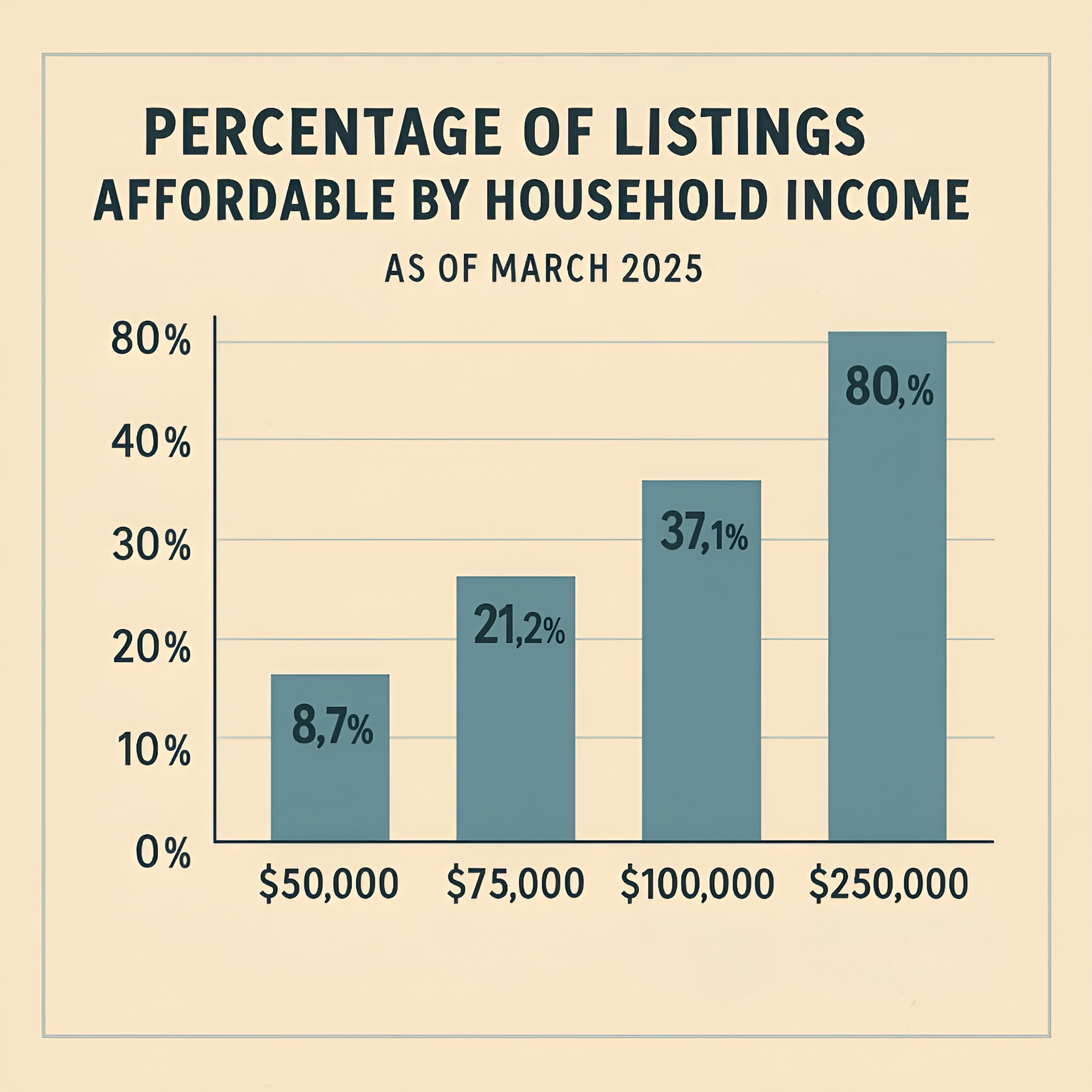
    As of March 2025, lower-income households earning $50,000 annually could afford just 8.7% of available listings—down from 9.4% a year prior. The market would need an additional 367,000 homes priced below $170,000 to achieve a balanced supply.

    Households earning $75,000 a year could afford just 21.2% of homes on the market, up slightly from 20.8% in March 2024. Despite this marginal improvement, the affordability gap continues to widen. Before the pandemic, this group could afford nearly 49% of homes for sale. To reach a balanced market, they would need access to 48.1% of listings, which means about 416,000 more homes priced up to $255,000 are needed.

    Meanwhile, households earning $100,000 or more can afford 37.1% of listings, up slightly from 36.9% a year ago. However, this remains far below the 64.7% they could afford in 2019. Achieving equilibrium would require about 364,000 additional homes priced below $340,000.

    In contrast, households earning $250,000 or more can afford at least 80% of homes for sale, highlighting a sharp disparity in affordability among income groups.
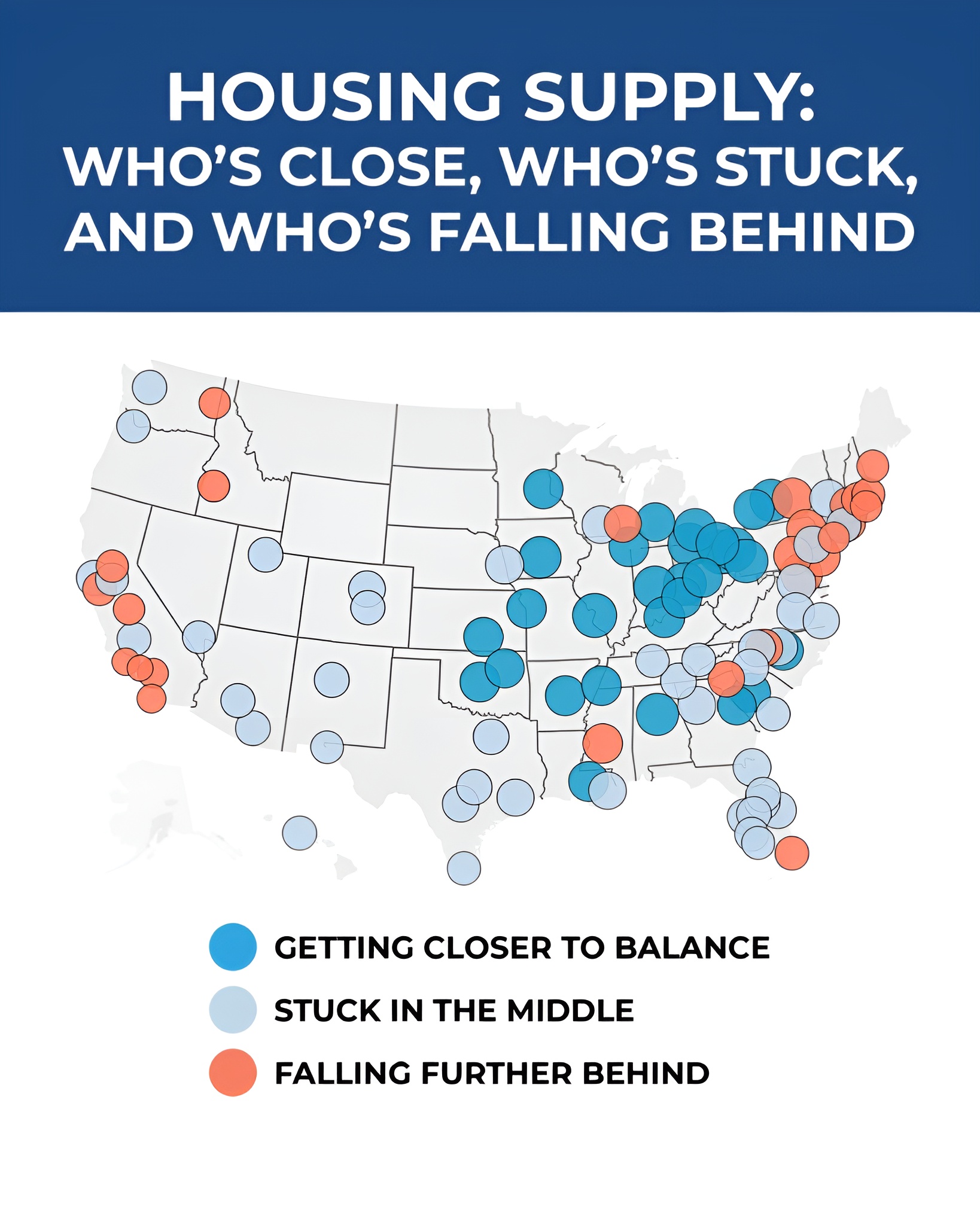
    Nationally, the number of homes for sale increased nearly 20% from March 2024 to March 2025. While this is a positive sign, total inventory remains well below pre-pandemic levels. About 30% of the nation’s 100 largest metropolitan areas now fall into the “Areas Getting Closer to Balance” category, where housing affordability has improved for all income levels. Cities including Akron (Ohio), St. Louis (Missouri), Youngstown (Ohio), Pittsburgh (Pennsylvania), Raleigh (North Carolina), Des Moines (Iowa), and Grand Rapids (Michigan) are beginning to see more balanced markets.

    Meanwhile, 44% of metropolitan areas are categorized as “Areas Stuck in the Middle,” where supply and demand remain out of sync. Some cities, such as Seattle and Washington, D.C., are making progress, with affordability increasing by 4 percentage points, but the gap remains significant.

    Likewise, Austin, Texas; Salt Lake City, Utah; and Denver, Colorado, have all made significant progress, with average affordability gains of 20 percentage points. San Francisco, California, has already surpassed pre-pandemic affordability levels.

    Alarmingly, 26% of metropolitan areas are now classified as “Areas Falling Further Behind,” meaning affordability in these regions is getting worse. Major cities like Los Angeles and San Diego, California; New York, New York; and Spokane, Washington, are among the hardest hit by the shortage of affordable housing.
    Source: NAR.realtor

    At the state level, Iowa, Ohio, Indiana, Illinois, and West Virginia continue to lead in housing market balance. In these states, households earning $75,000 still have access to more than 45% of available homes. By contrast, states such as Montana, Idaho, California, and Massachusetts—despite increasing inventory—still face significant challenges in achieving market balance.

    The housing market is at a turning point, with more homes coming onto the market and middle-income earners beginning to see an increase in supply. However, the gap remains wide—especially for first-time homebuyers. Meanwhile, Danielle Hale, chief economist at Realtor.com, notes that although the number of affordable homes is rising, progress has been uneven and is largely concentrated in the Midwest and South.

    Homeownership is increasingly out of reach for low- and middle-income households. Building smaller, more affordable homes could help narrow the gap. While some regions are showing signs of improvement, the national housing market still needs time to achieve true parity and affordability for all income groups.

  • Why These 3 Cities Are Leading the U.S. Housing Market

    The U.S. housing market is evolving, and some unexpected locations are stepping up as top markets. Development, affordability, and investment possibilities make Buffalo, Indianapolis, and Dallas-Fort Worth the best cities to watch in 2025.

    These cities bring together economic opportunity, strong job markets, and affordable housing, making them attractive for buyers, sellers, and investors alike.

    Let’s take a closer look at what makes each of these cities so appealing in today’s real estate.

    1. Buffalo, New York: Affordable and Growing Fast

    Buffalo has ranked first in Zillow’s housing market analysis for two years in a row. So, what’s driving the buzz?

    • Affordable Homes: With lower-than-average home prices, Buffalo is a great option for first-time buyers and investors.
    • Job Growth: New jobs are pouring into Buffalo, but home construction isn’t keeping up. This creates high demand and pushes home prices up.
    • Home Value Growth: Buffalo’s home values have been steadily rising, making it a strong seller’s market.

    Buffalo’s transformation from an overlooked city to a housing hotspot shows it has long-term growth potential.

    2. Indianapolis: Affordable and Well-Connected

    Indianapolis is another city making waves, landing second on Zillow’s list thanks to its affordable living and improving infrastructure.

    • Dynamic Downtown: With attractions like Lucas Oil Stadium and the Indianapolis Zoo, plus a thriving nightlife, Indianapolis draws in young professionals and families.
    • Better Public Transit: The city is expanding its public transit with projects like the Blue Line bus rapid transit system, making it easier for residents to get around.
    • Great Location: Indianapolis is centrally located in the Midwest, within driving distance of cities like Chicago and Cincinnati, giving residents access to even more cultural and entertainment options.

    Indianapolis’s growing appeal is clear, and with demand on the rise, it’s a great time to sell a home here.

    Need to sell your house fast in Indianapolis? Get a fair cash offer today! And make the most of this thriving market!.

    3. Dallas-Fort Worth: Big Growth and Bigger Opportunities

    Everything’s bigger in Texas, and that includes the Dallas-Fort Worth (DFW) real estate market. Named the top spot for investment in 2025.

    • Strong Job Growth: DFW’s economy is thriving, with employment up more than 11% since early 2020. Big companies keep moving to the area, making it an economic powerhouse.
    • Post-Pandemic Recovery: The region has bounced back from the pandemic faster than many others, which has spurred even more growth.
    • Affordable Homes: Despite home prices rising 38% since 2020, DFW homes are still affordable compared to other major cities, making it a hotspot for families and businesses.

    DFW’s rapid growth comes with challenges, particularly around housing affordability, but it remains a top choice for both buyers and investors.

    What’s Fueling the Success of These Markets?

    • Economic Growth: Strong job creation is driving demand for housing in these cities.
    • Affordability: Despite price increases, these markets are still more affordable than many other large U.S. metros.
    • Infrastructure: Investments in public transit, culture, and amenities are helping these cities thrive.

    What This Means for Buyers, Sellers, and Investors

    If you’re looking to buy, these cities offer growth potential and relative affordability. Sellers can benefit from high demand, while investors will find these markets’ economic fundamentals promising for long-term returns.

    Buffalo, Indianapolis, and Dallas-Fort Worth are setting the pace for other cities, proving you can balance growth, affordability, and livability in today’s competitive housing market.