Tag: Texas Landlords

  • A New Era for Dallas Property Management: Technology and Accountability

    By May 2026, the “passive” landlord model no longer works. High rental inventory, rising tenant expectations, and major legislative changes across Texas mean managing a Dallas-Fort Worth rental property now requires far more hands-on attention than it did just a few years ago.

    For North Texas investors, property management is now driven by technology, efficiency, legal compliance, and the tenant experience.

    Here is how the landscape has changed in 2026, and what Dallas-area landlords need to do to stay profitable.

    1. The Senate Bill 38 Changes
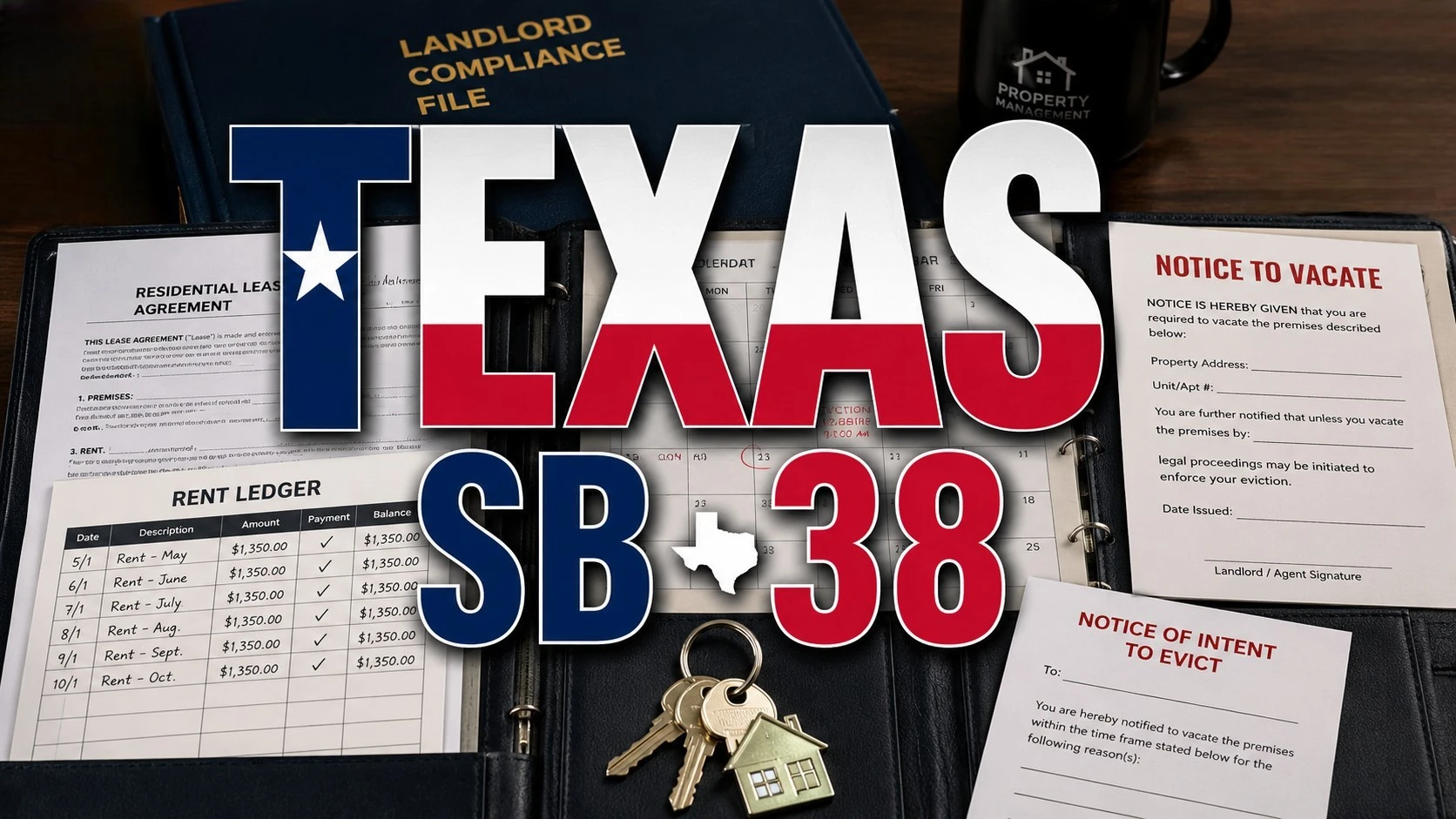
    Senate Bill 38 is one of the most significant legal changes affecting Texas landlords this year. Effective January 1, 2026, the law changes several parts of the state’s eviction process for cases filed on or after that date.

    Possession Takes Priority

    Eviction courts now focus more narrowly on possession rights. Claims that used to be bundled into eviction cases, such as damages or other disputes, generally need to be handled separately. This helps streamline the eviction process, but it also makes accurate documentation much more important.

    No More “Free” Appeals

    Under SB 38, tenants who appeal an eviction must continue depositing rent into the court registry during the appeal process. If payments are missed, the court may issue a writ of possession without another hearing. This makes it harder for occupants to delay the process without staying current on rent.

    Faster Service Timelines

    The law also tightens service timelines. A sheriff or constable must make a diligent effort to serve the citation and petition within five business days after the petition is filed. A writ of possession must also be served no later than the fifth business day after it is issued.

    What This Means for Landlords

    SB 38 can help landlords regain possession more efficiently, but it also raises the bar for compliance. Courts can still reject or delay a case if the lease file is incomplete, the rent ledger is inaccurate, notices are not delivered properly, or electronic communication terms are unclear. In 2026, clean and defensible documentation is essential.

    2. The Shift Toward AI-Driven Property Management

    Property management is moving from reactive to more predictive. Leading property management companies are using AI-driven systems to improve efficiency, reduce risk, and lower operating costs.

    Predictive Maintenance

    AI platforms can now analyze HVAC age, service history, maintenance frequency, water heater performance, and vendor repair data. These systems help identify equipment that may fail before it causes major damage. Replacing a failing water heater before it ruptures, for example, can prevent flooring damage, mold issues, and costly insurance claims.

    Smarter Tenant Screening

    Traditional screening focused heavily on credit scores. Today’s systems look at a wider set of signals, including rent-to-income consistency, employment stability, payment history trends, and prior rental patterns. The goal is not just to get someone in the door. It is to identify renters who are more likely to stay long term and reduce turnover costs.

    3. Competing in a High-Inventory Market
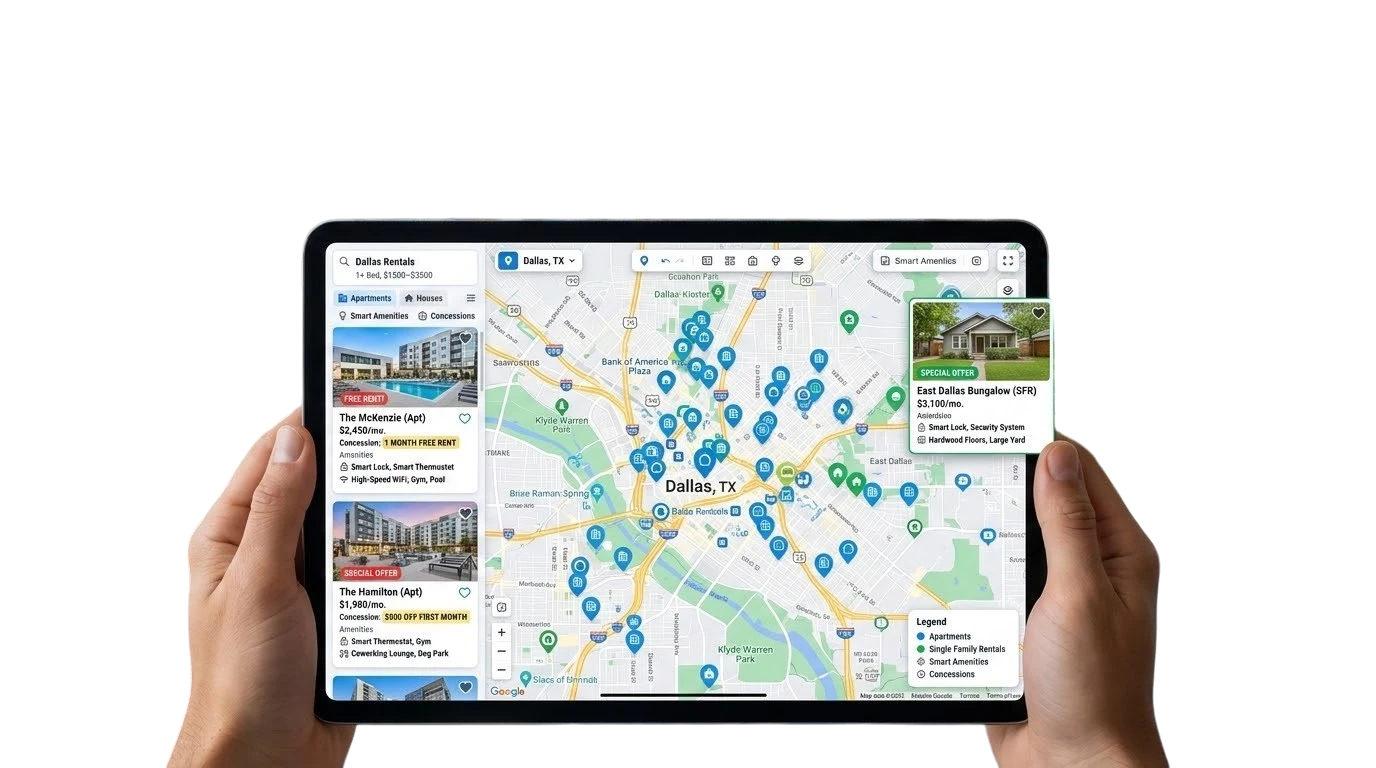
    Dallas-Fort Worth saw a major wave of multifamily and build-to-rent development in recent years. As a result, the region entered 2026 with elevated rental inventory and stronger competition for tenants.

    Realtor.com reported that the DFW rental market remained renter-friendly, with the vacancy rate rising from 8.9% in 2024 to 10.5% in 2025. Other multifamily market reports have placed DFW multifamily vacancy closer to 12% in early 2026.

    That means single-family landlords are no longer competing only against other rental homes. They are also competing with institutional operators, luxury apartment communities, and build-to-rent communities offering concessions, reduced deposits, and amenity packages.

    Why Convenience Matters

    Successful landlords stand out by offering convenience. Features driving leasing activity right now include smart thermostats, keyless entry, high-speed internet readiness, dedicated work-from-home spaces, and online maintenance portals. Modern renters care about convenience and technology almost as much as square footage.

    4. Maintenance Is Now a Marketing Tool

    Prospective renters are more selective than ever. Small issues like leaky faucets, cracked screens, dirty HVAC vents, or peeling paint can quickly turn renters away. In today’s market, maintenance is part of your marketing strategy.

    Leading property managers are taking a higher-touch approach to maintenance, with faster response times, stronger vendor accountability, and clearer communication. Tenants increasingly expect hotel-style responsiveness, and meeting that expectation can directly affect tenant retention and online reputation.

    5. The Financial Outlook for 2026
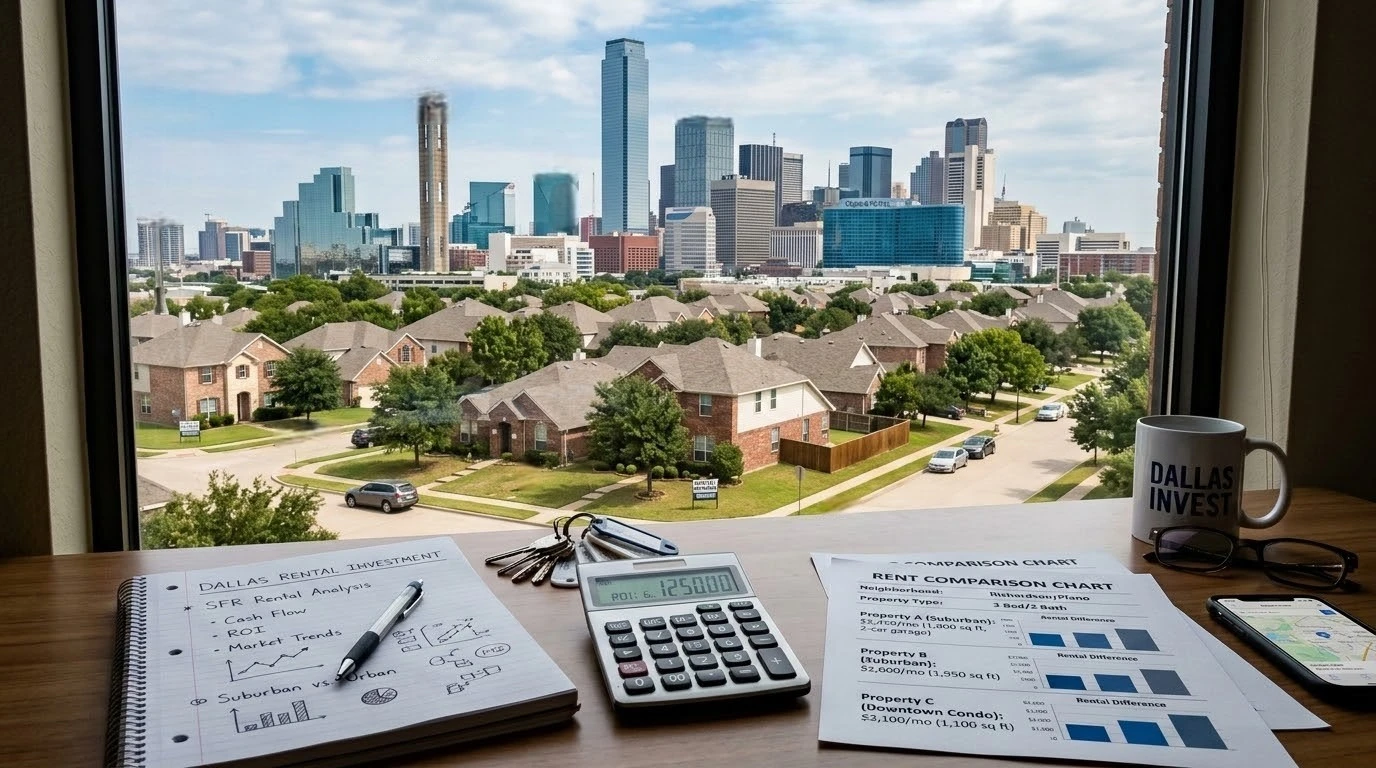
    Although rent growth has slowed in parts of Dallas-Fort Worth, long-term fundamentals remain solid. The region continues to benefit from population growth, job creation, and strong demand for professionally managed housing.

    For investors focused on yield rather than rapid appreciation, submarkets such as Garland, Richardson, Irving, and parts of Arlington may still offer attractive opportunities. The key is accurate pricing, strong maintenance, and disciplined operations.

    2026 Average Monthly Rent Snapshot

    Property TypeAverage Monthly RentMarket Trend
    Studio$1,245–$1,350Stable to softening
    1 Bedroom$1,350–$1,413Softening
    2 Bedroom$1,849–$1,948Competitive
    3 Bedroom$2,214–$2,600Stronger demand

    While some luxury multifamily properties are still dealing with temporary softness from oversupply, demand for well-maintained single-family rentals remains resilient. This is especially true for homes in strong school districts, with functional layouts and professional management.

    Final Thoughts for Dallas Landlords

    Property management in 2026 is driven by systems, technology, accountability, and operational consistency. The most successful landlords price accurately, respond quickly, maintain properties proactively, and prioritize the tenant experience.

    Rental investing in Dallas-Fort Worth now depends on operating like a professional housing provider, not a casual property owner. For investors willing to adapt, the long-term opportunities across North Texas remain strong.

  • Steps to Take When Handling Abandoned Tenant Junk in DFW

    When a tenant leaves junk and personal belongings behind, it can feel like a quick cleanout. In Texas, moving too fast can trigger a wrongful lockout or property damage claim, so you want a process you can defend on paper.

    The right steps also depend on how you got the unit back. A voluntary move out, an abandonment covered by your lease, a commercial space, and an eviction with a writ of possession do not all work the same way under Texas law.

    In the DFW area, landlords often line up junk removal McKinney and nearby suburbs so the unit can be cleared quickly once they are legally allowed to do it. This is a conservative general framework, not legal advice, so consider talking with a Texas landlord tenant attorney before you act.

    1. Confirm Abandonment

    Before you move, donate, or throw away anything, you need a defensible reason to treat the unit as abandoned. Texas generally does not let a landlord keep a tenant out except through the court process, with limited exceptions, so you do not want to guess.

    Evidence you can collect usually includes things like the following.

    • Rent is past due and the tenant has stopped responding to calls, texts, emails, and mailed notices.
    • The tenant returned keys, provided a written move out notice, or clearly removed most necessities.
    • Utilities are off, the unit looks vacant, and mail or packages are piling up.
    • Staff or neighbors report the tenant moved out and has not returned.

    Documentation matters. Save every contact attempt and keep dated notes and photos so you can show exactly what you knew at the time.

    If you cannot confidently confirm abandonment, use the normal eviction route instead of self help. Texas generally requires a written notice to vacate before filing an eviction case, and the default notice period is at least three days unless the lease sets a different timeline. Texas also has changes to the notice to vacate statute that take effect January 1, 2026, so double check the current requirements before you serve notice.

    2. Secure the Property and Document Goods

    Once you have a lawful reason to enter, secure the unit and document everything before you start moving items. Follow the entry rules in your lease and give any required notice unless there is an emergency.

    Entry and inventory. Bring a witness, take clear photos and video, and create a written inventory that notes what you found and where it was.

    If this situation is really an eviction, do not try to remove property yourself. In Texas, a writ of possession is carried out by a sheriff or constable, and the officer controls how removal happens.

    Health and safety cleanup. If you have spoiled food, pests, or obvious hazards, handle them promptly for safety. Take photos first and keep disposal receipts.

    Protect personal items. Pull out personal documents, photos, and anything that looks like an ID, medical record, or financial paperwork and store it separately. Those items tend to create the biggest disputes later.

    3. Notify the Tenant

    Even if the unit seems clearly abandoned, written notice is still your best protection. It proves you acted reasonably and gave the tenant a fair chance to reclaim what matters.

    Send a written notice to the tenant’s last known address and any email address or emergency contact information you have on file. Use a delivery method you can prove and keep copies.

    Your notice should cover all of the following.

    • That personal property appears to have been left behind and you are treating the unit as abandoned.
    • Where the property is being held and how the tenant can schedule pickup.
    • A pickup deadline based on the lease and the situation.
    • Any reasonable moving or storage charges you will require before release, but only if your lease and the law allow it.
    • What will happen after the deadline, such as disposal, donation, or sale.

    If this is a commercial lease, Texas law specifically allows the landlord to remove and store property left in abandoned premises, and it allows disposal if the tenant does not claim it within 60 days after storage. The landlord must send a certified mail notice to the tenant’s last known address stating the landlord may dispose of the property if it is not claimed within 60 days.

    If a sheriff or constable uses a warehouseman during a writ of possession, the officer must give notice with the warehouse address and phone number and it generally must be delivered within 72 hours after the writ is executed if the tenant was not there.

    4. Store the Property

    If you decide to store anything, store it like you expect it to be reviewed later. Keep it dry, secure, and protected from theft.

    Secure storage. You can store items in a locked room on site or in an off site storage unit. Label bins, keep an updated inventory, and document any move out labor with receipts.

    Track costs. Save invoices for labor, hauling, storage, and disposal. If a warehouseman is involved after a writ of possession, the lien is for reasonable moving and storage charges and the notice must include the daily storage rate.

    Know the 30 day window when a warehouseman is used. Under Texas law, the tenant generally has until before the 31st day after the warehouseman notice is delivered to pay the charges and redeem the property. The warehouseman also generally cannot sell the property until at least the 31st day after the property is stored.

    5. Final Disposal or Sale

    Only dispose of or sell property after you are sure you have the right to do it and after any required notice period has run. When you move too early, that is when landlords get sued.

    • Sale. Most landlords only sell items when a lien or court process requires it. If a warehouseman stored property after an eviction, the warehouseman may sell the stored property to satisfy the lien after the legal waiting period. For commercial rentals, Texas law allows a landlord to dispose of stored abandoned tenant property if it is not claimed within 60 days after storage, after sending the required certified mail notice.
    • Disposal. If the abandoned items are low value junk and you are legally cleared to remove them, dispose of them in a documented way and keep photos of what was removed. If the unit was cleared through a writ of possession, the officer may remove property and place it outside, and the officer can request a city remove a storage container after a reasonable time. Once you are legally in the clear, clearing the unit quickly is still important, and that is why many DFW landlords use professional junk removal services to handle bulky furniture, mixed debris, and trash so the unit can be cleaned, repaired, and rented again.

    Skipping these steps or misjudging abandonment can lead to serious penalties and claims for unlawful lockout or damages. When you are unsure, slow down, document everything, and use the eviction process or legal guidance to avoid turning a cleanout into a lawsuit.