Tag: Tenant Screening

  • Lost Your Home to Foreclosure? How to Rent the Right Way and Buy Again

    If you’ve lost your home to foreclosure, you’ve probably heard the same advice. Rent for a few years. Rebuild your credit. Apply for an FHA loan when the waiting period ends.

    That’s not wrong. But it skips the hardest part.

    Nobody tells you that foreclosure makes renting hard, too. Or that how you rent during those years is going to affect whether you can actually buy again when the time comes.

    Foreclosure Doesn’t Just Hurt Your Mortgage Chances

    So here’s what catches you off guard. A foreclosure doesn’t only matter when you apply for another mortgage. Tenant screening reports can include information from credit reports, too. And most Dallas apartment communities run tenant screening, credit checks, or both.

    A lot of management companies may treat a foreclosure as a serious rental risk, especially when it appears alongside late payments, collections, or other negative credit history. Some will decline automatically. No conversation, no context, no second look.

    So you go online, pick a community that looks good, pay the $15 to $50 nonrefundable application fee, sometimes more at larger communities, and get denied. You try another one. Denied again. A third. Now you’ve burned through $45 to $150, maybe more, and you still don’t have a place to live.

    That’s not a credit problem. That’s an information problem.

    Some Dallas communities will absolutely work with you if you have a foreclosure on your record. Others won’t. Period. The difference is knowing which ones before you apply.

    Now, if your credit has already bounced back above 620 and the foreclosure is more than three years behind you, you can probably handle this search on your own. But if you’re still inside that window, or your score is somewhere in the 500s, good luck getting approved without some help.

    The Part That Affects Whether You Can Buy Later

    This is something you don’t think about until it’s too late.

    The FHA waiting period after foreclosure is generally three years. And that clock usually starts from when title transferred out of your name through the foreclosure sale or deed-in-lieu, not when you first missed a payment. After those three years, you may be able to qualify for an FHA loan with a credit score of 580 or higher and a down payment as low as 3.5%, as long as the rest of your file qualifies.

    That’s a real path back to buying a home. But there’s more to it.

    When a lender reviews your file, they’re not just looking at your credit score. They want to see what you did during those three years. FHA now allows positive rental payment history to be considered in certain first-time homebuyer files, and that means 12 months of on time rent payments they can actually check. A lease in your name, paid on time every month, to a landlord or management company that will confirm it in writing.

    That’s the difference between a strong application and a weak one.

    And here’s where a lot of you run into trouble. If you can’t get approved at a conventional apartment, you end up in a rental that won’t help you when it’s time to buy. A cash only room off Craigslist. Some month to month setup with a private landlord who doesn’t keep records. Or a sublease where your name isn’t even on the agreement.

    Those arrangements keep a roof over your head. They won’t help you get a mortgage.

    Think about it this way. Two people walk into a lender’s office with the same 590 credit score. One has three years of on time rent payments from a management company that picks up the phone when the lender calls. The other has a Venmo trail to a roommate. Not the same position.

    What to Look for in Your Next Apartment

    If you want to buy again, pick your apartment carefully. A few things matter more than the amenities list.

    • A lease in your name. Not a sublease, not some handshake deal. Your name on a 12 month lease with a property management company.
    • A management company that will verify your rent payments. When your future lender calls to confirm your payment history, someone needs to answer that call and put it in writing.
    • A community that will actually approve you. They exist all over Dallas. Some management companies will actually look at your situation instead of just running a score. Others have programs that can help you get approved even with bad credit, as long as you have the income. If you’re not sure where to start, second chance apartment leasing in Dallas can point you in the right direction.

    While you’re renting, don’t forget about your credit. Get a secured credit card and keep a small balance paid in full every month. Don’t use more than 30% of your total credit limit. And above all, no new negative marks. One late payment or new collection can set the whole timeline back.

    Don’t Treat Renting Like Dead Time

    The biggest mistake you can make? Treating the rental period like it’s just something to get through before the real goal starts.

    It’s not. Those three years are when you prove to a lender that you can handle a mortgage. The right apartment gives you stable housing now and a payment history that backs you up when you’re ready to apply.

    And if you’re in DFW and thinking about what comes next, start figuring this stuff out now. It makes everything easier.

  • Can You Rent an Apartment With Poor Credit?

    Finding an apartment can feel stressful when your credit score is not where you want it to be. Many landlords and property managers review credit reports to get a sense of how applicants handle bills, debt, and financial commitments. A low score can raise concerns, but it does not automatically mean you will be denied.

    With the right documents, a clear explanation, and a stronger overall application, you can still qualify for an apartment even with poor credit.

    Why Credit Matters to Landlords

    Landlords use credit reports to help predict whether a renter is likely to pay rent on time. A credit report may show payment history, outstanding debts, collections, bankruptcies, and other financial patterns.

    That said, credit is usually only one part of the application. Many landlords also look at:

    • Income stability: Steady income shows that you can afford monthly rent.
    • Rental history: A record of paying rent on time can help offset a weaker credit score.
    • References: Positive feedback from past landlords or employers can make your application stronger.
    • Debt and payment history: Landlords may care more about recent missed payments, collections, or unpaid housing-related debt than the score alone.
    • Communication: Being honest, prepared, and professional can make a real difference.

    A credit score around 600 is often treated as a common benchmark, but there is no universal minimum. Some landlords may accept lower scores, especially if the rest of the application is strong.

    Practical Ways to Rent With Poor Credit

    1. Show Proof of Steady Income

    Income can help balance out a low credit score. Bring recent pay stubs, bank statements, tax documents, or an employment letter that confirms your job title, income, and length of employment.

    Many landlords look for monthly income that is about two to three times the rent. If your income is comfortably above that range, make it easy for the landlord to see.

    2. Offer Extra Security, If Allowed

    In some cases, offering a larger security deposit or prepaid rent can make a landlord more comfortable approving your application. This shows that you are serious and reduces the landlord’s risk.

    Before offering extra money upfront, check your state and local rules. Some places limit how much a landlord can collect as a security deposit or prepaid rent.

    3. Use a Co-Signer or Guarantor

    A co-signer or guarantor with strong credit can help your application. This person agrees to take legal responsibility for the rent if you cannot pay, which gives the landlord another layer of protection.

    This is a serious commitment, so both you and the co-signer should understand the risks before signing anything.

    4. Provide Strong References

    Good references can help tell the story your credit score does not. Ask previous landlords, employers, or professional contacts to write short letters confirming that you are reliable, responsible, and consistent.

    If you have a history of paying rent on time, a letter from a former landlord can be especially useful.

    5. Look for Private Landlords

    Large apartment communities and property management companies often follow strict screening rules. Independent landlords may be more flexible, especially if you can explain your situation and provide strong documentation.

    Private landlords may be more willing to look at the full picture instead of relying only on a credit score.

    6. Create a Renter’s Resume

    A renter’s resume is a short document that includes your job history, rental history, income, references, and any extra details that make you a strong applicant.

    It does not need to be fancy. The goal is to show that you are organized, prepared, and serious about being a good tenant.

    Other Options to Consider

    If a traditional lease is hard to get, you may still have other paths:

    • Subletting or lease takeovers: You may be able to rent from someone who already has a lease, though approval rules still vary.
    • Shared housing: Renting a room or living with roommates may involve a lighter screening process.
    • Co-living spaces: Some co-living arrangements focus more on income and identity verification than traditional credit checks.
    • Short-term or extended-stay rentals: These may be easier to access without a traditional lease, but they can cost more over time.
    • Second-chance apartments: Some properties work with renters who have poor credit, past denials, or limited rental history.

    Always read the terms carefully before choosing an alternative rental option.

    Be Careful With Credit Privacy Numbers

    Some renters come across credit privacy number basics while searching for ways to deal with poor credit. A Credit Privacy Number, or CPN, is often marketed as a way to protect your identity or create a new credit profile.

    Be very careful. A CPN is not a legal replacement for a Social Security number. Using a CPN to hide your real credit history or apply under a false identity can lead to serious legal trouble. Many CPN offers are scams, and some numbers may even be stolen Social Security numbers.

    If your credit is hurting your rental search, focus on legitimate steps instead: check your credit reports, dispute errors, pay bills on time, and build a stronger application.

    Learning about these tools helps renters make informed decisions about privacy and credit rebuilding.

    Strengthen Your Application

    If your credit score is low because of a specific situation, such as medical bills, job loss, divorce, or a temporary financial setback, consider writing a short letter to the landlord.

    Keep it brief and honest. Explain what happened, what has changed, and why you can afford the apartment now.

    You can also improve your chances by:

    • Applying for apartments slightly below your maximum budget
    • Bringing proof of savings
    • Showing records of on-time utility, phone, or rent payments
    • Offering automatic rent payments
    • Applying with a roommate who has stronger credit
    • Being upfront before the credit check instead of waiting for the landlord to ask

    Check Your Tenant Screening Report

    If your rental application is denied because of a background check or tenant screening report, you may have the right to know which company provided the report. You may also be able to request a copy and dispute incorrect information.

    This matters because tenant screening reports can contain mistakes, including outdated eviction records, wrong identities, incorrect debt information, or accounts that do not belong to you.

    Before applying for several apartments, review your credit reports and fix any errors you find.

    Rebuild Credit While Renting

    Renting with poor credit can also be a chance to rebuild. Once you get approved, focus on habits that improve your financial profile over time:

    • Pay rent on time every month.
    • Ask whether your landlord or a rent-reporting service can report on-time rent payments.
    • Review your credit reports for errors.
    • Use a secured credit card responsibly.
    • Keep credit card balances low.
    • Avoid payday loans and high-cost debt.
    • Pay every bill on time, even if it does not usually appear on your credit report.

    Rent payments are not always reported to the credit bureaus automatically, so ask before assuming they will help your score.

    Example: Renting With a 580 Credit Score

    Imagine a renter with a 580 credit score. On paper, that score may worry a landlord. But the renter also has steady income, earns more than three times the monthly rent, provides two strong landlord references, and offers extra documentation showing a history of on-time payments.

    In that case, the landlord may decide the renter is still a good candidate. The score matters, but the full application tells a stronger story.

    Common Myths About Renting With Poor Credit

    • Myth: You cannot rent with a score under 600.
    • Fact: It may be harder, but many renters still get approved with lower scores by showing strong income, references, savings, or a co-signer.
    • Myth: Paying off debt will instantly fix your credit score.
    • Fact: Paying down debt can help, but credit improvement takes time. Consistent on-time payments matter most.
    • Myth: A CPN can help you get approved.
    • Fact: A CPN is not a legal substitute for your Social Security number. Using one to hide your identity or credit history can create serious legal problems.
    • Myth: Landlords only care about the credit score.
    • Fact: Many landlords also review income, rental history, references, debt, and the reason behind negative credit items.

    Conclusion

    Poor credit can make apartment hunting harder, but it does not have to stop you from renting. The key is to show landlords that you are financially stable, prepared, and reliable.

    Bring proof of income, strong references, and a clear explanation of your situation. Look for flexible landlords, apply within your budget, and avoid shortcuts that promise a “new” credit identity.

    With preparation and patience, you can find housing and start rebuilding your credit at the same time.

  • A New Era for Dallas Property Management: Technology and Accountability

    By May 2026, the “passive” landlord model no longer works. High rental inventory, rising tenant expectations, and major legislative changes across Texas mean managing a Dallas-Fort Worth rental property now requires far more hands-on attention than it did just a few years ago.

    For North Texas investors, property management is now driven by technology, efficiency, legal compliance, and the tenant experience.

    Here is how the landscape has changed in 2026, and what Dallas-area landlords need to do to stay profitable.

    1. The Senate Bill 38 Changes

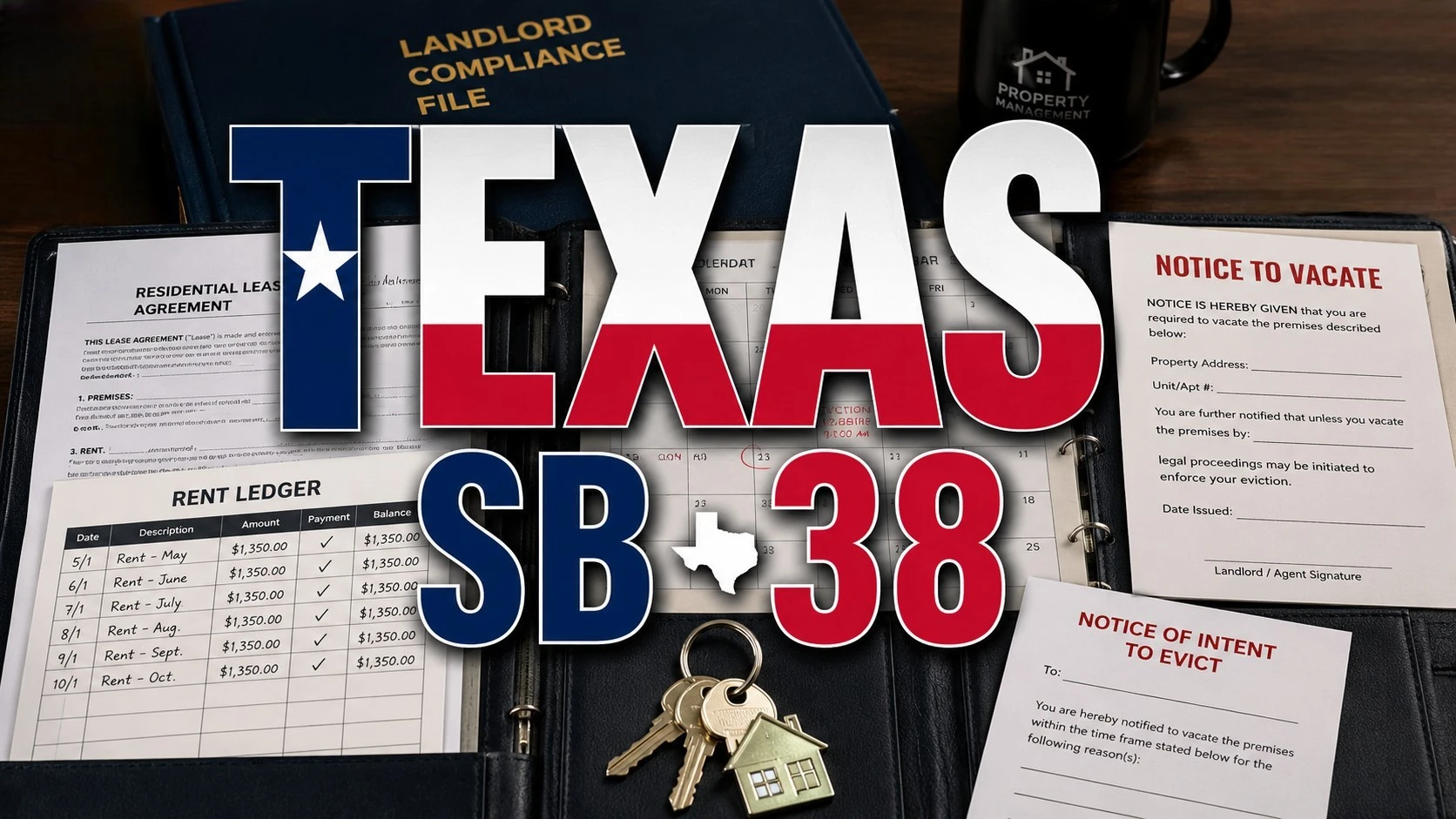
    Senate Bill 38 is one of the most significant legal changes affecting Texas landlords this year. Effective January 1, 2026, the law changes several parts of the state’s eviction process for cases filed on or after that date.

    Possession Takes Priority

    Eviction courts now focus more narrowly on possession rights. Claims that used to be bundled into eviction cases, such as damages or other disputes, generally need to be handled separately. This helps streamline the eviction process, but it also makes accurate documentation much more important.

    No More “Free” Appeals

    Under SB 38, tenants who appeal an eviction must continue depositing rent into the court registry during the appeal process. If payments are missed, the court may issue a writ of possession without another hearing. This makes it harder for occupants to delay the process without staying current on rent.

    Faster Service Timelines

    The law also tightens service timelines. A sheriff or constable must make a diligent effort to serve the citation and petition within five business days after the petition is filed. A writ of possession must also be served no later than the fifth business day after it is issued.

    What This Means for Landlords

    SB 38 can help landlords regain possession more efficiently, but it also raises the bar for compliance. Courts can still reject or delay a case if the lease file is incomplete, the rent ledger is inaccurate, notices are not delivered properly, or electronic communication terms are unclear. In 2026, clean and defensible documentation is essential.

    2. The Shift Toward AI-Driven Property Management

    Property management is moving from reactive to more predictive. Leading property management companies are using AI-driven systems to improve efficiency, reduce risk, and lower operating costs.

    Predictive Maintenance

    AI platforms can now analyze HVAC age, service history, maintenance frequency, water heater performance, and vendor repair data. These systems help identify equipment that may fail before it causes major damage. Replacing a failing water heater before it ruptures, for example, can prevent flooring damage, mold issues, and costly insurance claims.

    Smarter Tenant Screening

    Traditional screening focused heavily on credit scores. Today’s systems look at a wider set of signals, including rent-to-income consistency, employment stability, payment history trends, and prior rental patterns. The goal is not just to get someone in the door. It is to identify renters who are more likely to stay long term and reduce turnover costs.

    3. Competing in a High-Inventory Market

    Dallas-Fort Worth saw a major wave of multifamily and build-to-rent development in recent years. As a result, the region entered 2026 with elevated rental inventory and stronger competition for tenants.

    Realtor.com reported that the DFW rental market remained renter-friendly, with the vacancy rate rising from 8.9% in 2024 to 10.5% in 2025. Other multifamily market reports have placed DFW multifamily vacancy closer to 12% in early 2026.

    That means single-family landlords are no longer competing only against other rental homes. They are also competing with institutional operators, luxury apartment communities, and build-to-rent communities offering concessions, reduced deposits, and amenity packages.

    Why Convenience Matters

    Successful landlords stand out by offering convenience. Features driving leasing activity right now include smart thermostats, keyless entry, high-speed internet readiness, dedicated work-from-home spaces, and online maintenance portals. Modern renters care about convenience and technology almost as much as square footage.

    4. Maintenance Is Now a Marketing Tool

    Prospective renters are more selective than ever. Small issues like leaky faucets, cracked screens, dirty HVAC vents, or peeling paint can quickly turn renters away. In today’s market, maintenance is part of your marketing strategy.

    Leading property managers are taking a higher-touch approach to maintenance, with faster response times, stronger vendor accountability, and clearer communication. Tenants increasingly expect hotel-style responsiveness, and meeting that expectation can directly affect tenant retention and online reputation.

    5. The Financial Outlook for 2026

    Although rent growth has slowed in parts of Dallas-Fort Worth, long-term fundamentals remain solid. The region continues to benefit from population growth, job creation, and strong demand for professionally managed housing.

    For investors focused on yield rather than rapid appreciation, submarkets such as Garland, Richardson, Irving, and parts of Arlington may still offer attractive opportunities. The key is accurate pricing, strong maintenance, and disciplined operations.

    2026 Average Monthly Rent Snapshot

    Property TypeAverage Monthly RentMarket Trend
    Studio$1,245–$1,350Stable to softening
    1 Bedroom$1,350–$1,413Softening
    2 Bedroom$1,849–$1,948Competitive
    3 Bedroom$2,214–$2,600Stronger demand

    While some luxury multifamily properties are still dealing with temporary softness from oversupply, demand for well-maintained single-family rentals remains resilient. This is especially true for homes in strong school districts, with functional layouts and professional management.

    Final Thoughts for Dallas Landlords

    Property management in 2026 is driven by systems, technology, accountability, and operational consistency. The most successful landlords price accurately, respond quickly, maintain properties proactively, and prioritize the tenant experience.

    Rental investing in Dallas-Fort Worth now depends on operating like a professional housing provider, not a casual property owner. For investors willing to adapt, the long-term opportunities across North Texas remain strong.

  • Property Management Mistakes to Avoid in Florida’s Competitive Rental Market

    Managing rental properties in a fast-moving, high-demand market like Florida can be incredibly rewarding, but also full of pitfalls for those who aren’t prepared. With rising rents, an influx of new residents, and increased competition, the stakes are higher than ever. A few missteps in your management approach can lead to costly consequences, from tenant turnover to legal trouble.

    Whether you’re a seasoned investor or a first-time landlord, here are the most common property management mistakes to avoid, and how to set your rental business up for long-term success.

    1. Poor Tenant Screening

    A property manager carefully reviewing tenant screening documents.

    It’s easy to rush when a unit’s sitting empty, especially in a hot market. But screening tenants too quickly is where many landlords go wrong. A single bad fit can lead to missed rent, damaged walls, or even costly evictions.

    Instead, slow down and do it right. Run background checks. Look at credit. Verify employment. Talk to past landlords. Yes, it takes time, but it’s time well spent. Finding the right tenant now is always better than dealing with the wrong one later.

    2. Ignoring Preventative Maintenance

    Technician performing routine maintenance on rental property.

    Putting off maintenance might seem harmless in the moment, but it usually ends up costing more—both in repairs and in tenant satisfaction. People notice when things are neglected, and that can be the difference between a lease renewal and a moving truck.

    Schedule regular inspections, create a seasonal maintenance checklist, and address small issues before they turn into major problems. Not only will this preserve the value of your property, but it will also build trust with tenants.

    3. Failing to Understand Local Laws and Regulations

    Florida has specific landlord-tenant laws that protect both parties, and failure to comply can result in fines or lawsuits. From security deposit handling to notice periods and fair housing requirements, you need to know the rules.

    What to do instead:
    Stay up to date on state and municipal regulations or hire MAGASI Management for a knowledgeable property management company that does. Legal missteps can be more than just inconvenient, they can be financially devastating.

    4. Overpricing or Underpricing Units 

    Setting the wrong rent can result in extended vacancies or lost revenue. It’s a delicate balance: set the rent too high, and you risk driving away potential tenants; set it too low, and you leave money on the table.

    To make informed decisions, conduct a thorough market analysis. Consider factors such as property size, amenities, location, and current rental rates of comparable units. While online tools provide useful data, local market knowledge often offers a significant advantage.

    5. Treating Property Management as Passive Income

    Landlord managing rental property with the help of a property management company.

    Yes, rental income can be passive, but only if the systems behind it are solid. Many landlords underestimate the time and attention it takes to manage leases, respond to tenant requests, and keep financials in order.

    If you’re managing on your own, build out processes and stay organized. If you’d rather be hands-off, hire a reliable property management company that can handle everything from rent collection to tenant communications.

    Final Thoughts

    Florida’s rental market is full of opportunity, but it rewards those who are proactive, knowledgeable, and detail-oriented. By avoiding these common property management mistakes, you’ll not only protect your investment but also enhance tenant satisfaction and maximize returns. Smart management isn’t just about keeping up, it’s about staying ahead.

  • The Role of Tenant Screening in Maintaining Long-Term Rental Success

    Tenant screening gives the landlord security for an investment and ensures a continuity of income. Careful screening helps in the identification and potential issues before they ever become actual problems; this, therefore, is a pretty valuable process in property managing.

    However, due to unique laws and local regulations, landlords need to keep in mind these nuances whenever considering taking on a tenant to steer clear of legal troubles and/or financial losses. Great tenant screening is required and shall help the landlord avoid potentialities.

    Source: pexels.com

    Let’s discuss more on this below:

    Financial Benefits of Screening Responsibly

    Selecting tenants with a solid financial history, such as good credit and reliable income, reduces the risk of missed rent payments and early lease terminations. Responsible screening also helps avoid costly scenarios like property damage or legal disputes. Investing time in tenant screening can save landlords significant financial losses in the future.

    Building Legal Awareness for Better Screening Practices

    Tenant screening is more than just checking boxes; it’s about doing so within the legal framework of your state. For example, Missouri’s have specific regulations, such as those around evictions, that play a significant role in shaping how landlords should approach this process. One of the most common questions landlords ask is, “What are the eviction laws in Missouri? This question forms the foundation of any program in understanding their rights and obligations, as well as setting clear and compliant screening criteria.”.

    Using Tools and Personal Insight to Make Smart Choices

    Today, landlords can rely on background checks, credit reports, and databases of rental history to make the process of tenant screening that much easier. Technology now aids in spotting warning signs and makes these checks seamless. Still, the landlord must seek personal contact with previous landlords and references, as well as personal interviews of the applicants, to bring it all together.

    Avoiding Discrimination While Staying Fair

    All tenant screening should be done in such a manner that it does not discriminate, using applicable legal requirements. Landlords need to be in compliance with federal Fair Housing laws, as well as state-specific regulations. This process is fair when standardized forms, objective criteria, and methods of evaluation are used. This gives each applicant the same treatment concerning the respective factors.

    Creating Trust Through Clear Expectations

    Lease agreements should be clear, transparent, and comprehensive, covering rent payments, maintenance responsibilities, and house rules.

    Regular communication and response to inquiries by the tenant will help in the building of trust and compliance, thus reducing potential conflicts and ensuring that operations run smoothly.

    Utilizing Data to Enhance Decision-Making

    Data-driven approaches to tenant screening include application approval rates, tenant retention rates, and eviction records that can help landlords refine their screening processes by highlighting patterns and trends. Technology, such as property management software, can track tenant behavior and property performance, enabling landlords to create more effective criteria.

    Revisiting Screening Practices Over Time

    Tenant screening should adapt to legal, economic, and market changes, staying informed about local and federal regulations.

    This proactive approach is going to help you to attract good tenants, minimize risks, and ensure long-term success in renting. These valuable insights are where refinement of screening criteria is quite important for any successful property management.