Tag: Tax Planning

  • Dallas Real Estate Tax Moves That Protect Your Profits

    Dallas property values have shot up, leaving many owners with bigger gains than they expected. That can be great for your net worth, but it can also create a serious tax bill if you are not prepared. To keep more of your equity, you need to be just as smart about taxes as you are about the market.

    Here’s how Dallas investors and homeowners can reduce their tax hit.

    Use 1031 Exchanges

    One of the most common strategies is using 1031 exchange services when selling an investment property. It allows you to defer capital gains taxes by rolling your sale proceeds into another investment property. In a fast-moving market like Dallas, that keeps more of your money working for you instead of sending a large chunk to the IRS right away.

    The catch is the timeline. You have 45 days to identify a replacement property and 180 days to close. Because the Dallas market moves quickly, many investors start looking for their next property before they even list the one they plan to sell.

    Track Every Improvement
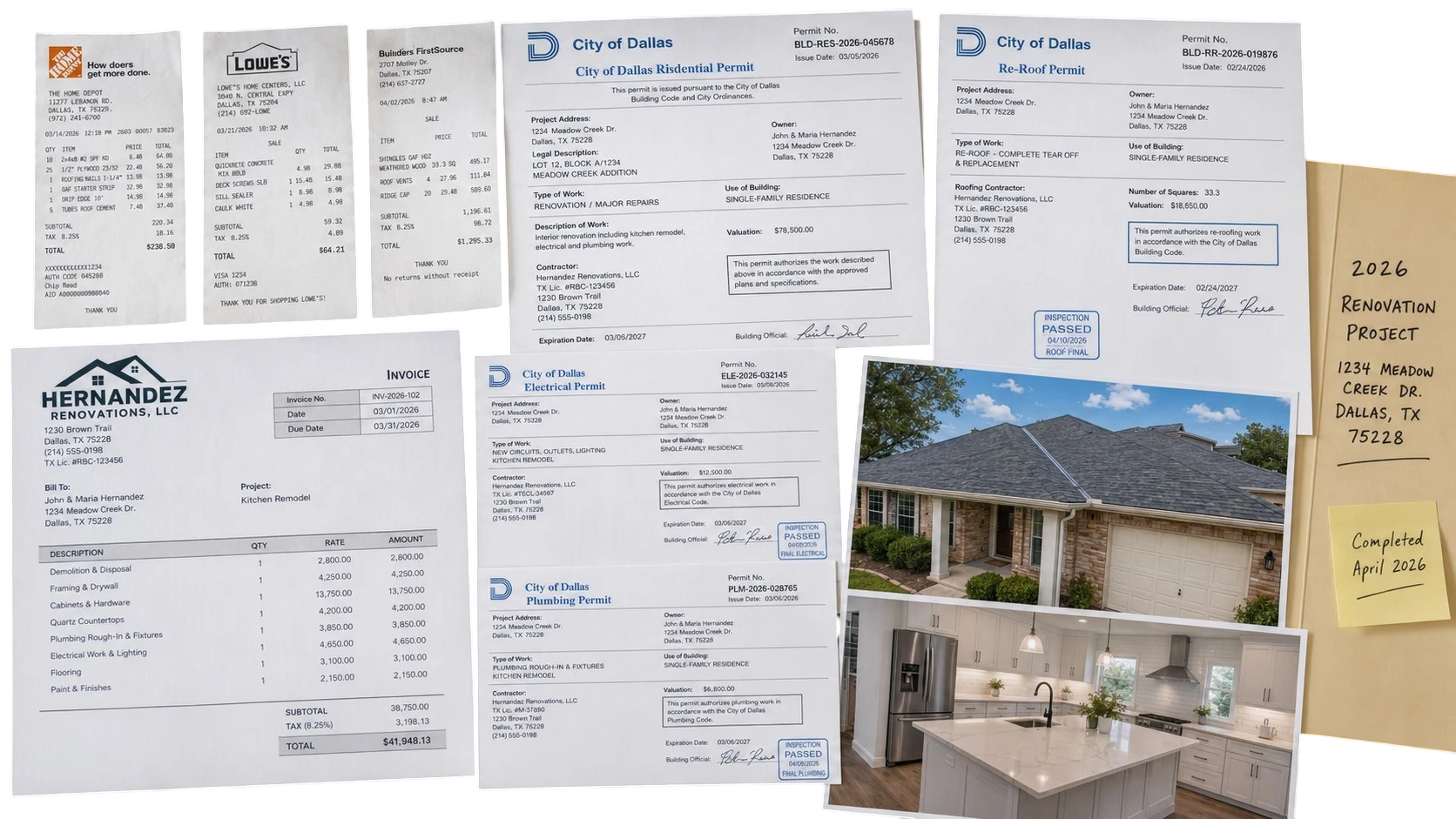
    Many owners leave money on the table by losing track of capital improvements. A new roof, HVAC system, kitchen remodel, or major repair can increase your cost basis. A higher basis can reduce your taxable gain when you sell.

    Therefore, you should document everything and keep digital copies of invoices, permits, contractor bids, and receipts. Don’t guess, without a paper trail, the IRS may reject those costs, which means you could end up paying taxes on money you already spent.

    Time Your Sale for Long-Term Rates

    Timing can be the difference between a painful tax bill and a manageable one. If you sell a property you have held for less than a year, your gain is usually taxed at short-term capital gains rates, which are generally tied to your ordinary income rate. Holding the property for at least one year and one day can qualify you for long-term capital gains rates, which are often lower.

    If you are only a month or two away from that one-year mark, waiting may be the smarter move, even if the market shifts a little in the meantime.

    Understand Dallas Property Tax Cycles
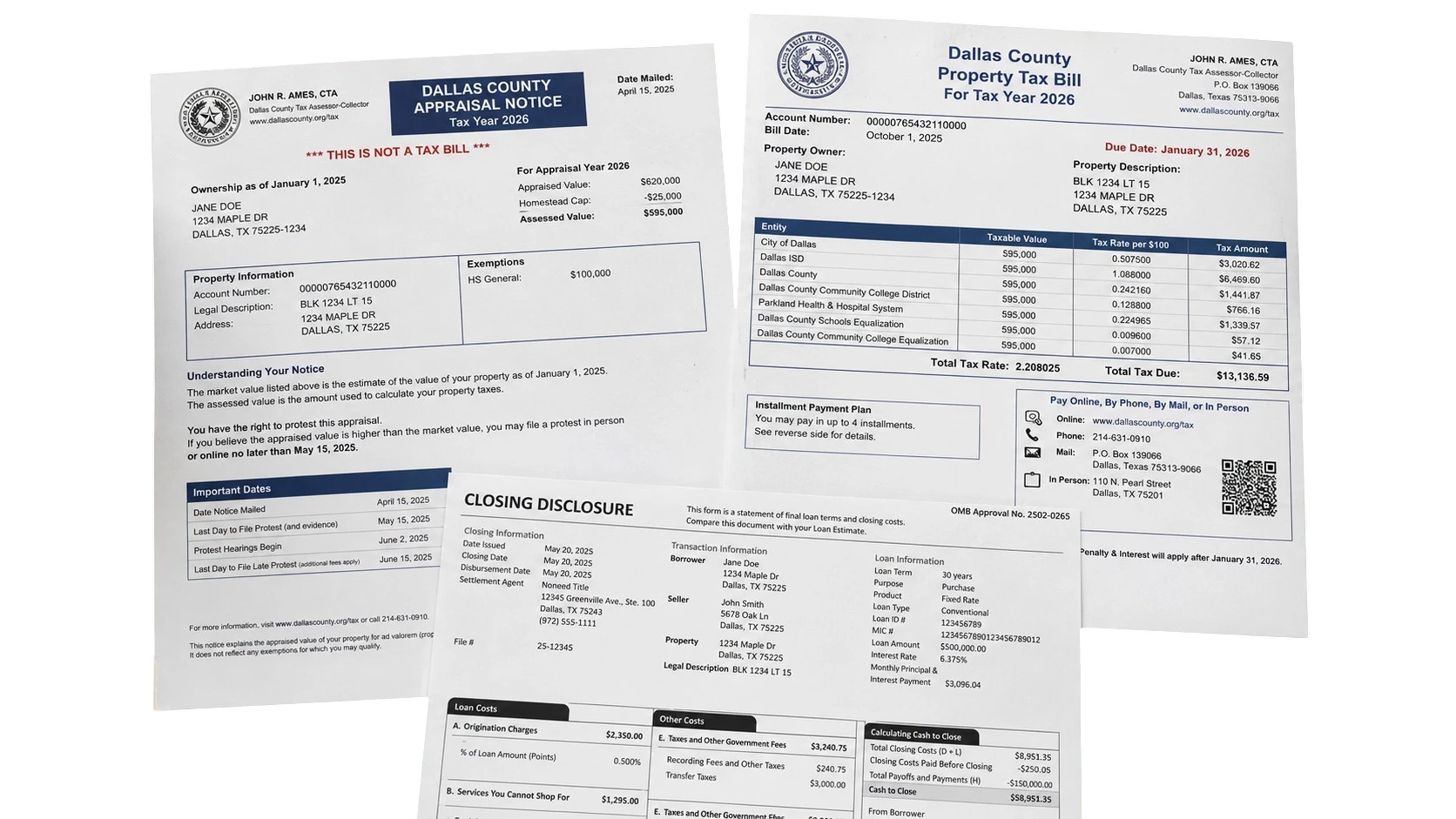
    Texas has no state income tax, but property taxes can still take a serious bite out of your cash flow. Dallas County values are reviewed regularly as part of the annual property tax cycle, and a sudden jump in appraised value can affect your numbers, especially if you own rental or investment property.

    When selling, pay close attention to how property taxes are prorated at closing. Appraisal notices, protest deadlines, tax bills, and payment dates can all affect your bottom line. A poorly timed closing can leave you covering more of the year’s tax burden than expected.

    Use Primary Residence Exclusion

    If you are selling your home, the Section 121 exclusion may be your strongest tax break. If you have owned and lived in the home as your main residence for at least two of the last five years, you may be able to exclude up to $250,000 of gain if you are single, or up to $500,000 if you are married filing jointly.

    With Dallas home prices climbing, many long-term homeowners are getting closer to those limits. If your gain exceeds the exclusion, review your improvement records, selling costs, and any business or rental use of the home with a tax professional before you sell.

    Plan for Depreciation Recapture

    Depreciation can be a valuable tax shield while you own a rental property, but it can come back into play when you sell. Depreciation recapture often catches investors off guard because it can reduce how much they actually walk away with after closing.

    To manage this, you should budget for the hit by knowing your cumulative depreciation before you set your asking price. You might also consider a 1031 exchange because, in the right situation, a properly structured exchange can help defer depreciation recapture along with capital gains.

    Work With Local Experts

    The Dallas market moves fast, and the tax impact can move just as quickly. A strong sale price is only part of the win. What really matters is how much you keep after taxes, closing costs, and planning mistakes.

    Before you sell, work with a CPA and a real estate professional who understand Dallas County tax rules, 1031 exchange timelines, and local closing practices. The right plan can help you protect more of your profit and avoid surprises at the closing table.

  • Smart Real Estate Investing Starts With the Right Checking Account

    Real estate investing depends on solid money management. While finding the right property is important, clean books help protect your profits. Many new investors skip this step and run into trouble later when it is time to track income and expenses.

    Your checking account is at the center of this setup. It seems basic, but the right account simplifies your daily transactions and gives you a clear view of your finances.

    Why Financial Organization Matters for Real Estate Investors

    Managing real estate finances involves more than collecting rent and paying bills. You have to juggle different income streams, ongoing maintenance costs, and future plans.

    Rental income can come from different tenants, properties, or short-term rentals, so you need to record every payment accurately. Without a clear system, it is easy to miss payments or lose track of how each property is performing. Organized finances also make tax season much easier because all your numbers are in one place. This reduces stress and helps lower the risk of costly tax mistakes.

    Beyond taxes, good organization improves your decision-making. When you can clearly see your income, expenses, and net returns, it becomes easier to decide whether a property is worth keeping, updating, or selling. Good numbers lead to better choices.

    How a Checking Account Supports Your Investment Plan

    A checking account anchors your financial system. It keeps your money moving through one clear place, so you can monitor activity without digging through different accounts.

    By keeping rental income and property-related expenses in one account, you make your records easier to follow. This helps you track cash flow in real time and understand how money moves in and out of your business. Separating personal and investment finances is just as important because it removes confusion and keeps your records clean.

    Many new investors look for simple ways to get started without jumping through hoops. That is why options like a free checking account, no credit check, no deposit can be appealing early on. These accounts let you set up your business finances without locking up extra cash upfront.

    What to Look for in a Real Estate Investor Checking Account

    Choosing the right checking account takes more thought than opening the first account you find. A few features can make your real estate finances much easier to manage over time.

    Here’s what to look for:

    • Low or no monthly fees, so you can protect your profits, especially if you manage multiple properties.
    • Strong online and mobile access, so you can monitor transactions, transfer funds, and stay informed wherever you are.
    • Flexible transaction limits, since real estate often involves frequent deposits and payments.
    • Accounting software integration, which can reduce manual data entry and help keep your records accurate.

    An account that can handle your daily activity without extra charges will save you both time and money.

    How the Right Account Keeps You Organized

    The benefits of a well-chosen checking account go beyond convenience. It can shape how you manage your money every day.

    With the right setup, you can clearly categorize expenses like maintenance, utilities, and mortgage payments. This makes it easier to understand where your money is going. That level of detail also supports better budgeting and helps you plan ahead for future costs, such as roof repairs or a few months without a tenant.

    Keeping all transactions in one organized system also simplifies your bookkeeping. Instead of sorting through scattered receipts and statements, you have everything easy to find, which saves time and reduces errors.

    Common Money Mistakes Real Estate Investors Make

    Even experienced investors can struggle with keeping their books clean if they do not have the right systems in place.

    One of the most common mistakes is mixing personal and business funds. This creates confusion and makes accurate tracking difficult. Another common issue is failing to record expenses consistently, which can lead to incomplete data and poor business decisions.

    Some investors also overlook small banking fees, not realizing how much they can add up over time. Others use multiple accounts without a clear structure, which makes their finances harder to manage.

    Tips for Setting Up Your Finances

    Creating an effective financial system does not have to be complicated, but it does require consistency.

    Start with these steps:

    • Open a dedicated checking account early, so your personal and investment finances stay separate from the beginning.
    • Automate rent collection and recurring payments to save time and reduce the risk of missed bills.
    • Consider separate accounts for different properties as your portfolio grows.
    • Review your bank statements regularly, so you can catch small issues before they become bigger problems.

    A simple system is often the easiest one to maintain. The key is to keep your records clear and review them often.

    Frequently Asked Questions

    Do I need a business checking account?

    Many investors wonder if they need a business checking account. While it may not always be required, it is often the better choice for staying organized and planning for growth.

    Is one account enough for multiple properties?

    One account can work in the beginning. As your portfolio grows, separate accounts can make it easier to see how each property is performing.

    What are the most important account features?

    The most important features to look for are low fees, reliable digital access, and strong transaction tracking. Online checking accounts are a practical choice for many investors because they offer flexibility and convenience without sacrificing the tools you need.

    Final Thoughts

    Financial organization matters in real estate investing, and it starts with choosing the right checking account. While it may seem like a small decision, it can affect how well you manage your money over time. A well-structured account helps you track income, control expenses, and make decisions with more confidence.

    Setting up the right system now can make managing your properties much easier later on.

  • Why Property Investors Struggle to Manage Their Finances

    Starting out as a property investor takes courage, and it takes grit to turn an idea into something that pays the bills. But there is a common reality many real estate investors face.

    They are excellent at what they do, whether that’s finding deals, managing rental properties, or overseeing renovations, but are still learning how to manage the financial side of things. Small businesses rarely struggle because the owner lacks talent or passion. Instead, they struggle because the financial side isn’t built on a solid system.

    Turning a side hustle into a full-time business means thinking differently. Just checking your bank balance on your phone doesn’t mean things are actually going well.

    That balance doesn’t account for the tax bill due in three months, the vendor invoice due next week, a repair bill on a rental property, marketing costs for listings, or a mortgage payment on an investment property. To run a business well, the shift has to be from reactive spending to proactive management.

    Mixing Personal and Business Finances

    One of the most common reasons small businesses run into trouble is blurring the lines between personal and business money. When you use one account for groceries and business supplies, things get confusing fast. It becomes impossible to see the true health of your company. This lack of clarity leads to overspending and a lot of stress when April 15 rolls around. This is especially common for real estate agents, landlords, and property investors who may collect commissions, rent payments, or reimbursements in different accounts.

    You need to keep your personal and business finances completely separate. Having a dedicated business checking and savings account lets business owners see exactly what the business is making. It creates a boundary that protects personal finances and ensures the company is operating on its own.

    Not Using Digital Tools to Stay Organized

    Many owners wait until the end of the year to gather a pile of crumpled receipts and try to make sense of everything. This often leads to missed deductions and a lot of frustration.

    There’s no reason to manage everything on paper. Using the right tools to manage your business finances can change everything, especially when tracking rent payments, commissions, maintenance expenses, and closing costs. These platforms help by categorizing expenses and keeping records in one secure place.

    For real estate businesses, organized records also make it easier to review property performance, agent commissions, and transaction expenses.

    When you use digital systems, you get real-time data. Profit and loss can be checked at any time. Late-paying clients are easier to track without digging through an inbox. Most importantly, there’s more time to focus on growing the business instead of manually entering data.

    Misunderstanding Cash Flow

    There’s a big difference between profit and cash flow. You might have a month where you sign multiple listings, close several deals, or fill vacant rental units, and show a lot of money on paper, but if the cash isn’t in the bank to pay your rent, your business is in trouble.

    Many businesses run into problems because they don’t account for the timing of cash coming in and going out. They pay for supplies and labor today, cover staging, repairs, mortgage payments, insurance, or property taxes, but don’t get paid until closing or until rent is collected.

    Note

    To fix this, you need a cash flow forecast. This is just a simple way to look at when money is expected to come in and go out. By looking ahead, you can spot slow periods before they happen.

    You might decide to delay a big equipment purchase or push a little harder on collections to make sure you have the cash to keep the business running.

    Not Planning for Taxes

    Tax season should never be a surprise. Yet, every year, many small business owners are blindsided by a tax bill they didn’t save for. When you’re an employee, taxes are taken out before you ever see your paycheck. When you’re the boss, that responsibility falls entirely on you. If you spend every dollar that hits your account, you’re spending money that should have been set aside for taxes.

    The best practice is to set aside a percentage of every payment you receive. Putting part of your gross income into a separate tax savings account helps ensure you’re prepared when taxes come due. It’s much easier to save a little bit as you go than to find $5,000 or $10,000 all at once.

    This matters even more in real estate, where income may come in unevenly through commissions, rental income, short-term rental bookings, or property sales. Owners should also prepare for property taxes, self-employment taxes, capital gains considerations, and depreciation-related reporting when applicable.

    Avoiding the Numbers

    Perhaps the biggest reason for financial problems is simple avoidance. Many people feel anxious when they look at their spreadsheets. They worry the news will be bad, so they don’t look at all. That habit only makes the problems grow. Financial issues don’t go away because you ignore them. They only get more expensive to fix.

    Note

    Do a weekly money check-in. Set aside 30 minutes every Friday to review your accounts, send out invoices, pay your bills, check rent collections, review vacancy costs, and monitor repair spending across properties.

    When you look at your finances every week, the numbers lose their power over you. They become just another tool in your toolkit. You start to see patterns, catch errors early, and begin to feel a sense of control you didn’t have before.

    Building a Business That Can Grow

    Managing your money right isn’t just about staying out of trouble. It’s about creating a business that has value. If you ever want to take out a loan, bring on an investor, buy another property, refinance an existing one, or sell your company, you’ll need clean, organized books. You’re not just tracking pennies. You’re building a track record of success.

    By putting these systems in place now, you’re giving your business the room it needs to grow. You’re moving away from guesswork and becoming an owner who runs the business with confidence and control. It takes discipline, and it might feel tedious at first, but the freedom that comes with financial clarity is worth it for any small real estate business owner.

  • 4 Financial Strategies Every New Real Estate Investor Should Learn

    Many people buy their first rental property expecting a smooth ride to passive income. They run a quick calculation, see a few hundred bucks left over after the mortgage, and assume they’ve struck gold. The reality usually hits them around month three, right after the water heater bursts or a tenant stops paying.

    Building a portfolio that actually survives market swings takes more than basic arithmetic. You need a solid grip on the financial fundamentals that help determine who stays in business and who sells at a loss.

    1. Stop Trusting the Gross Rent

    A lot of first-time investors calculate profit by taking the monthly rent and subtracting the loan payment. That kind of math can leave you short on cash fast. Real cash flow analysis includes invisible expenses people tend to miss, like property management fees, vacancy allowances, routine maintenance, and capital expenditures.

    Many experienced landlords use the 50% rule as a quick test. This rule assumes that half of your gross income will go toward operating expenses before you even pay the mortgage. While it is just an estimate, it forces you to acknowledge that a fried condenser coil in mid-July or a sudden roof leak can wipe out a year of thin margins.

    Seasoned buyers allocate a strict percentage of gross income for future repairs before they even close on the house. Running your numbers with a healthy buffer for these costs protects your downside and keeps the property functioning as an asset instead of becoming a major financial headache.

    2. Squeeze the Tax Code

    Taxes can become one of your biggest expenses, yet beginners treat them as an afterthought when April rolls around. One of the most useful tools available to property owners is cost segregation.

    Instead of slowly depreciating residential rental property or nonresidential real property over 40 years, you can hire a qualified professional like an engineer to identify components that qualify for shorter recovery periods. This includes things like fixtures, flooring, lighting, or land improvements that can be reclassified into 5-year or 15-year buckets.

    Under current IRS guidance, eligible property acquired after Jan. 19, 2025, qualifies for permanent 100% bonus depreciation. This means some shorter-life assets may be fully deductible in year one if they meet the rules. On the right property, that can create a much larger first-year deduction than standard depreciation alone. If you’re getting started with this strategy, make sure the study is done correctly and reviewed by a qualified tax professional..

    3. Build a Strong Cash Reserve

    Real estate is not very liquid. You cannot sell off the master bedroom to cover an unexpected tax bill or a sudden vacancy. That is why a solid cash reserve is essential.

    Aim to park at least three to six months of operating expenses in a liquid account for every single property you own. For a standard single-family rental, that usually means keeping $3,000 to $5,000 sitting in a high-yield savings account where you can access it instantly.

    This cash acts as a shock absorber during economic downturns, localized market slumps, or extended eviction processes. Investors who operate without a safety net often find themselves forced to liquidate assets at a steep discount during hard times just to keep the lights on.

    4. Use Leverage Carefully

    Debt is one of the main reasons real estate can be so profitable because it allows you to control larger assets with a fraction of the total purchase price. But too much leverage is one of the fastest ways to lose money.

    Experienced investors pay close attention to the Debt Service Coverage Ratio to ensure the property’s net operating income comfortably handles the loan obligations, even if rents dip. Most commercial lenders want to see a DSCR of at least 1.20 to 1.25, meaning the property generates 20% to 25% more income than the cost of the debt.

    Lock in long-term, fixed-rate debt whenever possible to hedge against inflation and interest rate spikes. Later on, strategically refinancing properties once you build sufficient equity can free up capital to fund your next acquisition without selling the property. Leverage is a powerful tool for building wealth, but it can hurt you fast if you misuse it.

    Surviving in this industry means playing the long game. Accurately projecting cash flow, using smart tax strategies, keeping healthy reserves, and managing debt responsibly form a foundation that can help you weather different market cycles.

  • Surviving Tax Season in Houston: Expert Advice on Preparation, Planning, and Finding the Right CPA

    Tax season in Houston often looks simple because Texas doesn’t have a state income tax. In reality, filing can still be time-consuming. Most households and business owners deal with federal deadlines, self-employment taxes, investment income, and mortgage paperwork.

    Managing tax season usually requires preparation months before April, not last-minute filing. A CPA who understands federal rules and Houston-specific considerations can help reduce mistakes and keep more money in your pocket. Firms like The Rascon CPA Firm work with Houston residents and business owners on these issues every year.

    This guide is for residents who want to stay organized, plan earlier, and work with a CPA who understands their needs.

    Get Organized Before Tax Season Arrives

    The easiest way to reduce stress is to prepare early and keep consistent records throughout the year.

    Gather the Essential Documents

    Create a folder for the current tax year and add documents as they arrive instead of scrambling at the last minute. Most filers will need a combination of these items:

    • W-2 forms for employee income
    • 1099 forms for contract work, interest income, dividends and brokerage accounts
    • 1098 forms for mortgage interest or student loan interest
    • Records showing charitable donations
    • Receipts and invoices for business income or side work
    • Health insurance forms (if applicable)
    • Last year’s tax return to help identify carryovers and recurring issues

    Don’t Overlook These Details

    These items are often missed, yet they are usually what slows down filing or triggers extra questions from your CPA.

    • Major life changes such as marriage, divorce, having a child, moving or buying a home
    • New rental properties or short-term rental income
    • Any out-of-state income, even if you live and work in Texas
    • A short explanation of large financial events such as selling stock, selling a home or taking money out of retirement accounts

    Understand Deadlines and Extensions

    For most individuals, the federal tax deadline is April 15 unless it falls on a weekend or holiday. Partnerships and S corporations are generally due by March 15.

    An extension gives you more time to file the paperwork, but it doesn’t grant more time to pay. If you owe taxes, payment is still due by the original deadline to reduce penalties and interest.

    Clean Bookkeeping Simplifies the Process

    If you own a business, run a side gig or manage rental property, your tax return is only as good as your records.

    Keep Your Books Clean All Year

    Trying to reconstruct a full year of transactions in March often leads to errors. A simple monthly routine can prevent most problems:

    • Reconcile bank and credit card accounts
    • Categorize expenses the same way every month
    • Keep personal and business spending separate
    • Save receipts for large purchases and anything that might need an explanation later

    QuickBooks Helps, But Only If Set Up Correctly

    QuickBooks is widely used by Houston small businesses because it’s easy to share with a bookkeeper or CPA. A QuickBooks ProAdvisor can help with setup, training and monthly maintenance so your reports stay accurate. When your books are organized, your CPA can focus on tax strategy rather than cleanup.

    Strategic Tax Planning Drives Savings

    Filing concludes the process, but planning is what actually impacts your tax liability.

    Key Deductions and Credits

    Depending on your situation, you may qualify for the following:

    • Home office deductions (if you meet IRS guidelines)
    • Vehicle deductions using mileage or actual expenses
    • The Qualified Business Income (QBI) deduction for eligible business owners
    • Energy-related credits for certain home improvements

    The biggest mistake is guessing. Accurate tracking and proper documentation ensure these deductions stand up to scrutiny.

    Stay on Top of Estimated Taxes

    If you earn income without withholding, quarterly estimated payments help prevent penalties. Many Houston professionals in real estate, oil and gas, health care and consulting get caught off guard because income can change throughout the year.

    Use Retirement Contributions Strategically

    Contributing to retirement accounts can lower taxable income while helping you build long-term savings. Options may include traditional IRAs, 401(k) plans or SEP IRAs for business owners.

    Time Income and Expenses Strategically

    Some business owners manage taxable income by timing invoices or prepaying legitimate expenses. A CPA can explain what is allowed, what helps and what creates risk with the IRS.

    How To Find The Right CPA In Houston

    A good CPA does more than just file forms; they help you make smarter financial decisions.

    Define Your Needs

    Be clear about what kind of help you are looking for:

    • A basic return with a W-2 and a primary residence
    • A return with rental property, investments or multiple income streams
    • Business tax preparation with ongoing planning
    • Help responding to IRS notices or resolving back taxes

    Use Referrals and Credible Directories

    Referrals from people in similar situations are often the most reliable. You can also search the Texas Society of CPAs or the IRS directory of credentialed preparers.

    Verify licensing and experience

    Confirm the CPA is in good standing with the Texas State Board of Public Accountancy. Then ask this critical question “Do you have experience with clients in my situation?”

    In Houston, industry experience matters. Real estate, oil and gas, medical practices and service businesses all have specific tax nuances.

    Evaluate Communication and Process

    During your first conversation, watch for the following:

    • Clear explanations without excessive jargon
    • A defined checklist of required documents
    • A realistic timeline
    • Secure document upload options
    • Transparent pricing with no surprises

    If the process feels disorganized now, it will likely get worse during peak season.

    A Simple Tax Timeline

    • January: Start your file, update bookkeeping and collect early tax forms
    • February: Schedule your CPA if your return is complex or business-related
    • March: Business owners aim to finalize returns before the mid-March deadline
    • Early April: Individuals file, confirm payments and save copies of everything

    Tax season doesn’t have to feel like a yearly emergency. Staying organized, keeping clean records, and working with a CPA who understands your needs can help you file with confidence and avoid costly mistakes.

  • What Are the Processes Involved in Estate Planning, and How Does It Benefit You?

    Image Source: Facebook.com

    Washington State is home to a diverse population, a strong real estate market, and a growing number of family-owned businesses and professionals. With many residents holding property, investments, and long-term financial goals, estate planning plays an important role in protecting assets across generations.

    Estate planning is more than just writing a will. It is a practical set of steps that helps protect what you own, lower avoidable taxes, reduce the chance of family disputes, and make sure your wishes are handled the way you intended. Whether you own a home, have children, have retirement savings, or run a small business, estate planning helps secure your assets and your loved ones’ future.

    It also gives you control over medical decisions, financial management, and property distribution at times when you might not be able to make decisions yourself. Because Washington has its own probate rules and estate laws, a plan that works in one state may not fit another. Understanding how estate planning works, and why it matters, can help you make timely decisions that safeguard your legacy, including how much an estate will cost in Washington State and the factors that influence pricing.

    1. What Does Estate Planning Actually Include?

    Estate planning in the U.S. typically involves creating a set of legal documents that detail how your assets should be handled if you pass away or become incapacitated. These documents often include:

    • Last Will and Testament: Outlines who receives your assets and names guardians for minor children.
    • Living Trust, also called a revocable trust: Helps certain assets avoid probate, which can speed up distribution and keep details private.
    • Durable Power of Attorney: Names someone to handle financial matters if you cannot.
    • Healthcare Proxy and Living Will: Covers medical decisions and names someone to speak with doctors on your behalf.
    • Beneficiary Designations: Directs who receives assets tied to accounts like life insurance and retirement plans.

    Together, these documents guide how your legal, medical, and financial matters are handled under U.S. state law.

    2. How Do You Start the Estate Planning Process?

    The first step is usually inventorying your assets. This includes real estate, savings accounts, vehicles, digital assets, personal property, and business interests. Many Americans are surprised by how much they own once everything is written down.

    Next, you evaluate your beneficiaries, such as a spouse, children, other dependents, or charitable organizations.

    Then you choose the people who will carry out your plan:

    • Executor: Handles the tasks in your will.
    • Trustee: Manages trust assets based on the terms you set.
    • Healthcare agent and financial agent: Make decisions for you if needed.

    Once you have the basics in place, you can work with an estate planning attorney to prepare documents that meet your state’s rules, since estate law differs across states, including places like California, Texas, New York, and Florida.

    3. Why Is Creating a Will Not Enough?

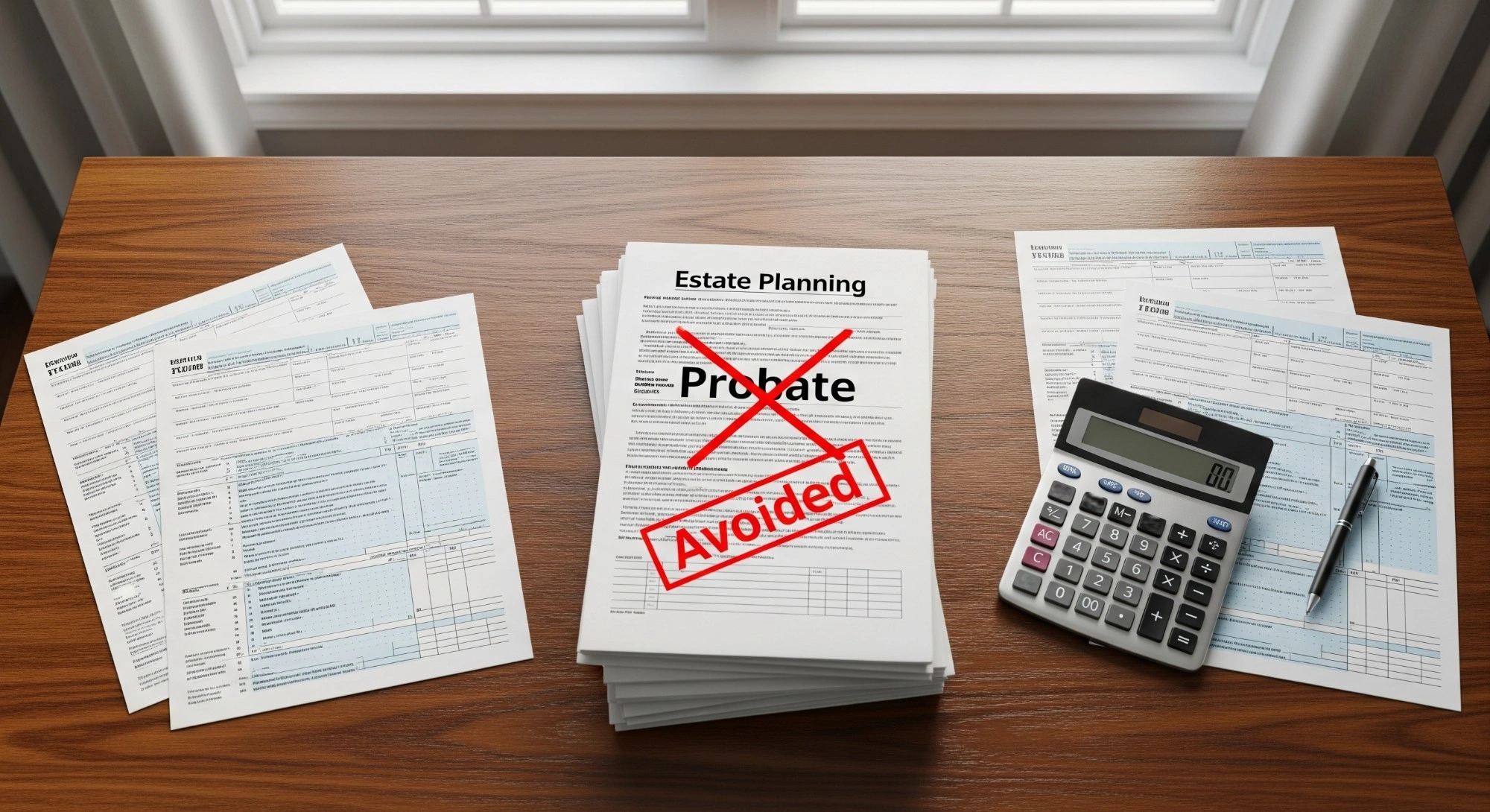
    Many people assume a will alone is sufficient, but in the U.S., a will usually goes through probate. Probate is a court process that can take months, and sometimes longer, depending on your state and the complexity of the estate. It can also become public record and add costs that reduce what beneficiaries receive.

    This is why many Americans choose a revocable living trust. A trust may:

    • Avoid probate for assets titled to the trust
    • Make it easier for loved ones to access assets sooner
    • Keep details more private than probate
    • Support management of assets if you become incapacitated
    • Reduce complications if you own property in more than one state

    A will is still useful, but a trust can add another layer of protection.

    4. How Do Taxes Impact Your Estate Plan in the U.S.?

    Taxes can affect estate planning, especially for higher-value estates. The federal estate tax applies only to very large estates, but some states also have estate or inheritance taxes. Examples include Maryland and New York, and Washington has its own estate tax rules as well.

    Estate planning can help manage tax exposure through tools such as:

    • Trusts
    • Lifetime gifting
    • Charitable giving
    • Retirement account planning, including IRAs and 401(k)s

    A well-built plan can help reduce unnecessary tax costs so more of your estate goes where you want it to go.

    5. What Happens If You Become Medically Incapacitated?

    Estate planning is not only about what happens after death. It also protects your choices if you cannot speak for yourself. A living will can spell out medical preferences, such as end-of-life care and organ donation. A healthcare proxy names someone who can make medical decisions for you.

    In the U.S., hospitals generally follow these documents, which can reduce confusion and help prevent disagreements during stressful situations.

    6. How Does Estate Planning Protect Families with Children?

    For parents of minors, estate planning is especially important. It allows you to:

    • Name a legal guardian
    • Set aside money for education through a trust
    • Plan for long-term care if a child has special needs
    • Avoid leaving guardianship decisions entirely to the court

    Without a plan, the court may decide who raises your children and how assets are managed. Most parents prefer to make those choices themselves.

    7. What Are the Overall Benefits of Estate Planning for You?

    Proper estate planning can give you:

    • More control over your assets and medical choices
    • Fewer probate delays
    • Lower legal and administrative costs
    • More financial security for your family
    • A clearer plan for emergencies and incapacity
    • Peace of mind that your wishes are documented

    It turns uncertainty into a plan and helps keep your legacy intact.

  • The Best 10 Dallas Accounting Services for 2025

    Dallas has become one of the most dynamic financial hubs in the United States. From Fortune 500 headquarters to high-growth startups, the city’s economy depends on expert accounting services that do far more than bookkeeping. Today’s Dallas accounting firms deliver strategic financial insight, regulatory guidance, and support for digital transformation that help organizations to scale successfully.

    Whether you’re a mid-sized business needing tax planning or a fast-growing tech company preparing for an audit, the right accounting partner can help you protect assets, optimize operations, and ensure you stay compliant.

    Why Businesses in Dallas Rely on Professional Accounting Services

    The competitive Texas business climate demands more than annual tax prep. Companies require year-round insight into liquidity, compliance, and financial forecasting.

    Partnering with a Dallas accounting firm provides:

    • Compliance Assurance: Proactive management of federal, state, and international regulations.
    • Strategic Tax Optimization: Structuring entities to minimize liabilities and maximize profitability.
    • Audit Accuracy: Providing transparent, defensible financial reporting.
    • Data-Driven Advisory: Using analytics that support M&A decisions, valuations, and budgeting.
    • Scalability: Offering technology-enabled systems that evolve alongside business growth.

    What to Look for in a Dallas Accounting Partner

    The right accounting firm acts as both a compliance guardian and a growth partner.

    When evaluating firms, consider:

    • Industry Expertise: Look for deep experience in your specific sector, whether manufacturing, healthcare, or technology.
    • Comprehensive Services: Ensure they offer audit, tax, assurance, valuation, forensic, and advisory services all under one roof.
    • Tech Integration: Prioritize cloud accounting, ERP integration, and automation to improve efficiency and data accuracy.
    • Client Accessibility: Confirm direct partner involvement and responsive communication.
    • Proven Results: Ask for client testimonials, awards, and measurable success metrics.

    Top 10 Dallas Accounting Firms

    Below are the leading accounting firms in Dallas for 2026, chosen for their track records, client service, and forward-thinking solutions.

    1. Bennett Thrasher

    Bennett Thrasher ranks among the premier accounting and advisory firms serving Dallas and beyond. It has built a reputation for combining financial precision with long-term strategic partnerships.The firm’s collaborative approach sets it apart.

    Bennett Thrasher professionals work closely with management teams to tailor accounting strategies that improve operational decision-making. Their tech-forward audit methods and real-time dashboards provide clear, usable insights

    Core Services include:

    • Comprehensive audit and assurance engagements.
    • Federal, state, and international tax planning.
    • Transaction and valuation advisory for M&A.
    • Risk management and internal control consulting.
    • Family office and high-net-worth services.

    2. Forvis Mazars

    The merger of Forvis and Mazars created a global leader in audit, tax, and consulting. Its Dallas branch delivers the agility of a regional firm backed by international reach across 90+ countries.

    Core Services include:

    • Global audit and assurance.
    • Corporate and individual tax compliance.
    • ESG and sustainability advisory.
    • Transfer pricing and international structuring.
    • Outsourced accounting and digital transformation.

    3. Whitley Penn

    Headquartered in Texas, Whitley Penn has become a household name in accounting and consulting across the Southwest. Its Dallas office provides deep expertise across audit, tax, and financial advisory.

    Core Services include:

    • Audit, assurance, and risk evaluation.
    • Federal, state, and local tax planning.
    • Business valuation and transaction consulting.
    • IT audit and cybersecurity assurance.
    • Outsourced CFO and controllership services.

    4. BDO Alliance

    BDO Alliance USA is a global network connecting independent CPA firms with shared standards of quality and innovation. The Dallas office leverages BDO’s extensive international infrastructure.

    Core Services include:

    • Audits for public, private, and nonprofit organizations.
    • Global and domestic tax services.
    • Forensic accounting and litigation support.
    • ESG compliance and sustainability frameworks.
    • Risk and cybersecurity management.

    5. Armanino LLP

    Armanino LLP is one of the most technologically advanced accounting and consulting firms in the country. Its Dallas office highlights the firm’s forward-thinking approach, blending data science with traditional accounting disciplines.

    Core Services include:

    • Tax, audit, and assurance solutions.
    • Business management and outsourced finance.
    • ESG reporting and compliance.
    • ERP implementation and automation consulting.
    • Performance analytics and strategic planning.

    6. Gurian CPA, PLLC

    Based in Dallas, Gurian CPA, PLLC has carved a niche as a trusted accounting partner for small and mid-sized businesses. Its strength lies in personalized attention and practical financial guidance.

    Core Services include:

    • Corporate and individual tax preparation.
    • Bookkeeping and QuickBooks Online setup.
    • Payroll, compliance, and financial reporting.
    • Audit representation before the IRS.
    • Profitability and growth advisory.

    7. Accountant Ally

    Accountant Ally brings a modern, technology-centric approach to small-business accounting. The firm operates primarily through cloud platforms, offering efficiency and flexibility for distributed teams.

    Core Services include:

    • Bookkeeping, payroll, and financial reporting.
    • Virtual CFO and strategic cash-flow planning.
    • Tax filing and compliance.
    • Cloud integration (QuickBooks, Xero, Gusto).
    • Monthly performance dashboards.

    8. Lane Gorman Trubitt (LGT)

    Lane Gorman Trubitt, founded in 1950, is among Dallas’s most respected independent accounting firms. Its decades-long legacy shows its commitment to professionalism and community trust.

    Core Services include:

    • Audits and reviews for private entities and nonprofits.
    • Business and personal tax consulting.
    • Litigation support and valuation analysis.
    • IT and cybersecurity advisory.
    • Wealth management and estate planning.

    9. Weaver

    Weaver is a Texas-born accounting firm with national recognition. Its Dallas office provides full-spectrum assurance, tax, and advisory solutions supported by a robust technology infrastructure.

    Core Services include:

    • Financial statement audit and internal controls.
    • Federal and multi-state tax planning.
    • Risk advisory and compliance consulting.
    • Energy and manufacturing industry specialization.
    • Digital transformation and SOC reporting.

    10. EisnerAmper Dallas

    EisnerAmper’s Dallas office represents one of the nation’s top advisory and CPA firms, with strong expertise across technology, finance, and private equity sectors.

    Core Services include:

    • Assurance and advisory for public and private entities.
    • Business valuation and transaction support.
    • Tax structuring and global compliance.
    • Family office and wealth preservation services.
    • Financial analytics and outsourcing.

      How Accounting is Changing in Dallas

      Accounting firms in Dallas are becoming strategic advisors. Automation has simplified bookkeeping, freeing professionals to focus on interpreting data, identifying risk, and helping shape corporate strategy.

      Key trends include:

      • AI and Predictive Analytics: Enabling real-time forecasting.
      • Cybersecurity Assurance: Accounting is now intersecting with data governance.
      • ESG and Sustainability Audits: Measuring environmental and social impact.
      • Cloud Collaboration: Remote advisory for distributed teams.
      • Financial Transformation: Integration of ERP, CRM, and BI tools.

      These innovations make Dallas accounting firms vital partners for improving both day-to-day operations and long-term competitiveness.

      Getting the Most from Your Accounting Partnership

      Engage Early: Involve your accounting firm in strategic planning, not just year-end reporting.

      • Leverage Automation: Use cloud dashboards for real-time updates.
      • Request Benchmarking Reports: Compare your metrics against industry peers.
      • Plan for Tax Year-Round: Implement quarterly reviews to avoid surprises.
      • Communicate Consistently: Schedule regular check-ins for consistent alignment.

      This kind of active collaboration ensures that your accounting relationship evolves into a strategic partnership that yields measurable financial improvements.

      Whether you’re handling expansion, a tech upgrade, or new funding, a trusted accounting partner delivers more than compliance. They deliver clarity and confidence.

      Dallas continues to grow as a powerhouse for finance and innovation, and these accounting firms stand ready to guide that growth with skill, insight, and real-world value.

    1. How a Wills and Trusts Lawyer Can Help You Protect Your Estate

      A wills and trusts lawyer is a professional who makes sure your estate plans are clear and legally sound. They help draft tailored wills and trusts, protect assets, minimize taxes, and may even help you avoid costly probate. A will designates how property is distributed after death, while a trust offers greater flexibility, allowing you to control asset distribution with specific conditions.

      In places like Connecticut and California, many law firms specialize in estate planning, elder law, and Medicaid. A solid attorney will make sure your legal documents are in order and your intentions are crystal clear. They can also spare your family from confusion and disputes after you’re gone. If you want to safeguard what you’ve built and make things easier for your loved ones, it’s worth speaking with someone who truly understands the process.

      The 2024 survey from Caring shows that only 24% of Americans currently have a will, which is a noticeable drop compared to the 33% recorded in 2022.

      According to a Naugatuck wills and trusts lawyer, there are several benefits to having a will, and adults should work with a lawyer to ensure it’s legally valid. A will makes the probate process faster, simpler, and less expensive for their loved ones and simplifies the transfer of assets to your intended beneficiaries.

      You can also donate to charities you care about. In addition, it guarantees that your chosen guardians for your minor children or loved ones with special needs are legally recognized and follow through on your plans.

      It’s important to have experienced lawyers draft your will and other estate planning documents so your wishes are legally binding and your loved ones are protected.

      Understanding Wills and Trusts: Key Differences

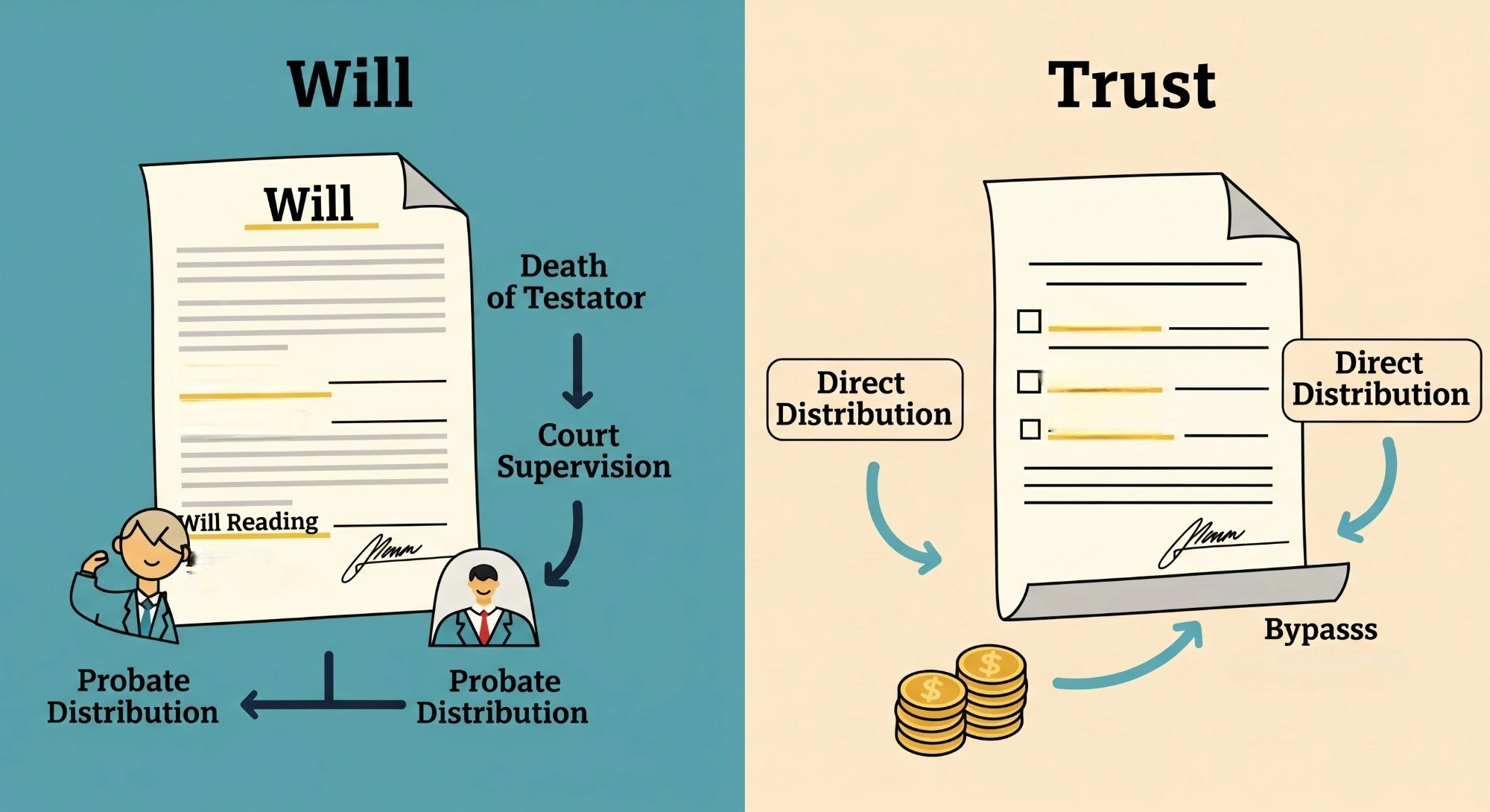
      It’s important to understand the fundamental differences between a will and a trust for estate administration. A will is a legal document specifying how your assets are to be distributed upon your death. A will must go through probate, a court-supervised process that can be lengthy and is a matter of public record.

      On the other hand, a trust is a private way to manage assets. Because the assets are transferred into the trust during your lifetime, probate can be avoided. Trusts are also used to manage assets for beneficiaries who may not be ready to receive an inheritance immediately.

      Setting special terms for distributions allows you to exert greater control over how your assets are used. Understanding the differences helps you choose what works best for your estate.

      The Importance of Tailored Estate Planning

      Customized estate planning allows you to address your specific property, family dynamics, and long-term objectives.

      For example, you may have special considerations regarding the care of your children or the protection of your business. Working with an experienced wills and trusts lawyer helps ensure your plan reflects your values and intentions, allowing your legacy to be honored.

      Another benefit of tailored estate planning is the ability to appoint someone to act on your behalf if you become incapacitated. According to a Upland Durable Power of Attorney Lawyer, certain actions, such as selling stocks, listing your home for sale, accessing your bank accounts, and applying for insurance benefits, might require your agent’s authorization.

      Minimizing Taxes and Avoiding Probate

      When planning your estate, it’s crucial to address potential tax liabilities and the probate process, as both can diminish your estate’s value.

      A skilled wills and trusts lawyer can help you navigate these challenges. Your attorney can help you set up trusts, which are a great way to reduce your estate’s taxable value and keep it out of the public probate process.

      Lifetime gifts and charitable donations can also serve as effective strategies for tax reduction. Furthermore, a lawyer will guide you in creating legal structures that ensure a smooth and timely transfer of assets, allowing your beneficiaries to receive their inheritance without unnecessary delays. Proper planning protects and preserves the value of your estate for the people you care about.

      Ensuring Your Wishes Are Honored

      A clear and thorough estate plan is essential to ensure your wishes are carried out after you pass away. Legal experts work to ensure your assets go exactly to the people you love. They can also help you set up trusts, which offer extra protection and tailored benefits for your beneficiaries.

      It is critical to regularly review and update these documents to reflect significant life changes, such as a marriage or the birth of a child. A well-drafted plan, created with an experienced attorney, also helps ensure that potential legal challenges will not interfere with your final intentions.

      Choosing the Right Estate Planning Lawyer for Your Needs

      To find the right estate planning lawyer for your specific situation, begin by analyzing your individual needs. Do you need assistance drafting a will, establishing a trust, or navigating complicated estate laws? Focus your search on local attorneys who specialize in estate planning and thoroughly vet their qualifications.

      Read online client reviews and testimonials to gauge what past clients have to say about the lawyer’s performance and professionalism. Set up initial consultations to discuss your circumstances and ask about their experience, fee structure, and overall approach. A good lawyer will communicate clearly and listen attentively to your concerns.

      Ultimately, trust your instincts. Find a lawyer who makes you feel comfortable and confident; this partnership is key to your peace of mind. The right lawyer will protect your estate and ensure your wishes are carried out.