Tag: Sustainable Living

  • Powering Your Drive with the Sun: How Smart Home Energy Is Transforming Everyday Life

    Not long ago, using the sunshine on your roof to charge your car would’ve sounded unreal. Now it’s totally normal. All over North America, families are taking control of their energy, not just for lights and fridges, but for their cars too.

    The shift isn’t about gadgets or trendy tech. It’s about security, rising bills, and the desire for independence. At the center of this change are integrated systems that combine solar panels, smart batteries, and EV chargers into a single, cohesive setup. Among the leaders in this space is the OCEAN Pro solar battery storage, which acts like the backbone of an energy-resilient household.

    Image Source: ecoflow.com

    Why solar is moving from “nice to have” to essential

    Sure, solar panels have long been marketed as eco-friendly. But let’s be honest—that’s not the only reason people are climbing onto rooftops to install them. The practical side is just as compelling.

    Electricity rates in North America are not slowing their climb. On average, they’ve risen almost 3% a year for decades. Add that up, and you’re paying far more for the same comfort. With solar power for your home, you suddenly flip the script. Instead of relying entirely on the grid, you’re producing a chunk of your own electricity every single day.

    Image Source: ecoflow.com

    EcoFlow makes this transition easier by offering panels that match different lifestyles:

    • Portable panels: Flexible, lightweight, and great for road trips or emergencies.
    • Rigid rooftop panels: A more permanent setup for homeowners ready to commit.
    • Balcony systems: Compact but clever, ideal for apartments or smaller spaces.

    Bottom line: solar isn’t just about “going green.” It’s about taking control.

    Storage turns solar into a 24/7 solution

    Here’s the catch—solar panels stop producing once the sun sets. That’s where storage changes the game.

    The OCEAN Pro is more than just a big box of batteries. Think of it as an energy brain for your home. It manages solar input, grid electricity, and even generator backup automatically. With a continuous output of 24kW and expandable storage up to 80kWh, it’s built to keep entire households running without skipping a beat.

    However, the real magic lies in its intelligence. It doesn’t just store power—it predicts when you’ll need it most, and even factors in utility pricing. That means using stored energy when rates are high, or saving excess solar to sell back to the grid in some regions. It’s not just backup power—it’s bill management with brains.

    For homeowners, the difference is clear: no spoiled groceries, no stuffy nights without AC, and no surprise utility charges.

    Smarter driving starts right at home

    EV ownership is climbing fast across North America. But charging is often the sticking point. Public stations are expanding, but they’re not always convenient or affordable. Charging straight from the grid at home can also rack up costs during peak hours.

    Enter the solar EV charger.

    Image Source: ecoflow.com

    EcoFlow’s OCEAN EV Charger plugs directly into the OCEAN Pro system. Instead of unquestioningly pulling from the grid, it prioritizes solar first, then stored energy, and only dips into grid power when necessary. That means cleaner miles and cheaper fueling.

    Why it matters:

    • Speed: Up to 11.5kW charging, giving you ~46 miles of range per hour.
    • Smart scheduling: No need to wake up at midnight to plug in—the system knows when to charge.
    • Compatibility: Works with most EVs thanks to the SAE J1772 connector.
    • Weather-ready: Outdoor rated with a 25-foot cable.

    For EV drivers, this is freedom. You wake up each morning with your car fully charged—without spending hours at a public station or watching your bill creep up.

    The financial equation

    Money always tells part of the story. And when it comes to solar + storage + EV charging, the math makes sense:

    • Bill savings: Households can cut costs by 30–40% through smart scheduling.
    • Tax credits: A 30% U.S. federal tax credit applies to solar + storage, with state rebates layered on top.
    • Outage protection: Hotels, spoiled food, missed work—all the hidden costs of blackouts—disappear.
    • EV charging savings: Solar charging is often half the cost of public charging.

    What was once seen as an “extra expense” is now a long-term savings plan.

    Convenience without complexity

    Here’s a reality check: most families don’t want to tinker with their energy system. They want something that works. That’s where EcoFlow’s design shines.

    • Plug-and-play setups simplify installation.
    • App-based control keeps everything visible—solar production, storage, even car charging.
    • Quiet, clean systems eliminate the noise and fumes associated with gas generators.
    • Scalable design lets you start small and expand later.

    This balance of power and simplicity is what makes energy independence attainable for everyday households.

    EcoFlow’s lineup for every stage

    One size doesn’t fit all. That’s why EcoFlow created a whole ecosystem:

    • OCEAN Pro → The flagship, whole-home system.
    • DELTA Pro Ultra → Modular, expandable up to 90kWh for long-term planners.
    • DELTA Pro 3 → A hybrid solution for portability and backup.
    • DELTA Pro → Compact yet expandable, scaling up to 25kWh.
    • RIVER Series → Lightweight power stations for travel or emergencies.

    Pair these with solar panels and the EV charger, and households can build energy independence step by step.

    The human side of energy

    Beyond savings and specs, energy security changes how families feel. Imagine a summer blackout where your neighbors are sweating it out, but your AC is humming. Or waking up after a storm knowing your EV still has a full charge.

    For parents of young children or caregivers supporting older relatives, this isn’t just convenience—it’s peace of mind. No frantic trips to gas stations, no worrying about medical devices, and no stress about spoiled food.

    Resilience isn’t only technical. It’s emotional.

    Looking ahead

    What used to be a “nice extra” is quickly becoming a standard expectation. Just like Wi-Fi and air conditioning once shifted from luxuries to necessities, home energy systems are heading the same way.

    Solar panels on rooftops, smart batteries in garages, and EV chargers in driveways—it’s a picture of everyday life that’s becoming more common across North America. And it’s not futuristic anymore. It’s practical, affordable, and, increasingly, essential.

    Conclusion: the future starts in your driveway

    From the OCEAN Pro Solar battery storage to solar power for your home and the OCEAN EV Charger, EcoFlow’s solutions aren’t about flashy tech—they’re about giving households more control.

    In a world where outages, costs, and EV adoption are colliding, these systems give families the independence they need. The driveway, the rooftop, the garage—they’re no longer just parts of a house. They’re where the future of energy lives.

  • How Energy-Smart Homes Attract Buyers in Dallas

    Image Source: istockphoto.com

    A great location isn’t enough in this market anymore. Buyers want houses that look modern and help save on monthly bills. Features like better insulation, updated windows, and smart thermostats carry weight. They make a property look cared for and keep the electric bill from climbing when the summer heat sets in.

    You don’t always need a big remodel to get noticed. Swapping old bulbs for LEDs or installing a programmable thermostat shows buyers that the house is easy to run and ready for everyday living.

    Texas homeowners can also shop electricity providers through Power to Choose Texas, giving them another way to cut monthly costs. Put those savings together with a home that already runs efficiently, and you’ve got a selling point buyers will remember.

    Why Energy Efficiency Matters

    Utility bills here rise fast, especially when air conditioners run day and night. That’s why energy efficiency isn’t just a bonus, it’s a priority for many buyers. Families, retirees, and first-time homeowners all see the appeal of spending less on electricity and gas.

    On top of the financial side, buyers know an efficient home uses fewer resources and leaves a lighter footprint. That combination of comfort, savings, and sustainability makes energy-smart homes some of the most attractive properties on the market.

    Key Features That Catch Buyers’ Attention

    • Smart thermostats and updated HVAC systems. Buyers here pay close attention to how a home handles the summer heat. A smart thermostat paired with a high-efficiency HVAC system keeps rooms comfortable without running up the electric bill.
    • Better windows and insulation. Energy-efficient windows and well-insulated walls or attics keep cool air in during the summer and warmth in during the winter. That means fewer hours with the AC or furnace running and more savings on monthly utilities.
    • Energy Star appliances. Kitchen and laundry appliances with the ENERGY STAR label, like refrigerators, dishwashers, washers, and dryers, use less water and electricity. They save money over time and give buyers confidence that the home is equipped for everyday living.

    These kinds of updates don’t just lower bills. They make a house feel looked after and ready for the next owner. In Dallas, that can mean your place gets more attention and sells quicker. If you’re thinking about listing soon, adding a few energy-friendly touches can make life easier while you’re there and help your home stand out when it hits the market.

    Energy-Saving Home Upgrades That Add Value

    Energy-efficient features have moved from “nice to have” to “must-have.” Buyers are paying close attention to long-term costs, and homes that cut down on utilities tend to get more interest and stronger offers. For homeowners, making a few upgrades not only keeps daily living more comfortable but also helps your property stand out in a busy market.

    What Buyers Notice Most

    • Smart thermostats. Systems like Nest and Ecobee adjust on their own to keep the house comfortable while using less energy. Buyers like the convenience and the savings.
    • LED lighting. Switching to LED bulbs and efficient fixtures is one of the easiest, most affordable upgrades. It shows buyers the home has been cared for and updated.
    • High-efficiency HVAC. New heating and cooling systems are a big plus in Dallas, where summers are long and hot. Buyers want a system they can count on without sky-high bills.
    • Solar panels. More buyers are open to renewable energy. Solar can cut monthly expenses and add value. Even if panels aren’t on your roof, some families tap into community solar programs for similar benefits.
    • Better insulation and windows. Sealing leaks, upgrading insulation, and adding energy-efficient windows make a home more comfortable year-round. Buyers notice when a house feels solid and well-kept.

    When these upgrades come together, they do more than lower bills. They show buyers the home is ready for the future and well taken care of. In a market as competitive as Dallas, that can mean quicker offers and better prices.

    Energy Efficiency as a Selling Point

    Buyers aren’t just looking at square footage and curb appeal anymore. They also want homes that won’t cost a fortune to keep cool in the summer or warm in the winter. If your place already has energy-saving upgrades, that’s worth pointing out. It shows the home has been updated, cared for, and is ready for the next owner.

    What buyers respond to most are details that make daily living easier. Smart thermostats that adjust on their own, Energy Star appliances that use less water and electricity, and LED lighting that brightens a space without raising the bill. Efficient windows and solid insulation add even more value by keeping the home comfortable through both summer heat and cold snaps, while cutting back on heating and cooling costs.

    When you show that a house offers comfort and savings together, you tap into what today’s buyers want: efficient, practical, and stylish living.

    10 Energy-Saving Upgrades to Make Before You Sell

    Getting ready to put your house on the market? A few energy-friendly updates can help lower bills now and make your place more attractive when buyers walk through the door. Here’s a simple checklist to cover before you list:

    1. Update the HVAC.

    If your system is old, consider replacing it with a high-efficiency model. Even if it’s newer, schedule a tune-up so it’s running at its best.

    2. Add a smart thermostat.

    Buyers like the convenience of systems that adjust automatically. It’s an easy upgrade that shows off a modern touch.

    3. Switch to LED lighting.

    Replace every bulb with LEDs. They last longer, use less energy, and instantly make the home feel updated.

    4. Upgrade appliances.

    Energy Star refrigerators, washers, dryers, and dishwashers stand out in listings. They save on electricity and water, which buyers notice.

    5. Improve insulation.

    Add insulation in the attic and check for gaps around doors and windows. A well-sealed house feels more comfortable right away.

    6. Install efficient windows.

    Double-pane or Low-E windows keep the house cool in summer and warm in winter. Pair them with clean, modern window treatments for a fresh look.

    7. Weatherize.

    Door sweeps, caulking, and sealing up leaks go a long way. It’s a small fix that makes a big difference in comfort.

    8. Consider solar.

    Panels can cut down utility costs and catch the eye of eco-minded buyers. Even partial or community solar options are worth highlighting.

    9. Update the water heater.

    Tankless or high-efficiency water heaters save energy and are a nice bonus feature to mention in your listing.

    10. Highlight the upgrades.

    Don’t forget to call out the improvements in your marketing. Simple notes like “Energy Star appliances,” “Smart thermostat,” or “LED lighting throughout” tell buyers exactly what they’re getting.

    Making these upgrades can help your home feel more comfortable while you’re still living in it and give you an edge once it’s on the market. Homes that run efficiently often sell faster and for a better price.

  • Pros and Cons of Solar Panel Roofs in Texas

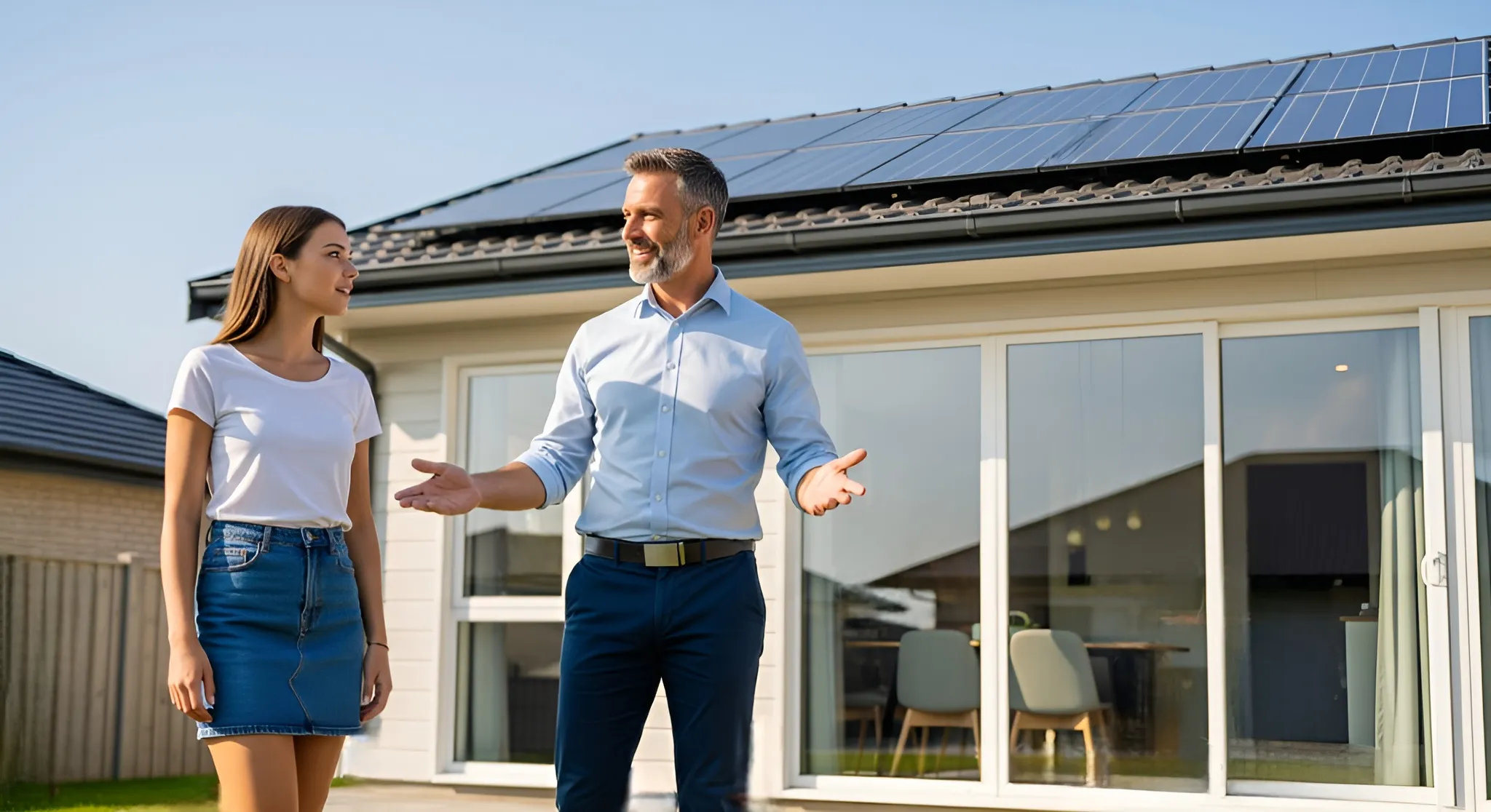
    A modern suburban house with solar panels on the roof under a clear blue sky.

    Solar panel roofs are becoming a popular option for homeowners in Texas due to the state’s abundant sunlight. They offer a way to reduce electricity bills and increase home value but also involve upfront costs and maintenance considerations.

    The key to deciding if solar panels make sense in Texas lies in weighing their long-term savings against installation expenses and potential limitations like weather and roof orientation. Understanding both the advantages and drawbacks can help homeowners make an informed choice.

    This article explores the primary pros and cons of solar panel roofs specific to Texas weather, energy policies, and market factors. It aims to provide clear facts that assist readers in deciding whether solar technology fits their needs.

    Benefits of Solar Panel Roofs in Texas

    Solar panel roofs in Texas offer clear financial advantages, reduce environmental impact, and provide access to government incentives. They can also boost property values by making homes more energy-efficient and modern.
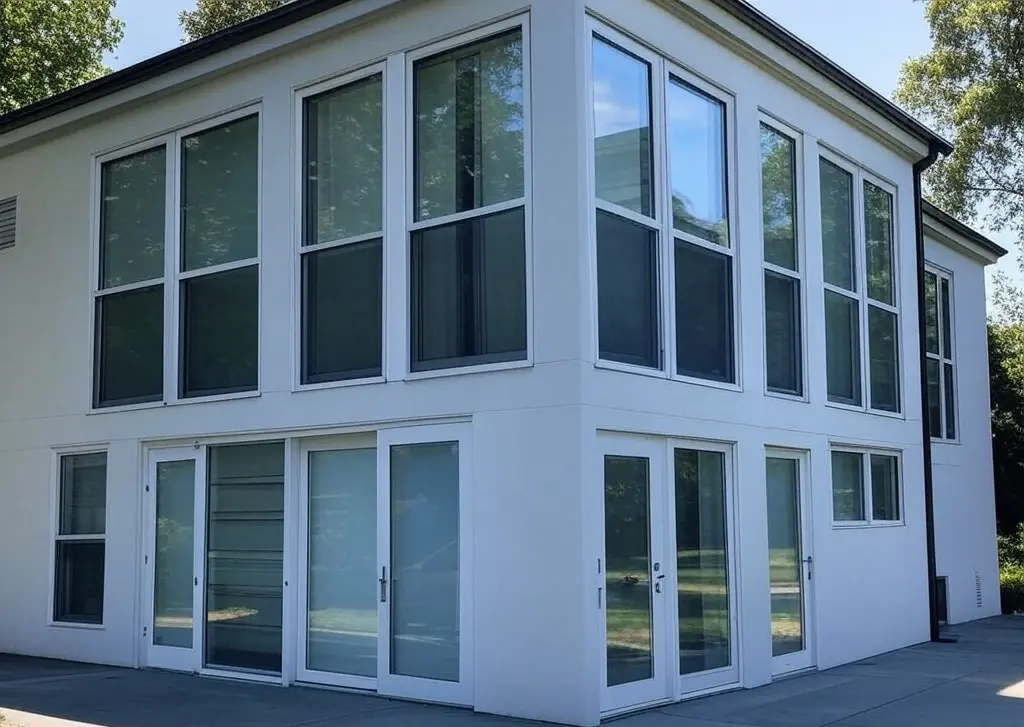
    Energy Cost Savings

    According to expert solar panel installers in Dallas from Metro Express Solar, Texas receives abundant sunlight year-round, making solar panels highly efficient in generating electricity. Homeowners can significantly reduce their monthly electricity bills by producing their own power.

    Net metering programs in Texas allow users to sell unused energy back to the grid, further lowering overall energy costs. This can lead to potential savings of 50% to 70% on utility bills, depending on system size and energy use.

    Installing solar panels also provides price stability by reducing dependence on fluctuating utility rates. Over time, savings often cover the initial installation cost, creating long-term financial benefits.

    Environmental Impact

    Solar energy produces zero emissions during operation, helping reduce a home’s carbon footprint. Texas, being a large energy consumer with heavy fossil fuel use, benefits from increased solar adoption to lower greenhouse gas emissions.

    Using solar panels helps decrease reliance on nonrenewable energy sources such as coal and natural gas. This contributes to cleaner air and water quality by reducing pollutants commonly associated with fossil fuel power plants.

    Solar power also conserves water resources, as it requires minimal water for maintenance compared to traditional power generation methods. This is particularly important given Texas’ periodic drought conditions.

    State and Federal Incentives

    Texas homeowners can take advantage of various incentives to offset solar panel installation costs. The federal solar Investment Tax Credit (ITC) allows for a 30% tax credit on system costs through 2032.

    At the state level, there is no state income tax, which means no state tax rebate, but utility companies may offer rebates or performance-based incentives to encourage adoption. These vary by provider and location within Texas.

    Additional perks include exemptions from local property taxes on added home value from solar systems. Some cities also provide streamlined permitting processes to reduce upfront barriers.

    Increased Property Value

    Solar panel roofs increase a home’s market appeal by lowering future energy expenses for buyers. Studies show that homes with solar installations typically sell faster and at higher prices than comparable non-solar homes.

    The premium on resale value often ranges from 3% to 5%, reflecting the energy savings and environmental benefits perceived by buyers. This is especially relevant in Texas markets experiencing growing demand for sustainable housing.

    Solar panels also signal modern upgrades and energy independence, both attractive features to homebuyers in the state. Properly maintained systems can remain efficient for 25 years or more, adding lasting value.

    Drawbacks of Solar Panel Roofs in Texas

    Solar panel roofs involve significant financial investment upfront and require evaluation of local weather patterns. Additionally, not all roofs are suited to support the added weight and structural demands of solar installations.

    Upfront Installation Costs

    The initial expense for purchasing and installing solar panels in Texas can be high. Costs typically range from $15,000 to $30,000 before incentives. This amount covers the panels, inverters, mounting hardware, and labor.
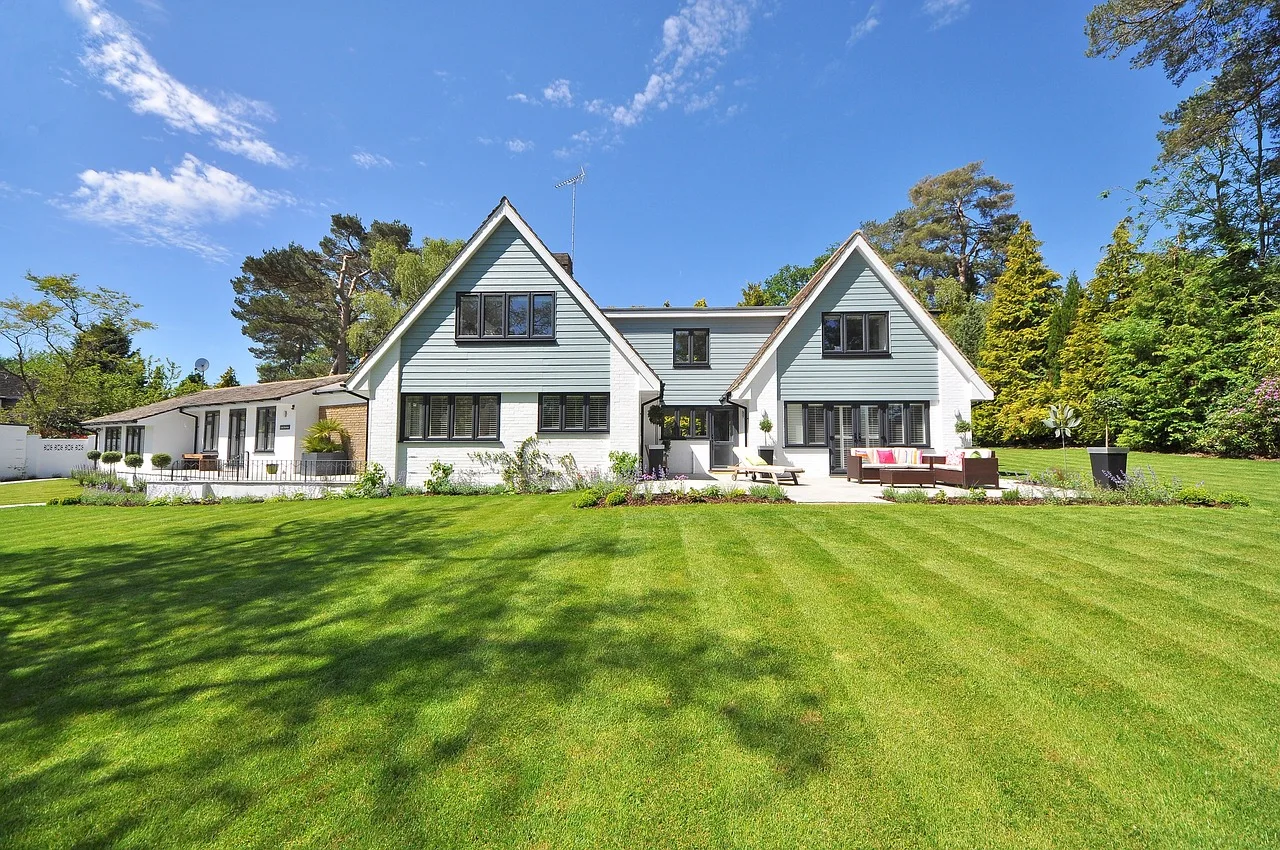
    Although federal tax credits and some state incentives may reduce costs by up to 30%, the out-of-pocket investment remains substantial. Homeowners with limited budgets may find the upfront price a barrier, especially if they lack access to financing options.

    Maintenance, replacement parts, and possible upgrades add to long-term expenses. The payback period can stretch beyond 7–10 years depending on energy savings and system size, which might not suit all buyers.
    Performance Variability Due to Weather

    Texas climate features intense sun but also includes storms, hail, and severe weather events. Solar panels perform best in direct sunlight, but cloud cover and dust storms can reduce efficiency.

    Hail, frequent in some Texas regions, can physically damage panels despite durable designs. Regular cleaning is necessary to remove dirt and debris, particularly in dry, dusty environments, adding to upkeep efforts.

    Heat also decreases efficiency; extreme summer temperatures often exceed optimal operating ranges. This means energy production may dip when demand is highest, affecting overall returns.

    Roof Compatibility and Structural Limitations

    Not all roofs in Texas can support solar panels. Factors like roof age, material, pitch, and orientation affect eligibility. Older roofs may need repairs or replacement before installation.

    Materials such as wood shakes or slate are less suited for mounting hardware, which can increase installation complexity and costs. Roofs facing north or shaded by trees produce less energy, limiting system effectiveness.

    Structural integrity is critical as panels add weight and wind load. A professional inspection is required to confirm the roof can safely bear the system, potentially leading to additional reinforcement expenses.

    Additional Considerations for Texas Homeowners

    Texas homeowners must navigate specific regulations, upkeep demands, and installation choices when considering solar panels. These factors can significantly affect the system’s cost-effectiveness and durability over time.

    Local Regulations and Permits

    Texas has varied local regulations that impact solar panel installation. Homeowners should check city and county zoning laws, which may limit panel placement or require certain aesthetic standards.

    Permit requirements differ widely. Many areas in Texas mandate electrical and building permits before installation. Failing to secure these can result in fines or costly modifications.

    Net metering policies are crucial. Texas utilities offer different compensation rates for excess energy, so understanding local programs helps maximize savings.

    Maintenance and Longevity

    Solar panels generally require minimal maintenance but should be inspected annually. Texas weather, especially dust, pollen, and occasional hail, can reduce efficiency if panels are not cleaned.

    Roof condition plays a role. Panels installed on aging roofs may need removal for repairs, increasing maintenance costs. Homeowners should ensure the roof is in good shape before installation.

    Monitoring systems are recommended. They provide real-time performance data, allowing quick identification of issues such as shading or panel malfunctions.

    Choosing a Qualified Installer

    Selecting an experienced installer is critical in Texas due to unique climate and regulatory conditions. Look for licensed and insured professionals with positive local reviews.

    Installers should offer warranties on both equipment and labor. Warranties typically cover 10-25 years for panels and 5-10 years for installation work.

    Request detailed quotes including system size, expected output, and timeline. A transparent installer will provide a clear contract and assist with permit applications.

  • Synthetic Vs. Natural Turf In Texas: What Works Best For DFW Homes?

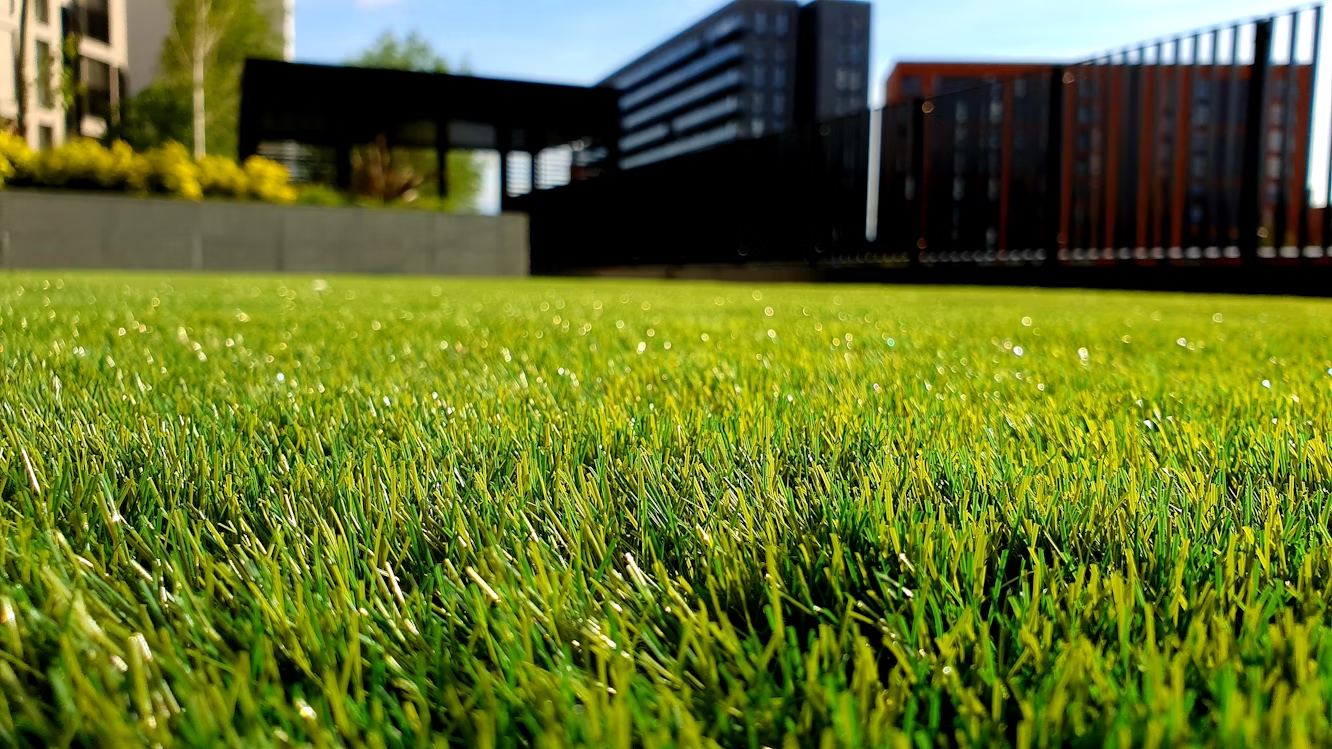
    Maintaining a green, lush lawn in Texas—especially the Dallas-Fort Worth (DFW) area—is no easy task. Intense summer heat, unpredictable rainfall, and water restrictions have made many homeowners reconsider their landscaping strategy. While traditional grass still appeals for its natural texture and environmental feel, synthetic turf has emerged as a water-wise, low-maintenance alternative. 

    Photo by Peter Burdon on Unsplash

    Each option has its strengths and drawbacks, and the best choice often depends on your priorities—durability, aesthetics, budget, and sustainability. This guide explores those trade-offs and highlights the top artificial turf installers transforming outdoor spaces in the DFW region.

    Leading Artificial Turf Installers Serving The Dfw Area

    Finding the right installer can make all the difference when switching to synthetic turf, and DFW boasts a strong market of experienced providers.

    DFW Turf Solutions

    DFW Turf Solutions serves homeowners across the Dallas-Fort Worth metroplex with high-quality synthetic grass systems that balance function, aesthetics, and sustainability. Their turf products are designed for long-term performance in local climates, with UV-resistant features that support various residential uses.

    ToughLawn

    ToughLawn specializes in pet- and kid-friendly turf systems across the greater DFW metroplex. Known for their work in Fort Worth and Arlington, they focus on turf types engineered for high activity areas such as playgrounds, dog runs, and sports courts. 

    Their synthetic grass includes UV stabilization technology to resist color fading, and their warranties offer peace of mind with up to 15 years of coverage. Their team also helps clients navigate HOA guidelines or local permits when needed.

    SYNLawn Texas

    As part of a nationwide franchise, SYNLawn brings patented turf technology and decades of R&D into local installations. Their showroom in Carrollton features everything from golf putting greens to rooftop grass systems. 

    They emphasize eco-friendly turf products that are 100% recyclable and lead-free, often appealing to environmentally conscious homeowners in neighborhoods like University Park or Highland Park. SYNLawn also partners with local architects and landscape designers to offer fully customized solutions.

    Weighing Synthetic Turf: The Pros For Dfw Homes

    With unpredictable weather patterns and increasing water bills, more North Texans are choosing synthetic turf—and for good reason.

    • Water Conservation: Artificial turf requires no irrigation, which can save thousands of gallons of water annually. For homeowners facing municipal restrictions during summer droughts, this is a major advantage.
    • Durability in Extreme Weather: Texas summers are notoriously harsh. Quality synthetic turf retains its shape and color despite long periods of sun exposure, while natural grass often wilts or browns under such conditions.
    • Low Maintenance: Say goodbye to weekly mowing, edging, fertilizing, or reseeding. Artificial turf eliminates most recurring lawn tasks and reduces the need for mowing, reseeding, and chemical treatments, saving time and lowering exposure to lawn chemicals, especially for families.
    • Cost Predictability: While synthetic turf has higher upfront costs, its long-term savings on water and maintenance are covered in more detail below.
    • Allergen Reduction: For allergy sufferers, synthetic lawns reduce exposure to pollen and mold. Families with children often find synthetic turf improves outdoor accessibility during allergy season.
    Photo by Nora Jane Long on Unsplash

    The Case For Natural Grass: Beauty And Biodiversity

    While synthetic lawns offer convenience, natural grass still holds strong appeal, especially for traditionalists and environmentalists.

    • Aesthetic Softness: Nothing quite matches the feel and scent of freshly mowed grass. It creates a sensory experience that artificial alternatives simply can’t replicate. For homes with shaded lots or efficient sprinkler systems, keeping a lush lawn is more attainable.
    • Cooling Effect: Live grass helps cool its surroundings, creating a more comfortable microclimate—especially important for outdoor play or pets during hot Texas summers.
    • Ecological Role: Natural grass supports local biodiversity, including insects, birds, and microorganisms that artificial turf displaces. For homeowners interested in pollinator-friendly gardening, a live lawn complements native plants and rain gardens.
    • Initial Cost Advantage: Installing sod is generally cheaper upfront, with prices between $1 to $3 per square foot. While it requires ongoing maintenance, it’s less of a financial hit than synthetic turf at the outset.
    • Soil Health and Permeability: Grass-covered soil promotes water infiltration and reduces runoff, helping recharge aquifers. Artificial turf can sometimes interfere with natural drainage unless specially designed sublayers are installed.

    Real Costs Of Installation And Ownership In Dfw

    Cost is one of the biggest factors in choosing between synthetic and natural turf, and understanding the true lifetime cost matters for making the right decision.

    • Synthetic Turf: As mentioned, the installation typically ranges between $8 to $15 per square foot in DFW, including site prep, base layers, and infill. A 1,000-square-foot lawn could cost $10,000 or more. However, the turf lasts up to 20 years with minimal upkeep. The absence of water bills, fertilizers, and lawn services gradually balances out the high initial expense.
    • Natural Grass: Installing new sod will cost $1,500 to $3,000 for the same area. But monthly costs add up—expect to spend $150–$300 monthly on water, fertilizer, mowing, and other care during peak seasons. If patching, reseeding, or pest control becomes necessary, that number grows. Over 10 years, natural grass can actually exceed synthetic turf in cumulative cost.

    Environmental And Safety Considerations For Texas Yards

    Homeowners today aren’t just thinking about aesthetics or cost—they also care about environmental footprint and safety, especially for kids and pets.

    • Artificial Turf: Critics argue that artificial turf contributes to urban heat islands and doesn’t biodegrade at end-of-life. However, many Texas-based providers now use recyclable, non-toxic materials and infills such as coconut fiber or walnut shell blends to reduce heat buildup. When installed with proper drainage layers, it can also mitigate runoff and flooding risks in urban neighborhoods.
    • Natural Grass: While eco-friendly in many ways, conventional lawn care often involves chemical fertilizers and pesticides that pose runoff and health risks. More sustainable practices, such as xeriscaping or integrating native grass species like buffalo grass or Zoysia, help reduce water use and pollution.
    Photo by Petar Tonchev on Unsplash

    Wrapping Up

    For homeowners exploring alternatives beyond turf, Texas native groundcovers like horseherb, frogfruit, and silver ponyfoot are gaining popularity as low-maintenance, drought-tolerant options. 

    These living carpets require less water than grass, support local pollinators, and thrive in both sun and shade. Whether you’re leaning synthetic or natural, expanding your landscaping palette could be the smartest move for long-term beauty and resilience in the DFW climate.

  • How Rising Energy Costs Are Shaping Homeownership in Texas

    Energy costs are rising, and for many Texans, that’s not just a budget line item. It’s a tipping point. As utility bills spike, people across the state are rethinking the realities of homeownership. A recent study from Home Energy Club digs into how different generations are adjusting their expectations and strategies in the face of rising energy costs.

    Texans Losing Faith in Homeownership

    Across Texas, more people are starting to question whether homeownership is still a realistic goal. Two-thirds of Texans in the survey said they’ve lost faith in the American Dream because of rising housing and energy costs. Millennials and Gen Z felt especially discouraged, 72% and 69%, respectively, said they’re feeling squeezed out. For baby boomers, the number was still significant at 42%.

    And the frustration isn’t just a mindset issue. It’s financial. About 80% of respondents said that the cost of electricity is making it harder to afford a home in Texas. Roughly one in ten homeowners said they’ve had trouble covering their mortgage due to high energy bills. 15% have even thought about selling their homes to lower their bills.

    Energy Efficiency Efforts and Limitations

    Texans are making small changes to adapt. The survey shows a clear effort among homeowners to cut energy use and lower their bills. Here’s what they’re doing:

    • Using less and switching to LEDs: 59% of homeowners are focusing on reducing how much energy they use and switching to LED lighting.
    • Sealing drafts and improving insulation: 46% are sealing air leaks, and 41% are upgrading to more efficient appliances.
    • Installing smart thermostats and adding insulation: Roughly a third have installed smart thermostats or improved insulation.

    But some solutions are still out of reach. Only 9% have installed solar panels. And 68% of both homeowners and buyers said options like solar simply aren’t realistic for most households right now.

    Government Incentives Fall Short

    Tax credits and energy rebates may look promising on paper, but many Texans say they’re not seeing the benefits. Almost half of homeowners in the study said government incentives aren’t enough to ease the burden. Only a quarter said those programs were making a real difference.

    Part of the problem is that people are confused. Some homeowners said they don’t fully understand the requirements or steps involved in applying for these benefits. That uncertainty discourages many from using the programs designed to help them save.

    What Today’s Buyers Want

    With costs in mind, buyers are changing what they want in a home. Energy efficiency is at the top of the wishlist:

    • Energy efficiency has become the top priority for today’s homebuyers, with 66% of buyers favoring them.
    • Smaller homes and new builds with good insulation and energy-efficient systems are catching buyers’ attention.

    Older homes have lost their appeal. Only 16% of buyers were interested in homes without efficiency upgrades. Downsizing is becoming a practical choice, especially among Gen X and baby boomers—73% and 70% said they’re thinking smaller to keep costs down.

    Impacts Across Generations

    Each generation is responding to rising energy costs in its own way. Gen Z is focusing on insulation, Gen X and millennials are dialing back their energy use, and boomers are making simple changes like switching to LED lighting.

    Younger buyers still believe things can improve. Nearly half of Gen Z respondents think solar and other tech solutions are within reach. Older generations are more skeptical, 74% of boomers and 71% of Gen Xers don’t think those options are affordable.

    The Bigger Picture: Reassessing the American Dream

    The numbers tell a tough story. About 46% of participants said they’re starting to believe that owning a home is less attainable because of energy costs. Another 16% went further, saying the dream feels completely out of reach.

    Only 18% believe owning a home is still realistic. Clearly, cost is a huge barrier, even for basic necessities, not just high-end features. Even basic affordability is in question for many families.

    What’s Next for Texas Homeownership Amid Energy Price Pressures

    Until energy prices stabilize or more affordable options emerge, Texas buyers will likely keep changing what they look for. Energy efficiency and overall cost-effectiveness are becoming essential, not extras. That shift is reshaping both buyer preferences and market behavior.

    We might also see lenders and appraisers start giving more weight to energy-saving features. If mortgage terms and home values start reflecting the long-term savings of energy efficiency, that could finally give buyers the nudge they need to invest in upgrades.

    This trend goes beyond home design, they’re changing how people think about what they can afford, where they can live, and whether the American Dream still makes sense today.

  • What Is Smart Furniture and Why Is It Important?

    Smart furniture means pieces of furniture that have built-in tech to make life easier. Think of a bed that tracks your sleep and adjusts its temperature to keep you comfortable all night, or a sofa with USB ports and wireless charging pads built right into the armrest. Some desks now come with adjustable heights and cable management systems—perfect for anyone working from home who wants a more ergonomic setup.

    The concept of “smart furniture” is quietly transforming the way we live, work, and relax. Far more than a fleeting trend or a tech-lover’s novelty, smart furniture represents a thoughtful fusion of design, engineering, and user-centric innovation. But what exactly is smart furniture—and why is it reshaping modern interiors?

    Imagine you have a desk that quietly keeps track of how long you’ve been sitting, then gives you a friendly nudge to stand up for a bit. Or a coffee table that charges your phone just by setting it down, plays your favorite songs, and even lights up when you get a text.

    Even beds are stepping up, with features like sleep tracking, built-in climate control, and gentle massage modes. You know, the magic of smart furniture is how the tech just disappears into the background.

    What makes it even cooler is how these pieces work with your other smart home gadgets. Whether it’s through Bluetooth, Wi-Fi, or their own apps, you can control everything from your phone or just by asking Alexa or Google. Suddenly, changing the lights or turning up the music is as easy as saying the word.

    Examples of Smart Furniture

    • Smart desks: These are height-adjustable, come with built-in cable management, and include charging stations—designed to boost productivity and support better ergonomics.
    • Smart Tables: Tables that may feature built-in charging and lighting or even touch-screen controls, enhancing functionality. Can be raised or lowered to suit different needs, such as working or dining.
    • Smart sofas: Outfitted with charging ports, wireless charging pads, and immersive audio, our smart sofas turn the living room into a true multimedia hub. Allow you to charge your devices without needing to search for a wall outlet.
    • Smart beds: Features like sleep tracking and temperature control promise a better night’s rest and a smarter start to your day.
    • Smart mirrors: These display the weather, news headlines, or even your health stats, giving you a glimpse into the future of personal wellness.
    • Smart wardrobes with integrated lighting: Automatically light up the section you’re looking at when choosing your outfit.

    If you’re interested in exploring or purchasing smart furniture, platforms like OJCommerce offer a wide range of innovative options to suit your needs.

    The Benefits of Smart Furniture

    As we said in the begin of this article the real value of smart furniture is to make life easier. For those living in smaller city apartments, multifunctional pieces help you make the most of your space. If you work from home, adjustable desks and ergonomic chairs can make long hours much more comfortable and productive.

    For us, smart furniture isn’t just about adding gadgets. It’s about thoughtful design that makes life simpler, healthier, and more enjoyable.

    Looking Ahead

    As smart homes become the norm, we see smart furniture playing an even bigger role in shaping how we live. The next generation of these furnishings is all about deeper integration, more sustainability, and greater personalization—making sure our spaces are just as dynamic and adaptable as we are.

    We believe the best smart furniture doesn’t just react to what you need—it anticipates it, creating a home that truly works for you.

  • Reduce Your Energy Bills in Minneapolis with a Metal Roof

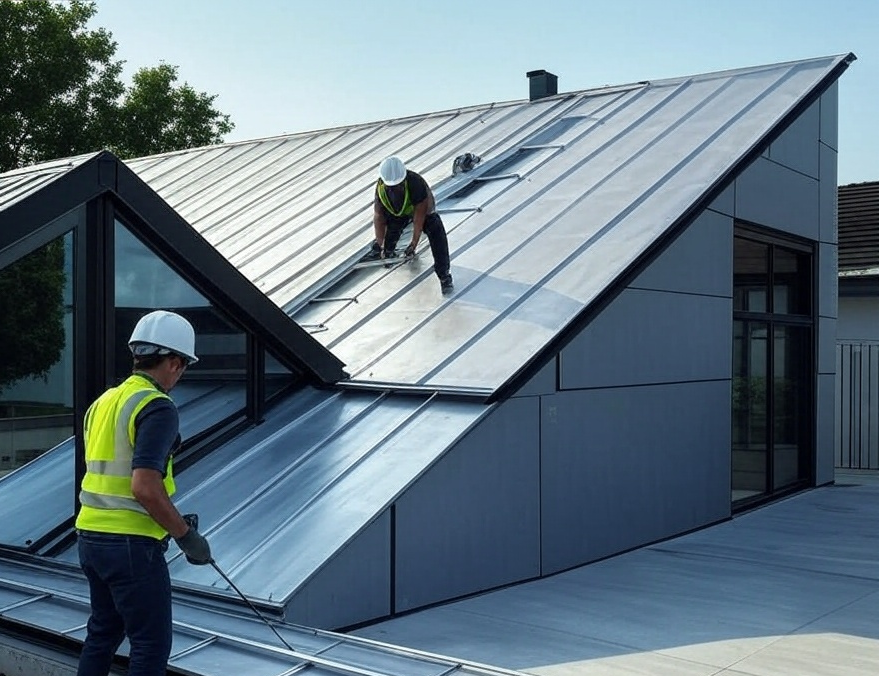
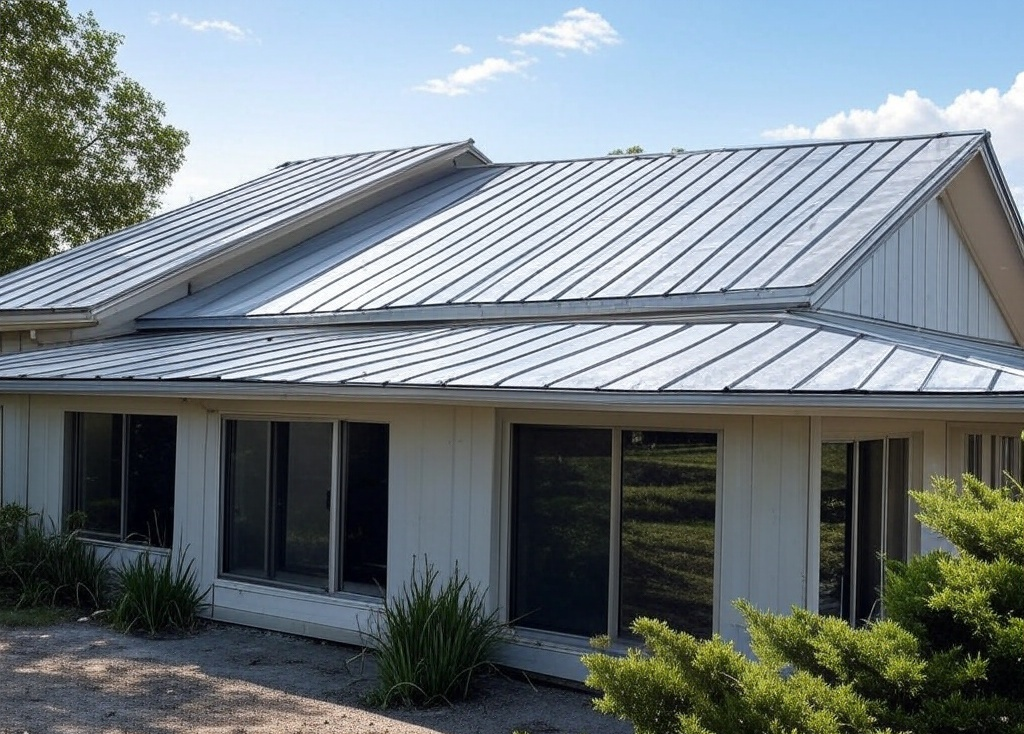
    Did you know metal roofs can make your home more energy-efficient? They’re extremely durable and can help reduce energy consumption. Many homeowners choose metal roofs because they save money all year round. Discover how a metal roof can lower your energy bills.

    Reflectivity and Insulation Benefits

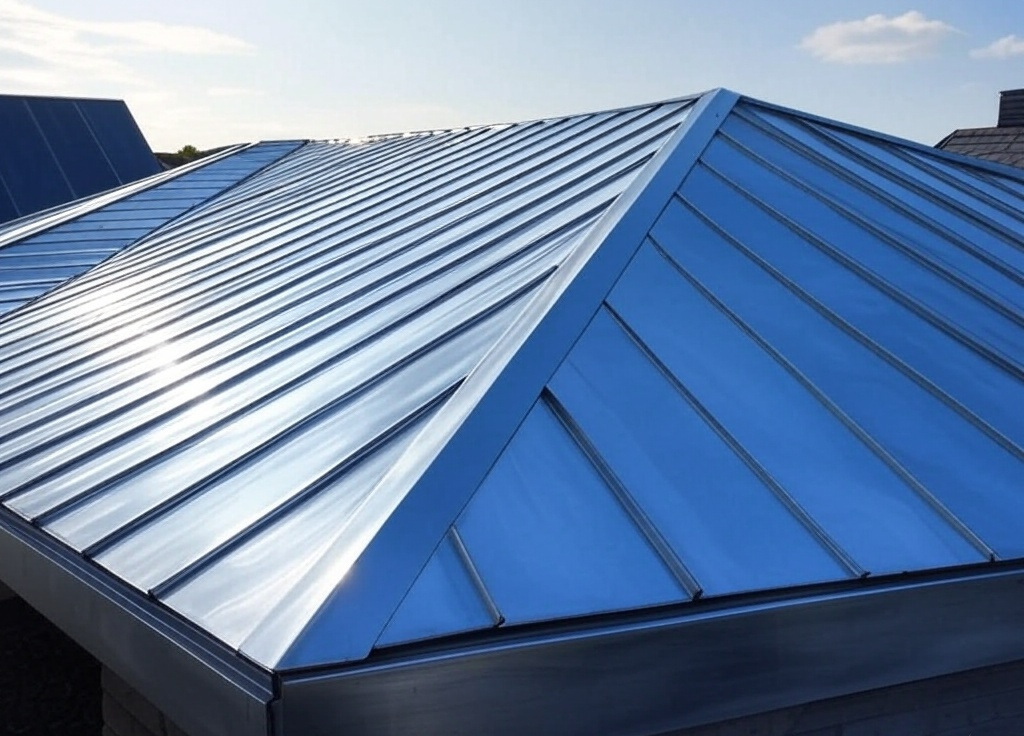
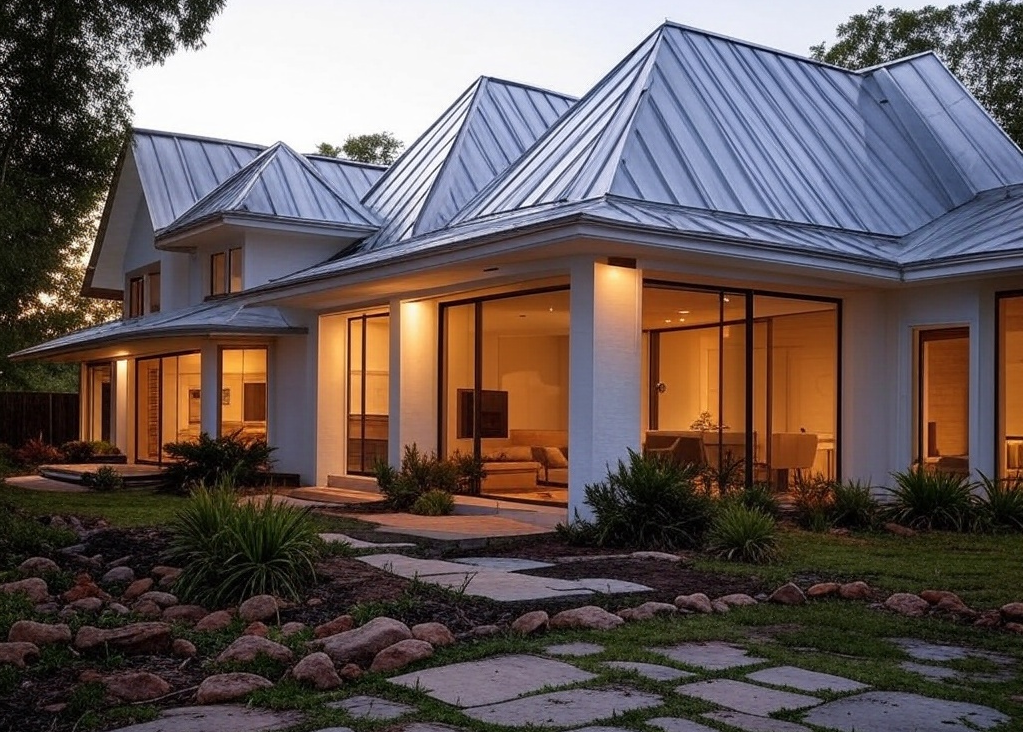
    Metal Roofing in Minneapolis, MN is commonly chosen for its energy efficiency. Most homes with metal roofs reflect the sun’s rays, reducing the amount of heat absorbed by the home in the summer, and keeping it cooler with less reliance on air conditioning. They also provide insulation, helping to keep the home’s internal temperature stable during both summer and winter.

    Boosting Property Value

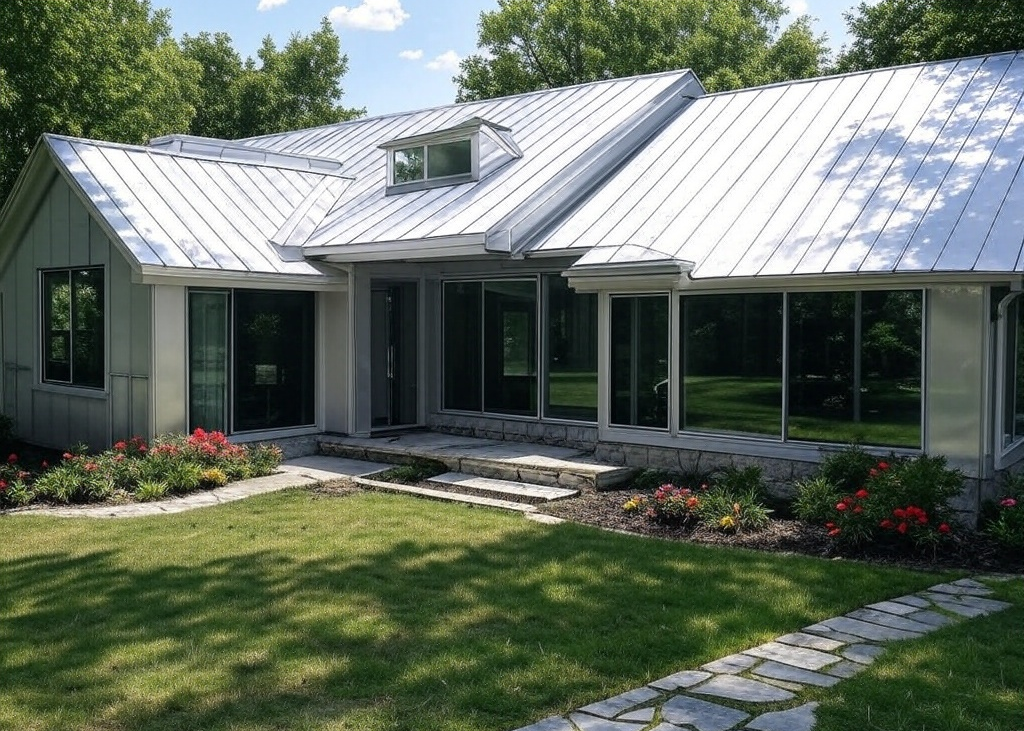
    Metal roofs attract buyers because they are weatherproof and energy-efficient. Homes with metal roofs are in demand in the real estate market due to their low maintenance and ability to help lower energy costs. In Minneapolis, where extreme weather is common, metal roofs are a major selling point. Plus, their look enhances the overall appeal of a home. Many buyers choose properties with metal roofs for long-term savings, making them a smart investment for resale.

    Why Professional Installation Matters

    To make sure your metal roof performs at its best, have it installed by experienced professionals. Proper installation not only guarantees longevity but also maximizes energy efficiency. Professionals who understand the local climate will know how to install the roof to suit your home. They can also recommend the best type of roof to fit your home’s design and style.

    Superior Protection Against the Elements

    Metal roofing is perfect for Minneapolis, with its frequent hail, snow, and strong winds. It’s impact-resistant, and its smooth surface prevents snow from building up and causing leaks. Metal roofing is also fireproof, adding extra protection during dry periods. Since it’s weatherproof, metal roofing keeps your home protected year-round.

    Environmental Benefits and Sustainability

    By choosing a metal roof, you’re helping the environment. It reduces pollution, which is good for the planet and for anyone who cares about sustainability. Most metal roofs are made from recycled materials and can be recycled again at the end of their lifespan, making them both green and energy-efficient.

    Final Thoughts

    Metal roofs are perfect for Minneapolis’s climate. Not only do they reflect the sun’s heat and save energy, but they’re also highly resistant to wind, hail, and snow. To get the most out of your metal roofing, make sure it’s installed by a professional.

  • How Residential Architects Can Elevate Your Home’s Design

    Source: linkedin.com

    Have you ever walked into a home that just feels right? A place with great lighting, plenty of room to move around, and everything in its perfect place. That’s the work of residential architects—they make it happen.

    If you work with a skilled architect to design your new home or remodel your existing one, it will become much more than just a place to live.

    The Role of Residential Architects

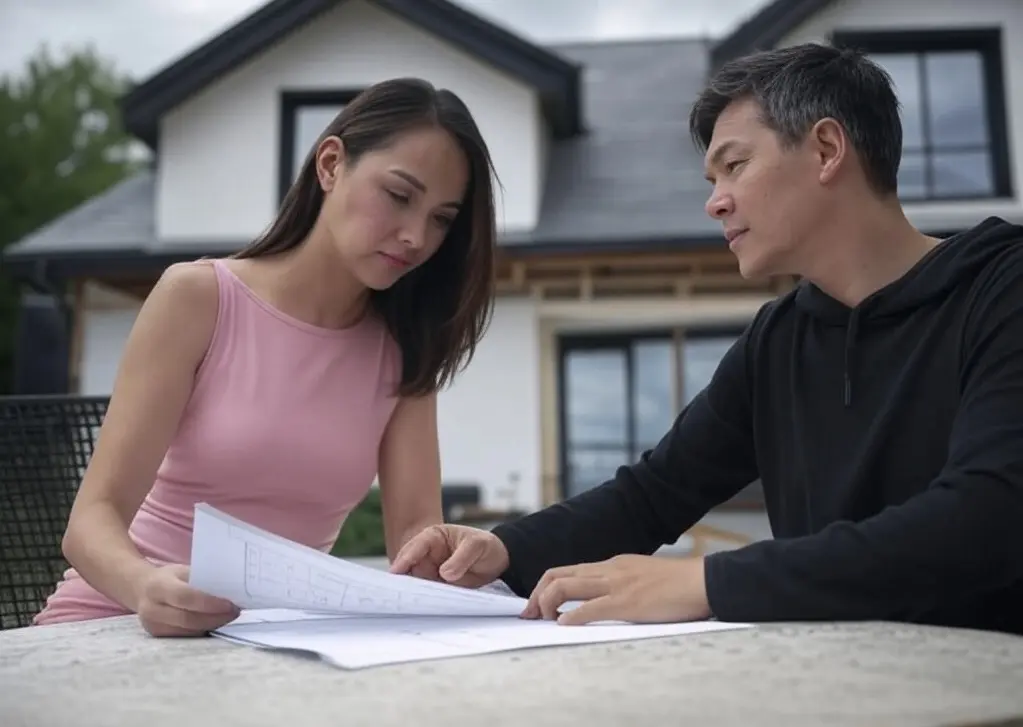
    Your architect is the mastermind behind the design. They translate your vision into drawings that can be used by builders. As builders work to build your house, architects design floor layouts, functionality, and overall style in your home. They consider everything—from how natural light enters your living room to your kitchen layout.

    Benefits of Hiring a Residential Architect

    Customized Home Designs

    Every family has unique needs. A residential architect tailors the design to fit your lifestyle—whether you need more storage, flexible spaces, or a seamless indoor-outdoor flow.

    Better Functionality and Efficiency

    A house design should not only look great but also function well. Architects carefully plan each space to eliminate wasted areas and awkward corners that are hard to furnish

    Increased Property Value

    In the housing market, a professionally designed home stands out. Good design, combined with smart space planning and aesthetics, increases the chances of selling a house at a higher price.

    Trends in Residential Architecture

    Open-Plan Living

    Modern homes feature open layouts that connect the kitchen, dining, and living areas. This makes the space feel larger and encourages interaction.

    Indoor-Outdoor Integration

    Many homes now feature wide sliding doors, alfresco dining areas, and garden courtyards as part of their living spaces.

    Smart Home Technology

    These days, architects can easily integrate automatic lighting, security systems, and climate control into building designs.

    Collaborating with a Residential Architect

    When working with an architect, clear communication is key. The more specific what you want, the better they can incorporate it into the design.

    How to Communicate Your Vision

    • Gather inspiration from magazines, Pinterest, or architectural websites.
    • Create a mood board to express your style preferences.
    • Be clear about your priorities—what’s a must-have and a nice-to-have?

    Incorporating Sustainable Design Practices

    Energy-Efficient Materials

    Architects help select sustainable materials that reduce your environmental impact, such as recycled timber or energy-efficient glass.

    Passive Solar Design

    A well-designed home makes use of natural light and heat to keep your home comfortable year-round, reducing the need for artificial heating and cooling.

    Water Conservation Features

    From rainwater harvesting to drought-resistant landscaping, sustainability is a growing focus in modern home design.

    Maximising Space and Light in Residential Design

    Strategic Window Placement

    Windows aren’t just for views—they can completely transform a space. Placing them in the right spots enhances light, airflow, and connection with nature.

    Multi-Purpose Rooms

    As more people work from home, spaces must be adaptable. A guest room can double as a study, or a living area can convert into a home theatre.

    Using Mirrors and Glass

    Strategic use of reflective surfaces can create the illusion of a larger, brighter space. Architects often enhance space with glass walls, skylights, and strategically placed mirrors.

    Examples of Innovative Residential Architecture Projects

    Sydney has some stunning homes designed by leading residential architects Sydney. The variety of designs, from minimalist beach houses to energy-efficient urban dwellings, shows how creative thinking can transform living spaces.

    Looking at case studies can give you ideas on how to approach your project.

    Finding the Right Residential Architect for Your Project

    To ensure a project’s success, one must be extremely careful when hiring an architect. Look for someone with experience in similar projects and a style you appreciate. Clear communication is essential since you’ll be working closely together. A responsive architect makes the process easier by communicating effectively.

    Before hiring, ask to see examples of past work. This allows you to determine their ability and style. Find out where they source their ideas and who is in approvals. Ask about budgeting methods and keep an eye on unexpected spending. An open architect can ensure everything is done by design.

    Cost Considerations When Working with Residential Architects

    Architects apply different charges based on the nature of the task. Some will ask for a percentage of the total amount spent for the assignment, while others may charge a flat rate per hour. It’s important to understand their pricing so you can plan your budget accordingly.

    Setting a budget from the start helps keep spending under control. Prioritize important traits over non-essentials. Communicate your financial limits upfront so they can suggest the most cost-effective options.

    Conclusion

    Hiring a home architect is about more than just giving your property a facelift; it’s about creating a living space that truly fits your needs. A well-designed home should be affordable, comfortable for today, and have strong resale value in the future.

    If you’re looking to upgrade or build a new home, expert residential architects can help bring your vision to life. Now is the time to explore different blueprints, find the right specialist, and move into a home that truly reflects your identity.

  • Why Energy-Efficient Doors and Windows Matter Now More Than Ever

    Nowadays, sustainability matters more than ever. Perhaps the most straightforward ways to become energy efficient in our buildings and homes are through having good quality energy-saving doors and windows.

    So, the question lies in, exactly, why are energy efficient doors and windows so necessary? So, let’s see the reasons.

    The Growing Need for Energy Efficiency

    Energy efficiency matters more than ever to businesses, home owners, and the government. Higher energy bills and concerns about global warming have sensitised everyone to the size of the carbon prints—and to cutting electricity bills. BlueBird Windows puts its energies into developing high-quality, energy-efficient solutions to meet these demands.

    Energy-efficient black steel doors and windows help regulate indoor temperatures, making it easier on your heating and cooling systems. This lowers energy consumption and, in turn, decreases greenhouse gas emissions—a win for both your wallet and the environment.

    Environmental Impact and Sustainability

    A big reason to switch to energy-efficient doors and windows is their positive impact on the environment. Traditional windows and doors let heat escape in the winter and allow excess heat in during the summer, making energy use skyrocket. This leads to more pollution in the air, adding to global warming and climate change, which contribute to global warming and climate change.

    By upgrading to energy-efficient doors and windows, homeowners can use up to 30% less energy, reducing strain on heating and cooling systems while lowering utility bills and carbon footprints. This also reduces the need for power plants to burn more fuel, many of which rely on fossil fuels. If more people make this switch, the collective impact could lead to a big drop in pollution and harmful emissions, helping to create a cleaner planet for future generations.

    Lower Energy Bills

    While energy-efficient doors and windows may cost more upfront, the long-term savings make them a smart investment. Their design helps keep the heat inside when it’s cold and out when it’s hot, meaning your heating and cooling systems won’t have to work as hard to keep your home comfortable. Less energy use translates to lower monthly bills.

    Many federal and state programs, such as the Energy Star program and the Database of State Incentives for Renewables & Efficiency (DSIRE), give homeowners rebates or tax breaks for upgrading to energy-efficient features. Checking local utility companies or government websites is a great way to find out what’s available.

    These perks help offset the initial cost, making the investment even more worthwhile. Over time, the money saved on energy bills can more than cover the cost of installation, providing an excellent return on investment.

    Improved Comfort and Air Quality

    Besides saving energy, energy-efficient doors and windows help keep your home cozy all year round. Their advanced insulation technology keeps indoor temperatures stable, eliminating cold drafts in the winter and excessive heat in the summer. No more struggling to keep your home warm or cool—you’ll feel comfy no matter the season.

    They also help reduce outside noise, which is great if you’re tired of hearing traffic or loud neighbors if you live near a busy street or in a noisy neighborhood. Additionally, better sealing means fewer dust particles, allergens, and pollutants can enter your home, leading to improved indoor air quality and a healthier living environment.

    Boosting Property Value

    In today’s real estate market, energy efficiency is a major selling point. Homes with energy-efficient doors and windows are more attractive to buyers because they promise lower utility costs and a reduced environmental impact. This can significantly boost a home’s resale value.

    Energy efficiency certifications and ratings make your home even more attractive to buyers, helping a home stand out in a competitive market. Buyers are increasingly looking for sustainable living options, so upgrading your doors and windows can be a great way to increase your home’s future resale potential.

    Latest Innovations in Energy-Saving Technology

    Technology in energy-efficient doors and windows has advanced significantly in recent years, with innovations such as smart glass that adjusts to light conditions, vacuum-insulated glazing for better insulation than ever, and advanced weatherstripping techniques that further minimize heat loss. Features like low-emissivity (Low-E) glass coatings, double or triple glazing, and high-performance frame materials provide better insulation.

    For example, Low-E glass has a thin coating that reflects heat while still letting in natural light, keeping your home warm in the winter and cool in the summer. Multi-glazed windows add an extra layer of insulation to minimize heat transfer. Modern frame materials like fiberglass and vinyl offer better insulation than old-school wood or aluminum frames, helping your home stay comfortable while using less energy.

    A Step Toward Energy Independence

    Reducing energy consumption through energy-efficient doors and windows also helps reduce our need for imported energy. When individual homeowners cut their energy use, the overall demand on power grids decreases.

    This reduces reliance on imported fuels and supports the development of local renewable energy sources, ultimately strengthening national energy security. This reduced demand enhances national security by decreasing reliance on imported fuels, especially during times of global conflicts or rising fuel prices.

    Energy independence strengthens national resilience by reducing reliance on global energy markets and encouraging the growth of local renewable energy sources.

    A Smart Choice for the Future

    The growing demand for energy-efficient doors and windows isn’t just about saving money—it’s about making a real difference. With climate change, rising energy prices, and the push for sustainable living, choosing energy-efficient options is a smart way to prepare for the future.

    Whether you’re building a new home, renovating an old one, or simply looking for ways to cut your carbon footprint, investing in energy-efficient doors and windows is a smart choice for your home and the environment that benefits both you and the planet. To learn more about energy-efficient home upgrades and available incentives, check out local energy programs or consult with a certified energy expert.

  • Sustainable Landscaping Solutions for Homes in Dallas: Why Green Features Matter

    Image by Barry D from Pixabay.com

    The traditional approach to Dallas landscaping is facing a watershed moment. Water rates are climbing. In fact, homeowners are allocating 40 to 70% of their household water consumption to outdoor activities. One of these is irrigation. However, maintaining conventional lawns is expensive and, worse, impractical, especially for our climate. In hotter months, water use is even higher when lawns need to be watered more frequently.

    But there’s some good news. Sustainable landscaping offers impactful solutions that work with our environment rather than against it. The transformation happening across Dallas neighborhoods shows how smart design can protect both your investment and our resources.

    Modern Xeriscaping

    When someone says “xeriscaping,” do you picture a yard full of rocks and cacti? Well, it’s true to some degree, we’ve come a long way since then. Modern xeriscaping is a type of landscaping that needs little water or little to no irrigation. It has evolved into a unique landscape design that can be as beautiful as traditional gardens while significantly reducing water usage.

    The Texas Water Development Board reports that well-designed xeriscaped yards can cut outdoor water consumption by up to 60%. Plus, you won’t be sacrificing curb appeal.

    Native plants like Texas sage, black-foot daisies, and turk’s cap do more than just survive in our climate—they flourish. These hardy varieties have developed natural resistance to our extreme temperatures and periodic droughts, creating vibrant landscapes that attract local wildlife and require minimal maintenance once established. For pond owners, discover Pond Haven for reliable equipment and supplies to maintain your pond efficiently and avoid wasting water.

    Smart Solutions for Modern Homes

    The numbers make a compelling case: Dallas homes with smart irrigation systems and sustainable landscapes typically reduce their outdoor water use by 40-50%. During those scorching summer months when traditional lawns demand constant attention, these savings become particularly significant.

    Rainwater harvesting has come a long way from the basic rain barrel. Today’s rainwater systems can capture thousands of gallons annually, integrating seamlessly into your landscape design. Most systems pay for themselves within 3-5 years, making them an increasingly popular feature in high-end Dallas homes.

    Smart irrigation technology deserves special attention in the Dallas climate. Modern systems do more than just water on a schedule—they integrate real-time weather data and soil moisture readings to optimize watering patterns. When a system can detect an approaching rainstorm or measure soil saturation levels, you’re not just saving water—you’re practicing smart resource management that shows up clearly in your monthly bills.

    Image by Helga from Pixabay.com

    The Foundation of Success: Soil Management

    Soil health is overn overlooked when talking about sustainable landscaping. It should be put into the spotlight because while Dallas’s native clay-based soil presents unique challenges, it also offers opportunities.

    Professional soil testing reveals that most local yards need only minor amendments to become ideal environments for native plants. Local soil labs report that a balanced mix of expanded shale and organic compost is often all it takes to transform dense clay into rich, workable soil.

    Modern composting has transformed from a gardener’s hobby into a sophisticated part of landscape management trends. Today’s systems can efficiently process yard waste and kitchen scraps with minimal oversight. The payoff? Soil can retain up to 20% more water even if it only has 5% more organic matter. This serves as a natural “defense” during droughts.

    Maintenance and Long-Term Benefits

    The maintenance equation changes dramatically with sustainable  landscaping. Texas A&M AgriLife Extension’s research shows that native plant gardens require about 75% less maintenance than traditional lawns.

    During the growing season, a traditional lawn might require a weekly maintenance of up 4-5 hours. For native gardens, it only takes 1 hour or less. Beyond saving time, you are also creating a landscape that takes care of itself.

    The roots of native plants access nutrients symbiotically with soil microorganisms, hence they survive in local soil without additional fertilizers unline non-native plants.

    How? Less mowing, minimal fertilizing, and significantly reduced watering needs. Native plants often already adapt to its local pest populations. It’s because these plants have developed natural defenses from local insects and diseases.

    They also attract beneficial insects that ultimately help in controlling pests naturally. That means you can keep your garden healthy without having to disrupt them with chemical interventions. This is beneficial for a healthy environment and local wildlife, plus you’ll be saving money from skipping the pest management costs.

    The Investment Perspective

    Homes with water-efficient landscapes are commanding premium prices, with some areas seeing up to 10% higher property values compared to properties with traditional lawns. This isn’t just about current water savings—it’s about future-proofing your property investment.

    Consider these long-term benefits:

    • Immediate reduction of 40-60% in outdoor water usage – With irrigation systems and drought-resistant plants, you can lower your outdoor water usage.
    • Significantly lower maintenance costs – Native plants don’t require as much maintenance, lowering labor and resources costs.
    • Enhanced resilience during drought conditions – More resilient to dry spells, so your lawn will remain attractive and functional even when the weather changes.
    • Increased property value – Well-designed outdoor spaces are more attractive to buyers and you could sell at a premium.
    • Reduced need for chemical treatments – Lower environment impact and healthier ecosystems due to less chemical treatments.
    • Lower carbon footprint from decreased mowing needs – More sustainable living environment for homeowners.

    Moving Forward

    Water is becoming increasingly precious not just in North Texas, but all over the world. Dallas’ shift towards sustainable landscaping is off to the right direction as we respond to the reality of our regional climate. Creating a landscape that works with, instead of against, our environment is smart and essential.

    For homeowners considering the switch, now is the best time. Local nurseries are expanding their native plant selections, while municipal rebate programs can help offset initial costs.

    Furthermore, sustainable landscaping won’t sacrifice your curb’s beauty for efficiency. Instead, you’ll be reimagining more ways on how beautiful your Dallas landscape can be. Always make sure to start your landscaping with a professional assessment of your current landscape to create an outdoor space that truly thrives in our unique climate.