House hunting in a hot market can feel like you’re already behind before you even walk through the door. Well-priced homes can draw multiple offers quickly, and buyers often feel pressured to make a major financial decision on a tight deadline.
But strong real estate decisions rarely come from chasing the crowd. They come from knowing your numbers, your market, and your limits before the right property shows up. Instead of focusing only on winning the offer, focus on buying a home that fits your life and still makes sense after closing.
1. Look Past the National Housing Headlines
Real estate is local, sometimes down to a few blocks. National headlines can help explain the broader market, but they won’t tell you what is happening in one school zone, subdivision, or condo building. One neighborhood may have tight inventory and rising prices, while a similar area nearby may be sitting longer and seeing price cuts.
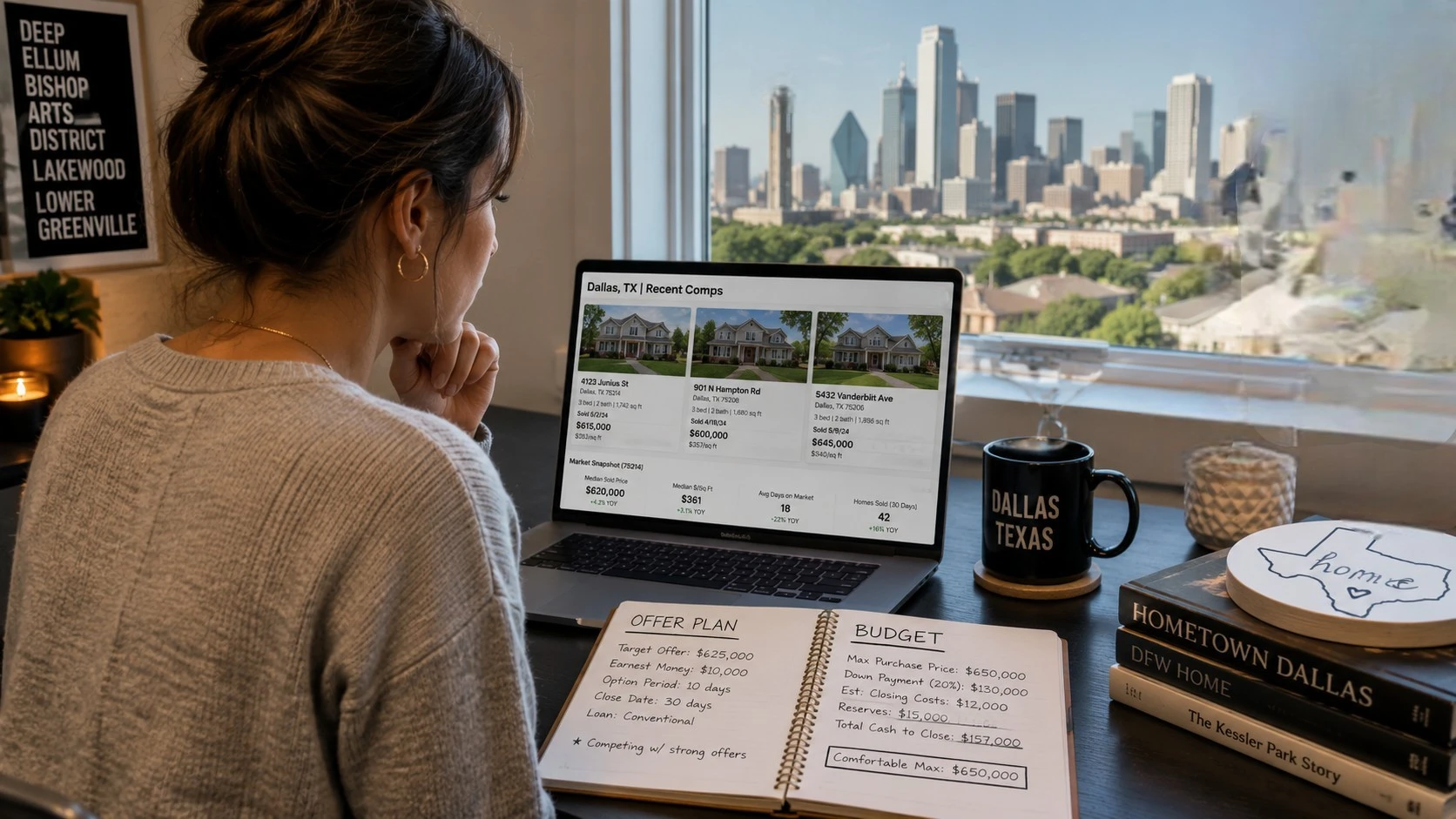
Before you write an offer, study the recent comps. Look at days on market, list-to-sale price ratios, price reductions, and how many comparable homes are available. Also pay attention to local factors such as school boundaries, planned roadwork, zoning changes, flood risk, and access to transit. Two homes that look similar online can perform very differently over time because of location details buyers may not notice at first.
2. Don’t Confuse Staging with Value
A beautifully staged home is meant to make you feel at home the second you walk in. That is the point. But expensive furniture, designer lighting, and fresh paint are not the same thing as long-term value.
Look closely at the things that are expensive or impossible to change: the lot, the street, the floor plan, the natural light, the roof, the mechanical systems, and the overall condition. A polished home on a noisy road may not be a better buy than a dated home on a quieter, more desirable block. You can update finishes later. You cannot move the house to a better lot.
3. Know Your Non-Negotiables Before You Tour
In a fast market, buyers who know their priorities have a real edge. Before your first open house, split your wish list into three groups: must-haves, flexible items, and nice-to-haves.
Your budget ceiling, commute range, number of bedrooms, and school or neighborhood requirements may belong in the must-have category. Flooring, paint colors, landscaping, and light fixtures are usually flexible. Lifestyle extras, such as a wine room, gym, pool, or guest suite, should be treated as bonuses unless they truly affect how you live day to day. Clear priorities help you move quickly without letting pressure make the decision for you.
4. Understand the Full Cost of Ownership
The purchase price is only one part of the cost. Higher-end homes can come with higher taxes, insurance, utilities, maintenance, and HOA fees. Those costs matter just as much as your mortgage payment.
Before raising your offer, run the full monthly number. Include property taxes, homeowners insurance, HOA dues, utilities, landscaping, pool service, repairs, and reserves for major systems. An older HVAC system, aging roof, large yard, or oversized pool can turn an already expensive home into a much tighter monthly commitment. A smart offer is not just the one that wins. It is the one you can comfortably carry.
5. Buy for the Way You Actually Live
A home can be a strong investment, but it still has to work for your daily life. Think honestly about how you use space. Do you entertain often? Do you need a quiet home office? Do you want separation between guest rooms and primary living areas? Do you need outdoor space, storage, or easy access to medical, fitness, or wellness services?
Personal comfort matters, too. For example, someone looking for a hand and foot sweating treatment may place more value on reliable climate control, strong ventilation, shaded outdoor areas, or a private wellness space than on cosmetic upgrades. The right home should support the way you live now, not just the lifestyle you picture on a perfect weekend.
6. Keep a Second Option in Mind
During a bidding war, it is easy to convince yourself that one home is the only one that will work. Usually, it isn’t.
Step back before you stretch too far. Could a nearby neighborhood offer better value? Would a smaller home leave room in the budget for renovations? Would a less flashy property in a better location be a smarter long-term move? Having another path keeps you from treating one address like your only shot.
7. Set Your Limits Before the Offer Deadline
Offer deadlines can make buyers act fast, but fast should not mean reckless. Before the seller sets a cutoff time, decide your highest price, your preferred terms, and which contingencies you are not willing to waive.
Know your walk-away number before emotions get involved. That number should account for the appraisal, inspection findings, repairs, closing costs, and the cash you still need after closing. A clear limit makes it much easier to stay calm when counteroffers start moving quickly.
8. Watch Out for the Winner’s Curse
Winning a bidding war feels good until the numbers settle in. If the deal drains your emergency fund, forces you to waive protections you are not comfortable waiving, or leaves no room for repairs and normal life, the win may not be worth it.
The goal is not to beat every other buyer at any cost. The goal is to buy a home that protects your finances and still feels good to live in after the excitement wears off.
9. Make Preparation Your Advantage
Preparation gives you leverage. Keep your pre-approval current, understand your financing, and have your agent walk you through recent comps before you tour. Know which inspectors, lenders, and insurance contacts you would call if you had to move quickly.
A competitive market rewards buyers who can act with confidence instead of panic. When you understand the local numbers, your own budget, and the trade-offs you are willing to make, you can write a strong offer without losing sight of the bigger picture.