Tag: Risk Management

  • Sewer Line Installation for Contractors: Operations, Risks, and Best Practice

    Sewer line installation is the most invisible, yet absolutely critical work in the construction industry. When a crew does the job right, that pipe is going to sit quietly underground for fifty years, and nobody will ever give it a second thought.

    But when things go south? That’s when you get backed-up basements, contaminated soil, city inspectors breathing down your neck, and severe excavation failures that put your crew and the general public at risk.

    The contractors who make a solid profit and manage to stay out of the courtroom know that this work isn’t just about digging a ditch and dropping some PVC into the mud. They treat sewer installation like the precision underground engineering it really is.

    This guide breaks down exactly what goes into a professional sewer line installation, the day-to-day operations that keep your jobs running on schedule, the heavy-hitting risks that lead to the worst insurance claims, and the everyday best practices that keep your crew safe, the public out of harm’s way, and your business in the black.

    What Does Sewer Line Installation Actually Involve?

    At its core, pulling off a successful sewer line job means navigating a multi-phase underground construction process. You’re dealing with strict city codes, picky municipal inspectors, and hardcore safety standards. Every single step relies entirely on the one that came before it. If your crew cuts a corner early on, that mistake is going to rear its ugly head later, and it usually costs a small fortune to fix.

    Here is a breakdown of the core phases of the work:

    • Survey and Design: This is where you figure out your game plan. Because sewer lines rely entirely on gravity to do their job, establishing the exact grade, slope, and routing is priority number one. You need a highly precise pitch to keep things moving downstream.
    • Utility Locating: Before a single bucket of dirt gets moved, you have to know what’s hiding underground. This means calling 811, getting utility locators out to paint the street, and manually potholing to find existing water, gas, and fiber optic lines so you don’t accidentally knock out the neighborhood’s internet or cause a gas leak.
    • Excavation and Shoring: This is the heavy lifting. You’re digging the trench down to the required depth and immediately putting protective systems in place like trench boxes or hydraulic shoring. Cave-ins are no joke, and proper shoring is what keeps your crew going home to their families at the end of the shift.
    • Bedding Preparation: You can’t just lay a pipe on jagged rocks and uneven dirt. You have to put down the right base material, usually crushed stone or sand and grade it perfectly so the pipe has a solid, uniform mattress to rest on.
    • Pipe Laying and Jointing: This is where the actual plumbing happens. Crews install the pipe at the designated slope, making absolutely sure that every single joint is watertight and glued or gasketed correctly to prevent future root intrusion or leaks.
    • Connection and Tie-ins: Once the main run is down, you have to tie it into the municipal main line in the street, the building’s foundation, and any lateral lines. This requires precise fittings like saddles or heavy-duty Fernco couplings.
    • Inspection and Testing: You never bury a pipe before the city gives you the green light. At this stage, the line is pressure tested with air or water, a camera is run down the pipe to check for dips and the work is signed off by the municipal inspector.
    • Backfill and Compaction: You can’t just push the dirt back into the hole all at once. You have to backfill in layers also known as lifts and use a jumping jack or plate compactor on each layer. If you rush this, the ground is going to settle later and ruin the pavement above it.
    • Surface Restoration: The final touch. Whether it’s pouring new concrete, laying asphalt, or putting down fresh sod, the goal is to leave the site looking exactly like it did before you showed up or better.

    The Golden Rule of Slope

    If there’s one detail that separates the pros from the guys who get hit with constant callbacks, it’s the slope. A line with too little pitch simply won’t drain, leaving standing water. A line with too much pitch is just as bad; the liquids will outrun the solids, leaving the solids behind to create a severe clog. Hitting that “Goldilocks” pitch across the entire run and making sure it doesn’t shift while you’re backfilling is the true mark of a pro.

    How Should Contractors Manage Operations?

    Running a profitable sewer operation isn’t just about having good operators; it requires incredibly tight coordination. You’re juggling crews, heavy iron, inspectors, and the unpredictable nature of whatever is buried underground. The contractors who stay on schedule and avoid margin-killing surprises treat their operations like a well-oiled machine.

    Here’s how the pros keep a job from going off the rails:

    • Doing your homework first: Getting your blueprints, permits, utility marks, and materials totally locked in before you even think about moving dirt.
    • Double-checking the lines: Always hit up 811 and verify the paint on the ground. Busting an existing pipe or cable is a rookie mistake that’ll cost you big time.
    • Playing it safe in the ditch: Using trench boxes, shoring, or sloping anytime you’re digging deep enough to get OSHA’s attention. Never mess around with cave-ins.
    • Dealing with the swamp: Having a solid plan to pump out groundwater before it floods your trench and wrecks your bedding.
    • Timing the city inspectors: Getting the city out to sign off at exactly the right times so your crew isn’t just standing around bleeding the clock.
    • Taking care of your iron: Keeping the track hoes, jumping jacks, and trash pumps running smoothly. Broken gear equals dead time.
    • Getting it all in writing: Logging the depths, pitches, materials, and inspector green-lights for every single pipe run.

    Specialty programs that provide utility contractor insurance cover the specific exposures of underground line work, which standard contractor policies often miss. Water, sewer, and gas line construction operations carry significant property and bodily injury exposure, and one specialized program covering these operations together fits the work far better than a generic policy assembled from pieces.

    The contractors who treat operations as a system, rather than a series of independent tasks, consistently finish faster and cleaner. Each phase handed off properly to the next is what keeps a sewer project from becoming a sequence of expensive restarts.

    Here are the operational practices that keep projects moving forward:

    • Thorough Pre-Construction Planning: Don’t just show up on Monday morning hoping for the best. You need to verify the design, secure all your permits, double-check your utility marks, and make sure your pipe and fittings are actually at the supply house before you mobilize your crew.
    • Verified Utility Locating: It’s not enough to just call 811. You need to physically verify those marks. Hitting an existing utility is one of the most common, expensive, and embarrassing screw-ups in the business. Trust the paint, but verify with a shovel or a hydro-vac.
    • Rock-Solid Trench Safety Systems: If a trench is deep enough to require protection under OSHA standards (usually 5 feet or deeper), you use shoring, sloping, or a trench box. No exceptions, no excuses.
    • Dewatering Plans: Mother Nature doesn’t care about your schedule. Groundwater can flood your trench, turn your bedding into soup, and completely derail a project. Have your trash pumps and hoses ready to go before you hit water.
    • Inspection Coordination: Time is money. If you don’t schedule your municipal inspections at exactly the right time, your crew is going to be sitting around on their coolers getting paid to do nothing while you wait for the city inspector to show up.
    • Equipment Maintenance: An excavator with a blown hydraulic hose or a broken plate compactor stops the whole show. Staying on top of preventative maintenance keeps your iron digging and prevents costly downtime.
    • Documentation Discipline: Keep a paper trail. Record your depths, track your slopes, take photos of the materials you used, and save the inspector’s sign-off for every single segment of the job. If someone points a finger at you six months down the line, your documentation is what saves your business.

    Because standard contractor insurance policies often drop the ball on underground work, you need specialty coverage. Operations that involve water, sewer, and gas lines bring serious property damage and bodily injury risks to the table. Using a specialized utility contractor insurance program covers the actual exposures you face in the dirt, rather than trying to piece together a generic policy that leaves you hanging.

    What Risks Drive the Most Serious Claims?

    Let’s be real, sewer line installation carries a risk profile that very few other trades have to deal with. When you mix deep trenches, buried high voltage lines, raw sewage, and public roads, a single bad day can lead to a business ending lawsuit.

    Here are the heavy hitters that drive the most serious claims in the industry:

    • Trench Cave-ins: This is the nightmare scenario. A cubic yard of dirt weighs about 3,000 pounds roughly the size of a sedan. Excavation collapse is still one of the deadliest hazards in the construction world. An unprotected trench can easily be fatal.
    • Underground Utility Strikes: Ripping through a gas line, snapping a water main, or tearing up a fiber optic bundle will ruin your month. It causes service blackouts, creates extensive property damage, and leads to major six-figure claims before your crew even breaks for lunch.
    • Sewage Contamination: If you cause a spill, a backup into a home, or hook up a line incorrectly, you’re dealing with raw sewage. That means biohazard cleanup, contaminated soil, ruined drywall, and the EPA breathing down your neck.
    • Property Damage: Swinging an excavator bucket into a parked car, cracking a homeowner’s driveway, or destroying expensive landscaping during excavation and backfill are easy ways to drain your profits.
    • Settling and Backfill Failures: If your crew gets lazy and doesn’t compact the dirt properly, the ground will inevitably sink. Six months later, the road or driveway above the trench caves in, and you’re on the hook to tear it out and repave it.
    • Public Safety Exposure: Leaving an open trench overnight near a sidewalk or an intersection is a massive liability. If a kid on a bike or a distracted driver falls in, you are going to court.
    • Worker Injuries: Aside from cave-ins, crews face confined space hazards, heavy equipment accidents, pinched fingers, and exposure to nasty biological contaminants.

    Generic insurance policies routinely exclude the exact things that make this trade dangerous. The biggest risks in this line of work aren’t “what-ifs” ; they happen every week across the country, which is exactly why you need an insurance program built for the underground world.

    What Best Practices Protect Crews and the Business?

    Keeping your doors open and your people safe requires two things: hard-nosed operational discipline and an insurance program that actually covers your back. If you ignore either one, you’re basically playing Russian roulette with your company’s future.

    Here are the best practices that the top-tier contractors use to lock down their operations:

    • OSHA-Compliant Trench Safety on Every Job: Treat every trench like it wants to cave in. Use proper protective systems on anything 5 feet or deeper, and make sure a “competent person” inspects the hole every single morning before anyone jumps in.
    • Documented Utility Locates: Don’t just look at the paint on the grass. Keep the official utility locate tickets in your truck’s project folder so you can prove you made the call.
    • Pre-Work Site Documentation: Before you unload the excavator, walk the site with your smartphone and take a video. Document every existing crack in the driveway, every broken sprinkler head, and every dead bush. This stops homeowners from blaming you for damage that was already there.
    • Confined Space Protocols: If you are tying into a deep manhole, that is a confined space. Make sure your crew has the right gas sniffers, harnesses, and training to go down there safely.
    • Dewatering and Contamination Controls: Have a solid plan for pumping out groundwater, and know exactly how you’re going to handle raw sewage if an existing line backs up during the tie-in.
    • Inspection and Testing Records: Keep a hard copy of every pressure test result, save the flash drive from the camera inspection, and file away the municipal sign-off.
    • Crew Training and Certification: Your company is only as good as the crew in the ditch. Invest in ongoing safety training, get your foremen officially designated as OSHA competent persons, and make sure anyone running heavy equipment actually knows what they’re doing.
    • Specialized Utility Contractor Insurance: Don’t settle for a generic policy. Get coverage specifically built for underground line work that covers the exact property, contamination, and bodily injury risks that standard policies drop.

    At the end of the day, doing things by the book always costs less than doing it wrong. A single trench collapse, a major gas line strike, or a sewage flood can permanently shut down a contractor who thought safety protocols were just “suggestions.” The companies that stick around for the long haul build these protective habits into every single job, whether it’s a quick residential fix or a massive municipal overhaul.

    NIP Group offers a specialized insurance package specifically for utility contractors through their UtilityPro program. It bundles your general liability, workers’ compensation, commercial auto, equipment coverage, and completed operations into one tight package. Better yet, they use A+ rated carriers. In plain English, an “A+ rating” means the insurance company actually has the financial horsepower and cash reserves to pay out your claims quickly and fairly when things hit the fan.

    FAQs

    1. What is the typical depth for a sewer line installation?

    It really depends on where you live. A standard sewer line is usually buried anywhere from 18 inches to 6 feet deep. However, you have to factor in the local frost line (you want the pipe below the freezing point), the depth of the city’s main connection point, and the natural slope of the property.

    Getting into those deeper ranges means you absolutely must use OSHA-approved trench protection, which naturally bumps up both your timeline and your project costs.

    2. What’s the most common cause of sewer line installation failure?

    Nine times out of ten, a failed sewer line comes down to human error during the bedding and backfill stages. The most common screw-ups include:

    • Blowing the pitch, leaving a pipe that is too flat to drain or too steep to carry solids.
    • Rushing the backfill process without compacting it, causing the dirt to settle and crack the pipe later.
    • Leaks caused by sloppy gluing or gasket-sealing of the joints.
    • Not putting in a good bed of gravel or sand, so that the pipe sags or deflects under the weight of the dirt.
    • Leaving loose joints that eventually allow tree roots to break in and clog the line.

    3. Do utility contractors really need specialized insurance for sewer work?

    Absolutely. If you try to run an underground utility business on a standard general contractor’s policy, you are asking for trouble. The specific hazards of this job: trench cave-ins, hitting gas lines, public safety hazards, and environmental contamination from raw sewage are usually excluded from basic policies.

    Specialty programs are custom-built to cover the actual, real-world risks of laying water, sewer, and gas lines so you aren’t left holding the bag.

    4. What kind of permits are required for a sewer line installation?

    You can’t just start digging; you are generally going to need a handful of permits to keep the city happy. This usually includes a standard plumbing or building permit, a specific “tap” or connection permit from the local water authority to tie into the main, and a right-of-way or street excavation permit if your machines are going to be blocking traffic or digging up the asphalt.

    If you’re working near wetlands, you might even need environmental permits. Every town has its own rules, so always call the local building department to get your paperwork squared away before you even submit a bid.

  • The Benefits and Risks of After-Hours CFD Trading for Real Estate Investors

    As a Dallas real estate investor, your portfolio is likely anchored in physical properties across thriving neighborhoods like Uptown, Highland Park, or Deep Ellum. While these assets offer excellent long-term yields, they are inherently illiquid. To balance this, many property investors are turning to more liquid instruments for diversification and hedging. After-hours CFD trading is a popular strategy used by traders and investors seeking flexibility and faster reactions to market-moving events. For CFD traders, this strategy presents unique market opportunities to capitalize on price movements before the market reacts.

    However, these opportunities come with notable risks. Reduced liquidity, wider spreads, and increased volatility can significantly impact trade execution and your overall profitability. Knowing the pros and cons is essential if you plan to try after-hours CFD trading.

    Here, we discuss the key benefits and risks associated with after-hours trading on CFDs, helping you navigate this dynamic but often misunderstood strategy and how it applies to your broader investment goals.

    What Is After-Hours Trading on CFDs?

    After-hours CFD trading allows traders to speculate on price movements outside regular trading hours. The traditional stock and commodities markets have fixed opening and closing times. However, some CFD brokers extend trading hours to cover pre-market and post-market periods.

    Can you trade CFDs during after-hours trading? Yes, you can. During those hours, CFD market prices are derived from a combination of global market activity, futures markets, and broker liquidity providers. However, the market conditions are different, and liquidity is often lower.

    For property investors, this means you can trade CFDs on Real Estate Investment Trusts (REITs) or shares of major national homebuilders operating in Texas, allowing you to stay engaged with the real estate sector even when standard markets are closed.

    Key Benefits of After-Hours CFD Trading

    After-hours CFD trading offers traders on Weltrade greater flexibility and access to opportunities that occur outside standard market sessions. One of the key benefits is the ability to react immediately to economic news, geopolitical developments, and corporate earnings reports. For example, if the Federal Reserve announces an unexpected interest rate shift late in the day, it will immediately impact mortgage rates and real estate stocks. Instead of waiting for the market to officially open the next morning, Dallas investors get an early head start to adjust their positions.

    This strategy also works well for traders living in different time zones or who cannot trade during regular hours due to other commitments. It allows them to participate in the global markets since CFDs track the prices of underlying assets, such as stocks, indices, commodities, and REITs.

    Another benefit of after-hours CFD trading is that it can serve as a valuable risk management tool. This allows traders and investors to adjust or hedge positions —such as protecting against a sudden drop in property-related stocks, in response to unexpected developments in the broader financial markets.

    Major Risks and Challenges Traders Should Know

    While trading CFDs during after-hours sessions offers unique opportunities, it comes with its fair share of risks, most of which are less pronounced during regular market sessions.

    One of the major downsides is low liquidity. After-hours trading on CFDs doesn’t attract many traders, leading to low market activity and liquidity levels. This makes it harder to execute orders at desired prices, increasing the likelihood of delays and slippage.

    Moreover, it often leads to wider bid-ask spreads, meaning traders may enter and exit positions at less favorable prices, raising overall trading costs.

    Another key risk is heightened volatility. Prices can move sharply in response to limited order flow or unexpected news, making markets more unpredictable. While volatility can create opportunities, it can also lead to losses if the prices don’t move in your favor.

    The last significant risk of after-hours CFD trading is limited market information and reduced transparency. With fewer participants, it is more challenging to gauge and evaluate true market sentiment. This means traders must employ disciplined risk management when trading CFDs after standard market hours.

  • How BIM Improves Early-Stage Real Estate Decisions in Toronto

    Image Source: freepik.com

    Decisions made early in construction often have significant consequences for developers. Choices made regarding site layout, massing, budget assumptions, and building systems lock in costs and risks well before construction commences. Typically, such decisions were made with limited data, such as 2D drawings, rough estimates, and fragmented input from consultants.

    Building Information Modeling (BIM) is transforming the entire game. Collective design, data, and analysis at the concept stage through professional BIM services offers real estate developers practical insights sooner, when changes are affordable.

    What Is BIM and Why Early Stages Matter Most

    BIM 3D building model overlay on Toronto skyline showing early-stage massing and cost data.

    BIM is a data-rich digital representation of a building integrating geometry, quantities, materials, cost, and performance data. Although BIM is often associated with design coordination and construction efficiency, its core strategic value for developers lies in supporting early planning and feasibility assessment. The main benefits at this stage include:

    • Clear design intent
    • Reliable cost visibility
    • Faster option testing
    • Reduced planning risk

    During this stage of the project lifecycle, about 80% of a building’s total cost and performance is impacted. However, the cost of making changes is considerably lower with the strategic help from BIM experts who guide every implementation technique. This highlights the importance of partnering with professional BIM services.

    Key Benefits of BIM Early-Stage Planning

    Early-stage planning is most effective when BIM acts as a support system for decision-making. Here is how digital modeling supports smarter choices:

    Turning Concepts into Clear Visuals

    Conventional feasibility studies lean heavily on reports, spreadsheets, and 2D plans. Although these are useful, the formats often struggle to show spatial relationships or scale in a way that non-technical stakeholders can understand. BIM removes the guesswork with 3D models. This helps developers visualize height and density, understand how design choices impact market appeal, and communicate clear ideas with investors.

    These outcomes are easier to achieve through professional BIM coordination services that keep the entire team aligned with shared project goals.

    Strengthening Risk Management and Reducing Rework

    Design changes occur all the time during construction. However, late changes prove expensive. This highlights the importance of BIM for early structural issue detection to help developers identify and address the conflicts, risks, and inefficiencies sooner, such as:

    • Inefficiency layouts with spatial clashes
    • Fluctuating design decisions that complicate construction
    • Issues over coordination or compliance delay approval

    Resolving issues sooner can help developers avoid rework, shorten timelines, and achieve better project returns.

    Improving Feasibility Analysis

    Early feasibility isn’t just about whether a project can be built, but whether it should be built. BIM helps developers test multiple designs and planning scenarios quickly. You can easily compare residential versus mixed-use units, alternative building layouts, or how different zoning rules affect the floor area ratio.

    Because BIM models contain embedded data, developers can compare these options side-by-side. This makes it easier to assess the impact on space efficiency and cost before committing to a single direction.

    Enhancing Cost Estimation and Budget Control

    Cost uncertainty is one of the biggest risks during development. Rough estimates based on incomplete drawings often lead to budget overruns down the road. BIM gives developers access to model-based quantity takeoffs. This provides a better understanding of how design changes affect the budget and allows for early detection of high-cost elements.

    Having cost transparency helps developers align their decisions with financial reality before sunk costs start piling up.

    Smarter Site and Context Analysis

    Every construction site has limitations involving access, topography, utilities, and neighboring buildings. BIM helps bring all that data into one place. It allows developers to evaluate site opportunities, identify potential access issues, and minimize surprises related to setbacks or utilities.

    Better knowledge of the site from day one leads to fewer redesigns and smoother approvals in the future.

    Keeping Stakeholders Aligned

    Early development involves many voices, including developers, architects, investors, and city officials. Misalignment during this stage can cause the project to derail later. BIM serves as a single source of truth. It keeps all stakeholders aligned around shared data, improves collaboration, and supports clearer discussions with planning authorities.

    When decisions rely on a shared model, clarity and trust improve across the entire team.

    Building for Long-Term Value

    Early construction decisions influence the entire life of the asset. Using BIM in the early stages helps developers make informed choices about energy performance and maintenance operations. This future-proofs assets with better data for management.

    Taking this long-term view helps maximize both asset value and the initial return on investment.

    Final Thoughts

    BIM is the most effective and strategic tool that helps real estate developers, not just a design platform. Enhanced visibility, robust data structure, and earlier insights support better decisions during the early stages of construction.

    Projects that implement BIM sooner will benefit from reduced risk, improved cost control, and better alignment across construction teams. Competitive gains increasingly rely on making smart moves sooner, and BIM stands as the real game-changer in that shift.

  • Legal Risks That Every Commercial Property Owner Should Know

    As a property owner of commercial real estate, your exposure goes far beyond rent collection. Legal risk can stem from lease language, regulatory compliance, property conditions, and insurance coverage.

    The relationship with each tenant, the structure of the deal, and the condition of your commercial properties all shape your legal risk and your chances of ending up in a lawsuit. Many rely on a commercial property insurance broker, but insurance works best when paired with clear documentation and active oversight. 

    Knowing where disputes typically arise helps you protect income and long-term stability.

    Commercial Lease Agreements and Contract Clarity

    A commercial lease is the foundation of any leasing arrangement, yet it is also a frequent source of disputes. Ambiguities in a lease agreement can trigger conflicts over rent adjustments, maintenance duties, or exit rights. Courts generally rely on written language, not intent, which makes precision critical.

    Issues often stem from:

    • A poorly defined lease term
    • A missing or vague clause covering repairs or operating costs
    • Misaligned expectations created during negotiations that are not reflected in writing

    Before you negotiate new deals or renewals, a legal review helps ensure the document reflects how the property is actually used.

    Why Legal Disputes Are So Common in Commercial Real Estate

    Legal issues in commercial leasing are more common than many property owners or managers realize. The REALTORS® Confidence Index shows that 15 percent of contracts had delayed settlements in the past three months, nearly unchanged from prior periods.

    This shows how easily deals can slow down when lease terms are unclear or responsibilities are disputed. Small documentation gaps can lead to delays, higher costs, or even lost tenants.

    Common Legal Risks in Commercial Property Ownership

    Legal exposure for commercial property owners often comes from how the asset is maintained, documented, and managed over time. These risks tend to surface during inspections, operational disruptions, or disputes that focus on the condition and use of the property rather than tenant behavior.

    Premises Condition and Deferred Maintenance Risk

    Legal exposure often starts with basic upkeep. When core building systems are not maintained, failures can disrupt operations or damage tenant property. Claims usually focus on whether you knew about the issue and how quickly you acted.

    Common problem areas include:

    • Roof leaks or drainage failures
    • Electrical system issues
    • Plumbing failures
    • Structural wear or deterioration

    Inspection notes, maintenance logs, and repair records often matter most when disputes focus on property condition.

    Compliance and Regulatory Responsibilities

    Every phase of leasing carries regulatory expectations. Fire codes, accessibility standards, zoning rules, and safety requirements apply regardless of tenant type. Failing to meet compliance standards can result in fines, forced upgrades, or restricted occupancy.

    These legal obligations often surface during renovations or inspections, especially when a tenant may modify the space without proper oversight. Staying current with local rules protects both income and reputation.

    Insurance Policies and Coverage Gaps

    Strong insurance policies play a direct role in managing legal exposure. Commercial real estate insurance can help protect you when claims arise, but gaps in coverage can still amplify disputes. Coverage issues often surface when property use changes or tenant activities expand beyond original assumptions.

    Problems typically involve:

    • Inadequate insurance coverage limits
    • Exclusions tied to specific business operations
    • Overlooked loss-of-income coverage during disputes

    Aligning coverage with actual use helps mitigate financial damage when claims occur.

    Tenant Default and Financial Disputes

    When rent stops, or a tenant challenges enforcement, legal costs rise quickly. Commercial eviction processes are often slow, and disputes may involve claims of improper notice or breach. Clear records and consistent enforcement matter most when conflicts escalate .

    Furthermore, legal exposure often begins before a lease is signed. Vetting prospective tenants reduces the risk of nonpayment, misuse of space, or regulatory violations that later fall back on you.

    Managing Legal Risks Proactively

    Legal exposure cannot be eliminated, but it can be reduced through active risk management. Regular reviews of leases, operations, and coverage allow you to adapt as properties and regulations change.

    Seeking legal advice helps ensure your approach stays aligned with current law and market conditions. For commercial property owners and managers, proactive planning protects cash flow, supports long-term value, and keeps disputes from defining your portfolio.

  • Why Melbourne Real Estate Agents Should Partner with Trusted Inspection Services

    In real estate, your reputation is your currency. You aren’t just selling properties; you’re guiding clients through one of the biggest financial decisions they’ll ever make. That’s why having a reliable network is non-negotiable, especially for inspections.

    Partnering with a top-tier inspection service sets you apart and gives your clients confidence. Whether you are working with first-time buyers or experienced investors, recommending a thorough home and pest inspection is a critical step in the process.

    The Value of Trust in Real Estate

    Trust drives every deal. Clients rely on your market knowledge, but they also lean on your referrals for qualified service providers. This is where a solid inspection partner boosts your credibility. An inspection isn’t just about catching defects; it’s about peace of mind. When clients know a home has been vetted by a pro, they trust your guidance, even if the report uncovers issues.

    By partnering with a reliable inspection service, you create a smoother experience where clients trust the findings. If concerns pop up, a seasoned inspector offers clear explanations and next steps, helping your clients make decisions based on facts, not fear.

    Protecting Your Clients from Hidden Risks

    Even the most polished homes can hide serious issues that aren’t visible during a walk-through. Without a comprehensive inspection, clients risk buying a money pit filled with termite damage, mold, or structural flaws.

    Encouraging a detailed inspection protects your clients from post-closing nightmares and costly repairs. It adds a layer of security to the transaction and reinforces that you have their back.

    Why Inspections Matter in Melbourne

    Melbourne’s property market is diverse, ranging from heritage builds to modern apartments. This variety brings specific risks, making inspections essential. The local climate creates a breeding ground for pests, especially termites, which can cause severe structural damage if ignored.

    For real estate agents, offering a trustworthy building and pest inspection Melbourne service can be the difference between a smooth transaction and a deal that falls apart due to unexpected complications. Whether you’re selling an older home with hidden issues or a newly constructed property that needs verification of quality, inspections provide an unbiased, professional evaluation of a property’s condition.

    Streamlining the Buying Process

    Partnering with the right pros streamlines the buying process. In a competitive market, clients need to move fast. Delays due to surprise findings can kill momentum or cause a buyer to walk away.

    A responsive partner delivers fast, detailed reports so clients can decide without lag time. This is critical during short cooling-off periods. Whether the issue is pests or structure, a quick turnaround helps the deal move forward.

    Protecting Your Reputation

    You are only as good as your recommendations. Aligning with a proven inspection team ensures your clients aren’t left in the dark. Nobody wants to discover hidden flaws after the keys are handed over. Recommending quality inspectors shows you care about the client’s long-term investment, not just the commission.

    Reliable reports also prevent future disputes. If problems pop up later, clients won’t blame you if they had all the info beforehand. Clarity upfront protects your relationship.

    How Inspections Build Long-Term Relationships

    Real estate isn’t just about the close; it’s about the long game. A positive experience leads to repeat business and referrals. By connecting clients with quality inspectors, you help them feel secure, which turns happy buyers into brand advocates

    Conclusion

    Partnering with trusted inspection services isn’t just a procedural step. It’s a strategy for building stronger client relationships and offering the peace of mind buyers need to close the deal. By prioritizing thorough inspections, you protect your clients from hidden risks and safeguard your own brand. In a competitive market, this commitment to quality is what makes you stand out.

  • How Florida Contractors Can Use Insurance to Protect and Expand Their Business

    Strong insurance coverage protects contractors from more than accidents or property loss. It also proves that a business can handle risk, win bigger contracts, and stay compliant with legal requirements. Contractor insurance helps safeguard against costly claims while signaling that the business is ready for larger, more demanding projects.

    A contractor who treats insurance as a business tool, not just a safeguard, gains an advantage in a competitive market. Clients, general contractors, and municipalities often look at insurance limits and documentation to judge reliability before awarding contracts. So strong coverage supports both protection and growth.

    This article explains how key insurance solutions shield contractor businesses from setbacks and how the right coverage strategy can open doors to larger opportunities. It outlines the policies that protect daily work and the smart insurance choices that help contractors expand with confidence.

    Core Insurance Solutions to Protect Contractor Businesses

    Contractors face financial and legal exposure from site accidents, property damage, and client disputes. The right mix of coverage limits these risks through protection that addresses physical loss, employee safety, professional mistakes, and vehicle or equipment damage. Businesses seeking comprehensive contractor insurance in Florida can apply these same principles to meet state requirements while safeguarding daily operations.

    General Liability Insurance Essentials

    General liability insurance protects contractors against third-party claims involving property damage or bodily injury. For example, if a client trips over cables or materials on a job site, this coverage pays for medical costs and related damages. It also covers accidental property harm caused during construction, renovation, or installation work.

    Most clients and licensing agencies require proof of this insurance before work begins. Coverage usually includes the cost of legal defense if a lawsuit arises. Policies can also extend to advertising or personal injury, such as libel or slander.

    Contractors should review policy limits carefully. High-value projects or multi-unit developments often need higher limits to protect business assets from large settlements. Regular policy reviews prevent coverage gaps as project sizes and risks increase over time.

    Workers’ Compensation and Employee Protection

    Workers’ compensation insurance protects both the employer and the employee after a workplace injury or illness. It pays for medical bills, rehabilitation, and lost wages while shielding employers from direct lawsuits by injured workers. Even small contracting businesses with part-time employees benefit from carrying this coverage.

    Many states require this insurance once a contractor hires staff. Failing to maintain it can lead to fines or suspension of licenses. This coverage also builds trust with employees who know they will receive medical care if hurt on the job.

    Employers should document safety procedures and report accidents promptly. Safety training combined with strong insurance coverage helps stabilize premiums and prevent costly disruptions to ongoing projects.

    Commercial Auto and Tools Coverage

    Contracting work often relies on vehicles and specialized equipment that move between sites. Commercial auto insurance covers accidents, theft, or damage involving trucks, vans, and trailers. Personal auto policies usually exclude business use, so separate coverage is necessary for vehicles tied to company operations.

    Tools and equipment coverage pays for repair or replacement if essential items are lost or stolen on or off the site. Power tools, compressors, and rented gear often fall under this protection. Without it, replacing equipment out of pocket can delay projects and reduce profits.

    Adding both policies under one business package can lower costs and simplify claims management. Keeping a detailed inventory of tools with receipts or photos can make reimbursement faster and more accurate.

    Professional Liability and Errors & Omissions

    Professional liability, also called Errors and Omissions coverage, protects contractors from claims tied to design flaws, project delays, or advice that causes client losses. For contractors offering design-build or management services, this type of protection is essential to limit the effects of disputes.

    Claims may arise if a project fails to meet financial or performance expectations due to a planning mistake. This coverage pays for legal defense and settlements that result from these allegations. It offers financial stability during disagreements over project quality or delivery.

    Contractors should verify whether policies include both negligence and contract-related claims. Smaller firms benefit from tailored protection that addresses specific trades since professional risks differ for builders, electricians, and remodelers. Regular policy updates maintain protection that grows with the business.

    Strategic Use of Insurance to Expand and Secure Your Contracting Business

    Contractors who plan for growth use insurance as both protection and proof of professionalism. Solid coverage builds trust with clients, keeps projects compliant, and protects cash flow after losses. A smart insurance structure also supports business continuity and long-term stability.

    Proof of Coverage and Client Trust

    Clients often judge a contractor’s dependability by how well the contractor manages insurance and paperwork. A complete and current proof of coverage shows that the business takes risk seriously and meets industry standards. Certificates that list policy limits, additional insured endorsements, and completed operations coverage help win bids and reduce doubts before a project begins.

    General contractors and project owners prefer working with subcontractors who maintain updated construction insurance records. They use these documents to screen potential partners before qualification. Missing or outdated forms can cause immediate rejection, even if the contractor has the needed skills.

    Consistent communication with insurers keeps certificates accurate and aligned with project needs. Maintaining organized records also speeds future approvals and signals professionalism. This attention to detail builds trust and helps secure repeat business relationships.

    Meeting Insurance Requirements for Growth

    As projects grow in size and complexity, so do insurance demands. Many public and commercial jobs require higher policy limits, sometimes supported by umbrella insurance to extend liability coverage. Contractors may also need builder’s risk insurance for materials and structures under construction, inland marine insurance for tools and equipment, and surety bonds that guarantee performance and payment.

    Specific endorsements, such as waiver of subrogation and clear additional insured language, are often written directly into bid documents. Failure to meet these requirements can block access to larger contracts.

    A forward-looking business insurance for contractors plan covers future projects, not just current ones. Reviewing coverage alongside planned growth helps avoid last-minute policy changes. This preparation allows contractors to move confidently into bigger opportunities nationwide without delays or compliance issues.

    Risk Management and Business Continuity Planning

    Insurance supports a contractor’s construction risk management strategy by reducing exposure that could disrupt operations. Policies such as commercial property insurance, pollution liability, and business income insurance help the business recover after accidents, theft, or site damage.

    • A structured plan coordinates each type of coverage. For example:
    • Commercial property insurance protects offices and storage yards.
    • Builder’s risk insurance covers work in progress.
    • Business income insurance replaces lost revenue during repair periods.

    Proper limits matter as much as the right policy mix. Contractors who review coverage regularly with a qualified advisor maintain control of risks and meet client expectations. These measures protect profitability, support compliance, and allow business continuity under changing conditions, for general information only.

    Conclusion

    Contractors protect their businesses best through effective insurance planning. The right mix of coverage allows them to manage unexpected costs from accidents, property damage, or legal claims. It also demonstrates professionalism, which helps attract more clients and larger contracts.

    Insurance not only safeguards assets but also supports long-term growth. By meeting legal and client requirements, contractors strengthen their reputation and maintain steady operations even under financial pressure.

    Each policy, general liability, workers’ compensation, and commercial auto, plays a direct role in reducing business risks. That’s why clear understanding and regular review of policies help contractors stay compliant and prepared.

    In summary, contractors who treat insurance as a strategic investment build stable, trustworthy, and scalable businesses that can move forward with confidence.

  • 6 Best Valet Companies in Dallas, TX for Reliable Guest Parking

    Parking in Dallas often feels like a competitive sport—drivers circle Uptown blocks, and guests show up frazzled before the party even starts. Choose the right valet partner, and that stress flips: curb-side lines vanish, smiles return, and your event begins on a high note.

    For this 2026 guide, we reviewed every Dallas-licensed valet company, verified active insurance, combed through 900+ online reviews, and even secret-shopped three local weddings. The result is a data-backed ranking of the six best valet teams—and a clear roadmap to match each one with your venue, headcount, and budget.

    A well-run valet stand turns stressful Dallas parking into a smooth, welcoming arrival experience.

    First, we pulled the full roster of 34 companies that hold an active City of Dallas valet parking license. That permit requires proof of at least $1 million in garage-keepers coverage and compliance with Chapter 43, Article VI of the city code (Dallas Code §43-126). From that list, we removed any firm with lapsed insurance or expired permits.

    Next, we interviewed 12 venue managers and scanned more than 900 Google, Yelp, and BBB reviews. A Dallas Morning News feature that spotlighted Lone Star Valet and Prime Valet as restaurant standouts confirmed that our research covered the market’s key players.

    Each remaining contender earned a weighted score in six areas that shape guest experience:

    1. Reputation and longevity (25 percent)
    2. Training quality (25 percent)
    3. Insurance depth and regulatory compliance (15 percent)
    4. Technology and innovation (15 percent)
    5. Service scope (10 percent)
    6. Verified customer sentiment (10 percent)

    When two companies tied, we gave the nod to the firm with the most transparent, line-item pricing. Hidden fees frustrate hosts and skew budgets.

    The result is a ranked shortlist you can trust, whether you are planning a black-tie gala or a 5,000-person food festival. Next, a side-by-side table shows how the finalists compare at a glance.

    At-a-glance: how the top six valet parking teams stack up

    Want the quick view? The grid below shows each company’s age, reach, and signature edge, so you can match a valet partner to your priorities.

    When you look at the “Tech extras” row, think in terms of how much visibility you as the host get into the operation.

    FC Parking’s published technology overview describes a system that sends guests digital tickets by text, tracks staff time and attendance with GPS stamps, and gives venues real-time performance dashboards and revenue reports they can export after the event.

    Using that feature set as a model helps you tell whether any vendor’s tech offering is basic convenience or a true management tool.

    CriteriaFC ValetJack BolesLone Star ValetPrime ValetUnited ValetNext Level
    Founded199819461995201220052012
    FootprintNationwide hub in DallasDallas–Fort Worth onlyDallas–Fort Worth plus suburbsUptown and Downtown DallasDallas–Fort Worth metroMultiple Texas cities
    Signature strengthGPS tracking plus deep trainingWhite-glove legacy serviceLarge-scale staffing depthVIP dining focus24/7 residential versatilityTicket-free, app-driven system
    Typical clientHospitals, hotels, mallsLuxury hotels, private clubsBusy restaurants, mallsTrendy eateries, private eventsResidential towers, corporate eventsWeddings, modern events
    Insurance depth≥ $1 million, A.M. Best Class IXFull coverageFull coverageFull coverageFull coverageFull coverage
    Tech extrasQR/text retrieval, live analyticsTraditional ticketsDigital trackingSMS retrievalText notificationsOnline booking, mobile pay
    Review average†Strong corporate referencesElite word-of-mouth3.5–4 stars≈ 4.5 stars≈ 5.0 stars≈ 5.0 stars (fewer reviews)

    †Averages combine Google, Yelp, and BBB ratings gathered December 2026; they illustrate sentiment rather than exact scores.

    6. Next Level Valet – best for modern events

    Overview

    Founded in 2012, Next Level Valet treats valet parking as full-scale hospitality, keys included. Its edge rests on two investments: ticket-free software that trims wait time, and attendants trained to greet every driver as a VIP.

    From the first quote request, handled entirely online, planners receive digital contracts within minutes. A project lead follows up by video call, and one week before go time the team shares a traffic-flow sketch worthy of an event architect.

    Technology that keeps lines moving

    Guests scan a QR code, enter their license plate, and receive a text confirmation, so no paper tickets go missing. Hand-held scanners sync to a live lot map that logs stall number, key-box slot, and arrival time. When pickup texts arrive, the system stages cars by wait order and walking distance.

    After the event, hosts receive a report with totals parked, average retrieval time, and peak arrivals—data planners can feed into future staffing models.

    When Next Level is the right fit

    Choose Next Level when your crowd lives on smartphones and the schedule is tight, think weddings with a 90-minute room flip or launches where executives need a two-minute exit. The Dallas crew routinely parks more than 300 cars at seasonal festivals and clears the lot in under 30 minutes, according to internal case updates shared with clients.

    Need more than valet parking? Next Level can layer in golf-cart shuttles, traffic marshals, or security checkpoints without boosting headcount. Pricing lands mid-pack in our top six, but tech-powered efficiency often shortens both lines and event timelines.

    Bottom line: if first and last impressions matter, and you would rather text for the car than search for a paper stub, Next Level’s modern toolkit delivers.

    5. United Valet Service – best versatile all-rounder

    Why it ranks

    With more than 20 years of valet parking across Dallas–Fort Worth, from black-tie galas to condo driveways, United Valet has earned a reputation for solving nearly any parking puzzle. That breadth rests on cross-training: every attendant cycles through high-volume restaurant shifts, medical-facility drop-offs, and luxury-residential etiquette before working solo. The outcome is consistent courtesy whether a guest arrives in a Bentley or a budget SUV.

    Management keeps the same flexible mindset. Need 24/7 coverage at a new high-rise? They create a rotating supervisor schedule. Hosting a pop-up fundraiser on a narrow driveway? A scout maps cone placement and emergency lanes days in advance, so the fire marshal signs off without stress.

    Flexibility you feel from first call to final car

    Planning starts with a blunt question: “What could go wrong?” Backup valets stay on standby, rain tents ride in the truck, and each stand carries a jump-start kit. Dispatch uses a cloud schedule that tags drivers by specialty; if your guest list leans toward exotics, certified dual-clutch drivers appear without you asking.

    Communication stays tight. A single point of contact texts photos when the podium is set, shares mid-event wait-time snapshots, and emails a time-stamped traffic report within 24 hours. At one downtown condominium, that system cut average retrieval time from nine minutes to under four, according to the property manager’s 2026 renewal letter on file with United Valet.

    Bottom line: choose United Valet when you want a partner that treats a four-hour reception with the same diligence it gives a multiyear residential contract. From contingency plans to post-event analytics, their versatility buys hosts peace of mind.

    4. Prime Valet – best boutique dining experience

    Why they own Uptown’s curb

    Prime Valet has delivered valet parking for Dallas restaurants since 2012, running more than a dozen nightly stands along McKinney Avenue and Knox Street. The company’s burgundy podiums, paired with familiar attendant faces, set a warm tone that often starts with “Happy anniversary” before guests reach the host stand.

    Unlike larger firms that chase hospital contracts, Prime measures success in table-turn minutes. Valets review the reservation sheet each shift, flag VIP notes or celebrations, greet regulars by name, and prompt a faster seat-to-server hand-off.

    Small team, fast pivots

    Because leadership works on-site, last-minute changes never stall in layers of approval. When a rehearsal dinner moved up 30 minutes, Prime’s owner rerouted a spare crew and adjusted the off-site shuttle without guests noticing, a story several Uptown planners cite when recommending the firm.

    The tight urban footprint has also honed an art called tandem stacking, letting Prime fit 40 percent more cars into an alley lot than standard single-file parking. The payoff: entrées stay hot, sidewalks stay clear, and diners post reviews that praise “quick, polite valet” almost as often as the steak.

    Choose Prime when curb space is scarce, ambience is intimate, and you want a valet captain who knows both the regulars and the city inspector by first name.

    3. Lone Star Valet – best for scalability

    Why scale is their superpower

    Lone Star Valet has provided valet parking in Dallas since 1995 and now staffs more than 120 local locations on a typical weekend night. That bench lets the company deploy more than 200 attendants for a single stadium concert without diverting staff from other clients.

    The roster grows through monthly training cohorts, and schedules are built airline-style with on-call crews. In December 2024 a flu wave sidelined five valets at NorthPark Center; a rapid-response shuttle filled the gap in 18 minutes, according to Lone Star’s service log shared with mall management.

    How the logistics work

    1. Site walk-through. A captain maps ingress and egress lanes, then drafts a color diagram: green arrows for arrival flow, yellow boxes for overflow lots, and red stars for police assist points.
    2. Staffing grid. Headcount scales at one valet per 30 cars during the peak hour; supervisors track the ratio on tablets and shift floaters as live counts update.
    3. Traffic dashboards. On event day, tablet maps refresh every five minutes, letting captains pre-stage cars when they see an exit spike coming.

    Choose Lone Star when your biggest concern is gridlock at stadium festivals, convention-center galas, or city-block restaurant crawls. Their playbook turns volume into choreography, so you can focus on the show, not the street.

    2. Jack Boles Parking – best for luxury and reliability

    Legacy that sets the bar

    Jack Boles Parking has offered valet parking in Dallas since 1946, when the founder opened his first stand outside The Adolphus Hotel. After nearly eight decades, its burgundy-trimmed podium at Rosewood Mansion on Turtle Creek signals white-glove service before guests step from the car.

    Longevity shows in the roster: many attendants have logged ten or more years, a stability rare in an industry known for turnover. That tenure produces nearly choreographed arrivals as doors open together, luggage appears before guests ask, and the drive stays whisper-quiet.

    Execution built for high-profile events

    Preparation is everything. For a recent museum gala featuring multimillion-dollar autos, Jack Boles sent a mechanic two days early to install drip trays and battery tenders. For a Fortune 500 board dinner, valets memorized license plates matched to headshots so CEOs were greeted by name, badge-free.

    The firm lists liability coverage above industry standard, and incidents stay rare thanks to slow-speed driving rules and on-site supervisor ride-alongs.

    Choose Jack Boles when your guest list includes dignitaries, vintage automobiles, or anyone who expects refined courtesy at the curb. After 79 years, the craft keeps getting finer.

    1. FC Parking Valet Services – best overall, tech-forward partner

    Why FC sits at the top

    Founded in 1998, FC Parking Valet Services brings national valet parking muscle to Dallas, operating in eight states and managing more than 600 employees. The Dallas hub applies that playbook to local malls, hotels, and black-tie galas.

    Training that shows up curb-side

    Every hire completes classroom hospitality courses, shadows a senior mentor for 30 shifts, and must pass a defensive-driving road test before handling keys. Quarterly mystery-shop audits reward crews posting the highest greeting scores and sub-two-minute average retrievals, a metric FC shares in client dashboards.

    Technology that proves it

    FC’s ticket-free software captures a photo and GPS stamp of each vehicle on arrival. Guests text to retrieve and pay, while hosts view live dashboards that display cars parked, average wait time, and staffing efficiency. Facilities managers often export those logs to forecast future headcounts.

    Risk management above city minimums

    The firm carries A.M. Best Class IX garage-keepers coverage, along with workers’ compensation and cyber liability to protect guest data. Few Dallas competitors list cyber coverage, a key safeguard when license-plate numbers live in the cloud.

    Whether you are hosting a 50-car cocktail hour or a 1,000-car convention, FC scales without losing polish. The blend of deep training, transparent data, and extra-strong insurance keeps them our number-one choice for 2026.

    Honorable mentions worth a look

    Pinky’s Valet: women-owned flair

    Founded in 2009 as Dallas’s first all-female valet company, Pinky’s still fields the city’s largest female-led crews. Event planners book them for weddings and nonprofit galas where tailored uniforms with pink accents match the décor.

    Gold Crown Valet: formal, old-school polish

    Serving Dallas since 1994, Gold Crown sends valets in vests and white gloves to charity balls, heritage venues, and black-tie dinners. Founder R. W. Raabe’s team has parked cars for visiting heads of state and 5,000-guest hotel openings, evidence that time-honored etiquette can handle large crowds.

    If you prize diversity or classic presentation over app-based tech, add these companies to your shortlist.

    How to choose the right valet parking partner

    The best fit depends on three variables: arrival volume, venue type, and operator professionalism.

    Use a simple checklist and side-by-side comparison to match the right Dallas valet partner to your event.

    1. Estimate the surge, not just headcount.
    2. Match expertise to the venue.
    3. Confirm paperwork before you sign.
      Dallas requires a valet permit and at least $1 million in garage-keepers liability (Dallas Code §43-126). Reputable companies send certificates proactively; hesitation is a warning sign.
    4. Compare apples to apples on cost.
      Request a line-item quote that lists hours, attendants, supervisor, insurance, and whether gratuity is included. A bid that is $100 lower can balloon if overtime or permit fees surface later.
    5. Test responsiveness.
      Great valet parking mirrors great hospitality: quick replies and clear solutions. If the pre-sale call feels scattered, expect the curb to feel the same.

    Use these five checks and guests will remember only how effortless parking felt, not the logistics behind it.

    What valet parking costs in Dallas

    Professional pricing follows a simple equation: number of attendants × hourly rate × hours on site.

    Break valet pricing into staff hours, permits, digital ticketing, and gratuity so your Dallas event budget has no surprises.

    • In Dallas, full-service companies quote $25–$40 per valet, per hour (rate cards collected from three licensed operators, December 2026).  
    • Most enforce a four-hour minimum to cover set-up, peak service, and teardown.

    Real-world scenarios

    ScenarioCarsStaffHoursTypical cost*
    Backyard wedding402 valets5 hours≈ $300
    Corporate gala2008 valets and 1 supervisor5 hours≈ $1,500

    *Assumes $30 hourly rate for valets and $35 for a supervisor.

    Extra fees to budget

    1. Curb-lane permits. Dallas charges $250 per curb space (first six) inside the Central Business District and $1,000 for each space after six. Outside downtown, the city charges $350 for the first two spaces and $1,000 beyond that (Dallas Code §43-126.6).
    2. Digital ticketing. QR-code or text platforms from Next Level or FC typically add 10–20 percent.
    3. Gratuity. Hosts often pre-pay 15 percent so guests skip tipping; otherwise expect $2–$5 per car.

    Bottom line: plug your headcount, arrival surge, and any tech or permit add-ons into the equation above, and a detailed quote should hold no surprises on invoice day.

    Dallas valet parking rules and etiquette you can’t ignore

    The City of Dallas treats curb space like real estate, both valuable and highly regulated. Operating a valet stand on public right-of-way requires a permit under Dallas Code §43-126; the permit must be displayed at the podium and used only in the mapped pick-up zone approved by Transportation.

    Insurance. Licensees must carry at least $1 million in garage-keepers and $1 million in general liability coverage per occurrence (Dallas Code §43-126.4). Reputable firms email certificates the same day you ask; hesitation is a warning sign.

    Tipping norms. In Dallas, guests usually tip $2–$5 per retrieval; ten dollars is common in rainstorms or after midnight. If you pre-pay a 15 percent gratuity, post a sign so wallets stay tucked away.

    ADA compliance. Drivers with disability placards may self-park in reserved spaces at no extra cost. Top crews station an attendant near the loading zone to assist with mobility aids and keep ramps clear.

    Neighborhood courtesy. Blocked driveways or idling engines after midnight draw complaints quickly. Hand out flyers to nearby residents, and post a two-space buffer to keep exhaust away from bedroom windows.

    What’s next: trends shaping Dallas valet parking in 2026

    1. Contactless becomes standard.
      QR-code and text-for-car systems jumped from 18 percent of local stands in 2020 to 62 percent in 2026, according to Dallas Transportation permit data. Momentum grew after Dallas-based JustPark purchased valet-tech firm Oobeo in September 2026. Expect guests to pay, tip, and rate service with one tap, leaving paper tickets behind.
    2. Electric vehicles reshape the curb. 
      High-end hotels now ask valets to plug EVs into Level-2 chargers during dinner service; FC Valet reports that EVs make up 14 percent of arrivals at NorthPark Center. Attendants train on charger etiquette and aim for an 80 percent cap when stalls are limited. Some firms even rent portable chargers for pop-up events.
    3. Sustainability expands past idle reduction.  
      Digital tickets already eliminate about 400,000 paper stubs each year across the six largest Dallas operators. Companies also add electric golf carts for staff shuttles and routing software that trims circling miles by up to 22 percent.
    4. Dashboards move from back office to boardroom.  
      Live heat maps of arrivals and average retrieval time let venues adjust staffing on the fly and plan bar promos around departure peaks. Meeting Professionals International-DFW found that real-time valet metrics shifted from “nice to have” to “required” on 41 percent of RFPs in 2026.

    Tomorrow’s best valet partner will not just park cars; it will deliver data, greener practices, and a friction-free journey from curb to cocktail.

    FAQ: quick answers to common valet parking questions

    How far in advance should I book?

    Dallas weekends fill fast. Wedding planners recommend reserving valet 8–12 weeks ahead; smaller events can secure crews in 4 weeks, yet earlier booking locks permit windows and lower rates.

    What happens if a guest loses the ticket?

    Modern systems link each license plate to a digital record. Valets confirm ID and match the photo; retrieval usually adds one extra minute, not an hour.

    Do I need extra insurance as the host?

    Generally no. Licensed Dallas operators must carry $1 million in garage-keepers and $1 million in general liability (Dallas Code §43-126.4). Ask to be named as an additional insured for full coverage.

    Can valets handle electric vehicles?

    Yes, if you provide chargers. Mention EV counts during booking so attendants can stage cars near Level-2 plugs; Next Level reports that EVs make up 14 percent of Uptown arrivals.

    Is tipping required if I’m already paying a valet fee?

    Customary but optional. National etiquette guides suggest $2–$5 per retrieval, or 15–20 percent of the valet fee. Hosts who pre-pay a 15 percent gratuity often post a sign reading “Our pleasure—no tips tonight.”

    What if a storm rolls in?

    Top crews arrive with tents, umbrellas, and plastic seat covers. They stage vehicles on higher ground and double retrieval staff, cutting wait times by about 40 percent, according to FC Valet’s 2024 rain-plan report.

    Will valets park oversized trucks or exotic sports cars?

    If a vehicle fits in a standard space, yes. Flag lifted trucks or low-clearance exotics early so staff can reserve suitable spots or provide ramps.

    Conclusion

    A great valet partner does more than park cars—it sets the tone on arrival and leaves a lasting impression at departure. With the insights above, you can match your event’s needs to a Dallas valet team that delivers smooth, professional service every time.

  • Smart Borrowing in California Real Estate: What You Need to Know

    Borrowing against property in California feels more complicated now, and there are simply more ways to do it. Rates fluctuate, lenders have tightened their standards, and new types of private and online loans keep popping up.

    If you are buying a rental, flipping a house, or pulling cash out for a renovation, you have to be just as smart about the loan as you are about the property. Getting the structure right can save you time, money, and stress. Many investors turn to hard money lenders California when a regular bank is too slow or says no, because these lenders focus on the deal and can get you to the closing table much faster.

    Understanding the Modern Lending Landscape

    Over the last several years, the real estate lending market has shifted. Traditional 15-to-30-year loans from banks and credit unions are still common for long-term holds, but they usually require strong credit, steady documented income, and a full underwriting review that can take weeks. In hot markets where good deals can disappear in a few days, that slower timeline and strict checklist can cost you the deal.

    That gap has opened the door for alternative lenders who focus more on speed and flexibility. Hard money lenders, private capital firms, and online platforms now play a huge role in funding investment properties. Instead of looking only at your credit report, many of these lenders care more about the property value, the after-repair value, and how you plan to pay the loan back. This approach lets investors jump on opportunities that a traditional bank might decline or simply take too long to approve.

    The Difference Between Traditional and Hard Money Loans

    Traditional mortgage loans are built for stability and long timelines. Most run 15, 20, or 30 years with fixed or adjustable rates. They make sense if you want a predictable payment and plan to keep the property for a long time. The tradeoff is that qualifying can be harder because lenders put a lot of weight on your credit score, debt-to-income ratio, and tax returns.

    Hard money loans are set up very differently. They are usually short term, often six to 24 months, and are secured mainly by the property and its projected value instead of your full personal financial picture. The lender looks at the purchase price, the rehab budget, and the expected value once the work is done. That structure is ideal for fix and flip projects, new construction, and short bridge loans while you wait to sell or refinance. Interest rates and fees are higher than a standard mortgage and you may pay points at closing, but you get faster funding and easier approval.

    The Importance of Loan Purpose and Exit Strategy

    Before you sign any real estate loan in California, you need to be very clear on two things: exactly what the money is for and how long you will need it. A short-term rehab project usually calls for short-term financing, like a hard money or bridge loan. A long-term rental where you plan to hold the property for many years often fits better with a conventional mortgage that offers lower rates and steadier payments, especially if you will live in the home.

    An exit strategy is just as important as the loan itself. You should have a realistic plan for how you will pay the balance off, whether that is selling the property, refinancing into a cheaper long-term loan, or keeping the home and paying it down with rental income. In California, where prices and timelines can shift quickly, smart investors also run backup scenarios so they know what happens if a project takes longer than expected or the market cools. Planning that exit on the front end can help you avoid a cash crunch when the loan comes due.

    Evaluating Interest Rates and Hidden Costs

    When you compare real estate loans, it is easy to focus only on the interest rate, but that number is only part of the cost. You also want to look at origination or lender fees, points, appraisal and inspection charges, title and escrow costs, and any extra fees that show up in the fine print. Prepayment penalties can matter too, especially with investment loans that you hope to pay off early. All of these items affect your bottom line on a flip or rental.

    Hard money loans usually come with higher interest rates and more points because the lender is taking more risk and moving much faster than a bank. For an investor who can turn a project quickly, that extra cost can still make sense if it lets you buy a property that has strong profit potential. The key is to run the numbers on the whole deal, including every fee and holding cost, instead of getting hung up on the rate. That bigger picture view helps you see whether the project truly works.

    Building Relationships with Reliable Lenders

    Choosing who you borrow from can matter as much as the property you buy. Over time, investors in California often build a small team of lenders who understand their strategy, their preferred neighborhoods, and how quickly they like to move. A lender who knows your track record may be more willing to give you better terms, lighter documentation, or higher leverage on future deals.

    Many hard money lenders in California act as partners as well as capital sources. They can give feedback on purchase price, rehab budgets, and whether your numbers make sense for the area. Some will also flag zoning, permitting, or timing issues that could slow a project down. Working with a lender who is local and responsive makes it easier to close on schedule and to handle surprises that come up during construction or lease up.

    Timing the Market and Managing Risk

    Market timing still matters when you are taking on debt. In a rising rate environment, locking in terms before another move upward can save thousands of dollars in interest over the life of a loan. In a slower market, you might decide to borrow more conservatively, put more money down, or structure a shorter loan so you are not stuck with expensive financing longer than you need it. Paying attention to inflation, local job growth, and housing supply in your part of California will help you match your loan choice to the market cycle.

    Good risk management keeps your borrowing from working against you. That usually means keeping some cash reserves, avoiding stacking too many loans at once, and checking that your projected profit still works if construction runs over budget or rates increase. The goal isn’t to eliminate risk completely, every investment has some. But to make sure each new loan supports the long-term health of your portfolio instead of putting it under strain.

    Final Thoughts

    Smart borrowing is about more than tracking interest rates. It is about lining up the right financing with your plan for the property, your timeline, and your risk tolerance. Every loan can be a tool for growth or a source of stress. When you take time to compare options, ask questions, and map out your exit before you close, you give yourself a better chance of ending up on the right side of the deal.

    For investors who need fast and flexible capital in competitive parts of California, working with experienced hard money lenders can open doors that a traditional bank might leave closed, especially when you use that debt carefully and with a clear strategy in mind.

  • Should You Flip Homes in 2025 or Hold for the Long Term?

    Image Source: Freepik.com

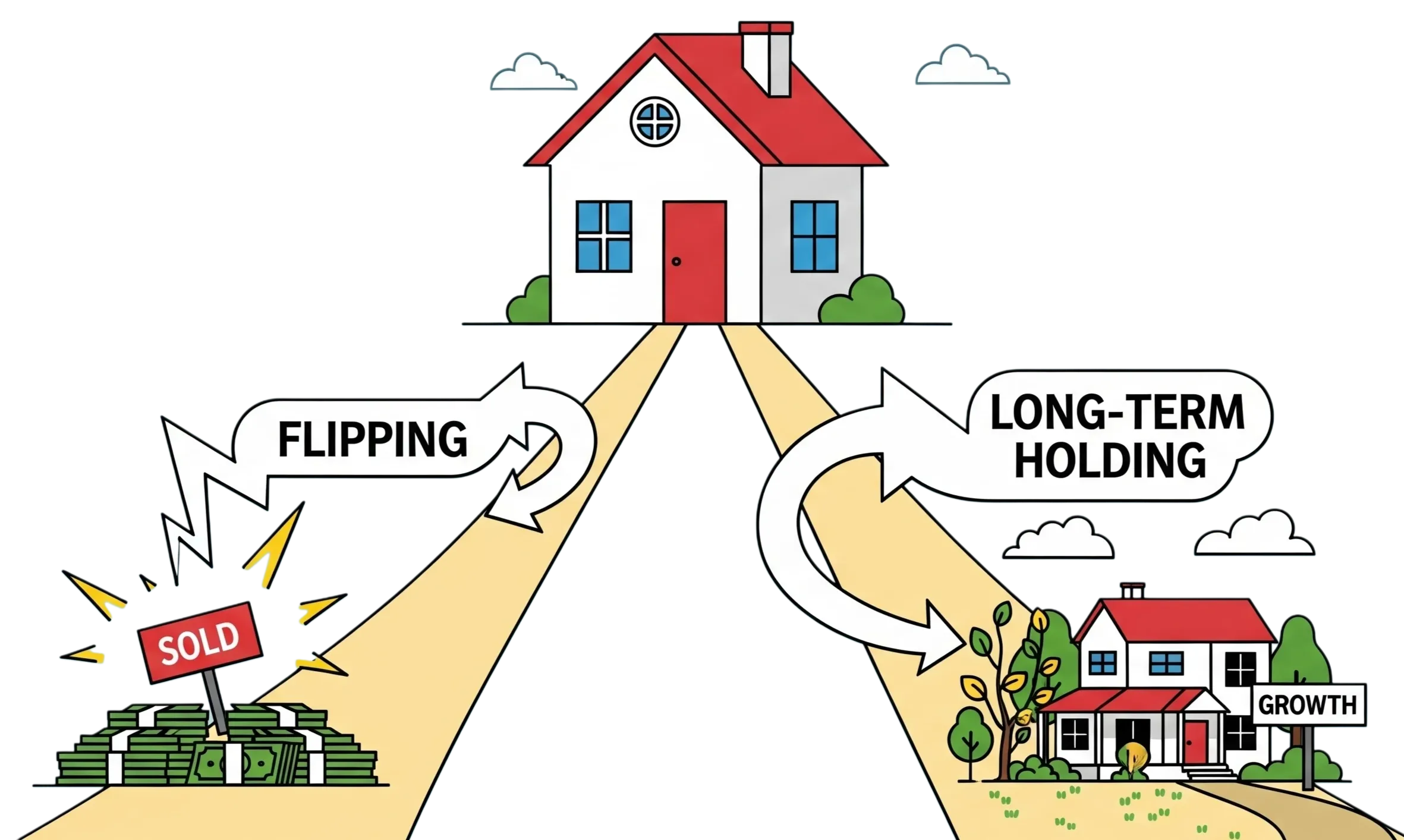
    The housing market in the United States and Canada continues to shift with interest rates, local job growth, and supply constraints. If you’re eyeing 2025, the big decision is whether you should flip for quicker profits or hold for steady appreciation and rental income. Both strategies can work. The right call depends on where you buy, how you finance the deal, and how much risk you’re comfortable taking.

    This guide provides a practical approach, backed by facts and insights you can apply directly.

    The Market Backdrop to Plan Around

    You are likely to see a market that is still tight on inventory in many metros, with rates that have eased off peak levels but are not back to the ultra-low era. In the U.S., migration toward affordable, job-rich metros has stayed strong. In Canada, demand remains firm in cities that offer more value than the priciest cores. Think of this moment as a “quality-of-buy” market. The better your entry price, renovation scope, and financing plan, the better your outcome.

    Before you choose a lane, narrow your focus to specific neighborhoods. Submarkets inside the same metro can behave very differently. Blocks with new employers, transit improvements, or school upgrades can outperform nearby areas that do not have those catalysts.

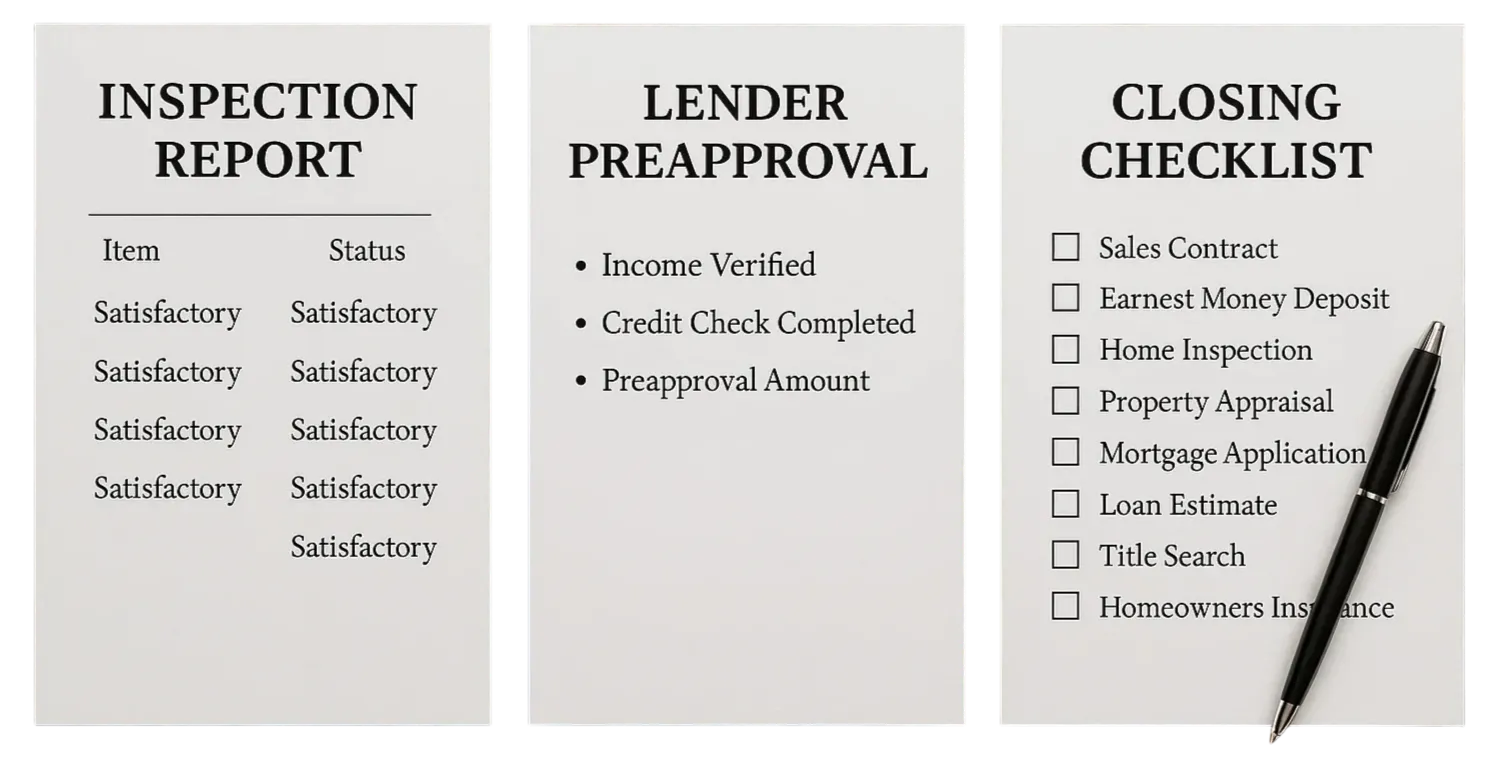
    As you evaluate targets, build a closing checklist early. Line up your Closing Disclosure, title documents, and insurance proof so you can move quickly when a good deal appears. That prep work reduces last-minute friction and helps you avoid delays at the table.

    Flipping in 2025: Risks, Rewards, and Realities

    Flips win when you buy right, keep the renovation tight, and sell into solid demand. It sounds simple enough, yet in 2025 pulling it off will take sharper project management.

    • Costs and Timing:
      Material and labor costs remain elevated in many markets, and permit backlogs can push timelines. Build a conservative budget and timeline. Add a 10 to 15 percent cushion for surprises so carrying costs do not eat your spread.
    • Block-Level Demand:
      Look for neighborhoods with rising household formation, healthy resale comps, and a clear ceiling price you can hit after improvements. Walk the street at different times of day and talk with property managers and contractors about days on market and buyer must-haves.
    • What to Renovate:
      Aim for repairs that unlock buyer confidence and appraisal value. Kitchens, bathrooms, major systems, and curb appeal usually carry more weight than purely cosmetic upgrades.

    If you’re writing an offer, protect your downside with a clean inspection playbook. Order a full home inspection right away and be ready to negotiate repairs or credits if issues pop up. Working with a top real estate agent can sharpen your terms and further protect you, especially on repair credits, appraisal gaps, and timeline risks.

    Image Source: pexels.com

    In a competitive situation, you might shorten the inspection window instead of waiving it outright so you still preserve an exit if a major defect appears. Most buyers work within a 7- to 10-day inspection period, and sellers often respond within a few days after that.

    Flips can still pencil if you buy with enough spread, control scope, and move decisively. The biggest risks are timeline slippage, change orders, and a softer resale window that stretches your holding costs.

    The Long Hold: Build Wealth Through Time, Rent, and Discipline

    A long-term hold combines gradual appreciation with rental income that helps cover the mortgage, taxes, insurance, and maintenance. If you prefer steadier returns and less day-to-day project risk, this lane often fits better.

    • Durable rental demand:
      Affordability pressures keep many would-be buyers in the rental pool, which supports occupancy and rent growth in the right neighborhoods.
    • Tax treatment:
      In the U.S., long-term capital gains rates are generally lower than short-term rates. In Canada, principal residence rules and other planning strategies can reduce taxes when used appropriately. Consult a licensed tax professional to structure ownership appropriately for your situation.
    • Compounding effects:
      Each rent check helps amortize your loan while the property can appreciate over time. Renovations you make are less about a quick retail pop and more about reducing future capex and vacancy.

    Your operating checklist matters here too. Keep clean records, budget for repairs, and schedule regular inspections so small issues do not become expensive emergencies. When you eventually sell, you will still go through the same closing process buyers face today, including document prep, insurance verification, and a final walk-through that confirms property condition.

    Flip Now or Hold Longer: How to Make the Call

    Use side-by-side projections so you can compare cash today against total return over time. Here’s a simple way to frame it for a property you can buy at a fair price in a growth corridor.

    Flip scenario

    • Purchase at a discount.
    • Tight, value-adding renovation.
    • Clear exit comps within the next few months.
    • Short-term, higher-rate financing that magnifies carrying costs.
    • Execution risk is higher, but cash comes back faster.

    Hold scenario

    • Buy in a school district or job node that renters value.
    • Stabilize with a targeted refresh that reduces repairs over the next five years.
    • Traditional mortgage that a good rent can help service.
    • Returns build through cash flow, principal paydown, and appreciation.
    Image Source: pexels.com

    Run the numbers both ways, then stress-test them with longer days on market, a lower resale price, or a small rate increase. If you cannot absorb a slower sale or a vacant month, the flip may be too tight. If the cash flow barely covers the mortgage at conservative rents, the hold may need a better buy price.

    As you negotiate, keep your inspection contingency and timelines front and center so you can exit or renegotiate if a major issue is uncovered. If the inspection reveals structural or safety problems, you can push for repairs, credits, or decide to walk away without risking your earnest money when the contingency is properly drafted and timed.

    Practical Steps to Take

    • Research the submarket, not just the metro. Track sales on the blocks where you plan to buy. Drive the area, talk to neighbors, and note any public works or new retail.
    • Get your financing buttoned up early. Preapproval shows strength and keeps closing on schedule. Strong files help you avoid last-minute document chases and let you lock a rate within your lender’s timeline.
    • Build a reliable team. For flips, you want a contractor who can price scope quickly, an inspector who finds deal-breakers fast, and an agent who understands investor comps. For holds, add a property manager and a tax pro.
    • Use your inspection period wisely. Order the general inspection first, then add pest and, where relevant, radon testing. Review results promptly so you can negotiate repairs, credits, or price. Keep your deadlines tight enough to stay competitive but long enough to make a smart call.
    • Prepare for closing day like a pro. Bring your ID, confirm your Closing Disclosure matches the final paperwork, and have proof of homeowners insurance ready. Verify wire details with your title company over a trusted phone number before you send funds. Finish with a thorough final walk-through so the property you receive matches the contract and any agreed repairs.
    • Keep liquidity. Whether you are flipping or holding, a cash reserve keeps you flexible if a repair runs over budget or a unit sits vacant longer than expected.

    So, What Should You Do?

    There is no universal play here. If you have renovation experience, a dependable crew, and the appetite for hands-on work, a well-bought flip can deliver quick profits. If you prefer steadier growth and less project volatility, a long-term hold can build wealth through cash flow and time in the market. Many investors blend both approaches by flipping to generate capital and then rolling profits into solid long-term rentals.

    Whichever path you choose, let your neighborhood data, your financing terms, and a disciplined closing and inspection plan drive the decision. That combination gives you the best odds of walking out of closing confident—and set up for the results you want.

  • The Essential Role of General Contractors in Canada’s Construction Projects

    The Essential Role of General Contractors in Canada’s Construction Projects

    Rarely are construction projects easy. Numerous moving parts need to function as a cohesive unit, from scheduling and quality control to planning and budgeting.

    General contractors act as the backbone for any project, and guarantee that the vision is brought to life, safety is upheld, and the deadlines is completed.

    Why General Contractors Matter

    We’ve seen how easy a project can go due to lack of effective supervision. The coordination between architects, engineers and subcontractors is governed by General contractors, who act as primary coordinators. They prevent costly delays by ensuring that skilled trades, such as Freemasons and electricians, work in the same way.

    Among their primary duties are:

    • Budget management to maintain expenses in line with client expectations.
    • Sequence the work so that each step is basically flows into the next.
    • Hiring and management of undercontinents that contribute specialized expertise to the project.
    • To ensure safety and code compliance for customers and employees.

    Even the best design can fail during implementation if this structured process is not followed.

    Core Functions in a Project

     It is useful to examine the special areas that the general contractors are responsible for better understanding of their meaning:

    • Planning and permitting: They receive permits and guarantee the following by local regulations.
    • Resource allocation: They ensure that resources, such as equipment and materials, are available according to plan.
    • Problem solving: Entrepreneurs receive effective troubleshooting training when unexpected problems arise on a daily basis.
    • Quality assurance: They monitor each step to ensure that craftsmanship meets industry standards.

    Benefits for Clients

    There are many benefits to working with a general contractor:

    • Vendor relationships: Entrepreneurs often interact with labor and suppliers at negotiated rates.
    • Single point of contact: Customers save time not to manage many schedules and subcontractors.
    • Time efficiency: Coordinated actions cut waste and delay.
    • Risk reduction: Contractors manage insurance, responsibility and safety protocols.

    Customers can now focus on their goals instead of getting stuck with details.

    Collaboration with Designers and Architects

    How contractors work with creative professionals is another often overlooked factor. Contractors take over after a designer creates a vision in order to assess feasibility, recommend materials, and turn ideas into reality. This collaboration guarantees that the final product embodies both creativity and functionality.

    General contractors are critical regardless of the project size, from minor remodeling to major industrial construction. Having a reliable general contractor on board isn’t just helpful for customers, designers, and developers alike, but it’s also necessary for setting up success from the ground up.