Tag: Rental Yields

  • How to Choose a Reliable Real Estate Agent in Phuket

    Image Source: freepik.com

    Phuket’s real estate market is growing fast. From high-yield investment condos in Bang Tao to luxurious pool villas in Kamala, the island offers strong options for international buyers.

    However, navigating this tropical market can be tricky. Unlike many Western countries, Thailand’s real estate industry does not require agents to hold a government license. This lack of regulation means the barrier to entry is low, and anyone can claim to be a property expert.

    For foreign buyers, this makes due diligence even more important. A reliable agent is more than just a salesperson. They guide you through complex ownership laws, negotiate fair pricing, and protect you against potential scams. Whether you are looking for a holiday home or a rental investment, choosing the right partner is one of the most important steps.

    This guide will help you understand the essential criteria for selecting a trustworthy agent, the verification steps you must take, and the red flags that should make you walk away.

    What to Look for in an Agent

    Because there is no mandatory license, you cannot simply ask to see an agent’s credentials. Instead, you must judge them based on competence, reputation, and affiliation.

    1. Deep Local Knowledge
      Phuket is not a single market. It is a collection of distinct neighborhoods, each with its own pricing, demand, and regulations. A reliable agent should possess a deep understanding of areas like Rawai, Cherng Talay, and Nai Harn.
      They should be able to tell you the rental yield differences between a beachfront condo and an inland villa, or how traffic patterns might affect a property’s value in the high season. If an agent answers your questions with vague generalities, they likely lack the expertise you need.
    2. Professional Affiliations
      While the government doesn’t license agents, professional bodies do exist to promote ethical standards.
      Look for agents who are members of the Thai Real Estate Broker Association, or TREBA. Membership here often indicates a commitment to a code of ethics and professional conduct.
      Another reputable organization is the Real Estate Business Association, or REBA, which signals a level of seriousness and accountability. These affiliations show that the agent views their role as a profession, not just a side gig.
    3. Transparent Fees and Documentation
      A trustworthy agent will never hide the numbers. They should be upfront about their commission structure, which is typically paid by the seller or landlord rather than the buyer, and all associated transaction costs, such as transfer fees and taxes.
      Furthermore, they should be knowledgeable about critical documents, specifically the Chanote title. This is the highest form of land ownership in Thailand, granting full rights to the holder. If an agent is pushing a property with a lesser title, like Nor Sor 3 Gor, without clearly explaining the risks and differences, proceed with caution.

    How to Verify an Agent

    Once you have a shortlist of potential agents, it is time to verify their claims. Do not rely on their website alone. Take it a step further.

    Analyze Online Reviews Online reviews are powerful, but you need to look at them critically. Check Google Maps, Facebook pages, and platforms like Trustpilot.

    • Look for patterns: Are there recurring complaints about ghosting clients or keeping deposits?
    • Check the dates: A flurry of 5-star reviews in one week followed by silence is suspicious.
    • Read the details: Genuine reviews often mention specific agents by name and describe specific situations.

    Ask for References and a Track Record

    Ask the agent for examples of recent sales similar to what you are looking for.

    Can they share a case study? Even better, can they let you speak to a past client?

    A reputable agent with happy clients will have no problem facilitating this, with the client’s permission, of course. You should also ask to see their business registration with the Department of Business Development, or DBD. This confirms they are a legal Thai company, which offers you far more protection than dealing with a freelancer working on a tourist visa.

    The In-Person Assessment

    Digital communication is great, but a face-to-face meeting still helps a lot. A video call can work too if you are abroad. Use this time to assess their communication style.

    • Notice if they listen to your needs, or if they immediately push their most expensive listing.
    • They should be patient with your questions about Thai law and ownership structures.
    • Ideally, they should speak your language fluently.

    For international buyers, a language barrier can lead to costly misunderstandings. Ensure you can communicate complex financial and legal concepts clearly.

    Red Flags to Avoid

    If you encounter any of these warning signs, pause the transaction immediately.

    • Demands for Upfront Cash: You should never pay a so called viewing fee or transfer deposit money to an agent’s personal bank account. Deposits should go to the landlord, the seller, or a secure escrow account handled by a law firm.
    • Dodging In-Person Meetings: If an agent always has an excuse for why they can’t meet you at their office or at the property, they may be hiding something, or they may not actually represent the listing.
    • Vague Legal Advice: If an agent glosses over the leasehold versus freehold distinction for foreigners or suggests illegal nominee structures to bypass ownership laws, walk away. A good agent will likely advise you to hire an independent lawyer to handle the due diligence.
    • Pressure Tactics: You must sign today because the price goes up tomorrow. High-pressure sales tactics are often used to force a decision before you have time to check the paperwork.

    How La Maison Coral Stands Out

    At La Maison Coral, they understand that trust is earned, not given. Since their establishment in 2019, they have dedicated themselves to raising the standard of service in Phuket’s real estate market.

    Why clients choose them:

    • Established Expertise: They don’t just sell properties. They help clients make smarter buying decisions. They specialize in high-yield assets and luxury villas in prime areas like Rawai, Chalong, Bang Tao, and Cherng Talay.
    • A Global Team: Their team is multilingual, speaking English, French, Chinese, and more. This ensures that nothing gets lost in translation. As Chris, a satisfied villa owner, noted, the team was truly multilingual, and within 3 months of signing, the property was sold.
    • Focus on the Client: They go the extra mile. Whether it is helping a first-time buyer like Philip, who called their agent Charo one of the best he had worked with, or assisting investors like Bertrand, who found the team highly efficient, client feedback reflects that.
    • Comprehensive Support: From helping clients calculate rental yield, which can reach 15% to 25% for prime short-term rentals, to navigating the 49% foreign ownership quota for condos, they handle the details so the process stays simple and clear.

    Making a Smart Property Investment in Phuket

    Buying Phuket property is an exciting lifestyle choice and a smart investment, provided you have the right support. Because the market is unregulated, the responsibility falls on you to verify your agent’s credentials.

    Remember the three pillars of a safe transaction: Knowledge, Verification, and Transparency. Check their local expertise, verify their business registration and reviews, and ensure they are transparent about fees and laws. If something feels off, trust your instincts and consult a lawyer.

    By taking the time to choose a reliable partner, you ensure that your dream home does not turn into a nightmare.

    Ready to explore Phuket’s property market with a team you can trust? Contact La Maison Coral today for a consultation.

  • The Growth of Branded Residences & Future of Luxury Living

    Image Source: freepik.com

    The concept of luxury living is shifting. It is no longer enough to just own a penthouse with a view or a villa behind a gate. Today’s global elite are seeking something more intangible, a lifestyle shaped by the world’s most prestigious names. This demand has turned the branded residences sector from a niche offering into a global real estate powerhouse.

    The market is moving fast. The sector expanded from roughly 764 projects in December 2024 to an estimated 910 by the end of 2025, a remarkable 19% year-on-year surge.

    With projections suggesting the sector will nearly triple in size over the next two decades, this signals a fundamental change in how high-net-worth individuals (HNWIs) define where they live. It’s no longer just about asset ownership. For many buyers, it is about identity, service, and the experience people pay for.

    What Are Branded Residences?

    At its core, a branded residence is a residential property associated with an established luxury brand. While historically dominated by hospitality giants like Four Seasons or Ritz-Carlton, the sector has evolved to include automotive, fashion, and lifestyle brands.

    The key differentiator is the service. In a traditional luxury condo, the value lies in the location and the physical finishes. In a branded residence, you are buying the lifestyle. Owners gain access to hotel-level services, 24/7 concierge, housekeeping, in-residence dining, and wellness programs managed by a trusted operator.

    For the global buyer, this offers a unique blend of ownership and convenience. It’s a ready-to-live-in solution that promises the privacy of a home with the operational excellence of a five-star hotel.

    The Drivers Behind the Boom

    Why is this sector growing so fast? The expansion is driven by a convergence of economic factors and shifting consumer psychology.

    1. The Experience Economy
      We are living in an experience-first economy, where affluent consumers prioritize unique experiences over simple ownership. Branded residences cater to this by offering a curated environment. Whether it’s a wellness-focused ecosystem by Six Senses or an automotive-inspired tower by Porsche, these homes allow residents to live inside the brand ethos they admire.
    2. Trust in New Markets
      As wealth becomes more mobile, HNWIs are increasingly investing in markets outside their home countries. Here, the brand acts as a safety net. A buyer may not know the local developers in a foreign city, but they trust the standards of a Mandarin Oriental or a St. Regis. This trust in the brand reduces investment risk and ensures a consistent level of service.
    3. Wealth Growth and Demographics
      The population of ultra-high-net-worth individuals (UHNWIs) is projected to grow significantly through 2028. This new generation of wealth is often younger, global, and highly brand-conscious. They view real estate not just as a portfolio diversifier, but as an extension of their personal brand.

    A New Hub for Luxury Residences in Thailand

    While the concept originated in North America, the momentum for branded residences is shifting eastward. Asia-Pacific is now a dominant force in the market, with Thailand emerging as a standout global leader.

    Thailand currently commands a massive share of the Asia-Pacific market. The Kingdom offers an ideal environment for branded residential development, a robust tourism sector, world-class hospitality culture, and sophisticated infrastructure.

    Phuket and Bangkok Lead the Charge

    The growth in Thailand is concentrated in two distinct areas, the resort destination of Phuket and the urban hub of Bangkok.

    • Phuket: This island has become a prime location for resort-style branded living. Investors are drawn to the combination of tropical leisure and high-yield potential. Branded residences here often command capital appreciation of 12–18% annually in prime locations, outperforming non-branded counterparts.
    • Bangkok: The capital is seeing a surge in urban branded towers that compete with luxury markets in London or New York. These developments offer a sanctuary from the bustling city, often focusing on wellness and hyper-exclusive privacy.

    Thailand’s success proves that the market has evolved beyond simple hotel rooms. Buyers here are looking for substantial, long-term investments that offer a lifestyle return.

    Lifestyle Brands Are Growing Faster Than Hotels

    For decades, hotel operators controlled the market. While they still account for approximately 80% of projects, a significant disruption is underway. Non-hospitality brands, especially from the worlds of fashion and automotive design, are entering the residential space aggressively.

    Brands like Porsche, Bentley, Armani, and Missoni are reshaping the skyline. These developments appeal to a different mindset. A buyer of a Porsche Design Tower isn’t just looking for a concierge. They may also want engineering excellence, such as car elevators that allow them to park their vehicle right inside their living room.

    This diversification allows developers to target specific niches. Fashion-branded residences focus on aesthetic and design language, while automotive residences focus on technology and performance. It signals that in the future, our homes will be as clearly defined by brand identity as the clothes we wear or the cars we drive.

    Why the Investment Matters

    One of the most common questions for investors is whether the brand name justifies the price tag. The data suggests that it does.

    According to global research, branded residences command an average price premium of 33% over comparable non-branded properties. In emerging cities, this premium can climb even higher.

    This premium is justified by three main factors:

    1. Operational Excellence: Professional management ensures the asset is maintained to the highest standards, protecting long-term value.
    2. Rental Yields: Properties with a recognized brand name can command higher rental rates, as tenants are willing to pay for the assurance of quality.
    3. Resale Velocity: Branded properties often hold their value better during economic downturns and sell faster than unbranded luxury units due to their global recognition.

    Wellness and Standalone Developments

    As we look toward 2030, two major trends will define the next generation of branded living.

    The Wellness Imperative

    Wellness is moving from a nice to have amenity to a central pillar of development. Future projects will go beyond simple gyms and spas. We are seeing the integration of longevity clinics, circadian lighting systems, and air purification technologies directly into the home.

    Brands like Six Senses are leading this charge, positioning the home as a place of healing and health optimization.

    Standalone Residences

    Traditionally, branded residences were co-located with a hotel, for example, apartments on top of a hotel. However, there is a growing trend toward fully residential projects, branded residential towers without a hotel component.

    This caters to residents who want the service and amenities of the brand but desire absolute privacy, without the transient foot traffic of hotel guests.

    The Future of Luxury Living

    The explosive growth of branded residences is more than just a real estate trend. It reflects the changing face of wealth. Today’s luxury buyer demands more than just four walls. They want an experience, a community, and a hassle-free lifestyle managed by the brands they trust.

    With markets like Thailand leading the way in innovation and new players from the fashion and automotive worlds joining the market, the sector is poised for sustained expansion.

    For investors and homeowners alike, branded living offers a compelling vision of the future, a home that serves you, defines you, and connects you to a global standard of excellence.

  • Where to Buy Property in Pattaya in 2026? Top Neighborhood Guide

    Image Source: freepik.com

    Thailand’s property market continues to attract investors worldwide, especially in Pattaya. Once known primarily for its vibrant nightlife, this coastal city has shifted into a more well-rounded real estate market. Driven by a strong recovery in international tourism and significant infrastructure upgrades like the Eastern Economic Corridor (EEC), Pattaya is no longer just a holiday destination. It is now a practical option for buyers and investors.

    For foreign buyers and expats, most buyers are deciding which area makes the most sense. The city has distinct neighborhoods, each with its own character, price point, and lifestyle. From the high-end serenity of Wongamat to the family-friendly stretches of Jomtien, it helps to have local insight. Whether you are seeking a vacation home, a high-yield rental, or a quiet retirement villa, this guide covers the best areas to find Pattaya property for sale in 2026.

    Top Neighborhoods for Condo Living

    Pattaya’s coastline is defined by its condominiums. For those prioritizing sea views, convenience, and modern amenities, these three areas usually come out on top.

    Wongamat and North Pattaya for Premium Choice

    If luxury is a priority, Wongamat is your destination. Located in North Pattaya, this area is often compared to the most upscale part of the city. Unlike the busy central districts, Wongamat offers a cleaner and more private beachfront experience.

    The real estate here is dominated by high-end branded residences and five-star developments. More buyers are focusing on this area because of its exclusivity and long-term price potential. While entry prices are higher than the city average, projected growth of 8–10% annually makes it appealing for long-term buyers. It is quiet, sophisticated, and retains its value exceptionally well.

    Pratumnak Hill Is Exclusive and Elevated

    Pratumnak Hill sits between vibrant Pattaya City and the relaxed Jomtien Beach, offering the best of both worlds. It is often called The Royal Hill because it overlooks the bay and hosts one of the royal residences.

    Pratumnak is unique because strict building regulations limit the height of new projects in certain zones, ensuring that views are not easily blocked. This limited supply creates a sense of exclusivity that appeals to affluent retirees and professionals.

    You will not find chaotic nightlife here. Instead, you will find boutique condos, fine dining, and sweeping sea views. It is a stable market with strong value retention, making it a lower-risk option for conservative buyers.

    Jomtien and Na Jomtien for Families

    Jomtien has evolved from Pattaya’s sleepy neighbor into a bustling residential hub. With its improved coastline and wider sidewalks, it is a favorite for families and expats who want beach access without the intensity of Central Pattaya.

    Further south, Na Jomtien offers a more resort-like atmosphere. This area strikes a strong balance between affordability and lifestyle. For investors, Jomtien remains a hotspot for short-term rentals.

    The steady flow of holidaymakers keeps occupancy rates healthy, with rental yields often around 6–7%. It is accessible, lively, and significantly more affordable than Wongamat.

    Emerging Areas for Villas and Privacy

    Not everyone wants a condo. For buyers seeking land, privacy, and more space, the outskirts of Pattaya offer value that city-center units simply cannot match.

    Bang Saray

    Located about 20 minutes south of Pattaya, Bang Saray retains the charm of a quiet coastal town while offering modern living standards. This area is becoming increasingly popular among buyers looking for villas rather than condos.

    The appeal is simple. A budget that buys a two-bedroom condo in the city can often secure a private pool villa in Bang Saray. It suits long-term family living and retirees who want distance from urban noise. The atmosphere is relaxed, the air is cleaner, and the community is close-knit. As infrastructure improves, commuting to Pattaya becomes less of a hurdle, making this area a solid long-term option.

    East Pattaya and Huai Yai

    East Pattaya is often referred to as the Dark Side by locals because it lacks the bright neon lights of the city. This is where many expat communities live in gated housing developments.

    Areas like Huai Yai are seeing growing interest right now. Buyers are drawn by privacy and overall quality of life. Modern gated communities offer 24-hour security, shared pools, and landscaped gardens. Improved motorway access makes travel to international schools, golf courses, and EEC industrial zones fairly easy. If you are looking for a standalone home with outdoor space for children or pets, this is an area worth focusing on.

    Investment Outlook for 2026

    Understanding the bigger trends is just as important as choosing the right neighborhood. In 2026, the Pattaya market is shaped by clear economic drivers.

    Central Pattaya

    For pure investment purposes, Central Pattaya still performs strongly. It sits right in the center of the city, surrounded by shopping malls like Central Festival, nightlife, and dining.

    While it may be too busy for some full-time residents, it works well for rental investors. Tourists and digital nomads prioritize convenience, and Central Pattaya consistently delivers. Because of that, rental yields here are often estimated at 7–8%. Demand remains steady throughout the year, helping reduce vacancy risk.

    Market Forecast

    The outlook for Pattaya this year looks steady, without sharp price spikes. This reflects a more mature market supported by genuine lifestyle and investment demand.

    Infrastructure continues to play a major role. Ongoing development around U-Tapao International Airport and the wider Eastern Economic Corridor improves accessibility and supports job growth. Even with delays to some large-scale projects, the long-term impact remains positive.

    Condominiums dominate coastal and central areas, attracting investors and short-term renters. Meanwhile, houses and villas are increasingly popular in outer districts, appealing to expats, families, and retirees who want more space. This balance helps Pattaya avoid relying too heavily on any single buyer group.

    The Future of Pattaya Real Estate

    Pattaya offers flexibility, choice, and opportunity. Buyers can choose between beachfront high-rise condos, quiet hillside developments, or spacious homes in gated communities outside the city center.

    The city has moved beyond its old image and is now positioned as a long-term residential and investment destination. With tourism stabilized, infrastructure improving, and demand spread across multiple segments, Pattaya’s real estate market rests on solid fundamentals.

    For buyers looking at Pattaya property for sale, the neighborhood matters more than trying to time the market. With careful planning and proper legal guidance, Pattaya remains one of Thailand’s most practical and forward-looking property markets.

  • Why Foreigners Are Buying Real Estate in Sichon : A 2026 Market Outlook

    Image Source: sichon.banyantreeresidences.com

    For decades, the path for international property investors in Thailand was predictable: buy a condo in Phuket, a villa in Koh Samui, or a penthouse in Bangkok. But heading into 2026, the trend is shifting. Over-tourism and skyrocketing prices in these established hubs are pushing more buyers toward a new option, the quiet luxury of lesser-known coastal towns.

    Leading the way is Sichon, a district in Nakhon Si Thammarat province. Once a sleepy fishing community, Sichon is fast becoming a sought-after destination for luxury buyers and retirees. This shift isn’t accidental. It lines up with Thailand’s push to reshape tourism, focusing on sustainability, higher-end travel experiences, and bringing more visitors to secondary cities.

    Here’s why investors are looking past the crowded West Coast and focusing on the untapped potential of Sichon.

    Quiet Luxury and Natural Beauty

    The main reason for Sichon’s rise is its pristine environment. While famous beaches elsewhere often struggle with overcrowding, Sichon offers a sense of calm that feels like the Thailand of 30 years ago.

    Sichon Beach was featured by Lonely Planet as a top-10 beach in Thailand, celebrated for its curved bay, clear waters, and lack of commercial clutter. But the appeal extends beyond the sand. The district sits right next to the Khao Luang mountains, offering a landscape of waterfalls, lush jungles, and caves that remain largely untouched.

    luxury no longer just means marble floors and infinity pools; it means exclusivity and privacy. It means walking on a beach without fighting for space. Many of these buyers want an authentic Thai lifestyle, buying fresh seafood from local markets and engaging with a community that hasn’t been overrun by mass tourism.

    New Luxury Developments

    Historically, the trade-off for choosing a quiet location was a lack of high-end housing inventory. That’s no longer the case. Developers have recognized the gap in the market and are introducing world-class projects to the area.

    The most notable project is Banyan Tree Residences Sichon. This development has put the district on the global real estate map. It features just 15 ultra-luxury pool villas (7 beachfront and 8 oceanview), offering 5-star concierge services, a clubhouse, and the kind of gated security that international buyers demand.

    Projects like this provide a clear signal for investors. When a global brand like Banyan Tree moves into a new location, it signals long-term confidence in the destination’s growth. For those looking to buy a villa in Sichon, the options now range from these branded residences to more modest, private tropical retreats.

    Infrastructure Driving Growth

    Accessibility is key to real estate value, and Sichon is benefiting from significant infrastructure upgrades.

    1. Nakhon Si Thammarat International Airport
      Located just a 35-minute drive from Sichon, the airport has undergone major upgrades, including a new passenger terminal. This expansion allows for more international flights, making door-to-door travel time for foreign homeowners significantly shorter.
    2. Better Road Connections
      Thailand’s infrastructure master plan includes improvements to the highway network connecting the southern provinces. The improved road conditions mean easier access to Surat Thani and other commercial hubs, reducing isolation while maintaining privacy.
    3. The Proposed Samui Bridge
      Perhaps the most discussed potential project is the bridge connecting the mainland, near Khanom and Sichon, to Koh Samui. While still in planning stages, the mere prospect of access to three airports, NST, Surat Thani, and Samui, creates a huge selling point for landholders in Sichon. It positions the area as a coastal hub with direct access to island nightlife, without the island price tag.

    Investment Potential and Market Outlook

    From an investment perspective, the numbers in Sichon make sense. In established markets like Phuket, prime beachfront land is scarce and costs a fortune. In contrast, Sichon offers an early-buyer advantage.

    • Affordability vs. Growth: The entry price for luxury real estate here is significantly lower than in developed resort towns. However, prices are trending up. As infrastructure completes and more high-end amenities (like international dining and wellness centers) arrive, property values are expected to grow faster than in more built-out markets.
    • Rental Yields: With the Thailand Board of Investment (BOI) offering incentives for sustainable tourism projects, the region is seeing more eco-conscious travelers. These visitors typically stay longer and spend more. Investors who offer high-quality properties for sale in Sichon can tap into a lucrative rental market, targeting digital nomads and families seeking long-term winter escapes.

    A Sustainable Lifestyle Choice

    Thailand’s 2026 tourism plans are heavily focused on the Circular Economy and sustainable growth. Sichon fits that push well.

    The local regulations and community focus are geared toward low-density development. You won’t find high-rise condo blocks blocking the ocean view. Instead, the real estate landscape is dominated by low-rise villas and green spaces. For foreign buyers conscious of their environmental footprint, this alignment with national sustainability goals adds a layer of long-term security to their investment.

    Buying in Sichon

    For foreigners, the rules of buying in Thailand remain the same. Foreigners can own condominium units freehold, while land ownership for villas is typically structured through long-term renewable leases, often set up as 30+30+30 years, or via companies for business investments.

    Because Sichon is an emerging market, it’s crucial to work with reputable agents and developers who understand the local landscape. Exploring the wider range of properties for sale in Nakhon Si Thammarat can give you a better sense of pricing across the province.

    The Window of Opportunity

    Real estate markets usually follow a pattern: discovery, development, and finally, saturation. Sichon is currently in the development phase. The infrastructure is ready, the first luxury brands have arrived, but the mass crowds have not.

    For foreign investors looking toward 2026, Sichon offers a rare combination: the tranquility of an untouched paradise with the upside of an emerging economic zone. Whether you are looking for a retirement haven, a vacation home, or a high-yield asset, the time to look at Thailand’s east coast is now.

  • Why Foreigners Choose Bangkok Real Estate Over Singapore & HK

    Image Source: freepik.com

    For decades, cities like Singapore and Hong Kong held the title of premier hubs for Asian real estate investment. However, as property prices in these financial giants reach stratospheric heights, a shift is occurring. Savvy international investors are turning their eyes toward Thailand’s capital.

    Foreigners favor Bangkok for real estate investments due to its unbeatable combination of affordability, high rental yields, and strategic location in Southeast Asia. Compared to its pricier neighbors, Bangkok offers a lower barrier to entry while providing a lifestyle that is hard to match. Whether for capital appreciation or passive income, Bangkok has become a magnet for global capital.

    Here is why Bangkok is outperforming its regional competitors in the eyes of foreign buyers.

    Premium Luxury at a Lower Cost

    The most immediate draw for foreign investors is the sheer value for money. When comparing prime city-center real estate, the price differential between Bangkok and other major Asian hubs is staggering.

    Current market data indicates that prime Bangkok properties average around $465 per square foot ($5,000 per sqm). In stark contrast, comparable properties in Singapore average $2,275 per square foot, while Hong Kong remains the most expensive at roughly $2,880 per square foot.

    For an investor, this means a budget that buys a small studio in Hong Kong could secure a luxury two-bedroom penthouse with concierge services in Bangkok’s upscale Sukhumvit district. This pricing structure not only makes high-end living accessible but also leaves significant room for growth.

    In fact, despite global economic fluctuations, Bangkok condo prices have seen a steady appreciation of approximately 9.39% in recent years, rewarding early adopters with substantial capital gains.

    High Rental Yields and Passive Income

    While capital appreciation is a long-term play, rental yield is the immediate cash flow engine, and this is where Bangkok truly shines.

    Investors can typically expect gross rental yields of 6–8% on central Bangkok apartments. This significantly outpaces the 2–3% yields common in Singapore and the 3–4% often seen in Hong Kong.

    This buy-to-let strength is driven by robust demand from two key demographics:

    • International Workers: Bangkok hosts a massive community of expats working for multinational corporations who require high-quality housing in the CBD.
    • Tourism Recovery: As one of the most visited cities in the world, the short-term rental market remains lucrative.

    Smaller units in prime business districts like Silom or Sathorn are particularly high-performing assets, generating reliable monthly income. For investors looking to capitalize on this demand, browsing properties for rent in Bangkok reveals a vibrant market with low vacancy rates in premium buildings.

    Strategic Location as the Crossroads of ASEAN

    Bangkok isn’t just a holiday destination; it is the logistical and economic heart of the Association of Southeast Asian Nations (ASEAN).

    Since the implementation of the ASEAN Economic Community (AEC), Bangkok has benefited from tariff-free trade and streamlined visa policies, solidifying its status as a regional HQ for global firms. This economic vibrancy sustains housing demand even when other markets cool down.

    Infrastructure Boom

    The city is currently undergoing a massive transformation in mass transit. The expansion of the BTS Skytrain and MRT networks has revolutionized connectivity.

    • The Yellow Line: Recently opened, connecting the Lat Phrao area to the eastern suburbs.
    • The Pink Line: Improving access to the northern government complex and non-CBD business hubs.

    These infrastructure projects open up previously “local” neighborhoods to foreign renters, increasing the potential for property value growth in areas just outside the traditional core.

    Favorable Policies for Foreign Buyers

    Unlike some Asian nations where foreign ownership is strictly prohibited or heavily taxed, Thailand offers a transparent path to ownership.

    The Condominium Act allows foreigners to own condo units 100% freehold, provided that the foreign ownership quota in a single building does not exceed 49%. This legal structure gives buyers a title deed (Chanote) in their own name, offering security and ease of resale.

    Recent trends show that foreign confidence in this system is high, with Greater Bangkok accounting for 74% of all foreign real estate transactions in Thailand. Furthermore, 2025 has seen discussions regarding new incentives to further ease the process for high-net-worth individuals and long-term visa holders, making the market even more attractive.

    Lifestyle and Amenities

    Investment metrics aside, the lifestyle Bangkok offers is a major “soft factor” in investment decisions. The city blends hyper-modern amenities with traditional culture.

    • World-Class Shopping: From IconSiam to Siam Paragon, the retail experience rivals Tokyo or New York.
    • Healthcare: Thailand is a global leader in medical tourism, offering international-standard hospitals at a fraction of US or European prices.
    • Education: A wide selection of top-tier international schools makes it a viable long-term home for expat families.

    Investment Opportunities and Expert Support

    Foreigners primarily focus on the condominium market due to the freehold ownership laws. However, opportunities also exist in the luxury leasehold villa market or through setting up Thai Limited Companies for landed property investments.

    Navigating these options requires local expertise. Engaging a reputable บริษัทนายหน้าอสังหา (Real estate agents in Bangkok) is essential for navigating the legalities, conducting due diligence, and finding units that offer the best ROI.

    Risks and Challenges

    No market is without risk. Potential investors should be aware of:

    • Currency Fluctuation: The Thai Baht is generally stable but subject to global forex trends.
    • Oversupply: Certain suburban areas have seen a glut of new condo launches. It is vital to stick to prime locations along mass transit lines.
    • Legal Complexity: While buying condos in Bangkok is straightforward, landed property ownership remains complex for non-citizens.

    Future Outlook for 2026 and Beyond

    Looking ahead, the outlook for Bangkok real estate remains bullish. As the extensive transit lines reach full completion and the Eastern Economic Corridor (EEC) initiative brings more industry to the region, the demand for residential property in the capital will likely increase.

    For foreign investors priced out of Singapore or Hong Kong, or those simply seeking better yield performance, Bangkok represents the smart money move in Asia. Whether you are looking for a vacation home that pays for itself or a serious portfolio addition, the time to enter the market is now.Start your search today and view the latest properties for sale in Bangkok.

  • Global Real Estate Markets Texans Should Watch in 2025

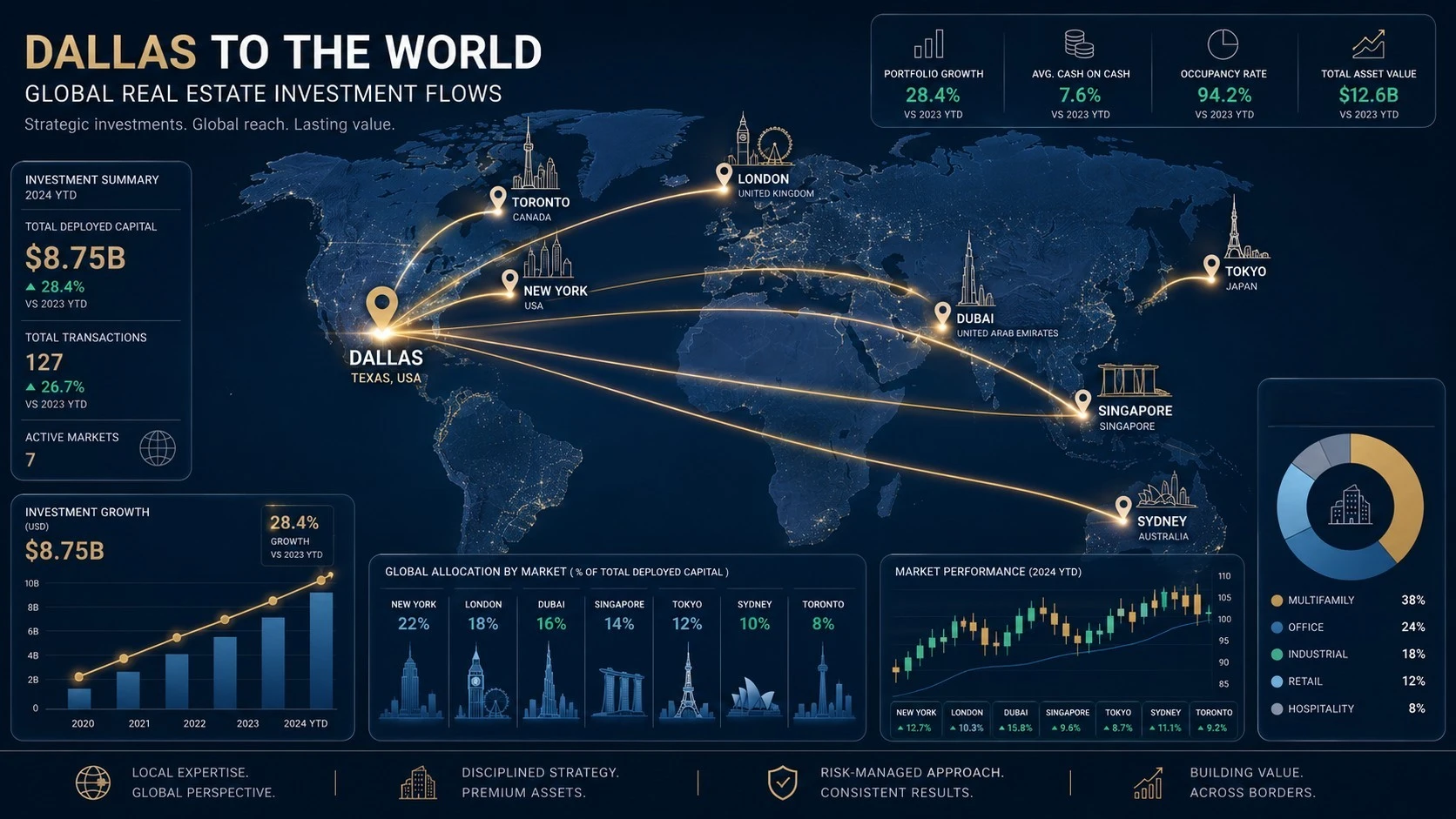
    For years, Texas has been a magnet for real estate investors. Dallas, Austin, and Houston in particular have seen fast growth thanks to new jobs, steady migration, and strong housing demand. That momentum has rewarded local investors, but it’s also pushed property prices higher and put more pressure on rental yields.

    Because of that, more Texans are starting to scan the map outside the state. Global diversification isn’t just talk anymore. It’s becoming a useful way to spread risk and find places where housing markets are still affordable and have room to grow.

    If you’re keeping an eye on what’s next, here are a few international hotspots worth following in 2025 and beyond.

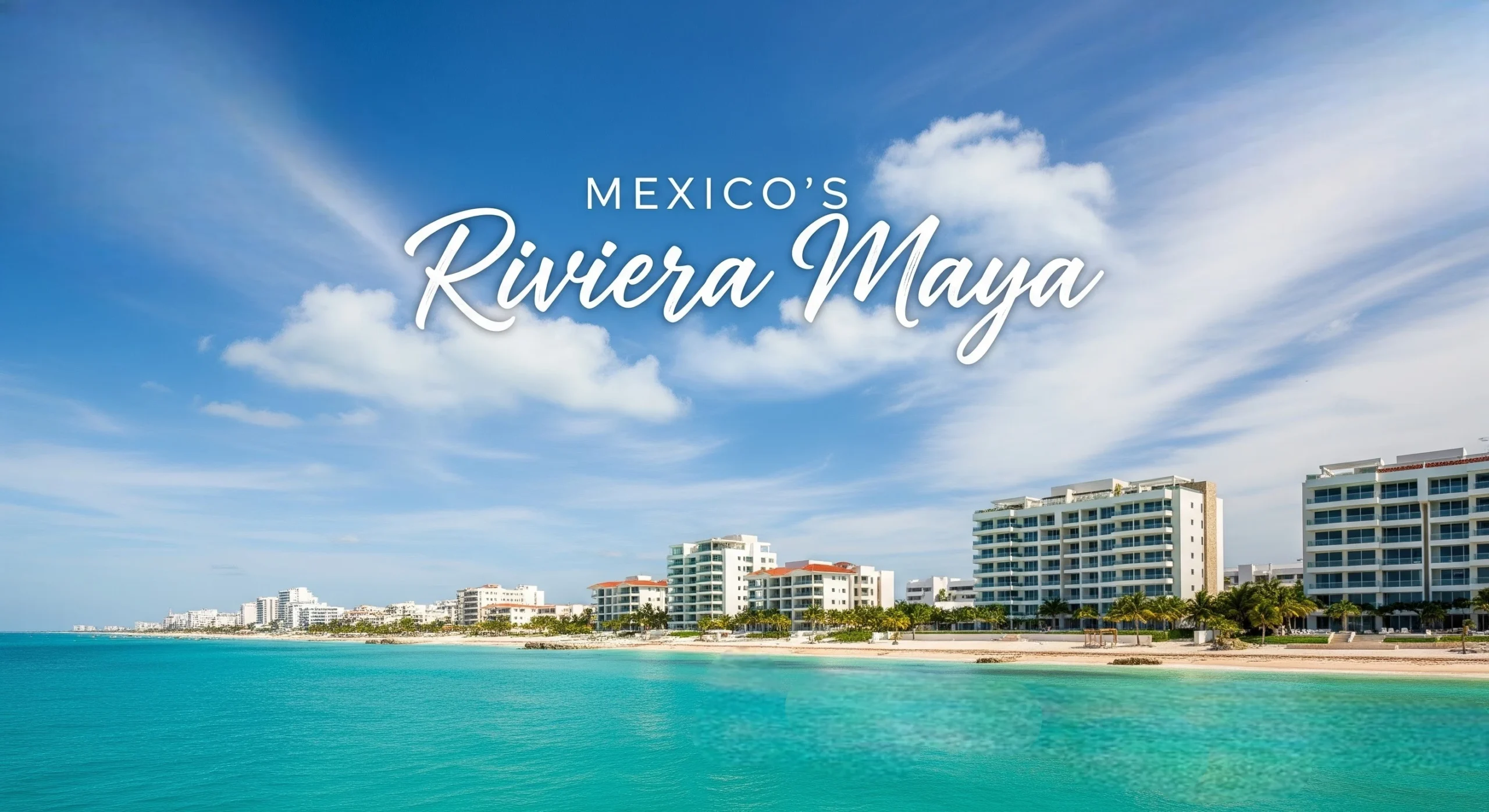
    1. Mexico’s Riviera Maya

    The Riviera Maya is one of the most convenient international markets to explore. Cities like Playa del Carmen, Tulum, and Cancun draw millions of visitors each year, making the region one of the busiest tourist corridors in Latin America. That steady flow of travelers has turned the area into a strong short-term rental market, where properties often perform well on platforms like Airbnb.

    Homes and condos here are still priced lower than in most major U.S. cities, yet the demand keeps climbing as Mexico’s tourism industry continues to rebound. In some cases, the rental yields in Playa del Carmen or Tulum can even outpace what you’ll find in Texas metros.

    The close distance is a major plus. You can get from Dallas to Cancun in just a couple of hours, which makes it much easier to manage a property, check in on renovations, or simply use the home yourself when you want a quick getaway.

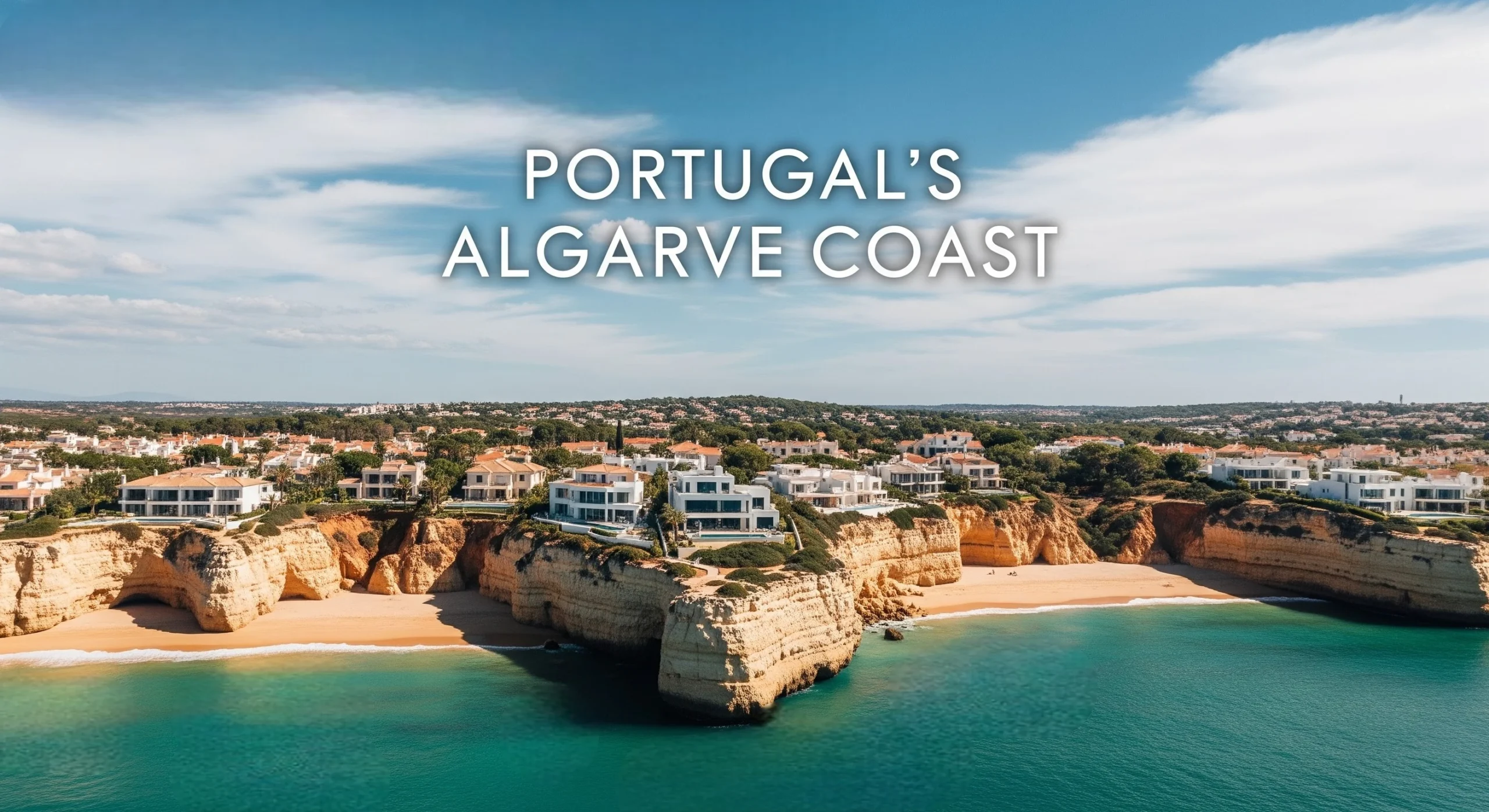
    2. Portugal’s Algarve Coast

    On Portugal’s southern edge, the Algarve has quietly become one of Europe’s favorite places to buy a home. The area gets more than 300 days of sunshine a year, and towns like Lagos, Albufeira, and Faro are filled with cafés, golf courses, and a steady stream of visitors. About 4 million tourists come through each year, which keeps the short-term rental market active even outside of the summer season.

    For Texans, the appeal goes beyond the beaches. Property prices are still well below what you’d expect in France, Spain, or coastal U.S. cities, yet the quality of life is high. Portugal also makes it easier to stay long term with visas like the D7, which is popular with retirees who have steady income.

    Buying in the Algarve often feels like getting a seaside home at a discount. If you’ve been priced out of places like Miami or San Diego, you’ll notice how much further your money goes here while still enjoying a safe and stable environment.

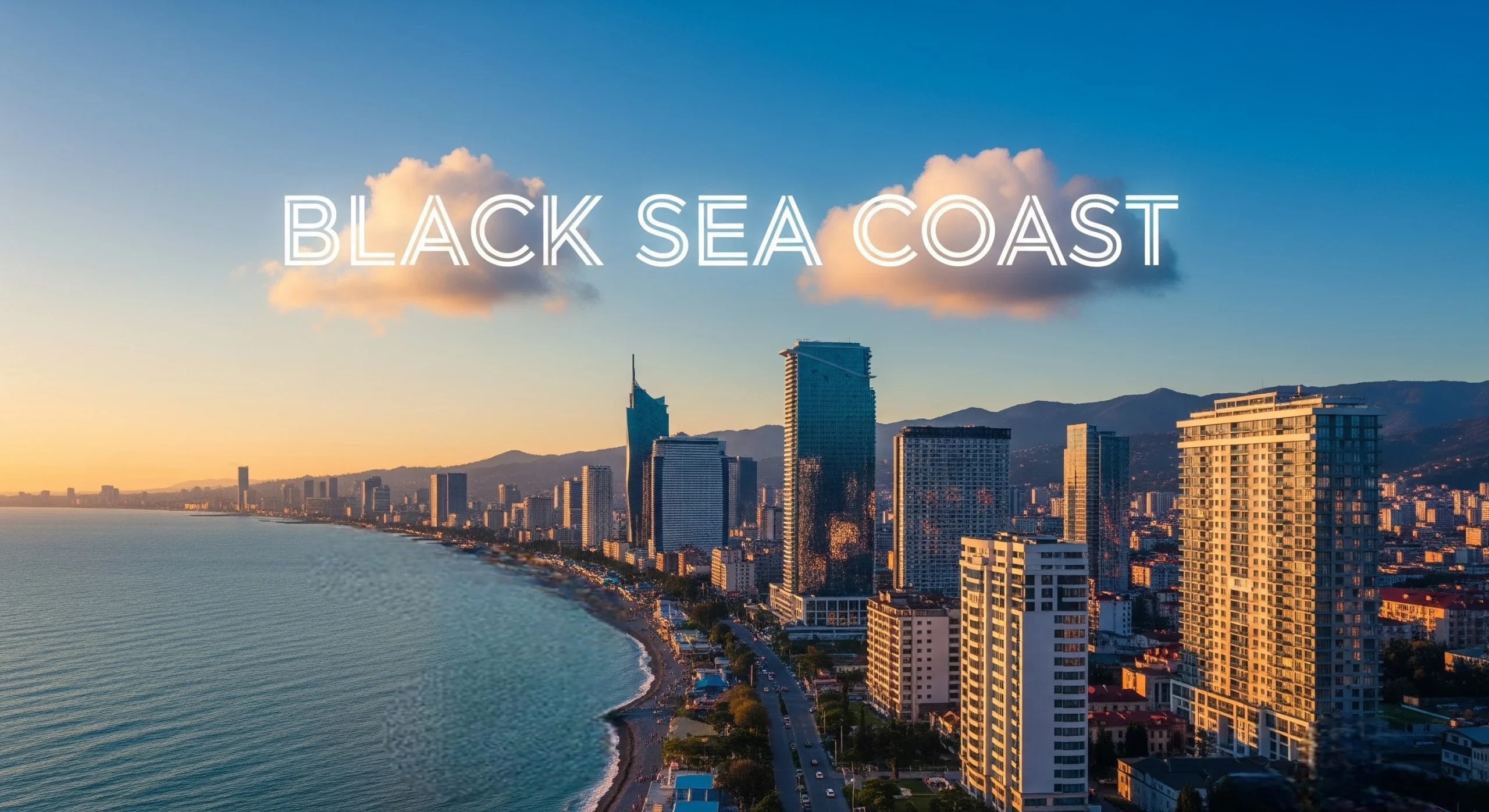
    3. Batumi, Georgia (Black Sea Coast)

    Batumi, a resort city on the Black Sea, has quickly shifted from an overlooked destination to one of the more active emerging markets in Eastern Europe. Tourism has taken off, with visitors arriving from across Europe, the Middle East, and Central Asia. That flow of travelers has fueled interest in vacation rentals and pushed more investors to take a closer look at the city’s Real Estate Batumi market.

    Apartments in Batumi often start at prices that are far below what you’d pay in the U.S., sometimes at levels that wouldn’t even cover a down payment in Texas. What makes it even more appealing is how easy it is for foreigners to buy property outright, with little bureaucracy compared to many other countries.

    Rental yields can be strong, especially in the busy summer months when the city’s beaches and casinos are at full capacity. For Texans who want a low-cost entry point into international real estate, Batumi offers a mix of affordability, rental demand, and straightforward ownership rules that’s hard to find elsewhere.

    4. Colombia’s Medellín

    Medellín has gone through one of the biggest makeovers in Latin America. What was once a city with a difficult past is now known for its mild “eternal spring” weather, modern metro system, and hillside cable cars that connect neighborhoods across the valley. That change has drawn in a steady flow of expats, retirees, and digital nomads who now call the city home.

    Housing is still a bargain compared with the U.S. You can find a new apartment in a central neighborhood for what would barely buy you a starter condo in Dallas. At the same time, rental demand is climbing—both from travelers who stay a few weeks and from locals looking for long-term leases.

    For Texans used to investing in rental-heavy markets, Medellín feels familiar in many ways. The big difference is that the entry cost is much lower, and owning a place here adds a layer of global diversification that’s hard to get back home.

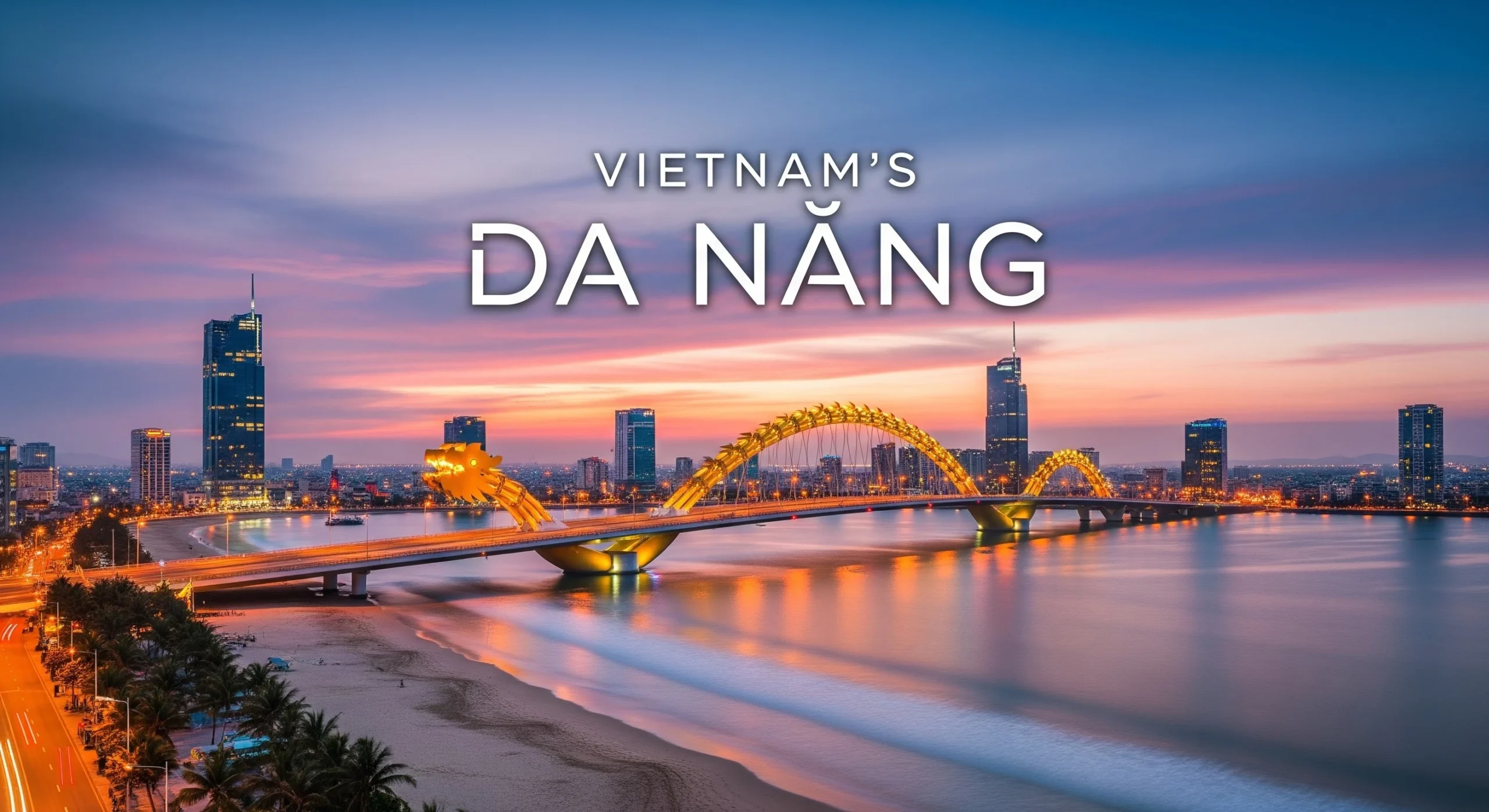
    5. Vietnam’s Da Nang

    On Vietnam’s central coast, Da Nang has been drawing more attention every year. The city is known for long stretches of beach and a skyline that keeps changing as new hotels, offices, and residential towers go up. With more than a million residents and a growing reputation as a hub for tech outsourcing, Da Nang attracts both leisure travelers and multinational companies setting up operations in Southeast Asia.

    The Vietnamese government has made a point of encouraging outside investment, and developers have responded with large-scale projects along the waterfront and near the international airport. Buying property here as a foreigner does involve more paperwork compared with places like Georgia or Portugal, but once you understand the system, you’ll find a market that still has plenty of room to grow.

    Why You Should Think Globally

    Looking abroad also helps spread your risk. If demand in Texas cools, income from a condo in Batumi or an apartment in Medellín can help balance things out. In addition, many countries pair property ownership with residency programs, giving you access to new lifestyle options, health care systems, and in some cases, favorable tax treatment.

    By mixing your investments with select international properties, you give yourself more ways to grow wealth while enjoying the flexibility that comes with having a footprint in more than one market.

    Key Takeaways for Investors

    • Affordability opens doors. In many of these emerging markets, you can buy a property outright for less than what a 20% down payment would cost on a home in Dallas or Austin. That lower entry cost gives Texans more flexibility to diversify globally without tying up too much capital.
    • Accessibility counts. Markets close to Texas, like Mexico’s Riviera Maya, make it easy to check in on a property with just a short flight. More distant options, such as Portugal’s Algarve or Georgia’s Black Sea coast, may take more planning but often bring stronger long-term upside.
    • Tourism drives income. Coastal cities including Batumi, Da Nang, and the Algarve thrive on steady visitor traffic. That demand supports short-term rental yields and helps keep occupancy rates high.

    Final Thoughts

    Today it’s possible to own a beach condo in Mexico for less than what you’d put down on a starter home in Texas. In Portugal’s Algarve, you’ll find an easygoing lifestyle mixed with steady rental demand. And in Batumi, Georgia, prices are still so low that many buyers are surprised when they see the numbers.

    The point is simple: looking abroad gives you options. Maybe you want a second home by the water, maybe you’re after higher rental yields, or maybe you just want to spread your investments across more than one market. Whatever the reason, paying attention to global hotspots now can put you ahead of the curve later.