Tag: Rental Upgrades

  • Do Soundproofing Curtains Really Work?

    Soundproof curtains seem like an easy fix, and sometimes, they really do help. But they usually don’t work the way you might think. Instead of blocking out all the noise, they cut down on echo and muffle the sounds coming in.

    Knowing exactly what they can and can’t do will save you a lot of time.

    What to Expect from Soundproof Curtains
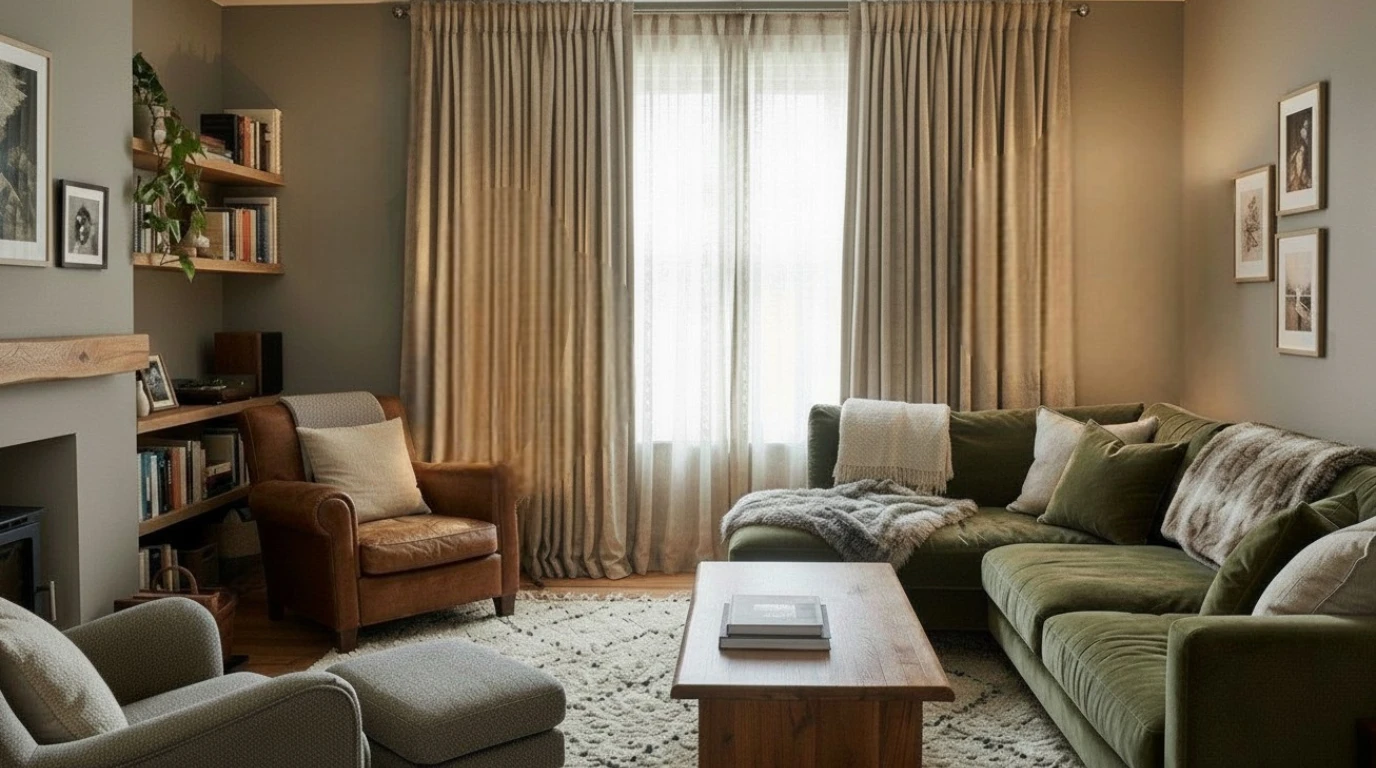
    These curtains can make a real difference in a room, but it helps to understand how they actually function. While they won’t give you total silence, they mainly reduce echo and soften the way sound bounces around. This alone makes conversations clearer and less strained, especially in rooms with a lot of hard floors or bare walls.

    When it comes to outside noise, you need to keep your expectations realistic. These curtains can muffle traffic sounds or a neighbor’s lawnmower, but they won’t completely silence them. It feels more like turning the volume down a few notches rather than hitting the mute button, which is still incredibly helpful for daily life.

    This is exactly what acoustic curtains are made to do. They use dense materials that soak up sound waves instead of stopping them cold. Because of this, they work best when you want to make a room feel cozier and quieter, rather than trying to soundproof a room completely.

    If you know this going in, you’ll probably be happy with the results. They won’t replace heavy-duty soundproofing, but they do offer an affordable and easy way to improve your space. For a lot of people, that slight drop in noise is exactly what they need.

    Why Curtains Can’t Block Every Sound

    Sound always finds a way through the smallest cracks, and curtains can’t fix that. Gaps around your windows, baseboards, and curtain rods let noise slip right in. Even if you buy the best fabric on the market, those weak spots limit how well your curtains work.

    The main issue is the lack of mass. True soundproofing requires heavy, dense barriers like drywall or specialized acoustic panels. Curtains just don’t have the weight to stop sound waves in their tracks, which is why their impact is limited.

    Your windows are usually the biggest problem. Glass lets sound through much easier than an insulated wall, so even a premium curtain has to work overtime to make up for that. If you have thin, single-pane windows, the curtain is only fighting half the battle.

    Low-frequency sounds are even tougher to beat. Heavy bass from loud music or rumbling trucks passes right through most materials, and fabric struggles to absorb it. That’s why you might still feel or hear a low rumble even after hanging heavy acoustic drapes.

    When Soundproof Curtains Are Worth It
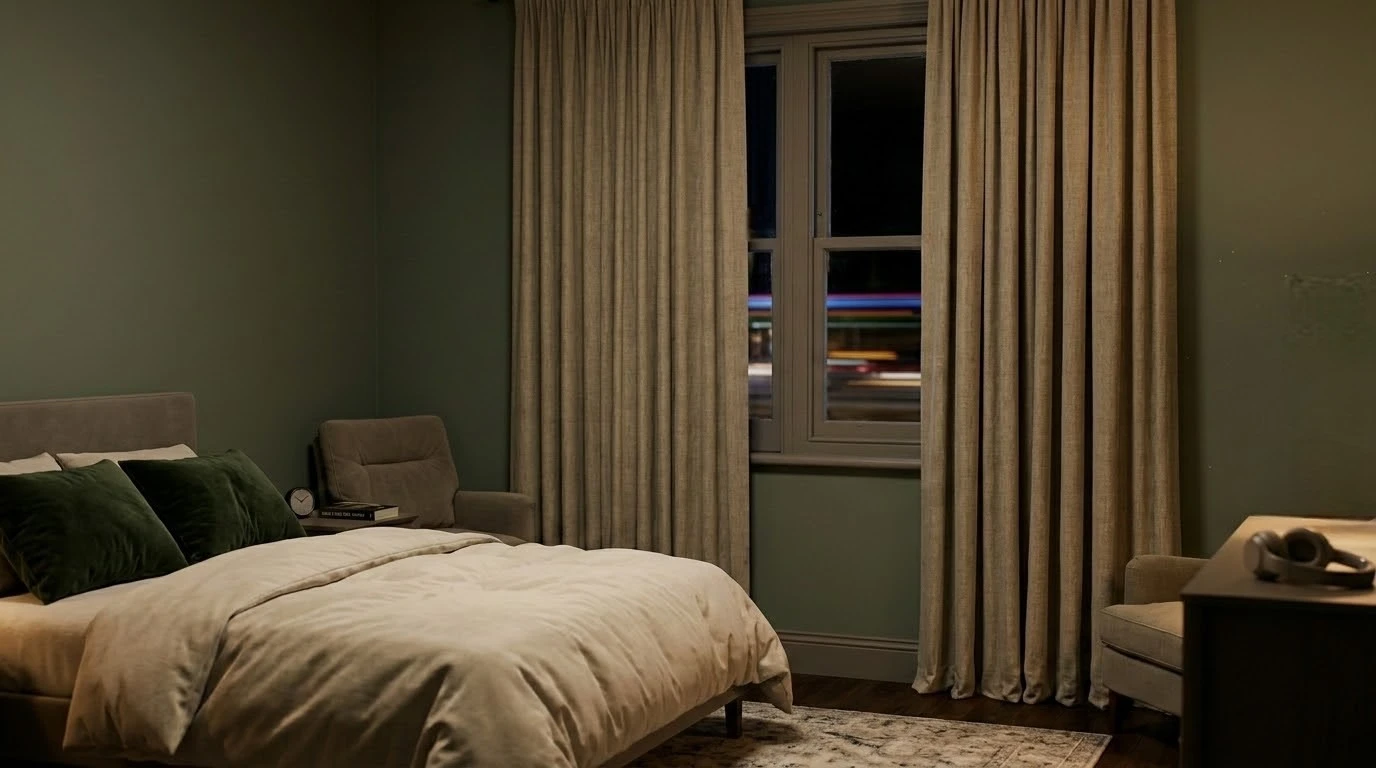
    If outside noise is a nuisance but not overwhelming, soundproof curtains are a great choice. If you live near a busy road, they can take the edge off passing cars and make your home feel much more peaceful without a major renovation.

    They are also perfect for a home office. When you need to focus or jump on a video call, even a slight drop in background noise helps you stay focused. It’s not about achieving dead silence. It’s about making the room less distracting.

    Bedrooms are another great spot for them. A quieter room helps you fall asleep faster, especially if street noise usually wakes you up. Just a small drop in volume can make your bedroom feel much more relaxing at night.

    Renters love these curtains for an obvious reason. Since you don’t have to tear down walls or make permanent changes, you can upgrade your space without losing your security deposit. It’s a fast, practical fix when you want a quieter apartment but can’t commit to major construction.

    How to Choose the Best Soundproof Curtains

    Not all soundproof curtains are created equal, and the material makes all the difference. Heavy, multi-layered fabrics soak up more sound, making them much better at cutting down echoes and muffling street noise.

    Size matters more than you might think. Curtains that run from the ceiling all the way to the floor give you a much larger surface area to catch the sound. This setup cuts down on echoes and stops noise from sneaking through bare spots on the wall.

    You also need to look at how much the curtain overlaps your window frame. Extending the fabric past the edges prevents sound from slipping in through the sides. If your curtains barely cover the glass, even the thickest fabric won’t do much good.

    Finally, check the weave of the fabric. Tightly woven materials do a much better job of blocking and absorbing sound than light, airy textiles. Finding the right mix of weight and a tight weave will give you the best results.

    How to Hang Soundproof Curtains the Right Way

    How you hang your curtains is just as important as the curtains themselves. Just throwing them over a window won’t help much if there are huge gaps around the edges. For the best sound reduction, you need to cover the entire window area.

    Always go bigger than the window frame. By hanging the curtains wider and taller than the window, you build a solid barrier that stops noise from creeping in through the top and sides.

    Pinning down the sides makes a surprisingly big difference. Even a tiny gap lets sound pour into the room, defeating the purpose of the curtains. Using velcro strips or magnetic tape to seal the edges to the wall can seriously boost their performance.

    Don’t skimp on the curtain rod, either. Heavy acoustic curtains need solid support, and a cheap rod will bow in the middle or pull out of the drywall. Make sure you use heavy-duty anchors so everything stays exactly where it should.

    Other Ways to Quiet Your Room
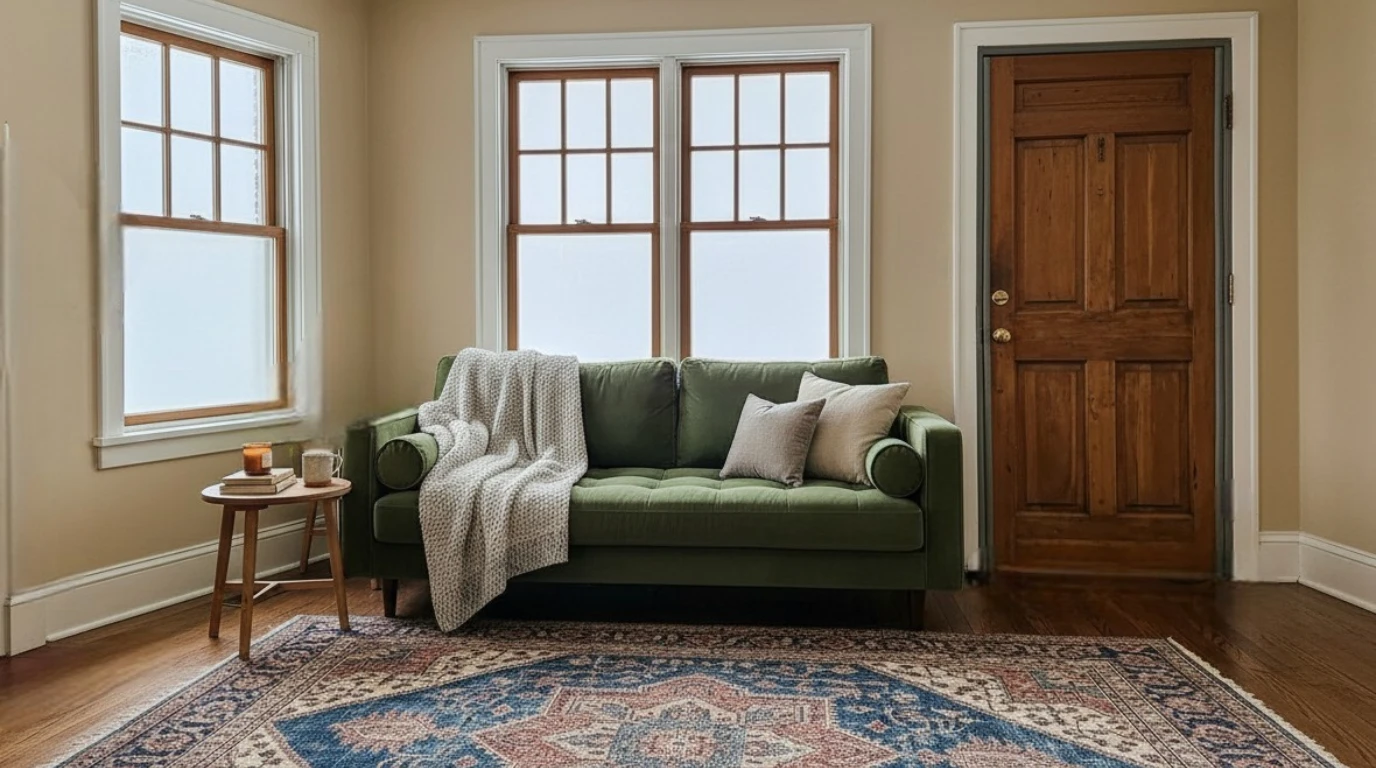
    Soundproof curtains work best when you pair them with a few other easy fixes. Sticking weatherstripping around your window frames blocks the noise that sneaks through tiny cracks, giving your curtains a head start.

    Window inserts are another great upgrade. By adding an extra layer of glass or acrylic over your existing window, they help block a significant amount of sound before it ever reaches the fabric. Using both inserts and curtains gives you a much quieter room.

    Don’t forget to add soft touches inside the room. Thick rugs, carpet, and plush couches absorb sound and reduce echoes, making the room feel noticeably quieter. It’s an easy way to improve the acoustics without thinking too hard about it.

    Finally, check the gap under your door. Sound doesn’t just come from outside. A simple draft stopper can block out a noisy hallway or loud roommates. When you seal up all these little entry points, the whole room feels much more peaceful.

    The Bottom Line

    Soundproof curtains won’t turn your home into a recording studio, but they will make a noticeable difference. They eliminate annoying echoes, soften outside noise, and make any room feel a lot more relaxing. When you mix them with a few other quick fixes like weatherstripping or a thick rug, the results are even better. Ultimately, they’re a smart, easy upgrade for your home. Just keep your expectations realistic.

  • The Pros and Cons of Installing Pathway Lighting for Rental Properties

    Pathway lighting falls into a gray area when it comes to rental property upgrades. It isn’t as flashy as a kitchen remodel and it costs more than a simple paint job. Still, it has the potential to quietly transform how prospective tenants view a property the moment they drive up.

    For landlords deciding whether to install it, the decision goes beyond just making things look nice. You have to factor in real costs, ongoing maintenance, safety, liability issues, and whether your particular property benefits from it. For example, a townhouse in a dense urban block has different requirements than a suburban single-family rental or a small multifamily building with shared walkways.

    Here is a breakdown of what pathway lighting really does for your property, how much it costs to keep it running, and when it actually makes financial sense rather than being a mere cosmetic upgrade.

    The Case for Installing Pathway Lighting

    One of the most frequent causes of slip-and-fall accidents at rental properties is poorly lit walkways, especially in the rain, snow, or on uneven pavement. If a tenant gets injured because they were walking on a dark path at night and they file a lawsuit, the landlord may end up paying more than the cost of ten years of pathway lighting.

    The other important reason is security. Lighting your outdoor walking paths and the main access points to your rental units is highly effective at lowering the risk of crime. Most burglars steer clear of well-lit properties, and a good motion-sensor light at a side door can scare off a burglar more effectively than a security sticker in the window. Tenants also feel much safer when they come home after dark, and this often encourages them to renew their lease.

    The last benefit is curb appeal, and while it may be less tangible, it is still important. Before scheduling a showing, many prospective renters drive by the neighborhood at night. A house with proper pathway lighting looks well-maintained, whereas an unlit one can look neglected. In competitive rental markets, this initial impression can justify a slightly higher rent, and that extra income often pays for the lights within the first year.

    The Real Costs and Maintenance

    Basic solar path lights cost between $15 and $40 per unit. They are very easy to install, but they tend to break down much faster than most people expect. This is especially true in shaded areas, in cold climates, or after the batteries start to degrade after a couple of years.

    Low-voltage wired systems typically run between $300 and $1,500 in materials for a standard single-family property, plus labor if you hire a professional. Line-voltage systems that require licensed electrical work can easily exceed $3,000 on larger properties, and any permit requirements or code inspections can push that number higher.

    Maintenance is one aspect that landlords often underestimate. Light bulbs burn out. Fixtures rust in humid or salty climates. Lawn crews knock stakes out of the ground. Tenants damage fixtures with bikes, cars, or children’s toys, and landscapers accidentally cut the wiring. You should plan for an annual upkeep cost of roughly 5 to 10 percent of the original installation price.

    Choosing Between Solar, Low-Voltage, and Line-Voltage Systems

    Solar-powered lighting is the cheapest and simplest solution since there is no wiring and no electricity bill. It delivers acceptable results in sunny climates where the fixtures get direct sunlight most of the day.

    Brightness is generally lower, winter performance is inconsistent, and batteries need to be replaced every two to three years. Solar lighting is perfect for secondary walkways, garden paths, or properties where convenience is more important than long-term performance.

    Low-voltage lighting systems, which are usually 12V, are ideal for typical single-family and small multifamily rentals. They provide steady, strong light and can last more than ten years with minimal maintenance. A hands-on landlord or a reasonably priced contractor can handle the installation. The transformer plugs into a standard outdoor outlet, and the cables can be laid along the ground under a layer of mulch without digging deep trenches.

    Line-voltage 120V systems are overkill for most single-family rentals but make sense on larger portfolios or multifamily properties with extensive pathways. They require licensed electricians, permits, and pricier fixtures, but they are also the most durable and powerful option.

    For larger rental portfolios, multifamily complexes, or commercial-residential hybrid properties, coordinating installation and ongoing service through a commercial property services firm like Touchstone Commercial tends to make more sense than managing electricians, landscapers, and fixture suppliers as separate vendors. The project management overhead alone can eat up the savings of going piecemeal.

    LEDs have become the default bulb type across all three categories for good reason. They offer lower energy use, a longer lifespan, less heat, and better light quality than the halogen and incandescent options that dominated a decade ago.

    Design Mistakes That Undercut the Investment

    One common mistake is over-lighting. It occurs when landlords put too many light fixtures too close together, making the whole area look like an airport runway. This creates a harsh and unfriendly environment that you want to avoid in a residential property. For the best effect, spread the fixtures eight to ten feet apart and keep the light moderate rather than cramming in twice the number of fixtures at the same wattage.

    Many people ignore how much color temperature makes a difference. Cool 4000K to 5000K lights give a sterile and institutional feel that is suitable for parking lots but not for residential pathways. Warm 2700K to 3000K lights are more pleasing and blend naturally with the warm indoor lighting most people have. This single decision is often what distinguishes rental properties that feel like homes from those that feel like motels.

    The difference between good and bad results also comes down to fixture quality. Cheap plastic fixtures tend to fade, crack, and look bad enough that they need to be replaced within a year or two. Fixtures made of cast aluminum, copper, or quality composite materials will last a decade or more without needing constant replacement.

    The initial price difference is usually only $10 to $30 per fixture, and it is well worth it for a rental you intend to keep long-term.

    When It Makes Sense and When It Doesn’t

    Pathway lighting is typically a good investment for homes where tenants frequently come home late at night, where the paths have uneven surfaces, where the rental is competing in the mid-to-upper-end market, or where security concerns are significant. These properties see obvious benefits in safety, higher rental value, and tenant retention.

    On the other hand, path lighting is not always worth it for budget rentals where tenants are primarily focused on the lowest possible price. It also makes less sense for properties with parking right next to the entrance, or for properties in areas where frequent vandalism turns outdoor fixtures into a constant replacement expense. In these cases, a motion-sensor porch light or a single well-positioned fixture at the door provides most of the benefits for a very low cost.

    Another factor is climate. Homes in areas with heavy snow, salt, or coastal exposure require lighting fixtures rated for those specific conditions, otherwise they will rust and fail after just a couple of seasons. Landlords often get stuck replacing the same fixtures year after year and end up believing that pathway lighting simply does not work, entirely because they missed this crucial detail.

    The Bottom Line

    Pathway lighting is not always a major upgrade, but it is a consistent value-add for the right properties. The math generally works out in your favor within the first year or two through a higher rental rate, lower liability risk, and better tenant retention, assuming you choose the right system and keep your installation costs reasonable.

    Think of it like any other rental property investment. Scale the project to fit the property, budget realistically for maintenance, and do not install it just to show off your personal taste. Install it because it solves a genuine problem for your tenants, and the financial returns will take care of themselves.

  • The ROI of Smart Home Upgrades in California Rental Properties

    Most people today are used to living with digital improvements. This not only applies to the smartphones or applications we use, but also to the type of technology that’s built into our living spaces.

    If you manage rental properties, it’s important to recognize these inherent needs. Renters today are actively looking for living spaces that are already designed to support their digital lifestyles. 

    But if you haven’t already invested in a smart home infrastructure, you’re probably wondering if there really is any benefit to making these improvements, or if it’s just a passing trend.

    Below, we’ll discuss why smart home upgrades can be a great investment in your rental property as well as some of the most popular solutions you can focus on.

    Why Smart Home Upgrades are a Great Investment

    “Smart home upgrades” are talked about quite a lot now. But what exactly are they, and how and when are they installed? When you hear the term “smart home,” it primarily refers to installed devices that let you or your tenant control, monitor, or automate different parts of the home, usually from a phone. This can include setting the air temperature, unlocking and locking doors, accessing security systems, or being able to control lights with your voice.

    The good news about most smart home upgrades is that they can be installed at any time. You don’t necessarily need to worry about installing them during a home renovation project or anything major. The upfront costs, however, can vary quite considerably based on what you’re trying to achieve.

    Still, even with variable costs, smart home upgrades can offer a wide range of benefits, including:

    Boost To Your Rental Income

    One of the most direct benefits of installing smart home upgrades is that you can justify a higher rent. Many tenants, especially younger generations, are quite willing to pay more of a premium knowing that their rental property offers better convenience, security, and efficiency.

    For example, a smart thermostat can help tenants save a considerable amount on their energy bill, which is a huge perk. Most renters are willing to pay more for these types of features.

    Lower Tenant Vacancy Rates

    When your tenants are happy, they’re far less likely to look for a new place to live. Smart home integrations can play a key role in helping people feel more secure and comfortable in their homes.

    This is a key benefit of smart home technology, since being able to secure long-term tenants can help you create reliable sources of passive income. In turn, this helps you to minimize needing to care for the high costs that often come with tenant turnover, such as repainting, flooring repairs, marketing your listings, and going through the time-consuming screening process.

    Increased Property Values

    While the immediate revenue gains associated with asking for higher rental premiums are great, there are also long-term benefits to upgrading your properties with smart home features. 

    Although smart home integrations on their own aren’t also valued as incredibly high value by approaisers, they are becoming more relevant and wanted by today’s renters. A key reason for this is that smart home integrations play a role in helping a property feel more modern and less dated.

    Appraisers also factor in long-term energy savings that are made by installing a smart thermostat or the added security of an advanced locking system. If your plan is to sell or refinance down the line, these investments can help you ask for a higher price in line with market conditions.

    Better Savings on Utility Costs

    One of the key features of smart home technology is its ability to help you and your tenants lower their carbon footprint, which can directly impact your tenants and your own bottom line. Most smart home apps have features that let you monitor and optimize your home’s operating expenses and reduce utility costs.

    A good example of this at work is a smart water leak detector. The devices send an alert to your phone if certain smart fixtures detect constant drips when not in use. These notifications let you address smaller issues as soon as they come up, preventing them from becoming larger, more expensive problems down the road.

    High ROI Technology Purchases to Consider

    Not all tech-smart home upgrades have the best chance for a high ROI. This is why it’s often best to focus on the improvements most needed or wanted by tenants that help to save money and make life easier. These include:

    • Smart Thermostats: A small cost for a big, visible value. Tenants see the energy savings immediately.
    • Smart Locks / Keyless Entry: A massive win for convenience and security. No more changing locks.
    • Smart Security: Video doorbells and motion detectors are in high demand and provide real peace of mind.
    • Smart Leak Detectors: A cheap, easy way to prevent water damage from creating incredibly expensive repairs.
    • Smart Lighting: Helps cut electricity waste (especially in common areas) and adds another layer of security.

    Most of these upgrades are relatively inexpensive, easy to install, and user-friendly for your tenants.

    Certain Considerations When Integrating Smart Features

    While there is a lot of upside to adding smart upgrades to your home, there are some potential downsides and added considerations you should know about: 

    • The Upfront Cost: Kitting out multiple units can add up. Prioritize the upgrades (like thermostats and locks) that give you the fastest returns.
    • Tech Gets Old: Technology moves fast. Stick with well-known brands that offer support and connect with major systems (like Alexa or Google Home).
    • Tenant Privacy: Be transparent. Tenants need to know what devices are in the home, how they work, and who has access to the controls.
    • Setup and Maintenance: A “smart” lock that doesn’t work is 100 times more frustrating than a simple deadbolt. Make sure the tech is reliable and properly installed.

    Make Your Rental Properties More Appealing

    Adding smart technology to your rentals can be a really effective way to make them stand out. 

    When you look at the whole picture – charging higher rents, having happier tenants who stay longer, and increasing your property’s value – there’s really no reason not to start making investments in new smart home features today.

    Author Bio

    Dalip Jaggi: Entrepreneur, technologist, and passionate business leader sum up the core of Dalip Jaggi, co-founder of Revive Real Estate, a PropTech company with a goal to democratize house flipping. Since its 2020 inception, Revive has since become the smartest solution for homeowners to maximize their home’s sales value across the nation.