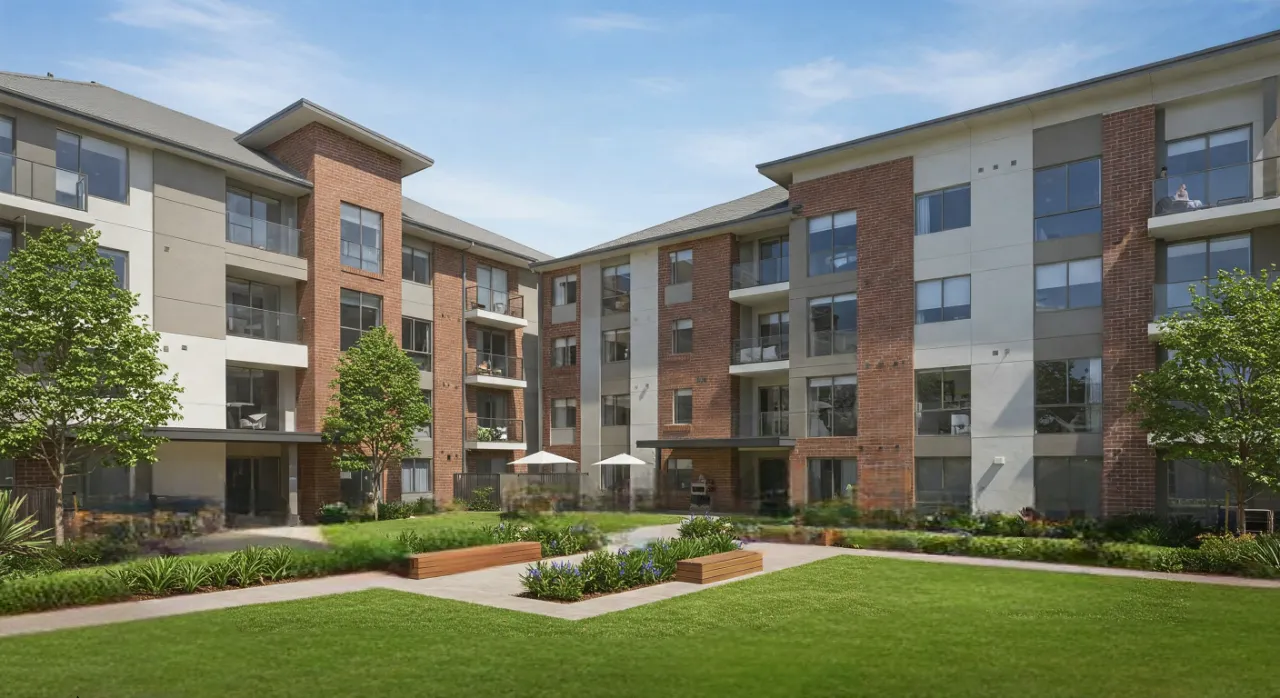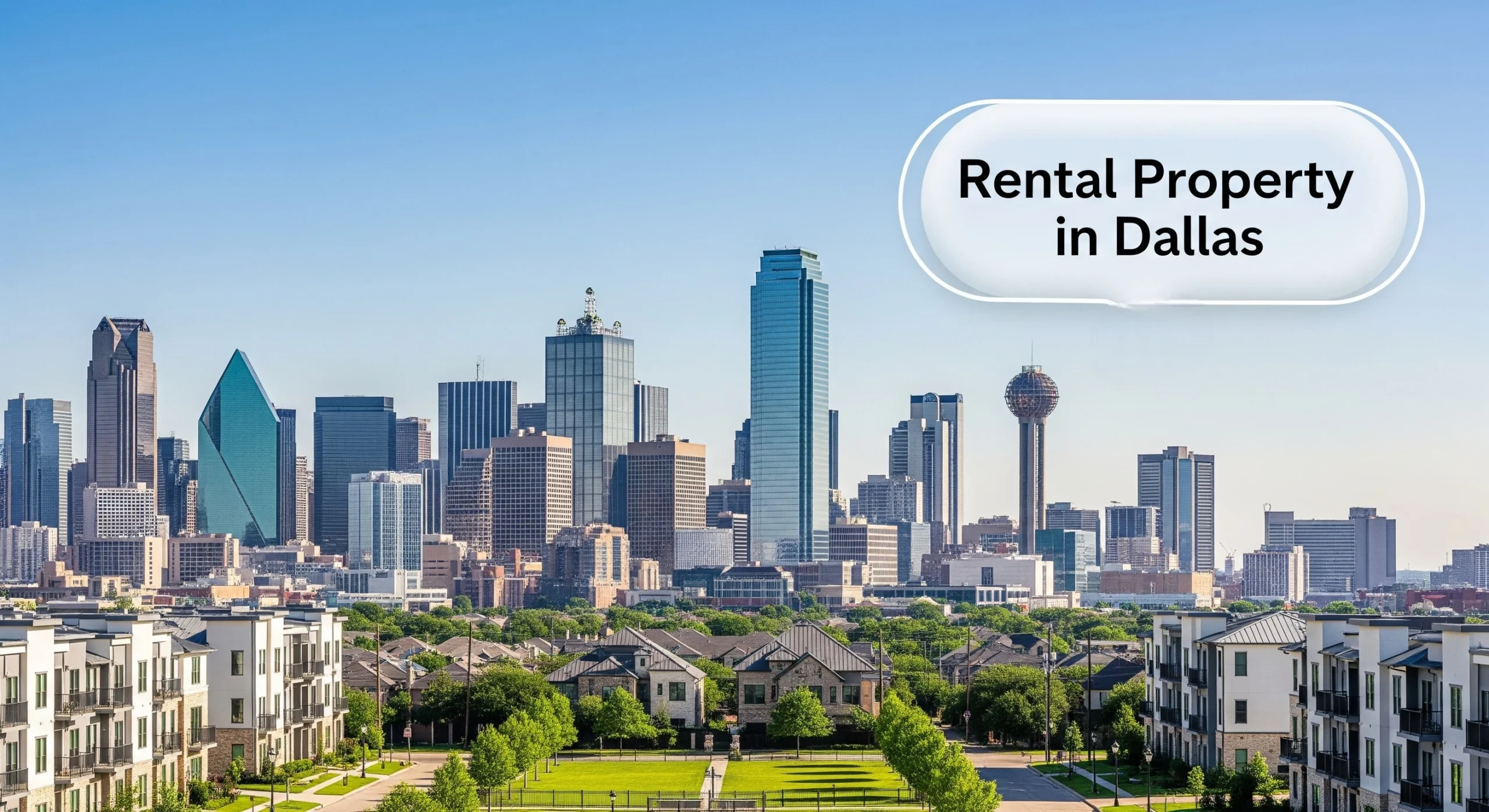

DFW is home to over 20 Fortune 500 companies and has added over 1 million residents in the last decade. Population growth is expected to continue, making Dallas one of the strongest markets for real estate investment in the country.
High tenant demand, consistent appreciation, and landlord-friendly laws have made the metroplex an attractive choice for investors. At the same time, challenges exist. Property taxes, insurance costs, tenant expectations, neighborhood selection, legal requirements, and day-to-day management all play a big role in the success of your investment.
Here’s what you need to keep in mind before buying residential rental property in Dallas.
Dallas Property Taxes

The state of Texas does not levy taxes against real property within the state. All taxes are subject to local municipalities at the county level. Dallas property tax rates are determined by local taxing units. These taxing units or jurisdictions are City, School, County, College, Hospital, and, if applicable, Special Districts.
Dallas Central Appraisal District (DCAD) appraises each property annually and assigns those properties with a property tax value, also known as the assessed value. The assessed value, less any exemptions, is multiplied by the tax rates, which yield that year’s property tax liability.
Being a business-friendly state, Texas has no income tax, but that is offset by high property taxes. According to taxfoundation.org, Texas ranks as the seventh most expensive state in terms of property taxes in the nation. It is critical that investors have accurate and conservative property tax projections when building their cash flow proformas.
When in doubt, contact a local property tax consultant. These professionals are extremely knowledgeable in the local property tax protest process and often have connections with local officials. They can create serious value in both the near and long term, limiting your tax liability and improving your cash flow.
Insurance Costs
Many investors also overlook another major real estate expense, insurance premiums. Insurance costs are heavily influenced by natural disasters, and it’s no surprise that Texas is home to quite a few. Per nerdwallet.com, Texas ranks as the second most expensive state for homeowners insurance, averaging $4,585 annually. Below is a list and description of the major key factors that drive these costs in the Dallas market.
Wind and Hail
- Tornadoes – Dallas is in the southern portion of tornado alley and sees 2-3 tornadoes annually, on average. In 2019, the city experienced nine tornadoes, causing $2B in damage.
- Severe Thunderstorms – The city has a relatively high frequency of severe thunderstorms which brings with it high winds, lightning, and hail that causes average damage of $102M per year. Dallas County leads the state in expected annual loss from storm damage, primarily due to hail and thunderstorm activity.
Extreme Heat and Soil Movement
Dallas ranks high amongst major US metros for foundation issues. The foundation issues are costly, averaging $5,100 per repair.
Winter Storms
While not an annual event, Dallas has experienced extreme winter storms that caused massive damage. In 2021, the city was hit by winter storm Uri. While no sources specifically state total damages in Dallas, TX, the Dallas Fed estimated the storm cost the Texas economy $80B to $120B.
Insurance should be underwritten conservatively as it can fluctuate significantly from year to year. Per AARP, Texas homeowners insurance premiums rose by about 57% from 2015 to 2023. As a best practice, obtain a quote from a reputable insurance broker to ensure an accurate projection of your insurance premium and add a 10% – 20% buffer to be conservative as rates are likely to increase at the renewal.
Tenant Expectations
For an investment to succeed, it must meet the expectations of the target market. Urban tenants often prioritize convenience, walkability, and proximity to entertainment, while suburban renters typically value larger living spaces, family-friendly amenities, and garages.
In addition to understanding your customer base, pet policies play a major role in the demand for your asset. According to Zillow, 58% of renters have pets. That means, landlords who don’t allow them are effectively cutting their renter pool in half. Supporting this, the average pet-friendly Zillow listing rented 8 days faster than non-pet-friendly listings. Making your property pet-friendly in Dallas may even be more important, as 79% of Zillow listings are pet-friendly. In such a competitive market, it’s imperative to take a serious look at your pet policy.
Legal Compliance
Texas is a landlord friendly state but that does not mean there are not laws and rules that must be followed.
Texas Property Code Requirements
- Security Devices: The Property Code requires the property to be equipped with the following:
- Window latches on each window
- A keyed doorknob lock or keyed deadbolt lock on each exterior door
- A sliding door pin lock on each exterior sliding glass door of the dwelling
- A sliding door handle latch or a sliding door security bar on each exterior sliding glass door of the dwelling
- A keyless bolting device and a door viewer on each exterior door of the dwelling.
- Smoke Alarms: The landlord is responsible for the installation, repair, and inspection of the smoke alarms. In addition, there are also specific locations where the smoke alarms must be located, depending on the floor plan of the property.
- Rekeying:
- The landlord must rekey the property within 7 days of tenant turnover.
- If the tenant replaces a security device during the lease, they must provide the landlord with at least one duplicate key in a reasonable amount of time.
- See Texas property code for other scenarios.
- Repairs:
- Landlords must make repairs in a reasonable amount of time, which is defined as 7 days under normal circumstances.
- For emergency repairs, the landlord must address them immediately. Examples are fires, gas leaks, flooding, sewer backups, AC failure in extreme heat, etc.)
- There are other property code adherences, but as a landlord, these are major and often overlooked by new investors.
- Security Devices: The Property Code requires the property to be equipped with the following:
- Eviction Process
- Steps:
- Provide the tenant with written notice to vacate, stating the specific date the tenant must vacate the property.
- The landlord must wait 3 days after providing the notice to vacate to file an eviction.
- The landlord files an eviction suit at the county’s Justice of the Peace Precinct. The hearing cannot take place for at least 10 days.
- A suite for rent may also be filed if it’s under $10,000.
- The court date is set, which both parties must attend.
- Either party may appeal the suit within 5 days of the court’s decision.
- If, within 5 days, there is no appeal, the landlord may obtain a Writ of Possession from the court, which will force the tenant to vacate the property.
- Texas uses Justice of the Peace courts, allowing landlords to represent themselves without attorneys.
- Steps:
- Other Legal Considerations:
- Fair Housing: Federal and state Fair Housing laws prohibit discrimination on protected classes: Race, Color, Religion, Sex, National Origin, Disability, & Familial Status
- Leases: Written leases should comply with the Texas Property Code. Leases must be approved by TREC or created by an attorney if professionally managed.
The Texas Property Code clearly spells out landlord requirements and the steps they must take for various scenarios. It’s important that owners are aware of federal, state, and local laws.
Dallas Property Management
Many investors starting out choose to self-manage, which can make sense and often provides invaluable lessons during their journey. However, investors that are out of state or are looking to gain back their valuable time, hiring the right Dallas property manager can be beneficial. Property managers:
- Save Time & Stress: Full-service property managers take on leasing, tenant screening, rent collection, financial reporting, maintenance coordination, property inspections, comparative market analysis, and evictions.
- Local Market Expertise: Know market trends, set optimized rents and concessions, reduce vacancies, and maximize income.
- Vendor Relationships: Property managers have deep relationships with local vendors, allowing them to get favorable pricing and quality work.
- Portfolio Growth: Allow owners to focus their time on growing their portfolios instead of spending time on operations.
In a hyper-competitive market like Dallas, it’s important to choose the right manager. Are they competent, transparent, consistent, and do their goals align with yours? If you’re looking for a qualified local PM, take a look at Copper River Property Management as a viable option. The company provides residential property management services for single-family homes, townhomes, and multifamily properties in Dallas and surrounding cities.
Conclusion
Dallas, TX is a real estate investment hotspot and is likely to remain so for the coming years based on strong rental demand, job growth and population trends. Property taxes, insurance costs, tenant expectations, legal compliance, and property management are simple, yet easily overlooked by new investors.
By taking the time to understand these fundamentals and planning conservatively, investors can avoid costly surprises and position themselves for long-term success as a Dallas real estate investor.
If you’re a Dallas real estate investor or in the process of purchasing a property, consider Copper River Property Management. We are a veteran-owned, Dallas property management company with a highly experienced operator. Visit copperriverpm.com and fill out the contact form to learn more.
Author Bio

Anthony Collazos is a US Army veteran and the founder of Copper River Property Management, a Dallas Property Management Company. He started his professional career as a U.S. Army Field Artillery Officer, where he gained leadership, discipline, and problem-solving skills that have been essential throughout his career.
Over the past decade, he has managed and financed more than $1.5 billion in real estate across the United States, including large multifamily communities and complex commercial projects. In Texas alone, he has overseen the asset and property management of 2,400 multifamily units, with 300 units being in Dallas. Throughout his experience, he has gained extensive real estate expertise and an in-depth knowledge of the Dallas residential real estate market.
He earned his MBA with a concentration in Real Estate from Southern Methodist University in 2022 and a BBA in Finance from Georgia Southern University in 2011. Anthony is a licensed REALTOR® and a member of National Association of REALTORS, Texas Association of REALTORS, and MetroTex Association of REALTORS. In 2023, Anthony obtained A.CRE’s respected certificate in real estate financial modeling.
Visit Copper River PM’s website at copperriverpm.com to learn more about the services offered. Copper River Property Management specializes in managing single-family homes, condos, townhomes, and multifamily properties up to 50 units. You can contact him via email at info@copperriverpm.com or by completing the contact form at copperriverpm.com/contact/.