Tag: Rental Compliance

  • A New Era for Dallas Property Management: Technology and Accountability

    By May 2026, the “passive” landlord model no longer works. High rental inventory, rising tenant expectations, and major legislative changes across Texas mean managing a Dallas-Fort Worth rental property now requires far more hands-on attention than it did just a few years ago.

    For North Texas investors, property management is now driven by technology, efficiency, legal compliance, and the tenant experience.

    Here is how the landscape has changed in 2026, and what Dallas-area landlords need to do to stay profitable.

    1. The Senate Bill 38 Changes
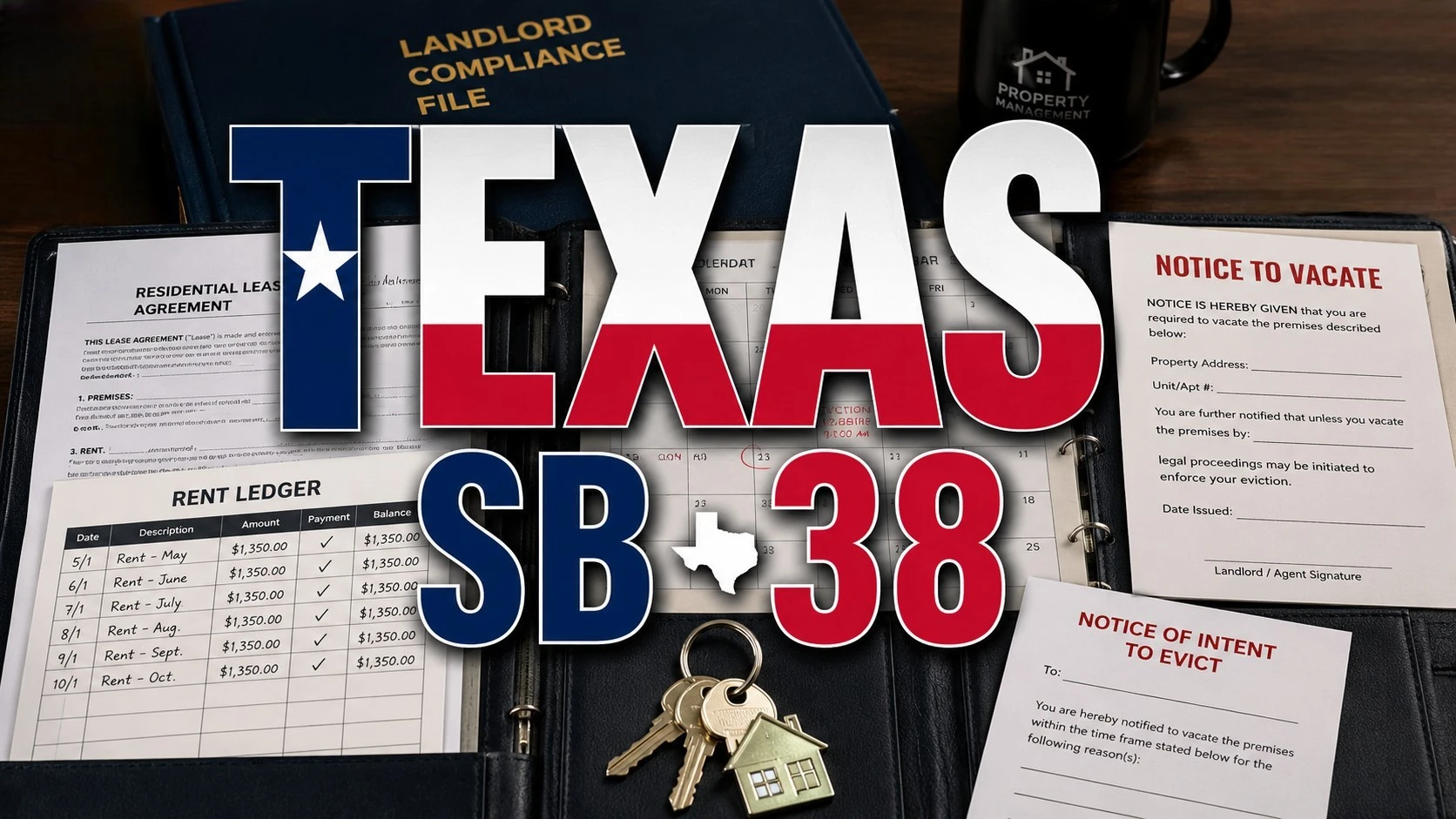
    Senate Bill 38 is one of the most significant legal changes affecting Texas landlords this year. Effective January 1, 2026, the law changes several parts of the state’s eviction process for cases filed on or after that date.

    Possession Takes Priority

    Eviction courts now focus more narrowly on possession rights. Claims that used to be bundled into eviction cases, such as damages or other disputes, generally need to be handled separately. This helps streamline the eviction process, but it also makes accurate documentation much more important.

    No More “Free” Appeals

    Under SB 38, tenants who appeal an eviction must continue depositing rent into the court registry during the appeal process. If payments are missed, the court may issue a writ of possession without another hearing. This makes it harder for occupants to delay the process without staying current on rent.

    Faster Service Timelines

    The law also tightens service timelines. A sheriff or constable must make a diligent effort to serve the citation and petition within five business days after the petition is filed. A writ of possession must also be served no later than the fifth business day after it is issued.

    What This Means for Landlords

    SB 38 can help landlords regain possession more efficiently, but it also raises the bar for compliance. Courts can still reject or delay a case if the lease file is incomplete, the rent ledger is inaccurate, notices are not delivered properly, or electronic communication terms are unclear. In 2026, clean and defensible documentation is essential.

    2. The Shift Toward AI-Driven Property Management

    Property management is moving from reactive to more predictive. Leading property management companies are using AI-driven systems to improve efficiency, reduce risk, and lower operating costs.

    Predictive Maintenance

    AI platforms can now analyze HVAC age, service history, maintenance frequency, water heater performance, and vendor repair data. These systems help identify equipment that may fail before it causes major damage. Replacing a failing water heater before it ruptures, for example, can prevent flooring damage, mold issues, and costly insurance claims.

    Smarter Tenant Screening

    Traditional screening focused heavily on credit scores. Today’s systems look at a wider set of signals, including rent-to-income consistency, employment stability, payment history trends, and prior rental patterns. The goal is not just to get someone in the door. It is to identify renters who are more likely to stay long term and reduce turnover costs.

    3. Competing in a High-Inventory Market
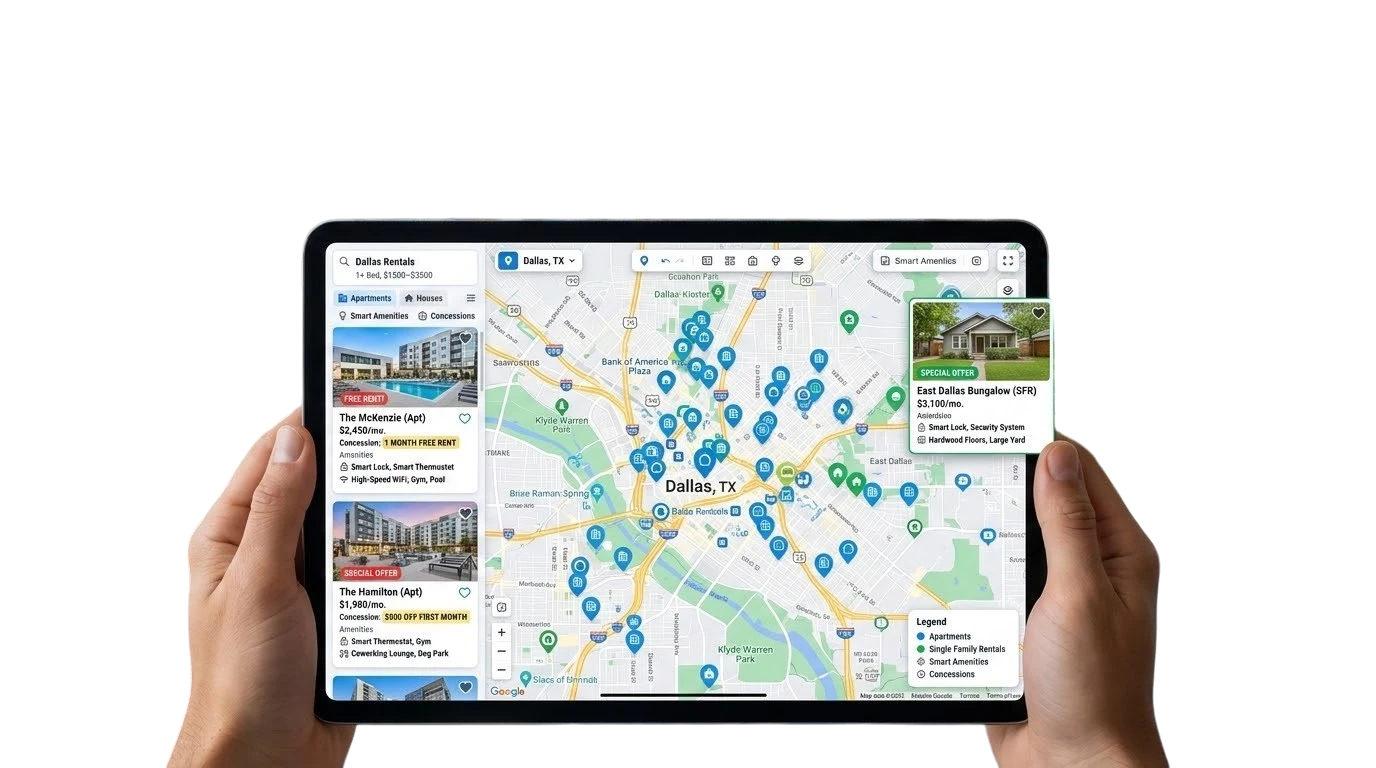
    Dallas-Fort Worth saw a major wave of multifamily and build-to-rent development in recent years. As a result, the region entered 2026 with elevated rental inventory and stronger competition for tenants.

    Realtor.com reported that the DFW rental market remained renter-friendly, with the vacancy rate rising from 8.9% in 2024 to 10.5% in 2025. Other multifamily market reports have placed DFW multifamily vacancy closer to 12% in early 2026.

    That means single-family landlords are no longer competing only against other rental homes. They are also competing with institutional operators, luxury apartment communities, and build-to-rent communities offering concessions, reduced deposits, and amenity packages.

    Why Convenience Matters

    Successful landlords stand out by offering convenience. Features driving leasing activity right now include smart thermostats, keyless entry, high-speed internet readiness, dedicated work-from-home spaces, and online maintenance portals. Modern renters care about convenience and technology almost as much as square footage.

    4. Maintenance Is Now a Marketing Tool
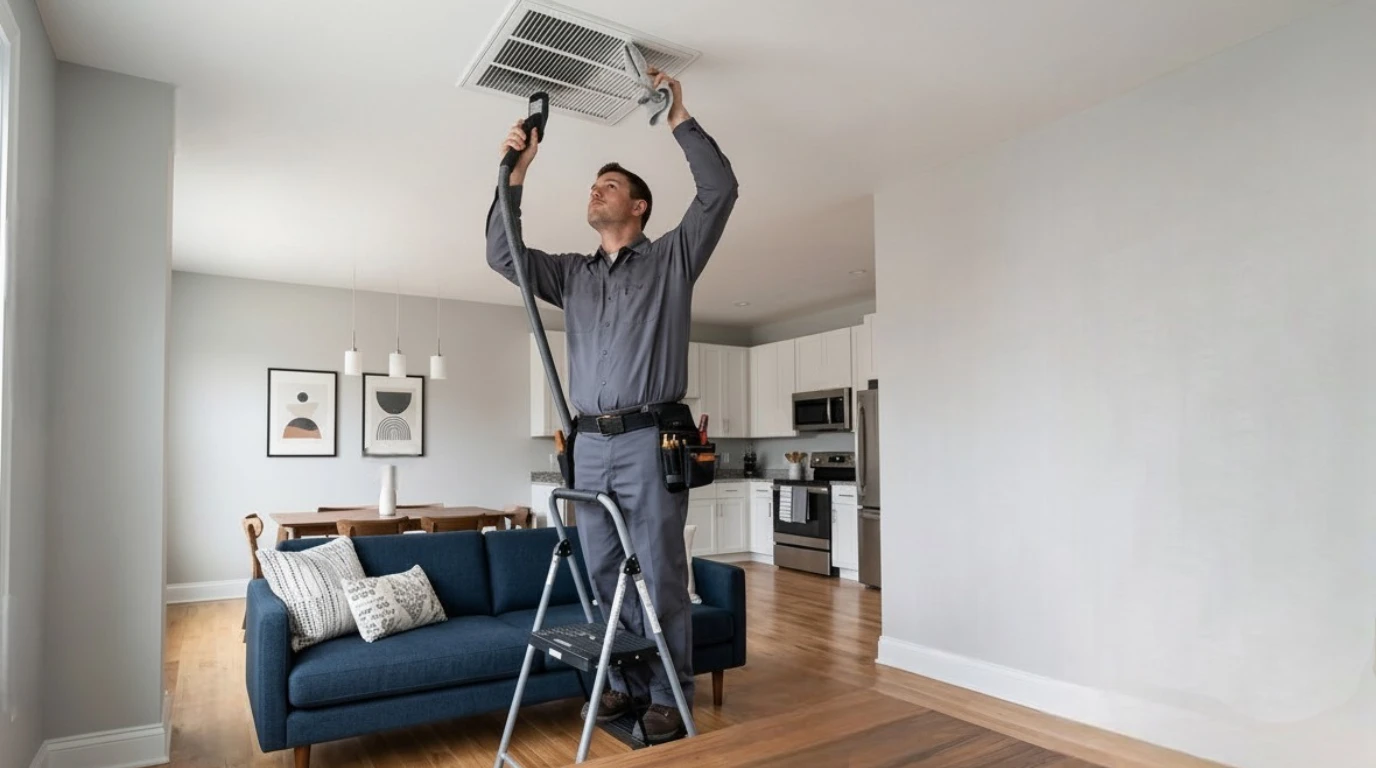
    Prospective renters are more selective than ever. Small issues like leaky faucets, cracked screens, dirty HVAC vents, or peeling paint can quickly turn renters away. In today’s market, maintenance is part of your marketing strategy.

    Leading property managers are taking a higher-touch approach to maintenance, with faster response times, stronger vendor accountability, and clearer communication. Tenants increasingly expect hotel-style responsiveness, and meeting that expectation can directly affect tenant retention and online reputation.

    5. The Financial Outlook for 2026
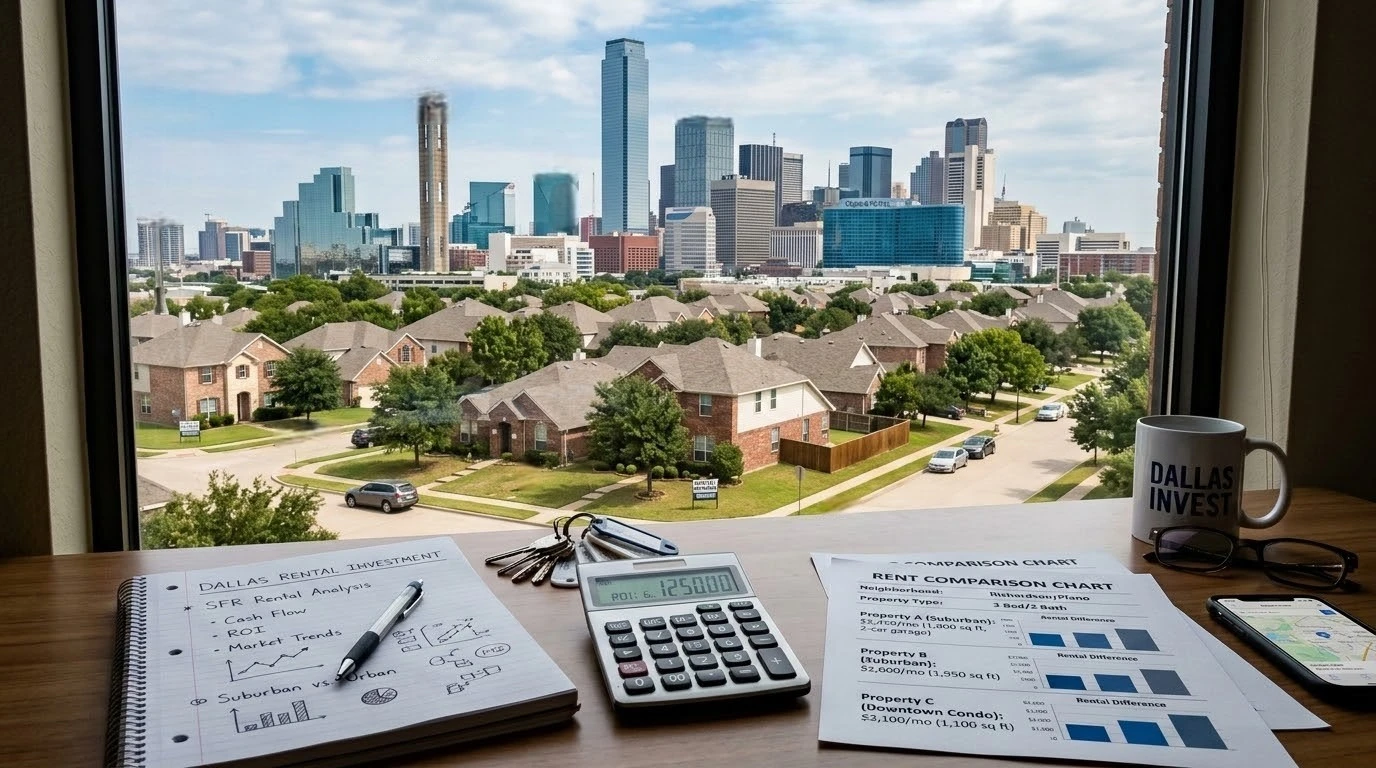
    Although rent growth has slowed in parts of Dallas-Fort Worth, long-term fundamentals remain solid. The region continues to benefit from population growth, job creation, and strong demand for professionally managed housing.

    For investors focused on yield rather than rapid appreciation, submarkets such as Garland, Richardson, Irving, and parts of Arlington may still offer attractive opportunities. The key is accurate pricing, strong maintenance, and disciplined operations.

    2026 Average Monthly Rent Snapshot

    Property TypeAverage Monthly RentMarket Trend
    Studio$1,245–$1,350Stable to softening
    1 Bedroom$1,350–$1,413Softening
    2 Bedroom$1,849–$1,948Competitive
    3 Bedroom$2,214–$2,600Stronger demand

    While some luxury multifamily properties are still dealing with temporary softness from oversupply, demand for well-maintained single-family rentals remains resilient. This is especially true for homes in strong school districts, with functional layouts and professional management.

    Final Thoughts for Dallas Landlords

    Property management in 2026 is driven by systems, technology, accountability, and operational consistency. The most successful landlords price accurately, respond quickly, maintain properties proactively, and prioritize the tenant experience.

    Rental investing in Dallas-Fort Worth now depends on operating like a professional housing provider, not a casual property owner. For investors willing to adapt, the long-term opportunities across North Texas remain strong.

  • What Do Dallas Landlords Need to Know About Property Inspections?

    Property inspections are one of the easiest ways for Dallas landlords to keep rentals safe, up to code, and in good shape. Handled well, they help you stay on top of city rules, protect the money you have in the property, and keep good tenants around longer.

    From move-in to move-out, every stage of a lease is a chance to check the condition of the home and catch issues early. When your inspection routine lines up with Dallas Single-Family Rental Registration and Inspection Program rules, it supports compliance and also builds trust with your tenants.

    Understand Dallas’s Single‑Family Rental Inspection Requirements

    Dallas requires most small rental homes to be registered each year under the Single Family Rental Registration and Inspection Program. This applies to almost any non-owner-occupied single-family house, duplex, or individually rented condo inside city limits.

    As part of that annual registration, owners have to complete an Owner Self-Inspection Checklist and an affidavit confirming the property meets the minimum standards in Chapter 27 of the Dallas City Code. On top of your own inspection, the city will perform its own inspection of each registered single-family, duplex, or condo rental at least once every five years and no more than once a year unless there’s a complaint.

    These inspections focus on basic health and safety items covered in Chapter 27, such as working smoke alarms, safe electrical and plumbing systems, adequate heat and hot water, secure doors and windows, stable handrails, and a structure that is sound and weathertight.

    Many owners use a Dallas property management company to keep up with registration, checklists, and city inspections so they don’t miss deadlines or overlook code violations. Good records and routine maintenance make it much easier to avoid fines, respond to tenant complaints, and protect the value of the home over time.

    Conduct Inspections at Move‑In, During the Lease, and Move‑Out

    A move-in inspection sets the starting point for the entire lease. You and the tenant walk through the property, note any existing damage or wear, test major systems, and both sign off on the condition report before keys change hands. That signed report becomes your reference later when you decide what counts as normal wear and what is actual damage.

    During the lease, periodic inspections help confirm that the tenant is following the lease and that major systems like plumbing, HVAC, and appliances are still working properly. Many Dallas landlords schedule a quick walk-through every 6 to 12 months, which is often enough to spot leaks, slow drains, or small repairs before they turn into expensive problems.

    Sending written notice, showing up during reasonable hours, and keeping the visit brief help the inspection feel professional instead of intrusive.

    A move-out inspection happens after the tenant has fully moved out and returned the keys. You compare the current condition of each room to the move-in report and photos so you can decide what is ordinary wear and what is tenant-caused damage.

    Clear notes and time-stamped photos make it much easier to explain any security deposit deductions and to defend your decision if there is a dispute.

    Respect Tenant Privacy by Limiting Inspection Frequency

    Even when you follow every rule, tenants still have a basic right to quiet enjoyment of their home with limited interruptions. Too many visits can make a tenant feel watched or disrespected, which often leads to complaints or early move-outs.

    In Texas, your lease is the main document that sets when and why you can enter the property, so inspections should be tied to real reasons such as checking on repairs, confirming safety items, or preparing the unit for a new renter.

    If you are entering with no clear purpose, tenants are much more likely to feel that you are crossing a line. Texas doesn’t set a statewide notice period for landlord entry. By default, the lease controls, but most attorneys and judges view at least 24 hours’ notice as reasonable for non-emergency visits. Putting a notice rule in the lease and following it every time is one of the best ways to show respect for privacy and avoid misunderstandings.

    For routine checks, many landlords limit inspections to once or twice a year unless there is a specific problem, a city inspection, or an emergency. That schedule balances tenant comfort with your need to keep an eye on the property, especially when you already have required Dallas registration inspections on top of your own visits.

    Focus Inspections on Safety Hazards, Maintenance Issues, and Code Compliance

    A good inspection is not about nitpicking tenants, it’s about making sure the home is safe and livable. You are looking for things that could hurt someone or violate city standards, such as exposed wiring, loose railings, missing smoke or carbon monoxide alarms, broken locks, or signs of structural movement.

    Inspections are also the best time to find small maintenance issues before they grow. Slow leaks under sinks, soft spots on ceilings, cracked caulk around tubs, early signs of mold, or small pest problems are usually much cheaper to fix when you catch them early. When tenants see that you respond quickly to these items, they are more likely to report future issues instead of ignoring them.

    Finally, inspections help you stay compliant with Dallas housing standards and your Single-Family Rental obligations. Checking items like smoke alarms, hot water, working heating equipment, safe electrical panels, and clear exit paths against the city checklist keeps you ready for a City of Dallas inspection at any time. Treating the checklist as your default inspection form makes it easier to prove that you are taking your responsibilities seriously.

    Document Findings Thoroughly to Support Repairs or Resolve Disputes

    Detailed documentation gives you a clear story of how the property has changed over time. After every inspection, take dated photos or short videos and write notes that describe what you saw in plain language. Those records help you tell the difference between long-term wear and damage that happened during a specific lease.

    Each report should list where the issue is, what it looks like, and how urgent it is. For example, you might write that there is a water stain on the ceiling near the kitchen vent instead of just saying there is a ceiling issue.

    Good notes help contractors give better estimates and save you from walking the property again just to remember what needs to be fixed. Keeping a standard condition checklist for move-ins, seasonal inspections, city inspections, and move-outs also makes patterns easier to see.

    If the same room or system shows up on your repair list over and over, you know it may be time for a larger upgrade instead of another patch repair. Storing copies of checklists, city inspection letters, repair invoices, and emails or texts with tenants in one place gives you a strong paper trail if there is ever a disagreement.

    Conclusion

    Dallas landlords who stay proactive with inspections are usually the ones who avoid surprise code violations and big repair bills. Checking the property at move-in, during the lease, and again at move-out keeps you aligned with city standards and helps you fix issues while they are still small.

    It also pays to keep up with changes to Chapter 27, the City’s Single-Family Rental program, and any updated Self-Inspection Checklist so your process stays current. Accurate records from every inspection make it much easier to handle security deposits fairly, answer tenant questions, and show the city that you are maintaining the home.

    When inspections are organized, respectful, and well-documented, you protect your investment, keep your rentals more attractive, and build smoother long-term relationships with tenants in the Dallas market.