Tag: Real Estate Tips

  • 7 HVAC Questions Every Texas Homebuyer Needs to Ask Before Saying Yes

    Texas heat doesn’t wait. It presses in early and lingers late. The air gets heavy, the windows stay sealed, and ceiling fans do their best but fall short. That’s when HVAC systems quietly takes over, often overlooked, but always essential.

    Comfort in Texas starts here. A home that cools quickly and stays consistent through the day becomes more than just comfortable. It becomes functional. It supports sleep, productivity, and every small routine that makes a house feel right.

    This isn’t just about temperature. It’s about inspections. It’s about rising utility costs. It’s about making sure the biggest system in the house is one that won’t fail when it matters most. For buyers, that means asking smart, specific questions. For sellers, that means being ready with answers that show the system has been taken seriously.

    1. How Old Is the HVAC System and What’s Its Maintenance History?
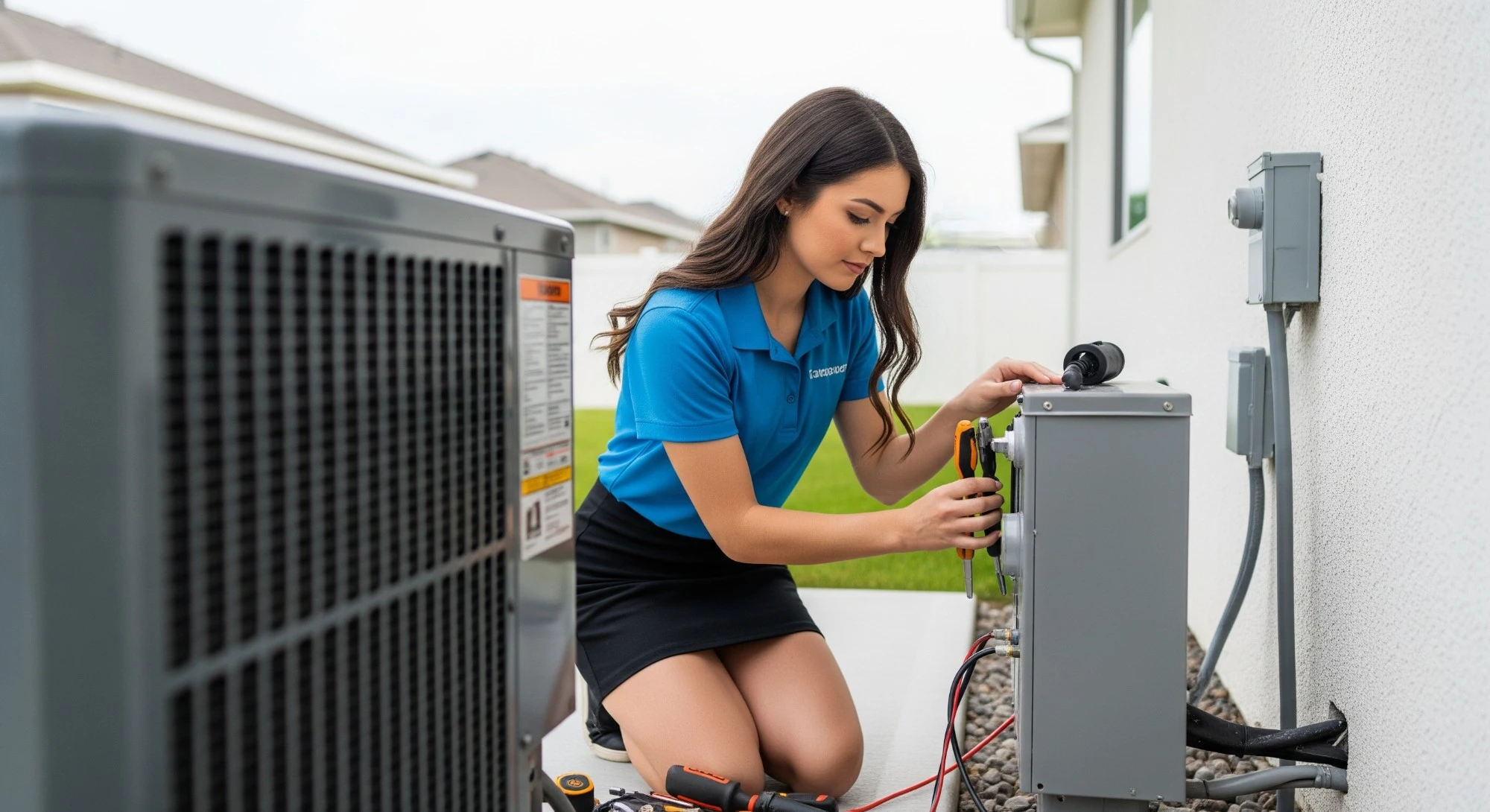
    Most systems in the U.S. last between 10 and 15 years. In Texas, constant use can shorten that window, especially if the system hasn’t been serviced regularly.

    Service records speak louder than words. A 12-year-old system with annual maintenance checks and clean filters can run better than a five-year-old one that’s been ignored. Documentation from licensed professionals provides confidence and clarity, whether you’re buying or renting a house. Not just for buyers, but for inspectors and lenders too.

    2. How Efficient Is the System According to SEER, SEER2, AFUE, or HSPF
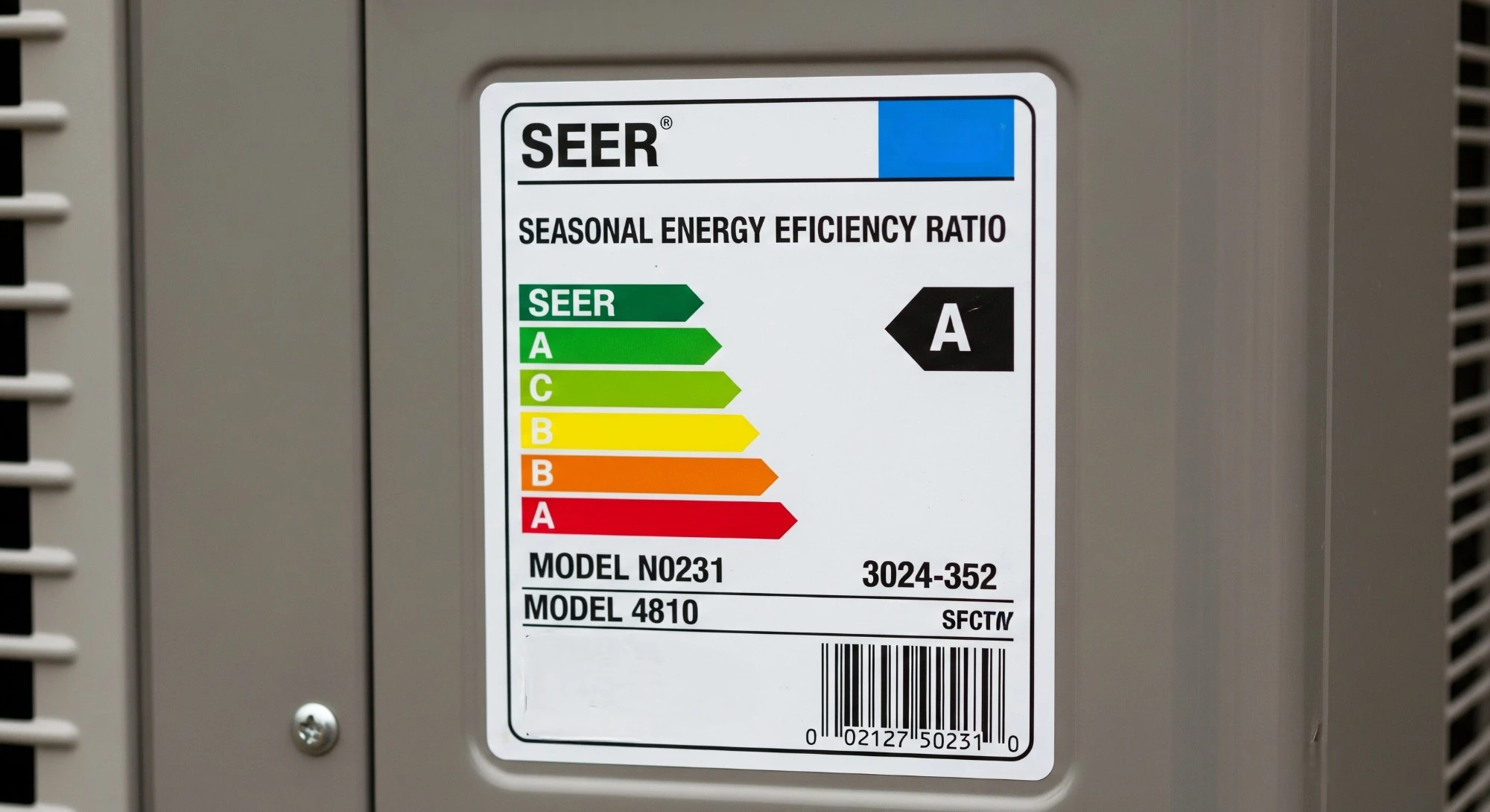
    These ratings matter more than ever. Newer systems often come with higher efficiency scores, and that translates directly into lower monthly energy bills. In 2023, federal minimums for SEER ratings in the South moved up to SEER2 14.3, making older systems easier to spot.

    SEER (Seasonal Energy Efficiency Ratio) is used for air conditioners, while AFUE (Annual Fuel Utilization Efficiency) measures furnace efficiency. HSPF applies to heat pumps.

    3. Has the System Been Regularly Serviced?
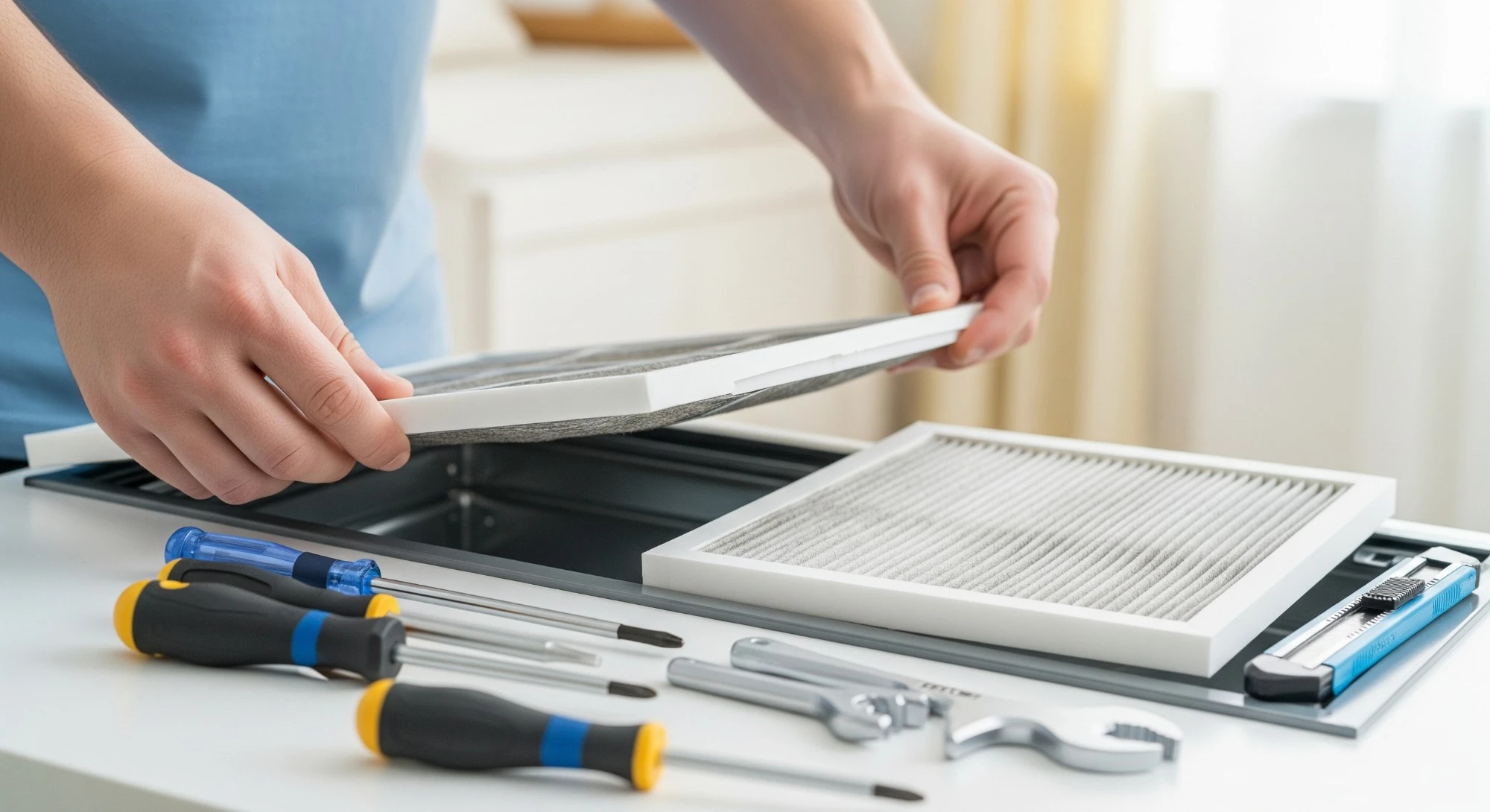
    Consistent maintenance keeps systems efficient and safe. Tune-ups usually include filter replacements, refrigerant checks, thermostat calibration, and cleaning of internal parts like coils and blowers.

    Without regular care, HVAC systems lose efficiency and break down faster. According to the Building Performance Institute, neglected systems can lose up to 15 percent of their efficiency. That’s not just a number. That’s money on the table every month.

    Certified HVAC pros log service details that professionals show a system has been respected and cared for. Buyers will notice. So will inspectors.

    4. Are There Any Known Issues Like Leaks, Compressor Failures, or Electrical Flaws?

    HVAC systems are complex and expensive to repair. Be sure to ask the seller directly if they’ve experienced any major issues, such as refrigerant leaks, electrical problems, or compressor failures. 

    These types of repairs can be expensive and are often signs of larger problems. A recent repair might not be a dealbreaker, but if there’s a history of recurring issues, you should investigate further. 

    Asking for repair history helps identify systems that look fine on the surface but may be hiding deeper issues behind the vent covers.

    5. What’s the Condition and Layout of the Ductwork?
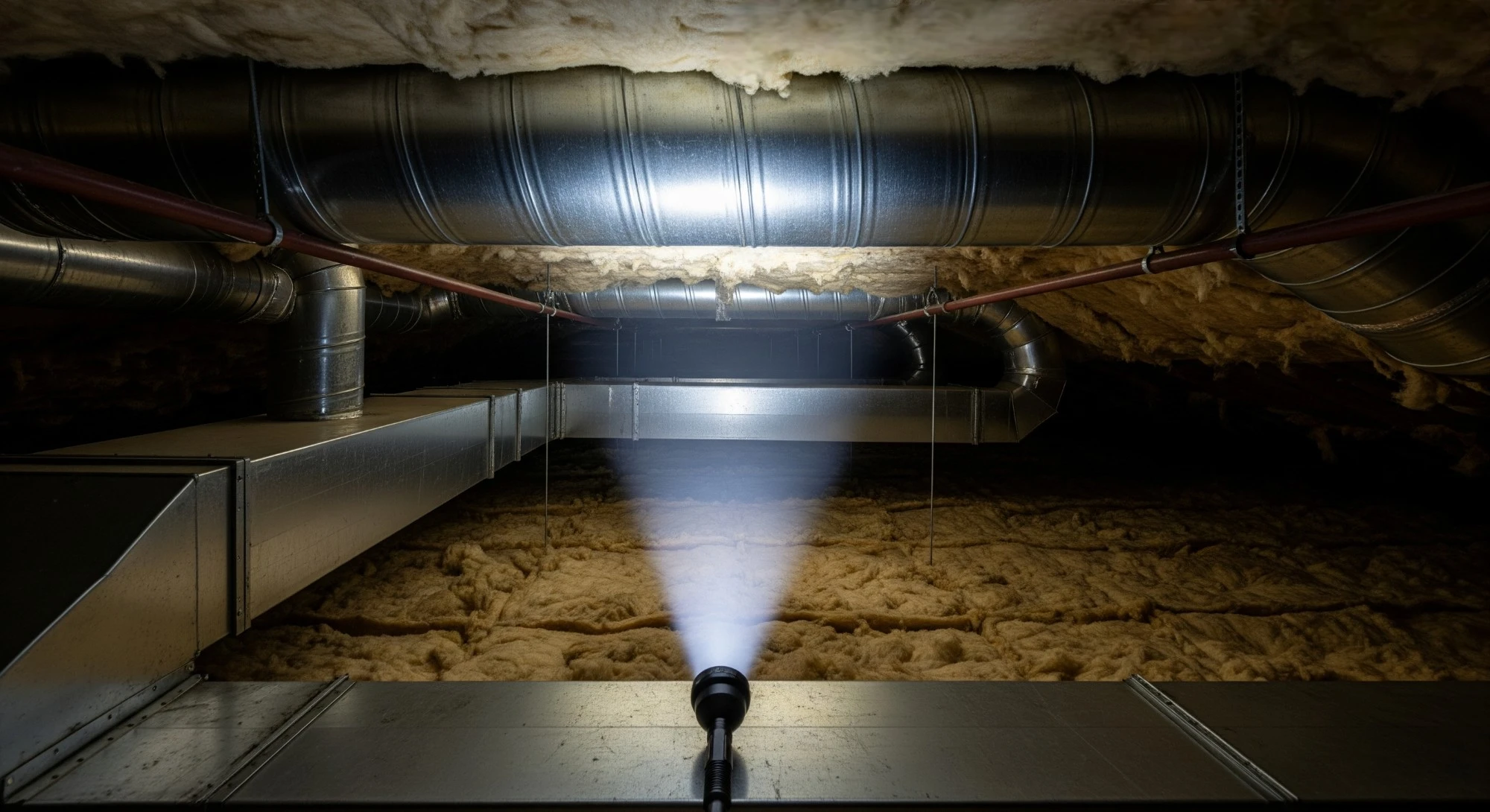
    Ducts are the delivery system. If they’re disconnected, kinked, or poorly insulated, the result is uneven temperatures from room to room and higher utility bills across the board.

    According to ENERGY STAR, as much as 20 percent of the air moving through a duct system can be lost due to leaks, holes, or poorly connected ducts. That’s not something visible on a walkthrough. It shows up later as discomfort and wasted energy.

    Duct layout also affects how air flows through each floor. In multi-story homes, poor design can create hot upstairs zones and frigid downstairs rooms. A balanced design and sealed ducts change that completely.

    6. Is the Home Zoned or Are Multiple Units Installed
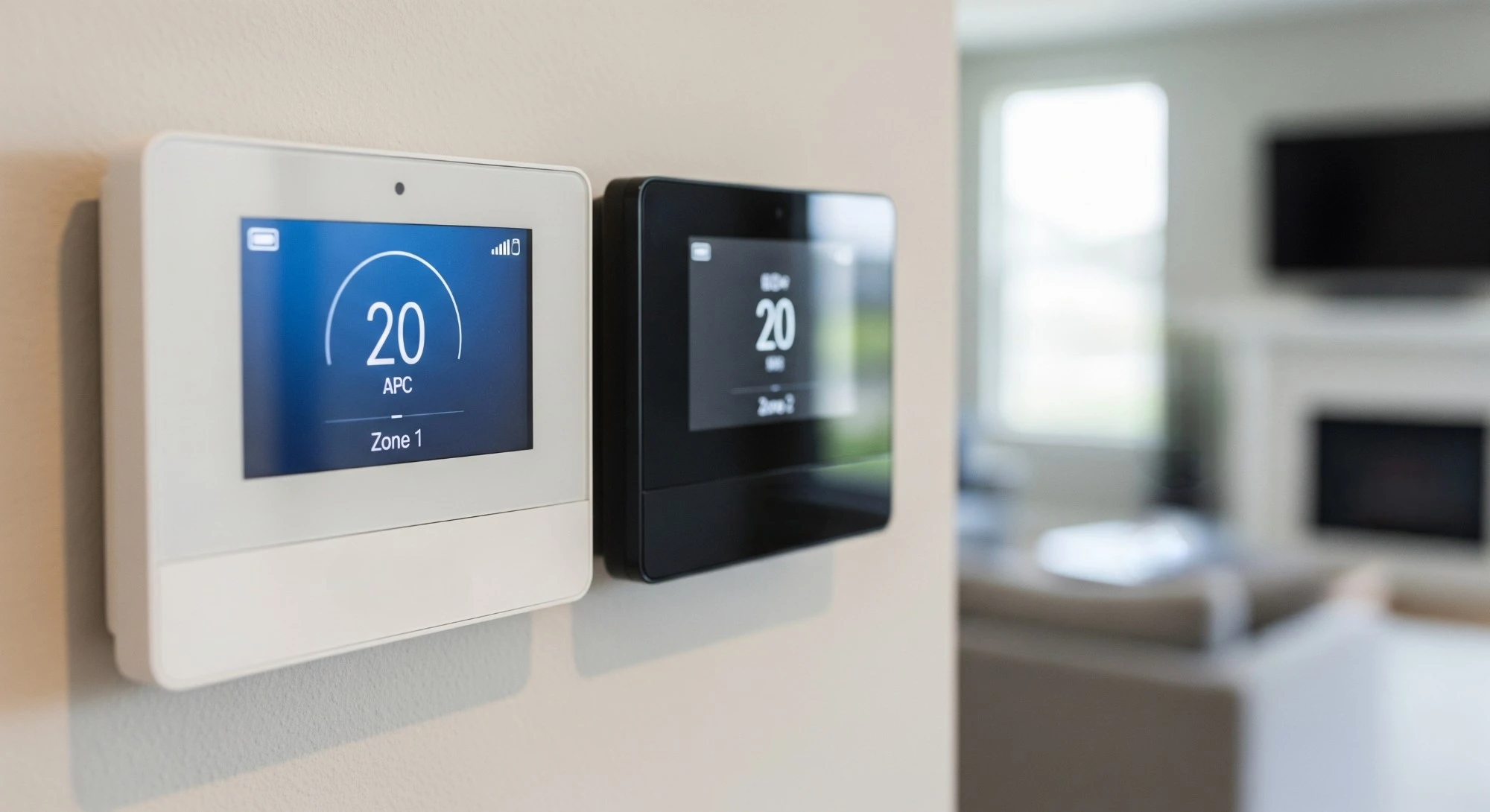
    Zoning makes life easier. Especially in large homes or multi-level floor plans, separate zones or multiple systems help keep temperatures consistent without overworking the entire setup.

    In newer builds, zoning systems are becoming more common. One thermostat controls upstairs. Another handles downstairs. Each space receives attention based on use and time of day. This improves comfort and efficiency without driving up the bill.

    Older homes may have one system working overtime for the entire layout. That doesn’t always mean bad performance. But it does mean extra evaluation.

    7. Was the HVAC System Installed by a Licensed Pro and Properly Permitted
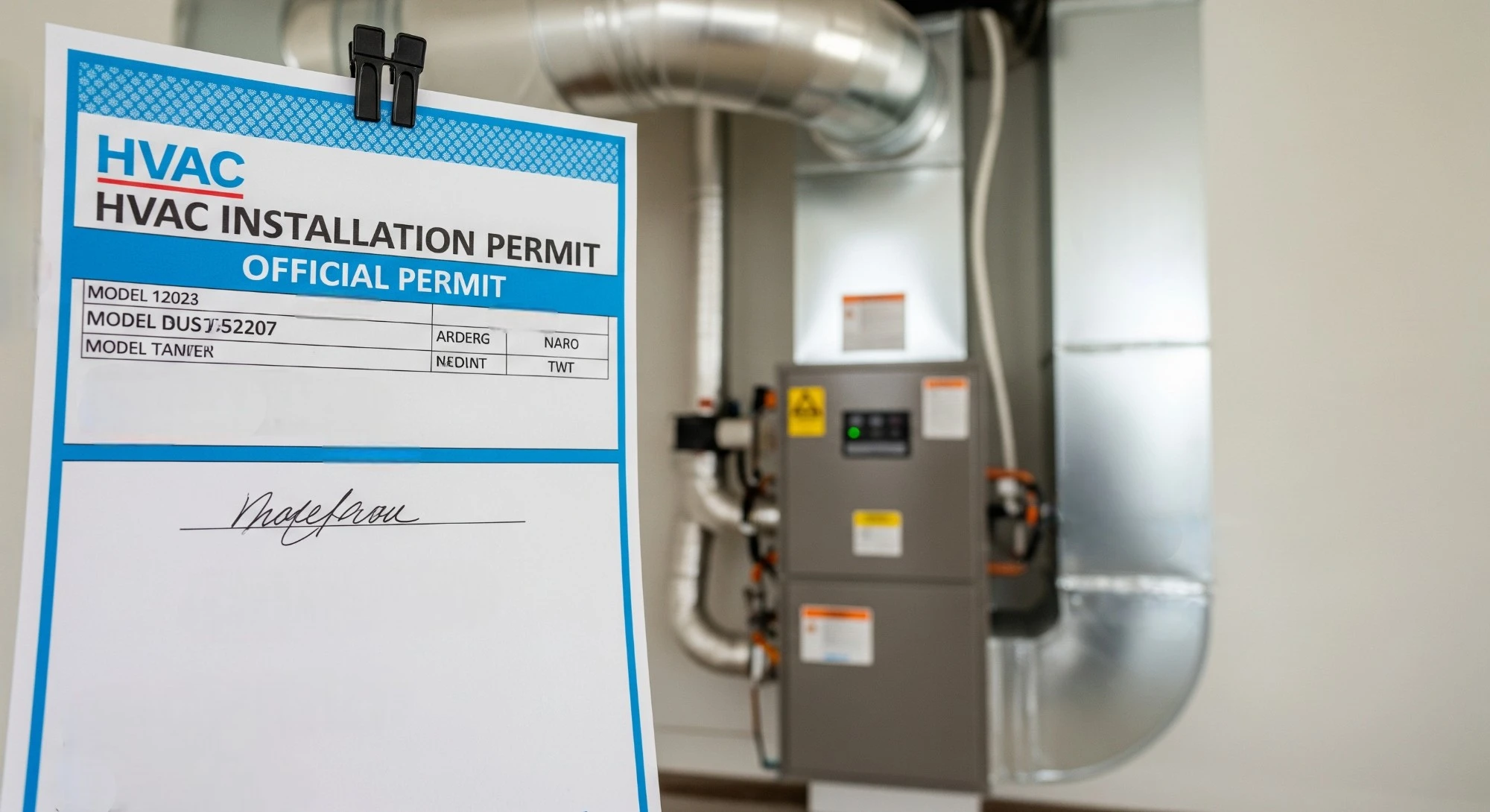
    A quick test during a walkthrough won’t tell the full story. For that, a deeper look from a licensed HVAC technician helps. They know what to check. Airflow measurements. Code compliance. Electrical safety. Refrigerant pressure.

    When a new system was installed, permits should have been pulled. Inspections should have been passed. This confirms that the work meets state and municipal standards.

    Having this documentation on hand makes the process smoother for everyone involved—from lender to buyer to appraiser.

    Quick Tips for Buyers and Sellers

    HVAC is a consideration when buying or selling a home that often remains hidden. But don’t sleep on it – here are some quick tips to follow to get clarity around your home’s HVAC:

    Buyers

    An older system isn’t always a dealbreaker. But when inspections reveal outdated components or spotty maintenance, that becomes an opportunity. Leverage those findings to ask for credits, repairs, or price adjustments. Solid HVAC insight turns into negotiating power fast.

    Sellers

    Schedule a professional tune-up before listing your home. Having inspection paperwork and recent service records on hand can help build buyer confidence and make the transaction go smoothly.

    Final Thoughts

    HVAC systems are one of the most important and expensive components of a home, especially in climates like Texas! 

    Taking time to ask these questions and gather the right documents helps avoid the last-minute panic that often creeps up just before closing. It also shows that the home has been taken care of. Thoughtfully. Responsibly. Intentionally.

    Knowing how a system runs and confirming it’s up to standard means fewer surprises later and a lot more peace of mind. Especially once those triple-digit days start rolling in.


  • Curb Appeal That Lasts: Outdoor Upgrades That Add Value Year-Round

    First impressions matter, especially when it comes to property value. For homeowners, upgrading outdoor spaces can be a smart way to boost curb appeal and make everyday living more enjoyable. A well-kept exterior doesn’t just look good; it can impact everything from resale value to energy efficiency.

    Practical Enhancements for Lasting Impact

    Some of the best outdoor upgrades are the ones that look good and work hard. Updating siding, repaving driveways, and replacing aging windows can give a home a fresh appearance while also reducing maintenance costs and improving insulation.

    A well-maintained lawn remains a classic feature, but modern trends are leaning toward more sustainable landscaping. Drought-resistant native plants and strategically placed shade trees add texture and depth to your yard while lowering water consumption. Installing drip irrigation systems supports sustainability and can increase the attractiveness of the property to eco-conscious buyers.

    Many Texas homeowners living near greenbelts or open land find their landscapes frequently damaged by wildlife. For those dealing with deer intrusion, installing a heavy-duty deer fence can be a discreet and effective solution that blends into the scenery while preserving gardens and ornamental features.

    Lighting the Way

    Enhancing curb appeal often starts with outdoor lighting. It not only improves safety and extends the usability of your yard after dark, but also creates a warm, inviting atmosphere. Consider adding low-voltage LED lights along walkways, entryways, and landscape features. For an energy-efficient option, solar lights are a great choice in areas that get plenty of sun.

    Smart outdoor lighting doesn’t just look good, it works hard too. It highlights the best parts of your home and helps deter intruders, giving you peace of mind. Many modern systems are easy to control remotely and can be set on timers, making them a sleek and practical feature buyers love.

    Functional Features That Impress

    Outdoor upgrades should do two things: make the space more enjoyable and boost your home’s value. Think about giving your front porch a refresh with new railings, composite decking, or even a porch swing. In the backyard, adding a pergola or an outdoor kitchen can turn it into a go-to spot for relaxing or entertaining, something today’s buyers are definitely looking for.

    Even small touches like new house numbers, a sleek mailbox, or fresh hardware on the front door can elevate the entire facade. Painting the front door in a bold color like navy or red is another high-impact, low-cost way to make a statement.

    Maintenance Matters

    No upgrade will shine if it’s not maintained. Regularly pressure washing driveways, walkways, and siding can make a home look years younger. Keeping gutters clean, trimming overgrown hedges, and replacing broken pavers can instantly boost your home’s curb appeal.

    Routine maintenance extends the life of your improvements and signals to potential buyers that the home has been well cared for. Consider creating a seasonal checklist to stay on top of these small but crucial tasks.

    Regional Considerations for Texas Homes

    Texas has a wide range of climates, from humid and sticky in the east to hot and dry out west. So your outdoor upgrades need to match the local conditions. You’ll want materials that can handle intense heat, strong sun, and the occasional surprise storm. Think about using metal roofing, composite decking, and UV-resistant paint to help everything last longer.

    In areas prone to heavy rains, proper drainage is critical. French drains, rain gardens, and strategic grading prevent water damage and preserve your home’s foundation. Adding gravel or permeable pavers can enhance drainage while contributing to a modern aesthetic.

    Boosting Resale Potential

    Every improvement made outdoors can have a direct correlation with resale value. According to real estate industry research, well-designed landscaping can increase property value by as much as 20%. Features like fences, patios, and gardens make a house feel more like a home, which translates to faster sales and better offers.

    Buyers are often swayed by move-in-ready homes. A beautifully landscaped yard with low-maintenance features and modern upgrades removes a mental to-do list from their plate. In today’s competitive housing market, every detail counts.

    Upgrading your outdoor space isn’t just about making it look nice. It’s a smart move if you want to protect and grow your home’s value. Using durable materials and thoughtful design can turn curb appeal into something more, like a space that works better, lasts longer, and makes everyday life a little more enjoyable.

    Whether you’re preparing to sell or simply want to enjoy your home more fully, these enhancements offer both immediate satisfaction and long-term benefits. With the right approach, your home’s exterior can become a standout feature in any neighborhood.

  • From Drab to Sold: How Simple Upgrades Help Homes Fly Off the Market

    Selling a home is about more than just square footage or location. Buyers pay close attention to how a home feels the moment they walk in. The good news is, you don’t have to spend a fortune to make it stand out. A few well-chosen, budget-friendly updates can make an older space feel cleaner, brighter, and far more appealing.

    Whether you’re putting your home on the market or helping someone else do it, small, low-cost updates can make a big difference. In a competitive market, these simple changes might be all it takes to go from ‘almost’ to ‘exactly right.

    Curb Appeal Counts: First Glance, Lasting Impact

    The front of your home is like a book cover. Buyers will judge what’s inside before they step through the door. That’s why curb appeal is one of the most important (and budget-friendly) things you can improve.

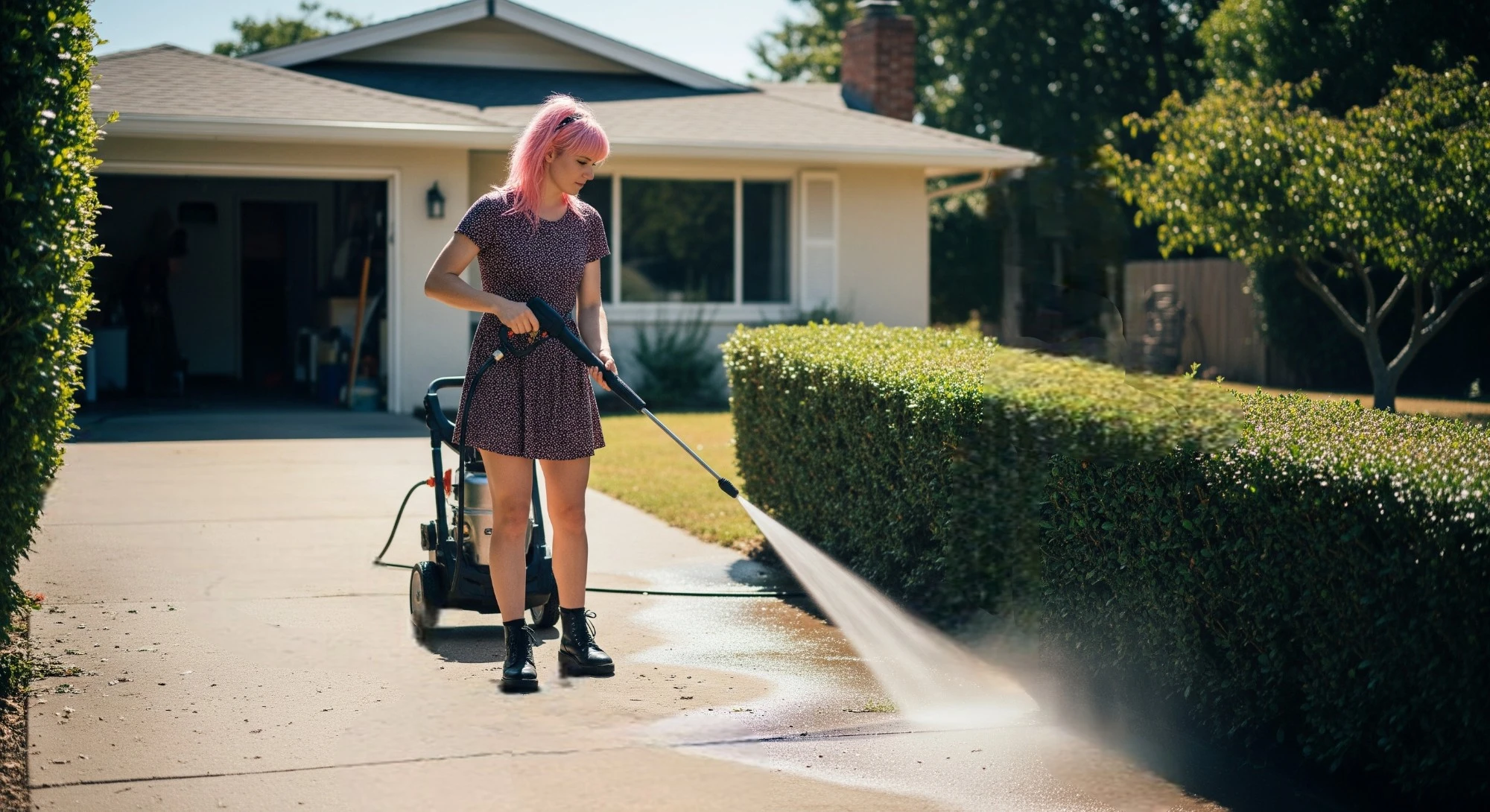
    Start cleaning up by mowing the lawn, trim the hedges, and pull out any weeds in the flower beds. Give the driveway and walkway a quick pressure wash to instantly lift the overall look. A fresh coat of paint on the front door can add real personality. Swap the porch light and house numbers for something more up-to-date, and set a couple of planters near the door to make things feel more welcoming.

    Even small changes can have a big effect. One homeowner swapped out a rusting mailbox and added a welcome mat, and suddenly, the home looked ten years younger. These details signal to buyers that the rest of the house has been cared for.

    Interior Touches: The Power of Quick Fixes

    Once inside, buyers are looking for signs of cleanliness, care, and light. No one expects a showhome, but buyers do want to feel like they can move in without a long to-do list.

    Paint goes a long way. Stick with warm neutrals like beige, light grey, or soft white. These shades make rooms feel bigger and cleaner. Update light fixtures or at least switch to bright LED bulbs. Replace dated ceiling fans or entry lights with something clean and modern. You’ll find stylish, affordable options at big-box hardware stores.

    A simple way to refresh a room is to update the cabinet handles and doorknobs. Swap out worn or brass finishes for matte black or brushed nickel. These modern touches help the room feel current without any major work.

    One of the easiest ways to elevate your strategy is to work with a top realtor who understands how to position small updates to create maximum buyer interest.

    Kitchen and Bath on a Budget

    You don’t need to renovate the whole kitchen or bathroom to make them look fresh. Small, smart upgrades can change the look a lot.

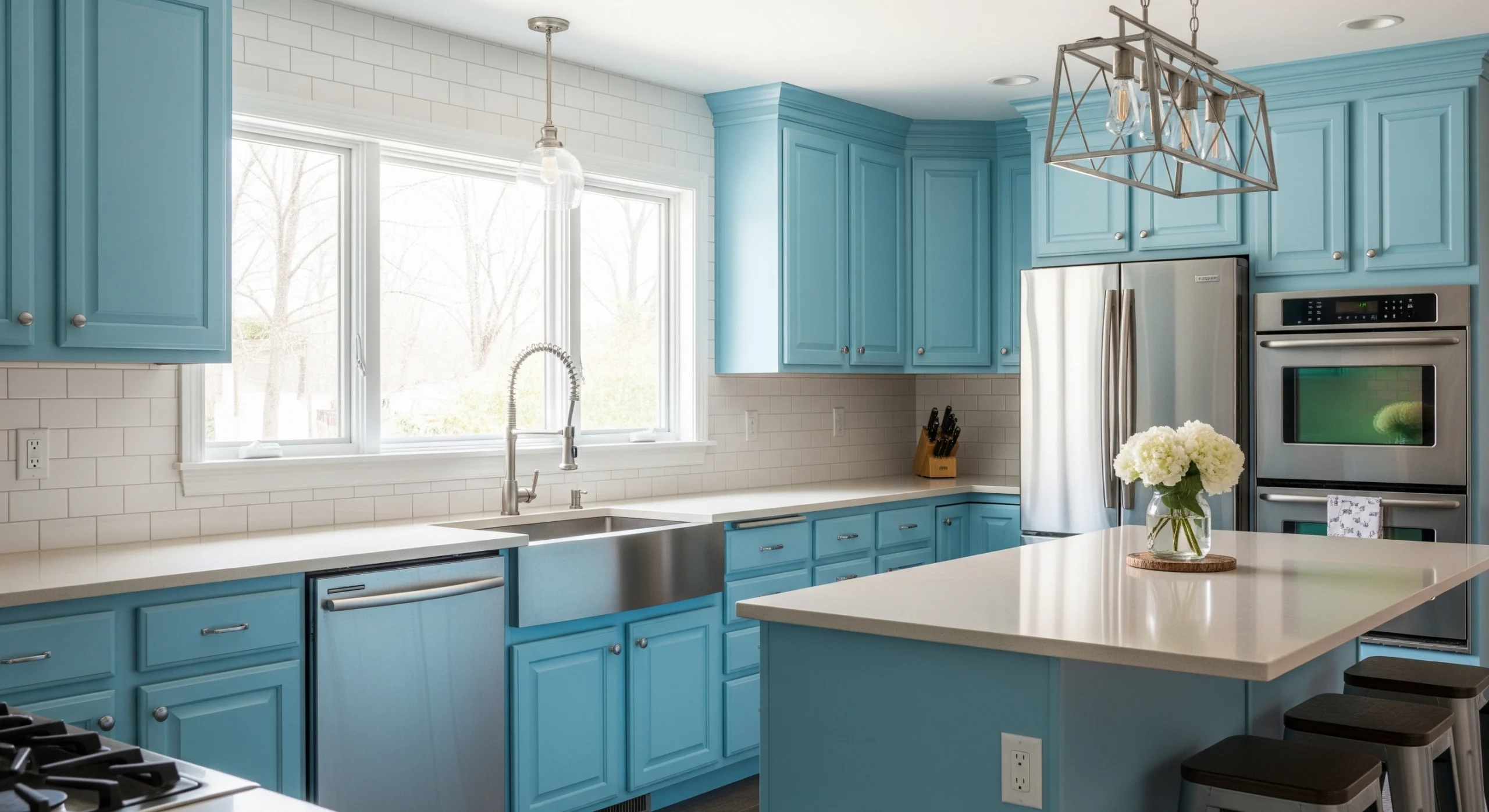
    For the kitchen, start by painting the cabinets if they’re in good condition but look old. Use good paint and add new handles or knobs. You can also add a peel-and-stick backsplash to bring in some texture and a modern touch. Changing the faucet or the light fixture can make the room feel brand new without much work.

    For the bathroom, start by cleaning or replacing the grout and re-caulking the tub. Put in a new mirror or vanity light. If the vanity has scratches but is still sturdy, try repainting it. Add some fluffy white towels and a few spa-like accessories to create a clean and relaxing feel.

    Sellers who make these types of changes often see more offers, quicker sales, and better pricing. Buyers love knowing they won’t need to tackle these updates themselves.

    Small Budget, Big Results: Real Examples

    These changes don’t just look good, they get results. A seller in Toronto refreshed their condo with $2,000 worth of updates: painted walls, changed door hardware, updated the bathroom vanity light, and added neutral decor. The unit sold in five days, with multiple offers.

    Another homeowner in Seattle spent $1,200 to add curb appeal, repaint their kitchen cabinets, and install new faucets. The result? The house sold within a week for 5% above asking.

    These aren’t isolated stories. Across North America, sellers are seeing returns on smart upgrades that make homes more appealing without overspending.

    Make It Shine: Final Touches That Seal the Deal

    Once your updates are done, don’t forget the little things that make your home stand out. Clean everything well—from baseboards to windows. Clear away personal items and extra furniture to make rooms feel open and welcoming.

    Staging really helps, even if you just use what you already have. Add soft throw pillows, a bowl of fresh fruit in the kitchen, and simple, neutral artwork on the walls. Use mirrors to bounce light around and make rooms feel bigger.

    Natural light is key, so open the blinds and curtains during showings. Replace heavy drapes with sheer panels if needed. Turn on all lights, even in closets, to make the home feel bright and inviting.

    The final step is professional photos. Great pictures show off your updates online, where most buyers will first discover your home. This helps your listing stand out and attracts more interest.

  • Why Smart Dallas Realtors Sweat the AC Before the Open House Even Starts

    If you’re selling homes in Dallas, one silent deal killer can ruin a showing fast: weak AC. In the Lone Star State, buyers don’t just hope the AC works. They expect it to blast cold air the second they walk in. Whether it’s a sleek mid-century in Lake Highlands or a brand-new build in Frisco,

    If the AC feels weak, the whole showing feels off. People can overlook ugly light fixtures and quirky tile. But sweat? Not a chance. For realtors, understanding how AC plays into your listing’s curb appeal, inspection outcome, and buyer psychology can help keep your deals cool when the market’s anything but.

    AC Isn’t Just a Feature, It’s a Selling Point

    A stylish living room with a visible smart thermostat and AC vent

    Buyers in Dallas don’t ask if there’s central air. They ask how new it is. They ask about SEER ratings, filters, and warranties. A weak HVAC system can push a home into the “needs work” category with just one flick of the thermostat. You can have perfect staging, but if a buyer is sweating during the tour or hears a unit rattling like it is falling apart, the mood shifts fast.

    Smart agents always ask: How old is the unit? Has it ever been replaced? When was the last tune-up?. It might be tempting to do some DIY updates to make it look better, but this is where you slow down. Air systems are not a Pinterest project. Even small cosmetic changes like painting vents or swapping thermostats can go wrong without the right skills. It is safer and smarter to call a licensed pro if you want a clean inspection and fewer last-minute issues.

    Curb Appeal Is Key, But Don’t Let the AC Steal the Show

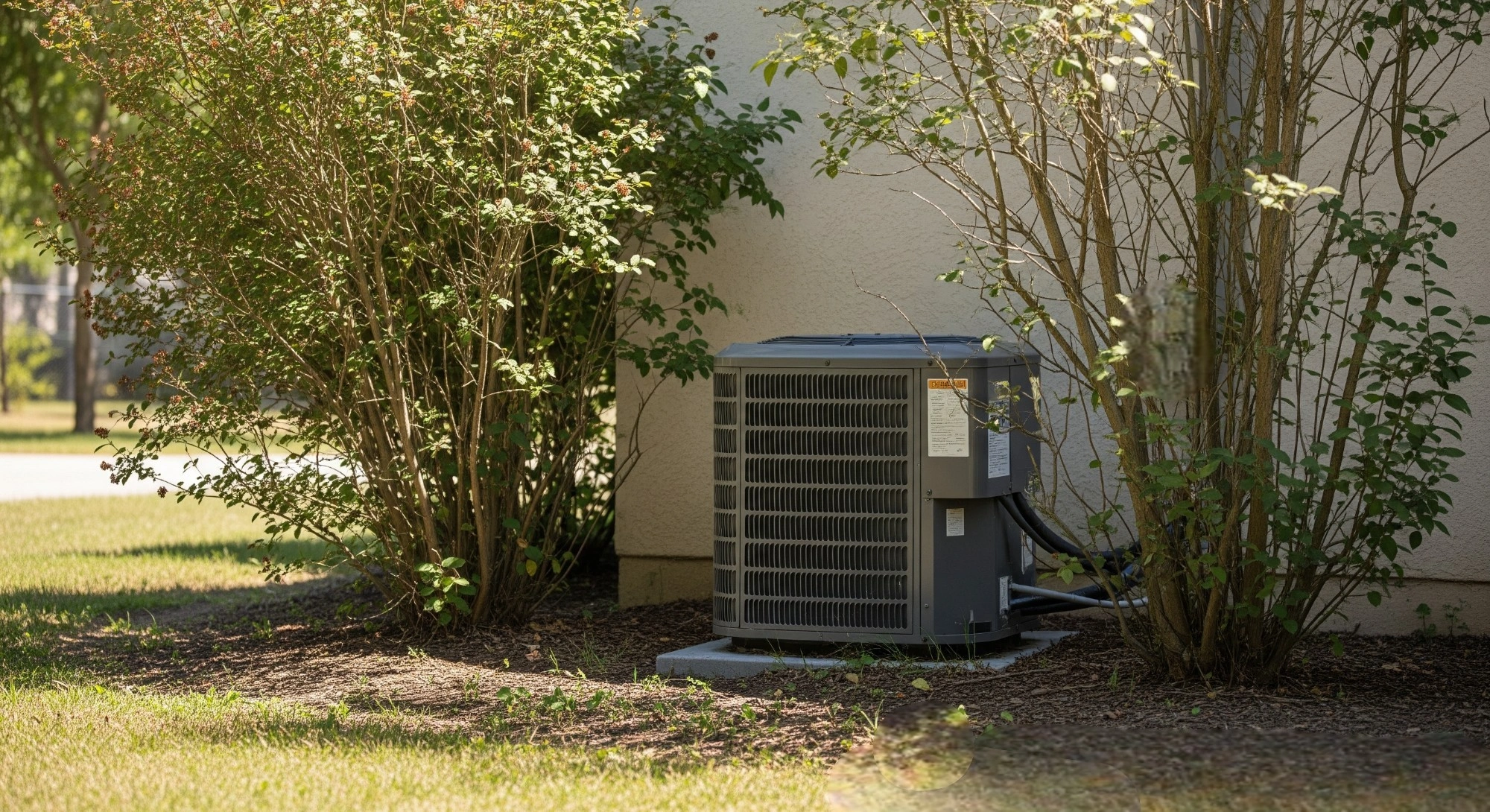
    Outdoor AC unit

    Let’s talk about showings. You’ve nailed the landscaping, the porch feels inviting, and the inside smells like freshly baked cookies or whatever magic scent your stager used. But there it is, humming like a truck next to the patio: the outdoor AC unit. Not cute. In Texas, you can’t exactly get rid of it, but you can be smarter about where it goes.

    Realtors with an eye for presentation will look for ways to hide your AC creatively. That might mean lattice panels, greenery, or even clever fencing that blends into the yard. Just don’t box it in too tightly—you still need airflow, and techs need access. Remind your sellers that curb appeal doesn’t end at the front path. Buyers notice the backyard too, especially if they’re thinking about entertaining. And again, no DIY panel jobs with nails sticking out or a curtain of shrubs suffocating the condenser. A well-hidden but accessible unit is the sweet spot.

    Old Units Equal Buyer Hesitation

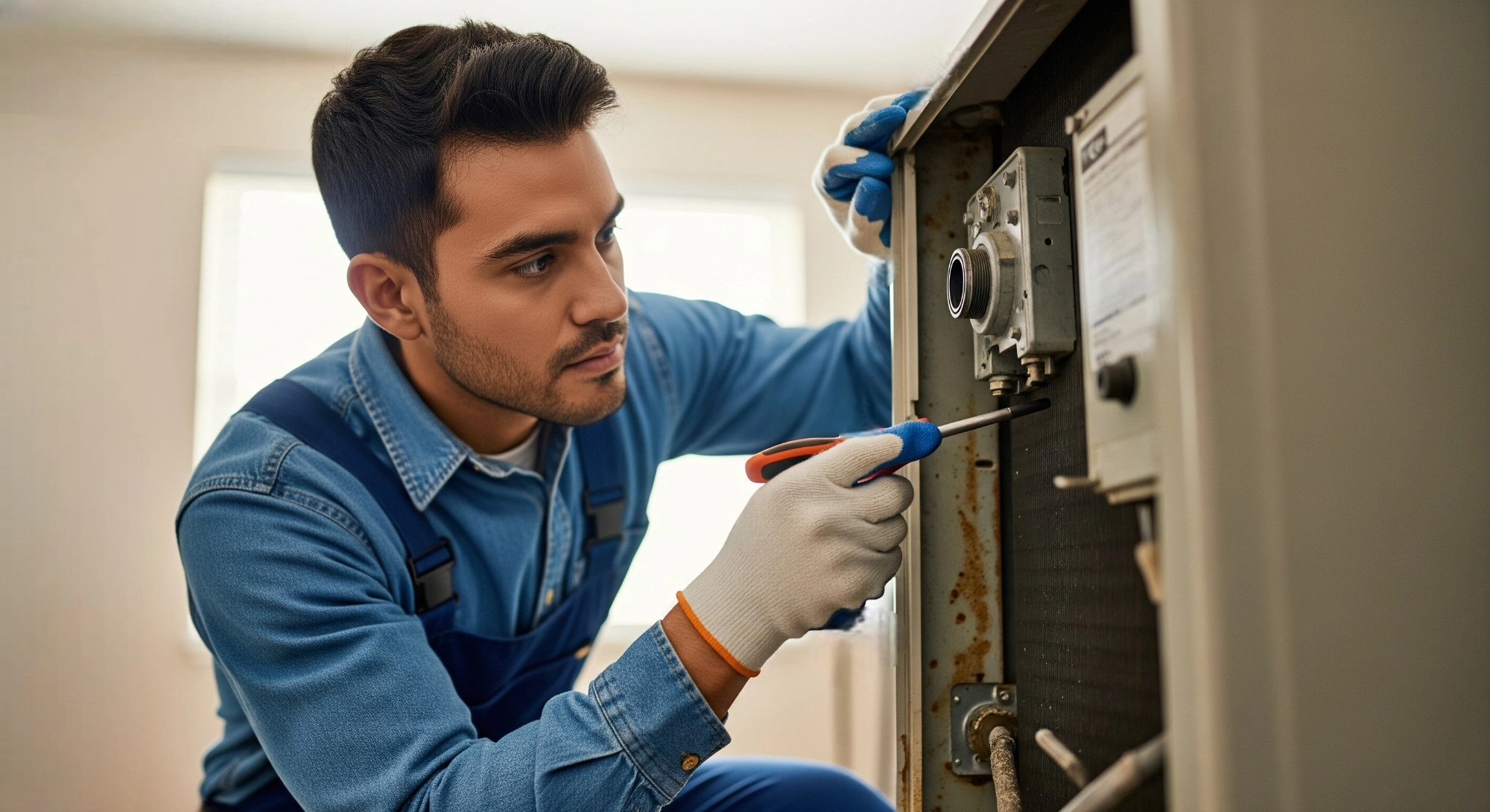
    Technician inspecting an old AC unit

    If a home’s AC is older than the buyer’s college degree, it’s going to raise questions. Inspectors will catch worn components, dirty coils, and undersized ductwork, things that can send buyers running or asking for price cuts. Realtors who’ve seen deals fall apart over HVAC issues know it’s better to get ahead of this. If the seller can’t replace the system outright, at least recommend a professional tune-up and inspection before listing. A clean bill of health gives buyers peace of mind.

    And while we’re on the topic: resist the urge to suggest a YouTube-guided “deep clean” of the indoor unit. It’s not worth the risk. One wrong move and you’re dealing with a flooded drain pan, a busted blower motor or worse, liability if something breaks between offer and closing. In a hot market, it’s tempting to rush and cut corners. But your reputation (and your seller’s bottom line) is safer when the guts of the system are handled by someone licensed and insured.

    When AC Goes Out Mid-Sale, You Need Backup Fast

    A mom making a phone call with an AC unit in the background

    Every seasoned Dallas agent has a story. The buyer falls in love with a home. The offer’s in. Everyone’s excited. Then—bam—the AC dies during escrow. And suddenly it’s chaos. This is where your vendor list is your lifeline. If you’ve already built a relationship with a local company that does air conditioning repair, you can jump into action instead of scrambling through Yelp at 9 PM.

    It’s also a big value-add for your clients when you show up with names ready. It shows you’re prepared, you’ve been through it, and you know what it takes to get a deal across the finish line in the Texas heat. The difference between a delayed closing and a smooth one might be who you call and how fast they can respond. Bonus: having a tech vouch for the system after repairs can be a powerful peace-of-mind tool in negotiations.

    Yes, AC Affects Appraisal—Here’s How to Talk About It

    Appraiser reviewing HVAC system during home inspection

    It’s not just buyer comfort and inspections—AC plays into the value of the home, too. Appraisers in Dallas take system age, efficiency, and functionality into account. If the unit is new and energy-efficient, it can nudge the value up slightly, especially when paired with smart thermostats or insulation upgrades. If it’s clearly limping along, that can drag comps down even in a hot zip code.

    Realtors who speak confidently about HVAC details can stand out. You don’t have to be an expert, but knowing whether the unit was replaced in the last five years, if it’s properly sized for the square footage, and what kind of maintenance has been done can boost your credibility with both buyers and appraisers. And again: let the pros do the talking when it comes to repairs, replacements, or anything involving wiring or ducts. You’re a realtor, not Bob Vila.

    Final Take

    In Dallas, air conditioning isn’t just another box to check, it’s part of the story you’re selling. It can be the reason buyers linger at the open house, feel more confident about their offer, or walk away entirely. Whether you’re listing a high-rise downtown or a family home in the suburbs, taking AC seriously shows you know your market, you understand your buyers, and you’re not here to sweat the small stuff, literally.

  • Selling Your SoCal Home Fast for Job Relocation with a Relocation Company

    Selling to a relocation company is a more specialized way to sell your home, meant to speed things up, especially if you need to move quickly for work or personal reasons. In Southern California, a fast-moving job market, especially in industries like tech, entertainment, and aerospace, drives the need for relocation services These companies simplify the process by purchasing homes directly, skipping the usual hassle of staging, open houses, and drawn-out negotiations

    In Southern California, peak property seasons usually fall between spring and early summer, from March to June, when buyer demand tends to be higher and offers—including those from relocation companies—can be more competitive.

    Real estate trends in 2025 show a strong market across SoCal, with median home prices sitting around $850,000 in Los Angeles County and about $900,000 in San Diego County, based on recent data from the California Association of Realtors.

    Selling during these months can give you better leverage, as market activity is higher and even cash buyers like relocation firms may offer more in response to local conditions. On top of that, job-related moves often ramp up during major hiring cycles in early spring or late fall, making these windows ideal for working with relocation companies.

    The pressure of timing, repairs, and finding the right buyer can feel nonstop. You need a fast, dependable way to move forward. That’s where a cash sale shines. Skip the hassle of traditional sales and get immediate offers, ensuring a smooth transition.Explore options like Cash for Homes in Long Beach, CA to sell quickly. Resolve your home sale stress today with a trusted, efficient process.

    Challenges of Home Selling

    Relocating often means facing tight deadlines, and selling your home quickly becomes a major hurdle. Traditional methods can drag on, adding unnecessary stress.

    • Lengthy Process: Traditional sales involve multiple steps like pricing, staging, and showings, which can take months, clashing with your urgent relocation timeline.
    • Pricing Struggles: Setting the right price is tricky; overpricing deters buyers, underpricing costs you money, and research takes valuable time.
    • Preparation Hassles: Enhancing curb appeal or decluttering sounds simple, but maintaining it under a tight schedule feels nearly impossible during a move.

    Facing these challenges head-on can feel overwhelming, but knowing what’s ahead helps in finding a quicker, less stressful solution for your home sale.

    Relocation and Selling Stress

    Selling while relocating piles on stress with logistics and tight timelines. Managing a sale from afar or prepping without being present is daunting.

    Planning Under Pressure

    Creating a timeline that matches your move is vital, but market trends and unexpected delays often disrupt even the best-laid plans.

    Selling from Afar Is Never Easy

    If you’ve already moved, coordinating showings or repairs remotely adds layers of complexity, making communication with agents or buyers a constant struggle.

    Finding Reliable Help

    A skilled REALTOR® can ease the burden, but finding someone who understands relocation urgency and local markets takes effort and trust-building.

    Emotional Toll

    Saying goodbye to a familiar space while juggling sale details can weigh heavily, turning an exciting move into a draining experience.

    Why Relocation Causes Anxiety

    Relocation stirs anxiety with its endless tasks, from packing to coordinating services. Selling your home amid this chaos only heightens the tension.

    • Overwhelming Coordination: Managing real estate agents, inspectors, and repair vendors while relocating feels like juggling too many balls at once.
    • Family Separation: If you’ve moved ahead of loved ones, handling home issues from afar while missing family adds emotional strain.
    • Inspection Frustrations: Home inspections often reveal minor issues, requiring more time and vendors, piling on stress during a tight move.

    These pressures can make relocation feel unbearable, but simplifying the home sale process could lift a huge weight off your shoulders.

    Speedy Cash Sale Benefits

    When time is short, a cash sale offers a lifeline. It’s fast, often closing in days, letting you focus on your relocation without delays.

    Lightning-Fast Transactions

    Unlike traditional sales taking months, cash buyers can make offers in 24 hours and close within a week, matching your urgent timeline.

    Convenience Factor

    Forget hosting open houses or waiting for buyer financing. Cash sales skip these steps, streamlining everything for a hassle-free experience.

    Peace of Mind

    Knowing the deal won’t fall through due to financing issues gives certainty, allowing you to plan your move with confidence.

    Focus on Moving

    With a quick sale, energy shifts from selling stress to settling into your new place, making the transition smoother and less draining.

    Saving Money with Cash

    Opting for a cash sale during relocation not only saves time but also cuts costs. Avoid expenses tied to traditional selling methods with ease.

    • No Agent Fees: Selling for cash often means bypassing real estate commissions, keeping more money in your pocket for the move.
    • Skip Staging Costs: Forget spending on professional staging or marketing; cash buyers don’t require a polished presentation to close the deal.
    • Avoid Holding Costs: A fast sale prevents ongoing mortgage payments or utility bills while waiting for a traditional buyer to emerge.

    By cutting these expenses, a cash sale lets you redirect funds to your new chapter, easing financial stress during relocation.

    No Need for Repairs

    One major perk of a cash sale is skipping repairs. Cash buyers typically purchase homes as-is, saving you time and money during relocation.

    As-Is Purchase Advantage

    No need to fix leaky faucets or repaint walls; cash buyers accept your home in its current state, simplifying the process.

    Time Savings

    Avoid weeks spent on renovations or coordinating contractors when you’re already packing and planning a move to a new location.

    Financial Relief

    Repairs can drain your budget, but with cash sales, those costs disappear, letting you allocate resources to your relocation needs.

    Stress Reduction

    Eliminating repair tasks means one less thing to worry about, giving you mental space to focus on settling in elsewhere.

    Simplified Cash Selling Steps

    Selling for cash is straightforward, cutting out the complexity of traditional sales. Follow a few easy steps to wrap up your home sale fast.

    • Contact a Buyer: Reach out to a cash buyer or investor online or by phone to start the process with minimal effort.
    • Receive an Offer: They’ll assess your home quickly, often without a visit, and present a fair offer within a day or two.
    • Close the Deal: Accept the offer, set a closing date, and get funds in as little as a week—no waiting required.

    These streamlined steps mean you can sell without delays, aligning perfectly with your relocation schedule.

    Why Cash Sales Offer More Certainty

    A cash sale brings certainty to your relocation finances. Unlike traditional sales, there’s no risk of deals falling through due to buyer issues.

    No Financing Delays

    Cash buyers don’t rely on loans, so you won’t face delays or cancellations from failed mortgages, ensuring a smooth transaction.

    Predictable Outcomes

    Know exactly what you’re getting with a set offer, avoiding market fluctuations or last-minute price drops common in regular sales.

    Quick Fund Access

    Funds hit your account fast after closing, giving you immediate resources for moving costs or settling into your new home.

    Reduced Negotiation Hassles

    With cash sales, terms are often clear-cut, minimizing back-and-forth haggling and letting you move forward without uncertainty.

    Secure Your Sale Now

    Ready to ditch home-selling stress? Opt for a fast, reliable cash sale and move on with ease. Discovering how we buy houses quickly in SoCal can simplify your relocation. Take control, save time, and enjoy certainty—reach out today for a seamless experience!


  • Comprehensive Guide to IRS Form 1099-S for Real Estate Professionals

    Before closing on your home, don’t forget about IRS Form 1099-S. It’s used to report real estate sales over $600 to the IRS. Sellers should know about possible tax implications, and agents need to understand what counts as “real property” to help avoid surprises. This guide explains when the form is needed, who files it, and common mistakes to watch for, and a checklist to keep things on track. Ensure your closings are done the right way.

    Understanding Form 1099-S in Real Estate Transactions

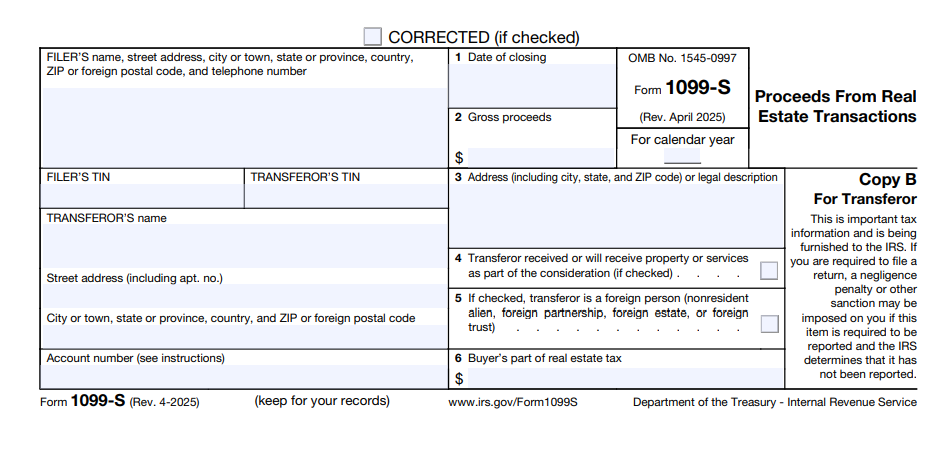
    IRS Form 1099-S

    Form 1099-S, officially called Proceeds From Real Estate Transactions, is an important document used to report property sales or exchanges to the IRS. If you work in real estate closings as a broker, attorney, title agent, or escrow officer, you might be the one responsible for filing it. Put simply, the IRS wants to make sure income from real estate sales is properly reported and taxed.

    The form covers various types of property, including:

    • Land: This includes both developed and undeveloped land, as well as airspace rights.
    • Permanent Structure: Residential, commercial, or industrial buildings that are considered inherently permanent. 
    • Condominium Units: This includes the unit itself, its fixtures, and any shared interest in common areas or land.
    • Cooperative Housing Stock: If a buyer purchases shares in a cooperative housing corporation (as defined under Internal Revenue Service Section 216), the transaction must be reported.
    • Standing Timber: Sales involving full ownership of standing timber must be reported.

    When Is Form 1099-S Needed?

    Form 1099-S must be filed for most real estate sales or exchanges considered reportable transactions under federal tax rules. Examples include:

    • Sale of a principal residence (even if the gain may be excluded under Section 121).
    • Sales made through land contracts.
    • Forced sales due to foreclosure risk.
    • Deals involving full ownership, leases longer than 30 years, or permanent easements.

    However, there are key exceptions:

    • Principal Residence Exclusion: Form 1099-S is not required if the property sold was the seller’s principal residence and the gain is fully excluded under Section 121 of the Internal Revenue Code.
      Here’s what qualifies:
      1. The sale price must be ≤ $250,000 for individuals or ≤ $500,000 for married couples filing jointly.
      2. The seller must certify that the property was their principal residence and that there was no disqualifying use after December 31, 2008.
      3. The seller must get this certification by January 31 of the next year and keep it for four years.

      Even if Form 1099-S is issued, the seller may still exclude the gain on their tax return. In such cases, the transaction should be reported on Schedule D, and the exclusion claimed accordingly.
    • Corporate or Government Transfers: Sales by corporations, government entities, foreign governments, or international organizations are exempt.
    • Non-Sale Transactions: Like inheritances, gifts, or refinancing that doesn’t involve buying property.
    • Transfers to satisfy debt: This includes foreclosures, deeds in lieu of foreclosure, or when a property is abandoned.
    • Small Transactions: If the total amount is under $600.

    Real estate professionals must evaluate each transaction to determine whether an exception applies, especially for principal residence sales, to avoid over-reporting or non-compliance.

    IRS Form 1099-S Deadlines and Penalties

    The IRS has strict deadlines, and missing them can lead to serious penalties.

    Here are the key dates to keep in mind:

    • February 17 – Provide the seller with their copy of Form 1099-S. This gives the seller enough time to include the proceeds on their tax return.
    • March 31 – Deadline to e-file Form 1099-S with the IRS. Most filers are required to e-file. If filing by mail, the deadline is typically February 28.

    Missing these deadlines can result in costly penalties, anging from $60 to $660 per form. Depending on how late you file and how many forms are involved. The longer the delay, the higher the penalty, so it’s important to stay on top of these dates.

    Who Is Responsible for Filing Form 1099-S?

    The responsibility for filing usually falls on the person handling the closing, often the closing agent such as a title company, as listed on the Closing Disclosure.

    Let’s break it down and see who is required to e-file 1099-S with the IRS If there’s no closing agent, responsibility follows this order:

    1. Buyer’s attorney (if involved in document preparation or fund transfer)
    2. Seller’s attorney
    3. Title or escrow company disbursing funds
    4. Mortgage lender with the primary lien
    5. Seller’s real estate broker
    6. Buyer’s real estate broker
    7. Buyer (if no other party qualifies)

    This responsibility can be reassigned with a written agreement made before or at closing. The agreement must include names and addresses of the parties, be signed and dated, and retained for four years. Only one party is required to file for each transaction, and employees or agents may act on behalf of their company or principal.

    In transactions without a title company (e.g., internal closings), real estate professionals ensure  the form gets filed. Practical strategies include:

    • Requesting the seller to complete Form W-9 for buyer submission
    • Including a designation clause in the purchase agreement
    • Giving the seller a pre-filled and addressed form to send to the IRS

    How to Complete Form 1099-S, Step by Step

    Filling out Form 1099-S accurately is crucial if you want to avoid penalties. Here’s what you’ll need to complete the form:

    • Filer’s name, address, and TIN: Identifies the reporting party
    • Seller’s name, address, and TIN: Must be obtained via Form W-9 (U.S. persons) or Form W-8 (foreign persons), with certification under penalty of perjury. Keep these records on file for at least four years.
    • Closing date: The official date the transaction is finalized
    • Gross proceeds: This includes the total amount received including cash, notes, and assumed liabilities. If the payment depends on future events like earnouts, report the highest amount that can reasonably be determined. Don’t deduct seller-paid expenses like commissions, report the full amount.
    • Property address or legal description: Specific identification of the property sold
    • Foreign seller indicator: Check if the seller is a nonresident, which may trigger withholding (see IRS Publication 515)
    • Buyer-paid real estate tax: If the buyer paid any real estate taxes, include that amount here.

    Real estate professionals should verify all the details at closing to make sure everything’s accurate and compliant.

    How to Report Real Estate Sales on Your Tax Return

    If a sale is reported on Form 1099-S, it must also be reported on the seller’s tax return, with reporting methods depending on the property type:

    • Principal Residence: If the gain qualifies for the exclusion ($250,000 for individuals, $500,000 for joint filers), it may be tax-free. But if a 1099-S is issued, the sale still needs to be reported, usually on Schedule D.
    • Investment Property: Use Schedule D and Form 8949 to report any gains or losses.
    • Rental Property: Use Form 4797 and Schedule D to report the sale, and be sure to account for depreciation recapture.
    • Business Property: Similar to rental property, use Form 4797 and Schedule D, including depreciation if applicable.

    Real estate professionals should help clients navigate the reporting process to make sure everything’s filed correctly and all exclusions or deductions are claimed.

    Beyond the basics, there also a few special situations that require extra attention:

    • Multiple Sellers: You’ll need to file a separate 1099-S for each seller. Be sure to allocate the gross proceeds clearly, and make a reasonable effort to contact all parties.
    • Foreign Sellers: These sales still need to be reported, and they may be subject to withholding under FIRPTA. (See IRS Publication 515 for details.)
    • Contingent Payments: Report the highest amount that can reasonably be determined at the time of sale.

    Avoid These Common 1099-S Filing Mistakes

    Form 1099-S may seem straightforward, but small missteps can lead to costly consequences. Here are some of the most common errors real estate professionals make and how to avoid them:

    • Verify Taxpayer Identification Numbers (TINs): Ensure the seller’s TIN is accurate and complete to avoid backup withholding or automatic penalties.
    • Complete All Required Fields: Include the seller’s full name, address, TIN, property address, gross proceeds, and closing date.
    • Use the Right Form: Don’t mix up Form 1099-S with other types like 1099-MISC or 1099-NEC.
    • Meet IRS Deadlines: Provide the seller’s copy by February 17 and file electronically with the IRS by March 31.
    • Keep Records: Hold onto copies of the form and any supporting documents for at least four years.
    • Assign Responsibility: Add a clause in the purchase agreement to clearly state who’s filing the form—this helps prevent duplicate submissions.

    To stay compliant, real estate professionals should:

    • Add a clause to the purchase agreement designating the Form 1099-S filer.
    • Use Form W-9 to obtain the seller’s TIN to avoid backup withholding issues.
    • Be aware of non-filing penalties, starting at $250 per violation, up to $565,000 annually.

    Final Thoughts

    If you’re in real estate, chances are you’ve run into Form 1099. It’s not the flashiest part of closing a deal, but it’s important to get it right. Knowing when it’s required, who needs to file it, and how to avoid common mistakes can save you from costly penalties. The right e-file provider can make the process a lot easier and help keep your transactions moving forward.

  • What Smart Property Owners Ask Before Hiring an HVAC Pro

    Heating and cooling might not be flashy, but when things go wrong, you feel it. Whether your tenants are calling about freezing bedrooms or your building’s system sounds like it’s about to lift off into space, you know that HVAC problems can turn into expensive ones—fast. That’s why hiring the right HVAC contractor matters. And if you own property—whether that’s a couple of rental units, a small commercial building, or something bigger—you need someone who actually knows what they’re doing and treats your building like it’s theirs.

    But let’s be honest. Everyone says they’re certified. Everyone shows up with a logo on their van. And everyone throws around words like “energy efficient” and “inspection included.” So how do you actually know who to trust? Here’s how to look past the sales pitch and figure out who’s worth calling back.

    Licenses Aren’t Just Paperwork—They Protect You

    The first thing you want to check is licensing, but not just because someone told you it’s the right thing to do. Licensed HVAC contractors have been tested on their knowledge. They’ve had to pass state exams and usually have insurance and bonding as well. That means if something goes sideways—like a tech damages your building or forgets to pull the right permits—you’re not left holding the bag.

    But there’s more to it than just checking a license number. Ask about ongoing education. HVAC systems change, especially with tighter energy standards and more eco-friendly tech becoming the norm. You want a contractor who isn’t stuck in the 1990s. If they’re keeping up with training, chances are they care enough to do things right the first time.

    Also, if you’re dealing with anything beyond a basic home setup—say, rooftop units or multi-zone buildings—make sure they’ve worked on properties like yours. There’s a big difference between installing a single furnace and managing a whole building’s climate control.

    Reputation Still Matters, Even in a Review-Flooded World

    You can find a thousand reviews for any service these days, but the good ones still stand out. Look for patterns. If five different property owners all say a company shows up late, that’s probably not a fluke. On the flip side, if someone writes a three-paragraph review about how a contractor saved them money by spotting a code issue the last guy missed, that’s worth paying attention to.

    Call a few past clients if possible—especially ones who’ve had similar work done. Ask how long the job took, whether the price stayed the same, and how the crew treated their building. A good HVAC contractor doesn’t just finish the job. They leave your place cleaner than they found it and answer your 10pm question when your heat randomly shuts off.

    Also, pay attention to how they treat you in the early stages. Are they walking through your space with care? Asking thoughtful questions? Talking through not just what you want but why you want it? That kind of communication is golden—especially if you’re planning on upgrading an HVAC system in a property you manage long-term.

    Modern Contractors Use Tools That Make Your Life Easier

    If a contractor still writes quotes by hand and shuffles paper invoices in a metal clipboard, that might be fine for small jobs. But if you’re running a building, or even several, you need someone who knows how to keep things smooth and efficient. That’s where their tech setup can really help—or hurt—you.

    Today’s best HVAC contractors use streamlined tools behind the scenes that make things run faster and with less confusion. Ask what kind of systems they use to track service calls, schedule appointments, and handle billing. If they shrug or say, “we just kind of wing it,” that’s a red flag.

    The contractors worth working with know that their HVAC software will streamline the communication with techs and you as well as make paperwork a breeze. No more wondering when someone’s going to show up or digging through old emails to find an invoice. When systems are organized, jobs get done faster, mistakes are fewer, and you get to focus on bigger things—like your next building acquisition or just getting through the week without five maintenance calls.

    Pricing Should Be Clear, Not a Puzzle

    Let’s talk about the money part. You should never feel like you’re guessing. A good HVAC contractor will walk you through their estimate, explain why they’re recommending certain repairs or replacements, and tell you where you have options. They won’t pressure you into replacing a whole unit when a tune-up would do. And if you do need a big upgrade, they’ll show you the numbers behind the why—like projected energy savings or longer equipment lifespan.

    Watch out for vague language in contracts, too. “Miscellaneous fees” should raise a red flag. Ask them to spell it out. The best pros are transparent because they’ve got nothing to hide. And if they offer financing or service plans, those should be explained clearly. Not every landlord needs a monthly plan, but if it helps avoid surprise repairs, it might be worth it.

    Also, don’t fall for the lowest bid just because it’s cheap. Sometimes that number means corners are being cut, or worse, the work won’t be up to code. Remember, heating and cooling problems often hit at the worst time—like the middle of summer or during a January cold snap. You don’t want to be left with a contractor who ghosts when things get messy.

    Long-Term Relationships Beat One-Off Fixes

    An HVAC system isn’t a set-it-and-forget-it kind of deal. You’re going to need someone to call when things stop working—and they will, eventually. That’s why it pays to build a long-term relationship with a contractor who already knows your building. They’ve seen your system before. They’ve got notes on your past repairs. They can spot patterns that save you money down the road.

    Ask contractors if they offer ongoing maintenance plans or regular inspections. Even something as simple as twice-a-year checks can catch problems early, extend the life of your equipment, and keep tenants happy. It’s not just about avoiding big repairs—it’s about keeping your property running smoothly and avoiding the stress of emergency calls.

    A contractor who sticks around and gets to know your property becomes part of your operations team. And when you’ve got someone you trust, those late-night calls feel a lot less stressful.

    In the end, picking an HVAC contractor shouldn’t feel like a gamble. When you ask the right questions, pay attention to the details, and watch how someone treats your property from day one, you’ll be able to tell who’s the real deal. And once you’ve got the right pro on your side, you’ll wonder how you ever managed without them.

  • 7 Essential Steps to Homeownership After Addiction Recovery in the UK

    Recovering from addiction takes a lot of strength and support. In the United Kingdom, there’s a strong link between addiction and homelessness, with each potentially precipitating the other. Securing stable housing is conducive to the recovery process, thereby promoting improved well-being and mitigating the challenges associated with addiction.

    Various types of drugs next to a UK flag on a table, symbolizing the country's struggle with addiction

    However, accessible housing is becoming increasingly scarce. In response, the UK government and local authorities are augmenting their assistance for housing and rehabilitation, including a £53 million allocated to providing secure housing for individuals undergoing drug and alcohol recovery.

    In 2021, around 6,400 people died from drug-related causes. About 1.5 million adults in the UK are estimated to have substance use disorders. A significant correlation exists between addiction and housing instability, with a substantial proportion of individuals experiencing homelessness also encountering chronic substance use challenges. In the UK, the number of homeless individuals suspected of struggling with addiction is nearly 193,000.

    Rehab is usually the first step in recovery, often beginning with a drug rehab programme, where people start working through challenges and learning healthier ways to cope. After treatment, gaining independence, especially finding a stable place to live—is usually a big goal. This guide walks you through simple, practical steps to help you rebuild your life and move toward homeownership after addiction recovery.

    1. Embrace the Recovery Journey

    Fully engaging in the recovery process is essential. This entails not only the completion of a rehabilitation program but also sustained dedication to continuous support through aftercare services, such as psychotherapy or support groups. Within the United Kingdom, a multitude of resources are accessible, including Alcoholics Anonymous, Narcotics Anonymous, and National Health Service provisions, all of which provide ongoing support.

    Building a strong foundation for your future depends on having a reliable support network comprising family, friends, and peers who possess an understanding of one’s journey and are capable of bolstering their trajectory towards autonomy.

    2. Establish Financial Stability

    Financial stability is a crucial aspect of gaining independence and eventually buying a home. Getting your finances in order is essential for gaining independence and eventually buying a home. Start by looking over your finances and setting up a budget that accounts for your income, expenses, and savings goals. You might also want to work with a financial planner to create a plan tailored to your needs.

    Save for a home: If you’re a first-time buyer, take advantage of a Lifetime ISA or Help to Buy ISA, as there are government incentives available on savings for a house deposit. Tackling debt: Clear any debt to enhance your credit score and overall financial position. Enhance your income: Seek additional employment or side income, for example, a part-time role or freelance contract.

    3. Improve Your Credit Score

    A good credit score is vital when applying for a mortgage in the UK. Lenders use it to decide if you qualify. To improve your credit score, try these tips:

    • Check your credit report for errors or things that could be improved. You can get a free copy from companies like Equifax or Experian.
    • Always pay your bills and debts on time, it’s one of the biggest factors in your credit score.
    • Limit how often you apply for new credit, each application can temporarily lower your score.

    4. Educate Yourself About the Housing Market

    Making informed decisions about becoming a homeowner means learning about the UK housing market. Look at different areas, different kinds of property (like detached homes, flats, or terraced houses), and market conditions. Consider attending workshops for first-time buyers or consulting estate agents. Learn about fixed-rate and variable-rate mortgages, as well as government schemes that can help first-time buyers, such as Shared Ownership and Help to Buy. Be aware of ongoing costs of homeownership, such as building insurance, maintenance, and council tax.

    5. Create a Supportive Living Environment

    When it’s time to buy a home, pick a place that supports your well-being. Look for communities that value connection and offer access to resources like health services and recovery groups. If buying on your own feels overwhelming, consider living with peers in recovery or close friends to share financial and emotional support.

    6. Set Realistic Goals

    As you work toward self-reliance and homeownership, set realistic goals. Break your big goal into manageable steps, like saving a set amount each month or visiting a certain number of properties each week. Celebrate your progress along the way to stay motivated and on track.

    7. Seek Professional Guidance

    Buying a home can be really challenging, especially for those in recovery. It’s important to get advice from trusted professionals who can offer real support during the buying process, like mortgage advisors, real estate agents, and legal experts. It’s also a good idea to keep meeting with a therapist or recovery coach to help manage any emotional challenges and make sure you continue moving forward.

    Conclusion

    Becoming independent and buying a home after recovering from addiction is a tough journey, but it’s definitely worth it. By fully embracing your recovery, building financial stability, and learning about the real estate market, you can lay a strong foundation for your future. There are many resources available in the UK to support you along the way, including local support groups and government initiatives. Be kind to yourself as you work toward independence, because it takes time and patience. Your dream of homeownership can come true with the right resources, encouragement, and persistence, leading to a more promising and fulfilling future.

  • 5 Red Flags Homebuyers Should Never Ignore

    Graphic concept of a man with a phone, house, magnifying glass, and key
    Source: freepik.com

    So, you finally found a house you love. It checks all the boxes, from the location to the layout. But slow down! Don’t rush into closing the sale. Your excitement could soon turn into regret once you find out the problems that were not immediately evident during the first visit.

    For many people, the home-buying process is often emotional. It could be love at first sight, as if you were destined to live there. However, logic should not be secondary. Thorough inspection is critical. Most importantly, you must know how to spot red flags before they give you a nightmare. Read on and learn about the signs worth your attention.

    1. Structural Problems

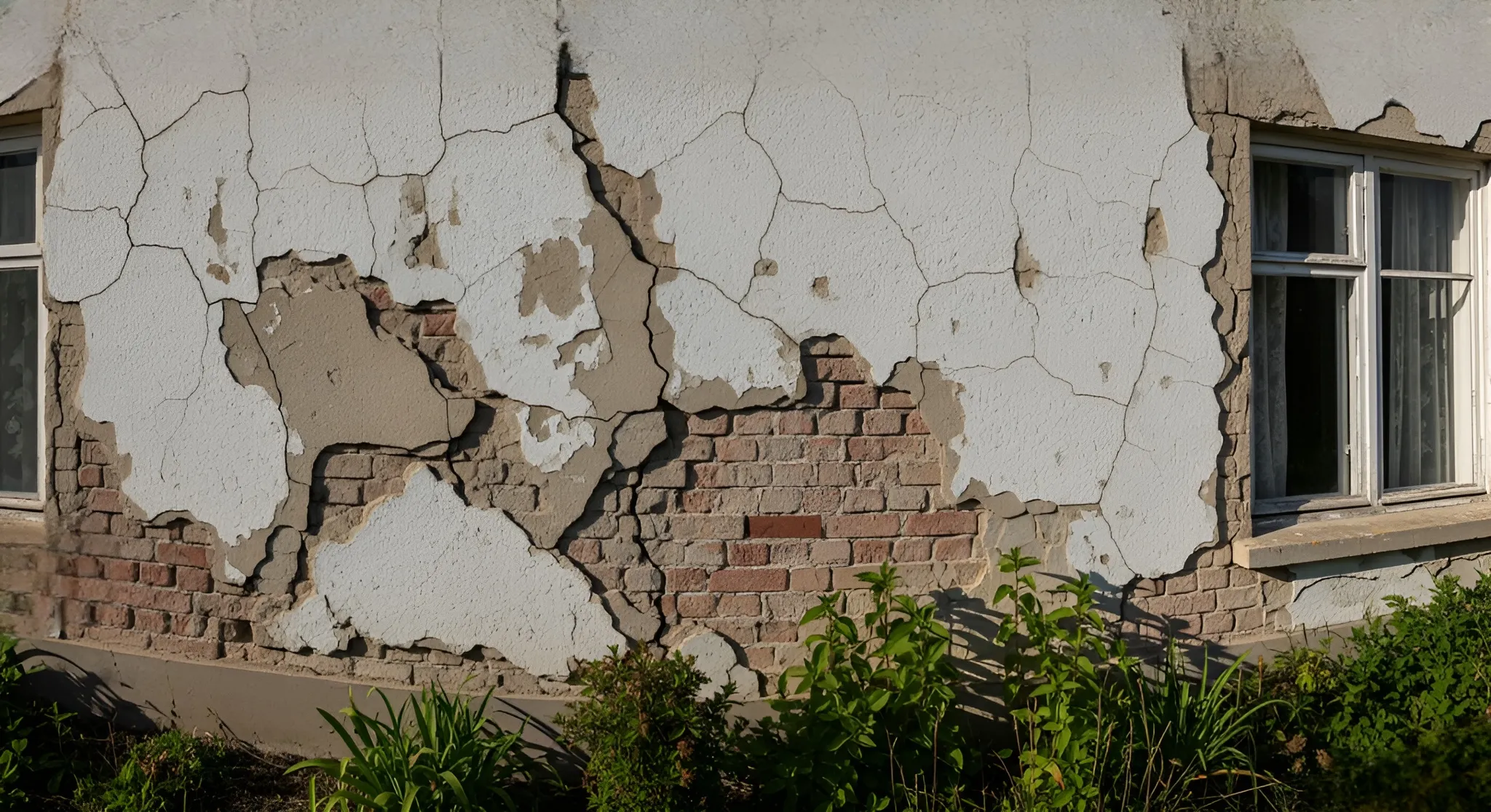
    A strong foundation is the backbone of a durable house. Visible wall cracks are among the most serious. They can be indicative of damage that the previous homeowner failed to address. Worse, if the house is brand new, it could signal poor construction that resulted in structural deterioration even before someone has lived in it. 

    Uneven floors are also clear signs of structural issues. Structural settling, excess water, ground shifting, poor construction, and normal wear are among the most common culprits. It’s worth looking at the materials used and seeing if they’re the ones to be blamed. 

    Don’t ignore the roof. Many people don’t have the time to inspect the roof because of its height, but that should never be the case. A small issue can quickly escalate when triggered by external factors, such as a storm or strong wind. 

    What To Do:

    Hire a licensed engineer for a professional assessment. This way, you can have an accurate picture of the severity of the damage. They can identify if the issues are simple cosmetic problems or if they compromise the overall structural integrity of the house. If repairs are necessary, request proof of permits for previous foundation repairs and demand that the seller fix them before closing the sale.

    2. Lingering Foul Odor

    An unusual smell is one of the most obvious indicators of a looming problem. Mold and mildew growth can be evident, which is reflective of humidity control problems. Molds contain allergens, irritants, and toxic compounds, which can compromise your health. Unaddressed, they also speed up property damage and affect the overall quality of life. 

    The strange smell could also originate from some parts of the house that were poorly constructed. A smell from sewage shows a plumbing problem. It could contain methane, a flammable gas that may leak. There can also be burnt electrical components, which represent fire hazards. 

    What To Do:

    Demand a professional mold inspection before moving in. Insist that the seller follow a certified mold remediation protocol to guarantee safe removal. Request air quality tests for peace of mind. For other areas, trace the root cause of the smell and address the issue. Be transparent with the seller, so you won’t have to suffer. 

    3. Outdated Electrical Systems

    Electrical inspection is non-negotiable before closing the sale. Wires are often hidden from plain sight, making it difficult to assess their quality with just a glimpse. Worse, many people don’t have the technical knowledge to determine what kinds of wiring follow existing regulations. They may look fine from the outside, but they can already be harboring fire hazards inside. 

    These problems are more common in older homes. For example, those built before the 1980s may still be using a knob-and-tube wiring or aluminum system. These wires lack grounding and are prone to degradation, making them dangerous. 

    Watch out for common signs of electrical issues, such as flickering lights, uneven temperature, and warm outlets. It could be because the system is unable to handle the current electrical load or simply because it’s too old. 

    What To Do:

    Checking and fixing electricals is one thing better left in the hands of experts. Hire an electrician to inspect outlets, wires and panels. Request a full rewiring if the system is unsafe. If the seller disagrees, leave. If only minor upgrades are needed, such as replacing a single outlet, you can request a seller credit instead. 

    4. Water Stains on Ceilings and Walls

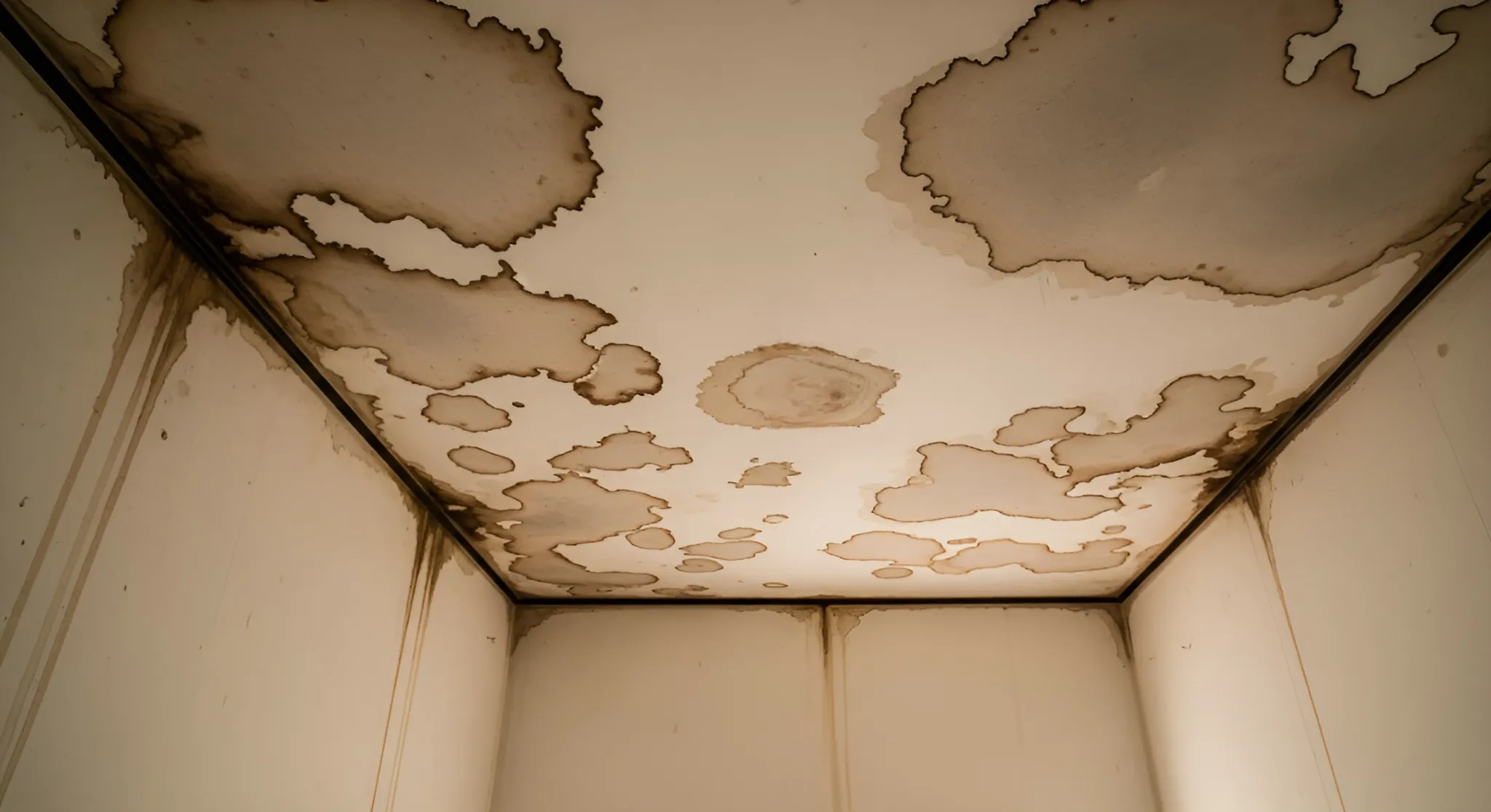
    Water spots on the ceiling and wall can be an eyesore. They unintentionally draw attention. Even if they have already dried, it doesn’t mean they can be ignored. They can signal water damage, which can worsen the longer they are unaddressed. Here are some culprits to look at: 


    • Roof Damage: A leaking roof is most likely the source of the problem. Rainwater may seep into the house, especially after heavy rains. 
    • Malfunctioning HVAC: An AC drip pan may crack. Air ducts might burst. Drainage issues and incorrect installation are also potential suspects. 
    • Pipe Leaks: A bathroom upstairs may also be the problem. Water and sewers may have been outdated or damaged. 
    • Humidity and Condensation: The inability of built-in home systems to manage temperature fluctuations can cause moist air and water stains. 

    What To Do:

    A quick paint job can be an easy fix. However, this works only if the problem is cosmetic. Otherwise, the stain will reappear soon. Identify the main source of the leak and fix the problem, such as by replacing broken pipes or repairing a damaged roof.

    5. A Neighborhood That’s Too Quiet

    A too-busy community may be excessive for some. You may prefer to live in a quieter area, which is generally perceived as more peaceful. That’s true, but it can also be a problem. If the neighborhood is too quiet, there are a few possibilities to consider: 

    • Lack of buyers interested in living in the area 
    • Poor business activity, which could signal economic decline 
    • Likelihood of crimes because of having few watchful eyes 
    • Absence of essential facilities, such as supermarkets, schools, and restaurants nearby 

    What To Do:

    Invest in thorough research. Ask around from other people living in the area, so you can have a general picture of what life there will look like. Utilize online resources to pull critical data, such as crime rates and economic growth. Read recent news articles to see if developments are being planned. 

    Wrapping Up 

    A relaxing bedroom, chic bathroom, functional living space, lush garden, and strategic location may instantly pull you into a house for sale. On the surface, it looks like a dream, especially if it falls within your budget. Upon deeper inspection, however, a house may reveal red flags that can be indicative of poor quality. From visible stains on the ceiling to musty odor coming from mold, keep an eye out for different factors that may shatter the life you imagined.

  • Budgeting for Unexpected Housing Expenses: What Every Renter and Owner Should Know

    Source: unsplash.com

    Unexpected housing issues are more common than you’d think. They can include anything from sudden repairs to financial difficulties, and they often lead to negative experiences for homeowners.

    Whether you’re a homeowner or a renter facing a sudden lease termination, unplanned housing expenses hit hard. I’ve been there. Many of us have. The best way to deal with these unpleasant surprises is to budget for them. But if you ever find yourself short on cash, reputable online lending platforms like CreditNinja.com offer installment loans designed to help with real-life needs.

    Today, we’re breaking down a practical guide to help you plan ahead for those unexpected moments. With real data and actionable tips, you’ll be more prepared for whatever comes your way.

    For Homeowners

    Let’s start with the basics, if you own a home, it’s a good idea to set aside 1% to 3% of its value each year for maintenance and repairs.

    That means if your house is worth $200,000, you should aim to stash away $2,000 to $6,000 annually just for upkeep. Or, you can use the $1-per-square-foot rule, which is a bit easier to visualize. For example, if you have a 1,800 sq ft home, that’s $1,800 a year to keep in your home repair fund.

    What You Can Do:

    • Do regular seasonal checkups: Little things like cleaning gutters, inspecting the roof, or sealing drafts can prevent huge bills down the road.
    • Create a dedicated home repair fund: Start with 1–3% of your home’s value or $1 per square foot.
    • Look into a home warranty: While not a fix-all, a home warranty can help cover repairs on major appliances or systems.
    • Review your homeowner’s insurance: Make sure your policy reflects today’s costs and your actual risk. If you’re in a flood or earthquake zone, look into supplemental coverage.
    • Plan ahead for renovations: Know the cost of replacing your roof, windows, or water heater, and build that into your long-term budget. Check local averages using resources like HomeAdvisor.

    Of course, this isn’t just a homeowner thing. Renters face their own set of unexpected expenses. Let’s break it down.

    For Renters

    Renters might not be footing the bill for roof repairs or busted pipes, but that doesn’t mean they’re off the hook when it comes to unexpected costs.

    A 2024 study by the Urban Institute found that more than 1 in 3 renters experienced an unexpected move in the past five years—often due to lease non-renewals, evictions, or job relocations. And moving? It’s not cheap. Even a local move costs around $1,250 on average.

    What You Can Do:

    • Build an emergency fund with 3–6 months of expenses: This is your financial cushion if you suddenly need to move, lose a job, or cover unexpected living costs.
    • Start small: Even $20 a week adds up. Automate it if you can.
    • Keep it separate: A high-yield savings account you don’t touch for anything but emergencies is ideal.
    • Get renters insurance: It usually costs around $15–$20/month and covers stolen or damaged items. It can also include liability protection if someone’s injured in your unit.
    • Know your lease: Read the fine print. Who handles appliance repairs? What happens if you break the lease early? These answers can save you serious money and stress.
    • Plan for move-out costs: Cleaning fees, minor repairs, or even full carpet replacement can eat into your security deposit. Leave the unit in great condition and document everything.

    So whether you’re renting or owning, one thing’s for sure, you need to be prepared for unexpected housing costs, and that means budgeting ahead.

    Why Budgeting for Unexpected Expenses Matters

    Housing is the #1 expense for most Americans. According to the U.S. Bureau of Labor Statistics, housing accounts for about 33% of the average household’s spending. And yet, many folks don’t budget for the “extra” stuff, those infrequent but inevitable costs that come with simply having a roof over your head.

    In a 2025 report, Bankrate found that only 44% of Americans could cover a $1,000 emergency with savings. That’s less than half the country, meaning millions would need to borrow, charge a card, or delay repairs.

    But by planning now, even in small ways, you can soften the blow. Think of it like preventative design. You know how we always say: a little effort upfront saves a ton of work and cost later? Same goes for your housing budget.