Tag: Real Estate Technology

  • Modernizing Real Estate Portfolios: How Analytics Platforms Are Transforming Asset Management

    Real estate asset management is shifting from intuition-based decisions to data-backed strategies. With rising complexity and investor expectations, business analytics platforms are playing a central role in portfolio oversight and performance optimization.

    An estimated 70% of real estate executives are increasing investment in analytics technologies. These tools now underpin many Real Estate Asset Management Platforms, enabling firms to assess performance, manage risk, and improve efficiency at scale.
    Business Analytics in Real Estate: Why It Matters in Asset Management

    Smarter Investment Decisions

    Analytics platforms equipped with predictive modeling help firms estimate future property values, rental demand, and market shifts. By combining historical trends with real-time data, investors can make better acquisition, disposition, and capital allocation choices. Portfolios using analytics have reported returns up to 8.4% higher than those using traditional management methods.

    For instance, a mid-sized investor using data on employment trends, migration patterns, and school district ratings can better target suburban multifamily properties with high growth potential.

    Operational Efficiency and Cost Savings

    Centralized dashboards and automated workflows streamline property operations. Features like predictive maintenance and energy usage tracking can reduce costs by 15% to 25%. This efficiency improves margins while minimizing manual oversight.

    As an example, a 100-unit apartment complex using predictive maintenance might avoid major HVAC system failures, saving $30,000–$50,000 annually in emergency repairs and lost rent.

    Real-Time Risk Monitoring

    Modern analytics tools integrate diverse data sources to detect risks early. These include tenant defaults, compliance issues, or market downturns. Having a real-time risk profile allows asset managers to act proactively and protect portfolio value.

    Some platforms use geospatial analytics and macroeconomic indicators to flag regions with rising vacancy rates or declining rental values, prompting timely repositioning strategies.

    Full Portfolio Visibility

    Analytics platforms replace siloed reports with a centralized view of all assets. By consolidating asset management metrics in one place, managers can compare performance across properties, identify underperforming units, and shift capital to maximize ROI—all from a single interface.

    For example, comparing net operating income (NOI) and cap rates across similar property types in different submarkets can highlight where to deploy renovation budgets for the greatest impact.

    Better Tenant Retention

    Tenant-focused analytics track satisfaction, behavior, and feedback. This insight helps managers design living and working environments that align with tenant needs, improving retention and long-term income stability.

    For example, monitoring service request frequency or move-out surveys can reveal operational issues before they lead to turnover. A reduction in annual turnover from 40% to 25% could translate to thousands saved in leasing and vacancy costs.

    Faster, More Accurate Valuations

    Automated Valuation Models (AVMs) powered by machine learning can deliver estimates with a 3–5% margin of error. These are especially useful when managing large or geographically dispersed portfolios, where traditional appraisals are costly or slow.

    AVMs can analyze recent sales comps, rent trends, and construction costs in real time, especially helpful in fast-moving markets like Austin or Phoenix, where values can shift significantly in months.

    Sustainability Monitoring

    Analytics also help track energy usage, carbon output, and water consumption. Many platforms integrate with IoT sensors to provide real-time sustainability metrics, aiding compliance with environmental regulations and supporting green initiatives.

    Properties using sustainability analytics may also qualify for green financing programs, like Fannie Mae’s Green Rewards, which offer better loan terms for buildings meeting energy efficiency benchmarks.

    Key Takeaway

    Real estate analytics platforms are no longer optional. They’re essential tools for investors and asset managers who want to modernize operations, reduce risk, and maximize returns. With the right platform in place, data becomes a strategic advantage.

    FAQs: Real Estate Analytics Platforms

    • What is a real estate analytics platform?
      A software solution that centralizes data and helps evaluate asset performance, forecast trends, and make data-driven decisions.
    • How does analytics improve investment decisions?
      By using predictive modeling and real-time data to identify profitable opportunities and reduce risk.
    • Can analytics tools replace traditional property management software?
      Yes. Many platforms integrate or replace traditional tools by offering features like predictive maintenance alerts, performance tracking, and centralized dashboards.
    • Are these platforms useful for small property managers?
      Yes. Smaller operators can use analytics to improve operations, cut costs, and compete more effectively. Entry-level platforms often offer tiered pricing or integrations with existing property management tools.
    • What types of data do these platforms use?
      Common sources include rent rolls, maintenance logs, market comparables, utility data, tenant surveys, and IoT sensors. Some platforms also ingest third-party data like credit scores, census trends, and weather forecasts.
    • How do analytics tools support sustainability?
      They monitor energy and water usage, track emissions, and help meet environmental compliance goals. Many also benchmark performance against standards like ENERGY STAR or LEED.
    • What sets Leni apart?
      Leni offers AI-driven insights, customizable reporting, and real-time alerts. All in a user-friendly interface designed for property managers and investors. It also supports integrations with major property management and accounting systems.
  • How Virtual Staging Turns Empty Rooms into Dream Homes

    Have you ever wondered why selling an empty house is so tough? It’s like trying to sell a story without characters. Real estate agents and homeowners alike face the same challenge when trying to sell an empty property. Empty rooms feel cold, echoey, and uninviting, almost soulless. Potential buyers don’t see themselves living, laughing, and making memories in such spaces. For a successful sale, this connection is essential. As a result, properties often sit on the market for an extended period, struggling to gain the attention of potential buyers. They’re not just uninspiring, they fail to spark any emotional connection.

    So what’s the real issue? Traditional photos of empty rooms may be accurate, but they don’t create any sense of atmosphere. Buyers can’t picture themselves living there. That’s where virtual staging comes in. With the help of a professional architectural visualization company, it is possible to transform any space into the cozy, inviting space buyers want.

    What Is Virtual Staging?

    Virtual staging is the revolution in property presentations. With the help of 3D visualization services, you’ll see realistic, high-quality images that make empty rooms feel complete. Designer create 3D models of stylish furniture, decor, artworks, and other interior design elements and then drop them into photos of unfurnished spaces.

    But it’s more than just editing a photo; it involves creating shadows, textures, and angles that make everything look real from every perspective. A professional architectural visualization company brings all of this to life, helping you show buyers exactly how much potential a space really has.

    How Virtual Staging Elevates Property Listings

    Of course, it might seem unfamiliar at first, but virtual staging is a powerful way to take your property listings to the next level. Here’s why sellers are turning to virtual staging.

    Enhanced Visual Appeal and Online Presence

    In real estate, stunning visuals are a must. Great images help your listing stand out and grab the attention of buyers who are often scrolling through dozens of options.

    Virtual staging shows your property in the best possible light, with furnished, inviting rooms instead of bare, empty ones. High-quality 3D renderings leave a lasting impression and, more importantly, help buyers imagine themselves living in the space.

    In a crowded market, strong visuals are everything. Rendered images are more eye-catching, which means they’re more likely to attract clicks and serious interest.

    Cost and Time-Saving Benefits

    Virtual staging costs significantly less than traditional staging. There’s no need to rent furniture, hire moving services, and pay for professional staging. Everything is done virtually by 3D rendering experts. You’ll get the results within a few days or, in some cases, within a few hours. As a result, your property hits the market faster and at a lower cost. For real estate pros, the return on investment is clear.

    Helping Buyers Picture Themselves at Home

    Empty rooms leave buyers guessing: will this place actually meet their needs? What will their furniture look like? What kind of finishes feel right? Is this the home they’ve been dreaming of? Virtual staging creates a lifelike vision of what their future home could look like. It helps buyers understand the scale and layout of each room, answer questions about furniture and lighting, and most importantly, build an emotional connection with the space.

    Buyers can imagine themselves enjoying morning coffee on the porch or spending time watching the Super Bowl together with friends in the living room. As a result, they will be more likely to make an offer since you are selling a lifestyle, not just a house.

    Customize the Look to Match Any Buyer

    Traditional staging simply can’t compete with the flexibility of virtual staging. With virtual staging, you can change the entire style of a property with just a few clicks. Whether you’re targeting families or single professionals, you can tailor each image to reflect what they’re looking for, even a quiet space to work on projects.

    You can show the kitchen in a cozy cottage style or go with a more modern look. Images are powerful marketing tools. And with 3D visualization, you’re not stuck appealing to just one kind of buyer. You can tailor your visuals to suit any audience and always show the home in its best light.

    How Architectural Visualization Companies Work Their Magic

    So, how does an architectural visualization company make the digital magic happen? It all starts with high-resolution photos and floor plans of your space. The more detailed, the better the result.

    Next, based on your instructions and ideas, the team creates a digital version of the space and begins adding elements from their extensive catalog. Wall moldings, furniture arrangements, and decor are selected from a wide range of popular brands and design styles.

    However, 3D rendering is not just about placing furniture and decor. It’s about carefully adjusting shadows, lighting, and angles to make everything feel real. As a result, the 3D rendering studio delivers photorealistic scenes designed to transform any empty room into a captivating, lived-in space.

    Virtual Staging Is a Powerful Solution

    With the help of professional 3D visualization services, you can create just about any dream home. This technology is a game-changing marketing tool that’s redefining how properties are presented and how buyers experience them.

    Virtual staging speeds up the sales cycle, helps buyers visualize the space more clearly, and boosts a property’s overall appeal. For real estate professionals, partnering with a skilled 3D rendering agency is a smart move. After all, 3D rendering is about selling a vision, sparking an emotion, and connecting potential buyers with their future homes.

  • How to Use Property Management Call Analytics to Maximize ROI

    To maximize ROI in property management through call analytics, integrate call tracking and analysis into your strategies. Call analytics reveals how potential tenants and clients engage with your services by analyzing property management calls, inbound call data like duration, frequency, and conversion rates. Implement a call tracking system to identify effective marketing channels.

    Real estate agencies that use call tracking tools report up to a 55% increase in conversion rates on inbound calls. Additionally, approximately 85% of real estate marketers say that phone calls generate their highest-quality leads.

    Analyze call recordings for quality interactions, focusing on key performance indicators such as resolution rates and customer satisfaction. Integrating insights with property management software automates follow-up processes, improving engagement and reducing client loss. This approach enhances service, tenant satisfaction, and retention, contributing to ROI. Using call analytics fosters continuous improvement in marketing efficacy and operational performance.

    Below are four practical strategies to turn call data into cash.

    1. Implement Call Tracking

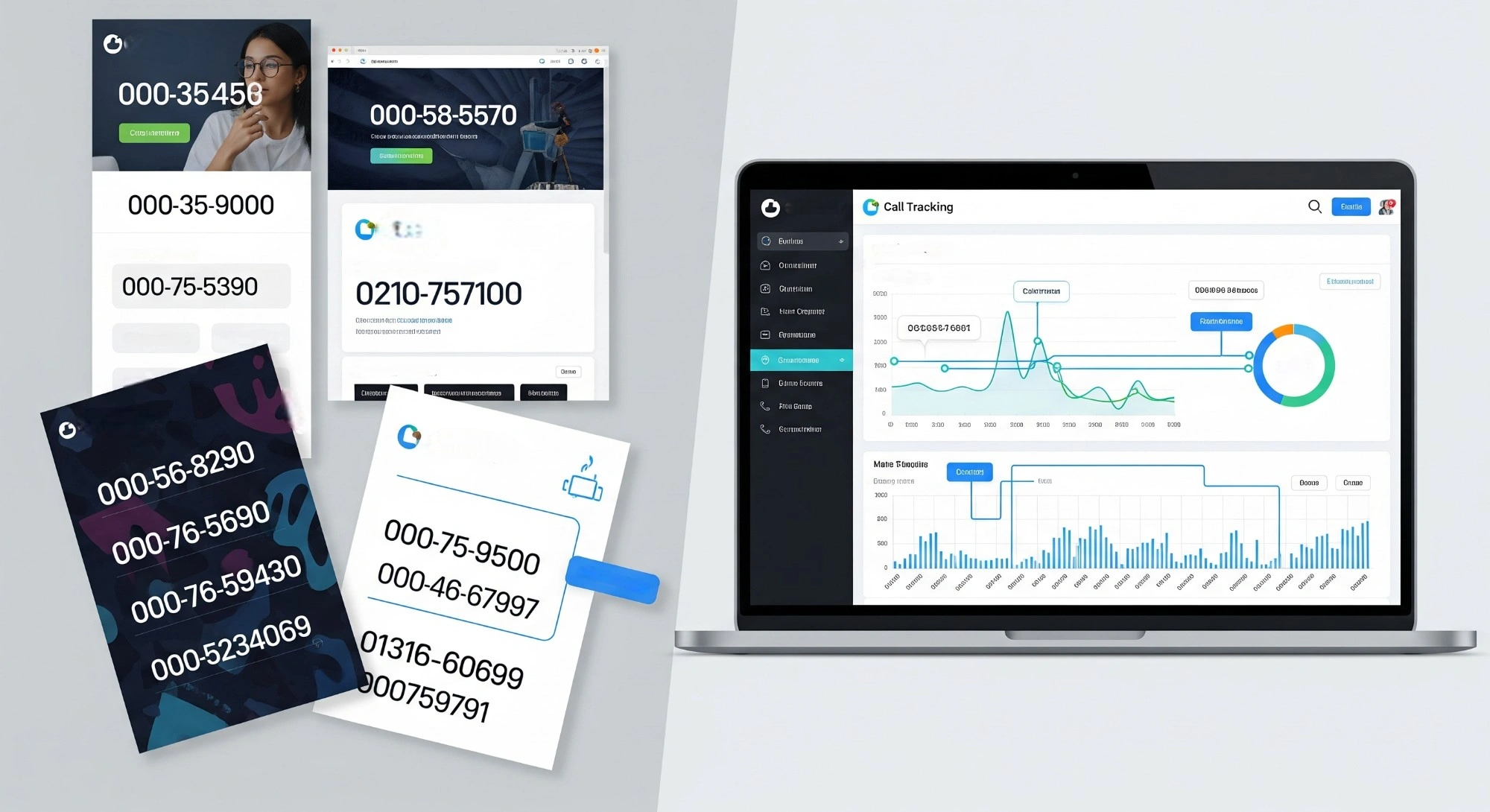
    Dynamic Number Insertion (DNI) automatically swaps out the phone number on your website based on where visitors come from, whether that’s a Facebook ad, an organic search or a flyer with its own unique number. By assigning a distinct tracking number to each marketing channel, you’ll know exactly which ads or touchpoints are driving calls and which aren’t worth the spend.

    We found that 86% of real estate calls last longer than one minute, showing strong engagement and lead interest.

    Beyond DNI, logging every incoming call’s metadata (caller ID, timestamp, call duration) gives you a clear view of which campaigns deliver the most serious leads. The property firms using DNI see significant clarity in budget allocation, often shifting 15–25% of their ad spend to top-performing sources.

    Here’s how to set up call tracking effectively:

    • Assign unique phone numbers to each online and offline channel (web pages, social ads, print materials).
    • Capture caller details (number, time, duration) to link calls back to their source.
    • Store call logs in a centralized dashboard for easy comparison across campaigns.

    2. Analyze Call Insights

    Once you’ve collected call data, dig into it to spot your hottest leads. Look for patterns, times of day when callers convert at higher rates, marketing sources that yield the biggest deals, or phrases prospects use when they’re ready to sign. This level of insight lets you double down on what works and tweak what doesn’t.

    We found that calls made between 10 a.m. and 2 p.m. often have the highest conversion rates in real estate. In one case study, a real estate agency using call analysis improved lead response by 40% simply by adjusting its follow-up workflows based on call patterns.

    Here’s how to dig into your call data for meaningful takeaways:

    • Identify High-Value Leads: Pinpoint which campaigns are attracting serious renters or buyers, so you can put more money behind what’s working.
    • Improve Response Times: Measure how long it takes agents to answer and target peak windows where faster pickups could boost satisfaction.
    • Optimize Team Performance: Compare call outcomes by agent, then tailor coaching on objection-handling or script adjustments.
    • Understand Customer Needs: Analyze common questions and concerns to refine your website FAQs, email follow‑ups, and ad copy.
    • Analyze Conversation Content: Use transcription tools to uncover which phrases or offers resonate, and lock in what works for sales conversations.

    3. Utilize Data for Strategic Decisions

    Call analytics isn’t just for reports, it drives smarter decisions across marketing, operations and customer care. When you know which channels produce quality leads, you can confidently reallocate ad spend.

    We estimate that 1 out of 3 real estate businesses fail to respond to leads within an hour, even though rapid response can significantly increase close rates. In one case, a multi-location property manager discovered that 75% more qualified leads came from social ads compared to print after reviewing DNI-based call data.

    If certain audience segments call more often, craft messages that speak directly to their needs. And by personalizing every touchpoint, from the first ring to the lease agreement, you build loyalty and reduce churn.

    Below are ways to use these insights to drive smarter decisions:

    • Optimize marketing strategies: Invest more in high‑performing channels and pause low-performers to boost overall ROI.
    • Target the right audience: Use caller demographics and behavior data to refine ad targeting and messaging.
    • Improve Customer Experience (CX): Leverage call history to personalize follow‑ups and anticipate tenant needs.
    • Make your team more efficient: Identify bottlenecks, like call‑routing delays and implement workflow fixes to handle inquiries smoother.
    • Train and coach agents: Base coaching sessions on real call recordings and performance metrics to sharpen sales skills.

    4. Integrate Call Analytics with Other Data

    True ROI comes from seeing the whole picture. Plug call‑tracking metrics into your Property Management Software (PMS), CRM, Google Ads or Facebook Ads Manager so you can trace every lead, from click to lease. With integrated dashboards, you’ll know not only where each lead originated, but how much revenue it’s generated.

    We note that integrating call data with your CRM allows property firms to calculate exact cost per lead and attribute revenue with over 98% accuracy.

    Here’s how to tie call data into your broader tech stack:

    • Combine call data with online behavior (form fills, site visits) for full-funnel visibility.
    • Sync call outcomes (appointments set, applications submitted) back to your CRM for centralized reporting.
    • Use unified data to run A/B tests on ad creative, landing pages or script variations, then measure impact on calls and conversions.
    • Keep stakeholders aligned by sharing integrated reports that track marketing spend against actual signed leases.

    By weaving call tracking, deep analysis, strategic use of insights and seamless integration into your workflow, property managers can turn every phone ring into actionable data, driving smarter marketing, more efficient operations and, ultimately, a higher ROI.

  • DallasNow Is Live: Changing Permitting and Planning in Dallas

    The City of Dallas took a significant leap into the digital age on Monday with the official launch of DallasNow, a comprehensive land-management system designed to streamline the city’s permitting, zoning, and inspection processes. City officials say the new platform will not only expedite development projects but also bring unprecedented transparency to a system long criticized for its opacity and sluggishness.

    Starting May 5, 2025, developers, business owners, and residents seeking permits or zoning changes will interact with city planning and development services through DallasNow—a unified online portal that replaces a patchwork of legacy systems.

    “DallasNow is more than just a new website—it’s a transformation in how we serve our community,” said Planning and Urban Design Director Maria Hernandez at a press conference Monday morning. “For too long, our permitting process has been a source of frustration. With this platform, we’re making it easier for everyone to do business with the City of Dallas.”

    The city’s previous permitting system, a mix of paper records and outdated digital tools, often led to delays and confusion. Developers sometimes waited weeks for updates, while residents struggled to track the progress of their applications.

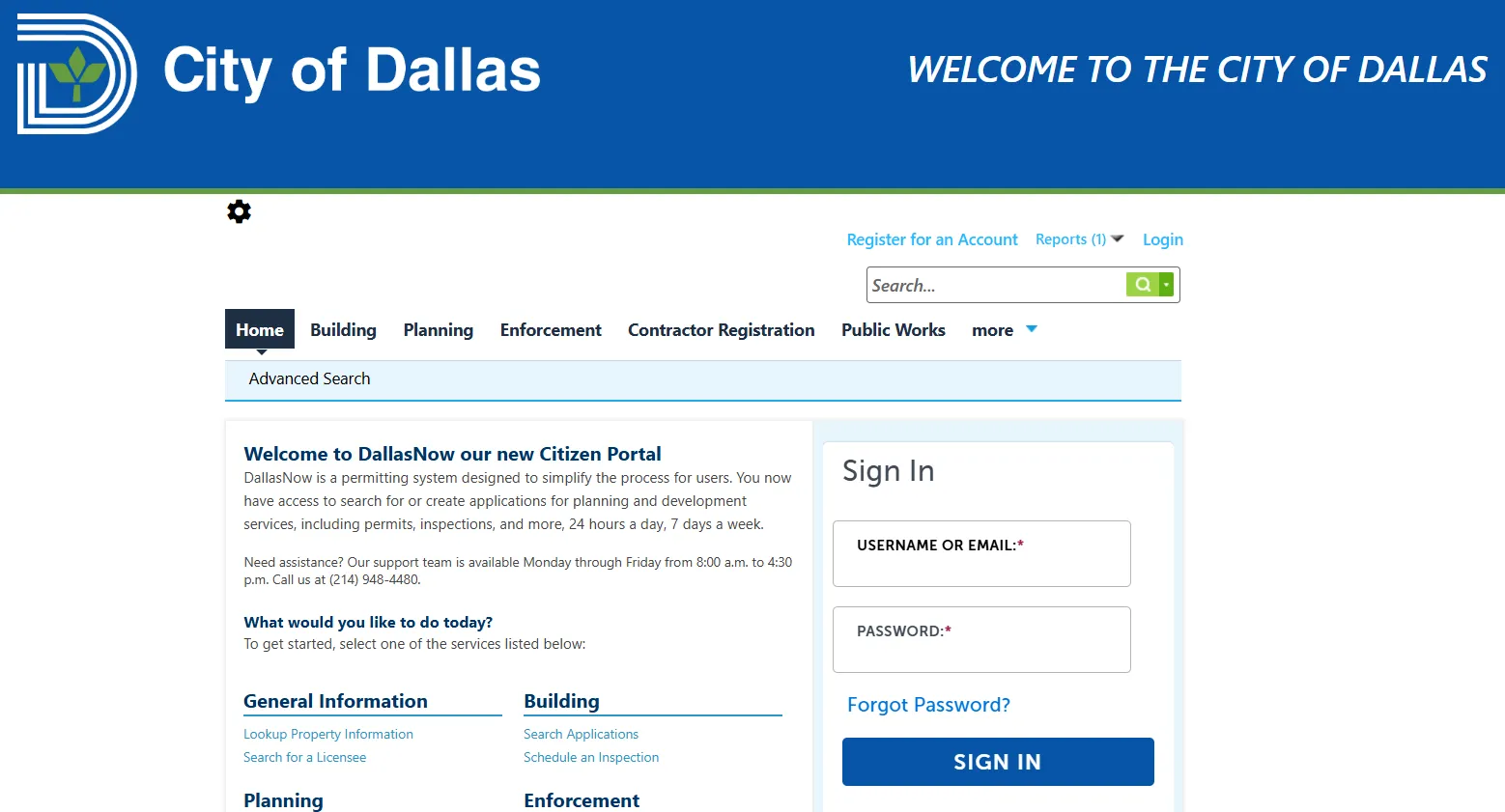
    One of DallasNow’s most touted features is its real-time tracking capability. Applicants can now log in to see exactly where their project stands, read comments from city staff, and receive instant notifications about permit statuses and upcoming inspections.

    “Before, it felt like sending your application into a black hole,” said local architect James Lee, who previewed the system during a pilot phase. “Now, I can see who’s reviewing my plans and what steps remain. It’s a game-changer.”

    The platform also itemizes fees and provides electronic records of all transactions, a move city leaders say will help curb confusion and foster trust.

    “This is about meeting people where they are—in the digital world,” said City Manager T.C. Broadnax. “We’re eliminating unnecessary trips to City Hall and making government more accessible.”

    Technical Terms Explained:

    • Permitting: The process by which individuals or companies obtain official approval from the city to undertake construction, renovation, or certain business activities.
    • Zoning: Regulations that determine how land within the city can be used, such as residential, commercial, or industrial purposes.
    • Inspections: Official examinations conducted by city staff to ensure that construction or other activities comply with safety codes and regulations.
    • Land-management system: Software that integrates various city functions related to land use, making it easier to manage applications, track progress, and communicate with stakeholders.

    While DallasNow represents a substantial investment—city officials declined to specify the total cost—they argue that the benefits far outweigh the expense. “This is an investment in Dallas’s future,” Hernandez said. “We’re building a city that’s easier to navigate, not just for developers, but for every resident.”

    The rollout is not without its challenges. City staff have undergone extensive training, and a dedicated help desk is fielding questions as users navigate the new system. So far, early feedback has been largely positive.

    “Change is never easy, but this is the right direction,” Lee said. “It’s about time Dallas caught up with the times.”

    With DallasNow, city leaders hope to set a new standard for municipal transparency and efficiency—one that, if successful, could serve as a model for cities nationwide.

    DallasNow offers numerous benefits including streamlined processing with a unified cloud-based system that improves workflows for application submissions, reviews, and inspections. It enhances public transparency allowing users to submit applications, track status, and manage inspections online in real-time with instant email notifications.

    The cloud platform provides 24/7 access, online payment options, and user-friendly navigation. DallasNow will be accessible to City of Dallas customers who need to set up an account.

    Click HERE or the image above to access DallasNow

    For more information, please visit https://dallascityhall.com/departments/sustainabledevelopment/Pages/DallasNow.aspx or call the Call Center at (214) 948-4480.

  • Smart Resource Management for Improved Real Estate Operations and Efficiency

    The key to success in the real estate business lies in being efficient. In order to remain profitable and responsive, real estate agents must maximize their operations, including the handling of multiple clients and the coordination of various property listings. Effective resource allocation and workflow management must be used to keep deals in motion and customers satisfied.

    The Power of Technology in Real Estate Operations

    Through the use of sophisticated real estate technology, agents and property managers can automate repetitive tasks, minimize administrative mistakes, and make informed decisions more quickly. Technologies like CRM software, property management platforms, and advanced business intelligence systems allow professionals to work more strategically while enhancing the customer experience.

    Common Challenges in the Real Estate Business

    Many real estate professionals across the U.S. often face challenges such as:

    • Managing multiple properties and portfolios across various markets
    • Maintaining consistent communication with clients
    • Handling compliance with federal, state, and local regulations
    • Keeping track of lease agreements, renewals, and maintenance timelines

    Without streamlined systems in place, professionals risk missing critical deadlines, overlooking valuable opportunities, and experiencing burnout—all of which can hurt long-term productivity and revenue.

    Streamlining Is a Must

    Given all the moving components involved, simplifying your company operations is not a luxury, but rather a necessity for survival. Eliminating inefficiencies helps professionals to spend more time on income-generating tasks including property marketing, lead generation, and client acquisition.

    How Smart Technology Boosts Operational Efficiency

    Some of the most significant ways in which smart technology is revolutionizing the real estate market include:

    • Property management software: Keeps all property information in one place, such as lease agreements, maintenance history, rent receipts, and tenant contact. Products such as Buildium, AppFolio, or Yardi are widely adopted across the U.S. for this purpose.
    • Cloud-based collaboration: Allows teams to work in real time, whether they’re in the office or in the field. This is especially critical for brokerages with agents operating across multiple markets.
    • Market intelligence platforms: Sophisticated tools analyze local market trends, project home values, and help investors make informed acquisition decisions.
    • Automation tools: Automate scheduling, rent reminders, document creation, and follow-ups. This significantly reduces time spent on repetitive administrative tasks.

    Actionable Strategies to Streamline Your Real Estate Business

    Here are practical ways to improve efficiency and performance:

    1. Adopt Property Management Software
      Use platforms such as Buildium or AppFolio to manage listings, coordinate tenant interactions, collect rent, and process maintenance requests through a centralized dashboard.
    2. Automate Client and Tenant Communications
      Schedule automated follow-ups, drip email campaigns, and SMS reminders for appointments, lease renewals, and rent notifications.
    3. Implement Cloud Storage Solutions
      Utilize tools such as Google Workspace, Dropbox, or OneDrive to securely store and easily access client documents, disclosures, and contracts.
    4. Leverage Predictive Tools for Smarter Decision-Making
      Use platforms such as Zillow Premier Agent or Revaluate for lead scoring, pricing insights, and local market trend analysis.
    5. Organize Physical Documentation
      While most transactions have moved online, use secure off-site storage for hard copies, and ensure all records are clearly labeled for fast retrieval in case of audits or legal review. Storage facilities at NSA Storage, Colorado Springs, CO provide secure and convenient options for safeguarding sensitive real estate documents.

    Real Impact of Smart Technology

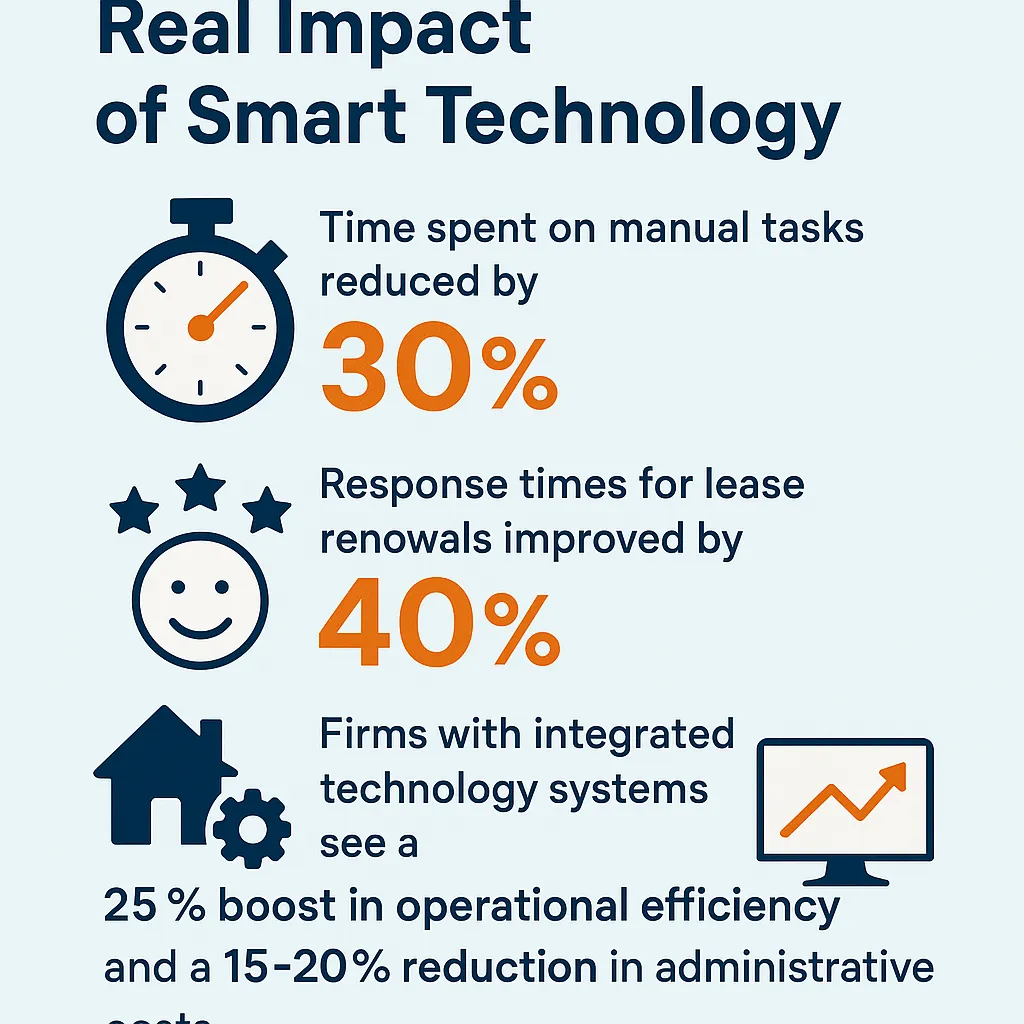
    A property management firm in Dallas, TX, adopted AppFolio to manage maintenance, lease renewals, rent collection, and vendor coordination. After six months:

    • Time spent on manual tasks was reduced by 30%
    • Response times for lease renewals improved by 40%
    • Tenant satisfaction scores increased significantly

    Firms with integrated technology systems see a 25% boost in operational efficiency and a 15–20% reduction in administrative costs, according to the National Association of Residential Property Managers (NARPM).

    Frequently Asked Questions

    Q: What are effective ways to enhance real estate processes?
    A: It automates property tracking, document management, and communication—reducing human error, saving time, and improving service delivery.

    Q: What is the most suitable storage solution for real estate documents?
    A: Cloud services are ideal for digital records; secure off-site storage should be used for sensitive paper-based documents. For example, storage units in Colorado Springs, CO offer secure and organized off-site solutions.

    Q: How can I track resources and assets efficiently?
    A: Utilize platforms with real-time dashboards and inventory tracking features to monitor the performance of assets, equipment, and properties.

    Optimize Your Real Estate Business Now

    Whether it’s multifamily housing, commercial properties, or an expanding residential portfolio, implementing intelligent resource management solutions is no longer optional—it’s a necessity.

    By optimizing your workflow with the right technology, you will:

    • Reduce time spent on manual tasks
    • Enhance client satisfaction
    • Increase operational profitability

    Start today by evaluating your current processes and integrating tools that align with your business goals.

  • US Housing Market Crash: Why So Many Realtors Are Quitting

    The slowdown in the housing market, mostly caused by the COVID-19 pandemic five years ago, has taken a toll on real estate agents. The rising mortgage rates and economic hardships drove most potential buyers away from buying homes, causing agents, who live on commissions, to struggle to keep their businesses afloat.

    According to the Federal Reserve Bank of St. Louis, the number of full-time real estate agents and brokers was around 543,000 before the pandemic in 2019. That figure declined to 524,000 by 2021 and 512,000 by 2022. The decline accelerated in 2023 with only 440,000 agents remaining, and by 2024, that number dropped again to 398,000. These are the lowest levels since 2013, far from the over 504,000 agents at the start of the financial crisis.

    In addition to economic factors, AI is changing the real estate industry. More people are using websites and apps to buy and sell homes without real estate agents, the industry is being disrupted. Online platforms offering home valuations, virtual tours, and market analysis are becoming more popular and downplaying the role of real estate agents as intermediaries.

    Accordingly, the number of brokers and agents that are full-time has declined from its pandemic-era peak. Both regulatory reforms and tech disruption are responsible for this transformation.

    Adding to the pressure, dozens of lawsuits have been filed against the National Association of Realtors (NAR). NAR settled with plaintiffs in March 2024 for $418 million for complaints that it required home sellers to offer big commissions to agents representing the buyers under the “cooperative compensation” practice of NAR. NAR changed rules under the settlement terms that forbade sellers from including the offer of commissions for agents representing the buyers within the terms of the property for sale.

    Emily Oster, Founder of DALTX Real Estate, says this is part of a larger industry trend. “It’s the new era that agents have to be more flexible and focus more on niche areas,” she said. She cited the necessity for agents to leverage tools like AI for finding leads and processing transactions as the most vital tools for future agents.

    Real estate agents need to adapt and thrive in the changing real estate market. With so many property websites available now, sellers and buyers are increasingly able to find homes on their own, without needing an agent. Agents who don’t keep up with the changes will be left behind. Future agents will need to specialize in market analysis, finance, and developing strong negotiation skills. While the tech streamlines the transactions’ process, agents are still valuable trusted advisors.

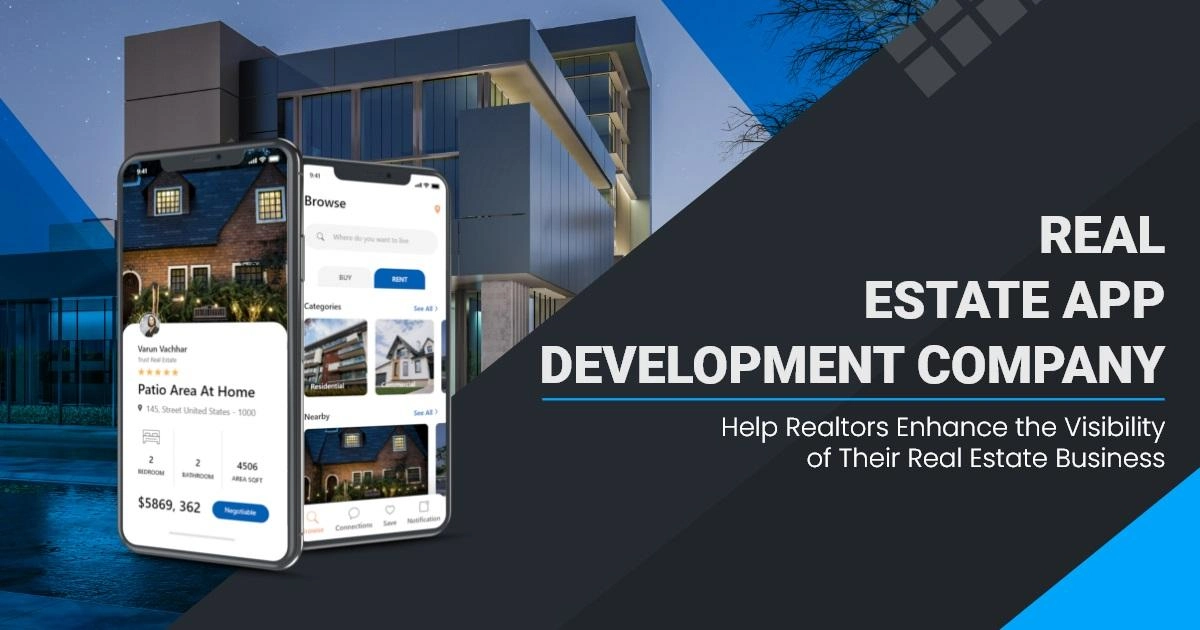
  • Homestack vs. Custom Real Estate App Developers: Making the Right Choice

    Source: linkedin.com

    It has been said before that in the contemporary hi-tech real estate business, having a mobile application for your enterprise is simply imperative. An app optimizes use, and many operations if not all, and communicates with the client.

    However, deciding between an out-of-the-box solution like Homestack and hiring a custom real estate app developer is a critical decision that will impact your business’s growth and operations.

    Why Apps for Real Estate Are So Important for Your Company

    Real estate applications are powerful means that allow agents, buyers, and sellers to share experiences with little hitches. Some of the multiple features include access to propertied and its details, virtual tours, booking, and scheduling among others all offered conveniently through a mobile gadget. While Homestack offers a ready-made platform tailored for real estate businesses, working with a custom real estate app developer gives you the flexibility to create features unique to your needs.

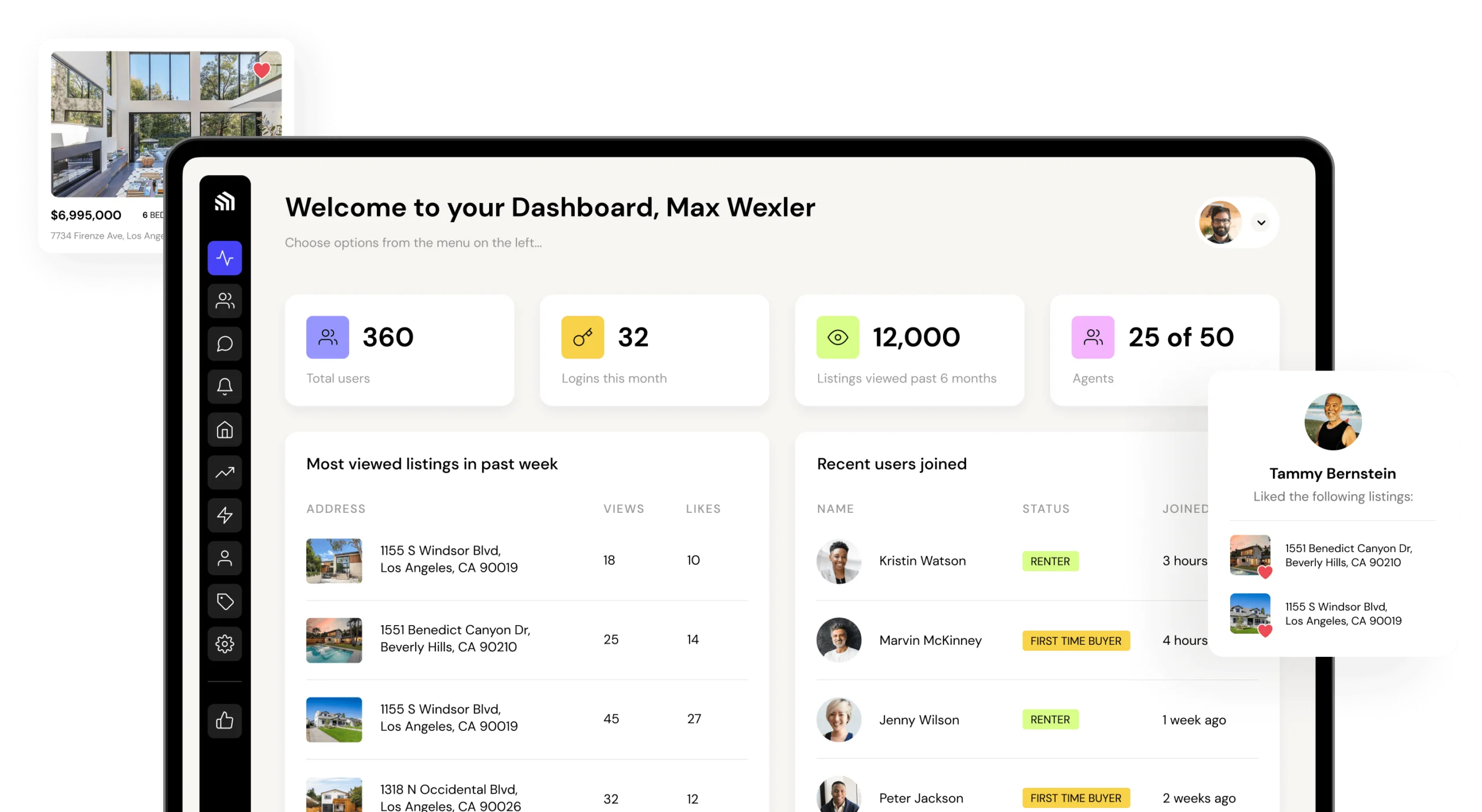
    Homestack: A Ready-Made Solution

    Source: homestack.com

    1. Quick Deployment

    Homestack is a reference platform, and if you select it, then your app can be set up in a few hours or days at most. The foremost advantage of Homestack may have been the fact that it enables you to find a solution immediately without having to spend all of the time and effort that other sites demand out of you.

    2. Cost-Effective for Small Businesses

    Since there is not much that needs to be built, Homestack is a cheaper proposition than the Traditional architecture for the smaller brokers or those who do not have a lot of money to spend.

    3. Standard Features

    The three necessary components are property search, virtual property visitation, and contact with the agents or owners which Homestack houses. These may be good enough for most firms but can be less appropriate for customization, given the nature of micro-environments.

    Custom Real Estate App Developers: Tailored to Your Needs

    1. Unique Features and Branding

    Working with a custom real estate app developer allows you to design an app that reflects your brand and caters to your specific requirements. It also means that you can include several things, such as the capability for boosting some search operations or optimal property recommendations with the help of an artificial neural network together with the CRM system, built for your enterprise.

    2. Scalability

    With the intended growth of your business, custom applications are developed for use. Since the app belongs to your business, you can expand or enhance the app to meet new market needs and remain useful.

    3. Enhanced User Experience

    An app developed from scratch gives a nicely integrated user interface. Usually, developers can optimize the designs and the flow of work according to the preferences of a particular target audience, thus increasing the level of satisfaction of the latter.

    4. Long-Term Investment

    To make it less costly, a custom solution may be more expensive initially, but revenue in the long run can be much better. The app grows to be an exclusive value proposition that helps to set your brand apart and appeal to intelligent customers in the technology sector.

    Factors to Consider When Choosing

    • Budget: This will indicate the extent of investments, to be made in the present or the future.
    • Timeline: Determine the time frame for the app within which you want/need it to be launched.
    • Features: Determine for what kind of functions, out of the box or standard, your business needs.
    • Growth Potential: Think of what your future business objectives are and if the app aligns with them and can grow with you.

    Conclusion:

    Choosing between Homestack and a custom real estate app developer depends on your business’s specific needs, budget, and goals. That is,

    Homestack is great if you require a quick-and-dirty solution and don’t mind paying a lot more than you have to, you want the most flexible solution with maximum host scale and going to be around longer, custom development is the way to go.

    After that, make a personal judgment to find out which solution perfectly fits your ideal vision for your real estate business. Therefore, having a suitable app implies the possibility of enhancing how you deliver your services, reinforce your image, and compete in a fully fledged market.

  • The Role of Technology in Real Estate Transactions

    We know technology has become very important in revolutionizing conventional transactions. From digital platforms to AI, every new innovation reshapes the way buyers and sellers communicate in a real estate transaction, especially with programs such as buy before you sell.

    Let’s dive in to discuss the key elements that make up this transformation.

    Digital Platforms

    Online markets and listing services reformed the new ways of providing a house view and availability. This network of services offers real-time information, customized notification, and glitch-free user experience that helps in finding the house of their choice more efficiently for buyers.

    Virtual Tours

    Virtual tours have restructured the face of the real estate industry with the development of virtual reality and 360-degree video. Buyers can now view homes from a distance, which will save time and enhance the process of decision-making.

    Data Analysis

    Real estate experts relied on big data and analytics in order to get close to an approximate understanding of buyer behavior, price dynamics, and market trend analysis. For this, CMA tools provide more complete property value details.

    Blockchain

    Blockchain technology has been revolutionizing property transactions with its guarantees of security, openness, and efficiency. It drives smart contracts that can simplify and automate many facets of real estate transactions.

    Mobile Apps

    For buyers and estate brokers, too, mobile apps have become so important. The applications contain mortgage calculators, property searches, and instant messaging, hence easing the entire purchase process.

    E-Signatures

    E-signatures have eased the burden of paperwork involved in real estate transactions. E-signature platforms enable the parties to digitally sign the documents, thereby eliminating the physical paperwork and streamlining the process of closing.

    Cloud Computing

    Real estate data is now maintained, accessed, and shared through cloud technologies that are changing everything. It guarantees protection and access from any point; therefore, perfect collaboration between brokers, buyers, and sellers is made possible.

    Artificial Intelligence

    AI-powered tools smoothen the process of real estate transactions in terms of efficiency and effectiveness. From forecasting the value of properties to understanding market trends, AI helps agents and investors make better decisions.

    Remote Work Impact

    Remote work has started affecting the trends of real estate; thus, more people now show their interest in those homes which provide facilities of workspaces at home. In sum, the trend affects the property demand and also changes urban development strategies.

    Cybersecurity

    Cybersecurity also prominently features, and agents are coming up with all sorts of solid policies that assure clients that the information is safe from potential hackers. Of course, there has been the rise of the iBuyer companies to help change how real estate operates-mostly in buy-before-you-sell transactions-because the selling really comes so seamlessly with those.

    Conclusion:

    Technology has made the process of real estate transactions easier, simpler, more transparent, and hassle-free for buyers and sellers in recent times. With the rise in digital technologies and more yet to come, the future of real estate will finally have to adjust itself to maintain competitiveness in the dynamic and technology-driven market.

  • Real Estate 3D Expenses: What to Expect and How to Calculate for Non-Professionals

    Understanding architectural rendering price is essential for anyone venturing into real estate. This is especially important for amateurs who may wish to enhance the appearance of their projects using 3D models but have no clue where to start. The fact is that whether you are looking forward to unleashing a fresh project into the market, selling off some units or just trying to plan for the future; then the use of 3D render will greatly impact on your work!. The reason why these are so important is because they give life to your project and thereby facilitate communication with buyers, investors, and contractors. Be that as it may, there is a flip side to it — 3D rendering does not come cheaply, & its cost is not uniform either.

    Navigating the 3D rendering cost landscape can feel overwhelming, mainly because many factors affect the final price. This article will teach you more about expenses, what influences those costs, and how to plan your budget effectively. Let’s ensure your project gets the visual representation it deserves without breaking the bank.

    Factors Influencing 3D Rendering Costs

    Type of Service

    The 3D rendering cost largely depends on the type of service you need. Not all renderings are created equal, and different visualizations come with varying price tags. Here’s a brief overview:

    1. Interior Rendering: These renderings focus on the inside of a property, giving life to furniture, light, textures, and more. Interior rendering costs typically range from $400 to $2,500, depending on the level of detail required, such as customized furniture or realistic lighting.
    2. Exterior Rendering: Want to see how your building looks from the outside, perhaps with its surroundings? Exterior visualizations can cost anywhere between $600 and $4,000. Complex projects, like aerial views of neighborhoods, generally cost more.
    3. 3D Floor Plans: These are great for clearly visualizing space. Depending on the floor layout’s complexity and the required details, they typically cost $500 to $2,000.
    4. Animation: If you want an engaging fly-through of your building, expect to pay around $100 to $250 per second of animation. It can add up quickly if you need a lengthy video, but animations provide an incredibly immersive experience.

    Pricing Models in the 3D Rendering Industry

    Now, let’s talk about how studios determine pricing. The 3D rendering cost you pay can vary based on the studio’s pricing model:

    • Paying per Image: If your project is small and requires just a few visualizations, paying per image might be the best option. This allows you to control the number of images you need and their quality.
    • Per Package: A flat-rate package can provide better value for larger projects. This gives an idea of the upfront cost, ideal for projects with multiple views and renderings.
    • Hourly Rate: When a project’s requirements are evolving or unclear, opting for an hourly rate might be beneficial. Depending on the project’s length, it provides flexibility but might be costlier.

    Typical 3D Rendering Cost Ranges

    Interior and Exterior Renderings

    Interior 3D architectural rendering may cost between $400 and $2,500. Interior designs usually require a lot of details which may include complex lighting systems, different material finishes with textures, as well as furniture types. The increased level of detail accounts for why interior renderings are somewhat costlier than those done on the outside. Be that as it may, exterior rendering is cheaper costing between $600 to $4,000 depending on factors like complexity or views needed while other cases may apply too.

    Animation and 3D Floor Plan Costs

    The pricing of animations is done on a per second basis with the cost ranging from $100 to $250. Such costs may be attributed to factors like the length, animation style and rendering requirements in terms of computing power. In the same way, most 3D floor plans cost about $500-$2000 each but they really help see if one room smoothly goes after another one in a building!.

    How to Calculate 3D Rendering Costs for Your Project

    Preparing a Detailed Brief

    To accurately calculate your project’s 3D architectural visualization cost, start with a well-prepared brief. This helps in budgeting and ensures you and the studio are on the same page. Here are the key elements to include:

    • Project Description and Purpose: Outline why you need the rendering for marketing or personal use. Attach any drawings, sketches, or architectural plans.
    • Level of Detail: Are you looking for photorealism, or is a simplified version sufficient? Specifying the level of detail upfront helps studios estimate costs accurately.
    • Number of Images or Animation Duration: Clearly define how many images or animations you need.
    • Deadlines and Style References: Provide the timeline and any specific styles or visual references you want to ensure everyone’s on the same page.

    Key Factors Affecting Costs

    1. Complexity of Design: The more complex the design, the higher the cost. Features like intricate textures, realistic light, shade, or multiple layers of depth can increase the time and expense of rendering.
    2. Revisions and Changes: It’s best to keep revisions minimal. The more changes you request, the more expensive it becomes, as each revision may require a complete re-render of the image or scene.
    3. Experience of the 3D Artist: A highly experienced artist will undoubtedly charge more, but the quality and efficiency often justify the cost. Investing in experienced professionals is usually worth it if you’re looking for top-notch quality.

    Ways to Save on 3D Rendering Costs

    Using Standard Libraries

    Employing standard libraries as opposed to tailor-made models is a great strategy of cutting down architectural rendering cost. For example most of the studios would have some 3D models which are already available for certain furniture’s or fixtures and this can be included into your rendering!. It is much cheaper to create new models from scratch; therefore, this approach is also cost effective and efficient.

    Efficient Project Planning

    Good planning can make all the difference. Communicate clearly and provide as much information upfront as possible to reduce revisions. This not only saves time but also keeps the rendering budget under control. A well-thought-out plan helps the studio focus on the creative aspects without getting bogged down in continuous edits.

    Choosing the Right Pricing Model

    The suitable pricing model depends on the nature of your project:

    • If you only need a few visuals, per-image pricing may be best.
    • A package deal might offer better value if looking at a more extensive development.
    • If you need flexibility and don’t have a fixed plan, go for an hourly rate.

    Choosing the right model can significantly reduce overall costs and help you get the best value for your money.

    Challenges in Estimating Rendering Costs

    Variation by Studio and Location

    Costs can vary significantly depending on the studio’s location. Studios in developing countries may offer cheaper rates, which might come with downsides like language barriers or stylistic differences. It’s crucial to weigh these pros and cons before choosing a studio.

    Balancing Quality and Budget

    Balancing quality and budget can be challenging, especially if you’re new to this. Going for cheaper options is tempting, but remember, quality often comes at a price. Lower-cost services might work if your project is purely conceptual, but for commercial purposes, higher-quality renderings can make a significant impact.

    Conclusion

    Even though it may seem complicated to calculate and comprehend the costs involved in 3D rendering, this is not true. With some certain information & plan, even amateurs can pull it off like a pro. People who are not experts can follow this by knowing about what kind of options are there for them regarding services, how prices are usually set at certain levels, as well as what may increase final expenses. The most important factor whether you have taken the per image cost or going with complete package is to plan properly, select appropriate studio and communicate openly on expectations while keeping track of additional costs!. In the end, an excellently created three-dimensional visual representation serves more than just connecting one’s dreams with reality on a two-dimensional platform; it creates a sense of touch even when nothing has been constructed yet!


    Author :

    Diana Coleman is a Content Marketing Manager at Omega Render, specializing in 3D architectural modeling services. With a keen focus on creating compelling content that drives engagement, Diana blends her marketing expertise with a deep understanding of the 3D rendering industry. She helps Omega Render connect with clients and showcase its innovative services.