Tag: real estate marketing

  • Why Cultural and Musical Events Are the Secret Weapon in Real Estate Marketing

    A real estate agent and a couple in a house
    Image Source: freepik.com

    Posting an online listing, sending out flyers, or making a few phone calls used to be enough to get attention on a property. These tools still work, but today’s buyers expect more. They’re not just comparing numbers on a sheet. They want something that feels personal, something that makes them remember the house long after they leave.

    That’s where cultural and musical events come in. An open house with live music, local food, or an art showcase can turn a standard showing into an experience. Instead of buyers walking through quietly and leaving after a few minutes, they stay longer, connect with the space, and picture what life there could feel like. These moments make a property memorable in a crowded market.

    Why Events Matter in Real Estate Marketing

    Flyers and online photos can show a house in its best light, but they rarely capture what it’s like to actually be inside. A glossy brochure might highlight the hardwood floors, yet it won’t tell a buyer how the place feels on a Saturday afternoon with people gathered in the kitchen.

    You’ve probably seen it happen before: buyers walk into an open house, glance around, nod politely, and slip out a few minutes later. They don’t connect with the space, and by the end of the day that house blends in with all the others they toured.

    An event changes that rhythm. Maybe it’s a small jazz group with talented jazz band performers playing in the living room, or a tasting table with regional dishes set up in the dining area. Suddenly the house feels alive. People linger. They chat, laugh, and picture themselves hosting their own friends there. Those little moments, hearing music in the background or tasting food at the kitchen counter give buyers something to remember when they talk about the home later.

    According to Newsweek, Dallas is experiencing a surge in homes for sale. Market prices have also dropped. It becomes more challenging to attract the right buyer. That’s when events can help you rise above the competition.

    In a busy market, where buyers see one property after another, the homes that stand out are the ones that leave an impression. An event gives them that impression, not through sales talk, but through a feeling they carry with them after they walk out the door.

    Cultural Events as Community Builders

    Every neighborhood carries its own rhythm. Sometimes it’s the corner diner that’s been around forever, sometimes it’s the muralist painting on a brick wall, or the weekend market that draws families together. When you fold that character into an open house, you’re essentially using experiential marketing, the property feels less like a listing and more like a place people already know.

    Picture walking through a showing where a local baker offers samples in the kitchen, while a guitarist plays on the porch. Guests linger, not just to look at rooms, but to talk with neighbors and soak in the atmosphere. They’re not only seeing a house, they’re getting a taste of daily life.

    That kind of experience is hard to forget. Long after the brochures are tossed, buyers will remember the sound of music drifting through the rooms, the smell of fresh bread, or the casual chat with a neighborhood artist. It feels real, and it makes the house harder to shake from their minds.

    Musical Events: Rhythm Adds Appeal

    Step into a typical open house and the first thing you notice is often the silence. Footsteps echo in empty rooms, conversations stay hushed, and within minutes people are back out the door. Nothing about it lingers.

    Now add music. A soft piano in the living room, a jazz trio in the backyard, or even a simple playlist that matches the vibe of the home. The atmosphere changes instantly. Guests stay longer, they talk more freely, and the house feels less like a product on display and more like a place where life happens.

    Music has a way of shaping memory. Buyers may forget the exact square footage, but they’ll remember the sound of a saxophone filling the hallway, or how a lively song in the kitchen made them smile. Those impressions stick far better than numbers on a sheet.

    Different styles can highlight different moods. Classical strings add a touch of elegance, acoustic guitar brings warmth, and upbeat jazz encourages energy and conversation. Choosing the right sound isn’t about background noise—it’s about letting buyers feel something real while they’re in the space.

    Planning Event-Driven Property Marketing

    Good events don’t just happen by accident. To really make an impression, you need a clear plan that matches the property and the people you want to reach.

    Know your buyers

    A condo near a university attracts a different crowd than a home in a retirement community. Think about who’s most likely to walk through the door and tailor the experience to them. A young couple might enjoy a lively local band, while a more upscale audience may respond better to a string quartet or a wine tasting.

    Work with local talent

    Musicians, artists, and chefs from the area bring authenticity to the event. They also help draw in guests who already follow their work. Partnering with community talent adds credibility and makes the event feel connected, not staged.

    Pick the right time

    The schedule matters. Weekend afternoons tend to work best for families, while evening events may attract professionals who stop by after work. Seasonal touches also make a difference—think holiday carols in December or outdoor acoustic sets in the summer.

    Plan the flow

    A successful event feels smooth, not crowded or chaotic. Make sure people can move easily from room to room, that food and drinks are placed where they invite conversation, and that the music complements rather than overwhelms the space. Comfort keeps guests around longer, which means more time for them to imagine themselves living there.

    Wrapping Up

    Selling homes has never been just about square footage or countertops. Buyers want something they can connect with. That’s why more agents are turning open houses into small experiences—whether it’s live music in the living room or a tasting table in the kitchen.

    These touches don’t have to be complicated. A local band, a few dishes from a neighborhood restaurant, or an artist showing their work can make a simple tour feel different. Guests stay longer, talk more, and walk away remembering the house instead of blending it with the others they saw that week.

    The goal is simple: help people imagine what life might feel like in that home. Cultural and musical events are just one way to make that picture a little clearer.


  • The Transformative Role of AI in Market Research

    In business today, data is everywhere. It guides strategy, shapes decisions, and influences how entire industries move forward. A small family shop, a large multinational, even local government offices, each depends on the right information to stay on track. In market research, data can reveal what customers are drawn to, how they make decisions, and which trends are gaining momentum. Those details give business owners and managers the chance to improve what they offer and how they operate.

    The challenge is that there’s simply too much information for old research methods to handle well. You can only sift through so many spreadsheets before the process slows down or key details slip through the cracks. That’s where Artificial Intelligence has stepped in. More companies are investing in AI tools that can scan massive datasets in seconds, spot patterns others might miss, and deliver insights that are ready to act on. Some use it to understand their audience better, others to track brand health in real time, and many to get a clearer picture of what’s likely coming next.

    In the next sections, we’ll dig into how AI is changing the way market research works, and why adding it to your own toolkit might be one of the smartest business moves you make this year.

    a computer generated image of the letter a
    Image Source: unsplash.com

    How AI Is Used in Market Research

    In market research, Artificial Intelligence is applied to specific tasks such as gathering information from multiple sources, cleaning the data, and organizing it for deeper analysis.

    It also supports activities like monitoring social media sentiment, refining customer segments in real time, and generating reports that highlight market trends. These tools allow researchers to shift their time from manual processing to strategic planning

    Automating Repetitive Tasks

    Artificial Intelligence serves two main purposes in market research:

    1. Enhancing data analysis by uncovering complex trends and patterns that might not be immediately visible to human analysts.
    2. Supporting personalized engagement by enabling tailored marketing campaigns, targeted recommendations, and customized customer experiences.

    AI makes processes like social media monitoring and survey analysis faster and more accurate. These tasks often require significant time and resources, but AI can quickly scan massive datasets, identify meaningful patterns, and produce results that are ready for action.

    It also improves data collection through virtual assistants and AI-powered chatbots that interact with respondents in real time, asking relevant questions and creating a more personalized experience. With repetitive work handled automatically, marketing teams can devote more energy to strategy, planning, and execution.

    Conducting Predictive Analysis

    AI in market research can take piles of old sales reports, mix them with what’s happening in real time, and use predictive analysis to turn that into a forecast for what’s likely next. It might pick up on a slow but steady climb in interest for a certain product, or spot that demand for another will taper off as the season changes.

    When a business sees that kind of signal, it can do something with it. Shift stock, roll out a promotion earlier, or adjust pricing. A clothing retailer, for example, could bring in a spring line a few weeks ahead if the data shows shoppers will start looking for it sooner.

    These forecasts also help shape how companies talk to customers. Offers, emails, and product suggestions can feel like they arrive at just the right moment, which keeps people engaged and coming back.

    Using Natural Language Processing (NLP)

    Natural language processing, or NLP, lets AI market research tools make sense of open-ended survey responses and turn them into something you can measure. Instead of reading through every comment by hand, the software can scan thousands of answers and find the patterns in them.

    This used to take a research team days or even weeks. Now, it can happen almost instantly. The same tools can run sentiment checks, picking up on whether people feel positive, negative, or neutral and then group those results into detailed customer profiles.

    Some in the industry expect this to go even further. Around 40% of researchers think AI will be able to explain survey results as clearly as a human within the next decade, which is one reason more companies are bringing NLP into their marketing workflow.

    Performing Market Research

    AI is changing the way marketing teams approach research, handling tasks that once took days in just a fraction of the time. Here are a few examples of what it can do almost instantly:

    • Analyze trends and suggest new research topics worth exploring.
    • Identify target audiences by looking at demographics and other key data.
    • Spot major competitors and study how they are approaching the market.
    • Predict outcomes to help refine strategies before launch.
    • Visualize data so teams can see trends and gaps more clearly.
    • Free up time for marketers to focus on creative and strategic work.

    That said, AI works best as a support tool, not a stand-in for human expertise. Every recommendation still needs review from a specialist who can weigh context and apply judgment, two things AI doesn’t do well. Market research often depends on subtle insights and emotional intelligence, which is why many businesses pair AI tools with experienced professionals.

    For companies that want extra support, working with a dedicated research agency can be a smart move. Firms like Savanta offer guidance backed by powerful data and have office locations across Europe, making it easier to connect with a team and get reliable input for better decisions.

    Benefits and Challenges of AI in Market Research

    AI has changed how some research tasks get done. In many cases, it means faster work, fewer mistakes, and a chance to do more with less.

    • Speed and efficiency: AI can process data in real time, cutting the time needed to generate actionable insights down to minutes. For example, assessing audience sentiment across social media can be done almost instantly, letting teams act on trends right away instead of sorting through posts manually.
    • Reduced human error: Algorithms can help remove mistakes that often occur with manual data entry. They also detect anomalies and prevent outliers from distorting results, which improves the reliability of findings.
    • Cost-effectiveness: Traditional research methods like large-scale surveys and focus groups can be expensive. AI tools reduce some of these costs by automating parts of the process and using existing digital data sources.
    • Scalability: As a company grows, AI can adapt to handle larger datasets or new geographic markets. This makes it easier to expand into different industries or regions while maintaining a consistent level of insight.

    Alongside these strengths, there are important considerations. AI models can still carry bias, so data that influences major business decisions should be reviewed by experienced researchers. Privacy is another key factor, collecting and analyzing consumer information must follow regulations such as GDPR.

    Striking the right balance between efficiency and responsible data use is an ongoing task, and it starts with reviewing the quality and scope of the information being fed into AI systems.

    The Bottom Line

    AI is becoming part of everyday market research. It speeds things up, trims costs, and can grow with the needs of a business. It also helps cut down on errors while giving teams a clearer view of how customers are behaving right now.

    It’s still just one piece of the puzzle. Pairing it with the judgment and experience of people on your team is what turns those insights into better decisions and stronger results.

  • How 3D Matterport Virtual Tours Drive Property Engagement

    Let’s talk about something that’s changing the way people experience buildings. It’s called 3D Matterport virtual tours. It might sound fancy, but it’s pretty simple. It’s like a special camera that makes a model of a building. You can “walk” through the building on your phone or computer. It feels like you’re really there. In construction marketing, it’s become a powerful tool. It helps people feel excited about properties before they even visit.

    People Want More Than Photos

    Long ago, people used photos or paper brochures to show off buildings. Or they’d invite you to come and look in person. That worked for a while. But now, people want more. They don’t just want to see pictures. They want to explore. They want to know how rooms connect. Or how big a hallway feels. That’s why 3D Matterport virtual tours are so great. They let people look around as if they’re walking through the building themselves.

    Making Places Feel Real

    Have you ever looked at pictures of a place and still felt unsure? Maybe the pictures were too bright. Or maybe they only showed the good parts. A 3D Matterport tour helps with that. You can turn around, look up, and look down. You see every corner. It feels real. In construction marketing, this helps people trust what they’re seeing. They feel like they’ve visited the building without leaving home. That makes them more interested in buying or renting.

    Saving Time and Effort

    Selling or renting a building can take a lot of time. People have to schedule visits. They walk around. They ask questions. It can take many days or even weeks. 3D Matterport tours save time for everyone. A person can look at a building anytime, even at night. They don’t have to leave their house or office. They can decide if they like it before booking a visit. In construction marketing, saving time is important. It helps deals happen faster.

    Helping People Far Away

    Not everyone interested in a property lives nearby. Some buyers or renters might be in another city or even another country. Traveling to visit takes time, planning, and money. A 3D Matterport tour solves that by bringing the property to them. They can look at the whole place from where they are. They can check out rooms, hallways, and even outside areas. In construction marketing, this helps sellers reach more people. It makes the market bigger.

    Showing Every Detail

    Another good thing about 3D Matterport tours is that they show details you might miss in photos. Like how high the ceilings are. Or how big the kitchen feels. You can see ceiling height, room proportions, where the windows are, and how the layout actually works. Some tours even let you measure the space, so you’ll know if your desk fits in the corner or if there’s room to walk around that dining table. In construction marketing, details are very important. People want to know exactly what they’re getting. A 3D tour leaves less room for surprises.

    Making Properties Stand Out

    There are lots of buildings for sale or rent. People look at many listings online. After a while, photos all look the same. But a 3D Matterport tour grabs attention. It’s different and exciting. People want to click and explore. This makes a property stand out from the crowd. In construction marketing, standing out is important. It means more people look at your property and feel interested.

    Helping Builders and Owners Show Progress

    3D Matterport tours aren’t just useful when a building is finished, they’re just as powerful during construction. Builders can make a tour to show how the work is going. They can show rooms getting built. Or walls going up. This helps owners see progress without visiting the site. In construction marketing, this builds trust. Owners feel good because they see where their money is going.

    Saving Money Over Time

    At first, making a 3D Matterport tour might cost a bit. You need a special camera. Or you might hire someone to do it. But in the long run, it saves money. Fewer in-person showings mean less time and energy spent coordinating schedules. Listings move faster, which cuts down on advertising costs and reduces how long a property sits empty. For developers and marketers, those savings add up quickly.

    Helping Agents and Buyers Talk Better

    Real estate agents love using 3D Matterport tours because they can show, not just tell. Instead of saying “the kitchen is spacious,” they can walk buyers through it virtually. Buyers can revisit the tour, point to specific areas, and ask informed questions. That kind of back-and-forth makes conversations clearer and more productive. And in construction marketing, better communication often means faster decisions and smoother deals.

    Keeping Records for the Future

    A 3D Matterport tour also serves as a valuable record of how a property looked at a specific point in time. It’s useful for future renovations, insurance documentation, or when repairs are needed down the line. It’s like a snapshot in time. Good records help avoid problems later. Everyone knows exactly how things looked.

    A Tool That’s Here to Stay

    Some people thought 3D Matterport tours were just a trend. But now, they’re part of normal business. Buyers and renters now expect this level of access, and sellers see the results: faster sales, smoother processes, and wider reach. In construction marketing, this tool is here to stay because it works for everyone involved.

    Why It Works So Well

    So, how do 3D Matterport virtual tours drive property engagement? They make buildings feel real. They save time. They reach people far away. They show details clearly. They make properties stand out. In construction marketing, all these things help people feel excited about a property. They help people say “yes” faster. And that’s why 3D Matterport tours are such a big part of selling and renting buildings today.

  • Why PPC Advertising Is a Smart Investment for Real Estate Businesses

    These days, homebuyers and investors don’t flip through brochures. They search online. That’s changed everything. With buyers and renters turning to search engines to find properties and professionals, Pay-Per-Click (PPC) advertising stands out as a strategic tool to gain visibility and generate high-intent leads.

    What Is PPC Advertising?

    PPC, or Pay-Per-Click, is a model of internet marketing where advertisers pay a fee each time one of their ads is clicked. It’s essentially a method of buying visits to your site, rather than attempting to “earn” those visits organically. Google Ads is the most widely used platform, allowing businesses to target users searching for specific keywords related to their services.

    For real estate businesses, PPC provides a direct route to potential clients actively seeking homes, investment properties, or rental opportunities. Unlike traditional advertising, which casts a broad net, PPC delivers your message to a qualified audience right when they’re actively looking for your service.

    Why Real Estate Professionals Use PPC

    Real estate transactions are high-value, and timing is critical. PPC helps ensure your listings or services appear at the top of search engine results, ahead of the competition. Here’s why that matters:

    • Targeted Reach: You control which keywords trigger your ads, ensuring your budget is spent attracting users searching for “homes for sale in Austin” or “best investment property agents near me.”
    • Immediate Visibility: Organic search rankings can take months to build, but PPC provides instant exposure, ideal for showcasing time-sensitive listings or new developments.
    • Tailor Your Message: You decide what potential clients see—headlines, descriptions, images, and even location-specific details. This makes your ad more compelling and relevant.
    • Budget Flexibility: Set daily limits, adjust bids in real time, and focus spend on high-converting campaigns.

    Addressing Common Misconceptions

    You might wonder: Why pay for traffic when organic rankings are free? While it’s true that strong SEO can eventually bring in traffic at no cost, getting to the top of Google’s results requires ongoing investment in content, optimization, and technical upkeep.

    PPC provides a shortcut, especially valuable for new businesses or urgent campaigns. Moreover, PPC ads offer control over your visual presentation and messaging that organic listings can’t match.

    How PPC Works in the Real Estate Market

    Successful PPC advertising begins with selecting the right keywords. In real estate, this might include:

    • “condos for sale in Denver”
    • “vacation homes in Florida”
    • “commercial real estate broker San Diego”

    Advertisers then bid for those terms. When someone searches using a targeted keyword, Google runs an auction and displays ads from the highest-quality bidders. If the user clicks on your ad, you’re charged a fee. But when executed properly, that click can translate into a lead worth thousands of dollars.

    Steps to Launch a Winning Real Estate PPC Campaign

    1. Set Clear Goals: Trying to fill up your pipeline? Promote a listing? Or just get your name out there?
    2. Know Your Audience: Identify your ideal client—first-time homebuyers, real estate investors, or renters. Use Google’s audience targeting tools to refine your reach based on location, age, income, and interests.
    3. Craft Compelling Ads: Write headlines and descriptions that address user intent. Use calls-to-action like “Schedule a Showing,” “Download Our Investment Guide,” or “See Listings Today.”
    4. Use Keyword Research Tools: Leverage platforms like Google Keyword Planner to discover high-volume, low-competition phrases. Align your content and landing pages to these terms for better performance.
    5. Track Results and Optimize: Review performance metrics regularly. Which ads are pulling in the most clicks? Which keywords are actually turning into appointments or calls? Shift your budget toward what works.

    Work with a Professional PPC Partner

    Source: kingkong.co

    Managing a PPC campaign can be complex, especially in competitive markets. Partnering with a specialized agency, such as King Kong PPC Management at https://kingkong.co/ppc-management-agency/, can streamline the process, helping you scale faster and more efficiently. These experts understand bidding strategies, ad testing, and budget optimization, ensuring your investment yields measurable results.

    Final Thoughts

    In a competitive real estate landscape, visibility equals opportunity. PPC advertising offers a way to stand out, connect with serious buyers, and grow your business without waiting months for organic rankings to catch up. In real estate, time is money. PPC makes sure you’re not wasting either.

  • How to Use Lead Nurturing Emails to Build Lasting Relationships in Real Estate

    Most real estate agents treat lead generation like a one-night stand when they should be thinking long-term relationship. Because most leads won’t move themselves through the funnel.

    You need to establish strong brand loyalty before they’re ready to choose you over your competitors. That’s why lead nurturing remains an indispensable part of real-estate marketing.

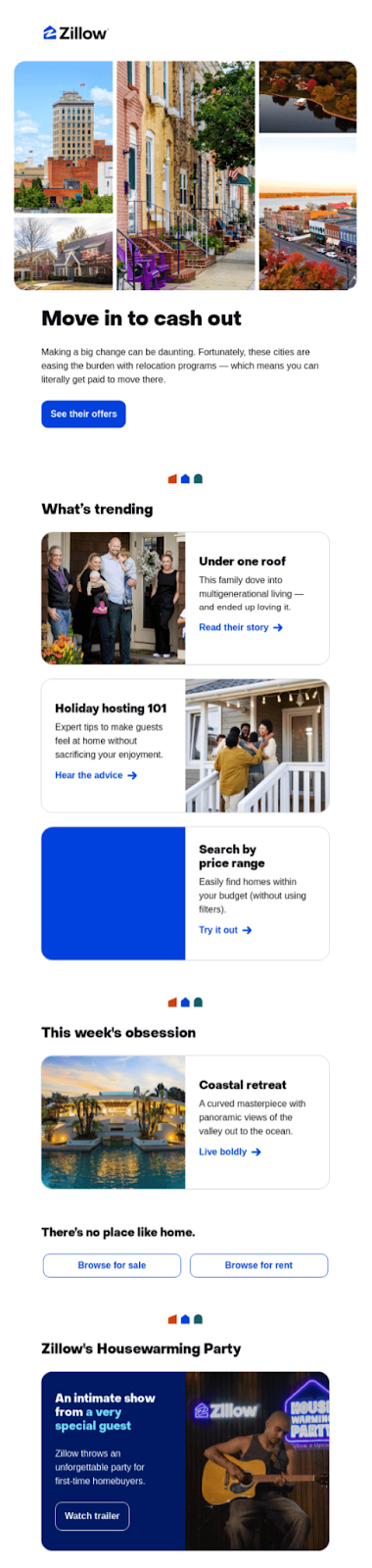
    One of the most cost-effective ways to nurture leads and drive conversions? Email templates made for real estate.

    In this blog, we’ll break down what lead nurturing email templates are, why they matter in real estate, and five easy templates you can start using today to build lasting relationships.

    What Is a Real Estate Lead Nurturing Email Template?

    A real estate lead nurturing email template is an email template for real estate leads

    It’s a targeted, personalized message you send to prospects who are interested in your services or listings. 

    Lead nurturing emails are different from general promotional emails. They guide prospects through the steps of buying or selling a home. That means giving them helpful content that supports their needs at each step. Educating and engaging them along the way keeps your brand top of mind for leads. 

    The goal of lead nurturing emails is not to generate new inquiries. They are meant to engage contacts from your marketing database who you’ve identified as high-intent leads. Just like other high-converting templates, lead nurturing emails move prospects closer to making a decision, hopefully a positive one. 

    Most often, real estate lead nurturing email templates can be automated and personalized using tools like a CRM or an email marketing platform. They’re triggered based on user behavior, like signing up for property alerts or downloading a buyer’s guide. The emails are delivered over time to match the lead’s pace.

    Lastly, lead nurturing email templates help convert warm leads into clients through consistent, value-driven communication throughout the sales cycle. When all their doubts and questions are answered, leads convert to paying customers. 

    Why Lead Nurturing Emails Matter in Real Estate

    Reaching every client in person sounds ideal. But to be honest, it’s just not possible with dozens of leads and a jam-packed schedule. No real estate agent has the time to personally follow up with every lead every week. 

    And yet, you want to maintain those consistent touchpoints that convert enquiring prospects into conversions.  

    That’s where smart email nurturing comes in. The right real estate lead nurturing email templates let you influence decision-making and build trust with leads you’ve never even met in person. 

    Instead of wondering what to send next or letting weeks pass in silence, you’ll have a systematic approach that keeps you top-of-mind while positioning you as the go-to expert they’ll want to work with when they’re ready to make a move.

    Real estate leads look for more than just listings. They need reassurance, information, and answers aligning with where they are in their journey. Real estate lead nurturing email templates deliver all of that at scale.

    A well-crafted real estate newsletter addresses the challenges your leads are facing, offers solutions, and comes across as the go-to resource in the industry. When your emails focus on being truly helpful, you build trust and credibility over time. And when they’re finally ready to act? You’re the one they call.

    7 Lead Nurturing Email Template Examples for Real Estate

    1. Welcome Email to New Buyer Lead

    Subject: You’re on the list (and it’s a good one)

    Hey [First Name],

    Glad you signed up. You didn’t just join another real estate newsletter. You joined mine—and that means honest advice, no jargon, and listings that don’t waste your time.

    I’ll be sending you the good stuff: real talk about buying in [Your Area], pricing trends, and listings that might match your taste.

    Got questions already? Hit reply. I read every message like it’s from a best friend.

    Cheers,

    [Your Name]

    2. Market Insights & Home-Buying Tips

    Subject: Is [Your Area] still insane? (Short answer: kinda)

    Hey [First Name],

    Quick pulse check on the [Local Area] market:

    Right now, we’re seeing [brief market update].

    If you’re house-hunting, here are two tips I’d tattoo on your brain (if that were a thing):

    👉 Tip 1: 

    👉 Tip 2: 

    Have questions? Want to know if now is your moment? Let’s talk. No pressure, no hard sell.

    Best,

    [Your Name]

    Source: reallygoodemails.com

    3. Testimonial Email

    Subject: How we helped Lisa find the one (and nope, not on Tinder)

    Hey [First Name],

    Quick story about Lisa —a first-time buyer with big dreams and a realistic budget.

    She came to me overwhelmed by listings. Unsure where to start. And convinced she’d have to settle for “okay” instead of “love it.”

    Here’s what we did:

    • We narrowed her search to areas that fit her lifestyle.

    • We prepped her on what to expect, from viewings to paperwork.

    • And we moved fast when the right home showed up. 

    She was in love; I made sure she didn’t lose it to someone with better internet.

    Two weeks later? Offer accepted. And now she’s living in a bright, quiet corner flat with room for her work desk and a yoga mat.

    Moral of the story: With the right help, buying doesn’t have to be scary. The help is here. Just reply, and let’s talk.

    Best, 

    [Your Name]

    4. Property Recommendations

    Subject: I’m nosey, but it’s for a good reason

    Hey [First Name],

    Let’s make this easy on both of us. Tell me what you’re looking for.

    Click here to fill out this quick form [insert link]. It’ll take you 2 minutes, and I promise it’s better than being spammed with listings you don’t care about.

    Let’s find you the one. (House, not person—but hey, good real estate helps.)

    Talk soon,

    [Your Name]

    Source: reallygoodemails.com

    5. Quick Check-In 

    Subject: Still Looking for Your Perfect Home?

    Hi [First Name],

    It’s been a little while, so I just wanted to check in. Are you still in the market for a new home? If you are, happy to update your preferences and send over some fresh listings. 

    If now’s not the right time, no worries. Just let me know and I’ll hit pause on emails for now.

    Warm regards,

    [Your Name]

    6. Open House Invitation

    Subject: There’s a house you’ll want to see

    Hey [First Name],

    Just a quick heads-up. 

    I’m hosting an open house at [Property Address] this [Date] from [Start Time] to [End Time], and I’d love for you to stop by.

    This place is a gem

    • Highlight features

    Feel free to bring a friend, partner, or that one family member who always has strong opinions about countertops.

    If you’re thinking of coming, let me know. 

    Hope to see you there,

    [Your Name]

    7. Client Appreciation & Referral Request

    Subject: You made my job easy (and fun)

    Hey [First Name],

    Just wanted to say a real, non-automated thank you.

    It was such a pleasure helping you find your home—I mean it. You made the whole process smoother than most group texts.

    Hope you’re loving the new place, settling in, and maybe even figuring out what all the light switches do.

    Also, quick favor:

    If someone you know is thinking about buying or selling, feel free to suggest my name. I promise to treat them like gold.

    Appreciate you more than I can put in one email. Stay in touch, and let me know if you ever need anything home-related again.

    Best, 

    [Your Name]

    What Next… 

    That’s how these email templates help you spark conversations, build trust, and close more deals.  If your current templates feel bland or don’t reflect your brand, it’s time for an upgrade.

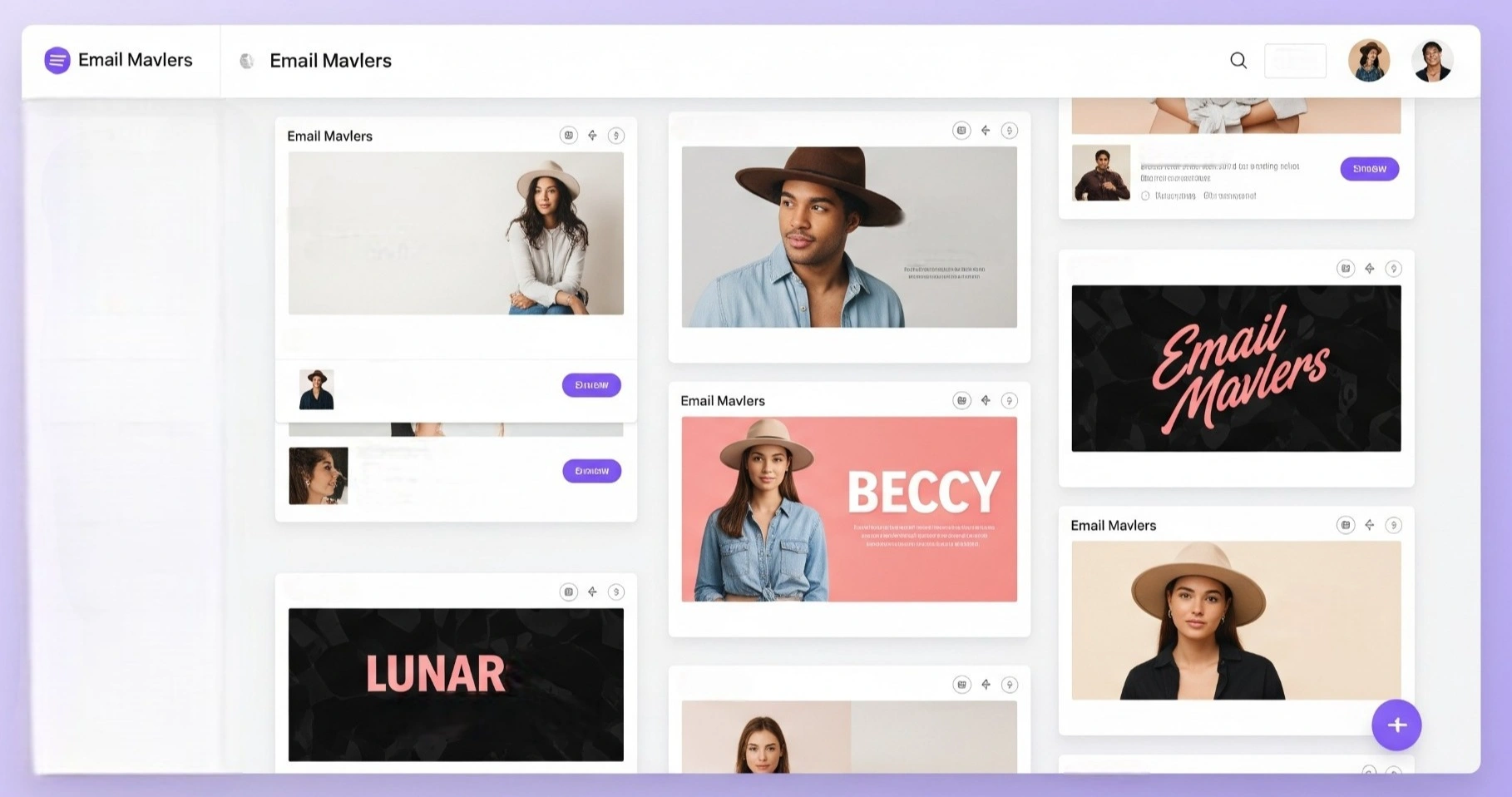
    That’s why savvy real estate professionals seek expert-designed email templates. Experts like Email Mavlers craft custom, hand-coded templates designed to actually nurture your leads, not just look pretty. With the correct balance between aesthetics and functionality, you can leave a long-lasting impact on your audience.

  • How Virtual Staging Turns Empty Rooms into Dream Homes

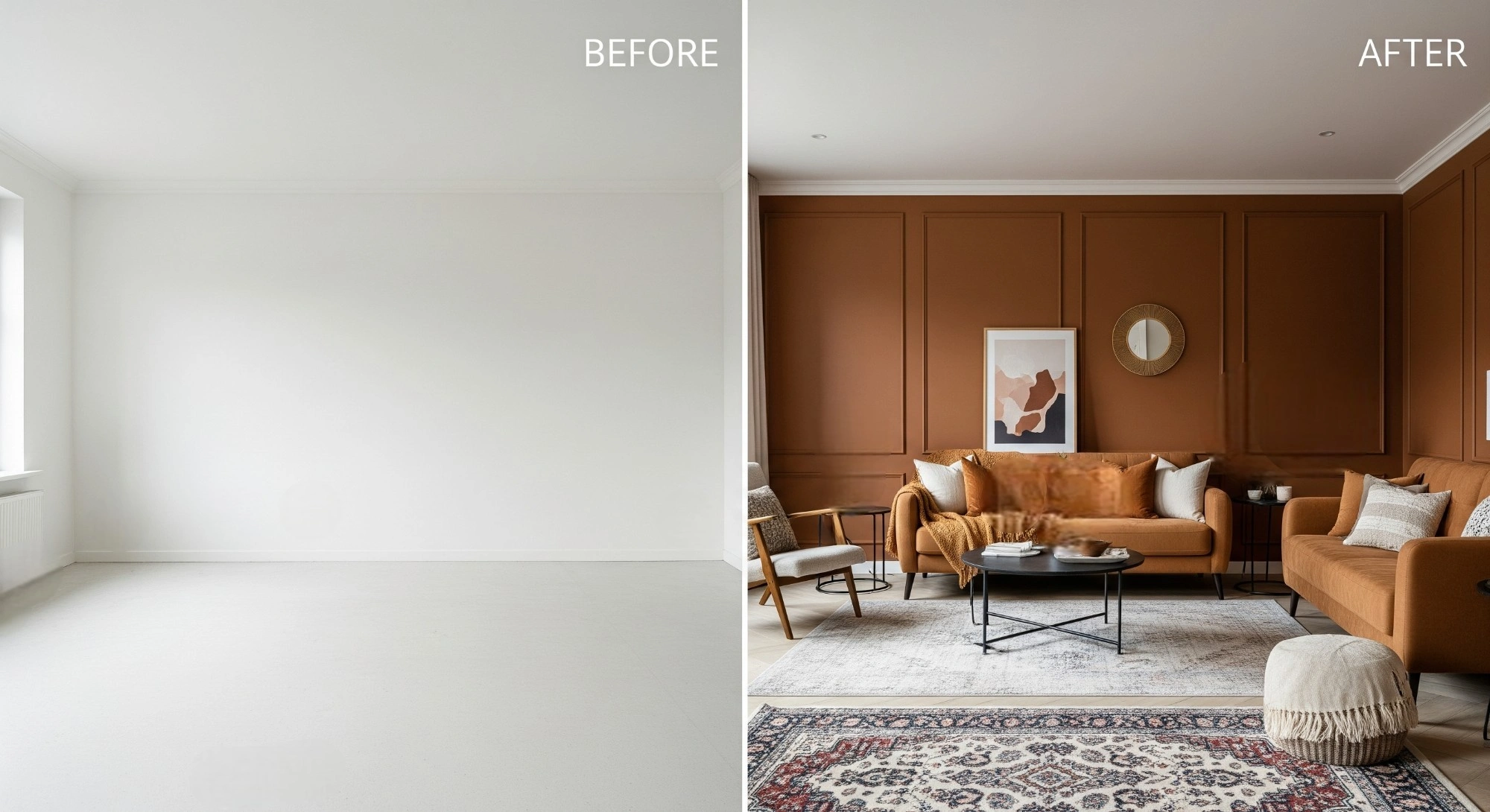
    Have you ever wondered why selling an empty house is so tough? It’s like trying to sell a story without characters. Real estate agents and homeowners alike face the same challenge when trying to sell an empty property. Empty rooms feel cold, echoey, and uninviting, almost soulless. Potential buyers don’t see themselves living, laughing, and making memories in such spaces. For a successful sale, this connection is essential. As a result, properties often sit on the market for an extended period, struggling to gain the attention of potential buyers. They’re not just uninspiring, they fail to spark any emotional connection.

    So what’s the real issue? Traditional photos of empty rooms may be accurate, but they don’t create any sense of atmosphere. Buyers can’t picture themselves living there. That’s where virtual staging comes in. With the help of a professional architectural visualization company, it is possible to transform any space into the cozy, inviting space buyers want.

    What Is Virtual Staging?

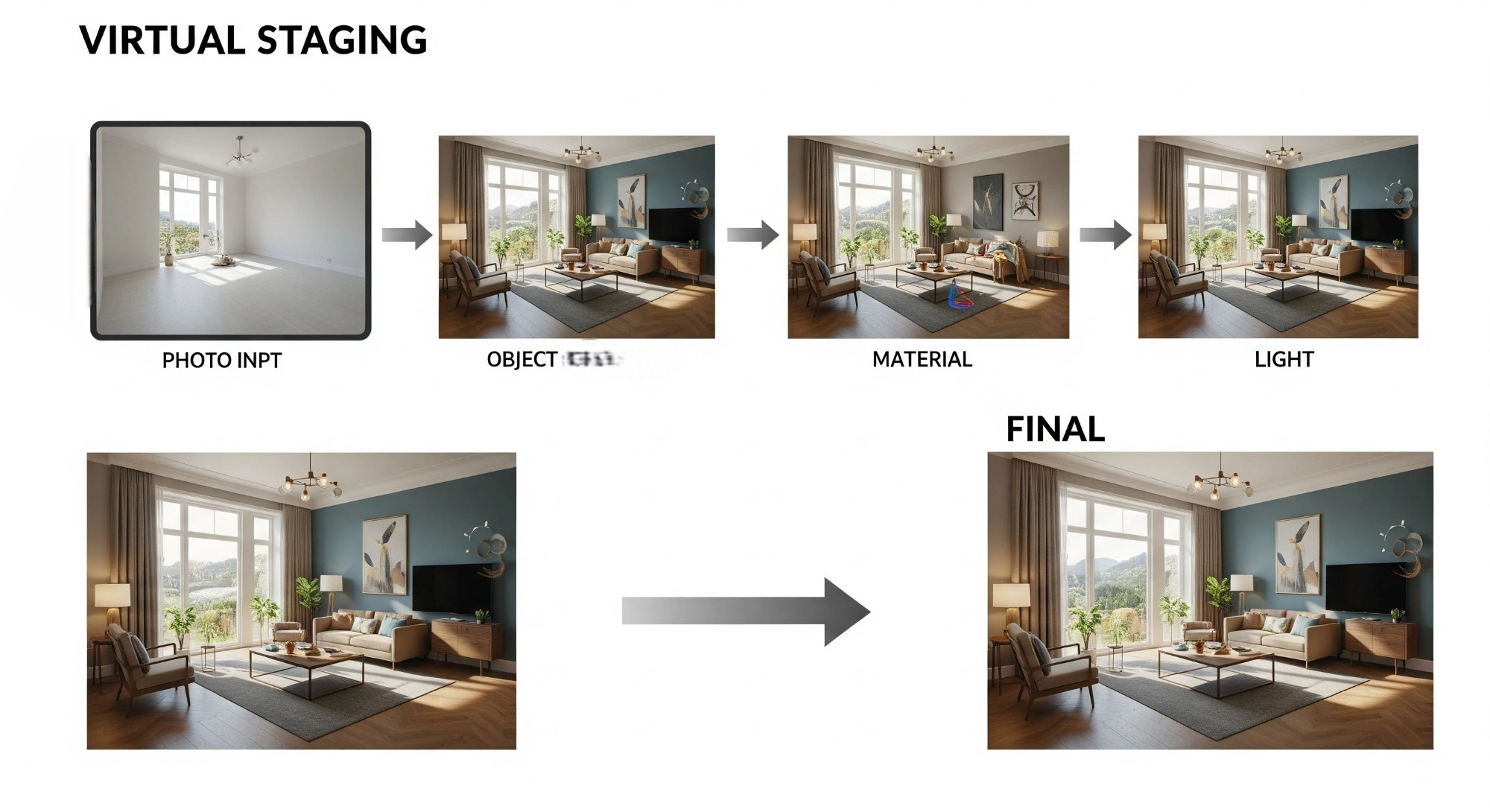
    Virtual staging is the revolution in property presentations. With the help of 3D visualization services, you’ll see realistic, high-quality images that make empty rooms feel complete. Designer create 3D models of stylish furniture, decor, artworks, and other interior design elements and then drop them into photos of unfurnished spaces.

    But it’s more than just editing a photo; it involves creating shadows, textures, and angles that make everything look real from every perspective. A professional architectural visualization company brings all of this to life, helping you show buyers exactly how much potential a space really has.

    How Virtual Staging Elevates Property Listings

    Of course, it might seem unfamiliar at first, but virtual staging is a powerful way to take your property listings to the next level. Here’s why sellers are turning to virtual staging.

    Enhanced Visual Appeal and Online Presence

    In real estate, stunning visuals are a must. Great images help your listing stand out and grab the attention of buyers who are often scrolling through dozens of options.

    Virtual staging shows your property in the best possible light, with furnished, inviting rooms instead of bare, empty ones. High-quality 3D renderings leave a lasting impression and, more importantly, help buyers imagine themselves living in the space.

    In a crowded market, strong visuals are everything. Rendered images are more eye-catching, which means they’re more likely to attract clicks and serious interest.

    Cost and Time-Saving Benefits

    Virtual staging costs significantly less than traditional staging. There’s no need to rent furniture, hire moving services, and pay for professional staging. Everything is done virtually by 3D rendering experts. You’ll get the results within a few days or, in some cases, within a few hours. As a result, your property hits the market faster and at a lower cost. For real estate pros, the return on investment is clear.

    Helping Buyers Picture Themselves at Home

    Empty rooms leave buyers guessing: will this place actually meet their needs? What will their furniture look like? What kind of finishes feel right? Is this the home they’ve been dreaming of? Virtual staging creates a lifelike vision of what their future home could look like. It helps buyers understand the scale and layout of each room, answer questions about furniture and lighting, and most importantly, build an emotional connection with the space.

    Buyers can imagine themselves enjoying morning coffee on the porch or spending time watching the Super Bowl together with friends in the living room. As a result, they will be more likely to make an offer since you are selling a lifestyle, not just a house.

    Customize the Look to Match Any Buyer

    Traditional staging simply can’t compete with the flexibility of virtual staging. With virtual staging, you can change the entire style of a property with just a few clicks. Whether you’re targeting families or single professionals, you can tailor each image to reflect what they’re looking for, even a quiet space to work on projects.

    You can show the kitchen in a cozy cottage style or go with a more modern look. Images are powerful marketing tools. And with 3D visualization, you’re not stuck appealing to just one kind of buyer. You can tailor your visuals to suit any audience and always show the home in its best light.

    How Architectural Visualization Companies Work Their Magic

    So, how does an architectural visualization company make the digital magic happen? It all starts with high-resolution photos and floor plans of your space. The more detailed, the better the result.

    Next, based on your instructions and ideas, the team creates a digital version of the space and begins adding elements from their extensive catalog. Wall moldings, furniture arrangements, and decor are selected from a wide range of popular brands and design styles.

    However, 3D rendering is not just about placing furniture and decor. It’s about carefully adjusting shadows, lighting, and angles to make everything feel real. As a result, the 3D rendering studio delivers photorealistic scenes designed to transform any empty room into a captivating, lived-in space.

    Virtual Staging Is a Powerful Solution

    With the help of professional 3D visualization services, you can create just about any dream home. This technology is a game-changing marketing tool that’s redefining how properties are presented and how buyers experience them.

    Virtual staging speeds up the sales cycle, helps buyers visualize the space more clearly, and boosts a property’s overall appeal. For real estate professionals, partnering with a skilled 3D rendering agency is a smart move. After all, 3D rendering is about selling a vision, sparking an emotion, and connecting potential buyers with their future homes.

  • How to Use Property Management Call Analytics to Maximize ROI

    To maximize ROI in property management through call analytics, integrate call tracking and analysis into your strategies. Call analytics reveals how potential tenants and clients engage with your services by analyzing property management calls, inbound call data like duration, frequency, and conversion rates. Implement a call tracking system to identify effective marketing channels.

    Real estate agencies that use call tracking tools report up to a 55% increase in conversion rates on inbound calls. Additionally, approximately 85% of real estate marketers say that phone calls generate their highest-quality leads.

    Analyze call recordings for quality interactions, focusing on key performance indicators such as resolution rates and customer satisfaction. Integrating insights with property management software automates follow-up processes, improving engagement and reducing client loss. This approach enhances service, tenant satisfaction, and retention, contributing to ROI. Using call analytics fosters continuous improvement in marketing efficacy and operational performance.

    Below are four practical strategies to turn call data into cash.

    1. Implement Call Tracking

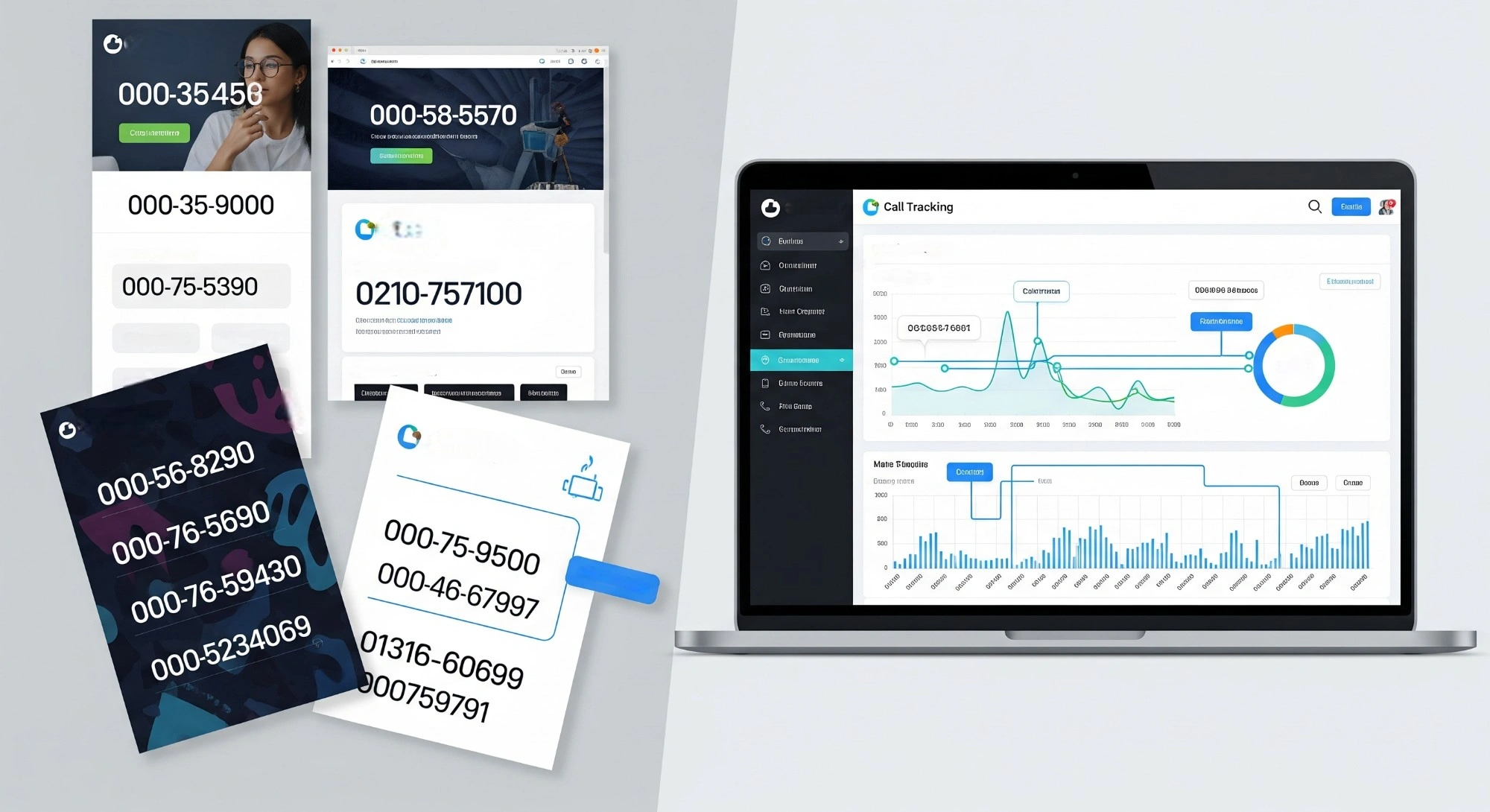
    Dynamic Number Insertion (DNI) automatically swaps out the phone number on your website based on where visitors come from, whether that’s a Facebook ad, an organic search or a flyer with its own unique number. By assigning a distinct tracking number to each marketing channel, you’ll know exactly which ads or touchpoints are driving calls and which aren’t worth the spend.

    We found that 86% of real estate calls last longer than one minute, showing strong engagement and lead interest.

    Beyond DNI, logging every incoming call’s metadata (caller ID, timestamp, call duration) gives you a clear view of which campaigns deliver the most serious leads. The property firms using DNI see significant clarity in budget allocation, often shifting 15–25% of their ad spend to top-performing sources.

    Here’s how to set up call tracking effectively:

    • Assign unique phone numbers to each online and offline channel (web pages, social ads, print materials).
    • Capture caller details (number, time, duration) to link calls back to their source.
    • Store call logs in a centralized dashboard for easy comparison across campaigns.

    2. Analyze Call Insights

    Once you’ve collected call data, dig into it to spot your hottest leads. Look for patterns, times of day when callers convert at higher rates, marketing sources that yield the biggest deals, or phrases prospects use when they’re ready to sign. This level of insight lets you double down on what works and tweak what doesn’t.

    We found that calls made between 10 a.m. and 2 p.m. often have the highest conversion rates in real estate. In one case study, a real estate agency using call analysis improved lead response by 40% simply by adjusting its follow-up workflows based on call patterns.

    Here’s how to dig into your call data for meaningful takeaways:

    • Identify High-Value Leads: Pinpoint which campaigns are attracting serious renters or buyers, so you can put more money behind what’s working.
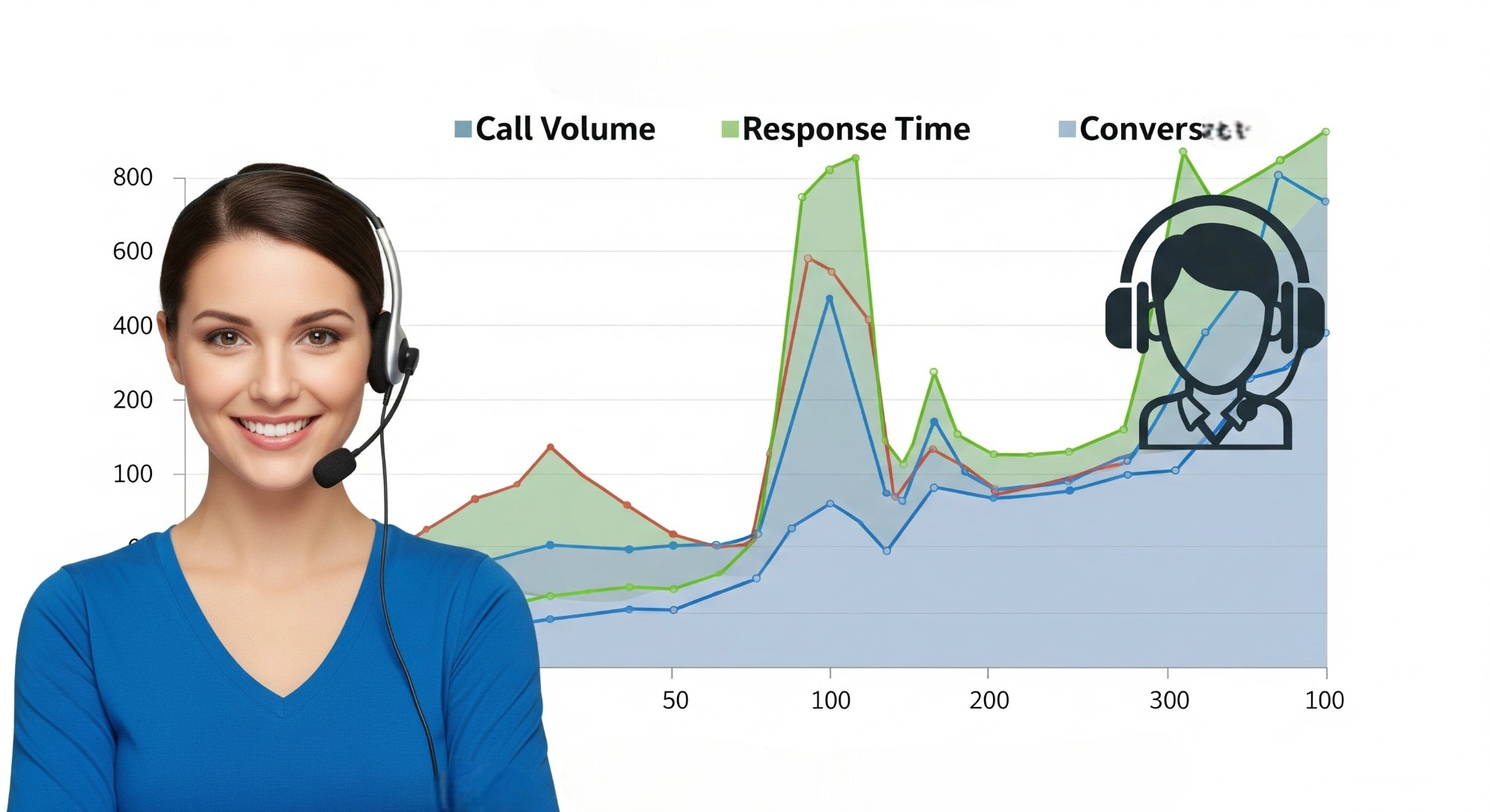
    • Improve Response Times: Measure how long it takes agents to answer and target peak windows where faster pickups could boost satisfaction.
    • Optimize Team Performance: Compare call outcomes by agent, then tailor coaching on objection-handling or script adjustments.
    • Understand Customer Needs: Analyze common questions and concerns to refine your website FAQs, email follow‑ups, and ad copy.
    • Analyze Conversation Content: Use transcription tools to uncover which phrases or offers resonate, and lock in what works for sales conversations.

    3. Utilize Data for Strategic Decisions

    Call analytics isn’t just for reports, it drives smarter decisions across marketing, operations and customer care. When you know which channels produce quality leads, you can confidently reallocate ad spend.

    We estimate that 1 out of 3 real estate businesses fail to respond to leads within an hour, even though rapid response can significantly increase close rates. In one case, a multi-location property manager discovered that 75% more qualified leads came from social ads compared to print after reviewing DNI-based call data.

    If certain audience segments call more often, craft messages that speak directly to their needs. And by personalizing every touchpoint, from the first ring to the lease agreement, you build loyalty and reduce churn.

    Below are ways to use these insights to drive smarter decisions:

    • Optimize marketing strategies: Invest more in high‑performing channels and pause low-performers to boost overall ROI.
    • Target the right audience: Use caller demographics and behavior data to refine ad targeting and messaging.
    • Improve Customer Experience (CX): Leverage call history to personalize follow‑ups and anticipate tenant needs.
    • Make your team more efficient: Identify bottlenecks, like call‑routing delays and implement workflow fixes to handle inquiries smoother.
    • Train and coach agents: Base coaching sessions on real call recordings and performance metrics to sharpen sales skills.

    4. Integrate Call Analytics with Other Data

    True ROI comes from seeing the whole picture. Plug call‑tracking metrics into your Property Management Software (PMS), CRM, Google Ads or Facebook Ads Manager so you can trace every lead, from click to lease. With integrated dashboards, you’ll know not only where each lead originated, but how much revenue it’s generated.

    We note that integrating call data with your CRM allows property firms to calculate exact cost per lead and attribute revenue with over 98% accuracy.

    Here’s how to tie call data into your broader tech stack:

    • Combine call data with online behavior (form fills, site visits) for full-funnel visibility.
    • Sync call outcomes (appointments set, applications submitted) back to your CRM for centralized reporting.
    • Use unified data to run A/B tests on ad creative, landing pages or script variations, then measure impact on calls and conversions.
    • Keep stakeholders aligned by sharing integrated reports that track marketing spend against actual signed leases.

    By weaving call tracking, deep analysis, strategic use of insights and seamless integration into your workflow, property managers can turn every phone ring into actionable data, driving smarter marketing, more efficient operations and, ultimately, a higher ROI.

  • How Content Marketing Builds Real Estate Brands That Sell

    10003

    In an age where information is at every buyer’s fingertips, real estate marketing is no longer just about showcasing properties, it’s about building a brand, telling a story, and earning trust before you ever meet your next client.

    While visuals like professional photography and 3D virtual tours are essential, they only represent one piece of the puzzle. What sets great agents, brokers, and developers apart in today’s hyper-competitive market is their ability to connect through content.

    Why Content Marketing Matters More Than Ever in Real Estate

    When buyers and investors research a property, they’re also researching you. They want to know:

    • Are you knowledgeable about the local market?
    • Do you understand their lifestyle or investment goals?
    • Can you help them make smarter decisions?

    Content marketing gives you a chance to answer all of these questions before they even ask.

    Instead of just pushing listings, you’re providing value. And value builds loyalty, shares, referrals, and ultimately, sales.

    The Shift from Sales Pitch to Thought Leadership

    Ten years ago, real estate advertising focused on newspaper spreads and open houses. Today, your reputation is shaped by what you publish online:

    • Blog articles about neighborhood trends
    • Market update videos on YouTube
    • Instagram reels with design inspiration
    • LinkedIn posts with investment insights

    This content shapes how people see your brand, whether you’re a trusted advisor, a local expert, or a developer with a vision.

    Building a Real Estate Content Strategy That Works

    Let’s break down the steps to building an effective real estate content strategy:

    1. Define Your Niche and Ideal Client

    Before writing a single article, clarify who you’re talking to:

    • First-time homebuyers?
    • Luxury property investors?
    • Commercial tenants?
    • Relocation families?

    Each audience is looking for something different. Speak their language, solve their problems, and tailor your tone to match their expectations.

    2. Choose the Right Content Formats

    Not everyone consumes content the same way. A successful content strategy should combine:

    • Blog posts: Long-form articles that improve SEO and establish authority.
    • Short-form videos: Instagram Reels, TikToks, or YouTube Shorts that offer fast tips or behind-the-scenes glimpses.
    • Infographics and charts: Especially useful for market reports or renovation timelines.
    • Newsletters: Regular updates keep leads warm and position you as a consistent source of insight.

    3. Topics That Drive Engagement

    Some high-performing real estate content ideas include:

    • “Top 5 Mistakes First-Time Buyers Make (And How to Avoid Them)”
    • “How to Time Your Home Sale with Market Trends”
    • “What $500,000 Gets You in 3 Different Neighborhoods”
    • “The ROI of Kitchen Renovations Before Selling”
    • “Monthly Market Update: What You Need to Know”

    These are not just filler posts. They help your audience make decisions—with your help.

    How Branding Strengthens Your Real Estate Marketing

    Publishing great content consistently creates a brand narrative. Over time, your audience comes to associate you with certain values, expertise, and experiences.

    Brand Positioning in Practice:

    Content TypeBrand Message Conveyed
    Weekly blog on local zoning law changes“I’m informed, reliable, and investor-friendly.”
    Instagram photos of mid-century interiors“I understand style and what’s trending.”
    YouTube series on real estate tax tips“I speak the language of high-net-worth buyers.”

    Your branding doesn’t live in your logo. It lives in the consistent voice, perspective, and depth of the content you share.

    Tools and Platforms to Support Your Strategy

    You don’t need a full production studio or a team of writers to start strong. Here’s what helps:

    • Canva: For branded visuals and infographics
    • Google Trends / AnswerThePublic: For finding popular real estate questions
    • ChatGPT / Grammarly: For drafting and polishing posts
    • Buffer or Later: For scheduling content on social media
    • WordPress / Webflow: For managing your blog or content hub
    • Mailchimp / Substack: For building your email list

    If you’re working in-house or alone, start small and stay consistent. One article per week and three social posts per week is a great baseline.

    Real-World Example: Building a Brand through Content

    Let’s look at a hypothetical agent Andre, who specializes in selling historic homes in Dallas.

    Andre builds his real estate marketing around:

    • A blog called “The Kocher Team”
    • Weekly TikToks about architectural history and renovation
    • Free downloadable PDFs like “How to Finance a Historic Home”
    • Collaborations with local designers for home-staging content

    Over time, Andre begins to incorporate interactive media. For one popular post about renovating antebellum homes, she included a photo series plus a digital reconstruction using a LiDAR camera to show original vs. restored layouts. This not only showcased her authority, but made the content shareable and visually compelling.

    10008

    How This Strategy Complements Visual Tools Like 3D Tours

    Content marketing doesn’t replace real estate photography or 3D virtual tours it amplifies them.

    For example:

    • A blog post on “5 Features That Sell Luxury Condos Faster” could embed a 3D virtual tour as a case study.
    10030
    • A YouTube video showing “Before and After Home Staging” builds curiosity, and the link leads to the full virtual tour.
    • A newsletter about neighborhood growth can include a call-to-action to view new listings with full photo galleries and virtual walkthroughs.

    Realsee and other platforms that offer immersive visual experiences can be positioned within your content to support your story. Instead of simply saying “Look at this house,” you’re saying “Let me walk you through this lifestyle—and here’s the 3D proof.”

    Metrics That Matter

    How do you know your content marketing is working? Track:

    • Website traffic from blog articles
    • Time-on-page for long-form content
    • Lead form completions
    • Social shares and comments
    • Email list growth
    • Keyword rankings (SEO)

    Over time, you’ll see your content drive more qualified inbound leads and make your sales process smoother.

    Final Thoughts

    Great real estate brands aren’t built overnight but they are built online.

    If you want to win in 2025 and beyond, think beyond listings. Think beyond images. Build a content machine that supports your authority, tells your brand story, and creates consistent, authentic value. Because in the end, people don’t just buy property. They buy trust. And content is how you earn it.

  • Survey Reveals: TV Shows Have Homebuyers Expecting Open Houses With Popcorn and Plot Twists

    DALLAS, TX — The National Association of REALTORS® (NAR) Research Group just released a new report based on their 2025 survey. It looks at how home staging is affecting real estate deals from both the buyer’s and seller’s point of view. The study also digs into how TV shows are shaping what buyers expect, along with other trends in the home buying process. The findings come from 1,266 REALTORS® who responded out of nearly 50,000 surveyed, giving a response rate of just 2.5% and a margin of error of ±2.75%.

    For years, home staging has been touted as a secret weapon for sellers. Now, hard numbers back up its reputation. According to NAR’s findings, a striking 60% of buyers’ agents said staging affects most buyers’ perceptions of a home “most of the time,” while an additional 26% said it sways buyers, albeit not always. Only a small minority 12% believed staging had no impact at all.

    Staging isn’t just about pretty pillows and fresh flowers,” explained Dr. Jessica Lautz, NAR’s Deputy Chief Economist. “It’s about helping people see themselves living in that space. Our research shows 83% of buyers’ agents agree—it makes it easier for buyers to visualize a property as their future home.”

    Source: nar.realtor

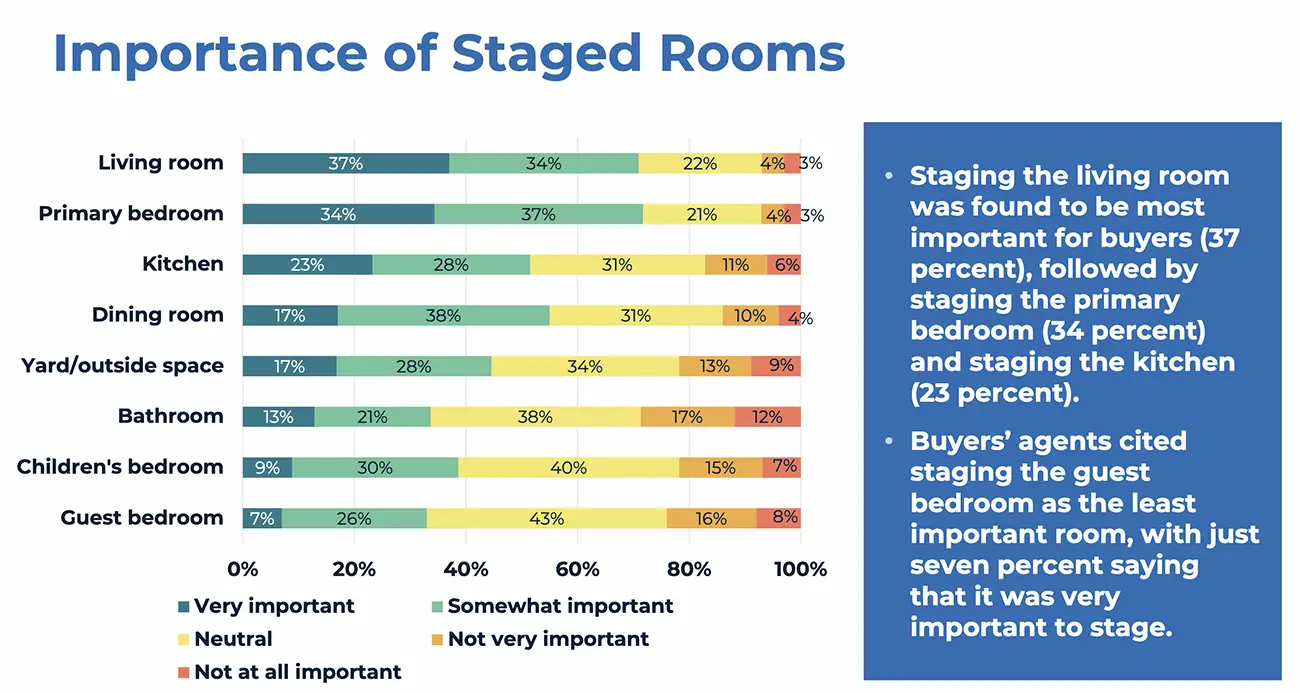
    When it comes to which rooms matter most, the hierarchy is clear. The living room tops the list, with 37% of agents calling it the most important space to stage, followed by the primary bedroom (34%) and the kitchen (23%). Guest bedrooms and children’s rooms, by contrast, barely register.

    The impact is financial too. 17% of buyers’ agents reported that staging nudged offers up by 1–5% compared to similar unstaged homes. While 41% saw no effect on price, the potential upside is enough to keep sellers investing.

    On the seller’s side, the commitment to staging varies. Just 21% of sellers’ agents said they stage every listing, while 10% reserve staging for hard-to-sell homes. A majority—51%—prefer to recommend decluttering or minor repairs rather than full-scale staging. For those who do stage, the median spend is $1,500 with a professional service, but drops to $500 when agents roll up their own sleeves.

    Quality of design and price are the top factors when picking a staging company,” noted Brandi Snowden, NAR’s Director of Member and Consumer Survey Research. “It’s a business decision, not just an aesthetic one.”

    Staging can even help homes sell faster. Thirty percent of sellers’ agents noted a slight decrease in days on market for staged homes, and 19% reported a significant drop. Only a handful (4%) saw staging actually slow down a sale.

    TV Shows and Family: The New Influencers

    But it’s not just fresh paint and throw blankets shaping buyer behavior. The media—especially home-buying TV shows—now wields outsized influence. Nearly half (48%) of agents said their clients expected homes to look “like they were staged on TV,” and 58% reported buyers were disappointed when reality fell short.

    “TV has set a standard that’s often unattainable,” admitted one survey respondent. “Buyers come in with expectations that just don’t match the real world.” In fact, 73% of agents said TV shows had impacted their business by setting unrealistic or heightened expectations.

    Yet, despite the media’s sway, 77% of agents say they aren’t influenced to stage homes exactly as seen on TV. “We have to balance what sells with what’s feasible,” said another agent. “Not every home can—or should—look like a set.”

    Family dynamics also play a growing role. A median of 23% of buyers brought non-purchasing family members to viewings, and 40% consulted family during the process, even if relatives wouldn’t live in the home. “It’s a multigenerational decision for many,” Lautz observed.

    Buyers are also coming to the table with clear ideas—79% know where they want to live, and 76% have an ideal home in mind before starting their search. But the process itself remains daunting: 42% expect it to be difficult, and 38% find it even harder than they imagined.

    Other Noteworthy Findings:

    • 27% of agents report that more buyers are planning to flip homes, and 42% say there’s an increase in those looking to remodel.
    • 61% of buyers don’t have a set number of homes in mind, but for those who do, the median is eight in-person showings and 20 virtual tours.
    • 55% of agents say buyers’ expectations around how many homes they’ll see before buying are aligned with market realities.

    Staging remains a powerful tool—especially for the living room, bedroom, and kitchen—but today’s buyers are also guided by television, family, and a growing desire for customization. For REALTORS®, the challenge is clear: bridge the gap between fantasy and reality, one open house at a time.

  • Instagram Followers in Real Estate: Build Trust and Close Deals Faster

    Social media platforms are an important thing that must be owned by professionals in various industries, including the real estate industry. One of the social media that is often used by real estate agents is Instagram which has the most users from various parts of the world, this is an opportunity for real estate agents to find potential buyers and connect directly with them.

    Potential buyers from Instagram sometimes look at the number of Instagram followers owned by real estate agents, if the number of followers of a real estate agent’s account is large, then usually potential buyers are interested and trust the real estate agent. However, be careful, there are many scams that take advantage of the number of followers on Instagram accounts.

    Let’s discuss why having a large following on Instagram is so important in the real estate market, and how you can use this platform to expand your reach and sell properties fast.

    1. Visual Appeal and Engagement

    Instagram is a great platform for showcasing properties because of its emphasis on photo and video content. High-quality photos and videos can attract potential buyers. You can gain more visitors and followers by producing engaging content like virtual tours, behind-the-scenes videos, and local highlights. This can help you sell your properties faster.

    2. Build Trust Through Authenticity

    You can build trust with your audience by regularly posting engaging, authentic, and relevant content. Along with available properties and tips on buying a home, consider sharing screenshots of customer feedback. Your credibility as a broker can be boosted when your audience is more likely to trust you and reach out once they’re ready to buy a home.

    3. Building Your Audience

    Instagram uses geotags and hashtags to promote organic growth. Tag your posts with relevant keywords to reach people searching for properties. Geotags can help you attract local buyers who interested in specific areas. Collaborate with local businesses and influencers to boost your visibility and promote your properties to potential buyers.

    4. Quick Property Sales

    Using Instagram can also help you sell your property faster. The more followers you accumulate, the more prospective buyers you’ll be getting in touch with. Talking with your audience in the comments, DMs, or through interactive features like polls and Q&As helps you connect with people and earn their trust. You can also keep things fresh by showing off new listings in your Instagram Stories or going live from the property itself—giving followers a real-time look and making them even more interested.

    5. Visibility

    Instagram doesn’t directly boost your website’s SEO. Being active there shows people you’re around and ready to help. If you put links to your website or property listings in your bio or posts, it’s easier for people to check out your site—which can actually help your rankings on Google or Bing. Plus, the more you show up on Instagram, the easier it is for potential buyers to get to know you and find you online.

    Start Growing Your Instagram Followers Now

    In the real estate world, it is very important to utilize social media such as Instagram. Creating engaging content can increase the number of followers on Instagram and also build trust. You can turn followers into potential buyers, which in the end will help sell properties faster. Use your Instagram account to grow your real estate business and connect with audiences from all over the world.