Tag: Real Estate Development

  • Thousands of homes planned in Gunter, Texas as semiconductor industry expands

    GUNTER, Texas — Across the quiet prairie of Grayson County, a sweeping transformation is underway. Land once held by generations of ranchers is being reimagined as what could become North Texas’s next major master-planned community, a bold move driven by a regional tech boom and the promise of thousands of new jobs.

    Centurion American Development Group, a leading developer based in North Texas, completed the acquisition of 1,061 acres on June 10. This purchase is a cornerstone of the 1,998-acre “Platinum Ranch” project. Led by CEO Mehrdad Moayedi, the development aims to create not just housing, but a fully integrated urban environment in response to surging demand north of Dallas.

    The catalyst for this expansion is the construction of large semiconductor manufacturing facilities in nearby Sherman. With billions of dollars in investment from global tech firms such as Texas Instruments and GlobiTech, the region is bracing for a wave of new residents. Centurion American is betting that towns like Gunter will become the next frontier of metropolitan growth.

    “Gunter is next in line for major developments along the golden corridor,” said Rex Glendenning of Rex Real Estate, who brokered the land deal. He was referring to the explosive growth along Preston Road and the Dallas North Tollway, which has transformed the area over the past decade.
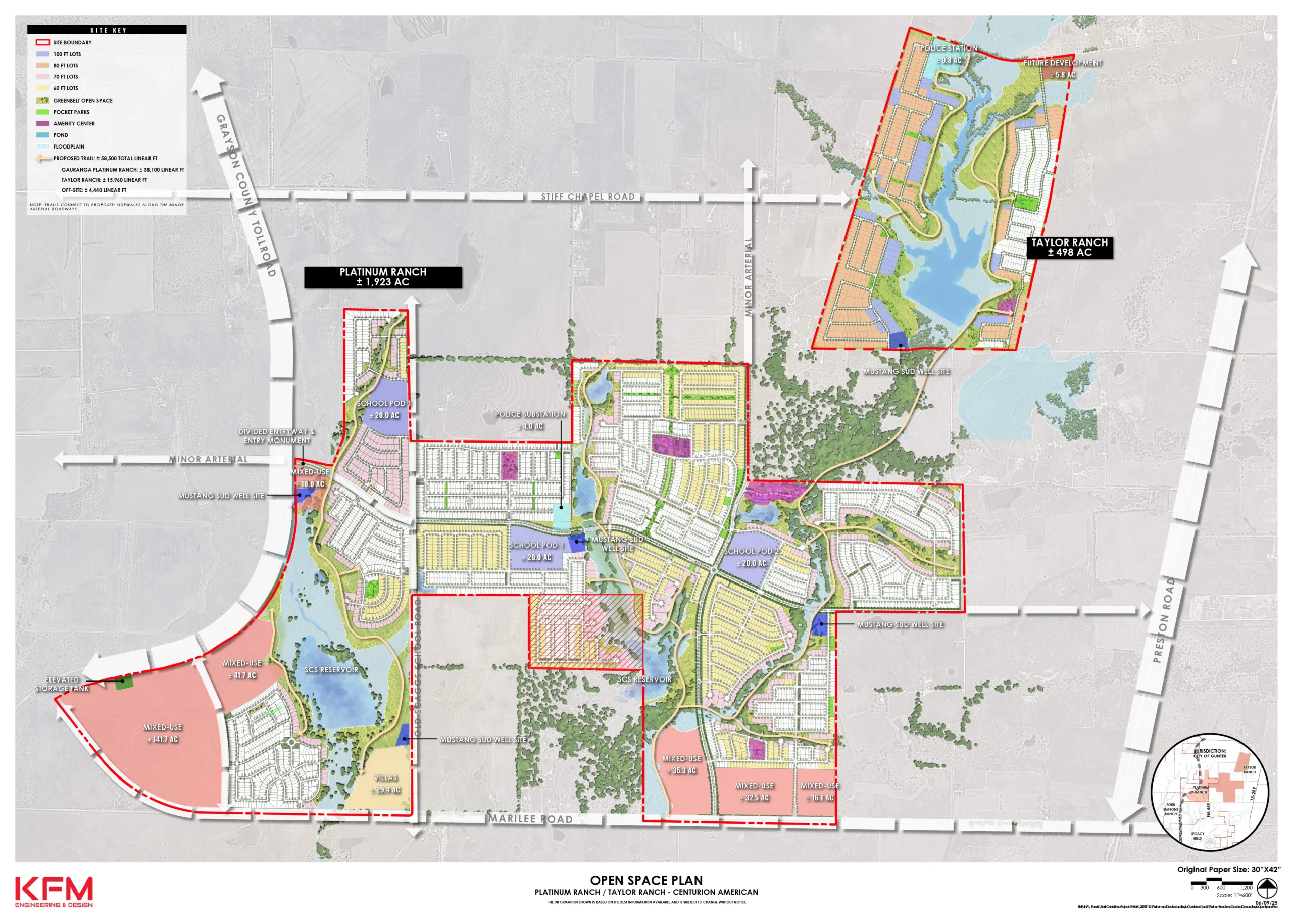
    Platinum Ranch Master-Planned Community – Gunter, TX

    Platinum Ranch is planned on a grand scale: 4,200 single-family homes, nearly 300 residential villas across 29 acres, and up to 3,000 apartments. The project also includes 277 acres for mixed-use development and 223 acres of green space, featuring parks, lakes, and trails. Several amenity centers are planned, along with enhanced lakes and pedestrian pathways. A school campus will be built within the community, served by the award-winning Gunter Independent School District, a key draw for families.

    Strategically located less than a mile from Preston Road and with direct frontage on the Grayson County Toll Road, Platinum Ranch offers easy access to the wider North Texas region. The multifamily and commercial zones will be concentrated along Marilee Road and the tollway, ensuring accessibility and visibility.

    The project has been zoned to accommodate a diverse mix of residential and commercial uses, reflecting Centurion’s commitment to building a balanced and sustainable community. The 223-acre green space allocation underscores the developer’s focus on enhancing quality of life through open areas, recreational amenities, and environmental stewardship. Several natural lakes within the property will be enhanced and integrated into the community’s design, supporting both aesthetics and ecological value.

    Centurion American emphasizes that Platinum Ranch aims to offer families thoughtful planning, access to quality education, and abundant recreational opportunities. The inclusion of multiple amenity centers and expansive green zones reflects a vision for a vibrant, active, and socially connected community.

    According to company statements, the acquisition was two years in the making. Financing was secured through a consortium of lenders including UBank, Liberty Bankers, and Chambers Bank. Meanwhile, Trez Capital served as the lender for Centurion’s adjacent Taylor Ranch project, a 500-acre development acquired in 2022.

    Centurion has been deeply rooted in Gunter for over a decade, having developed The Bridges at Preston Crossings since 2012, which features a Fred Couples-designed golf course. These projects highlight confidence in the region’s sustained demand for high-quality homes, supported by strong infrastructure and schools.

    “While we spent two years planning the acquisition and development of Platinum Ranch, our commitment to Gunter and Grayson County goes back much further,” Moayedi said in a statement. “We are proud to be a part of the growth story in Gunter and to bring exceptional communities to this beautiful city.”

    Caleb Lavey of Rex Real Estate described the project as a milestone for Gunter, calling it a “template for quality growth” along the Dallas North Tollway corridor.

    With excavation set to begin in Q4 2025, the Texas prairie will soon give way to streets, homes, and commercial centers. Platinum Ranch stands as a symbol of the demographic and economic shifts reshaping the American landscape, where the lines between city, suburb, and countryside continue to blur.
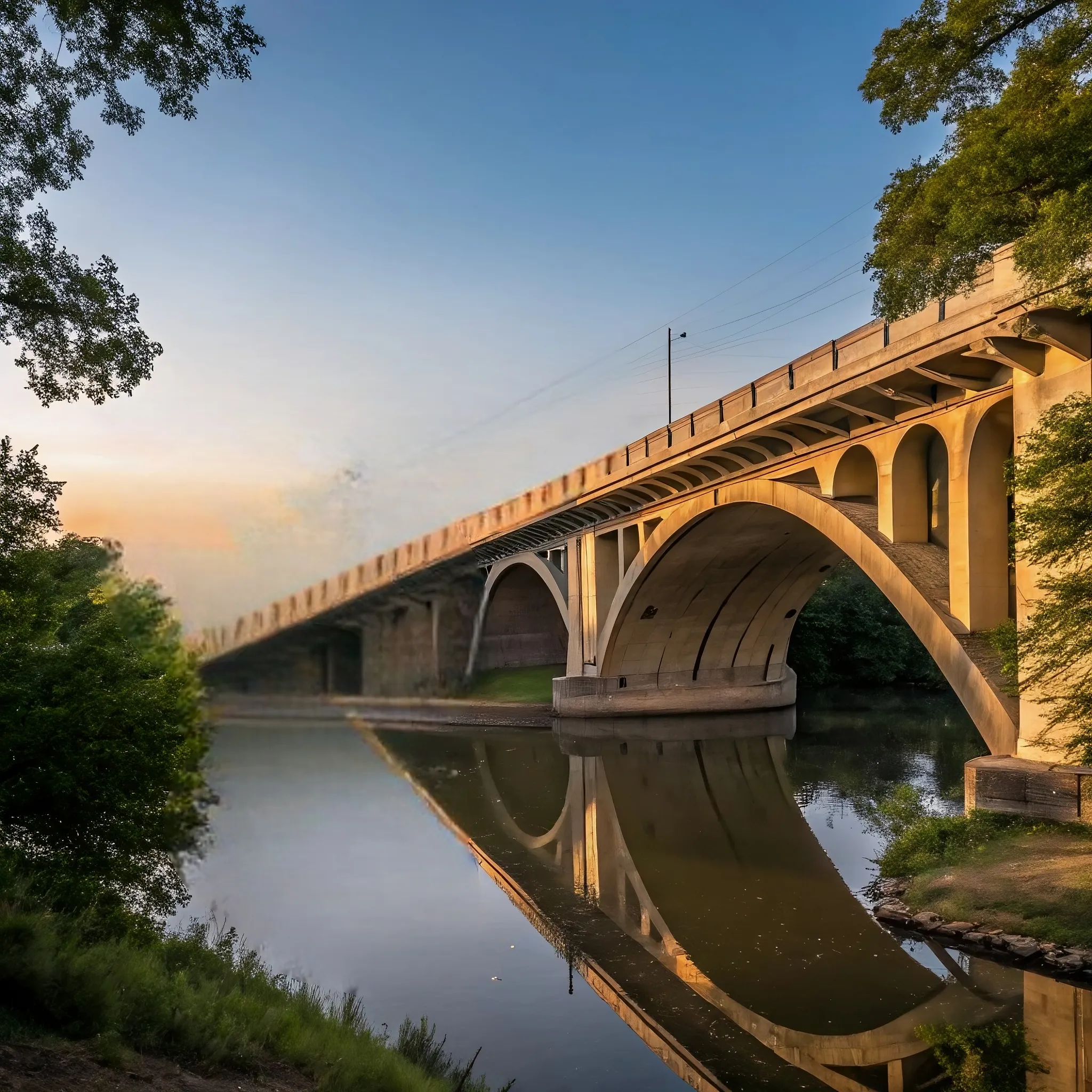
  • Turtle Creek Bridge Restoration: A $500K Project Amid New Developments

    Turtle Creek, located near Oak Lawn and Uptown, is known for its luxury apartment buildings and the historic Rosewood Mansion. Now, in this vibrant neighborhood, a major restoration project is underway to revitalize its aging pedestrian bridges.

    The city of Dallas, working alongside the Turtle Creek Association and Turtle Creek Conservancy, is investing about half a million dollars to restore these bridges along the green Turtle Creek corridor. Public and private partnerships are teaming up to make the area even more welcoming and easier for people to get around.

    The initiative comes at a time when the area is seeing a surge in development, with approximately $2 billion dedicated to commercial and residential real estate projects currently in progress. A Four Seasons Hotel & Residences, anticipated to have a price tag of about $475 million, is slated to open in October 2027, based on a state report.

    Restoration work on eight historic bridges is scheduled to begin in the third quarter of 2025, precisely timed to avoid colder weather that could impede paint application. Ongoing maintenance tasks, according to TCA president and CEO J.D. Trueblood, mean the project has no set finish date. Essentially, the restoration aims to enhance the appeal and sophistication of this picturesque route, supporting substantial real estate investments.

    The construction of the Turtle Creek Park bridges in Dallas is beginning in the fall, with construction expected to start on the bridges at Lemmon Avenue and Hall Street. The bridges are anticipated to attract significant pedestrian traffic, as residents frequently use them to access the nearby Katy Trail, which draws over a million visitors annually.

    This project is a collaborative effort between the Department of Transportation, Parks and Recreation, and Dallas Water Utilities. The goal is to establish a seamless visual transition from downtown Dallas to the serene natural environment and sophisticated architecture of Turtle Creek, which is attracting nearly $2 billion in development projects to the area.

    Several of the bridges in the area are over a century old and exhibit wear from “old age and graffiti,” so they need to be renewed. Extra work will include revitalizing the surrounding areas, repainting, and replacing lanterns. Using sustainable materials that blend well with the natural environment, the bridge restoration project is meant to last. Over time, the renovated bridges will require minimal upkeep.

    Beginning with smaller neighborhoods with the most walkability potential, the initiative complements city officials’ efforts to transform Dallas into a more pedestrian-friendly city. The ultimate goal is to transform the bridges into vibrant, interconnected landmarks that enhance Dallas.

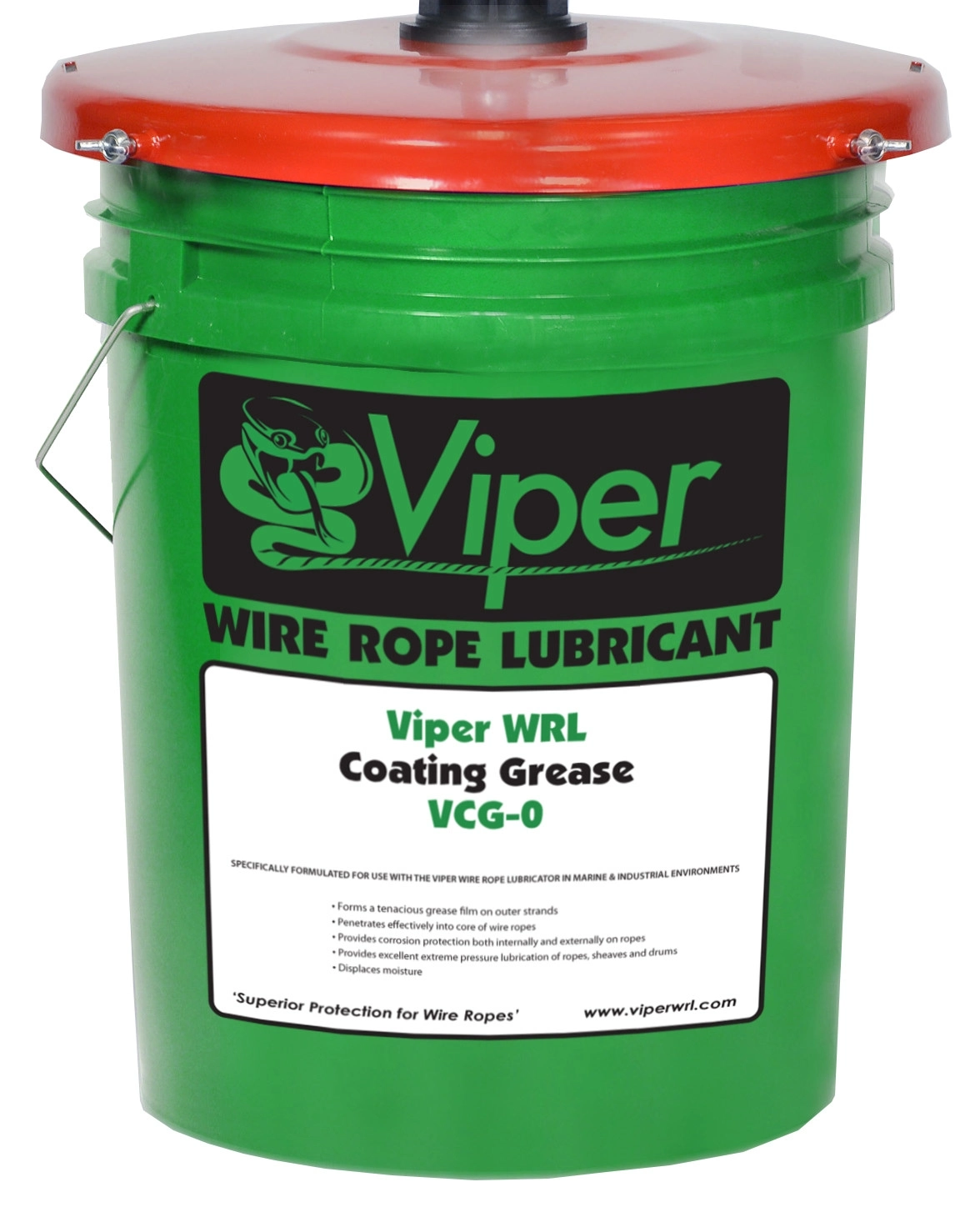
  • What Is Wire Rope Lubricant? Use It in Construction

    Source: viperwrl.com

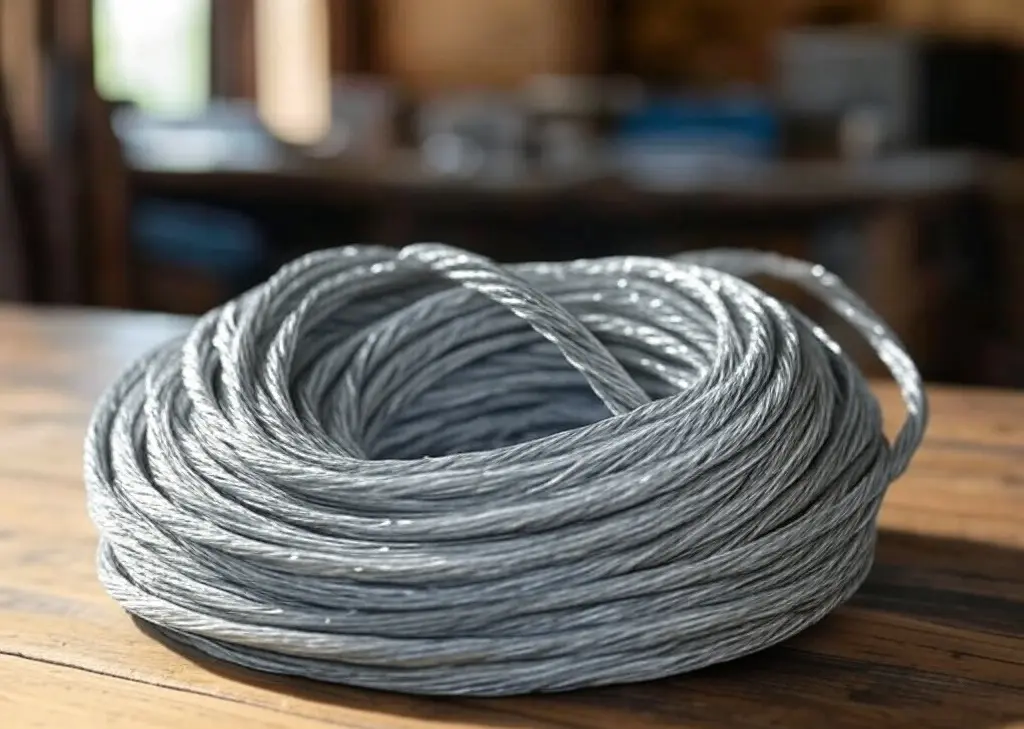
    Wire ropes are used in many heavy-duty machines and equipment. From elevators to cranes to mining shafts, wire ropes take on tough tasks, lifting and moving heavy loads. According to experts like Viper WRL, wire ropes need special care and maintenance to work properly and safely. An important part of that care is keeping them lubricated. This article will explain what wire rope lubricant is and why it matters.

    What is a Wire Rope?

    Wire ropes are constructed consisting of a number of small wires that are then twisted together to form larger strings. The strands are then strung together to create the complete rope.

    The most commonly used metal in the production of wires is steel. Wire ropes come in various dimensions and strengths, allowing them to carry different weights. They range from very thin ropes to robust and heavy-duty ones.

    Wire ropes are popular because they are very strong yet pliable. They are ideal for pulling, lifting, and supporting a variety of equipment and items

    Why Lubricate a Wire Rope?

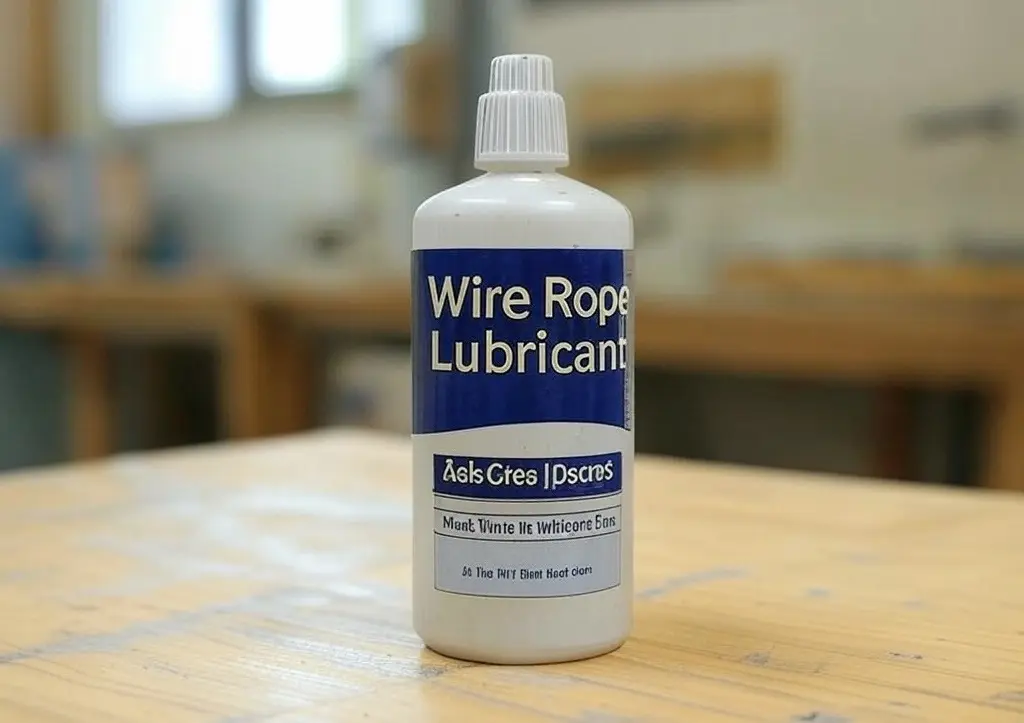
    Lubricating a wire rope involves applying a liquid lubricant to reduce wear and friction while extending the rope’s lifespan. It’s an important element of maintaining the rope regularly.

    The wire rope moves and bends, there is friction in the area where individual wires rub one and each other in the internal. This results in the sensation of heat, stiffness and small little pieces of wear as time passes. Lubricant covers the wires to stop this.

    Friction can also occur externally as the rope passes through pulleys, sheaves, and around the drum’s ends. Lubricant helps reduce friction externally too.

    The proper lubrication of wire rope enables it to move easily and flex without causing friction wear, or damage. This helps keep it safe and functional for longer.

    Choosing the Right Lubricant

    There are several main types of lubricants designed specifically for wire ropes.

    • Lubricants made of oil such as gear or turbine oil.
    • Grease grease lubricants such as calcium or petroleum greases.
    • Dry lubricants such as molybdenum disulfide or molybdenum powder.

    Lubricants based on oil provide good long-term penetration, but may be absorbed by the body. They are able to stick, but may not be able to penetrate the core. Dry lubricants do not attract dirt, but they must be applied frequently.

    Think about factors such as the rope’s use and its environment to select the appropriate kind of lubricant to suit the application and environment. Making sure that the lubricant is compatible guarantees maximum protection of the rope.

    How to Apply Wire Rope Lubricant

    It is essential to apply the lubricant correctly to ensure that it is fully absorbed and covers the rope. Here are a few tips to apply it:

    • The first step is to clean any grime, dirt or old lubricant off of the rope using soap or solvents. Dirt prevents penetration.
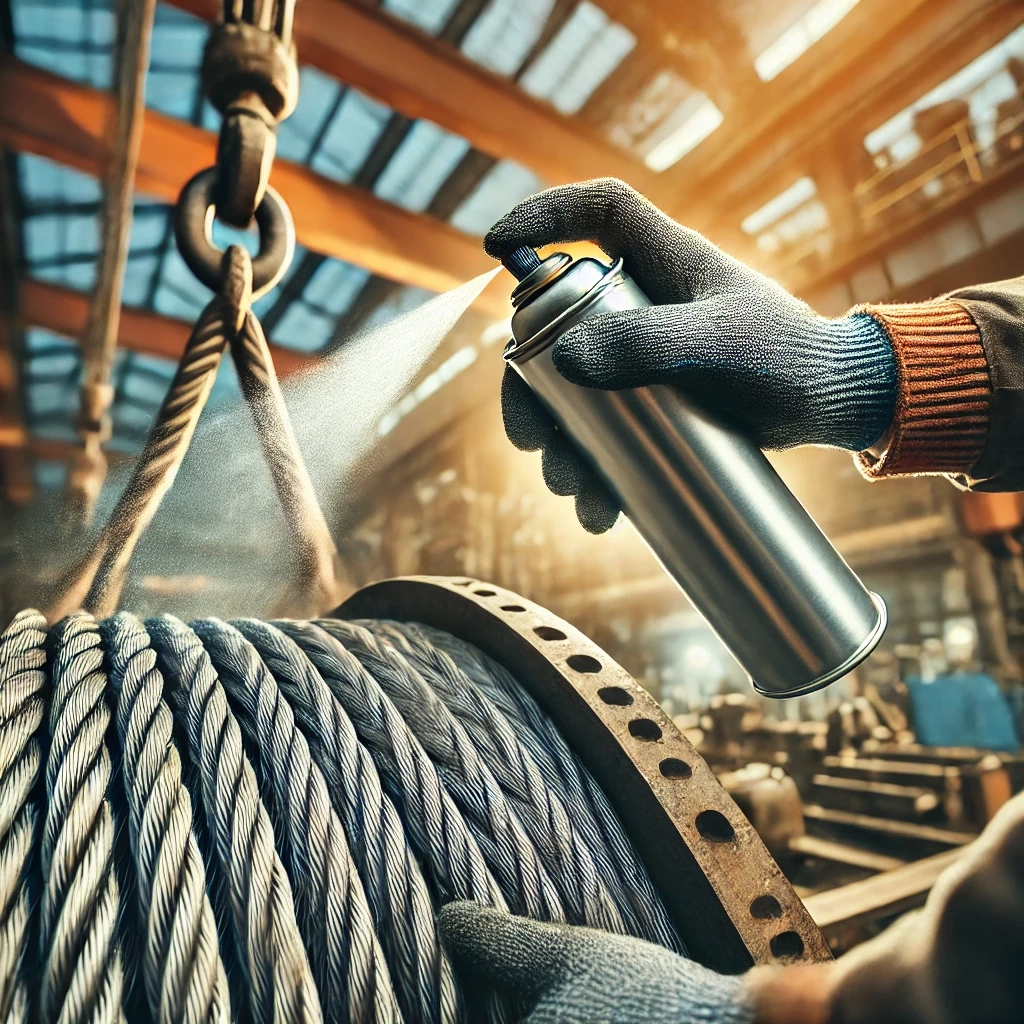
    • Spray lubricant by brushing or dripping on the entire length while the rope is rotating. Get full coverage including inner strands.
    • Apply enough lubricant to allow it to penetrate, but be careful not to cause excessive drips. Remove any excess runs.
    • Make sure to lubricate the ropes more often when they are exposed to high temperatures, or exposed to the elements.

    A proper application of lubrication to wire rope prolongs the life of the rope and helps avoid expensive downtime or costly replacements.

    Warning Signs a Rope Needs Lubrication

    What are the signs to know when it’s the right time to oil the rope or wire? Watch out for these warning indicators:

    • The visible wear, dirt or rust marks along the rope.
    • The rope is stiff or rigid, which makes the rope difficult to move.
    • The discoloration is caused by friction heat or scratching.
    • Grinding, binding, or squeaking noises when it runs.
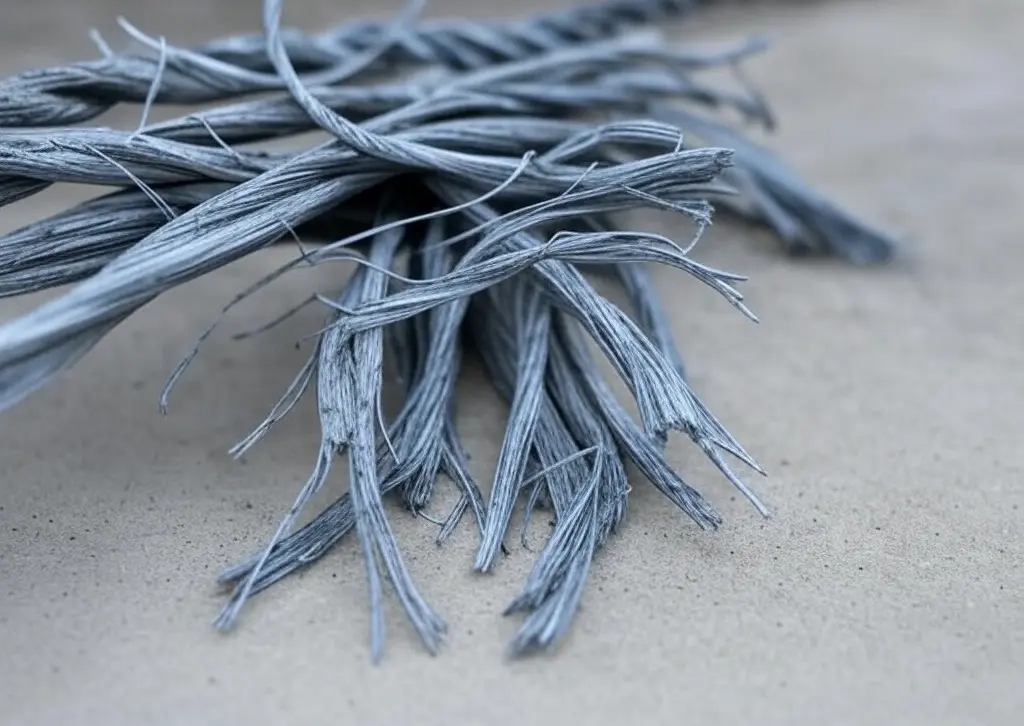
    • Broken wires peeking out of the wires.

    Each of these signs indicates an absence of oil lubrication. The prompt lubrication of these issues keeps the rope in good condition.

    Storing Wire Rope Properly

    Storage that is properly maintained between uses is essential to ensure the health of wire rope. Use these storage guidelines:

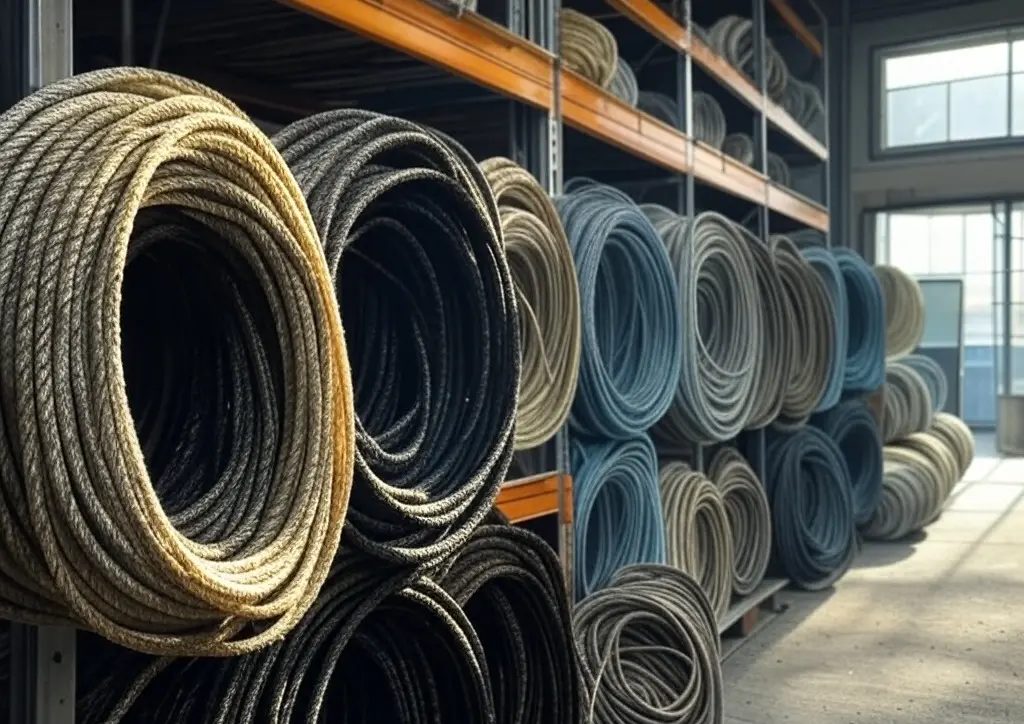
    • Hooks can be used to hang ropes vertically or racks to ensure they won’t sag or break.
    • Do not let ropes touch the ground as it can attract dirt and water.
    • Secure ropes from corrosive fumes and extreme weather.
    • Rotate stock so that you start with older ropes before using newer ones.

    Conclusion

    A proper lubrication of wire ropes and storage ensures they run smoothly and safely to ensure a long-lasting service. The simple practice of maintaining will help in getting the most value from your wire rope resources.


  • Top 3 Benefits of Industrial Drainage Systems by ULMA Solutions

    Industrial zones are the backbone of modern economies, powering processing and manufacturing operations that make industries function efficiently. Nevertheless, proper management of water in such areas is a challenge. In case of improper drainage, companies become at risk, have equipment damaged, and suffer financial downtime.

    In this post, we’ll explore three key benefits of industrial drainage systems, with examples taken from ULMA, a leader in innovative drainage technology.

    1. Enhanced Operational Efficiency

    How Do Drainage Systems Prevent Water Accumulation?

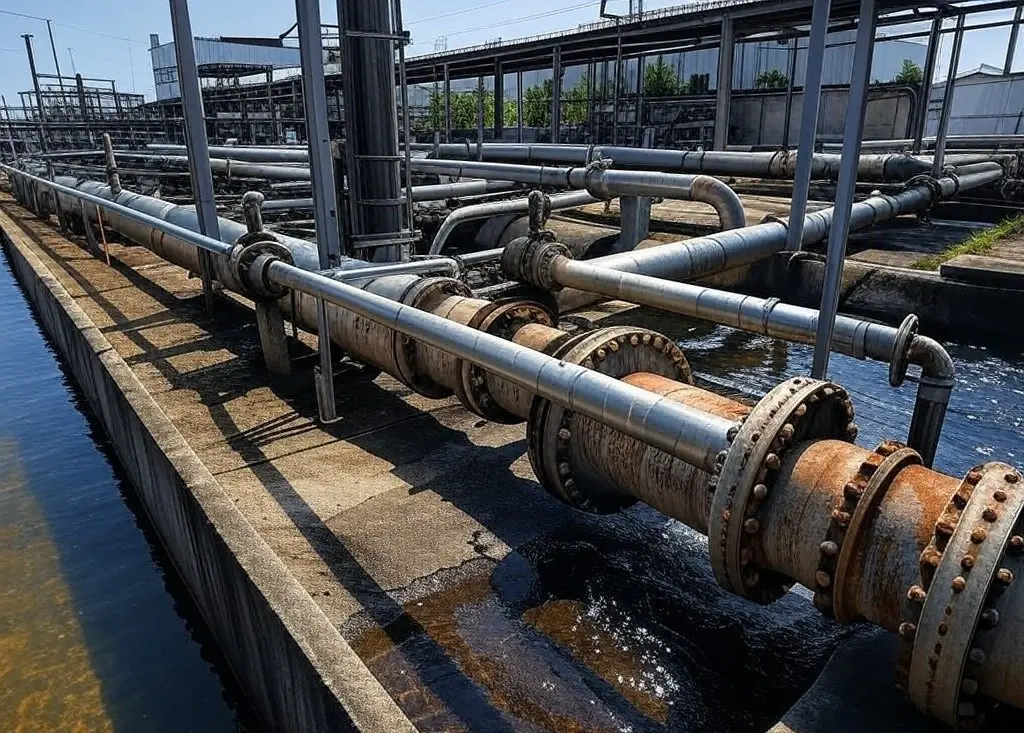
    Efficient drainage systems drain water out of factories, and operations can run with ease. With proper channels and gradients, they prevent flooding and pooling, both of which can cause downtime in production and even cause machines to break down.

    Take the ULMA drainage channel, for example, it’s engineered to handle high water volumes quickly, protecting vital infrastructure.

    What problems arise from water accumulation?

    Excess water can rust equipment, damage infrastructure, and cause costly downtime due to increased maintenance needs. A proper drainage system averts such occurrences, extending equipment life and keeping production timely.

    2. Improving Safety and Preventing Accidents

    How do drainage systems create a safer work environment?

    Without proper drainage, wet floors and water-soaked areas pose serious slip and electrical hazards. Effective drainage quickly clears these risks, keeping workers safe and operations smooth.

    How does proper drainage reduce these risks?

    A good drainage system dries out surfaces and excludes water from entering electrical circuits. It reduces the likelihood of accidents and injuries, creating a safer working environment for workers.

    3. Delivering Long-term Economic Benefits

    Can drainage systems save businesses money?

    Yes. Investing in quality drainage systems prevents costly repairs, reduces downtime, and increases the lifespan of equipment, ultimately boosting profitability.

    Is the investment worth it?

    While quality drainage systems require upfront investment, the long-term savings are significant.

    Advanced Solutions from ULMA

    What makes ULMA a leader in drainage technology?

    ULMA specializes in cutting-edge technology such as polymer concrete channels, famous for durability and environmentally sound operations. Their structures are specifically designed to tackle each site individually, delivering perfect performance.

    How does ULMA customize drainage systems?

    Through detailed site analysis and hydraulic calculation, efficient systems for managing surface water are designed by ULMA engineers. ULMA makes sure their drainage systems fit right in with your current setup, keeping disruptions to a minimum.

    Common FAQs

    How often should industrial drainage systems be maintained?
    For most industrial zones, inspections should be done at least twice a year, especially in regions with heavy rainfall. This helps detect issues early and ensures smooth operation.

    What types of drainage systems suit different facilities?
    The right system depends on the facility. Light-industrial areas might need shallow channels for medium loads, while heavy-duty sites require deeper channels built for larger volumes and weight. ULMA offers a range of options to meet these varying needs.

    In Conclusion

    Effective drainage networks are key to operational efficiency, security, and profitability in industrial environments. With its state-of-the-art technology and tailor-made solutions, ULMA helps companies overcome water management, protect infrastructure, and have continuous, uninterrupted production. High-performance investments in drainage make sound commercial sense for operators wanting long-term success.

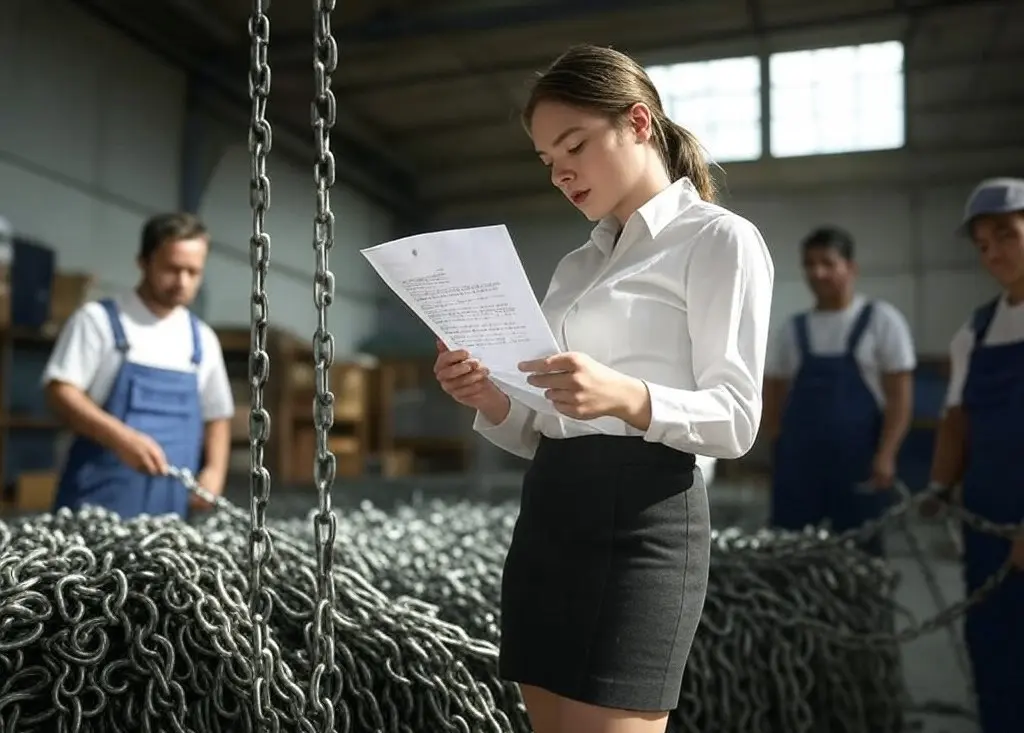
  • How to Maintain Lifting Chains for Real Estate Construction Projects

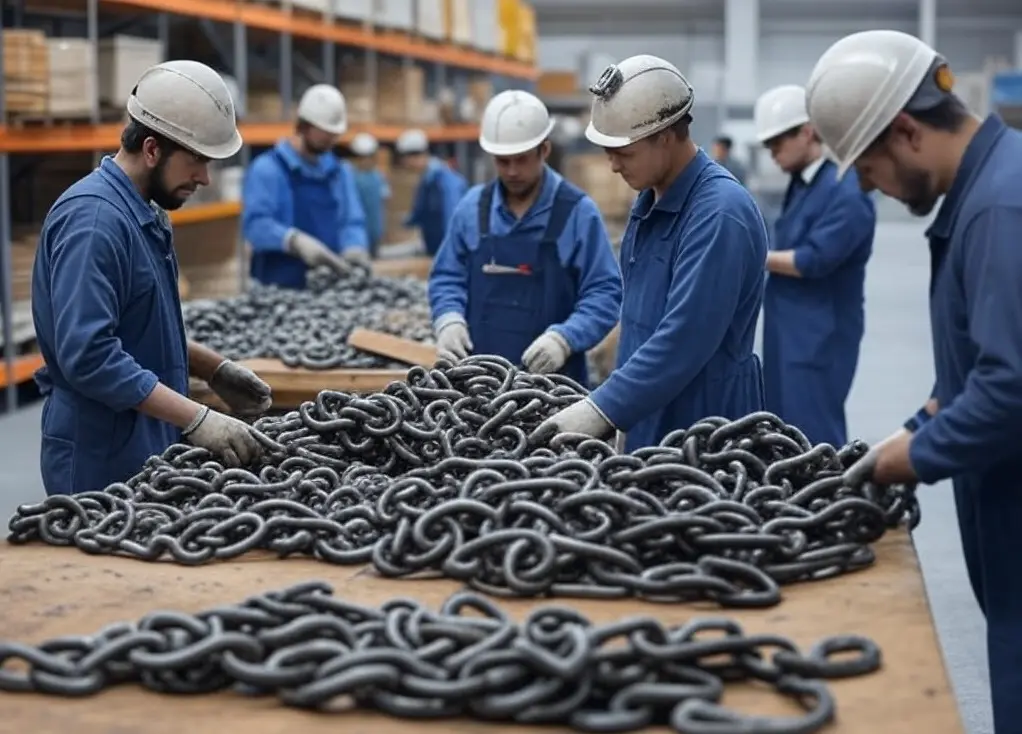
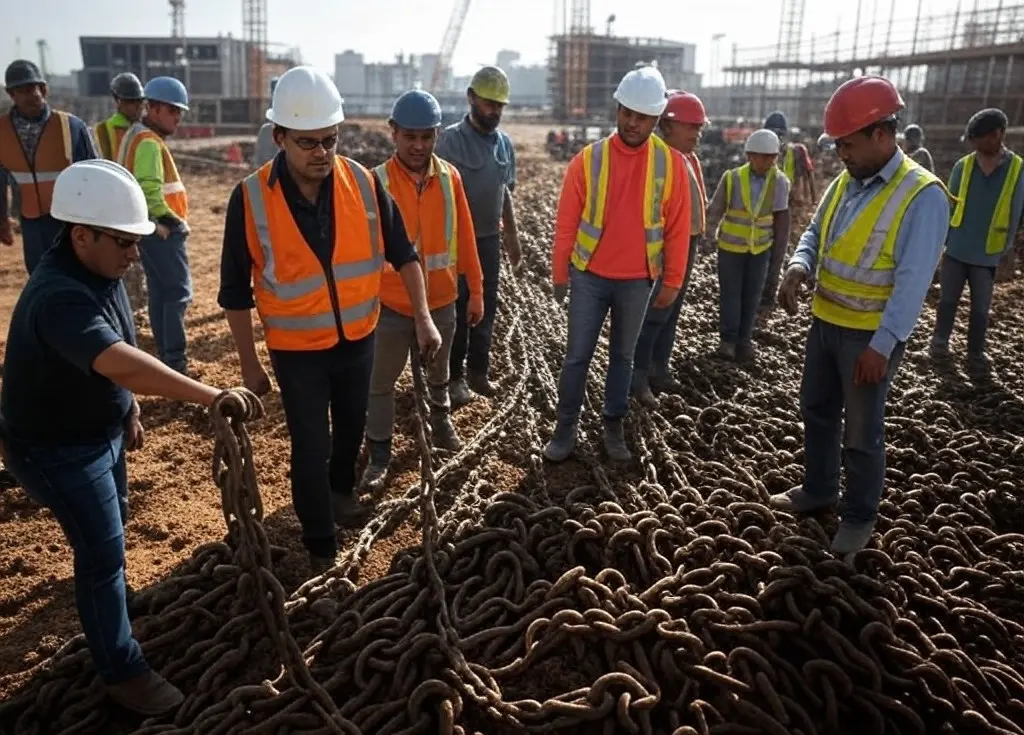
    Construction crews involved in real estate development have to inspect all site and hoisting equipment—chains, hooks, pulleys, and other key components—periodically. Identification of faults at an early stage, including elongated chains, cracks, and rust, prevents costly safety risks and delayed timelines.

    That’s why regular inspections and smart maintenance are key to maximizing the lifespan and performance of lifting chain and components. Equipment failures can disrupt progress and pose serious risks.

    Here’s how to keep your lifting chains and other vital tools in top shape for a successful project.

    Inspect Chains Regularly for Wear and Damage

    Before starting work, inspect the chains and critical items such as pulleys, hooks, and attachments for rust, cracks, and elongated links, or worn sections that could weaken the chain’s strength. Identifying them early keeps operations moving and saves you money on maintenance.

    For bigger projects, you should schedule regular professional inspections. Experts can catch hidden defects and make sure your equipment meets all safety standards.

    Keep Chains Clean and Lubricated

    Construction areas are dirty, and that can cause your clothes or gear to wear out quickly due to dirt, moisture, and grime. It’s important to keep your chains clean. Otherwise, even simple tasks like unpacking loads can become a struggle if things get stuck for too long.

    And don’t skip the lube! A good chain lubricant cuts down friction, fights rust, and keeps your chains working smoothly under heavy loads. Treat your equipment right, and it’ll keep the job moving without a hitch.

    Invest in High-Quality Equipment

    High-quality lifting chains and spares cannot be a luxury, but a necessity, in real estate development. Any form of failure in such items cannot be borne, and such failure can cause loss of time at a critical stage in development work.

    Trusted suppliers provide durable chains and accessories built to withstand demanding conditions, ensuring that your operations stay efficient and safe. While it might cost a bit more upfront, investing in quality pays off in reliability and peace of mind.

    Follow Load Limits and Usage Guidelines

    It is important that every member of your team knows that lifting chains have a Working Load Limit (WLL). This is because if you exceed the maximum weight that it can safely handle then this will be very dangerous. To avoid equipment damage and injuries, ensure that your crew comprehends and adheres to these boundaries.

    Also, avoid risky practices like shock loading (sudden jerks) or twisting chains. Lifting chains are designed for straight pulls under steady tension—anything else can weaken them over time and increase the chance of breakage.

    Store Chains Properly When Not in Use

    When your lifting chains aren’t in use, proper storage helps protect them from damage. Keep them in a clean, dry place, away from moisture and extreme temperatures. Hanging chains on racks prevents tangling and deformation.

    Exposure to direct sunlight can also weaken metal over time, so store chains in a shaded area. Taking these precautions will keep your equipment ready to go when you need it.

    Schedule Professional Inspections and Repairs

    While routine checks are essential, professional inspections provide an added layer of safety. Experts can detect hidden issues and ensure that your lifting chains meet local construction regulations.

    If a chain shows serious wear or damage, replace it immediately. Using faulty equipment can lead to dangerous failures, putting both your crew and the project timeline at risk. Don’t take that chance—be proactive with repairs and replacements.

    Final Thoughts

    For any construction project to be successful, there is a need for the right kind of equipment. As long as you manage to keep up with maintaining, inspecting, and following good safety rules of practice on a regular basis, then you will be able to prevent any interruption that may be very expensive, as well as take care of your employees.

    Invest in your equipment, stick to the plan, and build with confidence!

  • Shaping the Perfect Foundation with Skilled Grading Contractors

    A solid foundation is a must for any construction project, whether you’re building a home, a business, or even farmland. You need a stable foundation. And that starts with proper grading. Without it, you could be looking at major issues like uneven settling, drainage problems, and even structural damage. That’s why hiring experienced grading contractors is what gets the job done.

    Let’s dive into what makes their work so important.

    Why Experience Matters in Grading Experts

    Grading isn’t a “wing it” kind of job. You need people who’ve been through the ups and downs of real projects—people who know how to handle all sorts of site conditions without breaking a sweat.

    Experienced grading contractors know working with challenging slopes, mixed types of soil, and drainage issues that don’t necessarily sound important but can become a nightmare in the future. And, naturally, experienced contractors know reading site plans for a pro and checking for elevation compliance.

    They make sure everything’s set up right the first time so you don’t have to worry about costly fixes down the road.

    The Role of Modern Equipment in Grading

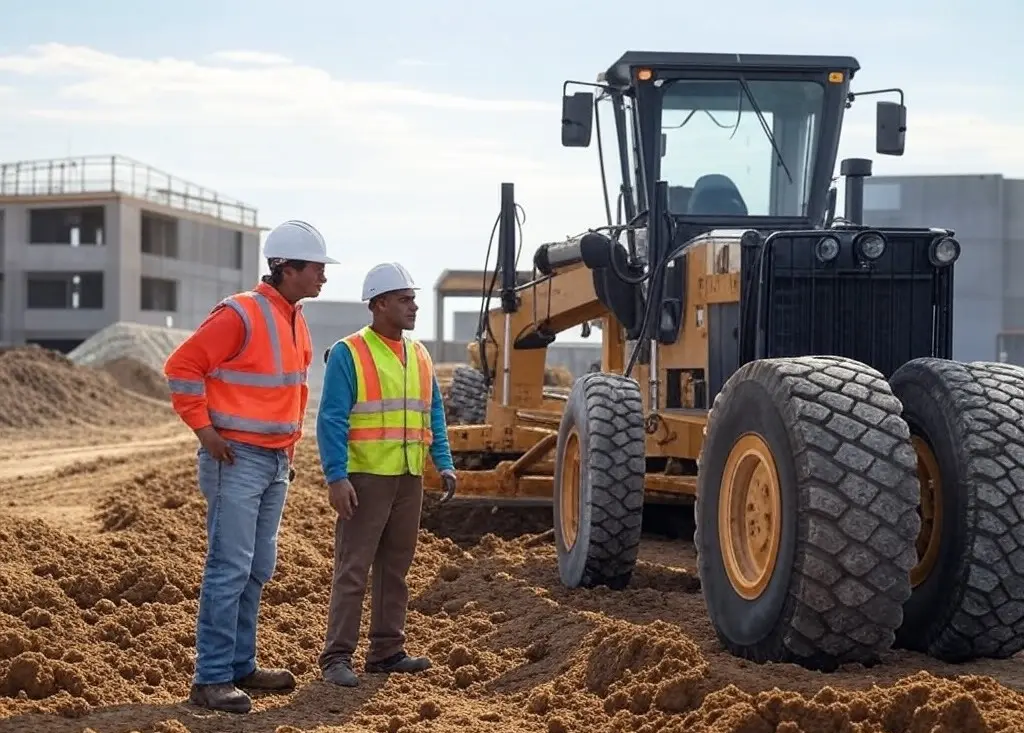
    Grading isn’t just about jumping on a bulldozer anymore. Today, contractors use high-tech equipment like motor graders and GPS technology systems to shape the land with pinpoint accuracy.

    This helps keep everything on track and reduces mistakes. Of course, it’s all for nothing if the operator doesn’t know what they’re doing. That’s why you need a team that knows how to use and maintain this equipment properly.

    Ensuring Proper Drainage and Erosion Control

    Water damage is no joke. If your site isn’t graded right, water can pool around your building, causing erosion, foundation issues, or other costly damage.

    Skilled contractors take drainage seriously. They shape the land so water flows away from important areas, preventing future problems. In places with heavy rain or soft soil, they also use erosion control techniques to keep things in place.

    Adherence to Local Regulations and Environmental Standards

    No one wants project delays or fines, right? That’s why good contractors make sure they’re following local zoning laws and environmental regulations.

    Good contractors know how to handle these rules so your project keeps moving without any legal drama. They’ll take care of things like eco-friendly practices and sediment controls. Sticking to the rules keeps everything running smoothly without any unexpected drama.

    What It All Comes Down To

    Grading isn’t just about making the ground flat. It’s about laying the groundwork, for long-term success. Reliable contractors know how to balance drainage, stability, and legal requirements to create a strong, durable site. If you want your project to last, getting the right team on board early makes all the difference.

    Grading contractors do the behind-the-scenes work that protects your project from future problems. They bring a mix of experience, tech, and know-how to create a foundation that’s built to last. Trusting a dependable team will save you from a lot of problems later on.

  • The Fatal Four of Construction Sites and How to Avoid Them

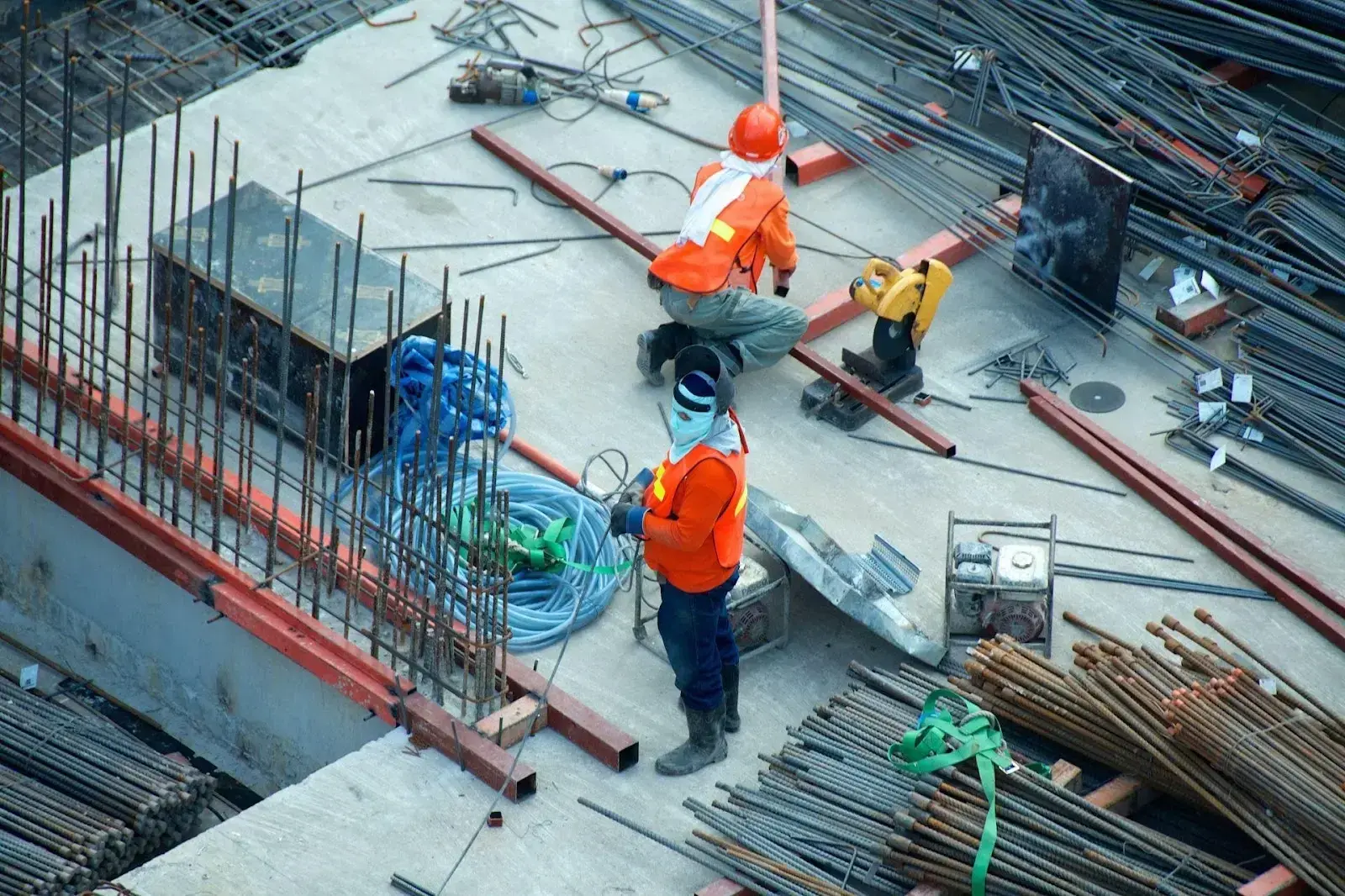
    image source

    Construction sites have that particular feel of hustle and bustle: the roaring of machines and the workers rushing in a tizzy to get the work over within a specified deadline. Yet within this energy comes the stark reality of a sobering truth-the “Fatal Four” accidents that claim most of the lives on a yearly basis in construction sites.

    These are risks that turn out to be harsh realities in the lives of victims, especially those who suffer serious injuries; thus, awareness of prevention methods becomes critical for anyone involved in or around the industry.

    Galveston, known for its growing construction projects and vibrant infrastructure, unfortunately, sees its fair share of construction accidents. If you or someone you know has faced such an incident, consulting a Galveston construction accident attorney could be a crucial step to securing justice and compensation.

    To truly protect yourself and others, you must understand these hazards and actively work to prevent them.

    Let’s break down the Fatal Four and explore how you can stay safe on the job.

    1. Falls

    Falls are the leading hazard at a construction site, accounting for about 36% of all deaths. These hazards can come in the form of ladders, scaffolding or roofs and can be around every corner.

    Think about this and set: You want to get a job done and hurry without taking one minute to secure your safety up there. And suppose something terrible happens because one failed to tie off correctly. How is that going to feel when it’s your fault?

    2. Struck-By Objects

    Struck-by objects, also known as the silent killer, is one of the major hazards of a construction site. Serious injury or death may be incurred. To avoid these, use appropriate headgear, wear PPE, secure all tools and materials, be aware of one’s environment. A moment of unawareness of these may prove to be fatal.

    3. Electrocutions

    Electrocutions, often called the invisible threat, though tough to see & happen when people touch live wires do 9% of all deaths in construction. Sometimes even experts can make mistakes because they are tired or not paying attention. To avoid such occurrences, one should make sure that the tools using electricity must have their wires attached to a plug with three holes; staying away from power lines that hang over the head. Through this, one can know their safety on electricity use from frequent training sessions.

    4. Caught-In/Between Hazards

    The caught-in hazards include collapsed structures in construction that might crush a worker and getting caught between equipment. Being too close to a big machine is enough to take away your life. To protect yourself, stay out of the blind spot, avoid loose clothes, and maintain clear communication with operators.

    Safety Is Everyone’s Responsibility

    Construction workers understand that safety is paramount, and breaking the rules costs one’s life. Simple things like wearing hard hats, checking harnesses before using them, and making sure everything is going okay around you-even the small things-help avoid accidents.

    If it does, then it would be a great idea to call in a construction accident lawyer pronto, so either you or someone close to your heart gets the justice they deserve. Make safety the most important thing starting now – you won’t regret it!