Tag: real estate advice

  • How to Avoid Common Pitfalls When Buying Property in Spain

    How to Avoid Common Pitfalls When Buying Property in Spain

    Spain is one of the most visited countries in Europe. More than 146,000 homes were purchased by foreigners, and the following year close to 93,000 properties changed hands, representing nearly 15% of all sales nationwide. The biggest demand continues to center on coastal areas, especially the Valencian Community with Alicante, Málaga in Andalusia, and the Balearic and Canary Islands.

    Buying property in Spain has its own way of doing things. The legal steps, the involvement of notaries, and even how taxes are handled can feel unfamiliar if you’re coming from abroad. A lot of buyers jump in without knowing these differences, and that’s usually when complications start.

    This guide points out the mistakes that most foreign buyers run into and gives you clear steps to steer clear of them. By understanding the process before you sign anything, you’ll have more control, save money, and reduce stress as you move forward with your purchase.

    1. Failing to Do Adequate Research

    The Importance of Location

    One of the most important steps in buying property in Spain is researching the location thoroughly. The region and neighborhood where you buy your property will significantly affect your quality of life and the potential return on investment. Spain is diverse, and each region has its own unique characteristics, so understanding the local culture, amenities, transport links, and future development plans is essential.

    For example, properties in coastal areas like Costa Brava or the Balearic Islands tend to be more expensive and cater to tourists, while inland areas such as Castilla-La Mancha offer more affordable options for long-term living.

    Researching Property Values

    Another common mistake is not conducting enough research on property values in the area. The Spanish property market can be quite different from other countries, and prices can fluctuate based on region, demand, and property type. It’s crucial to use property comparison tools online and consult local agents to ensure you are paying a fair price for the property.

    Before you make an offer, take the time to compare similar properties in the area to get a sense of the market value. It’s also a good idea to visit the area in person to get a feel for the neighborhood and its amenities.

    2. Ignoring Legal Due Diligence

    Hiring a Lawyer

    One of the most critical steps when buying property in Spain is ensuring that you’re dealing with a legitimate property sale. The Spanish legal system may differ from what you’re used to, and not hiring a local lawyer to guide you through the process could lead to costly mistakes.

    A lawyer will help you verify the property’s title and ensure that the seller has the legal right to sell. They will also check for any encumbrances, such as outstanding debts or legal disputes. It’s essential to work with a lawyer who specializes in property transactions to avoid any legal complications down the line.

    Checking for Encumbrances

    In Spain, properties are often subject to liens or unpaid debts that may not be immediately apparent. A legal advisor will perform a title check to confirm that the property has no outstanding debts, unpaid taxes, or issues with the property’s ownership.

    In addition, they’ll verify whether the property has the necessary licenses and permits, especially if you are purchasing a property in an urban area where local regulations may apply.

    3. Overlooking Hidden Costs and Fees

    Transaction Costs

    Many foreign buyers underestimate the additional costs associated with buying property in Spain. These fees can add an extra 10-15% on top of the property price. Beyond the purchase price, you’ll need to budget for VAT (10% for new properties), the transfer tax (ranging from 6% to 10%, depending on the region), notary fees, registration fees, and legal fees.

    For example, a property worth €250,000 could cost you an additional €25,000 in transaction fees. These costs should be factored into your budget from the start to avoid unpleasant surprises later.

    Ongoing Ownership Costs

    Once you’ve purchased your property, there are also annual costs to consider. The annual property tax, known as IBI (Impuesto de Bienes Inmuebles), is levied by the local council and can range from 0.4% to 1.1% of the property’s cadastral value. Other costs include community fees for apartment buildings, maintenance costs, and utilities.

    It’s important to plan for these ongoing expenses to ensure that property ownership remains affordable in the long term.

    4. Misunderstanding Financing Options

    Mortgages for Non-Residents

    Securing financing as a foreign buyer in Spain can be tricky, especially if you are a non-resident. Spanish banks typically offer mortgages to foreign buyers, but these loans usually come with higher interest rates and stricter requirements compared to what residents are offered.

    The general loan-to-value (LTV) ratio for non-residents is around 60-70%, meaning you’ll need to pay at least 30-40% of the property price upfront as a deposit. Additionally, the paperwork involved can be extensive, and you may be required to provide documentation such as proof of income, a Spanish tax number (NIE), and a bank account in Spain.

    Currency Exchange Risk

    If you are purchasing property in Spain using a currency other than the euro, you may be exposed to currency exchange risks. Fluctuations in exchange rates can significantly affect the total cost of your property. For example, if the exchange rate changes between the time you agree to purchase and the time the transaction is completed, the amount you need to pay in your local currency could increase.

    One way to mitigate this risk is by using forward contracts, which allow you to lock in exchange rates for future transactions. It’s also advisable to consult with a currency specialist to explore the best options for managing your foreign currency purchases.

    5. Not Understanding the Spanish Property Laws

    Regional Differences in Laws and Taxes

    Spain’s tax and property laws differ from region to region, with each autonomous community setting its own rules for property taxes, transfer taxes, and even rental regulations. For instance, while Madrid charges a 6% transfer tax on property sales, in Catalonia, this tax can be as high as 10%.

    It’s essential to be aware of the local property laws that apply to the area where you plan to buy. You should consult with a local lawyer who can explain how regional differences affect your purchase.

    Legal Rights as a Foreign Buyer

    Foreign buyers in Spain have many of the same rights as Spanish nationals when purchasing property. However, there are certain differences regarding taxes and residency status. Non-EU buyers, for example, may be subject to different tax rules than EU residents. Furthermore, understanding residency permits, visa requirements, and the process for obtaining a “golden visa” for larger property purchases will help you navigate the legal landscape more effectively.

    6. Failing to Factor in Long-Term Costs

    Maintenance and Renovation Costs

    Owning a property in Spain can come with unforeseen long-term costs, especially if you’ve purchased a home that needs work. The Mediterranean climate can cause wear and tear on properties, particularly those close to the sea, where saltwater can corrode metal and cause damage to property exteriors.

    Before buying, it’s important to assess the property’s condition and understand the costs of ongoing maintenance and potential renovations. You may need to budget for repairs, property upgrades, or even structural improvements in the future.

    Capital Gains Tax

    If you plan on selling your property in Spain in the future, be aware that you may be liable for capital gains tax on any profit made from the sale. As a non-resident, this tax is typically set at 19% for EU residents and 24% for non-EU residents. If you’re planning to sell, it’s advisable to consult with a tax advisor to understand how the sale might impact your financial situation.

    7. Not Understanding Spanish Rental Market Rules

    If you intend to rent out your property, you’ll need to be familiar with Spanish rental laws. In particular, some cities like Barcelona and Madrid have specific regulations for short-term rentals (e.g., AirBnB) and may require you to obtain a license.

    For long-term rentals, Spain has strict tenant protection laws, and it’s crucial to familiarize yourself with rental agreements and eviction processes. Make sure to seek legal advice to ensure you comply with local regulations and avoid potential issues.

    You can explore options for Barcelona real estate with Lucas Fox.

    8. Falling for “Too Good to Be True” Deals

    Recognizing Red Flags

    Be cautious when you come across properties that seem too good to be true. If a deal looks like it’s offering an unbelievable bargain, there may be hidden issues or potential fraud. Always verify the legitimacy of the property listing and the seller’s credentials. If something feels off, trust your instincts and consult with a lawyer before proceeding.

    9. Neglecting the Importance of Resale Potential

    When buying property in Spain, it’s essential to consider its future resale potential. Factors like location, condition, and demand will influence how easy it is to sell the property down the line. Be careful not to over-invest in renovations that may not yield a return on investment. The goal is to ensure that the property not only serves your needs today but also offers potential for capital gains if you decide to sell in the future.

    Conclusion

    Buying property in Spain can be a rewarding experience, but it requires careful planning and due diligence to avoid the common pitfalls. From understanding the legal system and taxes to factoring in long-term costs and financing, each aspect of the process deserves attention. By doing thorough research, consulting with professionals, and being mindful of the hidden costs, you can ensure a smooth and successful property purchase in Spain.

  • The Off-Market Seller Mindset: 6 Questions to Ask Yourself Before Skipping the MLS

    When it comes to selling a home, there’s plenty of advice out there, especially about getting it listed, staged, and ready for the MLS. But for some sellers, that approach doesn’t feel right. Maybe the timing isn’t right. Maybe the house needs repairs. Or maybe they just want a low-stress, private sale. That’s where off-market sales come in.

    Going off-market isn’t just a strategy; it’s a mindset. It involves being honest with yourself about what really matters. If you’re thinking about skipping the traditional route,

    Here are six questions to help you decide if an off-market approach is right for you.

    1. Do I care more about certainty or top-dollar pricing?

    Everyone wants a good price, but selling often means making compromises. Ask yourself: Would I trade a higher offer for a faster, simpler closing?

    Many homeowners are okay with accepting less if it means no repairs, no open houses, and fewer unknowns. If certainty, privacy, or speed matter more to you than the highest price, the off-market route might be a better fit.

    2. Do I have the time and energy to get this house “show ready”?

    Preparing a home for the MLS isn’t easy. You might have to deal with home inspections, repairs, deep cleaning, or finding contractors, all while managing a move, a job, or family responsibilities.

    Off-market buyers, especially those experienced with buying as-is properties in Texas, often take care of repairs and cleanup themselves. If the idea of getting your home market-ready feels overwhelming, a simpler path might work better for you.

    3. Am I comfortable with strangers walking through my home?

    Most sellers don’t think about this until the first showing. Having strangers tour your house on short notice can feel intrusive and exhausting. If you live there or manage it remotely, this can quickly become stressful.

    In private sales, this pressure is lessened. Some buyers make offers based on walkthroughs or basic inspections, especially if the home needs updates or is inherited. The option to sell without open houses is a major reason many sellers consider off-market deals.

    4. Is my timeline flexible, or do I need to move quickly?

    Some sellers list with a loose timeline, while others must move quickly due to a job relocation, family matters, or financial pressure.

    “Whether it’s probate, pre-foreclosure, or a house you’ve inherited, some sellers simply don’t have time for the traditional process,” says Lisa Martinez, Founder of TX Cash Home Buyers , a Texas-based investment company that deals with off-market properties. “They need someone who can assess the home quickly and move forward without a lot of red tape.”

    The main value of off-market is flexibility. If waiting 30 to 90 days for financing and inspections doesn’t fit your situation, working with a local buyer who can move fast may be a better option.

    5. Have I already received interest from an investor or direct buyer?

    If someone has reached out with a letter or phone call, it might be tempting to ignore it. However, those offers can come from legitimate, experienced buyers in your market.

    The key is vetting them: check their reviews, ask how they work, and don’t hesitate to compare. A good buyer won’t rush you; they’ll be open and willing to answer your questions.

    6. What does peace of mind look like for me?

    For some sellers, peace of mind means getting a competitive offer and a 45-day timeline. For others, it means avoiding repairs, showings, and surprises.

    If your idea of a successful sale is simply a low-stress, reliable process, that’s completely valid. This is often what makes off-market appealing, especially for homes that aren’t in perfect shape or situations where you need a more tailored process.

    Final Thoughts

    Selling a home is never a one-size-fits-all situation. But asking the right questions can help you move forward with clarity, whether that’s listing traditionally or working with a trusted local buyer.

    If you find yourself agreeing with some of these questions, it might be worth looking into the off-market route. Just ensure that the person you work with knows the area, understands the numbers, and respects your timeline.

    Want to learn more about how the off-market process works or see if your situation might be a good fit? Visit TX Cash Home Buyers for more details or to request a no-pressure consultation.


    Author Bio:

    Lisa Martinez is the founder of TX Cash Home Buyers , a real estate investment company that helps homeowners in Texas sell their houses quickly and easily. With years of experience working with sellers dealing with probate, inherited properties, foreclosure, and homes needing repairs, Lisa offers a practical and caring approach to off-market real estate solutions. She has been featured on industry platforms like Redfin and regularly writes educational content that supports homeowners in making smart choices during tough times. When she is not helping clients or writing about real estate, you can find her exploring Texas neighborhoods and improving SEO strategies for small businesses. You can connect with Lisa through her website or follow her updates on LinkedIn or Facebook.

  • Selling Before It’s Too Late: What Pre-Foreclosure Means

    If you’ve received a notice of default or suspect one might be coming, you’re not alone and you’re not out of options. Pre-foreclosure might sound like a countdown to losing your home, but in reality, it’s a phase that offers a little breathing room and, more importantly, the chance to take action.

    Source: unsplash.com

    Pre-foreclosure is the period after a homeowner has missed several mortgage payments but before the home is officially foreclosed and auctioned off. It’s the lender’s way of saying, We need to resolve this soon, but it’s not yet the point of no return. This window offers homeowners an opportunity to work out a solution; whether through loan modification, refinancing, or selling the property before the foreclosure is finalized.

    What Triggers Pre-Foreclosure and How Long It Lasts

    Calendar with foreclosure deadline and overdue mortgage notices.

    Lenders typically initiate pre-foreclosure after three to six months of missed payments. The timeline can vary depending on the lender and state laws, but once a notice of default is issued, the clock starts ticking.

    You’ll typically have anywhere from 60 to 120 days before the home is scheduled for auction. This timeline gives you a narrow but very real window to explore options, especially if you’re considering a sale.

    Missed payments don’t just put your property at risk. They also impact your credit score, limiting future borrowing potential. But the sooner you act, the more control you retain over how things unfold.

    Can You Still Sell a House in Pre-Foreclosure?

    Homeowner talking to real estate agent about selling during pre-foreclosure.

    Absolutely. One of the most practical and proactive things you can do in pre-foreclosure is sell the home. Many homeowners don’t realize this option exists until they feel completely boxed in.

    Selling during pre-foreclosure can help you:

    • Avoid foreclosure on your credit report
    • Potentially walk away with equity
    • Regain financial footing faster

    You’ll need to inform the lender of your intent to sell, and it’s smart to work with a real estate agent or investment company that understands pre-foreclosure timelines and lender communication. If the home’s value is greater than what you owe, you might even make a profit after closing costs.

    What If You Owe More Than the Home’s Worth?

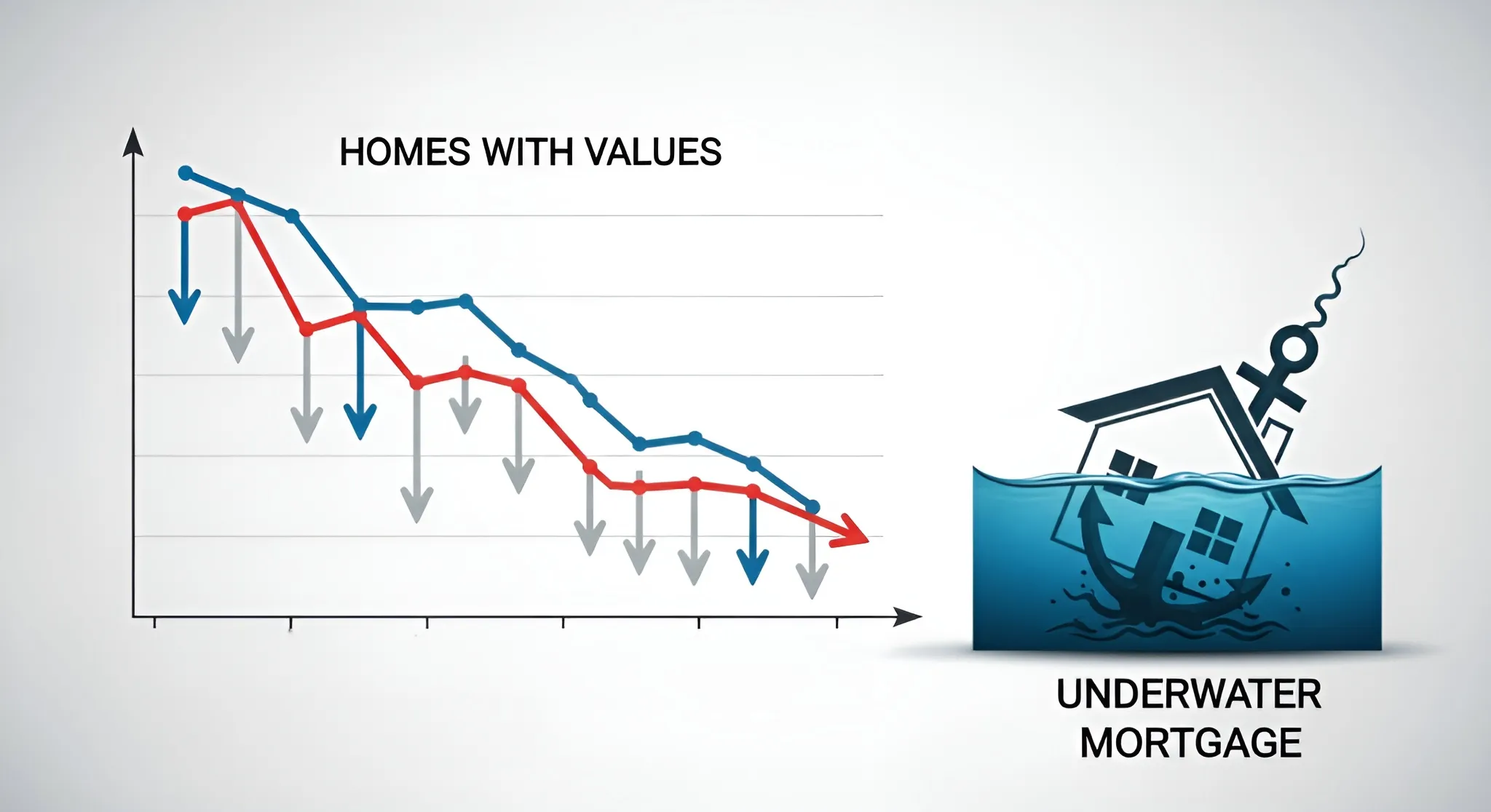
    Illustration of a house with negative equity or underwater mortgage concept

    In situations where your home’s market value is less than the outstanding mortgage balance, a short sale may be an option. A short sale means selling the property for less than you owe, with the lender’s approval.

    Here’s the catch: Not all lenders will agree to a short sale, and even if they do, the process can take longer than a traditional sale. You’ll need to document your financial hardship and work closely with professionals who’ve been through this process before.

    Still, a short sale is usually less damaging than a full foreclosure, and it can clear the path toward financial recovery much faster.

    Smart Moves to Sell in Time

    Timing is everything in pre-foreclosure, and taking swift, informed action can make a huge difference. Here’s how to stay ahead:

    Get a realistic property valuation

    Understanding your home’s current market value is the first step. Online estimates are a start, but working with a local agent or real estate investor can provide more accurate numbers.

    Don’t hide from your lender

    It might feel uncomfortable, but staying in touch with your lender can work in your favor. Some lenders are willing to delay foreclosure if they see you’re actively working to sell.

    Price it right and move quickly

    In pre-foreclosure, time is more important than squeezing out top dollar. A competitively priced listing will attract more buyers and increase your chances of a fast close.

    Consider a direct sale

    Selling to a real estate investor can speed things up significantly. With companies like Modern Offer REI, you can get a cash offer, skip repairs, and close quickly often in just a few weeks.

    How Investors Can Be a Lifeline

    Real estate investor making a deal with homeowner during pre-foreclosure.

    Homeowners facing pre-foreclosure often think traditional listings are their only route, but investors can be a faster, lower-stress solution.

    They offer flexibility and speed two things you need most when you’re running against a foreclosure timeline. Many investors are prepared to buy homes in as-is condition, and they often close much faster than conventional buyers.

    While not every investor is a good fit, the right one can make the entire process smoother, quicker, and more manageable. This can help you avoid foreclosure entirely and give you a clean financial slate to move forward.

    What Happens If You Can’t Sell in Time?

    If the home doesn’t sell before the auction date, the foreclosure process continues. The property will be repossessed by the lender and typically auctioned off to recover the unpaid loan balance.

    At that point, you lose control over the sale and the chance to protect your credit from further damage. That’s why acting during pre-foreclosure is so crucial. It’s your last window to direct the outcome, rather than having it decided for you.

    In some cases, you may be able to delay the foreclosure temporarily through bankruptcy or by filing a complaint, but those are complex legal processes that require professional guidance.

    How to Talk to Buyers About Pre-Foreclosure

    Home seller and agent talking transparently to potential buyer about pre-foreclosure.

    Worried that buyers will run for the hills when they hear pre-foreclosure? Don’t be. Many buyers especially investors are very comfortable purchasing these properties.

    Be transparent about the timeline and your situation. Make sure your agent or representative is experienced in handling the added paperwork and disclosures. Buyers who understand what’s going on will appreciate the honesty and may even move faster to help you close in time.

    You Still Have Options, Use Them

    Pre-foreclosure isn’t the end it’s the fork in the road. It can feel overwhelming, but you still have time, tools, and choices.

    Whether you sell through a traditional listing, pursue a short sale, or work with a real estate investor, the most important thing is to act quickly. Don’t wait for the foreclosure notice to become a foreclosure auction.

    If your goal is to avoid long-term financial fallout and move on with as little disruption as possible, selling before the foreclosure is completed could be your best move.

  • Skip the Staging: What Cash Buyers Look For in Georgia Homes

    In the traditional real estate world, staging is a must. Sellers invest time and money to make homes look perfect—renting furniture, painting walls, even baking cookies for open houses. But if you’re working with a cash buyer in Georgia, that picture-perfect setup might not matter as much as you think.

    Cash buyers aren’t your typical home shoppers. They’re usually investors, house flippers, or companies looking to make a quick, solid investment. If you’re selling your home in Georgia and want to attract a cash buyer, knowing what really matters to them can save you time, money, and stress.

    Source: unsplash.com

    Why Cash Buyers Don’t Care About Staging

    You might be surprised to learn that most cash buyers skip open houses altogether. They’re not focused on how cozy the living room feels, they care about the numbers and the structure.

    Cash buyers typically evaluate properties based on location, condition, and potential return on investment. A beautifully staged dining room won’t matter if the roof needs replacing or the foundation has problems.

    Instead of focusing on aesthetics, cash buyers look under the hood. They want to know: How old is the HVAC system? Are there any code violations? Is the plumbing sound? If you’re preparing to sell, your time is better spent gathering these details rather than setting up seasonal décor.

    What Cash Buyers Look For in Georgia Homes

    Cash buyers are often flexible when it comes to appearances, but they’re serious about the essentials. A house with strong bones will always attract more attention than one with updated countertops but a crumbling foundation.

    Location is still king. Areas near good schools, major road access, and signs of economic growth are always in demand. In Georgia, cash buyers are keeping a close eye on several hot spots—from bustling Atlanta neighborhoods to quieter suburbs.

    Also, they’re not swayed by sentimental value. Cash buyers want realistic pricing based on market data, the condition of the property, and potential ROI. Overpricing a home even slightly can push them away fast. Forget sentimental value cash buyers look at your home through an investor’s lens. They’ll run comparable sales and do their calculations to determine your home’s value. Overpricing will send them running. They want a fair deal that reflects the property’s current condition and market value.

    Fast Closings Are a Major Advantage

    One of the biggest reasons sellers in Georgia choose cash buyers is speed. While traditional sales can drag on for months, cash deals often close in just 7 to 14 days—no financing hang-ups, no bank delays, and no drawn-out inspections.

    That kind of speed is a huge relief for homeowners who need to move quickly due to a job change, divorce, an inherited property, or financial stress. If you’re hoping to sell fast, keeping this in mind can help you set realistic expectations.

    A Clean Title Goes a Long Way

    Cash buyers love a clean title. If your home has no liens, legal disputes, or boundary issues, you’re already ahead of the game. Before reaching out to investors, it’s a good idea to run a title check and clear up any problems.

    In many cases, the buyer will handle the title search but having your paperwork ready and organized can really set your property apart. It shows you’re serious and helps the whole process go more smoothly.

    Repairs: Should You Fix or Sell As-Is?

    This is a big question sellers often ask: should I fix anything before selling to a cash buyer?

    Most of the time, the answer is no, especially if you’re dealing with experienced investors. Many cash buyers specifically look for as-is properties because they plan to renovate and either resell or rent them. However, it’s smart to disclose everything upfront. If you’ve got a leaky roof or busted water heater, be honest about it.

    What matters most is transparency, not perfection. Hiding problems will backfire, but being upfront builds trust and speeds things along.

    Curb Appeal Still Matters

    Staging the inside isn’t a big deal for cash buyers, but first impressions still count. They might not care about fancy décor, but they’ll definitely notice if the yard looks messy or neglected.

    Simple things like mowing the lawn, trimming the bushes, and clearing out any junk, can make a big difference. It shows you’ve taken care of the place, even if it needs some work. No need to hire a landscaper, just keep it neat and easy to walk through for showings or inspections.

    Paperwork Can Make or Break the Deal

    Being prepared with the right documents matters more than a perfectly staged home. Here’s what most cash buyers will want to see:

    • Property deed
    • Utility bills or tax info
    • Recent inspection reports (if available)
    • Any permits or repair receipts
    • Disclosure forms for known issues

    Having these documents ready shows you’re organized and serious, which can help speed up the process and build trust with the buyer.

    Who’s Buying for Cash in Georgia?

    Not all cash buyers are created equal. Some are individuals with renovation goals, while others are larger companies or real estate investment groups. It’s important to vet potential buyers and make sure they’re legitimate and experienced.

    Companies like Martin Legacy Holdings specialize in buying homes for cash in Georgia. These types of buyers understand the local market, can move quickly, and are often willing to take homes as-is. If you’re aiming for a fast, smooth transaction without getting bogged down by staging or months of uncertainty, they can be a solid option to consider.

    Skip the Staging? Here’s the Bottom Line

    If you’re selling your home to a traditional buyer, then yes, staging can help. But if you’re targeting cash buyers in Georgia, your time is better spent elsewhere.

    Instead, focus on:

    • Getting your paperwork in order
    • Clearing up any title or legal issues
    • Making sure the home’s structure is solid
    • Pricing the property realistically
    • Keeping the space clean and easy to access

    Skip the candles and throw pillows, cash buyers are bringing calculators, not clipboards.

    Whether you’re in Augusta, Macon, or anywhere in between, understanding what cash buyers really care about can make all the difference.

  • 6 Steps to Sell a Home Fast in Dallas

    Turning the home you’ve lived in into something buyers want, that’s the tricky part. You want to show off what makes your place special, maybe it’s the original hardwood floors, or the sunlight that spills into the living room just right, but you also have to strip away the daily life that made it yours.

    I once walked through a perfectly lovely three-bedroom that had everything going for it, except it was filled to the brim with personal touches. Every corner told a story, but not one a buyer could picture themselves in. That’s usually when sellers stop, look around, and think, Where do I even begin?

    With just six steps, you can turn a lived-in home into one buyers fall for fast.

    Step One: Declutter & Depersonalize (Yes, You Really Have to Do This)

    Before buyers can picture themselves in your space, they need to not see you in it. This is especially important in Dallas, where according to Zillow, homes are spending about 38 days on the market as of early 2025—a shorter window than in many metro areas. Every day counts.

    What works:

    1. Start with the visual clutter. Walk through your house with a friend (or phone camera). Anything that jumps out—piles of mail, too many shoes by the door, Too many knickknacks, needs to go.
    2. Pack personal items. Family photos, your kid’s artwork, anything with your name or face on it—store it away. Buyers need a blank canvas.
    3. Pare down closets by 50%. Try to cut it down by half. Buyers peek inside, and stuffed closets scream “not enough space.”
    4. Hire a pro if needed. In the Dallas area, professional organizers average between $40–$80/hour. The investment usually leads to a faster sale.

    One client packed away 12 bins of collectibles from their living room alone, not only did the house feel bigger, but they later told me, “We should’ve done this ten years ago.”

    Step Two: Deep Clean Like It’s Going on the Market

    Imagine walking into a hotel room that looks clean but smells weird or has smudges on the mirror. That’s the feeling you need to avoid at all costs. A deep clean sets the tone for how buyers perceive the home’s condition—and their future maintenance costs.

    What to focus on:

    1. Kitchen: Degrease backsplash, clean inside appliances (yes, buyers check), Wipe down and sanitize every surface.
    2. Bathrooms: Grout should be white. No mold, no pink soap scum. Replace shower liners. New toilet seat if necessary.
    3. Floors: Steam-clean your carpets or swap out worn ones. Mop hard floors with a shine-finish solution.
    4. Walls & baseboards: Clean fingerprints, grease, and smudges. If your wall color is bold or dark, consider repainting in soft neutrals like “Accessible Beige” or “Agreeable Gray.”
    5. Windows: Let that Texas sun in! Clean both sides of the glass, and don’t forget the window sills and screens.

    A pre-listing deep clean in Dallas typically costs between $300–$600 for a standard 2,000 sq. ft. home—but it can net you $2,000–$5,000 more in offers. If you’re looking for pros, Hellamaid Dallas offers expert cleaning services tailored for home sellers—so you don’t have to lift a finger.

    Step Three: Make Your Home’s Curb Appeal Unforgettable

    Curb appeal is basically your home’s dating profile picture. According to Forbes, it takes buyers just 7 seconds to form an emotional impression. You need to wow them before they even open the door.

    Here’s how to make those seconds count:

    1. Lawn & landscaping: Mow, edge, and trim hedges. Add fresh mulch and seasonal flowers (pansies in winter, zinnias in summer).
    2. Entryway: A freshly painted front door (try navy or forest green), new doormat, and tidy porch = instant upgrade.
    3. Power wash: Driveways, walkways, siding—grime is the enemy of perceived value.
    4. Lighting: Swap dated fixtures, replace bulbs with warm-white LEDs, and set timers for evening showings.

    My suggestion? Add two rosemary urns and a shiny new brass mailbox—I’ve seen homes get five offers in one weekend just from that. Never underestimate the power of a well-styled entry.

    Step Four: Minor Repairs = Major Impact

    You might be used to the smell to that dripping faucet or wobbly banister, but buyers see every flaw as a potential hidden issue.

    What to fix:

    • Loose doorknobs, squeaky hinges, or misaligned doors
    • Patch wall holes, caulk gaps, replace cracked tiles
    • Leaky faucets or slow drains
    • Paint touch-ups or full repaints in neutral, cohesive tones

    According to the National Association of Realtors 2023 Remodeling Impact Report, even small cosmetic repairs can recoup over 100% of their cost in resale value.

    Step Five: Set the Mood… and the Scent

    This is where it gets subtle, but powerful. Home isn’t just what we see. It’s what we smell and feel.

    1. Air it out. Open windows if the weather allows. Use a HEPA filter to reduce dust and allergens.
    2. Neutral, fresh scents. No heavy perfumes. Try simmering water with citrus and cinnamon before showings, or go for soft essential oil diffusers (lavender or eucalyptus work well).
    3. Don’t just cover up odors, get rid of them. That includes litter boxes, cooking smells, and mildew.

    Yes, baking cookies works. Buyers associate it with warmth and nostalgia. You don’t need to become a baker, just warm some premade cookie dough before the showing, and let the aroma do the work.

    Step Six: Stage It Like You Mean It

    Now this is the fun part. Staging.

    • Layer textures: Think soft throws on the couch, crisp linen bedding, and woven baskets for storage.
    • Symmetry sells: In living rooms and bedrooms, balance nightstands, pair chairs, center pillows.
    • Add life: Place a plant in every room—real or faux. It adds movement and freshness.
    • Layer the lighting: Use table and floor lamps to add warmth; overhead lighting alone often feels harsh

    local buyers generally favor transitional or modern farmhouse styles. Clean lines, cozy textures, and a neutral palette have broad appeal.

    What Buyers Want in Dallas Right Now

    Dallas buyers are looking for move-in ready homes, sleek finishes, and inviting spaces. They’re also fast decision-makers, often booking tours within hours of listing.

    Homes that are well-staged and prepped tend to:

    • Sell 33% faster (source: Redfin)
    • Attract more offers within the first week
    • Sell for 1–5% more than similar homes that aren’t staged

    So whether you’re upsizing, downsizing, or relocating altogether, take the time to present your home as a story waiting to be continued. Because that’s exactly what it is—for the next person who walks through that door.

  • Moving Checklist: The Definitive Guide for Any Situation

    Source: pexels.com

    Moving, or relocating, means transitioning from one home to another, whether it’s a short distance within the same neighborhood or a longer journey across a city or even a country. The process generally includes planning, packing, and executing the move, followed by settling into the new home.


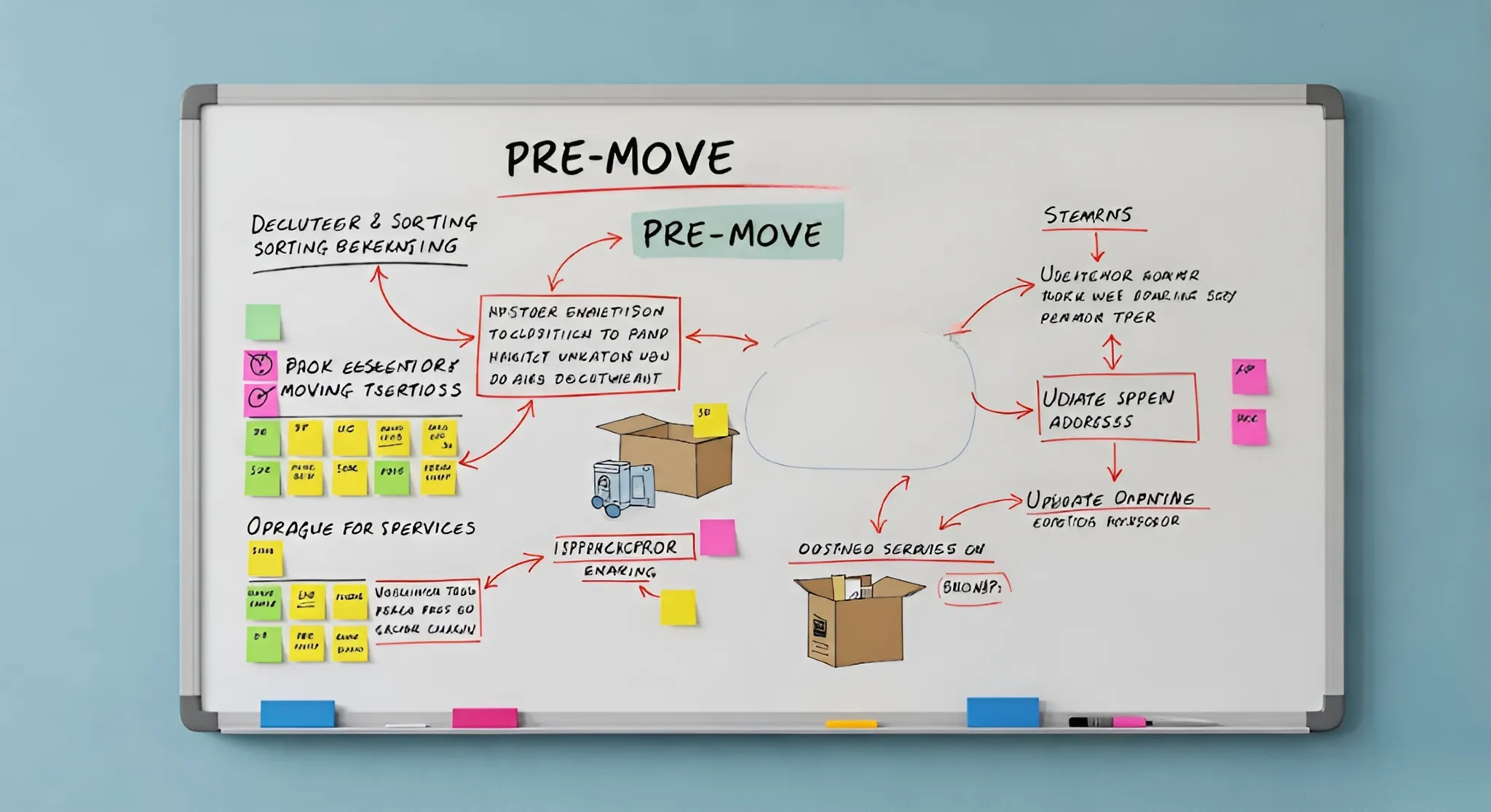
    The pre-move stage involves preparing your belongings, securing services, and organizing your new home. This includes tasks like decluttering, inventorying items, packing, notifying authorities, and arranging for utility transfers. It’s also important to plan ahead, choose a reliable moving company, and get your new home ready.

    A. Initial Planning & Decision Making (8–12 weeks before moving)

    This early stage is crucial to ensure the moving process runs smoothly and meets expectations. One of the main things to prepare is detailed budget planning.

    • Determining the Moving Budget
      Start by listing all potential expenses. Make a list of costs such as moving services, vehicle rental (if you plan to move items yourself), packing materials, repair/cleaning costs for the old/new house, utility costs, and unexpected expenses (set aside about 10–15% of the total budget).

      Don’t forget to research the average prices in your area and compare multiple offers if using professional services. To make it easier, create a simple table with columns for: “Expense Item,” “Estimate,” “Actual Cost,” and “Notes.”
    • Choosing a Moving Date
      Try to avoid peak moving times, such as during holidays or the end of the school year, as service prices are usually higher and schedules fill up quickly. Also consider the weather, weekdays or weekends (weekends are more convenient but may be more expensive). Most importantly, don’t rush and allow enough time for preparation.
    • Deciding on a Moving Method
      There are three common methods used when moving house. You can adjust them according to your situation.
    1. DIY (Do It Yourself):
      You handle everything yourself, and it can certainly save expenses. However, be prepared for the extra effort and time, and there’s a higher risk of damaged items if you’re inexperienced. If you plan to handle the move yourself, ask friends or family for help well in advance, and prepare tools like trolleys for moving items.
    2. Professional Moving Service:
      If you decide to use a moving service, look for ones that are truly recommended by reading online reviews, checking legalities, and ensuring there’s company insurance. Find at least three moving service companies and compare the quotes they offer.
      If you’re planning an interstate move, make sure the moving company is registered with the Federal Motor Carrier Safety Administration (FMCSA) and has a valid USDOT number. This ensures they comply with federal safety and insurance regulations.
      Make sure you understand the service details provided (packing, unpacking, insurance, etc.). However, be cautious with prices that are too low. Avoid movers who ask for a large cash deposit upfront or only provide phone estimates. Make sure to get everything in writing. You can also check their rating on the Better Business Bureau (BBB) and read reviews on platforms like Yelp or Angi. Also, inquire about the type of insurance they provide, such as released value protection or full value protection.
    3. Partial Move:
      You can use professional services for large/heavy items only, and transport the rest yourself. This can be a middle-ground solution between saving costs and effort. You might also consider using modern apps to simplify your move. U-Haul offers rental trucks, TaskRabbit lets you hire people for lifting and packing, Dolly helps with large-item transport, and Thumbtack connects you to local movers and services in your area.
    • Creating an Item Inventory
      Check every room and note down the key items that will be moved. This is important to ask for price estimates from moving services, and if using the DIY method, you can estimate the size of the truck needed if moving by yourself.
    • Research the New Location (if moving to a new location)
      Gather information about the new area, including schools, hospitals, markets, parks, security, transportation, and the local community. If possible, observe the area first before deciding to move.

    B. Decluttering & Sorting (6–8 weeks before moving)

    This is the step for tidying up and reducing items no longer used. The fewer items, the more cost and effort saved.

    Decluttering Strategy:

    1. The KonMari Method: This is a tidying method developed by Marie Kondo. Ask yourself, do certain items of yours spark joy?
    2. The One-Year Rule: If there are items you haven’t used in the past year (except sentimental / seasonal items), consider letting them go.
    3. Decluttering by Room: Focus on decluttering one room / corner at a time before moving on to another to avoid feeling overwhelmed.

    Create a Category for Each Item (Four-Box System):

    • SAVE: Items to move with you
    • SELL: Items in good condition that can be sold to help with moving costs
    • DONATE: Items still usable but not to be sold
    • DISCARD / RECYCLE: Items that are damaged or unusable

    Tips for Selling Items:
    Use marketplaces, social media, or hold a garage sale. Take clear photos of the items and write honest descriptions.

    Donation & Recycling Centers:
    Look for information about local charities, donation centers, or recycling facilities. Many charities even provide pick-up services for donated items. Consider the reasons you may need a self-storage unit, such as temporary downsizing, staging your home for sale, or keeping seasonal items safe.

    C. Packing (4–6 weeks before moving)

    Pack neatly to make the move safer and the unpacking process easier.

    Prepare All Packing Needs:

    • Boxes of various sizes
    • Bubble wrap & wrapping paper
    • Tape
    • Markers & labels
    • Cutter / scissors
    • Stretch wrap

    Correct Packing Techniques:

    1. Per Room: Complete packing one room before moving on to the next.
    2. Fragile Items: Wrap individually, place plates upright, and fill gaps with paper/bubble wrap.
    3. Electronics: Use the original boxes if available. Take a photo of the cables before unplugging.
    4. Books: Pack in small boxes to avoid making them too heavy.
    5. Clothing: Pack in suitcases/boxes, or use garment boxes for hanging clothes.
    6. Box Weight: Ideally no more than 30–45 pounds.
    7. Fill Gaps: Use towels, socks, or paper to fill empty spaces.
    8. Liquids: Ensure lids are tightly closed, seal with tape, then place in plastic bags before packing.

    Label Each Box:
    Write the contents of the box, the destination room, a fragile sign, and the box number. Add a “OPEN FIRST” label for essential items.

    Prepare Important Box:
    Fill it with daily necessities such as toiletries, medication, a change of clothes, chargers, basic eating utensils, coffee/tea, snacks, a flashlight, and important documents.

    D. Handling Administrative Matters & Notifications (2–4 weeks before moving)

    Don’t forget to handle administrative matters to ensure the move goes smoothly.

    • Notification of Address Change: Update your address with the USPS, your bank, insurance providers, subscriptions, school, healthcare providers, employer, and notify friends and family. You can also set up USPS Mail Forwarding online to ensure your mail reaches your new address. This service is inexpensive and easy to activate through the USPS website.
    • Utility Service Transfer / Cancellation: Contact your utility providers (electricity, water, gas, internet, and cable) to schedule service termination or transfer. Make sure to note the confirmation number and the name of the representative you speak with.
    • Gather Important Documents: Keep all important documents in one waterproof folder or container. (Also, scan them for digital backups.)
    • Childcare / Pet Care: If possible, arrange for children or pets to be taken care of by family / friends / daycare on the moving day so you can focus better.

    E. Final Preparations (1 week before moving)

    The closer it gets to the day, the more details need to be checked.

    • Reconfirm with the moving service: date, time, address, and services. If you’re moving into an apartment building or a neighborhood governed by a homeowners association (HOA), contact the building or HOA management in advance to ask about any moving regulations, such as permitted hours, elevator reservations, or required moving fees.
    • Use up food supplies: reduce shopping for fresh food, empty the fridge/freezer, and plan simple menus.
    • Pack a personal suitcase: fill it with clothes, toiletries, and medication for a few days as if traveling.
    • Prepare cleaning supplies: to clean the old and new house.
    • Withdraw cash: enough for tipping the moving service, buying food/drinks, or emergency needs.

    F. A Day Before Moving

    • Check the fridge/freezer: empty it, clean it, leave the door open to dry and prevent odor. Secure the door with tape.
    • Make sure everything is packed except for essential boxes and personal suitcases.
    • Re-check all rooms, closets, and drawers.
    • Charge all gadgets: phone, power bank, laptop, tablet.
    • Get enough rest: sleep well because tomorrow will be very busy.


    Finally, the long-awaited day has arrived! You must stay calm and focus on the to-do list you’ve prepared to help everything go smoothly.

    Home Protection

    In both old and new homes, protect frequently used areas with old cardboard, tarps, or thick fabric. Don’t forget to protect the corners of walls and door frames to prevent scratches or bumps while moving items. Some moving companies provide floor and wall protection as part of their service.

    Coordination with the Moving Team (if using a service)

    Welcome the moving team, show them where to park the truck, and give brief instructions about items needing extra attention (e.g., fragile, heavy, or items not to be moved). Also, point out where the “Essential Box” is located and request that it be loaded last so it can be the first to be unloaded.

    Supervision of Loading Process

    Supervise the loading process to ensure everything is handled with care. If the moving team has questions, answer them clearly and politely.

    Final Check at the Old House

    After all items are loaded onto the truck, do a final walkthrough. Check every room, closet, storage area, garage, attic, and hidden corner to ensure nothing is left behind. For renters, it is important to document the condition of the old home with photos or video to help with the return of your security deposit. Turn off the lights, shut off water faucets, and unplug all electrical appliances.

    Insurance

    Check your renter’s or homeowner’s insurance to see if your belongings are covered during the move.

    Handover of Old House Keys

    If everything is in order, hand over the keys to the new owner, real estate agent, or relevant party as agreed.

    Change of Address

    Remember to update your address with the USPS, banks, insurance companies, and utility providers.

    Pet Care

    If you have pets, make arrangements for their care and comfort during moving day.

    Journey to the New Home

    Make sure you know the fastest and safest route to the new home. If using a moving service, reconfirm the destination address with the driver.

    Utilities Setup

    Ensure that utilities such as electricity, water, and internet are set up and active at your new home before moving in.

    Unloading Process at the New Home

    Upon arrival at the new home, direct the moving team to place boxes and furniture in rooms according to their labels. This will greatly aid in the unpacking process later.

    Inventory Check

    If your moving service provides an inventory list (usually for long-distance or insured moves), check off each item as it arrives. If any are damaged or missing, note it immediately before signing the receipt.

    Tipping the Moving Team

    Tipping the moving team is common practice in the U.S. as a way to show appreciation for their hard work. It’s customary to tip movers, typically $20–$50 per mover depending on the complexity and length of the move. The amount can be adjusted according to the service and your satisfaction level. You can also provide drinks or snacks as a thoughtful gesture.

    Secure the “Essential Box” and Valuables

    Immediately place the “Essential Box” in an easily accessible location. Keep valuables such as important documents, jewelry, or laptops in a secure place during the unpacking process.

    First-Day Kit

    Prepare a ‘first-day kit’ with basic tools, cleaning supplies, snacks, and other essentials you’ll need immediately upon arrival.


    Welcome to your new home! There’s still some work to do, but don’t worry—the hardest part is already behind you.

    A. First Day & First Week

    Focus on the essentials first to make your home feel comfortable and functional right away.

    • Basic Cleaning (if not done yet): Before unpacking, clean key areas such as the bedrooms, bathrooms, and kitchen.
    • Unpack the “Essentials Box”: Start with important items you’ll need immediately for daily living.
    • Set Up the Bed and Sleep Essentials: Prioritize assembling the bed and putting on sheets, pillows, and blankets. A good night’s sleep is essential after a tiring move.
    • Organize the Main Bathroom: Stock it with basic supplies like towels, soap, shampoo, toothbrushes, and toilet paper so it’s ready to use.
    • Prepare the Kitchen for Immediate Use: Unpack basic utensils, a coffee maker or kettle, and a few groceries.
    • Check Utilities: Make sure water, electricity, gas, and internet are working. If there’s an issue, contact the utility providers immediately.
    • Change the Locks (strongly recommended): For safety reasons, replace all exterior door locks—you never know who might still have a copy of the old keys.
    • Explore Your New Neighborhood: Take a short walk around your area. Locate nearby grocery stores, pharmacies, ATMs, public transit stops, and other essential services.
    • Report Damaged or Missing Items (if you used insured movers): Check your belongings carefully. If anything is damaged or missing, take photos and file a claim within the allowed time frame.

    B. Advanced Unpacking & Organization

    The unpacking process is manageable if you stay organized. No need to rush—just follow these steps.

    Unpacking Strategy:

    • Tackle one room at a time, starting with the most frequently used spaces (like the kitchen, bedroom, and living room).
    • Prioritize unpacking items you use daily.
    • Take your time. Aim to unpack one or two boxes per day rather than trying to do everything at once.

    Dispose or Recycle Packing Materials:

    • Break down empty boxes to keep your space clutter-free.
    • Check your local recycling schedule or drop them off at a recycling center.
    • Consider offering used boxes for free through local online community groups (e.g., Facebook Marketplace or Buy Nothing groups).

    Delegating sorting and storing tasks to family members or professionals can speed up the process and reduce stress.

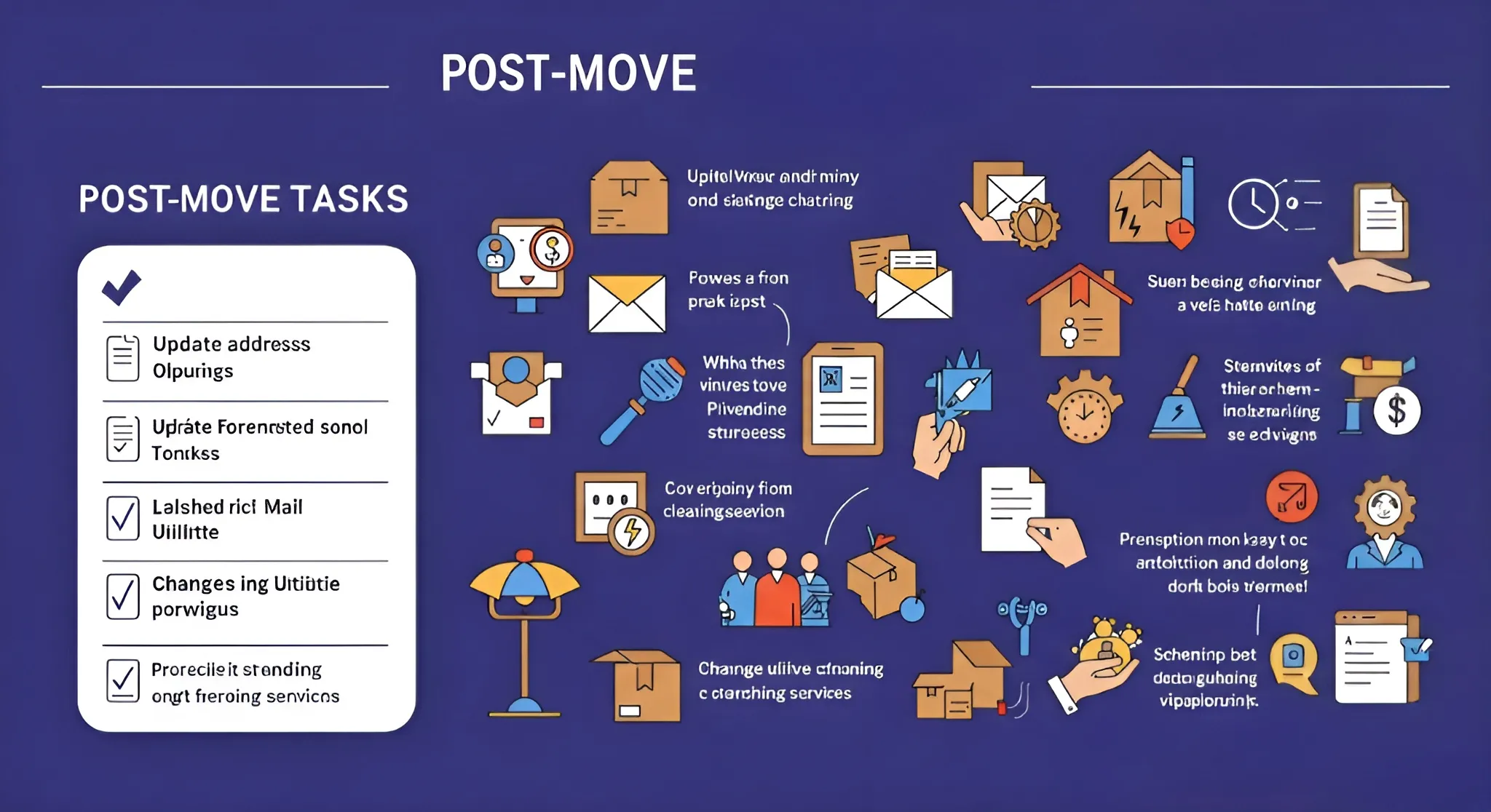
    C. Administrative Tasks

    Some administrative steps should be completed soon after moving.

    Confirm Address Change:

    • Double-check your list of organizations, companies, and individuals to notify about your new address—make sure you don’t miss anyone important (e.g., USPS, banks, insurance providers, employer, subscription services).

    Update Personal Documents:

    • Update your address on your driver’s license or state ID as soon as possible through your state’s DMV.

    Register to Vote (if you moved to a new voting district):

    • Make sure you’re registered to vote at your new address so you’re eligible for upcoming elections. You can update your registration at vote.gov.


    Moving with Children

    • Involve your children according to their age—let them help by packing their own toys or choosing decorations for their new room.
    • Maintain regular routines as much as possible to help children feel secure and reduce anxiety.
    • Prepare a special moving-day bag with their favorite toys, books, snacks, and other comfort items.
    • Give them a tour of the new home, show them their new room, and let them help organize it.
    • Quickly research the new school district and begin the enrollment process as early as possible.

    Moving with Pets

    • Keep pets calm during the packing and moving process. If necessary, consider boarding them temporarily in a safe and familiar environment.
    • Update your pet’s microchip and ID tags with your new address and contact information.
    • Set up a dedicated, comfortable space in the new home with their bed, food, and toys.
    • Introduce your pet to the new environment gradually. For the first few days, avoid letting them roam outside unsupervised.
    • Locate a nearby veterinarian in your new area in case of emergencies or routine care needs.

    Long-Distance Move (Interstate)

    • Plan well in advance, as interstate moves are more complex and require more logistics.
    • Compare quotes and services from multiple moving companies that specialize in long-distance moves.
    • Consider your family’s transportation—whether you’ll drive, fly, or take a train.

    • If driving, map out your route, stops, and lodging options ahead of time.
    • Check interstate regulations, especially if you’re transporting pets, firearms, plants, or large quantities of household goods.

    Moving To or From an Apartment

    • Check the building’s moving policies, including designated moving hours, elevator reservations, and truck parking rules.
    • Measure doors, hallways, and elevator dimensions to ensure large furniture will fit.
    • Coordinate with building management ahead of time to avoid surprises on moving day.

    Moving for Students

    • Pack only the essentials, as dorm rooms and student housing typically have limited space.
    • Use vertical storage solutions and multifunctional furniture to maximize space.
    • If you have a roommate, coordinate who will bring shared items like a mini-fridge or microwave to avoid duplicates.

    International Move

    Moving overseas is more involved and typically requires an international moving company.

    Key things to prepare include:

    • Visa and immigration documents
    • Customs regulations (what’s allowed or restricted)
    • Shipping options (air or sea freight)
    • Adapting to a new culture and language
    • Understanding local banking, insurance, and healthcare systems

    With this complete moving checklist, no matter your situation, your move can be smoother, safer, and far less stressful.


  • A Complete Guide to Pre-Listing Home Improvements

    Selling your home is more than just sticking a “for sale” sign out front and hoping for the best. Most people wonder if they should redo the kitchen, fix up the bathrooms, or just make the front of the house look nicer before listing. Knowing which projects actually get you the most bang for your buck can save you from wasting time and money on stuff buyers don’t really care about or won’t pay more for. Lately, some renovations have been shown to pay off way better than others when it’s time to sell. Here are the upgrades that’ll really help your place stand out and bring in serious buyers—and hopefully, top dollar.

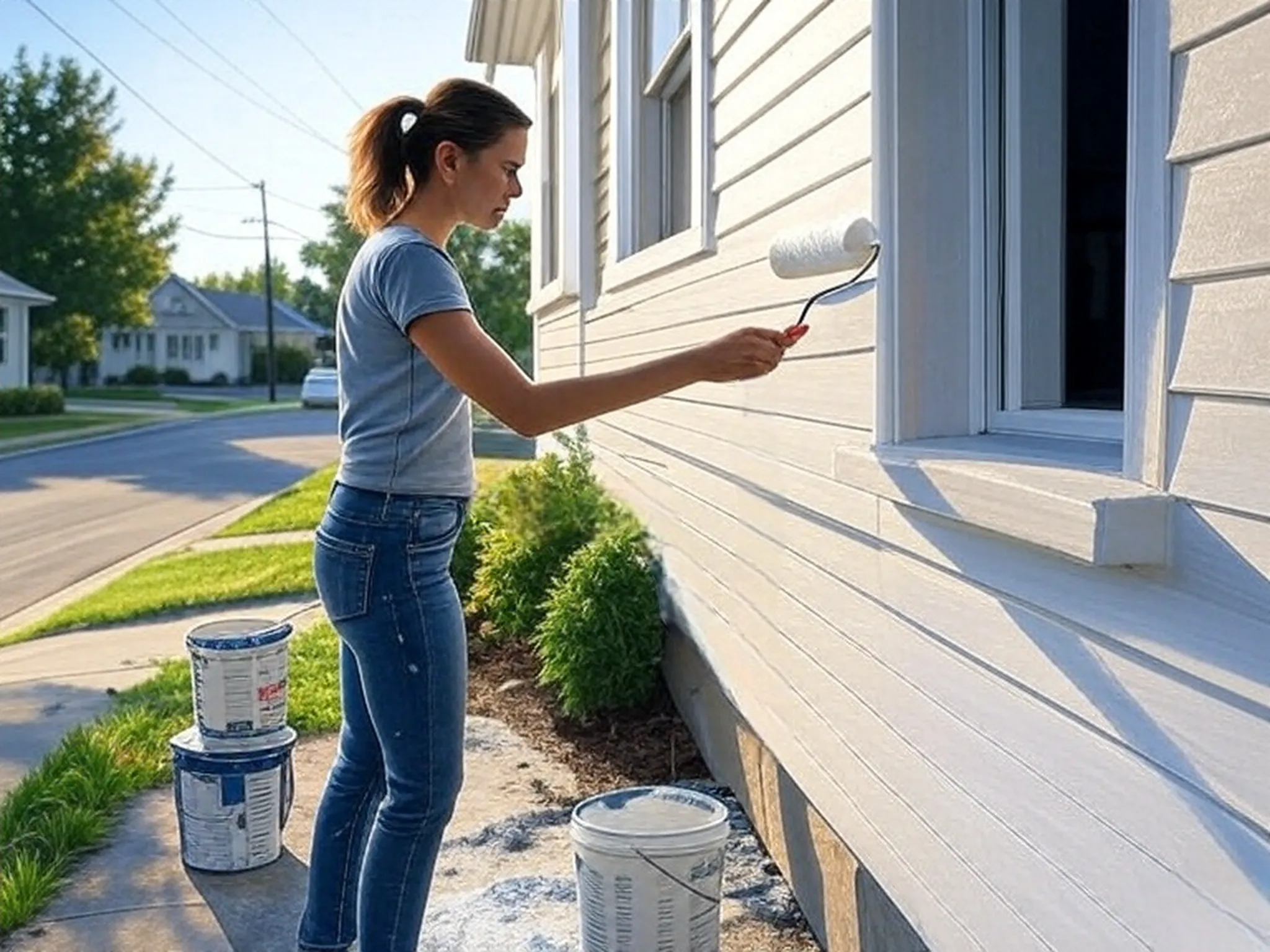
    1. Paint Your Home’s Exterior

    The first thing buyers notice is how your house looks from the outside, so exterior house painting can make a huge difference. It really makes your place look clean and well taken care of. Same goes for the inside—painting the walls can totally change the vibe and help buyers picture themselves living there. You don’t have to spend a ton either; just picking the right colors can make your home way more appealing without breaking the bank.

    2. Clean Up and Check Your Roof

    Before you put your house up for sale, make sure to check your roof for any issues—like missing shingles, moss, or dark spots. If buyers see stuff like that, they’ll probably worry about having to fix the roof soon. Taking care of roof repairs now saves you trouble later and keeps home inspectors from flagging anything. Even just getting the roof professionally cleaned can make it look way newer. Buyers will feel a lot better knowing they won’t have to deal with roof problems right after they move in.

    3. Make Sure Your Basement Is Dry

    If your basement smells musty or feels damp, most buyers will walk away fast. Stuff like water stains, mold, or weird spots on the walls are big red flags. With professional basement waterproofing, you are protecting the foundation and preventing future issues like mildew or rot. Plus, a dry basement means more space that actually feels usable, and it shows buyers you’ve taken good care of the place. It also makes the air in your house a lot healthier.

    4. Fixing Foundation Issues

    Foundation issues are a huge red flag for buyers—they’ll run if they see cracks in the walls, doors that won’t close right, or floors that feel uneven. Fixing the foundation is super important, and you might need to waterproof the basement too. It’s a good idea to get a pro to check it out so you know exactly what needs fixing. Taking care of these problems up front can save you from having to drop your price later and makes your home way more attractive to buyers.


    5. Get Rid of Pests

    Nobody wants to buy a house that has bugs or mice. Even if you don’t see any during a showing, things like droppings or bug traps can freak people out. It’s smart to get your place treated for pests and block off any spots where they might get in. Having a pro come out before you list your home gives buyers peace of mind and keeps everything clean for showings. People are way more likely to make a good offer if they know the house is pest-free.

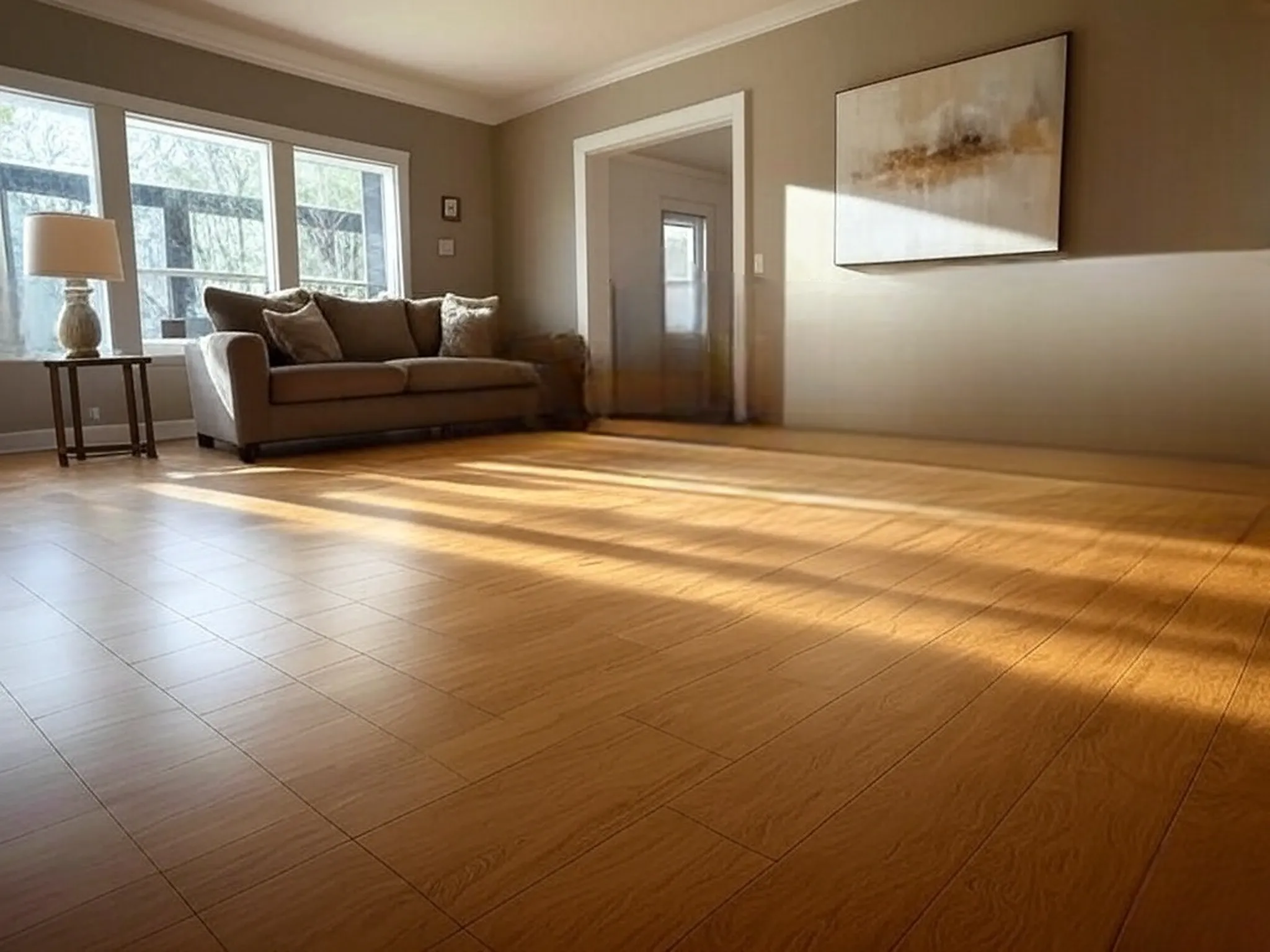
    6. Put In New Floors

    Old, stained, or worn-out floors can make your whole house feel dated. Putting in new flooring is an easy way to instantly update your place and make it look a lot more inviting. Hardwood is usually the top pick for most buyers since it looks great and lasts forever. Other options like marble, granite, or tile all have their own style and care needs, too. The right flooring can even make rooms look bigger and brighter, and really catch buyers’ eyes. Upgrading your floors is one of those fixes that can pay off big when you sell.

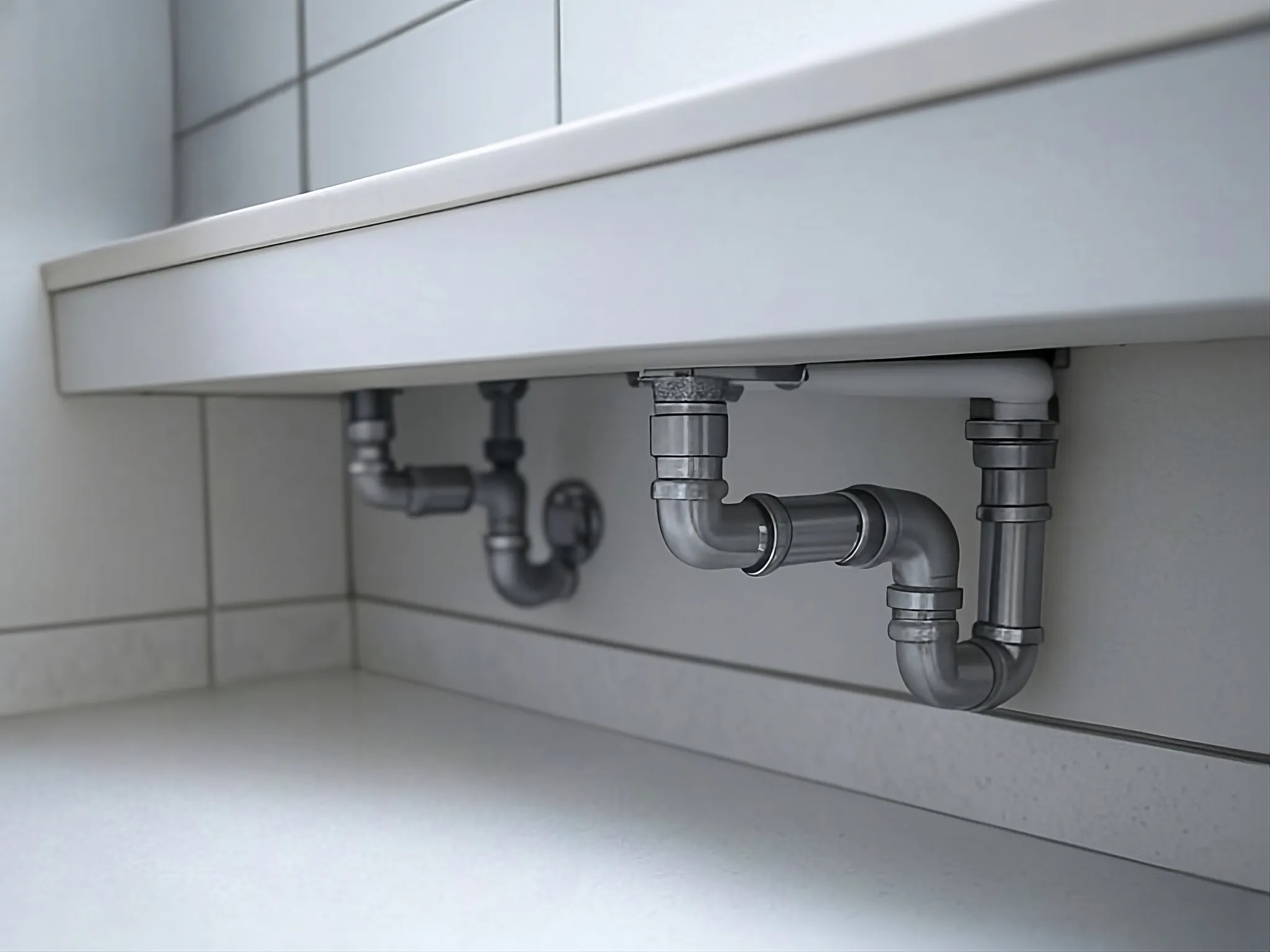
    7. Take Care of the Plumbing

    Buyers love to test the water pressure and peek under sinks during a showing. If they see things like low pressure, slow drains, or leaks, they’ll start to worry there are bigger problems hiding. Fixing any obvious plumbing issues and updating old faucets or fixtures can make your home feel newer and more solid. Plus, good plumbing helps you ace the home inspection. It’s one of those small details that really shows buyers you’ve taken care of the place.

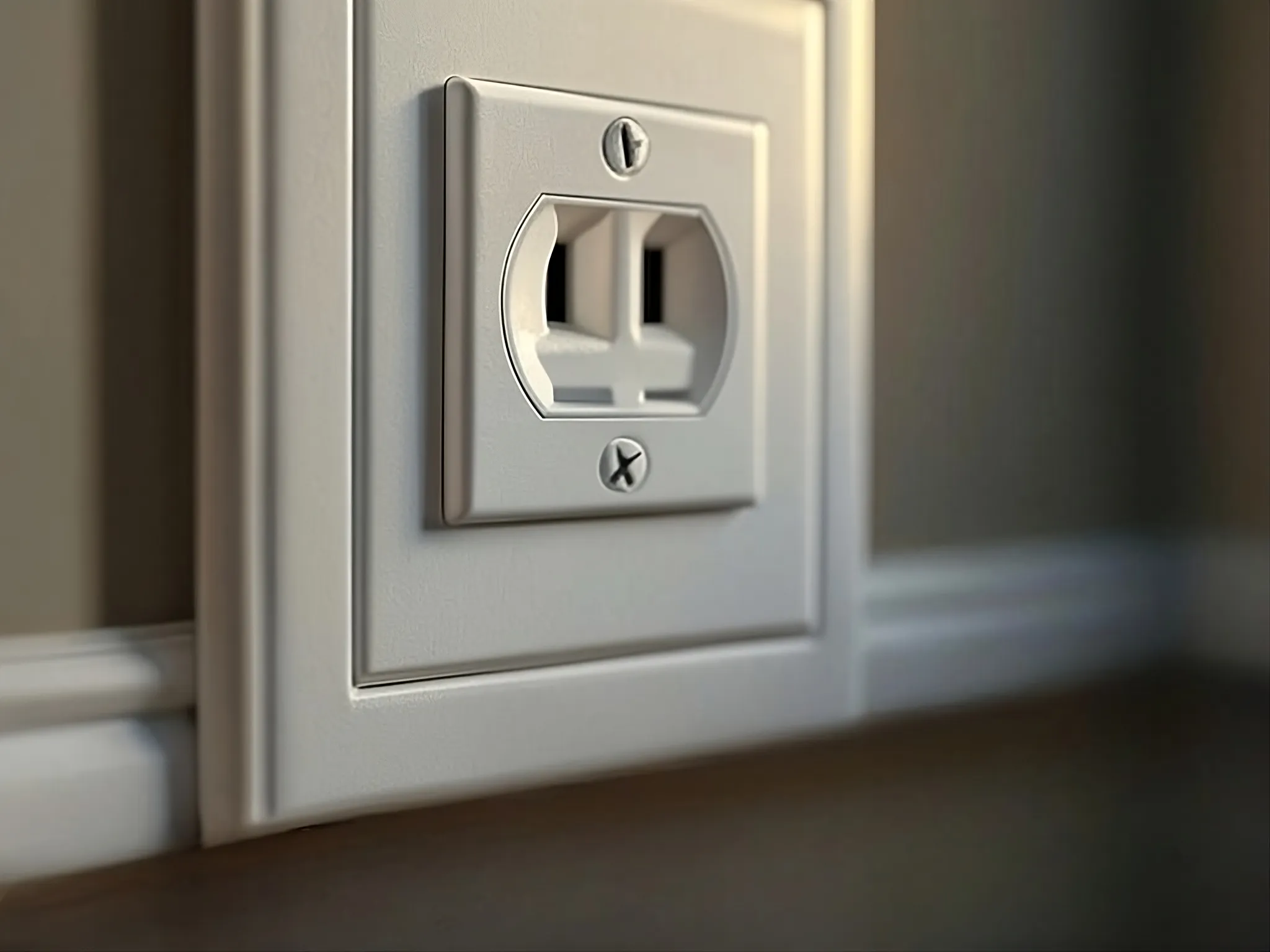
    8. Update the Electrical

    Electrical stuff is something buyers really care about—they want to know the house is safe and everything works like it should. Little things, like a flickering light or a dead outlet, are easy to fix and show buyers you’ve kept up with maintenance.

    If your place is older, you might need to update the wiring so everything’s safe and up to code. It sounds like a big job, but it can really boost buyer confidence. Little upgrades—like adding more outlets or swapping in new light fixtures—also make your home look way more modern and help you breeze through the inspection.

    9. Replacing Windows

    Swapping out old windows for energy-efficient has several advantages, especially for buyers who care about saving money on bills. Getting them professionally installed means you don’t have to worry about drafts or leaks. Plus, new windows help keep your home comfy all year and can actually lower your energy costs. If you pick styles that match the look of your house, it’ll all come together and make your place look even better.

    10. Remodel Your Kitchen

    Kitchen makeovers almost always pay off, since the kitchen is really the heart of the home. Even simple updates—like new countertops, fresh cabinets, or better lighting—can totally change how your kitchen feels and make it way more appealing to buyers. These days, people want kitchens that are great for cooking and hanging out, with open layouts and plenty of counter space. A pro can help you get the most out of whatever space you have. Even small changes in the kitchen can make a huge difference in how buyers see your home—and how much they’re willing to pay for it.

    11. Upgrade the Bathroom

    A nice bathroom can really help buyers fall in love with your home. Swapping out old fixtures, adding some stylish finishes, or putting in better storage can turn a boring bathroom into a relaxing spot. Even little upgrades—like a rain showerhead or good lighting—can make the space feel much more comfortable and a bit fancy. And if your bathroom’s on the small side, smart changes can help it feel bigger and way more inviting.

    12. Proper Landscaping

    First impressions really matter, and your yard is the first thing buyers see. Keeping the lawn mowed, bushes trimmed, and walkways clear goes a long way in making your place look inviting. If you bring in a pro, they can design a great-looking yard that’s also easy to take care of. Regular yard work keeps your home looking its best for every showing. Remember, buyers decide how they feel about your place in just a few seconds—so great curb appeal can make all the difference.

    13. Maintain Proper Drainage

    If you notice water pooling near your house, it usually means the drainage isn’t great—and that can be bad news for your foundation. Make sure your gutters and downspouts are clear and actually direct water away from the house. Sometimes you might need to regrade the yard so water naturally flows away. Things like grading, French drains, or a sump pump all help keep water from collecting around your foundation. When buyers see good drainage, it tells them the home’s been well cared for over the years.

    14. Decluttering and Cleaning

    Remove extra furniture, storage boxes, and personal items so your home feels more open and makes it easier for buyers to picture themselves living there. When everything’s clean—including baseboards, vents, and light switches—the whole place feels fresh and new. Keeping rooms neutral and free of personal touches gives buyers a blank slate to work with. Plus, a tidy, clutter-free home always looks better in listing photos.

    15. Lighting Upgrades

    Swap out old light fixtures for something more modern to freshen up your rooms. Check that all the bulbs work and sort out any little electrical issues—these small fixes really show you’ve looked after the place. Natural light is always a win, but don’t forget how much good lighting helps. Daylight bulbs (5000K–5500K) can really brighten things up and set a nice mood. Mix up your lighting—overhead, lamps, and accent lights—for a balanced look. Smart lights are a nice touch, and make sure the outside is well-lit too. Great exterior lighting makes your home look inviting right from the curb.

    The Better You Prep, the Better You Sell

    After getting your home ready, it’s time to find an agent you trust. A good agent makes selling much easier, gives you straight advice about what’s worth fixing, and takes care of everything—from marketing to showings and handling offers. Choose someone who understands your goals and knows your area well.

    The better you prepare, the better your home will sell. A little effort goes a long way—smart upgrades and a well-kept space make your place stand out, attract serious buyers, and can even boost your sale price. Good prep means less time on the market and a smoother selling process overall.

  • Knoxville Real Estate Market Insights and Tips for Buyers and Sellers

    In Knoxville Tennessee real estate, understanding market conditions is very important. Buyers should consider data such as the ratio of available homes to prospective buyers and take enough time to make a decision that fits their needs and budget. While negotiating, buyers can offer 10–20% below the asking price and support it with logical reasoning to open negotiation.

    Sellers need proactive strategies like appealing advertisements, use of high-quality photos, and effective property promotions to entice buyers. Sellers must also learn to counter low bids appropriately with realistic counter-offers to help preserve the property’s value. With the proper strategy and according to market trends, the chances of successful property transactions in Knoxville will be much higher.

    What Makes Knoxville an Attractive Real Estate Market?

    Knoxville attracts buyers and investors with its affordable living costs compared to most major U.S. cities. Specifically, housing is often 20-25% less expensive than the national average. Surrounded by beautiful landscapes and offering convenient access to hiking trails and national parks, the city has become a favorite for those who enjoy the outdoors.

    In addition, Knoxville’s friendly environment and full range of amenities encourage many people to settle there. Due to the high demand, the trend of home prices has skyrocketed significantly, with the average listing price increasing by about 83% in the past five years has made Knoxville one of the fastest-growing cities in America.

    Moreover, steady economic growth and increasing job opportunities across industries such as technology and education are driving demand for housing from both consumers and investors.

    With its affordable cost of living, potential for real estate value growth, and high quality of life, Knoxville is an incredibly promising real estate market.

    Tips for Homebuyers in Knoxville

    1. Get Pre-Approved Before You Start Searching

    Make mortgage pre-approval your priority before looking into homes or joining open houses. As a result, it reveals your exact buying power and lets sellers know you are sincerely interested. Getting pre-approved is essential to stay competitive in a market with many buyers.

    2. Explore Different Neighborhoods

    Every neighborhood in Knoxville has its particular features. People who value urban living with easy access to dining and entertainment should look at Downtown Knoxville, but for families after good schools and calm streets, Hardin Valley or West Hills are better choices. Take the time to look at several neighborhoods before deciding where to settle.

    3. Partner with a Local Real Estate Agent

    A local real estate professional can explain market quirks in Knoxville, show you hidden listings or off-market properties, and negotiate on your behalf. Having an agent who understands the market allows you to better manage competitive offers and make informed choices about a home’s value.

    Tips for Sellers in Knoxville

    1. Price It Right from the Start

    Overpricing your home can result in your property not selling, but underpricing it can cost you money in the long run. Consult with your agent to ensure your home’s asking price is accurate, using data from similar home sales.

    2. Boost Curb Appeal and Stage Your Home

    First impressions matter. Enhance your home’s look with simple landscaping improvements, touch up your front door with new paint, and make sure the entryway is clean and inviting. Make sure that clutter is gone inside your home, and think about staging to help buyers see themselves living there. Upgrades as simple as new lighting or a coat of paint might result in a higher return on your investment.

    3. Time Your Sale Strategically

    Even though homes are sold all year long, the spring and early summer months experience the highest demand in Knoxville. If you put your home on the market when demand is strongest, you are more likely to close a deal rapidly and at a higher price. Your agent’s expertise in local trends will help you optimize the timing for selling your house.

    Knoxville Real Estate Market Trends

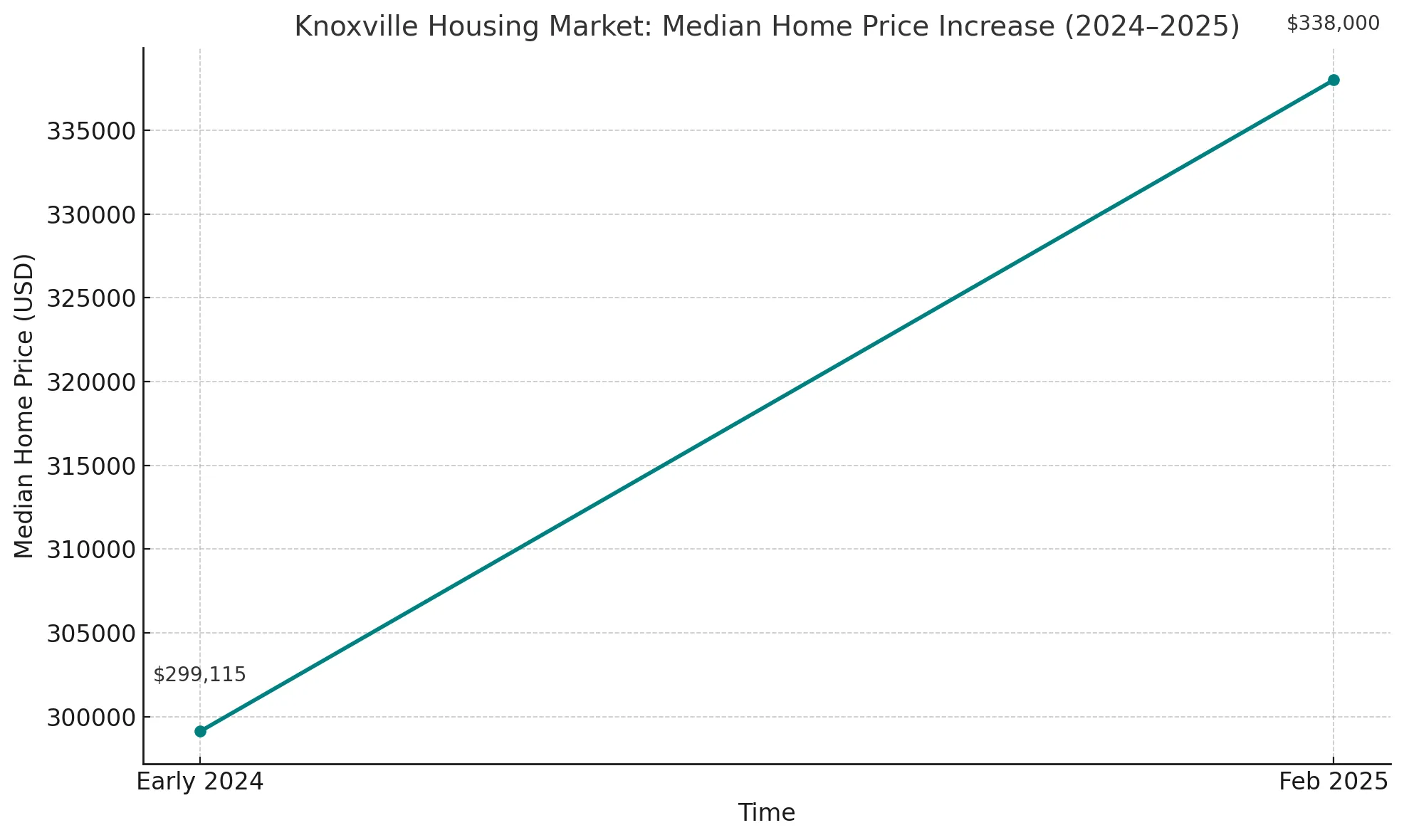
    In 2025, Knoxville’s housing market is seeing a strong surge in prices. Between early 2024 and February 2025, home prices jumped about 13%, bringing the median price up to $338,000. On average, homes spend 69 days on the market. Demand remains high, fueled by low interest rates and the growing popularity of remote work, which is attracting buyers from both inside and outside the city. Healthy job growth and an improved quality of life are also driving up property values. New developments are underway to help ease the shortage.

    Common Mistakes to Correct

    Both sellers and buyers must be wary of the following common pitfalls:

    • Skipping a home inspection: Even in a hot market, always opt for a thorough inspection. It can save you thousands down the road.
    • Being too emotional:  Selling a home you love or buying your dream property can lead to emotional decisions. Try to stay objective and lean on your agent for advice.
    • Overlooking closing costs: Buyers and sellers often forget about closing fees, which can be substantial. Factor these into your budget from the start.

    Working with the Right Professionals

    Having an agent is essential, but your real estate experience involves others, too. Pick professionals for your team who offer the following services:

    • A knowledgeable mortgage broker
    • A trustworthy home inspector
    • An experienced title company or a trusted real estate attorney for your transaction.

    They work together to help protect your interests and guaranteeing an easier transaction process.

    Conclusion

    There are many advantages to investing in Knoxville’s real estate market, but those advantages are realized only through careful and strategic decision-making. If you want a positive experience, whether you are purchasing or selling, researching market trends, selecting the correct advisors, and organizing your efforts are essential.

    You should consider Knoxville a top choice as you explore Tennessee real estate, thanks to its economy, community atmosphere, and growth potential. When you are guided correctly and put in the effort to prepare, you’ll be set up for a successful and rewarding experience in this rapidly developing city.

  • 5 Home Upgrades That Make Wellness Part of Everyday Life

    Photo by Thới Nam Cao from Pexels

    You’re spending more time at home, and it’s starting to show in your sleep, your energy, and your stress levels. Maybe it’s the air. Maybe it’s the lighting. Or maybe your home just wasn’t built to help you feel good.

    Wellness isn’t something you have to leave the house to chase. With the right upgrades, your space can support your health every single day, not in a spa-like fantasy way, but in small, lasting ways that actually fit how you live.

    Here are five smart home improvements that don’t just look good—they help you feel better too.

    1. Improve Your Air, Improve Your Mood

    Indoor air often holds more pollutants than outside air. Dust, allergens, synthetic fragrances, and volatile organic compounds (VOCs) from nonstick cookware or cleaning products quietly affect how you feel. Poor indoor air quality can mess with your sleep, energy, and even mental clarity.

    A few simple swaps can clean things up:

    • Get rid of synthetic air fresheners and use an essential oil diffuser instead.
    • Bring in plants like snake plants or peace lilies. They help filter toxins.
    • Add an air purifier with HEPA filtration to cut down on allergens.

    Upgrading your HVAC system’s filtration or upgrading to a Reznor HVAC in high-use rooms makes a noticeable difference, especially if you’re sensitive to dust or live in a city with lots of pollution.

    Health Benefits of Improved Indoor Air Quality

    Benefit CategoryPercentage Reporting ImprovementTime to Notice EffectSupporting ResearchMost Effective Methods
    Sleep Quality83%1-2 weeks24 peer-reviewed studiesHEPA filtration, VOC reduction
    Allergy Symptoms91%3-7 days50+ clinical trialsHEPA filtration, regular cleaning
    Mental Clarity/Focus76%2-4 weeks18 cognitive performance studiesCO₂ reduction, VOC reduction
    Respiratory Health89%1-3 weeks35+ respiratory function studiesParticulate reduction, humidity control
    Energy Levels79%2-5 weeks22 quality of life assessmentsComprehensive air quality management

    2. Add a Murphy Bed Cabinet for Better Sleep and More Space

    Photo from Archic Furniture

    Sleep and clutter don’t mix. Consider a Murphy cabinet bed if your home office doubles as a guest room or your studio apartment does everything.

    These space-saving sleep setups fold up when not in use, freeing up your room for movement, calm, or work. Unlike sofa beds, they use real mattresses and take seconds to convert.

    Look for Murphy beds built into clean-lined cabinets. They provide better sleep, a cleaner-looking room, and a simple way to support a more flexible routine. Archic Furniture has become popular with homeowners looking for stylish Murphy cabinet beds that don’t sacrifice mattress quality.

    3. Turn Up the Heat (In a Good Way) with an Electric Sauna Heater

    Photo from Sauna Heater Supply

    Sweating isn’t just for workouts. Regular sauna use can boost recovery, support circulation, and create a deep sense of relaxation. If you’re building a wellness routine at home, saunas for your home are worth serious consideration.

    Compact electric sauna heaters make it easy to bring the benefits indoors. No need for a massive build-out—many setups work in small converted spaces, like a spare bathroom corner or basement nook.

    Besides helping you relax, saunas help your body flush out toxins. They’re great for sore muscles, daily stress, and cold-weather recovery. And yes, they add long-term value to your home too.

    4. Let in the Light (Without Sacrificing Sleep)

    Photo by Jakub Zerdzicki from Pexels

    Light tells your body what time it is. And messing with your circadian rhythm can throw off everything from energy levels to sleep quality.

    Try this:

    • Use smart lighting that mimics natural sunlight during the day and dims automatically at night.
    • Swap heavy curtains for adjustable shading that lets light in gently.
    • Make space near windows for morning tasks to get more natural light exposure early in the day.

    If you’re spending more time indoors, this one change can reset your energy without a full remodel. Smart lighting systems can be energy-efficient and easy to control with your phone.

    “Smart lighting is trending strongly with homeowners and design pros, with its ability to replicate the sun’s natural light throughout the day with a range of colors and brightness levels matching the natural circadian rhythm.”

    — Jamie Gold, Forbes Contributor

    5. Choose Materials That Work With Your Health

    Wellness-focused design means thinking beyond looks. Many common home materials—from countertops to floor finishes—release toxins that build up over time. It’s not always visible, but it adds to your body’s overall load.

    Here’s what to consider:

    • Choose toxin-free paint and sealants.
    • Go for low-VOC or VOC-free countertops and cabinetry.
    • Skip nonstick cookware that can release harmful compounds when heated.

    Making these swaps doesn’t mean starting from scratch. Tackle them as you remodel or upgrade one room at a time. Your future self—and your air quality—will thank you.

    Why Wellness and Space-Saving Go Hand in Hand

    Wellness at home isn’t just about feeling relaxed. It’s also about how well your space works for your daily life. When rooms are cramped, cluttered, or overstuffed with furniture, it’s harder to stay calm or focused.

    That’s where smart, space-saving upgrades come in. Products like Murphy bed cabinets do more than save square footage—they create mental breathing room, too. By opening up your layout, you make room for movement, quiet, and better sleep.

    The same goes for at-home wellness features like electric sauna heaters. You don’t need a massive space to add a corner of calm. Compact saunas can turn even a small bathroom or spare closet into a daily escape. And these aren’t just comfort upgrades—they add resale value, too.

    When you combine wellness goals with functional home design, you get upgrades that work harder and smarter. It’s not about having more stuff—it’s about creating a space that helps you feel better day after day.

    Final Thought: Build Wellness Into Your Everyday

    The best wellness upgrades don’t need to feel luxurious. They just need to work with your routine. Whether it’s better sleep, cleaner air, or small moments of calm, your home should support the way you want to feel. And as wellness trends continue to rise, upgrades like Murphy beds and home saunas won’t just feel good—they’ll look smart to future buyers too.

    Frequently Asked Questions

    1. Do Murphy beds really help with wellness?
      Yes. Murphy cabinet beds reduce clutter and help create calmer, more flexible spaces—both good for mental health and sleep.
    2. Is adding a sauna expensive?
      It depends on your setup. Electric sauna heaters are more affordable than full installations and work well in small spaces. Many homeowners find that quality units from Sauna Heater Supply cost less than a year’s worth of spa visits while providing daily benefits.
    3. What’s the biggest air quality mistake people make?
      Using synthetic air fresheners. They often add more toxins to the air. Go for an essential oil diffuser or HEPA purifier instead.
    4. What’s one easy wellness upgrade I can do right now?
      Switch to smart lighting. It helps balance your circadian rhythm, especially if you spend long hours indoors.
    5. Does wellness design actually raise home value?
      More buyers now want homes that support health. Features like better air filtration, natural light, and saunas can add appeal and value.
  • Here’s How to Declutter Your San Antonio Home Before Selling

    The last thing you need to worry about when selling a house in San Antonio is a home filled with unused items. But here’s the reality: creating an organized space that’s free of clutter isn’t as easy as it sounds. So how do you get rid of the clutter without feeling overwhelmed? Here are some practical methods that actually work.

    1. Start with a Clear Plan

    Start by creating a timeline that aligns with your planned listing date. Make sure you have plenty of time to finish each section of your home, and avoid rushing through any part of the process. Breaking the task into manageable stages—like tackling one area each day or each week—can make decluttering less overwhelming. If you expect to get rid of a large amount of stuff, consider arranging a dumpster rental in San Antonio ahead of time to make disposal easier.

    2. Sort and Categorize

    Use the “keep, donate, trash” method. Work your way through each area of your house, sorting items into keep, donate, toss, or sell. This step-by-step approach takes the emotion out of decision-making and helps you let go more easily. What you choose to keep should really serve a purpose or have real sentimental value. For everything else, ask yourself: Can someone else use it? Is it time to just let it go?

    3. Clear Surfaces and Storage

    Buyers are drawn to homes that feel tidy and spacious. Clear off kitchen counters, straighten up shelves, and make sure closets aren’t stuffed full. As a rule of thumb, aim to keep storage areas about half empty—it’ll make your place look bigger and show buyers there’s plenty of room for their own things. Consider renting a temporary self-storage unit to keep your belongings out of sight until after your move.

    4. Remove Personal Items

    Put away personal photos, artwork, and keepsakes so buyers can picture themselves living in your home. While your home’s personality makes it special, buyers need to be able to imagine it as their own. Tuck away family pictures, collections, and anything too unique. The goal is to create a neutral but inviting space that appeals to as many people as possible.

    5. Address Each Room

    Starting with the kitchen, bathrooms, or closets is a great idea. Focusing on a single space will help you stay organized and keep things from feeling overwhelming. In the kitchen, for example, clear off the counters and tuck away small appliances so your workspace really shines.

    6. Declutter Regularly

    Decluttering is an ongoing task throughout the house. Make it a habit to regularly go through each room and clear things out, especially as showings or open houses get closer. Keeping up with this routine means your home will always be in great shape.

    7. Organize Closets

    Clean out the closet by removing about half of what’s in there and neatly organizing whatever remains. This helps the space look bigger and more functional. When buyers see an organized closet, it’s easier for them to picture their own things fitting in. A tidy closet doesn’t just make the home feel more inviting—it also highlights how much storage you have, which is a big selling point for most buyers.

    8. Clear Kitchen

    Declutter the kitchen by removing small appliances and other superfluous items from the countertops, freeing up a neat and unencumbered space. This alone makes the kitchen appear larger, more welcoming, and easier for a potential buyer to imagine using—which can be highly attractive when showing a home.

    9. Declutter Windowsills

    Clear out windowsills by removing extra plants and decorations that block sunlight. Keeping windowsills simple lets in more daylight and makes the room feel brighter, more open, and inviting—which is key when you want your home to stand out to buyers.

    10. Clean Thoroughly

    Make sure your house gets a really good deep clean before you put it up for sale. Get rid of any dirt, grime, or clutter, both inside and outside. Just straightening up isn’t enough—buyers want to walk into a place that feels fresh, welcoming, and obviously well taken care of. When your home is spotless, from the living room all the way to the front yard, it really stands out and makes a great impression.

    11. Consider a Yard Sale

    A yard sale is a simple way to get rid of things you don’t use anymore and make a little money at the same time. Just put everything you want to clear out up for sale, and you’ll have less clutter and more space—perfect if you’re moving or selling your house. It’s a lot easier than donating or throwing things out one by one.

    12. Stop Buying More Clutter

    Try not to buy things you don’t actually need. The less stuff you bring home, the less clutter you’ll have to deal with later. Being a little picky about what you buy keeps your place cleaner and cozier, and makes it way easier to stay organized—especially if you’re planning to move or sell.

    By following these steps to declutter your San Antonio home, you’ll have a home that looks more appealing to potential buyers who can envision themselves in it. Not only does it make your home more attractive but also streamlines the entire sale process and makes it more efficient, raising your odds of a quick sale.