Managing a factory means more than keeping production on track. There’s equipment to maintain, safety protocols to follow, lessees to manage, and long-term property value to protect. That’s why many factory owners hire an experienced industrial property management team. Here’s what they contribute and why it matters.
1. Preventive Maintenance Reduces Costly Downtime
Property managers know how to keep industrial systems running. They oversee scheduled maintenance for HVAC, plumbing, electrical panels, and other critical infrastructure. This minimizes the risk of breakdowns that could disrupt production and delay orders.
Many use computerized maintenance management systems (CMMS) to track service intervals and alert vendors before failures occur. For example, replacing a worn bearing in a conveyor motor might cost $300—but letting it fail could lead to thousands in emergency repairs and lost output.
2. Safety and Compliance Are Proactively Managed
Factories must meet strict OSHA and environmental standards. A qualified property manager stays on top of these requirements by scheduling inspections, tracking remediation efforts, and maintaining documentation.
This reduces your exposure to liability and helps you pass mandatory audits. In sectors like food manufacturing or electronics, it can also protect your operating licenses. One common example: catching a blocked fire exit or outdated safety signage early can prevent costly fines or operational shutdowns.
3. Operating Costs Are Controlled Through Vendor Oversight
Property managers bring expertise in negotiating service contracts, monitoring utility costs, and streamlining operations. Consolidating landscaping, janitorial, or waste removal across properties can lead to volume discounts and lower per-unit pricing.
Managers also help identify capital improvements that deliver ROI. For instance, switching to LED warehouse lighting or installing smart thermostats can cut energy costs by 15%–25% annually. Many managers also help secure rebates or incentives to offset upfront costs.
4. Lease and Tenant Issues Are Handled Professionally
If the factory includes leased space, property managers handle rent collection, lease renewals, and tenant coordination. This keeps income stable, ensures compliance with relevant regulations and laws, and reduces administrative workload.
They also manage lease abstracts and flag terms like early termination rights or expense caps—so owners aren’t caught off guard. In triple net leases or complex commercial agreements, experienced oversight protects cash flow and avoids disputes.
5. Long-Term Property Value Is Protected
A strong management team doesn’t just handle daily operations, they look ahead. They help owners evaluate capital improvement needs, monitor market demand, and time upgrades for maximum return.
For example, converting a single-tenant facility into a multi-tenant logistics space—or upgrading to 28-foot clear heights and modern fire systems—can boost property value by 20% or more. Property managers coordinate these projects while minimizing disruption to current operations.
Takeaway
Industrial property management isn’t just about convenience. It’s about protecting a major asset, reducing risk, and maximizing long-term value. For factory owners, the right management team ensures the facility stays compliant, cost-efficient, and competitive in today’s market.
Texas heat doesn’t wait. It presses in early and lingers late. The air gets heavy, the windows stay sealed, and ceiling fans do their best but fall short. That’s when HVAC systems quietly takes over, often overlooked, but always essential.
Comfort in Texas starts here. A home that cools quickly and stays consistent through the day becomes more than just comfortable. It becomes functional. It supports sleep, productivity, and every small routine that makes a house feel right.
This isn’t just about temperature. It’s about inspections. It’s about rising utility costs. It’s about making sure the biggest system in the house is one that won’t fail when it matters most. For buyers, that means asking smart, specific questions. For sellers, that means being ready with answers that show the system has been taken seriously.
1. How Old Is the HVAC System and What’s Its Maintenance History?
Most systems in the U.S. last between 10 and 15 years. In Texas, constant use can shorten that window, especially if the system hasn’t been serviced regularly.
Service records speak louder than words. A 12-year-old system with annual maintenance checks and clean filters can run better than a five-year-old one that’s been ignored. Documentation from licensed professionals provides confidence and clarity, whether you’re buying or renting a house. Not just for buyers, but for inspectors and lenders too.
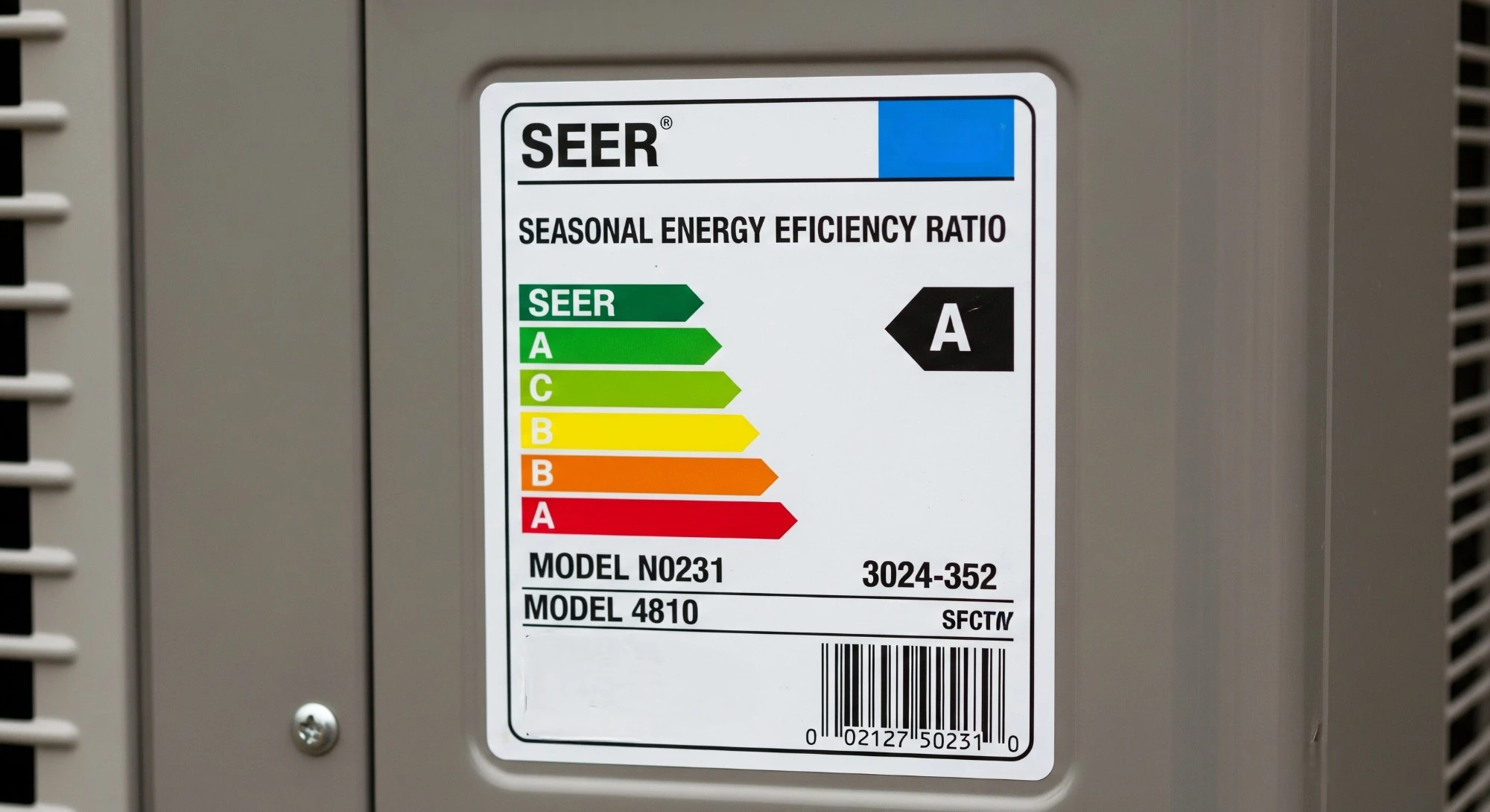
2. How Efficient Is the System According to SEER, SEER2, AFUE, or HSPF
These ratings matter more than ever. Newer systems often come with higher efficiency scores, and that translates directly into lower monthly energy bills. In 2023, federal minimums for SEER ratings in the South moved up to SEER2 14.3, making older systems easier to spot.
SEER (Seasonal Energy Efficiency Ratio) is used for air conditioners, while AFUE (Annual Fuel Utilization Efficiency) measures furnace efficiency. HSPF applies to heat pumps.
3. Has the System Been Regularly Serviced?
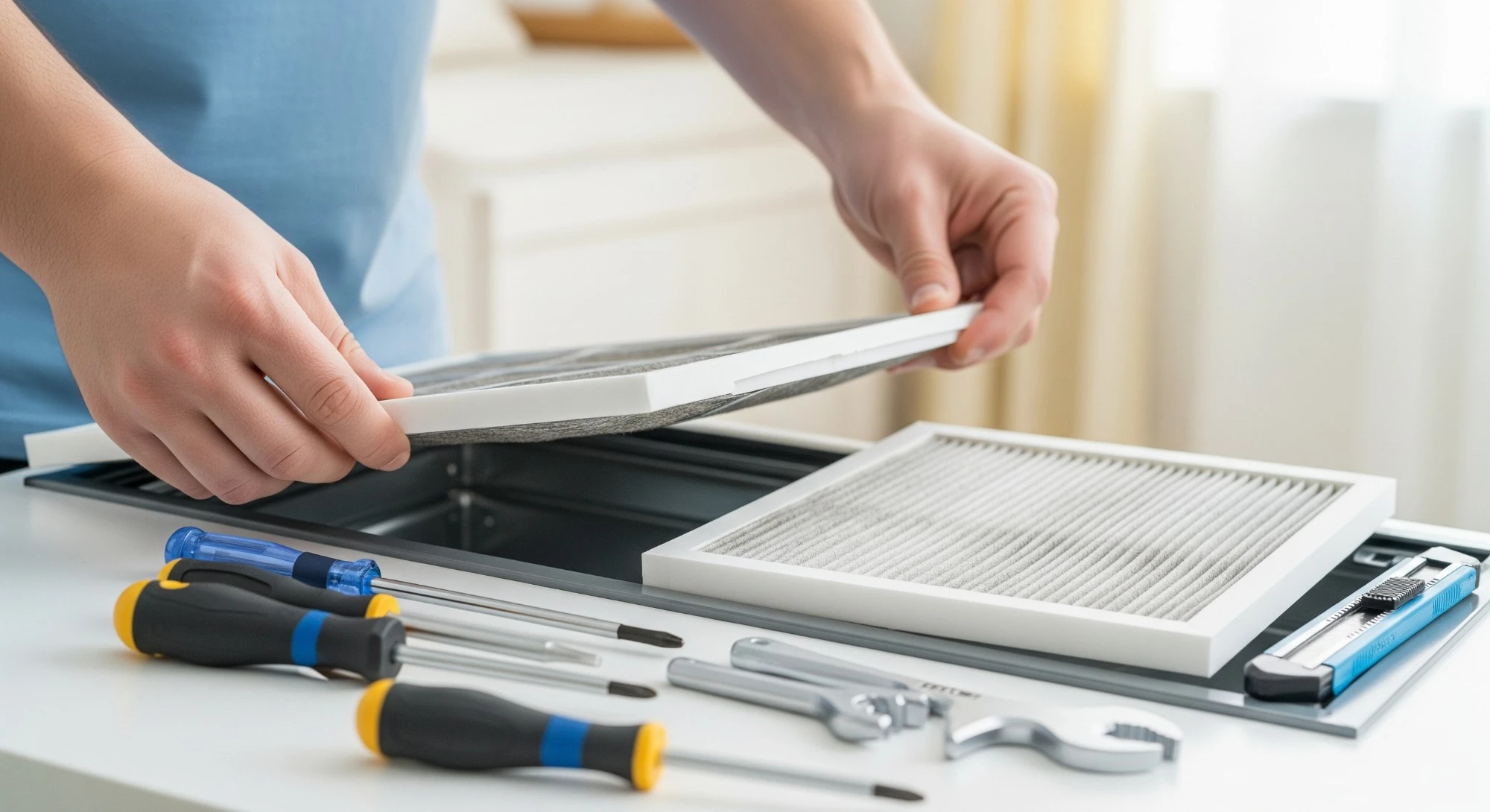
Consistent maintenance keeps systems efficient and safe. Tune-ups usually include filter replacements, refrigerant checks, thermostat calibration, and cleaning of internal parts like coils and blowers.
Without regular care, HVAC systems lose efficiency and break down faster. According to the Building Performance Institute, neglected systems can lose up to 15 percent of their efficiency. That’s not just a number. That’s money on the table every month.
Certified HVAC pros log service details that professionals show a system has been respected and cared for. Buyers will notice. So will inspectors.
4. Are There Any Known Issues Like Leaks, Compressor Failures, or Electrical Flaws?
HVAC systems are complex and expensive to repair. Be sure to ask the seller directly if they’ve experienced any major issues, such as refrigerant leaks, electrical problems, or compressor failures.
These types of repairs can be expensive and are often signs of larger problems. A recent repair might not be a dealbreaker, but if there’s a history of recurring issues, you should investigate further.
Asking for repair history helps identify systems that look fine on the surface but may be hiding deeper issues behind the vent covers.
5. What’s the Condition and Layout of the Ductwork?
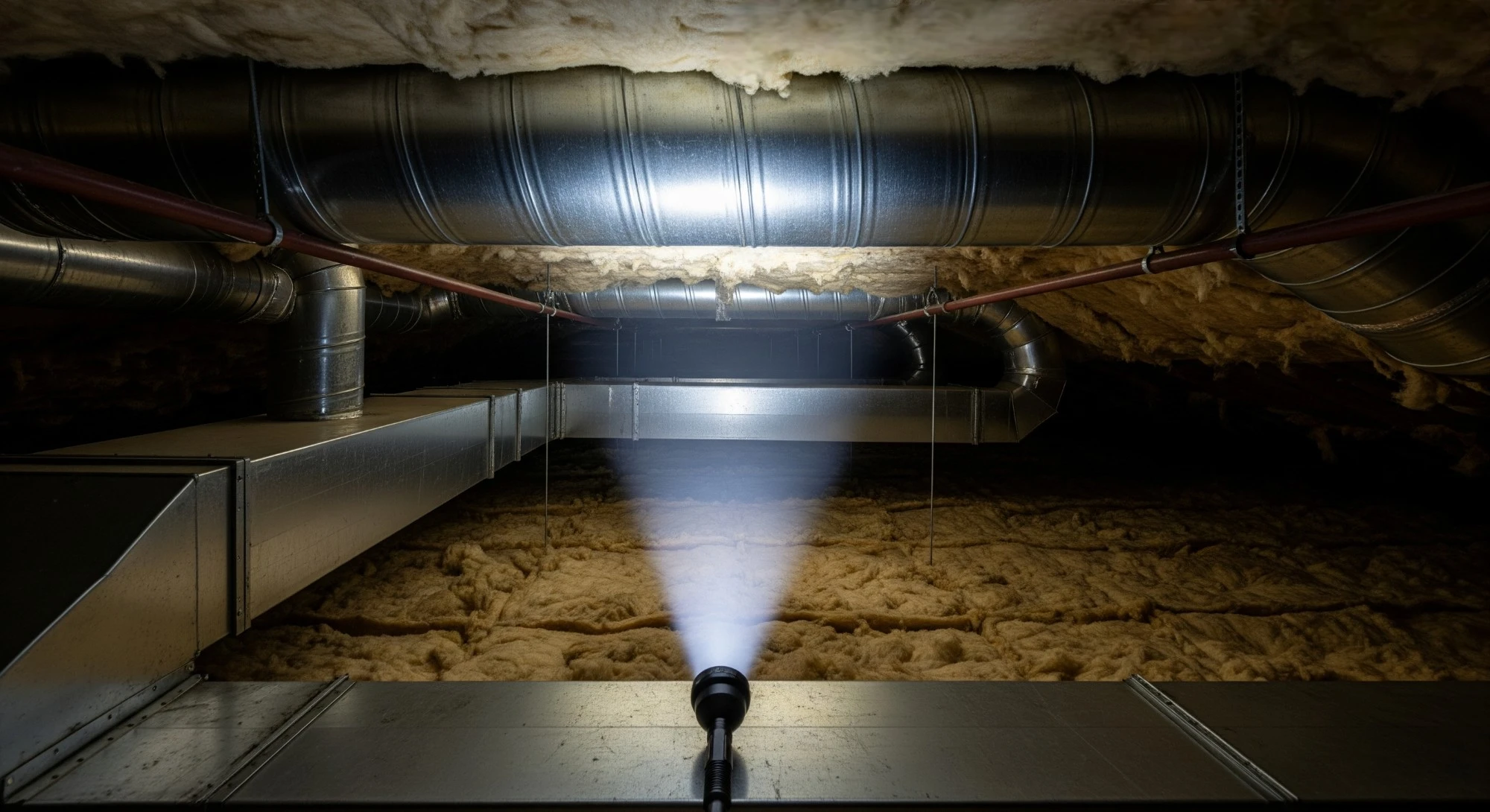
Ducts are the delivery system. If they’re disconnected, kinked, or poorly insulated, the result is uneven temperatures from room to room and higher utility bills across the board.
According to ENERGY STAR, as much as 20 percent of the air moving through a duct system can be lost due to leaks, holes, or poorly connected ducts. That’s not something visible on a walkthrough. It shows up later as discomfort and wasted energy.
Duct layout also affects how air flows through each floor. In multi-story homes, poor design can create hot upstairs zones and frigid downstairs rooms. A balanced design and sealed ducts change that completely.
6. Is the Home Zoned or Are Multiple Units Installed
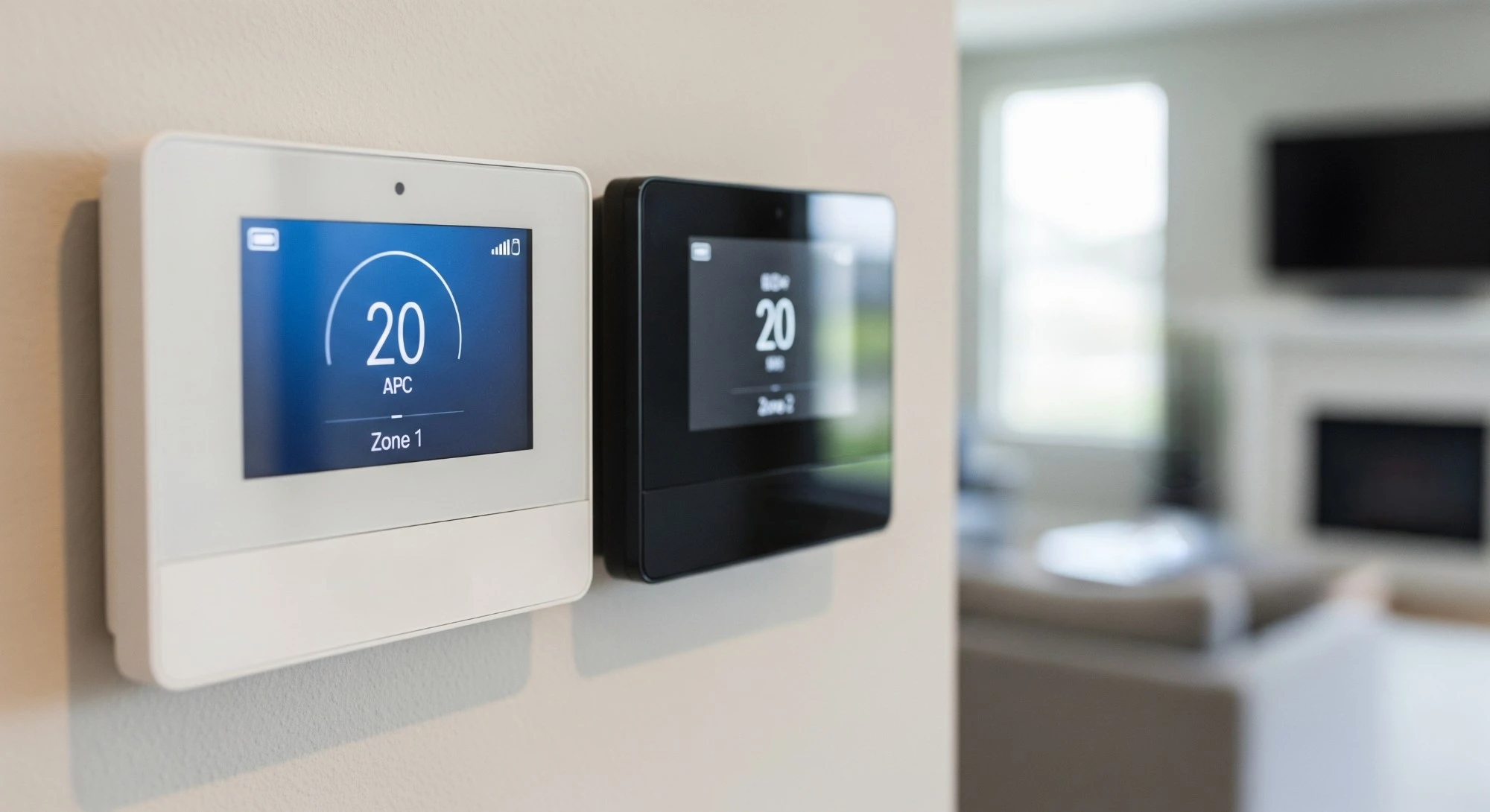
Zoning makes life easier. Especially in large homes or multi-level floor plans, separate zones or multiple systems help keep temperatures consistent without overworking the entire setup.
In newer builds, zoning systems are becoming more common. One thermostat controls upstairs. Another handles downstairs. Each space receives attention based on use and time of day. This improves comfort and efficiency without driving up the bill.
Older homes may have one system working overtime for the entire layout. That doesn’t always mean bad performance. But it does mean extra evaluation.
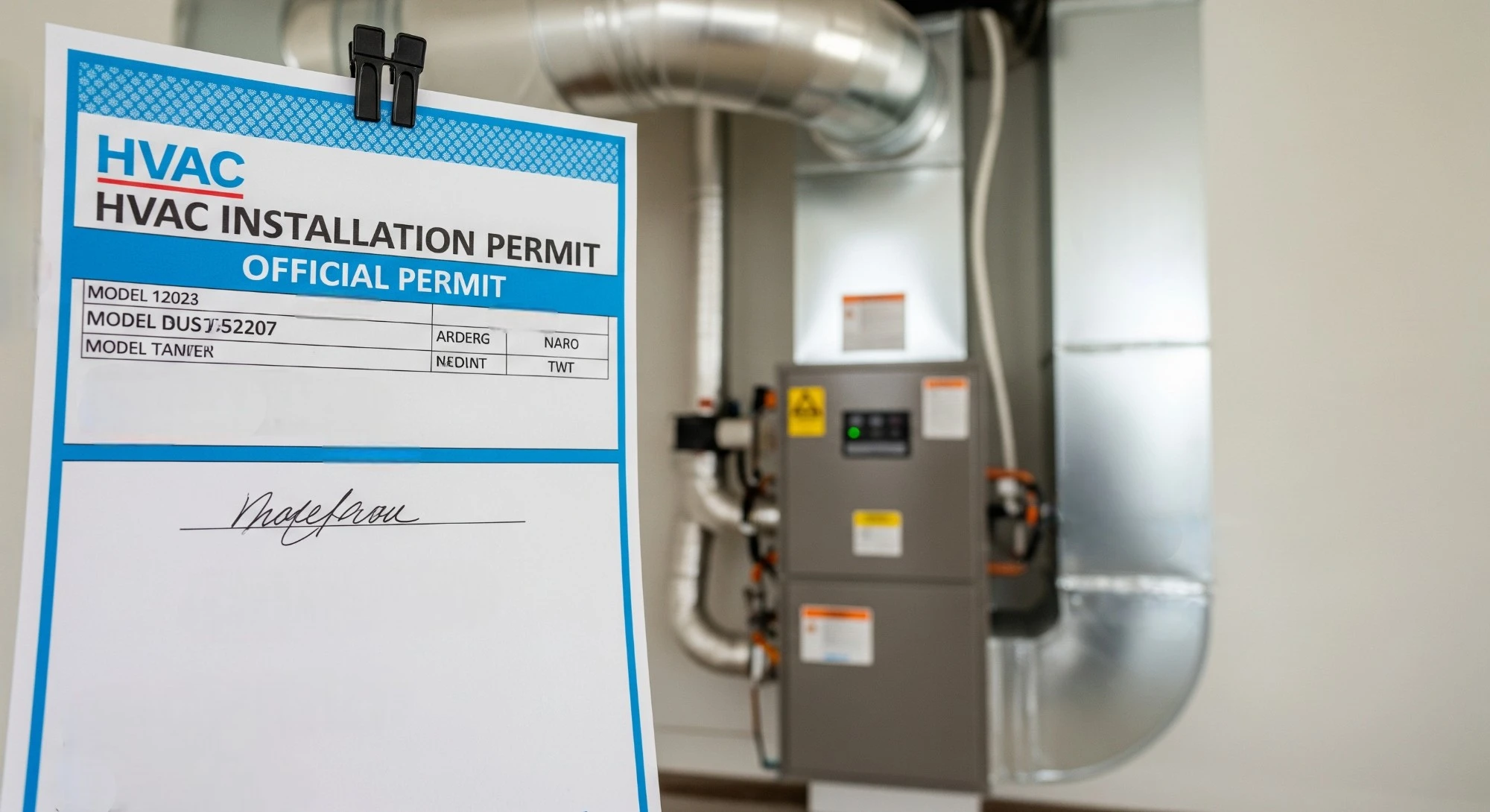
7. Was the HVAC System Installed by a Licensed Pro and Properly Permitted
A quick test during a walkthrough won’t tell the full story. For that, a deeper look from a licensed HVAC technician helps. They know what to check. Airflow measurements. Code compliance. Electrical safety. Refrigerant pressure.
When a new system was installed, permits should have been pulled. Inspections should have been passed. This confirms that the work meets state and municipal standards.
Having this documentation on hand makes the process smoother for everyone involved—from lender to buyer to appraiser.
Quick Tips for Buyers and Sellers
HVAC is a consideration when buying or selling a home that often remains hidden. But don’t sleep on it – here are some quick tips to follow to get clarity around your home’s HVAC:
Buyers
An older system isn’t always a dealbreaker. But when inspections reveal outdated components or spotty maintenance, that becomes an opportunity. Leverage those findings to ask for credits, repairs, or price adjustments. Solid HVAC insight turns into negotiating power fast.
Sellers
Schedule a professional tune-up before listing your home. Having inspection paperwork and recent service records on hand can help build buyer confidence and make the transaction go smoothly.
Final Thoughts
HVAC systems are one of the most important and expensive components of a home, especially in climates like Texas!
Taking time to ask these questions and gather the right documents helps avoid the last-minute panic that often creeps up just before closing. It also shows that the home has been taken care of. Thoughtfully. Responsibly. Intentionally.
Knowing how a system runs and confirming it’s up to standard means fewer surprises later and a lot more peace of mind. Especially once those triple-digit days start rolling in.
Landscaping is more than just making your yard look pretty; it can significantly boost the value of your property. It plays a vital role in how potential buyers and guests perceive your property. It’s a simple fact: curb appeal matters, and investing in landscaping can yield a fantastic return on investment.
In this article, we’ll explore nine landscaping ideas that can transform your property and increase its value.
1. Create a Welcoming Entrance
First impressions are everything, and the entrance to your home sets the tone for the rest of your property. A well-designed and maintained entryway gives off an immediate sense of warmth and care.
Add a Decorative Front Door: A fresh coat of paint or a unique design on your front door can immediately make your home feel more inviting. Consider bold colors that complement the rest of your home’s exterior.
Install Pathways and Lighting: Simple stone pathways or a paved walkway can add a charming and welcoming touch. Install lights along the path to make the entrance stand out even at night.
Add Potted Plants or Flower Boxes: Decorative plants at the entrance make it feel lively and welcoming. Use a mix of seasonal flowers or low-maintenance plants that add color and texture.
2. Build A Stunning Garden Area
A well-maintained garden brings beauty, color, and freshness to your property. Gardens add life to your space and can be a major selling point for potential buyers who enjoy outdoor activities.
Plant a Variety of Flowers and Shrubs: Include a variety of flowers that bloom throughout the year to ensure constant color. Pair these with evergreen shrubs to create a balance of colors in every season.
Use Raised Beds: Raised garden beds are a great way to add visual interest while also improving soil quality. These structures help create an organized and well-kept appearance.
Incorporate Native Plants: Native plants are not only beautiful but also low-maintenance. They are well-suited to the local climate and attract wildlife, such as butterflies and birds.
3. Add Water Features To Your Landscape
Water features are an exceptional way to create a peaceful ambiance in your outdoor space. They can add a touch of luxury and calmness to your landscape, and there are a variety of styles to choose from.
Install a Fountain: A fountain can bring a sense of tranquility with the soothing sound of running water. For ponds or larger water features, floating fountains add graceful spray patterns while improving water circulation and visual appeal.
Create a Pond: Adding a pond with koi fish or water lilies creates an elegant and serene atmosphere. Ponds are often the centerpiece of a landscape, making them a great way to attract attention.
Get Quality pond kits: If you’re thinking about adding a pond, consider pond kits from Your Pond Pros. These kits have everything you need to create a stunning water feature, including filtration systems and pumps.
4. Plant Trees For Shade And Beauty
Trees are a valuable addition to any landscape. They provide shade, improve air quality, and add long-term value to your property.
Plant Shade Trees: Plant trees that provide shade in your backyard. Large trees, such as oaks and maples, can help cool your home in the summer and reduce energy bills.
Use Ornamental Trees: Consider planting ornamental trees that bloom seasonally for added beauty. Trees like dogwoods or cherry blossoms add stunning color to your landscape.
Plant Fruit Trees: Fruit trees like apple, peach, or lemon trees not only provide shade but also the potential for fresh, homegrown fruit. These trees are perfect for a functional and beautiful landscape.
5. Create Defined Outdoor Living Spaces
Defined outdoor living spaces extend your home’s usable square footage and offer a great way to entertain and relax.
Build a Deck or Patio: A well-built deck or patio gives you a designated outdoor space for dining, lounging, or entertaining guests. You can personalize this area with comfortable furniture and accessories.
Install a Fire Pit: Fire pits add warmth and ambiance to your outdoor space. They are great for socializing and can be used year-round for cozy evenings under the stars.
Add Outdoor Kitchens or Bars: Consider installing an outdoor kitchen or bar if you enjoy cooking or entertaining. These features create a functional space that allows you to host barbecues and parties without leaving the comfort of your yard.
6. Improve Lawn Care And Maintenance
A well-maintained lawn is one of the easiest ways to enhance your property’s curb appeal. A lush, green lawn shows that you care about your property and invest in keeping it in good shape.
Regular Mowing And Trimming: Keep your lawn neat by mowing it regularly and trimming the edges. A manicured lawn helps create a polished look that appeals to potential buyers.
Fertilize And Water Consistently: Fertilize your lawn to ensure it stays healthy and vibrant. Consistent watering and proper drainage are key to maintaining a thick, green lawn.
Add Sod or Grass Seed: If your lawn has bare patches, consider laying down sod or seeding the area. This will help fill in any gaps and create a lush, full lawn.
7. Use Colorful And Creative Outdoor Lighting
Outdoor lighting doesn’t just serve a functional purpose; it also adds drama and appeal to your property. It can make your home look more inviting and highlight the best features of your landscape.
Install Landscape Lights: Use low-voltage landscape lighting to illuminate paths, gardens, and trees. This will not only improve safety but also enhance the beauty of your property at night.
Add Spotlights for Trees or Water Features: Spotlights can highlight trees, sculptures, or water features, creating a dramatic focal point after dark.
Use String Lights: String lights are an easy and inexpensive way to create a cozy, magical atmosphere in your yard. Hang them along fences, around decks, or over patios for a whimsical feel.
8. Create A Sustainable Landscape
Sustainability is more important than ever, and creating a sustainable landscape is good for the environment. However, it can also be appealing to potential buyers who value eco-friendly practices.
Use Native Plants: Native plants require less water and maintenance, making them perfect for creating a sustainable landscape. They’re also well-suited to your local climate and attract pollinators.
Install a Rain Garden: A rain garden helps manage stormwater runoff while adding beauty to your landscape. These gardens collect rainwater and allow it to soak into the ground, reducing the need for irrigation.
Utilize Xeriscaping: Xeriscaping uses drought-tolerant plants and minimizes water use. This landscaping technique is especially beneficial in areas with water restrictions or dry climates.
9. Add Fencing Or Privacy Screens
Fencing and privacy screens offer both security and aesthetic value to your property. They can also help create a sense of enclosure and privacy, which is highly desirable for many homeowners.
Install a Decorative Fence: A decorative fence adds charm to your property while providing privacy. Choose materials like wood, vinyl, or wrought iron that complement your landscape.
Use Lattice or Bamboo Screens: For a more modern look, consider using lattice or bamboo screens. These elements can add texture and style while still offering a level of privacy.
Create Natural Barriers with Hedges: Planting dense hedges along the perimeter of your yard can serve as a natural privacy screen. They also enhance the overall appearance of your landscape.
Conclusion
By implementing these nine landscaping ideas, you can make your property stand out and increase its value. Whether you’re looking to sell or just improve your outdoor space, these ideas will help you create a stunning and functional landscape that appeals to buyers and visitors alike.
If you’re selling homes in Dallas, one silent deal killer can ruin a showing fast: weak AC. In the Lone Star State, buyers don’t just hope the AC works. They expect it to blast cold air the second they walk in. Whether it’s a sleek mid-century in Lake Highlands or a brand-new build in Frisco,
If the AC feels weak, the whole showing feels off. People can overlook ugly light fixtures and quirky tile. But sweat? Not a chance. For realtors, understanding how AC plays into your listing’s curb appeal, inspection outcome, and buyer psychology can help keep your deals cool when the market’s anything but.
AC Isn’t Just a Feature, It’s a Selling Point
A stylish living room with a visible smart thermostat and AC vent
Buyers in Dallas don’t ask if there’s central air. They ask how new it is. They ask about SEER ratings, filters, and warranties. A weak HVAC system can push a home into the “needs work” category with just one flick of the thermostat. You can have perfect staging, but if a buyer is sweating during the tour or hears a unit rattling like it is falling apart, the mood shifts fast.
Smart agents always ask: How old is the unit? Has it ever been replaced? When was the last tune-up?. It might be tempting to do some DIY updates to make it look better, but this is where you slow down. Air systems are not a Pinterest project. Even small cosmetic changes like painting vents or swapping thermostats can go wrong without the right skills. It is safer and smarter to call a licensed pro if you want a clean inspection and fewer last-minute issues.
Curb Appeal Is Key, But Don’t Let the AC Steal the Show
Outdoor AC unit
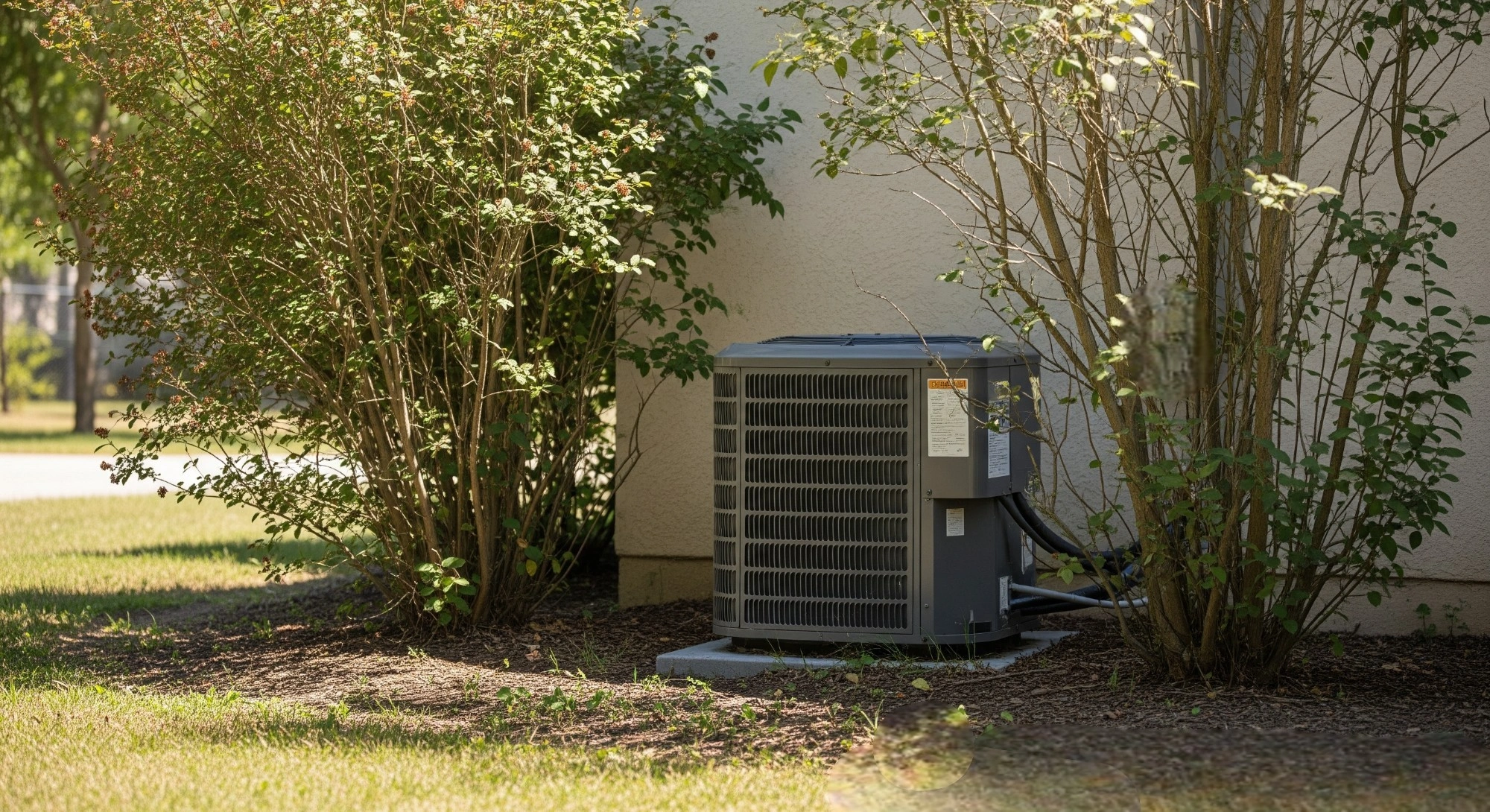
Let’s talk about showings. You’ve nailed the landscaping, the porch feels inviting, and the inside smells like freshly baked cookies or whatever magic scent your stager used. But there it is, humming like a truck next to the patio: the outdoor AC unit. Not cute. In Texas, you can’t exactly get rid of it, but you can be smarter about where it goes.
Realtors with an eye for presentation will look for ways to hide your AC creatively. That might mean lattice panels, greenery, or even clever fencing that blends into the yard. Just don’t box it in too tightly—you still need airflow, and techs need access. Remind your sellers that curb appeal doesn’t end at the front path. Buyers notice the backyard too, especially if they’re thinking about entertaining. And again, no DIY panel jobs with nails sticking out or a curtain of shrubs suffocating the condenser. A well-hidden but accessible unit is the sweet spot.
Old Units Equal Buyer Hesitation
Technician inspecting an old AC unit
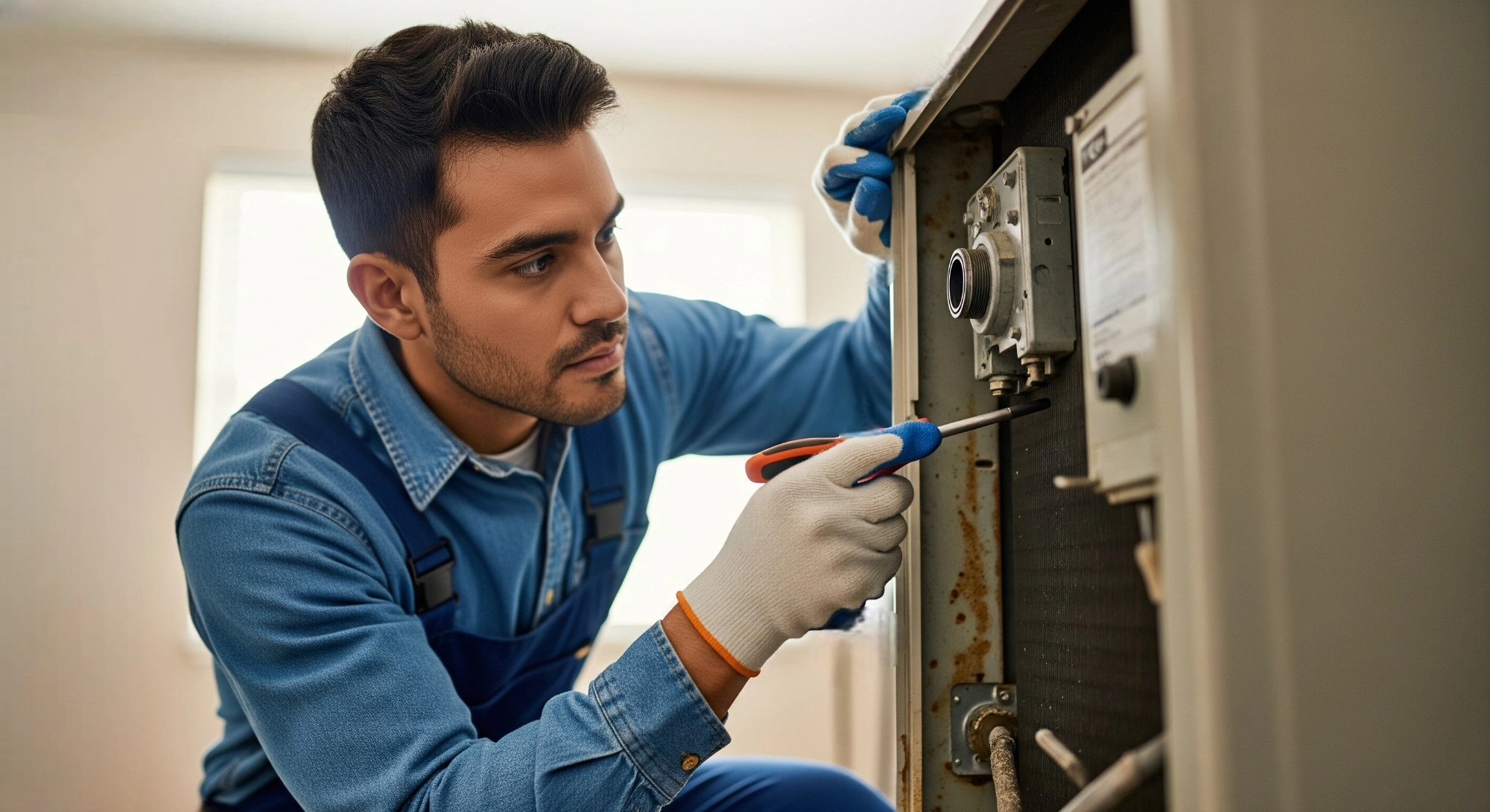
If a home’s AC is older than the buyer’s college degree, it’s going to raise questions. Inspectors will catch worn components, dirty coils, and undersized ductwork, things that can send buyers running or asking for price cuts. Realtors who’ve seen deals fall apart over HVAC issues know it’s better to get ahead of this. If the seller can’t replace the system outright, at least recommend a professional tune-up and inspection before listing. A clean bill of health gives buyers peace of mind.
And while we’re on the topic: resist the urge to suggest a YouTube-guided “deep clean” of the indoor unit. It’s not worth the risk. One wrong move and you’re dealing with a flooded drain pan, a busted blower motor or worse, liability if something breaks between offer and closing. In a hot market, it’s tempting to rush and cut corners. But your reputation (and your seller’s bottom line) is safer when the guts of the system are handled by someone licensed and insured.
When AC Goes Out Mid-Sale, You Need Backup Fast
A mom making a phone call with an AC unit in the background
Every seasoned Dallas agent has a story. The buyer falls in love with a home. The offer’s in. Everyone’s excited. Then—bam—the AC dies during escrow. And suddenly it’s chaos. This is where your vendor list is your lifeline. If you’ve already built a relationship with a local company that does air conditioning repair, you can jump into action instead of scrambling through Yelp at 9 PM.
It’s also a big value-add for your clients when you show up with names ready. It shows you’re prepared, you’ve been through it, and you know what it takes to get a deal across the finish line in the Texas heat. The difference between a delayed closing and a smooth one might be who you call and how fast they can respond. Bonus: having a tech vouch for the system after repairs can be a powerful peace-of-mind tool in negotiations.
Yes, AC Affects Appraisal—Here’s How to Talk About It
Appraiser reviewing HVAC system during home inspection
It’s not just buyer comfort and inspections—AC plays into the value of the home, too. Appraisers in Dallas take system age, efficiency, and functionality into account. If the unit is new and energy-efficient, it can nudge the value up slightly, especially when paired with smart thermostats or insulation upgrades. If it’s clearly limping along, that can drag comps down even in a hot zip code.
Realtors who speak confidently about HVAC details can stand out. You don’t have to be an expert, but knowing whether the unit was replaced in the last five years, if it’s properly sized for the square footage, and what kind of maintenance has been done can boost your credibility with both buyers and appraisers. And again: let the pros do the talking when it comes to repairs, replacements, or anything involving wiring or ducts. You’re a realtor, not Bob Vila.
Final Take
In Dallas, air conditioning isn’t just another box to check, it’s part of the story you’re selling. It can be the reason buyers linger at the open house, feel more confident about their offer, or walk away entirely. Whether you’re listing a high-rise downtown or a family home in the suburbs, taking AC seriously shows you know your market, you understand your buyers, and you’re not here to sweat the small stuff, literally.
Technology has revolutionized the process of interior design through the integration of IoT, AI, and designing software.
The purpose of IoT is to produce smarter, more efficient, and interconnected designs. IoT makes it possible for designers to incorporate digital attributes and sensors in the product for enhancing the interactive and personalized experience for the user. Moreover, IoT can also enhance the efficiency of the design and facilitate remote monitoring.
In the meantime, AI technology is also incredibly helpful in interior design for generating concepts, visualizing spaces, and even suggesting designs that fit our preferences. These days, most interior design apps and websites use AI to scan rooms, suggest suitable furniture options, and recommend color schemes based on what users like.
3D software and VR/AR technology bring several advantages to the interior design industry. 3D tools make it possible to visualize designs accurately, while VR and AR offer a much more realistic view of how a space will look.
Here’s a closer look at how technology is shaping the interiors of today and the future:
Foundational Tools: Precision, Visualization, and Immersive Experiences
At the core of modern interior design are foundational tools, setting a new standard for both accuracy and creativity. These technologies are what make it possible to turn ideas into reality, from the first concept all the way through to the finished space.
1. CAD (Computer-Aided Design) Software
In interior design, programs like AutoCAD, SketchUp, and Vectorworks are widely used for both 2D drafting and 3D modeling. AutoCAD is well-known for its precise 2D technical drawings, SketchUp stands out for its easy-to-use 3D modeling and visualization, while Vectorworks combines strong 2D design features with advanced 3D modeling capabilities.
2. BIM (Building Information Modeling)
BIM (Building Information Modeling) takes interior design to the next level by making the whole process smoother and more connected. With BIM, everyone works off the same 3D model, so communication and coordination are a lot easier. Designers can quickly create realistic visuals and fine-tune space planning.
Honestly, BIM just makes things easier all around. Clients really appreciate being able to see what their space will look like before anything is built. It also saves a lot of headaches for everyone working on the project because the whole team can stay on the same page, even if they’re from different backgrounds.
Planning the space is more straightforward, and if you want to add new tech, it’s not a big deal. Updates show up right away, so you catch mistakes early, and budgeting is a lot more accurate. Plus, it’s pretty helpful for making sure the design is energy efficient.
3. 3D Rendering and Visualization
Rendering and 3D visualization are really important in interior design. Rendering turns a 3D model into a realistic 2D image, while 3D visualization uses software to create a three-dimensional view of the design.
These tools let both designers and clients see what the space will look like before anything gets built, which makes it much easier to make decisions and avoid surprises later on.
4. Virtual Reality (VR) and Augmented Reality (AR)
VR (Virtual Reality) and AR (Augmented Reality) are becoming more popular in interior design because they let designers and clients experience spaces in a much more immersive and interactive way.
With VR, you can step into a completely digital environment, while AR overlays digital details onto the real world around you.
5. Interior Design Apps
Mobile apps and websites have become must-have tools for interior designers, helping with everything from realistic visualizations and space planning to finding new ideas and staying up to date with trends.
Simply put, digital technology has changed the way designers and homeowners bring their interior ideas to life—making the whole process easier, more creative, and accessible for everyone.
6. 3D Scanning
3D scanning makes an exact digital copy of a space by measuring its size and capturing how it looks right now. You can then use this digital copy in CAD or BIM software. This “scan to BIM” process gives you a clear and accurate model of the building, which is really helpful for renovations, facility management, and many other projects.
The Intelligent and Connected Space
Smart interior technology helps designers work faster, be more creative, and make spaces that are comfortable and personalized. With tools like 3D design, VR, and smart systems for lighting, furniture, and security, designers can create safer, greener, and more efficient homes.
1. Smart Home Integration
Smart home technology is becoming increasingly popular these days, and to incorporate smart home technology into your home, you need a professional interior designer. They don’t just make a space look great—they also know how to install little things like smart lights, thermostats, and security systems so they blend into the design.
So homeowners can enjoy the convenience of smart technology in their homes, without worrying about ruining the style of the space.
2. Artificial Intelligence (AI)
AI can analyze interior designs according to user preferences, as well as help with space planning and visualization. With special algorithms, AI is able to provide personalized recommendations, trend analysis, efficient layout planning, and realistic visualization.
AI can also analyze data to predict future interior design trends, as well as help with project management, automate tasks, and create functional and environmentally friendly designs.
With AI, interior designers can increase efficiency, creativity, and deliver more personalized design quality according to customer needs.
3. Innovations in Smart Materials and Textiles
Technology drives innovation in interior materials through the production of lightweight and high-strength composite materials, the development of new materials, including temperature-responsive glass and smart textiles, and the use of manufacturing techniques such as 3D printing to reduce waste.
Technology also helps produce energy-saving and environmentally friendly materials, in addition to intelligent systems for interior design to increase comfort and efficiency.
Creation, Customization, and Streamlined Collaboration
Interior design process now evolving with the help of new tools that make it easier for designers to customize their work and collaborate with others. These innovations let designers explore creative ideas without sacrificing time or efficiency when completing projects.
1. 3D Printing: Customization Unleashed
3D printing has really changed the game for furniture designers. It’s now way easier to build custom pieces with shapes that used to be nearly impossible using old-school methods. You can tweak the size, shape, or material in no time, which is perfect when you’re working with a specific client or space.
Prototypes don’t take forever or cost a fortune, so small-batch runs actually make sense now. I’ve seen everything from sleek ergonomic chairs to super creative modular shelves made with this tech. Honestly, it’s exciting to see where this is headed—furniture design feels way more flexible and personal than it used to.
2. Collaboration Tools: Connecting Teams and Clients
Communication and teamwork are critical to successful projects. Such projects are now made easier with cloud-based collaboration software like Miro, Asana, and other design management solutions.
These keep everything organized from messages to file sharing, design critiques and version control in one place—helping teams, customers, and contractors communicate easily from anywhere in the world. This leads to less friction in workflows, streamlined project management, and improved overall performance.
3. Designing for a Better Future: Sustainability and Data
Designing for sustainability means making eco-friendly choices every step of the way—like choosing the right materials, making sure things last, and thinking about what happens when we’re done with them.
It’s about creating things that are tough and easy to fix, cutting down on waste by reusing or recycling, and using data to help us make smarter decisions and use resources wisely—all while keeping our digital tools’ impact on the environment as low as possible.
The Rise of Sustainable Design Technology
Eco-friendly design is getting more popular these days, and technology has a lot to do with it. Tech makes it way easier for designers to figure out how their material choices affect the environment, check how much energy a space will use, and make the most of things like natural light and fresh air.
There are even tools—either built into design software or on their own—that can predict how much energy a building will need. Plus, online platforms make it simpler to find materials that are sustainable, recycled, or reclaimed, and smart building tech helps keep track of how much energy and water a space uses after people move in.
1. Data-Driven Design and Personalization
Using data is really helping us create spaces that fit people better. With all the tech we have now, designers can look at info from things like sensors, client feedback, or even trends, and use it to make smarter choices.
This means layouts that actually work for how people use the space, picking materials that make everyone feel good, and creating rooms that really match what people want—not just how they look, but how they work too, all based on real data.
2. Navigating the Technological Shift
Even though technology has a lot to offer, it also brings its own challenges. Designers have to figure out how to handle these issues if they want to really make the most of what digital tools can do.
3. Challenges and Considerations
Although the benefits of technology in the field of interior design are substantial, their adoption is not without challenges.
These may include the initial costs of purchasing software and hardware, the steep learning curve associated with mastering new programs, concerns regarding data privacy and security (particularly with IoT and AI), and the ongoing need to ensure that technology supports, rather than dictates or stifles, the natural creative process.
It is also important to ensure equitable access to these new devices throughout the industry.
What’s Next for Tech in Interior Design?
The technological innovation in interior design is ongoing and not showing signs of fading. We can expect more intelligent AI co-designers with high-level problem-solving abilities, biometric data and AI-driven hyper-personalization, robots performing more sophisticated tasks in construction and custom production, and the metaverse having the ability to reshape the way we experience and interact with virtual or pre-construction space.
The continued research and development of sustainable, intelligent, and even self-assembly materials will also bring new innovative opportunities.
In the end, tech-savvy designers who consciously incorporate new technology into their practice will be most likely to succeed in designing innovative, efficient, sustainable, and highly customized environments for the future. Technology is not just transforming how designers work; it is broadening the definition of what can be done within interior spaces.
Any landscaping or gardening project isn’t complete without mulch. The right mulch doesn’t just make your property look polished—it keeps your plants healthy and helps your landscape thrive, whether you’re sprucing up a rental, upgrading your own backyard, or managing a larger property.
Most people just grab a few bags from the garden center, but buying in bulk really steps things up. For bigger projects or those spring and fall refreshes, bulk mulch saves you money, cuts down on waste, and makes delivery and spreading a whole lot easier.
Significant Cost Savings Compared to Bagged Mulch
Buying mulch in bulk is almost always a lot cheaper than picking it up by the bag. With bagged mulch, you’re paying extra for packaging, shipping, and what the store puts on top. Bulk mulch, on the other hand, usually costs a lot less per yard, so you’re really just paying for the mulch itself.
That’s why bulk buying is such a great option for homeowners with big gardens or landscapers managing multiple properties. And in places like Cleveland, choosing to buy mulch in Cleveland straight from suppliers who deliver is an even bigger advantage.
Reduces Environmental Impact
Choosing bulk mulch instead of bagged mulch provides a variety of advantages, such as reducing plastic waste and pollution, encouraging sustainable practices, boosting plant health by retaining moisture and providing nutrients, and making disposal easier. This decision demonstrates a commitment to environmental stewardship while enhancing outdoor areas.
Bulk Mulch Makes Big Projects Easier
Purchasing mulch in bulk makes large landscaping projects easier by reducing the time and effort needed—one delivery means you don’t have to make multiple trips to the garden center.
Having everything on hand right away streamlines the mulching process, so you can get landscaping tasks done faster, especially for big gardens, commercial properties, or community projects.
Get a Uniform Look Across Your Landscape
Buying mulch in bulk keeps your landscape looking consistent, without the color or texture differences you sometimes get from bagged mulch or mixing suppliers.
When you stick with one vendor, everything looks more pulled together, giving your outdoor space a polished, inviting vibe.
Fresher, Higher-Quality Mulch
Bulk mulch often has less processing and can be of higher quality compared to certain bagged varieties, which might include artificial dyes or fillers.
When buying mulch in Cleveland, verify the origin to ensure it’s natural and of premium quality, supporting your soil and plants without toxic chemicals, and resulting in improved landscaping results.
Helping Local Businesses and Cut Down on Emissions
Purchasing mulch in bulk supports local businesses and provides economic benefits. It helps reduce vehicle emissions and greenhouse gas emissions since fewer deliveries are needed, making it an environmentally friendly option. Moreover, it offers savings, convenience for large projects, and a wider variety of mulch options, which benefits both homeowners and landscapers while supporting environmental sustainability.
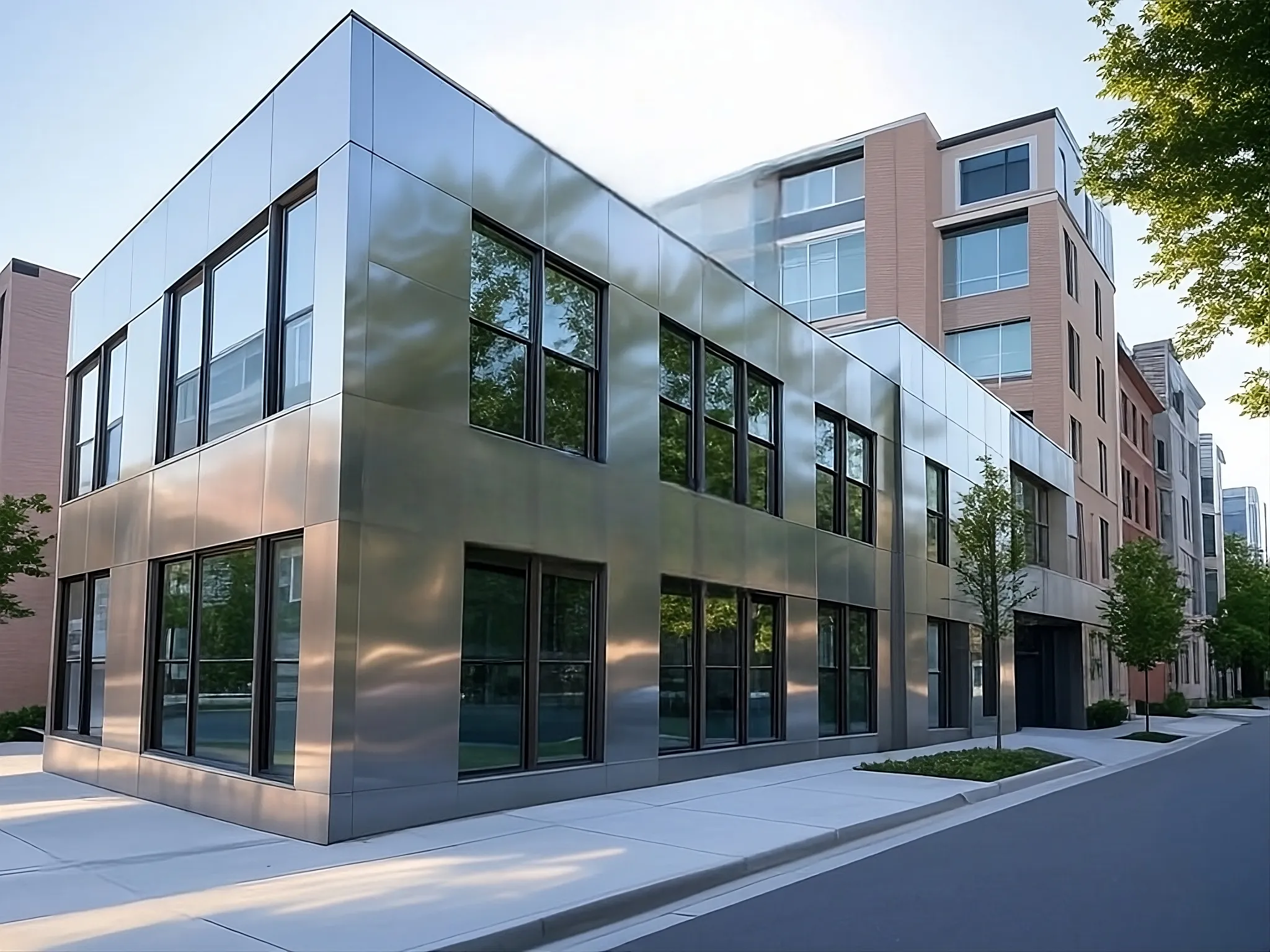
If you’ve been following the housing market in Washington DC, you might’ve noticed that steel homes are popping up more and more. It’s not just a passing trend—there are some real, practical reasons why residents of Washington DC are rethinking what their homes are made of. Whether you’re dreaming of a new build or just curious about what’s out there, here’s what you should know about steel homes and why they’re gaining ground in our nation’s capital.
Source: unsplash.com
Why Steel Homes Make Sense in DC
DC weather doesn’t mess around. Some days feel like you’re walking into a sauna, then suddenly it’s freezing and windy a week later. Throw in a few wild thunderstorms for good measure, and yeah—your house has to hold its own. That’s where steel homes come in. They’re built to take it. Unlike wood, they won’t twist when it’s humid, and strong winds don’t scare them. And termites? Not interested. For homeowners in DC who are tired of patching things up every season, switching to steel can make a huge difference. Instead of spending weekends on repairs, you get your time back—and peace of mind, too.
Steel homes today come with a wide range of design possibilities, thanks in large part to the work of innovative architects in DC. You can go for a sleek, modern look or lean into something more traditional—it’s totally up to you. Whether you’re imagining a crisp, urban-style home or something that feels right at home among the trees, steel gives you the freedom to bring that vision to life. It’s incredibly flexible as a building material.
Why Choose Steel Homes
• Unmatched durability: DC weather can be unpredictable—hot, humid summers one month, freezing rain the next. Steel handles it all without warping, rotting, or cracking.
• Low maintenance: No constant painting or worrying about termites. Steel homes are designed to hold up with very little upkeep.
• Energy efficiency: With smart design and proper insulation, steel homes stay cool in the summer and warm in the winter—helping you save on energy bills year-round.
• Eco-friendly: Most residential steel is made from recycled materials and can be recycled again in the future. A win for both the planet and your conscience.
• Design flexibility: Whether you love open layouts, high ceilings, or oversized windows, steel lets you design a space that truly fits your style.
• Faster construction: Steel frames go up quickly, so you spend less time waiting and more time enjoying your new home.
• Fire and pest resistance: Steel doesn’t burn, and termites don’t want anything to do with it. That’s one less thing to stress about.
• Strong long-term value: Adding a steel structure—like a garage, guest house, or studio—can boost your property’s value and give you more livable space.
Steel Homes and the DC Lifestyle
When you’ve got a million things to juggle, the last thing you need is a home that adds to your to-do list. That’s where steel homes shine: they’re dependable, look great, and don’t ask for a ton of upkeep. And if your family’s growing or you just want to carve out some extra space, adding on is actually simple with steel construction. You won’t have to deal with endless headaches or drawn-out projects. Plus, if you care about making a positive impact, steel homes are right in sync with the city’s push for sustainability. It just feels good knowing your place isn’t adding to the problem—it’s helping lead the way forward.
If you’re thinking about selling your house in Washington, DC, consider reaching out to Pro Homebuyer Solutions. They can give you a fair cash offer and make the selling process simple, so you can focus on your next move.
The Future Looks Bright for Steel Homes in DC
If you’re looking for a home that’s tough, good-looking, and built with the future in mind, steel just makes sense. More and more folks around D.C. are catching on to the benefits, so don’t be surprised if you start seeing steel homes popping up all over the city.
More and more homeowners are going green and making their homes eco-friendly. One big reason? Eco-friendly upgrades can actually make your home more appealing to buyers when it’s time to sell. If you own a home in Connecticut and want to make it more eco-friendly, here are some great ways to make your home greener—and boost its value at the same time.
1. Install Energy-Efficient Lighting
Using energy-efficient lighting is one of the simplest ways to make your home more eco-friendly. LED bulbs use much less energy and last much longer than traditional bulbs. On top of that, they save you money on your electric bill. There are plenty of styles and brightness levels of modern LEDs to choose from, so finding the right one for each room is easy.
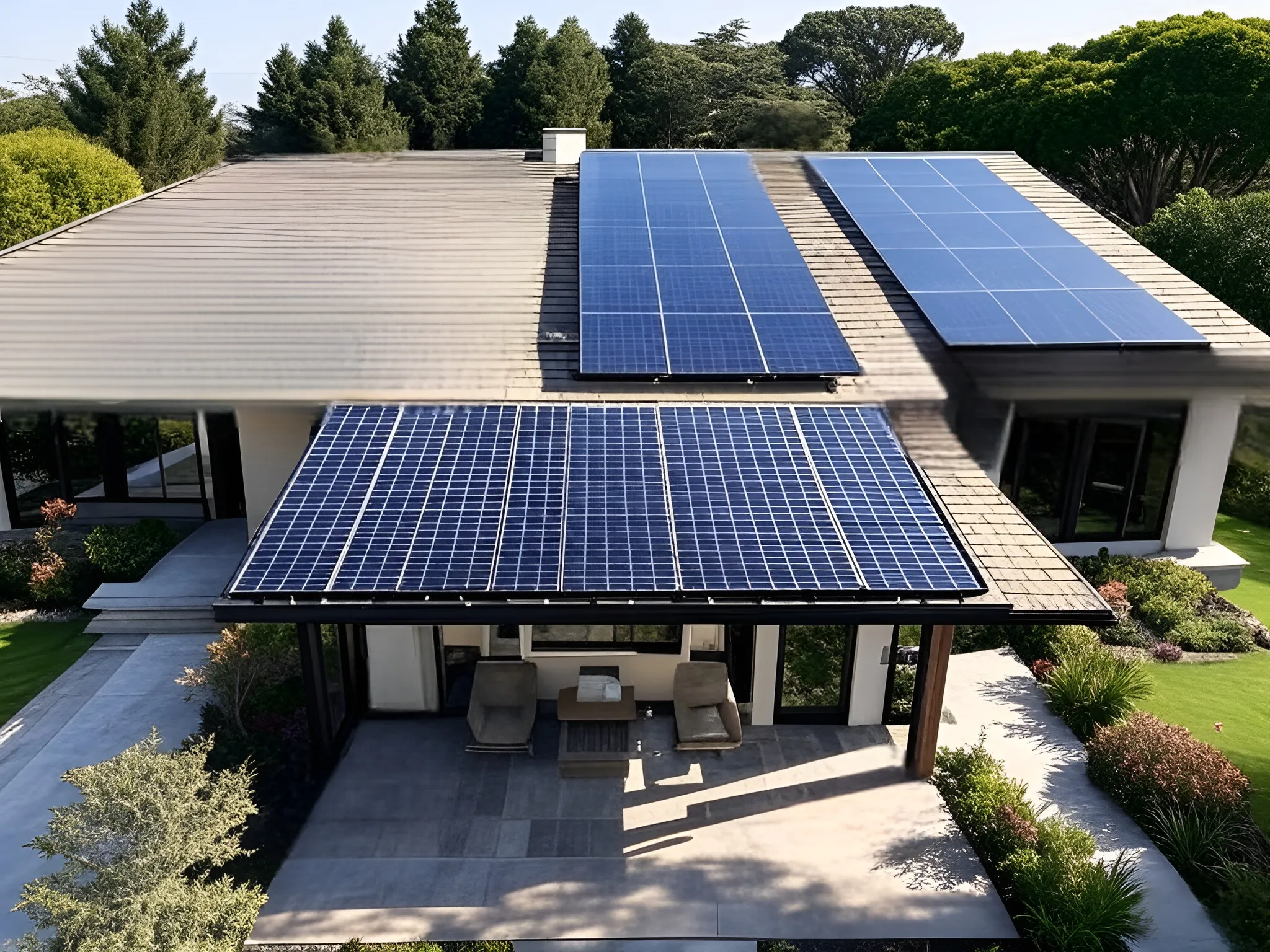
2. Invest in Solar Panels
Going solar can make your home more eco-friendly. Although the upfront cost of installing solar panels isn’t cheap, the long-term benefits are worth it. With solar power, you can generate your own electricity, and homes in the Connecticut area can benefit from tax incentives or deductions. Solar panels have many benefits and help reduce your household’s carbon footprint.
3. Sealing Windows and Doors
Sealing doors and windows is a process that involves caulking and weatherstripping to form airtight joints, minimizing drafts and saving energy. Caulk seals gaps and cracks along stationary frames, and weatherstripping seals gaps where parts move, such as doors and windows.
4. Using Low-flow Plumbing Fixtures
Low-flow fixtures use less water than standard fixtures without sacrificing performance. They include toilets, faucets, and showerheads, and are a major component of water-saving measures. These fixtures usually feature devices like aerators or flow restrictors that reduce water volume while maintaining water pressure.
5. Install a Smart Thermostat
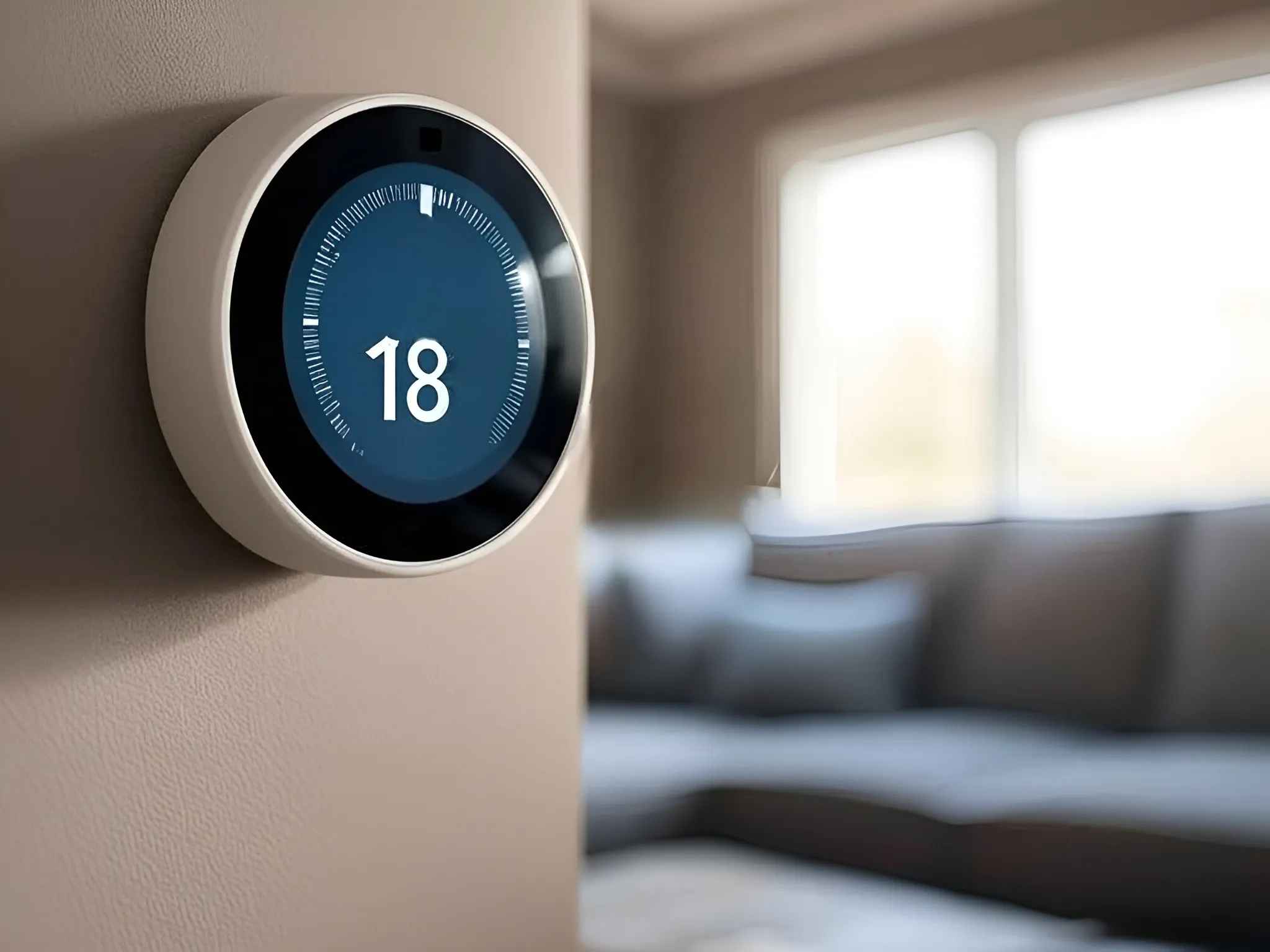
Smart thermostats offer several benefits, from energy efficiency and convenience of remote control to customizable temperature settings. They can sense and automatically adjust temperatures based on your requirement and help reduce utility bills without compromising on comfort levels. Furthermore, they are able to interface with other smart household devices and give detailed reports on energy usage.
Conclusion
To increase your Connecticut home’s value, make your home eco-friendly. The benefits include reduced energy bills, a smaller environmental footprint, and greater comfort. Experts like Bluecrest Property Group have a team that can guide you on which eco-friendly upgrades will have the most impact. These improvements also help ensure a greener future by reducing waste, preserving resources, and supporting healthier living environments.
Potential buyers, whether it’s a quaint family house or an upscale condo suite in the downtown area, will most likely come to a decision right after stepping through the door. Elegant home staging has, for far too long, been a major centerpiece for increasing a home’s marketing. However, one factor that is rarely considered but can change the name of the game is the well-planned implementation of rugs.
Rugs have the potential to change the presentation of a property. From dividing regions in broad concept homes to providing much-needed hue and warmth to bare interiors, they indeed solve the puzzle. Accompanied by necessary thought, they do more than floor decoration. For modern homeowners, investors, and real estate agents, there’s a big opportunity aimed at improving market competition and blending stylish rugs with traditional props for staging.
The Unsung Hero of Home Staging
Texas homes like to display their open floor plans, allowing staging professionals to showcase their creativity in multiple ways. In the bustling real estate market in Dallas, every small detail counts. Instead of simply focusing on lighting and color, realtors and staging professionals pay attention to seating arrangements, as well as paint colors. With the appropriate rug, a room can be beautified, revealing visually how the space can be utilized while guiding the gaze through the home.
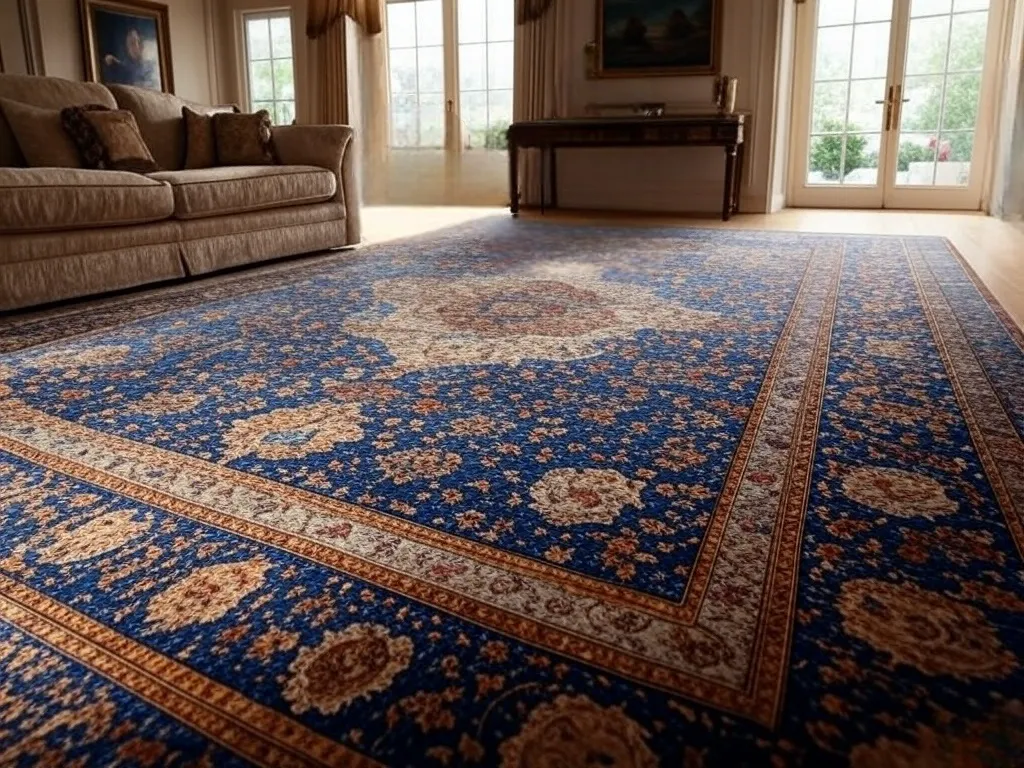
The common modern-day Texan house makes good use of open floor plans. And that’s where a good rug comes in. Rugs help you define areas with function, without using big dividers. A large rug placed under the living room set acts as an anchor, providing intention and completeness. In the bedroom, think of a soft texture underfoot to provide a sense of luxury and comfort that any buyer worth their salt would croon over.
Enhancing Perceived Value
As a buyer, you’re not looking at structure alone. It’s really the lifestyle you’re after. When you look at a well-staged home, what you see is comfort and quality — the holy grail of any home. Throw in a rug there, and the perceived value is driven all the way up. Rugs add colors, textures, and patterns that do a number in terms of improving a home’s aesthetics. Say the space is unfinished — a quality rug will provide a sense of warmth, and despite the current status, the space will be inviting. Is the home pretty modest? A rug will bring in an element of curated design to elevate the look.
Now, not all homeowners are for the idea of splurging on decoration and accent pieces. However, their return on investment would be worth it, and quite impressive as well.
While some homeowners may balk at the idea of spending on decorative accents, the return on investment can be impressive. According to the National Association of Realtors, a staged home will sell faster and, not surprisingly, at higher prices. So, why not add a thoughtfully selected rug to your staging strategy and boost your home’s marketability without the need for too many (and annoying) renovations?
Rug Choices that Sell
For real estate, not all rugs have the same importance. To attract buyers, the safest options are those with neutral tones and soft patterns. Constructed from natural materials like jute and sisal, these fiber rugs are timeless in appearance and stand the test of heavy foot traffic in the home.
Layered rugs work well with designer upholstery and luxury accents, especially at high-end properties, bringing them elegance and style. They also add to the sophistication of the house. The renowned brand, Serena & Lily, has curated evolving collections of modern and classic designs suitable for staging properties in Highland Park and University Park in Dallas.
Considerations for Realtors and Homeowners
When adding rugs to a staging plan, think about the size. Too small? It will make the space look small, cramped, and awkward. Oversized? It will overwhelm the room. You want to enhance the existing layout — not compete with it.
Next, think about maintenance. Sounds like a small thing to consider, but it actually matters. Go for rugs that don’t need all hands on deck to clean. Easy does it. This rings true when the home will have many showings in a day. Think washable or low-pile rugs for homes that may see a lot of foot traffic from potential buyers.
Lastly, the emotional element. A soft, plush rug in a nursery or a quaint reading nook can help buyers connect with the home deeply and personally. They add character and warmth, so the buyers will think about the home long after viewing.
Rugs as the Finishing Touch for Real Estate Success
The real estate market in Dallas, Texas, doesn’t just look at selling space. It’s all about selling buyers a lifestyle. Rugs seem like a small feature, but they are one of the most powerful accents that enhance a home’s appeal, leaving a lasting impression. Go for thoughtful choices and high-end options from trusted brands like Serena & Lily — staging your home for success will become easier and more effective.
For most people, home is only considered a place to relax and spend time with family. But since the pandemic, its function has shifted—home is now also a place to get work done. Whether you’re a remote professional, a small business owner, or a hybrid employee who only commutes to the office a few days a week—they all share the same need: a comfortable, quiet workspace that’s set apart from the main living areas.
Home Offices in the U.S. Real Estate Market
In the U.S. real estate market, home offices have become a top feature many buyers are prioritizing. According to a report from the National Association of Home Builders (NAHB), more than 60% of today’s homebuyers include “dedicated home office” in their home search preferences. Specifically, 66% would prefer a home with one home office, with 13% wanting at least two.
Even on property listings on platforms like Zillow and Realtor.com, terms like “home office,” “workspace,” and “flex room” are appearing more frequently and gaining popularity.
In some real estate markets—especially tech-heavy cities like Austin, Denver, and Raleigh—homes with home offices often sell quicker and at higher prices. Many buyers today are looking for more than just a multi-bedroom home; they also want an extra flexible space—one that can easily be converted into an office, studio, or workspace.
What Makes a Home Office Ideal for Working?
A home office doesn’t have to be a huge space, but there are a few key features that buyers typically look for or that residents need to make a home office truly functional:
1. Location and Privacy
The ideal home office should be quiet and set apart from high-traffic areas like the living room or kitchen. Home offices can be set up in bedrooms, attics, basements, or even under the stairs—as long as the location is quiet and there are minimal distractions.
2. Lighting
Good lighting is essential for eye comfort and productivity. In real estate, large windows in a home office are often a big plus because they bring in natural light and create a more energizing atmosphere.
3. Air Circulation and Electrical
Home buyers often pay attention to details like the number of outlets and ventilation. The ideal home office should be comfortable enough to use for 6–8 hours a day, with proper air circulation and sufficient electrical access.
4. Flexible Design
Many home offices also serve multiple purposes—for example, as a secondary living area, a kids’ study space, or a compact studio. Multifunctional spaces like these tend to be more appealing than overly specific rooms.
5. Aesthetics and Storage
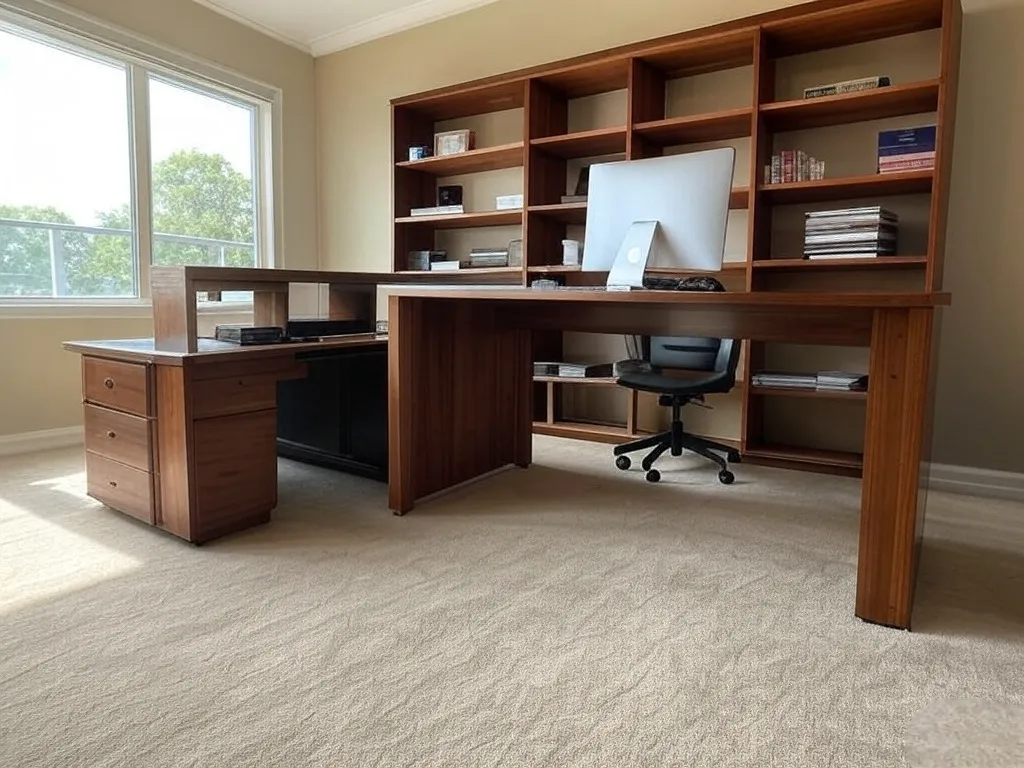
A tidy workspace, with built-in shelving, plenty of light, and a clean, simple look, is more attractive to potential buyers. It doesn’t have to be fancy—it just has to be practical, efficient, and comfortable to use every day.
Impact on Property Values
Adding a home office can actually give a noticeable boost to a home’s resale value, although this will also largely depend on the property’s location. Based on data from Zillow, homes that feature a home office or a work area can have their value enhanced by a 3–5% rise compared to other similar homes without one.
In Texas, California, and North Carolina, even a home office can become the tipping point when prospective buyers are weighing two or more listings. Even during the appraisal, a professionally designed home office can boost a home’s value, provided the improvements are permanent and blend well with the rest of the home’s layout.
Home Office Design Trends in the US
Here are some features that are now widely seen in modern home offices in America, including:
Built-in desks that are flush with the wall
Neutral colors such as off-white, light gray, or sage green
Natural wood accents for a warm, inviting feel
Layered lighting: a mix of table lamps, ceiling lights, and natural light
Light soundproofing with acoustic panels or thick carpeting
Indoor plants to improve air quality and add a fresh visual touch
The trend of having a home office is also common in new housing developments built since 2020, particularly by developers in suburban areas. For example, home additions in Alexandria, VA, are increasingly featuring dedicated workspaces, which are becoming more popular.
What If There Is No Extra Space?
Here are some creative ideas for those living in small apartments or homes with limited space:
Use the corner of the living room as a cloffice (closet-office)
Install a wall-mounted folding table
Convert a large closet into a hidden workspace
Use a folding screen to separate the work area from the relaxation zone
Many people make small adjustments to create a functional workspace that still blends seamlessly with the home’s interior.
Home offices have now become an essential space. Comfortable and functional workspaces are increasingly in demand, as remote workers and the work-from-home trend continue to grow. If you’re buying or selling a home, adding a dedicated workspace could be a great decision.