Tag: Property Upgrades

  • How To Make Your Short‑Term Rental More Appealing And Maximize Bookings

    How To Make Your Short‑Term Rental More Appealing And Maximize Bookings

    In the highly competitive world of short-term rentals, having a place to stay is no longer enough. Today’s guests want more than four walls and a bed. They book places that feel easy, comfortable and well run, with the kind of details they would expect at a good hotel and the personality they can only get in a home. When you set up your place with that mindset, you raise reviews, improve occupancy and build real cash flow. Travelers now look for hotel‑like amenities with a personal touch, which is exactly where you can stand out.

    1) First Impressions That Sell: Curb Appeal And Landscaping

    Guests start forming opinions the moment they pull up. Keep the exterior clean and cared for, then layer in simple features that read as premium without adding a lot of maintenance.

    • Landscape for impact, not upkeep.
      Mix native, drought-tolerant plants into a well-manicured garden, accented with a few potted color pops near the entry. Define pathways with pavers or gravel, and add low-voltage lights to guide guests at night.
    • Create a spot to linger.
      A small patio with comfortable chairs, an outdoor rug and a side table photographs well and gives guests a place to enjoy morning coffee.
    • Automate watering.
      With an automated irrigation system, including a drip line for beds and a simple sprinkler controller for turf, your landscape stays healthy while you focus on turnovers.
    • Mind the property line.
      When you place a fence, garden bed or pergola, confirm boundaries so your improvements stay on your land. A quick check with a plat map or, for trickier lots, a boundary survey avoids encroachment issues later. If a neighbor’s tree or fence crosses into your space, start with a friendly conversation, then formalize solutions if needed.
    • Think like an owner.
      Built‑in elements, like a fixed bench, a hard‑plumbed grill station or a permanent fire feature, become part of the real property and can support value, which is different from movable furniture.

    2) Make Comfort A Given: Climate Control And Smart Basics

    Comfort drives five‑star stays. Keep temperatures steady and controls simple.

    • Reliable heating and cooling.
      Service HVAC regularly, install a smart thermostat guests can adjust, and keep spare filters on hand. Efficient air conditioning for hot summers makes comfort effortless.
    • Quiet, dark and breezy.
      Blackout shades, a ceiling fan in each bedroom and door sweeps help with sleep.
    • Energy touches that matter.
      LED bulbs, weather‑stripping and a smart thermostat lower costs, and guests engage with listings that highlight efficiency. Renters are more likely to pursue homes that share positive energy‑efficiency details, which helps the listing and your utility spend.

    3) Set Up A Kitchen Guests Can Actually Use

    Many travelers book a home so they can cook. Equip the space so every meal is easy to prep and easy to clean.

    • Appliances that work hard.
      Full‑size fridge, range, microwave and a quiet dishwasher. Add both drip and single‑serve coffee options, an electric kettle and a quality toaster.
    • Tools that make sense.
      A complete cookware set, sharp knives, cutting boards, sheet pans, mixing bowls, a colander, storage containers and a basic bakeware set.
    • Stock the staples.
      Salt, pepper, cooking oil, a few spices, coffee, tea and sweeteners. Refill between stays and keep a labeled owner bin for bulk supplies.
    • Cleanup is part of the amenity.
      Dish tabs, sponge, towels and a small starter pack of trash bags. Upgraded kitchens and amenities help you command stronger rates, which supports cash flow.

    4) Bedrooms And Baths Guests Look Forward To

    Sleep and showers set the tone for the whole stay.

    • Beds worth bragging about.
      Quality mattresses, breathable sheets, two pillow types per person and spare blankets.
    • Blackout plus bedside.
      Full blackout window treatments, a nightstand and lamp on each side, and convenient outlets or USB ports.
    • Hotel‑level bath setup.
      Oversized towels, extras on the shelf, full bottles of shampoo, conditioner and body wash, a hair dryer, great lighting and a mirror guests can actually use. A rainfall shower head reads luxe, while leak‑free fixtures read professional.

    5) Entertainment And Work‑From‑Here Essentials

    Cover the basics guests now expect for downtime and remote work, then add a few memorable touches.

    • Streaming‑ready TV and strong Wi‑Fi.
      Set up a smart TV with the major apps, include an HDMI cable, and display the Wi‑Fi name and password on the welcome card.
    • Analog fun.
      A small stack of board games and a shelf of easy reads.
    • A real workspace.
      A desk and task chair with a power strip where it is obvious.

    Travelers increasingly look for hotel‑style amenities paired with a home feel, so this mix lands well and photographs clearly in your listing.

    6) Thoughtful Touches And Your Welcome Guide

    You set the tone before guests even arrive.

    • Clear, friendly check‑in.
      A smart lock with a unique code, step‑by‑step directions, parking info and quiet‑hours guidance.
    • House binder plus digital guide.
      Include appliance instructions, trash day, emergency contacts, Wi‑Fi details and a neighborhood map with your favorite coffee, markets, trails, family spots, and local activities.
    • A little “hello.”
      A small welcome basket with local snacks, bottled water and coffee pods goes a long way with reviews.

    7) Photos, Listing Copy And Pricing That Convert

    Your page on the platform is your storefront. Make it easy for guests to say yes.

    • Stage the hero shot.
      Lead with your best angle, then show the floor plan flow, sleeping setups and outdoor spaces. Turn on all the lights, open the blinds and switch on lamps for warm photos.
    • Write for clarity.
      Bullet the top five amenities in the first lines. Set house rules in plain language.
    • Price with a plan.
      Put numbers behind your targets. As one large market example, a one‑bedroom in Los Angeles can see an average daily rate near the high‑$200s with an occupancy rate a little over half the nights in a year, which points to five‑figure gross revenue before expenses if you hit similar performance in your market. Use your own comps locally, then apply a simple check: ADR × nights booked ≈ gross nightly revenue.
    • Reduce vacancies thoughtfully.
      Use seasonal minimum‑night rules, offer a small discount for week‑long stays, and keep your calendar open and accurate. Simple incentives and flexible terms can trim gaps, which supports cash flow.

    8) Operations You Can Repeat Every Time

    Treat cleanings, restocks and safety like a checklist business.

    • Turnover checklist.
      Bed order and laundry sequence, kitchen reset, bath setup, dust and floors, patio sweep, supplies restock.
    • Safety and maintenance rhythm.
      Test smoke and carbon‑monoxide alarms, keep a charged fire extinguisher, inspect stair rails and trip points, and walk the exterior lighting each month.
    • Know the local rules.
      Some areas require registrations, tax remittance or specific occupancy and parking rules for short‑term rentals or for homes in an HOA. Many hosts hire a property manager when they scale or when they live far away, which keeps response times consistent for guests. Running an STR is a hands‑on operation, so management help can be a smart line item.

    9) Switching From Long‑Term To Short‑Term, Or Buying A Place With Tenants

    If you are purchasing a property that already has renters or you are converting a long‑term rental, plan the timeline and the legal side before you list.

    • Honor existing leases.
      Tenants keep the rights in their leases, and you take on landlord duties when you buy. In most cases, you change terms only when the lease ends, which means a conversion to short‑term hosting starts after that date unless your contract says otherwise.
    • Expect real responsibilities.
      You are on the hook to keep the home safe and habitable, keep systems working and handle repairs promptly.
    • Plan ahead if you need possession.
      Some buyers negotiate for the current owner to end the lease before closing, or they use an owner‑move‑in path where that is permitted. Evictions follow formal timelines and are a last resort, so a clean handoff plan is the easier route.

    10) Invest Once, Keep It Simple: What Stays With The Home

    When you add permanent features, you create a clearer, more valuable setup.

    • Permanent vs movable.
      A fixed deck, built‑in banquette, hard‑plumbed gas line or anchored pergola is part of the real property and conveys with the home. Freestanding furniture and décor count as personal property and do not affect the property itself. Use this lens when you choose upgrades.

    11) When You Want Higher Income Potential

    Short‑term rentals can lift revenue when demand is there, which is why many investors look at this approach in the first place. It does come with more involvement from you, and higher setup and operating costs, so plan staffing and reserves as part of the model. In strong markets, nightly pricing plus steady occupancy can outperform a traditional year‑long lease. That is where your photography, amenities and guest experience pay off.

    Quick Room‑By‑Room Checklist

    • Exterior
      Entry clean and lit, clear address numbers, tidy landscaping, seating vignette, irrigation set, boundary‑aware fence plan.
    • Living
      Smart TV ready, Wi‑Fi card visible, games shelf, reading light, surge‑protected power strip.
    • Kitchen
      Complete cookware, sharp knives, coffee setup two ways, labeled staples, dishwasher tabs, trash bags.
    • Bedrooms
      Quality mattresses, breathable linens, two pillow types, blackout, bedside lights, hangers and a luggage rack.
    • Baths
      Oversized towels, extras on shelf, full‑size toiletries, hair dryer, good mirror and lighting.
    • Safety
      Tested alarms, extinguisher, first‑aid kit, railings tight, exterior lights working.
    • Listing & Ops
      Hero photo staged, top five amenities listed, house rules clear, price plan built from local comps, turnover checklist printed, restock bins labeled.

    Why This Playbook Works

    You are making it easy for someone to choose your place, enjoy their stay and tell the next person to book. Strong curb appeal gets the click. Comfortable beds, reliable climate control and a fully stocked kitchen win the review. Clean photos, clear copy and smart pricing fill the calendar. Energy‑smart features keep operating costs in line while also helping your listing stand out.


  • Is Trenchless Sewer Repair Right for Your Seattle Property?

    Source: workforcehub.com

    Sewer issues can be a nightmare for homeowners. Trenchless sewer repair offers a modern solution for fixing or replacing underground pipes without the need for extensive digging. This technique is faster, reduces landscaping expenses, and minimizes disruptions on your property. If you’re considering trenchless sewer repair in Seattle, here are a few things to keep in mind.

    1. What is “No-Dig Trenchless Sewer Repair”?

    No-dig sewer repair is a modern way of fixing or replacing underground lines that doesn’t involve digging large trenches. This makes the process faster, reduces damage to your landscaping, and is more cost-effective compared to older methods.

    Common methods used:

    • Pipe Lining (CIPP) involves inserting a special liner into the old pipe, which hardens to create a new pipe within the existing one.
    • Pipe bursting breaks apart the old pipe and installs a new one using hydraulic equipment.

    2. Signs Your Sewer Line Needs Repairs

    Before using this method, look out for these signs that could indicate a problem with your pipes:

    • Frequent clogs or slow draining.
    • Foul odors coming from the drain.
    • Unusual water buildup or soggy spots in your yard.
    • Gurgling sounds when running water.

    3. Is This Method Right for Your Property?

    Not all pipes can be repaired with this method. Here are some factors to consider:

    • Pipe Material and Condition: Older clay or cast iron pipes are usually good candidates for this method, but if the damage is extensive, full replacement might be necessary.
    • Pipe Location: If the pipe is located beneath a driveway, lawn, or home foundation, this approach may be ideal to avoid extensive digging.
    • Extent of Damage: Minor cracks and tree root intrusions can be repaired without excavation, but if the pipe is completely destroyed or displaced, alternative methods might be needed.
    • Local Regulations: In Seattle, there are specific rules for sewer repairs. Consult with a professional before starting any work.

    4. Benefits of No-Dig Repairs

    If this method is right for your property, here are some benefits:

    • Less Disruption: No need to tear up your yard, driveway, or floors.
    • Faster: Most repairs can be completed in a day.
    • Cost-Effective: While the upfront cost is comparable to traditional methods, you save on landscaping restoration.
    • Durable: New pipes can last over 50 years, are resistant to corrosion, and less prone to blockages.

    5. Consult a Plumbing Expert

    Before making a decision, get your pipes inspected with a camera. A licensed contractor can help you figure out if this method is the right fit for your Seattle home and make sure the repairs are done properly. For expert guidance, consult an experienced sewer repair contractor to ensure you get the best solution for your specific needs.

    Final Thoughts

    For Seattle homeowners, no-dig sewer repair is an excellent solution, but it’s not always the right fit for every property. Before choosing this method, consider the condition of the pipes, how accessible they are, and any local regulations. If you’re dealing with sewer issues, talk to a professional to find the best solution and avoid a costly excavation that could disrupt your neighbors.

  • How to Choose the Right Barn Roofing Material?

    Selecting the right roofing material is crucial when constructing or renovating a barn. The roof protects the barn from the weather and affects the maintenance and functionality of the structure. An appropriately selected roofing material will keep off the harshest weather conditions, insulate, and add more style to the barn. With an industrial roofing company, you can choose barn roofing materials and installation. Explore common options and highlight sustainability and maintenance aspects to ensure you make an informed decision.

    Factors to Consider When Choosing Barn Roofing Material

    When selecting a roofing material for your barn, several important factors come into play to ensure you make the right choice.

    Here are some key considerations:

    Climate and Weather Conditions

    Factors that will determine the best roofing to be used on your barn will include the climate of your region. Areas with considerable snowfall tend to benefit most from sturdy materials like metal or slate due to their strength in bearing the weight from snow accumulation with no collapse.

    On the contrary, places that are always very hot and receive direct sunlight probably should consider reflective materials that keep it cool inside. Consider average rainfall, temperature fluctuation, and other extreme weather conditions when judging your roofing options.

    Budget

    Your budget is another critical factor when selecting roofing materials. While it is very tempting to go for the cheapest, one ought to look at the long-term costs related to the maintenance and replacement of the roofing. Although initially higher in price, high-quality materials often offer better durability and less upkeep.

    Early on, determine your budget so that, later on, you will have a better understanding of both the upfront and long-term costs associated with various roofing materials, finding a balance that works for you.

    Barn Usage

    Another huge determinant will be knowing the purpose of your barn. The intended use may call for a certain barn roof material. For example, anything that has to do with livestock or storage may have insulation as one of the top concerns, which may make materials such as metal and insulated panels more attractive.

    On the other hand, if the barn is to be utilized either for agricultural machinery or as a workshop, you may want it to be strong enough for easy maintenance and access. It will be wiser to consider how you will be using the barn to guide you in choosing a material for roofing that will satisfy your intended functionality.

    Aesthetic Preferences

    A barn’s roof can significantly influence its overall appearance. Many homeowners want their barns to blend in with their surroundings or complement existing structures. Consider how different materials will enhance the aesthetic of your property. 

    For example, traditional wood shakes lend a rustic charm, while sleek metal roofing provides a modern look. Evaluate your style preferences and how the roofing material aligns with your vision for the barn.

    Common Barn Roofing Materials

    Several materials are commonly used when choosing the right roofing for your barn, each with unique advantages and drawbacks. Here are some of the best fits for your specific needs and preferences.

    Metal Roofing

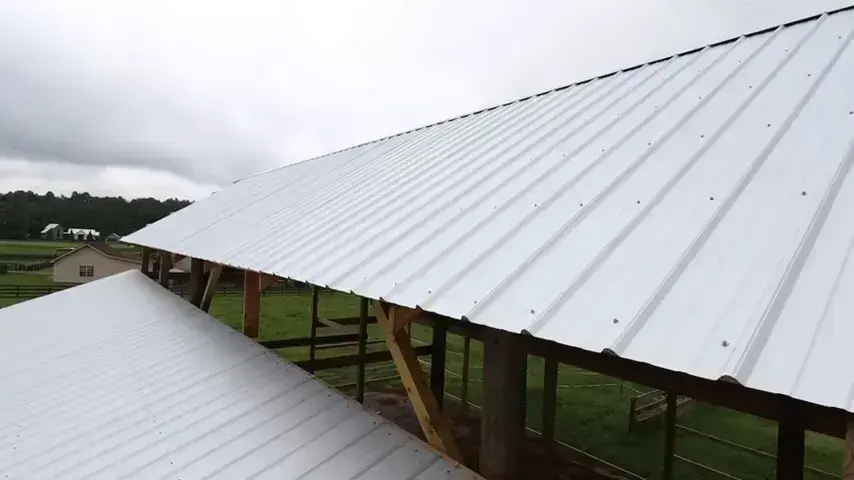
    Metal roofing has several positive qualities, including strength, durability, and the ability to withstand many harsh elements. It can withstand extreme weather conditions such as heavy rain and snow. It resists infestation and does not rot.

    Metal roofs have an added benefit with their reflective qualities: sunlight reflecting off these roofs will keep barns much cooler through the summer months.

    Disadvantages include possibly higher initial costs compared to some other types. Some owners find the sound of rain on the roof very distracting. Improvement in this area will be obtained with proper insulation.

    Asphalt Shingles

    Asphalt shingles are a cost-effective option available in various styles and colors. They are relatively easy to install and can provide decent insulation. However, their lifespan is shorter than that of metal or tile roofs, and they may need to hold up better in harsh weather conditions. In areas prone to extreme weather, asphalt shingles may require more frequent replacements.

    Wood Shakes or Shingles

    Wood shakes or shingles offer a natural appearance and can provide excellent insulation. They are also aesthetically pleasing and can enhance a barn’s rustic charm. Wood roofing requires regular maintenance to prevent rot and insect damage. Homeowners must be diligent about upkeep to maintain the roof’s integrity over time.

    Clay or Concrete Tiles

    Clay or concrete tiles are highly durable and fire-resistant, making them long-lasting. They can withstand high winds and are often considered an attractive choice. These materials are heavier than other options, which may require additional structural support during installation. They can also be more expensive upfront than asphalt shingles or metal roofing.

    Thatch Roofing

    Thatch roofing offers a unique look and good insulation properties. It can blend well with rural environments and provides a distinctive charm. However, thatch requires significant maintenance and may need to hold up better in extreme weather conditions. Its longevity is also a concern, requiring careful management to ensure it remains intact over time.

    Sustainability and Eco-Friendliness

    With heightened awareness of environmental issues, barn owners seek methods to roof barns with environmentally friendly materials. The use of such eco-friendly materials serves the dual function of taking care of Mother Earth and, in many ways, also helps your barn be more efficient. Many barns are constructed with reclaimed wood or woods that come from sustainable harvesting processes that do not significantly affect the environment. Plant-based green roofing can provide additional insulation, reduce stormwater runoff, and bring biodiversity to an area.

    Installation and Maintenance Considerations

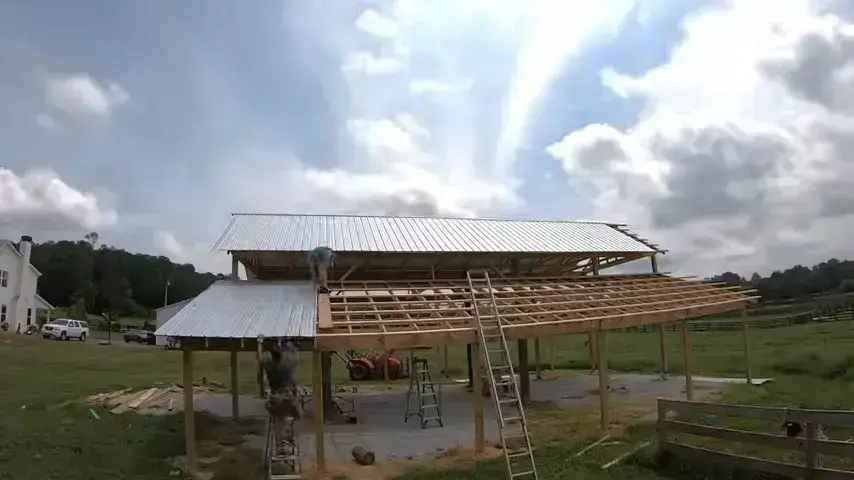
    Besides assessing the cost and durability of the materials, the installation process and long-term maintenance needs have to be assessed while choosing roofing materials. Installation of such heavy materials as clay tiles and metal roofs might be hard for owners to install on their own and thus require professional installation services. While there is saving through installation in self-made installations, ignorance or failure to make proper installation will lead to problems in the future.

    Also consider the long-term care that each material will require: wood shakes, for instance, will require periodic treatments to protect against rot, whereas a metal roof may require little maintenance beyond periodic cleaning and inspections. Planning for regular maintenance now will help you maintain a functional and attractive barn well into the future.

    Enhance the Longevity and Appeal of Your Barn

    The choice of barn roofing material is made with care, considering climate, budget, use, and personal preference. Each type of roofing material has both advantages and disadvantages, so your needs will have to be weighed against one or more of these factors.

    Moreover, considering the increasing trend towards sustainable living, there are options that will still enable you to go green while your barn will be strong, functional, and prepared for many years of work. By considering all these factors, you will be in a position to choose your roofing material that will contribute much in strengthening the durability and beauty of your barn, therefore offering a safe and secure building for your farm activities.