Tag: Property Taxes

  • Connecticut Property Taxes: What Homeowners Should Know

    Owning a home in Connecticut means dealing with property taxes every year. They’re not small either, in some towns your tax bill can feel almost like a second mortgage. The money goes to things you use every day, like schools, fire and police protection, trash pickup, and local roads.

    Each town sets its own mill rate, so what you pay in Hartford can be very different from what a homeowner pays in Fairfield or Norwich. That’s why two houses with the same value might have very different tax bills.

    If you understand how your property is assessed and how the rates are set, you’ll have a much easier time planning your budget. You’ll also know when it makes sense to challenge your assessment or apply for exemptions that can lower your bill.

    How Property Taxes Work in Connecticut

    Every town in Connecticut sets its own property tax rate, known as the mill rate. Your annual bill is calculated by applying that rate to the assessed value of your home and land. One mill equals $1 in tax for every $1,000 of assessed value.

    Because the system is local, tax bills vary widely. For example, Hartford’s mill rate is above 60, which means homeowners there often pay some of the highest property taxes in the state. In contrast, Greenwich’s rate is closer to 11, so even though home values are high, the tax rate itself is lower.

    The money collected stays in your community. It pays for schools, police and fire protection, road maintenance, trash collection, and other local services. In short, it’s how towns keep things running.

    Who Collects Property Taxes

    If you live in Connecticut, the tax bill you get in the mail doesn’t come from the state. It comes straight from your town. Every city and town has its own tax collector’s office that keeps the books, sends the bills, and tracks payments.

    If your mortgage includes an escrow account, your lender pays the town on your behalf, so you never see the bill directly.

    Depending on where your property is, you might also notice smaller charges for things like fire districts or sewer improvements. These aren’t statewide fees, they’re local add-ons that cover services in specific neighborhoods.

    How Property Taxes Are Calculated in Connecticut

    Your tax bill in Connecticut comes down to three numbers: the assessed value of your property, the assessment ratio, and the mill rate set by your town.

    1. Assessed Value
      Every property in Connecticut is assessed at 70% of its fair market value. So if your home could sell for $300,000, the town will set your assessed value at $210,000.
    2. Mill Rate
      The mill rate is the local tax rate. One mill equals $1 of tax for every $1,000 of assessed value. For example, if your town’s mill rate is 30, and your home’s assessed value is $210,000, your yearly property tax would be $6,300.
    3. Local Adjustments
      Mill rates vary widely across the state. In 2024, Bridgeport’s mill rate was over 40, while Greenwich kept theirs close to 11. That’s why two homes with the same market value can end up with very different tax bills depending on where they’re located.

    How Your Property’s Value Is Assessed in Connecticut

    All towns in Connecticut review property values on a regular schedule, generally every five years. The goal is to keep tax bills in line with current market conditions. Between full revaluations, the assessor may still adjust your property’s value if you make major changes, like adding an extension or finishing a basement.

    Assessors use a few different methods to figure out your home’s value:

    • Sales Comparison – Your property is compared to similar homes that recently sold in your area.
    • Cost Method – The town estimates what it would cost to rebuild your home today, minus depreciation.
    • Income Method – For rental or commercial properties, value is based on the income the property could generate.

    If you live in a hot market like Fairfield County, where home prices have climbed quickly, you’ll probably see higher assessments. On the other hand, towns in eastern Connecticut, where sales prices have risen more slowly, may show smaller jumps in assessed values.

    What Affects Your Property Taxes

    Your property tax bill can go up or down depending on several factors. Here are the most common ones Connecticut homeowners see:

    • Market Trends: If home prices in your town go up, your assessed value may increase the next time the assessor updates records.
    • Home Improvements: Adding a garage, finishing the attic, or expanding living space can raise your property’s assessed value.
    • Local Tax Rates: Each town sets its own mill rate. When the town budget grows for schools, road work, or public safety, the rate can increase, and so does your bill.

    Paying Property Taxes in Connecticut

    In most Connecticut towns, property taxes are due twice a year, on July 1 and January 1. Some larger cities, like Hartford and New Haven, also allow quarterly installments.

    If you have a mortgage, your lender probably includes property taxes in your monthly payment and sends the money to the town through an escrow account. This way, you don’t have to worry about missing a deadline.

    If you pay directly, be careful with due dates. The state charges 1.5% interest per month on late balances. Unpaid bills can lead to a lien on your home and, if ignored, a possible tax sale.

    Appealing Your Property Tax Assessment in Connecticut

    If you think your home’s assessed value is too high, you can file an appeal. The process is local, handled by the Board of Assessment Appeals in your town.

    Here’s how it works in Connecticut:

    • Check your assessment: Review the details on your property card from the assessor’s office. Mistakes in square footage, number of bedrooms, or lot size can raise your value unfairly.
    • Gather proof: Collect recent sales of similar homes in your neighborhood or get an appraisal that shows a lower value.
    • File on time: Appeals are usually due by February or March, depending on the town. You’ll need to submit your request before the deadline to be heard.
    • Attend the hearing: Bring your evidence and explain why your assessment is too high. The board will decide whether to adjust it.

    If you win, your assessed value and your future tax bills will be reduced.

    How to Lower Your Property Tax Bill

    While you can’t control your town’s mill rate, there are a few steps that may lower what you pay:

    • Apply for exemptions: Connecticut offers relief programs for seniors, veterans, and homeowners with disabilities. Some towns also give breaks for primary residences.
    • Check your property record: Errors in square footage, number of rooms, or lot size can lead to higher assessments. Fixing them may reduce your bill.
    • File an appeal: If your assessment is above market value, bring evidence to the Board of Assessment Appeals.
    • Stay engaged locally: Following town budget meetings helps you understand and sometimes influence decisions that affect future mill rates.

    Property Taxes When You Sell a Home in Connecticut

    In Connecticut, property taxes are paid at closing. The bill is split between the seller and the buyer based on the exact date the property changes hands. For example, if you sell your home in mid-April, you’ll pay taxes for January through mid-April, and the buyer covers the rest of the year. This adjustment is handled by the attorney or closing agent so that no one overpays or inherits an unpaid balance.

    Be sure your tax records are up to date. If you’ve appealed your assessment or claimed an exemption, keep copies of the decisions and recent bills. Buyers often ask to review this paperwork during negotiations. Having it ready not only avoids delays but can also make your property more appealing, since Connecticut towns vary widely in mill rates. For sellers who need to sell their house fast, keeping tax records and paperwork in order helps the closing stay on track.

    Property Taxes and Real Estate Values in Connecticut

    Property taxes play a role in how homes are valued across Connecticut. Towns that keep tax rates balanced often attract more buyers, while places with high mill rates can make some buyers think twice, even if the homes themselves are priced fairly.

    The effect isn’t always negative, though. In many cases, the services funded by property taxes, like well-rated schools, reliable public safety, and good roads actually help protect or increase property values. That’s why towns in Fairfield County, even with higher home prices, continue to draw strong demand. Buyers see value in what the taxes support.

    For homeowners, the takeaway is that property taxes are part of the overall picture of affordability. A lower sticker price on a house doesn’t always mean lower costs if the town’s mill rate is high. When you compare communities, it helps to look at both the home price and the yearly tax bill to get a true sense of what you’ll spend to live there.

    Final Thoughts

    Property taxes aren’t set once and forgotten. Towns revalue homes every five years, and mill rates change with each local budget. If you keep an eye on those two factors and know when to claim exemptions or file an appeal, you’ll be better prepared for the next tax bill.

    For many homeowners, the difference comes down to paying attention. Review your assessment, show up at budget hearings if you can, and take advantage of any relief programs you qualify for. A little preparation can make property taxes easier to manage year after year.


  • Creston B.C. First-Time Home Buyer Guide

    Image Source: property24.com

    Creston is a small town in the Kootenay region, known for its farmland, orchards, and mountain views, and it’s quickly becoming known as a place where you can actually afford to own a home.

    Still, even in a smaller market, buying your first place comes with plenty of questions.

    How much house can you afford?

    What programs are available to you?

    And what should you expect when it’s time to sign the papers?

    This guide for first-time buyers in Creston covers the local real estate snapshot, a step-by-step breakdown of the buying process, and the provincial and federal programs designed to help you.

    Creston Real Estate Market Snapshot

    While Creston’s market is smaller than urban centers like Kelowna or Vancouver, it follows the same broader patterns seen across the province:

    • Provincial price trends: Across British Columbia, the average residential price was down more than 4% year-over-year as of June 2025. That adjustment has provided breathing room for buyers.
    • Forecasted recovery: Analysts expect a rebound in 2026, with sales activity increasing after a softer 2025.
    • Stabilized inventory: After years of tight supply, B.C. has seen more listings come onto the market. Buyers in Creston are benefiting from more options than they had a few years ago.
    • Regional variation: Areas outside the Lower Mainland, including the Kootenays, are showing stabilization. For Creston, this suggests modest price growth in the near future, especially in neighborhoods with strong demand.

    In Creston specifically, single-family homes often sell in the $400,000–$500,000 range, with acreages and larger properties priced higher. Compared to B.C.’s provincial average (around $970,000 in 2025), this keeps Creston within reach for many first-time buyers.

    Most listings are detached homes, but you’ll also see acreages and smaller townhomes depending on the area, giving buyers a mix of options from rural lots to in-town properties.

    Step-by-Step Guide to Buying Your First Home in B.C.

    Here’s a closer look at the major steps you’ll go through as a first-time buyer in Creston, from getting your finances in order to closing day

    1. Assess Your Finances

    Start by looking closely at what you can afford. Calculate your debt-to-income ratio to see how much of your monthly income can realistically go toward housing. In Canada, the minimum down payment is 5% on homes under $500,000. For homes priced between $500,000 and $1.5 million, you’ll need 5% of the first $500,000 plus 10% on the remainder.

    Check your credit score early. A stronger score means a better chance of securing a mortgage at a competitive rate, which can save you thousands over time.

    Don’t forget to plan for closing costs, usually 2% to 4% of the purchase price in B.C., which cover legal fees, insurance, and adjustments at the time of purchase

    2. Get Mortgage Pre-Approval

    Meet with a lender or mortgage broker for a pre-approval. This not only tells you what you can borrow, but also signals to sellers that you’re a serious buyer. First-time buyers in 2025 can also benefit from the 30-year amortization option, which spreads payments out longer and lowers monthly costs.

    While variable-rate mortgages may look attractive at first, many new buyers prefer the stability of a fixed-rate loan, especially in a changing interest rate environment.

    Image Source: news.csu.edu.au

    In Creston, many buyers also work with local credit unions, which can sometimes provide flexible terms compared to big national banks.

    3. Secure a Realtor

    Work with a realtor who knows Creston well. A local agent can help you find the right neighborhood, connect you with inspectors and lawyers, and guide you through negotiations. In B.C., the buyer typically doesn’t pay their agent directly, the fee usually comes from the seller’s proceeds.

    An experienced Creston realtor can also help with rural property details like septic systems, well water, and farm zoning, important factors that aren’t always obvious to first-time buyers

    4. Find and Make an Offer

    As you view homes, make a clear list of your needs versus wants. Needs are essentials like location, number of bedrooms, or yard size. Wants are features like a finished basement or mountain views.

    Once you’ve found a property, your realtor will help craft an offer that’s competitive and fair. Negotiations are common, and your agent will be key in balancing your budget with the seller’s expectations.

    5. Complete the Purchase

    Once your offer is accepted, there are still a few important steps to take before you officially become a homeowner

    • Home inspection: After your offer is accepted, book a professional inspection. It may reveal repairs or issues you’ll want to know about before closing.
    • Finalize your mortgage: Provide your lender with updated documents, including proof of income and assets.
    • Close the deal: In B.C., this step is known as completion day. You’ll meet with a lawyer or notary to sign final documents, transfer the title, and officially receive your keys. Possession day usually follows shortly after completion day, this is when you actually move in and take physical control of the property.

    First-Time Buyer Programs in B.C. and Canada

    Image Source: npr.org

    Several programs can help stretch your budget and lower upfront costs:

    • First Home Savings Account (FHSA): Contribute up to $8,000 per year (lifetime maximum $40,000). Contributions are tax-deductible, and withdrawals for a first home are tax-free. Couples can double this benefit to $80,000.
    • Home Buyers’ Plan (HBP): Withdraw up to $60,000 from your RRSP tax-free to put toward your down payment. Couples can combine for $120,000, repayable over 15 years.
    • First-Time Home Buyers’ Tax Credit (HBTC): A non-refundable credit worth up to $1,500, helping with legal fees and closing costs.
    • B.C. First-Time Home Buyers’ Program: Provides a full or partial exemption from the Property Transfer Tax (PTT). On a $450,000 Creston home, that could save you more than $7,000. The maximum rebate in 2025 is $8,000.
    • 30-Year Amortization: Newly available for insured mortgages for first-time buyers, this longer term lowers monthly payments, making budgeting easier.

    The Bottom Line

    For first-time buyers in Creston, affordable home prices and more inventory on the market mean you don’t have to rush your decision. Most single-family homes here still sell in the $400,000–$500,000 range, and many fall under the provincial price cap for first-time buyer tax exemptions. That puts programs like the Property Transfer Tax rebate and the RRSP Home Buyers’ Plan within reach for local buyers.

    Instead of feeling pressured, you can take the time to compare neighborhoods from houses close to downtown Creston to acreages in Erickson or West Creston and match them with a budget that works for you. With financing options and incentives available, the path to homeownership here is clearer than in larger B.C. markets.

  • How Profitable Is It to Invest in a New Home in St. Louis?

    Image Source: pexels.com

    Investing in a new home can feel like stepping onto a shiny, freshly waxed dance floor. Everything looks perfect, but you still need the right moves to avoid slipping. The truth? A new home can be a money-maker, but only if you understand what drives its value, where it’s built, and how you manage the costs. Let’s break it down without the boring parts.

    Factors That Affect the Profitability of a New Home Investment

    A new home’s profit potential doesn’t just appear out of thin air. It comes down to a mix of location, timing, and market health. Buy in a neighborhood with rising demand, and you’ll ride the wave of price appreciation. Buy in a slow-moving market, and you might be waiting a while for those numbers to climb.

    Builder reputation matters too. A property from a developer known for quality finishes and solid construction tends to hold and grow its value better.

    And don’t forget about interest rates. Low borrowing costs can make your numbers work out beautifully, while higher rates might eat into your returns.

    Benefits of Buying a New Construction Property

    A new home is like the first slice of a fresh cake — untouched, clean, and ready to be enjoyed. There’s no outdated wallpaper, no mystery stains in the carpet, and no hidden repair list from the previous owner.

    Energy efficiency is a huge plus. Modern builds often have better insulation, updated appliances, and eco-friendly materials that cut utility costs.

    Warranties sweeten the deal. Many freshly built homes come with a safety net that covers big-ticket items like the structure and major systems. That means fewer surprise expenses in the early years.

    Average Return on Investment for Newly-Built Homes

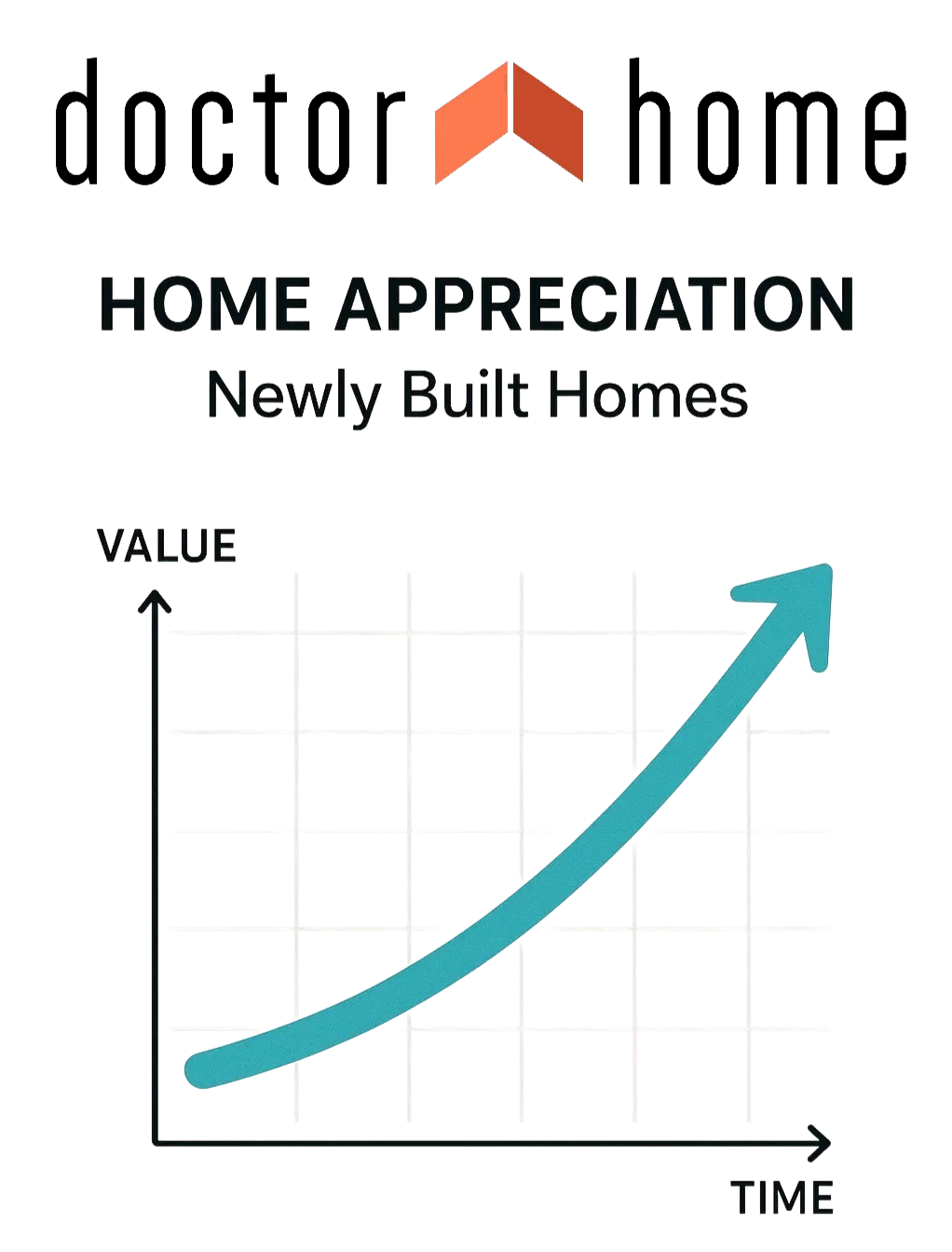
    Returns on new homes can vary as wildly as lottery outcomes. In hot markets, appreciation rates can hit double digits over a few years. In slower markets, growth might be more modest.

    The real draw is combining value growth with cost savings. Lower maintenance in the first 5–10 years means you’re not pouring money into constant repairs. That can make your net gain look much healthier than with an older property. And when it’s time to sell, you can sell fast with Doctor Home – a trusted cash home buyer in St. Louis, helping you lock in profit without the headaches of a drawn-out listing process.

    New Homes vs. Older Properties: Appreciation Rates

    Older homes sometimes have character, but new builds have curb appeal that buyers crave. And right now, many buyers are willing to pay a premium for “turnkey” properties.

    New builds in desirable areas often appreciate faster in the first decade because they match current design trends and energy standards. Older homes may catch up later after renovations, but those updates cost time and money.

    Costs to Consider Before Investing in a New Home

    That price tag is just the opening chapter of the whole story. Budget for the extras, because they add up fast:

    • Closing costs – think legal fees, title coverage, and those unavoidable taxes.
    • Upgrades – builders love to offer add-ons, and it’s easy to overspend.
    • HOA fees – a regular guest in new communities that offer shared perks and amenities.
    • Property taxes – often higher on new builds because the valuation is based on current market rates.
    • Landscaping – that perfect lawn? Not always included.

    Skipping these calculations can turn a profitable investment into a tight squeeze.

    Best Locations for High-Value New Home Investments

    Location can make or break your returns. Areas near expanding job markets, top-rated schools, and upcoming infrastructure projects tend to appreciate quickly.

    Look for neighborhoods that are just starting to buzz, not ones that have already peaked. You want to buy before the coffee shops, farmers markets, and boutique gyms arrive. That’s when prices start climbing fast.

    And remember, a beautiful house in a stagnant area is like a sports car in a traffic jam, it’s not going anywhere fast.

    Final Tips for Boosting Profit from Your New Home Purchase

    If you want to squeeze the most juice from your investment, treat it like a long game. Keep it well-maintained, pick upgrades that matter to future buyers, and keep an eye on the market.

    Selling at the right time, ideally when supply is low and demand is high, can be the difference between a decent profit and a great one.

    Above all, think like both a homeowner and an investor. You want a place that’s comfortable to live in now, but also positioned to pay you back later.

    FAQs

    Are new homes more profitable than older ones?

    Often, yes. New homes typically have lower repair costs early on and can appreciate quickly in hot markets. But location and timing still matter most.

    How long should I hold a new home before selling?

    Many investors aim for at least 5 years. That allows enough time for value growth to cover closing costs and generate profit.

    Do I need to pay for upgrades in a new home?

    Not necessarily. Basic finishes can still be profitable, but smart upgrades like kitchens, flooring, and energy-efficient systems can boost resale value.

    Is it risky to invest in a new home during a market slowdown?

    It can be. Slower demand means slower appreciation. But buying in a growing area can still pay off over the long term.

    What’s the fastest way to sell a new home for profit?

    Work with a cash buyer or investor. You’ll avoid agent fees, repairs, and long wait times and walk away with your money faster.

  • Calculating the True Cost: A Financial Guide to Downtown Austin Condo Ownership 2025

    Source: pexels.com

    Buying a condominium in downtown Austin provides more than just a prime address, it offers direct access to the city’s economic and cultural core. Yet from a financial standpoint, focusing solely on the purchase price or mortgage payment creates an incomplete picture. Long-term ownership requires a thorough understanding of all recurring costs, which must be factored into a comprehensive and realistic budget.

    With the Austin economy continuing its robust growth, fueled by job growth in sectors such as professional services, government, and healthcare, continues to elevate demand for downtown living. This upward pressure on desirability underscores the importance of proactive financial planning, ensuring buyers are equipped to make informed, long-term decisions in a competitive and evolving urban market.

    Beyond the Mortgage: Unpacking Additional Ownership Expenses

    While the mortgage is typically the most visible monthly obligation, it’s only one part of the overall ownership cost. Buyers must account for a range of recurring expenses that can materially affect their financial position. Ignoring these hidden costs not only threatens budget stability but can also diminish the long-term value and enjoyment of condo ownership.

    As of 2025, the median price for a condo or townhouse in downtown Austin ranges from approximately $425,000 to over $1 million. This compares to the median single-family home price of around $543,000 in Austin.

    Properties with premium amenities, modern finishes, or skyline views frequently command top-tier pricing. Investors and buyers must recognize that location and building features heavily influence acquisition cost, and in dense urban markets like Austin, those premiums are rarely negotiable..

    Property Taxes: A Significant Annual Obligation

    Property taxes represent a significant and often underestimated, annual expense for downtown Austin condo owners. These taxes are levied by multiple jurisdictions, including the City of Austin, Travis County, school districts, and other special taxing entities.

    Given the premium location, assessed property values are typically high, which directly translates into a larger tax obligation. Understanding how these taxes are calculated is essential for accurate long-term budgeting.

    Buyers must research current tax rates and understand Travis County’s property valuation methods. As the central authority for property appraisal and tax collection, Travis County plays a critical role in determining each condo’s assessed value—an input that directly impacts the total tax bill. A clear understanding of this process can help owners forecast future obligations more accurately.

    For the 2024–2025 tax year, Travis County adopted a property tax rate of $0.344445 per $100 of assessed value. This rate represents just one portion of a condo owner’s total tax obligation, which also includes levies from the City of Austin, local school districts, and any applicable special districts.

    Each of these rates compounds against the assessed value, making it essential for buyers to model the full tax burden, not just county-level figures.

    The City of Austin is currently gathering community feedback on the proposed 2026 General Obligation (GO) Bond Program, with a survey open through June 23, 2025, which will influence future property tax bills.

    Because tax obligations are subject to change based on public initiatives and budgetary decisions, owners should incorporate tax variability into their long-term financial models. Planning for rate adjustments ensures you’re not caught off guard by rising annual costs.

    Homeowners Insurance: Protecting Your Investment

    Homeowners insurance, specifically an HO-6 policy for condo owners, is a non-negotiable layer of protection that covers interior structures, personal property, and liability within your unit. While the condo association’s master policy typically insures the building exterior and common areas, your HO-6 policy fills the gap inside your four walls.

    Premiums can vary significantly based on the age of the building, location, coverage limits, and claims history, so it’s critical to shop policies strategically and account for this recurring cost in your overall budget.

    Monthly HOA Fees: Covering Shared Amenities and Services

    Monthly HOA fees are a standard component of condo ownership and should be treated as a core part of your housing expense, not an afterthought.

    These fees support the upkeep and management of shared amenities and common areas, from lobbies and gyms to elevators and landscaping. In downtown Austin, general HOA dues typically range from $200 to $1,000 per month, depending on the building’s scale and service level.

    In luxury high-rise buildings downtown, HOA fees can exceed $1,500 per month due to the cost of amenities like 24-hour concierge service, fitness centers, pools, and enhanced security. A portion of these fees typically goes toward a reserve fund, which covers major repairs and capital improvements not addressed in routine maintenance.

    Because HOA fees can represent a meaningful share of your monthly housing expense, buyers should conduct thorough due diligence on the association’s financials. This includes reviewing the annual budget, reserve fund strength, and any history of special assessments.

    A financially unstable HOA can lead to unexpected costs and long-term value erosion, risks that proactive buyers can avoid with proper review.

    Budgeting for Day-to-Day Living in Downtown Austin

    In addition to fixed ownership expenses, buyers must account for the everyday costs of living in a downtown Austin condo. These variable expenses, shaped by lifestyle choices, building systems, and unit size—can meaningfully impact your monthly cash flow.

    As Austin’s population and economic output continue to expand, so does demand on infrastructure and services, making accurate budgeting more important than ever for long-term financial stability.

    Utilities: Understanding Variable Costs

    Utility expenses in downtown Austin condos often include electricity, water, wastewater, internet, and occasionally gas. While certain costs may be covered by HOA fees, owners are typically responsible for electricity and internet. Understanding exactly which utilities are included in your HOA dues versus what you’ll pay out-of-pocket is critical for building an accurate monthly operating budget.

    As of 2025, the average monthly utility cost in Austin for a standard residence is around $170 for electricity, water, gas, and garbage collection. Electricity costs vary significantly based on unit size, window efficiency, HVAC system age, and usage. Austin’s hot summers can lead to higher air conditioning expenses.

    High-speed internet is a necessity, with various providers offering different packages. It’s wise to inquire about average utility costs from current residents or building management.

    Parking and Transportation: Navigating Urban Mobility

    Parking in downtown Austin can be a significant expense and a logistical consideration. Many condo purchases may include one or two deeded parking spots, but additional spots often come at a premium through purchase or monthly lease. Depending on location and amenities, monthly parking rates in downtown Austin can range from $40 to $1,800.

    Beyond personal vehicles, downtown Austin offers various transportation alternatives. The city is advancing its mobility vision through transit-oriented development, aiming to improve walkability, reduce congestion, and support more inclusive access to housing and public services.

    These initiatives enhance the livability of downtown and may influence long-term property values in areas with improved connectivity.

    Public transportation via Capital Metro, along with ride-sharing services, e-bikes, and scooters, provides flexible mobility options for downtown residents. These alternatives not only reduce dependence on personal vehicles but also align with the city’s broader efforts to create a more accessible and sustainable urban core.

    Factoring in Long-Term and Unexpected Costs

    A sound financial plan for downtown condo ownership must go beyond predictable monthly expenses. While HOA fees cover common areas, you’re solely responsible for everything inside your unit—and unexpected issues will happen. Setting aside capital for long-term maintenance and surprise repairs isn’t just prudent; it’s essential for avoiding costly disruptions and preserving asset value.

    Routine Maintenance and Repairs: Keeping Your Unit in Top Shape

    While your HOA maintains the building’s exterior and shared spaces, you’re fully responsible for everything inside your condo’s walls. That includes appliances, plumbing, electrical systems, flooring, and finishes—each of which has a limited lifespan and will eventually need service or replacement. Treating your unit like a long-term asset means budgeting not just for what breaks, but for what naturally wears out.

    Financial experts recommend reasonably setting aside at least 1 percent of the home’s value annually for maintenance and repairs. For a $500,000 condo, this could mean budgeting $5,000 per year–that’s roughly $417 per month.

    Special Assessments: Planning for the Unforeseen

    Special assessments are additional, often unexpected fees imposed by the HOA to cover major repairs or capital projects that exceed reserve fund capacity. These can result from unforeseen damage, deferred maintenance, or inadequate past budgeting.

    For buyers, reviewing the HOA’s financial statements, reserve study, and history of special assessments is a critical part of risk management, helping ensure you’re not blindsided by sudden, high-cost obligations.

    Crafting Your Comprehensive Condo Budget

    Building a comprehensive and realistic budget is one of the most important steps in preparing for downtown condo ownership. This means looking beyond surface-level costs and accounting for every financial variable, fixed and variable, recurring and occasional.

    A well-structured budget acts as your financial roadmap, helping you sustain your investment, absorb unexpected expenses, and maintain lifestyle flexibility without unnecessary stress.

    How a Trusted Local Partner Can Help Navigate Austin Condo Costs

    A knowledgeable real estate partner who recommends expert advice alongside a high-quality listing of Austin condos for sale is invaluable, bringing a deep understanding of expenses, market conditions, and building-specific nuances.

    An experienced agent can help you interpret HOA documents, evaluate historical cost trends, and account for all elements of ownership in your financial planning. Partnering with professionals who understand the market brings clarity and confidence to the buying process.

    A well-trained, locally focused team can deliver strategic insight that helps you make informed decisions and optimize your investment—whether you’re buying your first condo or expanding a portfolio.

  • How Local Policies Impact Homeownership Costs in Texas

    When people are purchasing a home, the majority of buyers are concerned about home prices and mortgage rates. There is however another significant factor that people tend to overlook: local government policies. It’s worth mentioning that policies such as the Texas homestead exemption, property tax exemptions, tax relief programs, and zoning regulations significantly influence the overall cost of homeownership.

    From tax rates to land use rules, local measures can make owning a home more affordable or more costly. Be ready to choose the right home purchase thus making an effective buying decision.

    So here are four of the local homeownership policies in Texas:

    1. Property Taxes and Local Rates

    Property taxes are one of the most common ways local governments fund essential services. These taxes are set by the city, county, or township government, and the proceeds from these taxes fund vital services like schools, emergency services, and neighborhood infrastructure.

    Two homes with the same price tag can have very different annual tax bills depending on their location.

    Some areas in Texas, such as San Antonio, Austin, and Harris County, offer tax breaks or exemptions for homeowners, while others, like Dallas County and Travis County, tend to have higher property tax rates. So you should also pay attention to your local taxes when you’re looking for a home.

    Keep in mind that local tax rates are periodically reviewed and adjusted.

    2. Zoning Laws and Housing Supply

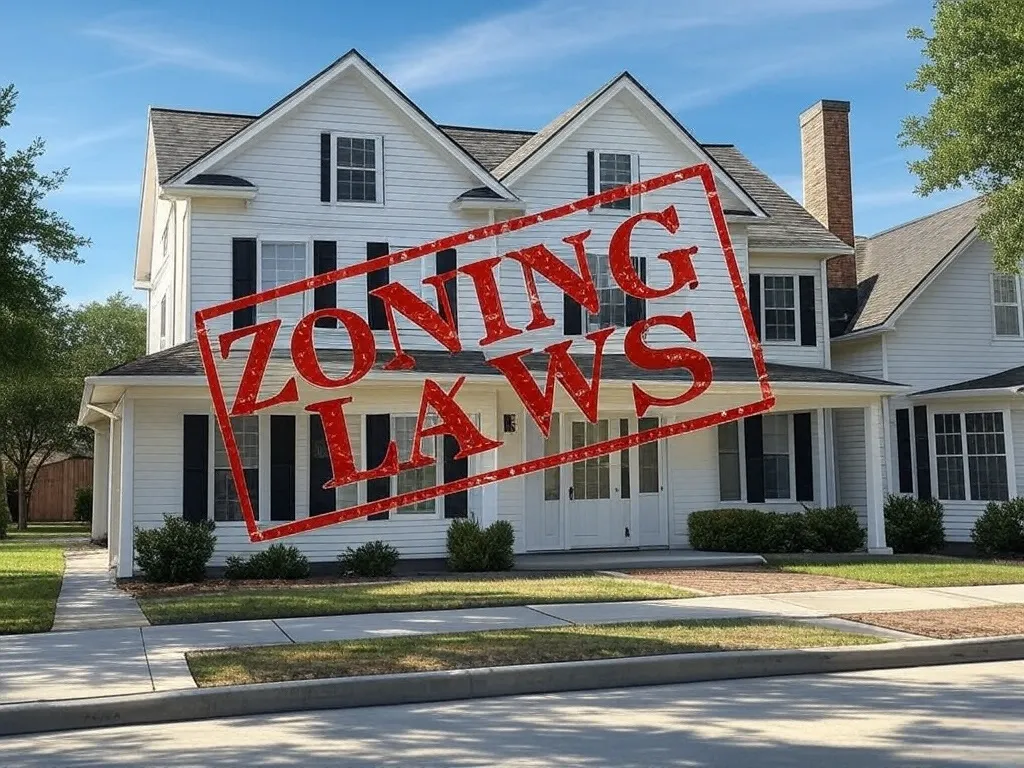
    Zoning regulations themselves do not directly influence the cost of homeownership, but they do control what you can build, how dense an area must be, and even the size of a home.

    Zoning regulations also limit the development of affordable housing such as townhouses or duplexes, which may result in a housing shortage and drive home prices within that area higher.

    In Texas, areas with overly restrictive zoning laws, such as Austin, have created a housing shortage that has driven up prices and made it harder for buyers to find affordable homes. In other areas, such as Dallas, zoning laws are less restrictive, so Dallas has a large supply of affordable homes.

    3. Homeowners Tax Breaks and Tax Deductions

    A homeowner tax break is a local government policy that can reduce the homeowner of the tax burden. Through the program, homeowners are permitted to exempt a portion of the home’s value from taxable value.

    For example, homeowners in Texas who qualify can deduct up to $40,000 from the taxable value of their home. The tax break is intended for seniors, veterans, and people with disabilities. While tax breaks do not lower the market value of a home, they do significantly reduce the annual tax bill, making homeownership more affordable for many people.

    While not all areas of Texas offer these tax breaks, each area has its own rules. So it’s important for prospective homeowners to find out if their area offers tax breaks.

    4. Local Infrastructure and Community Growth

    You need to know if your local government is investing in infrastructure such as roads, public transportation, and utilities, as this will ultimately affect the cost of homeownership.

    Good neighborhood infrastructure can increase property values and make it more comfortable to live in the neighborhood, but even if your property value increases, you will be charged higher taxes as well.

    A well-developed neighborhood community tends to attract more buyers, thus increasing property prices. On the other hand, neighborhoods with poor infrastructure usually have lower house prices and face many other challenges, such as long distances from workplaces, unstable internet connections, and deteriorating neighborhood infrastructure.

    It is important to remember that a strong community environment not only increases property values but also the quality of life for its residents.

    Final Thoughts

    Local government policy tends to be overlooked, since people are more concerned with loan rates for their home or overall housing trends. Most people are unaware that local government policies can significantly impact the value of their property and the costs they incur.

    From tax rates to zoning regulations, the future value of your property is also affected by local infrastructure projects and government policies, which determine whether your property’s value will appreciate or decline, affecting the homeowner financially. The more you understand local policies, the better you will be able to protect your investment.

  • Top Reasons to Protest Your Property Taxes in Dallas

    Source: istockphoto.com

    If you own property in Dallas, you may feel like your property tax bill is higher than it should be. Many homeowners take tax assessments for granted, but these assessments are often inaccurate. The good news is that you have the right to protest these tax assessments and could save yourself thousands of dollars.

    Protesting property taxes may seem complicated, but with the right approach, the process can be easier and more rewarding. This guide will explain why reviewing your tax assessment is important and the steps to successfully file a protest.

    What Is a Property Tax Protest?

    A property tax protest is the process of appealing the assessed value of your property set by your local assessment district. This assessed value determines how much property tax you pay each year. If the assessment is too high, your tax bill will go up. The goal of a protest is to ensure that your property is assessed fairly and accurately.

    Inaccuracies can occur due to errors in the assessment or improper comparisons to similar properties in your neighborhood. Many homeowners who file a protest are successful in getting their taxes reduced.

    Why You Should Protest Your Dallas Property Taxes Now

    Paying too much? Here’s why challenging your assessment could save you thousands

    1. Property Assessments Are Often Too High

    Assessment districts use a mass assessment method that isn’t always accurate. Factors like neighborhood sales trends or ignoring the specific conditions of your home can lead to an overvalued property. By filing a protest, you can ensure a fairer assessment and pay your true value in taxes.

    2. Reduce Your Tax Burden and Save Money

    Dallas property taxes can be a major burden, especially as property values continue to rise. By lowering your assessed value, you can reduce your tax bill. You can use the savings for home renovations, paying off debt, or building your savings. While you can’t change your tax rate, you can still play a role as a voter in determining your local budget.

    3. Ensure Transparency and Accountability

    Protesting your property taxes isn’t just about saving money. It also ensures a more transparent assessment system. By filing a protest, you force the assessment district to prove that their assessments are accurate. This makes the process fairer for all homeowners.

    4. Adapt to the Changing Real Estate Market

    Assessment districts are often slow to adjust assessed values. If property values drop or the market weakens, you can protest to make sure your taxes reflect actual market conditions.

    5. New Laws Could Impact Your Taxes

    Texas lawmakers are considering major changes to property taxes. This includes increasing the home tax exemption from $100,000 to $140,000 and reducing school district taxes. However, these policies won’t take effect for the 2024 tax bill. By filing a protest now, you can get savings sooner without having to wait for regulatory changes.

    What is the Dallas Property Tax Protest Process?

    A step-by-step guide to lowering your tax bill the right way.

    Step 1: File a Protest

    Submit your protest to the Dallas Central Appraisal District (DCAD) by May 15 or within 30 days of the date your assessment notice is printed, whichever is later. You can file your protest online, by mail, or in person at a DCAD office.

    Step 2: Gather Supporting Evidence

    To support your protest, prepare evidence that your property’s assessed value is too high. This might include photos of property damage, repair estimates, sales data of similar homes in your area, or an independent third-party appraisal to support your claim.

    Step 3: Attend an Informal Meeting

    Before the formal hearing, you will have the opportunity to meet with a representative from the appraisal district. Here, you can present your evidence and negotiate a reduction in the assessed value. If approved, your case may be closed at this point.

    Step 4: Attend a Hearing with the Appraisal Review Board (ARB)

    If you can’t reach an agreement at the informal meeting, you can take your case to the Appraisal Review Board (ARB). The board will review your evidence and make a final decision on the value of the property to be used for taxes.

    Step 5: Consider Professional Help

    While you can handle the protest on your own, using a professional like Gill, Denson & Company can increase your chances of success. With a data-driven approach and tailored strategies, they can make sure your case is as strong as possible.

    Why Hire Gill, Denson & Company?

    Protesting your property taxes can be time-consuming and complicated, especially when you’re trying to maximize your savings. That’s where Gill, Denson & Company comes in:

    • Proven Results – Over 80% of their clients are successful in obtaining tax relief in 2024.
    • Personalized Approach – Unlike mass appeal firms, they handle each property individually, developing a strategy specific to each case.
    • Results-Based Pricing – No tax reduction, no fees. You only pay if they save you on your taxes.
    • Local Expertise in Dallas – With years of experience and strong relationships with local assessment districts, their team understands the ins and outs of the Dallas property tax system.

    Client Success Stories

    Real savings from homeowners and businesses who took action.

    • Homeowner in Dallas saves $25,648, reducing tax burden by 13.39%.
    • Commercial property in Las Colinas gets a 19.78% reduction, resulting in a tax savings of $15,607.

    Gill, Denson & Company handles the entire process, from filing a protest to representing you at a hearing, so you don’t have to.

    Upcoming Changes in 2025 Property Tax Laws

    Texas lawmakers are proposing changes that could significantly alter property tax bills statewide:

    • Increased Homestead Exemption: The tax exemption would be increased from $100,000 to $140,000, providing significant relief for homeowners.
    • School Tax Rate Compression: School district tax rates would be further reduced to ease the financial burden on Texas taxpayers.

    While these changes are promising, they likely won’t take effect until after the 2025 protest season. Filing a protest now ensures you don’t miss out on potential savings while you wait for the rule changes to take effect.

    Exercise Your Legal Rights and Save More

    Protesting your Dallas property taxes isn’t just about saving money—it’s about making sure you’re being treated fairly. If your home is overvalued or your taxes no longer reflect market conditions, taking action can make a real difference. Not sure where to start? Gill, Denson & Company is here to help. They have extensive experience handling Dallas property taxes and have helped 80% of their clients save on taxes in the past year.

    Don’t let inaccurate property taxes weigh you down. Take action now and get started with your protest with Gill, Denson & Company today.

    About the author:

    Charles Denson is the Co-Founder of Gill, Denson & Company. He is a native Texan and has been involved in real estate for more than 10 years. While studying at the McCombs School of Business at the University of Texas at Austin, Charles began his real estate career in real estate accounting, followed soon after by multi-family sales and then progressed into owning commercial assets alongside partners and investors. Through extensive knowledge of commercial real estate, finance and hands-on operational experience, Charles launched Gill, Denson & Company alongside Richie and Morgan Gill to focus on a service that is critical to the prosperity of any real estate investment. As a tenured entrepreneur, Charles has challenged old ways of thinking in the property tax consulting industry, in order to do what he loves most: helping others. In his free time, Charles enjoys golfing, hunting and spending time on the beach with his wife and his golden doodle.

  • 10 Reasons to Appeal Your Property Taxes Every Year in Texas

    Source: ownabode.com

    Property taxes are a big deal if you own a home in Texas. They’re a huge chunk of your budget every year, but did you know you could save thousands by appealing to them annually? That’s right—big savings are on the table. In this article, we’re breaking down the top 10 reasons why appealing your property taxes is worth it, plus how Abode can guide you every step of the way to keep that extra cash in your pocket.

    How Property Taxes Work in Texas?

    Property tax is an annual tax levied by local governments (cities, counties, and school districts) on real estate property. It’s calculated based on the assessed value of your home and land. In Texas, property taxes are a major source of revenue for schools, hospitals, and local infrastructure projects. The more your property is valued, the higher your tax bill. Unfortunately, sometimes the assessed value doesn’t reflect reality, and that’s where appealing comes in.

    1. Property Values Fluctuate

    Property values are always changing based on market conditions. Just because your County Appraisal District (CAD) says your home is worth more doesn’t mean the market agrees. Appealing your property taxes gives you a chance to argue that your home’s value hasn’t increased as much as they think. This could mean lower taxes for you!

    Quick Tip: Check Zillow or Redfin to get an idea of your home’s market value compared to similar properties. If the numbers don’t add up, it’s time to file that appeal!

    2. Errors in Appraisal Are Common

    County appraisal districts can sometimes get it wrong. Maybe they’ve miscalculated your square footage or overlooked necessary repairs that lower your home’s value. Mistakes happen, but you shouldn’t have to pay for them!

    Pro Tip: When you appeal, provide evidence like updated measurements or recent photos of your property that show its actual condition. This can make a huge difference in your assessment.

    3. Comparable Sales Data Matters

    What are your neighbors’ homes selling for? If houses in your area are selling for less than your home’s assessed value, you’ve got solid grounds for an appeal. Comparable sales data is one of the strongest arguments you can use to lower your property tax bill.

    Did You Know? Websites like Realtor.com and the Multiple Listing Service (MLS) can provide you with recent sales data to help back up your case.

    4. Exemptions Might Be Overlooked

    You might be missing out on property tax exemptions that you qualify for. Whether it’s a homestead exemption or a senior citizen reduction, not applying these can cost you big. Filing an appeal ensures you’re getting all the breaks you deserve.

    Make Sure To: Double-check that all eligible exemptions are being applied to your account. Abode can help you identify exemptions you may qualify for and guide you through the process.

    5. Appealing Is Easier Than You Think

    In Texas, appealing your property taxes is more straightforward than you might expect. Most counties allow you to file appeals online, saving you the hassle of long lines and paperwork. It’s a small investment of time that can yield huge savings!

    Fast Fact: You have until May 15 or 30 days after receiving your assessment notice to file an appeal, whichever comes later.

    6. Small Increases Add Up Over Time

    Even small annual increases in your property tax can significantly add up over the years. By appealing each year, you can keep your tax bill under control and prevent these incremental hikes from eating into your budget.

    Money-Saving Tip: Make it a habit to review your property tax statement every year, even if the increase seems minor. Consistency is key to maximizing your savings.

    7. No Risk of Increase in Texas

    Good news! In Texas, filing an appeal won’t lead to your property taxes increasing. There’s no penalty for challenging your assessment, so you’ve got nothing to lose by giving it a shot!

    Why Not Try? If there’s no downside to appealing, it’s worth the effort to see if you can save.

    8. Keep Your Assessment Accurate

    Over time, your property’s market value can fluctuate, and your assessment might not reflect the current reality. Regular appeals help keep your assessment up-to-date and aligned with what your home is actually worth.

    Pro Move: Building a habit of appealing your taxes helps ensure that you’re not paying more than your fair share.

    9. Build a Record of Appeals

    When you appeal every year, you build a documented history that can help you in future disputes. Showing a pattern of overvaluation strengthens your argument and makes it more likely that you’ll win future appeals.

    Pro Insight: Having a paper trail can be your best ally when dealing with the appraisal district. Consistency speaks volumes!

    10. It’s Your Right as a Texas Homeowner

    In Texas, you have the right to appeal your property taxes every year, and exercising this right is the best way to ensure you’re not overpaying. It’s not just about saving money—it’s about holding the system accountable and making sure you’re treated fairly.

    Fact Check: Many Texas homeowners don’t realize they can appeal every year. Taking advantage of this right can significantly lower your tax burden over time.

    Consider Working with Abode

    Navigating the property tax appeal process can feel overwhelming, especially if it’s your first time. That’s where Abode comes in. Our team of experts is here to guide you every step of the way, from gathering the right documentation to submitting a compelling case. We make it simple for you to potentially save hundreds, if not thousands, on your property taxes every year. Don’t leave money on the table! Visit Abode today to learn more about how we can help you navigate the property tax appeal process.

  • 10 Reasons to Appeal Your Property Taxes Every Year in Texas

    Source: ownabode.com

    Property taxes are a big deal if you own a home in Texas. They’re a huge chunk of your budget every year, but did you know you could save thousands by appealing to them annually? That’s right—big savings are on the table. In this article, we’re breaking down the top 10 reasons why appealing your property taxes is worth it, plus how Abode can guide you every step of the way to keep that extra cash in your pocket.

    How Property Taxes Work in Texas?

    Property tax is an annual tax levied by local governments (cities, counties, and school districts) on real estate property. It’s calculated based on the assessed value of your home and land. In Texas, property taxes are a major source of revenue for schools, hospitals, and local infrastructure projects. The more your property is valued, the higher your tax bill. Unfortunately, sometimes the assessed value doesn’t reflect reality, and that’s where appealing comes in.

    1. Property Values Fluctuate

    Property values are always changing based on market conditions. Just because your County Appraisal District (CAD) says your home is worth more doesn’t mean the market agrees. Appealing your property taxes gives you a chance to argue that your home’s value hasn’t increased as much as they think. This could mean lower taxes for you!

    Quick Tip: Check Zillow or Redfin to get an idea of your home’s market value compared to similar properties. If the numbers don’t add up, it’s time to file that appeal!

    2. Errors in Appraisal Are Common

    County appraisal districts can sometimes get it wrong. Maybe they’ve miscalculated your square footage or overlooked necessary repairs that lower your home’s value. Mistakes happen, but you shouldn’t have to pay for them!

    Pro Tip: When you appeal, provide evidence like updated measurements or recent photos of your property that show its actual condition. This can make a huge difference in your assessment.

    3. Comparable Sales Data Matters

    What are your neighbors’ homes selling for? If houses in your area are selling for less than your home’s assessed value, you’ve got solid grounds for an appeal. Comparable sales data is one of the strongest arguments you can use to lower your property tax bill.

    Did You Know? Websites like Realtor.com and the Multiple Listing Service (MLS) can provide you with recent sales data to help back up your case.

    4. Exemptions Might Be Overlooked

    You might be missing out on property tax exemptions that you qualify for. Whether it’s a homestead exemption or a senior citizen reduction, not applying these can cost you big. Filing an appeal ensures you’re getting all the breaks you deserve.

    Make Sure To: Double-check that all eligible exemptions are being applied to your account. Abode can help you identify exemptions you may qualify for and guide you through the process.

    5. Appealing Is Easier Than You Think

    In Texas, appealing your property taxes is more straightforward than you might expect. Most counties allow you to file appeals online, saving you the hassle of long lines and paperwork. It’s a small investment of time that can yield huge savings!

    Fast Fact: You have until May 15 or 30 days after receiving your assessment notice to file an appeal, whichever comes later.

    6. Small Increases Add Up Over Time

    Even small annual increases in your property tax can significantly add up over the years. By appealing each year, you can keep your tax bill under control and prevent these incremental hikes from eating into your budget.

    Money-Saving Tip: Make it a habit to review your property tax statement every year, even if the increase seems minor. Consistency is key to maximizing your savings.

    7. No Risk of Increase in Texas

    Good news! In Texas, filing an appeal won’t lead to your property taxes increasing. There’s no penalty for challenging your assessment, so you’ve got nothing to lose by giving it a shot!

    Why Not Try? If there’s no downside to appealing, it’s worth the effort to see if you can save.

    8. Keep Your Assessment Accurate

    Over time, your property’s market value can fluctuate, and your assessment might not reflect the current reality. Regular appeals help keep your assessment up-to-date and aligned with what your home is actually worth.

    Pro Move: Building a habit of appealing your taxes helps ensure that you’re not paying more than your fair share.

    9. Build a Record of Appeals

    When you appeal every year, you build a documented history that can help you in future disputes. Showing a pattern of overvaluation strengthens your argument and makes it more likely that you’ll win future appeals.

    Pro Insight: Having a paper trail can be your best ally when dealing with the appraisal district. Consistency speaks volumes!

    10. It’s Your Right as a Texas Homeowner

    In Texas, you have the right to appeal your property taxes every year, and exercising this right is the best way to ensure you’re not overpaying. It’s not just about saving money—it’s about holding the system accountable and making sure you’re treated fairly.

    Fact Check: Many Texas homeowners don’t realize they can appeal every year. Taking advantage of this right can significantly lower your tax burden over time.

    Consider Working with Abode

    Navigating the property tax appeal process can feel overwhelming, especially if it’s your first time. That’s where Abode comes in. Our team of experts is here to guide you every step of the way, from gathering the right documentation to submitting a compelling case. We make it simple for you to potentially save hundreds, if not thousands, on your property taxes every year. Don’t leave money on the table! Visit Abode today to learn more about how we can help you navigate the property tax appeal process.