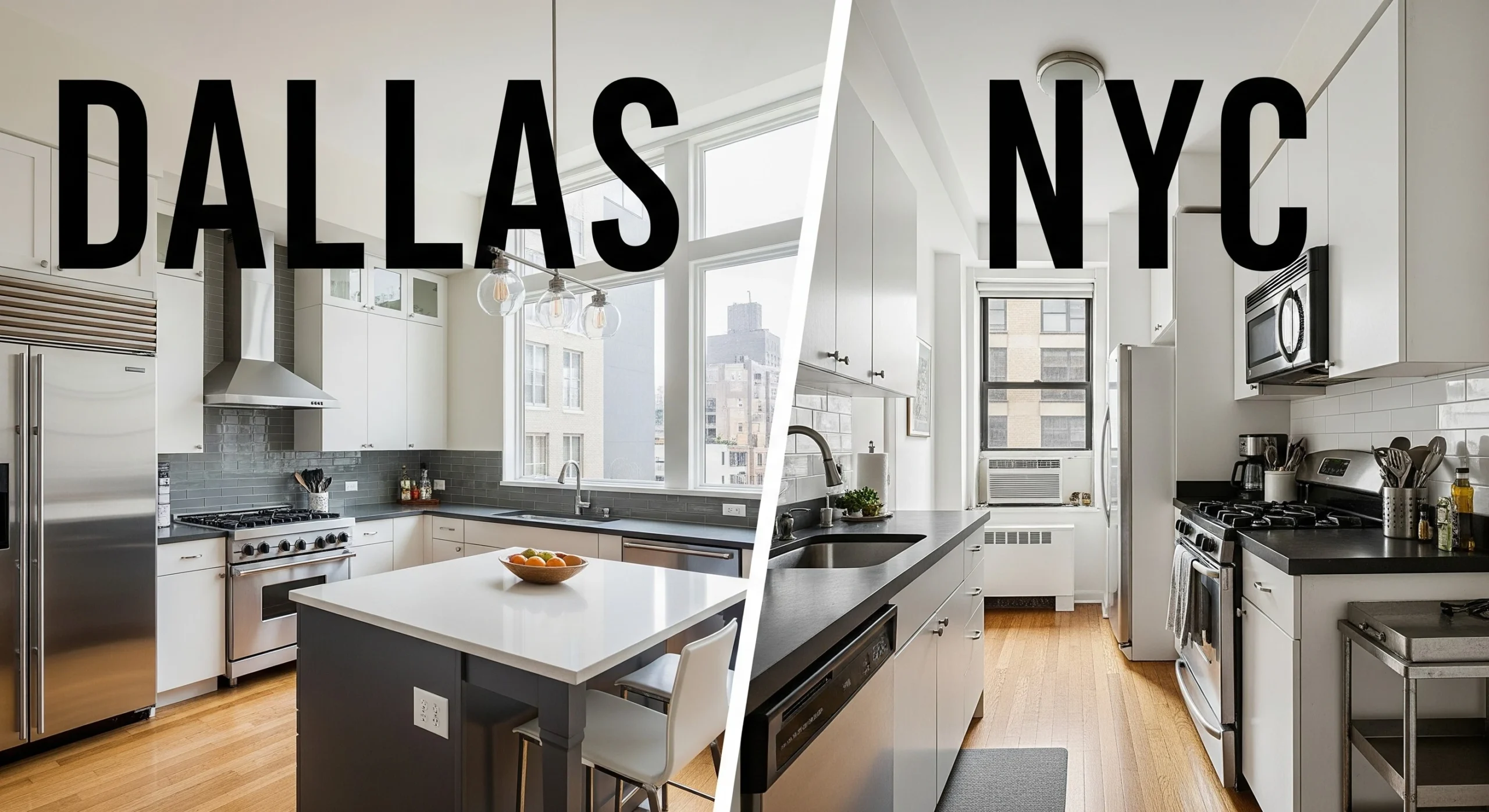
Property taxes affect what you can comfortably afford and what you actually pay month to month. Even so, many Texas homeowners skip property tax protest season and miss a chance to lower their housing costs.
Texas does not levy an individual income tax, and property taxes here still rank among the highest in the country. That makes property taxes a big part of the real cost of owning a home in Texas.
Before You Protest: Know what the notice is actually showing
Market value is what the home would likely sell for on the open market.
Appraised value is the value assigned by the appraisal district.
Taxable value is the amount left after exemptions are applied.
Make sure your exemptions are in place
If this home is your primary residence, make sure your homestead exemption is on file. In 2026, Texas school districts provide a $140,000 general residence homestead exemption. Homeowners who are 65 or older or disabled receive an additional $60,000 school district exemption. Also remember that appraisal districts set values, while local taxing units set tax rates.
1. Appraised value ≠ true market value
A common thing we hear is, if I reduce my assessment, will my home not be worth as much if I sell? Appraised value does not equal market value in real estate transactions. There is no risk in Texas for you to protest yearly, only upside.
2. New homeowners have an additional incentive to protest
County Appraisal Districts (CADs) do not have the resources to visit every home each year. Instead, they rely on mass appraisal models with large datasets. That means new homeowners might buy a home for $420K but get assessed at $465K because of bad comparisons or old information. Protesting in year 1 of owning a home is especially important to lowering future tax bills.
3. Texas’s unequal appraisal is often the better angle
In Texas, you can challenge not only market value, but also whether your home was appraised higher than similar homes nearby. That equal and uniform argument is real Texas law. It usually takes solid comparable properties and better evidence than a simple complaint that the number feels too high.
4. It isn’t just about this year’s tax bill
Lowering one’s tax bill through protesting can affect subsequent years as well. Some CADs, like Bexar, are starting to honor successful protest appraised values for the following year as well. For homeowners, this means extra incentive to protest as you can receive multiple years of benefit.
5. The May 15 deadline comes fast
The Texas property tax protest deadline is May 15 or 30 days after notice, whichever comes later. As ubiquitous as advertising for Texas tax protests has become, most homeowners are still not aware of this date. Make sure you have a plan to file a protest, whether using a professional property tax agent like my firm Resolute, or protesting yourself, so you do not miss the deadline.
A Smart First Year Checklist
Review the notice for wrong square footage, condition, or other property details.
Compare your home with truly similar nearby properties.
Make sure your homestead exemption is filed if this is your primary residence.
Decide early whether you want to protest on your own or get professional help.
Do not wait until the deadline week to start gathering evidence.
About the Author:
Ed Buser is the President of Resolute Property Tax Solutions based in Dallas, Texas. Resolute has managed property tax protests for thousands of homebuyers throughout the state of Texas since 2010. In 2025, our client success rate was 84% and our average tax savings per customer was $1,945 while maintaining a 4.8-star average on 1,200+ Google Reviews. If you want to learn more, you can visit ResolutePTS.com.
If you’re an investor based in high-cost markets like New York, California, or the Northeast, you’ve probably noticed something: the cash flow numbers just don’t work anymore. Cap rates in NYC hover around 3% to 4%, properties require seven-figure entry points, and positive cash flow feels like a distant memory.
Meanwhile, Texas has quietly become the hottest out-of-state investment destination in the country, and for good reason. With median home prices 40% to 60% lower than coastal markets, strong population growth, no state income tax, and rental yields that actually make sense, Texas offers what overheated markets can’t: strong fundamentals.
But investing remotely in an unfamiliar market and figuring out local financing, can get overwhelming.
Here is a breakdown of why investors are targeting Texas, what makes the market unique, and how to finance your next property from anywhere in the country.
Why Investors Are Flocking to Texas
Here is a look at the core fundamentals driving investor interest in the Lone Star State.
Population Growth Fuels Rental Demand
Texas added over 470,000 new residents in 2024 alone, more than any other state. The Dallas-Fort Worth area adds roughly 150,000 people annually, while Houston, Austin, and San Antonio continue expanding rapidly. This isn’t just hype; it is driven by corporate relocations, a business-friendly climate, and relative affordability compared to the coasts.
For investors, population growth translates directly to rental demand. Unlike markets with stagnant or declining populations, Texas cities boast tight rental markets with low vacancy rates, typically around 4% to 6%, alongside consistent year-over-year rent growth.
No State Income Tax Creates a Stronger Tenant Pool
Texas is one of only nine states with no state income tax. For a household earning $100,000 annually, this represents an extra $5,000 to $8,000 in take-home pay compared to high-tax states like New York, where state income tax exceeds 8%, or California, where it can reach 13.3%.
This tax advantage leaves Texas residents with more disposable income for rent. Combined with booming job markets across multiple sectors like energy in Houston, tech in Austin, and finance in Dallas, Texas attracts a highly qualified tenant pool with a lower default risk than similar income brackets elsewhere.
Cash Flow That Actually Makes Sense
This is where Texas really separates itself from the coasts. Just look at the numbers:
Queens, New York:
Median single-family rental: $850,000
Monthly rent: $3,200
Gross yield: 4.5%
Cash-on-cash return after expenses and financing: Negative to 2%
Plano, TX, a popular Dallas suburb:
Median single-family rental: $380,000
Monthly rent: $2,400
Gross yield: 7.6%
Cash-on-cash return: 6% to 9%
Even after accounting for Texas property taxes, which are higher than in most states at 1.5% to 2.5% annually, the cash flow math favors Texas significantly. You can achieve positive cash flow from day one, something nearly impossible in NYC, San Francisco, or Los Angeles without massive down payments.
Steady Appreciation with Lower Downside Risk
While Texas doesn’t see the explosive 20% to 30% year-over-year appreciation of bubble markets, it delivers consistent 4% to 8% annual appreciation with significantly lower downside risk. During the 2008 financial crisis, Texas property values declined only 5% to 10%, while coastal markets cratered 30% to 50%.
This stability comes directly from economic diversification. Houston relies on energy, but also healthcare and aerospace. Austin is a tech hub anchored by education and government. Dallas is a powerhouse for finance, logistics, and corporate headquarters. A downturn in one single industry won’t sink the entire local market.
For buy-and-hold investors, this means more predictable equity growth without the boom-bust volatility that characterizes speculative markets.
Faster eviction processes, often measured in weeks rather than months
No rent control or stabilization laws
Flexible rules on security deposits
Clear lease enforcement mechanisms
For remote investors, this legal framework drastically reduces operational headaches and holding costs during tenant turnover. Managing a property from afar is much easier when local regulations actually support your business.
How to Finance Your Texas Investment Property
Financing an out-of-state rental requires a completely different strategy than buying a primary residence. Here is what you need to know to get your deal funded.
DSCR Loans: The Remote Investor’s Best Friend
Debt Service Coverage Ratio or DSCR loans have become a go-to option for out-of-state investors purchasing Texas rental properties. Unlike traditional mortgages that scrutinize your personal income, employment history, and tax returns, DSCR loans qualify based solely on the property’s ability to generate rental income.
How DSCR Loans Work:
The lender calculates the DSCR by dividing the property’s monthly rental income by its monthly debt obligations, including the mortgage payment, property taxes, insurance, and HOA fees.
DSCR of 1.0 = Rental income exactly covers debt service, creating a breakeven scenario.
DSCR of 1.25 = Rental income is 25% higher than debt service, which is the preferred minimum.
DSCR of 0.8 = Rental income covers only 80% of debt service, so lenders will usually require compensating factors to approve the loan.
Most lenders require a minimum DSCR of 1.0 to 1.25 for favorable rates, though some programs go down to 0.75 for experienced investors with strong credit and larger down payments.
Why DSCR Loans Are Perfect for Texas
Because Texas rental yields are so strong, most properties naturally hit a 1.2 or higher DSCR. For example, a $300,000 property renting for $2,200 a month with 20% down easily clears a 1.25 ratio, even after factoring in higher local property taxes.
Compare this to NYC, where a similar property might rent for $2,800 but cost $700,000, creating a DSCR well below 1.0 and making DSCR financing impossible without massive down payments.
DSCR Loan Terms:
Down payment: 20% to 25% typical
Interest rates: 0.25% to 0.75% higher than conventional mortgages
Loan amounts: Up to $2.5 million, depending on the lender
Credit score: 660+, with 700+ for the best rates
No income documentation required
No employment verification
No tax return review
For W-2 employees, self-employed investors, or anyone with complex income situations, DSCR loans eliminate documentation headaches while providing competitive financing.
Conventional Investment Property Loans
Traditional Fannie Mae and Freddie Mac investment loans are still a great option if you can document stable income and want the lowest possible interest rate.
Requirements:
Minimum credit score: 620, though 680+ is recommended
Down payment: 15% to 25% depending on loan-to-value and number of properties
Debt-to-income ratio: Typically capped at 43% to 50%
Employment and income verification required
Six to 12 months of PITI reserves in savings
Property appraisal required
When Conventional Makes Sense:
If you have straightforward W-2 income, excellent credit above 740, and substantial cash reserves, conventional loans usually offer rates half a point to a full point lower than DSCR programs. On a $300,000 loan, that puts an extra $125 to $250 back in your pocket every month.
That said, the heavy documentation and strict debt-to-income limits make conventional loans a tough sell for active investors scaling multiple properties or dealing with seasonal business income.
Portfolio Loans for Scaling Investors
Once you own four to ten financed properties, you will hit the Fannie and Freddie limit wall. At that point, portfolio loans from local banks and credit unions become your best tool for continued scaling.
Portfolio Loan Characteristics:
Higher down payments: 25% to 35%
Rates slightly above conventional, often in the 6.5% to 8% range in the current market
Flexible underwriting, since the bank sets its own standards
Relationship-based lending
Can finance unlimited properties
Blanket loans available, which can cover multiple properties under one mortgage
Texas is home to dozens of regional banks and credit unions that actively court real estate investors. Establishing these banking relationships early on will position you for much better terms down the road.
Leveraging Cash-Out Refinances and HELOCs
Many successful out-of-state investors use cash-out refinancing or home equity lines of credit such as HELOCs on their primary residence or existing properties to fund Texas acquisitions.
The Strategy:
Extract equity from appreciated properties in high-cost markets
Use cash to purchase Texas properties outright or with larger down payments
Benefit from Texas cash flow while maintaining exposure to appreciation in your home market
Refinance Texas properties after six to 12 months to pull capital back out
Example:
Let’s say an investor has $500,000 in equity in a Brooklyn townhouse and pulls out a HELOC at 7% interest. They use $150,000 as a down payment across three separate $300,000 Texas properties at 50% LTV. After stabilizing the rentals for a year, they do a cash-out refinance on the Texas homes at 75% LTV, returning roughly $135,000 to pay down the HELOC. They now own four properties total while only leaving about $15,000 of actual cash in the deals. While this strategy requires tight cash flow management, it allows you to rapidly multiply your portfolio without selling off your heavily appreciated home-market assets.
Why You Need a Local Texas Mortgage Broker
Trying to finance an out-of-state property through a big national bank is usually a mistake. Partnering with a mortgage broker Texas, who specializes in investor lending will give you a massive edge.
Why Local Texas Expertise Matters:
Texas mortgage brokers understand:
County-specific property tax rates and assessment practices
HOA requirements and restrictions across different markets
Flood zone issues in Houston and coastal areas
Foundation concerns related to Texas clay soil
Appraisal challenges in rapidly appreciating submarkets
Title company and closing procedures unique to Texas
More importantly, an experienced local broker has relationships with dozens of different lenders. This means you gain immediate access to:
DSCR, conventional, and portfolio loan options compared side by side
Rate shopping across multiple lenders simultaneously
Access to niche programs for specific property types
Coordinated closings when purchasing multiple properties
For a remote buyer, this localized expertise is priceless. A great broker will anticipate red flags before they derail your closing, source creative financing solutions, and ultimately save you thousands by securing the best possible terms.
Financing New Construction Rentals
Texas remains one of the few markets where new construction single-family rentals can still make sense financially. Builders in suburbs like Katy, Frisco, Georgetown, and New Braunfels actively market to investors.
New Construction Financing Considerations:
Higher down payments: 25% to 30% typical
Construction-to-permanent loans vs. two separate closings
Builder delays and completion risk
No rental history for DSCR qualification, so lenders must rely on appraised rental value
Warranty coverage can protect you from major capital expenses for the first one to two years
Buying new construction offers massive perks for remote owners. Brand new HVAC systems eliminate emergency maintenance calls, builder warranties cover expensive surprises, and many builders even offer in-house property management. Just keep in mind that financing these builds is a bit more complex and requires a lender who actually understands the new-construction process.
The Best Texas Target Markets for Investors
Not every city in Texas is a goldmine. Here is exactly where smart money is moving right now.
Dallas-Fort Worth Metroplex
Investors are buying here because of corporate relocations, strong job growth, and a diverse economy. Top areas include Dallas, Plano, Frisco, McKinney, Arlington, and Fort Worth suburbs.
Typical Numbers:
Median single-family home: $320,000 to $420,000
Rent: $2,000 to $2,800 a month
Gross yield: 7% to 8%
Property tax: 2.0% to 2.3%
Why it works? DFW is bringing in over 150,000 new residents every single year. Massive corporate relocations from giants like Toyota, Liberty Mutual, and State Farm are driving huge demand from white-collar renters. Plus, the highly rated school districts allow landlords to command premium rents while keeping tenant turnover practically non-existent.
Houston
Investors are buying here because of energy sector resilience, affordability, and a strong international population. Top areas include Katy, Sugar Land, The Woodlands, and Pearland.
Typical Numbers:
Median single-family home: $280,000 to $380,000
Rent: $1,800 to $2,600 a month
Gross yield: 7.5% to 9%
Property tax: 1.8% to 2.2%
Houston boasts the lowest entry prices of any major Texas metro area, yet rental demand remains red-hot. The local economy is no longer solely reliant on oil, and massive expansions in the medical sector have created a rock-solid employment base.
Caution: Flood risk is a real threat in certain neighborhoods. You must verify the flood zone status and get hard quotes on insurance before making an offer.
Austin
Investor demand here is driven by tech growth, university-town fundamentals, and strong lifestyle appeal. Key areas include Round Rock, Pflugerville, Cedar Park, and Kyle.
Typical Numbers:
Median single-family home: $420,000 to $550,000
Rent: $2,400 to $3,200 a month
Gross yield: 6% to 7%
Property tax: 1.95% to 2.2%
Austin is still a magnet for tech companies and high-earning professionals willing to pay top dollar for lifestyle amenities. On top of that, the University of Texas guarantees a massive, never-ending pool of student renters.
Caution: Because home prices have skyrocketed, cash flow is notoriously tight here. Austin is heavily geared toward appreciation-focused investors who don’t mind breaking even on monthly rents.
San Antonio
Investor demand here is driven by a strong military presence, affordability, and steady growth. Key areas include Stone Oak, Alamo Ranch, and Northeast San Antonio.
Typical Numbers:
Median single-family home: $260,000 to $340,000
Rent: $1,600 to $2,200 a month
Gross yield: 7.5% to 8.5%
Property tax: 1.7% to 2.0%
Multiple military bases provide incredibly stable, guaranteed tenant demand. Because entry prices are so affordable, San Antonio routinely offers the best cash-on-cash returns in the state. Major corporate employers like USAA also keep the economy nicely diversified.
The Most Common Out-of-State Investing Mistakes and How to Avoid Them
Buying property a thousand miles away comes with a unique set of challenges. These are the classic pitfalls that routinely trip up out-of-state buyers.
Mistake #1: Underestimating Texas Property Taxes
Rookie investors hear about the lack of state income tax and blindly assume the overall tax burden is low. The reality is that Texas property taxes are among the highest in the nation, typically hovering between 1.5% and 2.5% of the assessed home value every year.
On a $350,000 property, expect $5,250 to $8,750 in annual property taxes, or about $440 to $730 a month. This dramatically impacts cash flow calculations.
To stay on the safe side, run your numbers using a 2.2% property tax assumption. Always verify the exact tax rate for the specific property before making an offer, and factor in annual increases of 5% to 8% in high-growth suburbs.
Mistake #2: Ignoring Foundation Issues
The heavy clay soil in Texas expands and contracts wildly with the weather, causing homes to shift. Unlike the Northeast or West Coast, foundation issues are incredibly common here, often resulting in $5,000 to $15,000 repair bills.
The best approach is to never skip a comprehensive inspection. Pay the extra $300 to $500 to hire a specialized structural engineer to evaluate the foundation separately from the standard home inspector. Always keep a foundation repair contingency in your rehab budget.
Mistake #3: Choosing the Wrong Property Management
A bad property manager will single-handedly destroy your cash flow through terrible tenant screening, delayed maintenance, and extended vacancies. Quality varies wildly across the state.
Red Flags:
Management fees below 8%, which may mean corners are being cut
No tenant screening process or criteria
Poor online reviews or no online presence
Unwilling to provide references from current investor clients
Interview at least three property managers before you ever close on a house. Demand references from their current out-of-state clients. Don’t be afraid to pay a 9% to 11% management fee for top-tier service; pinching pennies to save 2% on management will eventually cost you thousands in evictions and repairs.
Mistake #4: Buying in Declining School Districts
In Texas, school district ratings directly control your rental demand and future property appreciation. Homes zoned for poorly rated schools suffer from higher vacancies, discounted rents, and much tougher tenant pools.
Always check GreatSchools.org before buying. If you are buying a single-family rental, stick to neighborhoods zoned for schools rated a 7 or higher. If you are buying multifamily or renting to young professionals, school zones are slightly less critical.
Mistake #5: Overlooking HOA Restrictions on Rentals
Texas is famous for massive master-planned communities, and their Homeowner Associations can be ruthless. Many newer HOAs outright restrict rentals, require you to live in the home for two years before leasing it out, or strictly cap the percentage of investor-owned homes in the neighborhood.
Have your agent pull the HOA bylaws before you submit an offer. Verify there are no rental caps in place. Also, check if the HOA charges a premium fee for non-owner-occupied homes, as this will immediately eat into your monthly margins.
Mistake #6: Financing at the Wrong Leverage Points
Putting too little money down in a high-interest-rate environment will absolutely kill your monthly cash flow. Conversely, paying in all cash leaves too much of your capital sitting idle when it could be buying more doors.
What works best:
For buy-and-hold cash flow: 20% to 25% down payment maximizes cash-on-cash returns while maintaining comfortable debt service coverage.
For appreciation and equity building: 25% to 35% down builds equity faster and provides a cushion if the market softens.
For portfolio scaling: Maximum leverage, or 15% to 20% down, when deals clear 1.2+ DSCR and you have significant reserves.
Run your exact cash flow scenarios at different down payment tiers. You have to weigh the opportunity cost of your cash. Sometimes putting 20% down on two separate properties is a far better wealth-building strategy than dumping 40% down on a single home just to force the cash flow to look pretty.
Mistake #7: Closing Without Boots on the Ground
Listing photos are designed to lie, virtual tours are notoriously misleading, and Facetime walkthroughs easily miss the smell of smoke or pet urine. Remote investors who wire their closing funds without ever having someone physically walk the property are asking for expensive surprises.
If you cannot fly down to see the house yourself, hire a highly trusted, investor-friendly local real estate agent to walk it for you. Or better yet, hire a professional property inspection company to do a pre-offer video walkthrough for around $200. It is the best insurance policy you can buy to keep you from buying a lemon.
For serious investors purchasing three or more properties annually, regular trips to Texas can help you build local knowledge and property management relationships.
Tax Advantages for Out-of-State Investors
Beyond the monthly rent checks, buying in Texas offers massive underlying tax benefits that drastically juice your overall returns.
No State Income Tax on Rental Income
Rental income generated inside Texas is completely shielded from state income tax. For investors stuck in high-tax states like California or New York, this creates an enormous financial advantage.
Example:
NYC investor in a 10.9% combined state and city income tax bracket owns a $3,000-a-month rental generating $10,000 in net annual income.
NYC rental: $10,000 income – $1,090 state and city tax = $8,910 after-tax income
Texas rental: $10,000 income – $0 state tax = $10,000 after-tax income
That extra money compounds fast. On a 10-property portfolio, you are looking at five figures of extra cash in your pocket every single year simply because you chose to buy in a tax-friendly state.
Depreciation Benefits
The IRS allows you to write off the wear and tear on your property, even while the home’s actual value is going up. Texas properties have a unique advantage here.
Higher Depreciation Basis:
Because Texas land is relatively cheap, the physical structure of the house makes up a much larger percentage of the total purchase price. In coastal markets, the dirt itself might make up 70% of the value. In Texas, the physical building usually accounts for 80% of the value. Since you can only depreciate the building and not the dirt, Texas properties yield significantly larger tax write-offs.
Despite costing half as much, the Texas property generates 85% of the depreciation deduction. On a per-dollar-invested basis, depreciation benefits favor Texas significantly.
Cost Segregation Opportunities
If you are buying new construction or fully renovated homes in Texas, you can turbocharge your tax savings by doing a cost segregation study.
These studies allow you to legally accelerate your depreciation schedule, front-loading decades’ worth of tax deductions into the first five years of ownership. It is an incredibly powerful tool to completely wipe out your tax liability.
1031 Exchange Strategies
You can use a 1031 exchange to sell your low-cash-flowing, highly appreciated coastal properties and roll that equity directly into multiple Texas rentals. This allows you to defer 100% of your capital gains taxes while instantly tripling your monthly cash flow.
Example Strategy:
Sell a $1.2 million Brooklyn duplex purchased for $600,000 10 years ago. Instead of paying $150,000+ in capital gains tax, use a 1031 exchange to buy three $400,000 Texas properties. Result:
Defer $150,000+ tax liability
Triple the number of properties from 1 to 3
Increase cash flow from $800 a month to $3,600 a month
Maintain tax-deferred equity growth
How to Buy Your First Texas Investment Property
Ready to pull the trigger? Here is the exact step-by-step framework that successful remote investors use to close deals.
Step 1: Define Your Buy Box (Week 1)
Before you ever look at Zillow, you need strictly defined requirements:
Target market, such as Dallas, Houston, Austin, or San Antonio
Price range, such as $200,000 to $400,000 or $400,000 to $600,000
Property type, such as SFR, townhome, or small multifamily
Minimum cash flow target, such as $300 or $500 a month
Acceptable DSCR range, such as 1.15+ or 1.25+
Desired cash-on-cash return, such as 6%, 8%, or 10%
Knowing exactly what you want prevents decision fatigue and stops you from making emotional purchases.
Step 2: Assemble Your Local Team (Weeks 1-2)
You cannot do this alone. Build your roster before making offers:
A Texas-licensed real estate agent specializing in investor properties
A property inspector familiar with Texas-specific issues, such as foundation movement and heavy HVAC use
A Texas real estate attorney for closings and entity advice
An insurance agent familiar with Texas homeowners and landlord policies
A mortgage broker experienced with out-of-state investor financing
Starting with a strong team makes the whole process smoother.
Step 3: Get Pre-Approved for Financing (Week 2)
Connect with a local mortgage lender to explore financing options. Submit your applications for a DSCR or conventional loan to establish your actual buying power and uncover any weird credit hiccups before they ruin a live deal.
A solid pre-approval letter makes your offer look serious to sellers and keeps you from wasting time looking at houses you can’t afford.
Step 4: Analyze Deals (Weeks 3-8)
Review properties matching your criteria. For each potential investment, analyze:
Purchase price vs. comparable sales
Rental income vs. comparable rentals
Property tax assessment and projected increases
Insurance costs, using actual quotes whenever possible
Repair and renovation budget
DSCR calculation
Cash flow projection
Cash-on-cash return
Total return, including appreciation estimates
Always underwrite your deals conservatively. It is far better to assume worst-case scenarios and be pleasantly surprised than to view the numbers through rose-colored glasses and end up bleeding cash.
Step 5: Make Offers and Close (Weeks 4-10)
When you identify a property meeting your criteria:
Make an offer through your agent, including an inspection contingency
Get the property professionally inspected
Renegotiate or walk based on inspection findings
Finalize financing
Close with a title company
Transfer utilities and insurance
Hand the keys to your property manager
Texas closings typically take 30 to 45 days for financed transactions.
Step 6: Stabilize and Scale (Ongoing)
After closing:
Your property manager secures tenants, typically in two to four weeks
Monitor the first 90 days closely, including maintenance requests and tenant behavior
Establish financial tracking systems
Build cash reserves for capital expenses
Analyze performance quarterly
Repeat the process for additional properties
The Bottom Line
At the end of the day, real estate investing is simply about putting your money in markets where the math still works.
Texas delivers what the coasts simply can’t, from day-one cash flow to strong population growth, diverse economies, and landlord-friendly laws, all without a state income tax.
If you are tired of feeding negative cash flow properties just hoping for future appreciation, Texas is your way out. It gives coastal investors massive portfolio diversification in a fiercely pro-business environment.
The entire lending landscape has shifted to make remote investing incredibly easy. DSCR loans wipe out the need for heavy tax documentation, and top-tier property managers make totally hands-off ownership a reality.
The only real question left is which Texas city best fits your budget and overall investment strategy.
Buying a home in 2026 is different than it was just a few years ago. While everyone is focused on mortgage rates and cosmetic upgrades, the real financial impact comes from elsewhere. Insurance costs, tax assessments, and local policy changes are now the deciding factors in what you’ll really pay and what that asset is worth five years from now.
Climate risks impact insurance costs. Tax structures and infrastructure demands affect monthly payments. Local zoning decisions can change entire neighborhoods. A house may look perfect during a showing, but the infrastructure behind it matters just as much.
Water lines, risk maps, development plans, and policy changes all carry long-term consequences. Smart buyers look beyond surface appeal and ask the hard questions.
Before you make an offer this year, consider these four practical realities that could determine whether your purchase remains secure and a good long-term investment.
Climate Risk Is Now a Pricing Factor
For years, climate risk was an afterthought in real estate decisions. Buyers focused on location, schools, and square footage, while environmental exposure felt distant. That is changing fast as new data impacts home values.
A recent CNBC report paints a tough picture. By 2055, climate change could cut nearly $1.47 trillion from total U.S. home values. The impact isn’t limited to beachfront properties. About 84 percent of homes nationwide are expected to see at least some decline in value as climate risks become more visible.
This shift is already underway. Properties in wildfire-prone regions, coastal flood zones, and areas facing extreme heat are seeing insurance premiums rise sharply. In some markets, insurers have pulled out entirely. This forces homeowners into much more expensive coverage options.
What this means for buyers is that climate exposure is now a financial factor, not just an environmental one. Two similar homes can carry very different long-term costs depending on flood history, fire risk, and storm frequency.
Don’t even think about making an offer until you’ve checked the flood maps and secured a firm insurance quote. If premiums are sky-high or coverage is limited, consider that a major warning sign. Expensive or unstable coverage can make the home harder to sell down the road.
Aging Water Infrastructure
Drinking water infrastructure, particularly aging pipes, is a critical factor in older cities and suburbs. Across the United States, much of the water system was built decades ago and is now approaching or exceeding its intended lifespan. Experts warn that aging pipes, insufficient funding for maintenance, and old lead service lines continue to pose risks to public health.
Lead contamination remains a real issue in older neighborhoods. Replacing service lines is expensive, and responsibility sometimes falls partly on homeowners. Breaks in aging mains can also cause service interruptions and emergency repairs that impact entire blocks.
Recent local reporting in Nashville highlighted ongoing efforts by Metro Water Services to identify and replace remaining lead water lines. That example illustrates how cities are grappling with infrastructure built generations ago.
In areas undergoing upgrades, homeowners may consider options such as water filter installation in Nashville as a better safeguard. Similar protective measures may also be explored in other cities while replacement programs move forward.
On the other hand, before purchasing, review the city’s annual water quality report and ask about the age of the neighborhood water mains. Confirm whether the property has a lead service line and whether replacement is scheduled. Infrastructure reliability directly affects both health and property value.
Older Homes vs. New Builds in a Tight Market
New residential construction has not kept pace with buyer demand. As reported by National Mortgage Professional, builders are not launching enough new projects.
On top of that, ongoing affordability pressures are keeping many potential buyers on the sidelines. As a result, shoppers are increasingly turning toward older homes, not necessarily by preference, but by necessity.
The data shows that existing homes, particularly those built decades ago, now make up a growing share of transactions. Inventory in the new build segment remains limited. Higher construction costs and elevated mortgage rates have pushed many newly built homes out of reach for a large number of households.
Older homes often offer established neighborhoods, larger lots, and central locations that newer developments cannot always match. At the same time, they may carry aging systems, outdated wiring, or plumbing that requires significant upgrades.
The bottom line is that in today’s low-inventory market, age alone should not guide your decision. Careful inspection and realistic budgeting matter more than ever.
Zoning Changes and Future Development
Housing shortages are forcing policymakers to reconsider long-standing zoning rules. As reported by HousingWire, Texas offers a clear example of this shift. Like other parts of the Southeast, the state has experienced a major population surge.
U.S. Census data shows that between 2023 and 2024, Texas recorded the highest absolute population growth in the country. That rapid expansion has intensified pressure on housing supply and affordability.
In response, lawmakers and local officials are exploring zoning reforms that allow greater density. These changes include permitting duplexes, smaller lot sizes, and alternative housing types in areas once reserved for single-family homes. The idea is to unlock more supply without waiting for large-scale suburban expansion.
Zoning changes aren’t just paperwork, they hit your wallet. Sure, more density usually drives up property values and brings in better amenities. But it also changes the vibe of a street overnight. Don’t fly blind: pull the city’s master plan and check pending proposals before you commit. You don’t want a four-story complex popping up next door right after you move in.
FAQs
What is the biggest challenge in real estate right now?
The biggest challenge is affordability. Home prices, insurance premiums, property taxes, and borrowing costs have risen faster than incomes in many regions. This gap limits access for first-time buyers and increases financial strain for existing homeowners.
What does rezoning mean for homeowners?
Rezoning refers to a shift in how a piece of land is legally classified by local government. Zoning determines what can be built on a property like single-family homes, duplexes, or apartments. When zoning changes, the permitted use of that land changes as well.
How old is most US water infrastructure?
Much of the United States drinking water infrastructure was constructed in the late 19th and mid-20th centuries. Many pipes still in operation today are between 50 and 100 years old, and some systems in older cities are even older.
At the end of the day, buying a home in 2026 demands doing your homework. The decision stretches far beyond layout and location. A home’s long-term value now depends on factors that are easy to overlook but carry real consequences over time.
Homes do not exist in a bubble. Local regulations, city infrastructure, and regional growth all play a huge role in future property values.
The strongest purchases are made by those who examine the full context, not just the listing details. Careful research today reduces unpleasant surprises tomorrow. In this market, doing your research isn’t just extra work. It is the foundation of a solid investment.
Last year, Dallas County property owners saved nearly $1 billion, according to DCAD, by doing something most homeowners never consider: protesting their property tax assessments.
As a DFW rental property owner, I’ve been protesting the assessments on six properties every year since 2020. My Lake Texoma boat storage alone has seen total savings of over $10,000 since I started. This led me to get licensed as a property tax consultant and to launch a service, TaxDrop, to make it much easier for all owners.
If you’re in that majority not protesting to lower your bill, you’re likely overpaying.
Here’s why you should probably protest and how to actually do it.
Dallas Has Taxes Nearly Twice the National Average
DFW has one of the highest property tax burdens in the entire country. The metro ranks sixth in the nation among major metros, with a median property tax bill of $5,106 and an effective tax rate of 1.73%, nearly double the national average of 0.90%.
And those bills keep climbing. Dallas County residential market values jumped 15.56% last year alone, after the 12.67% increase the year before.
But most owners don’t know that just because DCAD says your home is worth a certain amount doesn’t mean they’re right. And it could be costing you thousands in overpaid taxes every year.
How Property Taxes and Protests Work
Property taxes in Texas are calculated using a simple formula:
Assessed Value × Tax Rate = Annual Property Taxes
The Dallas Central Appraisal District (DCAD) determines your property’s assessed value each year, estimating what your home would sell for on the open market as of January 1.
Local taxing entities, including the county, city, school district, and special districts, then apply their tax rates to that value. You can’t control the tax rates. But you can challenge the assessed value. That’s where the protest system comes in. Texas law gives every property owner the right to dispute their assessment if they believe it’s too high.
There are two main grounds for protest:
Market Value: Your assessed value exceeds what your home would actually sell for. If similar homes in your neighborhood are selling for $380,000 but DCAD says yours is worth $430,000, you’re overpaying.
Unequal Appraisal: Your property is assessed higher than comparable properties. Even if DCAD’s value might be close to market value, if your neighbor’s nearly identical home is assessed $50,000 lower, that’s unequal treatment, and that’s a valid reason to protest.
The Numbers Tell the Story
Let’s look at what actually happens when Dallas homeowners protest: 2024 Dallas County Protest Statistics:
84% success rate for informal protests
206,170 accounts protested (up from 162,060 in 2023)
$928 million in total tax savings
That 84% informal success rate means the odds are heavily in your favor. More than eight out of ten homeowners who challenge their assessment walk away with a reduction. The average protest doesn’t just shave off a few dollars. DCAD regularly reduces values by 10% to 15% for homeowners when you bring a good case with evidence.
On a $400,000 home at a 1.73% tax rate, a 15% reduction saves you over $1,000 annually. That savings also compounds, because a lower assessed value this year becomes the baseline for future years. The $1,000 you save now could mean $10,000+ over the next decade.
Signs You’re Probably Overassessed
Not sure if you have a case?
Look for these red flags:
Your assessment exceeds recent sales: Check what similar homes in your neighborhood actually sold for in the past 6 to 12 months. If your assessed value is 10% or more above those sales prices, you have strong grounds for a protest.
Your value jumped more than neighbors: DCAD should assess similar properties similarly. If your home went up 20% while the identical house next door only increased 8%, that’s an unequal appraisal, one of the strongest protest arguments.
Your property records have errors: DCAD’s data isn’t perfect. Common mistakes include wrong square footage, incorrect room counts, features you don’t have, like pools, garages, extra buildings, or outdated condition ratings. These errors inflate your assessment.
Physical issues aren’t reflected: Does your home have foundation problems? An aging roof? Outdated systems? DCAD’s mass appraisal doesn’t always account for property-specific condition issues that reduce market value.
You bought at the market peak: If you purchased in 2021 or 2022 when prices were at their highest, your assessment may still reflect that peak value even though the market has cooled.
Let’s run real numbers for a typical Dallas home. Before the protest:
Assessed value: $425,000
Tax rate: 1.73%
Annual taxes: $7,353
After 12% reduction:
New assessed value: $374,000
Annual taxes: $6,470
Annual savings: $883
After an 18% reduction with strong evidence:
New assessed value: $348,500
Annual taxes: $6,029
Annual savings: $1,324
Now multiply that by 5, 10, or 20 years of ownership. A single afternoon of work can put thousands of dollars back in your pocket over time.
How to Get Started
Dallas property owners have more power over their tax bills than most realize. Nearly $1 billion in savings last year proves that protesting works. Owners can either file a protest on their own or hire a licensed property tax consultant, like TaxDrop, to handle the process for them on a contingency basis, 25% of savings earned and $0 if there are no savings.
Hiring a consultant like TaxDrop is easily, go to TaxDrop.com, enter your address to see estimated savings, then enroll for service in about 3 minutes.
Worst case, you spend a few hours and end up with the same tax bill. At best, you’ll save $1,000 or more every single year. DCAD isn’t going to volunteer that you’re overpaying. The only way to find out and fix it is to protest.
AUTHOR BIO:
Ryder Meehan is the Co-Founder and COO of TaxDrop (taxdrop.com), a property tax appeal platform helping Texas and California homeowners reduce their property tax bills. A licensed property tax consultant and an active DFW real estate investor since 2010, Ryder is passionate about making property tax protests accessible to everyday homeowners.
A vacation home is a dream for many Californians, serving as a relaxing getaway for families and even a source of rental income. However, this financial decision requires careful consideration and research because it will matter in terms of long-term value and enjoyment. Factors like location, upkeep costs, local rules, and your lifestyle will be the deciding factors.
Here are six things to evaluate before buying your dream vacation property.
1. Accessibility and Location
Pick a spot that’s reasonably close to where you live so it’s easy to use often. You may weigh accessibility in terms of car, flight, or train. Shorter drives usually mean you’ll go more frequently, even on last-minute weekends.
Also look at the overall vibe and safety of the area. Nearby amenities and attractions matter. In markets like Palm Springs, places near water, golf, hiking, or cultural spots tend to stay in demand. Properties near a country club in Palm Springs can also be quite marketable. Just make sure to research both the appeal of the setting and the real-demand trends.
2. Costs Beyond the Purchase Price
Don’t stop at the purchase price. You’ll also have ongoing costs like property taxes, insurance, utilities, and HOA dues.
Budget for landscaping, cleanings, and emergency repairs, especially if you won’t be there full-time, so that your getaway stays fun instead of turning into a money drain.
3. Prospects for Rental Income
If you plan to rent, learn the local market first, including how much time you’ll actually use the home yourself. Check occupancy rates, seasonal demand, and any short-term rental regulations.
Property management fees can run roughly 20%–35% of rental income, they’ll handle bookings, cleanings, and basic maintenance, but this will cut into profits. Run the numbers up front so you know your true take-home.
4. Tax Consequences
Second homes come with both tax benefits and responsibilities. If you rent it for fewer than 15 days a year, that income typically isn’t reported to the Internal Revenue Service. Rent it for longer, and you’ll report the income but may be able to deduct things like mortgage interest, property taxes, and certain maintenance costs.
It is highly recommended to consult with a certified tax professional before making any purchases. As per the IRS guide publication 527, this contains instructions on the vacation home rental rules and deductions. Knowing the rules early helps you plan and avoid filing surprises.
5. Lifestyle and Long-Term Goals
Choose a destination you’ll still want ten years down the road. Life changes in work, finances, or family can make a “perfect” spot less convenient later.
Be realistic about how often you’ll use it and whether it matches your interests. Decide if it’s part of a retirement plan or mainly an investment, because that guides your choices on size, amenities, and location.
6. Maintenance and Property Management
Managing a vacation place from afar can be a lot. Consider hiring a property manager for day-to-day needs like security, landscaping, and repairs. It costs extra but saves time and keeps small issues from becoming big ones.
Regular maintenance protects your investment. Coastal homes may need more exterior care due to salt air, while mountain cabins need pest control and winterization. Set up an emergency fund and a maintenance plan to keep it in good shape year-round.
Endnote
Buying a vacation home can be a great way to build memories and wealth. Lean on expert advice and do your homework so the place fits both your budget and your lifestyle. If this was helpful, subscribe for more real-estate tips, homeownership guides, and investment strategies. Call us anytime—we’d love to help you find the right vacation-home opportunity.
Many investors hesitate to invest outside their home country, including in Australia, not because it’s super risky, but because the legal side feels complicated and unfamiliar. While Australia shares many values with other Western countries, including the U.S., its laws and regulations aren’t quite the same. Most property investors aren’t legal experts and would rather miss out on a deal than risk getting tangled up in legal trouble.
Luckily, there’s a third way that prevents investors from missing out. It’s buying through an investment property agency. These are licensed professionals who know Australia’s real estate market inside and out, along with all the rules that come with it.
Here are the top five ways they help you become the kind of property investor who isn’t scared of borders.
1. They Ensure Legal and Regulatory Compliance
Property agencies have two main jobs. They find good opportunities and keep you out of trouble. While they can help with things like insurance and screening tenants, their biggest value is ensuring everything you do stays 100% legal.
Legal failures are some of the most expensive mistakes a property investor can make, resulting in fines or worse. And pleading ignorance won’t be accepted, even if you live overseas. Keeping you compliant from start to finish is one of the biggest benefits of working with an agency.
2. They Offer Guidance on Investment Property Taxes
A huge reason both local and international investors use property agencies is for help navigating Australia’s tricky tax system. Real estate taxes are confusing, and because property deals involve big money, any mistake can hit your wallet hard.
A good agency will help you stay compliant while maximizing your tax benefits, like deductions for maintenance, management fees, and more. They’ll also make sure your records are in order so tax season goes smoothly.
3. They Conduct Market Research and Analysis
You probably don’t have the time to constantly track property trends in Australia. If you’re not living there, it’s even harder to stay on top of things like property prices or rental yields. You might not even know where to find reliable info about the market and honestly, even plenty of Australian investors struggle with that.
That’s why one of an agency’s main jobs is to handle that research for you. They’ve got the time, tools, and know-how to monitor the market and actually make sense of it. They’ll break down what’s happening, how it affects your investment, and send you updates through reports or briefings. They’ll also use this analysis to make recommendations that are well-suited to your budget and goals.
4. They Offer Guidance on Property Selection
Besides tracking trends and letting you know when it’s an opportune time to buy, an investment property agency can help you find the right property at the right time. They’ll help you zero in on the right location and property type, crunching the important numbers on your behalf. They’ll look at things like supply and demand, rental demand, tenant demand, and the potential for appreciation.
As any experienced investor knows, the advice of an independent third party is invaluable. A property investment can easily go wrong if you just pick places that you personally like the look of. An agency gives you an objective view based on the facts.
5. They Provide Assistance with Securing Finance
Of all the things you need to do before you buy investment property, securing finance is the most important. Without it, nothing else moves forward. A good investment property agency will work closely with lenders to ensure that their clients can secure financing and favorable terms. They’ll also work closely with you to compare rates and structure loans to maximize tax efficiency.
Australia recently updated its foreign investment framework, and there are now multiple ways to purchase property there. For instance, you can buy them under one specific person’s name or through joint ownership and trust structures. Your agency can help you choose the best one for your needs and the needs of any co-investors coming in with you.
Why You Need an Investment Property Agency in Australia
While you take care of the money, an investment property agency takes care of everything else. Whether you’re a new investor wondering how to buy an investment property or a seasoned pro, they’ll help you uncover the best opportunities and avoid costly mistakes.
Thinking about trading beaches for brisket and moving from Florida to Dallas? You are in good company. Plenty of families make the jump for jobs, schools, and the no‑income‑tax combo both states offer. Before you pack the truck, it pays to get clear on how each state treats your primary residence.
Florida and Texas both deliver strong homestead perks that lower your property tax bill and shield your home from most creditors, but the rules work a little differently in each place. Understanding those differences can help you plan your budget and avoid paperwork headaches.
What Florida Offers: The Homestead Exemption You’re Leaving Behind
Florida’s homestead package does two big things: it cuts your taxable value and limits how fast that value can climb.
Exemption amount The homestead exemption in Florida provides significant benefits that have likely been reducing your property tax bill for years, and for 2025, it can reduce taxable value by up to $50,722. The first $25,000 applies to all taxing authorities, including schools. The additional $25,722 applies only to non‑school taxes on the portion of assessed value between $50,000 and $75,722. Florida voters approved an annual inflation adjustment to that second slice beginning with 2025, which is why you see the $50,722 total this year.
Save Our Homes assessment cap Once you have the exemption, Florida’s Save Our Homes rule caps yearly increases in assessed value at the lesser of 3% or CPI, which helps keep long‑term property taxes in check when market values jump. You can also transfer up to $500,000 of your accumulated Save Our Homes benefit to a new Florida homestead if you move within the state and meet the timing rules.
Creditor protection Florida’s constitution protects unlimited home value from most creditors, subject to acreage limits: up to one‑half acre inside a municipality and 160 acres outside city limits. There are standard exceptions for things like your mortgage, property taxes, and contractor liens.
If you have owned in Florida for years, that 3% cap likely created real savings over time. Just remember, portability only helps when you move within Florida, not when you move to Dallas.
What Texas Brings to the Table: Your New Benefits in Dallas
Texas structures relief differently, and many newcomers feel the savings quickly.
Exemption amount Every homeowner with a qualified residence homestead gets a $100,000 school district exemption off the top. Cities, counties, and special districts can also adopt local‑option exemptions (up to 20% of value, at least $5,000), which stack on top if offered where you live. Dallas County and local taxing units set these locally, so amounts vary by address.
Assessment cap Texas limits the appraised value increase on a residence homestead to 10% per year plus the value of new improvements, once your homestead is in place. This is less restrictive than Florida’s 3% cap, but it still prevents large, single‑year spikes from driving your tax bill.
Senior or disabled homeowner relief Starting the year you turn 65 or if you qualify as disabled, your school district taxes are “capped” at the amount you paid that first qualifying year, subject to adjustments that state law outlines. Many taxing units also offer extra exemptions for seniors and disabled homeowners.
Creditor protection and size limits Like Florida, Texas protects a homestead from most creditors. The protection is tied to land area rather than value: up to 10 acres in an urban area and up to 100 acres for a single adult or 200 acres for a family in rural areas. Mortgage, tax, and mechanic’s lien obligations remain exceptions.
Note
As of October 16, 2025, the statewide school‑tax homestead exemption is $100,000. Texas voters will decide in November 2025 whether to increase it to $140,000 (Proposition 13). Keep an eye on that ballot measure if you are closing late in the year.
The Key Differences That Matter
These two systems are generous, but they reward homeowners in different ways.
Assessment caps over time Florida’s 3% Save Our Homes cap is tighter than Texas’s 10% cap. If you plan to stay put for a long time, Florida’s cap tends to protect long‑run affordability more strongly as markets appreciate. Texas still caps increases, but the ceiling allows faster catch‑ups to market value.
Upfront savings versus long‑term savings Texas generally provides larger immediate tax relief through its $100,000 school exemption and any local options. Florida’s relief grows the longer you stay because of the Save Our Homes cap and, if you stay in Florida, portability when you move to another Florida homestead. Texas does not have portability, so each home you buy is reassessed and capped from that new baseline.
Creditor protection mechanics Both states protect your homestead from most creditors. Florida ties protection to unlimited value with acreage limits. Texas ties protection to acreage with no value limit. Either way, standard exceptions for mortgages, taxes, and authorized liens still apply.
Making the Move: What You Need to Know
When you establish your Dallas home as your residence homestead, timing and documents matter.
Establish residency the Texas way On Texas’s homestead application, the address on your Texas driver’s license or state ID must match the property address. Plan to update your ID quickly after closing. Some appraisal districts may also ask for a vehicle registration receipt or a utility bill that matches the homestead address.
Know your filing window File your homestead application with the Dallas Central Appraisal District (DCAD) by April 30 for that year’s tax savings. If you miss it, Texas allows late filing in many cases for up to two years after the delinquency date, which is typically February 1 of the following year. Also, Texas law now lets many buyers file in the same year they purchase.
Cancel Florida’s homestead Once you establish Texas as your permanent home, notify your former Florida county property appraiser to remove the Florida homestead. Claiming homestead in two states is illegal and can trigger penalties. Florida homestead applications and changes are handled at the county level and follow state deadlines.
A quick checklist for your first month in Texas:
Update your Texas driver’s license with your Dallas address.
File the homestead application with DCAD.
If you are 65 or older or disabled, apply for those additional exemptions and confirm your school tax ceiling.
The Bottom Line
Florida and Texas both treat homeowners well. Texas tends to deliver bigger day‑one exemptions, which many movers notice immediately. Florida excels at long‑term assessment limits that compound over time if you stay put. Your actual bill will still depend on your home’s value and local tax rates, but the net result is that many families find Dallas’s overall cost of living and job market compelling even after comparing homestead rules.
If you are heading to Dallas, set a reminder for the April 30 homestead deadline, get your ID address updated, and file early. A little upfront organization makes sure you capture the Texas savings you are entitled to in your new home.
Spain is one of the most visited countries in Europe. More than 146,000 homes were purchased by foreigners, and the following year close to 93,000 properties changed hands, representing nearly 15% of all sales nationwide. The biggest demand continues to center on coastal areas, especially the Valencian Community with Alicante, Málaga in Andalusia, and the Balearic and Canary Islands.
Buying property in Spain has its own way of doing things. The legal steps, the involvement of notaries, and even how taxes are handled can feel unfamiliar if you’re coming from abroad. A lot of buyers jump in without knowing these differences, and that’s usually when complications start.
This guide points out the mistakes that most foreign buyers run into and gives you clear steps to steer clear of them. By understanding the process before you sign anything, you’ll have more control, save money, and reduce stress as you move forward with your purchase.
1. Failing to Do Adequate Research
The Importance of Location
One of the most important steps in buying property in Spain is researching the location thoroughly. The region and neighborhood where you buy your property will significantly affect your quality of life and the potential return on investment. Spain is diverse, and each region has its own unique characteristics, so understanding the local culture, amenities, transport links, and future development plans is essential.
For example, properties in coastal areas like Costa Brava or the Balearic Islands tend to be more expensive and cater to tourists, while inland areas such as Castilla-La Mancha offer more affordable options for long-term living.
Researching Property Values
Another common mistake is not conducting enough research on property values in the area. The Spanish property market can be quite different from other countries, and prices can fluctuate based on region, demand, and property type. It’s crucial to use property comparison tools online and consult local agents to ensure you are paying a fair price for the property.
Before you make an offer, take the time to compare similar properties in the area to get a sense of the market value. It’s also a good idea to visit the area in person to get a feel for the neighborhood and its amenities.
2. Ignoring Legal Due Diligence
Hiring a Lawyer
One of the most critical steps when buying property in Spain is ensuring that you’re dealing with a legitimate property sale. The Spanish legal system may differ from what you’re used to, and not hiring a local lawyer to guide you through the process could lead to costly mistakes.
A lawyer will help you verify the property’s title and ensure that the seller has the legal right to sell. They will also check for any encumbrances, such as outstanding debts or legal disputes. It’s essential to work with a lawyer who specializes in property transactions to avoid any legal complications down the line.
Checking for Encumbrances
In Spain, properties are often subject to liens or unpaid debts that may not be immediately apparent. A legal advisor will perform a title check to confirm that the property has no outstanding debts, unpaid taxes, or issues with the property’s ownership.
In addition, they’ll verify whether the property has the necessary licenses and permits, especially if you are purchasing a property in an urban area where local regulations may apply.
3. Overlooking Hidden Costs and Fees
Transaction Costs
Many foreign buyers underestimate the additional costs associated with buying property in Spain. These fees can add an extra 10-15% on top of the property price. Beyond the purchase price, you’ll need to budget for VAT (10% for new properties), the transfer tax (ranging from 6% to 10%, depending on the region), notary fees, registration fees, and legal fees.
For example, a property worth €250,000 could cost you an additional €25,000 in transaction fees. These costs should be factored into your budget from the start to avoid unpleasant surprises later.
Ongoing Ownership Costs
Once you’ve purchased your property, there are also annual costs to consider. The annual property tax, known as IBI (Impuesto de Bienes Inmuebles), is levied by the local council and can range from 0.4% to 1.1% of the property’s cadastral value. Other costs include community fees for apartment buildings, maintenance costs, and utilities.
It’s important to plan for these ongoing expenses to ensure that property ownership remains affordable in the long term.
4. Misunderstanding Financing Options
Mortgages for Non-Residents
Securing financing as a foreign buyer in Spain can be tricky, especially if you are a non-resident. Spanish banks typically offer mortgages to foreign buyers, but these loans usually come with higher interest rates and stricter requirements compared to what residents are offered.
The general loan-to-value (LTV) ratio for non-residents is around 60-70%, meaning you’ll need to pay at least 30-40% of the property price upfront as a deposit. Additionally, the paperwork involved can be extensive, and you may be required to provide documentation such as proof of income, a Spanish tax number (NIE), and a bank account in Spain.
Currency Exchange Risk
If you are purchasing property in Spain using a currency other than the euro, you may be exposed to currency exchange risks. Fluctuations in exchange rates can significantly affect the total cost of your property. For example, if the exchange rate changes between the time you agree to purchase and the time the transaction is completed, the amount you need to pay in your local currency could increase.
One way to mitigate this risk is by using forward contracts, which allow you to lock in exchange rates for future transactions. It’s also advisable to consult with a currency specialist to explore the best options for managing your foreign currency purchases.
5. Not Understanding the Spanish Property Laws
Regional Differences in Laws and Taxes
Spain’s tax and property laws differ from region to region, with each autonomous community setting its own rules for property taxes, transfer taxes, and even rental regulations. For instance, while Madrid charges a 6% transfer tax on property sales, in Catalonia, this tax can be as high as 10%.
It’s essential to be aware of the local property laws that apply to the area where you plan to buy. You should consult with a local lawyer who can explain how regional differences affect your purchase.
Legal Rights as a Foreign Buyer
Foreign buyers in Spain have many of the same rights as Spanish nationals when purchasing property. However, there are certain differences regarding taxes and residency status. Non-EU buyers, for example, may be subject to different tax rules than EU residents. Furthermore, understanding residency permits, visa requirements, and the process for obtaining a “golden visa” for larger property purchases will help you navigate the legal landscape more effectively.
6. Failing to Factor in Long-Term Costs
Maintenance and Renovation Costs
Owning a property in Spain can come with unforeseen long-term costs, especially if you’ve purchased a home that needs work. The Mediterranean climate can cause wear and tear on properties, particularly those close to the sea, where saltwater can corrode metal and cause damage to property exteriors.
Before buying, it’s important to assess the property’s condition and understand the costs of ongoing maintenance and potential renovations. You may need to budget for repairs, property upgrades, or even structural improvements in the future.
Capital Gains Tax
If you plan on selling your property in Spain in the future, be aware that you may be liable for capital gains tax on any profit made from the sale. As a non-resident, this tax is typically set at 19% for EU residents and 24% for non-EU residents. If you’re planning to sell, it’s advisable to consult with a tax advisor to understand how the sale might impact your financial situation.
7. Not Understanding Spanish Rental Market Rules
If you intend to rent out your property, you’ll need to be familiar with Spanish rental laws. In particular, some cities like Barcelona and Madrid have specific regulations for short-term rentals (e.g., AirBnB) and may require you to obtain a license.
For long-term rentals, Spain has strict tenant protection laws, and it’s crucial to familiarize yourself with rental agreements and eviction processes. Make sure to seek legal advice to ensure you comply with local regulations and avoid potential issues.
Be cautious when you come across properties that seem too good to be true. If a deal looks like it’s offering an unbelievable bargain, there may be hidden issues or potential fraud. Always verify the legitimacy of the property listing and the seller’s credentials. If something feels off, trust your instincts and consult with a lawyer before proceeding.
9. Neglecting the Importance of Resale Potential
When buying property in Spain, it’s essential to consider its future resale potential. Factors like location, condition, and demand will influence how easy it is to sell the property down the line. Be careful not to over-invest in renovations that may not yield a return on investment. The goal is to ensure that the property not only serves your needs today but also offers potential for capital gains if you decide to sell in the future.
Conclusion
Buying property in Spain can be a rewarding experience, but it requires careful planning and due diligence to avoid the common pitfalls. From understanding the legal system and taxes to factoring in long-term costs and financing, each aspect of the process deserves attention. By doing thorough research, consulting with professionals, and being mindful of the hidden costs, you can ensure a smooth and successful property purchase in Spain.
DFW is home to over 20 Fortune 500 companies and has added over 1 million residents in the last decade. Population growth is expected to continue, making Dallas one of the strongest markets for real estate investment in the country.
High tenant demand, consistent appreciation, and landlord-friendly laws have made the metroplex an attractive choice for investors. At the same time, challenges exist. Property taxes, insurance costs, tenant expectations, neighborhood selection, legal requirements, and day-to-day management all play a big role in the success of your investment.
Here’s what you need to keep in mind before buying residential rental property in Dallas.
Dallas Property Taxes
Image Source: unsplash.com
The state of Texas does not levy taxes against real property within the state. All taxes are subject to local municipalities at the county level. Dallas property tax rates are determined by local taxing units. These taxing units or jurisdictions are City, School, County, College, Hospital, and, if applicable, Special Districts.
Dallas Central Appraisal District (DCAD) appraises each property annually and assigns those properties with a property tax value, also known as the assessed value. The assessed value, less any exemptions, is multiplied by the tax rates, which yield that year’s property tax liability.
Being a business-friendly state, Texas has no income tax, but that is offset by high property taxes. According to taxfoundation.org, Texas ranks as the seventh most expensive state in terms of property taxes in the nation. It is critical that investors have accurate and conservative property tax projections when building their cash flow proformas.
When in doubt, contact a local property tax consultant. These professionals are extremely knowledgeable in the local property tax protest process and often have connections with local officials. They can create serious value in both the near and long term, limiting your tax liability and improving your cash flow.
Insurance Costs
Many investors also overlook another major real estate expense, insurance premiums. Insurance costs are heavily influenced by natural disasters, and it’s no surprise that Texas is home to quite a few. Per nerdwallet.com, Texas ranks as the second most expensive state for homeowners insurance, averaging $4,585 annually. Below is a list and description of the major key factors that drive these costs in the Dallas market.
Wind and Hail
Tornadoes – Dallas is in the southern portion of tornado alley and sees 2-3 tornadoes annually, on average. In 2019, the city experienced nine tornadoes, causing $2B in damage.
Severe Thunderstorms – The city has a relatively high frequency of severe thunderstorms which brings with it high winds, lightning, and hail that causes average damage of $102M per year. Dallas County leads the state in expected annual loss from storm damage, primarily due to hail and thunderstorm activity.
Extreme Heat and Soil Movement
Dallas ranks high amongst major US metros for foundation issues. The foundation issues are costly, averaging $5,100 per repair.
Winter Storms
While not an annual event, Dallas has experienced extreme winter storms that caused massive damage. In 2021, the city was hit by winter storm Uri. While no sources specifically state total damages in Dallas, TX, the Dallas Fed estimated the storm cost the Texas economy $80B to $120B.
Insurance should be underwritten conservatively as it can fluctuate significantly from year to year. Per AARP, Texas homeowners insurance premiums rose by about 57% from 2015 to 2023. As a best practice, obtain a quote from a reputable insurance broker to ensure an accurate projection of your insurance premium and add a 10% – 20% buffer to be conservative as rates are likely to increase at the renewal.
Tenant Expectations
Image Source: unsplash.com
For an investment to succeed, it must meet the expectations of the target market. Urban tenants often prioritize convenience, walkability, and proximity to entertainment, while suburban renters typically value larger living spaces, family-friendly amenities, and garages.
In addition to understanding your customer base, pet policies play a major role in the demand for your asset. According to Zillow, 58% of renters have pets. That means, landlords who don’t allow them are effectively cutting their renter pool in half. Supporting this, the average pet-friendly Zillow listing rented 8 days faster than non-pet-friendly listings. Making your property pet-friendly in Dallas may even be more important, as 79% of Zillow listings are pet-friendly. In such a competitive market, it’s imperative to take a serious look at your pet policy.
Legal Compliance
Texas is a landlord friendly state but that does not mean there are not laws and rules that must be followed.
Texas Property Code Requirements
Security Devices: The Property Code requires the property to be equipped with the following:
Window latches on each window
A keyed doorknob lock or keyed deadbolt lock on each exterior door
A sliding door pin lock on each exterior sliding glass door of the dwelling
A sliding door handle latch or a sliding door security bar on each exterior sliding glass door of the dwelling
A keyless bolting device and a door viewer on each exterior door of the dwelling.
Smoke Alarms: The landlord is responsible for the installation, repair, and inspection of the smoke alarms. In addition, there are also specific locations where the smoke alarms must be located, depending on the floor plan of the property.
Rekeying:
The landlord must rekey the property within 7 days of tenant turnover.
If the tenant replaces a security device during the lease, they must provide the landlord with at least one duplicate key in a reasonable amount of time.
See Texas property code for other scenarios.
Repairs:
Landlords must make repairs in a reasonable amount of time, which is defined as 7 days under normal circumstances.
For emergency repairs, the landlord must address them immediately. Examples are fires, gas leaks, flooding, sewer backups, AC failure in extreme heat, etc.)
There are other property code adherences, but as a landlord, these are major and often overlooked by new investors.
Eviction Process
Steps:
Provide the tenant with written notice to vacate, stating the specific date the tenant must vacate the property.
The landlord must wait 3 days after providing the notice to vacate to file an eviction.
The landlord files an eviction suit at the county’s Justice of the Peace Precinct. The hearing cannot take place for at least 10 days.
A suite for rent may also be filed if it’s under $10,000.
The court date is set, which both parties must attend.
Either party may appeal the suit within 5 days of the court’s decision.
If, within 5 days, there is no appeal, the landlord may obtain a Writ of Possession from the court, which will force the tenant to vacate the property.
Texas uses Justice of the Peace courts, allowing landlords to represent themselves without attorneys.
Other Legal Considerations:
Fair Housing: Federal and state Fair Housing laws prohibit discrimination on protected classes: Race, Color, Religion, Sex, National Origin, Disability, & Familial Status
Leases: Written leases should comply with the Texas Property Code. Leases must be approved by TREC or created by an attorney if professionally managed.
The Texas Property Code clearly spells out landlord requirements and the steps they must take for various scenarios. It’s important that owners are aware of federal, state, and local laws.
Dallas Property Management
Image Source: copperriverpm.com
Many investors starting out choose to self-manage, which can make sense and often provides invaluable lessons during their journey. However, investors that are out of state or are looking to gain back their valuable time, hiring the right Dallas property manager can be beneficial. Property managers:
Save Time & Stress: Full-service property managers take on leasing, tenant screening, rent collection, financial reporting, maintenance coordination, property inspections, comparative market analysis, and evictions.
Local Market Expertise: Know market trends, set optimized rents and concessions, reduce vacancies, and maximize income.
Vendor Relationships: Property managers have deep relationships with local vendors, allowing them to get favorable pricing and quality work.
Portfolio Growth: Allow owners to focus their time on growing their portfolios instead of spending time on operations.
In a hyper-competitive market like Dallas, it’s important to choose the right manager. Are they competent, transparent, consistent, and do their goals align with yours? If you’re looking for a qualified local PM, take a look at Copper River Property Management as a viable option. The company provides residential property management services for single-family homes, townhomes, and multifamily properties in Dallas and surrounding cities.
Conclusion
Dallas, TX is a real estate investment hotspot and is likely to remain so for the coming years based on strong rental demand, job growth and population trends. Property taxes, insurance costs, tenant expectations, legal compliance, and property management are simple, yet easily overlooked by new investors.
By taking the time to understand these fundamentals and planning conservatively, investors can avoid costly surprises and position themselves for long-term success as a Dallas real estate investor.
If you’re a Dallas real estate investor or in the process of purchasing a property, consider Copper River Property Management. We are a veteran-owned, Dallas property management company with a highly experienced operator. Visit copperriverpm.com and fill out the contact form to learn more.
Author Bio
Anthony Collazos is a US Army veteran and the founder of Copper River Property Management, a Dallas Property Management Company. He started his professional career as a U.S. Army Field Artillery Officer, where he gained leadership, discipline, and problem-solving skills that have been essential throughout his career.
Over the past decade, he has managed and financed more than $1.5 billion in real estate across the United States, including large multifamily communities and complex commercial projects. In Texas alone, he has overseen the asset and property management of 2,400 multifamily units, with 300 units being in Dallas. Throughout his experience, he has gained extensive real estate expertise and an in-depth knowledge of the Dallas residential real estate market.
He earned his MBA with a concentration in Real Estate from Southern Methodist University in 2022 and a BBA in Finance from Georgia Southern University in 2011. Anthony is a licensed REALTOR® and a member of National Association of REALTORS, Texas Association of REALTORS, and MetroTex Association of REALTORS. In 2023, Anthony obtained A.CRE’s respected certificate in real estate financial modeling.
Visit Copper River PM’s website at copperriverpm.com to learn more about the services offered. Copper River Property Management specializes in managing single-family homes, condos, townhomes, and multifamily properties up to 50 units. You can contact him via email at info@copperriverpm.com or by completing the contact form at copperriverpm.com/contact/.
Trading your New York City apartment for a Dallas home is more than just a change of address. You’re swapping subway rides for spacious driveways and tiny kitchens for Texas-sized living spaces.
Thousands of New Yorkers make this move every year. They’re drawn by affordable housing, lower taxes, and the chance to finally own property.
This guide helps NYC residents navigate the big move to Dallas. You’ll learn what to expect and how to make your transition smooth.
Why New Yorkers Choose Dallas Over Other Cities
The math speaks for itself when comparing NYC to Dallas. Your NYC studio rent could buy you a mortgage payment on a three-bedroom house in Dallas. Texas has no state income tax, unlike New York’s hefty rates. This alone saves most people thousands of dollars annually.
You’ll actually have space for a dining table and a home office. Many Dallas homes include yards where you can garden or let kids play. Major companies from the Northeast keep relocating to Dallas. Goldman Sachs, JPMorgan, and other financial firms expanded their Dallas offices significantly.
The weather stays warm enough for outdoor activities most of the year. Say goodbye to shoveling snow and waiting for delayed trains in blizzards.
NYC to Dallas: The Biggest Lifestyle Changes
Space and Housing Differences
Your Dallas home will likely be three times larger than your NYC apartment. Most homes here include garages, multiple bathrooms, and walk-in closets. You’ll pay property taxes instead of just rent. These run about two percent of your home’s value annually.
Homeowners associations are common in Dallas suburbs. They maintain common areas but require monthly fees and following community rules.
You’ll need to buy lawn equipment and learn basic home maintenance. No more calling the super when something breaks.
Central air conditioning is standard in every Dallas home. You’ll run it from April through October most years.
Transportation Adjustments
You absolutely need a car in Dallas. Public transportation exists but doesn’t compare to NYC’s subway system. Factor in car payments, insurance, and gas in your budget. These replace your MetroCard costs but usually total more.
Traffic moves differently than NYC gridlock. Dallas highways flow quickly outside rush hour but require learning new routes. Parking is free almost everywhere except downtown. You’ll never circle blocks searching for spots like in Manhattan.
Get a Texas driver’s license within 90 days of moving. The DMV process moves faster than NYC’s DMV nightmare.
Social and Cultural Shifts
People actually make eye contact and say hello here. The friendliness might feel strange after NYC’s anonymity. Peak dinner time starts earlier around 6 PM. Most places close by 10 PM except in trendy neighborhoods.
You’ll find excellent food but different styles than NYC. BBQ and Tex Mex replace pizza and bagels as local staples.
The pace of life moves slower in Dallas. People take time for conversations instead of rushing everywhere. Sports fandom runs deep here. Cowboys, Mavericks, Rangers, and Stars fans take their teams seriously.
Finding the Right Dallas Neighborhood for Ex New Yorkers
Urban Areas That Feel Familiar
Uptown Dallas offers the most NYC-like experience. High rise apartments, walkable streets, and trendy restaurants create familiar energy.
Deep Ellum reminds people of Brooklyn’s creative neighborhoods. Live music venues and converted lofts attract artistic types.
Bishop Arts District feels like a village within the city. Small shops and local businesses create that neighborhood feeling.
Victory Park provides luxury high rise living near downtown. The American Airlines Center and restaurants are walking distance.
Family Friendly Suburbs
Plano offers excellent schools and established neighborhoods. Many NYC families choose this area for its safety and amenities.
Frisco continues growing with new developments and shopping. The Star Cowboys facility and FC Dallas stadium provide entertainment.
Coppell sits conveniently between Dallas and Fort Worth. Tree-lined streets and parks make it perfect for families.
Richardson provides diversity similar to Queens neighborhoods. International restaurants and markets serve various communities.
Best Value Areas
East Dallas offers affordable homes with character. These neighborhoods are gentrifying but still provide good deals.
Garland gives you more house for your money. It’s farther from downtown but perfect for remote workers.
Irving sits centrally between Dallas and Fort Worth. You’ll find reasonable prices and convenient locations here.
Mesquite provides suburban living at lower prices. New development is bringing fresh energy to this area.
Planning Your NYC to Dallas Move
Two Months Before Moving
Research moving companies that specialize in long distance moves. Get quotes from at least three companies for comparison.
Start selling or donating items you won’t need. Your window A/C units and space heaters won’t be needed.
Begin the apartment hunt in Dallas remotely. Virtual tours help narrow down neighborhoods before visiting.
Plan a house hunting trip to Dallas. Schedule it for a long weekend to see multiple properties.
Six Weeks Before Moving
Book your local moving company serving NYC. Summer moves book up fast, especially for long distance.
Start collecting important documents. Get copies of medical records, school transcripts, and tax returns.
Research Texas vehicle registration requirements. You’ll need to register your car within 30 days of arrival.
Begin using up pantry items and frozen foods. Moving these items costs more than replacing them.
One Month Before Moving
Submit change of address forms with USPS. Update your address with banks, credit cards, and subscription services.
Pack items you won’t need for the next month. You can pack up winter clothes since Dallas rarely gets very cold.
Arrange time off work for moving week. You’ll need several days to coordinate everything.
Two Weeks Before Moving
Deep clean your NYC apartment for your security deposit. Take photos documenting the condition you’re leaving it in.
Pack everything except daily essentials. The less you have to do on moving day, the better.
Confirm your Dallas housing details. Double check closing dates or lease start dates.
Say goodbye to favorite NYC spots. Get that last bagel and pizza slice before you go.
Moving Day: NYC to Dallas
Start early since you’re losing an hour to the time change. Texas is one hour behind New York.
Do a final walkthrough of your apartment. Check every cabinet, closet, and storage unit.
Hand over keys to your landlord or management company. Get written confirmation that you’ve returned everything.
For valuable items like jewelry or important documents, consider white glove moving services. These specialists handle precious belongings with extra care.
Keep essentials with you during the drive or flight. Pack medications, chargers, and a change of clothes in your carry on.
Your First Month in Dallas
Week One Essentials
Unpack your bedroom and bathroom first. Getting good sleep helps you adjust to your new home.
Find the nearest grocery store and stock up. Kroger, Tom Thumb, and HEB are major chains here.
Register your car at the Texas DMV. You have 30 days to get Texas plates and registration.
Set up utilities if not already connected. Electric service through Oncor is deregulated, so you choose your provider.
Get familiar with your immediate neighborhood. Walk around to understand the layout and meet neighbors.
Week Two Tasks
Open a local bank account if needed. Many NYC banks don’t have Texas branches.
Find new healthcare providers. Dallas has excellent medical facilities including UT Southwestern Medical Center.
Register to vote with your new address. Texas has different voting procedures than New York.
Join local social media groups for your neighborhood. NextDoor and Facebook groups share valuable local information.
Explore nearby restaurants and shops. Start discovering what your new area offers.
Weeks Three and Four
Get your Texas driver’s license. Bring proof of identity, residency, and your out of state license.
Register kids for school if applicable. Dallas ISD and suburban districts have different enrollment procedures.
Find your new favorite spots. Coffee shops, gyms, and parks help you feel at home.
Connect with other NYC transplants. Several Facebook groups specifically for New Yorkers in Dallas exist.
Start exploring Dallas beyond your neighborhood. Each area has its own character worth discovering.
Cost Comparisons: NYC vs Dallas Living
Housing Costs
Your NYC studio rent typically covers a Dallas mortgage. A $3,000 Manhattan studio equals a $300,000 Dallas home payment.
Property taxes average 2% of home value annually. Budget about $500 monthly for a $300,000 home.
Homeowners insurance costs less than renters insurance. Expect $150 to $250 monthly for good coverage.
HOA fees range from $30 to $500 monthly. These cover community maintenance and amenities.
Daily Living Expenses
Groceries cost about 30% less than NYC. Your weekly shopping bill drops noticeably.
Restaurant meals cost significantly less. A nice dinner for two runs $80 instead of $150.
Gas averages $3 per gallon currently. You’ll spend about $150 monthly on fuel.
Car insurance runs $150 to $200 monthly. This replaces your MetroCard but costs more.
Utilities average $200 monthly for a house. This includes electricity, water, and gas.
Building Your Dallas Life
Making Friends and Connections
Join professional organizations in your field. Dallas has active chapters for most industries.
Attend community events in your neighborhood. Block parties and festivals happen regularly.
Try recreational sports leagues. Kickball, softball, and volleyball leagues are beginner-friendly.
Volunteer for local causes you care about. Dallas has many nonprofit organizations needing help.
Take classes at community colleges or recreation centers. Learn the Texas two-step or BBQ techniques.
Embracing Texas Culture
Learn basic Texas etiquette and customs. Holding doors and saying “y’all” becomes natural quickly.
Try local Texas traditions. State Fair of Texas, rodeos, and Friday night football are cultural experiences.
Explore Texas beyond Dallas. Austin, Houston, and San Antonio make great weekend trips.
Understand Texas pride. Locals love their state and appreciate newcomers who embrace it.
Common NYC to Dallas Moving Mistakes
Don’t assume everything works like NYC. Texas has different laws, customs, and ways of doing business.
Don’t skip researching neighborhoods thoroughly. Each Dallas area has distinct characteristics affecting daily life.
Don’t underestimate summer heat. July and August temperatures regularly exceed 100 degrees.
Don’t forget to budget for a car immediately. You can’t function in Dallas without personal transportation.
Don’t isolate yourself in your home. Making an effort to meet people helps you adjust faster.
Making Your Move Successful
Moving from NYC to Dallas opens incredible opportunities. You’ll own property, have space, and keep more of your income.
The adjustment takes time but gets easier each week. Most NYC transplants report loving their Dallas life within six months.
Focus on what Dallas offers rather than comparing everything to New York. Each city has unique advantages.
Stay open to new experiences and friendships. Dallas welcomes newcomers who embrace the local lifestyle.
Remember that moving represents growth and new adventures. Your Dallas chapter can be even better than your NYC memories.
Ready to Make Your Move?
Professional movers understand the unique challenges of long distance relocations. Whether you’re moving a studio apartment from Brooklyn or a full household from Manhattan, experienced movers ensure your belongings arrive safely.
Start planning your NYC to Dallas move today. Research neighborhoods, visit Dallas, and prepare for your exciting transition.
Welcome to Dallas, where your homeownership dreams become reality. The city’s warmth extends beyond the weather to the genuine hospitality you’ll experience daily.