Tag: Property Presentation

  • From Curb Appeal to Click Appeal: Blending Offline and Online Marketing

    From Curb Appeal to Click Appeal: Blending Offline and Online Marketing

    Image Source: dreamstime.com

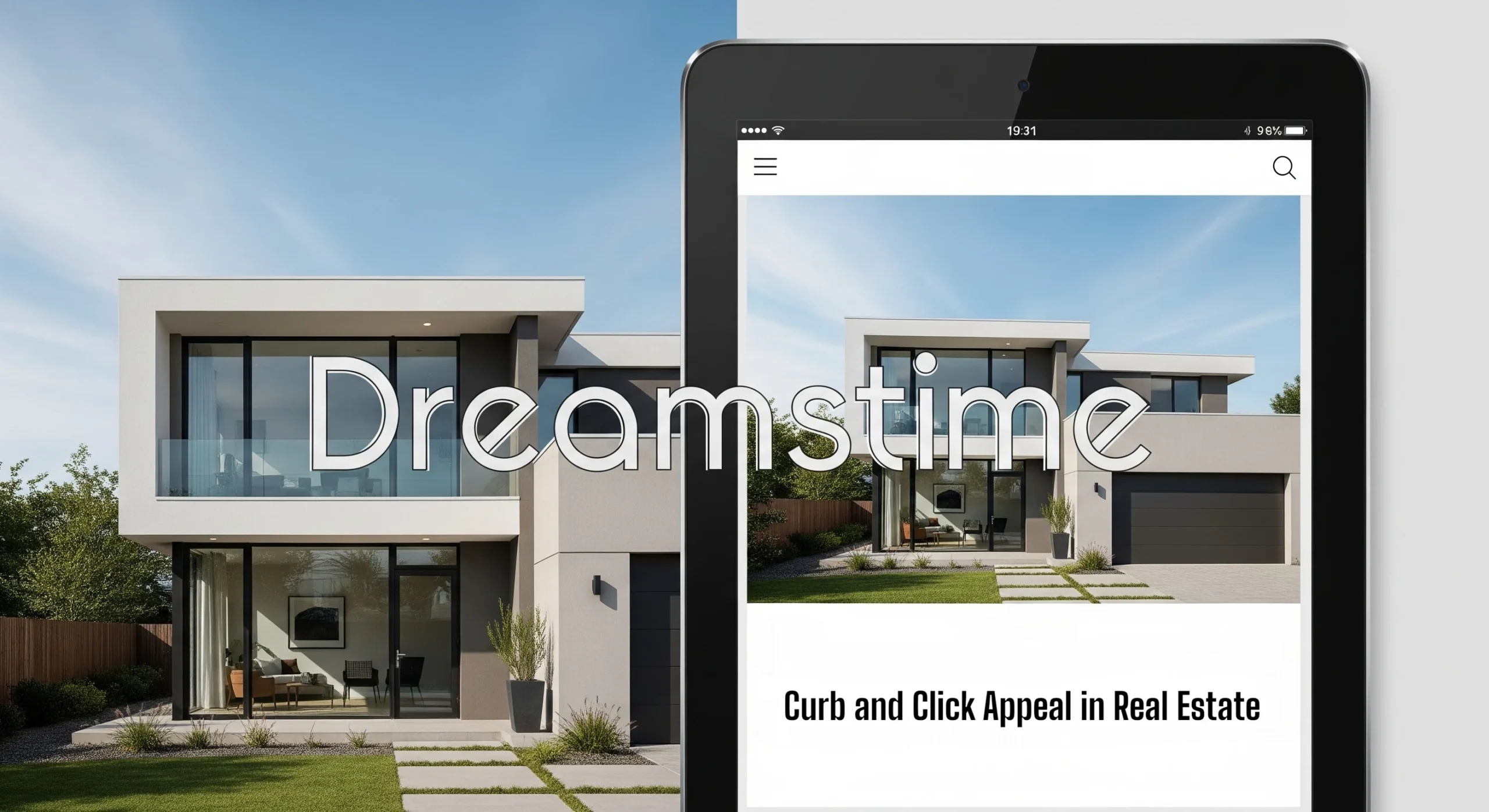
    For a long time, curb appeal set the stage for a sale. Fresh paint, tidy landscaping, and a front porch that feels like home still matter. Today, the first impression often happens on a screen. Your next client usually meets a property on a listing page, scrolls through photos, and skims neighborhood content long before they park the car. The idea is to combine them into one clear experience that builds trust, earns attention, and moves a buyer from a click to a showing.

    Why Offline Marketing Still Pulls Buyers In
    You make an emotional connection in real life. A drive through the neighborhood, a well-staged living room, and a high-quality brochure feel tangible. Those details give your listing presence and help a buyer picture daily life there. You also set expectations for ownership. If a feature is attached to the property and part of the real property rights, it conveys with the land, while removable items are personal property, so you want your materials to reflect what truly transfers at closing.

    Keep your staples tight and useful: welcoming curb appeal, printed pieces that buyers can reference later, open houses that let them feel the layout, and a visible presence in the community. Each element works on its own, and each one tees up your digital follow-through.

    The Rise of Click Appeal
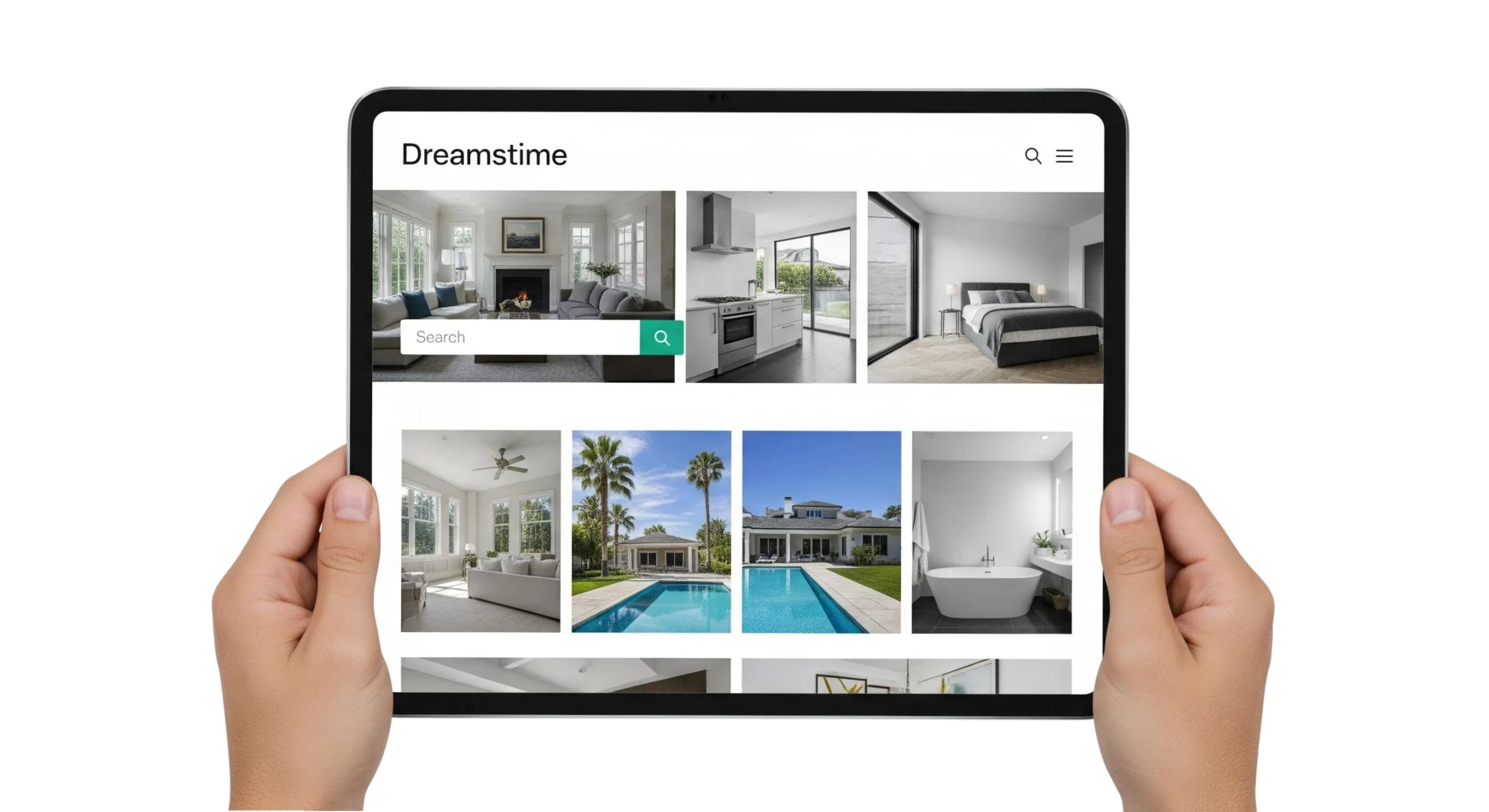
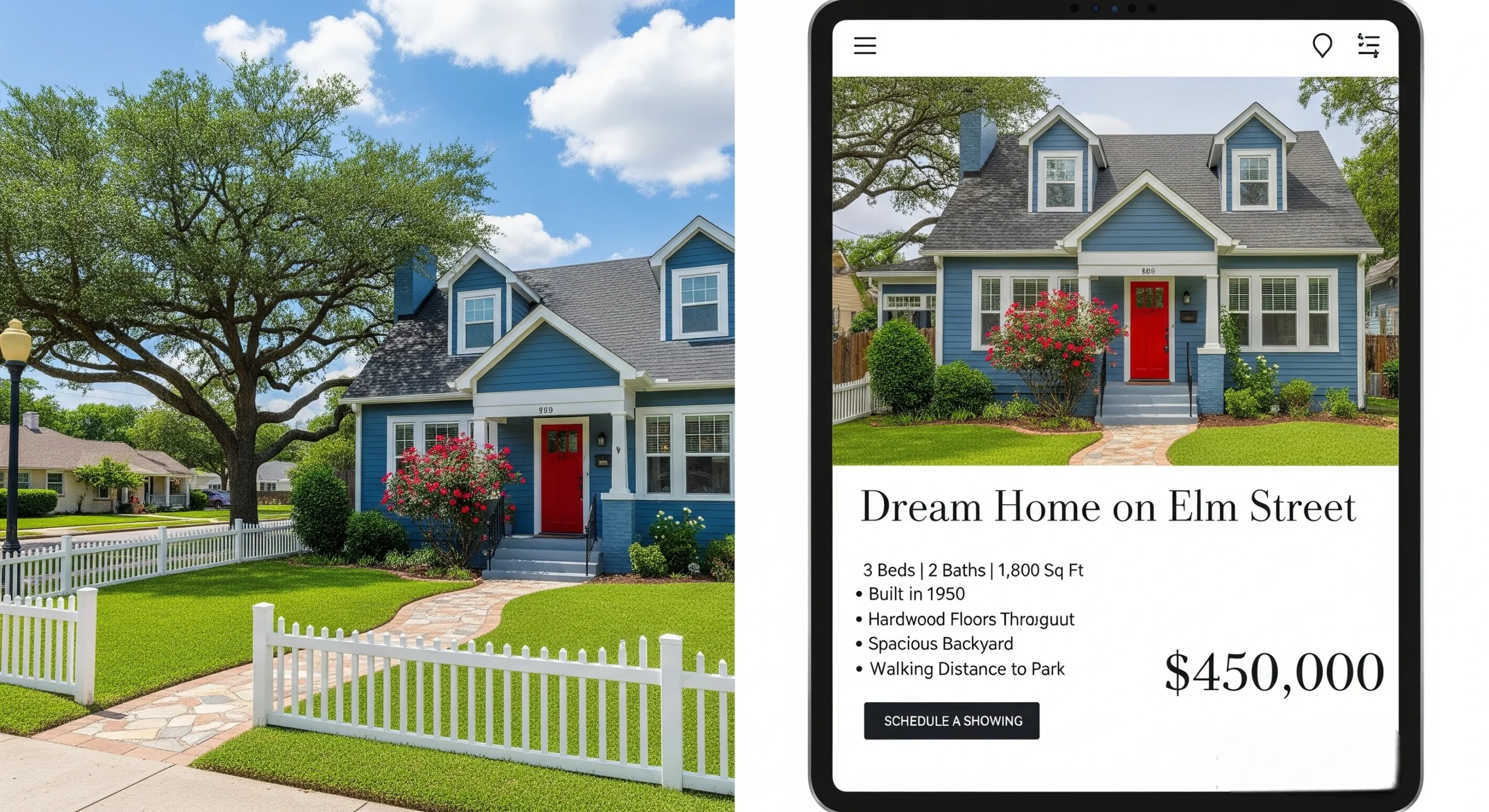
    If curb appeal invites people through the door, click appeal gets them interested in the first place. With the majority of buyers beginning their search online, a property’s digital presentation is often the deciding factor in whether they schedule a showing.

    Click appeal relies on several digital tools:

    • High-quality visuals.
      Professional photography and videography are essential. Even supplemental lifestyle stock photos can enhance a listing or campaign when used strategically.
    • Compelling copy.
      Descriptions that go beyond square footage and features to highlight lifestyle benefits resonate with modern buyers.
    • Virtual tours.
      Immersive 3D walkthroughs and video tours allow buyers to explore properties anytime, anywhere.
    • Digital ads.
      Targeted social media and search ads bring listings directly to the feeds of the right audience.
    • SEO-optimized content.
      Blogs, neighborhood guides, and landing pages increase visibility in search results.

    Strong click appeal gives your listing an edge online, and the tools you use can make all the difference.

    Bridge the Gap With Simple Systems
    • Use events to grow your audience.
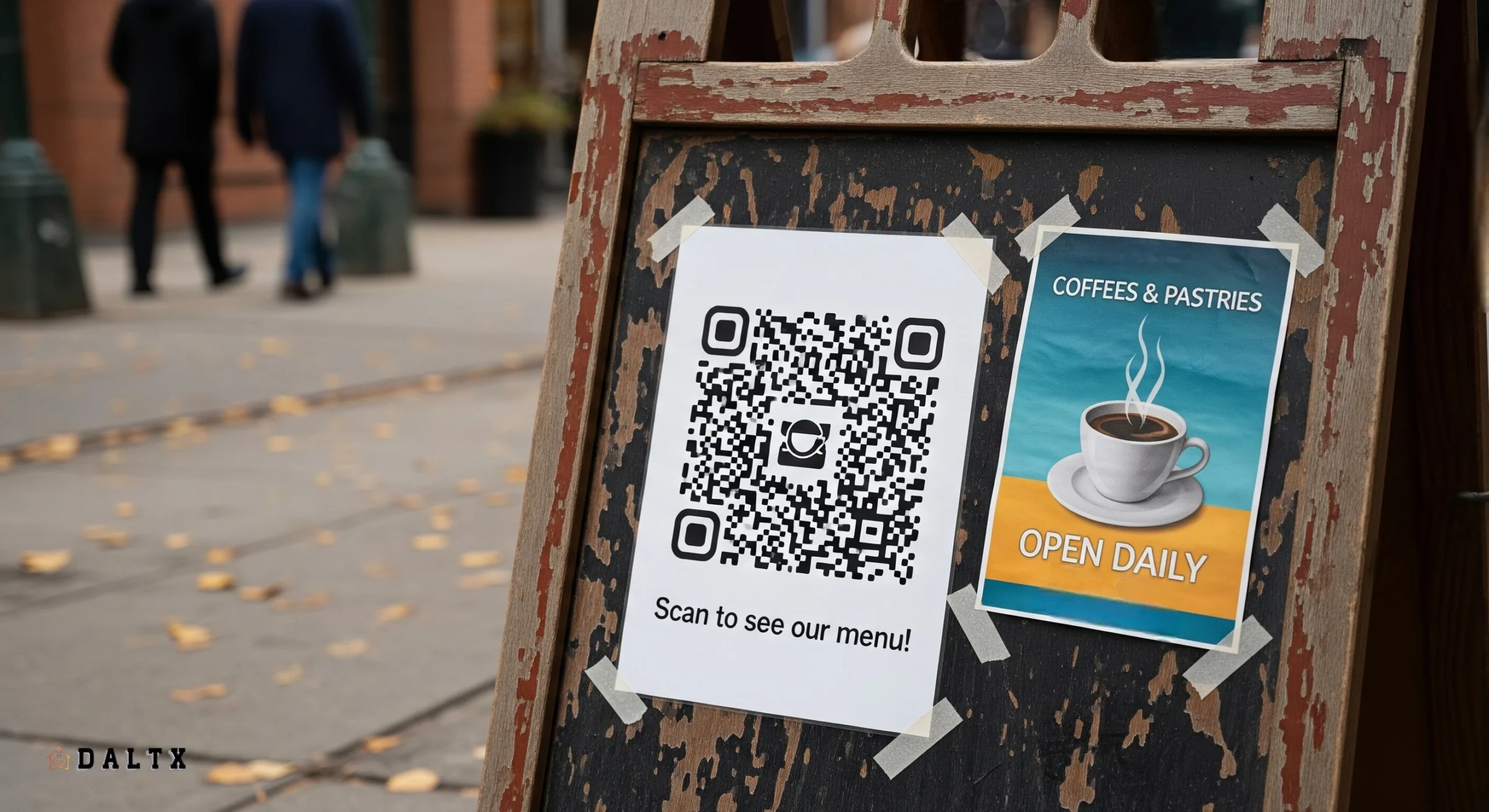
      Promote your open house across email and social. At the door, offer a QR code that leads to the listing page. After the event, follow up with a short note and a link to the virtual tour and floor plan.
    • Repurpose what you already made.
      Turn your printed brochure into a shareable PDF. Turn a kind comment from a neighbor into a short quote graphic. A few behind-the-scenes photos from staging can become a carousel post that reinforces your brand.
    • Keep your brand consistent everywhere.
      Your sign, flyer, and postcard should match your website and profiles. When a buyer recognizes your look in both places, it builds credibility and helps them find you again.
    • Match your online info to real-world steps.
      As buyers move forward, your materials should help them navigate the process. A simple explainer about what happens before closing day, a reminder to review the Closing Disclosure three business days before closing, and a checklist of what to bring to the table make your service feel complete. The Closing Disclosure outlines your loan term, amount, rate, estimated monthly payment, closing costs, and cash to close, so encourage buyers to read it carefully and compare it to their loan estimate.

    Tell One Story Across Every Channel

    Pick a clear theme for the home and keep it steady. If you position a listing as great for entertaining, stage the patio and kitchen to show how guests can move easily through the space. Post a quick video that walks that same path. Use the brochure to point out the flow and the storage that supports it. A single message repeated in different formats sticks with buyers and helps them picture their own routines.

    Use Helpful Market Markers Buyers Already Know

    The MLS language buyers see online can support your strategy during showings and follow-ups. If a property is marked contingent, the seller has accepted an offer and the sale is working through conditions, and if the contingencies are met the status moves to pending. A pending status signals the deal is underway and past its major hurdles. If backup offers are welcome or the home is still being shown, you can guide your client on timing, preapproval strength, and next steps.

    You can also prepare buyers for common protections inside an offer. An inspection contingency gives a short window, usually seven to ten days from acceptance, to evaluate the property and renegotiate or cancel if needed. Set that expectation early and help buyers schedule quickly so they make decisions before the deadline.

    Add Practical Education That Builds Trust

    Your digital content can answer the simple questions buyers ask after an open house.

    • What happens after the inspection?
      Share a short post that explains the difference between minor fixes and major issues, how credits or repairs might be handled, and how long sellers have to respond.
    • What will I see on closing day?
      Provide a clear checklist that covers title documents, insurance, cash to close, and a reminder to lock in the rate within a reasonable window so the payment stays predictable through closing.
    • What payments sit in escrow?
      Explain in plain language that taxes and homeowners insurance are often paid through an escrow account inside the monthly payment to protect the lender’s collateral, and that some borrowers may qualify to manage those bills on their own with an escrow waiver if they meet equity and credit guidelines.

    You can also outline regular homeownership costs so buyers know what to budget for beyond principal and interest, including property taxes, insurance, HOA dues where applicable, and utilities. Clear, friendly education reinforces your expertise and keeps your brand useful between showings.

    Final Thoughts

    Keep investing in curb appeal that welcomes people in person, and keep polishing click appeal that invites them to lean in online. When your print, signage, listing pages, and follow-up content all tell the same story, you make it easy for buyers to take the next step with you.

  • Common Mistakes to Avoid When Selling Your House in Indianapolis

    Common Mistakes to Avoid When Selling Your House in Indianapolis

    Selling your home is one of the biggest financial transactions you’ll ever make. However, most homeowners only do it a handful of times in their lives.

    That lack of experience often leads to costly mistakes that can delay your sale, slash your profit, or even cause the deal to fall apart entirely. With a little preparation, you can sidestep these pitfalls and position your home to sell quickly and profitably.

    Let’s walk through the most common missteps, and how you can avoid them.

    Mistake #1: Overpricing Your Home

    It’s natural to want the highest possible price, but listing too high usually backfires. Buyers are savvy, and overpriced homes tend to sit on the market, eventually requiring price reductions that make the property look stale.

    According to Realtor.com, overpricing is the No. 1 mistake sellers make, often forcing them into multiple price reductions later on.

    Fix it

    Work with a real estate agent or appraiser to set a competitive price that reflects recent sales in your neighborhood.

    Mistake #2: Neglecting Repairs

    Think that squeaky door or cracked window doesn’t matter? Buyers notice everything. Even minor issues can give the impression that your home hasn’t been well-maintained, while larger issues, such as an aging roof or outdated plumbing, can kill a deal during the inspection.

    Fix it

    Focus on the big-ticket items that can spook buyers. If major repairs aren’t in your budget, consider selling to a cash buyer who will purchase the property as-is.

    Mistake #3: Weak Home Presentation

    First impressions are everything. If buyers can’t picture themselves living in your space, they’ll move on to the next listing.

    The National Association of Realtors reports that 77% of buyers’ agents say staging makes it easier for buyers to see themselves in the home.

    Fix it

    Declutter, remove personal items, and brighten the space with natural light. Staging doesn’t have to mean hiring a designer, even small touches like fresh paint and neutral decor can make a big difference.

    Mistake #4: Poor Marketing

    A “For Sale” sign in the yard isn’t enough anymore. Buyers start online, and if your photos are dark, blurry, or limited, you’re already losing buyers’ interest.

    Zillow research shows that homes with professional photography and virtual tours sell faster and often for more money.

    Fix it

    Invest in professional photos and make sure your listing is posted across multiple platforms. Today’s buyers expect detailed online listings with high-quality visuals.

    Mistake #5: Choosing the Wrong Time to Sell

    Timing can make or break your sale. List during a slow season and your home could linger on the market. While spring and early summer are traditionally hot-selling months, local trends in Indianapolis can vary based on neighborhood demand, interest rates, and inventory levels.

    Fix it

    Work with an agent who understands local patterns or if time is critical, consider a cash buyer who can close on your schedule.

    Mistake #6: Limiting Showings

    Buyers want flexibility. If you restrict showings to narrow windows or require too much notice, you’ll shrink your pool of potential buyers.

    Fix it

    Make your home easy to show. A well-prepped home that’s available for quick showings has a higher chance of attracting serious offers.

    Mistake #7: Getting Too Emotional

    It’s easy to feel attached to your home, but emotions can cloud judgment. Sellers often reject fair offers because they feel their home “deserves more” or bristle at feedback from buyers.

    Fix it

    Treat the sale like a business transaction. Focus on your financial goals, not personal feelings about the property.

    Mistake #8: Hiding Problems

    Some sellers hope buyers won’t notice foundation cracks, mold, or electrical issues, but they almost always do. If not before the offer, then during the inspection. Hiding problems can kill trust and lead to legal trouble.

    Fix it

    Be upfront about issues. Full disclosure builds trust and avoids last-minute deal breakers.

    Mistake #9: Forgetting About Alternative Selling Options

    The traditional listing process isn’t right for everyone. If your home needs major repairs, if you’re on a tight timeline, or if you simply don’t want the hassle of open houses and negotiations, there are other options.

    Fix it

    Explore alternatives like cash buyers. Companies such as KK Buys Indy Homes purchase properties in any condition, with closings often in as little as two weeks.

    Final Thoughts

    Selling a home is a complex process, but avoiding these common mistakes can save you time, money, and stress. The key takeaways? Price your home realistically, present it well, market it aggressively, and stay flexible. And if life circumstances demand a quicker, simpler sale, companies like KK Buys Indy Homes are ready to provide a fair, no-obligation cash offer.

    By steering clear of these pitfalls, you’ll set yourself up for a smoother selling experience and a better bottom line.

  • How Virtual Staging Turns Empty Rooms into Dream Homes

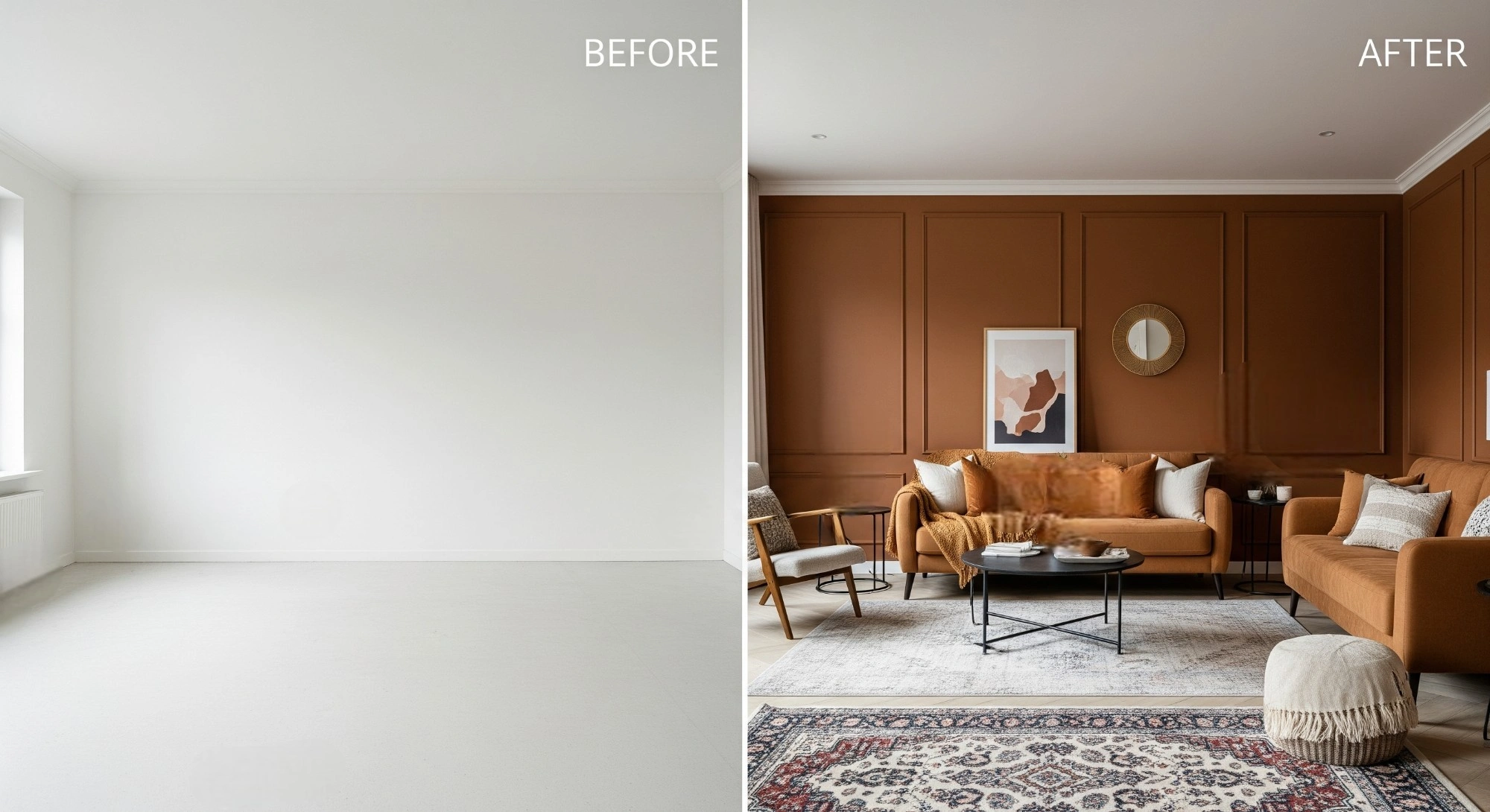
    Have you ever wondered why selling an empty house is so tough? It’s like trying to sell a story without characters. Real estate agents and homeowners alike face the same challenge when trying to sell an empty property. Empty rooms feel cold, echoey, and uninviting, almost soulless. Potential buyers don’t see themselves living, laughing, and making memories in such spaces. For a successful sale, this connection is essential. As a result, properties often sit on the market for an extended period, struggling to gain the attention of potential buyers. They’re not just uninspiring, they fail to spark any emotional connection.

    So what’s the real issue? Traditional photos of empty rooms may be accurate, but they don’t create any sense of atmosphere. Buyers can’t picture themselves living there. That’s where virtual staging comes in. With the help of a professional architectural visualization company, it is possible to transform any space into the cozy, inviting space buyers want.

    What Is Virtual Staging?

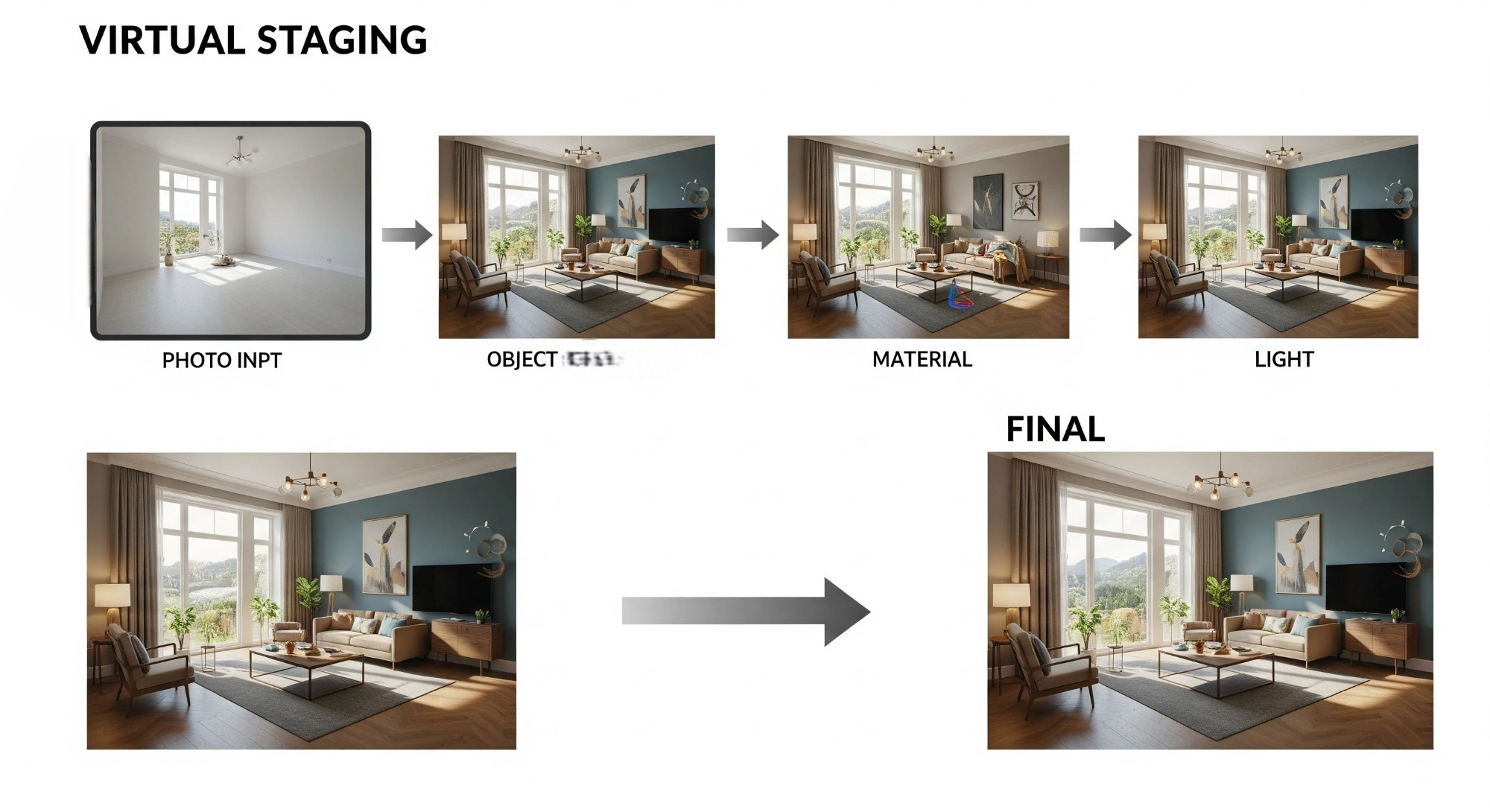
    Virtual staging is the revolution in property presentations. With the help of 3D visualization services, you’ll see realistic, high-quality images that make empty rooms feel complete. Designer create 3D models of stylish furniture, decor, artworks, and other interior design elements and then drop them into photos of unfurnished spaces.

    But it’s more than just editing a photo; it involves creating shadows, textures, and angles that make everything look real from every perspective. A professional architectural visualization company brings all of this to life, helping you show buyers exactly how much potential a space really has.

    How Virtual Staging Elevates Property Listings

    Of course, it might seem unfamiliar at first, but virtual staging is a powerful way to take your property listings to the next level. Here’s why sellers are turning to virtual staging.

    Enhanced Visual Appeal and Online Presence

    In real estate, stunning visuals are a must. Great images help your listing stand out and grab the attention of buyers who are often scrolling through dozens of options.

    Virtual staging shows your property in the best possible light, with furnished, inviting rooms instead of bare, empty ones. High-quality 3D renderings leave a lasting impression and, more importantly, help buyers imagine themselves living in the space.

    In a crowded market, strong visuals are everything. Rendered images are more eye-catching, which means they’re more likely to attract clicks and serious interest.

    Cost and Time-Saving Benefits

    Virtual staging costs significantly less than traditional staging. There’s no need to rent furniture, hire moving services, and pay for professional staging. Everything is done virtually by 3D rendering experts. You’ll get the results within a few days or, in some cases, within a few hours. As a result, your property hits the market faster and at a lower cost. For real estate pros, the return on investment is clear.

    Helping Buyers Picture Themselves at Home

    Empty rooms leave buyers guessing: will this place actually meet their needs? What will their furniture look like? What kind of finishes feel right? Is this the home they’ve been dreaming of? Virtual staging creates a lifelike vision of what their future home could look like. It helps buyers understand the scale and layout of each room, answer questions about furniture and lighting, and most importantly, build an emotional connection with the space.

    Buyers can imagine themselves enjoying morning coffee on the porch or spending time watching the Super Bowl together with friends in the living room. As a result, they will be more likely to make an offer since you are selling a lifestyle, not just a house.

    Customize the Look to Match Any Buyer

    Traditional staging simply can’t compete with the flexibility of virtual staging. With virtual staging, you can change the entire style of a property with just a few clicks. Whether you’re targeting families or single professionals, you can tailor each image to reflect what they’re looking for, even a quiet space to work on projects.

    You can show the kitchen in a cozy cottage style or go with a more modern look. Images are powerful marketing tools. And with 3D visualization, you’re not stuck appealing to just one kind of buyer. You can tailor your visuals to suit any audience and always show the home in its best light.

    How Architectural Visualization Companies Work Their Magic

    So, how does an architectural visualization company make the digital magic happen? It all starts with high-resolution photos and floor plans of your space. The more detailed, the better the result.

    Next, based on your instructions and ideas, the team creates a digital version of the space and begins adding elements from their extensive catalog. Wall moldings, furniture arrangements, and decor are selected from a wide range of popular brands and design styles.

    However, 3D rendering is not just about placing furniture and decor. It’s about carefully adjusting shadows, lighting, and angles to make everything feel real. As a result, the 3D rendering studio delivers photorealistic scenes designed to transform any empty room into a captivating, lived-in space.

    Virtual Staging Is a Powerful Solution

    With the help of professional 3D visualization services, you can create just about any dream home. This technology is a game-changing marketing tool that’s redefining how properties are presented and how buyers experience them.

    Virtual staging speeds up the sales cycle, helps buyers visualize the space more clearly, and boosts a property’s overall appeal. For real estate professionals, partnering with a skilled 3D rendering agency is a smart move. After all, 3D rendering is about selling a vision, sparking an emotion, and connecting potential buyers with their future homes.