Tag: Property Law

  • Why Understanding Real Estate Law Gives You a Major Advantage

    Real estate deals aren’t just about location, curb appeal, or financing. At their core, they’re legal transactions that can unravel fast without a basic understanding of property law. Whether you’re buying your first home, managing rentals, investing in properties, or simply curious about the real estate world, knowing the legal principles that govern land ownership gives you an edge.

    Across the United States, real estate laws vary widely, but they all influence how property is bought, sold, and managed. From contract clauses to title disputes, understanding these rules can help prevent costly errors and legal complications. Learning how the legal side of real estate works puts you in a stronger position to make smart, informed decisions.

    How Law School Subjects Apply to Real Estate

    Some of the most practical real estate knowledge comes straight from subjects taught in law school. Getting familiar with legal topics like property law, contracts, and land use can give aspiring homeowners, investors, or real estate professionals a clearer picture of how transactions really work.

    This overlap between legal education and real estate isn’t just academic. For example, knowing what adverse possession means can help you understand boundary disputes or how long-term use of land affects ownership. Similarly, contract law concepts can help you spot red flags before signing a lease or purchase agreement.

    Legal principles show up in nearly every real estate deal. Basic legal real estate knowledge acts as a safeguard, not just a checklist, to help you navigate key terms and timelines with confidence. Knowing how contingencies work, what to expect in escrow, and when to exercise inspection rights can help you avoid surprises and negotiate from a stronger position.

    Unique Challenges in State-Specific Property Laws
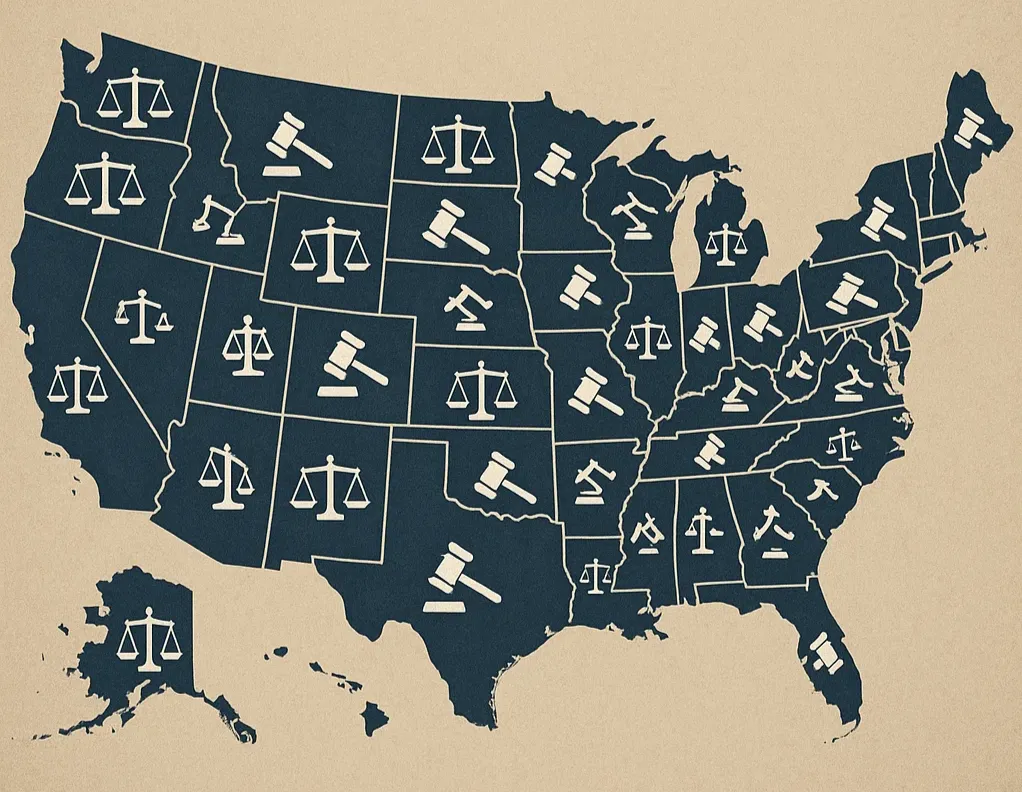
    Every state has its own property laws and quirks, and understanding these can give you a significant advantage. From homestead exemptions to zoning laws and water rights, the legal framework around real estate shapes how property is used and transferred. Even just knowing when to ask questions can help you avoid trouble.

    In some states, local governments have broad powers when it comes to eminent domain or land development. These rules can impact everything from rural land purchases to commercial investments in growing cities. By learning what protections exist, you can better assess risks and opportunities in any given area.

    Title insurance is another part of real estate that deserves attention. It protects buyers and lenders from issues like undisclosed liens or disputes over ownership. Understanding how to read a title commitment might seem technical, but it can help prevent unexpected delays or legal conflicts.

    Building a Smarter Real Estate Skillset

    You don’t need to become a lawyer to improve your understanding of real estate law. Anyone can start building knowledge by exploring legal topics that directly affect property ownership and investment. This awareness can help you spot potential issues early and avoid making decisions you’ll regret.

    Legal knowledge also helps with communication. Whether you’re working with agents, lenders, contractors, or attorneys, being able to speak their language shows professionalism and builds trust. In multi-party transactions, that clarity can make a big difference.

    Even basic awareness of liability and risk can change how you approach renovations, rentals, or resale. Knowing the legal implications of things like safety codes, tenant rights, or HOA restrictions means you’re less likely to face disputes or fines down the line.

    Why Legal Awareness Builds Confidence

    In fast-moving real estate markets, being legally informed can help you act quickly and avoid bad deals. It’s not just about being savvy—it’s about being prepared. The more you understand, the more confidently you can navigate transactions and partnerships.

    Legal knowledge also builds credibility. Whether you’re a first-time buyer, casual landlord, or seasoned investor, showing you understand the legal side of things reassures clients, lenders, and partners. It tells people you’ve done your homework and take your responsibilities seriously.

    Even a basic legal vocabulary can offer long-term benefits. It helps you avoid costly mistakes, communicate more clearly, and handle documents with greater care. These skills grow over time and compound with experience.

    Staying Informed and Getting Ahead

    You don’t need a law degree to gain a legal edge in real estate. Plenty of courses, books, and online articles break down the fundamentals. By learning just a little more about how real estate law works, you can set yourself up for better results.

    As laws evolve and markets shift, staying informed is a competitive advantage. Whether you’re exploring your first property or managing a growing portfolio, legal literacy gives you the tools to protect your interests.

    In the end, legal knowledge doesn’t replace a trusted agent, lawyer, or title officer, but it makes you a stronger buyer, seller, or investor. And in real estate, that knowledge pays off again and again.

  • What Happens When Property Is Seized by Authorities

    The Government Accountability Office (GAO) reports that from fiscal years 2019 to 2023, annual forfeitures ranged between $344 million and over $1.3 billion.

    A criminal investigation, civil enforcement action, or regulatory proceeding can lead to asset forfeiture. The police usually take things like money, cars, real estate, or other assets during this procedure. This process aims to stop crime, get back stolen money, or enforce the law. The procedure can cause severe stress and can be confusing for property owners, especially if they didn’t know anything was wrong.

    In these situations, a lawyer who specializes in asset forfeiture can help protect rights, get property back when possible, and make sense of the complicated legal system. You might only have 30 days to fight a seizure order, so it’s important to act quickly as soon as possible.

    A Calabasas asset forfeiture attorney says if there is no response, the state or federal government gets to keep the money or property.

    Understanding what causes a seizure helps the legal steps that follow and clarify a property owner’s rights. This article explains what happens when property is seized, the types of seizures, and how to respond or contest the action.

    Understanding the Reasons for Property Seizure

    When the government seizes property, it is presumed to be connected to illegal activities. These illegal activities might include drug or weapons trafficking, money laundering, etc.

    You might find assets believed to have been purchased using illegal funds or assets used in committing a crime. Seizing these properties can also disrupt criminal activities by seizing cash, tools, or vehicles linked to illegal acts.

    Those affected by property seizure may immediately consider how to file Chapter 7 bankruptcy to protect their remaining assets. Unfortunately, seized assets cannot be included in a bankruptcy case and can’t be recovered. 

    Property seizures are done to prevent further illegal activities. Asset forfeiture and its associated consequences should be taken seriously. It’s one way law enforcement fights crime.

    How Property Seizure Works

    Seizure of property may imply a fairly straightforward technique, but it is an issue that involves a detailed legal procedure.

    Law enforcement and legal teams usually gather evidence together before an eventual preparation to file the petition in court for a seizure warrant. The petition lays down the reasons and justifications for the seizure.

    Once the warrant is issued, officials can begin seizing the property. They’ll document everything and create an official inventory for transparency and accountability.

    Property owners will be notified that their assets were seized by law enforcement authorities. The owners are entitled to contest the seizure in court. Knowing these details can help you handle a seizure case more effectively.

    Rights of Property Owners During Seizure

    When faced with property seizure action, as the owner, you have rights you can use to influence the situation. First, you are entitled to information about the seizure and its legal justification. You can ask for a written list of what was taken.

    Authorities generally require a warrant to enter your premises. You have the right to ask for it and to be present during the seizure. It would be advisable to photograph or videotape the content of the seizure. Finally, ask a lawyer to explain your rights. Talk to a lawyer to help you make informed decisions and protect your rights.

    Legal Options for Challenging Seizure

    If someone illegally seizes your property, you have various legal options to pursue. First, you may seek legal intervention against the seizure, Arguing that it violates your rights. You can also argue that the seizure is not justified. You may request a hearing to testify and put forward evidence.

    You may appeal the seizure in case of unsatisfactory disposition. Consult an experienced property lawyer for more information about the legal options for challenging seizure enforcement.

    Steps to Take After Property Has Been Seized

    Once your property has been seized, you need to take immediate action to avoid losing the rights to it and recover what has been taken. Gather any documents that might help, especially those related to the seizure and the receipts you were given.

    Then, ask the agency that executed the seizure about the reasons and any possible legal action. You will then want to file a formal complaint or request for the return of your property within the deadlines that they advise.

    If you think your property was wrongfully seized, the best move is to hire a property law expert so they can help you in the process and have someone represent you and protect your interests.

    Keep detailed notes of all communications, since this evidence could be the key to getting your property back.

  • How to Avoid Hidden Property Pitfalls and Legal Headaches?

    Nearly 25% of property transactions face delays due to unresolved title issues. Unfortunately, some buyers skip the title search process while investing in land or buying their dream home which causes issues. A Title Search is a key step to protect yourself from nasty surprises like unpaid taxes or ownership disputes.

    Avoiding unforeseen legal issues during property transactions is a universal goal. Undertaking a comprehensive title search may prove to be a lifesaver of both money and the peace of mind in the future. Understanding its operation and significance would enhance your confidence as you buy the property.

    Source: titlecheck.com.au

    Why Title Search Matters

    To ensure that the ownership transfer is smooth and without any legal issues, a title search plays a vital role. It will help you discover issues, that can cause delays or complications and will help you protect your investment.

    Confirming Ownership

    A title search can authenticate that the seller owns the property and has the legal right to transfer it. You can also see that the ownership history is without any issues and that there are no disputes or issues in the chain of title.

    Avoiding Legal Disputes

    A thorough title search can expose potential legal problems, such as unrecorded liens, unpaid taxes, or third-party claims. Addressing these concerns early minimizes the risk of legal complications after the sale.

    The Title Search Process

    Title searching has been designed to ensure that property transactions proceed without any legal or financial hitches. It means checking a variety of records to confirm ownership, reveal all claims, and take control of possible risks before proceeding with the purchase.

    Preliminary Research

    The first thing to do is to gather some vital details concerning the property such as the current owner’s information and the legal land description. This kind of a research is important as it helps in spotting any abnormalities like wrong data on ownership or lack of some facts.

    Reviewing Public Records

    It involves an investigation of public records-land registries, tax documents, and court filings-that could indicate any liens, unpaid taxes, or disputes over ownership by tracing the history of the property and validating the legitimacy of existing claims.

    Identifying Potential Issues

    The search aims at finding out issues that may include unrecorded easements, fraudulent transfers, or zoning violations. When these concerns are taken care of in time, the buyer and seller can see everything that is taking place within the deal, therefore preventing possible impediments and accelerations in the course of the property exchange.

    Tools And Resources For Title Search

    Using the right tools and resources can make the title search process more efficient and reliable. These resources help uncover legal issues, ownership history, and any financial claims tied to the property.

    Professional Services

    These professional title search services are provided by a solicitor or a conveyancer who researches the public records, interprets legal findings, and assists in solving the identified risks. This is done to make your transaction compliant with all the relevant legislation and devoid of hindrances.

    Online Title Search Tools

    Online platforms provide quick access to property records. These tools allow you to verify ownership, check for restrictions, and uncover financial claims. Relying on credible online tools boosts transparency and reduces transaction delays.

    Common Challenges In Title Search

    While a title search provides valuable insights, it’s not always a straightforward process. Mistakes, missing information, or legal complexities can create delays or disputes during a property transaction if not addressed quickly.

    Incomplete Records

    Missing or, outdated records can complicate the title search. Unrecorded ownership changes or incomplete land registry updates, for instance, can create uncertainties regarding the property’s legal status.

    Resolving Discrepancies

    Discrepancies in ownership details or property boundaries can cause delays. Issues such as mismatched names, inconsistent boundary descriptions, or conflicting claims require careful investigation and often professional help.

    Tips For A Successful Title Search

    A title search is crucial for ensuring the smooth transfer of property ownership. Following these practical tips can help you identify and address potential issues efficiently.

    Staying Organised

    Create a checklist to keep track of tasks during the title search process. Make sure you review ownership histories, check for liens, verify tax records, and note any potential concerns to avoid missing any details.

    Seek Expert Advice

    You will also be able to engage a solicitor or a conveyancer to handle a title search for you, where all the complexities will be reviewed with their expertise: to explain the findings to you and fix any legal problems or inconsistencies in the records, preparing everything for the transaction.

    Conclusion

    Protecting your property investment is the main reason why a title search is very important as it ensures smooth transaction. To prevent problems and wasted time, it is better to deal with them beforehand under the supervision of professionals who are experienced in that matter. The research on the property’s documents becomes an essential undertaking in both cases: If you’re about to buy your debut living premises or if you plan to enrich assets with new houses or apartments.