Tag: Property Investment

  • How to Choose the Right Melbourne Neighborhood for Your First Investment Property

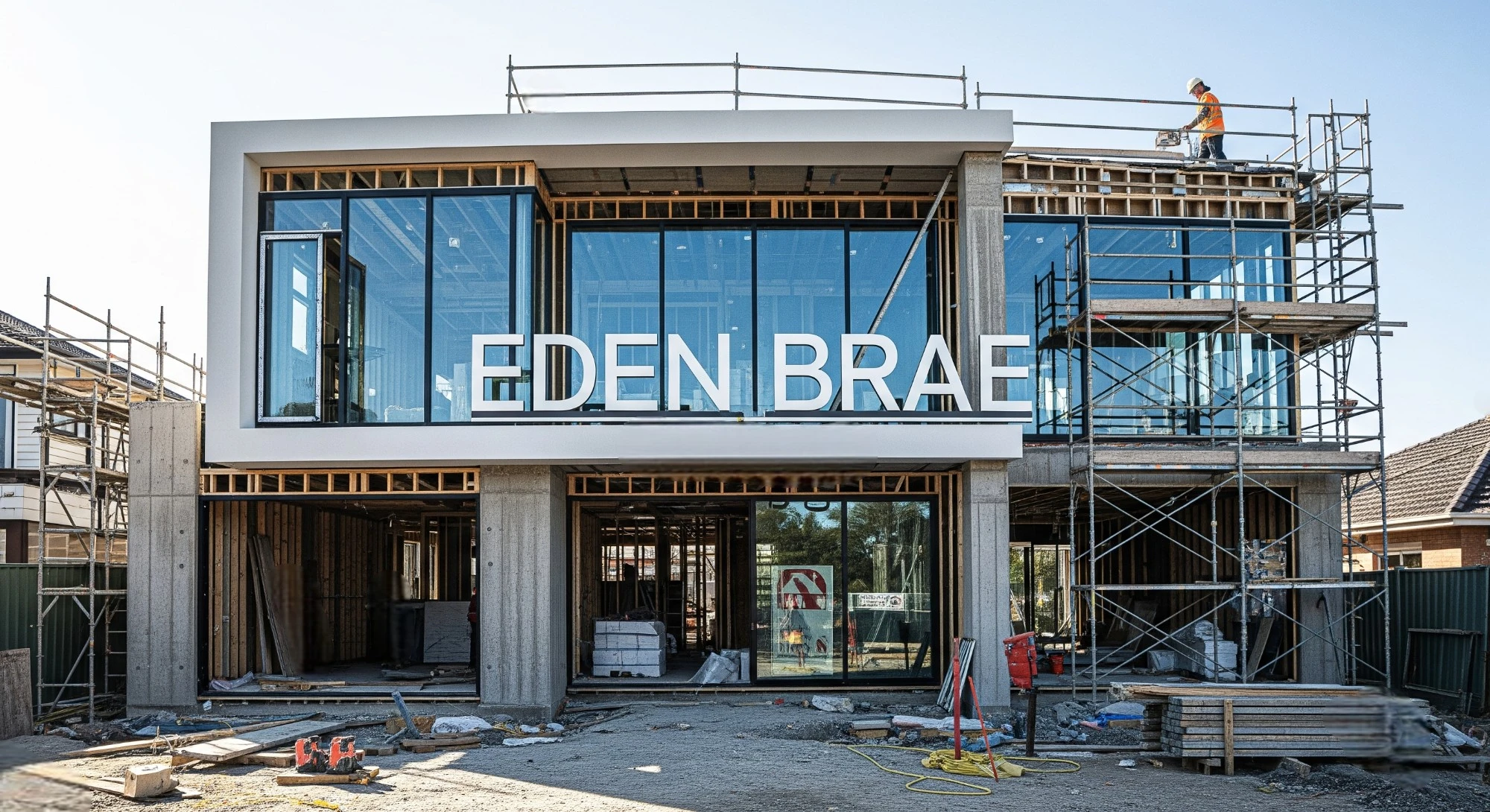
    Image Source: unsplash.com

    Choosing the right neighborhood is the single most important decision you’ll make as a property investor. You can renovate a kitchen or update a bathroom, but you can’t change a property’s location. For first-time investors, the challenge isn’t just finding a house with great bones—it’s understanding the market dynamics that will drive your profitability and long-term equity growth.

    If you’re ready to make your first move in the Melbourne market, this guide will help you identify the areas with the highest potential for your portfolio.

    Research Local Market Data

    When you’re hunting for the right neighborhood, start with some basic digging. Once you have a list of your potential properties, analyze their neighborhoods’ key performance indicators. These include supply and demand trends, vacancy levels, rental rates, and median home prices. Make sure to get these numbers to help you assess the neighborhood’s potential.

    If you’re looking around Melbourne, you can pull legit data from places like Realestate.com.au or SQM Research. The big thing to watch is vacancy rates. A “normal” market sits around 3%, but Melbourne’s been way tighter, with recent numbers from late 2025 sitting near 1.8%. For investors, anything under 2% is basically a green flag. It usually means strong demand, better cash flow, and less time stressing about finding a tenant.

    Additionally, look for steady price appreciation over the last five to ten years rather than volatile spikes. Consistent, sustainable growth is the hallmark of a safe long-term bet.

    Analyze the Local Economy and Infrastructure

    A strong local economy usually means a healthy rental market. Sure, pay attention to business growth and big employers, but the real glow-up usually comes from infrastructure.

    Suburbs that get backed by major government projects tend to see prices climb. In Melbourne, stuff like the Suburban Rail Loop (SRL) and the Metro Tunnel opening in late 2025 are literally reshaping how people move around the city. Areas that suddenly get better access to the CBD or big job hubs, like the Monash precinct usually have solid potential for long-term growth.

    If you’re buying for the first time, looking at a “spillover” suburb can be a smart play. It’s basically a cheaper area right next to a premium, already-expensive suburb that’s about to get a transport upgrade. You get in at a lower price but still ride the wave when the new infrastructure boosts demand.

    Check for Accessibility and “Walkability”

    Most tenants prioritize convenience. A neighborhood with seamless access to trams, trains, highways, and shopping centers will always attract a deeper pool of reliable renters.

    “Walkability” is a huge factor here. Homes within walking distance of lifestyle perks such as cafés, gyms, supermarkets, and green spaces tend to command higher rents and experience shorter vacancy periods. In the inner-ring suburbs, this is non-negotiable for many professionals; in the outer rings, proximity to a major shopping hub or train station serves the same purpose.

    Match the Demographics to Your Property

    Your investment has to match the people who’ll actually live there:

    • Young professionals: Usually hang around Richmond, South Yarra, and similar spots. They want quick CBD access, fast transport, and a lively vibe.
    • Families: They’re all about quiet streets, bigger land, parks, and good school zones. They’re mostly looking in the middle–outer suburbs.
    • Students: They need to be near universities in areas like Parkville or Clayton and reliable public transit.

    If you buy a place that doesn’t fit the dominant demographic, like a big family house in a student-heavy area or a tiny studio in a family suburb, you’re basically cutting your tenant options. Checking the local demographic data helps you avoid that mismatch.

    Evaluate Safety and Future Development

    Safety is a non-negotiable for renters and future buyers alike. Review crime statistics for your target neighborhood and, more importantly, visit the area at different times of day to get a genuine feel for the street-level vibe. A neighborhood where crime rates are trending downward is often a sign of gentrification, suggesting you might be buying on the upswing.

    You also need to check the local council’s development plans. New commercial precincts and community facilities can lift property values. Conversely, if the zoning allows for high-density industrial projects or if there is an oversupply of generic high-rise apartments approved nearby, it could cap your capital growth and rental yield.

    Run the “Comps” (Comparable Rentals)

    Knowing what similar properties rent for is the only way to estimate your returns accurately. When you look at “comps”—comparable rental listings—focus on properties with the same bedroom/bathroom count and similar amenities.

    Check the weekly rent, but also look at the “Days on Market” (DOM). If comparable homes in the area are sitting on the market for 40+ days, it’s a red flag that the area might be oversupplied or the asking rents are too high.

    Look for the “Ripple Effect”

    Growing neighborhoods are often the best bet for first-time investors. You want to find areas that offer room for price growth without the premium entry cost of established “blue-chip” suburbs.

    Watch for the “Ripple Effect.” As a popular suburb becomes too expensive, demand spills over into the neighboring suburb. If you see renovations, new builds, and specialty coffee shops popping up in a cheaper suburb next to a hot market, that’s a strong signal that value is on the rise.

    Seek Professional Guidance

    Oftentimes, many first-time investors feel overwhelmed by the amount of research, analysis, and deliberation required when buying a property. This is where professional guidance, like the expert investment property support by Buyers Advocate becomes incredibly valuable.

    As noted in broader real estate principles, a mentor or professional advisor can help you navigate the nuances of the market. In the Australian context, a Buyer’s Advocate brings detailed market data, local insights (like which side of the street is better), and access to “off-market” opportunities that you won’t find on public listings. They can provide the objectivity needed to ensure your emotional attachment to a property doesn’t override the financial realities.

    The Bottom Line

    Choosing the right suburb is really the foundation of a solid property portfolio. When you focus on the numbers, like vacancy rates, upcoming infrastructure, and whether the local demographic actually matches your property, you can confidently select a Melbourne location that supports strong rental demand and long-term wealth building.


  • What Does an Investment Property Agency Do in Australia?

    Many investors hesitate to invest outside their home country, including in Australia, not because it’s super risky, but because the legal side feels complicated and unfamiliar. While Australia shares many values with other Western countries, including the U.S., its laws and regulations aren’t quite the same. Most property investors aren’t legal experts and would rather miss out on a deal than risk getting tangled up in legal trouble.

    Luckily, there’s a third way that prevents investors from missing out. It’s buying through an investment property agency. These are licensed professionals who know Australia’s real estate market inside and out, along with all the rules that come with it.

    Here are the top five ways they help you become the kind of property investor who isn’t scared of borders.

    1. They Ensure Legal and Regulatory Compliance

    Property agencies have two main jobs. They find good opportunities and keep you out of trouble. While they can help with things like insurance and screening tenants, their biggest value is ensuring everything you do stays 100% legal.

    Legal failures are some of the most expensive mistakes a property investor can make, resulting in fines or worse. And pleading ignorance won’t be accepted, even if you live overseas. Keeping you compliant from start to finish is one of the biggest benefits of working with an agency.

    2. They Offer Guidance on Investment Property Taxes

    A huge reason both local and international investors use property agencies is for help navigating Australia’s tricky tax system. Real estate taxes are confusing, and because property deals involve big money, any mistake can hit your wallet hard.

    A good agency will help you stay compliant while maximizing your tax benefits, like deductions for maintenance, management fees, and more. They’ll also make sure your records are in order so tax season goes smoothly.

    3. They Conduct Market Research and Analysis

    You probably don’t have the time to constantly track property trends in Australia. If you’re not living there, it’s even harder to stay on top of things like property prices or rental yields. You might not even know where to find reliable info about the market and honestly, even plenty of Australian investors struggle with that.

    That’s why one of an agency’s main jobs is to handle that research for you. They’ve got the time, tools, and know-how to monitor the market and actually make sense of it. They’ll break down what’s happening, how it affects your investment, and send you updates through reports or briefings. They’ll also use this analysis to make recommendations that are well-suited to your budget and goals.

    4. They Offer Guidance on Property Selection

    Besides tracking trends and letting you know when it’s an opportune time to buy, an investment property agency can help you find the right property at the right time. They’ll help you zero in on the right location and property type, crunching the important numbers on your behalf. They’ll look at things like supply and demand, rental demand, tenant demand, and the potential for appreciation.

    As any experienced investor knows, the advice of an independent third party is invaluable. A property investment can easily go wrong if you just pick places that you personally like the look of. An agency gives you an objective view based on the facts.

    5. They Provide Assistance with Securing Finance

    Of all the things you need to do before you buy investment property, securing finance is the most important. Without it, nothing else moves forward. A good investment property agency will work closely with lenders to ensure that their clients can secure financing and favorable terms. They’ll also work closely with you to compare rates and structure loans to maximize tax efficiency.

    Australia recently updated its foreign investment framework, and there are now multiple ways to purchase property there. For instance, you can buy them under one specific person’s name or through joint ownership and trust structures. Your agency can help you choose the best one for your needs and the needs of any co-investors coming in with you.

    Why You Need an Investment Property Agency in Australia

    While you take care of the money, an investment property agency takes care of everything else. Whether you’re a new investor wondering how to buy an investment property or a seasoned pro, they’ll help you uncover the best opportunities and avoid costly mistakes.

  • Western Wealth Capital Acquires Park Place Townhomes in Euless, Texas

    Western Wealth Capital Acquires Park Place Townhomes in Euless, Texas

    DALLAS, Texas — Western Wealth Capital (WWC) announces the closing of its 130th real estate acquisition – Park Place Townhomes in Euless, Texas. This is Western Wealth Capital’s 22nd multifamily acquisition in the Dallas-Fort Worth market.

    WWC and its investment partners closed on the 97-unit multifamily community of Park Place Townhomes. The transaction was advantageously purchased off-market with the assistance of Brian Murphy of Newmark Dallas. StepStone Real Estate (“SRE”), the real estate arm of private markets investment firm StepStone Group (Nasdaq: STEP), is a major equity partner in the transaction. Park Place is a follow-on investment into an existing WWC/SRE joint-venture initiated by a broader GP-led portfolio recapitalization in 2024.

    Built in 1980, Park Place Townhomes features spacious two-story units with an average size of 1,116 square feet, offering residents a comfortable and well-designed living experience. As part of the acquisition, WWC assumes a 3.07% fixed-rate mortgage from the previous owner, resulting in an estimated $1.6 million in interest savings over the loan term compared to current market rates. The loan assumption was handled by Katie Runyan of Walker & Dunlop.

    This Dallas-area acquisition strengthens WWC’s presence in the U.S. multifamily housing market and reflects the firm’s disciplined investment approach. Ideally situated between Dallas and Fort Worth, the property is just six minutes from Dallas-Fort Worth International Airport and within close proximity to major employers such as American Airlines headquarters, Lockheed Martin, and AT&T Stadium—all reachable within a 23-minute drive.

    “This acquisition comes at an opportune time in the market cycle,” said Jay O’Connor, Vice President of Acquisitions at WWC. “We’re acquiring this asset at 42% below current replacement cost, which presents a compelling opportunity for equity growth and attractive returns.”

    Doug Mather, WWC’s Chief Investment Officer, echoed this sentiment: “We’re seeing clear buying signals in the market, with property values down 30–40% from their peak, rent growth poised to rebound, and job growth remaining strong. Park Place Townhomes offers a rare chance to invest near the bottom of the market in a highly desirable product located in a prime area.”

    About Western Wealth Capital

    WWC has developed a proven system for investing in multifamily properties in key real estate markets across the U.S. WWC offers investment partners the opportunity to invest in properties with substantial value-add opportunities. Since its inception, WWC has successfully completed more than $6.4 billion in real estate transactions, acquiring 130 multifamily assets representing more than 29,000 total units.

    WWC’s vision is to build wealth for its investment partners with exceptional returns. A people-first approach promotes excellence at every point, with highly efficient operations and a true commitment to our communities. The company’s current portfolio of assets under management includes 35 multifamily rental buildings across five different U.S. metropolitan areas located in the Sun Belt region.

  • Get a Villa for Rent in Dubai

    A landlord knows that managing their reputation, collecting rent, and keeping the property in good condition are key to success in the profession. Of these, repairs are usually the most straightforward task. However, the problem is that there is a link between reputation management and collecting rent.

    If they are too aggressive when collecting rent and not responsive enough when it comes to needed property repairs, their reputation suffers. If they are too passive when collecting rent, it will take longer for them to make a return on investment on the properties they rent out.

    Dubai gives landlords a unique advantage: people, whether citizens or expatriates. Rarely move here unless they can comfortably afford it. Many expats also earn in strong currencies like the Pound Sterling, Euro, or US dollar, which hold their value well against the UAE dirham. As a result, most tenants are financially stable, making on-time rent payments and steady returns the norm. If you are a landlord and you want to have tenants who pay their rent on time, read on to discover the villas of Dubai.

    Villas for rent in urban waterfront living community of Dubai are known for their upgraded interiors, solid wood floors, and panoramic glass windows. Some of the available villas are located directly on Marina Promenade, which is the center of Dubai a, famous for its row of shops and restaurants. Some villas are also triplexes. The standard villa for rent in Dubai has 2-4 bedrooms and 4-6 bathrooms.

    Most villas feature family-friendly touches like play areas, outdoor entertaining spaces, and private entrances, along with modern kitchens, storage rooms, and at least one balcony. Comfort upgrades often include built-in wardrobes, central air, an intercom system, and a jacuzzi.

    Tenants also enjoy 24-hour maintenance and security, plus premium services like concierge, housekeeping, laundry, and valet parking. Tenants also will gain access to a business center. Finally, they will also get a marina berth.

    The neighborhood of Dubai is home to a bank with an ATM, cafes, restaurants, retail shops, and a shopping mall. Children will have a good time here with the playground and children’s swimming pool, while parents can make them attend the children’s nursery.

    Those who like sports can play on the basketball courts, squash courts, or tennis courts. Residents who want to exercise can use the cycling tracks, fitness center, gym, shared swimming pool with clubhouse, or walking trails. Those who wish to relax can use the sauna, spa, or steam room. Finally, the area is served by public transportation.

    For landlords, the most common type of payment plan is the two-year payment plan. Many real estate agencies will charge no fee when they sell the property. There is also limited availability for villas in Dubai, with only three currently available.

    The price of a villa for rent In Dubai ranges from AED 5,100,000 to AED 8,999,000. Tenants are typically from affluent backgrounds and often seek a family-friendly environment, can expect to pay between AED 105,00 and AED 390,000. The time it will take to make a return on investment on rent payments alone will between 14 and 86 years. For landlords in a situation where the initial price of the property is extremely high, but the rent is extremely low, it may make sense to sell the property.

    Conclusion

    Villas for in Dubai offer many amenities. From access to a business center to a valet service, the wealthy will feel at home here. The sports facilities will draw younger tenants to the area, and the facilities for younger children means that the tenants will have young children.

    Most importantly, landlords can expect a medium-term return on investment, with profitability achievable in just under 15 years, meaning that this is a medium-term investment if you want to make a profit on rent alone. With only three available villas, the area is in high demand.

    If you are a landlord and you want to collect rent from wealthy individuals who will have no problem paying the rent regardless of economic conditions, get a villa for rent in Dubai today!

  • Dallas’ trophy office tower fetches $218 million, setting a 2025 high-water mark

    Source: linkatuptown.com

    A newly built high-rise in Dallas’ Uptown district has changed hands in what brokers say is the most expensive office sale in the Dallas–Fort Worth area this year. Cousins Properties, an Atlanta‑based real estate investment trust, has purchased The Link at Uptown for roughly $218 million. The 25‑story tower, completed in 2021, totals 292,000 square feet and is about 93.6% leased.

    The deal, announced July 31 by Newmark Group Inc., surpasses the previous record set by this month’s sale of Sterling Plaza and underscores strong demand for high‑quality office space in DFW. “This transaction is a resounding endorsement for Dallas‑Fort Worth and a clear indicator of the market’s strength,” Chris Murphy, one of the Newmark vice chairmen who arranged the sale, said in a statement.

    Inside The Link

    Located at 2601 Olive St., The Link offers panoramic views and an amenity floor with a tenant lounge, fitness center, conference facilities and an outdoor terrace. The Class‑AA building houses a mix of tenants spanning finance, law and advertising, including Houlihan Lokey, McGuireWoods and PMG. According to research firm Yardi, its leases carry a weighted average term of more than nine years.

    Kaizen Development Partners built the tower using a US$128.3 million construction loan from Goldman Sachs in 2020 and delivered it a year later. At the time of sale, the asset was encumbered by a $143 million loan from JPMorgan Chase due in 2028. Cousins financed the purchase with excess proceeds from its unsecured bond issuance and the settlement of previously forward‑issued shares.

    The record-setting sale comes amid signs of resilience in the North Texas office market. A Newmark analysis notes that Dallas‑Fort Worth ranks first in projected job and population growth through 2026 and boasts one of the nation’s top return‑to‑office rates.

    Still, the office sector is navigating a long recovery. A recent JLL report cited by WFAA found that large office users are scouting roughly 7.6 million square feet of space across the Metroplex — the strongest leasing pipeline since 2019 and more than double last year’s 3.3 million square feet. Actual leasing activity, however, slipped from 3.1 million square feet in the first quarter to 2.4 million in the second.

    Kaizen isn’t stepping away from Uptown; the developer has started abatement and demolition at a site on Harry Hines Boulevard that could see another office tower as well as condos and a hotel. Cousins, meanwhile, adds The Link to a Dallas‑area portfolio that includes 5950 Sherry Lane in Preston Center and the mixed‑use Legacy Union project in Plano. Collectively, the flurry of deals and development suggest investors are willing to pay a premium for trophy assets even as the broader office market continues to heal.

  • What to Consider Before Buying Waterfront Property in Canada

    Source: istockphoto.com

    Purchasing waterfront property is a dream for many people. Whether you’re looking for a peaceful lakehouse retreat, an oceanfront retirement getaway, or a riverside investment opportunity, owning a home by the water comes with undeniable appeal. But buying waterfront real estate is far more complex than purchasing a standard residential property. From legal considerations to environmental factors and lifestyle fit, it’s important to know what you’re getting into.

    This guide breaks down the key things to consider before buying waterfront property, with a practical approach that helps you make an informed and confident decision.

    1. Understand the Type of Waterfront Property

    The first step is to clearly understand the type of waterfront you’re buying. Not all waterfronts are created equal, and each has its own set of pros, cons, and considerations.

    • Oceanfront properties offer stunning views and beach access, but can come with high maintenance due to salt corrosion, risk of hurricanes, and rising sea levels.
    • Lakefront properties often provide calm waters for boating or swimming, but can have issues with algae blooms or restrictions on motorized watercraft.
    • Riverfront homes may offer scenic tranquility, but you’ll want to understand the river’s flow, floodplain boundaries, and bank erosion risks.

    When buying, be clear whether the property offers actual direct access or just a view. There is a major difference between “waterfront,” “water view,” and “water access.” For accurate assessments and to ensure you’re purchasing a title that includes the rights you assume, consult with an expert real estate agent familiar with waterfront regulations in your area.

    2. Research Local Regulations and Restrictions

    Source: istockphoto.com

    Owning property next to a body of water usually comes with extra regulations, often at the municipal, provincial, or federal level. Buyers must do their due diligence to understand:

    • Zoning laws: Can you build a dock? Are there building height restrictions? Can the property be used for short-term rentals?
    • Environmental regulations: There may be restrictions on what you can build or renovate due to wetland protection, wildlife conservation, or shoreline buffer zones.
    • Riparian rights: These refer to the legal rights of landowners whose property abuts a body of water. They may include access, usage, or water withdrawal rights, but they vary by province.
    • Floodplain mapping and insurance requirements: Is the property located in a high-risk flood zone? You may be required to purchase flood insurance or adhere to specific building codes.

    It’s also wise to contact local conservation authorities or planning offices to clarify what you can and cannot do on the property, especially if you intend to make modifications like tree removal, shoreline stabilization, or installing a dock.

    3. Check the Shoreline and Water Quality

    When viewing a waterfront home, it’s easy to get caught up in the view and serenity. But take a closer look at the shoreline and water quality.

    • Shoreline condition: Is the shore rocky, sandy, or muddy? Is it eroding? Stable shorelines are better for long-term property value and safety.
    • Water level fluctuations: In many regions, lakes and rivers may have seasonal highs and lows. Drastic changes can affect usability and aesthetics.
    • Access to the water: Is there a natural slope, or will you need stairs or a path? Steep or unstable banks may be expensive to manage or improve.
    • Water quality: Ask about historical data regarding algae blooms, bacteria, or contamination. Water that looks clean might not be safe for swimming or fishing.
    • Boating restrictions: Some lakes restrict motorboats, jet skis, or impose noise limits, while others may allow full recreation. Ensure the water usage suits your lifestyle goals.

    Local conservation authority reports, Ministry of Environment data, or resident associations can often provide this information.

    4. Infrastructure, Utilities, and Access

    Waterfront properties are sometimes in rural or less-developed areas, which can bring complications related to infrastructure.

    • Road access: Is the road publicly maintained or private? In the winter, will it be plowed?
    • Internet and cell service: Many waterfront homes suffer from weak signals. Confirm availability of high-speed internet or mobile coverage.
    • Sewer and septic: Many waterfront homes use septic systems. Ask for inspection records and ensure they meet modern environmental standards. Improper septic systems can harm both your property value and the ecosystem.
    • Water supply: Is the home on a municipal waterline, a well, or a lake water system? Each has its own testing, filtration, and maintenance requirements.
    • Power and heating: Off-grid or seasonal cottages may rely on propane, generators, or solar. Be prepared for additional maintenance or costs.

    Ensuring year-round usability may require investing in updates or improvements, so it’s essential to factor those into your budget.

    5. Seasonal and Maintenance Considerations

    Source: istockphoto.com

    Waterfront homes often require more upkeep than standard homes, especially when exposed to fluctuating weather conditions and humidity.

    • Salt air and moisture: For coastal properties, salt can corrode metal and deteriorate paint and finishes faster.
    • Pests: Mice, insects, and birds are common visitors in cottages left vacant for months.
    • Storm preparation: Homes near water may require storm shutters, sump pumps, or backup generators.
    • Landscaping: Vegetation near shorelines is often protected or difficult to maintain. You may need native plants or erosion-prevention landscaping.

    Also, if the property is intended for vacation use, consider the logistics of property management, off-season maintenance, and security.

    6. Financing and Insurance Challenges

    Financing waterfront property can be more complicated than financing traditional homes. Some banks may be more cautious due to risks associated with flooding, remote location, or seasonal use.

    • Mortgage pre-approval: Ensure your lender understands the type of property you’re buying and whether it is classified as seasonal or year-round.
    • Flood insurance: Many waterfront properties require a separate flood policy, particularly if located in designated floodplains. Premiums can be high, so get quotes early.
    • Property taxes: Waterfront properties tend to carry higher assessed values, which leads to higher annual taxes.
    • Appraisal: Lenders will likely need a formal appraisal to determine current market value, and this can be tricky for waterfront homes with unique features or limited comparables.

    Work with a lender experienced in waterfront financing to avoid surprises.

    7. Lifestyle Fit and Long-Term Goals

    Finally, make sure the property aligns with your goals and lifestyle. Waterfront living isn’t just a financial investment; it’s a lifestyle decision.

    Ask yourself:

    • Do you want to use the property year-round or seasonally?
    • Are you comfortable with the additional maintenance and costs?
    • Will you eventually retire there, or is this a short-term investment?
    • Does the water body support your hobbies (e.g., fishing, canoeing, paddleboarding)?
    • Will noise, tourism, or boating activity disrupt your peace?

    If the property is intended for rental income, consider occupancy rates, local tourism appeal, and licensing requirements for short-term rentals.

    Summary

    Waterfront property can offer unparalleled lifestyle and financial value, but it comes with its share of complexity. The key is to approach the process with diligence, clarity, and realistic expectations. Involving professionals such as home inspectors, conservation officers, and legal advisors is crucial. Most importantly, ensure that your property not only meets legal and structural criteria but also truly suits your long-term goals and lifestyle vision.

  • How to Find the Right Property for Your Growing Business

    Source: unsplash.com

    As your business grows, finding the right commercial property becomes one of the most strategic decisions you’ll make. The right space doesn’t just give your team a place to work, it supports your operations, enhances your brand presence, and positions you for scalable success.

    Maybe you’re ready to upgrade from your starter location, open a second site across town, or finally move into a space that fits without squeezing into every corner. Either way, the property you choose can either streamline your next phase or create roadblocks. Here’s how to make a smart, forward-thinking choice that fits your goals and your budget.

    Why the Right Business Property Matters

    The right space sets the tone for your entire operation. It influences customer impressions, team productivity, logistics, and even employee retention. A highly visible, well-located property can drive more foot traffic, simplify deliveries, and boost your brand reputation. For walk-in businesses especially, visibility and accessibility are critical to attracting daily customers and sustaining growth.

    More than that, a property with the right infrastructure and room for future growth gives you flexibility. You can scale without the disruption of a major move and negotiate better lease or purchase terms along the way. Location and amenities also impact your team’s day-to-day satisfaction, which helps reduce turnover and attract top talent.

    In short, choosing the right property is about securing a long-term asset that grows with your business and adds value across the board.

    Six Smart Tips for Choosing the Right Commercial Property

    1. Define What Your Business Needs Right Now and Later

    Start with a list that clearly identifying your needs. What does your business need today? What might it need in three to five years? Consider layout, size, storage, customer access, and team needs. Will clients visit often? Do your employees rely on public transit or freeway access? What about parking, break rooms, or conference space?

    Having a clear checklist helps you avoid overpaying for features you won’t use—or choosing a space that you’ll outgrow too quickly.

    2. Choose a Location That Supports Growth

    Your address says a lot. A highly visible, accessible location makes it easier to reach new customers, suppliers, and partners. The right neighborhood also adds credibility to your brand.

    Study local traffic patterns, public transit options, and surrounding businesses. If neighborhood presence or walk-in traffic is important to your business, the zip code you’re in can make or break results.

    3. Review Local Infrastructure and Tax Impact

    Look beyond square footage and rent. Infrastructure quality and local taxes can affect your operating costs just as much. Check for high-speed internet, utilities, parking access, and long-term city planning.

    Also research tax rates and local incentives. Some areas offer tax breaks or grant programs that can significantly reduce your overhead, others may carry higher tax burdens that eat into profits.

    4. Prioritize Commercial-Ready Features

    Make sure the property is zoned and designed for business use. That means fewer compliance issues with zoning, fire codes, and accessibility laws. Commercial properties also tend to offer practical features like security systems, flexible layouts, and higher utility capacity.

    And remember: you don’t have to buy. Commercial real estate for lease can offer the flexibility you need if you’re still in a growth phase, letting you adapt quickly without the long-term commitment of ownership.

    5. Look for Room to Grow

    It’s easy to underestimate future space needs. But growing teams, more inventory, or new services could quickly change your layout requirements. Look for properties that offer extra square footage or flexibility in reconfiguring the space.

    Before committing, review local zoning rules and any limitations that might restrict renovations or expansions later on.

    6. Understand Business Rates and Ongoing Costs

    Business rates similar to property taxes, vary widely by region and property type. These recurring costs can have a major impact on your monthly budget. Understand how they’re calculated, and include them in your total cost of occupancy.

    Comparing rate structures across properties can help you find hidden savings and avoid surprise increases.

    Final Thoughts

    Your business property isn’t just a place, it’s a growth strategy. The right location supports your brand, enables your team, and positions you for the future. Before you sign on the dotted line, take the time to define your needs, evaluate costs, and look for a space that can evolve with you.

    When you get this decision right, you’re not just opening your doors, you’re laying the foundation for long-term success.

  • Condos As An Entry Point To Real Estate Investing

    Entering the real estate market can feel like navigating a maze, especially for first-time investors seeking a balance between profitability, practicality, and lower risk. Often overlooked in favor of single-family homes or commercial property, condominiums provide a more accessible starting point with lower upfront costs, easier maintenance, and access to high-demand locations.

    Photo by allPhoto Bangkok on Unsplash

    Yet within the broader condo category lies an often more profitable subset: luxury condominiums. High-end units can deliver premium rental yields, capital appreciation, and prestige that attracts discerning tenants or buyers.

    The Value Proposition Of Luxury Condominiums

    Luxury condominiums stand apart as a class of their own—designed not just for comfort but as vehicles of status, exclusivity, and solid returns in select markets.

    High Demand In Prime Locations

    Luxury condos are typically located in prime urban centers, waterfronts, or prestigious enclaves—places where land scarcity boosts value. In cities like Miami, Toronto, New York, and Dubai, these properties remain in high demand among international buyers and high-income tenants. 

    This persistent demand contributes to lower vacancy rates and stronger rental income. For new investors, acquiring a one-bedroom luxury unit in a rising neighborhood may cost less than a detached home while still offering excellent cash flow potential.

    Amenities That Justify Premium Pricing

    From rooftop pools and concierge services to spa facilities, co-working spaces, and biometric security systems, luxury condos justify their elevated pricing by offering a complete lifestyle. 

    These amenities not only attract renters, but also help maintain strong resale value and reduce seasonal vacancy—offering long-term advantages for investors in cities with year-round demand.

    Entry Flexibility For Investors

    Many luxury condos are available in buildings that allow short-term rentals or extended stays, letting investors experiment with different rental strategies—from monthly executive leases to Airbnb-style bookings. 

    This flexibility is particularly valuable in uncertain markets, where the ability to pivot rental models can protect income streams. Some developments even offer rental programs managed by in-house teams, reducing the burden for remote or first-time investors.

    Why Condos Are A Practical Starting Investment

    Not every investor starts with a luxury unit. While high-end condos offer prestige and strong returns, standard condominiums remain a more accessible first step, combining lower costs with long-term growth opportunities.

    Lower Cost Of Entry Compared To Other Property Types

    In most markets, condominiums are significantly more affordable than detached homes or multifamily buildings. For instance, in metro areas like Dallas or Houston, condos can cost 20–40% less than similarly located houses. 

    This makes them attractive to younger investors with limited capital or those seeking to diversify existing portfolios with minimal risk exposure. Lower down payments and shared maintenance expenses via homeowner association (HOA) fees allow new entrants to get started without the overhead of traditional property ownership.

    Streamlined Maintenance Responsibilities

    HOAs handle major exterior maintenance, landscaping, and often include services like trash removal, snow clearing, and even building insurance. While HOA fees can be high, they eliminate the hassle and cost of managing multiple service providers. 

    For a first-time investor, this simplicity removes many of the day-to-day burdens that come with self-managed properties, allowing focus on tenant satisfaction and rental returns.

    Built-In Community Regulations Reduce Risk

    Condos typically come with community guidelines and financial rules that create a more stable environment. These covenants limit undesirable behavior, help preserve property values, and may even restrict the number of rental units per building—ensuring a balanced mix of owners and tenants. 

    This creates a more predictable environment for income and appreciation. In markets like Vancouver and Singapore, strict condo rules have actually helped prevent rental market crashes during economic downturns.

    Risks To Watch For When Investing In Condos

    Despite their appeal, condos aren’t a risk-free investment. First-time buyers should be vigilant about several key factors.

    HOA Health And Special Assessments

    While HOAs simplify ownership in many ways, they’re not without risk. Poor management, rising fees, or surprise assessments can significantly affect returns. HOA fees can eat into returns, especially if they increase over time or are mismanaged.

    Investors should carefully review the HOA’s financials, reserve funds, and history of special assessments, unexpected charges for large repairs or upgrades like elevator replacements or roof fixes. A poorly funded HOA can destabilize your investment or even lead to legal disputes between owners.

    Rental Restrictions

    Some condominiums limit or prohibit rentals entirely. Others allow rentals only after the owner has occupied the unit for a certain period, which can delay returns. Before purchasing, it’s essential to understand the community’s rental policy. 

    Failing to do so could result in an asset you can’t legally monetize. Look for “investor-friendly” buildings—those with a transparent rental policy and a significant percentage of investor-owned units.

    Market Liquidity And Resale Challenges

    Condos, particularly in overbuilt markets, can be harder to resell quickly compared to freehold homes. Units within large developments may also compete with identical floor plans and layouts, making it harder to differentiate your property. 

    When considering resale, buyers should factor in not just the unit’s features but also the building’s reputation, location trends, and upcoming developments in the area.

    Photo by Francesca Tosolini on Unsplash

    Tips For Maximizing ROI On A Condo Investment

    Understanding how to extract the most value from a condo investment will separate casual speculators from serious portfolio builders.

    Target Buildings With High Owner-Occupancy Rates

    Buildings with a high percentage of owner-occupied units tend to be better maintained and experience less tenant turnover. This can reduce wear and tear and attract better renters. Lenders also favor these buildings, which can be critical if you plan to refinance or use equity for future investments.

    Optimize The Rental Strategy For The Location

    In urban areas near universities or hospitals, long-term rentals may perform better. In tourist-heavy locations like coastal cities or ski towns, short-term rentals may yield higher income despite greater management complexity. 

    Understanding the neighborhood’s demographics, transit options, and economic drivers will help you select the right unit and tailor your rental approach accordingly.

    Buy Into Emerging Neighborhoods

    The best ROI often comes not from the most glamorous zip codes but from the ones gaining momentum. Look for signs of gentrification: new cafes, transit lines, infrastructure upgrades, or school district improvements.

     A condo bought in an emerging area can appreciate rapidly while still being affordable. Investors who get in early benefit from rising rents and resale prices driven by neighborhood transformation.

    Photo by Nadine E on Unsplash

    Endnote

    When chosen wisely, condominiums offer more than just a way in. They provide a path toward long-term wealth, reliable income, and a portfolio that grows with you. For many investors, they’re not the end goal, but the beginning of something much bigger.

  • How to Find a Trusted Builder in Sydney Today

    As more Australians choose to build rather than buy in Sydney’s fast-changing housing market, picking the right builder has never been more important. With so many companies offering different styles, packages, and promises, it can be hard to know who to trust. Understanding what sets reliable home builders in Sydney apart, whether it is cost transparency, a sound reputation, or quality craftsmanship, can save you a lot of time, money, and stress In the long run.

    Why Build in Sydney?

    Sydney remains one of Australia’s most vibrant cities, offering strong infrastructure, growing job hubs, and a wide range of lifestyle options. While buying an existing home can be faster, building from scratch has its own benefits—from modern energy-efficient designs to custom layouts in newly developed communities.

    Here are a few advantages of building in Sydney:

    • Custom design – Personalize your layout, fixtures, and finishes to suit your lifestyle.
    • Structural warranties – Most new builds come with 6–10 year structural guarantees.
    • Reduced maintenance – New materials and appliances are built for durability and energy-efficient.
    • Government support – Programs like the First Home Owner Grant and reduced stamp duty may apply.

    Choosing the Right Home Builder

    Sydney’s construction industry features a wide range of builders, from large-scale firms to boutique custom companies. Here’s what to look for when making your shortlist:

    • Reputation and reviews: Research builder ratings online, ask for references, and read customer testimonials.
    • Licencing and insurance: Ensure the builder is properly licenced in NSW and carries home warranty insurance.
    • Inclusions and pricing: Carefully compare what’s included in the base price—some “low” quotes exclude important features.
    • Customisation options: Builders vary in how much flexibility they allow—think about how involved you’d like to be in shaping the home’s design.
    • Communication and support: A good builder will keep you informed throughout the build, from planning to handover.

    Types of Home Builders in Sydney

    Depending on your needs and budget, here are the main types of home builders you’ll find in Sydney:

    • Project builders: Ideal for those seeking affordability and speed. They provide pre-designed layouts with minimal flexibility for changes.
    • Custom builders: Great for homeowners wanting a unique design or challenging site solution.
    • Luxury builders: Focus on high-end finishes, larger homes, and premium materials.
    • Knockdown-rebuild specialists: Perfect for replacing an ageing home on an existing block with a modern design.

    Make sure your builder aligns with both your vision and your budget.

    Popular Areas to Build in Sydney

    While inner suburbs have limited land, outer and growing regions offer more space and potential. Some of the top spots include:

    • South West Sydney – Campbelltown, Leppington, and Oran Park offer new estates and major infrastructure upgrades.
    • North West Sydney – Marsden Park, Box Hill, and Schofields are popular with families and offer good value.
    • Western Sydney – Penrith and St. Marys are affordable and poised for growth.
    • Northern Beaches & Sutherland Shire – Higher prices, but ideal for custom homes in scenic coastal settings.

    Always research local zoning laws, schools, transport, and amenities before choosing your build location.

    Key Questions to Ask Your Builder

    Before signing a contract, ask the right questions to avoid surprises later:

    1. What does the base price include?
    2. Are there extra costs for my land/site?
    3. What’s the estimated timeline?
    4. Can I make changes during the build?
    5. How are delays or cost changes handled?
    6. What warranty or aftercare do you provide?

    Asking the right questions early can help you avoid surprises and stay fully informed.

    Final Thoughts

    Building a home in Sydney can be one of the most rewarding experiences, if you choose the right builder and plan carefully. Doing your homework and choosing a team that values quality, transparency, and communication can make all the difference in today’s competitive building market. Whether it’s your forever home or your first step into property investment, Sydney’s home building market still has a lot to offer. Jumpstart by researching local builders, comparing inclusions, and visiting display homes to get a feel for what’s possible within your budget.

  • 7 Smart Tips For Finding An Investment Property in North America

    Real estate can be a great way to build long-term wealth—if you know what you’re doing. Whether you’re eyeing your first rental or adding to a growing portfolio, picking the right property matters. North American markets, ranging from major cities like Toronto, Vancouver, New York, and Los Angeles to emerging mid-sized communities, offer a variety of opportunities, but also come with risks and complexities.

    So how do you avoid a money pit and find a place that actually fits your goals and your budget? Here are seven practical tips to help you make a smarter move.

    1. Define Your Investment Goals

    Before you even begin your property search, clearly define what you’re hoping to achieve. Are you looking for steady cash flow through monthly rent, long-term appreciation, or perhaps a fix-and-flip opportunity?

    Your goals will determine the type of property you should focus on:

    • Cash Flow: Multi-family homes or properties in high-rent-demand areas.
    • Appreciation: Up-and-coming neighborhoods with strong development potential.
    • Fix and Flip: Properties that are undervalued and need cosmetic or structural renovations.

    Understanding your “why” will help you stay focused and avoid making emotionally driven decisions.

    2. Research Local Markets

    Not all real estate markets are created equal. Look beyond your immediate neighborhoods or city and research various North American markets that align with your goals. Some key factors to evaluate include:

    • Population growth: Are more people moving in or moving out?
    • Jobs: Are new businesses popping up, or is the local economy slowing down?
    • Rental demand: Are units sitting empty, or getting snapped up fast?
    • Price-to-rent ratio: Does the rent actually justify the price tag?
    Source: news18.com

    Online tools like Zillow, Realtor.com, and regional MLS (Multiple Listing Service) platforms offer valuable data. Also, consider networking in investor forums or attending local real estate investment meetups to gather firsthand insights.

    3. Build a Reliable Team

    One of the most underrated but essential components of property investing is having a dependable team. Even if you’re experienced, having professionals in your corner can streamline the process and protect you from costly mistakes.

    Key team members might include:

    • A trusted realtor who understands investment properties, local zoning laws, and emerging neighbourhoods.
    • A mortgage broker who can offer flexible financing options.
    • A property manager, if you’re investing out of town or prefer hands-off management.
    • An attorney familiar with local real estate laws and tenant regulations.

    A trustworthy team will help you make smarter decisions faster and with greater confidence.

    4. Do the Math—Twice

    Successful investing is rooted in the numbers. Before making an offer on a property, perform a thorough financial analysis. Use conservative estimates to account for unforeseen expenses and market fluctuations.

    Key numbers to calculate:

    • Cash flow: Monthly rent minus all expenses (mortgage, taxes, insurance, maintenance, etc.)
    • Cap rate: Net operating income divided by property value.
    • ROI (Return on Investment): Profitability in relation to your initial cash investment.

    Also, factor in vacancy rates and repair reserves to get a more realistic view of potential returns.

    5. Start with a Modest First Investment

    If you’re new to real estate investing, start small. Jumping into a big project or an expensive multi-unit property right away can be risky. A single-family home or a duplex can be a manageable starting point.

    Starting modestly lets you learn the ropes—tenant screening, rent collection, maintenance issues—without overwhelming yourself financially or emotionally.

    You can always scale up as you gain more experience and confidence in managing investment properties.

    6. Inspect Thoroughly Before Buying

    Never skip the inspection. A property may look good on the surface, but structural issues, outdated electrical systems, or plumbing problems can turn your investment into a money pit.

    Hire a certified home inspector to evaluate:

    • Foundation and roof condition.
    • HVAC, electrical, and plumbing systems.
    • Pests or water damage.
    • Safety hazards or code violations.

    This upfront diligence could save you thousands of dollars down the line—and even help you negotiate a better deal.

    7. Have an Exit Strategy

    Smart investors always plan for the unexpected. Market conditions can shift, personal circumstances may change, or a neighborhood may stop appreciating. Before you buy, consider how easily you could sell or repurpose the property if needed.

    Some common exit strategies include:

    • Selling the property after appreciation.
    • Refinancing to pull out equity.
    • Converting a short-term rental to a long-term lease.
    • 1031 exchange (in the U.S.) to defer capital gains taxes by reinvesting.

    Knowing your options in advance allows for more strategic decision-making under pressure.

    Source: linkedin.com

    Real estate investment isn’t about luck—it’s about research, strategy, and execution. By setting clear goals, understanding your market, working with a trusted realtor, and crunching the numbers carefully, you’ll be in a strong position to make informed, profitable decisions.

    Every successful investor started somewhere, and with these practical tips, you’ll be better equipped to navigate the competitive North American property market. Stay informed, remain patient, and always keep learning—the real returns come not just from properties, but from the experience you gain with each investment.