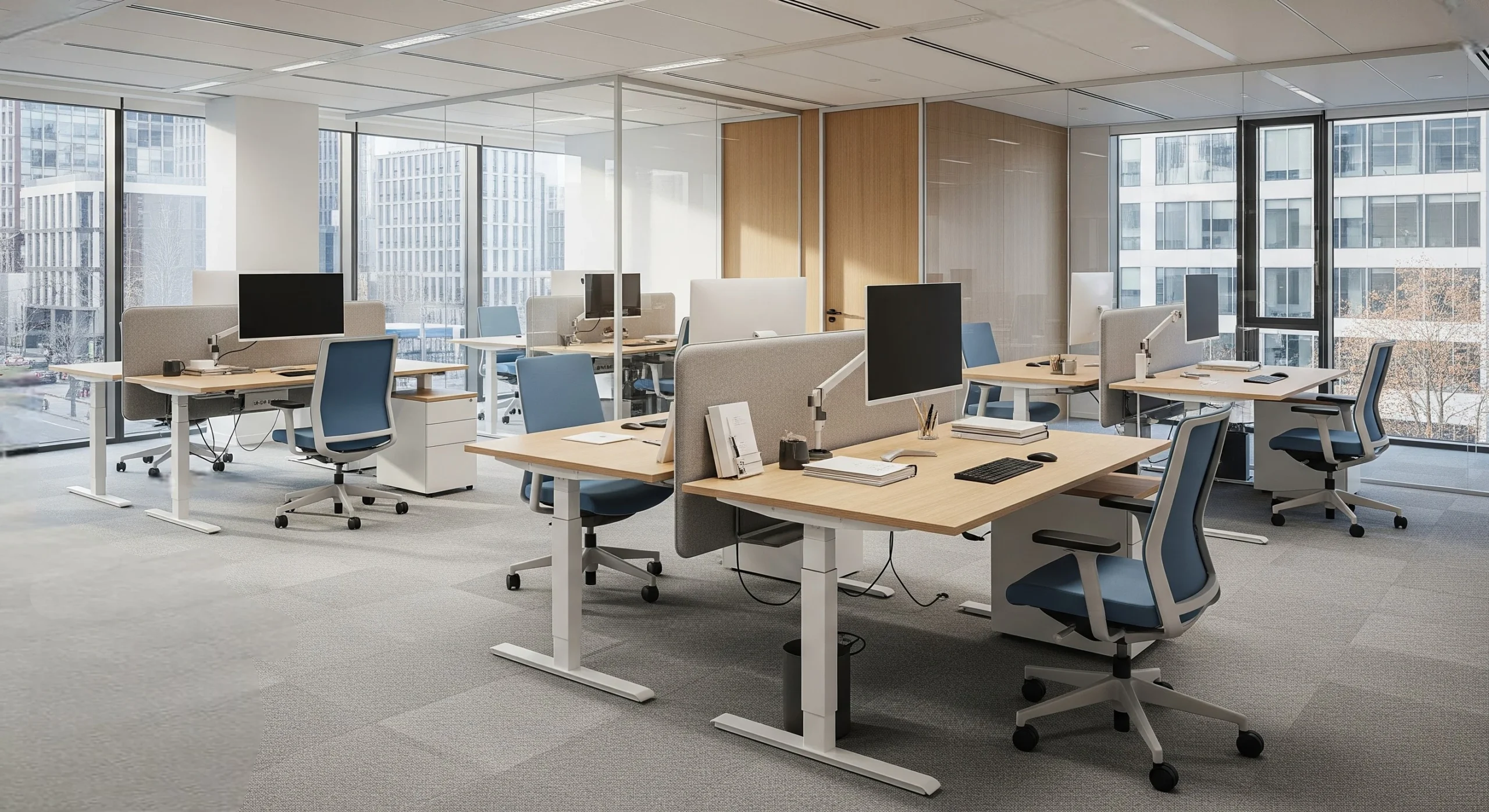
To build an office where people can do their best work, you’ll need the right layout, furniture, light, airflow, and daily upkeep, all of which shape how your team feels and performs.
This guide walks you through what to build, why it matters, and how to roll it out inside a space you own or lease, so you can plan a workplace that runs smoothly and feels good to be in.
It’s written with owners, people leaders, and office managers in mind. Whether you’re planning a new lease, a refresh, or a full build-out, and even if you’re moving, renovating, or expanding, you can use it as your checklist.
Prioritize Everyday Comfort
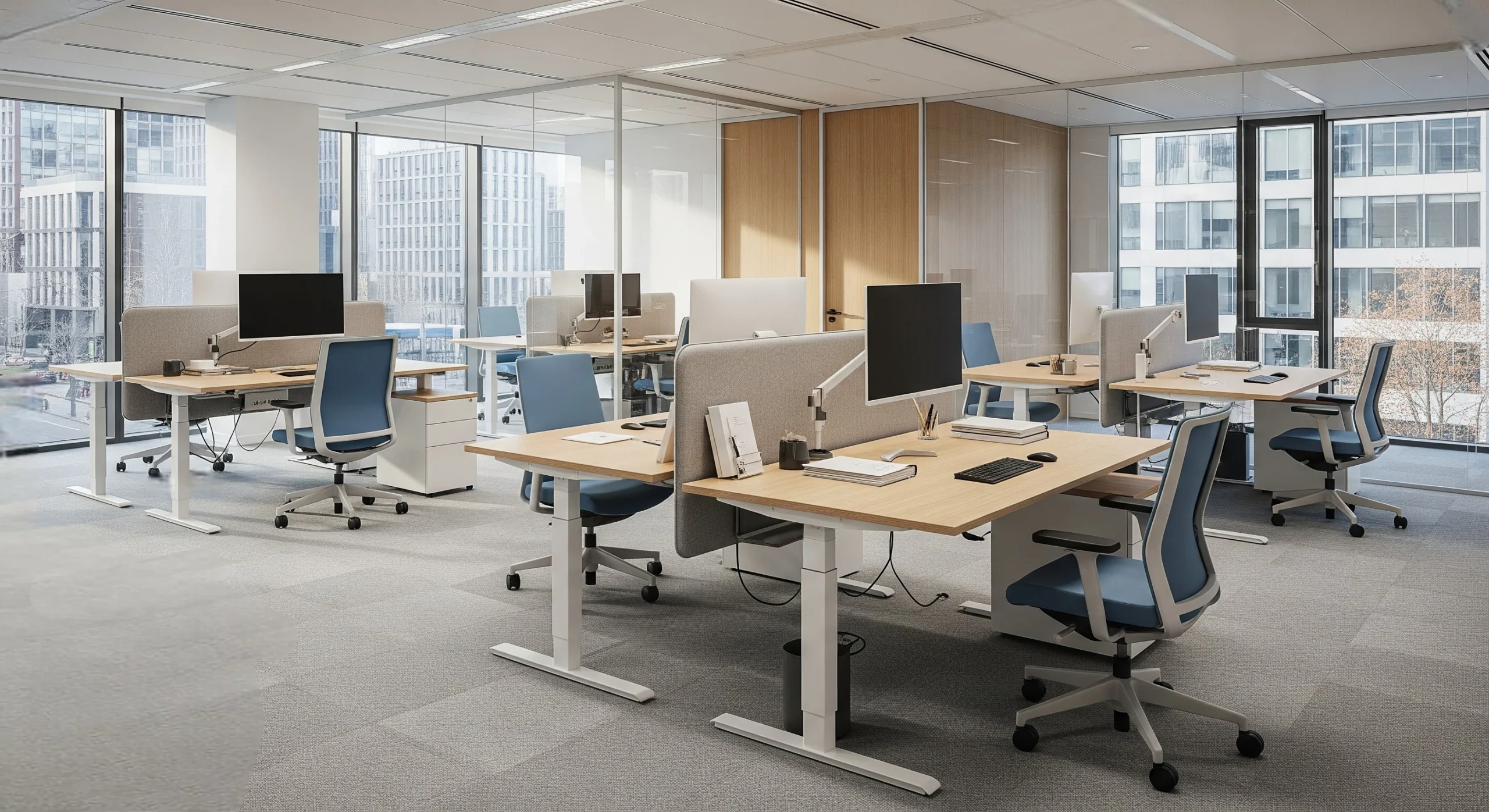
Start with ergonomics you can adjust. Give your team task chairs with proper lumbar support, sit-stand desks, and monitor arms set to eye level. Good ergonomics lowers fatigue and helps people focus longer.
Keep air, light, and temperature in a comfortable range. Bring in natural light with clear sightlines and glass where privacy allows. Add task lighting at workstations and warm ambient lighting in shared areas. Keep HVAC serviced on a regular cadence, and balance supply and return so meeting rooms never feel stuffy.
A quiet setting is part of everyday comfort, with heads-down zones that use acoustic panels, soft finishes, and doors for full attention work. If you’re evaluating building systems during a build-out, make sure HVAC, electrical, and plumbing are in reliable working order and safe for daily use.
Plan Light, Air, And Acoustics Together
Natural light supports mood and steady energy. Use low partitions and keep window lines clear so daylight reaches deep into the floor. Pair this with clean air and steady temperature control so spaces never swing hot or cold.
When you commission mechanical work, ask for proper ventilation rates, filter schedules, and simple maintenance steps your facilities team can follow. Good airflow and basic fire-safety checks on detectors and exhaust fans should be part of your regular inspection routine.
Create Zones That Respect Focus And Collaboration
Open areas help people connect. Focus rooms protect deep work. Blend both. Use open tables and soft lounge seating near the café or library zone for quick huddles. Set small, reservable rooms for calls and pairing work.
Give writers, engineers, and analysts quiet rooms where sound and foot traffic stay low. Clear signage and booking tools keep friction down.
Balance Openness And Privacy In Restrooms
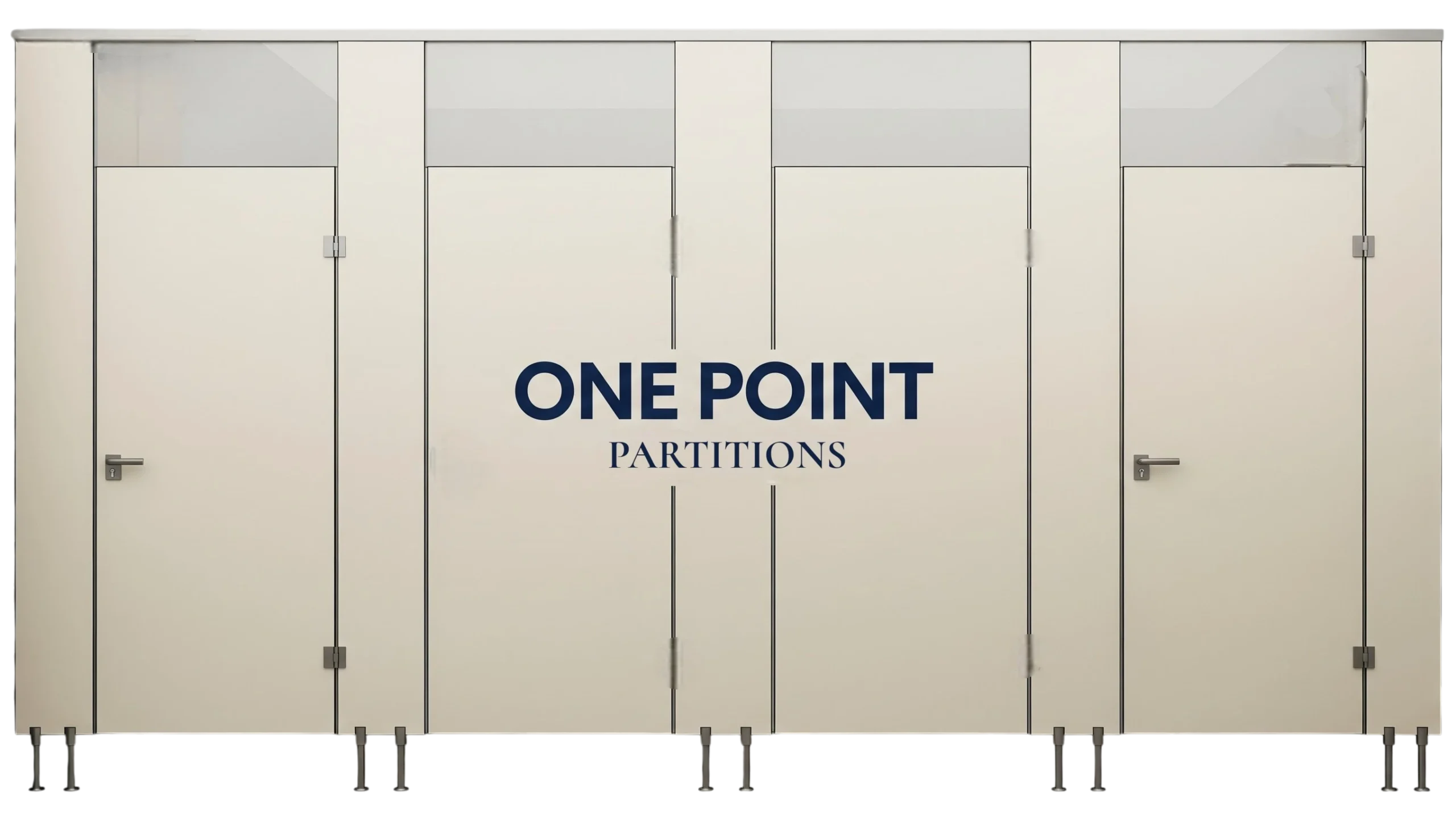
Restrooms need privacy, easy cleaning, and steady airflow. Choose partitions that align with your layout and finishes so the room feels secure and bright. One Point Partitions offers durable partition options that can be tailored to your plan and installed to maintain sightlines for light and ventilation while giving users full privacy.
Use Finishes And Colors That Support The Workday
Pick a calm base palette for focus areas. Add richer accents where teams gather and brainstorm. Plants, art tied to your brand story, and one or two textured elements make the space feel lived-in without clutter. Keep work surfaces simple, keep storage close, and keep cords hidden. Small visual wins add up.
Keep Cleanliness Front And Center
A tidy office lowers stress and keeps people healthy. Build routines for daily wipe-downs, weekly deep cleans, and timely filter changes. Place sanitizer stations where traffic is highest. Choose surfaces that resist dirt and wipe clean. Make supply closets easy to find and restock. This is a simple way to show you value everyone’s well-being.
Design For Flexibility
Teams grow and shift. Furniture and walls should keep up. Use modular tables, mobile whiteboards, stackable seating, and movable partitions so you can re-set a room in minutes. Multi-purpose rooms can handle a workshop in the morning and a training or social event later that day. Plan cable drops and power along more than one wall, not just the perimeter, so re-stacks are quick and low-cost.
Build Social Spaces People Actually Use
Give people a place to reset. A café with comfortable seating, good light, and easy access to water and coffee will pull people in. Add a lounge near, not inside, heads-down areas so conversation never spills into quiet zones. A few well-placed tables encourage casual check-ins that keep work moving.
Choose Materials With Health And Sustainability In Mind
Good light, indoor plants, low-VOC finishes, and durable surfaces support comfort and lower long-term costs. When you pick lighting and equipment, look for energy-efficient options. Simple choices like better insulation around quiet rooms or a faucet that saves water improve the day-to-day without changing how your team works.
If You Own Or Lease The Space: Practical Real-Estate Notes
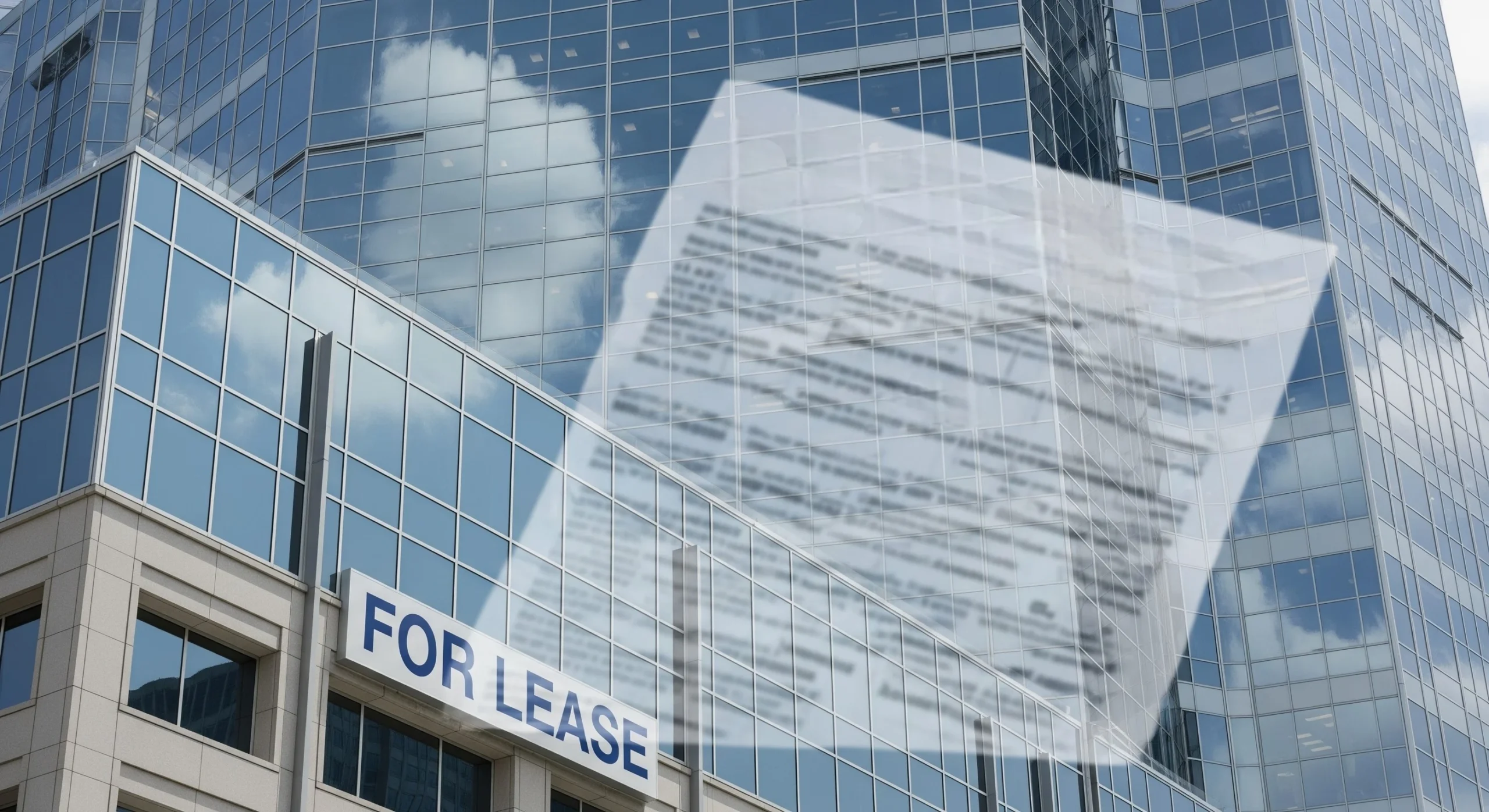
Workplace design often intersects with property basics. A few items to cover with your broker, attorney, or project manager:
- Know what you own and what conveys. Real property includes the land and anything permanently attached. Furniture and movable items count as personal property. This matters when you negotiate tenant improvements, fixtures, and handover.
- Expect closing and title paperwork on a purchase. Title documents confirm ownership and check for liens. Closing costs typically range from three to six percent of the purchase price, and you’ll get a Closing Disclosure that lists the cash to close and fee line items.
- Understand deed and title basics. A deed is the signed legal document that transfers ownership and gets recorded. Title is the ownership interest. You want clear title without encumbrances so future upgrades and permits move forward without surprises.
- Budget for inspections when you renovate or buy. Standard inspections review structure, roof, electrical, plumbing, HVAC, and safety concerns. If major issues surface, you can address repairs or re-scope the project timeline.
- Keep escrow and insurance in good standing if you finance. Lenders prefer taxes and insurance paid on time since unpaid bills can create senior liens that disrupt projects and schedules.
- Watch for site encroachments before exterior work. Fences, overhangs, or utilities crossing a line can complicate permits and resale. A survey clarifies boundaries and helps you plan landscaping, patios, or signage with confidence.
- Planning a move. If you’re relocating teams, moving support may exist through local programs and national nonprofits. These resources can help with costs like transport and deposits, which makes budgeting more predictable.
How To Roll This Out
- Set goals. Decide what you want more of each day, like focus hours, quick huddles, or better airflow in packed rooms.
- Map the floor. Sketch your zones for quiet work, collaboration, and social time. Plan light paths and air paths.
- Choose systems and finishes. Confirm HVAC capacity, electrical loads, and cleaning routines.
- Pilot a corner. Try a single pod of six to ten seats. Gather feedback on comfort, light, and noise.
- Train and maintain. Show people how to adjust chairs and monitors, how to book rooms, and how to keep the space tidy.
- Measure. Track use of quiet rooms, meeting spillover, small fixes, and requests. Adjust quarterly.
The Payoff
A thoughtful workspace helps your team feel welcome, stay healthy, and get more done in less time. When you plan comfort, privacy, clean air, and simple daily routines, people settle in and do work they are proud of. You get an office that supports productivity today and adapts to tomorrow.