Tag: Premises Liability

  • Legal Risks That Every Commercial Property Owner Should Know

    As a property owner of commercial real estate, your exposure goes far beyond rent collection. Legal risk can stem from lease language, regulatory compliance, property conditions, and insurance coverage.

    The relationship with each tenant, the structure of the deal, and the condition of your commercial properties all shape your legal risk and your chances of ending up in a lawsuit. Many rely on a commercial property insurance broker, but insurance works best when paired with clear documentation and active oversight. 

    Knowing where disputes typically arise helps you protect income and long-term stability.

    Commercial Lease Agreements and Contract Clarity

    A commercial lease is the foundation of any leasing arrangement, yet it is also a frequent source of disputes. Ambiguities in a lease agreement can trigger conflicts over rent adjustments, maintenance duties, or exit rights. Courts generally rely on written language, not intent, which makes precision critical.

    Issues often stem from:

    • A poorly defined lease term
    • A missing or vague clause covering repairs or operating costs
    • Misaligned expectations created during negotiations that are not reflected in writing

    Before you negotiate new deals or renewals, a legal review helps ensure the document reflects how the property is actually used.

    Why Legal Disputes Are So Common in Commercial Real Estate

    Legal issues in commercial leasing are more common than many property owners or managers realize. The REALTORS® Confidence Index shows that 15 percent of contracts had delayed settlements in the past three months, nearly unchanged from prior periods.

    This shows how easily deals can slow down when lease terms are unclear or responsibilities are disputed. Small documentation gaps can lead to delays, higher costs, or even lost tenants.

    Common Legal Risks in Commercial Property Ownership

    Legal exposure for commercial property owners often comes from how the asset is maintained, documented, and managed over time. These risks tend to surface during inspections, operational disruptions, or disputes that focus on the condition and use of the property rather than tenant behavior.

    Premises Condition and Deferred Maintenance Risk

    Legal exposure often starts with basic upkeep. When core building systems are not maintained, failures can disrupt operations or damage tenant property. Claims usually focus on whether you knew about the issue and how quickly you acted.

    Common problem areas include:

    • Roof leaks or drainage failures
    • Electrical system issues
    • Plumbing failures
    • Structural wear or deterioration

    Inspection notes, maintenance logs, and repair records often matter most when disputes focus on property condition.

    Compliance and Regulatory Responsibilities

    Every phase of leasing carries regulatory expectations. Fire codes, accessibility standards, zoning rules, and safety requirements apply regardless of tenant type. Failing to meet compliance standards can result in fines, forced upgrades, or restricted occupancy.

    These legal obligations often surface during renovations or inspections, especially when a tenant may modify the space without proper oversight. Staying current with local rules protects both income and reputation.

    Insurance Policies and Coverage Gaps

    Strong insurance policies play a direct role in managing legal exposure. Commercial real estate insurance can help protect you when claims arise, but gaps in coverage can still amplify disputes. Coverage issues often surface when property use changes or tenant activities expand beyond original assumptions.

    Problems typically involve:

    • Inadequate insurance coverage limits
    • Exclusions tied to specific business operations
    • Overlooked loss-of-income coverage during disputes

    Aligning coverage with actual use helps mitigate financial damage when claims occur.

    Tenant Default and Financial Disputes

    When rent stops, or a tenant challenges enforcement, legal costs rise quickly. Commercial eviction processes are often slow, and disputes may involve claims of improper notice or breach. Clear records and consistent enforcement matter most when conflicts escalate .

    Furthermore, legal exposure often begins before a lease is signed. Vetting prospective tenants reduces the risk of nonpayment, misuse of space, or regulatory violations that later fall back on you.

    Managing Legal Risks Proactively

    Legal exposure cannot be eliminated, but it can be reduced through active risk management. Regular reviews of leases, operations, and coverage allow you to adapt as properties and regulations change.

    Seeking legal advice helps ensure your approach stays aligned with current law and market conditions. For commercial property owners and managers, proactive planning protects cash flow, supports long-term value, and keeps disputes from defining your portfolio.
  • When Property Owners May Be Liable for Your Injuries

    Did you know that nearly 8 million people seek medical attention due to injuries sustained during falls every year?

    Getting an injury when you are on someone else’s property should be treated seriously. Your life could be heavily affected after you have suffered from an injury. If you want to hold someone accountable for your injury, you need to be ready to understand premises liability and property ownership laws.

    According to Sacramento premises liability lawyer Catie Barr, the circumstances surrounding a property liability claim can be confusing. If it happens to be a case of negligence and irresponsible maintenance of property, you may be entitled to claim compensation from the liable parties for your grievances.

    There are details in premises liability cases that you need to understand if you want to file a claim. This article will highlight the factors that can make property owners accountable for your injuries.

    Understanding Premises Liability

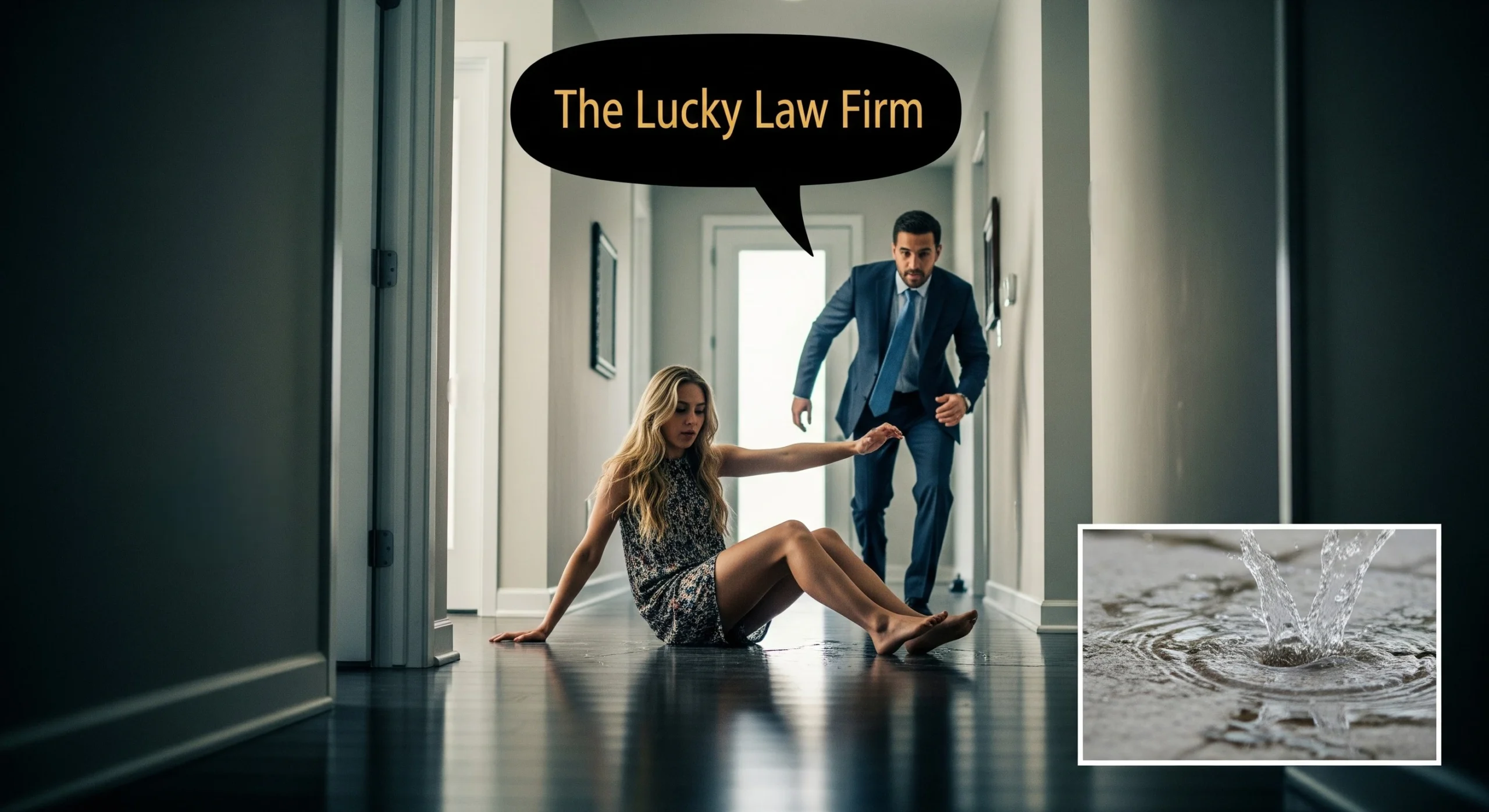
    Slip-and-fall lawyer Michael Malinowski Jr. says most of the time, slip-and-fall accidents are the cause of premises liability cases. People often get hurt on property that belongs to or is run by a person or business. You can get compensation from the owner of the property for medical bills, lost wages, and pain and suffering.

    Property owners are responsible for keeping their properties secure and free of possible dangers. If the owners’ carelessness results in the injury of an individual, they can be held responsible for the damage caused.

    You should regularly inspect your property and fix any faults you notice. Always tell guests about any dangers and make sure they’re aware of potential hazards on your property.

    Your initiative to reduce the dangers on your property helps maintain safety and minimizes the risk of getting sued.

    Common Hazards That Lead to Injuries

    There may be several risks that could hurt those who come to your property. Property owners need to know about these risks to keep accidents from happening.

    1. If the walkway or surface is wet or uneven, people can slip and fall. One simple way to remedy this problem is to keep walkways clear and dry. People can trip and fall in garages or storage places that are messy or chaotic.
    2. You need to install proper lighting on your stairs and, if possible, the pathway to your house.  Illuminating the road for guests reduces the likelihood that they will fall and suffer serious injuries on themselves. Don’t simply leave sharp tools and dangerous equipment lying out in the open. Put them away in a safe place so that your guests won’t stumble upon any of them inadvertently.
    3. Don’t take your eyes off your pets if they are aggressive to visitors. Keep them under your control or attach a leash to them. Animals that lack good behavioral training can bite or cause injuries to visitors. Poorly maintained structures, like fences or decks, can collapse, causing serious harm.

    The Role of Negligence in Liability

    You can show that there was negligence on the part of the property owner by providing proof that the owner did not put up safety measures on the property prior to your visit. You can gather evidence in the form of an unfixed dangerous structure, a lack of sufficient cautionary signs, or just insufficient safety maintenance on overall grounds.

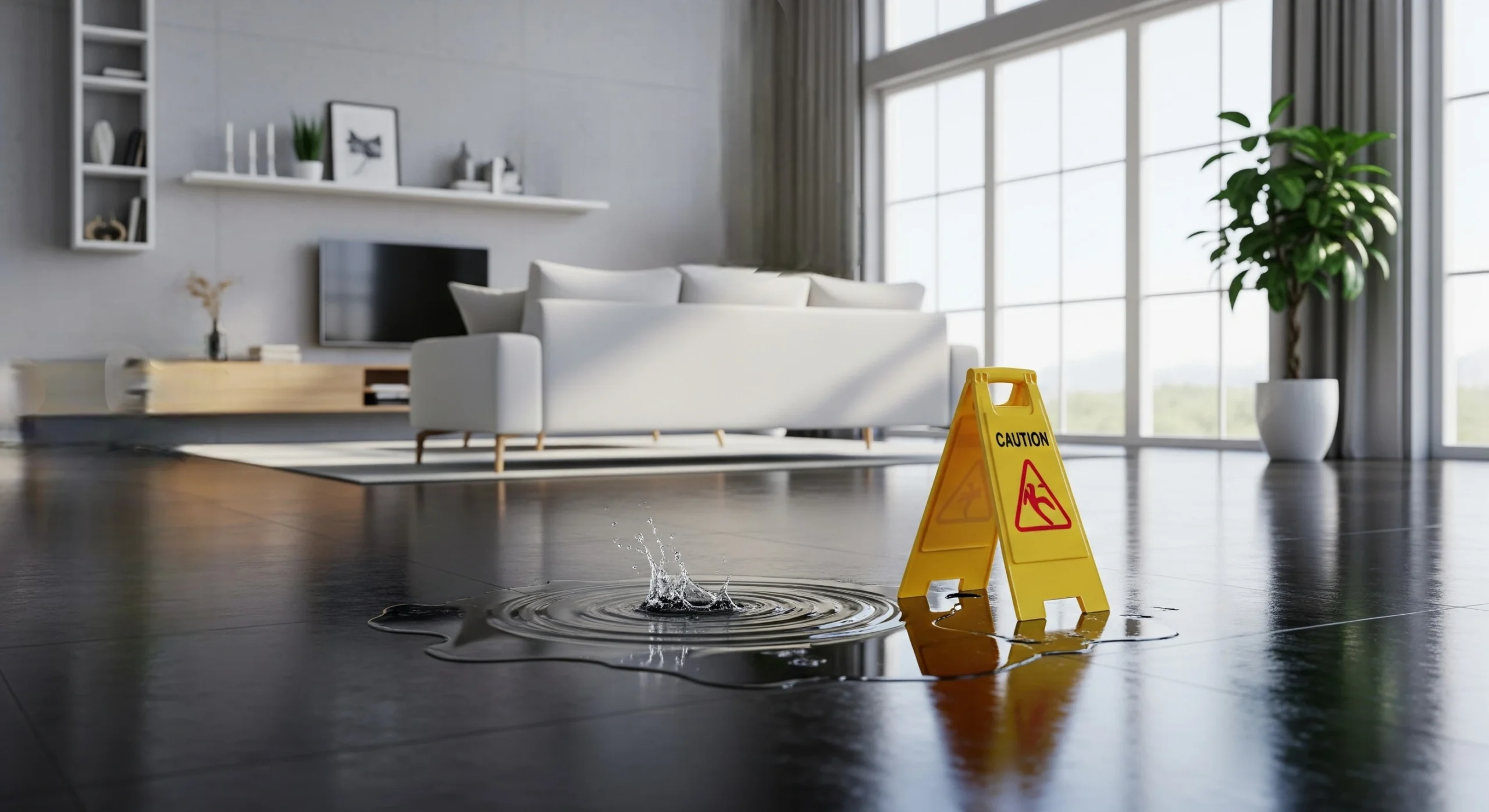
    Owners can show their concern for their visitors’ safety by placing clear warning signs explicitly portraying the possible on-site hazards. Signs inform people whether the floor is wet, uneven, or otherwise dangerous to prevent accidents.

    If there are no warning signs installed on the property, the owner can be liable for injuries that take place on his or her property.

    You have a stronger case if you can show that the owner should have known about a dangerous situation. You can build a strong case if you can clearly demonstrate that the owner should have had prior knowledge of the property’s dangerous situation.

    How Property Maintenance Affects Liability

    If a property owner doesn’t keep their property in good shape, they may be responsible for accidents that happen resulting from their negligence in property maintenance.

    The property owner is obviously accountable for damages if a slip or fall is caused by an unmarked or uncleaned wet floor. Property owners need to act quickly to avoid accidents by fixing broken structures and cleaning debris off the floor. 

    If the owner fails to implement safety measures on the property, a lawsuit can be filed against him or her. If you own property and do not want to be sued, make sure the property is safe for anyone coming about by maintaining it regularly.

    Legal Steps to Take After an Injury

    What should you do immediately after an injury occurs on your property?

    • Check your safety and seek the necessary medical attention for your injury. You still need to see a doctor even after sustaining minor injuries. There are some injuries that have underlying symptoms that only doctors can detect. Going to the hospital can prevent further complications.
    • Document the scene. Pictures of the accident area, the hazard that caused the injury, and any visible injuries should be taken. Try to locate any witnesses of the incident. Ask for their contact information since their statements are valuable and can be used as evidence.
    • Report the incident to the property owner or manager. See to it that what happened was properly recorded. Create a journal related to the incident and write down the details of what happened while it is still fresh in your mind.
    • Don’t throw away your medical records and receipts related to your treatment. These documents can still be used for future discussions about the injury.

    Seeking Compensation for Your Injuries

    You can start to focus on pursuing compensation after you have received proper medical treatment.

    You need to collect all the relevant evidence and inform the property owner or their insurance company regarding the incident. Provide information about what happened in a clear and concise manner.

    You can consult a personal injury attorney if the property owner’s insurance denies your claim.

    If you hire a lawyer, you will have a greater understanding of how the law works. They can handle negotiations on your behalf and work to get you reasonable compensation to help with your medical bills, missed wages, and pain and suffering.