Tag: Outdoor Living

  • How Outdoor Hot Tubs Impact Home Value in Today’s Market

    Anyone thinking about buying a hot tub usually asks the same question: Will it actually help my resale value when it’s time to sell? It is a fair question, especially with the upfront cost, and the honest answer is more complicated than what most hot tub salespeople will tell you.

    Hot tubs do not automatically add value to a property. They can help your home sell for more under the right conditions, but the wrong setup can turn buyers off fast. The housing market is selective, and sellers who ignore how a hot tub fits into the rest of the property may get tough reactions at showings.

    Let’s look at how outdoor hot tubs affect home prices from the perspective of real estate agents and homebuyers.

    How Buyers React at Showings

    Real estate agents often describe hot tubs as a love-it-or-hate-it feature. A well-maintained hot tub in a beautiful backyard can be a major selling point for the right buyer. Families and buyers in their thirties and forties often love them. To these buyers, a hot tub feels like a lifestyle upgrade. It suggests easy entertaining, relaxing nights outside, and a home that has been enjoyed and cared for.

    Then there are buyers who see a hot tub as an instant no. They look at it and immediately think about higher electric bills and weekend maintenance. First-time homebuyers and older buyers who are downsizing may see an above-ground acrylic tub and start calculating the removal cost before they even leave the showing.

    Whether a hot tub helps or hurts depends mostly on presentation. A beat-up plastic tub with a sagging cover on a cracked concrete slab is a liability. A clean tub built into a custom deck feels like a premium feature. The same model can either push a buyer to make a strong offer or make them walk away. It all depends on how naturally it fits into the backyard.

    When a Hot Tub Actually Boosts Your Appraisal

    From an appraisal standpoint, the rules are pretty clear. Appraisers usually classify portable above-ground hot tubs as personal property. That means they often add nothing to the official bank appraisal. Built-in hot tubs are different. If a hot tub is part of an in-ground pool area or surrounded by permanent custom masonry, an appraiser is more likely to factor it into the home’s value.

    The biggest boost happens when the hot tub fits the home and the location. Picture a mountain cabin with a stone patio and a built-in wood-fired hot tub. That setup matches the outdoor lifestyle buyers want in that area, and they may be willing to pay more for it. Compare that to a standard suburban home with a plastic hot tub sitting on a concrete slab in the middle of a small lawn. In that case, it usually does not add much, if anything, to the asking price.

    Hot tubs tend to add more value in vacation destinations or rural areas near major cities because they match the weekend-getaway feel buyers are looking for. In dense urban markets where space is limited, buyers usually care more about closet space, updated kitchens, and functional layouts. Backyard extras simply matter less.

    Real estate agents often advise sellers to drain and remove cheap portable hot tubs before listing the home. Making a buyer worry about hauling away an old tub can hurt interest more than showing an empty patio ever would.

    Why the Style of the Tub Matters

    Buyer preferences have shifted toward natural materials over the last few years. Wood-fired cedar tubs feel very different from standard acrylic models, and that difference can work in the seller’s favor.

    A cedar barrel tub looks like an intentional part of the landscape, not a bulky appliance. It also avoids the ongoing electricity costs that can scare away energy-conscious buyers. You do not need a cabinet full of pool chemicals or a cracked vinyl cover that looks rough after a few winters. Properly installed ones, such as the edenhut tubs that have become increasingly common in UK gardens, tend to get photographed and featured prominently in listings rather than apologetically mentioned in the small print.

    Real estate agents working in cottage, countryside, and vacation rental markets have noticed this shift. In the past, many suggested removing acrylic tubs before listing. Now, some actively recommend keeping wood-fired tubs and staging the yard around them.

    The Short-Term Rental Profit Angle

    Short-term rental potential can completely change the math. Homes with strong outdoor amenities often earn higher nightly rates on Airbnb and Vrbo. Because of that, real estate investors and second-home buyers often look for properties that already have these features installed.

    According to short-term rental data, a cabin with a wood-fired hot tub can charge roughly twenty-five to forty percent more per night than a similar property without one. These homes can also maintain stronger occupancy throughout the year. That income potential can raise the property’s value for investors. Even primary homebuyers may think about future rental income and be willing to pay more upfront.

    This trend is especially strong in vacation markets like the Smoky Mountains, Lake Tahoe, Aspen, and the Pacific Northwest. In regular suburban neighborhoods outside major cities like Dallas or Houston, Airbnb potential matters much less. In those areas, the tub is mostly about family use and backyard lifestyle.

    Smart Moves to Protect Your Home Value Before Selling

    Homeowners preparing to list should take a few practical steps to protect their equity. Presentation matters. Keep the tub covered when it is not being used. Power wash the deck or patio around it. If the tub is open and running during a showing, the water needs to be crystal clear and smell clean. An empty or dirty tub can drag down the buyer’s impression of the whole property.

    Buyers feel more comfortable when they know the tub’s age, maintenance history, and average monthly utility cost. A simple one-page spec sheet on the kitchen counter during an open house can answer questions before buyers even ask. If you own an above-ground acrylic tub that is more than six years old, consider hiring a junk removal company to take it away. Removal costs usually fall between two hundred and five hundred dollars.

    Getting rid of an old eyesore often leads to a better final sale price than trying to pass the problem to the next owner. Wood-fired tubs are different. They usually stay and are often treated as a selling point.

    The Bottom Line

    Outdoor hot tubs can boost home value in 2026, but only under the right conditions. They need to be the right style, look clean, and feel like a natural part of the backyard design. A hot tub is no longer an automatic value add. Today’s buyers are paying close attention to energy costs, maintenance, and how much work a feature will create after closing.

    Homeowners thinking about installing one should focus on building a complete outdoor living space. A beautiful tub with comfortable seating, good lighting, and a clean layout can help increase value in the right market. An old plastic tub on a neglected patio can do the opposite.

    Take an honest look at your backyard before calling a listing agent. Property value depends on many factors, and backyard amenities are only one piece of the puzzle. To know which upgrades actually pay off in your neighborhood, talk to a local real estate agent. They can review recent comparable sales and give you a much clearer answer than any general rule.

  • Outdoor Blinds With Track Systems Are More Stable for a Reason

    Image Source: dreamstime.com

    When you’re shopping for outdoor blinds, one of the biggest decisions is how the blinds are guided and secured. While traditional rope-and-pulley blinds are still common, track-guided systems have become a popular choice for homeowners looking for something that lasts and works well.

    The biggest reason is simple. They stay in place better. If you’ve ever dealt with blinds flapping in the wind or sitting unevenly, you know why track systems are worth considering.

    What Are Track System Outdoor Blinds?

    Track system outdoor blinds move inside vertical side channels that guide the blind as it moves up and down. Instead of hanging freely, the blind is held securely in place along both sides.

    That keeps the blind straighter and less likely to shift around than older systems.

    Why Stability Matters

    Stability isn’t just about appearance. It also affects how well your blinds perform over time. Stable blinds usually handle a few things better.

    Without proper stability, blinds can shift, sag, or even get damaged.

    Reduced Movement in Wind

    One of the biggest benefits of track systems is how they hold up in windy weather.

    With Track Systems

    • Blinds are held firmly inside the side channels.
    • Hardly any flapping or movement.
    • Less stress on the fabric and hardware.

    Standard Rope-And-Pulley Blinds

    • Blinds can swing or flap.
    • Higher risk of tearing or stretching.
    • More noise in windy weather.

    This makes track-guided outdoor blinds ideal for exposed areas like patios, balconies, and coastal homes.

    A Tighter Weather Seal

    Track systems create a tighter seal along the sides of the blind. This helps in a few ways.

    • Better protection from wind and rain.
    • Fewer gaps where water or dirt can get in.
    • Less airflow around the sides.

    This makes a covered outdoor area feel calmer and more usable, especially on windy or rainy days.

    They Last Longer

    Because track systems cut down on movement and stress on the material, they tend to last longer.

    Why They Often Last Longer

    • Less friction and wear.
    • Less strain on the stitching and fabric.
    • More even tension across the blind.

    Over time, this can make a huge difference in how long they last compared to blinds without tracks.

    Easier to Use

    Track-guided blinds also tend to move more evenly, which makes them easier to use. Here are some of the main benefits.

    • Straight, controlled movement.
    • Less chance of jamming or getting stuck.
    • Options for manual or motorized setups.

    This makes them more user-friendly, especially for larger spaces.

    A Cleaner Look

    Track systems also give the blinds a cleaner, more finished look.

    • Straight, even lines.
    • No sagging or uneven edges.
    • A clean, modern finish.

    For many homeowners, this visual upgrade is just as important as how well they work.

    Great for Larger Openings

    If you’re covering a wide outdoor area, stability becomes even more important. Track systems are better suited for spaces like the following.

    They provide more support across wider openings, where a loose blind is more likely to move around.

    Good Installation Matters Too

    Track systems help with stability, but they aren’t the only factor. Proper measurements, solid mounting points, and careful installation also make a big difference. Even a track-guided blind can rattle, stick, or leave gaps if it isn’t installed correctly.

    Things to Consider

    While track systems offer many advantages, there are a few things to keep in mind.

    • Higher upfront cost compared to basic systems.
    • Need more precise installation.
    • Harder to remove quickly.

    However, for most people, the long-term benefits outweigh these extra costs.

    When to Choose Track Systems

    Track-guided outdoor blinds are often the better fit if any of these apply.

    • Your area is exposed to wind.
    • You want a more durable, long-lasting setup.
    • You prefer a clean, modern look.
    • You’re covering a large or frequently used space.

    For sheltered or occasional-use areas, simpler systems might still work just fine.

    The Bottom Line

    If stability is your priority, track systems are hard to beat. They offer better performance in the wind, improved weather protection, and a longer lifespan compared to traditional options.

    For homeowners looking to invest in high-quality outdoor blinds, a track-guided system is often worth the extra cost because it tends to stay straighter, operate more smoothly, and hold up better over time.

  • What North Texas Homeowners Should Know Before Installing a Pool

    Photo courtesy of Pexels.com

    Installing a pool is a big decision for North Texas homeowners. With long summers, high temperatures, and a strong focus on outdoor living, pools can feel like a natural upgrade.

    However, before breaking ground, it is important to understand how permits, HOA rules, costs, and long-term value factor into the decision. A pool is not just a lifestyle choice, it is a significant real estate and financial commitment that should be planned carefully, especially in the Dallas-Fort Worth market.

    1. Local Permit and Zoning Requirements

    Before any construction begins, homeowners must comply with local city and county regulations. Pool permits are required across North Texas, though requirements vary by municipality.

    Most cities require:

    • A residential pool permit.
    • Electrical and plumbing permits.
    • Safety compliance for fencing and gates.
    • Inspections at multiple construction stages.

    Beyond the structure itself, setback rules are crucial. These determine how close a pool can be to property lines, structures, or easements. In many North Texas cities, pools must meet minimum distance requirements from the home and neighboring properties.

    Failing to obtain the correct permits can lead to fines, delays, or even mandatory removal. Working with a licensed pool contractor who understands local regulations can help avoid these issues.

    2. HOA Guidelines and Restrictions

    If you live in a community with a homeowners’ association (HOA), getting approval is typically the first step. Some HOAs require detailed plans, including drawings and materials, before granting approval.

    Others may restrict certain pool features altogether. Reviewing the HOA bylaws early in the planning process is essential. Approval can take weeks or months, and construction should not begin until written permission is received.

    HOAs may regulate:

    • Pool size and placement.
    • Fence height and materials.
    • Noise consideration.
    • Landscaping changes.
    • Construction timelines.

    3. Budgeting Beyond the Initial Installation

    When researching pool installation costs in Dallas Fort Worth, it helps to understand how optional features and long-term maintenance can impact the total investment. Pool installation costs in North Texas can vary widely depending on design, materials, and site conditions.

    Key cost considerations include:

    • Excavation and site preparation.
    • Pool type (fiberglass, vinyl, or concrete).
    • Decking, fencing, and safety features.
    • Heating systems and automation.
    • Landscaping repairs after construction.
    • Ongoing expenses such as water, electricity, cleaning, repairs, and insurance.

    4. Climate Considerations and Maintenance

    North Texas weather plays a major role in pool ownership. Investing in energy-efficient equipment and proper drainage can help manage long-term costs by 40%. Hot summers increase pool usage, but they also increase evaporation, chemical use, and wear on equipment. Shade structures and pool covers can also reduce water loss and improve safety.

    Homeowners should be prepared for:

    • Increased water usage during peak heat.
    • Higher electricity costs for pumps and heaters.
    • Seasonal maintenance and cleaning.
    • Occasional storm-related debris and repairs.

    5. Insurance and Liability Considerations

    Adding a pool usually affects homeowner’s insurance because most providers require updated coverage to account for the increased liability. Proper safety measures like self-latching gates and pool alarms are often required so you can maintain coverage.

    Homeowners should:

    • Notify their insurance provider before construction.
    • Confirm coverage for accidents and injuries.
    • Ensure fencing and safety features meet insurance requirements.

    How Pools Affect Resale Value

    From a real estate perspective, pools can be both an asset and a limitation. In North Texas, pools are often expected in higher-end neighborhoods but are less common in entry-level markets. This can have a significant impact on your home’s value.

    Homeowners planning to sell within a few years should evaluate whether a pool aligns with local market demand. In some areas, a well-maintained pool can increase buyer interest. In others, it may limit the number of potential buyers due to perceived maintenance costs.

    Factors that influence resale impact include:

    • Neighborhood norms and buyer expectations.
    • Pool condition and age.
    • Maintenance history.
    • Safety features and compliance.

    Endnote

    A pool should fit both current lifestyle needs and long-term goals. Homeowners should consider how long they plan to stay in the home, how often the pool will be used, and whether maintenance fits their schedule and budget.

    When considering pool installations, thoughtful planning, professional guidance, and realistic budgeting can help ensure your investment adds enjoyment without becoming a burden.

    For North Texas homeowners, a pool can be a valuable upgrade when it is planned with local regulations, climate, and market conditions in mind.

  • Fall 2025 Home Projects: Prepare for Winter With These Upgrades

    Fall 2025 Home Projects: Prepare for Winter With These Upgrades As the weather cools, it’s smart to focus on warmth, efficiency, and durability. Fall is a perfect window to tune up your home before the cold months hit. The right projects bring comfort now and can lower your utility bills later.

    In this guide, you’ll find:

    • The most impactful fall home projects for 2025.
    • Budget‑friendly and high‑ROI upgrade ideas.
    • Seasonal design and comfort trends.
    • Expert tips for winter‑ready renovations.

    Why Fall is the Best Time for Home Projects

    Cool days and plenty of daylight make both indoor and outdoor jobs easier. Schedules are also looser for many contractors until the first hard freeze sends everyone scrambling. Starting now lets you seal drafts, service an older furnace, and fix tired weather seals before they turn into bigger repairs.

    Waiting usually costs more. Heat leaks grow, small drips turn into damage, and emergency visits are pricey. That said, late‑season discounts do pop up, which is why timing depends on your forecast, your budget, and what is in stock.

    The “Freeze Defense” Protocol

    Most Dallas homes are built on slab foundations with pipes running through uninsulated attics or exterior walls. When temps drop below 20°F, these are the vulnerable points.

    1. The “4 P’s” Rule

    Protect People, Pets, Plants, and Pipes. Cover outdoor faucets with styrofoam domes (available at Home Depot/Lowe’s).

    2. Know Your Shutoff

    Find your main water shutoff valve NOW. It’s usually in a flowerbed near the street or in the garage wall.

    3. Drip & Open

    During a freeze: Drip indoor faucets (both hot and cold) and open cabinet doors under sinks to let heat in.

    Top 10 Projects for Your Home in Fall 2025

    1. Energy‑Efficient Windows & Insulation

    Energy costs spike without warning, so tightening the envelope climbs the list. Double- or triple-pane glazing with low-E coatings locks in heat, while attic and wall insulation plugs the silent leaks. Weatherstripping and a careful bead of caulk calm both drafts and outside noise.

    For households looking beyond insulation, energy resilience is becoming just as important as efficiency. Hybrid solar solutions, such as Sol-Ark inverters, allow homes to store solar energy and keep critical systems running during outages. Check local incentives, permit rules, and load calculations before you buy.

    The U.S. Department of Energy reports heating costs can drop by up to 20% with proper insulation and window upgrades, which is useful, though outcomes vary by climate and house age. Big promise, but each house tells its own story.

    2. Smart Thermostats & Home Tech

    Smart thermostats set tight schedules, learn patterns, and trim waste. Models like Ecobee or Nest can pair with voice assistants or smart vents, nudging comfort room by room. Power should be cut at the breaker before any wiring work; manufacturer instructions exist for a reason. Solar-powered products add value while trimming cost.

    The headline savings can look great on paper. Yet, real results depend on habits, insulation levels, and whether the household actually allows the automations to do their job.

    3. Kitchen Refresh with Seasonal and Timeless Upgrades

    As temperatures drop, kitchens become gathering zones. Small changes, such as new cabinet pulls, brighter under-cabinet lighting, and a fresh coat of paint, shift the whole mood. Seasonal textures, such as deep green linens or burnished metals, add warmth without locking into a trend cycle.

    Minor updates often return a healthy share at resale, but prices and buyer tastes move around. Pick durable finishes that wear well and fit nearby comps.

    4. Bathroom Retreats with Spa Inspired Features

    Cold mornings make heated floors a compelling option. Soaking tubs, quiet lighting, and earthy tile bring the spa vibe home; wood-toned vanities calm the room without shouting. Safety-forward choices, such as grab bars and low-threshold showers, help all ages —a detail that market watchers keep bringing up.

    Comfort rises today and resale appeal follows, although the right mix depends on neighborhood norms.

    5. Outdoor Living for Cooler Months

    Cool air shouldn’t end patio season. Covered areas, fire features, and built-in seating stretch outdoor time well into fall. Durable materials plus layered textiles, outdoor rugs, and throws make chilly evenings feel intentional rather than improvised.

    Add string lights and consider a solar path or deck light to boost safety without raising the bill. Watch the forecast and order long lead-time items early so weather doesn’t stall the plan.

    6. Curb Appeal with Doors Paint and Landscaping

    Shorter days spotlight the entry. A bold front door color, crisp hardware, and seasonal planters can completely transform the entire façade. Low-maintenance plantings, evergreens, ornamental grasses, and fresh mulch retain their form through frost.

    Aim exterior lighting so it helps with both safety and drama. First impressions matter, yet the exact bump you get depends on local style and what nearby homes are doing.

    7. Fireplace & Heating System Upgrades

    A clean, inspected chimney reduces risk and sets the tone for a cozy winter evening. Fresh tile or stone can modernize a tired surround without requiring a complete room renovation. For whole-home comfort, a furnace tune-up is beneficial, or consider upgrading to mid-season zoning: many households see gains from a 4-zone mini split for efficient, adjustable heating across different areas.

    Actual savings hinge on insulation, layout, and usage habits. The tech is solid; the wildcard is how the space is used daily.

    8. Multi‑Functional & Zoned Spaces

    Flexible rooms pull double duty. Built-in desks, partial walls, and movable storage let a room switch between work, hobbies, and guests without friction. In compact homes and condos, a full cabinet bed creates a guest suite in seconds while vanishing when not needed.

    Many professionals and new arrivals seek flexibility through furnished apartments in Ottawa, especially near government centers, universities, and major transit routes, an indicator of how adaptable layouts continue to win favor. The lesson holds at home: the same square footage can do more if allowed.

    9. Statement Walls, Ceilings, and Seasonal Decor

    A single statement wall can change the whole room. Try bold paint, wood slats, or a patterned ceiling for quick warmth. Peel‑and‑stick wallpaper lets you test ideas in a weekend.

    Layer textured throws, candles, and natural branches so the space feels seasonal. Tastes change, which is why reversible choices are smart for the long haul.

    10. Aging in Place & Accessibility Upgrades

    Future‑proofing helps everyone under your roof. Barrier‑free showers, lever handles, brighter task lighting, sturdy handrails, and grippy mats cut slip risks when freeze-thaw cycles hit.

    Safety doesn’t have to look clinical. The best results happen when function and calm design meet, although the exact mix will depend on budget and product availability.

    [wpchtmlp id=522709]

    72-Hour Survial Kit

    Build your kit now, before the shelves are empty. Check off items as you acquire them.

    Checklist:

    • Water (1 gallon per person/day for 3 days)
    • Non-perishable food (cans, bars, dried fruit)
    • Manual can opener
    • Flashlights + Extra Batteries
    • NOAA Weather Radio (Battery/Crank powered)
    • First Aid Kit + Prescription Meds
    • Water Shutoff Key (T-handle tool)
    • Portable Cell Phone Charger (Power bank)
    • Blankets / Sleeping Bags
    • Baby Supplies / Pet Food

    Did you know?

    During the 2021 storm, many Dallas residents were without power for days. A manual can opener and backup battery for your phone were cited as the most undervalued items.

    Maximizing ROI Projects That Add Value

    Not every dollar comes back the same way. Modest kitchen refreshes, targeted bathroom fixes, and efficient windows are steady performers in many resale reports. Simple curb moves such as paint, tidy landscaping, and cleanup deliver value without guesswork.

    Smart controls and some solar add‑ons can draw buyers who want lower operating costs. Markets move with rates and local supply, so the top pick this fall may slide by spring.

    Bringing It All Together for Your Fall 2025 Home Project Plan

    A strong fall plan blends comfort, resilience, and long‑term value. Put insulation, air sealing, windows, and heating maintenance at the front of the list so bills stay manageable and outages hurt less when temps drop.

    Use flexible upgrades, convertible furniture, smarter controls, and modular storage to stretch each room across seasons. Keep curb appeal and outdoor comfort on the list because you feel those wins every day and buyers notice them too. Check tax credits and local rebates for heat pumps, insulation, doors, and windows to lower the bill.

    FAQs

    • What is the 30 percent rule for renovations?

    There is no universal 30 percent rule for remodels. A more practical guardrail is to keep a kitchen around ten to fifteen percent of the home value and a bathroom around five to ten percent, then hold a ten to twenty percent contingency for surprises. Local comps and appraisals still set the ceiling for what makes sense.

    • What are the most in‑demand home improvements for 2025?

    Energy‑efficient windows, smart thermostats, refreshed kitchens and baths, outdoor living that works in cool weather, and flexible room solutions such as a Murphy bed keep showing up in buyer wish lists. Demand shifts with energy prices and interest rates, so rankings do move during the year.

    • Which home projects offer the best ROI in fall?

    Curb projects such as a new garage door or a steel entry door often lead cost versus value lists, and minor kitchen work, targeted bath updates, and efficient window replacements are steady choices. Returns still vary by neighborhood style, inventory, and the quality of the install.

  • Get Your Deck Ready for Every Season

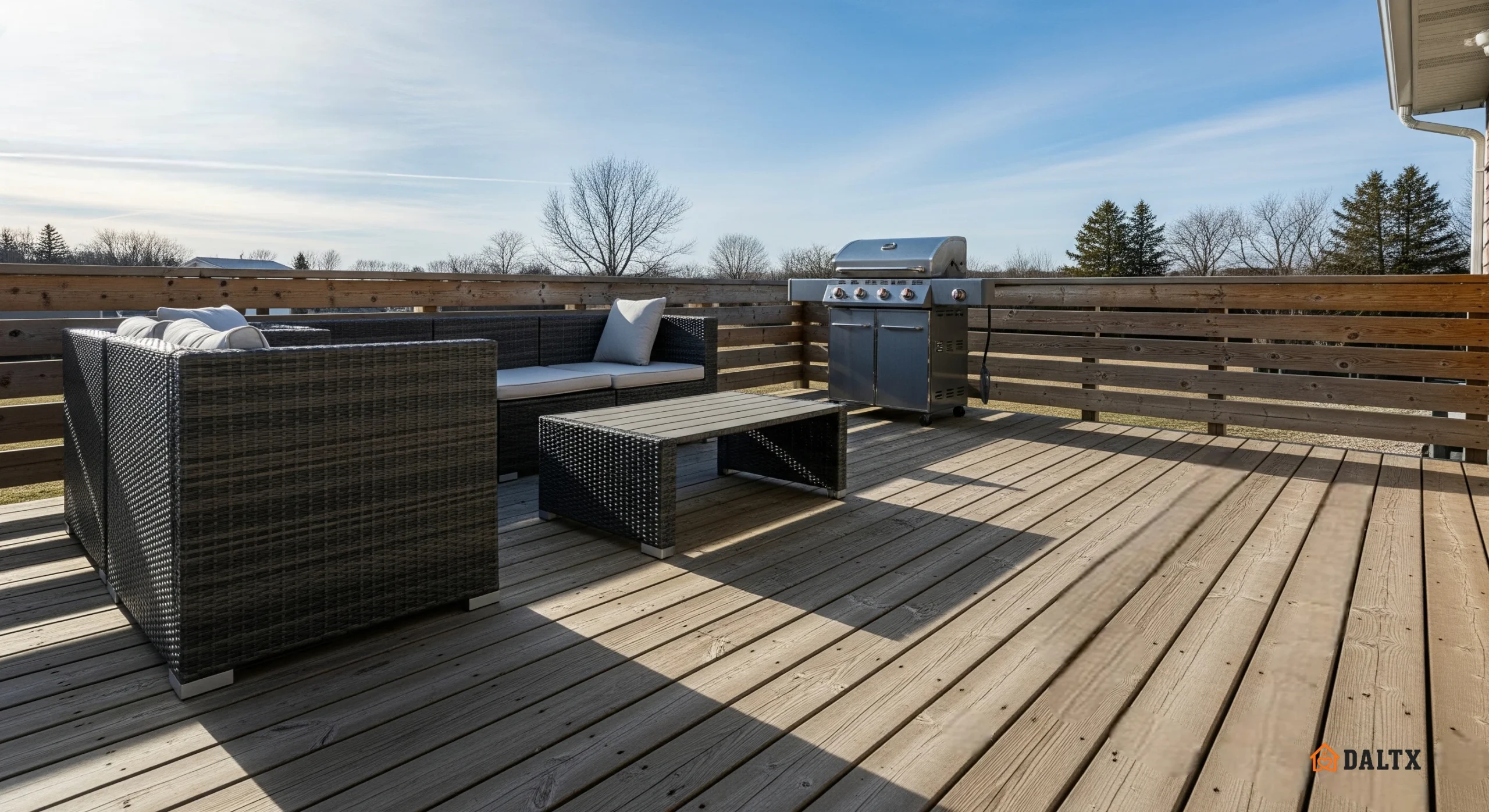
    Keeping your deck in shape all year helps it last longer and keeps everyone safe. Whether you’re flipping burgers in July or bundled up in January, your deck should handle heat, rain, and cold without any drama.

    From blazing sun to frosty mornings, here’s a simple plan to keep your deck ready for every season.

    Why Seasonal Deck Maintenance Matters

    Regular maintenance keeps your deck looking great and prevents small issues from becoming costly repairs. If you skip maintenance, you may see cracked boards, loose fasteners, and faded finishes after tough weather. Knock out a few seasonal tasks to block summer UV, fall rain, and winter snow and ice, and you will keep the surface safer underfoot.

    Your deck material determines the workload, and that affects how you maintain it. Wood needs periodic cleaning and a fresh coat of penetrating stain or water repellent, while most capped composite and PVC decks only need an occasional wash. Do a quick seasonal check for loose hardware, soft spots, and wobbly rails. Those five minutes could add years to your deck’s life and save you money down the road.

    Get Your Deck Summer-Ready

    Summer is peak deck season, and sun and heat can be tough on bare wood and worn finishes. Use a high-quality UV-blocking stain or clear water repellent on wood when the boards are dry and the temperature is between about 50 °F and 90 °F, so the finish cures evenly. For composite or PVC decks, follow the manufacturer’s directions, since most capped boards don’t require sealing and usually just need a good cleaning.

    Give your deck a deep clean before summer kicks in so the surface is ready. Scrub with a deck cleaner or use a pressure washer on low, around 500 to 1,200 PSI with a 40-degree tip. And keep the wand moving along the grain to avoid scarring the wood. Once it’s dry, check for popped screws, lifted boards, and loose posts, then tighten or replace any hardware as needed.

    Choose furniture that can handle heat and sudden storms, and set protective pads under the legs to prevent dents and stains. Use breathable covers for cushions and store fabrics in a dry bin to prevent mildew. If you have a grill, place a fire-resistant mat underneath, keep it a safe distance from railings and siding, and always follow local fire regulations.

    Fall Prep: Protecting Your Deck Before the Chill

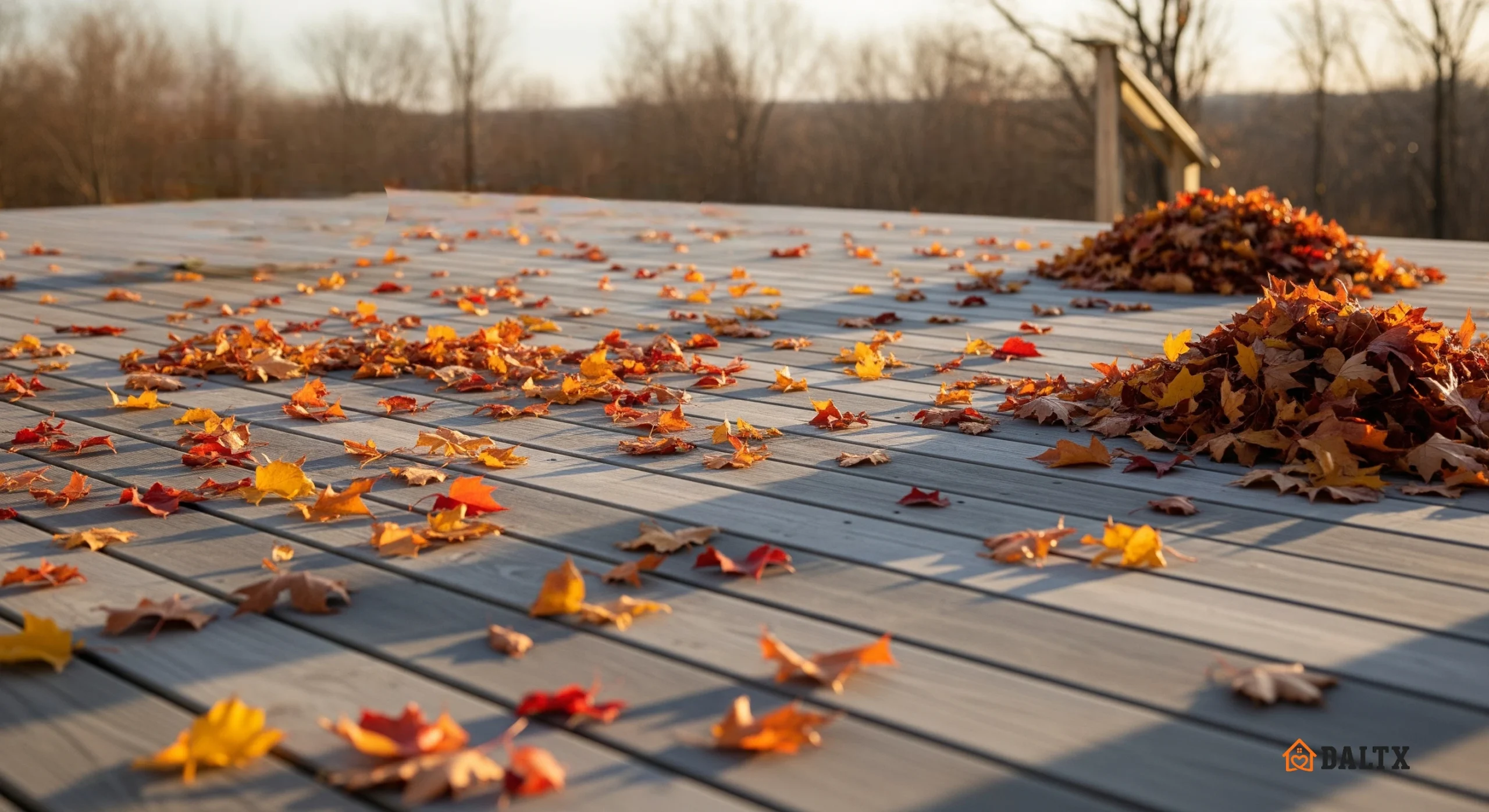
    When leaves start dropping, keep your deck clear because wet piles can stain wood or composite and make the surface slippery. Sweep often or use a blower, and clean out the gaps between boards so water can drain properly.

    Fall is a great time to seal bare wood before winter arrives. A fresh coat of penetrating stain or clear water repellent helps block the moisture that freezes and thaws. A cycle that causes checks and splits over time. Capped composite doesn’t need sealing, and a gentle wash is all it takes to keep it looking new.

    Winterizing Your Deck for Cold Weather

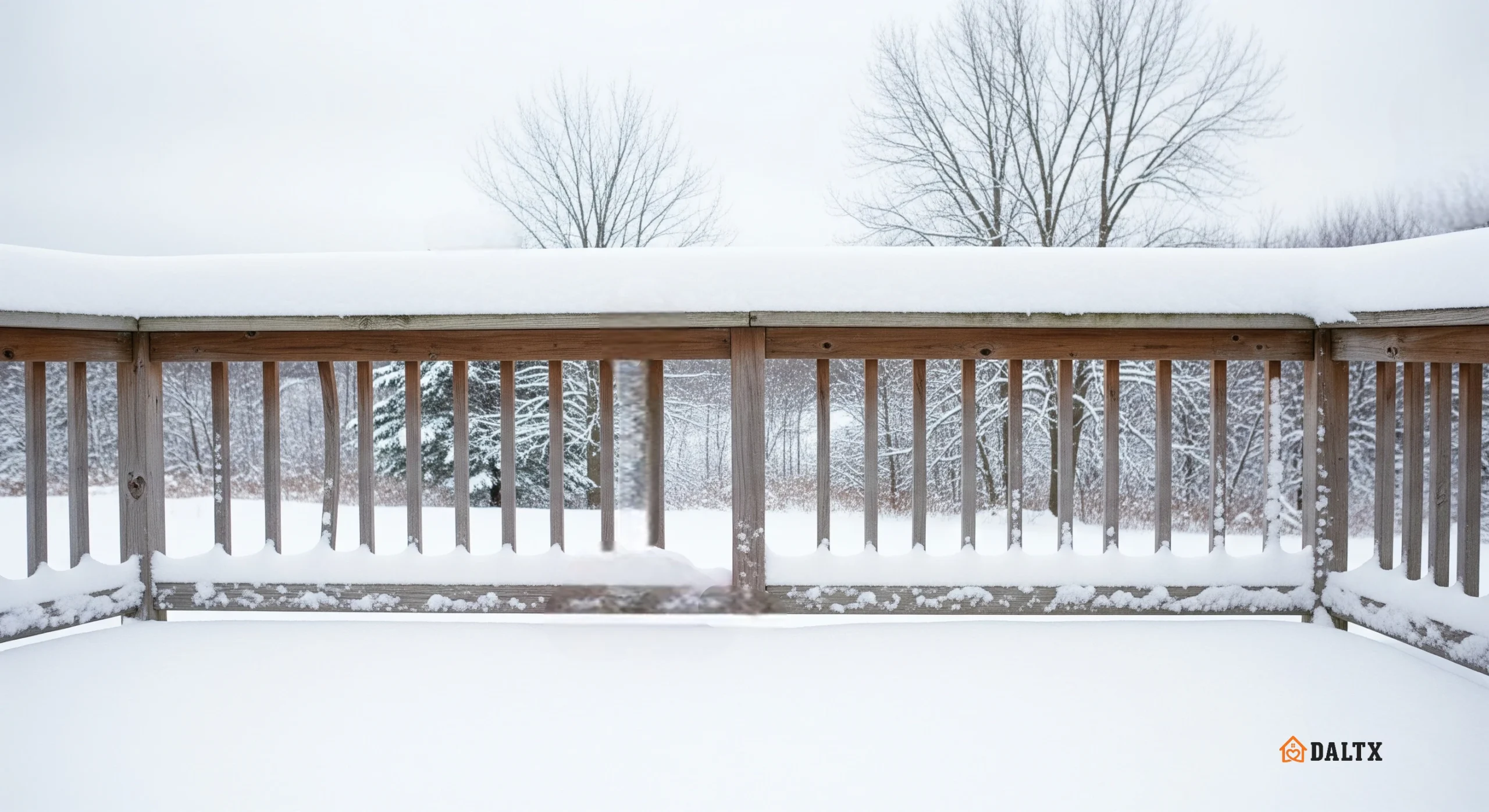
    Snow and ice are tough on decks, especially when water sits for days without drying out. Shovel right after storms using a plastic shovel, and push along the direction of the boards so you don’t catch the edges. Avoid rock salt on natural wood since it’s corrosive, and check your manufacturer’s recommendations before using ice melt on composite. If you need traction, sprinkle sand or use an ice melt labeled safe for your deck material, such as calcium chloride for most capped composites.

    For extra protection, use a breathable, fitted winter cover, since trapped moisture is the real enemy. Before the deep freeze hits, treat any exposed wood with a coat of water-repellent finish (or another water repellent), and make sure the house flashing is secure so meltwater can’t sneak behind the ledger.

    Spring Deck Prep and Bring Your Deck Back to Life

    Once it warms up, start with a thorough clean to wash away winter grime and pollen. Use a cleaner made for your material, rinse well, and let the boards fully dry.

    Spring is the best time to restain or reseal wood if water no longer beads on the surface. Pick a dry stretch and apply thin, even coats so the finish lasts longer and cures evenly. Composite and PVC decks usually just need a wash with mild soap and a soft brush to remove chalky film or dirt.

    Finish with a safety check before the season gets busy. Tighten loose rails, reset any proud fasteners, and inspect the ledger, joist hangers, and posts for rust or rot. Replace any soft or cracked boards and test GFCI outlets and lighting to make sure everything’s ready to go.

    Choosing Deck Materials That Work All Year

    If you’re building new or replacing old boards, choose materials that fit your climate and match how much maintenance you’re willing to do. Popular options include pressure-treated lumber, cedar, redwood, tropical hardwoods, composite, PVC, and aluminum.

    Pressure-treated lumber is affordable and strong, but it needs regular cleaning and an occasional stain to keep it looking good. Cedar, redwood, and tropical hardwoods offer rich color and natural beauty and can last for years with the right oil or stain, though they still need routine care. Composite and PVC decking are low maintenance, resist rot and splinters, and aluminum is extremely durable and sheds water quickly, making it ideal for areas with wide weather swings.

    Stone deck vs composite materials each have their pros and cons. Stone and paver patios also make great outdoor living spaces, but they aren’t decking since they sit directly on the ground. If you’re choosing between a raised deck and a patio, consider drainage, frost, and how you’ll use the space, then go with what best fits your site.

    Make Your Deck a Year-Round Hangout

    Add a few comfort upgrades so the deck works in every season. In winter, outdoor heating such as a code-compliant fire pit or outdoor heater keeps cold nights cozy, and in summer, shade from a pergola, an umbrella, or a retractable awning keeps things cool.

    Finish your setup with inviting details that pull their weight. Choose comfortable seating, quick-dry outdoor rugs, and string lights that are rated for wet locations. Whether you are hosting friends or unwinding after work, these touches make the deck feel like part of your home.

    Conclusion

    A little seasonal care keeps your deck looking good and safe to use. With a quick checklist for summer, fall, winter, and spring, you will spend less on repairs and get more time outside. No matter what your deck is made of, steady cleaning, quick fixes, and the right finish will keep it ready for any weather for years.

  • Why Every Outdoor Space Needs a Touch of Bedroom Comfort

    The line between indoor and outdoor living has become beautifully blurred. Your patio is no longer just a place to park a couple of lawn chairs and call it done. Today’s homeowners are creating outdoor sanctuaries that rival the comfort of their favorite indoor spaces, and they’re bringing bedroom-level coziness to their patios, decks, and gardens.

    Outdoor Living as an Extension of Home

    Outdoor spaces have seriously leveled up in the past few years. Nearly 40% of homeowners upgraded their outdoor areas in 2025, and that trend’s not slowing down anytime soon. People are putting real time and money into turning their backyards into full-on living rooms, dining spots, and even work-from-home zones.

    And it totally makes sense, if you’re dropping serious cash on outdoor furniture, you want to actually use it. But a lot of those sleek patio sets look amazing and still feel like sitting on a park bench. What’s missing? That same cozy, cushy vibe you expect from your bedroom.

    Creating Comfort Through Thoughtful Textiles

    The secret to making outdoor spaces truly livable is all in the details. Think about what makes your bed irresistible after a long day, like plush pillows, soft blankets, and layers of texture that practically beg you to sink in. Your outdoor space deserves that same treatment.

    Pillows That Actually Make You Want to Sit Down

    Outdoor throw pillows have come a long way from those scratchy, rock-hard cushions your parents used to have. Today’s outdoor textiles balance weather-resistant toughness with actual comfort. Fabrics like performance velvet, outdoor linen, and premium acrylics feel just as good as indoor pillows and still hold up against sun, rain, and heat.

    The key is layering different shapes, sizes and textures. Start with big square pillows, toss in some lumbar ones for lower back support, and finish with round or bolster pillows for a cozy, styled look. Just like your bedroom, variety is what makes it comfy and visually interesting.

    Bringing Bedroom Luxury to Your Patio Furniture

    Think of your patio like your bedroom, the same things that make your bed a dream spot apply outside too. Quality matters if you want your patio to feel like a legit retreat. Good textiles stay soft and stylish season after season, making them totally worth it.

    This goes beyond just pillows. Take premium duvet covers, for example, they show how top-notch fabric can turn an ordinary piece into something special. Brands like Doze Bedding totally get this. They’ve built a reputation for crafting high-quality bedding that turns comfort into an experience. Check out their collection at dozebedding.com to see how premium materials can seriously upgrade any space.
    Practical Considerations for Outdoor Comfort

    Bringing that bedroom-level comfort outside takes a bit of planning. Not every indoor fabric can survive the elements, but you don’t have to give up softness or style.

    Choosing Weather-Resistant Materials

    Outdoor fabrics have gotten super advanced. Look for materials made for the outdoors: solution-dyed acrylics, performance polyesters, or treated natural fibers that can handle sun, moisture, and wear. These fabrics now come in everything from sleek finishes to chunky textures, so you still get the same design freedom you’d have inside.

    UV-resistant fibers keep colors bright, while water-repellent coatings protect against sudden showers. Many even have antimicrobial finishes to fight mildew and odors, keeping your space fresh.

    Maintenance Made Simple

    Outdoor comfort should be effortless. Go for pieces with removable, washable covers so cleanup’s a breeze. Premium outdoor pillows usually have zippered covers that come right off. Throws should be machine washable too, if they’re easy to clean, you’ll actually use them.

    And when bad weather hits, stash your stuff in a weatherproof storage box or bench to keep everything clean and ready to go. That simple step keeps your textiles looking new way longer.

    Design Strategies That Work

    Creating cozy outdoor spaces follows the same basic design rules as your indoor setup.

    Color Coordination and Layering

    Neutrals make a great base outdoors. Then, layer in accent colors that vibe with your landscaping or house. Earthy tones keep things calm and grounded, while pops of color show off your personality. Stick to two or three main colors with some texture variety for a balanced, stylish look.

    Scale and Proportion

    Outdoors, you can go bigger. Oversized pillows and large throws look inviting, not over the top. A casually draped throw or an extra-large cushion instantly gives that “come chill here” energy.

    Making It Work for Your Space

    Every outdoor area’s got its own personality, so your comfort strategy should match.

    Small Patios and Balconies

    Limited space doesn’t mean limited comfort. Focus on a few high-quality pieces instead of cramming too much in. One great chair with a soft cushion and throw can make a perfect reading or coffee spot. Add small pillows for color and comfort without clutter.

    Large Decks and Entertaining Spaces

    Bigger setups call for multiple zones. Create a lounge area for relaxing and a dining area with cushioned seating for meals that last all night. Use matching colors or patterns across both to tie the look together.

    Covered Versus Exposed Areas

    Covered patios give you more freedom, you can use slightly fancier fabrics since they’re shielded from sun and rain. For fully open spaces, go for durable, weatherproof options that still feel soft. These days, the difference in look and feel is almost impossible to spot.

    Conclusion

    Bringing that bedroom-level coziness to your outdoor space might be one of the easiest, most rewarding upgrades you can do. You don’t need a massive remodel or a big budget. A few quality pillows, soft throws, and smart fabric choices can totally change how you use your outdoor space. Start small, figure out what makes you actually want to hang out outside, and build from there.

  • Essential Differences Between Terrace and Balcony

    Essential Differences Between Terrace and Balcony

    Image Source: bryanmurphybuilder.com

    Terraces and balconies are popular outdoor extensions that Austin homeowners love. Think about having a quiet, solitary time on the balcony with your favorite book while enjoying the twilight. Or, hosting friends and family for a party on the terrace.

    Both are used for entertainment and leisure time, making them one of the most appealing features of a home. However, it is natural to mistake one for the other. Although both are extensions of your home, they have different features. Homeowners need to understand the difference and the purposes of both before constructing either of the two as part of their custom home.

    The following section of the blog will explain the features and the differences between the two, the factors to consider before constructing either of the two as part of your custom home, and how you can optimize these outdoor residential spaces.

    What are the Differences?

    The one similarity between the terrace and the balcony is that both are outdoor parts of your residence. However, both differ in size, location, and construction.

    The term terrace means earth, derived from the Latin word terra. It is a large flat concrete extension next to the top floor of a building or the ground floor, extending into the outdoor areas. However, it can also be a completely separate flat platform in your backyard or front yard. The main feature is open space and not on the same level as the indoor floor it extends from.

    A balcony is attached to any room, and you can have multiple of them in your custom home. It is not open, but enclosed by a railing, walls, and often an overhead cover. Balconies are usually of different sizes but smaller than a terrace. It can be a long and narrow stretch of platform with room for a seating arrangement or a single chair, depending on the size. It is an Italian word first used in the 17th century.

    The Main Differences

    As a custom homeowner, it is essential to understand how the two differ in features. It will not only help you with designing, but also help you understand whether the construction is appropriate for your residence, given the space available.

    Location of the Two

    A terrace can be both attached to your building or completely separate. You can create a raised concrete or tiled platform in the middle of your backyard, or you can keep it attached to your residence for a smooth-flowing structure. Rooftop terraces are an extension of your roof, but remain open spaces with fencing on three sides and a wall on one side.

    On the other hand, a balcony is attached to your rooms with a shade and railing. It can be on the same level as your room or slightly elevated. It is accessible only through the room it is attached to, unlike the terrace, which is accessible from multiple sides.

    Size Differences

    Size is a major characteristic difference between the two. Terraces are spacious and are situated in the garden or on the rooftop. They are used for multiple purposes, such as entertainment, get-togethers, or even rooftop gardening. Thus, a terrace elevates your property’s value, helping increase your property’s value and potential return. Especially in Austin, where eco-conscious living is popular, a rooftop terrace with a garden can be a sensible and sustainable choice.

    Balconies are smaller in area and usually a long or square-shaped extension of your rooms. However, you can have a large-sized balcony for your custom home, but it depends on the size and proportion of your entire property. Normally, you can have a seating arrangement, decorate with plants and planters, or even use it as a workout space while appreciating nature.

    Construction and Décor

    Terraces are often constructed separately, like a building, with materials such as concrete or tiles. On the other hand, balconies are constructed as an extension of the building and supported by pillars.

    However, as both structures are exposed to environmental materials and moisture, it is highly recommended that you use materials that are resistant to moisture, dirt, grime, and mold and mildew. Hiring a custom home builder in Austin, TX, can prove fruitful in this matter.

    Factors to Consider Before Constructing Either of the Two

    Both structures elevate your outdoor visual appeal and aesthetics. However, there are some advantages and disadvantages of each. It is essential to examine which of the two will be most beneficial for your residence.

    Advantages of Having a Terrace in Austin

    One of the most important advantages of having a terrace is its space. Terraces are spacious, allowing you to use them for multiple purposes, from gardening to social gatherings. However, if you have a small backyard or limited space for extension, you need to determine the size carefully to avoid an awkward design.

    On the other hand, terraces are in high demand for homebuyers. Thus, if you have any plans to sell your property in the future, your terrace will elevate its curb appeal.

    Disadvantages of Terrace

    One common concern with a terrace is that it requires a large space. Many properties might have large outdoor areas, but it is still not enough for a separate concrete structure. It might make the outdoors more crowded or overwhelming. Thus, consider the size of your property before investing in terrace construction.

    Another factor that keeps homeowners from building a terrace is the cost. Having a separate construction is undoubtedly expensive, and you must check your budget carefully before starting the work.

    How a Balcony Adds Value to Your Property

    Balconies do not take up much space, while providing convenient access to scenic views. Thus, if you do not have enough space for a terrace, opting for a larger balcony is often a smarter choice.

    Problems Associated with Balconies

    Balconies are best for personal spaces, such as reading alone, a yoga session, or enjoying morning coffee. Although many balconies are large enough to accommodate a small seating arrangement for four to five people, they are not suited for large social gatherings. Another concern with balconies is safety: since they are located above ground level, they can be risky for children. Kids, if left alone, might attempt to climb the railing, increasing the chances of falling. So if you have kids, you may want to reconsider adding a balcony.

    Bottom Line

    Balcony and terrace both enhance the aesthetics and functionality of your residence. However, determining which one to choose for your custom home might be challenging. It is recommended that you hire a custom home specialist in Austin for the best suggestions.

  • Backyard Fence Ideas 2025: Privacy Retreats and Durable Designs for Texas Homes

    Backyard Fence Ideas 2025: Privacy Retreats and Durable Designs for Texas Homes

    Backyard fences in Texas have become part of how people shape their outdoor space. They’re no longer just simple boundary lines around the yard. In many neighborhoods across the area, a fence is expected to give privacy, provide security for kids and pets, and hold up against long stretches of heat followed by heavy rain and wind. For many homeowners, it’s also a way to tie the backyard into the look of the house, so the design matters just as much as the build.

    This year, trends point to fences that balance durability with design. Homeowners are asking for options that can handle local weather, meet city or HOA rules, and still look attractive enough to add curb appeal. Materials are changing, with more choices that need less maintenance, and styles are being updated to fit the way people live outdoors now.

    Knowing which trends work well in Texas can help you design a fence that feels like a natural part of your home.

    Modern Backyard Fence Styles for 2025

    Horizontal slats

    You’ll see more horizontal fences going up in newer neighborhoods and suburban builds, especially in new builds. The boards run sideways instead of up and down, which gives a clean, modern look that fits well with newer homes.

    Some homeowners keep the spacing wide for airflow, others close it up for full privacy. It’s a simple style that works with low-maintenance yards and concrete patios, and it doesn’t take much to keep it looking good year after year.

    Board-on-board privacy fences

    For families who want to block out the view, board-on-board fences are still one of the best options. The overlapping planks leave no gaps, which means no one can see through.

    They also cut down on street noise, which helps if you live near a busier road in the area. Because it’s a heavier build, it tends to hold up better in wind and rain. Homeowners with kids or pets often choose this style for the extra strength and the peace of mind it brings.

    Mixed materials

    It’s also common to see wood panels combined with steel or composite posts. The wood keeps the natural feel that people like in a backyard, while the posts add support and keep the fence standing straight. That matters in areas with clay soil where wood posts might lean over time.

    The mix gives a solid structure and also updates the look, so it fits just as well on an older home as it does on new construction.

    Eco-friendly builds

    More homeowners are looking at fences made with sustainable materials. Bamboo panels, recycled composites, and certified lumber are now easier to find in Texas. These materials are designed to handle hot summers and sudden storms while lowering the environmental impact.

    For many, the draw is also less upkeep. You don’t have to stain or seal them as often, and they hold up longer than untreated wood. That makes them a smart choice for anyone who wants durability with less work, and they add value if you’re thinking about resale down the road.

    Adding Functionality and Personality to Your Fence

    Integrated lighting and smart features

    Fences are no longer just daytime features. Many homeowners are adding lighting that makes the backyard usable and welcoming after the sun goes down.

    Solar post caps, low-voltage LED strips, and even motion lights along the fence line improve security and set the right mood for evenings outside. In many places, where outdoor dinners and weekend get-togethers often run late, these upgrades are both practical and stylish.

    Planter boxes and vertical gardens

    Another way to give your fence more life is by building greenery right into it. Planter boxes attached to posts or vertical garden panels turn a plain fence into something that feels like part of the landscaping. Herbs, climbing vines, and hardy flowers do well in the Texas sun, and they add both color and privacy.

    For smaller yards in suburban neighborhoods, this is a popular solution because it adds green space without taking up much room.

    Gates, hardware, and hidden storage

    Simple changes to gates and hardware can make a fence more useful every day. A wider gate makes it easier to bring in lawn equipment. A heavy latch keeps pets secure. Some homeowners even add small storage compartments for hoses, pool gear, or kids’ toys right into the fence line.

    These touches are easy to overlook, but they save time and keep the yard looking tidy.

    Creating private wellness corners

    A fence also gives you the chance to carve out quiet corners for wellness. Homeowners are using shielded spots of the yard for meditation, stretching, or recovery after workouts. Companies like Kyfe specialize in wellness products such as portable backyard saunas and cold-plunge tubs. These products are becoming more available. And they fit perfectly into a space that’s already protected by a privacy fence.

    For families, where backyards often double as personal retreats, pairing a sturdy fence with a few wellness additions creates a space that feels private, comfortable, and tailored to daily routines.

    Fence Requirements You Should Know

    Typical fence heights

    Most backyards in the area allow fences up to six feet without a permit. Anything taller may need city approval, especially if it faces the street or sits near a property line. Homeowners who want the extra height for privacy or noise reduction should double-check local guidelines before starting construction.

    Pool enclosure rules

    For homes with a pool, safety codes are very specific. The fence must be at least 48 inches tall, and openings can’t be wider than four inches. Gates are required to be self-closing and self-latching. Inspectors do look for these details, and it’s one of the most common reasons a new fence gets flagged.

    HOA and neighborhood standards

    Many communities also have their own fence standards. These rules often set limits on height, materials, or even color. Checking your HOA’s paperwork before building can save time and help avoid costly changes later. It also ensures your fence design fits in with the rest of the neighborhood.

    Local installation experts

    Design is only half the job. A fence that isn’t installed properly won’t hold up against summer heat, storms, or shifting soil. Local contractors know the codes, the climate, and the most reliable materials. Companies like Cool Cat Fence provide residential and commercial services and can help balance design goals with the requirements that matter. Working with professionals makes the process smoother and ensures the finished product lasts.

    Budget and Maintenance Considerations

    Cost ranges in 2025

    Fence costs vary widely depending on material and design. A standard wood fence usually falls between $20 and $45 per linear foot, with cedar or redwood on the higher end. Vinyl runs a little more, typically $25 to $50 per foot, but it requires far less upkeep. Composite or hybrid designs, which blend wood with synthetic materials, can range from $35 to $60 per foot. While they cost more upfront, they’re built to last longer in the local climate and often look newer for years.

    Long-term maintenance needs

    Initial price is only part of the story. Wood fences need staining or sealing every few years to protect against sun and rain, which means regular time and expense. Vinyl and composites, on the other hand, need little more than the occasional rinse with a hose.

    Factoring upkeep into the budget helps homeowners see the real cost over time and decide whether it makes sense to spend more now for less maintenance later.

    Quick Checklist for Bringing Your Backyard Fence Ideas to Life

    • Start by asking what you really need the fence to do — give you privacy, add style, or just keep kids and pets safe.
    • Choose materials and a look that match your house and can handle the Texas weather.
    • Think about small upgrades, like adding lighting along the posts or planters that bring more green into the space.
    • Double-check city requirements and any neighborhood or HOA rules before breaking ground.
    • And finally, work with an installer who knows the local codes so the fence not only looks good but also lasts.

    Conclusion

    A backyard fence in 2025 is part of everyday living, not just a property line. Homeowners are using them to create privacy, cut down noise, and add design features that fit with the rest of the yard. From modern slat styles to eco-friendly panels and low-maintenance composites, there are options for nearly every budget and taste.

    When you balance the design you want with the practical side, such as permits, upkeep, and installation. The result is a fence that improves how your home looks and works for years to come.

  • Relaxation at Home: What Homeowners Are Looking For

    A national survey from CopperSmith shows that more people see their home as more than just a place to live. It has become the space where they expect to recharge. The study found that most Americans struggle to relax in their own homes, and in Texas, where big houses and busy routines often meet, the results highlight something important for buyers, sellers and homeowners to think about.

    How Often Do Americans Truly Relax at Home?

    The CopperSmith survey of 1,000 U.S. adults found that just 26% of Americans feel they truly relax at home daily. For most, it doesn’t happen right away. About 42% said they need at least thirty minutes after getting home before they feel settled, while just 14% said they can relax as soon as they walk in.

    Generational differences showed up as well. Only 9% of Gen Z respondents said they could relax immediately. Women also reported more difficulty than men: 45% said they need at least half an hour, compared to 39% of men.

    For many Dallas households dealing with long workdays, Central Expressway traffic, and family obligations, these numbers reflect a familiar reality, finding calm at home often takes extra effort.

    Home Size and Everyday Stress

    Texas is known for bigger houses, but the survey shows that extra square footage doesn’t always make life calmer. About 39% of people said clutter or crowded rooms are a main reason they can’t relax.

    Other common obstacles included:

    • 45% said they feel too busy
    • 30% said they feel guilty about “doing nothing”
    • 30% said noise or too much stimulation gets in the way

    Even in larger Dallas homes, the way a space is designed and used matters. A big living room full of clutter can feel just as stressful as a small apartment.

    Ways People Relax at Home

    Most Americans still choose simple activities to relax. In the survey:

    • 51% said lying in bed or on the couch
    • 48% said watching TV or streaming
    • 29% said scrolling on a phone
    • 19% said taking a bath or shower

    The living room was the most common place to relax (64%), followed by the bedroom (49%). Outdoor areas came in at 28% and kitchens at 27%.

    For homeowners in Dallas, these results point to the value of open family rooms, comfortable outdoor patios, and bathrooms that feel more like a spa. These features support relaxation and can also add value to a home.

    Types of Relaxation at Home

    The study pointed to six main ways people prefer to relax. Each group shows a different habit or focus:

    • Slowdweller (33%) – likes stillness and downtime.
    • Hushitect (20%) – pays attention to calming design.
    • Soulsoaker (15%) – enjoys baths and water routines.
    • Hearthmind (12%) – sees home as part of personal identity.
    • Glowmad (10%) – relies on light, candles, or scent.
    • Simmercrafter (10%) – relaxes through cooking.

    For Texas, these groups matter. They hint at what buyers may notice when walking through a house. A Glowmad may be drawn to accent lighting or a fireplace. A Soulsoaker may look first at the bathroom.

    What This Means for Dallas Homes

    Relaxation is now part of the selling story. Homes with spa-style bathrooms stand out. Outdoor features like covered patios, a pool, or a small garden space are in demand.

    Inside the home, clutter-free rooms make a difference. They look better in photos and help create a calm feeling during showings. Multi-use spaces also matter. A home office that can work as a yoga room, or a guest room that doubles as a reading corner, adds value.

    For sellers, presenting the home as a place to recharge can be a simple but strong advantage. For buyers, it’s a reminder that square footage alone is not enough.

    Practical Tips for Homeowners

    The study shows that creating a more relaxing home does not always require a major remodel. Small adjustments can have a noticeable effect. Some practical steps include:

    • Upgrading lighting to set a calmer mood.
    • Adding outdoor furniture or shade to make patios more usable.
    • Using open layouts or rearranging furniture to reduce clutter.
    • Staging rooms with neutral colors and minimal décor for a clean look.

    In a city known for long workdays and busy traffic, these changes can make a home easier to live in and easier to market.

    Key Takeaways

    The survey makes clear that many Americans are looking for calm at home, and not all houses deliver it. For Dallas residents, this can be seen both as a challenge and an opportunity. Homes with spa-style bathrooms, outdoor spaces, or organized layouts support daily comfort and stand out in the housing market.

    As buyers continue to look for properties that provide a sense of retreat, homes that emphasize relaxation will carry more appeal.

  • Top 5 Things Buyers Expect From Homes in Wilmington, NC

    Every year, buyers shift a little in what they look for. Some of that comes from lifestyle changes, some from new tech, and a lot from the way people want to live day to day. If you’re planning to sell, it helps to know what today’s buyers expect so your home catches their attention right away.

    The focus is clear: homes need to feel practical, comfortable, and energy-smart. A house that checks those boxes usually moves faster on the market, while one that doesn’t might get passed over.

    Meeting these expectations doesn’t always mean tearing walls down or starting a big remodel. In many cases, it’s about smart updates and presenting your home the right way.

    From design touches to built-in tech, here’s what’s shaping buyer decisions this year and how you can prepare your place to stand out.

    1. Flexible Living Spaces

    Buyers are paying close attention to how a home can flex with their lifestyle. Over the past few years, remote work and hybrid schedules have pushed people to rethink how they use every room. A space that only works for one thing often feels outdated.

    You’ll see more buyers asking for rooms that can change with them. A spare bedroom that works as a home office during the week and a guest room on the weekend. A basement that doubles as a gym in the morning and a playroom later in the day. Even an open floor plan with a few tucked-away nooks for reading or hobbies can check that box.

    When you highlight these kinds of options, your home becomes easier for buyers to picture themselves in. Flexibility helps them see the property not just as it is today but as something that can grow with their needs tomorrow.

    2. Smart Home Integration

    Smart features have moved from being nice extras to things buyers expect to see. Around Wilmington, many homeowners already use tech to make life easier, and new buyers want the same when they shop for a house.

    Think about a thermostat that learns your schedule, lights you can adjust from your phone, or a doorbell camera that shows you who’s outside no matter where you are. Smart features aren’t viewed as fancy extras anymore. Buyers see them as part of daily living, whether it’s checking a doorbell camera while they’re at work or adjusting the lights before they get home.

    Even a couple of upgrades can make a difference. When people walk through a house and notice things like that, it gives them confidence the home is cared for and ready for the way they live now.

    3. Sustainability and Energy Efficiency

    Many buyers around Wilmington are paying close attention to how a house handles energy. It’s about comfort as much as cost. A home that stays cool in the summer and warm in the winter without driving up the bill makes a real difference.

    Updates like double-pane windows, solid attic insulation, or Energy Star appliances often stand out on a tour. Even smaller changes LED lighting in the kitchen or low-flow showerheads, show that the house has been cared for with efficiency in mind.

    These touches don’t have to be big or expensive. They simply tell buyers that the home is ready for everyday living without waste, and that makes it feel like a smarter choice.

    4. Wellness and Comfort

    For many buyers, a home has to feel good as well as look good. Natural light, clean air, and a layout that doesn’t feel crowded go a long way.

    Windows that let the sun in during the day, or a floor plan that gives you room to breathe, often make a stronger impression than an extra closet. Small choices matter too, such as lighter paint, wood floors instead of carpet, or a quiet corner for reading.

    Outdoor space plays into this as well. A simple patio for coffee in the morning or a shady backyard spot for unwinding after work can make a house feel more livable.

    5. Modern Aesthetic with Timeless Appeal

    Most buyers want a home that feels updated but not so trendy that it looks dated a year later. Simple choices usually work best, such as neutral paint on the walls, clean lines in the kitchen, or a bathroom with black fixtures against white tile.

    Little updates like new lighting, matching cabinet pulls, or a fresh color scheme can go a long way. They keep the house looking current while still feeling classic enough to last.

    The Midpoint Between Style and Selling

    How a home looks is only part of the story. Sellers still need the right approach to connect with buyers. Around Wilmington, many homeowners focus on quick updates and then lean on simple, reliable selling options sometimes even working with trusted cash buyers when speed matters most.

    The mix of a well-kept, good-looking house and a clear selling plan makes it easier to move forward with confidence, no matter what the market is doing.

    Why These Expectations Matter

    The things buyers ask for in Wilmington homes aren’t just trends. They come from how people are living now. Remote work has made flexible rooms more important. Tech is part of daily life, so smart features feel natural. Rising utility costs push buyers to look for efficient windows or appliances. And more people want a house that feels healthy, bright rooms, fresh air, and a spot outside to unwind.

    Style still matters too. A modern look with clean finishes, but nothing so bold it feels out of date too soon.

    Put all of this together and you see the picture: buyers want homes that make sense for both their routines and their budget, while also feeling good to live in. When a house checks those boxes, it usually attracts more attention and stronger offers.

    Final Thoughts

    Selling a home today takes more than just a good address or solid bones. Buyers around Wilmington are paying closer attention to how a house fits the way they actually live. They want spaces that can adapt, features that save on bills, and a look that feels fresh without being over the top.

    Small updates can go a long way. A flexible room that doubles as an office, a smart thermostat on the wall, or even new lighting and paint can change the way a home is received. Add in natural light, outdoor space, and finishes that will still feel right years from now, and you’ve got the mix most buyers are hoping to find.

    For sellers, the real key is knowing which details matter most and making sure they stand out. When a home feels practical, comfortable, and well cared for, buyers see it as a place worth moving quickly on.