Tag: Outdoor Lighting

  • The Pros and Cons of Installing Pathway Lighting for Rental Properties

    Pathway lighting falls into a gray area when it comes to rental property upgrades. It isn’t as flashy as a kitchen remodel and it costs more than a simple paint job. Still, it has the potential to quietly transform how prospective tenants view a property the moment they drive up.

    For landlords deciding whether to install it, the decision goes beyond just making things look nice. You have to factor in real costs, ongoing maintenance, safety, liability issues, and whether your particular property benefits from it. For example, a townhouse in a dense urban block has different requirements than a suburban single-family rental or a small multifamily building with shared walkways.

    Here is a breakdown of what pathway lighting really does for your property, how much it costs to keep it running, and when it actually makes financial sense rather than being a mere cosmetic upgrade.

    The Case for Installing Pathway Lighting

    One of the most frequent causes of slip-and-fall accidents at rental properties is poorly lit walkways, especially in the rain, snow, or on uneven pavement. If a tenant gets injured because they were walking on a dark path at night and they file a lawsuit, the landlord may end up paying more than the cost of ten years of pathway lighting.

    The other important reason is security. Lighting your outdoor walking paths and the main access points to your rental units is highly effective at lowering the risk of crime. Most burglars steer clear of well-lit properties, and a good motion-sensor light at a side door can scare off a burglar more effectively than a security sticker in the window. Tenants also feel much safer when they come home after dark, and this often encourages them to renew their lease.

    The last benefit is curb appeal, and while it may be less tangible, it is still important. Before scheduling a showing, many prospective renters drive by the neighborhood at night. A house with proper pathway lighting looks well-maintained, whereas an unlit one can look neglected. In competitive rental markets, this initial impression can justify a slightly higher rent, and that extra income often pays for the lights within the first year.

    The Real Costs and Maintenance

    Basic solar path lights cost between $15 and $40 per unit. They are very easy to install, but they tend to break down much faster than most people expect. This is especially true in shaded areas, in cold climates, or after the batteries start to degrade after a couple of years.

    Low-voltage wired systems typically run between $300 and $1,500 in materials for a standard single-family property, plus labor if you hire a professional. Line-voltage systems that require licensed electrical work can easily exceed $3,000 on larger properties, and any permit requirements or code inspections can push that number higher.

    Maintenance is one aspect that landlords often underestimate. Light bulbs burn out. Fixtures rust in humid or salty climates. Lawn crews knock stakes out of the ground. Tenants damage fixtures with bikes, cars, or children’s toys, and landscapers accidentally cut the wiring. You should plan for an annual upkeep cost of roughly 5 to 10 percent of the original installation price.

    Choosing Between Solar, Low-Voltage, and Line-Voltage Systems

    Solar-powered lighting is the cheapest and simplest solution since there is no wiring and no electricity bill. It delivers acceptable results in sunny climates where the fixtures get direct sunlight most of the day.

    Brightness is generally lower, winter performance is inconsistent, and batteries need to be replaced every two to three years. Solar lighting is perfect for secondary walkways, garden paths, or properties where convenience is more important than long-term performance.

    Low-voltage lighting systems, which are usually 12V, are ideal for typical single-family and small multifamily rentals. They provide steady, strong light and can last more than ten years with minimal maintenance. A hands-on landlord or a reasonably priced contractor can handle the installation. The transformer plugs into a standard outdoor outlet, and the cables can be laid along the ground under a layer of mulch without digging deep trenches.

    Line-voltage 120V systems are overkill for most single-family rentals but make sense on larger portfolios or multifamily properties with extensive pathways. They require licensed electricians, permits, and pricier fixtures, but they are also the most durable and powerful option.

    For larger rental portfolios, multifamily complexes, or commercial-residential hybrid properties, coordinating installation and ongoing service through a commercial property services firm like Touchstone Commercial tends to make more sense than managing electricians, landscapers, and fixture suppliers as separate vendors. The project management overhead alone can eat up the savings of going piecemeal.

    LEDs have become the default bulb type across all three categories for good reason. They offer lower energy use, a longer lifespan, less heat, and better light quality than the halogen and incandescent options that dominated a decade ago.

    Design Mistakes That Undercut the Investment

    One common mistake is over-lighting. It occurs when landlords put too many light fixtures too close together, making the whole area look like an airport runway. This creates a harsh and unfriendly environment that you want to avoid in a residential property. For the best effect, spread the fixtures eight to ten feet apart and keep the light moderate rather than cramming in twice the number of fixtures at the same wattage.

    Many people ignore how much color temperature makes a difference. Cool 4000K to 5000K lights give a sterile and institutional feel that is suitable for parking lots but not for residential pathways. Warm 2700K to 3000K lights are more pleasing and blend naturally with the warm indoor lighting most people have. This single decision is often what distinguishes rental properties that feel like homes from those that feel like motels.

    The difference between good and bad results also comes down to fixture quality. Cheap plastic fixtures tend to fade, crack, and look bad enough that they need to be replaced within a year or two. Fixtures made of cast aluminum, copper, or quality composite materials will last a decade or more without needing constant replacement.

    The initial price difference is usually only $10 to $30 per fixture, and it is well worth it for a rental you intend to keep long-term.

    When It Makes Sense and When It Doesn’t

    Pathway lighting is typically a good investment for homes where tenants frequently come home late at night, where the paths have uneven surfaces, where the rental is competing in the mid-to-upper-end market, or where security concerns are significant. These properties see obvious benefits in safety, higher rental value, and tenant retention.

    On the other hand, path lighting is not always worth it for budget rentals where tenants are primarily focused on the lowest possible price. It also makes less sense for properties with parking right next to the entrance, or for properties in areas where frequent vandalism turns outdoor fixtures into a constant replacement expense. In these cases, a motion-sensor porch light or a single well-positioned fixture at the door provides most of the benefits for a very low cost.

    Another factor is climate. Homes in areas with heavy snow, salt, or coastal exposure require lighting fixtures rated for those specific conditions, otherwise they will rust and fail after just a couple of seasons. Landlords often get stuck replacing the same fixtures year after year and end up believing that pathway lighting simply does not work, entirely because they missed this crucial detail.

    The Bottom Line

    Pathway lighting is not always a major upgrade, but it is a consistent value-add for the right properties. The math generally works out in your favor within the first year or two through a higher rental rate, lower liability risk, and better tenant retention, assuming you choose the right system and keep your installation costs reasonable.

    Think of it like any other rental property investment. Scale the project to fit the property, budget realistically for maintenance, and do not install it just to show off your personal taste. Install it because it solves a genuine problem for your tenants, and the financial returns will take care of themselves.

  • Outdoor Lighting Guide 2026: Choose the Right Lights for Your Home

    You buy a motion-sensor light from a big-box store for $30. It’s blindingly bright, washes out your front porch, and feels like a prison yard instead of your home. It dies after one season. You replace it with something else that’s just as bright and just as wrong.

    Here’s the real problem: you’re thinking about outdoor lighting backward.

    Most people pick outdoor lights based on one thing: brightness. They want it bright. They don’t think about color temperature, fixture style, purpose, or whether the light actually serves the space. The result? A house that looks like a parking lot at night instead of a home.

    Modern outdoor lighting isn’t just about visibility. It’s about creating intentional spaces. A pathway that’s welcoming but not blinding. A front porch that’s inviting, not clinical. A backyard that’s usable after dark, not flooded with harsh light.

    The good news? Choosing the right outdoor lights isn’t complicated. It just requires understanding what actually matters, rather than just buying bright.

    Stop Defaulting to Harsh, Cold Brightness

    Here’s why most people get this wrong: they think outdoor lighting means “as bright as possible.”

    You’ve seen it. A house with motion-sensor floodlights that turn the entire front yard into daylight at 2 AM. A driveway so bright it’s uncomfortable to look at. Porch lights that are blinding when you open the front door.

    This isn’t security. This is overkill. And it makes your home look defensive instead of welcoming.

    According to outdoor design research, the most effective outdoor lighting balances visibility with atmosphere. You need enough light to see hazards and navigate safely. But you don’t need so much light that your home feels like a stadium.

    Here’s the insider secret: most homes need 50% less brightness than they think they do. A well-placed 60-watt equivalent LED is often brighter than a 200-watt incandescent. The difference is in color temperature and fixture design.

    A fixture with warm color temperature (2700K) feels welcoming even with moderate brightness. A fixture with cool color temperature (5000K+) feels harsh and institutional even with the same brightness. This matters because your home’s entire vibe depends on it.

    Understanding Color Temperature Changes Everything

    This is where outdoor lighting gets interesting.

    Most outdoor spaces default to cool, bluish-white light because it’s what parking lots and streetlights use. Your brain associates it with institutional, public spaces. It doesn’t feel like home.

    Warm light (2700K) mimics the glow of sunset and candlelight. It feels safe, welcoming, and intentional. Cool light (5000K+) mimics clinical fluorescent. It feels bright but not warm.

    For outdoor spaces, warm light works almost everywhere:

    • Front porch and entryway: Warm light makes your home look inviting. Guests feel welcome. You feel like you’re coming home, not arriving at an office building.
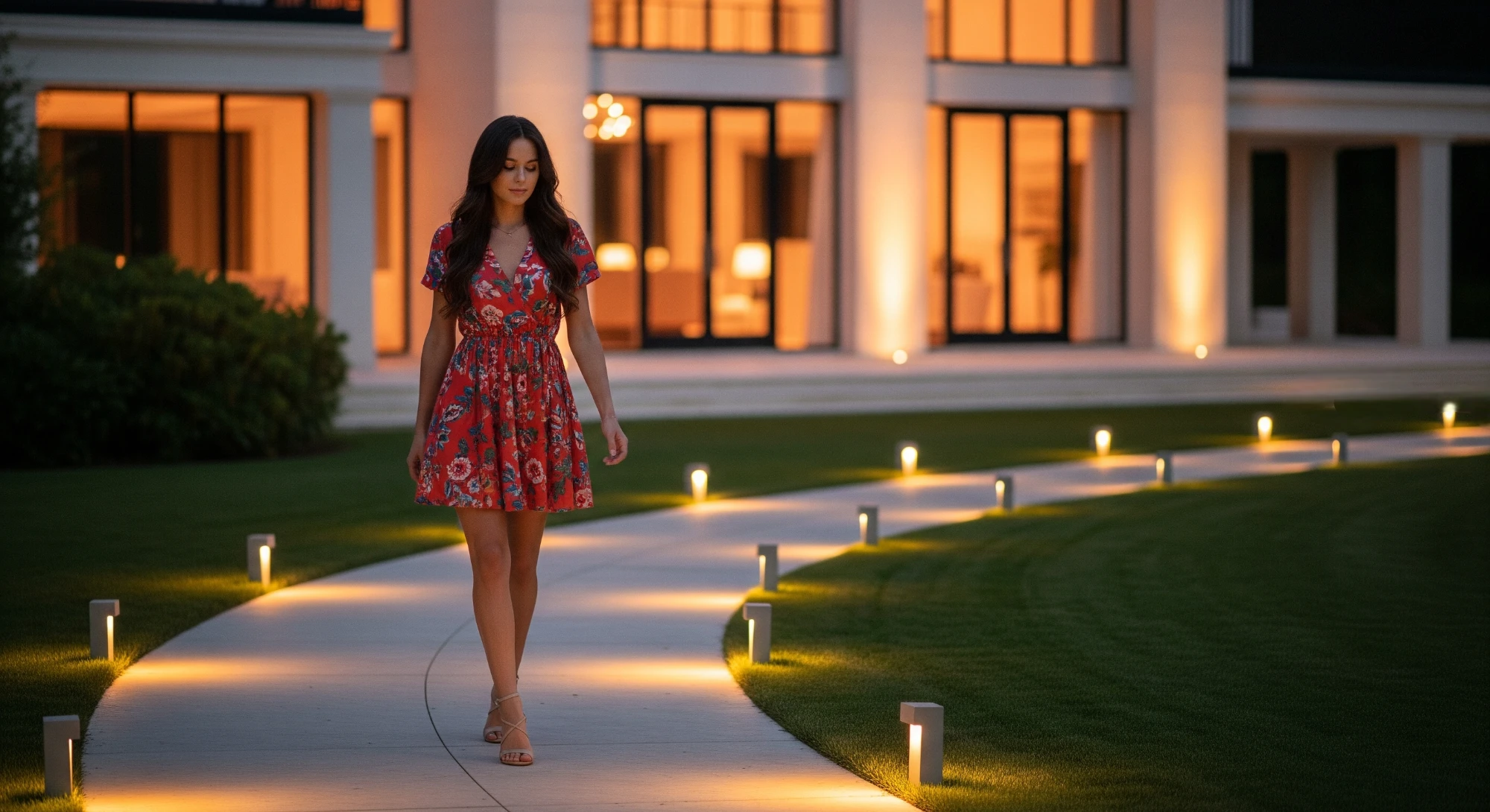
    • Pathway lights: Warm light creates a sense of direction without feeling harsh. You can see where you’re walking without feeling exposed.
    • Backyard and patio: Warm light makes the space feel usable and relaxing. You’re not trying to read in this space. You’re trying to enjoy it.
    • Driveway: Warm light still provides adequate visibility while not washing out your home’s exterior.

    The only place cool light makes sense is where you genuinely need clinical visibility, like a garage where you’re working on something and need to see details. Even then, most people prefer a hybrid approach: warm ambient light with cooler task lighting for specific areas.

    Choose Fixtures Based on Purpose, Not Just Brightness

    Outdoor lighting has different jobs. Each job needs a different fixture type.

    • Pathway and step lighting: Small fixtures that guide movement. Usually low-to-ground. Warm color. Purpose is safety and wayfinding, not theatrical brightness. A 20-watt equivalent LED is plenty. The goal is “I can see where I’m walking,” not “I can see across the street.”
    • Porch and entry lighting: Fixtures that welcome people and set the mood. This is where your home makes a first impression. Could be a traditional coach light, a modern pendant, or a wall-mounted fixture. Style matters here because this is visible from the street. Warm light. 40–60 watts equivalent.
    • Security and motion-sensing: These need real brightness because they’re about deterrence and sudden visibility. But here’s the key: they should be directed downward, not spraying light everywhere. A floodlight that only illuminates your property, not your neighbor’s bedroom, is effective security. Cool light is acceptable here because this isn’t about ambiance; it’s about security.
    • Ambient backyard lighting: Creates usability after dark without being theatrical. Could be string lights, recessed lights in a pergola, or uplighting on trees. The purpose is to create an environment where people can hang out, not theatrical drama. Warm light. Dimmable if possible.
    • Accent lighting: Highlights architectural features, landscaping, or design elements. This is where you get creative. An outdoor lighting company can help you understand techniques like uplighting (light from below), downlighting (light from above), and cross-lighting (light from multiple angles). This is professional-level stuff but creates the most polished results.

    Style Matters More Than You Think

    Your outdoor fixtures should respond to your home’s architectural style.

    A modern home with minimalist fixtures looks intentional. The same modern minimalist fixtures on a traditional colonial look confused. Traditional colonial with period-appropriate coach lights looks intentional. Coach lights on a contemporary ranch look disconnected.

    This doesn’t mean you need to match exactly. It means your outdoor fixtures should speak the same architectural language as your home.

    Modern/Contemporary homes: Simple, geometric fixtures. Minimal detail. Clean lines. Metal and glass. Could be sconce lights with clean profiles, cylinder pendants, or minimalist wall-mounted fixtures.

    Transitional homes: Fixtures that blend traditional and modern. Some detail but not ornate. Metal with clean construction. Could be simple lanterns, modern coach lights, or contemporary pendants with slightly more interest.

    Traditional/Colonial homes: Period-appropriate fixtures. More visual detail. Could be coach lights, traditional lanterns, or fixtures that echo historical design.

    Farmhouse/Rustic homes: Fixtures with character and age. Could look vintage or newly built to look vintage. Metal work, warm finishes, visible details. Lanterns, barn lights, or rustic sconces.

    Modern Farmhouse: A blend. Fixtures with some traditional character but cleaner lines. Think modern lanterns, contemporary barn lights, or fixtures that feel handcrafted but not ornate.

    Pick fixtures that respond to your home’s style, and everything else falls into place.

    The Quality Difference Actually Matters

    This is where people go wrong: they buy cheap outdoor fixtures because they think durability doesn’t matter.

    A $30 motion-sensor light dies in a season. A $150 fixture lasts 5–10 years. Over a decade, the expensive option is actually cheaper per year and looks better the whole time.

    Outdoor fixtures need to resist:

    • Salt spray (if you’re near the coast)
    • UV damage (sun degrades plastic and finishes)
    • Temperature swings (freeze-thaw cycles damage cheap metal)
    • Moisture (corrodes inferior metals and electronics)

    Cheap fixtures use plastic housings that become brittle. Inferior metals that rust. Electronics that aren’t sealed against moisture. A year of weather destroys them.

    Quality fixtures use:

    • Solid metal construction (brass, stainless steel, powder-coated aluminum)
    • Proper sealing against moisture
    • UV-resistant finishes
    • Electronics rated for outdoor conditions

    You notice the difference the first time you need to replace a cheap fixture versus a quality one. The cheap one is already broken. The quality one is still working, still looks good, and still has 5+ years left.

    The Simple Framework for Your Whole Property

    Before you buy anything, sketch your outdoor lighting plan:

    Entry/Porch: One fixture that’s welcoming and visible from the street. Warm light. Style-appropriate. 40–60 watts.

    Pathways: Low-level lights every 6–8 feet creating a gentle guide. Warm light. 15–30 watts each.

    Driveway: Either ambient path lighting or a single overhead fixture. Warm light preferred. Brightness depends on length, longer drives need more fixtures.

    Backyard ambient: String lights, lanterns, or subtle uplighting. Warm light. Dimmable if possible.

    Security: Motion-sensor or strategically placed fixtures covering entry points. Cool light acceptable. Real brightness. Directed to avoid neighbor annoyance.

    Accent lighting: Optional but creates polish. Uplighting on trees, accent lighting on architecture, or landscape highlights. Warm light.

    The key is layering. No single fixture does everything. Multiple fixtures at different brightness levels create depth and control.

    FREQUENTLY ASKED QUESTIONS

    How bright should outdoor lights actually be?

    Much less bright than you think. A 40–60 watt equivalent LED is usually plenty for a porch. A 20-watt equivalent is fine for pathway lights. For security, you want real brightness (100+ watts), but directed to your property only. A good rule: if you’re squinting when you look at the fixture, it’s too bright. If you can navigate safely and see the space, it’s right.

    Should outdoor lights be warm or cool?

    Warm (2700K) for almost everything. It makes your home feel welcoming and intentional. Cool light (5000K+) for security and work areas where you need clinical visibility. If you’re unsure, warm is never wrong. Most people who think they want cool light actually just want brightness. Brightness and warmth aren’t the same thing.

    Do cheap outdoor lights really die that fast?

    Yes. A $30 motion-sensor light from a big-box store is usually done in 12–18 months. Plastic housings become brittle. Electronics corrode. Cheap metal rusts. A quality fixture costs 3–5x more but lasts 5–10 years. Amortized over time, quality is cheaper. Plus it looks better the whole time.

    What’s the most common outdoor lighting mistake?

    Going too bright and too cool. People buy harsh floodlights thinking brightness equals security. Your home ends up looking like a prison yard. Real security is directed light that illuminates your property without blinding you or your neighbors. Real ambiance is warm light at moderate brightness that makes you want to spend time outside.

  • Curb Appeal That Lasts: Outdoor Upgrades That Add Value Year-Round

    First impressions matter, especially when it comes to property value. For homeowners, upgrading outdoor spaces can be a smart way to boost curb appeal and make everyday living more enjoyable. A well-kept exterior doesn’t just look good; it can impact everything from resale value to energy efficiency.

    Practical Enhancements for Lasting Impact

    Some of the best outdoor upgrades are the ones that look good and work hard. Updating siding, repaving driveways, and replacing aging windows can give a home a fresh appearance while also reducing maintenance costs and improving insulation.

    A well-maintained lawn remains a classic feature, but modern trends are leaning toward more sustainable landscaping. Drought-resistant native plants and strategically placed shade trees add texture and depth to your yard while lowering water consumption. Installing drip irrigation systems supports sustainability and can increase the attractiveness of the property to eco-conscious buyers.

    Many Texas homeowners living near greenbelts or open land find their landscapes frequently damaged by wildlife. For those dealing with deer intrusion, installing a heavy-duty deer fence can be a discreet and effective solution that blends into the scenery while preserving gardens and ornamental features.

    Lighting the Way

    Enhancing curb appeal often starts with outdoor lighting. It not only improves safety and extends the usability of your yard after dark, but also creates a warm, inviting atmosphere. Consider adding low-voltage LED lights along walkways, entryways, and landscape features. For an energy-efficient option, solar lights are a great choice in areas that get plenty of sun.

    Smart outdoor lighting doesn’t just look good, it works hard too. It highlights the best parts of your home and helps deter intruders, giving you peace of mind. Many modern systems are easy to control remotely and can be set on timers, making them a sleek and practical feature buyers love.

    Functional Features That Impress

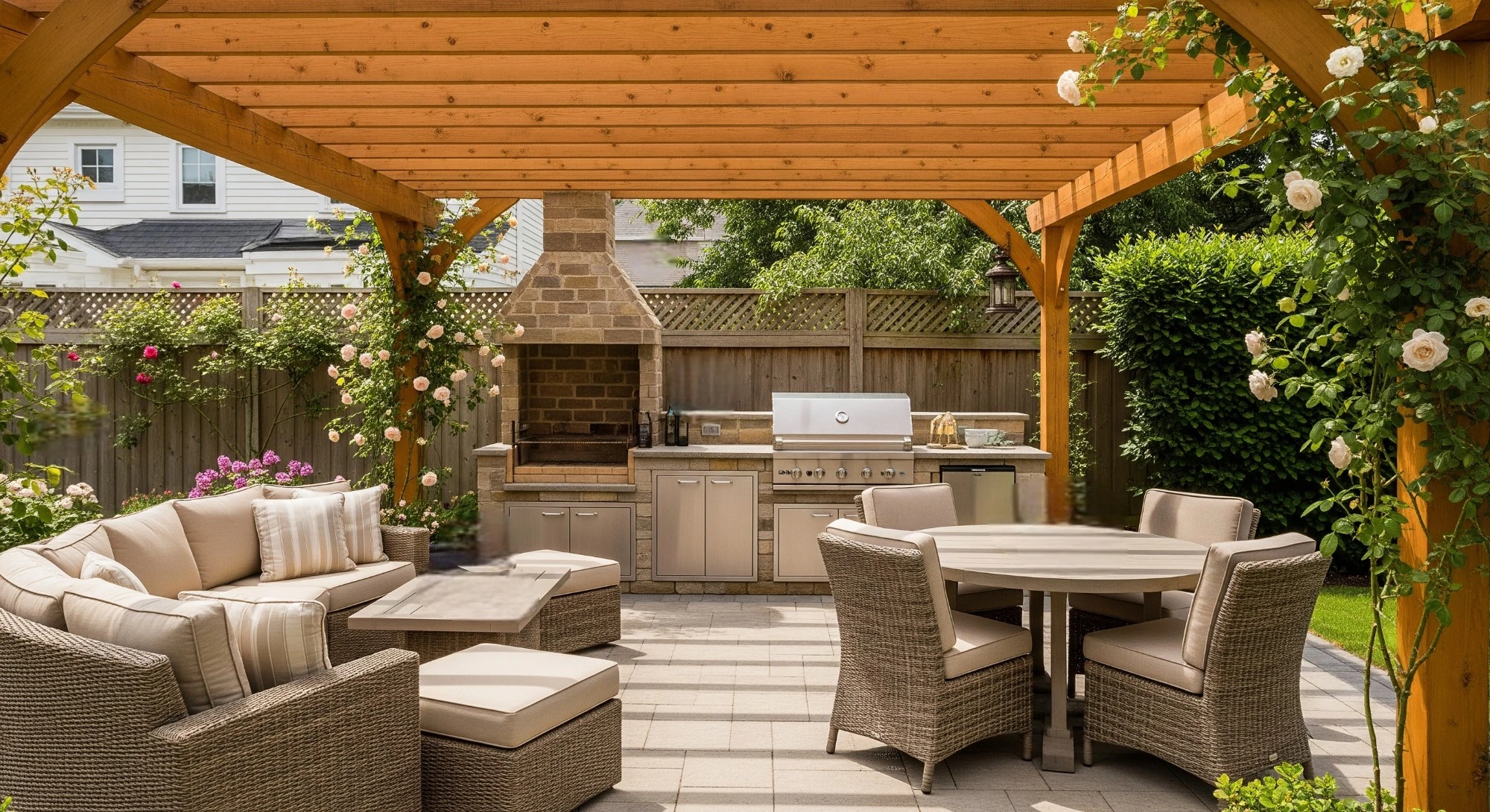
    Outdoor upgrades should do two things: make the space more enjoyable and boost your home’s value. Think about giving your front porch a refresh with new railings, composite decking, or even a porch swing. In the backyard, adding a pergola or an outdoor kitchen can turn it into a go-to spot for relaxing or entertaining, something today’s buyers are definitely looking for.

    Even small touches like new house numbers, a sleek mailbox, or fresh hardware on the front door can elevate the entire facade. Painting the front door in a bold color like navy or red is another high-impact, low-cost way to make a statement.

    Maintenance Matters

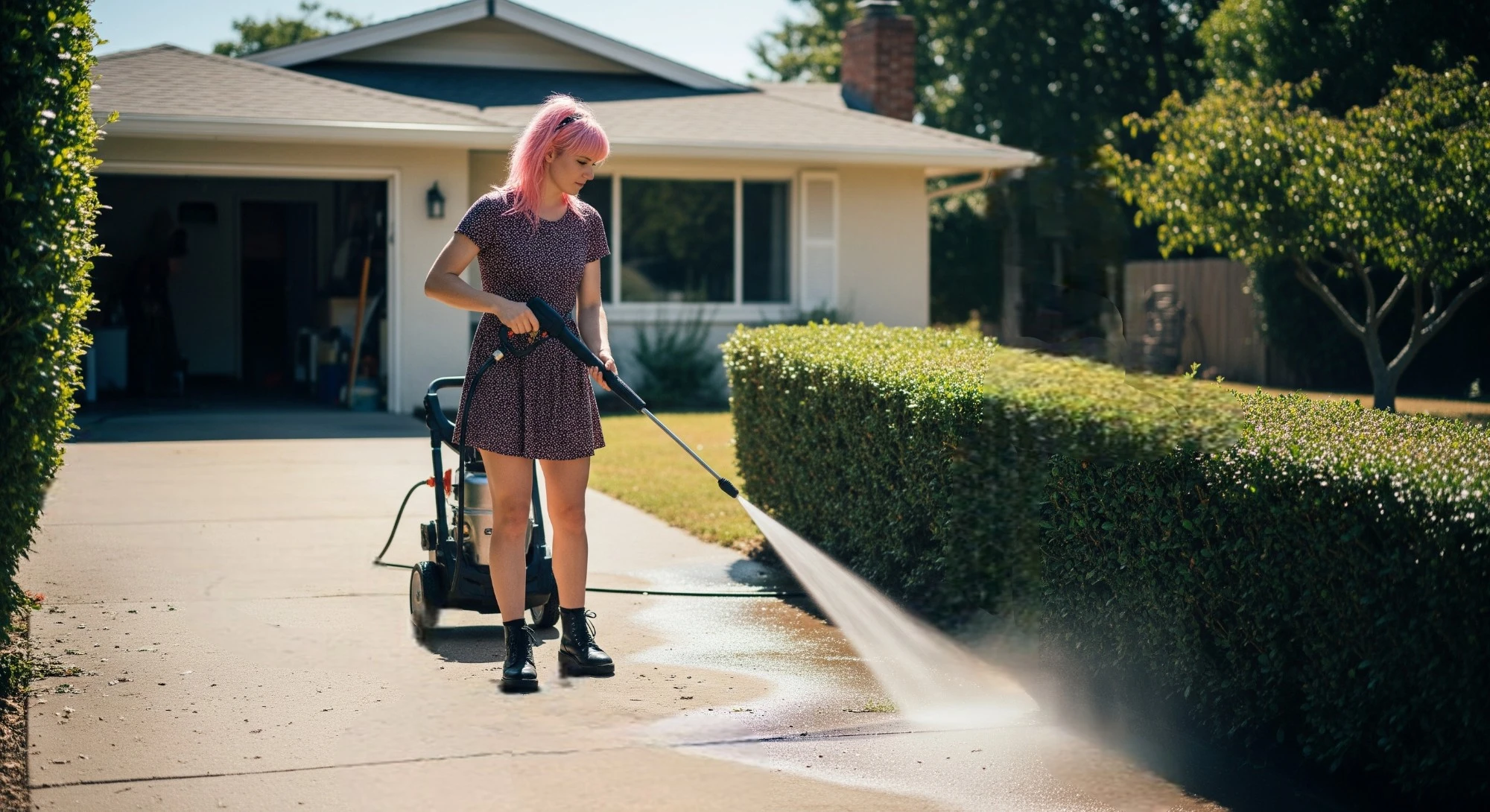
    No upgrade will shine if it’s not maintained. Regularly pressure washing driveways, walkways, and siding can make a home look years younger. Keeping gutters clean, trimming overgrown hedges, and replacing broken pavers can instantly boost your home’s curb appeal.

    Routine maintenance extends the life of your improvements and signals to potential buyers that the home has been well cared for. Consider creating a seasonal checklist to stay on top of these small but crucial tasks.

    Regional Considerations for Texas Homes

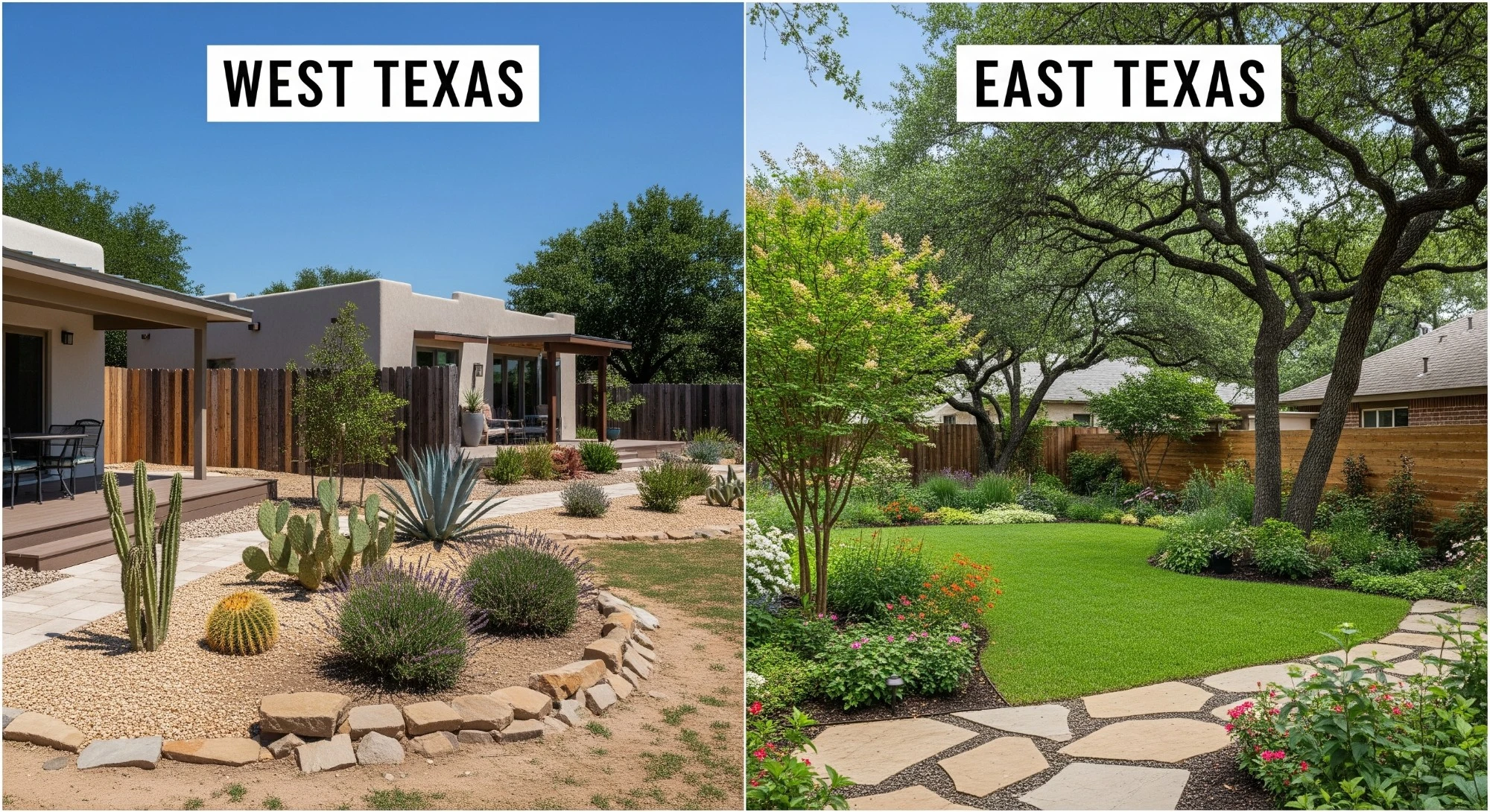
    Texas has a wide range of climates, from humid and sticky in the east to hot and dry out west. So your outdoor upgrades need to match the local conditions. You’ll want materials that can handle intense heat, strong sun, and the occasional surprise storm. Think about using metal roofing, composite decking, and UV-resistant paint to help everything last longer.

    In areas prone to heavy rains, proper drainage is critical. French drains, rain gardens, and strategic grading prevent water damage and preserve your home’s foundation. Adding gravel or permeable pavers can enhance drainage while contributing to a modern aesthetic.

    Boosting Resale Potential

    Every improvement made outdoors can have a direct correlation with resale value. According to real estate industry research, well-designed landscaping can increase property value by as much as 20%. Features like fences, patios, and gardens make a house feel more like a home, which translates to faster sales and better offers.

    Buyers are often swayed by move-in-ready homes. A beautifully landscaped yard with low-maintenance features and modern upgrades removes a mental to-do list from their plate. In today’s competitive housing market, every detail counts.

    Upgrading your outdoor space isn’t just about making it look nice. It’s a smart move if you want to protect and grow your home’s value. Using durable materials and thoughtful design can turn curb appeal into something more, like a space that works better, lasts longer, and makes everyday life a little more enjoyable.

    Whether you’re preparing to sell or simply want to enjoy your home more fully, these enhancements offer both immediate satisfaction and long-term benefits. With the right approach, your home’s exterior can become a standout feature in any neighborhood.