Tag: noise reduction

  • Do Soundproofing Curtains Really Work?

    Soundproof curtains seem like an easy fix, and sometimes, they really do help. But they usually don’t work the way you might think. Instead of blocking out all the noise, they cut down on echo and muffle the sounds coming in.

    Knowing exactly what they can and can’t do will save you a lot of time.

    What to Expect from Soundproof Curtains

    These curtains can make a real difference in a room, but it helps to understand how they actually function. While they won’t give you total silence, they mainly reduce echo and soften the way sound bounces around. This alone makes conversations clearer and less strained, especially in rooms with a lot of hard floors or bare walls.

    When it comes to outside noise, you need to keep your expectations realistic. These curtains can muffle traffic sounds or a neighbor’s lawnmower, but they won’t completely silence them. It feels more like turning the volume down a few notches rather than hitting the mute button, which is still incredibly helpful for daily life.

    This is exactly what acoustic curtains are made to do. They use dense materials that soak up sound waves instead of stopping them cold. Because of this, they work best when you want to make a room feel cozier and quieter, rather than trying to soundproof a room completely.

    If you know this going in, you’ll probably be happy with the results. They won’t replace heavy-duty soundproofing, but they do offer an affordable and easy way to improve your space. For a lot of people, that slight drop in noise is exactly what they need.

    Why Curtains Can’t Block Every Sound

    Sound always finds a way through the smallest cracks, and curtains can’t fix that. Gaps around your windows, baseboards, and curtain rods let noise slip right in. Even if you buy the best fabric on the market, those weak spots limit how well your curtains work.

    The main issue is the lack of mass. True soundproofing requires heavy, dense barriers like drywall or specialized acoustic panels. Curtains just don’t have the weight to stop sound waves in their tracks, which is why their impact is limited.

    Your windows are usually the biggest problem. Glass lets sound through much easier than an insulated wall, so even a premium curtain has to work overtime to make up for that. If you have thin, single-pane windows, the curtain is only fighting half the battle.

    Low-frequency sounds are even tougher to beat. Heavy bass from loud music or rumbling trucks passes right through most materials, and fabric struggles to absorb it. That’s why you might still feel or hear a low rumble even after hanging heavy acoustic drapes.

    When Soundproof Curtains Are Worth It

    If outside noise is a nuisance but not overwhelming, soundproof curtains are a great choice. If you live near a busy road, they can take the edge off passing cars and make your home feel much more peaceful without a major renovation.

    They are also perfect for a home office. When you need to focus or jump on a video call, even a slight drop in background noise helps you stay focused. It’s not about achieving dead silence. It’s about making the room less distracting.

    Bedrooms are another great spot for them. A quieter room helps you fall asleep faster, especially if street noise usually wakes you up. Just a small drop in volume can make your bedroom feel much more relaxing at night.

    Renters love these curtains for an obvious reason. Since you don’t have to tear down walls or make permanent changes, you can upgrade your space without losing your security deposit. It’s a fast, practical fix when you want a quieter apartment but can’t commit to major construction.

    How to Choose the Best Soundproof Curtains

    Not all soundproof curtains are created equal, and the material makes all the difference. Heavy, multi-layered fabrics soak up more sound, making them much better at cutting down echoes and muffling street noise.

    Size matters more than you might think. Curtains that run from the ceiling all the way to the floor give you a much larger surface area to catch the sound. This setup cuts down on echoes and stops noise from sneaking through bare spots on the wall.

    You also need to look at how much the curtain overlaps your window frame. Extending the fabric past the edges prevents sound from slipping in through the sides. If your curtains barely cover the glass, even the thickest fabric won’t do much good.

    Finally, check the weave of the fabric. Tightly woven materials do a much better job of blocking and absorbing sound than light, airy textiles. Finding the right mix of weight and a tight weave will give you the best results.

    How to Hang Soundproof Curtains the Right Way

    How you hang your curtains is just as important as the curtains themselves. Just throwing them over a window won’t help much if there are huge gaps around the edges. For the best sound reduction, you need to cover the entire window area.

    Always go bigger than the window frame. By hanging the curtains wider and taller than the window, you build a solid barrier that stops noise from creeping in through the top and sides.

    Pinning down the sides makes a surprisingly big difference. Even a tiny gap lets sound pour into the room, defeating the purpose of the curtains. Using velcro strips or magnetic tape to seal the edges to the wall can seriously boost their performance.

    Don’t skimp on the curtain rod, either. Heavy acoustic curtains need solid support, and a cheap rod will bow in the middle or pull out of the drywall. Make sure you use heavy-duty anchors so everything stays exactly where it should.

    Other Ways to Quiet Your Room
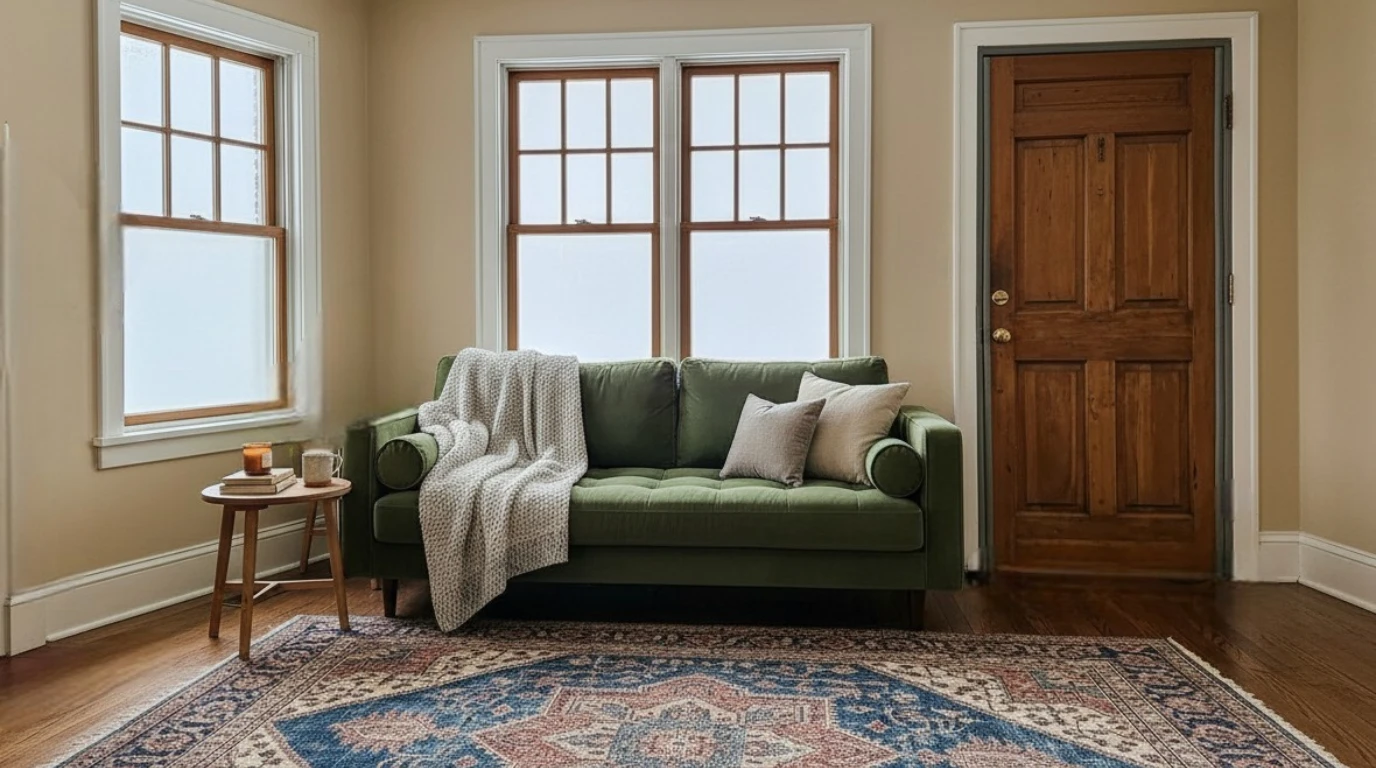
    Soundproof curtains work best when you pair them with a few other easy fixes. Sticking weatherstripping around your window frames blocks the noise that sneaks through tiny cracks, giving your curtains a head start.

    Window inserts are another great upgrade. By adding an extra layer of glass or acrylic over your existing window, they help block a significant amount of sound before it ever reaches the fabric. Using both inserts and curtains gives you a much quieter room.

    Don’t forget to add soft touches inside the room. Thick rugs, carpet, and plush couches absorb sound and reduce echoes, making the room feel noticeably quieter. It’s an easy way to improve the acoustics without thinking too hard about it.

    Finally, check the gap under your door. Sound doesn’t just come from outside. A simple draft stopper can block out a noisy hallway or loud roommates. When you seal up all these little entry points, the whole room feels much more peaceful.

    The Bottom Line

    Soundproof curtains won’t turn your home into a recording studio, but they will make a noticeable difference. They eliminate annoying echoes, soften outside noise, and make any room feel a lot more relaxing. When you mix them with a few other quick fixes like weatherstripping or a thick rug, the results are even better. Ultimately, they’re a smart, easy upgrade for your home. Just keep your expectations realistic.


  • How to Improve Acoustics in Restaurants and Other Commercial Spaces

    As a restaurant owner, you might have an incredible menu, top-tier service, and a stunning interior design. But if your guests have to shout across the table to hear each other, they aren’t coming back. You can control the acoustics by mixing the right materials, tweaking your floor plan, and making a few strategic upgrades to turn a chaotic dining room into a space people actually want to spend time in.

    How Sound Moves Through a Property

    Sound can move, bounce, and build depending on the surfaces it hits. When you walk into a loud restaurant at night, you aren’t just hearing people talking. You’re hearing their voices ricochet off drywall, concrete, and hardwood floors. Understanding this behavior helps you stop guessing and start making targeted improvements.

    Hard surfaces are the main culprits. Materials like glass, polished concrete, subway tile, and exposed metal look fantastic on a property listing, but they absorb absolutely nothing. They bounce sound right back into the room. If your property features a modern minimalist or industrial design, you have to counter those hard finishes with elements that absorb the excess noise.

    Vaulted ceilings create a great open feel, but they give sound waves more room to travel and echo. Conversely, low ceilings can trap noise and make a crowded room feel overwhelming. It ultimately depends on how sound waves travel and where they land.

    Before spending money on materials, locate your worst noise traps. These are usually right next to the kitchen doors, the main bar, or wide-open seating areas. Walk the floor during a busy shift and listen.

    Choose the Right Acoustic Materials

    Your design materials have to do more than look good. They need to handle sound. In high-traffic commercial spaces, you want surfaces that soak up noise rather than reflect it. You don’t need to build a soundproof bunker, but you do need to be smart about what you put on the walls.

    Wall treatments easily cut down on echo without ruining your aesthetic. For example, you can incorporate fabric wall panels into decorative sections, which allows you to reduce echo while still maintaining a polished look. They blend right in when you match them to your brand’s color palette.

    You can reduce noise by soundproofing the ceiling. Hanging acoustic baffles or suspended ceiling clouds catch sound waves before they bounce across the room. These work incredibly well in open-concept layouts or industrial warehouse conversions where sound typically runs wild.

    Never underestimate softer elements like heavy window drapery, upholstered booth seating, or thick table linens. These might seem like minor interior design choices, but they consistently drive down the room’s overall volume. Layering these soft textures stops sound from endlessly bouncing around the room.

    Optimizing Your Layout and Floor Plan

    Your floor plan directly impacts how loud a room gets. If your tables are crammed together to maximize capacity, conversations will overlap. Guests end up talking louder to hear each other, which amplifies the whole room.

    Optimize room acoustics by increasing the space between tables. Strategic seating arrangements can significantly reduce noise levels in confined areas.

    Furniture also works as a natural sound barrier. High-backed booths, room dividers, and open shelving units break up the path of sound. Instead of letting noise shoot straight across the dining room, these pieces scatter it, making the space feel instantly calmer.

    Keep your loud zones separated. Bars and espresso stations generate constant noise. Don’t place them right next to dining tables. A slight layout shift to separate the high-action areas from the quiet zones keeps the atmosphere balanced.

    Tackling Mechanical Noise

    When noise goes up, it has to come down. Leaving a ceiling bare creates an echo chamber that amplifies every dropped fork and loud talker in the building.

    Installing acoustic ceiling tiles is the solution. These tiles can cover hard surfaces and instantly eliminate echoes. A wide selection of modern commercial tiles with clean, architectural finishes keeps your restaurant venue looking stylish.

    For open ceilings with exposed beams, combining pendant lights with acoustic baffles is a key strategy. The lights provide essential illumination, while the panels effectively trap airborne sound.

    Pinpoint the source of mechanical noise. Whether a low, constant hum is coming from an HVAC unit, an open air duct, or a high-powered exhaust fan, servicing or isolating these units will significantly reduce noise levels.

    Quieting Floors and Heavy Foot Traffic

    Hard flooring is a major culprit for noise. Wood floors, poured concrete, and ceramic tiles reflect every single footstep and scraped chair. By the busy lunch hour, all those small sounds compound to create an overwhelming cacophony

    You don’t need to cover the entire floor with carpet to fix the noise. Simply placing a thick rug under a large table or in the main lobby does wonders for sound absorption, instantly dampening the harsh echoes from hard floors.

    Acoustic underlayment is your best long-term investment. These hidden foam or rubber layers sit right under your luxury vinyl or engineered wood to absorb vibrations before they hit the air. Guests will never see it, but they will definitely feel the difference.

    The Bottom Line

    Fixing bad acoustics doesn’t require tearing the place down. It just takes a basic understanding of how sound travels and a few smart material upgrades. When you mix sound-absorbing textures with a strategic floor plan, the results happen overnight. Guests stay longer, spend more, and actually enjoy the atmosphere. Ultimately, upgrading your acoustics isn’t just about turning down the volume. It is about protecting the value and appeal of your commercial property.

  • Window Replacement in Dallas: What’s Changed in 2026 According to Mr. Remodel

    For decades, the conversation around window replacement in Dallas was simple. But in 2026, driven by rising energy costs and a renewed focus on home comfort, the decision-making process for homeowners has shifted. It’s no longer just about fixing a broken seal. It’s about investing in a complete system that controls your home’s environment in ways older windows just can’t.

    If you’re still thinking about windows in terms of old vinyl versus wood debates, you’re missing the bigger picture. These insights come directly from Mr. Remodel’s experience working with Dallas homeowners.

    SHGC Is the Metric Dallas Homeowners Need to Know

    For years, window marketing has focused on U-Factor, a measure of how well a window prevents heat loss. This is critical in a cold climate, but for Dallas, it’s only half the equation. The number that matters most here is the Solar Heat Gain Coefficient, or SHGC. Simply put, SHGC measures how well a window blocks the sun’s heat from entering your home.

    In Texas summers, a low SHGC is your best defense. Based on Mr. Remodel’s 2026 project data, the new standard for Dallas installations is a window with an SHGC of 0.25 or less.

    Homeowners who install windows with this specification often report a noticeable reduction in their air conditioning costs, sometimes by as much as 15% during peak summer months. This is the single most important technical choice you can make.

    An Unexpected Benefit of a Quieter Home

    While lower energy bills are a primary motivator, homeowner feedback shows the most common unexpected benefit is a quieter home. Modern, well-sealed windows with laminated or double-pane glass dramatically reduce street noise, from traffic to neighborhood activity.

    In a dense, vibrant city like Dallas, less noise can make your home feel calmer and more comfortable. It’s a benefit that’s hard to quantify but easy to appreciate.

    Neighborhood Trends in Materials and Styles

    The best window material is the one that fits your home’s architectural context. There’s a clear split in trends across Dallas neighborhoods. In the established brick ranch homes of North Dallas and Richardson, black and dark bronze fiberglass frames are overwhelmingly popular, creating a sharp, modern contrast.

    In the historic M Streets or Lakewood, however, the story changes. Here, preserving the original Tudor and Craftsman character is the priority. Homeowners in this area usually opt for historically accurate wood or premium wood-clad windows that match the home’s original design intent.

    For these specific homes, the City of Dallas can require pre-approval for window replacements in designated historic districts, including areas like Swiss Avenue. It’s an extra permit step. A reputable, experienced contractor will handle it, but it’s something homeowners should know up front.

    Choosing the right window in 2026 is about a total environmental upgrade that helps control heat, light, and sound, making your home more efficient and peaceful.

    Why Mr. Remodel Puts Dallas Data Into Action

    At Mr Remodel, homeowners get transparent, data-driven advice before making a major investment. That is the core of the company’s process.

    What Mr. Remodel Does:

    • Connects homeowners with full-service, design-build renovation quotes from licensed pros.
    • Focuses on windows, bathrooms, and whole-home remodels.
    • Handles large additions and structural projects.

    What Mr. Remodel Is Not:

    • A chuck-in-a-truck or small-job handyman service.
    • A parts supplier for DIY projects.
    • The lowest-priced bidder who cuts corners on permits and insurance.

    Ready to start your project with a team that values data and transparency? Apply through MrRemodel.com today for a free, no-obligation quote.

  • Elevating Property Value in the GTA: The Strategic Impact of Toronto Window and Door Replacements

    In the Greater Toronto Area, or GTA, real estate market, homeowners and investors are always looking for the “sweet spot” of renovation, a project that makes the property look better while also helping it sell for more. Savvy homeowners know that the real value of a home starts with its exterior, even though staging the inside and updating the kitchen are popular.

    Prioritizing Toronto windows and doors for replacement is no longer just a maintenance chore; it’s a smart investment in a city with a variety of architectural styles and big seasonal changes.

    The Curb Appeal Factor: First Impressions Matter

    In real estate, first impressions can affect what buyers are willing to pay. For a detached home in High Park or a modern townhouse in Liberty Village, the exterior is what buyers see first. Potential buyers may assume the home hasn’t been well cared for if the wooden frames are old and peeling or the steel door is rusty.

    A homeowner can change the character of their home by installing replacement windows and doors. These upgrades give your home a polished, move-in-ready look, whether you put in sleek, black-framed casement windows for a modern industrial vibe or a bold, insulated fiberglass entry door with decorative glass.

    In a market where buyers are more and more worried about high interest rates and renovation costs, showing them a home with brand-new windows and doors is a huge selling point.

    Energy Efficiency: Fighting the Ontario Climate

    Toronto’s weather can be tough. A home’s heating and cooling system is only as good as its insulation, whether it’s the hot, humid weather in July or the freezing winds off Lake Ontario in January. Old, drafty windows can be a major source of heat loss, letting up to about 25% of a home’s heat escape.

    Energy-conscious buyers now look closely at utility bills and ENERGY STAR ratings while they tour homes. Sellers can market a home as ready for the future by choosing high-performance replacement windows and doors.

    Low-E coatings and argon-filled double- or triple-pane glass are no longer luxuries; they’re standard. A home that promises a lower carbon footprint and steady indoor temperatures without the furnace running nonstop can sell faster and for more money.

    Reducing City Noise

    When you live in a lively city like Toronto, you have to deal with the noise of the streets, like streetcars, construction, and the hum of Highway 401. Families and professionals looking for a peaceful place to live may shy away from busy intersections or transit hubs because of noise pollution.

    Modern replacement windows and doors are built to block more outside noise. High-quality frames and laminated glass can significantly reduce the noise that comes into the house.

    The perceived value of a home can jump when a real estate agent can close the front door and the city noise drops immediately. It can turn a house on a busy street into a quieter retreat.

    Getting the Most Out of Your Investment: ROI

    Many remodeling reports find that replacing windows and doors is one of the best ways to improve your home because you can often get back around 70% to 80% of the cost when you sell it. Also, because of current green energy programs and different municipal rebates in Ontario, the initial upfront cost can be even lower, which makes the numbers even more appealing.

    Including “New windows and doors” in your listing can draw in serious buyers. It tells buyers that the home’s core features are strong, which can ease their worries about hidden costs after they move in.

    Final Thoughts for Sellers

    If you’re getting ready to put your home on the market in the next few seasons, have a local real estate agent look at it. If the windows look old and the front door feels weak or drafty, investing in replacement windows and doors in Toronto can be a smart next step.

    You’re not just selling a home. You’re also selling safety, efficiency, and peace of mind, three things most Toronto buyers want.