Congratulations on finding the right home for your family. Now comes the part most people do not exactly love: moving.
Hiring professional movers can take a lot of stress off your plate, but there are still several things you should do before moving day. A little planning can help protect your belongings, keep the day organized, and make the transition into your new home much smoother.
Here are practical steps to help you prepare.
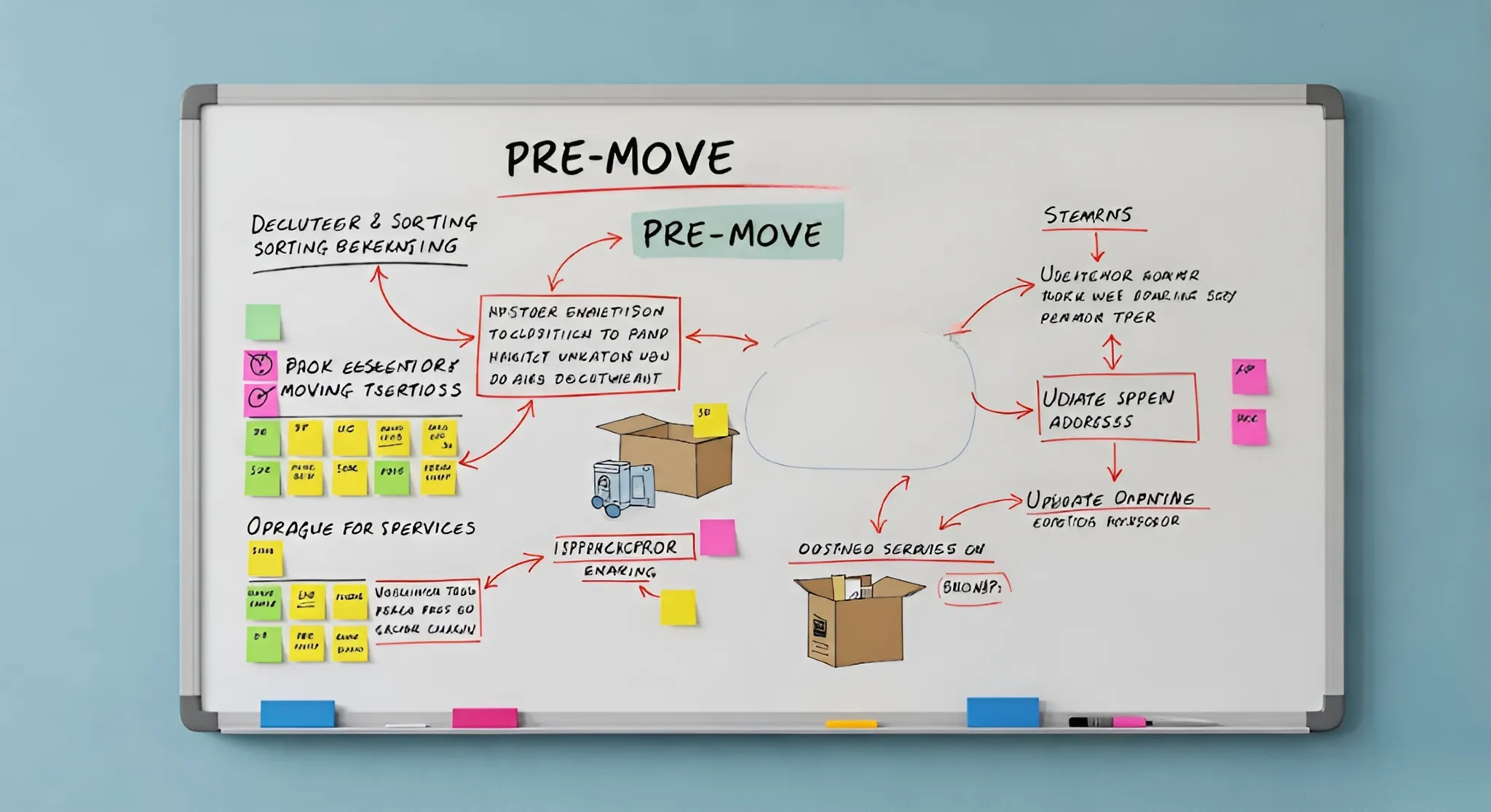
Start Packing and Sorting Early
Packing is not the most exciting part of moving, but starting early makes a big difference. If you have a few weeks before the move, begin by going room by room and sorting your belongings into four categories: keep, sell, donate, and throw away.
The less you move, the less you have to pack, carry, unload, and unpack later.
Start with items you do not use every day, such as seasonal clothing, books, decorations, extra linens, and rarely used kitchen items. Save daily essentials for last.
As you pack, label each box clearly. Include the destination room, a short list of contents, and notes such as “fragile,” “heavy,” or “open first.” It may feel tedious while you are doing it, but it saves a lot of time when you are trying to find your clothes iron, phone charger, towels, or coffee maker after the move.
It also helps to pack one essentials box or bag with items you will need right away, such as toiletries, medications, chargers, basic tools, paper towels, snacks, important documents, and a change of clothes.
Confirm Details Before Moving Day
A few days before the move, confirm the schedule with your movers and anyone else helping you. Make sure everyone knows the arrival time, addresses, parking instructions, gate codes, elevator access, and any special details about the home.
You should also take photos of furniture, electronics, appliances, and fragile items before they are moved. These photos can help if anything is damaged or needs to be reassembled later.
Before the crew arrives, clear walkways in both homes. Remove tripping hazards, secure loose rugs, and make sure doors, hallways, stairs, and driveways are easy to access.
Prepare the Home for Movers
Moving day goes faster when your home is ready before the first box leaves the house.
If possible, disassemble large furniture ahead of time or confirm whether the movers will handle it. Tape hardware in a labeled bag and attach it to the furniture it belongs to. Unplug appliances and electronics, wrap cords, and label cables so setup is easier later.
Keep valuables, passports, financial documents, jewelry, medication, and personal records with you instead of loading them onto the moving truck.
You should also set aside items that movers may not be allowed to transport, such as paint, propane tanks, gasoline, certain cleaners, pesticides, and other hazardous materials. Dispose of these items safely according to local rules before moving day.
Keep Moving Day Organized
Moving day can get hectic fast, so it helps to have one person directing traffic. This person can answer questions, tell movers where items go, and make sure boxes are loaded and unloaded in the right order.
Here are a few smart moving-day tips:
Keep children and pets away from the work area.
Have water and simple snacks available.
Keep your phone charged.
Make sure the essentials box stays with you.
Do one final walk-through before leaving the old home.
Check closets, cabinets, drawers, the garage, the attic, and outdoor storage areas.
Even with a solid plan, small things may go wrong. A box may end up in the wrong room, or a piece of furniture may need to be moved twice. Stay flexible. Protecting your floors, walls, furniture, and people matters more than making every detail perfect.
Consider Portable Moving Containers
If you want more flexibility, a portable moving container can be a helpful option. Services such as you pack we move deliver a mobile container at your door step and allow homeowners to pack their belongings at their pace. Once it is loaded, the company picks it up and transports it to your new home or stores it until you are ready.
This can be useful if you need more time to pack, want to avoid driving a rental truck, or prefer to spread the work over several days instead of doing everything at once.
Unload With a Plan
Once you arrive at your new home, focus on the essentials first. You do not need to unpack everything all at once.
Start with the rooms you will need right away: bedrooms, bathrooms, and the kitchen. Set up beds, towels, toiletries, basic kitchen items, and anything you need for the first night.
Before opening every box, check the locks, utilities, appliances, lights, plumbing, and major systems. Make sure everything is working as it should.
As boxes come in, keep them grouped by room. This makes unpacking faster and helps prevent clutter from spreading through the whole house.
Take Care of Yourself During the Move
Moving is physically and mentally draining, even when everything goes well. Take short breaks, drink water, eat something simple, and stretch when you can.
Do not feel pressured to finish the entire house in one day. Start with what you need to sleep, shower, eat, and function. The rest can happen step by step.
Final Thoughts
Moving to a new home can be stressful, but it becomes much easier with the right preparation. Pack early, label boxes clearly, confirm details with your movers, keep important items with you, and focus on the essentials when you arrive.
A move is not just about getting your belongings from one place to another. It is the start of a new chapter, and a little planning can help you begin it with less stress and more confidence.
Moving to another state comes with a long to-do list. If that state happens to be Florida, there’s one thing many people forget. People move there for all kinds of reasons, whether it’s the weather, a new job, retirement, or splitting time between two homes.
But one detail gets forgotten almost every time is money left behind accidentally in your old state.
New Floridians can uncover unclaimed money from old accounts, deposits, and paychecks. Image Source: theguardian.com
Moves are chaotic. Between cutting off power, changing insurance, forwarding mail, and just trying to remember where the coffee maker is, it’s easy to lose track. A small bank account balance, a last paycheck, a rental deposit, or a medical overpayment is easy to forget in that mess.
And this is not rare. In 2024, about 25.87 million people relocated in the US, meaning millions of moves where loose ends can turn into unclaimed money. Source: NorthAmerican Van Lines relocation stats
This guide explains why relocating often leads to lost funds, the most common types of unclaimed money, and a practical way to find it without making it a full-time job.
Why Moving Often Means Leaving Money Behind
Moving is basically a controlled demolition of your normal routine. Even organized people miss things.
Here are the most common money left behind situations:
Final utility deposits that weren’t refunded after you closed an account
Last paychecks or payout checks from a former employer
Bank accounts with small balances you meant to close later
Insurance refunds after you canceled or switched policies
Security deposits from rentals or HOA overpayments
Medical billing overpayments or refunds mailed to an old address
Many new residents have lived in several places over the last decade, whether they’re retirees relocating, professionals moving for work, or snowbirds splitting time between states. The more addresses you’ve had, the more likely a check or deposit was sent to the wrong place.
Companies aren’t great at tracking you down. If they mail a refund to your old address and it gets returned, the trail can go cold fast, and after a dormancy period, the funds are usually classified as unclaimed and transferred to that state’s unclaimed property system. Depending on the state, dormancy rules typically range from one to five years.
Relocation is the perfect storm of a new address, a tight schedule, and money flowing in the background.
Common Types of Unclaimed Money from Your Former State
If you are a new Florida resident, these are the top categories to check when tracking down unclaimed funds.
Utility deposits and final credits
Think electric, gas, water, trash, cable, and internet. If you closed service, you might have had:
A deposit refund
A final bill credit
A promotional credit that never got applied
Employment-related payments
Job changes are prime time for forgotten money:
Final paycheck mailed to the wrong address
Unused vacation payout
Bonus or commission checks
Expense reimbursements
Housing-related refunds
Rentals and home transitions create a lot of small loose ends:
Security deposits
Last month’s rent refunds
HOA overpayments
Escrow overage refunds from a previous home
Financial accounts
These can be small and easy to forget:
Dormant checking or savings accounts
Matured CDs (certificates of deposit)
Investment dividends that went to an outdated mailing address
Insurance and service refunds
Refunds often happen after cancellation or policy changes:
Auto insurance refunds
Property insurance refunds
Life insurance proceeds where beneficiaries were hard to contact
Retail and subscription credits
Not always huge, but they add up:
Store credits
Gym membership refunds
Subscription refunds after cancellation
Even if each item is only $20, $60, or $150, finding three or four of them is real money. More importantly, it is your money.
How to Search for Money in Your Former State
If you’ve lived in more than one state, the key is using a repeatable process. This is the easiest method for most new Florida residents.
Step 1: List every state you lived in
Include temporary stopovers where you might have paid utilities, worked, or rented. That is where small refunds hide.
Step 2: Gather your details
Have these ready before you start a multi-state search:
Previous addresses in each state
Previous names (maiden names, married names)
Former employers’ names
Older phone numbers (sometimes tied to accounts)
Step 3: Run a multi-state search
Rather than searching each state individually and trying to remember what you already checked, platforms like Reclaim Org allow you to search multiple states at once. This makes it much easier for Florida residents to track down money from wherever they previously lived.
Step 4: Use these success tips
Search under every name you have used
Include close family members (spouse, kids) if appropriate
Check for deceased relatives if you are a legal heir
Search periodically, because new funds get added over time
Step 5: Protect your personal info
Only share sensitive information when you are sure you are on a legitimate website. Keep your passwords strong and avoid oversharing data online. Experian has a practical guide to protecting personal information online here.
Special Considerations for Snowbirds
For snowbirds who split their time between Florida and another state, the chances of having unclaimed money floating around are basically doubled.
Common snowbird scenarios include:
Property insurance refunds from a northern home
Utility credits from seasonal shutoffs
Investment dividends sent to an old address when you switched mail forwarding
Refund checks mailed while you were out of state
The trick is simple: you need to search both states, not just Florida, and also check any state where you lived temporarily, even if it was only for a year.
Snowbird life is awesome, but it is also paperwork on hard mode.
What Happens After You Find Unclaimed Money
The claim process is usually straightforward and mostly about verification.
You will typically need:
Proof of identity
Proof you lived at the previous address (or proof of connection to the account)
Sometimes a verification step involving your Social Security Number
The waiting period may differ, but the principle is the same, meaning the money is rightfully yours and you never have to pay a fee to claim it.
Conclusion
Moving to Florida is exciting, and it shouldn’t come with some hidden lost money tax from your old state.
You can do a multi-state search in a few minutes. Before you finish unpacking, take 10 minutes to find the money you left behind. Share this with other new Floridians as well. Your former state may be holding YOUR money, and it is worth checking.
Houston moves are a different animal. The city is huge, the weather doesn’t play fair, and traffic can turn a simple load-and-go into an all-day ordeal. If you’re searching for movers in Houston, especially for same-day service, your best move is picking a crew that’s licensed, transparent, and knows Houston logistics instead of just bringing strong arms.
Before you book anyone, we need to talk about what actually matters in Houston so you don’t get hit with surprise fees, parking drama, or a bait-and-switch that turns your move into a nightmare.
What Makes Moving in Houston Its Own Sport
Houston isn’t hard because it’s busy. It’s hard because everything is spread out, and the city throws curveballs in predictable ways like heat, rain, traffic, and parking rules.
The weather factor: heat, humidity, and surprise rain
Over at Houston Intercontinental (IAH), National Weather Service data shows average highs of 94.5°F in July and 94.9°F in August, which is peak sweat season. Rain doesn’t hold back, either. Normal monthly rainfall includes 6.00 inches in June, with an annual total around 51.84 inches.
And just to underline how quickly things can go from fine to chaos, records show a one-day rainfall total of 16.07 inches on August 27, 2017.
What this means for your move:
Schedule earlier in the day when possible because heat slows everyone down.
Assume you’ll need protection like stretch wrap, moving blankets, plastic for mattresses and electronics.
Build buffer time since Houston weather turns fast.
Hurricane season is a real planning window
Officially, the Atlantic hurricane season runs June 1 to November 30, with the peak around September 10.
If you’re moving in summer or early fall, do this:
Keep a weather back-up plan, especially for long-distance or multi-stop moves.
Don’t pack essentials on the truck, including meds, documents, chargers, and keys.
Traffic: Plan around the pain, not your optimism
Houston TranStar data is clear that the hours with the most travel delay are 7–8 AM and 5–6 PM. Congested conditions can start as early as 6 AM and stretch to 7 PM or later on some roadways.
If your mover charges hourly, traffic literally eats into your budget. As a rule in Houston, avoid peak congestion windows unless you enjoy paying to sit on the freeway.
Parking rules can derail an otherwise straightforward move
In Houston, great movers don’t always prevent delays or extra costs if the truck can’t legally or safely stage near your building.
We outline several key considerations for large and commercial vehicles.
Parking commercial and large vehicles on a public street is prohibited between 2 AM–6 AM.
Large vehicles may not park on any street in a residential district except for active loading and unloading.
The time limit for parking a trailer or large vehicle on a public street is 2 hours, which includes portable storage units.
For a rental truck at your residence: short-term rentals can park in a residential area for up to 72 hours while loading/unloading.
Downtown and metered areas add another layer. A meter bagging permit can reserve a metered space for moving, and ParkHouston notes a 48-hour notice is required.
In other words, parking is a headache that costs money.
How to Vet Movers in Houston Without Getting Played
If you only do one thing, make it this: verify licensing and lock down your paperwork before anything gets loaded.
1) In Texas, licensing isn’t simply optional
Texas DMV’s consumer guidance says it straight: by law, Texas movers must be licensed with TxDMV. TxDMV also warns that ultra-low quotes can be bait. Some dishonest movers increase the price after your items are loaded and demand more money to unload.
You can check this by using the Truck Stop database. A licensed mover should have an active certificate status.
2) Inspect the truck carefully
TxDMV lists “Unmarked Trucks” as a classic sign of an unlicensed mover. They note that licensed movers must display their name, TxDMV certificate number, and USDOT number on both sides of the truck, permanently or via magnetic signs.
If you see no markings, a rental truck, or a vague company name, watch out. That’s not a startup vibe. It’s a red flag.
3) Demand the two-document combo
TxDMV explains that a licensed mover will provide a proposal or estimate, and a moving services contract before loading your items.
They also note that:
A proposal can be binding (exact price) or not-to-exceed (a maximum price, but could charge less).
Extra services like stairs, long carries, or elevators should be disclosed to get an accurate estimate.
A licensed mover should not add charges after the contract is signed unless you both agree in writing.
4) Understand liability vs. real insurance
TxDMV warns that mover liability and insurance aren’t the same thing. They give an example of liability limited to 60 cents per pound per item. This means a 50-pound TV could be reimbursed at just $30 under that arrangement.
If you care about the true value of your stuff, ask about transit insurance or full-value options.
5) If your move crosses state lines, federal rules apply
FMCSA (the federal authority) emphasizes:
Your mover must provide a written estimate for interstate moves, and a rate quote does not count as an estimate.
For binding estimates: you typically pay 100% of the binding estimate at delivery.
For non-binding estimates: the mover can’t require more than 110% of the non-binding estimate at delivery.
Stairs, elevators, or required parking permits can trigger a revised binding estimate.
Quick “local movers near me” vetting table
Use this like a script when you’re calling around.
What to ask
Why it matters in Houston
A good answer sounds like
Ask for the TxDMV certificate number and confirm it’s Active
Texas requires licensed movers; Active is the green light
They give the # immediately and tell you to verify it
Ask if their trucks display the company name, TxDMV #, and USDOT
Markings are part of legit compliance; unmarked trucks are a known red flag
Yes, on both sides (and they’re not defensive)
Ask whether the estimate is binding or not-to-exceed
Houston variables (stairs, elevators, parking) can change totals fast
They explain it clearly and put it in writing
Ask about minimum hours, travel/trip fees, and fuel fees
With hourly jobs and Houston’s sprawl, pricing can jump.
They list all fees up front
Ask how they price stairs, elevator time, and long carry
Apartments and high-rises drive costs up
They ask detailed questions before quoting
Ask what their plan is for parking/loading zones
Downtown areas, metered parking, and residential rules can slow everything down
They suggest options (meter bagging, staging, timing)
Ask how claims work if something is damaged
You need a process, not just a promise
Clear written claims policy, timeline, and coverage explanation
Same-Day Movers and Affordable Services: Speed Without the Surprise Bill
Same-day moves can be totally doable in Houston, but only if you treat them like a controlled sprint, not a panic.
The same-day playbook
Copy and paste this into your notes. If you’re calling same-day movers, send this info upfront so they have it:
Details
Pickup and drop-off address
Floor number and stairs/elevator
Gate codes and access instructions
Parking situation including driveway, curb space, loading dock, or metered street
Photos
Front of building / curb area
Any tight hallways, stairwells, elevators
Large items (sectional, fridge, treadmill, piano)
List any problem items
Anything heavy/fragile/oversized
Appliances
Items that require disassembly
This prevents the most common same-day failure: the crew arrives and realizes the job is bigger than what was described. That is usually when the price mysteriously changes.
These are estimates since your building access and amount of stuff can swing totals.
Home size
Typical Houston range
1 bedroom
$200–$570
2 bedroom
$400–$970
3 bedroom
$730–$1,620
4 bedroom
$970–$2,830
Hourly baseline
$65 per mover per hour
How to keep your move affordable without cutting corners
If you want an affordable moving service, don’t just chase the lowest hourly rate.
Focus on what reduces billable time:
Avoid peak freeway delay windows (Houston TranStar calls out 7–8 AM and 5–6 PM as worst).
Stage boxes near the door because every extra trip means extra minutes and extra cost.
Pre-label rooms so unloading is fast.
Handle parking ahead of time:
If you’re downtown on meters, look into meter bagging (48-hour notice).
In residential areas, know the large-vehicle rules so your mover isn’t forced to relocate mid-load.
A Houston-based example
911 Houston Movers’ homepage highlights:
“Moving services from $99/Hour” and a “2 Movers and Trip Fee” note
A listed TxDMV certificate number: TXDMV009676361C
Emphasis on same-day and last-minute movers
That’s useful information, but be smart. Always confirm a mover’s license status through the TxDMV Truck Stop database and keep everything in writing. TxDMV explicitly recommends using Truck Stop and notes that an active status is what you want.
And yes, if you’re the person typing “local movers near me” at 11:47 PM, these rules still apply.
As exciting as it can be to move long distance and experience a new location, climate, and culture, it can also be stressful. You have to get rid of the possessions you don’t need to bring with you, pack anything you will be taking, and ensure everything gets from your current location to your new one, hundreds or thousands of miles away.
There are also the logistics of buying and selling properties or entering and exiting lease agreements. Essentially, there is a great deal to think about, plan, and execute. It can feel as though everything is on your shoulders, but you can share the load and rely on these experts when your long-distance move planning gets underway:
A Professional Moving Company
Image Source: zippyshell.com
As soon as you’re thinking about moving hundreds or thousands of miles from your current location, start researching long distance moving and storage companies. Professional moving companies help make relocation simple by packing, loading, and transporting all your possessions.
Before hiring a company, conduct thorough due diligence to ensure you’ve chosen trustworthy and reputable professionals. Verify their USDOT number, check reviews, ask loved ones for recommendations, and ask about insurance options for your belongings.
Real Estate Professionals
Whether you own a home or rent, you’ll need one or multiple real estate professionals to assist with your move. If you own your home, you may decide to list it for sale with a realtor so you can free up funds for a purchase in your new location. You may experience less stress by also having a realtor in your new location to show you suitable housing to move into.
If you’re living in a rental property, you’ll likely see the value in having rental professionals by your side. One can assist with ending your current lease, and another in your new location can help you find a new rental.
An Automotive Transport Company
If you have multiple vehicles, like cars, SUVs, boats, and motorcycles, moving them long distances can be a logistical nightmare. You likely don’t want to travel back and forward multiple times, nor will you always want to sell them.
That’s why hiring an automotive transport company can make sense. Just as you would hire a moving company for your furniture, you can also hire a specialized company with open and enclosed transport options for your vehicles.
Storage Solutions Providers
Moving dates don’t always align. Your furniture and vehicles might arrive at your new location before you do, or you may need to be out of your current property before your new one is ready. As a result, there can be a period of time where you don’t have anywhere for your possessions to go.
To bridge the gap and offer much-needed peace of mind, talk to a storage solution provider. They can offer temporary or long-term storage for furniture and vehicles while you finish the process of moving into your new home. Some of the best ones even offer climate-controlled units to help prevent temperature-related damage to precious items.
Relocation Consultants
Not all house moves are straightforward. There can be multiple moving services involved and complex schedules. For the average busy individual or family, it can be a lot to deal with.
Manage your stress levels by involving relocation consultants. While you focus on redirecting mail, packing up the kids, and ensuring everyone is fed and happy as you travel, your relocation consultants can handle the logistics of coordinating schedules and negotiating rates.
Financial and Legal Advisors
Long-distance moves often come with significant financial and legal considerations, especially when relocating to a different state or country. A financial advisor can help you budget for moving expenses, understand cost-of-living differences, and plan for changes in taxes, insurance, or employment benefits. If you’re selling and buying property simultaneously, they can also help you manage proceeds and avoid cash-flow issues during the transition.
Legal professionals may also be helpful in certain situations. They can review contracts, lease agreements, or employment relocation packages to ensure you understand your obligations and rights. For moves that involve different state regulations, custody arrangements, or business interests, legal guidance can prevent costly mistakes and provide peace of mind as you settle into your new location.
Moving long-distance can be an exciting adventure, but there’s no denying that it can also be stressful and overwhelming. Ease your burden and enjoy a straightforward, seamless long-distance relocation by involving some of the experts above.
Moving is a great time to clear out clutter and get rid of things you no longer need. But sorting through years of belongings can feel overwhelming if you don’t have a plan. Decluttering doesn’t need to be stressful. With a practical approach, and tools like skip bin hire for easy disposal, you can make your move faster, cheaper, and far more organized.
Here’s a simple, practical guide to decluttering before you move.
Start Early and Make a Plan
The biggest mistake people make is leaving decluttering to the last minute. Start at least a few weeks before your move so you have time to work through each room properly. Create a plan or checklist that breaks the home into sections, for example:
Kitchen
Bedrooms
Wardrobe
Bathroom
Home office
Garage
Outdoor areas
A room-by-room approach helps you stay focused and stops the task from feeling overwhelming.
Sort Items Into Clear Categories
A simple way to stay organized is to sort belongings into four clear categories:
Keep: items you use regularly or truly value
Donate: items in good condition that others could use
Sell: things with resale value you no longer need
Dispose: broken, damaged, or outdated items
Skip bin hire works well for handling the disposal pile, especially when you uncover bulky items or long-forgotten clutter in sheds and garages.
Be Ruthless With What You Keep
When you’re moving, space matters and removal costs often depend on volume. Ask yourself:
Have I used this in the last 12 months?
Would I buy this again today?
Does it still work or fit my lifestyle?
Is it worth packing, transporting, and unpacking?
If the answer is no, it’s time to let it go.
Tackle the Most Cluttered Areas First
Some parts of the home naturally collect more clutter, such as:
Garages
Sheds
Spare rooms
Linen cupboards
Wardrobes
Starting in these areas helps you make visible progress and reduces how much you’ll need to pack later.
Use Skip Bin Hire for Bulk Disposal
Old furniture, broken appliances, scrap metal, general junk, and years of accumulated belongings can pile up quickly. Skip bin hire gives you a straightforward way to get rid of everything in one go.
Skip bins are perfect for:
Old mattresses
Rusted tools
Timber and building materials
Garden waste
Outdated electronics
Damaged furniture
Instead of making multiple trips to the dump, a skip bin lets you throw items out as you go, saving time and keeping your home tidy during packing.
Declutter Sentimental Items Last
Sentimental items usually take the longest to sort through, so leave them until you’ve built some momentum. Focus on what genuinely matters rather than keeping everything. Taking photos of sentimental items you don’t plan to keep can help preserve the memory without holding onto the clutter.
Reduce Duplicate Items
Most homes have duplicates, such as extra kitchen utensils, multiple bedding sets, old towels, spare cables, and unused gadgets. Clearing these out frees up space and cuts down on what you need to pack.
Clear Out Paperwork and Documents
Sort through paperwork and shred anything you no longer need. Keep only:
Financial records
Legal documents
Warranties and receipts
Important personal identification
Digitizing documents where possible can also reduce bulk and help you stay organized.
Clean as You Go
Decluttering opens up space, and cleaning it straight away helps keep things under control. It also means less cleaning once the house is empty and ready for handover.
Involve the Whole Family
If you’re moving with family, get everyone involved. Give each person responsibility for their own room or belongings. This speeds things up and helps avoid last-minute disagreements about what gets packed or donated.
Schedule Donation or Collection Services
Many charities offer free pick-up for furniture and household items in good condition. Booking these services ahead of time helps you clear space faster and ensures items go to a good cause.
Final Thoughts
Decluttering before a move doesn’t need to be complicated. With some planning, practical sorting, and help from services like skip bin hire, you can reduce how much you take with you and make moving day easier. Starting fresh in a clutter-free home makes the whole move feel more manageable.
Moving can be exciting and it can also feel overwhelming at the same time, and in a market like NYC, the details of buying or selling often add even more pressure. Figuring out what to do with furniture and boxes is usually the hardest part, especially with the tight spaces and fast timelines common in the city.
Long‑term storage gives you a simple way to get those items out of the way so you can focus on closing, packing, and timelines. This guide explains how long‑term storage helps you stay organized and lowers stress from start to finish.
What is Long-Term Storage?
Long‑term storage means renting a unit for several months or longer to hold your furniture, boxes, and other belongings. People use it during moves, renovations, and big cleanouts, or just to free up space in a cramped apartment. Most facilities offer gated access, cameras, and climate‑controlled options so your things stay protected while you handle inspections, financing, and closing.
Benefits of Long-Term Storage for Home Buyers
Temporary Storage During the Home Search
Many buyers have to move out before they find their next place. A storage unit gives you a spot for furniture and boxes so you can take your time and choose the right home instead of rushing a decision or selling things you still want.
Storing Items During Renovations
If you plan to renovate before move in, which is common when buying an older NYC apartment. A storage unit keeps furniture and boxes out of the work zone, which speeds up the job and helps protect your things from dust and damage. Clear hallways and rooms also make it easier for contractors to work, which is key for finishing on time and satisfying co-op or condo board rules.
Declutter Before Moving In
Moving is the perfect time to clear out what you do not need. Storage lets you set aside off season gear, heirlooms, or large pieces you are not ready to place yet so your new home starts clean and organized, and you can decide later whether to keep, donate, or sell.
Benefits of Long-Term Storage for Home Sellers
Stage Your Home for Sale
Staging works best when rooms feel open and simple. In NYC, this is essential for making apartments feel larger than they are. Long-term storage keeps bulky furniture, personal photos, and extra décor out of sight so buyers can focus on the features of the house and picture themselves living there.
Safe Storage During Showings and Open Houses
Showings and open houses can happen often. Use storage to stash valuables and fragile items like art, electronics, and documents so they are safe and your rooms look uncluttered.
Storing Belongings Between Moves
In the NYC market, it’s common for sellers to close on their sale before their next home is ready. Long term storage bridges that gap so you do not need to cram things into short term rentals or move them twice. Many moving companies offer storage in transit, which keeps your items in the same system until delivery, and they also offer long-term storage if you need more time before moving in.
How to Choose the Right Long-Term Storage Unit?
When you pick a unit, think about location, size, security, climate control, and access, and make sure your items are insured.
Location
Choose a location that fits how often you plan to visit. If you need frequent access, pick a facility close to home, and if you will not visit often, a site farther away may cost less and still work well.
Unit Size
Units come in common sizes like five by five, five by ten, ten by ten, and ten by twenty. Estimate by room count and large items, since a five by ten can handle a studio or one room while a ten by twenty fits a typical three bedroom move. Many facilities let you upsize or downsize if your needs change.
Security
Look for gated access, cameras, bright lighting, and sturdy doors that take a disk or cylinder lock. Ask about on site staff, pest control, and what items are not allowed, since things like fuel, paint, and food are usually not allowed. Check whether your homeowners or renters policy covers stored items, and add facility coverage if needed.
Climate Control
Climate controlled units keep temperature and humidity steadier, which helps protect wood furniture, electronics, artwork, and photos. They are worth the premium in hot, humid, or very cold areas.
Access Hours
Make sure the access hours match your schedule. Some places have round the clock gate access while the office has limited hours, so confirm holiday schedules and elevator availability before you sign.
Tips for Using Long-Term Storage
Start Packing Early
Begin with items you will not need before the move. A steady pace keeps stress low and helps you sort as you go.
Use Proper Packing Materials
Pick sturdy boxes, packing paper, bubble wrap, and furniture covers. Label at least two sides of each box so the words can be seen in a stack.
Stay Organized
Place things you will need soon near the front and leave a small walkway down the middle. Stack heavy boxes on the bottom and keep furniture off the floor with pallets.
Create an Inventory List
Keep a simple list or photo album of what you stored and where it sits in the unit. A quick record saves time when you need a specific item.
Insure Your Items
Ask your agent if your policy covers storage and add facility coverage if it does not. Save receipts for valuable items.
Know What Not to Store
Skip perishables, fuel, chemicals, fireworks, and anything wet or fragrant, since these items attract pests or break facility rules.
Conclusion
Long term storage is a helpful tool for buyers and sellers because it gives you a safe and practical way to manage belongings during a hectic move. Whether you are between homes, renovating, or getting your place ready to show, a well chosen unit keeps things protected and out of the way.
Think about location, size, security, climate control, and access before you sign. Plan your packing and stay organized so storage truly simplifies your move and helps you settle into your new home faster.
If you’re moving home soon, you are not alone. In fact, research suggests that more than 40% of Australian households have moved homes in the last five years. And if you’ve tried moving before, you know that it can be a very stressful event.
From finding removalist companies in Melbourne to packing your entire life, it’s not uncommon to make mistakes along the way. Unfortunately, some of these mistakes could bring serious consequences that might take away the excitement of moving into a new home. But what exactly are these mistakes, and how can you avoid them? Let’s find out:
Skipping a Proper Moving Checklist
Try thinking about everything that you need to do before the big move, and you’ll easily get tired. Moving isn’t just about packing and transferring your things, so not having a proper checklist can make you more prone to forgetting important steps that will help to make your move a lot smoother. With a moving checklist, you know exactly what to do in the weeks leading up to your move. Give yourself at least two months to prepare for the move and divide this timeline into a checklist.
Forgetting to Allocate a Moving Budget
In case you don’t know yet, moving home is expensive. From buying packing supplies to hiring movers, you really need to allocate a proper budget to help cover the costs of your move. This will not only help make the process easier but also keep you from the stress of finding the resources just so you can move homes successfully.
Bringing Everything from Your Old House to the New One
It’s so easy to just pack everything you own and bring it all to your new house. But you shouldn’t because, in reality, you don’t need all of them anymore. So instead of enduring the burden of packing everything, use your move as an opportunity to declutter your things.
To make your decision easier, divide your things into four categories: Keep, Sell, Donate and Throw. You’ll be surprised at how many unnecessary things you’ve been keeping in your home. Getting rid of them by selling, donating or throwing will give you the space that you need to fill your new home with only the things that have a purpose in your life.
Failing to Pack Strategically
It’s true when they say that packing is more stressful than the move itself. With everything that needs to be put in boxes, you could easily spend weeks just trying to pack before your move. Now, if you want to save yourself from the packing stress, it’s very important to be strategic with it. For one, you should pack one room at a time to avoid being overwhelmed. This is also a great way to make sure that all things that belong to a space will be grouped together.
Label those boxes with their contents and what room they belong to, so it’s easier to unpack later on. You should also secure any fragile items by using bubble wrap and paper. But if you don’t have the time to pack everything on your own, there’s always the option to hire movers to do the packing for you.
Of course, it would help a lot to work with removalists who know exactly how to handle these jobs seamlessly. Find a mover that can offer you a reasonable price for the type of move that you need. Aside from packing your things, they should also be able to transport your things safely and help you unpack everything in your new home.
Finally, don’t forget to set aside a box just for your essentials. This should have items like toiletries, a change of clothes, electronics, food and medications that you can pack in your car and unpack to use for the first few days in your new home while you unpack the rest of your things.
This will keep you from opening boxes to look for things that you need right away and ensure that you can settle in comfortably, even if most of your things are still packed.
Now, if you’re still looking for the right removalists to help you, get in touch with our team right away!
Moving, or relocating, means transitioning from one home to another, whether it’s a short distance within the same neighborhood or a longer journey across a city or even a country. The process generally includes planning, packing, and executing the move, followed by settling into the new home.
Pre-Move Planning
The pre-move stage involves preparing your belongings, securing services, and organizing your new home. This includes tasks like decluttering, inventorying items, packing, notifying authorities, and arranging for utility transfers. It’s also important to plan ahead, choose a reliable moving company, and get your new home ready.
A. Initial Planning & Decision Making (8–12 weeks before moving)
This early stage is crucial to ensure the moving process runs smoothly and meets expectations. One of the main things to prepare is detailed budget planning.
Determining the Moving Budget Start by listing all potential expenses. Make a list of costs such as moving services, vehicle rental (if you plan to move items yourself), packing materials, repair/cleaning costs for the old/new house, utility costs, and unexpected expenses (set aside about 10–15% of the total budget).
Don’t forget to research the average prices in your area and compare multiple offers if using professional services. To make it easier, create a simple table with columns for: “Expense Item,” “Estimate,” “Actual Cost,” and “Notes.”
Choosing a Moving Date Try to avoid peak moving times, such as during holidays or the end of the school year, as service prices are usually higher and schedules fill up quickly. Also consider the weather, weekdays or weekends (weekends are more convenient but may be more expensive). Most importantly, don’t rush and allow enough time for preparation.
Deciding on a Moving Method There are three common methods used when moving house. You can adjust them according to your situation.
DIY (Do It Yourself): You handle everything yourself, and it can certainly save expenses. However, be prepared for the extra effort and time, and there’s a higher risk of damaged items if you’re inexperienced. If you plan to handle the move yourself, ask friends or family for help well in advance, and prepare tools like trolleys for moving items.
Professional Moving Service: If you decide to use a moving service, look for ones that are truly recommended by reading online reviews, checking legalities, and ensuring there’s company insurance. Find at least three moving service companies and compare the quotes they offer. If you’re planning an interstate move, make sure the moving company is registered with the Federal Motor Carrier Safety Administration (FMCSA) and has a valid USDOT number. This ensures they comply with federal safety and insurance regulations. Make sure you understand the service details provided (packing, unpacking, insurance, etc.). However, be cautious with prices that are too low. Avoid movers who ask for a large cash deposit upfront or only provide phone estimates. Make sure to get everything in writing. You can also check their rating on the Better Business Bureau (BBB) and read reviews on platforms like Yelp or Angi. Also, inquire about the type of insurance they provide, such as released value protection or full value protection.
Partial Move: You can use professional services for large/heavy items only, and transport the rest yourself. This can be a middle-ground solution between saving costs and effort. You might also consider using modern apps to simplify your move. U-Haul offers rental trucks, TaskRabbit lets you hire people for lifting and packing, Dolly helps with large-item transport, and Thumbtack connects you to local movers and services in your area.
Creating an Item Inventory Check every room and note down the key items that will be moved. This is important to ask for price estimates from moving services, and if using the DIY method, you can estimate the size of the truck needed if moving by yourself.
Research the New Location (if moving to a new location) Gather information about the new area, including schools, hospitals, markets, parks, security, transportation, and the local community. If possible, observe the area first before deciding to move.
B. Decluttering & Sorting (6–8 weeks before moving)
This is the step for tidying up and reducing items no longer used. The fewer items, the more cost and effort saved.
Decluttering Strategy:
The KonMari Method: This is a tidying method developed by Marie Kondo. Ask yourself, do certain items of yours spark joy?
The One-Year Rule: If there are items you haven’t used in the past year (except sentimental / seasonal items), consider letting them go.
Decluttering by Room: Focus on decluttering one room / corner at a time before moving on to another to avoid feeling overwhelmed.
Create a Category for Each Item (Four-Box System):
SAVE: Items to move with you
SELL: Items in good condition that can be sold to help with moving costs
DONATE: Items still usable but not to be sold
DISCARD / RECYCLE: Items that are damaged or unusable
Tips for Selling Items: Use marketplaces, social media, or hold a garage sale. Take clear photos of the items and write honest descriptions.
Donation & Recycling Centers: Look for information about local charities, donation centers, or recycling facilities. Many charities even provide pick-up services for donated items. Consider the reasons you may need a self-storage unit, such as temporary downsizing, staging your home for sale, or keeping seasonal items safe.
C. Packing (4–6 weeks before moving)
Pack neatly to make the move safer and the unpacking process easier.
Prepare All Packing Needs:
Boxes of various sizes
Bubble wrap & wrapping paper
Tape
Markers & labels
Cutter / scissors
Stretch wrap
Correct Packing Techniques:
Per Room: Complete packing one room before moving on to the next.
Fragile Items: Wrap individually, place plates upright, and fill gaps with paper/bubble wrap.
Electronics: Use the original boxes if available. Take a photo of the cables before unplugging.
Books: Pack in small boxes to avoid making them too heavy.
Clothing: Pack in suitcases/boxes, or use garment boxes for hanging clothes.
Box Weight: Ideally no more than 30–45 pounds.
Fill Gaps: Use towels, socks, or paper to fill empty spaces.
Liquids: Ensure lids are tightly closed, seal with tape, then place in plastic bags before packing.
Label Each Box: Write the contents of the box, the destination room, a fragile sign, and the box number. Add a “OPEN FIRST” label for essential items.
Prepare Important Box: Fill it with daily necessities such as toiletries, medication, a change of clothes, chargers, basic eating utensils, coffee/tea, snacks, a flashlight, and important documents.
D. Handling Administrative Matters & Notifications (2–4 weeks before moving)
Don’t forget to handle administrative matters to ensure the move goes smoothly.
Notification of Address Change:Update your address with the USPS, your bank, insurance providers, subscriptions, school, healthcare providers, employer, and notify friends and family. You can also set up USPS Mail Forwarding online to ensure your mail reaches your new address. This service is inexpensive and easy to activate through the USPS website.
Utility Service Transfer / Cancellation: Contact your utility providers (electricity, water, gas, internet, and cable) to schedule service termination or transfer. Make sure to note the confirmation number and the name of the representative you speak with.
Gather Important Documents: Keep all important documents in one waterproof folder or container. (Also, scan them for digital backups.)
Childcare / Pet Care: If possible, arrange for children or pets to be taken care of by family / friends / daycare on the moving day so you can focus better.
E. Final Preparations (1 week before moving)
The closer it gets to the day, the more details need to be checked.
Reconfirm with the moving service: date, time, address, and services. If you’re moving into an apartment building or a neighborhood governed by a homeowners association (HOA), contact the building or HOA management in advance to ask about any moving regulations, such as permitted hours, elevator reservations, or required moving fees.
Use up food supplies: reduce shopping for fresh food, empty the fridge/freezer, and plan simple menus.
Pack a personal suitcase: fill it with clothes, toiletries, and medication for a few days as if traveling.
Prepare cleaning supplies: to clean the old and new house.
Withdraw cash: enough for tipping the moving service, buying food/drinks, or emergency needs.
F. A Day Before Moving
Check the fridge/freezer: empty it, clean it, leave the door open to dry and prevent odor. Secure the door with tape.
Make sure everything is packed except for essential boxes and personal suitcases.
Re-check all rooms, closets, and drawers.
Charge all gadgets: phone, power bank, laptop, tablet.
Get enough rest: sleep well because tomorrow will be very busy.
Moving Day
Finally, the long-awaited day has arrived! You must stay calm and focus on the to-do list you’ve prepared to help everything go smoothly.
Home Protection
In both old and new homes, protect frequently used areas with old cardboard, tarps, or thick fabric. Don’t forget to protect the corners of walls and door frames to prevent scratches or bumps while moving items. Some moving companies provide floor and wall protection as part of their service.
Coordination with the Moving Team (if using a service)
Welcome the moving team, show them where to park the truck, and give brief instructions about items needing extra attention (e.g., fragile, heavy, or items not to be moved). Also, point out where the “Essential Box” is located and request that it be loaded last so it can be the first to be unloaded.
Supervision of Loading Process
Supervise the loading process to ensure everything is handled with care. If the moving team has questions, answer them clearly and politely.
Final Check at the Old House
After all items are loaded onto the truck, do a final walkthrough. Check every room, closet, storage area, garage, attic, and hidden corner to ensure nothing is left behind. For renters, it is important to document the condition of the old home with photos or video to help with the return of your security deposit. Turn off the lights, shut off water faucets, and unplug all electrical appliances.
Insurance
Check your renter’s or homeowner’s insurance to see if your belongings are covered during the move.
Handover of Old House Keys
If everything is in order, hand over the keys to the new owner, real estate agent, or relevant party as agreed.
Change of Address
Remember to update your address with the USPS, banks, insurance companies, and utility providers.
Pet Care
If you have pets, make arrangements for their care and comfort during moving day.
Journey to the New Home
Make sure you know the fastest and safest route to the new home. If using a moving service, reconfirm the destination address with the driver.
Utilities Setup
Ensure that utilities such as electricity, water, and internet are set up and active at your new home before moving in.
Unloading Process at the New Home
Upon arrival at the new home, direct the moving team to place boxes and furniture in rooms according to their labels. This will greatly aid in the unpacking process later.
Inventory Check
If your moving service provides an inventory list (usually for long-distance or insured moves), check off each item as it arrives. If any are damaged or missing, note it immediately before signing the receipt.
Tipping the Moving Team
Tipping the moving team is common practice in the U.S. as a way to show appreciation for their hard work. It’s customary to tip movers, typically $20–$50 per mover depending on the complexity and length of the move. The amount can be adjusted according to the service and your satisfaction level. You can also provide drinks or snacks as a thoughtful gesture.
Secure the “Essential Box” and Valuables
Immediately place the “Essential Box” in an easily accessible location. Keep valuables such as important documents, jewelry, or laptops in a secure place during the unpacking process.
First-Day Kit
Prepare a ‘first-day kit’ with basic tools, cleaning supplies, snacks, and other essentials you’ll need immediately upon arrival.
Post-Move Tasks (at the New Home)
Welcome to your new home! There’s still some work to do, but don’t worry—the hardest part is already behind you.
A. First Day & First Week
Focus on the essentials first to make your home feel comfortable and functional right away.
Basic Cleaning (if not done yet): Before unpacking, clean key areas such as the bedrooms, bathrooms, and kitchen.
Unpack the “Essentials Box”: Start with important items you’ll need immediately for daily living.
Set Up the Bed and Sleep Essentials: Prioritize assembling the bed and putting on sheets, pillows, and blankets. A good night’s sleep is essential after a tiring move.
Organize the Main Bathroom: Stock it with basic supplies like towels, soap, shampoo, toothbrushes, and toilet paper so it’s ready to use.
Prepare the Kitchen for Immediate Use: Unpack basic utensils, a coffee maker or kettle, and a few groceries.
Check Utilities: Make sure water, electricity, gas, and internet are working. If there’s an issue, contact the utility providers immediately.
Change the Locks (strongly recommended): For safety reasons, replace all exterior door locks—you never know who might still have a copy of the old keys.
Explore Your New Neighborhood: Take a short walk around your area. Locate nearby grocery stores, pharmacies, ATMs, public transit stops, and other essential services.
Report Damaged or Missing Items (if you used insured movers): Check your belongings carefully. If anything is damaged or missing, take photos and file a claim within the allowed time frame.
B. Advanced Unpacking & Organization
The unpacking process is manageable if you stay organized. No need to rush—just follow these steps.
Unpacking Strategy:
Tackle one room at a time, starting with the most frequently used spaces (like the kitchen, bedroom, and living room).
Prioritize unpacking items you use daily.
Take your time. Aim to unpack one or two boxes per day rather than trying to do everything at once.
Dispose or Recycle Packing Materials:
Break down empty boxes to keep your space clutter-free.
Check your local recycling schedule or drop them off at a recycling center.
Consider offering used boxes for free through local online community groups (e.g., Facebook Marketplace or Buy Nothing groups).
Some administrative steps should be completed soon after moving.
Confirm Address Change:
Double-check your list of organizations, companies, and individuals to notify about your new address—make sure you don’t miss anyone important (e.g., USPS, banks, insurance providers, employer, subscription services).
Update Personal Documents:
Update your address on your driver’s license or state ID as soon as possible through your state’s DMV.
Register to Vote (if you moved to a new voting district):
Make sure you’re registered to vote at your new address so you’re eligible for upcoming elections. You can update your registration at vote.gov.
Additional Checklist for Certain Situations
Moving with Children
Involve your children according to their age—let them help by packing their own toys or choosing decorations for their new room.
Maintain regular routines as much as possible to help children feel secure and reduce anxiety.
Prepare a special moving-day bag with their favorite toys, books, snacks, and other comfort items.
Give them a tour of the new home, show them their new room, and let them help organize it.
Quickly research the new school district and begin the enrollment process as early as possible.
Moving with Pets
Keep pets calm during the packing and moving process. If necessary, consider boarding them temporarily in a safe and familiar environment.
Update your pet’s microchip and ID tags with your new address and contact information.
Set up a dedicated, comfortable space in the new home with their bed, food, and toys.
Introduce your pet to the new environment gradually. For the first few days, avoid letting them roam outside unsupervised.
Locate a nearby veterinarian in your new area in case of emergencies or routine care needs.
Long-Distance Move (Interstate)
Plan well in advance, as interstate moves are more complex and require more logistics.
Compare quotes and services from multiple moving companies that specialize in long-distance moves.
Consider your family’s transportation—whether you’ll drive, fly, or take a train.
If driving, map out your route, stops, and lodging options ahead of time.
Check interstate regulations, especially if you’re transporting pets, firearms, plants, or large quantities of household goods.
Moving To or From an Apartment
Check the building’s moving policies, including designated moving hours, elevator reservations, and truck parking rules.
Measure doors, hallways, and elevator dimensions to ensure large furniture will fit.
Coordinate with building management ahead of time to avoid surprises on moving day.
Moving for Students
Pack only the essentials, as dorm rooms and student housing typically have limited space.
Use vertical storage solutions and multifunctional furniture to maximize space.
If you have a roommate, coordinate who will bring shared items like a mini-fridge or microwave to avoid duplicates.
International Move
Moving overseas is more involved and typically requires an international moving company.
Key things to prepare include:
Visa and immigration documents
Customs regulations (what’s allowed or restricted)
Shipping options (air or sea freight)
Adapting to a new culture and language
Understanding local banking, insurance, and healthcare systems
With this complete moving checklist, no matter your situation, your move can be smoother, safer, and far less stressful.
Relocating house is not just about lifting things. There are many small things that make it complicated, from traffic jams, limited time, to worrying about the safety of your valuables. All of that can be stressful if you have to manage it yourself.
Most people choose professional movers. They don’t just transport your stuff, they help plan the whole move to get it done faster and with less stress.
Stress-Free Moving
It’s no wonder that moving is often called one of the most stressful moments in life. Data from the American Moving & Storage Association (AMSA) in 2024 said that 6 out of 10 people consider moving as stressful as divorce or losing a job. No kidding, right?
A professional moving team knows exactly how to make everything run smoothly. They understand how to handle large, fragile, or high-value items. So, instead of worrying about logistics yourself, it’s better to leave it to the experts and focus on taking care of other important things, such as handling house documents or adapting to a new environment.
Fast, Efficient, No Time Wasted
If you move by yourself, it usually takes days. Starting from finding boxes, packing one by one, renting a truck, to lifting the goods. Not to mention if it turns out that the goods don’t fit in one trip, it can take a whole day going back and forth.
A moving company has the crew, equipment, and techniques to ensure everything is accomplished quickly and safely. Hiring a moving service can reduce moving time by as much as 50% compared to a do-it-yourself move, says the National Association of Professional Movers (NAPM).
They know how to carry a large sofa through a narrow doorway, how to pack fragile items, and how to stack items on the truck so that everything fits without having to make two trips.
Safe Items, No Worries
One of the most stressful parts of moving is the worry: ‘What if my stuff gets damaged along the way?’ It’s no surprise, lifting the wrong way, packing incorrectly, or stacking things poorly can damage furniture, break fragile items, and end up costing you more.
In fact, according to MoveBuddha research, one in four people who move on their own ends up with damaged belongings. But if you hire a professional moving company, that number drops significantly—down to just 5%. Why? Because professional movers know how to pack delicate items, have the right equipment, and know how to load everything properly onto the truck.
Many LA moving companies even offer insurance options, so if something unexpected happens, you won’t have to cover the damage on your own.
No Need to Get Tired or Injured
Moving takes both time and energy. Lifting a heavy sofa, washing machine, or stacked boxes up and down stairs is definitely not easy. People who move on their own often end up with sprained backs, strained shoulders, and injured knees.
According to the US Bureau of Labor Statistics, poor lifting techniques cause over 36% of all moving-related injuries. Professional movers are prepared for this. They use tools like dollies, lifting straps, and safe techniques to make sure you don’t take any unnecessary risks.
Moving Becomes More Affordable
Many people think moving on their own is more budget-friendly. But if you do the math, that’s not always true. The cost of renting a truck, buying boxes and bubble wrap, filling up the gas, and the time spent doing all of this can quickly eat into your savings.
According to Moving.com, the average cost of a local move with professional services is between $501 and $2,988, depending on the size of the home and the distance. On the other hand, moving by yourself can cost between $600 and $1,500, not including transportation, packing supplies, labor, the risk of damage, or the time you’ll spend.
Moving services cover everything from packing to unpacking. There are no hidden costs or surprises along the way. In the end, it saves you time, energy, and money.
Insurance and Liability Protection
One thing that often gets overlooked when moving: insurance. If you move on your own and your belongings get damaged or lost during the process, the risk is entirely on you. But if you hire a professional moving company, they provide coverage.
According to the Federal Motor Carrier Safety Administration (FMCSA), every moving company must offer basic liability coverage, usually around $0.60 per pound per item. Some companies even provide full-value protection, which means if something is damaged or lost, they’ll cover the item’s full value. This way, you don’t have to worry about financial losses during the move.
Customizable to Your Needs
Each move has its unique requirements. Maybe you only need help with transporting goods, or you want full service, from packing and transport to temporary storage. Most professional moving services tend to offer highly flexible service options.
According to a survey by Moving.com, more than 70% of people who use moving services also opt for additional services, such as help with packing, furniture disassembly, or storage. That way, you can choose a package that fits your needs, without paying for services you don’t want.
Timely and Reliable
Sometimes you need to move before your lease expires, or you have to plan your move around family events. Professional movers get that. They are well-organized, arrive on time, and make sure everything goes according to plan. According to the American Moving & Storage Association (AMSA), 88% of customers reported that their move went on time.
Conclusion
Moving houses is not easy, but you can make it easier by hiring a professional movers. Not only is it safer and more efficient, but it also spares you time, energy, and a lot of stress. With professionals working for you, you can focus on settling into your new home instead of worrying about your stuff.
Everyone usually gets stressed when moving. There are many things to do when moving, starting from packing, organizing, and handling things, all of which take time and drain energy. Moreover, when having to take care of family responsibilities at the same time, the burden can be even more pronounced. In the United States, according to several surveys, moving is often seen as one of life’s most stressful events, sometimes even more stressful than divorce or having children.
1. Hire Professionals to Reduce the Burden
Moving alone can be overwhelming. In the US, many families hire professional movers to help with packing, transporting, and even unpacking and setting up their new home. Services like white-glove moving even offer insurance for valuables, keeping them safe during the move.
Tips:
Choose a reputable moving company with positive reviews.
Compare prices and additional services, such as temporary storage or special packing.
Consider hiring cleaning services for both your old and new home.
2. Flexible Moving Timeline
Following a rigid schedule can also add to stress. Instead, have a realistic and flexible schedule when moving. Most people use moving planner apps, such as Sortly or Moving Planner, to help organize their move more efficiently.
Tips:
Make a priority list, starting with essentials and ending with items that can be packed last.
Allow extra time for potential delays.
Use a moving planner app for task reminders.
3. Make Moving Less Stressful
To make moving less stressful, set a relaxing mood by listening to soft music or using aromatherapy. This can help take the edge off and make moving easier.
Tips:
Set up a designated rest area with some snacks and drinks.
Use scents like lavender or chamomile, which are known to promote relaxation.
Keep packing organized and stack boxes neatly to keep things from feeling overwhelming.
4. Involve the Whole Family in the Moving Process
Getting the whole family involved can make moving smoother. Even little kids can help out with simple tasks, like labeling boxes or picking things to donate.
Tips:
Turn it into a game, like a packing contest or a box-labeling race.
Let the kids choose decorations for their new room to get them excited.
Hold a family meeting to go over the schedule and assign tasks.
5. Set Realistic Deadlines
A lot of families underestimate how much time packing and moving actually takes. It’s best to start packing at least 6–8 weeks before your move. Setting small daily goals can help keep things organized and reduce stress.
Tips:
Break it down into steps: sorting, packing, cleaning, and moving.
Pack one room at a time to stay on track.
Set aside a ‘first-day essentials’ box with clothes, toiletries, and snacks.
6. Make Time for Family Activities
Moving can be time-consuming, but it’s important to keep up with family activities. Set aside time for a meal together or something simple like watching a movie. This helps keep the mood positive and reduces stress.
Tips:
Take a walk around the new neighborhood.
Do something fun, like cooking together or playing games.
Use downtime to help kids get familiar with their new surroundings.
7. Embrace the Fresh Start
Instead of stressing over the move, focus on the positives—exploring your new neighborhood and making your home feel like yours. Plan a visit to nearby spots to help you settle in and feel more at home.
Tips:
Make a list of interesting places around your new home: parks, restaurants, or shopping centers.
Plan a home re-decoration to give it a fresh feel.
Make a bucket list of fun activities in the new environment with your family.
Final Thougth
Moving can be stressful if not planned well, but it can also be a wonderful experience. Hiring professionals, staying flexible, and involving the whole family can make the process easier. Moving isn’t just about packing up your stuff, it’s about starting a new chapter.