Property taxes affect what you can comfortably afford and what you actually pay month to month. Even so, many Texas homeowners skip property tax protest season and miss a chance to lower their housing costs.
Texas does not levy an individual income tax, and property taxes here still rank among the highest in the country. That makes property taxes a big part of the real cost of owning a home in Texas.
Before You Protest: Know what the notice is actually showing
Market value is what the home would likely sell for on the open market.
Appraised value is the value assigned by the appraisal district.
Taxable value is the amount left after exemptions are applied.
Make sure your exemptions are in place
If this home is your primary residence, make sure your homestead exemption is on file. In 2026, Texas school districts provide a $140,000 general residence homestead exemption. Homeowners who are 65 or older or disabled receive an additional $60,000 school district exemption. Also remember that appraisal districts set values, while local taxing units set tax rates.
1. Appraised value ≠ true market value
A common thing we hear is, if I reduce my assessment, will my home not be worth as much if I sell? Appraised value does not equal market value in real estate transactions. There is no risk in Texas for you to protest yearly, only upside.
2. New homeowners have an additional incentive to protest
County Appraisal Districts (CADs) do not have the resources to visit every home each year. Instead, they rely on mass appraisal models with large datasets. That means new homeowners might buy a home for $420K but get assessed at $465K because of bad comparisons or old information. Protesting in year 1 of owning a home is especially important to lowering future tax bills.
3. Texas’s unequal appraisal is often the better angle
In Texas, you can challenge not only market value, but also whether your home was appraised higher than similar homes nearby. That equal and uniform argument is real Texas law. It usually takes solid comparable properties and better evidence than a simple complaint that the number feels too high.
4. It isn’t just about this year’s tax bill
Lowering one’s tax bill through protesting can affect subsequent years as well. Some CADs, like Bexar, are starting to honor successful protest appraised values for the following year as well. For homeowners, this means extra incentive to protest as you can receive multiple years of benefit.
5. The May 15 deadline comes fast
The Texas property tax protest deadline is May 15 or 30 days after notice, whichever comes later. As ubiquitous as advertising for Texas tax protests has become, most homeowners are still not aware of this date. Make sure you have a plan to file a protest, whether using a professional property tax agent like my firm Resolute, or protesting yourself, so you do not miss the deadline.
A Smart First Year Checklist
Review the notice for wrong square footage, condition, or other property details.
Compare your home with truly similar nearby properties.
Make sure your homestead exemption is filed if this is your primary residence.
Decide early whether you want to protest on your own or get professional help.
Do not wait until the deadline week to start gathering evidence.
About the Author:
Ed Buser is the President of Resolute Property Tax Solutions based in Dallas, Texas. Resolute has managed property tax protests for thousands of homebuyers throughout the state of Texas since 2010. In 2025, our client success rate was 84% and our average tax savings per customer was $1,945 while maintaining a 4.8-star average on 1,200+ Google Reviews. If you want to learn more, you can visit ResolutePTS.com.
Last year, Dallas County property owners saved nearly $1 billion, according to DCAD, by doing something most homeowners never consider: protesting their property tax assessments.
As a DFW rental property owner, I’ve been protesting the assessments on six properties every year since 2020. My Lake Texoma boat storage alone has seen total savings of over $10,000 since I started. This led me to get licensed as a property tax consultant and to launch a service, TaxDrop, to make it much easier for all owners.
If you’re in that majority not protesting to lower your bill, you’re likely overpaying.
Here’s why you should probably protest and how to actually do it.
Dallas Has Taxes Nearly Twice the National Average
DFW has one of the highest property tax burdens in the entire country. The metro ranks sixth in the nation among major metros, with a median property tax bill of $5,106 and an effective tax rate of 1.73%, nearly double the national average of 0.90%.
And those bills keep climbing. Dallas County residential market values jumped 15.56% last year alone, after the 12.67% increase the year before.
But most owners don’t know that just because DCAD says your home is worth a certain amount doesn’t mean they’re right. And it could be costing you thousands in overpaid taxes every year.
How Property Taxes and Protests Work
Property taxes in Texas are calculated using a simple formula:
Assessed Value × Tax Rate = Annual Property Taxes
The Dallas Central Appraisal District (DCAD) determines your property’s assessed value each year, estimating what your home would sell for on the open market as of January 1.
Local taxing entities, including the county, city, school district, and special districts, then apply their tax rates to that value. You can’t control the tax rates. But you can challenge the assessed value. That’s where the protest system comes in. Texas law gives every property owner the right to dispute their assessment if they believe it’s too high.
There are two main grounds for protest:
Market Value: Your assessed value exceeds what your home would actually sell for. If similar homes in your neighborhood are selling for $380,000 but DCAD says yours is worth $430,000, you’re overpaying.
Unequal Appraisal: Your property is assessed higher than comparable properties. Even if DCAD’s value might be close to market value, if your neighbor’s nearly identical home is assessed $50,000 lower, that’s unequal treatment, and that’s a valid reason to protest.
The Numbers Tell the Story
Let’s look at what actually happens when Dallas homeowners protest: 2024 Dallas County Protest Statistics:
84% success rate for informal protests
206,170 accounts protested (up from 162,060 in 2023)
$928 million in total tax savings
That 84% informal success rate means the odds are heavily in your favor. More than eight out of ten homeowners who challenge their assessment walk away with a reduction. The average protest doesn’t just shave off a few dollars. DCAD regularly reduces values by 10% to 15% for homeowners when you bring a good case with evidence.
On a $400,000 home at a 1.73% tax rate, a 15% reduction saves you over $1,000 annually. That savings also compounds, because a lower assessed value this year becomes the baseline for future years. The $1,000 you save now could mean $10,000+ over the next decade.
Signs You’re Probably Overassessed
Not sure if you have a case?
Look for these red flags:
Your assessment exceeds recent sales: Check what similar homes in your neighborhood actually sold for in the past 6 to 12 months. If your assessed value is 10% or more above those sales prices, you have strong grounds for a protest.
Your value jumped more than neighbors: DCAD should assess similar properties similarly. If your home went up 20% while the identical house next door only increased 8%, that’s an unequal appraisal, one of the strongest protest arguments.
Your property records have errors: DCAD’s data isn’t perfect. Common mistakes include wrong square footage, incorrect room counts, features you don’t have, like pools, garages, extra buildings, or outdated condition ratings. These errors inflate your assessment.
Physical issues aren’t reflected: Does your home have foundation problems? An aging roof? Outdated systems? DCAD’s mass appraisal doesn’t always account for property-specific condition issues that reduce market value.
You bought at the market peak: If you purchased in 2021 or 2022 when prices were at their highest, your assessment may still reflect that peak value even though the market has cooled.
Let’s run real numbers for a typical Dallas home. Before the protest:
Assessed value: $425,000
Tax rate: 1.73%
Annual taxes: $7,353
After 12% reduction:
New assessed value: $374,000
Annual taxes: $6,470
Annual savings: $883
After an 18% reduction with strong evidence:
New assessed value: $348,500
Annual taxes: $6,029
Annual savings: $1,324
Now multiply that by 5, 10, or 20 years of ownership. A single afternoon of work can put thousands of dollars back in your pocket over time.
How to Get Started
Dallas property owners have more power over their tax bills than most realize. Nearly $1 billion in savings last year proves that protesting works. Owners can either file a protest on their own or hire a licensed property tax consultant, like TaxDrop, to handle the process for them on a contingency basis, 25% of savings earned and $0 if there are no savings.
Hiring a consultant like TaxDrop is easily, go to TaxDrop.com, enter your address to see estimated savings, then enroll for service in about 3 minutes.
Worst case, you spend a few hours and end up with the same tax bill. At best, you’ll save $1,000 or more every single year. DCAD isn’t going to volunteer that you’re overpaying. The only way to find out and fix it is to protest.
AUTHOR BIO:
Ryder Meehan is the Co-Founder and COO of TaxDrop (taxdrop.com), a property tax appeal platform helping Texas and California homeowners reduce their property tax bills. A licensed property tax consultant and an active DFW real estate investor since 2010, Ryder is passionate about making property tax protests accessible to everyday homeowners.
That means first impressions matter more than ever for today’s sellers, and it’s important to remember how potential buyers will formulate opinions of your property within minutes.
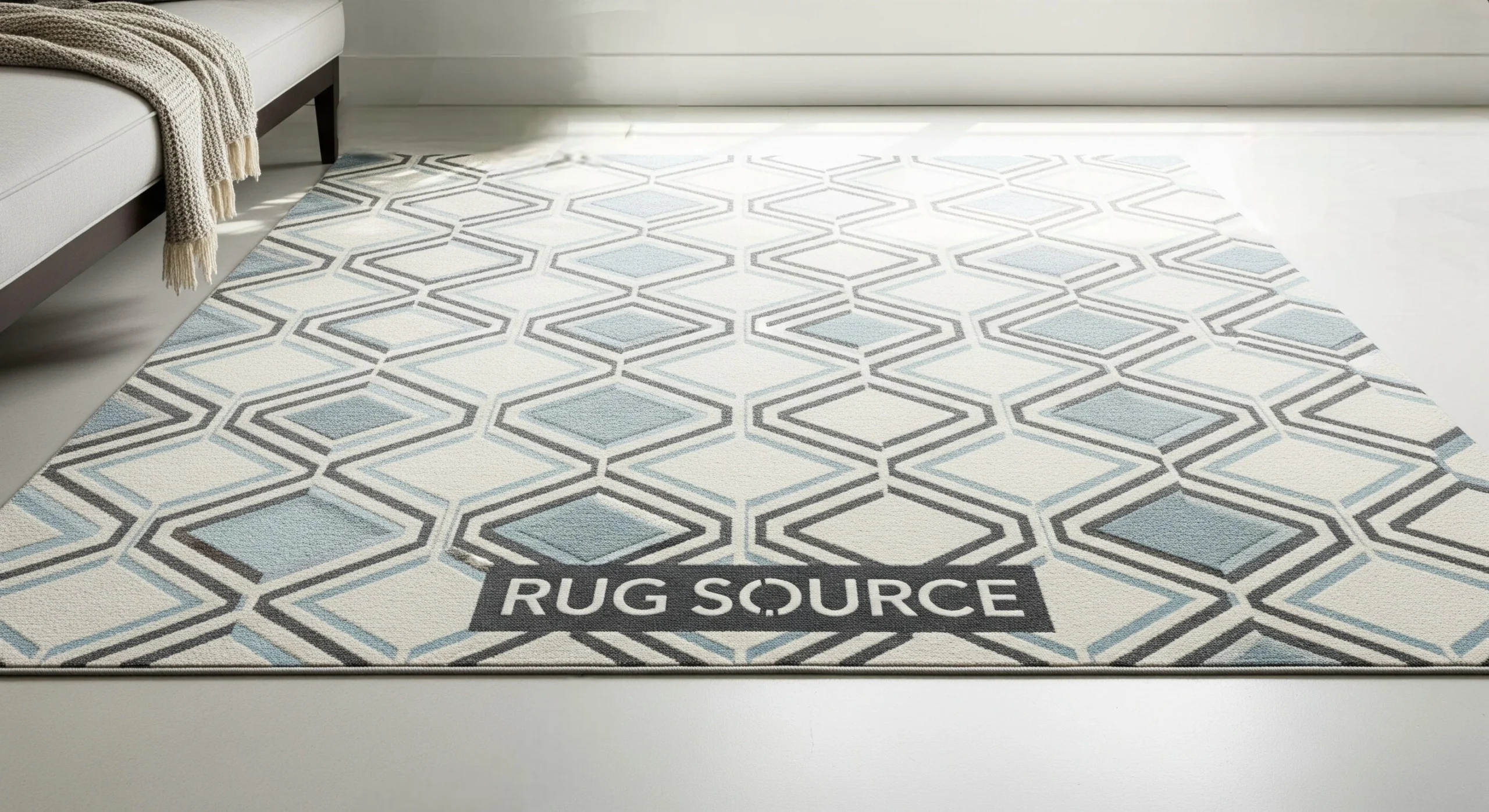
Home staging is now essential for selling in Dallas, and one often-overlooked element is area rugs.
The good news in this regard is that finding high-quality, affordable living room area rugsonline is now easier than ever, and below you’ll see how living room rugs can boost your home’s overall staging appeal.
Creating Clearly Defined Spaces
Open-concept floor plans are very popular in many modern Dallas homes, but these layouts can make it harder for buyers to see how they’ll use the space with their existing furniture and décor.
A strategically placed rug goes a long way toward anchoring the living room and separating it from adjacent kitchen or dining areas. This creates a clearer visual flow, making it easier for buyers to picture themselves living there and boosting their overall impression.
Adding Comfort and Warmth
Even in the most minimalist homes, homebuyers want a feeling of comfort and warmth.
Living room rugs add color, texture, and softness that make a space feel more inviting—especially when your home features tile, hardwood, or carpet. Buyers often tour multiple properties on any given day, so your home should project comfort and warmth to leave a lasting, competitive impression.
Showcasing Personality and Style
Most Dallas-area buyers want homes that feel both practical and stylish. Buyers are more likely to make an offer when a home feels stylishly curated.
A well-chosen rug can highlight your furniture, tie together existing décor, and showcase your home’s unique aesthetic. Whether you choose a traditional or modern look depends on your layout, but aligning the rug with your home’s overall aesthetic enhances your listing’s personality and sparks buyer interest.
Enhancing Light and Color
Rugs can significantly improve a home’s balance of color and light. In rooms with abundant sun, a neutral rug helps soften harsh sunlight. In smaller spaces in your home that get less light, subtle patterns and lighter tones visually brighten the room. This adds energy and visual interest throughout the home and helps you avoid first-glance turnoffs.
Hiding Your Home’s Imperfections
Area rugs also serve many practical purposes for Dallas listings, including covering up any flooring imperfections.
This includes things like dated tile, hardwood floor scratches, and worn-out carpeting that could potentially turn off buyers.
Replacing scratched hardwood floors can be expensive. Simply covering them with an area rug is a cost-effective way to refresh the room’s appearance and keep your listing appealing.
Increasing Your Listing’s Perceived Value
Home staging helps buyers see your property’s potential, which is why it focuses on thoughtful décor details and making your home look move-in ready.
Good staging naturally increases perceived value, which often translates into stronger offers from multiple buyers.
High-Quality Living Room Rugs Help Dallas Homes Sell Faster
By choosing the right style, color, and size, you’ll create a home ambiance that’s alluring and capable of resonating with busy buyers touring quickly. Often, subtle touches make the biggest difference and thoughtful rug choices may be the finishing touch that sets your home apart before it hits the market.
Managing a high-rise is no small job. In one building you may have apartments, offices, retail shops, gyms, and parking all stacked together. Every day, the property team has to keep people safe, make sure the elevators run, manage energy costs, and respond when something breaks — all while trying to keep residents and tenants happy.
That’s where automation shows its value. Think of a lobby with keyless entry, parking levels with motion-sensor lighting, or a heating and cooling system that adjusts itself when spaces are empty. When those pieces are connected, you cut down on wasted energy, reduce service calls, and give people a smoother experience from the front door to their unit.
For owners and investors, the payoff is just as clear. A building that runs efficiently is less expensive to operate, easier to maintain, and more attractive to the market. For residents and tenants, it feels safer and more comfortable. In the end, automation helps the property team manage the day-to-day work while raising the overall appeal of the building.
1. Building Access and Security Systems
High-rises need to stay open for the right people and closed off to everyone else. That’s where modern access systems step in. Residents can use a key card, fingerprint scan, or even a video intercom to let in guests without calling security every time. It feels smoother for people who live there and safer for the property overall.
For the management team, connected systems add another layer of control. Entry logs can be pulled up in seconds, unusual activity can trigger an alert, and security staff can unlock or lock doors from a remote station. You don’t need guards at every single entrance anymore, the system keeps track for you. And if an incident comes up later, there’s already a digital record to review.
2. Energy Management and Sustainability
If you’ve ever looked at a utility report for a high-rise, you’ll see heating, cooling, and lighting eating up most of the costs. That’s why more properties are leaning on smart energy controls. The system can lower the air conditioning on an empty floor, dim the lights in hallways at midnight, or adjust the temperature when the weather shifts. Little things like that add up quickly on the monthly bill.
But the impact goes further than savings. Many cities now push green standards, and high-rises that meet them can stand out in the market. Owners see the benefit in higher property values, while residents enjoy knowing their building is not only comfortable but also lighter on the environment.
3. Smart Maintenance Scheduling
Waiting until something breaks almost always costs more in the long run. In a high-rise, that might look like an elevator stuck during the morning rush or an air conditioner quitting on a sweltering afternoon. Breakdowns like that can throw off the entire building’s routine and cost a lot more to repair in a rush.
Predictive maintenance helps avoid the scramble. Sensors pick up early signs, maybe a pump starts to shake, or a motor runs a little hotter than normal. Those small signals give the team a chance to fix the problem before it becomes a full shutdown. On top of that, scheduling software keeps things moving. Repairs can be lined up, parts ordered, and tasks assigned without anyone juggling spreadsheets or stacks of paperwork.
A repair ticket can be created automatically, parts can be ordered on time, and the job assigned to the right technician without anyone juggling paperwork. The result is less downtime for residents and longer life for critical systems like pumps, air conditioning units, and elevators.
4. Amenity and Space Booking Systems
High-rises today often come with extras, such as a gym, a pool, maybe a lounge or meeting room. The challenge is making sure everyone gets fair use without the hassle of sign-up sheets or back-and-forth with staff. A booking app solves a lot of that. Residents can grab a time slot from their phone, see what’s available, and get a quick reminder so they don’t lose their spot.
Tie that system into the building’s access controls and it gets even smoother. Doors unlock only for the person who booked and only during their reserved hours. It keeps the space secure, avoids double use, and saves the management team from dealing with disputes.
5. Automated Parcel Management
E-commerce growth has turned parcel management into one of the busiest operations in high-rise buildings. Manual logging is time-consuming, error-prone, and costly. Based on data from this parcel cost-benefit comparison, manual logging for just 100 parcels per day can require over 40 staff hours per week, equating to thousands of dollars in annual labour costs.
By implementing the use of efficient parcel management software, properties can automate logging, send instant collection notifications, and maintain a digital audit trail. This can cut processing time per parcel from minutes to seconds. Over a year, the labour savings and reduced lost-package claims can translate into significant ROI.
For example:
Method
Average Time per Parcel
Labour Cost per 100 Parcels/Day
Manual logging
2–3 minutes
~40 staff hours/week
Automated logging
Under 15 seconds
~5 staff hours/week
Automation in the mailroom also improves resident satisfaction, as tenants can collect parcels 24/7 through secure lockers or attended desks with streamlined processes.
6. Integrated Communication Platforms
Clear communication is one of the cornerstones of managing a high-rise. Automated platforms make it easier by sending alerts to residents instantly, whether it’s a maintenance notice, a security update, or an emergency. Messages can go out by text, email, or app notification so nobody misses the news.
The same system also works the other way around. Residents can log service requests or share feedback directly through the platform, which means less risk of messages being overlooked and faster response times from the management team.
7. Waste and Recycling Management
Handling waste in a tall building is a constant challenge. Some properties now use automated collection systems that move trash and recyclables through sealed chutes or vacuum tubes to a central area. This setup cuts down on manual hauling, keeps common spaces cleaner, and improves hygiene.
Sensors can also track how full bins are, so collections happen only when needed. That saves on labor, reduces unnecessary trips, and helps buildings hit their recycling and sustainability goals.
8. Parking and Vehicle Access Automation
Parking is often limited in high-rises, and managing it fairly can be tricky. Automated systems help by using sensors and license plate recognition to control entry, monitor occupancy, and direct drivers to open spots.
In mixed-use buildings, the system can allocate spaces dynamically. For example, office tenants may use more spots during the day, while residents need them at night. Smart allocation ensures the garage is used efficiently without wasting space.
9. Data Analytics for Strategic Decisions
Every system in a high-rise leaves behind a trail of numbers, from how often the elevators run, to when the gym is packed, to the flow of package deliveries each day. Looked at separately, the data doesn’t say much. But once it’s pulled together, it shows clear patterns. Maybe the fitness room is busiest before work, or maybe deliveries pile up on Mondays more than any other day.
For managers, this kind of insight is practical. It helps decide where the budget should go, how staff shifts are arranged, and which upgrades make the most sense. If one lounge sits empty most of the week while the coworking area is crowded, it may be time to rethink the space. Instead of guessing, decisions are backed by real use from the people who live and work in the building.
Implementation Considerations
Rolling out automation requires strategic planning:
Assess needs and pain points: Identify where automation will have the greatest impact.
Select integrated platforms: Choose solutions that can connect with existing building systems.
Pilot before scaling: Test systems in one section or department to refine processes.
Train staff and residents: Ensure everyone understands how to use the systems effectively.
Monitor and adapt: Use performance data to make ongoing improvements.
Step
Purpose
Needs assessment
Identify high-impact automation areas
Platform selection
Ensure compatibility and scalability
Pilot project
Minimise risk before full rollout
Training
Boost adoption and correct use
Continuous monitoring
Keep systems efficient over time
Final Thought
Running a high-rise has never been simple, and the rise of automation shows why many buildings are rethinking their approach. A lobby door that unlocks with a scan, lights that dim when a floor is empty, or a parcel system that keeps track of hundreds of daily deliveries, each piece makes life a little easier for the people who live and work there.
For management, the benefit is just as clear. Fewer emergencies to respond to, lower utility bills, and better use of staff time all feed back into the long-term health of the property. And for residents, it adds up to something more basic: a building that feels safe, comfortable, and convenient.
High-rises that start building these systems in today aren’t just modernizing. They’re shaping what city living will look like in the years ahead.
Selling a home isn’t always a straight path. If you’ve been through the traditional market before, you know it can involve weeks of showings, repair lists from buyers, and waiting for lenders to sign off. For some homeowners in the Inland Empire, that timeline doesn’t work, especially if you’re dealing with repairs you don’t want to tackle, a quick relocation, or personal circumstances that make a long process harder.
That’s where As-Is-Housebuyers comes in. They purchase properties in their current condition and pay in cash, removing a lot of the roadblocks that can hold up a sale.
Here’s what the process usually looks like from start to finish.
1. Reaching Out
Everything starts with a quick first contact. You can call As-Is-Housebuyers office or fill out a short form on their website. A team member will walk you through a few simple questions about your home, when you’d like to sell, and any special considerations you have. The goal is to understand your needs so they can put together the right plan for your situation.
2. Scheduling a Property Visit
Once they know the basics, they’ll set up a time to see the property in person. You don’t have to patch holes, repaint rooms, or bring in a stager. They want to see the home as it is. This visit gives them a clear picture of the condition, which helps them prepare an offer that reflects its true market value.
3. Getting the Offer
After reviewing the property, they’ll put together a written cash offer. It’s based on current market conditions, your home’s location, and the cost of any repairs they’ll need to handle. There’s no pressure to decide on the spot, you can take the time you need to look it over and decide whether it works for you.
4. Accepting and Moving Forward
If you agree to the terms, the process moves forward without the usual delays. There’s no waiting for buyer financing or worrying about an appraisal killing the deal. The offer is solid, and you can move ahead knowing the sale will close.
5. Choosing Your Closing Date
You set the pace from here. Some sellers want to close in just a few days. Others need a few extra weeks to organize their next move. As-Is-Housebuyers works with your schedule so you’re not rushed or left waiting.
6. No Repairs or Added Costs
Unlike a traditional sale, you won’t be paying for repairs, inspections, or commissions. The home is purchased as-is, and there are no surprise fees buried in the paperwork. The number you see in the offer is the number you’ll receive at closing.
7. Receiving Your Funds
Once everything is signed and the sale closes, the funds are released to you quickly. You can use the money to buy your next home, relocate, pay down debt, or take care of whatever’s next on your list, without a long wait for the proceeds.
Conclusion
Selling your Inland Empire home to As-Is-Housebuyers is designed to cut out the steps that slow down most sales. From the first phone call to the day you have your funds in hand, the process stays straightforward and on your timeline.
If you want to skip the repairs, avoid months of uncertainty, and work with a team that handles the details for you, this approach can be a practical alternative to the traditional market.
A roof repair contractor can significantly increase a home’s market value by addressing both functional problems and aesthetic concerns. Through targeted repairs and upgrades, they ensure the roof is structurally sound, improving the property’s overall appeal to buyers.
Strategic roof improvements, such as replacing damaged shingles, fixing leaks, and upgrading materials, make a home more attractive and can justify a higher asking price. These upgrades also signal to potential buyers that the home has been well-maintained, reducing concerns about future repair costs.
Key Roof Repairs That Enhance Market Value
Strategic roof repairs focus on preventing damage, strengthening key components, and optimizing energy efficiency.
Addressing Leaks and Water Damage
Repairing leaks is critical to protect a home’s structural integrity and prevent costly water damage. A contractor identifies the source of leaks, which often appear around flashing, vents, or damaged shingles.
Replacing missing or broken shingles and sealing vulnerable joints stops water from penetrating the roof deck. Addressing underlying roofing issues helps avoid mold growth and wood rot that can deter buyers.
Installing metal roofing can be a long-term solution here. Its durability and water-resistant properties minimize leak risks, increasing the roof’s lifespan and positively impacting market value.
Reinforcing Roof Structure
A strong roof frame withstands weather and extends the roof’s service life, making it an important selling point. Contractors inspect rafters, trusses, and supports for signs of wear or damage.
Repairing or replacing weakened structural elements ensures stability. Adding reinforcement materials or bracing can help the roof carry additional weight, including upgrades like metal roofing.
Structural improvements assure buyers the roof can handle future weather events. This reduces concerns about costly repairs, improving buyer confidence in the home’s condition.
Improving Ventilation and Insulation
Proper roof ventilation balances heat and moisture levels, preventing ice dams and reducing energy costs. A contractor evaluates attic vents, ridge vents, and soffit vents to ensure adequate airflow.
Upgrading insulation complements ventilation by stabilizing indoor temperatures year-round. Adding or replacing insulation reduces heating and cooling expenses, a clear market advantage.
Better ventilation and insulation extend the roof materials’ lifespan by limiting thermal stress and moisture buildup. These energy-efficient improvements align with buyer preferences for lower utility bills and sustainable homes.
Strategic Upgrades for Maximum ROI
Investing in specific roof upgrades can significantly increase a home’s market value. Choosing materials and features with durability, efficiency, and aesthetic appeal ensures the best return on investment.
Upgrading to Modern Roofing Materials
Modern roofing materials such as metal, synthetic slate, and architectural shingles offer increased durability and style. Metal roofing is particularly popular for its longevity and low maintenance. It can also be installed over existing roofs, reducing labor costs.
Installing metal roofing requires professional skill to ensure proper sealing and fastening, which prevents leaks and extends roof life. The reflective surface of metal also helps reduce heat absorption, contributing to energy savings.
Choosing materials with higher ratings for wind resistance and fire safety appeals to buyers in all markets. This upgrade adds tangible value and reduces future repair costs.
Energy-Efficient Roofing Solutions
Energy-efficient roofing options lower utility bills and attract eco-conscious buyers. Cool roofs, reflective coatings, and added insulation are common solutions contractors recommend.
These features reduce heat transfer, keeping the home cooler in summer and warmer in winter. Metal roofs, for example, can be coated with reflective paint that meets ENERGY STAR standards.
Strategic installation includes proper ventilation to boost efficiency. An energy-efficient roof also qualifies for potential tax credits or rebates, making it financially attractive beyond initial investment.
Curb Appeal Improvements
A roof’s appearance strongly influences a home’s curb appeal. Color coordination with siding, neat installation, and a clean roof line can transform the home’s look.
Architectural shingles add depth and texture, while metal roofing provides a sleek, modern aesthetic. Removing old roof debris and power washing the roof surface enhances appeal.
Minor repairs like fixing flashing or replacing gutters can also improve overall presentation. A visually appealing roof signals to buyers that the home is well-maintained, increasing perceived value.
Warranty and Longevity Considerations
Longer warranties and durable materials reduce buyer concerns about future expenses. Reputable contractors often offer warranties on both materials and installation, which can be transferable to new owners.
Metal roofs can last 40-70 years with minimal upkeep, compared to 15-30 years for traditional asphalt shingles. This longevity adds value by lowering replacement frequency.
Homeowners should prioritize upgrades with warranties covering wind damage, leaks, and rust. Clear documentation of these warranties should be part of the home sale package.
Selecting the Right Roof Repair Contractor
Choosing a contractor involves careful review of their qualifications, the range of services offered, and transparent pricing.
Evaluating Credentials and Experience
A reputable contractor should have valid licensing and insurance to protect the homeowner from liability. Checking licenses against state or local databases confirms compliance with laws.
Experience matters; contractors with years in roofing are better at diagnosing issues and selecting effective upgrade methods. Request references or look for reviews that highlight quality, timeliness, and professionalism.
Certifications from manufacturers or professional bodies indicate technical expertise and familiarity with new roofing materials or technologies, reinforcing the contractor’s reliability.
Comparing Service Portfolios
Reviewing the types of repairs and upgrades offered shows if the contractor can handle specific needs like ventilation improvements or energy-efficient installations.
A detailed service portfolio includes roof inspections, shingle replacements, flashing repairs, and emergency services. Contractors that provide comprehensive roofing solutions add value beyond simple fixes.
Ask if the contractor offers warranties on workmanship and materials. Longer or transferable warranties can enhance the home’s market appeal by assuring buyers of future durability.
Understanding Cost Estimates
Cost estimates should be itemized to show labor, materials, permits, and additional fees separately. Transparent pricing prevents surprises and aids in budget comparison.
Contractors who conduct a thorough inspection before quoting tend to provide more accurate estimates. Verbal or vague quotes might lead to hidden costs later.
Comparing multiple bids ensures competitive pricing. Cheaper estimates are not always better; balance cost with quality by verifying included services and warranty coverage.
In the traditional real estate world, staging is a must. Sellers invest time and money to make homes look perfect—renting furniture, painting walls, even baking cookies for open houses. But if you’re working with a cash buyer in Georgia, that picture-perfect setup might not matter as much as you think.
Cash buyers aren’t your typical home shoppers. They’re usually investors, house flippers, or companies looking to make a quick, solid investment. If you’re selling your home in Georgia and want to attract a cash buyer, knowing what really matters to them can save you time, money, and stress.
Source: unsplash.com
Why Cash Buyers Don’t Care About Staging
You might be surprised to learn that most cash buyers skip open houses altogether. They’re not focused on how cozy the living room feels, they care about the numbers and the structure.
Cash buyers typically evaluate properties based on location, condition, and potential return on investment. A beautifully staged dining room won’t matter if the roof needs replacing or the foundation has problems.
Instead of focusing on aesthetics, cash buyers look under the hood. They want to know: How old is the HVAC system? Are there any code violations? Is the plumbing sound? If you’re preparing to sell, your time is better spent gathering these details rather than setting up seasonal décor.
What Cash Buyers Look For in Georgia Homes
Cash buyers are often flexible when it comes to appearances, but they’re serious about the essentials. A house with strong bones will always attract more attention than one with updated countertops but a crumbling foundation.
Location is still king. Areas near good schools, major road access, and signs of economic growth are always in demand. In Georgia, cash buyers are keeping a close eye on several hot spots—from bustling Atlanta neighborhoods to quieter suburbs.
Also, they’re not swayed by sentimental value. Cash buyers want realistic pricing based on market data, the condition of the property, and potential ROI. Overpricing a home even slightly can push them away fast. Forget sentimental value cash buyers look at your home through an investor’s lens. They’ll run comparable sales and do their calculations to determine your home’s value. Overpricing will send them running. They want a fair deal that reflects the property’s current condition and market value.
Fast Closings Are a Major Advantage
One of the biggest reasons sellers in Georgia choose cash buyers is speed. While traditional sales can drag on for months, cash deals often close in just 7 to 14 days—no financing hang-ups, no bank delays, and no drawn-out inspections.
That kind of speed is a huge relief for homeowners who need to move quickly due to a job change, divorce, an inherited property, or financial stress. If you’re hoping to sell fast, keeping this in mind can help you set realistic expectations.
A Clean Title Goes a Long Way
Cash buyers love a clean title. If your home has no liens, legal disputes, or boundary issues, you’re already ahead of the game. Before reaching out to investors, it’s a good idea to run a title check and clear up any problems.
In many cases, the buyer will handle the title search but having your paperwork ready and organized can really set your property apart. It shows you’re serious and helps the whole process go more smoothly.
Repairs: Should You Fix or Sell As-Is?
This is a big question sellers often ask: should I fix anything before selling to a cash buyer?
Most of the time, the answer is no, especially if you’re dealing with experienced investors. Many cash buyers specifically look for as-is properties because they plan to renovate and either resell or rent them. However, it’s smart to disclose everything upfront. If you’ve got a leaky roof or busted water heater, be honest about it.
What matters most is transparency, not perfection. Hiding problems will backfire, but being upfront builds trust and speeds things along.
Curb Appeal Still Matters
Staging the inside isn’t a big deal for cash buyers, but first impressions still count. They might not care about fancy décor, but they’ll definitely notice if the yard looks messy or neglected.
Simple things like mowing the lawn, trimming the bushes, and clearing out any junk, can make a big difference. It shows you’ve taken care of the place, even if it needs some work. No need to hire a landscaper, just keep it neat and easy to walk through for showings or inspections.
Paperwork Can Make or Break the Deal
Being prepared with the right documents matters more than a perfectly staged home. Here’s what most cash buyers will want to see:
Property deed
Utility bills or tax info
Recent inspection reports (if available)
Any permits or repair receipts
Disclosure forms for known issues
Having these documents ready shows you’re organized and serious, which can help speed up the process and build trust with the buyer.
Who’s Buying for Cash in Georgia?
Not all cash buyers are created equal. Some are individuals with renovation goals, while others are larger companies or real estate investment groups. It’s important to vet potential buyers and make sure they’re legitimate and experienced.
Companies like Martin Legacy Holdings specialize in buying homes for cash in Georgia. These types of buyers understand the local market, can move quickly, and are often willing to take homes as-is. If you’re aiming for a fast, smooth transaction without getting bogged down by staging or months of uncertainty, they can be a solid option to consider.
Skip the Staging? Here’s the Bottom Line
If you’re selling your home to a traditional buyer, then yes, staging can help. But if you’re targeting cash buyers in Georgia, your time is better spent elsewhere.
Instead, focus on:
Getting your paperwork in order
Clearing up any title or legal issues
Making sure the home’s structure is solid
Pricing the property realistically
Keeping the space clean and easy to access
Skip the candles and throw pillows, cash buyers are bringing calculators, not clipboards.
Whether you’re in Augusta, Macon, or anywhere in between, understanding what cash buyers really care about can make all the difference.