Tag: Local Market Insights

  • Is Affordable Housing in Texas Sustainable? What 2025 Budget Cuts Could Mean

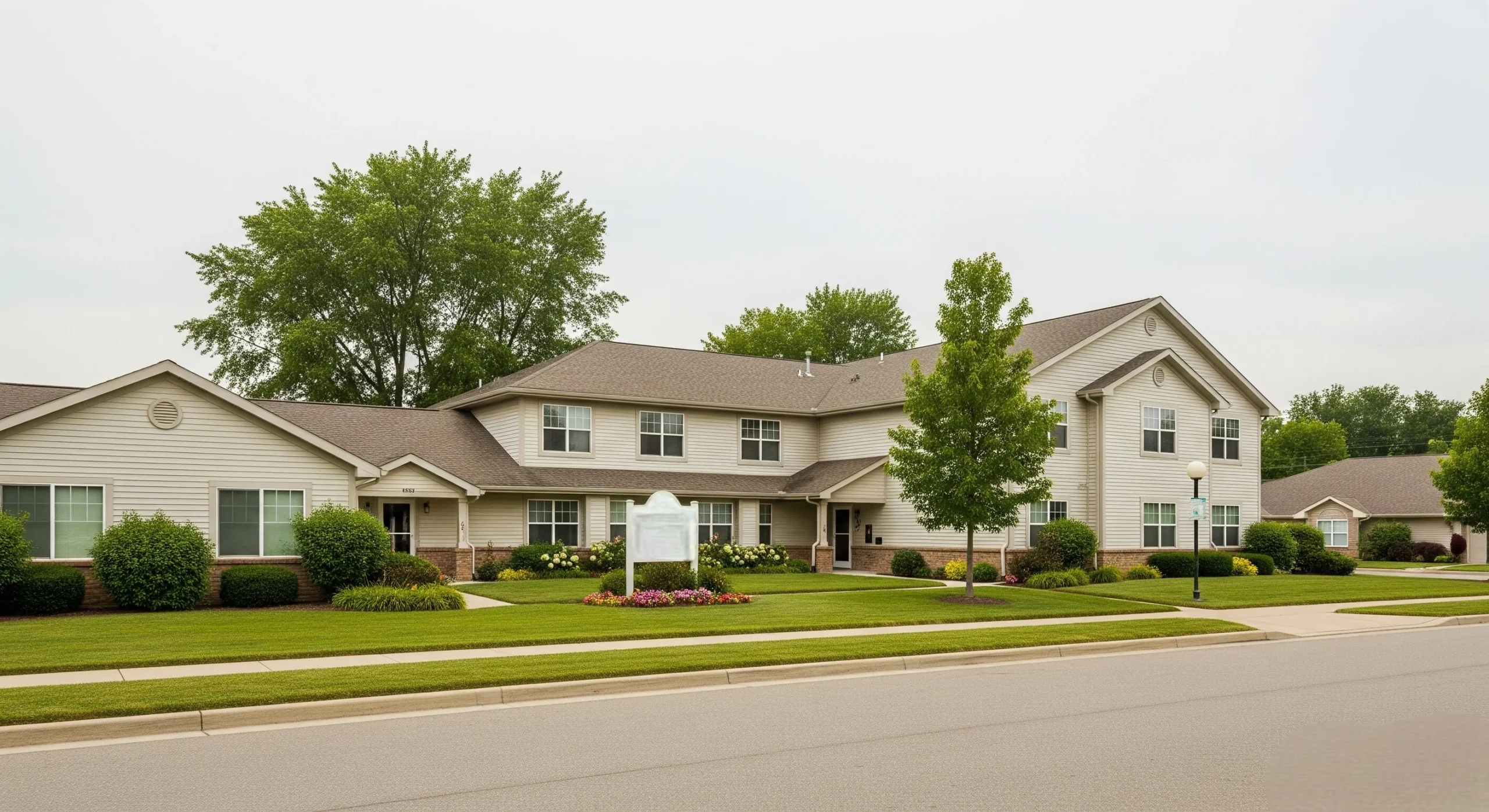
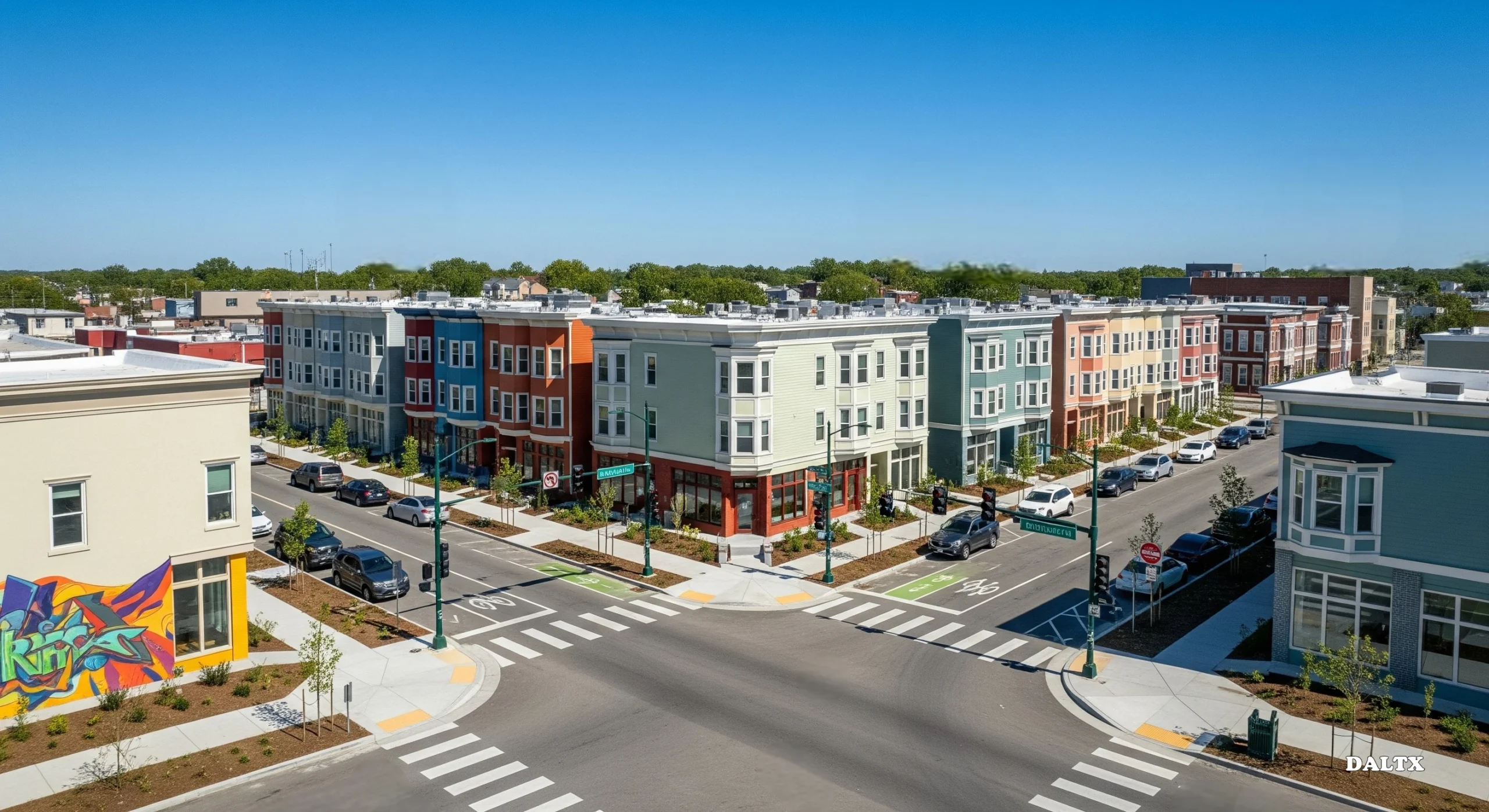
    Home prices across Texas have been moving steadily upward. In cities like Houston, Austin, and Dallas, working families are spending more just to stay close to jobs, schools, or transit. Local governments have tried to respond, with zoning changes, higher density projects, and tax credits, but those efforts take time and rarely scale fast enough.

    At the same time, federal housing support is now at risk. Budget proposals for 2025 include cuts to several programs that fund rent vouchers and income-restricted units. If approved, those reductions won’t play out on paper, they’ll show up in waitlists, delayed repairs, and people losing the housing they already have.

    The State of Housing Affordability in Texas
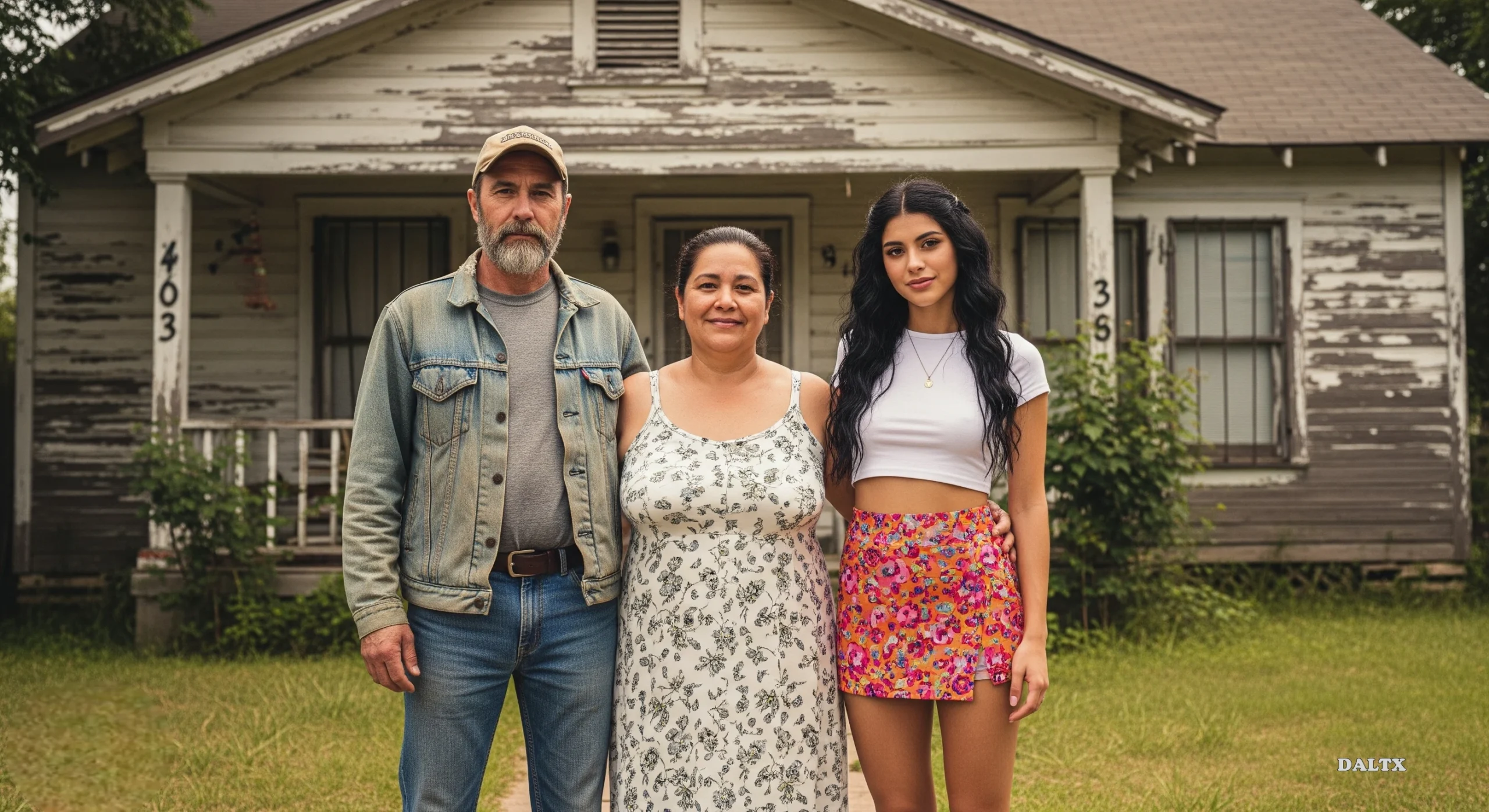
    In cities like Dallas, Austin, and Houston, the shortage of affordable housing isn’t a future problem, it’s already here. In Dallas, the current gap between available rental units and what low-income renters need has passed 33,000. In Houston, close to half of all renters are spending more than 30 percent of their income just to stay housed.

    Wages in many industries haven’t kept pace. The gap between housing costs and what people earn is no longer a slow drift, it’s a fixed reality in much of the state. One legislator described it simply: it’s hard to talk about affordable housing if no one can afford a home.

    Outside the cities, the pressure isn’t any lighter. Smaller towns face different constraints, fewer properties, older stock, and limited local funding. Families looking for something clean, safe, and within reach often find nothing close. For some, that means pulling children out of school midyear. For others, it means leaving behind a home they’ve lived in for decades or driving long distances to jobs that don’t pay enough to move closer.

    How Section 8 Helps Bridge the Gap

    Section 8 housing vouchers are one of the few tools that connect low-income renters to the private market. In Texas, they’re managed by local housing authorities and reach families, seniors, and people with disabilities in cities and rural towns alike.

    The program doesn’t just keep people housed, it also helps stabilize neighborhoods. Landlords rely on the regular payments to maintain their properties. In places like San Antonio and El Paso, that consistency matters. Section 8 isn’t a full solution, but it fills a space that few other programs can reach.

    Federal cuts in 2025 could change that. A smaller program means fewer vouchers and longer waitlists. For people already struggling to hold on to housing, the result won’t be gradual, it will be felt quickly.

    With the impact of federal housing budget reductions threatening to shrink these programs, the safety net they provide is at risk of unraveling.

    What the 2025 Budget Cuts Could Mean

    The federal budget proposal for 2025 outlines reductions across a number of domestic programs, and housing assistance appears to be among them. Even partial cuts to the Housing Choice Voucher Program could leave tens of thousands of households without rental support. Texas, already among the states with the lowest access to affordable housing, could feel the impact quickly.

    Waitlists for vouchers in cities like Austin, Dallas, and Brownsville already stretch for years. If funding drops, most agencies would have to stop new enrollments, and families already waiting might find themselves pushed further down the list or dropped entirely.

    Without rental help, families at the edge of eviction could slip into shelters, or leave their communities altogether. That shift doesn’t happen in isolation. Cities and nonprofit organizations would face more pressure to expand emergency housing, legal support, and outreach. In smaller cities with limited resources, the need could outpace capacity.

    There’s also the landlord side. Many private owners accept vouchers as part of their business model. But if payments become unreliable or delayed, some may opt out of the program. In tight markets like Fort Worth, Lubbock, and Corpus Christi, that would make finding a unit even harder for voucher holders.

    Local Efforts Can’t Do It Alone
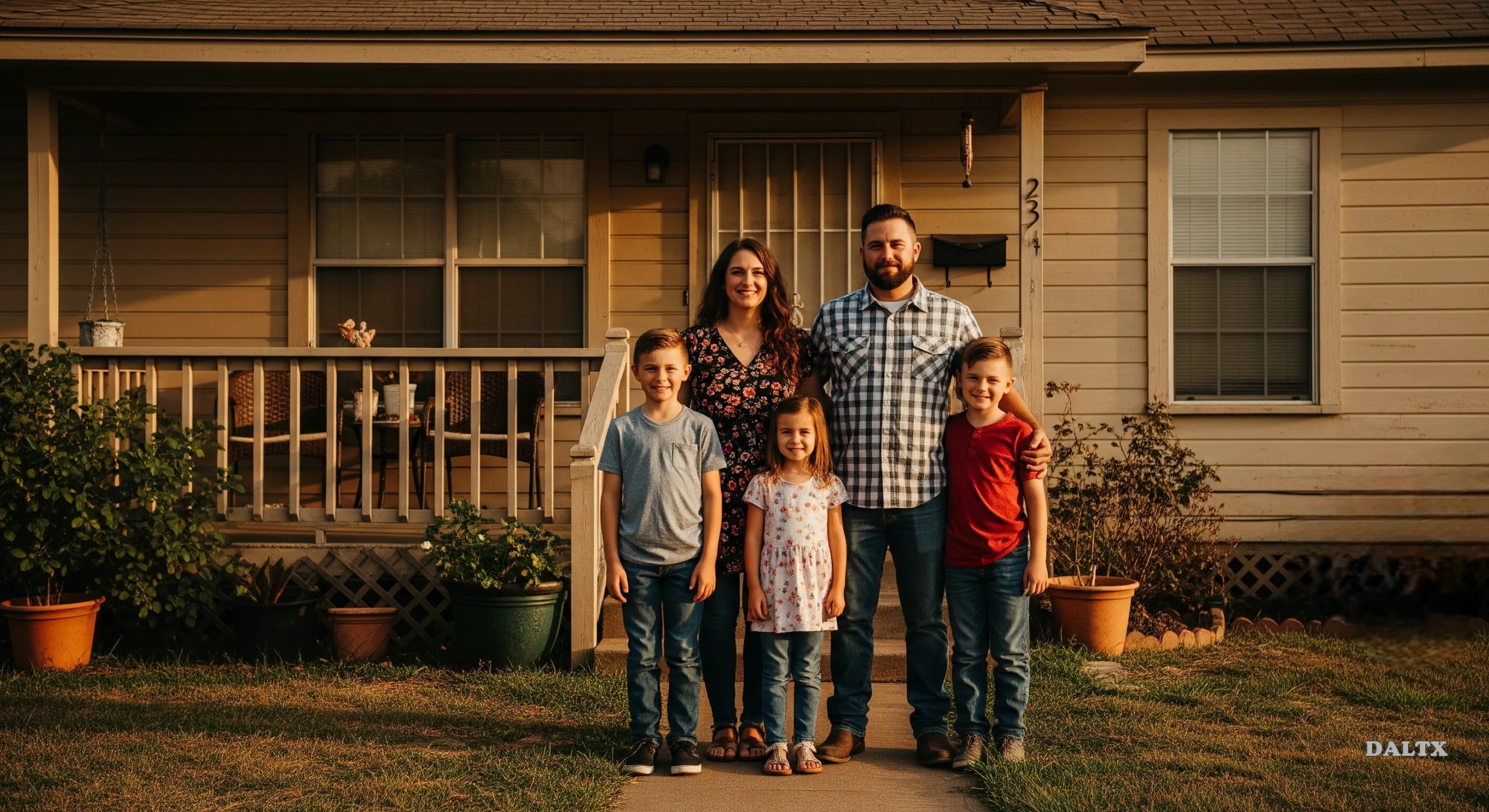
    Across Texas, cities have taken their own steps to deal with housing shortages. In Dallas, officials are looking at smaller lot sizes to make it easier to build more than one unit on a single property. Austin passed changes to let homeowners add multiple units where only one was allowed before.

    Other cities are trying different angles. Houston and San Antonio have tested ways to speed up the permitting process. El Paso is working with developers to add affordable homes into mixed-income buildings, aiming to avoid clustering poverty in a single location.

    These approaches reflect how cities are trying to respond with what they have. But the need keeps growing. Local rules can help, but they don’t cover what federal funding supports, especially when it comes to volume. Building takes time, and the backlog isn’t getting shorter.

    What Can Be Done?

    While the full scope of the 2025 budget cuts is still under negotiation, housing advocates are urging local leaders to speak up and prepare. Here are a few priorities taking shape:

    • State advocacy: Texas leaders can lobby federal counterparts to maintain or expand HUD funding, especially for vouchers and housing assistance.
    • Municipal planning: Cities may need to adjust bond packages and development strategies to fill anticipated gaps.
    • Community support: Landlords, nonprofits, and tenant coalitions can work together to identify at-risk renters and intervene early.

    The impact of federal housing budget reductions extends far beyond policy; it shapes whether local efforts will succeed or stall.

    In the long term, Texas may also need to consider creating a state-level rental assistance fund that can backstop federal gaps. By diversifying the sources of affordable housing support, the state can build more resilience into a system that is currently too vulnerable to federal whims.

    A Tipping Point for Texas?

    Texas stands at a housing crossroads. The state’s economic success continues to attract new residents, but that growth is outpacing affordability in nearly every major metro. Federal funding plays a quiet but essential role in holding that balance together.

    Without it, the fragile system that keeps many Texans housed could falter and that would ripple far beyond the households most directly affected.

    The workforce housing shortage could hamper local economies, especially in service industries and public sector jobs. Communities increasingly price out educators, healthcare workers, and first responders who serve them.

    Without solutions, talent loss and workforce instability could accelerate. For now, eyes are on Washington. But households across Texas, from urban apartment towers to rural rental homes, will feel the decisions the most.

    The time to talk about sustainability isn’t after the cuts come; it’s now.

    By confronting the affordability crisis from multiple angles. Protecting vital funding streams, Texas can move toward a housing future that is not only livable but also equitable and enduring.

  • Texas county faces lawsuit from nation’s largest homebuilder over infrastructure costs

    Homebuilding giant D.R. Horton has sued Rockwall County, Texas, escalating a dispute that could set a pivotal precedent for who pays to expand infrastructure in some of the state’s fastest-growing regions. The lawsuit comes after local officials sought to make the developer shoulder millions of dollars in costs for roads, utilities, and emergency services tied to a major new subdivision.

    At the heart of the clash is River Rock Trails, a planned 418-home community on 85 acres in unincorporated southern Rockwall County—just outside the Dallas-Fort Worth area, where growth has surged. County leaders insist developers should pay a fair share to help expand services like roads, water lines, and police coverage that new residents will inevitably need. They argue that without such contributions, longtime taxpayers would end up footing the bill.

    In February, Rockwall County adopted stricter rules requiring developers to fund portions of 16 types of infrastructure. By December, officials had calculated D.R. Horton’s expected share, including roughly $339,000 to improve Farm-to-Market Road 548 near the project site.

    D.R. Horton pushed back on paying the full slate of costs. The company countered with an offer: it would pay for road upgrades and add about $529,000 to help hire two sheriff’s deputies. The county initially rejected the compromise. By the time officials reversed course and tried to accept the limited offer, D.R. Horton had already withdrawn it, frustrated that its earlier proposal had been rejected.

    In June, D.R. Horton and landowner DMDS Land Co. filed suit, claiming Rockwall County imposed “unreasonable and disproportionate” fees that violated their property rights under Texas law. They’re seeking damages and legal costs, while also challenging the county’s authority to demand extensive developer payments.

    The showdown highlights a broader tension across Texas. As booming suburbs push new subdivisions beyond city limits, local governments are grappling with how to fund the infrastructure to support them. One common tool is the use of municipal utility districts (MUDs), which levy extra property taxes on homeowners in new developments to repay bonds for water and sewer systems. River Rock Trails has a MUD in place for those basics—but county roads and public safety often require separate arrangements.

    Recent shifts in state law have further complicated matters. Texas Senate Bill 2038, passed in 2023, made it easier for landowners to remove properties from a city’s extraterritorial jurisdiction (ETJ). That move lets developers avoid city annexation and the stricter regulations or fees that typically accompany it, pushing more responsibility onto counties that historically had limited planning powers.

    Rockwall County Judge Frank New has defended the county’s push for developer contributions, warning that without them, existing residents would effectively subsidize large private projects. “We welcome growth, but not at the expense of people who’ve lived here for years,” New said in a recent statement.

    The stakes are significant for both sides. D.R. Horton, the nation’s top homebuilder by volume with nearly $37 billion in 2024 revenue, has extensive holdings in North Texas. A favorable ruling could encourage similar large-scale developments outside city oversight. For Rockwall County, the case could determine how aggressively local governments can require developers to offset the costs of rapid growth.

    For now, construction on River Rock Trails is on hold pending the court battle, leaving developers, county officials, and other fast-growing Texas communities watching closely. As suburbs keep expanding into once-rural territory, the outcome may help define who ultimately pays to build the roads, extend utilities, and bolster public safety.

  • Building Over Buying: Why More Texans Are Choosing New Homes

    Photo by Roger Starnes Sr on Unsplash

    The way we buy homes in Texas has changed dramatically in recent years. As of May 2025, the number of active listings in Dallas-Fort Worth rose by 55% compared to pre-pandemic times. Homes are also taking longer to sell, which gives buyers a better chance. However, despite all that, buyers are still tending towards building new. 

    Texas Is #1 in the US

    Texas is leading the way for new builds nationally. In 2024, the state issued 15% of all new housing permits in the US, even though it’s home to just 9% of the population. As a buyer, you can find more brand-new homes with modern finishes and efficient designs. There are simply more options available to buyers in Texas.

    Why More Texans Are Choosing to Build

    Building a new home comes with clear benefits. Builders like Betenbough Homes have made the process easier than ever before, with modern floor plans, customizable features, move-in-ready homes, and attractive finance options like $0 down loans. Properties come with better insulation, smart tech, and great energy efficiency. You can choose everything from your appliances to your worktop material. That level of control is appealing, especially when resale homes come with potential unknowns, like old systems that need repairing or replacing. 

    Market Trends in DFW 

    Dallas-Fort Worth is one of the fastest-growing metro areas in the US, with a population of around 8.1 million. Housing demand continues to be strong, with job growth and relocations from places like California and New York partly responsible. That’s why construction is rife; builders are looking to meet demand in new communities where resale options lag behind, and the opportunities are numerous. 

    What to Know Before You Build

    If you’re planning to build your dream home, the most important thing is that you work with a builder you can trust. There’s no point cutting corners to save a few bucks if it risks your home not being up to standard. 

    Next, building a property takes time. Expect around six to 12 months from signing to moving in. Finding the right plot, weather, permits, and custom choices can all cause delays. If you need to relocate quickly but still want a brand new property, focus on residential developments with homes that are move-in ready. 

    Depending on your budget and space requirements, be prepared to look outside the city in up-and-coming areas. For example, towns in West Texas, like Amarillo, Greenwood, Lubbock, Midland, and Odessa, offer newly built communities with plenty of homes under $300,000.

    In terms of budget, remember that the listed price often doesn’t include optional upgrades like flooring, countertops, or landscaping. Talk to your builder early about what’s included and what’s extra so you can plan accordingly. It’s usually recommended to keep 10% to 15% of your budget aside for contingencies. 

    Endnote

    In DFW and Texas in general, you’re spoiled with options when it comes to buying or building. Properties have more resale days on the market, plus there’s a full menu of new homes in great areas statewide. Like many Texans, you might prefer to build for the long-term value, choice, and peace of mind. Whether you build or buy, what matters most is that your home fits your family life today, tomorrow, and in the years ahead. 

  • Relocating from Houston to Dallas: A Professional’s Real Estate Transition Guide

    Source:Pixabay.com

    If you’re a Houston-based professional exploring fresh opportunities, moving to Dallas could be your next smart career step. Dallas offers a different lifestyle and a thriving job market that continues to draw talent from across Texas. While both cities bring their own advantages, Dallas stands out with unique economic perks, lifestyle diversity, and robust real estate potential, especially for those ready to level up professionally.

    Why Professionals Choose Dallas

    Dallas has become a powerful center for industries like technology, finance, and telecommunications. Major corporations such as AT&T, Texas Instruments, and American Airlines have set up their headquarters here, creating steady demand for skilled workers.

    The job market keeps expanding in fields such as cybersecurity, financial services, and health tech. For many professionals coming from Houston’s energy-driven economy, this shift means access to roles that align more with their long-term career goals and offer room to grow.

    Where to Live: Neighborhoods That Work for Professionals

    North Dallas offers several strong options for working individuals and families. Plano is known for its well-rated public schools, organized neighborhoods, and access to large tech employers. Newer homes, low crime, and community-driven planning make it a consistent choice.

    Uptown Dallas draws professionals looking for a walkable lifestyle. You’ll find dining, nightlife, and entertainment close by. The housing here includes high-rise apartments and modern condos, which suit buyers or renters wanting to stay close to the city center.

    Richardson is another good choice. With multiple tech companies nearby, it offers a mix of homes and apartments at various price points. It’s well-connected and has enough green space and public amenities to support day-to-day needs.

    Frisco has grown quickly over the past decade. Developers have brought in new housing, sports venues, and company offices. The community continues to attract both corporate interest and long-term residents.

    Understanding the Dallas Housing Market

    Home prices in Dallas have risen in recent years, but the market still offers a range of choices that meet different budgets. In neighborhoods like Plano and Frisco, prices are higher due to demand, strong school ratings, and access to newer developments.

    Renting remains a smart first move. Many professionals start with a lease so they can explore areas before buying. This approach gives you time to figure out commute times, community vibe, and long-term fit.

    Property taxes in Dallas County are higher than some other parts of Texas. But with no state income tax, many homeowners find the overall balance still works in their favor. When planning your move, include these costs in your total budget so there are no surprises later.

    Cost of Living: What to Expect in Dallas

    Housing in Dallas usually costs more than in Houston, but other expenses can level things out. Electricity rates may be lower due to the way the market is structured. If you pick a place near a transit line or work hub, you might also cut back on gas and parking.

    The DART system (Dallas Area Rapid Transit) covers the metro area with light rail and bus routes. It’s not perfect, but for many, it offers a practical way to get around without depending fully on a car.

    Overall, your monthly costs will depend on where you live and how you get to work. Choosing a neighborhood that fits both your lifestyle and your commute can help you stay on track financially.

    Getting Around: What You Should Know About Dallas Traffic

    Driving in Dallas feels different from Houston. Major routes like I-35E, I-30, and I-635 carry a lot of traffic, and rush hour delays are common. If you’re used to Houston’s traffic flow, expect a learning curve in Dallas.

    Public transit is more available than in many Texas cities. The DART light rail links downtown to places like Plano and Richardson, and the bus network fills in gaps. If you work downtown but prefer living in the suburbs, this system can save you time and wear on your vehicle.

    Some professionals find that combining rail and car use offers the most reliable routine. The key is planning ahead and testing your route before settling on a neighborhood.

    Building Your Network in Dallas

    Starting fresh in a new city takes more than just unpacking boxes. To grow your career in Dallas, you’ll want to connect with local professionals early on. Industry meetups, chamber events, and alumni groups from schools like SMU or UT Dallas are all good entry points.

    The city has a strong base of professionals in tech, finance, health, and design. You’ll find people who are open to collaboration and willing to help newcomers get established.

    Outside of work, Dallas has a full calendar of sports, music, dining, and art. The downtown arts district is home to museums and performance venues, while neighborhoods across the city host events and local markets. It’s easy to find your rhythm here once you start looking.

    What to Handle Legally When You Relocate

    When you move to Dallas, a few legal tasks need your attention. You’ll need to update your voter registration and driver’s license shortly after establishing your new address. If you hold any professional licenses, check state-specific rules to avoid any compliance gaps.

    For professionals seeking a completely fresh start, addressing any past legal issues before establishing new business relationships can be beneficial. Professionals such as Trey Porter Law’s Houston expungement lawyers can help clear records that might otherwise impact professional opportunities in your new city.

    Also, take time to review your estate planning documents. Rules about wills, powers of attorney, and property ownership can vary by state, so updating these ensures your plans still hold up in Texas.

    Making the Move: Planning for a Smooth Transition

    Relocating from Houston to Dallas works best when you give yourself time to plan. Start by narrowing down neighborhoods that fit your goals, commute, and budget. Talk to a local agent who knows the area well—they can help you see options you might miss on your own.

    Renting at first gives you room to figure things out. It lets you test drive daily routes, check the feel of each neighborhood, and see where you’ll get the most value. Once you’re settled, buying becomes a more confident decision.

    Dallas is growing, and the demand for skilled professionals keeps climbing. With the right approach, your move can bring both new challenges and new rewards—professionally and personally.

  • Catastrophic Texas floods kill over 100 as communities rally relief efforts

    Flooded street in Kerrville or Hunt

    Kerrville, Texas—Flash floods tore through Central Texas over the Fourth of July weekend, killing more than 100 people and leaving dozens missing, officials reported. The Guadalupe River rose an astonishing 26 feet in just 45 minutes. Entire communities were inundated, and widespread destruction followed.

    Among the hardest-hit locations was Camp Mystic, an all-girls Christian summer camp in Hunt, where 27 campers and staff members lost their lives, and 10 girls along with a counselor remain unaccounted for. The camp draws attendees from across Texas, including the Dallas-Fort Worth area. Former First Lady Laura Bush once served as a counselor there.

    Texas-based businesses are mobilizing to help, with several major names pledging support:

    • The Dallas Cowboys and Houston Texans, along with the NFL Foundation, pledged $1.5 million to help fund recovery efforts.
    • San Antonio-based grocery chain H-E-B dispatched emergency convoys to deliver essential supplies and support first responders in the affected areas.
    • AT&T deployed its 40-foot Mobile Connectivity Center to Kerrville, offering free Wi-Fi, computers, and charging stations for displaced residents and first responders.
    • Neiman Marcus partnered with the American Red Cross to facilitate customer donations for disaster relief efforts.

    Other Texas-based companies, including Whataburger, USAA, James Avery, and Kendra Scott, have also contributed to the relief operations, demonstrating a statewide commitment to supporting affected communities.

    Texas Gov. Greg Abbott declared a disaster in several counties, mobilizing state and federal resources to assist in ongoing search and rescue missions. President Donald Trump, who returned to office earlier this year, pledged federal support.

    Authorities urge residents to remain vigilant, with more rain in the forecast that could worsen already dangerous conditions. Still, as search teams press on, communities across Texas are doing what they’ve always done, coming together to rebuild.

  • How Transitional Housing Shapes Lives and Local Neighborhoods

    Transitional housing is short-term housing combined with support services for individuals moving from homelessness or crisis into permanent, stable living. These programs became more common in the 1980s, evolving from emergency shelters to longer-term housing solutions focused on skill-building, stability, and self-sufficiency. Transitional housing not only helps individuals get back on their feet but can also reduce local homelessness and improve neighborhood stability.

    How Transitional Housing Impacts Residents

    Transitional housing offers a structured, supportive environment where individuals can focus on rebuilding their lives. Residents typically receive a range of services, including job placement support, life skills training, and mental health counseling, that help them gain independence.

    For example, some programs provide access to job readiness workshops and therapy sessions. This model helps residents develop financial stability and confidence while reducing the likelihood of returning to homelessness. Programs like Legacy Healing Center show how having a safe place to live can help people rebuild their confidence and get back on their feet.

    Research shows that approximately 70% of individuals in transitional housing move to permanent housing within six months.

    Neighborhood Benefits of Transitional Housing

    Transitional housing also benefits local communities. By reducing the number of people living unsheltered, these programs ease strain on emergency services and improve public safety. Well-managed housing programs often lead to lower crime rates and reduced loitering or encampments in public areas.

    Residents are often encouraged to get involved in the local community, which can improve neighborhood cohesion. Over time, this helps build a more stable, close-knit community. In some areas, transitional housing has even helped raise nearby property values by revitalizing vacant lots and underused buildings.

    What Services Do Programs Provide?

    Support services are a core part of transitional housing. They’re designed to help individuals achieve long-term self-sufficiency rather than simply providing a place to stay. Common services include:

    • Employment training and resume assistance.
    • Mental health and addiction counseling.
    • Financial literacy and budgeting classes.
    • Case management and referral services.

    These services aim to prepare residents for independent living while reducing the likelihood of relapse into homelessness or crisis.

    Key Challenges Facing Transitional Housing

    Despite their success, transitional housing programs face several challenges. One of the biggest issues is funding. Many rely on fluctuating government grants or private donations, making it difficult to maintain staffing and programming consistently.

    Community opposition is another obstacle. Neighborhood resistance, often rooted in misconceptions about safety and property values, can delay or derail new housing developments. Programs must invest time in community outreach to address these concerns.

    Additionally, transitional housing often serves individuals with complex needs, including mental illness and substance use disorders. Meeting those needs requires trained professionals and sustained support, both of which depend on stable funding.

    Examples of Success

    Successful transitional housing programs often share a few common traits: stable funding, qualified staff, and tailored services. These programs can lead to:

    • Steady employment for residents.
    • Completion of vocational or educational training.
    • Long-term housing stability.
    • Reduced rates of re-hospitalization or incarceration.

    When residents succeed, they often become active members of their communities, contributing to local economies and support networks.

    The Outlook for Transitional Housing

    As housing insecurity continues to rise in many U.S. cities, transitional housing remains a critical tool. Expanding access to these programs, especially with more flexible funding models and community partnerships, could increase their impact.

    Technology and data tools are also helping programs better match services to resident needs, improving outcomes. Collaboration between nonprofits, local governments, and healthcare systems will be key to future growth.

    The Bottom Line

    Transitional housing provides more than temporary shelter, it’s a structured path toward long-term independence and community stability. By addressing both immediate housing needs and underlying challenges, these programs offer real solutions for individuals and neighborhoods alike. As housing pressures grow, transitional housing will continue to play a central role in building stronger, more resilient communities.