Real estate deals aren’t just about location, curb appeal, or financing. At their core, they’re legal transactions that can unravel fast without a basic understanding of property law. Whether you’re buying your first home, managing rentals, investing in properties, or simply curious about the real estate world, knowing the legal principles that govern land ownership gives you an edge.
Across the United States, real estate laws vary widely, but they all influence how property is bought, sold, and managed. From contract clauses to title disputes, understanding these rules can help prevent costly errors and legal complications. Learning how the legal side of real estate works puts you in a stronger position to make smart, informed decisions.
How Law School Subjects Apply to Real Estate

Some of the most practical real estate knowledge comes straight from subjects taught in law school. Getting familiar with legal topics like property law, contracts, and land use can give aspiring homeowners, investors, or real estate professionals a clearer picture of how transactions really work.
This overlap between legal education and real estate isn’t just academic. For example, knowing what adverse possession means can help you understand boundary disputes or how long-term use of land affects ownership. Similarly, contract law concepts can help you spot red flags before signing a lease or purchase agreement.
Legal principles show up in nearly every real estate deal. Basic legal real estate knowledge acts as a safeguard, not just a checklist, to help you navigate key terms and timelines with confidence. Knowing how contingencies work, what to expect in escrow, and when to exercise inspection rights can help you avoid surprises and negotiate from a stronger position.
Unique Challenges in State-Specific Property Laws
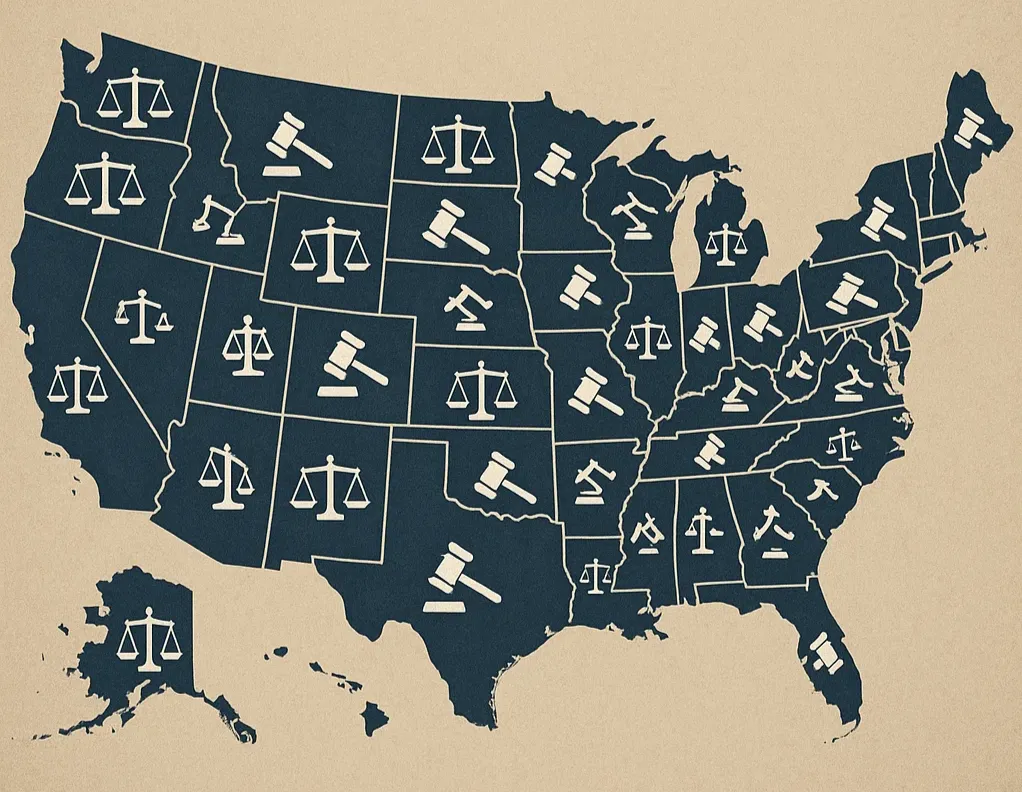
Every state has its own property laws and quirks, and understanding these can give you a significant advantage. From homestead exemptions to zoning laws and water rights, the legal framework around real estate shapes how property is used and transferred. Even just knowing when to ask questions can help you avoid trouble.
In some states, local governments have broad powers when it comes to eminent domain or land development. These rules can impact everything from rural land purchases to commercial investments in growing cities. By learning what protections exist, you can better assess risks and opportunities in any given area.
Title insurance is another part of real estate that deserves attention. It protects buyers and lenders from issues like undisclosed liens or disputes over ownership. Understanding how to read a title commitment might seem technical, but it can help prevent unexpected delays or legal conflicts.
Building a Smarter Real Estate Skillset

You don’t need to become a lawyer to improve your understanding of real estate law. Anyone can start building knowledge by exploring legal topics that directly affect property ownership and investment. This awareness can help you spot potential issues early and avoid making decisions you’ll regret.
Legal knowledge also helps with communication. Whether you’re working with agents, lenders, contractors, or attorneys, being able to speak their language shows professionalism and builds trust. In multi-party transactions, that clarity can make a big difference.
Even basic awareness of liability and risk can change how you approach renovations, rentals, or resale. Knowing the legal implications of things like safety codes, tenant rights, or HOA restrictions means you’re less likely to face disputes or fines down the line.
Why Legal Awareness Builds Confidence

In fast-moving real estate markets, being legally informed can help you act quickly and avoid bad deals. It’s not just about being savvy—it’s about being prepared. The more you understand, the more confidently you can navigate transactions and partnerships.
Legal knowledge also builds credibility. Whether you’re a first-time buyer, casual landlord, or seasoned investor, showing you understand the legal side of things reassures clients, lenders, and partners. It tells people you’ve done your homework and take your responsibilities seriously.
Even a basic legal vocabulary can offer long-term benefits. It helps you avoid costly mistakes, communicate more clearly, and handle documents with greater care. These skills grow over time and compound with experience.
Staying Informed and Getting Ahead

You don’t need a law degree to gain a legal edge in real estate. Plenty of courses, books, and online articles break down the fundamentals. By learning just a little more about how real estate law works, you can set yourself up for better results.
As laws evolve and markets shift, staying informed is a competitive advantage. Whether you’re exploring your first property or managing a growing portfolio, legal literacy gives you the tools to protect your interests.
In the end, legal knowledge doesn’t replace a trusted agent, lawyer, or title officer, but it makes you a stronger buyer, seller, or investor. And in real estate, that knowledge pays off again and again.


