Tag: Legal Rights

  • Understanding Your Rights in a Property Damage Dispute

    Understanding Your Rights in a Property Damage Dispute

    Image Source: istockphoto.com

    Property damage often results from accidents, storms, or other unanticipated events. They can cause financial stress and an urgent need to rebuild or repair. Understanding your rights in these disputes can help you prevent delays, unjust treatment, and uncompensated losses.

    Lawyers play an important role in protecting your rights. With the proper support, you can respond swiftly, deal with insurance effectively, and protect your claim without jeopardizing your future stability.

    What Counts as Property Damage?
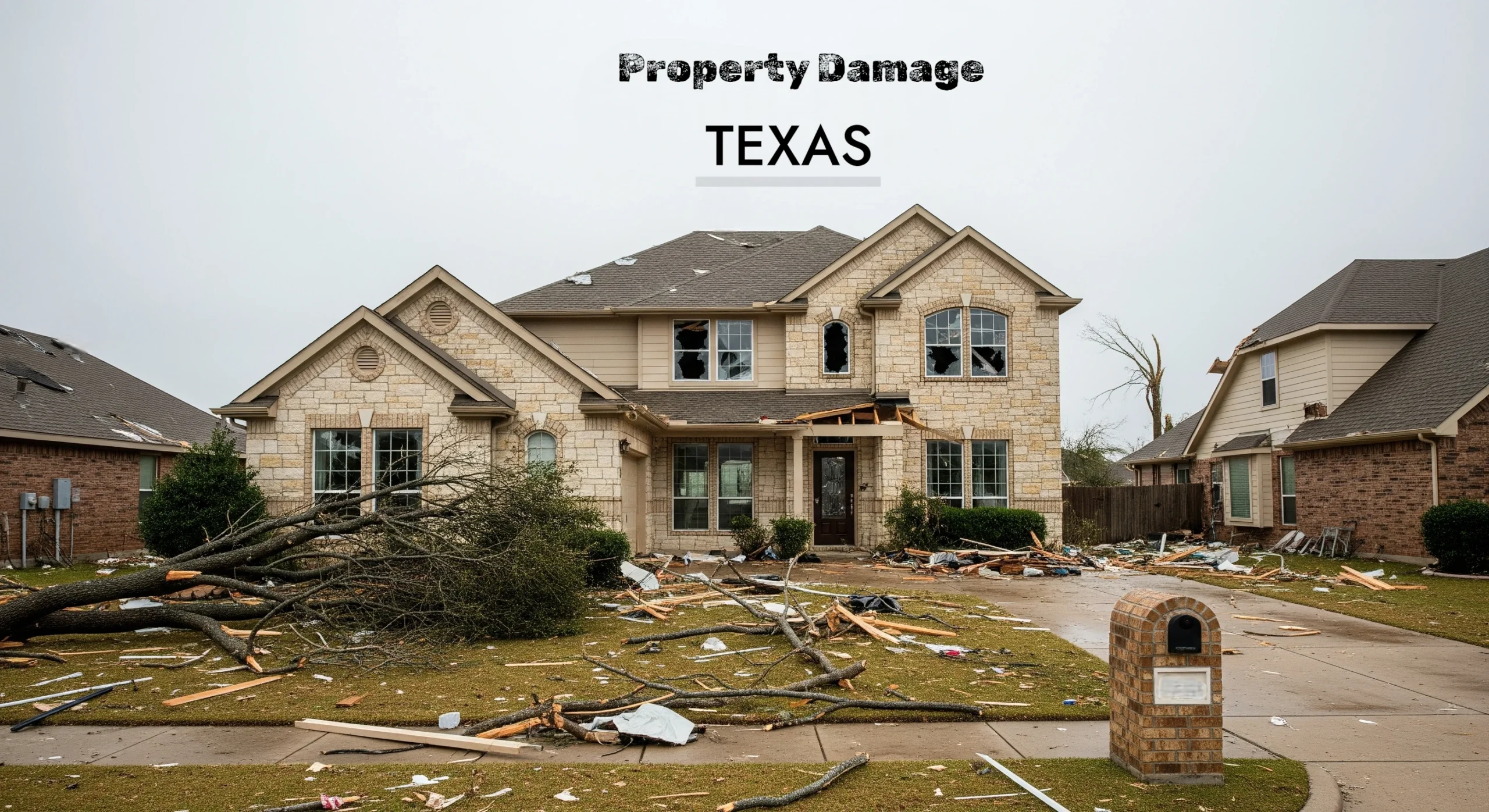
    Property damage refer to the harm done to personal or real property. It includes the destruction of physical structures, cars, or valuables caused by catastrophes such as car accidents, fires, or natural disasters. In these cases, insurance companies often reimburse certain damages while disputing others.

    Understanding what constitutes property damage allows you to determine what you can claim and where problems may develop. That clarity is the first step toward fair compensation.

    What Rights Do You Have in a Dispute?
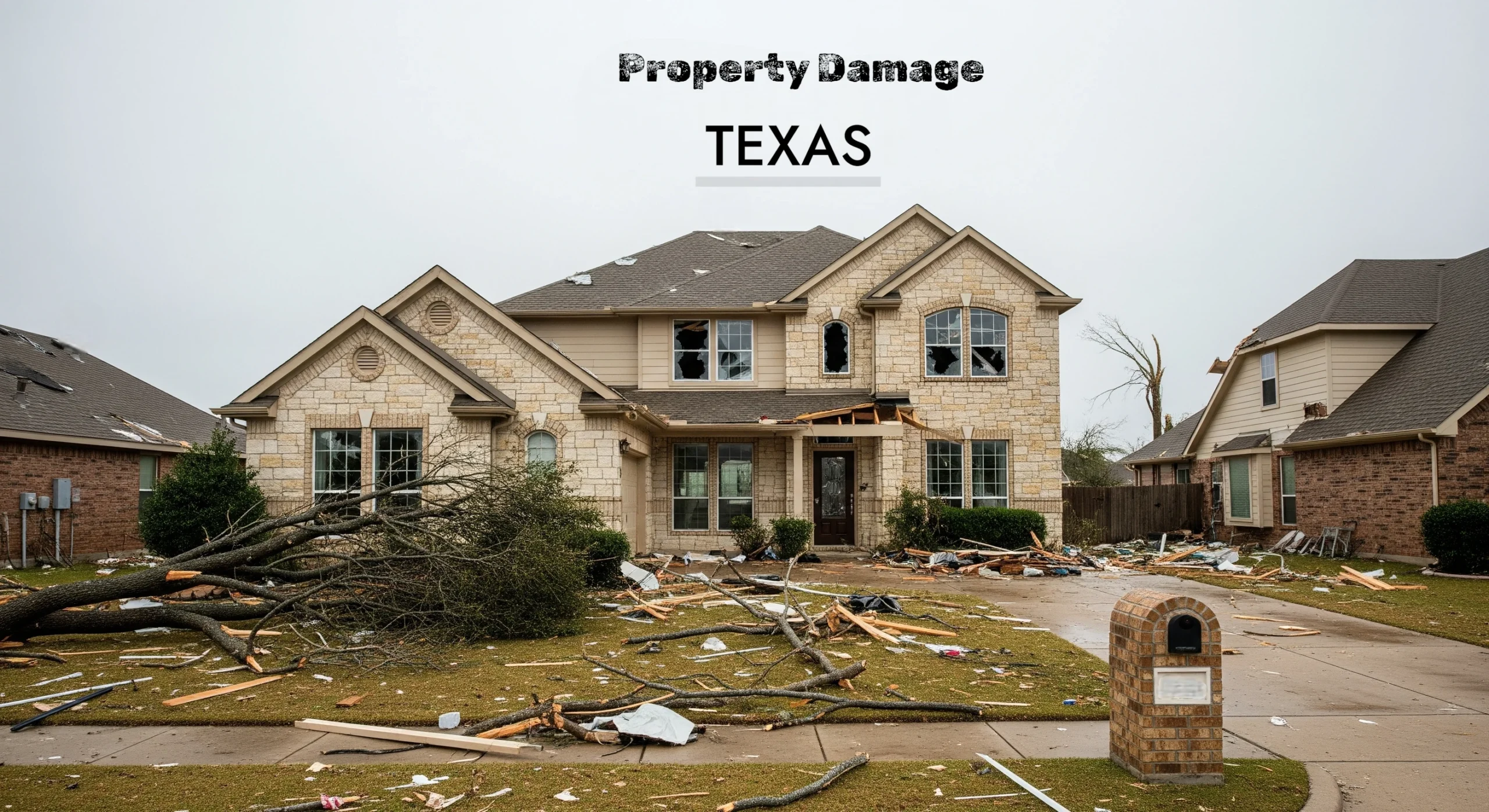
    Your rights depend on the cause of the damage, insurance policies, and state laws. In most cases, you are entitled to:

    1. The right to legal action

    If negotiations with an insurer or responsible party fail, you are entitled to take the matter to court. This right ensures that unresolved disputes can be addressed before a judge or jury, where evidence and testimony can be fairly weighed.

    2. The right to legal representation

    You are never required to face a dispute on your own. A lawyer can guide you through paperwork, negotiate with insurers, and present your case if litigation becomes necessary. Having representation balances the power dynamic between you and insurance companies or at-fault parties.

    3. The right to fair compensation

    You are entitled to pursue payment that reflects the true cost of repairs or replacement, not just what an insurer initially offers. Fair compensation covers not only the damage itself but may also include related expenses such as temporary housing or loss of use.

    4. The right to a fair investigation

    Insurance companies and involved parties must investigate your claim thoroughly and without bias. A fair investigation means considering all evidence, including independent assessments, and not rushing to deny or undervalue your claim.

    5. Filing a claim without intimidation or unfair pressure

    You have the right to submit a claim without being threatened, discouraged, or pressured into accepting a lower payout. Insurers cannot retaliate against you for filing, even if your claim is later denied.

    6. Receiving a timely response from insurers

    Insurance companies must act within deadlines set by state law. They cannot delay their review indefinitely. You are entitled to clear updates about whether your claim is accepted, denied, or still under review.

    7. Independent assessments of the loss value

    If you believe an insurer’s estimate undervalues your damage, you can request an independent evaluation. This right protects you from being locked into one-sided numbers that benefit the insurer instead of reflecting actual repair costs.

    8. Pursuing recovery from the at-fault party

    Beyond your own insurer, you may seek compensation directly from the responsible party. That could be a negligent driver, a contractor whose work caused damage, or another party found legally liable.

    These rights help keep the process fair, but only if you enforce them. A lawyer ensures those protections are respected.

    How Courts View Property Damage Disputes
    If settlement talks fail, the case may be presented in a court. Courts often decide whether the damage was caused by negligence or an inevitable accident. They also consider the value of the loss and whether insurance exclusions apply.

    In some areas, comparative negligence regulations may limit your recovery if you are found partially responsible. Strong documentation and expert testimony often determine the outcome of these sessions.

    Key Takeaways

    Property damage disputes are stressful, but you are not powerless. By knowing your rights, collecting strong evidence, and seeking legal help when necessary, you increase the chances of fair compensation.

    • Property damage can include vehicles, homes, and personal belongings
    • Insurers may undervalue or deny claims
    • Lawyers protect your rights in negotiations and court
    • Evidence is critical for a fair outcome
    • State laws and insurance policies shape your rights

  • What to Do If You’re a Victim of a Construction Accident in Midwest City

    What to Do If You’re a Victim of a Construction Accident in Midwest City

    Construction sites are some of the most dangerous places to work or even pass by. In fact, approximately 20% of all worker fatalities occur among construction workers, despite their making up only 6% of the US labor force.

    Accidents still occur even with safety measures in place. And if you happen to be the victim, it can make you feel lost on what to do. Especially with all the cost it entails, such as medical bills and taking leave from work.

    In these cases, you need to know that there are avenues you can pursue to receive compensation for your damages. With the help of a construction accident lawyer, you can receive a settlement through worker’s compensation or a personal injury claim.

    Here are the steps you need to take to claim your worker’s compensation claim after an accident at work.

    Get Medical Attention Immediately

    Get medical attention immediately, even if the injury is minor. Some injuries have much less obvious signs– internal bleeding or head trauma, for instance– and could become dangerous fast.

    Record everything; write anything that happened, where it hurt, and what treatment you received. A medical record is excellent evidence when you are trying to prove your case, either for a workers’ compensation claim or a personal injury case. 

    If you think you may be “okay,” forget that thought because your health comes first, and documentation at an early stage will give your case better strength.

    What to Do in Case of Grave Injury

    You need to call 911 right away or have someone do it for you. Do your best not to move while waiting for the arrival of emergency personnel unless movement is required to prevent any more damage. 

    After you’re safe at the hospital, make sure that all of your injuries are written down correctly. You should ask for copies of all of your medical information, like test results, treatment notes, and other medical papers. 

    There are possible lifelong consequences for victims of construction accidents, says catastrophic injury attorney Brian Egolf. Permanent physical disabilities and emotional trauma are just a few of the burdens you may face that may need long-term care and may need help paying your medical bills. For any workers’ compensation or third-party claims, this means you need to keep strict records.

    Report the Accident to Your Employer

    It is important to promptly report any accidents to your employer. Some states mandate the reporting of accidents within a specific timeframe. Ideally, the report is prepared in the form of a written report, and you should keep a copy for yourself.

    Describe events, injuries, and damages to an accident. Do not discuss the perpetrators of an incident. This record will allow your employer to process your claim and protect your rights under workers’ compensation laws.

    Document Everything

    Do not change the facts. Picture the scene of the crash, the tools that were used, and any injuries that you can see. Please get their names and phone numbers, and if there were witnesses, ask them to give a statement about what they saw. 

    Write down your symptoms, doctor visits, time off from work, and anything else that shows how the accident has changed your daily life. This can all serve as documentation of what an actual impact your injuries have had on your life and is helpful when

    Understand Your Legal Rights

    A building accident can involve a lot of people, like bosses, workers, subcontractors, and the people who make the tools. There are times when you may be able to make a claim for workers’ compensation or a personal injury claim against someone else.

    Some workers’ compensation plans cover your medical bills and lost wages, but not your pain and suffering. You might be able to get more money if someone else’s carelessness hurt you. 

    It can make a huge difference in your financial recovery to grasp these options as soon as possible.

    Avoid Common Mistakes

    Mistakes can hurt your claim following a construction accident. Speaking on the record to an insurance agent is not a good idea until you have talked to a lawyer. Do not write anything on social media about the accident or the hurt people.   

    You shouldn’t feel pushed to go back to work before your doctor says it’s okay. It could make your injuries worse and hurt your claim if you do that. Remember to keep your mind on getting better, keeping records, and defending your legal rights.

    Contact a Construction Accident Lawyer

    You can get help with the whole process from a skilled building accident lawyer. They can help you figure out who is at fault, what your rights are, and how to talk to the insurance company.

    Another thing your lawyer can do is figure out who is responsible for your injuries. This could be the main worker, a subcontractor, or the company that made the broken equipment. 

    You have a better chance of getting full payment for your medical bills, lost wages, and long-term care needs if you hire a lawyer early on.

  • Holding Negligent Drivers Accountable After a Car Accident in Fresno

    Every year, Fresno drivers face thousands of traffic collisions, many of them along Highway 99, State Route 41, and the busy streets near downtown. The heavy mix of commuters, farm trucks, and local traffic creates conditions where one driver’s careless mistake can change another person’s life in seconds.

    Have you been injured in a car accident? If you were hit by a negligent driver in Fresno, you’re not alone. From rollovers near Clovis Avenue to rear-end crashes on Shaw or Blackstone, serious accidents happen across the city on a daily basis. Knowing what steps to take after a crash can help you protect your health, your finances, and your legal rights.

    Understanding Negligence

    Negligence in a car accident case refers to careless or reckless driving that violates traffic laws and creates unsafe conditions. Examples in Fresno include speeding on Highway 41, failing to stop at a red light downtown, or driving while distracted on Highway 99.

    California law requires proof of negligence to hold a driver responsible after a crash. The main elements are:

    • The driver had a duty to operate their vehicle safely.
    • The driver breached that duty through careless or reckless behavior.
    • The breach caused the accident and resulted in injuries.

    Evidence of negligence may include police reports, traffic citations, medical records, and statements from witnesses. These records help connect the driver’s conduct to the injuries sustained and are often necessary to establish liability in a personal injury claim.

    Gathering Evidence

    After a crash, the details you collect can make or break your case. In Fresno, people usually start by taking photos of the scene, such as the cars, the street, the traffic lights, even the skid marks on the pavement.

    Eyewitnesses are another important piece. A passerby who saw a driver run the light at Blackstone and Shaw, or a neighbor who heard the impact outside their home, can back up what you’ve said. Police reports add to that picture too, since officers write down what they observed and may note if a driver broke the law.

    Medical records are often the final link. Hospital charts, X-rays, and therapy notes connect your injuries directly to the crash. Together, these records show not only what happened but also what it cost you physically and financially.

    Seeking Medical Attention

    Getting medical help right after a crash isn’t just about taking care of your health — it also creates the records that tie your injuries to the accident. In Fresno, emergency rooms at Community Regional Medical Center or Saint Agnes often see car accident victims within hours of a collision. Even if you don’t feel badly hurt at first, it’s smart to get checked out, because some injuries don’t show up right away.

    Those medical records become a timeline of what happened to you. Doctor’s notes, X-rays, prescriptions, and therapy recommendations all show how the crash affected your body. When it comes time to deal with insurance companies, those records can be the strongest proof that your injuries were real and caused by the accident.

    Prompt treatment also keeps the other side from arguing that your injuries came from somewhere else. If you wait weeks before seeing a doctor, the insurance adjuster will likely question whether the accident was to blame.

    Consulting Legal Professionals

    Dealing with the legal side of a car accident can get overwhelming fast. Insurance adjusters may call you within days, and the paperwork piles up quickly. That’s when having a Fresno personal injury lawyer can make a difference. An attorney who knows the local courts and has handled Central Valley accident cases before can step in and guide you through the process.

    Instead of trying to track down every record yourself or arguing with an insurance rep on the phone, your lawyer takes that off your plate. They can gather police reports, request medical files, and talk to witnesses who saw the crash. If things go further, they’re the one standing with you in Fresno County court, making sure your side of the story is heard.

    Knowing someone else is keeping track of deadlines and dealing with the back-and-forth lets you focus on getting better.

    Filing an Insurance Claim

    After the dust settles, most people in Fresno end up dealing with insurance. That usually means making a call, reporting the crash, and sending over whatever paperwork the company asks for. It sounds simple, but it rarely is.

    Adjusters don’t always take your word for it. Some will press you on the details of the crash or act like your injuries aren’t that serious. Having photos, the police report, and your medical records on hand gives you something solid to back yourself up. The National Highway Traffic Safety Administration also emphasizes the importance of proper documentation, since it can be critical in proving the extent of your losses.

    Keep track of costs as they come in. Hospital bills, physical therapy, and even the paychecks you missed are part of the picture. Having that information ready makes the claims process smoother and helps you fight for a settlement that actually covers your losses.

    Considering Legal Action

    Sometimes an insurance claim just doesn’t get you where you need to be. If the settlement offer falls short or the company keeps dragging its feet, the next option may be filing a lawsuit against the negligent driver.

    Filing a lawsuit takes more time than dealing with insurance. In Fresno County Superior Court, it’s not unusual for a case to stretch out for months. There are hearings, paperwork, and back-and-forth between lawyers. In some cases it ends in a trial, in others it settles before you ever see a courtroom.

    Before going down that path, it’s worth talking it through with your attorney. They can look at the facts, weigh the chances of success, and let you know whether filing suit is the right move.

    Understanding Compensation

    What you can recover after a crash depends on how badly it changes your day-to-day life. For many people in Fresno, that starts with hospital bills and the cost of follow-up care, like therapy or medication. Lost wages often add to the strain if you’re forced to take weeks off work.

    But it doesn’t stop there. California law also recognizes the less visible side of an accident, the pain that lingers, the anxiety about driving again, or the way an injury keeps you from doing things you used to enjoy.

    Every situation is different. A sprained shoulder that heals in a month won’t be treated the same as a spinal injury that changes how you work and live for years. Having a lawyer explain the range of possible outcomes helps set expectations and gives you a clearer picture of what a fair resolution looks like.

    Promoting Road Safety

    Holding a negligent driver accountable isn’t just about your own case. It also shows that dangerous driving has consequences. In a city like Fresno, where Highway 99 and Shaw Avenue stay packed most of the day, one reckless move can affect far more than the driver making it.

    When people see that accidents lead to lawsuits or higher insurance rates, most think twice before running a red light or checking their phone behind the wheel. That shift in behavior makes daily driving a little safer for everyone, whether you’re commuting to work, dropping kids off at school, or just running errands.

    For accident victims, the goal is justice and financial recovery. For the community, it’s about encouraging safer habits and building a culture of responsibility on the road..

    Emotional Support and Recovery

    Car accidents don’t only cause physical injuries. In Fresno, many people find themselves nervous about driving again or dealing with stress long after the crash.

    Support is often practical. Family or friends may give rides, handle errands, or sit with you during appointments. Professional counseling and local support groups are another option for anyone coping with anxiety or sleep problems after a collision.

    Emotional recovery is part of the process, just like medical treatment.

    Conclusion

    Holding negligent drivers accountable takes a series of steps. Gathering evidence, seeking medical care, working with a lawyer, and pursuing an insurance claim or lawsuit all play a role. For people in Fresno, the goal is twofold: to recover from the accident and to encourage safer driving in the community.

  • What Happens When Property Is Seized by Authorities

    The Government Accountability Office (GAO) reports that from fiscal years 2019 to 2023, annual forfeitures ranged between $344 million and over $1.3 billion.

    A criminal investigation, civil enforcement action, or regulatory proceeding can lead to asset forfeiture. The police usually take things like money, cars, real estate, or other assets during this procedure. This process aims to stop crime, get back stolen money, or enforce the law. The procedure can cause severe stress and can be confusing for property owners, especially if they didn’t know anything was wrong.

    In these situations, a lawyer who specializes in asset forfeiture can help protect rights, get property back when possible, and make sense of the complicated legal system. You might only have 30 days to fight a seizure order, so it’s important to act quickly as soon as possible.

    A Calabasas asset forfeiture attorney says if there is no response, the state or federal government gets to keep the money or property.

    Understanding what causes a seizure helps the legal steps that follow and clarify a property owner’s rights. This article explains what happens when property is seized, the types of seizures, and how to respond or contest the action.

    Understanding the Reasons for Property Seizure

    When the government seizes property, it is presumed to be connected to illegal activities. These illegal activities might include drug or weapons trafficking, money laundering, etc.

    You might find assets believed to have been purchased using illegal funds or assets used in committing a crime. Seizing these properties can also disrupt criminal activities by seizing cash, tools, or vehicles linked to illegal acts.

    Those affected by property seizure may immediately consider how to file Chapter 7 bankruptcy to protect their remaining assets. Unfortunately, seized assets cannot be included in a bankruptcy case and can’t be recovered. 

    Property seizures are done to prevent further illegal activities. Asset forfeiture and its associated consequences should be taken seriously. It’s one way law enforcement fights crime.

    How Property Seizure Works

    Seizure of property may imply a fairly straightforward technique, but it is an issue that involves a detailed legal procedure.

    Law enforcement and legal teams usually gather evidence together before an eventual preparation to file the petition in court for a seizure warrant. The petition lays down the reasons and justifications for the seizure.

    Once the warrant is issued, officials can begin seizing the property. They’ll document everything and create an official inventory for transparency and accountability.

    Property owners will be notified that their assets were seized by law enforcement authorities. The owners are entitled to contest the seizure in court. Knowing these details can help you handle a seizure case more effectively.

    Rights of Property Owners During Seizure

    When faced with property seizure action, as the owner, you have rights you can use to influence the situation. First, you are entitled to information about the seizure and its legal justification. You can ask for a written list of what was taken.

    Authorities generally require a warrant to enter your premises. You have the right to ask for it and to be present during the seizure. It would be advisable to photograph or videotape the content of the seizure. Finally, ask a lawyer to explain your rights. Talk to a lawyer to help you make informed decisions and protect your rights.

    Legal Options for Challenging Seizure

    If someone illegally seizes your property, you have various legal options to pursue. First, you may seek legal intervention against the seizure, Arguing that it violates your rights. You can also argue that the seizure is not justified. You may request a hearing to testify and put forward evidence.

    You may appeal the seizure in case of unsatisfactory disposition. Consult an experienced property lawyer for more information about the legal options for challenging seizure enforcement.

    Steps to Take After Property Has Been Seized

    Once your property has been seized, you need to take immediate action to avoid losing the rights to it and recover what has been taken. Gather any documents that might help, especially those related to the seizure and the receipts you were given.

    Then, ask the agency that executed the seizure about the reasons and any possible legal action. You will then want to file a formal complaint or request for the return of your property within the deadlines that they advise.

    If you think your property was wrongfully seized, the best move is to hire a property law expert so they can help you in the process and have someone represent you and protect your interests.

    Keep detailed notes of all communications, since this evidence could be the key to getting your property back.