Many investors hesitate to invest outside their home country, including in Australia, not because it’s super risky, but because the legal side feels complicated and unfamiliar. While Australia shares many values with other Western countries, including the U.S., its laws and regulations aren’t quite the same. Most property investors aren’t legal experts and would rather miss out on a deal than risk getting tangled up in legal trouble.
Luckily, there’s a third way that prevents investors from missing out. It’s buying through an investment property agency. These are licensed professionals who know Australia’s real estate market inside and out, along with all the rules that come with it.
Here are the top five ways they help you become the kind of property investor who isn’t scared of borders.
1. They Ensure Legal and Regulatory Compliance
Property agencies have two main jobs. They find good opportunities and keep you out of trouble. While they can help with things like insurance and screening tenants, their biggest value is ensuring everything you do stays 100% legal.
Legal failures are some of the most expensive mistakes a property investor can make, resulting in fines or worse. And pleading ignorance won’t be accepted, even if you live overseas. Keeping you compliant from start to finish is one of the biggest benefits of working with an agency.
2. They Offer Guidance on Investment Property Taxes
A huge reason both local and international investors use property agencies is for help navigating Australia’s tricky tax system. Real estate taxes are confusing, and because property deals involve big money, any mistake can hit your wallet hard.
A good agency will help you stay compliant while maximizing your tax benefits, like deductions for maintenance, management fees, and more. They’ll also make sure your records are in order so tax season goes smoothly.
3. They Conduct Market Research and Analysis
You probably don’t have the time to constantly track property trends in Australia. If you’re not living there, it’s even harder to stay on top of things like property prices or rental yields. You might not even know where to find reliable info about the market and honestly, even plenty of Australian investors struggle with that.
That’s why one of an agency’s main jobs is to handle that research for you. They’ve got the time, tools, and know-how to monitor the market and actually make sense of it. They’ll break down what’s happening, how it affects your investment, and send you updates through reports or briefings. They’ll also use this analysis to make recommendations that are well-suited to your budget and goals.
4. They Offer Guidance on Property Selection
Besides tracking trends and letting you know when it’s an opportune time to buy, an investment property agency can help you find the right property at the right time. They’ll help you zero in on the right location and property type, crunching the important numbers on your behalf. They’ll look at things like supply and demand, rental demand, tenant demand, and the potential for appreciation.
As any experienced investor knows, the advice of an independent third party is invaluable. A property investment can easily go wrong if you just pick places that you personally like the look of. An agency gives you an objective view based on the facts.
5. They Provide Assistance with Securing Finance
Of all the things you need to do before you buy investment property, securing finance is the most important. Without it, nothing else moves forward. A good investment property agency will work closely with lenders to ensure that their clients can secure financing and favorable terms. They’ll also work closely with you to compare rates and structure loans to maximize tax efficiency.
Australia recently updated its foreign investment framework, and there are now multiple ways to purchase property there. For instance, you can buy them under one specific person’s name or through joint ownership and trust structures. Your agency can help you choose the best one for your needs and the needs of any co-investors coming in with you.
Why You Need an Investment Property Agency in Australia
While you take care of the money, an investment property agency takes care of everything else. Whether you’re a new investor wondering how to buy an investment property or a seasoned pro, they’ll help you uncover the best opportunities and avoid costly mistakes.
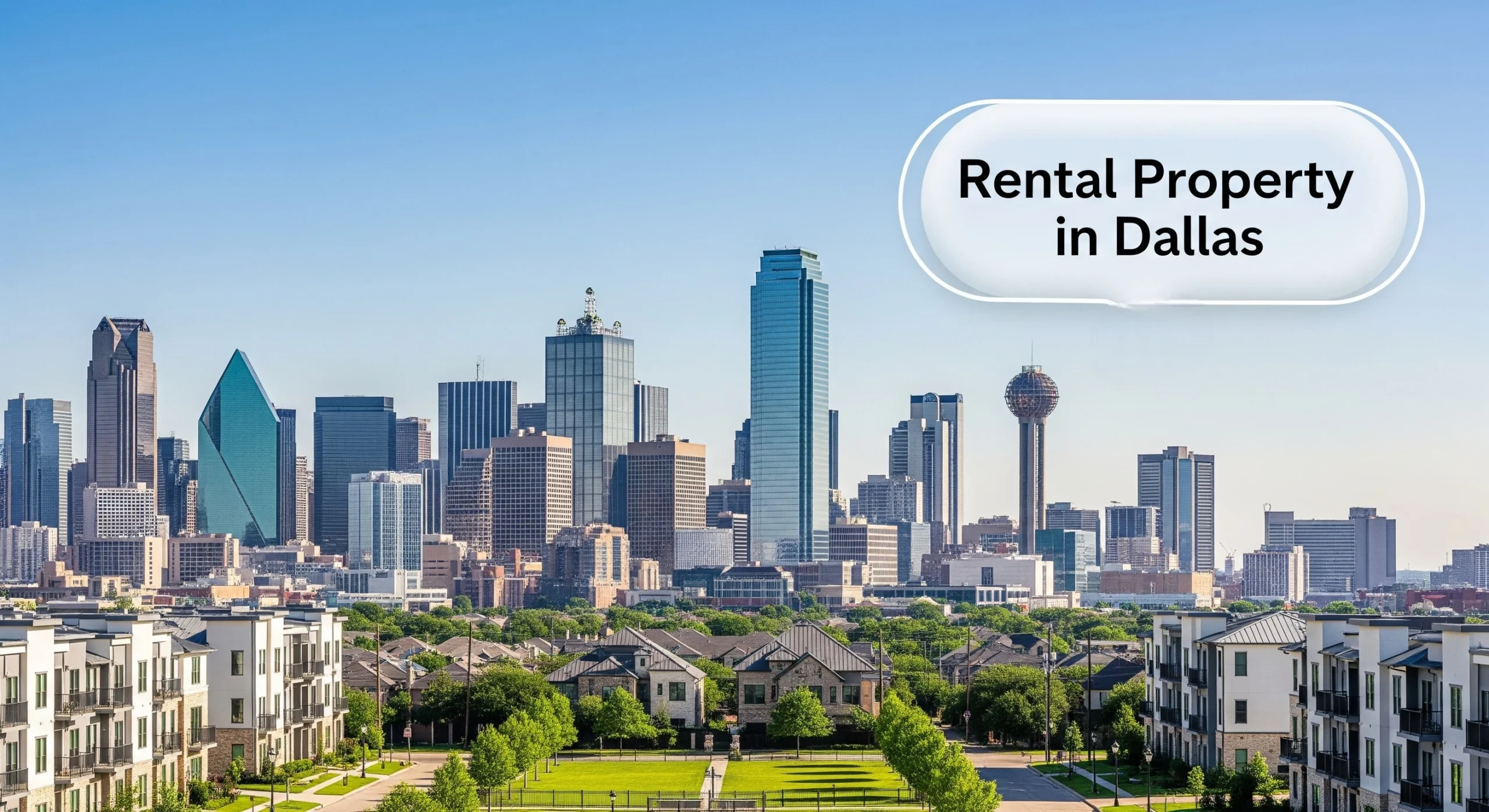
DFW is home to over 20 Fortune 500 companies and has added over 1 million residents in the last decade. Population growth is expected to continue, making Dallas one of the strongest markets for real estate investment in the country.
High tenant demand, consistent appreciation, and landlord-friendly laws have made the metroplex an attractive choice for investors. At the same time, challenges exist. Property taxes, insurance costs, tenant expectations, neighborhood selection, legal requirements, and day-to-day management all play a big role in the success of your investment.
Here’s what you need to keep in mind before buying residential rental property in Dallas.
Dallas Property Taxes
Image Source: unsplash.com
The state of Texas does not levy taxes against real property within the state. All taxes are subject to local municipalities at the county level. Dallas property tax rates are determined by local taxing units. These taxing units or jurisdictions are City, School, County, College, Hospital, and, if applicable, Special Districts.
Dallas Central Appraisal District (DCAD) appraises each property annually and assigns those properties with a property tax value, also known as the assessed value. The assessed value, less any exemptions, is multiplied by the tax rates, which yield that year’s property tax liability.
Being a business-friendly state, Texas has no income tax, but that is offset by high property taxes. According to taxfoundation.org, Texas ranks as the seventh most expensive state in terms of property taxes in the nation. It is critical that investors have accurate and conservative property tax projections when building their cash flow proformas.
When in doubt, contact a local property tax consultant. These professionals are extremely knowledgeable in the local property tax protest process and often have connections with local officials. They can create serious value in both the near and long term, limiting your tax liability and improving your cash flow.
Insurance Costs
Many investors also overlook another major real estate expense, insurance premiums. Insurance costs are heavily influenced by natural disasters, and it’s no surprise that Texas is home to quite a few. Per nerdwallet.com, Texas ranks as the second most expensive state for homeowners insurance, averaging $4,585 annually. Below is a list and description of the major key factors that drive these costs in the Dallas market.
Wind and Hail
Tornadoes – Dallas is in the southern portion of tornado alley and sees 2-3 tornadoes annually, on average. In 2019, the city experienced nine tornadoes, causing $2B in damage.
Severe Thunderstorms – The city has a relatively high frequency of severe thunderstorms which brings with it high winds, lightning, and hail that causes average damage of $102M per year. Dallas County leads the state in expected annual loss from storm damage, primarily due to hail and thunderstorm activity.
Extreme Heat and Soil Movement
Dallas ranks high amongst major US metros for foundation issues. The foundation issues are costly, averaging $5,100 per repair.
Winter Storms
While not an annual event, Dallas has experienced extreme winter storms that caused massive damage. In 2021, the city was hit by winter storm Uri. While no sources specifically state total damages in Dallas, TX, the Dallas Fed estimated the storm cost the Texas economy $80B to $120B.
Insurance should be underwritten conservatively as it can fluctuate significantly from year to year. Per AARP, Texas homeowners insurance premiums rose by about 57% from 2015 to 2023. As a best practice, obtain a quote from a reputable insurance broker to ensure an accurate projection of your insurance premium and add a 10% – 20% buffer to be conservative as rates are likely to increase at the renewal.
Tenant Expectations
Image Source: unsplash.com
For an investment to succeed, it must meet the expectations of the target market. Urban tenants often prioritize convenience, walkability, and proximity to entertainment, while suburban renters typically value larger living spaces, family-friendly amenities, and garages.
In addition to understanding your customer base, pet policies play a major role in the demand for your asset. According to Zillow, 58% of renters have pets. That means, landlords who don’t allow them are effectively cutting their renter pool in half. Supporting this, the average pet-friendly Zillow listing rented 8 days faster than non-pet-friendly listings. Making your property pet-friendly in Dallas may even be more important, as 79% of Zillow listings are pet-friendly. In such a competitive market, it’s imperative to take a serious look at your pet policy.
Legal Compliance
Texas is a landlord friendly state but that does not mean there are not laws and rules that must be followed.
Texas Property Code Requirements
Security Devices: The Property Code requires the property to be equipped with the following:
Window latches on each window
A keyed doorknob lock or keyed deadbolt lock on each exterior door
A sliding door pin lock on each exterior sliding glass door of the dwelling
A sliding door handle latch or a sliding door security bar on each exterior sliding glass door of the dwelling
A keyless bolting device and a door viewer on each exterior door of the dwelling.
Smoke Alarms: The landlord is responsible for the installation, repair, and inspection of the smoke alarms. In addition, there are also specific locations where the smoke alarms must be located, depending on the floor plan of the property.
Rekeying:
The landlord must rekey the property within 7 days of tenant turnover.
If the tenant replaces a security device during the lease, they must provide the landlord with at least one duplicate key in a reasonable amount of time.
See Texas property code for other scenarios.
Repairs:
Landlords must make repairs in a reasonable amount of time, which is defined as 7 days under normal circumstances.
For emergency repairs, the landlord must address them immediately. Examples are fires, gas leaks, flooding, sewer backups, AC failure in extreme heat, etc.)
There are other property code adherences, but as a landlord, these are major and often overlooked by new investors.
Eviction Process
Steps:
Provide the tenant with written notice to vacate, stating the specific date the tenant must vacate the property.
The landlord must wait 3 days after providing the notice to vacate to file an eviction.
The landlord files an eviction suit at the county’s Justice of the Peace Precinct. The hearing cannot take place for at least 10 days.
A suite for rent may also be filed if it’s under $10,000.
The court date is set, which both parties must attend.
Either party may appeal the suit within 5 days of the court’s decision.
If, within 5 days, there is no appeal, the landlord may obtain a Writ of Possession from the court, which will force the tenant to vacate the property.
Texas uses Justice of the Peace courts, allowing landlords to represent themselves without attorneys.
Other Legal Considerations:
Fair Housing: Federal and state Fair Housing laws prohibit discrimination on protected classes: Race, Color, Religion, Sex, National Origin, Disability, & Familial Status
Leases: Written leases should comply with the Texas Property Code. Leases must be approved by TREC or created by an attorney if professionally managed.
The Texas Property Code clearly spells out landlord requirements and the steps they must take for various scenarios. It’s important that owners are aware of federal, state, and local laws.
Dallas Property Management
Image Source: copperriverpm.com
Many investors starting out choose to self-manage, which can make sense and often provides invaluable lessons during their journey. However, investors that are out of state or are looking to gain back their valuable time, hiring the right Dallas property manager can be beneficial. Property managers:
Save Time & Stress: Full-service property managers take on leasing, tenant screening, rent collection, financial reporting, maintenance coordination, property inspections, comparative market analysis, and evictions.
Local Market Expertise: Know market trends, set optimized rents and concessions, reduce vacancies, and maximize income.
Vendor Relationships: Property managers have deep relationships with local vendors, allowing them to get favorable pricing and quality work.
Portfolio Growth: Allow owners to focus their time on growing their portfolios instead of spending time on operations.
In a hyper-competitive market like Dallas, it’s important to choose the right manager. Are they competent, transparent, consistent, and do their goals align with yours? If you’re looking for a qualified local PM, take a look at Copper River Property Management as a viable option. The company provides residential property management services for single-family homes, townhomes, and multifamily properties in Dallas and surrounding cities.
Conclusion
Dallas, TX is a real estate investment hotspot and is likely to remain so for the coming years based on strong rental demand, job growth and population trends. Property taxes, insurance costs, tenant expectations, legal compliance, and property management are simple, yet easily overlooked by new investors.
By taking the time to understand these fundamentals and planning conservatively, investors can avoid costly surprises and position themselves for long-term success as a Dallas real estate investor.
If you’re a Dallas real estate investor or in the process of purchasing a property, consider Copper River Property Management. We are a veteran-owned, Dallas property management company with a highly experienced operator. Visit copperriverpm.com and fill out the contact form to learn more.
Author Bio
Anthony Collazos is a US Army veteran and the founder of Copper River Property Management, a Dallas Property Management Company. He started his professional career as a U.S. Army Field Artillery Officer, where he gained leadership, discipline, and problem-solving skills that have been essential throughout his career.
Over the past decade, he has managed and financed more than $1.5 billion in real estate across the United States, including large multifamily communities and complex commercial projects. In Texas alone, he has overseen the asset and property management of 2,400 multifamily units, with 300 units being in Dallas. Throughout his experience, he has gained extensive real estate expertise and an in-depth knowledge of the Dallas residential real estate market.
He earned his MBA with a concentration in Real Estate from Southern Methodist University in 2022 and a BBA in Finance from Georgia Southern University in 2011. Anthony is a licensed REALTOR® and a member of National Association of REALTORS, Texas Association of REALTORS, and MetroTex Association of REALTORS. In 2023, Anthony obtained A.CRE’s respected certificate in real estate financial modeling.
Visit Copper River PM’s website at copperriverpm.com to learn more about the services offered. Copper River Property Management specializes in managing single-family homes, condos, townhomes, and multifamily properties up to 50 units. You can contact him via email at info@copperriverpm.com or by completing the contact form at copperriverpm.com/contact/.
Houston is the fourth largest city in the United States in terms of population. It’s home to more than 2.3 million people. This creates immense business opportunities. No wonder, many are tapping Space City for ventures in different industries. Commercial real estate is thriving.
It’s not enough that there are plenty of opportunities. Understanding the market drivers is essential for success. Learn about the competitive landscape. Be familiar with the legal dynamics. Understand how shifting market conditions affect business operations.
Are you thinking of starting a business in Houston? Be armed with the right knowledge and set yourself up for success!
Key Industries Driving Commercial Demand
Diversity is the name of the game. The local economy isn’t tied to a single sector. It’s dominated by a mix of established industries and emerging markets. Such helps build resilience during downturns and attract investors interested in having a share of the Texas economy.
Energy
Houston wears many hats. Among others, it’s known as the energy capital of the world. Some of the largest oil and gas companies are based in the city. Chevron and Exxon Mobil are among the most prominent names. There are over 4,700 firms in the energy sector operating in the metro area. More so, it hosts more than 270 clean-tech and climate-tech startups, demonstrating its rise as a hub for green energy.
Healthcare and Life Sciences
The home of the Texas Medical Center, Houston takes pride in having the largest medical complex in the world. It also has the largest children’s and cancer hospital, recording over 10 million annual patient encounters. On average, it has over $1.9 billion research investment in health and life sciences.
Logistics
The central geographic location of Houston makes the area a hub for global logistics. Its efficient transportation structure adds to its appeal. It has one of the biggest multi-port systems in the country and one of the world’s busiest ports. Meanwhile, the extensive network of highways makes it easily connected to nearby cities and states.
Legal Considerations in Houston’s Commercial Market
Complex contracts, environmental regulations, and local ordinances require legal understanding. The failure to understand the legal landscape can lead to significant penalties.
A wrong step can expose property owners, tenants, and businesses to legal liabilities, such as when there are injury claims on commercial premises. Consult Houston legal experts or nearby Dallas, Texas personal injury attorneys to build a strong case and navigate the legal landscape. Doing so can help prevent business disruptions while building a solid reputation.
Zoning and Deed Restrictions
Houston lacks formal zoning laws. But that doesn’t mean there are no guidelines for commercial property developments in the state. Deed restrictions are in place. They limit how you can use a commercial property or the types of businesses allowed. They also dictate structural limitations, such as building height. Knowing city ordinances is also critical before business operations.
Environmental Compliance
Phase I and II Environmental Site Assessment are crucial for evaluating a property’s environmental liabilities. Aside from a review of pertinent records, the assessment includes a site visit and inspection to flag potential issues. Buyers can inherit expensive liabilities with long-term consequences without these reports. Meanwhile, coastal construction requires adherence to floodplain standards.
Emerging Growth Areas: Where to Invest Right Now
Traditional business hubs in Houston remain strong, driven by high demand. However, several under-the-radar zones are also gaining popularity for their commercial potential. Areas just a few minutes out of Space City present vast opportunities for those who want to be close while taking advantage of cheaper costs, especially in terms of rent or lease.
Woodlands
Located north of Houston, Woodlands is an excellent community for retirement. It’s attracting more than senior residents. The suburb is a hotspot for office leasing, recording up to 90% leased spaces. This is higher compared to the 75% average in Houston.
Valley Ranch
An area that occupies 1,400 acres and is located 30 miles northeast of downtown Houston, Valley Ranch has two major highways that fuel accessibility. It has a master-planned community that makes it attractive for businesses across different fields, such as medical, retail, and entertainment.
Sugar Land
A part of the Greater Houston Metropolitan Area, Sugar Land is a cultural and commercial nucleus in Fort Bend County. The rent here is slightly lower compared to Houston averages, presenting an alternative to commercial real estate seekers on a budget. The expansion of Texas Medical Center in the area is one of its growth drivers.
Wrapping Up
Houston is a vibrant and diverse city that presents a long list of business opportunities. Those looking for commercial real estate will be confronted with a wealth of possibilities.
Understanding the key industries is a must to gauge the competitive landscape. Meanwhile, familiarity with the legal environment helps you build a compliant business. For those seeking opportunities beyond the main business hubs, several growth areas surrounding Houston are worth considering.
Dubai’s real estate market has built a global reputation for bold design, rapid growth, and strong returns. But not every project meets expectations, and in many cases it comes down to the developer behind it. If you’re putting serious money into this market, choosing the right developer is essential.
In this guide, you’ll learn how to spot a reliable developer in Dubai, get familiar with a standout name and pick up key legal and financial tips to help you invest with confidence.
How to Identify a Trusted Real Estate Developer in Dubai
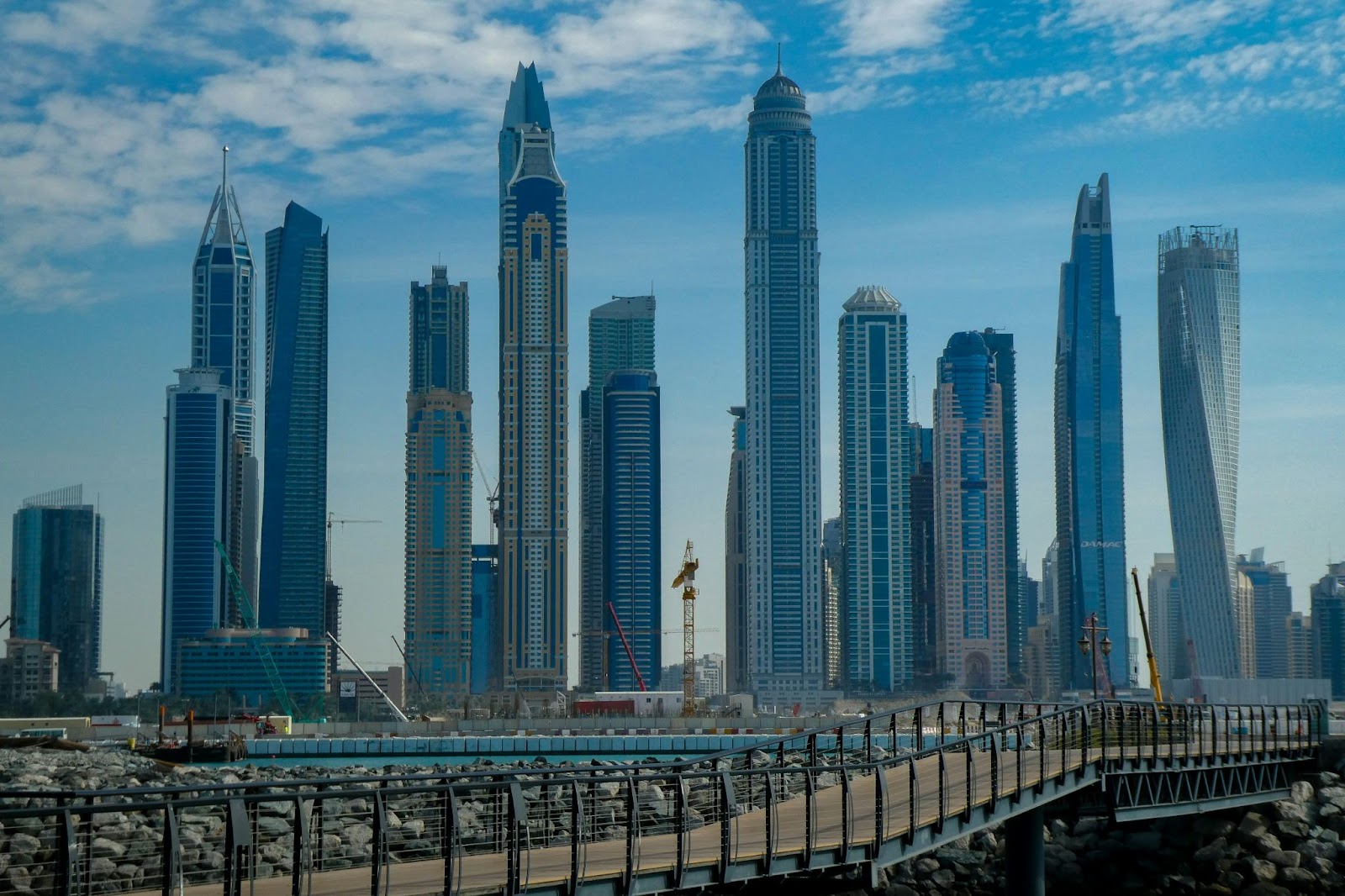
While the Dubai city offers unmatched potential, there are risks: project delays, substandard finishes, and even legal disputes. The right developer minimizes those risks by prioritizing quality, compliance, and transparency.
Source: tripadvisor.com
1. Review Track Record and Reputation
Look at the developer’s past projects. Consistent delivery and strong build quality are good signs. Check Google reviews and browse real estate forums for unfiltered feedback.Ttrusted real estate developer in Dubai like Mashriq Elite Developments have earned their reputation by being transparent and putting clients first.
2. Verify Legal Compliance and Licensing
Always make sure your developer is licensed with the Dubai Land Department (DLD) and registered under the Real Estate Regulatory Agency (RERA). This protects you legally—especially when you’re buying in a freehold zone as a foreign investor.
3. Evaluate Financial Stability
Stick with developers who have solid financial backing. Look at their current pipeline, partnerships, and how long they’ve been operating. Financial strength means they’re more likely to finish projects on time, maintain construction standards, and honor post-sale obligations.
4. Inspect Construction Quality and Design Standards
If possible, visit completed properties—or ask for detailed video walk-throughs. Look closely at the materials, finishes, and layout. The best developers care about both design and livability, blending long-term function with modern aesthetics.
5. Look for Transparency in Communication
You should know exactly what you’re signing up for. A trustworthy developer will give you a clear breakdown of the project timeline, payment schedule, and all relevant documents. They should answer your questions directly—no vague responses or hidden clauses.
6. Check for Industry Certifications and Awards
Look for things like ISO 9001 certification or industry awards for quality and sustainability. These signal a developer’s commitment to high standards and ethical practices.
7. Consult Industry Professionals
You don’t need to figure this out alone. A qualified real estate attorney or investment advisor can help you review contracts, verify licenses, and spot red flags. Their insight could save you thousands—and a major headache down the line.
Why Investors Choose Mashriq Elite
Mashriq Elite Developments is one of Dubai’s most trusted names in real estate. With over 20 years of proven performance and a portfolio of premier properties, they’ve built a track record of delivering high-value investments.
Why Investors Choose Mashriq Elite
Premium Craftsmanship: Their developments blend traditional elegance with modern efficiency.
Client-Focused Approach: You’re kept informed every step of the way, with personalized support tailored to your investment goals.
Award-Winning Standards: Industry recognition and a strong record of regulatory compliance position them as a dependable, forward-looking firm.
Flagship Projects
Floarea Residence: A modern residential community with top-tier finishes and a focus on urban convenience.
Floarea Vista: A premium project in Al Furjan featuring resort-style amenities and easy access to Dubai’s major business districts.
Legal and Financial Considerations for U.S. Investors
Understand Freehold Zones
As a foreign investor, you can only buy in designated freehold areas. These zones give you full ownership rights, so you can sell, lease, or pass on the property with confidence.
Verify RERA Registration
Make sure your developer and the specific project are registered with RERA. You can confirm this on the Dubai Land Department’s website.
Review Payment Terms Carefully
Look for payment plans that are tied to construction milestones. This helps manage risk and ensures your payments match the progress of the project.
Factor in Additional Costs
Don’t just plan for the purchase price. You’ll also need to budget for service fees, maintenance costs, and any applicable taxes. A qualified real estate advisor can help you estimate long-term ROI and rental income potential.
Invest with Confidence
Dubai’s real estate market has real upside, but that only matters if you work with the right developer. Mashriq Elite Developments stands out for their transparency, on-time delivery, and long-term build quality.
Whether you’re new to international property investing or expanding an established portfolio, following the steps in this guide will help ensure your Dubai real estate investment is both secure and profitable.