Tag: Lead Generation

  • Winning More Listings with Smart Property Insights

    There’s a quiet shift happening in real estate and the agents who notice it early tend to win more listings.

    It’s not about working longer hours. Or cold-calling more people. Or hoping your next listing comes from a referral.

    It’s about data.

    Not the kind that sits in spreadsheets collecting dust. The kind that tells you who is likely to sell, when they might do it, and why they’ll choose you.

    If you’re still relying on traditional prospecting alone, you’re leaving opportunities on the table.

    Let’s talk about how smart property insights that are powered by data, predictive analytics, and homeowner signals can help you consistently secure more listings and stand out in a crowded market.

    The Evolution of Real Estate Data

    A decade ago, most agents relied on gut instinct, local knowledge, and a decent CRM.

    Today? That’s just the baseline.

    Data has grown fast, and it’s no longer limited to sales history or MLS activity.

    We now have access to:

    • Behavioral homeowner data
    • Equity insights
    • Mortgage timelines
    • Online activity signals
    • Algorithm-driven valuations

    And this shift is happening alongside major changes in the market itself.

    According to the 2024 Profile of Home Buyers and Sellers, only 24% of home purchases were made by first-time buyers, the lowest level recorded since 1981. Meanwhile, the median household income of buyers reached $108,800, with repeat buyers earning even more.

    What does that tell you?

    The average seller today is more experienced, more informed, and often financially stronger.

    They expect more from agents.

    The Rise of Algorithm-Driven Selling

    Here’s another signal.

    Technology isn’t just helping agents—it’s competing with them.

    iBuyers have been using algorithm-based valuation models to purchase homes directly, often with all-cash offers. According to a Cornell University Baker Program analysis, these companies rely on automated pricing systems to simplify transactions and bypass traditional listing routes.

    At one point, the top four iBuyers controlled 95% of that segment, with Opendoor alone accounting for 56% of purchases.

    Even though their overall share is small at around 1.3% of U.S. home sales, the impact is bigger than the percentage suggests.

    Why?

    Because they’ve changed seller expectations.

    Speed. Convenience. Certainty.

    And most importantly is data-backed pricing.

    From Raw Data to Actionable Insights

    Having data isn’t enough.

    Using it well is where the advantage lives.

    Let’s break that down.

    What Are “Smart Property Insights”?

    They’re signals that help you identify homeowners who are more likely to list.

    Examples include:

    • Homes with high equity and low remaining mortgage balance
    • Owners who’ve lived in a property for 7–10 years
    • Properties with recent refinancing activity
    • Behavioral signals like online home value checks
    • Life events (marriage, relocation, downsizing)

    Individually, these signals mean something.

    Combined? They’re powerful.

    They allow you to move from guessing to targeting.

    Predictive Analytics: The Real Advantage

    Predictive analytics takes historical and behavioral data and identifies patterns.

    In simple terms:

    It helps you answer, “Who is most likely to sell next?”

    Instead of prospecting randomly, you focus on high-probability homeowners.

    That means:

    • Fewer wasted calls
    • Better conversations
    • Higher conversion rates

    Shorter pipeline. Better outcomes.

    Prospecting That Actually Converts

    Let’s get practical.

    How do you turn insights into listings?

    1. Targeted Outreach

    Instead of blasting messages to entire neighborhoods, you reach:

    • Owners with rising equity
    • Homes nearing typical turnover cycles
    • Properties showing digital engagement signals

    Your messaging becomes sharper.

    More relevant.

    And far harder to ignore.

    2. Timing Your Approach

    Timing is everything in real estate.

    Smart insights help you show up before homeowners actively list.

    Not after.

    For example:

    • A homeowner checks their home value multiple times in a month
    • Their mortgage hits a key milestone
    • Comparable homes nearby start selling

    That’s your window.

    3. Personalized Conversations

    When you know more, you say less—but better.

    Instead of generic scripts:

    • You reference local market changes
    • You highlight equity opportunities
    • You discuss realistic pricing backed by data

    And yes, that builds trust faster.

    Why Tech Adoption Sets Agents Apart

    Let’s be honest.

    Most agents are still doing things the old way.

    That’s your opportunity.

    When you use tools powered by data and analytics, you immediately stand out.

    You’re not guessing. You’re informed.

    You’re not reactive. You’re proactive.

    And sellers notice.

    Competing With Institutional Buyers

    iBuyers aren’t winning because they’re better negotiators.

    They’re winning because they use data at scale.

    According to a Zillow market data release, 83.6% of homes sold to major iBuyers were never listed publicly.

    Think about that.

    Those listings never hit the open market.

    They were captured early through data-driven outreach.

    If you’re not using similar insights, you’re competing at a disadvantage.

    The Pricing Edge

    Here’s another insight.

    iBuyer purchase prices are often about 1.3% below estimated market value, according to a market analysis study.

    That gap exists because:

    • Sellers value speed
    • Sellers trust data-backed offers
    • Sellers want certainty

    As an agent, you can position yourself differently:

    • Data-backed pricing plus human strategy
    • Market exposure plus targeted marketing
    • Insight plus negotiation expertise

    That combination is hard to beat.

    Using a Real Estate Lead Generation Platform

    Now let’s connect everything.

    You don’t have to build this system manually.

    A strong real estate lead generation platform brings these insights together in one place.

    Instead of juggling multiple tools, you get:

    • Property data
    • Owner profiles
    • Predictive signals
    • Outreach capabilities

    All aligned.

    What That Looks Like in Practice

    With the right platform, you can:

    • Filter homeowners based on likelihood to sell
    • Identify off-market opportunities
    • Track behavioral signals
    • Launch targeted campaigns

    And most importantly—you can act quickly.

    Speed matters.

    Measuring ROI (Because It Matters)

    Let’s talk numbers.

    Because at the end of the day, this isn’t about tools, it’s about results.

    What Changes When You Use Smart Insights?

    You typically see:

    • Higher contact-to-appointment rates
    • More listing presentations
    • Shorter sales cycles
    • Improved conversion rates

    And yes—more listings.

    A Simple Comparison

    Traditional Prospecting:

    • 100 calls → 5 conversations → 1 appointment → 0–1 listings

    Data-Driven Prospecting:

    • 50 targeted calls → 10 conversations → 4 appointments → 2+ listings

    Less effort.

    Better outcomes.

    The Shift Agents Can’t Ignore

    Here’s the reality.

    The market isn’t waiting. Buyers are more selective. Sellers are more informed. Technology keeps advancing.

    And agents? Some adapt. Some fall behind.

    The difference often comes down to one thing: How you use information.

    Final Thoughts

    Winning more listings today isn’t about doing more—it’s about doing smarter.

    Data has changed the way homes are bought and sold. From iBuyers using algorithm-driven pricing to homeowners relying on online valuations, expectations have shifted.

    Agents who rely solely on traditional methods risk missing out on opportunities that never even reach the market.

    But those who embrace smart property insights?

    • They show up earlier.
    • They speak with confidence.
    • They win more listings.

    By combining predictive analytics, homeowner signals, and targeted outreach, you can position yourself as the agent who understands not just the market, but the moment. And in real estate, timing is everything.

  • How to Sell Real Estate With Social Media

    Selling real estate isn’t just about having a great property. It’s about getting the right people to notice it, feel something about it, and take action quickly.

    Social media works well for this because buyers are already there every day. They scroll, save posts, and send listings to friends and family. If you want a smoother path from listed to sold, treat social media like a real sales channel, not just a place to post photos and hope for the best.

    When you’re managing multiple listings and clients, working with social media experts you can trust makes it easier to stay consistent and keep up with follow-ups.

    Make Buyers Stop Scrolling

    On social media, you don’t get a second chance to make a first impression. The first two seconds matter most, so your content has to look clean and feel easy to understand right away.

    Start with the strongest visual you have. Lead with the best exterior shot, the brightest room, a clean kitchen angle, or a view that clearly shows the lifestyle. If the first image is a dark hallway or a cluttered corner, most people will scroll past, even if the home itself is great.

    Video usually works better than photos. A short vertical walkthrough often performs better than a long photo album because it feels like a quick tour. Keep it smooth and focused. Show the entrance, the main living space, the kitchen, and one standout feature like a bedroom, balcony, or backyard. End by clearly telling people what to do next, such as messaging you for full details or scheduling a showing.

    When you write the caption, avoid technical language. Write the way you would explain the home to someone in person. Focus on things buyers care about, like natural light, a quiet street, parking, an updated bathroom, or nearby parks, cafes, transit, and schools. Then include the basics, such as the location, price, and number of bedrooms. Give enough detail to spark interest, but not so much that there’s no reason for them to reach out.

    Turn Your Profile Into a Resource

    A lot of agents and sellers lose interest simply because their profile feels random. When a buyer clicks your page, they should immediately understand what you do, where you work, and how to contact you.

    Your bio should clearly say what you sell and the area you focus on. One simple line that mentions your city or neighborhood goes a long way. Make your contact option obvious. If you want messages, say so. If you prefer calls or texts, make that easy to find. The fewer steps it takes to reach you, the better.

    Use pinned posts or highlights to guide people who visit your page. Showing available listings, recent sales, reviews, common questions, and neighborhood info helps build trust. Buyers want to see proof that you understand the local market and that you actually close deals.

    Even if you’re selling your own home, you can build credibility by sharing the prep process, the timeline, and what makes the neighborhood appealing. Keep your listing posts consistent in layout and style so your page feels organized. When everything looks clear and intentional, buyers feel more comfortable taking the next step.

    Connect with Locals to Get Leads

    Going viral isn’t what sells homes. Reaching the right people does. Real estate marketing works best when you stay focused on locals and people connected to the area.

    Use location tags on your posts and stories. Add neighborhood hashtags that match the exact area. Leave thoughtful comments on local pages and community posts. When people see your name pop up in local spaces over time, it starts to feel familiar, and that familiarity builds trust.

    Stories are especially useful because they invite interaction. Simple polls or questions about bedroom count or neighborhood preference help start conversations and make it easier for people to reply. Those small interactions often turn into messages.

    Working with other local businesses can also help expand your reach. Partnering with cafes, gyms, interior designers, movers, lenders, or renovation teams can introduce your listing to people who already trust those businesses. A short shared post or video is often enough.

    Most deals don’t happen after the first interaction. If someone watches your stories or engages with several posts, it’s okay to follow up in a natural way. Share extra details, more photos, or available showing times. Keep the message short, friendly, and useful.

  • Selling Software to Agents: Building a Winning SEO Campaign for SaaS Companies

    The real estate market is tricky. It’s always changing, and agents are constantly looking for a competitive edge. They need your SaaS, even if they don’t know it yet. But if agents can’t find your software solution when they’re searching for help, it’s like you don’t exist. With today’s tech, SaaS companies don’t need a crystal ball. Instead, just look at what the top-producing real estate tech companies are doing to dominate search results.

    Take industry giants like Follow Up Boss or BoomTown. They are popular because their platforms are reliable and built specifically for an agent’s workflow. Every SaaS company today wants that kind of market penetration. A good starting point is the implementation of SaaS SEO services to strengthen visibility and brand presence. It might feel like a risk to invest time and money, but you can always get support from B2B marketing experts if you hit a snag.

    Image Source: emnify.com

    What Does a Winning SaaS SEO Campaign for Real Estate Tech Look Like?

    Most SEO basics for B2B SaaS are the same. The real difference is your audience. You’re fighting other SaaS companies, generic (non-real-estate) software, and an agent’s old habits, like using a spreadsheet. This means your product stays in the top search results only if you consistently invest in your digital brand.

    Effective SEO work for PropTech is made up of dozens of small but important components. Some tactics are traditional, while others require a deep understanding of the real estate niche.

    Image Source: blogmedia.arunangshudas.com

    The best approach is a stable strategy that uses current tactics. This includes the following popular solutions:

    1. Know Your Real SaaS Competition.
      You can’t skip this step. You have to understand what other software for agents you’re up against. You’ll need special web tools for this. That way, you can see what keywords they rank for, like “real estate lead generation software” or “best CRM for realtors“. And find gaps you can fill.
    2. Target the Agent’s “Pain Points.”
      Don’t just target “real estate software.” That’s too broad. You’ll be buried. Target specific “long-tail” keywords that solve a problem. For modern SaaS companies, reaching a niche B2B audience and winning over brokerages is essential. That means creating content around topics like “how to automate client follow-up for realtors” or “best virtual tour software for luxury listings.”
    3. Creating Niche Guides for Agents.
      Another great tactic is to create additional resources. A business needs to expand, but it must be done carefully. This means not only growing your keywords but also figuring out what agents really want to know. Offer a “First-Time Agent’s Guide to Tech” or “The Best Way to Market a New Listing Online.”
    4. Finding Other Ways to Showcase Your Software.
      Businesses can prepare for this in advance. Expansion and scaling are always on the table. You can explore alternative ways to market your platform. This means going beyond basic screenshots. Showcase video tutorials, “day in the life” case studies, and 3D walkthroughs of your software. Talk about the lifestyle, how your tool saves agents time and helps them close more deals, not just the features.
    5. Creating Comparison Pages.
      When a SaaS business knows its product is better, use that to your advantage. Additional comparison web pages will significantly increase organic traffic. They also help attract qualified leads faster by making their purchasing decisions easier. A page titled “Our CRM vs. Your Competitor” or “Why Our Tool is Better Than a Basic Spreadsheet” captures buyers who are close to making a decision.

    Additionally, other practices can be tried: for example, optimizing your Google Business Profile (for B2B, this builds trust), building a strong social media presence on platforms like LinkedIn, and creating unique infographics about market trends for agents.

    You can also actively manage your reputation on software review sites like G2 and Capterra. Your market popularity is within reach if you apply these SaaS SEO strategies wisely.

  • Construction: Innovative approaches for sustainable growth into the future

    A person in orange pants holding a jackhammer next to a traffic cone

AI-generated content may be incorrect.

    The US construction industry is a vast enterprise that generates more than $2 trillion annually. Almost 8 million Americans are working in this huge sector.

    We’re not just talking about building houses. The construction world covers housing, commercial spaces, infrastructure and energy projects.

    Its activity is spread across all 50 states, with Texas, California and Florida currently leading in new builds.

    The industry rises and falls with changes in interest rates, material costs, and labor supply. In recent years, construction growth has battled against inflation, supply chain disruptions and a shortage of skilled workers.

    Yet innovation is driving growth across the sector. New materials, technologies and methods can provide sustainable growth for decades to come.But you may be asking, where do I start? And what is the best way to get construction leads  in a manner where I can save time and get the best results.

    Traditional Construction Leads

    Construction companies used to rely on word of mouth. Personal referrals-built reputations which bought new leads. 

    Then came local advertising in newspapers and trade magazines. Networking at trade shows and industry events brought new contacts. 

    Some firms bid on public tenders posted in print or on municipal boards. Direct mail was increasingly used. 

    Companies sent flyers to local businesses and homeowners. Good relationships with architects, developers and suppliers were key to sustainable success. 

    But these methods were slow, and results depended on personal trust with lots of time spent building it.

    Innovative Lead Generation

    In today’s construction world, digital platforms often now produce leads. A company’s website acts as a 24/7 portfolio. 

    Search engine optimisation is crucial to ensure visibility on Google. At the same time social media campaigns might target developers, investors and homeowners. 

    LinkedIn ads can connect directly with decision-makers. Platforms like Houzz and Angi list contractors for residential and commercial projects. 

    Online tender portals now speed up the bidding process. CRM software can track prospects from the first contact to a signed contract and beyond. 

    Virtual tours can showcase projects without site visits and data analytics can identify growth markets by zip code. 

    With these technologies constructors can reach national and global audiences quicker and more cost-effectively than ever before. 

    The Benefits of Sustainable Growth

    Sustainable growth can keep a construction business profitable over the long term. It’s the best way to avoid those boom-and-bust cycles. 

    Revenue increases steadily, costs remain under control and cash flow is stable. Construction companies achieve this by prioritising a reputation that lasts decades – not just winning the next job. 

    There’s another meaning to “sustainable” too. Clients increasingly demand eco-friendly, energy-efficient buildings. 

    Today’s investors often prioritise firms with strong environmental credentials. Many federal and state incentives reward green building projects. 

    It makes sense on a simple level too. Materials costs are rising so waste reduction saves money. 

    Public opinion favours companies that minimise carbon footprints so reputation and contacts will spread. Many large contracts require proof of the constructor’s sustainability policies. 

    And in some cases the most skilled workers will want to join companies with a future-focused vision. Sustainable growth is both an ethical choice – and a commercial necessity.

    The Future of the US Construction Industry

    The US construction industry may be a vast operation but it is at a turning point. The old methods still have value but innovation is the surest way to progress in the future. 

    Those that embrace digital tools, sustainable practices and smarter lead generation will be able to reshape the market. The companies that adapt will thrive. 

    Demand for green, efficient and technologically advanced projects is expected to grow across the US. Federal infrastructure spending and private investment will create new opportunities for forward-thinking companies. 

    The major challenges like skilled labor shortages and rising costs will push the industry toward greater efficiency and creativity. The path forward is to build smarter, build greener and to build for the long term. 

    Sustainable growth is not just becoming possible, it is going to be the new industry standard.

  • Why SEO Matters for Your Real Estate Website

    Image Source: freepik.com

    If you’re in real estate, you already know how competitive the market can be. The challenge isn’t just having a website, it’s making sure people can actually find it when they search for homes or agents online. Many realtors lose valuable opportunities simply because their sites don’t appear on the first few pages of Google. When that happens, potential buyers and sellers often connect with another agent instead.

    Search engine optimization (SEO) changes that. By improving how your site shows up in search results, you can draw in people who are actively looking for homes in your area or ready to list their property. A well-optimized website doesn’t just increase traffic, it brings you the right kind of traffic. With stronger visibility, you’ll have more qualified leads, more inquiries, and ultimately more closed deals.

    How SEO Boosts Visibility for Real Estate Websites

    Most home searches start online. In fact, that more than 97% of buyers used the internet at some point during their home search in 2025. That means if your website doesn’t show up in Google results, you’re missing the first and often the most important, chance to connect with new clients.

    The role of SEO is to put your business in front of people who are already looking. Say someone types “2-bedroom condo in Dallas” or “best realtor in Phoenix.” If your website is optimized with the right mix of keywords and local content, you stand a much better chance of appearing in those searches. The result isn’t just more clicks, but more qualified leads, people who are serious about buying or selling.

    Local SEO makes an even bigger difference for agents. Real estate is inherently tied to neighborhoods and zip codes. When your site is optimized for terms like “homes near Dallas Park” or “Orlando townhouse for sale,” you’re targeting buyers and sellers who are ready to act in those exact areas. That’s a level of precision traditional advertising can’t easily match.

    There’s also the trust factor. Studies consistently show that users gravitate toward the first few results on Google. We’ve found that organic search drives over half of all website traffic across industries. For real estate professionals, ranking high doesn’t just increase visibility, it signals authority. People tend to assume that if Google places you at the top, you must be a credible choice.

    Key SEO Techniques for Real Estate Websites

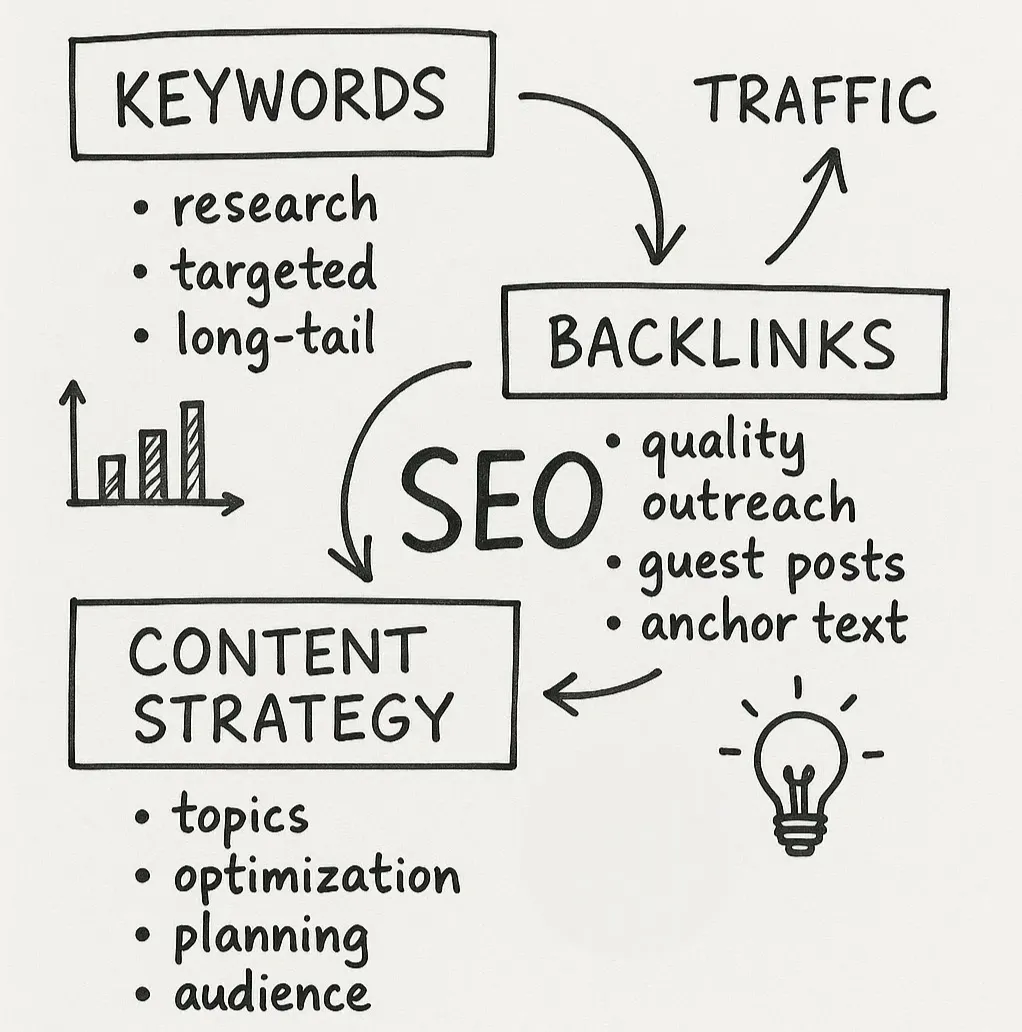
    To make your real estate website stand out, you’ll need more than just listings and photos. A strong SEO strategy combines several techniques that work together to bring in more visitors and convert them into clients. Here are a few core areas to focus on:

    Keyword Optimization

    People don’t just search “real estate”, they type phrases like “5-bedroom home in Dallas” or “condos near Miami Beach.” By weaving these location-based keywords into your site, you make sure it shows up when buyers and sellers are actively searching. The closer your keywords match their intent, the higher your chances of ranking and attracting qualified leads.

    Backlink Building

    Search engines look at backlinks as a vote of confidence. If reputable sites point to your content, Google sees your website as more trustworthy. For realtors, guest posting on real estate blogs, being featured in local news articles, or partnering with community organizations are all smart ways to earn those quality links. Each one strengthens your authority and helps boost rankings.

    Content Marketing

    Real estate is all about information of market trends, neighborhood insights, home buying tips. Publishing blogs, detailed property descriptions, and local guides gives visitors what they need while also feeding search engines fresh, keyword-rich content. Consistent publishing builds long-term credibility. Think of it as showing up to every open house, you may not see results overnight, but over time the exposure pays off.

    User-Friendly Layouts

    Your website design affects SEO more than most people realize. Clear menus, fast load times, and pages that make sense to the user keep people from bouncing off your site. Search engines notice that behavior and reward it. If you want inspiration, many real estate web design firms showcase examples of high-converting layouts built specifically for agents. You can see the portfolio of realtor web design by Red Spot Design.

    Mobile Optimization

    More than half of real estate searches now happen on smartphones. If your site doesn’t adapt well to smaller screens, you risk losing clients before they even see your listings. A responsive design ensures your photos load quickly, maps display correctly, and contact buttons are easy to tap, all small details that improve engagement and rankings.

    SEO isn’t a one-time task; it’s an ongoing effort. By consistently updating your strategy, monitoring your performance, and adjusting to changes in search behavior, you’ll keep your site visible to the right audience and ahead of your competition.

  • Why PPC Advertising Is a Smart Investment for Real Estate Businesses

    These days, homebuyers and investors don’t flip through brochures. They search online. That’s changed everything. With buyers and renters turning to search engines to find properties and professionals, Pay-Per-Click (PPC) advertising stands out as a strategic tool to gain visibility and generate high-intent leads.

    What Is PPC Advertising?

    PPC, or Pay-Per-Click, is a model of internet marketing where advertisers pay a fee each time one of their ads is clicked. It’s essentially a method of buying visits to your site, rather than attempting to “earn” those visits organically. Google Ads is the most widely used platform, allowing businesses to target users searching for specific keywords related to their services.

    For real estate businesses, PPC provides a direct route to potential clients actively seeking homes, investment properties, or rental opportunities. Unlike traditional advertising, which casts a broad net, PPC delivers your message to a qualified audience right when they’re actively looking for your service.

    Why Real Estate Professionals Use PPC

    Real estate transactions are high-value, and timing is critical. PPC helps ensure your listings or services appear at the top of search engine results, ahead of the competition. Here’s why that matters:

    • Targeted Reach: You control which keywords trigger your ads, ensuring your budget is spent attracting users searching for “homes for sale in Austin” or “best investment property agents near me.”
    • Immediate Visibility: Organic search rankings can take months to build, but PPC provides instant exposure, ideal for showcasing time-sensitive listings or new developments.
    • Tailor Your Message: You decide what potential clients see—headlines, descriptions, images, and even location-specific details. This makes your ad more compelling and relevant.
    • Budget Flexibility: Set daily limits, adjust bids in real time, and focus spend on high-converting campaigns.

    Addressing Common Misconceptions

    You might wonder: Why pay for traffic when organic rankings are free? While it’s true that strong SEO can eventually bring in traffic at no cost, getting to the top of Google’s results requires ongoing investment in content, optimization, and technical upkeep.

    PPC provides a shortcut, especially valuable for new businesses or urgent campaigns. Moreover, PPC ads offer control over your visual presentation and messaging that organic listings can’t match.

    How PPC Works in the Real Estate Market

    Successful PPC advertising begins with selecting the right keywords. In real estate, this might include:

    • “condos for sale in Denver”
    • “vacation homes in Florida”
    • “commercial real estate broker San Diego”

    Advertisers then bid for those terms. When someone searches using a targeted keyword, Google runs an auction and displays ads from the highest-quality bidders. If the user clicks on your ad, you’re charged a fee. But when executed properly, that click can translate into a lead worth thousands of dollars.

    Steps to Launch a Winning Real Estate PPC Campaign

    1. Set Clear Goals: Trying to fill up your pipeline? Promote a listing? Or just get your name out there?
    2. Know Your Audience: Identify your ideal client—first-time homebuyers, real estate investors, or renters. Use Google’s audience targeting tools to refine your reach based on location, age, income, and interests.
    3. Craft Compelling Ads: Write headlines and descriptions that address user intent. Use calls-to-action like “Schedule a Showing,” “Download Our Investment Guide,” or “See Listings Today.”
    4. Use Keyword Research Tools: Leverage platforms like Google Keyword Planner to discover high-volume, low-competition phrases. Align your content and landing pages to these terms for better performance.
    5. Track Results and Optimize: Review performance metrics regularly. Which ads are pulling in the most clicks? Which keywords are actually turning into appointments or calls? Shift your budget toward what works.

    Work with a Professional PPC Partner

    Source: kingkong.co

    Managing a PPC campaign can be complex, especially in competitive markets. Partnering with a specialized agency, such as King Kong PPC Management at https://kingkong.co/ppc-management-agency/, can streamline the process, helping you scale faster and more efficiently. These experts understand bidding strategies, ad testing, and budget optimization, ensuring your investment yields measurable results.

    Final Thoughts

    In a competitive real estate landscape, visibility equals opportunity. PPC advertising offers a way to stand out, connect with serious buyers, and grow your business without waiting months for organic rankings to catch up. In real estate, time is money. PPC makes sure you’re not wasting either.

  • How to Use Property Management Call Analytics to Maximize ROI

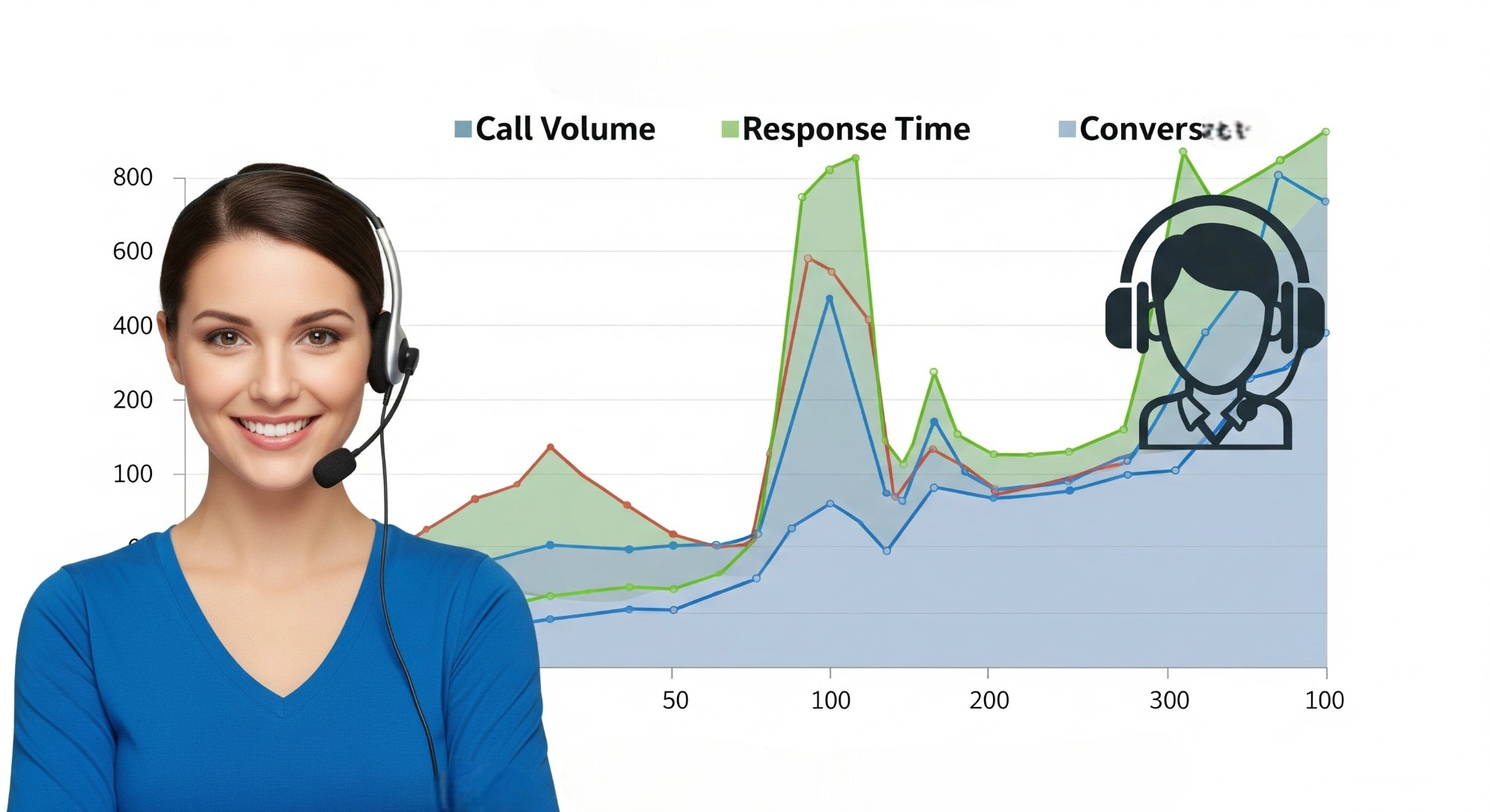
    To maximize ROI in property management through call analytics, integrate call tracking and analysis into your strategies. Call analytics reveals how potential tenants and clients engage with your services by analyzing property management calls, inbound call data like duration, frequency, and conversion rates. Implement a call tracking system to identify effective marketing channels.

    Real estate agencies that use call tracking tools report up to a 55% increase in conversion rates on inbound calls. Additionally, approximately 85% of real estate marketers say that phone calls generate their highest-quality leads.

    Analyze call recordings for quality interactions, focusing on key performance indicators such as resolution rates and customer satisfaction. Integrating insights with property management software automates follow-up processes, improving engagement and reducing client loss. This approach enhances service, tenant satisfaction, and retention, contributing to ROI. Using call analytics fosters continuous improvement in marketing efficacy and operational performance.

    Below are four practical strategies to turn call data into cash.

    1. Implement Call Tracking

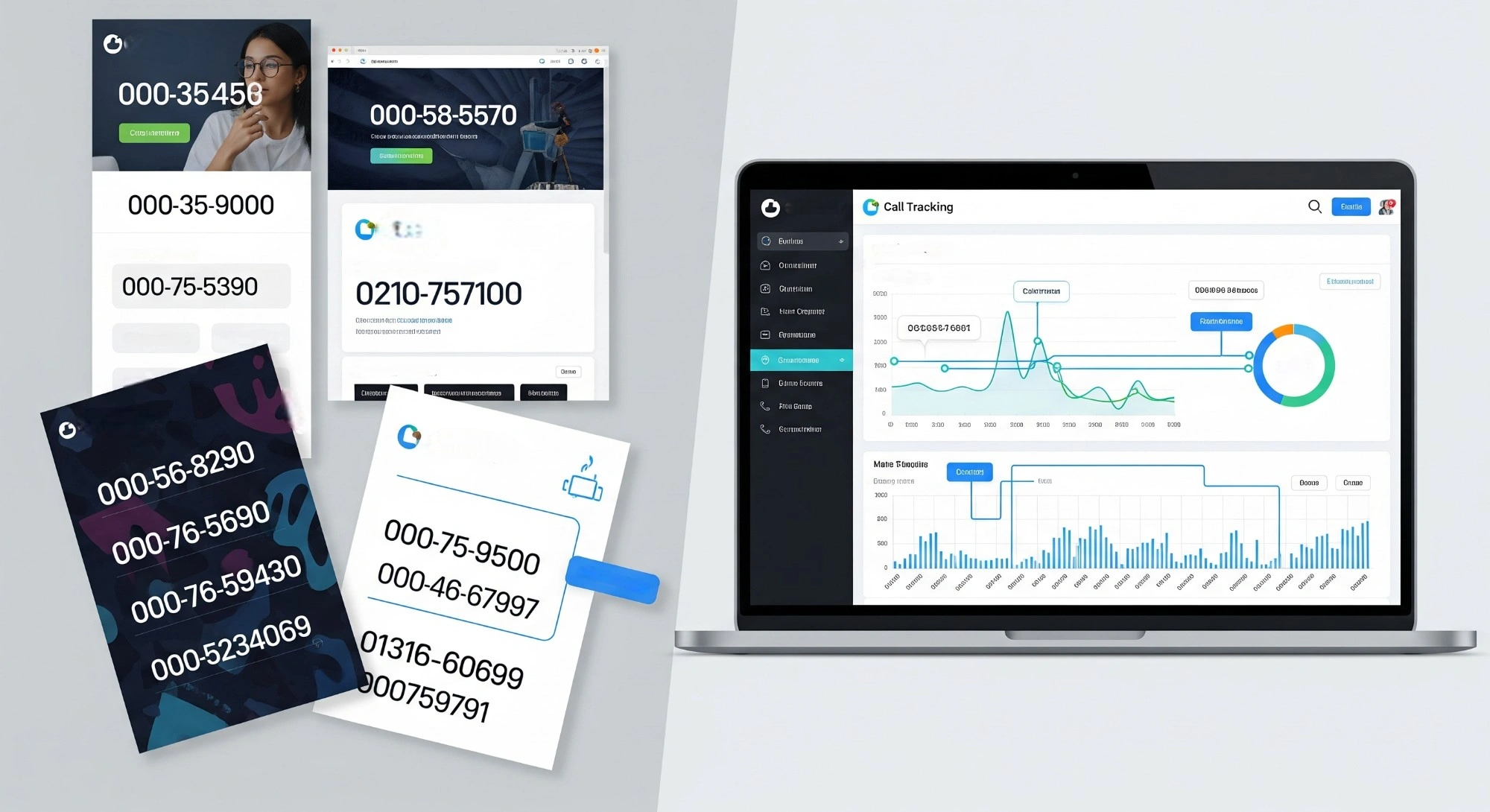
    Dynamic Number Insertion (DNI) automatically swaps out the phone number on your website based on where visitors come from, whether that’s a Facebook ad, an organic search or a flyer with its own unique number. By assigning a distinct tracking number to each marketing channel, you’ll know exactly which ads or touchpoints are driving calls and which aren’t worth the spend.

    We found that 86% of real estate calls last longer than one minute, showing strong engagement and lead interest.

    Beyond DNI, logging every incoming call’s metadata (caller ID, timestamp, call duration) gives you a clear view of which campaigns deliver the most serious leads. The property firms using DNI see significant clarity in budget allocation, often shifting 15–25% of their ad spend to top-performing sources.

    Here’s how to set up call tracking effectively:

    • Assign unique phone numbers to each online and offline channel (web pages, social ads, print materials).
    • Capture caller details (number, time, duration) to link calls back to their source.
    • Store call logs in a centralized dashboard for easy comparison across campaigns.

    2. Analyze Call Insights

    Once you’ve collected call data, dig into it to spot your hottest leads. Look for patterns, times of day when callers convert at higher rates, marketing sources that yield the biggest deals, or phrases prospects use when they’re ready to sign. This level of insight lets you double down on what works and tweak what doesn’t.

    We found that calls made between 10 a.m. and 2 p.m. often have the highest conversion rates in real estate. In one case study, a real estate agency using call analysis improved lead response by 40% simply by adjusting its follow-up workflows based on call patterns.

    Here’s how to dig into your call data for meaningful takeaways:

    • Identify High-Value Leads: Pinpoint which campaigns are attracting serious renters or buyers, so you can put more money behind what’s working.
    • Improve Response Times: Measure how long it takes agents to answer and target peak windows where faster pickups could boost satisfaction.
    • Optimize Team Performance: Compare call outcomes by agent, then tailor coaching on objection-handling or script adjustments.
    • Understand Customer Needs: Analyze common questions and concerns to refine your website FAQs, email follow‑ups, and ad copy.
    • Analyze Conversation Content: Use transcription tools to uncover which phrases or offers resonate, and lock in what works for sales conversations.

    3. Utilize Data for Strategic Decisions

    Call analytics isn’t just for reports, it drives smarter decisions across marketing, operations and customer care. When you know which channels produce quality leads, you can confidently reallocate ad spend.

    We estimate that 1 out of 3 real estate businesses fail to respond to leads within an hour, even though rapid response can significantly increase close rates. In one case, a multi-location property manager discovered that 75% more qualified leads came from social ads compared to print after reviewing DNI-based call data.

    If certain audience segments call more often, craft messages that speak directly to their needs. And by personalizing every touchpoint, from the first ring to the lease agreement, you build loyalty and reduce churn.

    Below are ways to use these insights to drive smarter decisions:

    • Optimize marketing strategies: Invest more in high‑performing channels and pause low-performers to boost overall ROI.
    • Target the right audience: Use caller demographics and behavior data to refine ad targeting and messaging.
    • Improve Customer Experience (CX): Leverage call history to personalize follow‑ups and anticipate tenant needs.
    • Make your team more efficient: Identify bottlenecks, like call‑routing delays and implement workflow fixes to handle inquiries smoother.
    • Train and coach agents: Base coaching sessions on real call recordings and performance metrics to sharpen sales skills.

    4. Integrate Call Analytics with Other Data

    True ROI comes from seeing the whole picture. Plug call‑tracking metrics into your Property Management Software (PMS), CRM, Google Ads or Facebook Ads Manager so you can trace every lead, from click to lease. With integrated dashboards, you’ll know not only where each lead originated, but how much revenue it’s generated.

    We note that integrating call data with your CRM allows property firms to calculate exact cost per lead and attribute revenue with over 98% accuracy.

    Here’s how to tie call data into your broader tech stack:

    • Combine call data with online behavior (form fills, site visits) for full-funnel visibility.
    • Sync call outcomes (appointments set, applications submitted) back to your CRM for centralized reporting.
    • Use unified data to run A/B tests on ad creative, landing pages or script variations, then measure impact on calls and conversions.
    • Keep stakeholders aligned by sharing integrated reports that track marketing spend against actual signed leases.

    By weaving call tracking, deep analysis, strategic use of insights and seamless integration into your workflow, property managers can turn every phone ring into actionable data, driving smarter marketing, more efficient operations and, ultimately, a higher ROI.